DLR Extension Delayed By Thefts
According to this article, the new extension to the Docklands Light Railway has been delayed by thefts.
Hopefully, it will open at the August Bank Holiday.
I have a feeling that this is the first section of the DLR, that hasn’t opened on time, so that’s not a bad record, considering of all the bits of the railway, this is one of the least important and won’t really be needed before Eastfield opens.
Th SS Robin Opposite the ExCel
The SS Robin is the last steam coaster left and now after a certain amount of rebuilding it is sitting on a barge in the Royal Victoria Dock behind the ExCel Exhibition Centre.
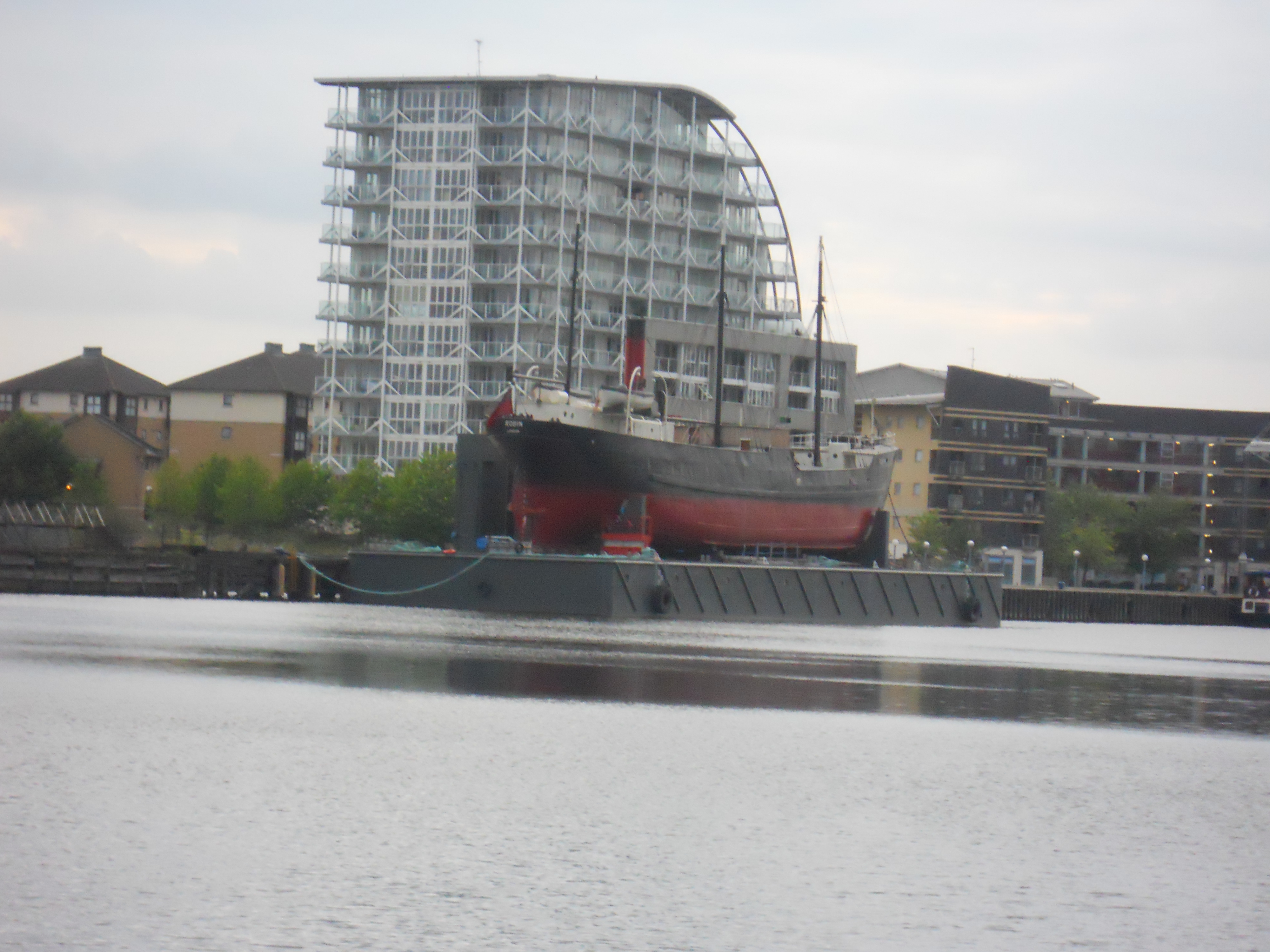
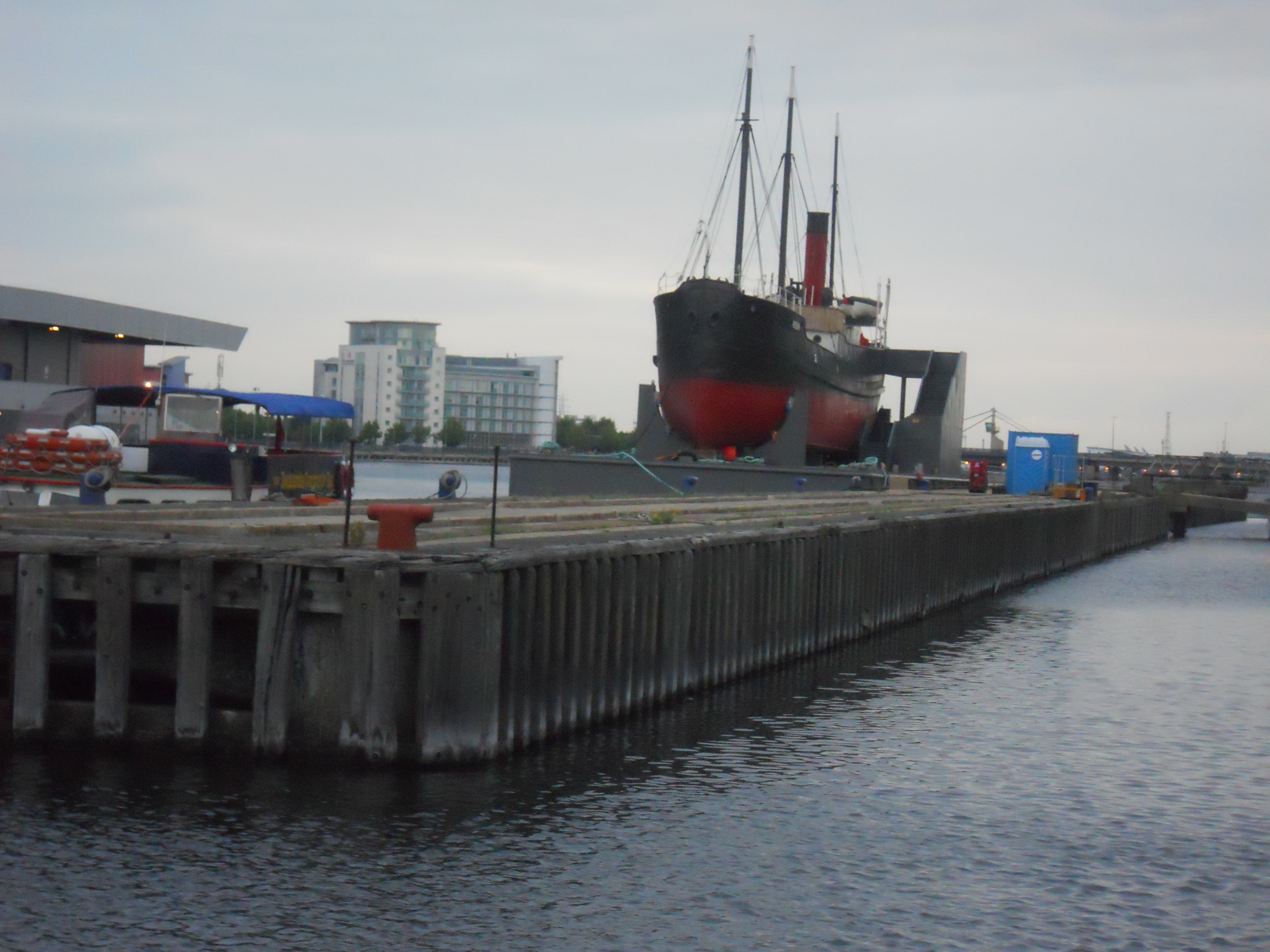
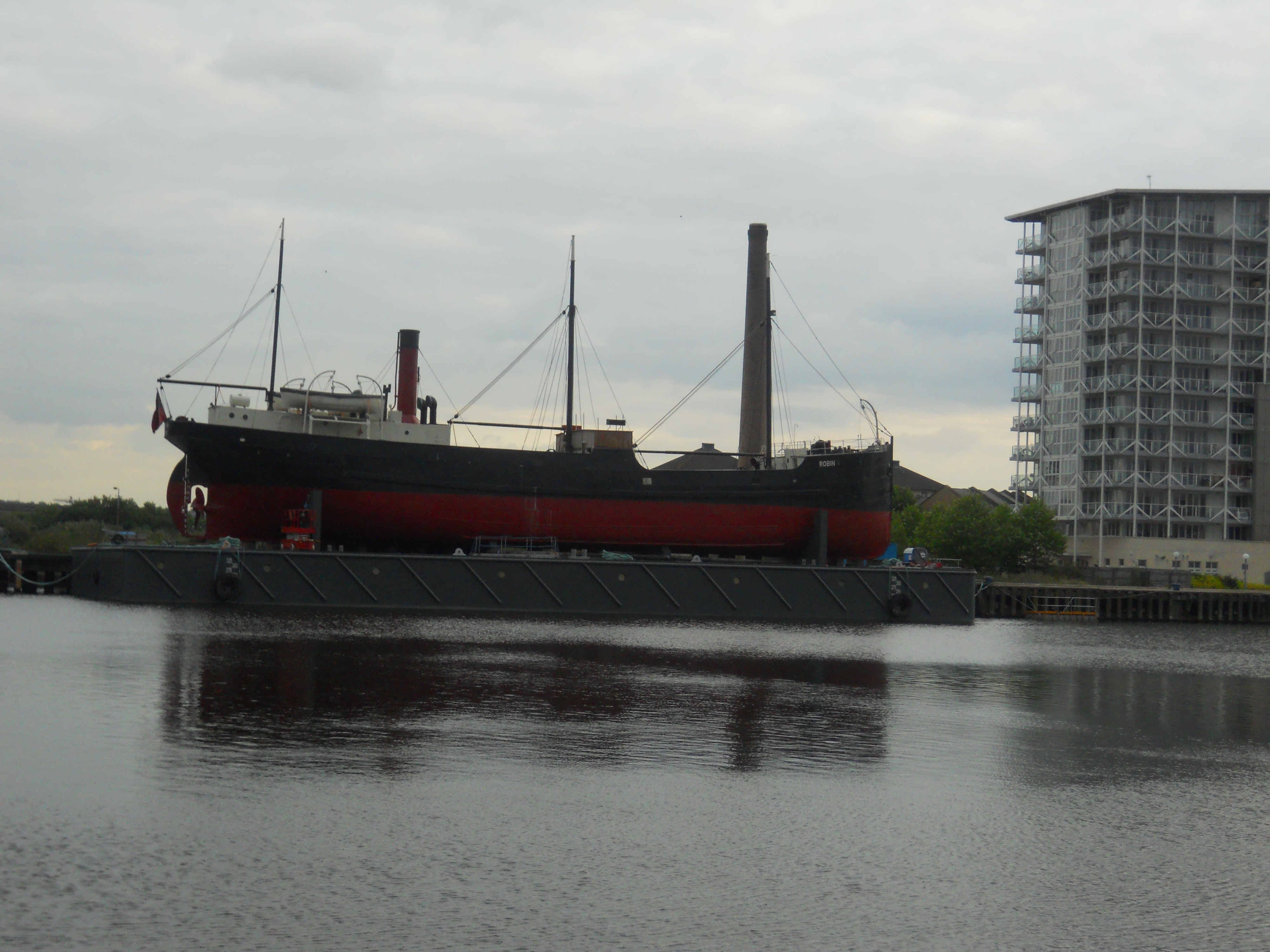
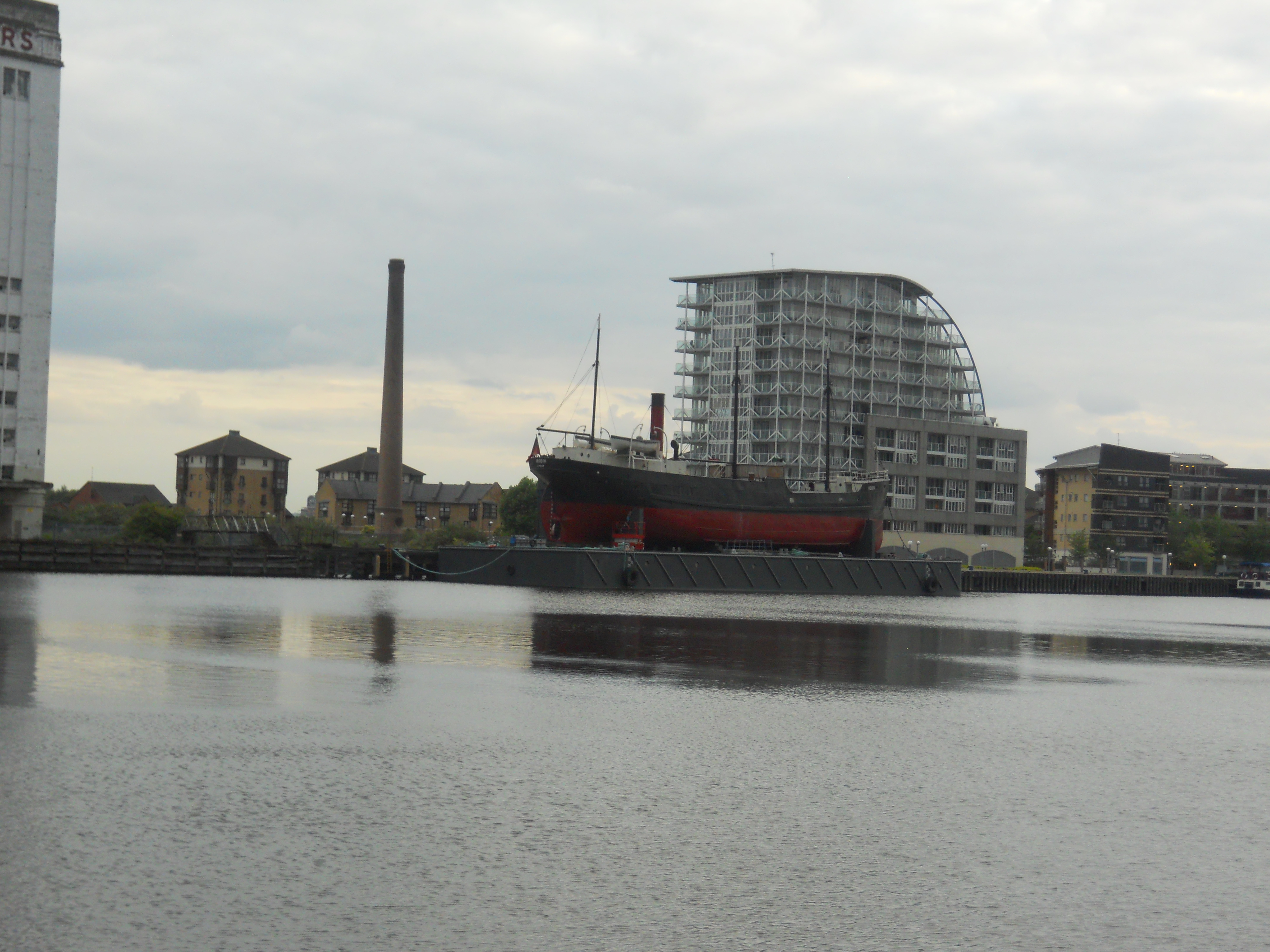
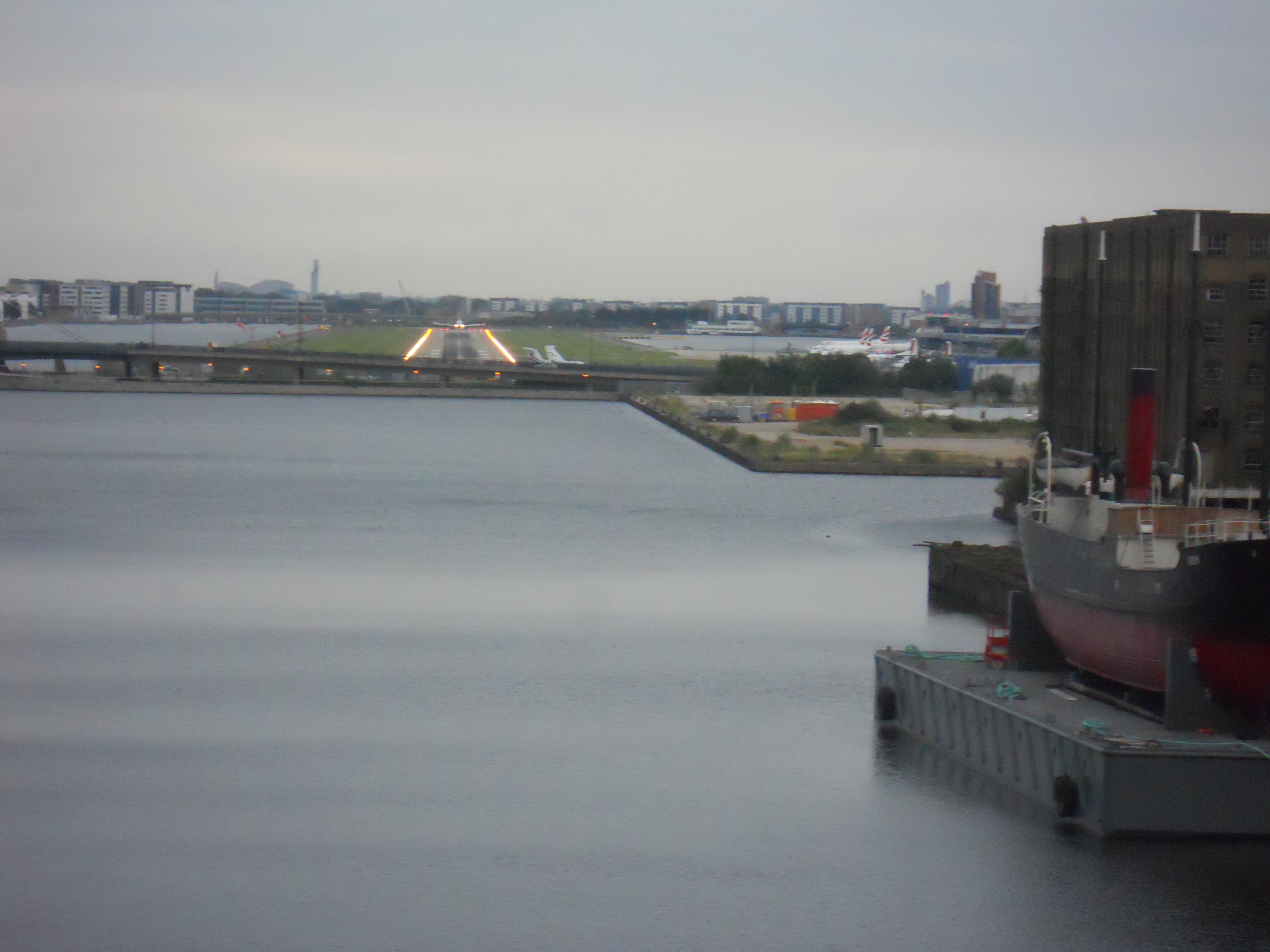
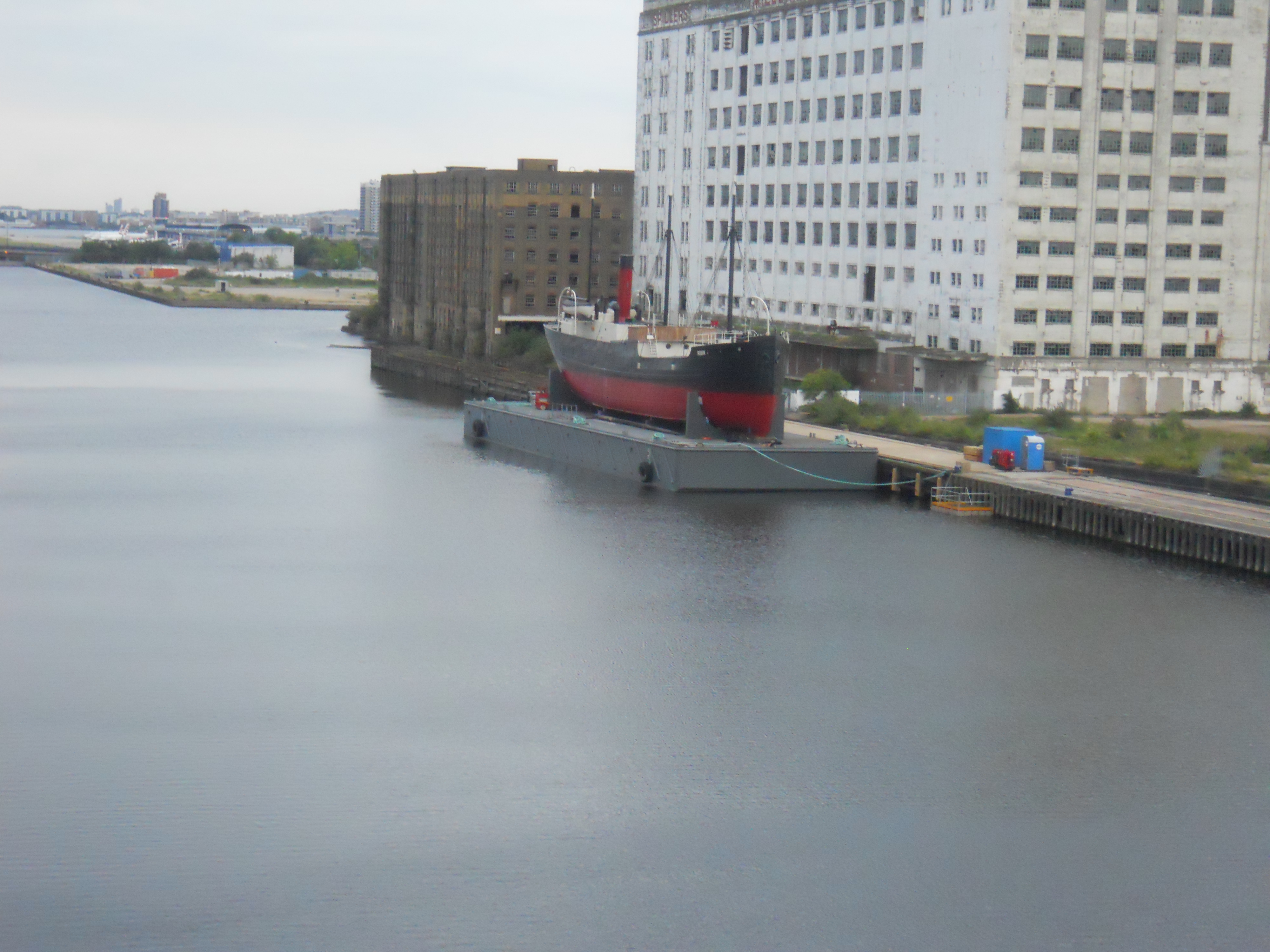
If you want to go and see it take the DLR to Custom House and walk down to the dock.
The Female Customer Service Agent With the Headscarf on the DLR
I took the DLR to Docklands tonight to see the SS Robin. I’ll post some pictures later in the week about that ship.
The DLR is driverless, but trains carry a Customer Service Agent who checks tickets, answers questions and drives the train if something goes wrong.
The Agent tonight was a young Muslim woman with a headscarf and a DLR jacket doing a more than competent job. And all the customers were handing over their tickets without any fuss, as they should do.
Isn’t this how it all should be?
So How Good Is The Overground?
The London Underground is known all over the world and compares well with systems in many cities. It has its problems, but it doesn’t have some of those of say Rome or New York.
Now the Underground has an upstart little brother in the shape of the Overground, which has been in operation for the last couple of years.
Like their middle brother, the Docklands Light Railway, the Overground has been built on the cheap, by reusing old railway lines, tunnels and other infrastructure and then adding new trains and rebuilt stations.
But just as with the DLR, it has been a formula that has worked. The Overground has just one major tunnel, which for an urban railway must be a world record. But what a tunnel, with more history than many museums, as the Thames Tunnel is thought to be the first tunnel built under a navigable river and was built by Marc Brunel and his son Isambard Kingdom Brunel, in the first half of the nineteenth century.
The Overground currently consists of five lines, with a sixth due to open in late 2012. I use the North London Line and the East London Line often as much as seven or eight times a week, as Dalston Junction and Dalston Kingsland stations are within walking distance from where I live.
I like the lines, as the new trains are comfortable with plenty of space for parcels and bikes and they generally run to time. Only once have I had trouble and that was on the North London Line, where I suspect that a delay of twenty minutes or so was caused by a freight train, that shares that line was running late.
The lines also compare well with the previous lines, one of which I described here. But then those lines as I remember them were last upgraded in the 1950s or even earlier.
The Overground also reaches a lot further and in time it will reach all round London and to the lines to Southampton and Portsmouth and eventually HS2 to Birmingham and the North. In a few weeks the North London Line will have a new link at Stratford for HS1 and the London City Airport.
In some ways the Overground and especially the North London Line is unique in that it is a siteseeing railway, which links tourist sites like Kew Garden, Hampstead Heath, Brick Lane, Camden Market and Crystal Palace with a ride that in places gives superb views of the city.
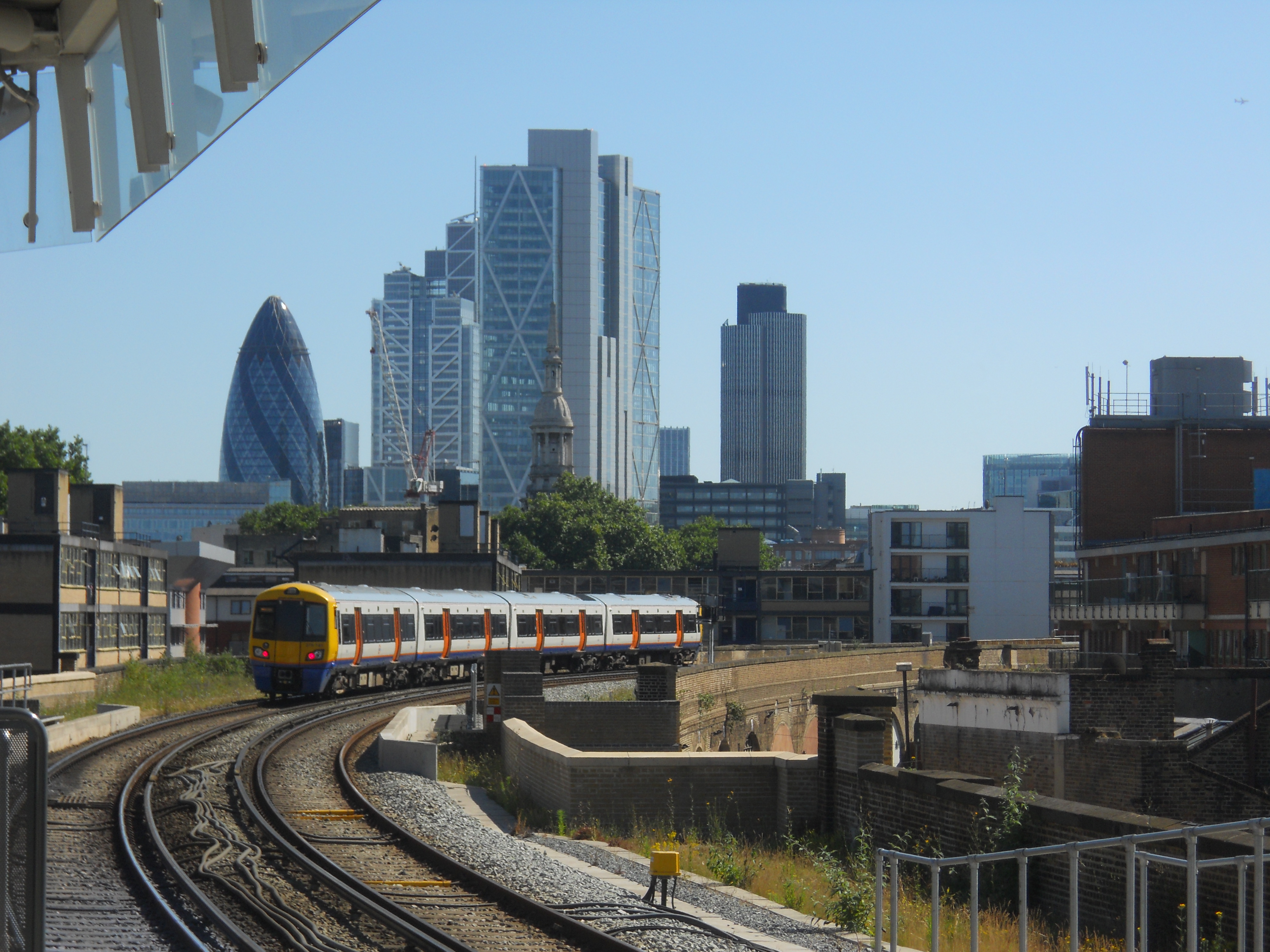
Overground Train on the Embankment South of Hoxton Station
This picture taken of a train on the embankment just south of Hoxton station, shows how the Overground is part of the city in a way that the Underground never can or will ever be.
Several people riding the line have told me has got them their first or a better job and reports have appeared showing that the Overground has improved job prospects and property prices, and even reduced crime. I’ve also heard the latter from a Police Sargeant.
But this is one of the reasons you improve the transport infrastructure, as properly done it makes peoples lives better.
But it is not all good.
The trains can get overcrowded at times and the platforms in places may not be capable of being lengthened, although adding more carriages to the trains might be fairly easy.
Connections to the Underground need to be better and the lack of a Central line connection at Shoreditch HIgh Street is the most glaring. Hopefully Crossrail at Whitechapel will resolve this problem, but will this new line put more pressure on the East London Line?
I do also think that the freight use of the North London Line might get to be a serious problem, especially if trains get larger and more frequent as more containers move off the roads to rail.
Abbey Road Station
The picture shows Abbey Road station on the yet-to-be-opened Docklands Light Railway extension between Canning Town and Stratford International.
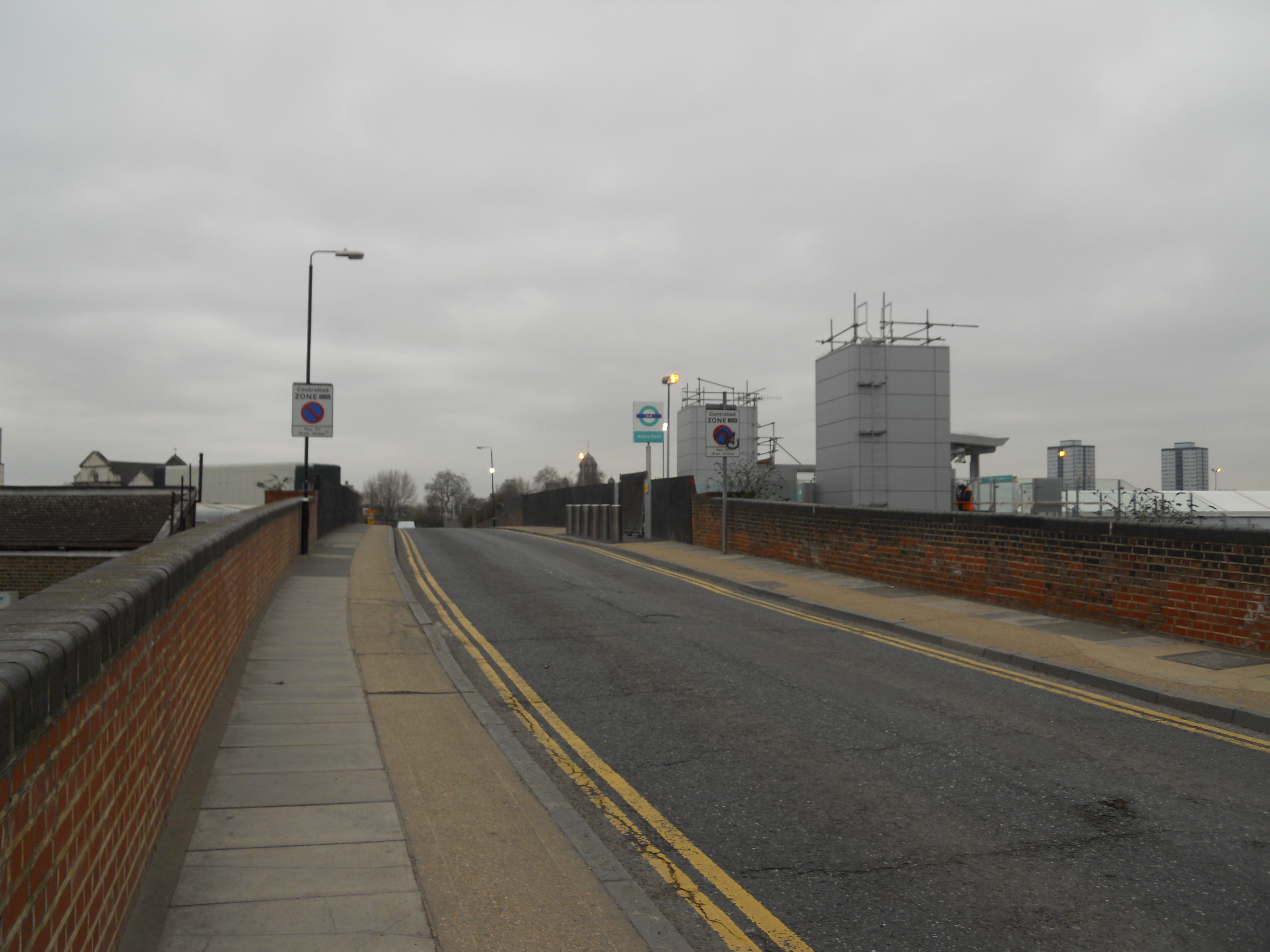
Abbey Road DLR Station
It will be a vital link in getting spectators to the Olympics, as it will connect directly to Eurostar, the London City Airport and Woolwich Arsenal.
I did like these bollards to protect passengers as they exit the station.
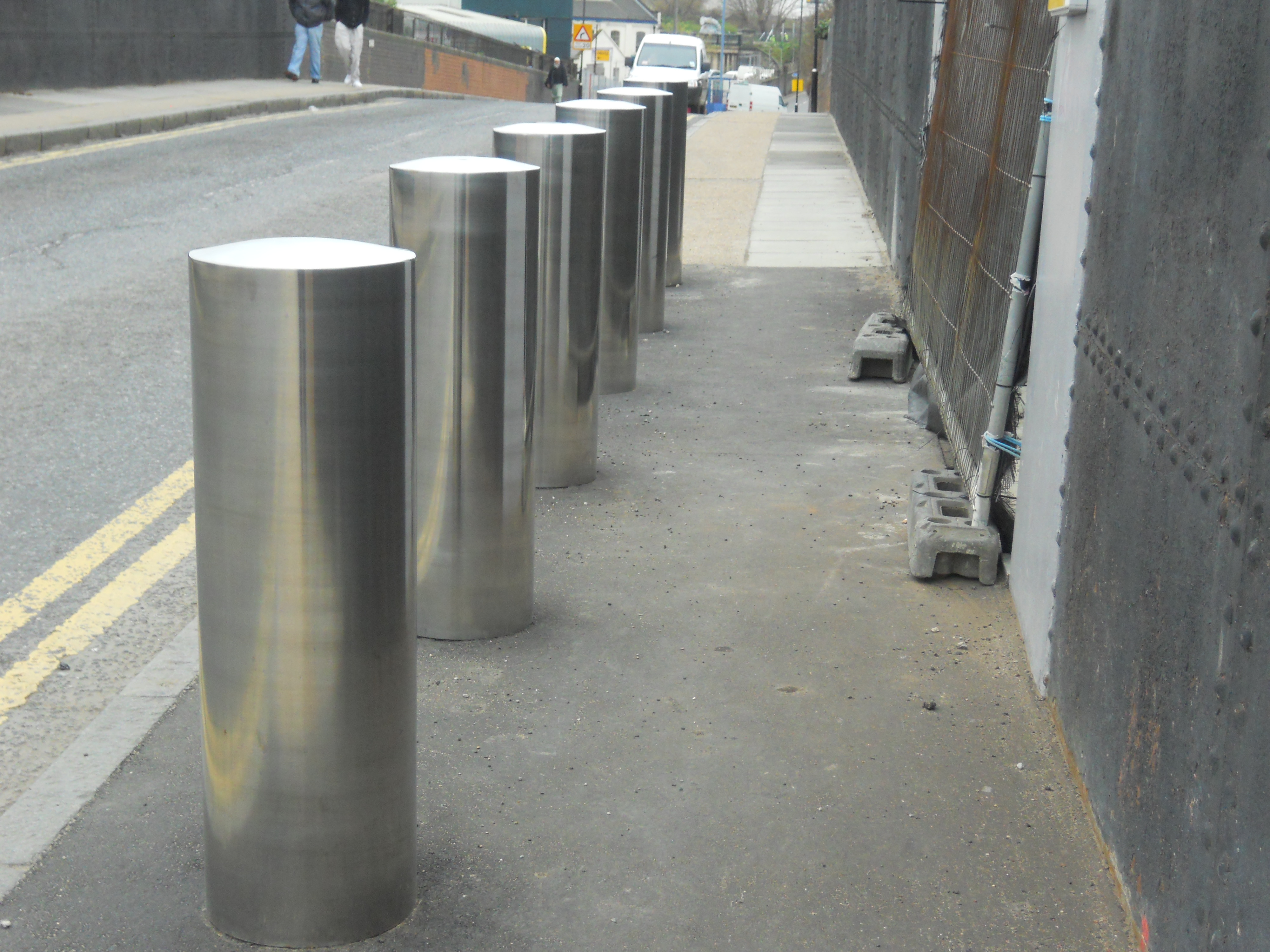
Some Bollards!
The line is supposed to open this year.
Through the Olympic Park on the Greenway
From the Top of the Morning, I had two choices. I could either walk to Hackney Wick station on the North London line, or try to find the Greenway that continued through the Olympic Park to Pudding Mill Lane on the Docklands Light Railway.
I chose the latter more in hope than expectation, as I felt that building or security considerations on the Olympic Park might mean the Greenway would be closed.
About a hundred metres south of the pub, I found this welcoming sign.

Entry to the Greenway
So I’d made the right choice.
Incidentally, the Greenway is built on top of the eastern end of the Northern Outfall Sewer, which was built in the mid-1800’s by Joseph Bazalgette, to take London’s sewage to the works at Beckton.
The Greenway gives good views of the Olympic stadium of which this is typical.
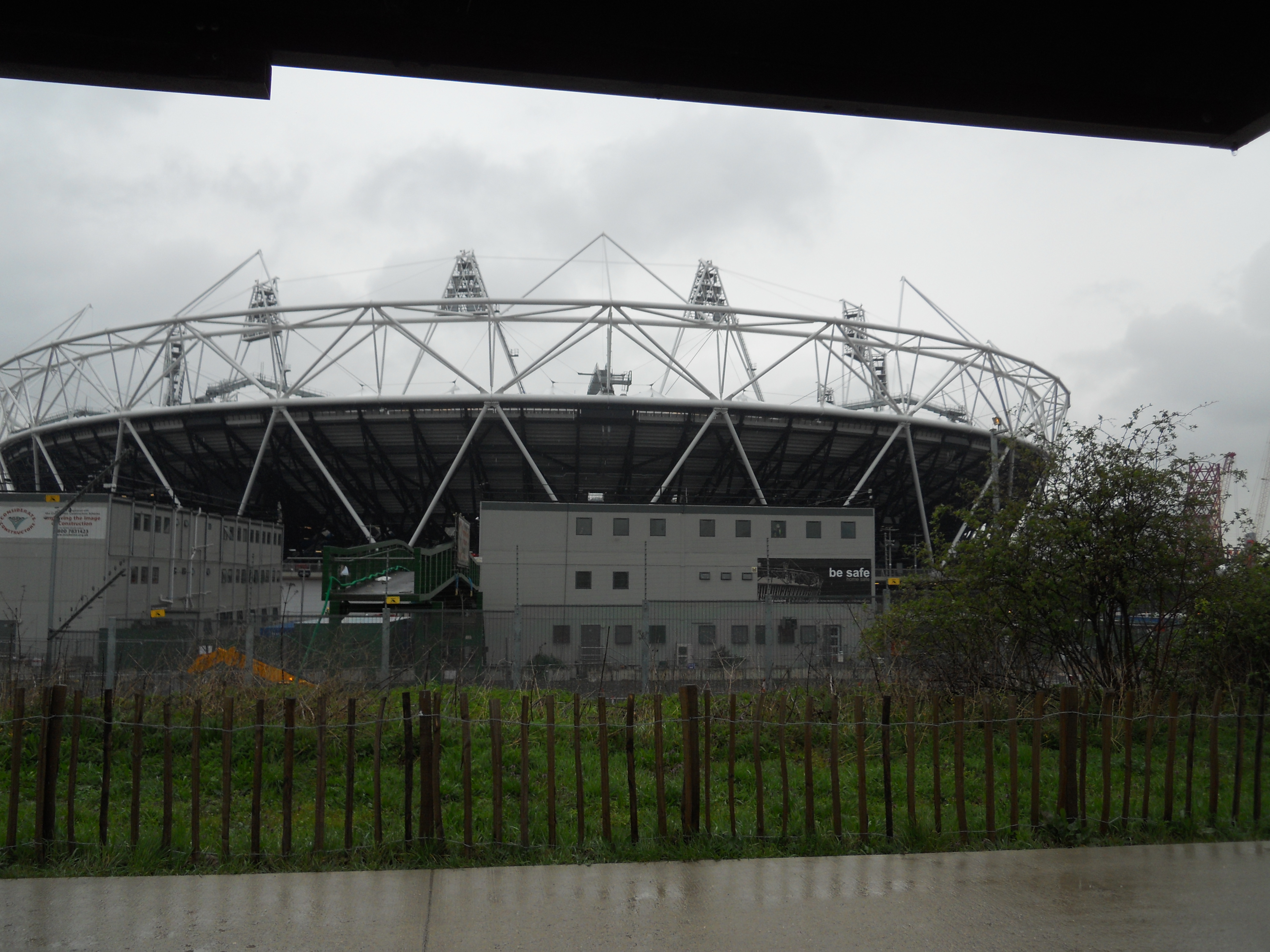
The London Olympic Stadium
Obviously, landscaping and a few other things need to be done, but it is now virtually complete.
You can also see the ArcelorMittal Orbit and the Aquatics Centre.
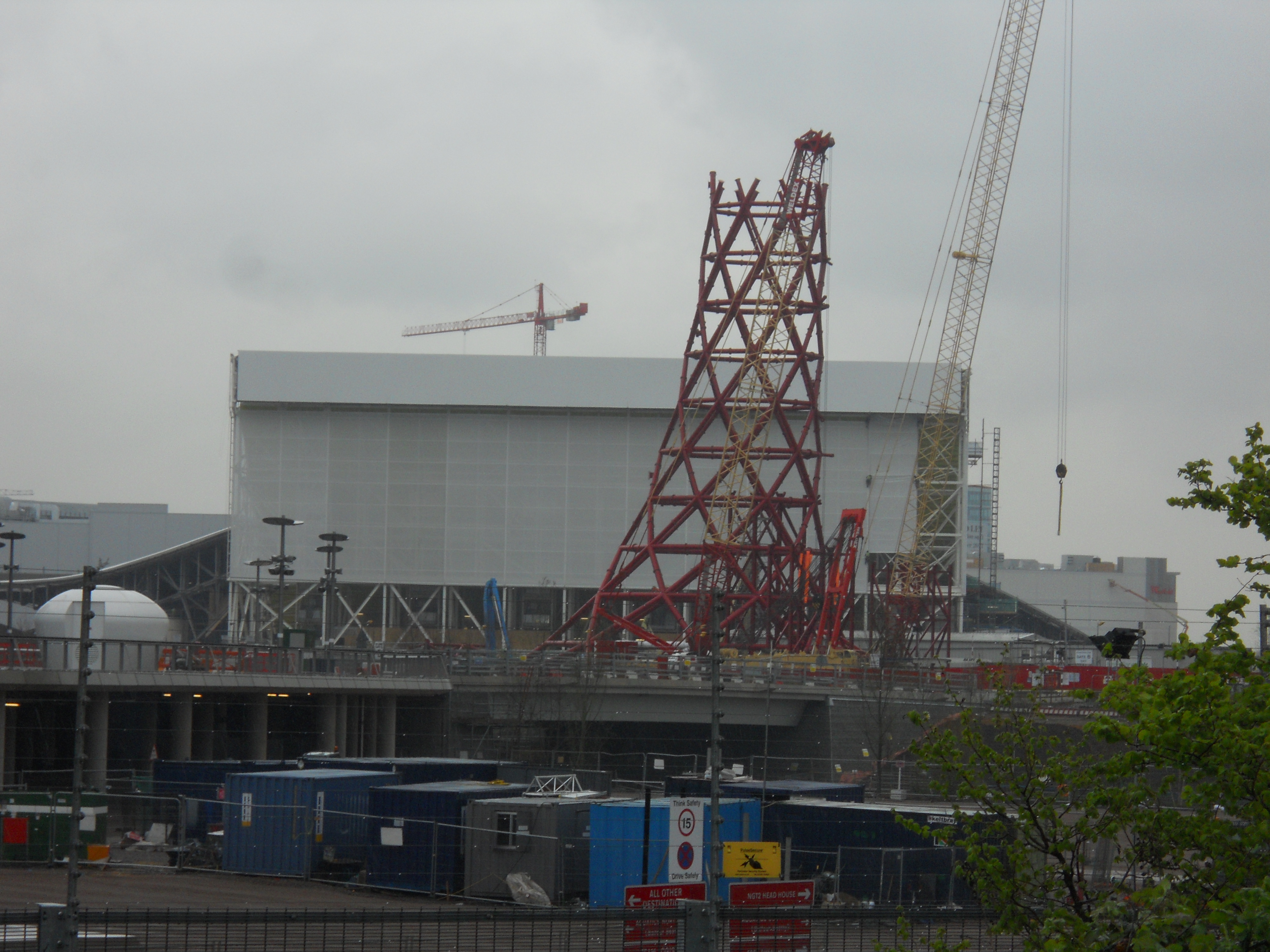
ArcelorMittal Orbit and the Aquatics Centre
The Orbit structure has aroused controversy, but seeing it close to, I found it rather fascinating. You can also see all of the bits lined up like groups of acrobats ready to climb into position in the tower.
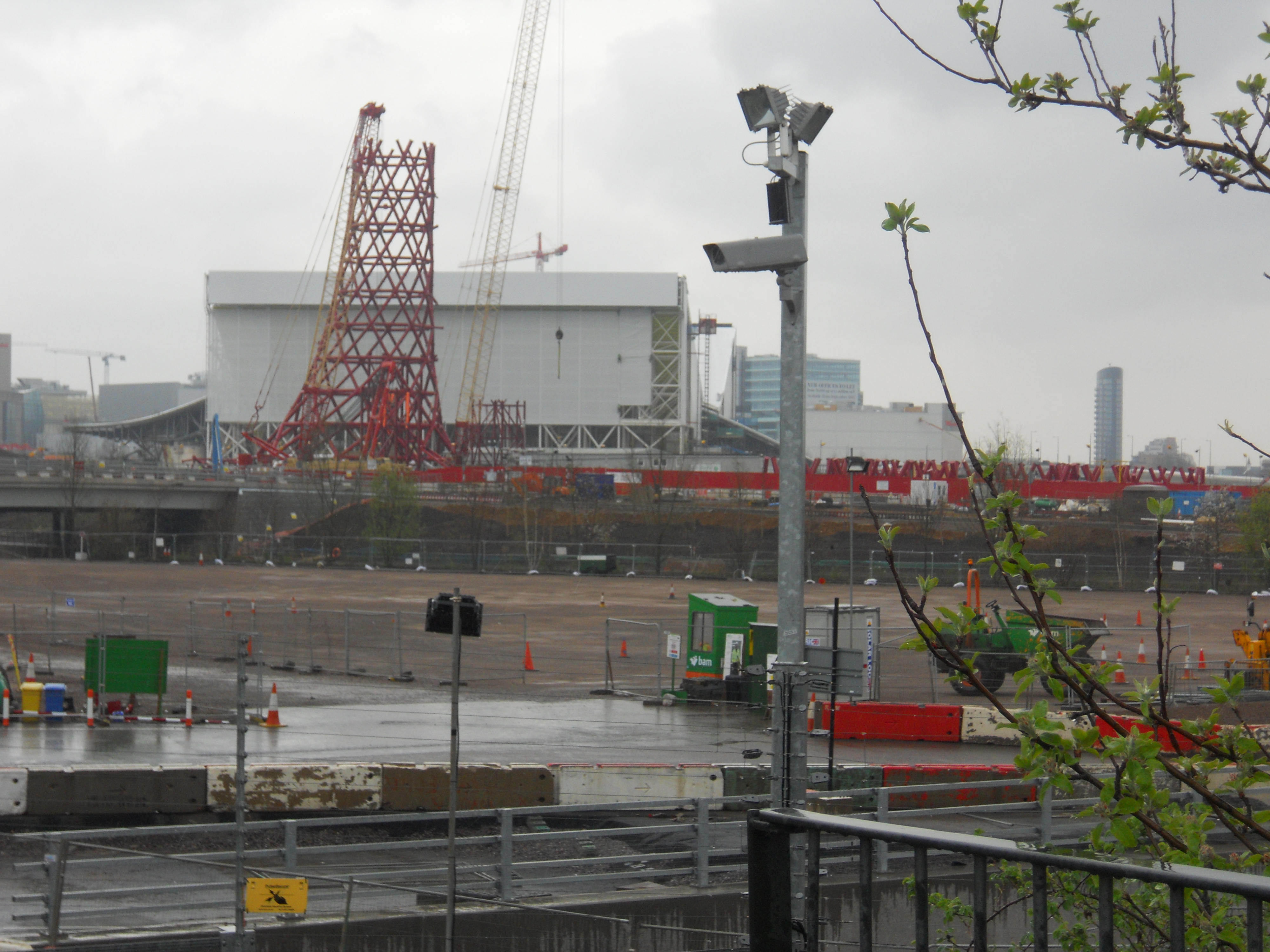
I’m Ready to Ascend!
I suspect that like the Eiffel Tower has for Paris, it might end up as an icon of East London after the Games.
The one think you can’t say about it, is that it is boring! The only things that should be boring are some machine tools and tunnelling machines.
One thing that has been got right is the information for visitors, as this picture shows.
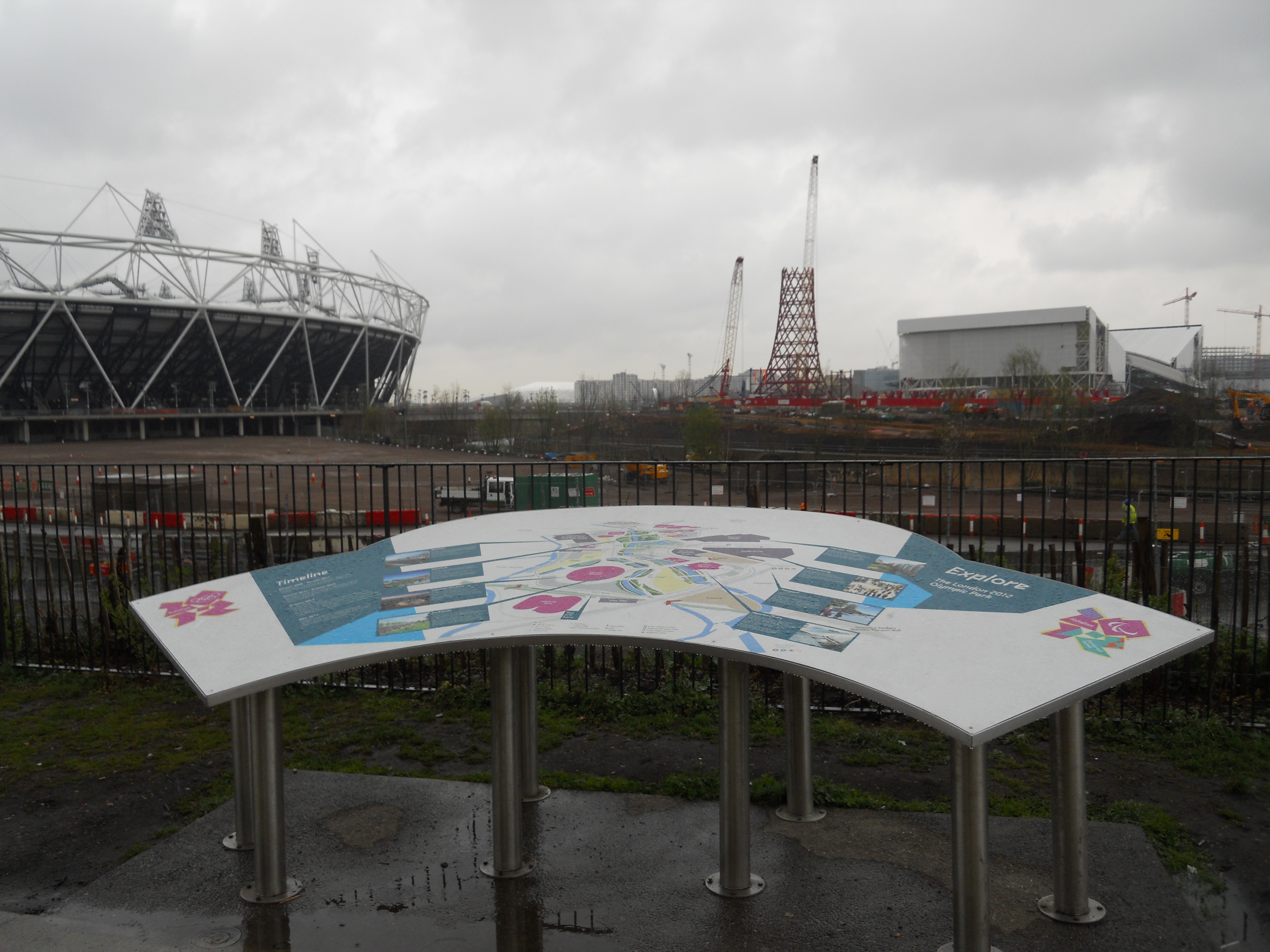
Olympic Park Panorama and Information
Do you think that the far-sighted Joseph Bazalgette had realised that his enormous sewer would one day be used as a grandstand for a construction project, of which I’m sure he would have proud? Obviously not, but with so many things he did, he got them absolutely right. And right for possibly a thousand years!
No walk is complete without a cup of something and at the south end of the portion of the Greenway that crosses the Olympic Park, there is this cafe and viewing point called ViewTube.

The ViewTube, Olympic Park, London
I had a good cappucino and a rest before walking on to Pudding Mill Lane and the DLR, where I took this final picture.

The Olympic Park from Pudding Mill Lane, DLR Station
All in all, this walk took about two hours including refreshments. On a good day, it should easily be possible to do it in the same time from the Angel at Islington to the ViewTube cafe.
But I suspect it’ll get busy!
An Expedition to the Deep South
London is a city split by the River Thames into two distinctly separate sub-cities.
If you were born and have lived a lot of your life in the north, then you rarely cross the river into the south. I’ve got friends in the south, who feel exactly the same about the north. Although, we would both admit that we might just cross the river to see the attractions just on the other side. I did think that this might be a white middle-class thing, but discussing it with a man of Caribbean extraction, who had lived most of his life in Tottenham, he felt exactly the same.
There are two big differences though between north and south.
The north relies heavily on tubes, such as the Piccadilly, Northern, Central, Victoria, and Jubilee Lines, whereas the south depends largely on the suburban electrics of the old Southern Railway, which wind their way everywhere in a pretty comprehensive manner. But the old Southern Railway never had the Underground’s organisation and welcoming corporate identity!
The north too, has a defined ring road, the North Circular Road, whereas the southern equivalent is just a signposted route on inadequate roads. So northerners going south, always end up getting frustrated and lost. Especially as most from the north only ever go to the south to get through it to go to places like Gatwick or Brighton.
You can also argue that most of the major attractions are in the north. If you take major sports venues, only The Oval and Wimbledon are in the south and both can actually be reached using the Underground, so you don’t have to fathom out how the electric trains work!
So it was with trepidation that I set out from Canary Wharf to visit some friends, who live in the deep south near Croydon. Their nearest station is Anerley, so that would mean taking the DLR to Shadwell and then walking a few yards to the East London Line station of the same name.
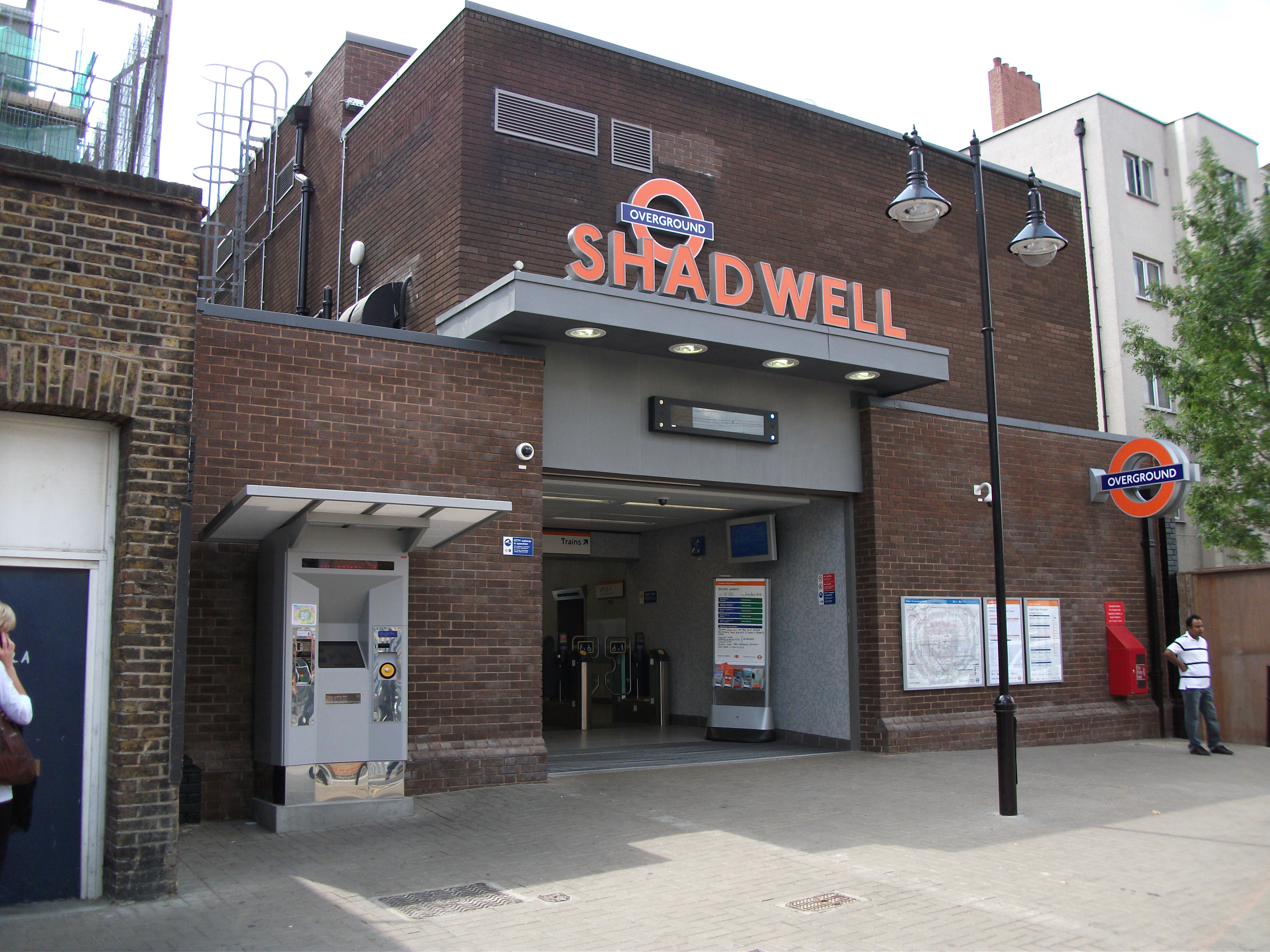
Shadwell Station on the East London Line
The new station is functional and pleasant, but suffers slightly because of a cramped site, penned in between Listed buildings and the Thames Tunnel.
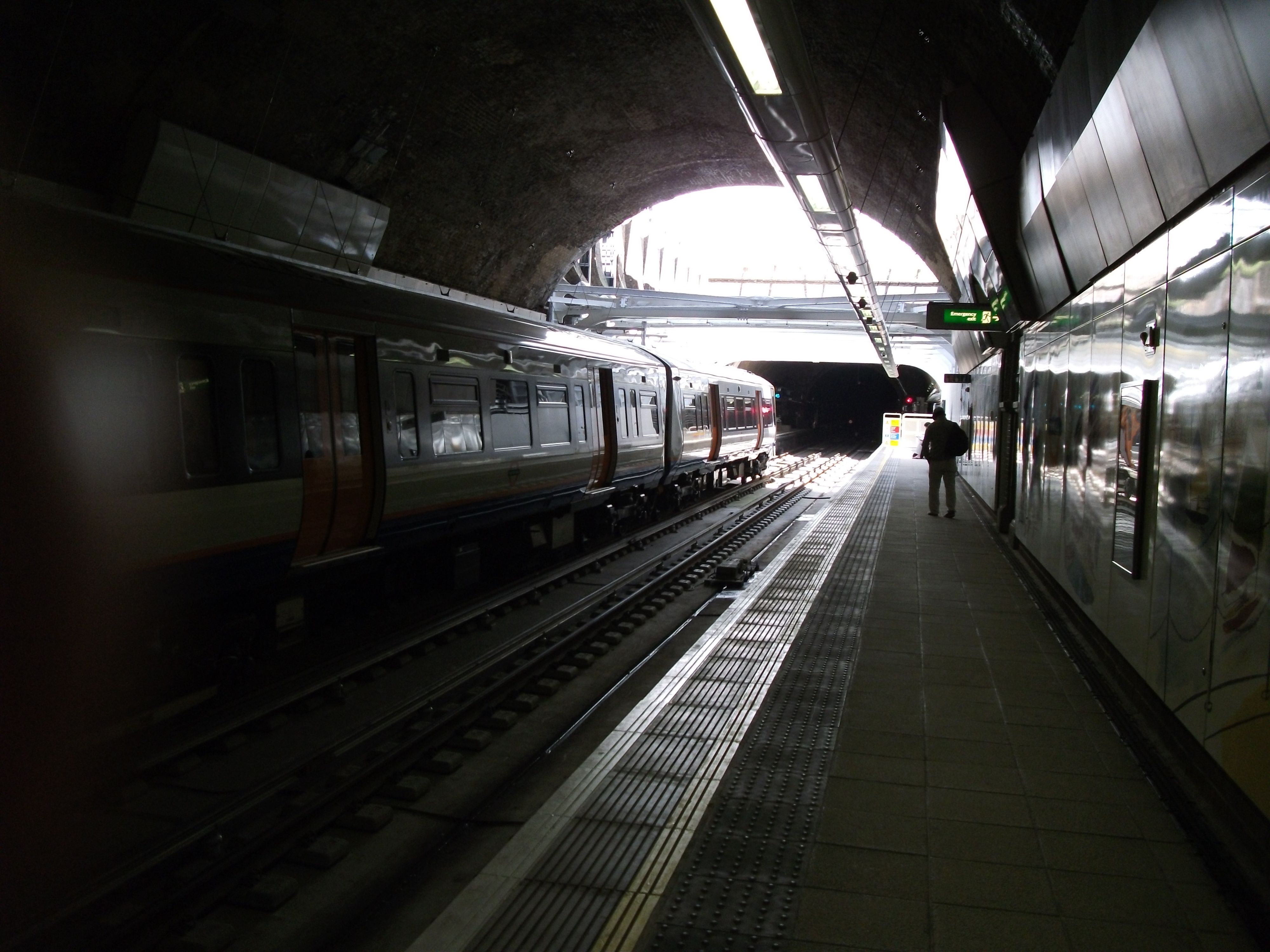
Shadwell Station looking North
The platforms looked a bit narrow and they are certainly not as wide as those on the North London Line. But I suppose they are well within safety limits.
I had to wait about twenty minutes for my train to West Croydon, as I had just missed one, but soon I was off south through the Thames Tunnel and on to Annerley.
It was at Annerley that my problems started, as all the old prejudices about the impenetrable jungle of South London kicked in. I misread the map at the station and instead of turning left out of the station approach onto the main road, I turned right and walked a couple of kilometres before I called my friend for rescue. At least he realised what I’d done wrong and thankfully came to get me in his car.
So there was no harm done and a couple of coffees warmed me up and got me ready for the return.
Cinderella Will Take You to the Ball!
If ever there was a railway that was built on the cheap and was very much an ugly duckling, that has metamorphasised into a swan, it is that Cinderella of London’s transport system, the Docklands Light Railway.
It is a unique concept in the United Kingdom, in that the small trains are driverless and generally run between unmanned stations, to cut down both the capital and running costs. Each train has an onboard customer service representative for security as well as dealing with the passengers, He or she can drive the train in an emergency.
It may in some ways be a Cinderella, but over the twenty years or so it has been running, it has grown like Topsy from its original routes linking the City, Canary Wharf and Stratford to serve Lewisham and Woolwich south of the Thames and the City Airport and other places to the east.
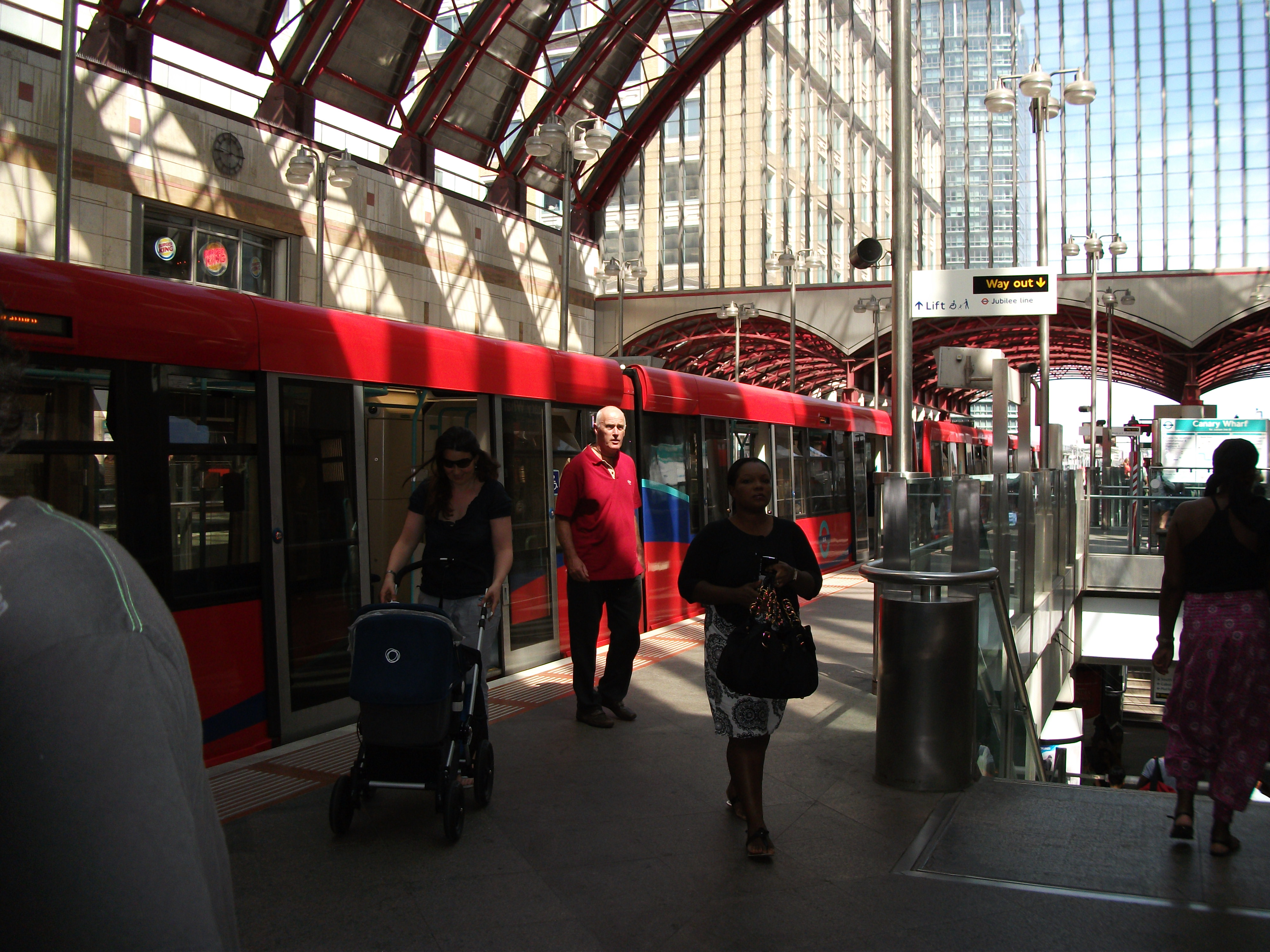
Docklands Light Railway at Canary Wharf
Now that the Olympics are just two years away, this line has new and larger trains and will play a major part in moving people to and from that big party in Stratford. Even now, some of the best views of the Olympic Park are from the DLR.
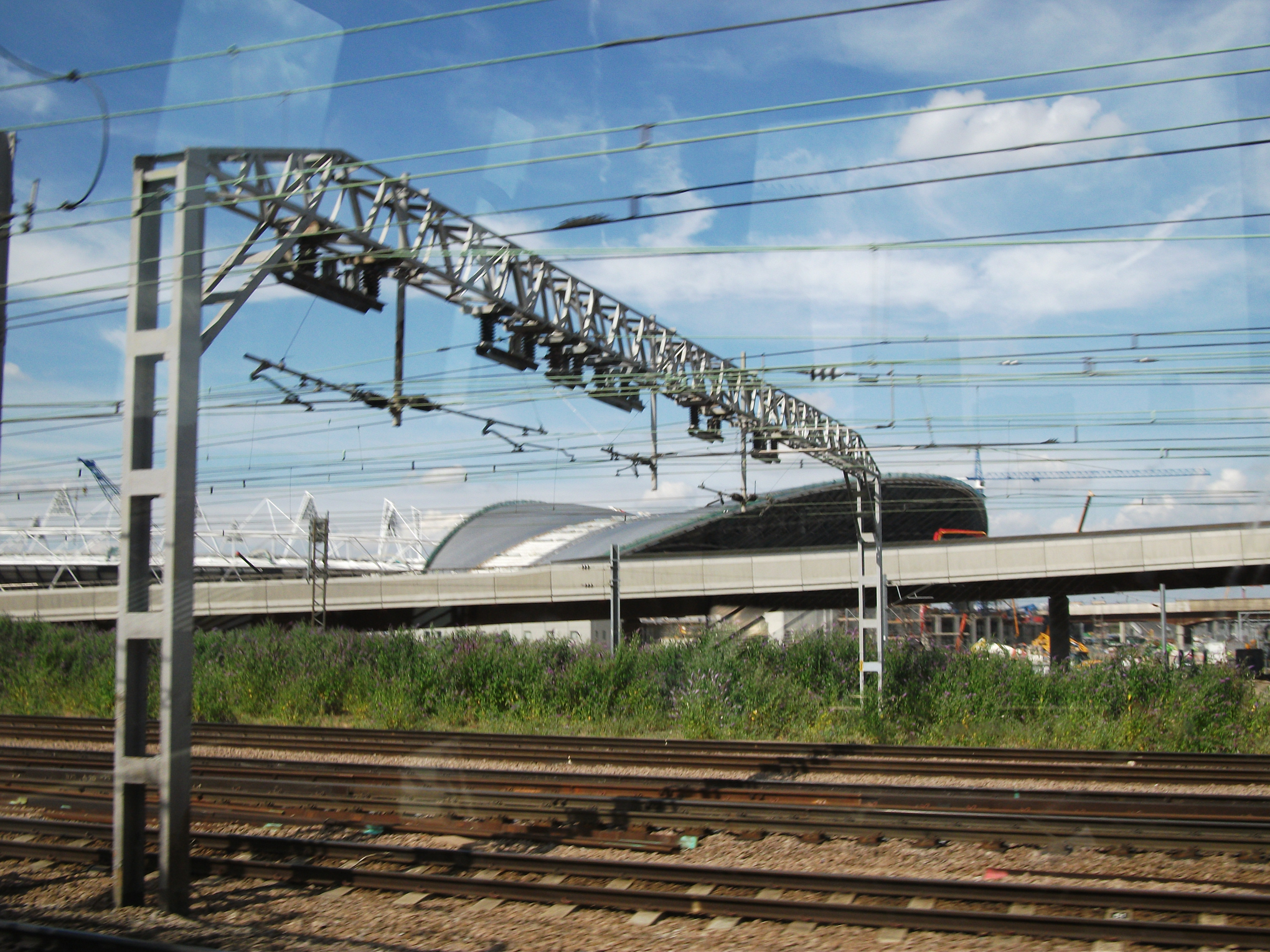
Olympic Park From the DLR
I travel the DLR a lot if I can, as it is the best way to explore the east of London. Views are superb, as unlike the Underground, very little of the line is in tunnels and much of it is on viaducts or bridges raised above the ground. No trip by a tourist to London is complete without using London’s most unusual and unique transport system.
I can’t understand, why the concept has not been copied elsewhere. I feel that the badly-designed, implemented and built Cambridge Busway could almost now have been built as a smaller version of the DLR. Trains might be just two coaches and running at ground level from Trumpington, via Addenbrookes and the city centre all the way to Histon, Long Stanton and St. Ives. The DLR has shown that such a concept will work and in the end, people get to love it.
Docklands Light Railway to Woolwich Arsenal
I’ve always liked the DLR and today I took a trip to the furthest station of the railway in the South East of London; Woolwich Arsenal.
I’d been to Pontoon Dock station before to visit the Thames Barrier and also to London City Airport. But I hadn’t been as far as Woolwich. In fact the nearest I’d ever got to Woolwich was on occasional trips on the Woolwich Ferry.
 The Anonymous Widower