Could Stadler RS ZERO Be Used For The West London Orbital Railway?
In Stadler Presents A World First In Berlin, I talked about the launch of the Stadler RS ZERO.
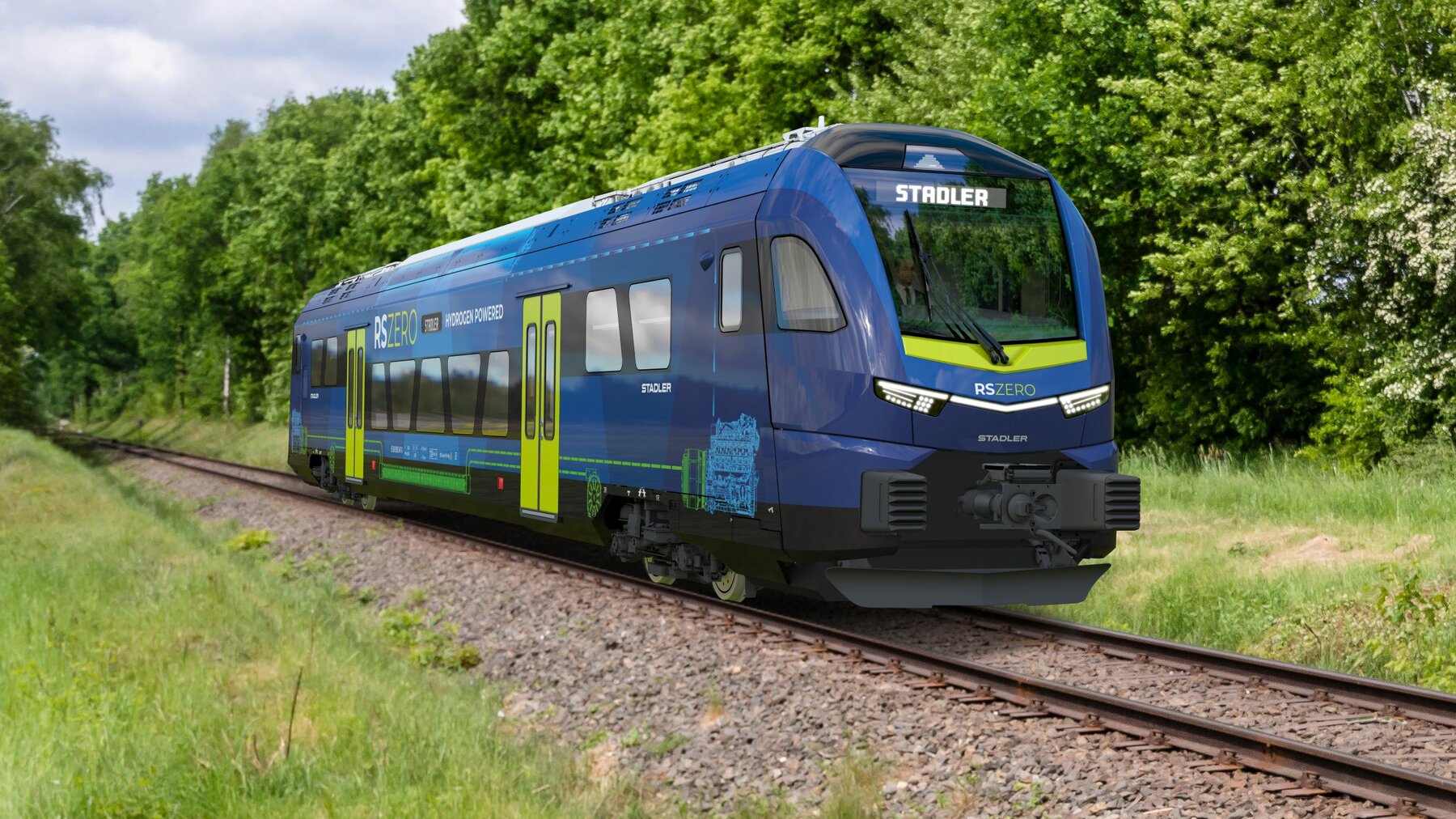
I wonder, if these newly-launched trains, would be ideal for the West London Orbital Railway?
- They will be zero-carbon and will not be emitting fumes or carbon dioxide.
- Stadler could size the trains to UK platform height, just as they did the Flirts for Greater Anglia.
- The two routes are only eleven miles long with 25 KVAC electrification at the Midland Main Line end, so the battery-electric version could be ideal.
- They are likely to be extremely quiet, as battery-electric trains always seem to be.
This picture of the earlier Stadler Regio-Shuttle RS1 from Chemnitz, shows that it should be possible to have almost level boarding.
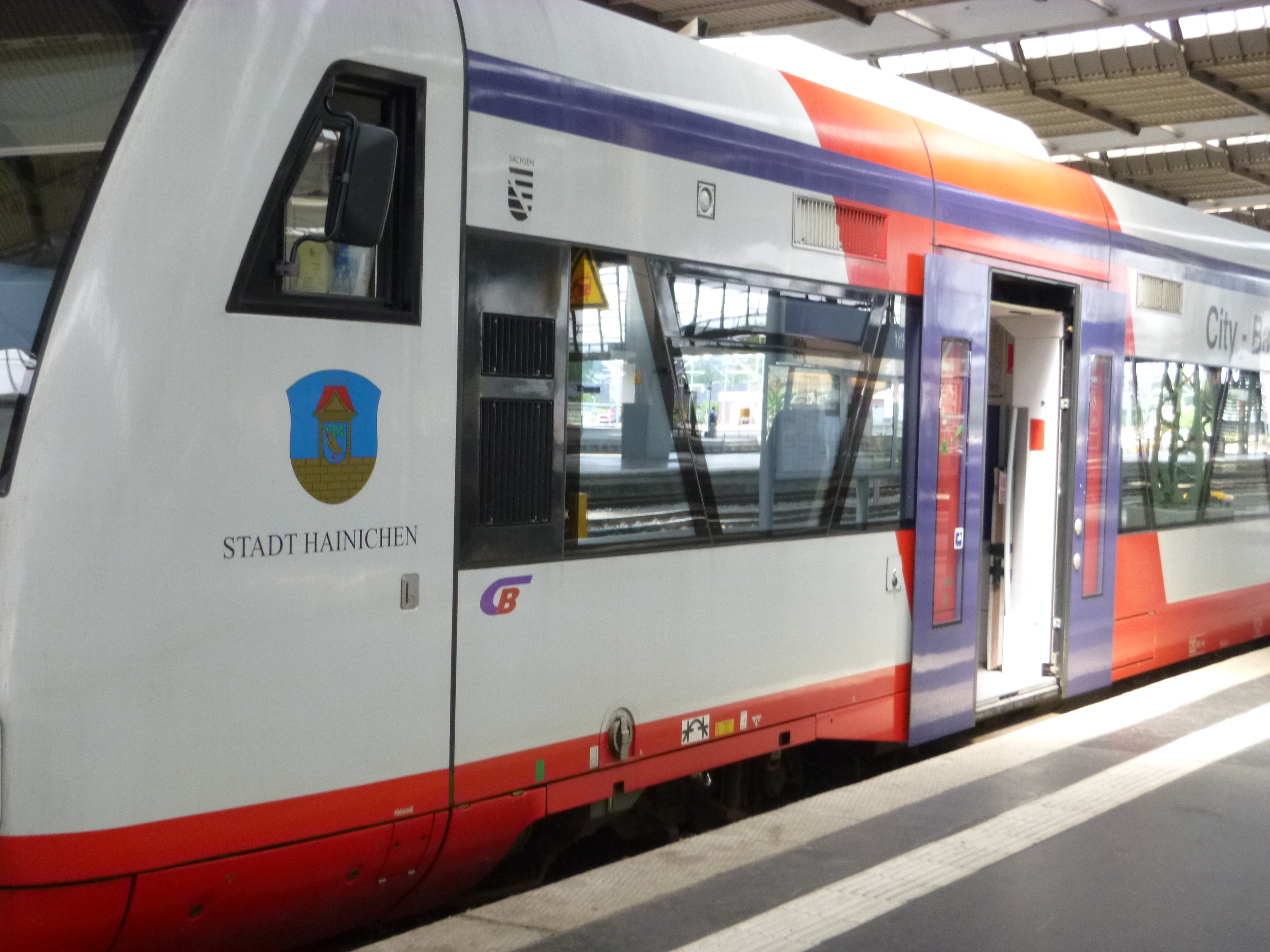
At least at new stations, where the platform height could be built for the RS ZERO.
The new stations along the Dudding Hill Line could be very simple indeed.
Conclusion
I feel that a fleet of RS ZEROs could convert the Dudding Hill Line into an efficient, step-fee and frequent addition to London’s passenger railways.
Brent Cross West Station – 10th December 2023
The new Brent Cross West station opened today, so I went to have a look.
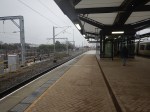
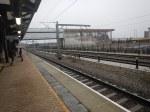
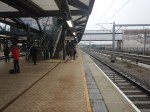
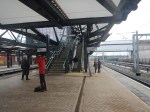
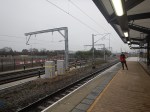
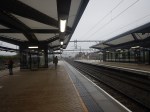
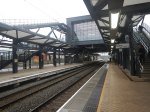
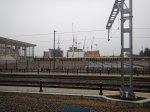
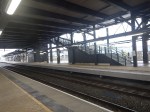
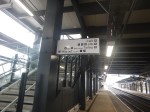
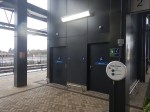
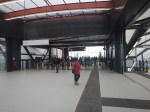
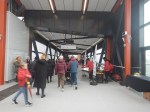
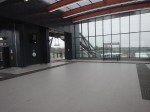
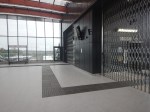
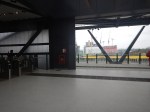
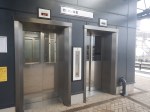
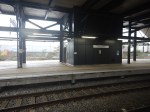
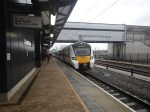
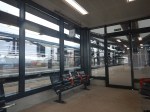
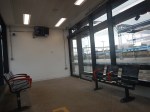
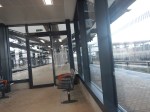
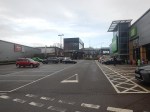
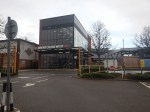
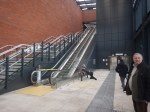
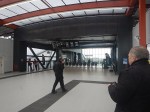
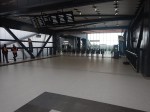
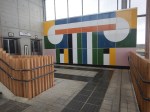
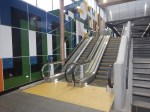
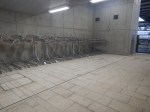



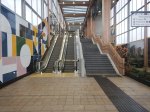
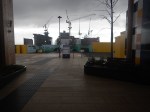
Note.
- There are two island platforms.
- The platforms can handl2 12-car Class 700 trains.
- The Eastern island, which is Platforms 1 and 2, is for Thameslink and has two escalators, two lifts, two sets of stairs and two toilets.
- The toilets on the Eastern platforms are an identical pair to cater for everyone.
- The Western island, which is Platforms 3 and 4, is for the main lines and has one lift and two sets of stairs.
- The arriving Thameslink Class 700 train is stopping in Platform 1 on the way to London.
- Signs indicate a cafe, but I couldn’t find it, so I assume that is for the future.
- The shelters on the platforms are heated.
- Both entrances have two lifts, at least one or two escalators and stairs.
The outside photos were taken two days later.
I have some other thoughts.
The Station Layout
The station has a slightly unusual and very practical layout.
- There is a longish and high bridge over the multiple tracks through the station.
- It is step-free with lifts and escalators at each end to give step-free access across the railway.
- The bridge is wide and is built for cycles.
- The trains are accessed from a spacious lobby, which is separated from the bridge by a long gate-line.
- The lifts, stairs and escalators all lead down from the spacious lobby.
The station must have a very high passenger capacity.
The Track Layout
This OpenRailwayMap shows the track layout at the station.
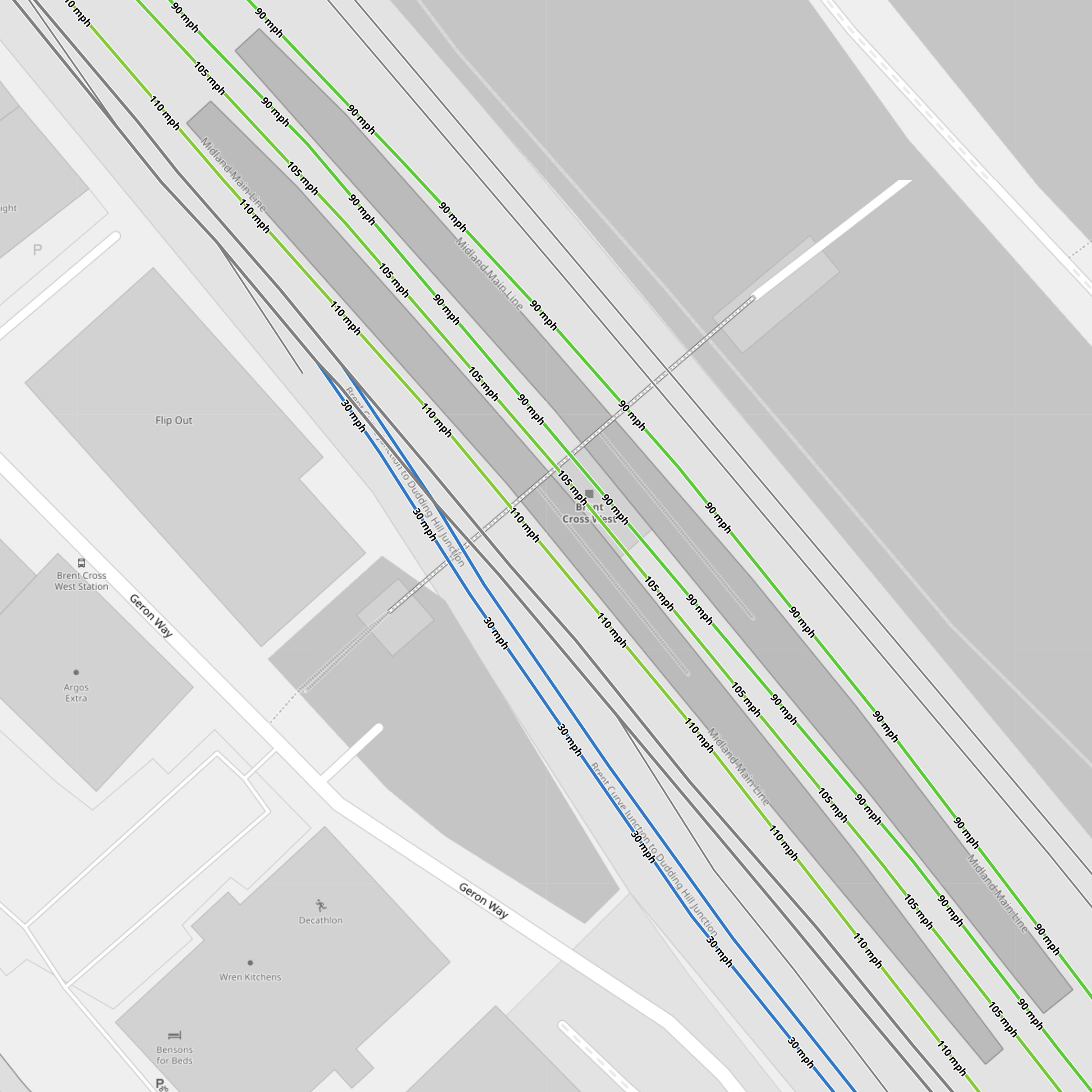
Note.
- The Eastern island platform between the 90 mph Thameslink tracks.
- The Western island platform between the 100-105 mph main line tracks.
- The two most-Easterly tracks give access to the Cricklewood Depot.
- The two black tracks
- The blue tracks connect to the Dudding Hill Line.
- The two black tracks between the blue tracks and the main line tracks are the Up and Down Hendon tracks, which run between Hendon and West Hampstead Thameslink stations, which seem to allow trains to cross over from one side of the tracks to the other.
The large number of tracks must make operation easier.
The West London Orbital Railway
The Hendon and Kew Bridge route of the West London Orbital Railway is planned to call at Brent Cross West station.
It looks like it will use the two Hendon tracks through Brent Cross West and Hendon stations and trains will take the Dudding Hill Line to Neasden to the South of Brent Cross West station.
The West London Orbital Railway will connect Hendon and Brent Cross West station to High Speed Two and the Elizabeth Line, so it will be a very important connection for the residents of the area.
This OpenRailwayMap shows the track layout between the Dudding Hill Line and Hendon.
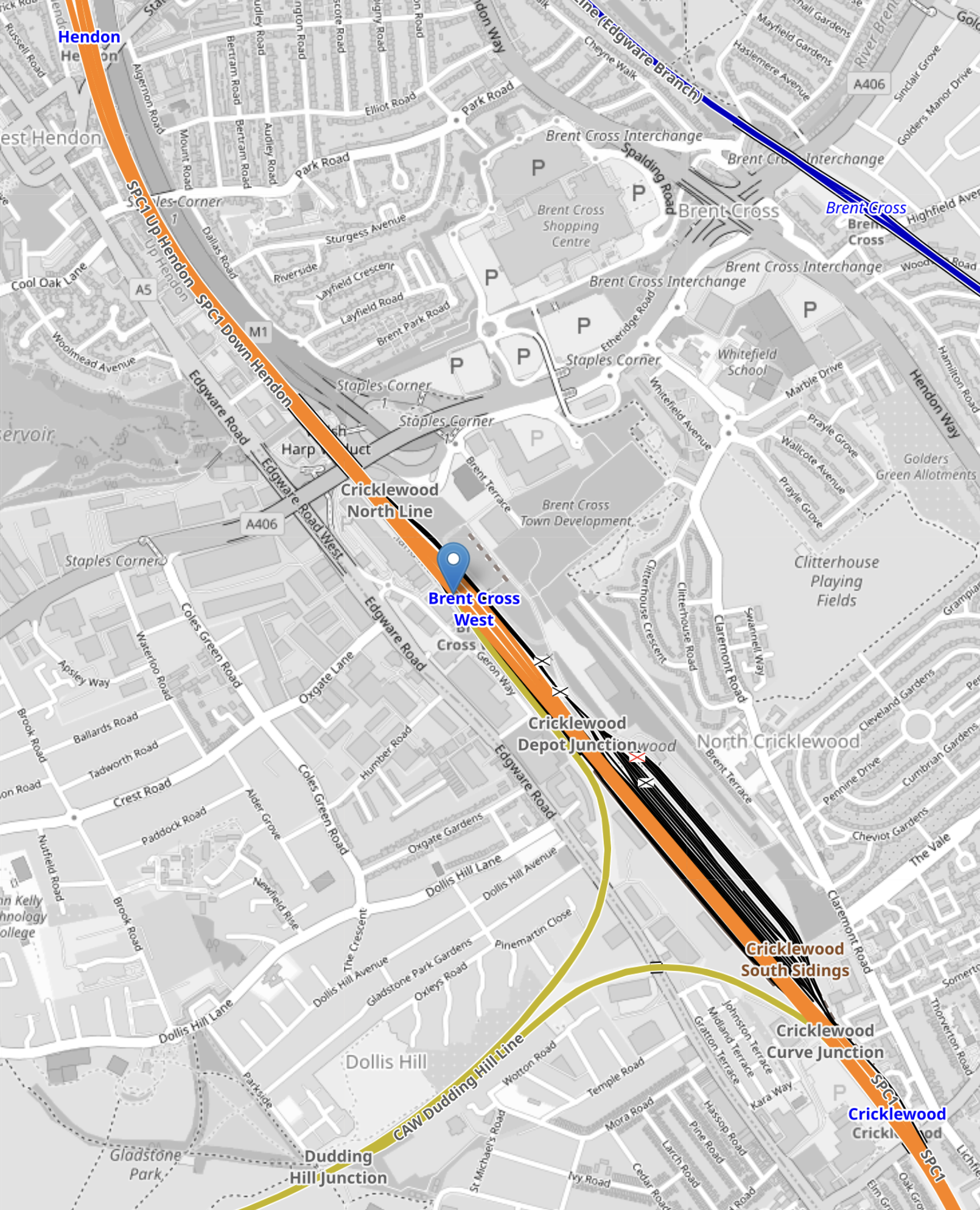
Note.
- Hendon station is in the North-West corner of the map.
- The orange tracks are the Midland Main Line
- Brent Cross West station is marked by the blue arrow.
- The yellow tracks going towards the South-West are the Dudding Hill Line.
The Hendon route will need new platforms at Hendon and Brent Cross West station.
Conclusion
I like the station and I think others will be built on similar principles.
London Overground: Design Work For West London Orbital Route Begins
The title of this post, is the same as that as this article on the BBC.
This is the sub-heading.
Plans for a new London Overground link in west London are progressing, London’s mayor Sadiq Khan has said.
These paragraphs outline what will happen.
Engineering consultants who worked on the Elizabeth line have been chosen for the West London Orbital service.
“This engineering design will help determine the cost of delivering the scheme, which is currently unfunded,” Transport for London (TfL) said.
It hopes the scheme, which would connect Hounslow with Hendon and West Hampstead, could start next decade.
My feeling, is that they should get on with it.
- There would be no major construction like tunnels.
- Four stations would need to be built.
- I doubt there will be any demolition.
- It wouldn’t need more electrification, as the route is electrified at both ends and battery-electric trains could be used.
- It would create more connections to Old Oak Common for High Speed Two.
But if it does for North West London, what the Overground has done for North and East London, it will be very much worth it.
These are a few thoughts and observations.
The Route
This is a schematic of the route from the BBC article.
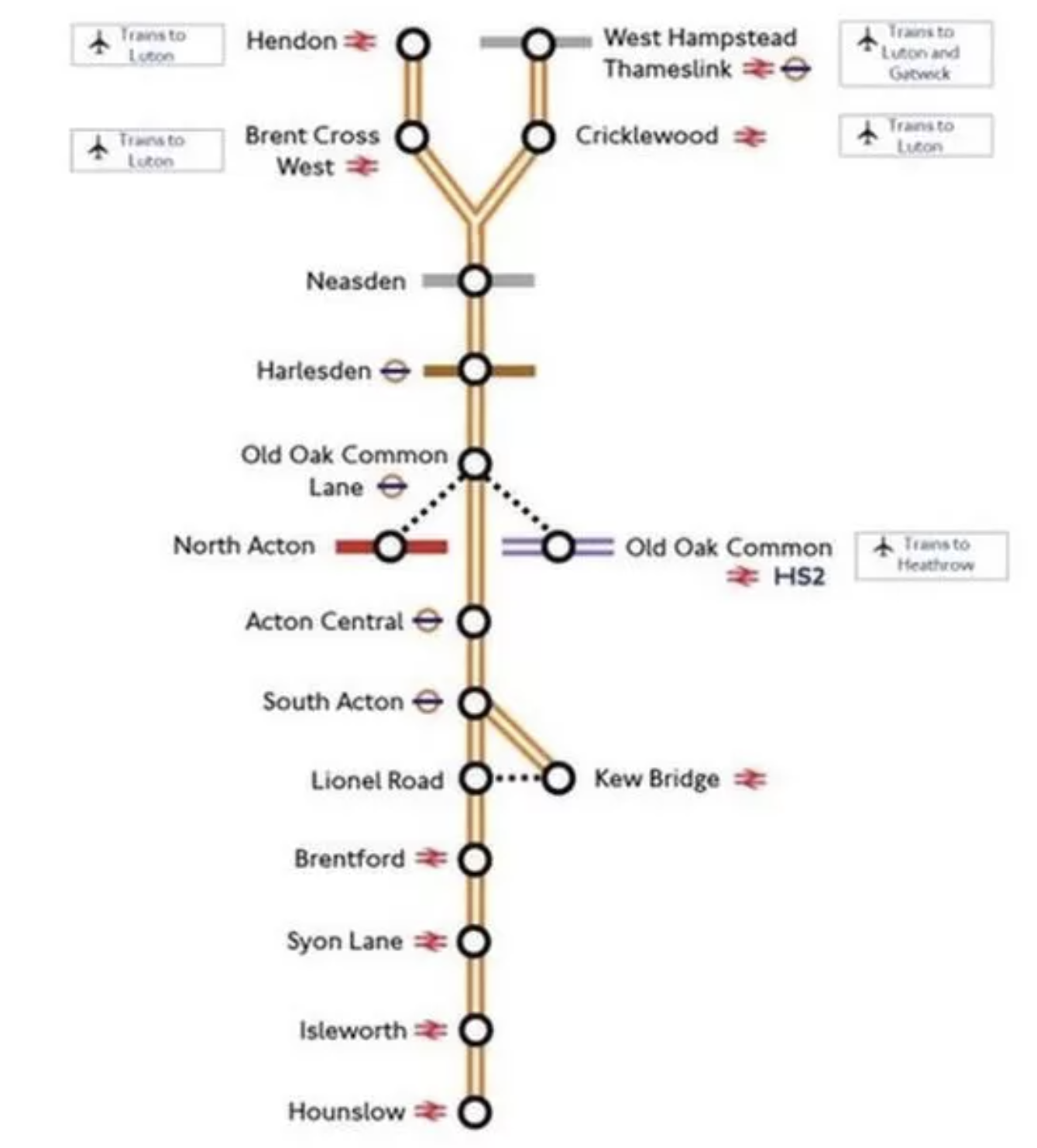
Note.
- Services will be between West Hampstead Thameslink and Hounslow stations and between Hendon and Kew Bridge stations.
- If services follow the London Overground frequency, they will be four trains per hour (tph).
- The new stations are Neasden, Harlesden, Old Oak Common Lane and Lionel Road.
- Acton Central, Brentford, South Acton, Syon Lane and West Hampstead Thameslink are step-free and Isleworth is on the way.
- The fully step-free Brent Cross West station will open soon.
- Lionel Road station will serve the new Brentford stadium.
- Old Oak Common Lane will serve High Speed Two, the Elizabeth Line and the North London Line.
They look to be a useful set of stations.
Kew Bridge Station
There’s been a lot of development at Kew Bridge station, since I was last there.

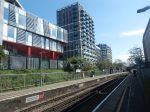
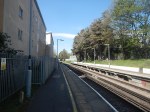
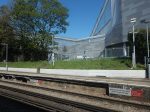
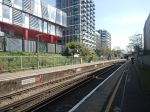
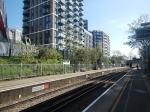
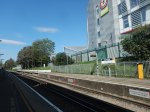
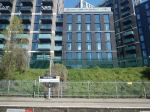
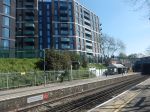
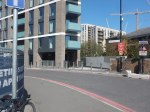

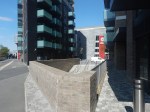
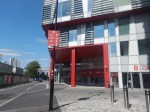
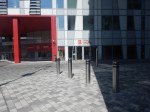
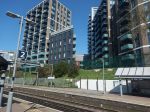
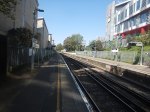
There are lots of flats and Brentford’s new stadium.
I suspect all the stations between Kew Bridge and Hounslow will see similar levels of development.
Electrification Issues On The Dudding Hill Line
The Dudding Hill Line forms the Northern section of the route between the Midland Main Line and the North London Line at Acton Wells Junction.
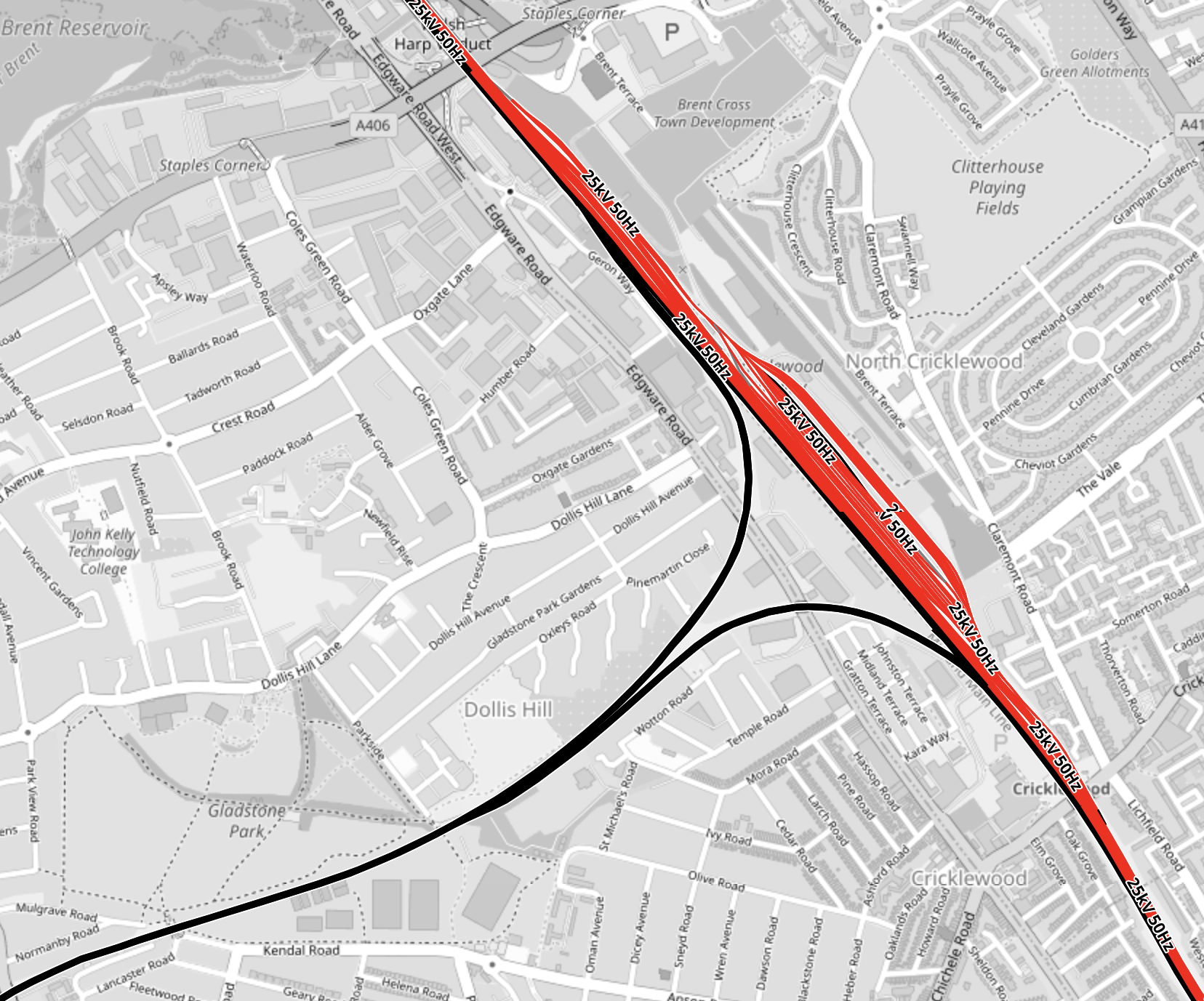
This map from OpenRailwayMap shows the junction between the Dudding Hill and Midland Main Lines.
Note.
- The Midland Main Line is shown in red as it is electrified with 25 KVAC overhead wires.
- The Dudding Hill Line is shown in black, as it isn’t electrified.
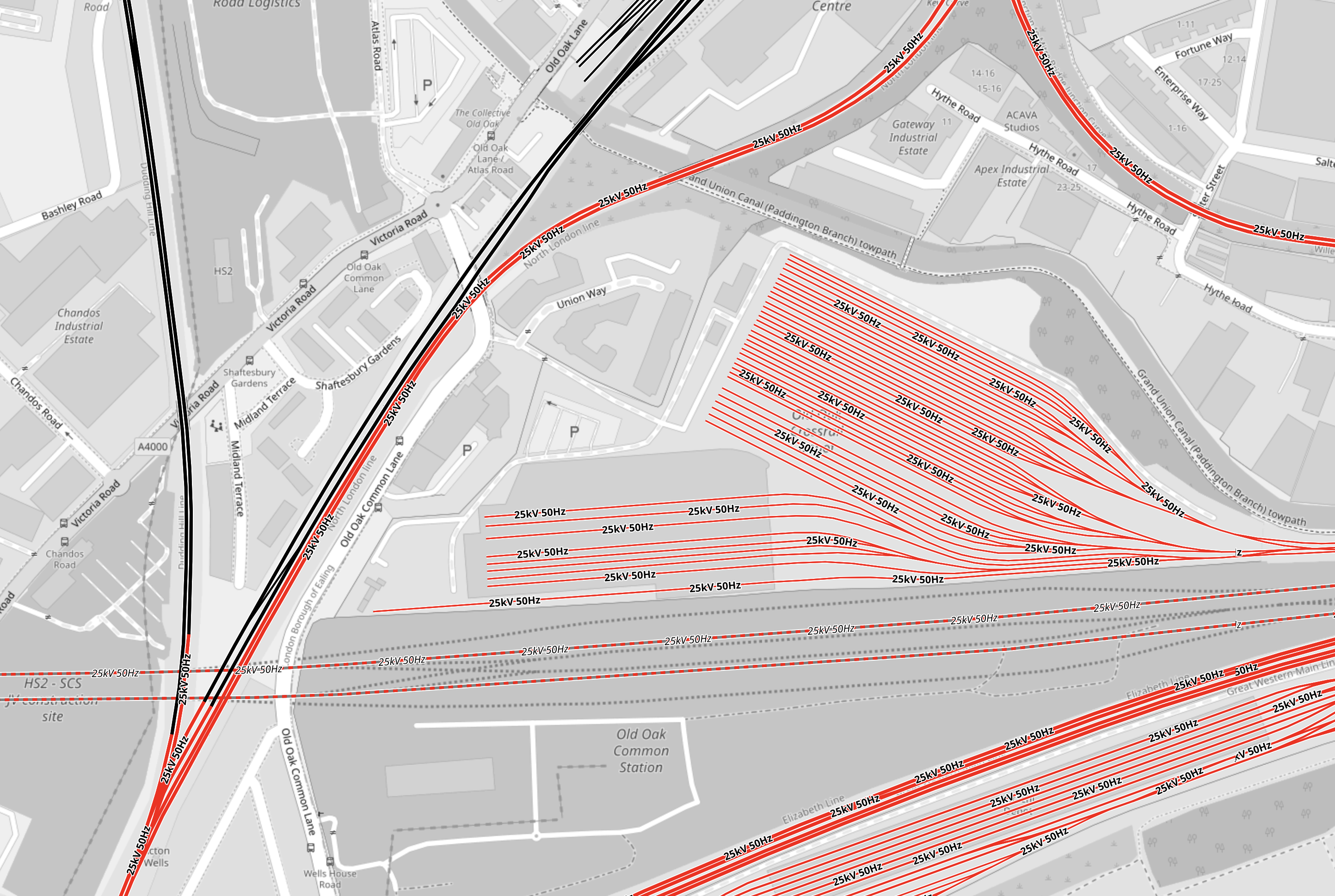
This second map from OpenRailwayMap shows the junction between the Dudding Hill and North London Lines at Acton Wells junction.
Note.
- As before red tracks are electrified with 25 KVAC overhead wires and black tracks have no electrification.
- The Dudding Hill Line is the black track running North-South at the West of the map.
- Acton Wells junction, where the Dudding Hill and North London Lines join is in the South-West corner of the map.
- The North London Line is shown in red running across the North-West corner of the map.
- The Great Western Main Line is shown in red running across the South-East corner of the map.
- High Speed Two will run East-West across the map and is shown dotted in red.
- The red lines in the middle of the map is the Elizabeth Line depot.
With all the 25 KVAC overhead electrification at both ends of the Dudding Hill Line, it would appear, that if this section is ever electrified, it will be electrified with this form of electrification.
There may be a problem, in that there are three or four bridges over the line.
Electrification Issues At Kew
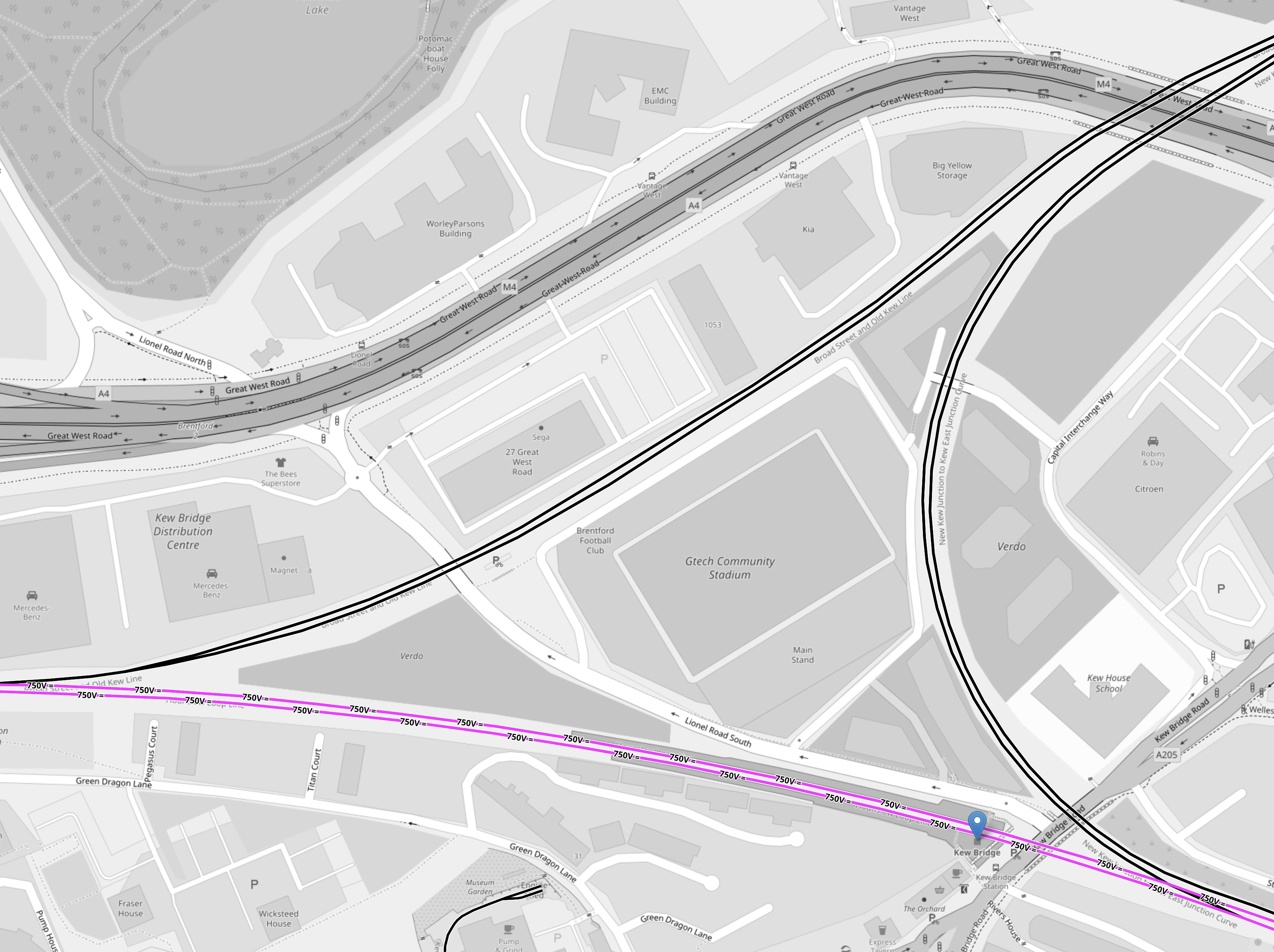
This map from OpenRailwayMap shows the triangular junction by Kew Bridge station.
Note.
- As before black tracks have no electrification.
- Mauve tracks are electrified with 750 VDC third-rail electrification.
- Kew Bridge station is indicated by the blue arrow at the Eastern point of the junction.
- Trains to Hounslow will arrive in the North-East corner of the map and go diagonally across the map to leave in the South-West point of the junction.
- Trains to Kew Bridge will arrive in the North-East corner of the map and take the Eastern chord of the junction to a new platform in Kew Bridge station.
Brentford’s new stadium and a lot of housing are in the middle of the junction.
It would seem to be obvious to electrify the triangular junction using 750 VDC third-rail electrification.
But not to the ORR it isn’t, as they won’t allow any new third-rail electrification to be installed on Health and Safety grounds.
Charging Trains At Kew Bridge Station
Consider.
- It looks like trains from Hendon will terminate in a new platform on the chord without electrification to the North of the current Kew Bridge station.
- A short length of 25 KVAC overhead electrification could be used to charge trains.
It may be sensible to build two platforms on the chord, as this could allow more flexible operation of the London Overground during engineering works.
Charging Trains At Hounslow Station
A short length of 25 KVAC overhead electrification could be used to charge trains.
Project Management Issues
I believe this could be one of those projects, where by careful selection of the order of the sub-projects, time and money can be saved and passengers will see benefits earlier.
For example.
- Early delivery of Old Oak Common Lane station would also connect the North London Line to High Speed Two and the Elizabeth Line.
- Early delivery of step-free access at Kew Bridge station would help passengers going to the new Brentford stadium.
There may be other projects, that need an early delivery.
The Feltham And Wokingham Resignalling Programme
The Feltham And Wokingham Resignalling Programme is currently underway and there are pairs of new and old signals everywhere between Kew Bridge and Feltham and also between Feltham and Richmond.
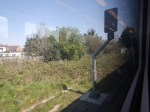
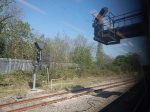
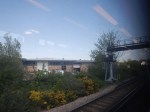
These are digital signals and according to Network Rail, they will increase the capacity, which must surely allow the extra trains between Kew Bridge and Hounslow stations.
This signalling project finishes in mid-2024, so I suspect by then the Southern part of the West London Orbital Railway will not have any problems with interaction with other services.
The Feltham And Wokingham Resignalling Programme could be considered an important enabling sub-project of the West London Orbital Railway, that is being performed early.
Richmond Station
As I came through Richmond station, there was an Overground train in Platform 3 and I noticed that Platforms 3 to 5 were allocated to the Overground.
Has the new signalling given Network Rail and train operators more flexibility and extra capacity at Richmond?
Currently, the London Overground runs four trains per hour (tph) between Stratford and Richmond.
The increased flexibility may allow the following.
- An increase in frequency of trains to Stratford.
- An increase in frequency of District Line trains, if Ealing Broadway station swaps from being a District to a Piccadilly Line terminus, as I wrote about in Extending The Elizabeth Line – Piccadilly Line To Ealing Broadway.
- Could Richmond also act as a terminal of the West London Orbital Railway during construction and engineering works?
Another benefit that could be arranged is to run the current four tph London Overground services into Platform 3.
These pictures show a Waterloo-bound South Western Railway train in Platform 2 and a Stratford-bound London Overground train in Platform 3.
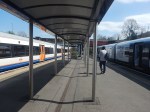
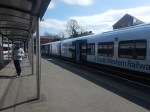
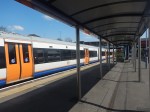
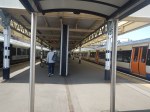
As there are 8 tph between Richmond and Waterloo via Clapham Junction, this could be quite a useful cross-platform interchange for passengers going from say Staines or Windsor to Hampstead.
Trains
Consider.
- The three most likely Northern termini are Brent Cross West, Hendon and West Hampstead Thameslink.
- There could be other terminals on the North London Line or the Gospel Oak and Barking Line.
- All possible Northern terminals have 25 KVAC overhead electrification.
- The two most likely Southern terminals are Hounslow and Kew Bridge.
- There may be other possible Southern terminals like Twickenham or Richmond.
- All possible Southern terminals have 750 VDC third-rail electrification.
- The sections without electrification of the route are less than twelve miles.
- The ORR won’t allow any new third-rail electrification.
It looks like the trains will need to be dual-voltage with a battery capability.
In this article in Global Rail News from 2011, which is entitled Bombardier’s AVENTRA – A new era in train performance, gives some details of the Aventra’s electrical systems. This is said.
AVENTRA can run on both 25kV AC and 750V DC power – the high-efficiency transformers being another area where a heavier component was chosen because, in the long term, it’s cheaper to run. Pairs of cars will run off a common power bus with a converter on one car powering both. The other car can be fitted with power storage devices such as super-capacitors or Lithium-ion batteries if required. The intention is that every car will be powered although trailer cars will be available.
Unlike today’s commuter trains, AVENTRA will also shut down fully at night. It will be ‘woken up’ by remote control before the driver arrives for the first shift
This was published over twelve years ago, so I suspect Bombardier or Alstom have refined the concept.
In an article in the October 2017 Edition of Modern Railways, which is entitled Celling England By The Pound, Ian Walmsley says this in relation to trains running on the Uckfield Branch, which is not very challenging.
A modern EMU needs between 3 and 5 kWh per vehicle mile for this sort of service.
So for a four-car running for twelve miles, the train would need a battery capacity of between 144 and 240 kWh.
These are not large batteries.
I suspect that the best trains for the route, will be dual-voltage Class 710 trains.
- The Class 710/2 variant used on the Gospel Oak and Barking Line is dual-voltage.
- London Overground has 54 Class 710 trains.
- I am certain, that the batteries needed can be fitted to the trains.
- Aventras are still in production in Derby.
A test battery-electric version could probably be created and tested on the short Romford and Upminster Line.
There may be other places in London and the rest of the UK, where a four-car battery-electric Aventra would be the ideal train.
Is There Progress On The West London Orbital Railway?
This short news item is being shown on Railnews under a sub-heading of Overground Plan.
The Mayor of London Sadiq Khan is reported to have predicted that a new London Overground route in west London could be open by the early 2030s. The link had been proposed by the Mayor in his 2018 Transport Strategy. It would run from Hounslow to Acton Central and the new HS2 station at Old Oak Common. From there it would continue to Acton Wells Junction and then along the Dudding Hill line, which is presently used only for freight, via the existing stations on the Euston-Watford Overground route at Harlesden and the Jubilee Line station at Neasden. Trains would continue from Neasden along the Midland Main Line in both directions to West Hampstead Thameslink and Hendon. It is understood that engineering consultants are being chosen to develop a detailed design.
So is there progress at last on what I feel is a much-needed and affordable addition to London’s railway network?
The West London Orbital Railway
In TfL Advances Plans For DLR And Overground Extensions, I said the following about the West London Orbital Railway.
I have written extensively about this railway and you can see my posts here.
This map from the Mayor’s Transport Strategy shows the route.
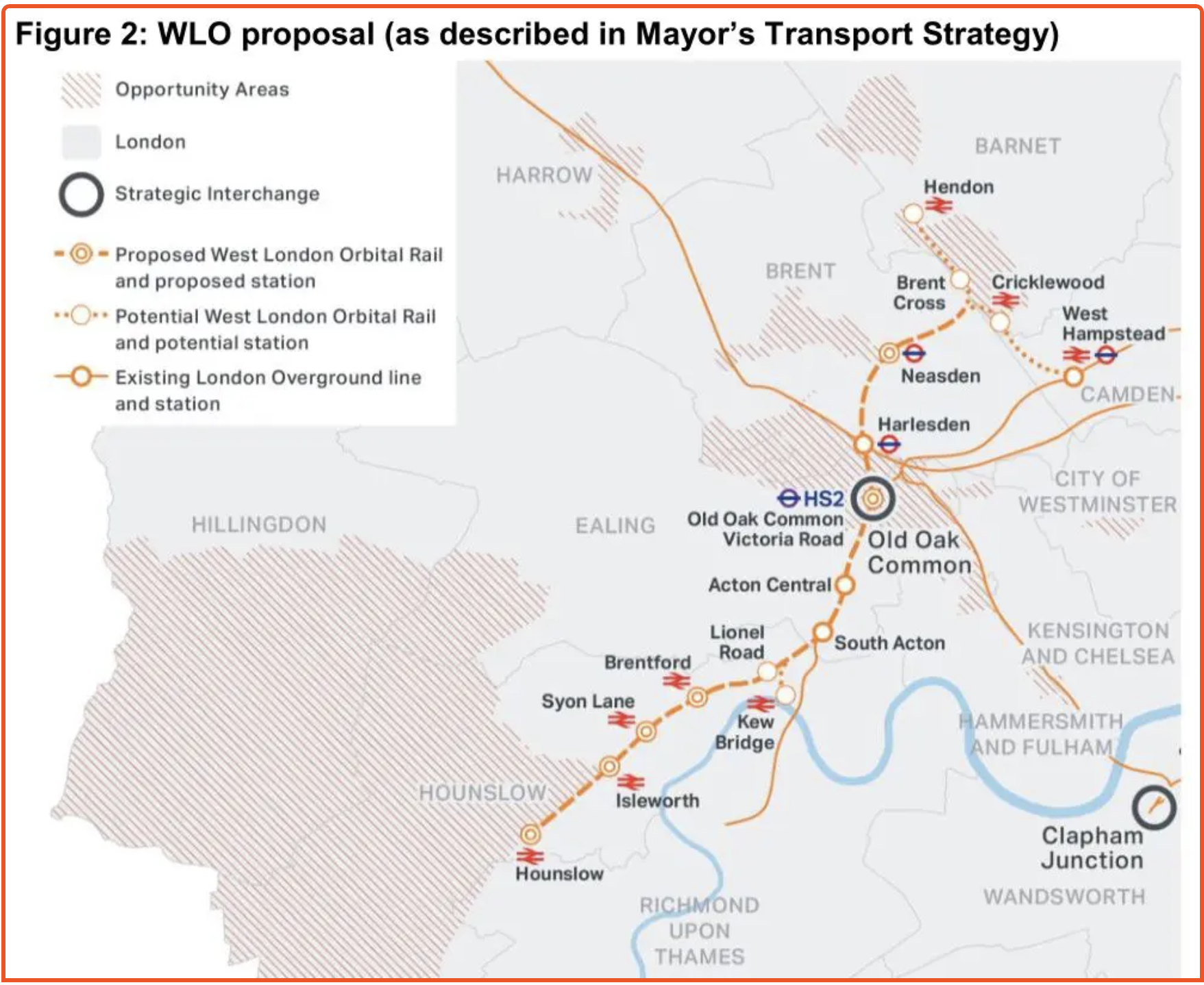
I believe this railway could do the following.
- Level-up much of North-West London.
- Provide better access to Heathrow.
- Link West London to High Speed Two and the Elizabeth Line.
It would also provide better links to Brentford’s new stadium.
The New Civil Engineer says this about funding.
TfL now confirms that the West London Alliance has commissioned feasibility work for the scheme. Meanwhile, TfL is considering options for a Borough Community Infrastructure Levy to help pay for it and has been investigating development opportunities on the route that could unlock funds via Section 106 planning obligations and Carbon Offset funding.
Conclusion
It does appear there are ways and means to fund these schemes, without expecting the rest of the UK to fund London’s transport network.
TfL Considers Replacing Over Half Of London Overground Trains Within The Next 4 Years
The title of this post, is the same as that of this article on MyLondon.
This is the sub-heading.
The trains were specially built for the dimensions of the Overground network
This paragraph outlines, why the trains may be replaced.
The 57 Class 378 ‘Capitalstar’ trains which provide the majority of services on London Overground could disappear as soon as June 2027, as Transport for London (TfL) officials decide what to do with them as their leases expire. The five carriage walkthrough trains have helped revolutionise the Overground network, being built to special dimensions to fit the unique profile of the suburban routes they run on – notably the East London line, where trains use the narrow single-bore Thames Tunnels.
Note.
- The Class 378 trains, which I use regularly, still seem to be performing well!
- They could do with a lick of paint and a tidying up in places.
- Would it be too much to ask for power sockets and wi-fi?
- The other London Overground trains, the Class 710 trains can’t run through the Thames Tunnel on the East London Line, as they have no means to evacuate passengers in the tunnel in an emergency.
- More Class 378 trains are needed for the East London Line to increase services, but these can be obtained by transferring trains from the North London Line and replacing those with new Class 710 trains.
I live near the two Dalston stations on the London Overground and the thing we need most is more capacity.
I have some thoughts on London Overground’s future trains.
Increased Services On The Current Network
Plans exist to increase the frequency on various London Overground services and this graphic sums up what was planned a few years ago.
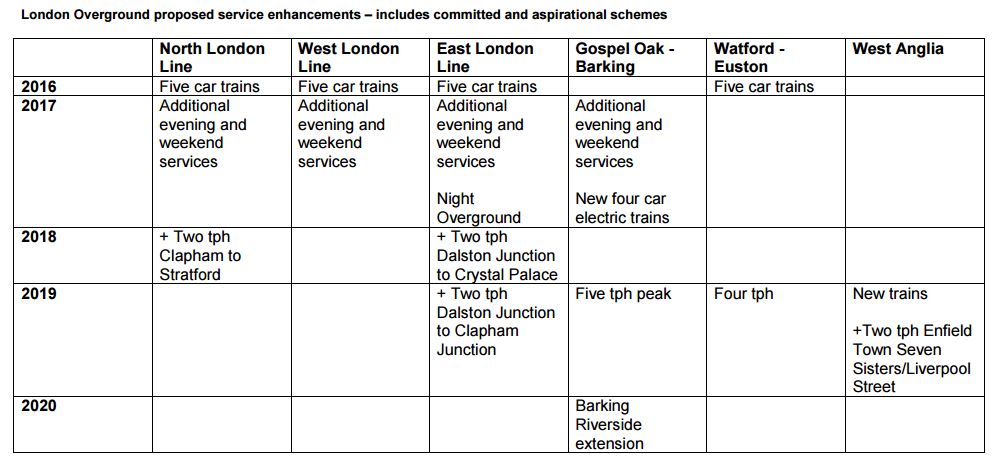
Note the extra two trains per hour (tph) between the following stations.
- Clapham Junction and Stratford
- Dalston Junction and Crystal Palace
- Dalston Junction and Clapham Junction
- Enfield Town and Liverpool St. via Seven Sisters
I think only Route 1 services have been increased.
I know signalling updates are holding up the extra trains on the East London Line, but are more trains needed to fully implement the extra services?
- Routes 2 and 3 services will need Class 378 trains because of the tunnel and these would be transferred from the North London Line.
- Route 4 would need Class 710 trains, as the service already uses them.
So there may be a need for more Class 710 trains.
West London Orbital Railway
The graphic doesn’t mention the West London Orbital Railway.
- There would be two routes between West Hampstead and Hounslow and Hendon and Kew Bridge using the Dudding Hill Line.
- The tracks already exist.
- Some new platforms and stations would be needed.
- The route would probably need improved signalling.
- Four tph on both routes would probably be possible.
- The West London Orbital Railway would connect to the Great Western Railway, the North London and Elizabeth Lines and High Speed Two at Old Oak Common station.
I believe it could be run by battery-electric versions of either the Class 378 or Class 710 trains. This would avoid electrification.
As some commentators have suggested that the West London Orbital Railway and the Gospel Oak and Barking Line would be connected, I would expect that new battery-electric Class 710 trains would be used.
Adding On-board Energy Storage To The Class 378 Trains
In Will London Overground Fit On-board Energy Storage To Class 378 Trains?, I asked whether it would be worthwhile.
I finished with these two sentences.
I have no idea how much electricity would be saved by regenerative braking on the London Overground, but various applications of regenerative braking technology talk of electricity savings of between ten and twenty percent.
I think it is only a matter of time before the technology is proven to be sufficiently reliable and the numbers add up correctly for the Class 378 trains to be fitted with on-board energy storage.
What would be the advantages from fitting on-board energy storage?
- There would be the savings of electricity by the use of regenerative braking to the batteries.
- Trains could be rescued from the Thames Tunnel, if there was a power failure.
- Hotel power would be maintained, if there was a power failure.
- Trains can be moved in depots and sidings without power.
- Trains would be able to move in the event of cable theft.
- Short route extensions might be possible.
- Could battery power be used to serve Euston during the rebuilding process for High Speed Two?
- Do Network Rail want to remove third-rail electrification from Euston station for safety or cost reasons?
There could be a saving in train operating costs.
We know the trains are coming up for a new lease.
Suppose the leasing company fitted them with new batteries and some other customer-friendly improvements like new seat covers, better displays, litter bins, power sockets and wi-fi.
- The leasing company would be able to charge more, as they have added value to the trains.
- TfL would be saving money due to less of an electricity bill.
- The passenger numbers might increase due to the extra customer-friendly features.
- Electrification might be removed from places where theft is a problem.
- Third-rail electrification could be removed from Euston station. It’s only 2.8 miles to South Hampstead station, where third-rail electrification already exists.
Get it right and passengers, TfL, Network Rail and the leasing company would all be winners.
Thoughts On Hounslow Station
These are my thoughts in no particular order.
Step-Free Access
There are only eight railway stations in the London Borough of Hounslow and only Chiswick and Hounslow stations are not step-free and no plans have been published about creating fully-accessible stations.

This is the rather old-fashioned footbridge at Hounslow station.
Current Train Service
The main current Off Peak train service is four trains per hour (tph) using the Hounslow Loop Line, which conveniently pass each other in the station.
There are also two tph between Waterloo and Weybridge, which means the station has a six tph service.
There are also a couple of extra services in the Peak.
Hounslow Track Layout
This map from carto.metro.free.fr shows the track layout at Hounslow station.

The crossovers on either side of the station probably allow trains to be turned back at the station.
A train arriving from London, which is to the North East would do the following.
- Stop in the Southern Platform 2.
- Wait whilst the driver changes ends.
- Return to London using the North Eastern crossover to change to the correct track.
It would probably take between three and four minutes.
West London Orbital
Hounslow station has been proposed to be one of the terminals of the new West London Orbital Railway.
It will have four tph from West Hampstead Thameslink via the Dudding Hill Line.
How will these trains be trains be turned?
Use The Existing Track Layout
There appears to be almost fifteen minutes gaps between trains through the station, so would it be possible to use the existing North-East crossover and the Southern Platform 2 to turn the trains?
When you consider, that London Overground generally allow between five and twelve minutes to turn a train, timing could be tight. Especially, if the driver needed to take a toilet break!
And what would happen, if a train failed or there were several passengers of limited mobility to unload from or load on the train?
I feel, that this current method would only be used as a little-used fallback.
A Turnback Siding
This Google Map shows the station and the track to the South West.
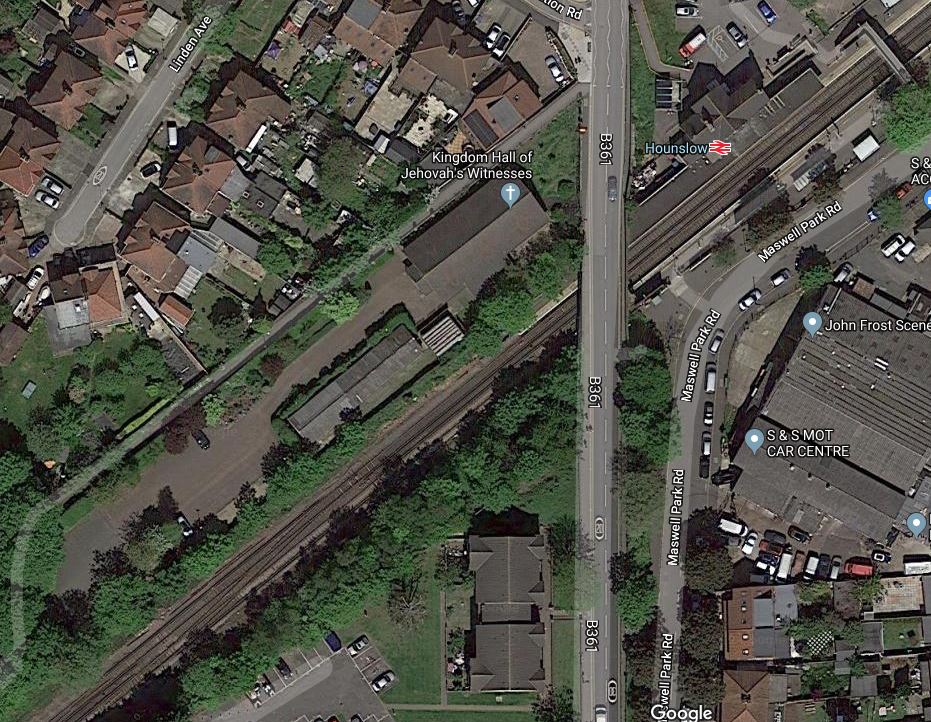
Note that there is probably enough space to put a turnback siding to the South West of the station, with some realignment of the tracks.
This method was used at West Croydon station by services on the East London Line, but recently, the service has started to use the bay platform at the station.
- The train would stop in Platform 2 and unload the passengers.
- It would move to the turnback.
- At the appropriate time it would move into Platform 1 and load passengers.
It would then be ready to start the service to West Hamstead Thameslink.
A Bay Platform
This Google Map shows the North-Eastern (London) end of the station.
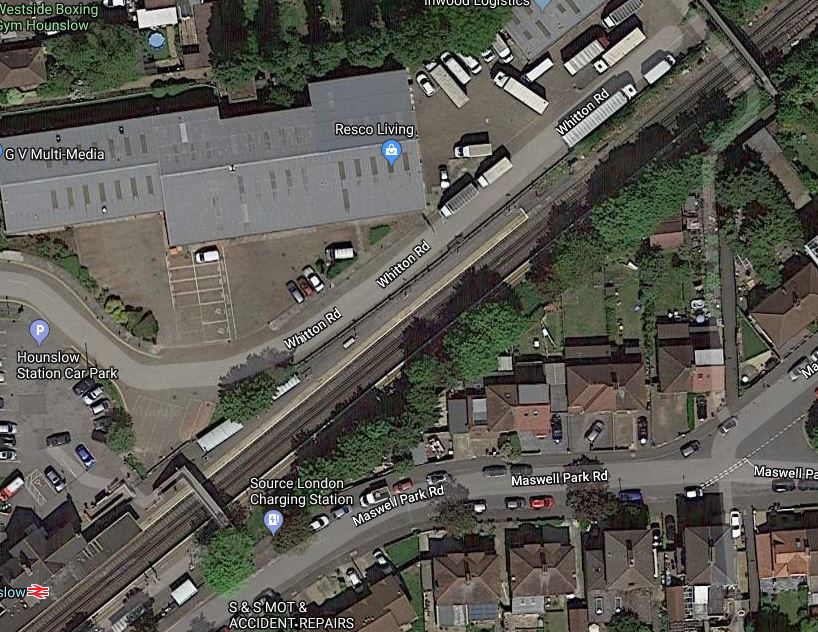
There is a road called Whitton Road alongside the station, where a London-facing bay platform would be built. The crossover would need to be rebuilt to allow trains from London to cross into the bay platform.
But operationally, it would be easier.
- Returning trains to West Hampstead Thameslink would not block the Hounslow Loop Line.
- Passengers using the West London Orbital would only cross the line, if they were continuing their journey from Platform 2..
- I doubt many passengers arriving in Platform 2 would want to use the West London Orbital.
- Passengers with reduced mobility changing between the West London Orbital and bus, car or taxi at Hounslow station would have a step-free route between street and train.
- Drivers would have time for a comfort break.
I will be very surprised if a bay platform is not built to handle the West London Orbital.
A Rebuilt Station
If the West London Orbital is built, which I feel would be highly sensible, the station will probably need to be remodelled to incorporate a bay platform to turn trains.
The footbridge at the station will also need to be replaced with a fully-accessible one.
So Hounslow station will probably need to go through a thorough refurbishing, if not a full rebuild.
A Proposal For Two London Overground Stations At Old Oak Common
Transport for London published this proposal a few weeks ago, but it’s only now that I’ve found time to document it here.
TfL’s Proposal
This document on Tfl’s web site, gives full details of their proposals.
The Location Of The Stations
This map from TfL shows the location of the two stations.
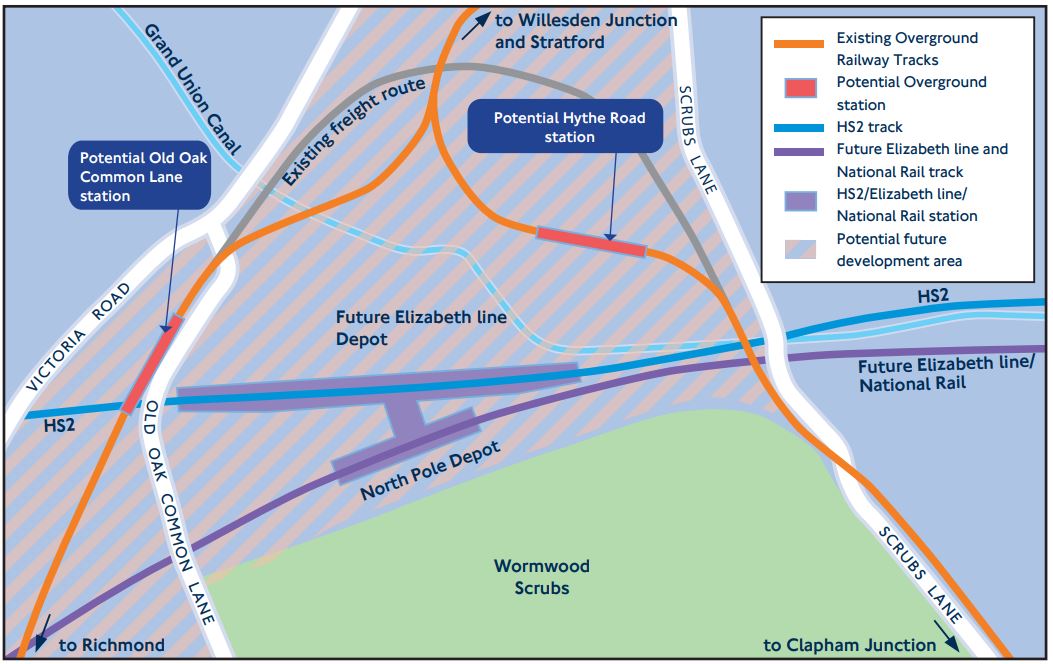
Hythe Road station will be on the West London Line between Willesden Junction and Shepherd’s Bush stations.
Old Oak Common Lane station will be on the North London Line between Willesden Junction and Acton Central stations.
This Google Map shows the area.
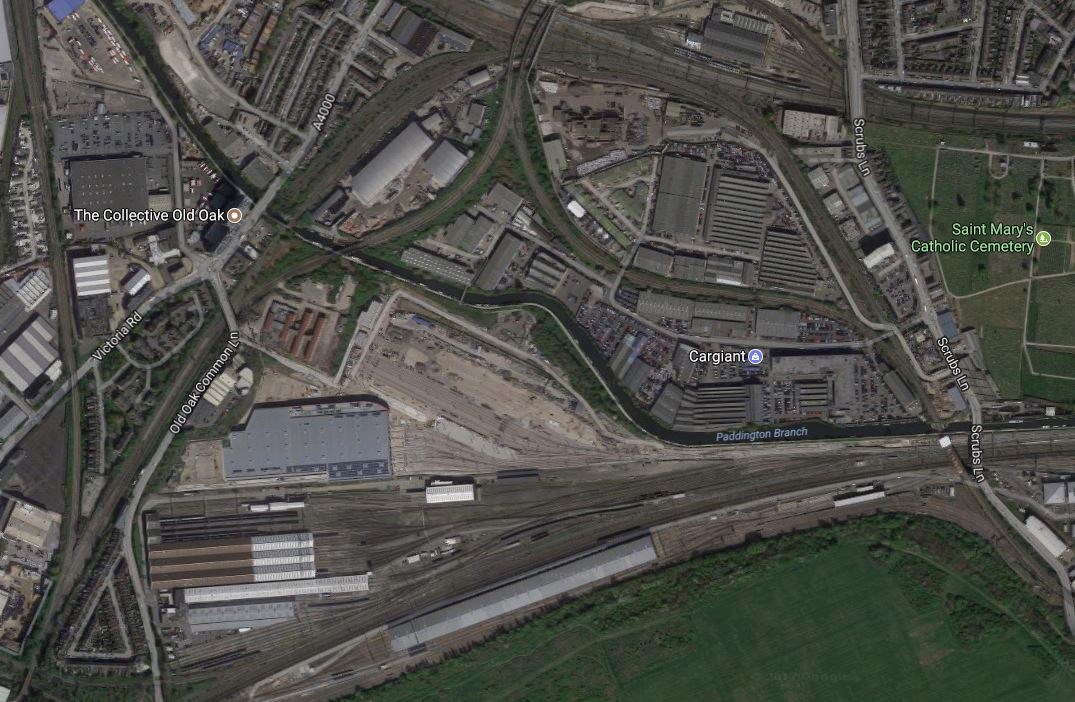
Three features on both maps link them together.
- The Grand Union Canal.
- The layout of the two Overground Lines that meet at the distinctive Willesden High Level Junction.
- The long silver-roofed North Pole Depot at the bottom of the maps.
Note from the Google Map, how much space is available.
Are Two New Stations Needed?
There are various factors at work here.
More Stations And Entrances Shorten Journey Times
Research has shown that the more routes you give passengers, the quicker and easier the journeys.
Old Oak Common Is A Large Site
25,500 new homes and 65,000 jobs are being created in the Old Oak Common/Park Royal area and two new stations are probably needed.
The North And West London Lines Pass Separately Through The Site
Two separate stations give direct services to the following.
- West and South-West London via the North London Line.
- North and North-East London via the North London Line.
- Clapham Junction for South London via the West London Line.
Some might argue, that a new spur from Willesden High Level Junction, where the two lines divide direct to the combined HS2 and Elizabeth Line station, may be a better and cheaper option.
But this would only provide a connection to North and North-East London. Connections to the latter area, are also provided by the Elizabeth Line with a change of train at Liverpool Street or Stratford.
Conclusion About Two Stations
I’m convinced, that two Overground stations are needed and I suspect eventually, there will be other stations.
Hythe Road Station
TfL’s proposal for Hythe Road station would be built to the North of the existing embankment of the West London Line, which would be demolished.
This visualisation is from the TfL document.
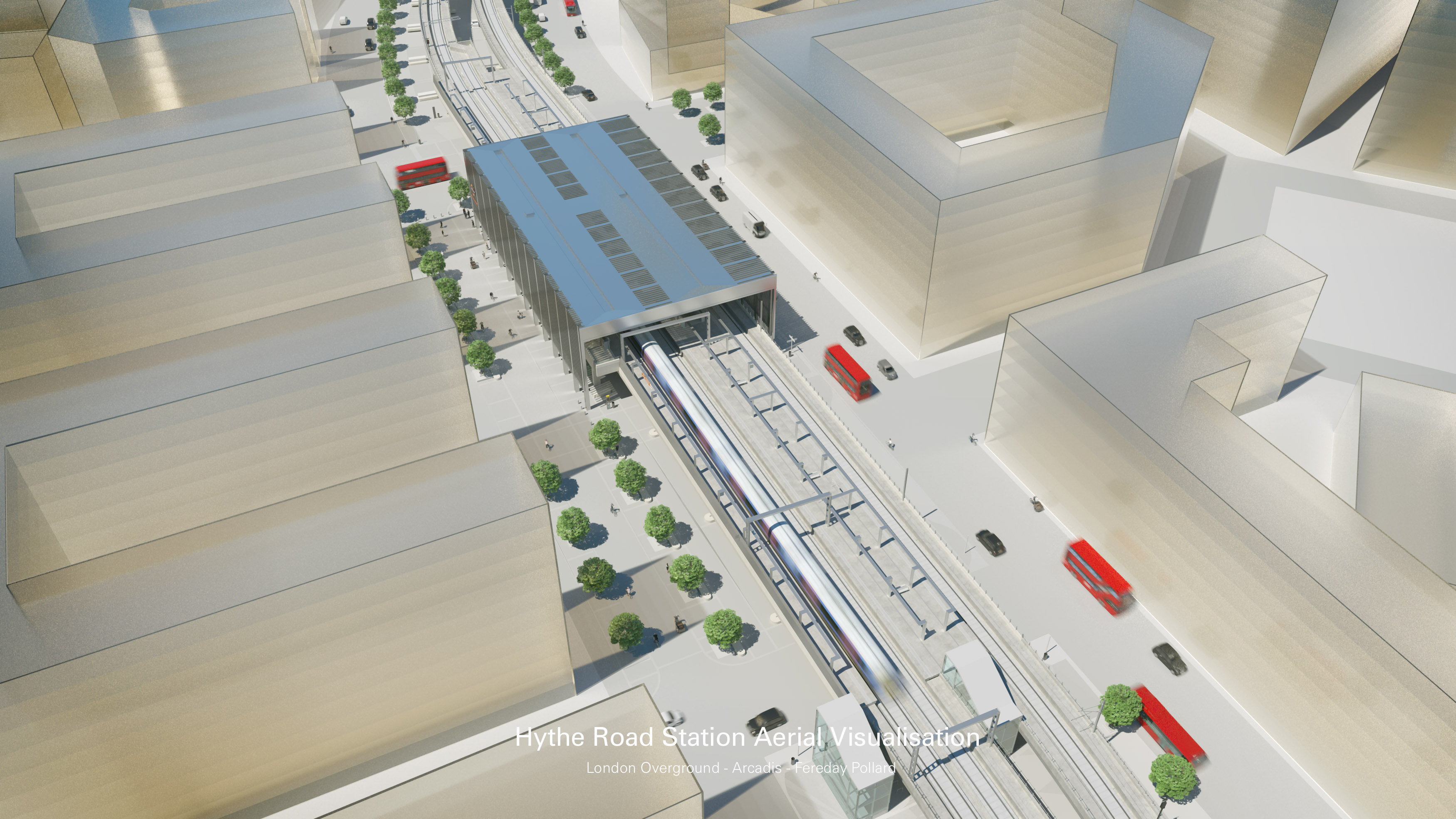
It would appear to be reminiscent of Shoreditch High Street station, but built at ground-level.
Conclusion About Hythe Road Station
It is an inherently simple proposal, that can be built around an existing rail line, so it shouldn’t create too many construction problems.
Old Oak Common Lane Station
TfL’s proposal for Old Oak Common Lane station would incorporate an overbridge extending westwards to Victoria Road, to allow pedestrians and cyclists to cross the railway.
This map from the TfL document shows the location of the station.
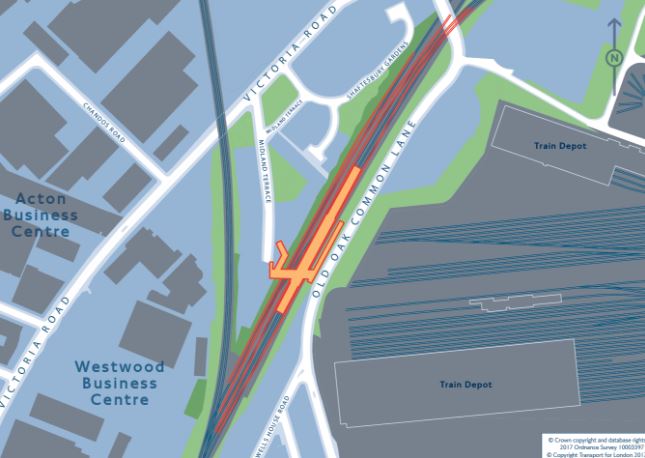
And this Google Map shows roughly the same area.
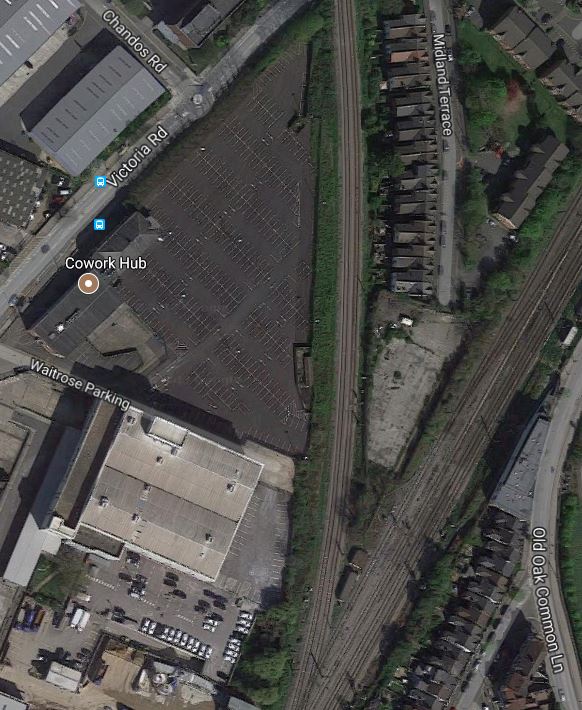
The line breaking off to the North is the Dudding Hill Line, which is an important part of a proposal for a new railway line in West London, which I wrote about in New Railway Line For West London Proposed.
This visualisation is from the TfL document.
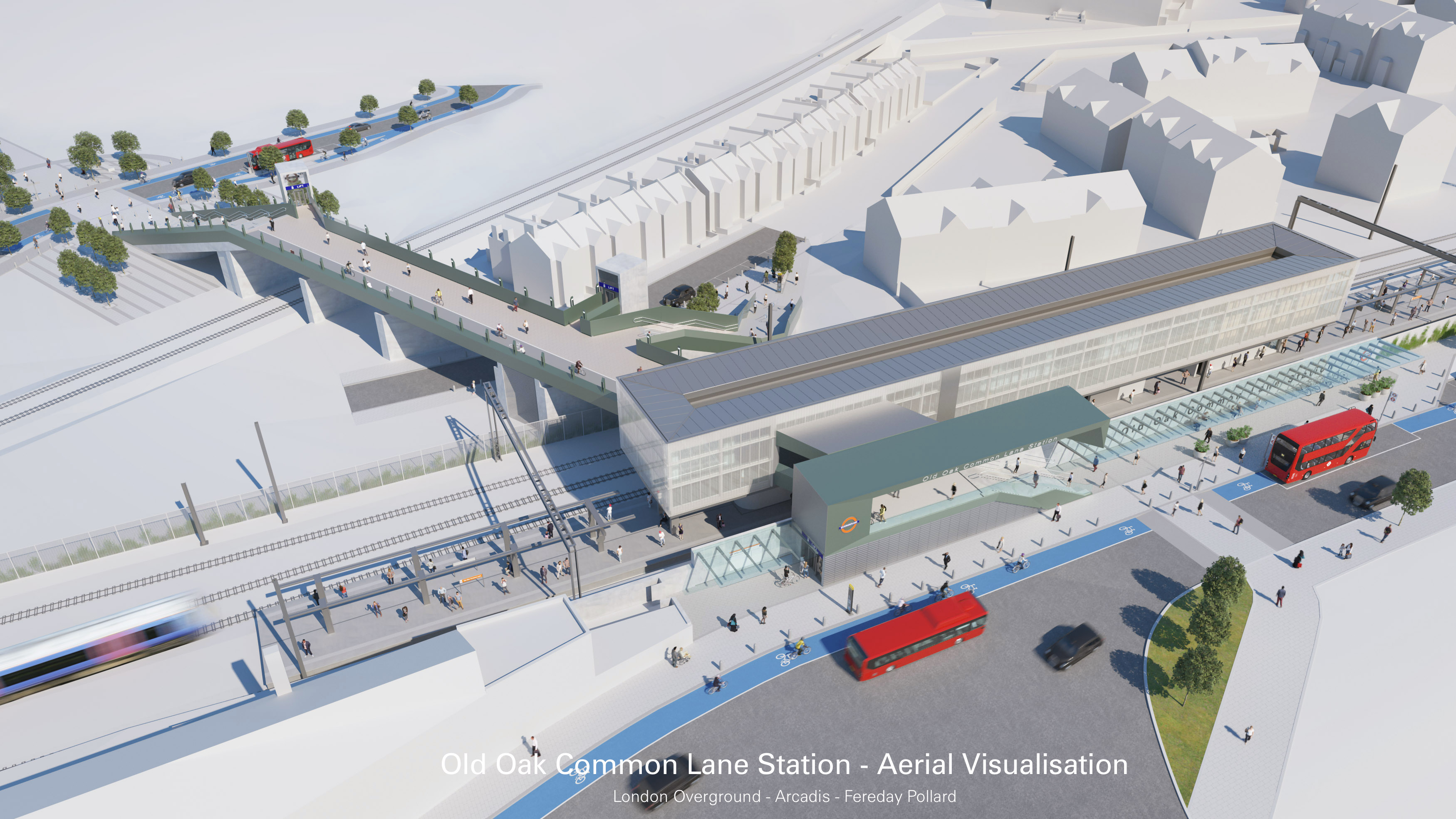
Note.
- The bridge for cyclists and pedestrians to Victoria Road.
- The Dudding Hill Line passing under the bridge.
It very much looks like Old Oak Common Lane station could have platforms on the Dudding Hill Line, which would be a very important addition to the West London Orbital Railway proposal.
Cnclusion About Old Oak Common Lane Station
TfL’s proposal looks comprehensive and reasonably simple to build.
It also includes provision to connect to the proposed West London Orbital Railway.
What Else Would I Do?
Here are my thoughts.
An East-West People Mover
The only one thing I would definitely add, is some form of people mover stretching East-West across the whole Old Oak Common site.
My preferred option would be to use a high-level moving walkway perhaps enclosed in a glass tunnel, which would stretch from Victoria Road in the West to perhaps Wormwood Scrubs Park in the East.
Escalators and lifts would give step-free connections to Old Oak Common Lane, HS2, Elizabeth Line and Hythe Road stations.
We’re not getting any younger!
Terminal Platforms
Both stations could have terminal platforms in the visualisations.
But they would surely be a good idea to allow extra services to be run to and from the major station complex.
Both new stations will have a platform on each track.
Would it be a good idea to have a third platform, that could be used as a bay platform in both directions?
A Terminal Platform At Hythe Road Station
The West London Line currently has a Milton Keynes to East Croydon service and this must mean that services to the West Coast and Brighton Main Lines are possible from a Hythe Road station.
- Trains to the South could go to Clapham Junction, East Croydon, Gatwick and any desired station South of London.
- Trains to the North could go to Wembley Central, Watford and Milton Keynes.
A stopping service on the West Coast Main Line would be complementary to HS2. Take for instance, sports or music fans going to an event at Wembley Stadium.
A Terminal Platform At Old Oak Common Lane Station
The only passenger services on the North London Line are London Overground services, between Stratford and Eichmond, but surely a terminal platform at Old Oak Common Lane station could be useful in providing some needed services.
If the West London Orbital Railway is created, this will add eight trains per hour after Acton Central. This might be too many trains for the route, so perhaps there would be a need to turn-back some trains from Stratford at Old Oak Common Lane?
A terminal platform at Old Oak Common Lane station might be used for an extended Gospel Oak to Barking service.
Building The Stations
I haven’t had a good look at the sites of the two stations and I don’t know the area well.
But I do have the feeling that both these stations can be built independently without affecting any other projects.
So they could be built at any convenient time in the development of this large site.
New Railway Line For West London Proposed
The title of this post is the same as this article on Ian Visits.
I’ve also found this article on the Hendon Times, where the railway line is called the West London Orbital Railway.
The West London Orbital Railway now has a section in the Wikipedia entry for the Dudding Hill Line, which is entitled West London Orbital Railway Proposal. This is said.
In September 2017, a proposal for a new West Orbital Railway from Hounslow to Hendon using the disused Dudding Hill Line could go via a new station at Old Oak Common which would be located at Victoria Road and other new stations at Staples Corner, Harlesden and Old Oak Common Victoria Road. 4 trains per hour would run from Hendon to Hounslow and another service from Hendon to Kew Bridge via Old Oak Common.
The proposal seems to be creeping into the media.
The Preamble
I will describe a few of the lines in the area first.
The Dudding Hill Line
The Dudding Hill Line is one of London’s unknown and almost forgotten railway lines.
- It is just four miles long.
- It is double track.
- It runs from the Midland Main Line, North of Cricklewood station to the North London Line at Acton.
- It is not electrified.
- Signalling is not electrified.
- It is part of a freight route, which connects the Gospel Oak to Barking Line with the Great Western Main Line.
- It is connected to the West Coast Main Line and the Chiltern Main Line.
Passenger services ceased in 1902, although even today the occasional charter service uses the line.
This map from carto.metro.free.fr shows the Dudding Hill Line.
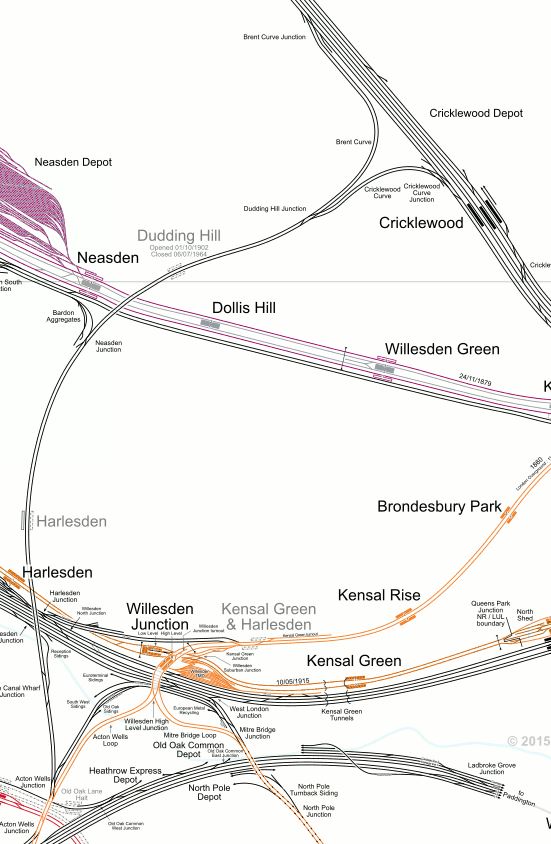
Note.
- How the line joins the Midland Main Line in a triangular junction, which is North of Criklewood station, enabling North and South connections.
- How the line crosses the Chiltern Main Line by Neasden station.
- How the line crosses the electrified West Coast Main Line by Harlesden station.
- How the line joins the North London Line just North of the electrified Great Western Main Line.
This connectivity makes it a very useful freight line.
The Hendon Freight Lines
These two lines run on the Western side of the Midland Main Line between West Hampstead Thameslink and Hendon stations,
North of Hendon they cross the tracks of the Midland Main Line on a flyover and merge with the Slow Lines at Silkstream Junction.
This map from carto.metro.free.fr shows the lines at Hendon.
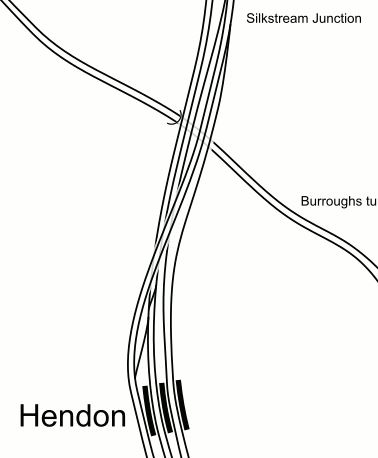
The Hendon Freight Lines have following properties.
- They are only partially electrified.
- They have double-track connections from the North to the Dudding Hill Line, which is named the Brent Curve and Brent Curve Junction.
- They have double-track connections from the South to the Dudding Hill Line, which is named the Cricklewood Curve and Cricklewood Curve Junction.
- As shown at Hendon in the map, the Hendon Up Line passes behind Platform 4 at Hendon, Cricklewood and West Hampstead Thameslink stations.
The innovative use of these lines will be an important part of the proposal for a new passenger service in West London.
The Gospel Oak To Barking Line
The Gospel Oak To Barking Line and the Dudding Hill Line are linked together by the Midland Main Line,
- Between the two lines is fully electrified
- The Gospel Oak to Barking Line will be electrified from May 2018.
- The connecting lines between the Midland Main Line and the Gospel Oak to Barking Line are being electrified around Carlton Road Junction.
This will enable electrified freight trains from East London to the Midlands, using the following route.
- Gospel Oak To Barking Line
- Carlton Road Junction
- Midland Main Line.
Note that there is no flyover between Carlton Road Junction and the Dudding Hill Line, which means they have to cross the Midland Main Line on the flat.
For this reason, electrified freight trains for the West Coast Main Line and the Great Western Main Line must probably take the North London Line from Gospel Oak station.
This probably rules out passenger services between Barking and Acton, using the Dudding Hill Line.
However passenger trains from East London could continue up the Midland Main Line to a suitable terminal.
Class 710 Trains
The Class 710 trains that will be delivered for the Gospel Oak to Barking Line have the following characteristics.
- They are Aventras
- They are dual-voltage and can operate on both 25 KVAC overhead and 750 VDC third-rail electrification.
- They may be fitted with onboard energy storage to operate without electrification for a few miles.
If the last point is true, they will be able to run between West Hamsted Thameslink or Hendon and South Acton stations, with a change of voltage at Acton Central station, using onboard energy storage on the Dudding Hill Line.
The Proposal
The West London Railway has been proposed by a consortium of West London Councils and other interests, that the Dudding Hill Line be reopened to passenger trains.
- ,Services would start in the North at either the proposed Brent Cross Thameslink station or West Hampstead Thameslink station.
- New stations could be built at Gladstone Park and/or Neasden, Harlesden and Old Oak Common,
- The service could be running by the mid-2020s.
The passenger service would open in two phases.
- West Hampstead to Hounslow via Cricklewood, Neasden, Harlesden, OOC, Acton Central, South Acton, Brentford, Syon Lane and Isleworth.
- Hendon to Kew Bridge via Hendon, Brent Cross/Staples Corner, Neasden, Harlesden, OOC, Acton Central and South Acton.
Four trains per hour (tph) would run on both routes.
How Does The Proposal Stack Up?
In the following sub-sections, I’ll discuss the various issues.
Track And Signalling
This is said about the current state of track and signalling in Wikipedia.
In 2009, the track has received considerable maintenance in parts, including complete track and ballast removal and replacement. It was informally thought locally by Network Rail staff that replacement signalling, controlled from Upminster, was planned for Christmas 2010, leading to the closure of the three signal boxes (staffed 24-hours a day, at least during the working week). However, financial constraints within Network Rail have now delayed this timescale.
It looks like the track is in good condition, but the signalling needs replacing.
How Would The Service Be Run?
The Hendon Freight Lines connect to the Dudding Hill Line to give all possible access needed.
It should also be relatively easy to put a single platform on the Up Hendon Line at the following stations.
- West Hampstead – It would act as a terminus.
- Cricklewood
- Brent Cross – When the station is built.
- Hendon – It could act as a terminus.
The new platforms would have the following characteristics.
- They would probably be numbered 5.
- They would probably be able to share platform access and other services with current Platform 4 at each station.
- Little demolition of existing buildings and structures would be required.
A Phase One service coming North from Neasden could do the following.
- Take the Cricklewood Curve from the Dudding Hill Line.
- Join the Up Hendon Line.
- Stop in the new Platform 5 at Cricklewood.
- Continue on the Up Hendon Line to the new Platform 5 at West Hampstead Thameslink.
- Reverse the train at West Hampstead.
- Proceed to and stop in Platform 5 at Cricklewood. Existing cross-overs would allow use of both Hendon Lines.
- Cross over to the Down Hendon Line and take the Cricklewood Curve to rejoin the Dudding Hill Line.
As the service is four tph, provided a train can leave and return to the Dudding Hill Line in fifteen minutes, there should be no problem.
Currently, Cricklewood to West Hampstead takes three minutes, so the Phase One service looks possible.
The Phase Two service to Hendon could do the following.
- Take the Brent Curve from the Dudding Hill Line.
- Join the Up Hendon Line.
- Stop in the new Platform 5 at Hendon.
- Reverse the train at Hendon
- Take the Brent Curve to rejoin the Dudding Hill Line
It looks to be a simple plan, that makes good use of the existing infrastructure.
- Building the extra platforms at Hendon, Cricklewood and West Hampstead shouldn’t be difficult.
- The new routes don’r cross the Midland Main Line.
- The Hendon Lines seem to have plenty of cross-overs and I don’t think any new ones are needed.
- Dual voltage trains would be at home on all existing electrification.
At the Southern end of the route, everything appears fairly simple.
Why Are There Two Phases?
If it’s so simple, why is the service proposed to have two phases?
Look at this map from carto.map.free.fr, which shows the railways around Brent Cross.
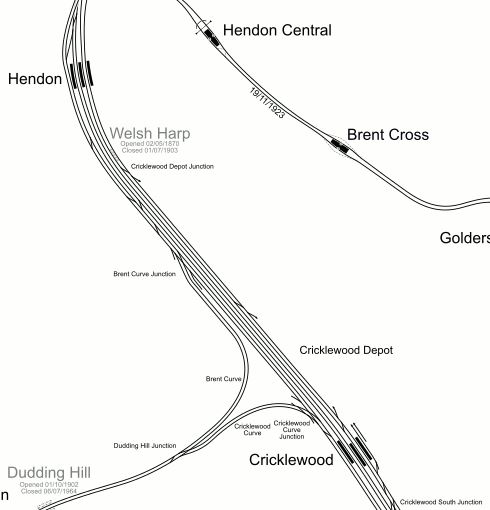
The development of Brent Cross Cricklewood and the building of Brent Cross Thameslink station is going to be a massive undertaking. This describes the development in Wikipedia.
Brent Cross Cricklewood is a planned new town centre development in Hendon and Cricklewood, London, United Kingdom. The development is planned to cost around £4.5 billion to construct and will include 7,500 homes, 4,000,000 sq ft (370,000 m2) of offices, four parks, transport improvements and a 592,000 sq ft (55,000 m2) extension of Brent Cross Shopping Centre. The developers of the scheme are Hammerson and Standard Life. Construction is planned to start in 2018 and be completed in 2021-22
The development will include the building of Brent Cross Thameslink station and the redevelopment of Cricklewood station.
Looking at the Phase One route to West Hampstead Thameslink, the following applies.
- The route doesn’t go past the Brent Cross development.
- The terminal platform at West Hampstead Thameslink would be step-free with a lift.
- The Up Hendon Line is electrified at \West Hampstead Thameslink, but it is not at Hendon.
- Hendon station needs a lot of work to make it step-free.
- West Hampstead Thameslink could be part of a growing West Hampstead Interchange with excellent connections.
- The service could even go straight through Cricklewood station, until it was redeveloped.
It would thus appear that for an easy and affordable construction, the service should serve West Hampstead Thameslink first.
Once Brent Cross Thameslink station is open, Hendon and Kew Bridge stations are updated, Phase Two can open.
Electrification
The electrification of the twelve mile route on the Chase Line between Rugeley and Walsall was budgeted at £78 million.
So hopefully, the four miles of the Dudding Hill Line should be able to be electrified for a reasonable cost.
Consider.
- The track is in reasonable condition and probably well-surveyed.
- There are a few bridges that might need to be raised.
- There are no stations to electrify, just provision to be made.
- Both ends of the route are electrified.
- The route connects to three electrified main lines.
- Electrification of the line would cause little if any disruption to passenger services.
I think that the needs of electrified freight will decide whether this route is electrified.
A Passenger Service Without Electrification
Dudding Hill Line Electrification is not necessary to run s passenger service using Class 710 trains.
- Class 710 trains with onboard energy storage could easily bridge the four-mile electrification gap between the Midland Main Line and the North London Line.
- There would be no problem charging the onboard energy storage at each end of the routes.
- At various places, Aventras will share station platforms with Thameslink’s Class 700 trains and the North London Line’s Class 378 trains, so there should be no station issues.
- From Acton Central to Hounslow and Kew Bridge, the trains would use the third-rail electrification.
Class 710 trains wouldn’t mind if the line is electrified or not.
Stations
The following stations will need to be built or modified.
- Brent Cross Thameslink – New station to be built as part of large development – Might need a platform suitable for use as a terminus.
- Gladstone Park – New station on the site of the old Dudding Hill station – Might be and/or with Neasden.
- Harlesden – New station – Could be linked to the existing station on the Bakerloo Line?
- Hendon – Existing station – Might need a platform suitable for use as a terminus.
- Hounslow – Existing station – Might need a platform suitable for use as a terminus.
- Kew Bridge – Existing station – A new terminus platform would need to be added.
- Neasden – New station – Could be linked to the existing station on the Jubilee Line?
- Old Oak Common – New station to be built as part of large development
- West Hampstead Thameslink – Existing station – Might need a platform suitable for use as a terminus.
The next sections give my thoughts on specific stations.
Brent Cross Thameslink Station
Brent Cross Thameslink station is a planned new station to serve the £4.5 billion Brent Cross Cricklewood development in the area.
I wouldn’t be surprised to see this station built as a close-to-London interchange station, in much the same way as Clapham Junction and Abbey Wood stations work and will work in South London.
At a minimum it will have the following characteristics.
- Two slow platforms for Thameslink services.
- Two fast platforms for long distance services.
- Extra platforms for future services.
- Full step-free access.
The design of the station will be key to extra services using the Midland Main Line.
Cricklewood Station
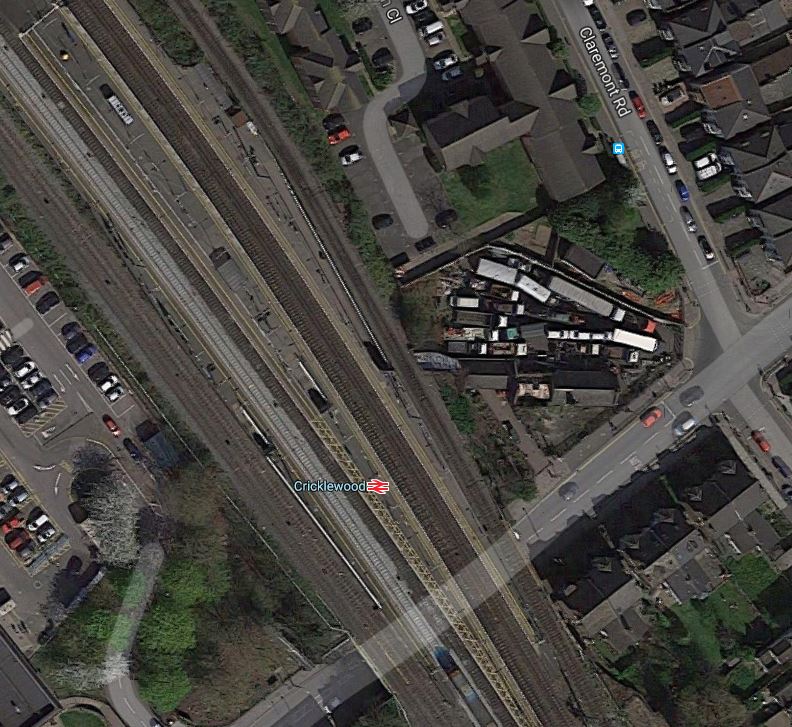
This Google Map shows the layout of Cricklewood station.
These pictures show the station.
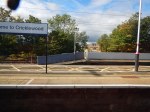
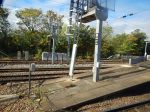
Cricklewood station is one of four stations that need to be modified or built with a Platform 5 on the Up Hendon Line.
The station is also not step-free and this will probably be added in the redevelopment of the station to serve the Brent Cross Cricklewood development..
Harlesden Station
This Google Map shows the layout of Harlesden station.
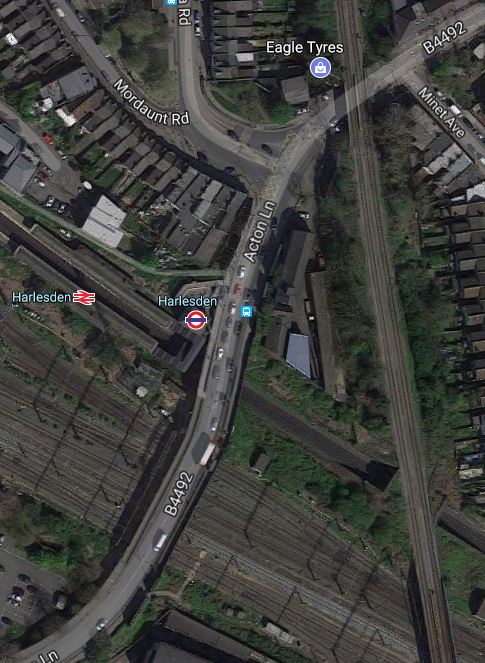
The Dudding Hill Line runs down the map at the right and it crosses the shared tracks of the Watford DC Line and the Bakerloo Line, just to the West of Harlesden station.
These pictures show the station.
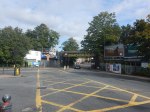
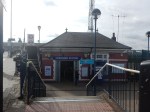

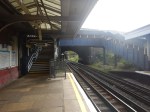
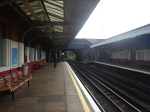
I think that, I am being very truthful, if I said that Harlesden station is not one of the London Underground’s finest stations. Ian in his article said this.
The other station, at Harlesden could also see the old station of the same name rebuilt, but again, the freight line runs close to the current Harlesden station, so a combined building would again be likely, this time with just a modest footbridge needed to link the new platforms to the existing station.
I very much feel that a station can be built at Harlesden on the other side of Acton Lane, that has platforms on both the Watford DC/Bakerloo Lines and the Dudding Hill Line. The high level platforms on the would be connected by steps and/or lifts to the low-level ones.
The new station could even be built without closing any of the lines and once completed the old Harlesden station could be demolished.
It would have the following services.
- Three tph between Watford Junction and Euston.
- Nine tph on the Bakerloo Line
- Four tph between West Hampstead Thameslink and Hounslow.
- Four tph between Hendon and Kew Bridge
The last two proposed services would provide an eight tph service to Old Oak Common for Crossrail, HS2, the North London Line and most importantly, a very healthy amount of employment opportunities.
Hendon Station
This Google Map shows the layout of Hendon station.
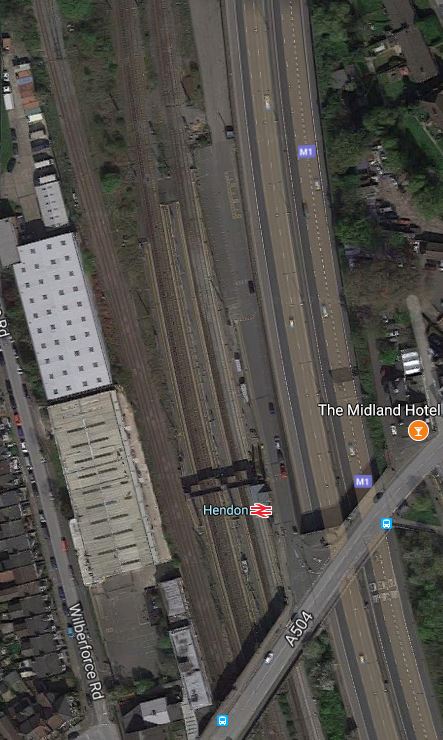
These pictures show the station.

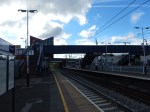

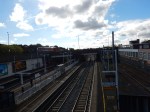
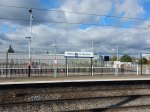
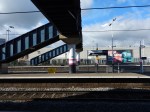
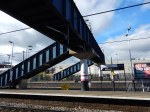
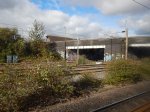
Note.
- The footbridge is not step-free.
- The footbridge is used to support the electrification.
- The electrified fast lines in Platforms 3 and 4.
- The electrified slow lines in Platforms 1 and 2.
- The two freight lines without electrification behind the white metal fence on Platform 4.
In my view, this needs to be done.
- Make the station step-free.
- Build a Platform 5 on the Up Hendon Line, that backs onto Platform 4, so it can share steps and the lift.
- Electrify the line through the platform.
The created Platform 5, will be the terminus of the Phase Two service to Kew Bridge.
Hounslow Station
This Google Map shows the layout of Hounslow station.
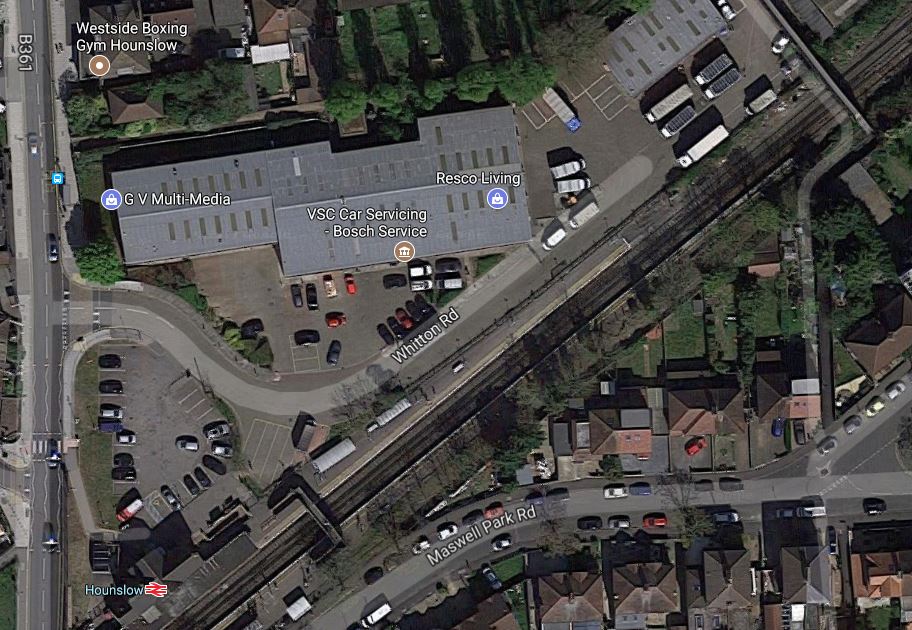
These pictures show the station.
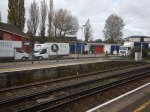
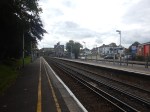
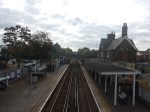
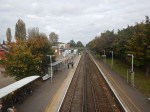
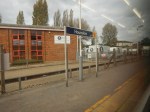
It will be tight to fit a bay platform into the station, but I suspect, it will be placed on the Up (London-bound) side of the station, in what is now an access road and yard to some business premises, where one is labelled Resco Living.
- It will need some changes to the cross-overs at the station to allow trains to access the new platform.
- The station needs a new step-free bridge.
This Google Map shows Hounslow station’s location with respect to Heathrow.
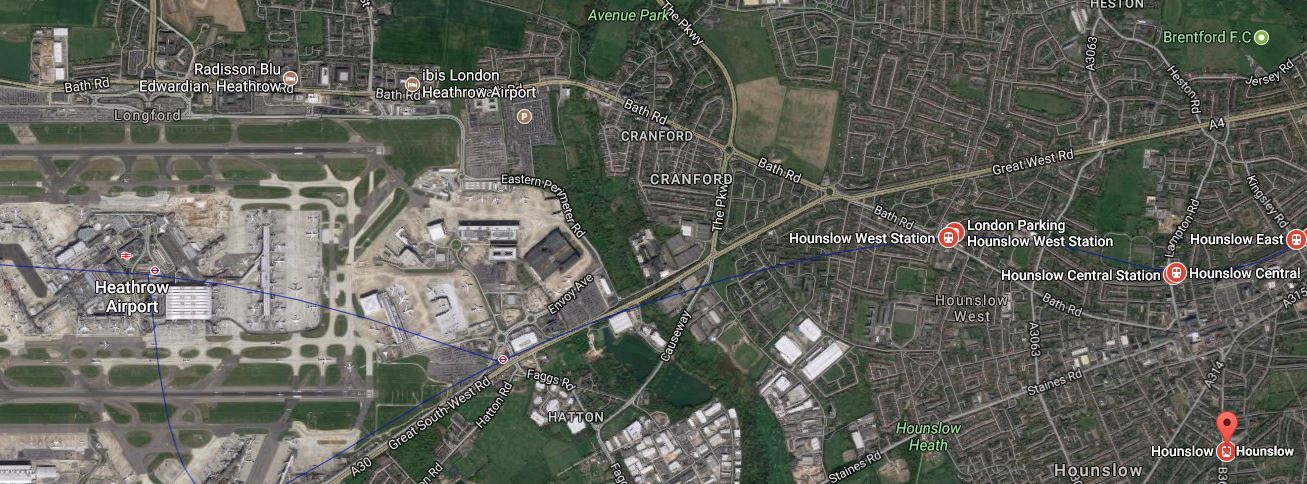
Hounslow station is in the bottom right-hand corer of the map.
I do wonder if Hounslow station, needs a frequent bus to Heathrow Airport. After all the extra four train per hour across London will make it a very busy station.
Kew Bridge Station
This Google Map shows the layout of the lines and the location of Kew Bridge station.
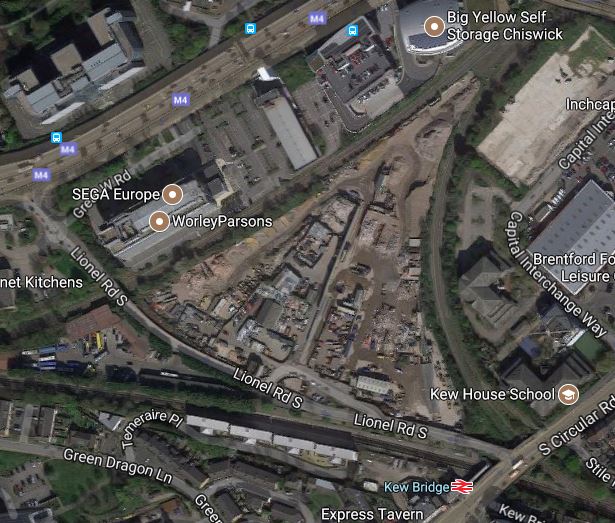
Note.
- The triangal of lines, of which only the bottom side has any trains.
- The top angle leads to South Acton station.
- The proposed Phase One service would use the left side of the triangle.
- The proposed Phase Two service to Kew Bridge would use the right side of the triangle and terminate in a reopened platform at Kew Bridge station.
These pictures show the station.
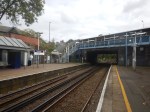
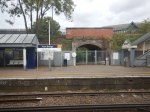

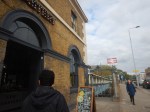
The work needed at Kew Bridge station would appear to be very simple.
- Reinstate the former Platform 3 to handle four tph.
- Replace the footbridge with a better step-free example.
It would also appear that there is a siding to the East of the station, that could be used to reverse trains if necessary.
This map from carto.metro.free.fr shows the lines at Kew.
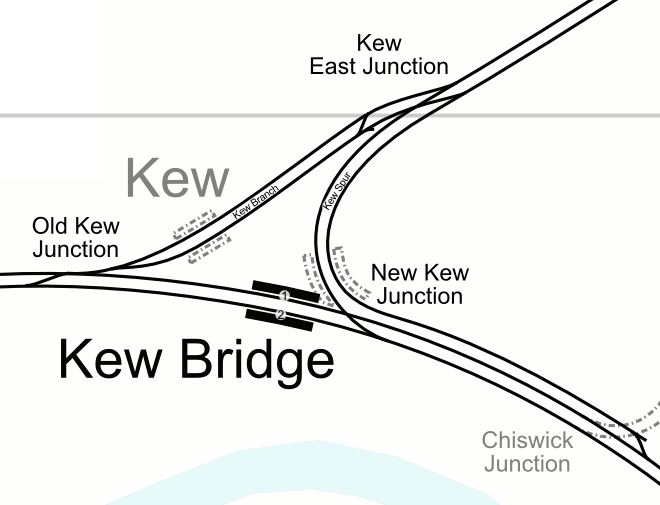
As Brentford’s new stadium and other large developments are being built in the area, I wonder if the proposed Phase One Hounslow service should call at a reopened Kew station.
Neasden Station
This Google Map shows the layout of Neasden station.
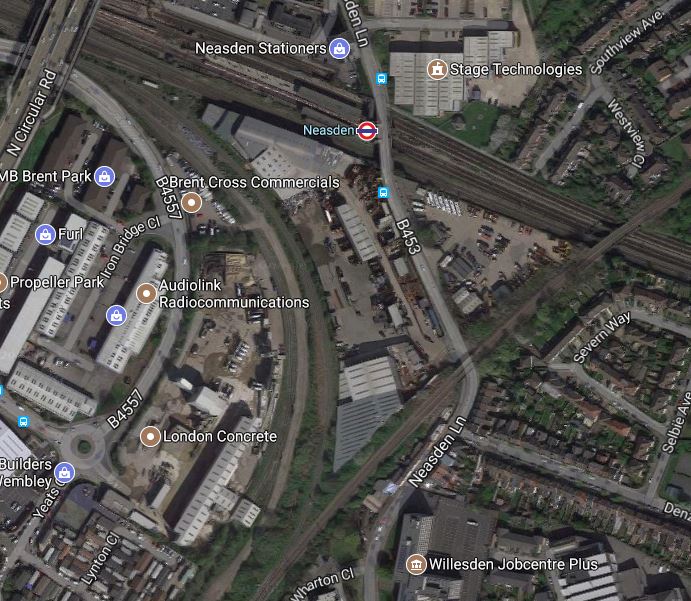
And this map from carto.metro.free.fr shows the lines at the station.

These pictures show the station.
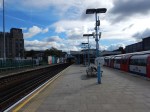


Ian says this about Neasden in his article.
The station at Gladstone Park could see the disused station called Dudding Hill brought back into use, although the likelyhood is that a new station closer to Neasden on the Jubilee line would be favoured for the shorter interchange walk.
There may even be enough space to flip the existing Neasden station southwards and link up with the new Overground line to create a single station linking the two lines.
Whether the funding for that would be available will doubtless depend on getting new housing developers to pick up some of the bill.
There are certainly possibilities.
A combined station would give the following services.
- Upwards of twenty tph on the Jubilee Line
- Four tph between West Hampstead Thameslink and Hounslow.
- Four tph between Hendon and Kew Bridge
The last two proposed services would provide an eight tph service to Old Oak Common for Crossrail, HS2, the North London Line and most importantly, a very healthy amount of employment opportunities.
Old Oak Common Station
Old Oak Common station will be a major interchange between the following lines and services.
- Crossrail
- HS2
- Great Western Main Line
- West Coast Main Line
- Chiltern Tailways
- Bakerloo Line
- Central Line
- North London Line
- West London Line
Whoever sorts this lot out, deserves a Turner Prize.
But after seeing some very complicated stations in both the UK and Europe, I believe that it would be possible to create a station that provided easy step-free interchange between the various lines without walking halfway round the London Borough of Hammersmith and Fulham.
Connecting the West London Orbital Railway to Crossrail would be a very valuable interchange.
West Hampstead Thameslink Station
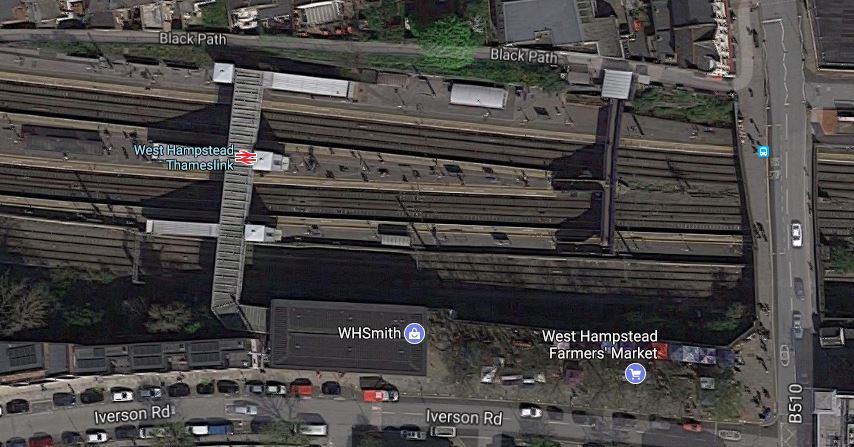
This Google Map shows the layout of West Hampstead Thameslink station.
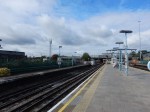
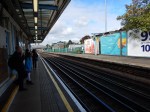
These pictures show the station.
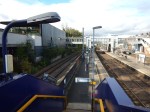
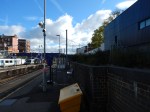
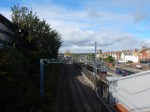

Note.
- In the Google Map, the lines are Slow, Fast and Freight from top to bottom.
- The station is fully step-free.
- The freight lines are electrified.
- The last picture shows how the other West Hampstead stations are being improved.
In my view, all that needs to be done is build Platform 5 for the Phase One service behind Platform 4, so that it can share the steps and the lift.
As other improvements are appearing, West Hampstead will become an important interchange. It’s now got the absolute necessity for a Grade A Interchange; an Marks and Spencer Food Store.
Employment, Housing And Social Benefits
In the seven years since I moved to Dalston, the area has improved considerably.
- New apartment blocks have appeared.
- The shops, restaurants and cafes have got better.
- It also appears to me, that the amount of idle youths hanging around has reduced.
I put a lot of all this, down to considerable investment in both buses and railways. It’s probably not surprising as the London Borough of Hackney doesn’t have an Underground station of its own.
The Overground has been a conspicuous success, offering train services of the following nature.
- Safe, clean stations.
- Visible, well-trained staff.
- New modern trains.
- Train services at a frequency of four tph.
The only problem, is that every time the capacity is expanded it quickly fills.
But then that is only new travellers opting for quality.
On Sunday, I took a ride on top of a bus between Willesden Green and Harlesden stations. These are some pictures I took.


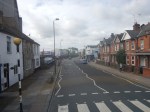
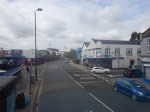

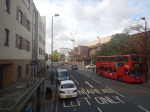


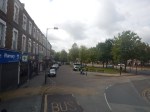
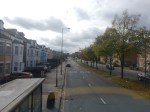
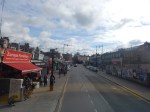
The two most impressive buildings I passed were Courts.
It is my belief that after my experience in Dalston, that improving the transport links in an area of deprivation improves the area considerably, in any number of ways, some of which are rather surprising.
From speaking to people in Dalston, decent reliable transport links seem to have the benefit that those who are unemployed often benefit substantially, by being able to get to nre-found work easily and on time.
So if the proposed line is built with stations at Neasden, Harlesden and Old Oak Common will we see the improvement in North West London, that the Overground has brought to Dalston?
Unfortunately, the only way to test my theory is to build the line.
Building The Line
This is no Crossrail or HS2, where billions need to be spent.
The three largest sub-projects would be.
- Electrification of the Dudding Hill Line, if it is to be done.
- Resignalling of the Dudding Hill Line.
- Necessary track replacement and updating.
In addition, there are around ten station projects.
There will also be a need for up to perhaps sixteen Class 710 trains. This could be around £90-100 million.
Other Possible Rail Services
It might be possible to connect the West London Orbital Railway to other rail services and stations.
Changing At Old Oak Common
All stations on the West London Orbital Railway will have at least a four tph connection to Old Oak Common, with Harlesden and Neasden having an eight tph connection.
Provided that the connection at Old Oak Common is well-designed, I think passengers will be happy to change here for the following services.
- Six tph on Crossrail to Heathrow.
- Twelve tph on Crossrail to Central London.
- West Coast Main Line
- HS2
- Chiltern
- North London Line
- West London Line
I’ve left out the Bakerloo and Central Lines, as it will probably be quicker to take Crossrail and change.
Thameslink And The Midland Main Line
All stations on the West London Orbital Railway will have at least a four tph connection to Thameslink, with Harlesden and Neasden having two separate four tph connections.
Depending on how the new East Midlands franchise arranges services, it might also be possible change onto some services to Derby, Leicester, Nottingham and Sheffield.
Hopefully, the interchange will be step-free. West Hampstead Thameslink already is step-free and I would assume Brent Cross Thameslink will be built that way!
A direct connection from Midland Main Line or Thameslink services to the West London Orbital Railway may be possible, but the current track layout would appear to make it difficult.
Changing At Hounslow And Kew Bridge
The two Southern termini are on the Hounslow Loop Line, which gives valuable connections in South West London, including Clapham Junction.
Affect On Other Services
The West London Orbital Railway affects other passenger services in two places.
The North London Line Through Acton Central And South Acton
Acton Central and South Acton stations on the North London Line are both served by a four tph service between Stratford and Richmond.
- There are also other trains.
- Both stations also have a level crossing.
So would it be possible to fit the eight tph of the West London Orbital Railway through this section of the North London Line?
I suspect the answer is positive, otherwise the impossibility would have killed the proposal.
The Hounslow Loop Line Between Kew Bridge And Hounslow
This section of line has a four tph service in both directions, so it should be able to handle an extra four tph.
Collateral Benefits
There are some benefits to existing services.
Services Through Acton
The two Acton stations; Acton Central and South Acton, receive a big boost to services.
Currently, they have just four tph between Stratford and Richmond.
After Phase Two of the West Ortbital Railway is complete, these servicesc will be added.
- Four tph between West Hampstead Thameslink and Hounslow
- Four tph between Hendon and Kew Bridge
All twelve tph will stop at Old Oak Common.
Major Developments Get New Or Improved Rail Connections
The following developments get new or improved rail connections.
- Brent Cross Cricklewood
- Old Oak Common
- Brentford
How many housing and commercial developments will the passenger serviceencourage?
Conclusion
I believe that the West London Orbital Railway is an elegant proposal.
- No new track or electrification, just signalling and stations.
- Four tph on two routes through areas of London that need much better public transport.
- It links to the major rail hub at Old Oak Common for Crossrail and HS2.
- It can be built without major disruption to existing services.
- It can use the London Overground’s standard Class 710 trains.
- It is very much a self-contained railway, that has little chance to affect existing services.
But above all, it is very much an affordable proposal, with a projected high return.
Lines Through Hampstead And Harringay
This map from carto.metro.free.fr shows the layout of railway lines through Hampstead.

Lines Through Hampstead
I believe that it is a network that will be changed dramatically in the next few years.
In the west of the map, there is a triangular junction to the north of Cricklewood station, which connects the Dudding Hill Line to the Midland Main Line.
Also to the North of Cricklewood station is the old Cricklewood TMD (traction maintenance depot), which is now being developed as Brent Cross Cricklewood with houses, oficces, an extension to the Brent Cross Shopping Centre and a new station called Brent Cross Thameslink.
In the east of the map, Gospel Oak station is prominent and if you take a close look you can see how a double track spur connects the Gospel Oak to Barking Line (GOBlin) at Junction Road Junction to the Midland Main Line at Carlton Road Junction. This short length of line, which is used by freight trains, is also being electrified, so that freight trains can be electric-hauled from Barking and then up the Midland Main Line.
From Carlton Road Junction, freight trains can sneak up the western side of the Midland Main Line and either go North to freight depots like the proposed Radlett or take the Dudding Hill Line to connect with the West Coast Main Line or the Great Western Main Line. You can see the tracks that freight trains would use is this image taken looking south from the bridge at West Hampstead Thameslink station.

Lines Through West Hampstead Thameslink Station
The tracks that freight trains will use are to the far right.
Transport for London’s Transport Plan for 2050 talks about improving the Overground, by using existing lines to create a circular railway based on the GOBlin. It could be routed via the Dudding Hill Line to Hounslow.
Looking at the above image, it would appear that it could be fairly easy for trains from the GOBlin to stop at West Hampstead Thameslink on their way to the Dudding Hill Line. This Google Map shows the station.

West Hampstead Thameslink Station
It would appear that there may even be space for an island platform, but I suspect a bi-directional platform sharing with the current Platform 4, will be much easier to create and more affordable.
The extended GOBlin would then call at Cricklewood station, from where it could either go straight down the Dudding Hill Line or perhaps via a reverse at the new Brent Cross Thameslink station.
This Google Map shows the area between Brent Cross and the Midland Main Line.
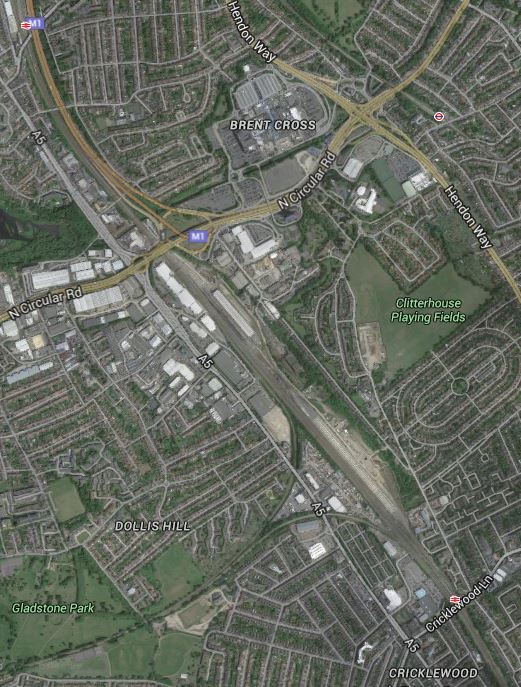
Brent Cross
Note the large area of the current Cricklewood TMD to the North East of the triangular junction with Cricklewood station south of the area. The development will be partly on the northern part of the TMD.
The advantage of the indirect route, would be that the Shopping Centre and all the new development in the area, gets good connections from Hounslow and Acton in the West to Holloway, Tottenham and Walthamstow in the East.
If the trains run at the current four trains per hour of the GOBlin, then this line would be a valuable link across North London connecting to the Midland Main Line and Thameslink at either Brent Cross or West Hampstead stations.
It is an interesting proposition.
But it might get even better!
London’s two big problems are housing and transport, so look sat this Google Map of the area to the East of Gospel Oak station.

A Site To The East Of Gospel Oak Station
There is a large site around the triangular junction formed by the GOBlin in the North, the Midland Main Line in the South and the link between the two lines in the East.
It could be used for much-needed housing and other developments in the future. At the present time, it is owned by J. Murphy and Sons, who by chance are the contractors working on the electrification of the GOBlin.
Look at the map and I think that there is enough space to put a new station on the eastern side of junction.
So trains from Upper Holloway station to the Dudding Hill Line could go through.
- Junction Road if that station is built.
- Murphy’s Town
- West Hampstead Thameslink
- Cricklewood
- Brent Cross Thameslink
I think that some of the out-of-the-box-thinkers at Transport for London will come up with some extensive knitting in North London.
Look at this Google Map, which shows the GOBlin through Harringay.
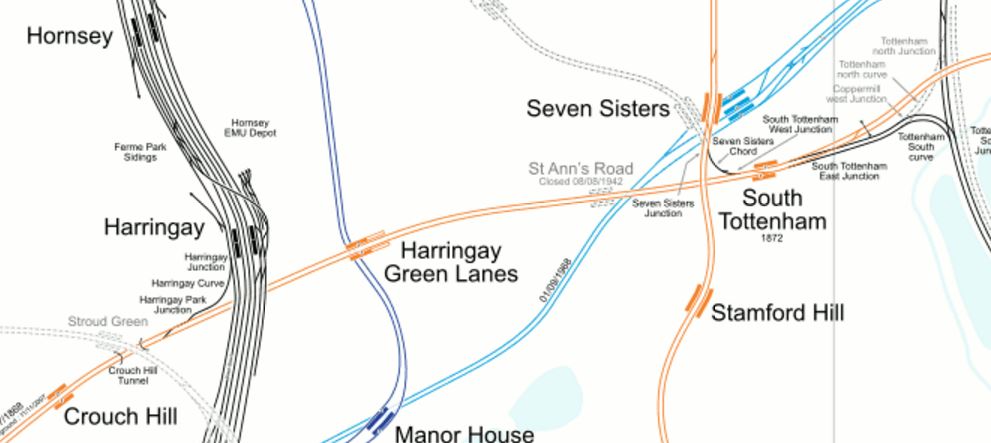
Lines Through Harringay
The GOBlin is or could be very well connected.
- The connection to the East Coast Main Line is being electrified.
- Harringay Green Lanes station sits on top the Piccadilly Line.
- Seven Sisters station will be connected to South Tottenham station by Crossrail 2.
- It is linked to the Lea Valley Lines south of Tottenham Hale station.
Who knows what Transport for London will do with the GOBlin?
I wonder if in conversations in the pub near TfL’s offices, they wish that they still had the Palace Gates Line to play with. You can see it’s line on the map above as it goes away to the North West from Seven Sisters station.
I do find it strange however, that the route of Crossrail 2 from Seven Sisters to New Southgate, very much follows the route of the Palace Gates Line.
So can we assume, that the Victorians got that one right too?
Conclusions On The Dudding Hill Line
Except for taking a trip in the cab of one of the freight trains on the line, I think I’ve had a pretty good view of the length of the The Dudding Hill Line from Cricklewood to Acton.
The line gives the impression of being well-built and well-maintained and probably except for the bridge-cum-tunnel at Craven Park would not be in the difficult and expensive category to open up to a loading gauge suitable for containerised freight trains and electrify, especially if you judge it against this post, which discusses the problems of electrification.
So I stick with my conclusion that the line should be electrified.
The main reason would of course be for the freight, but it of course opens up the possibilities for passenger services. How about?
Brighton-Gatwick-St.Pancras-Heathrow.
Southampton-Reading-Heathrow-Luton-Sheffield-Newcastle.
The list is pretty endless and depends very much on what passengers want and what an operator is prepared to try.
But did I get any answers to any of the other questions I had in this post?
1. I have found no information on how to get from the North London Line to the Midland Main Line. So it would appear that it will be a difficult rail journey from London Gateway to the new Radlett Freight Distribution Centre, unless you unload the containers onto trucks. One or other of the two ends of the journey is in the wrong place.
2. I looked at the Acton area of the North London Line and its proximity to North Acton station and came to the conclusion, it might not be a good idea, as it has the Brixton problem with one line on a high bridge and the other in a cutting. It looks like politicians are trying to design a railway.
I’ll leave the other questions, as most aren’t concerned with the Dudding Hill Line.
My last conclusion is a bit of a cop-out! Because of the lack of a sensible connection between the Midland Main Line and the North London Line, is holding back full utilisation of the Dudding Hill Line.
As the more I investigated the Dudding Hill Line, the more it hit me, that we need a line around North East London.
Come back Palace Gates Line, all is forgiven!
 The Anonymous Widower