Essex Councillors Call For Underground Link
The title of this post, is the same as that of this article on Railnews.
This is the first paragraph.
Councillors in Harlow are calling for a new Underground link, saying that they are examining ‘all possibilities for improving and modernising transport connections’.
I’ve tackled this subject before in Does Harlow Need An Improved Train Service?, but this time I’m starting with what is possible and working backwards.
Harlow’s Current Train Service
Currently, these trains serve Harlow Town station.
- Stratford and Bishops Stortford – 2 tph – via Lea Bridge, Tottenham Hale, Waltham Cross, Cheshunt, Broxbourne and Sawbridgeworth
- London Liverpool Street and Cambridge North – 1 tph – via Tottenham Hale, Cheshunt, Broxbourne, Bishop’s Stortford, Audley End, Whittlesford Parkway and Cambridge
- London Liverpool Street and Cambridge North – 1 tph – via Tottenham Hale, Cheshunt, Broxbourne, Roydon, Sawbridgeworth, Bishop’s Stortford, Stansted Mountfitchet, Elsenham, Newport, Audley End, Great Chesterford, Whittlesford Parkway, Shelford and Cambridge
- London Liverpool Street and Stansted Airport – 1 tph – via Tottenham Hale
- London Liverpool Street and Stansted Airport – 1 tph – via Tottenham Hale and Stansted Mountfitchet
In addition these services run through Harlow Town station without stopping.
- London Liverpool Street and Stansted Airport – 2 tph – via Tottenham Hale
Note.
- tph is trains per hour
- The Stansted services are fast services and take 29 minutes between London Liverpool Street and Harlow Town.
- The other services seem to take a few minutes longer.
Summarising the services gives the following.
- Eight tph pass through the station of which six tph stop.
- Cambridge and Cambridge North has a 2 tph service.
- London Liverpool Street has a 4 tph service.
- Stansted Airport has a 2 tph service.
- Stratford has a 2 tph service.
- Tottenham Hale has a 6 tph service.
Each of Greater Anglia’s new Class 720 trains, when working as a ten-car formation can carry well over a thousand passengers.
Harlow Town station has a fairly good service, but it could probably be improved.
What Are Harlow’s Councillors Suggesting
This paragraph in the Railnews article gives the councillors wish list.
Harlow Councillor Michael Hardware is portfolio holder for strategic growth. He said: ‘With Harlow’s close proximity to London our plans include investigating the potential for the extension of the central line to Harlow, lobbying to extend London Transport Zones to Harlow, examining connectivity to Crossrail 2 and promoting four tracking of the main line to Stansted Airport as well as improving existing public transport links in and out of the town.
I’ll look at each proposal in turn.
Extending The Central Line To Harlow
Epping and Harlow are about nine miles apart.
This Google Map shows the two towns and the M11 that runs to the East of both towns.
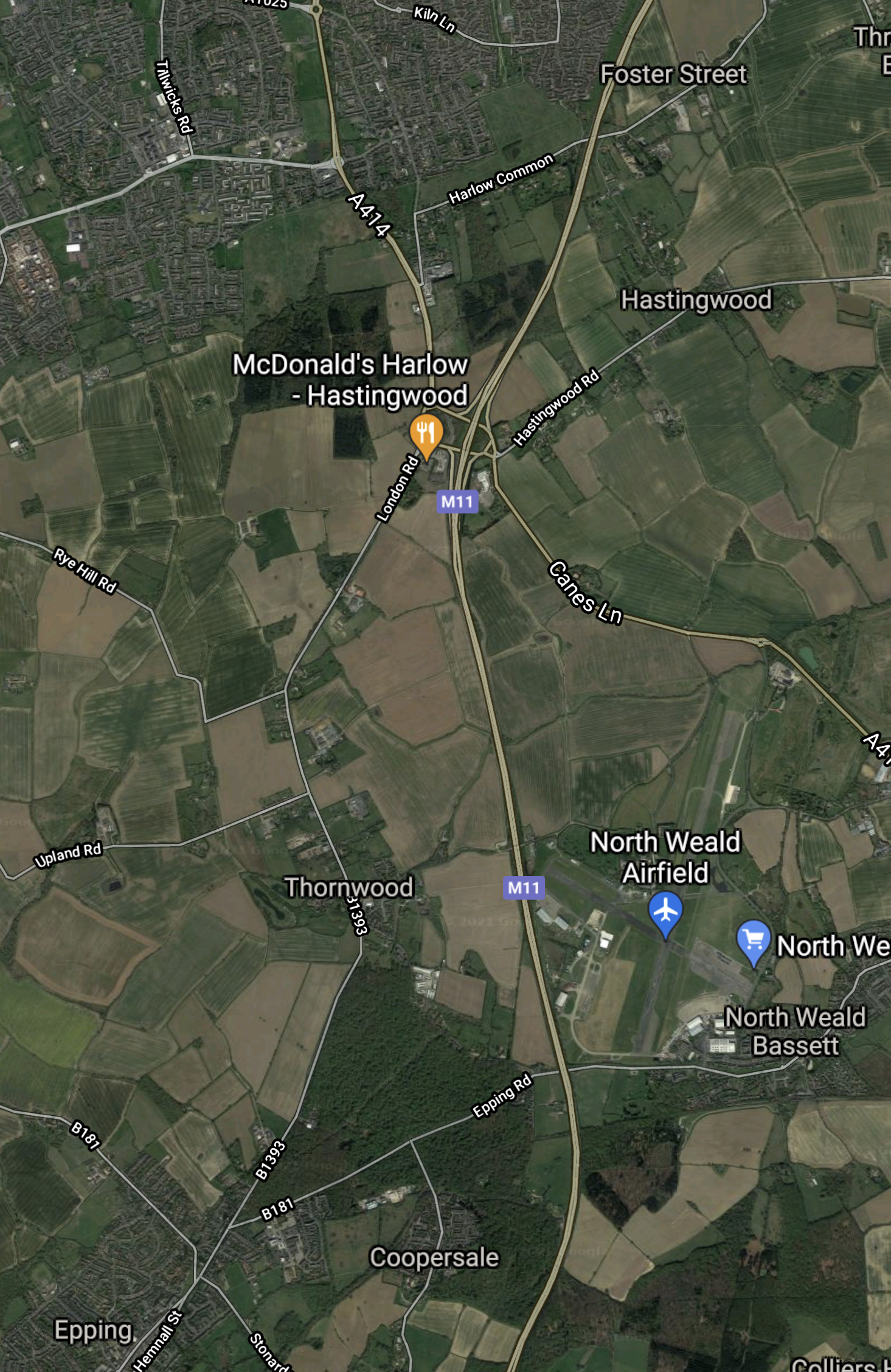
Note.
- Epping is in the South-West corner of the map.
- Harlow, which is a large town of nearly 90,000 residents is at the top of the map.
- The M11 runs North-South across the map to the East of both towns.
- North Weald Airfield lies to the East of the motorway.
Would it be possible to run an extension of the Central Line from Epping to Harlow?
It could run up the West side of the motorway.
- The terminus could be in South-East Harlow close to Junction 7 of the M11.
- Any plans for the development of North Weald Airfield could have a big effect on any plans.
This Google Map shows the location of Epping station with respect to the motorway.
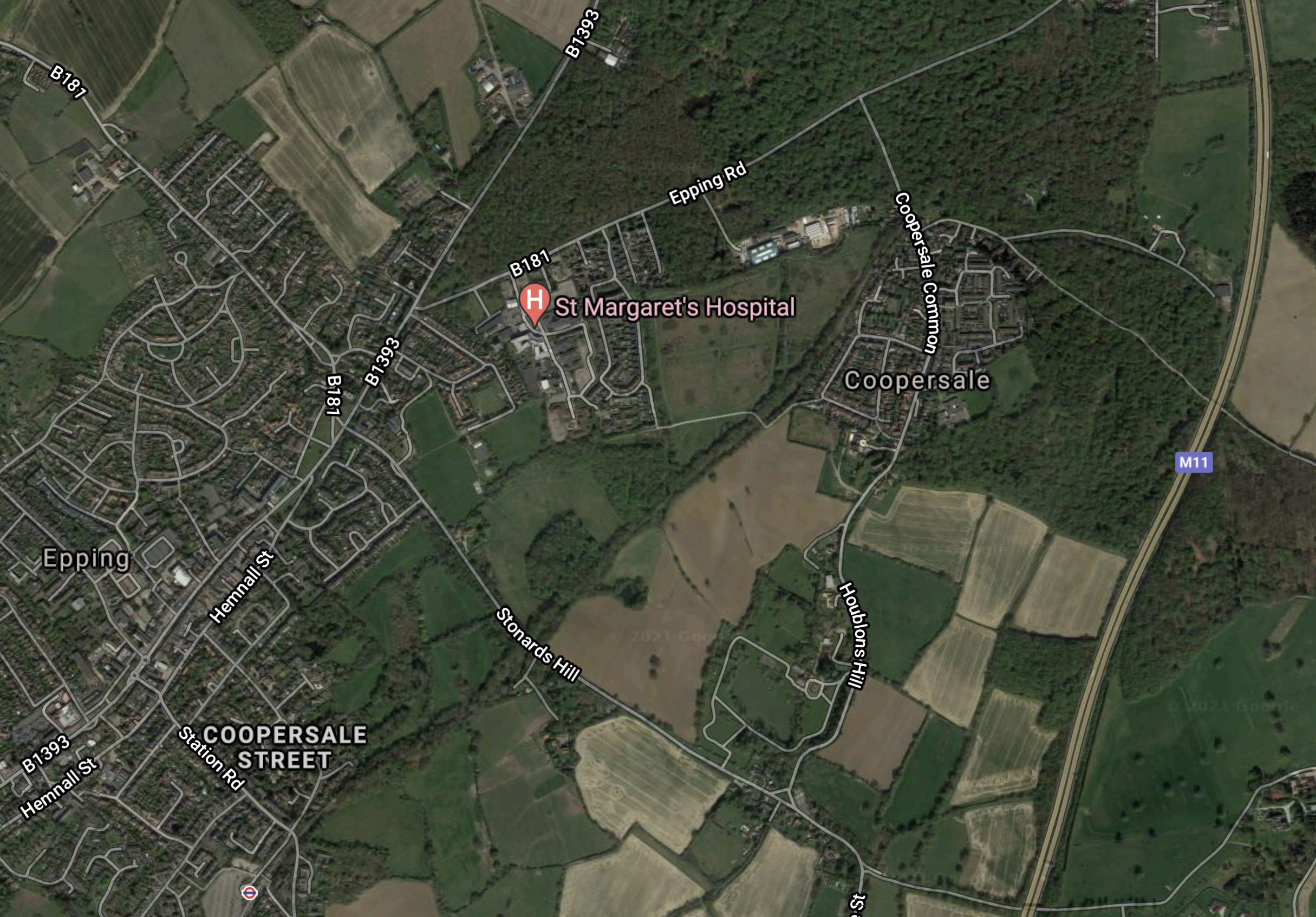
Note Epping station is in the South-West corner of the map.
Running North-East from the station, the dark green scar of the single-track Epping Ongar Railway can be picked out, as it runs between St. Margaret’s Hospital and the village of Coopersale.
This third Google Map shows the railway as it passes under the M11.
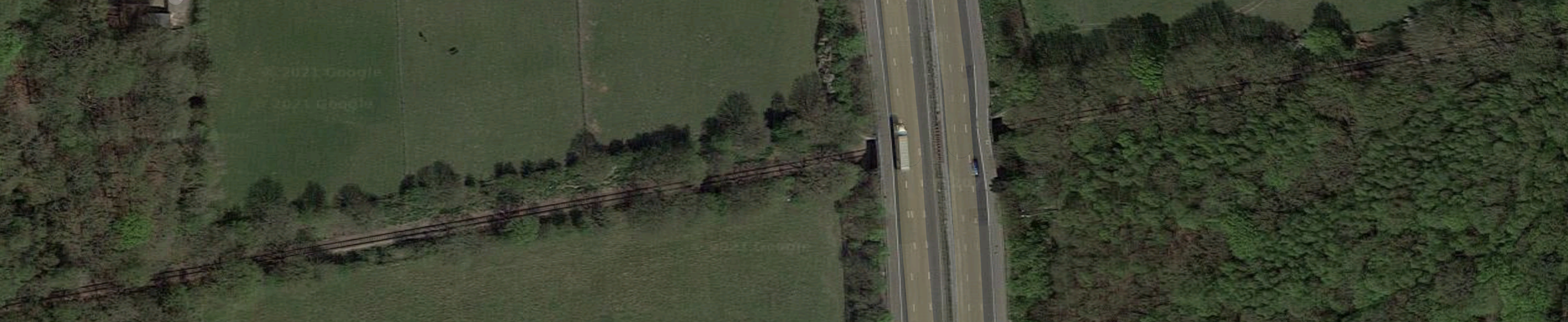
Would it be possible to use the route of this line to connect to a new line alongside the motorway?
This fourth Google Map shows Epping tube station.
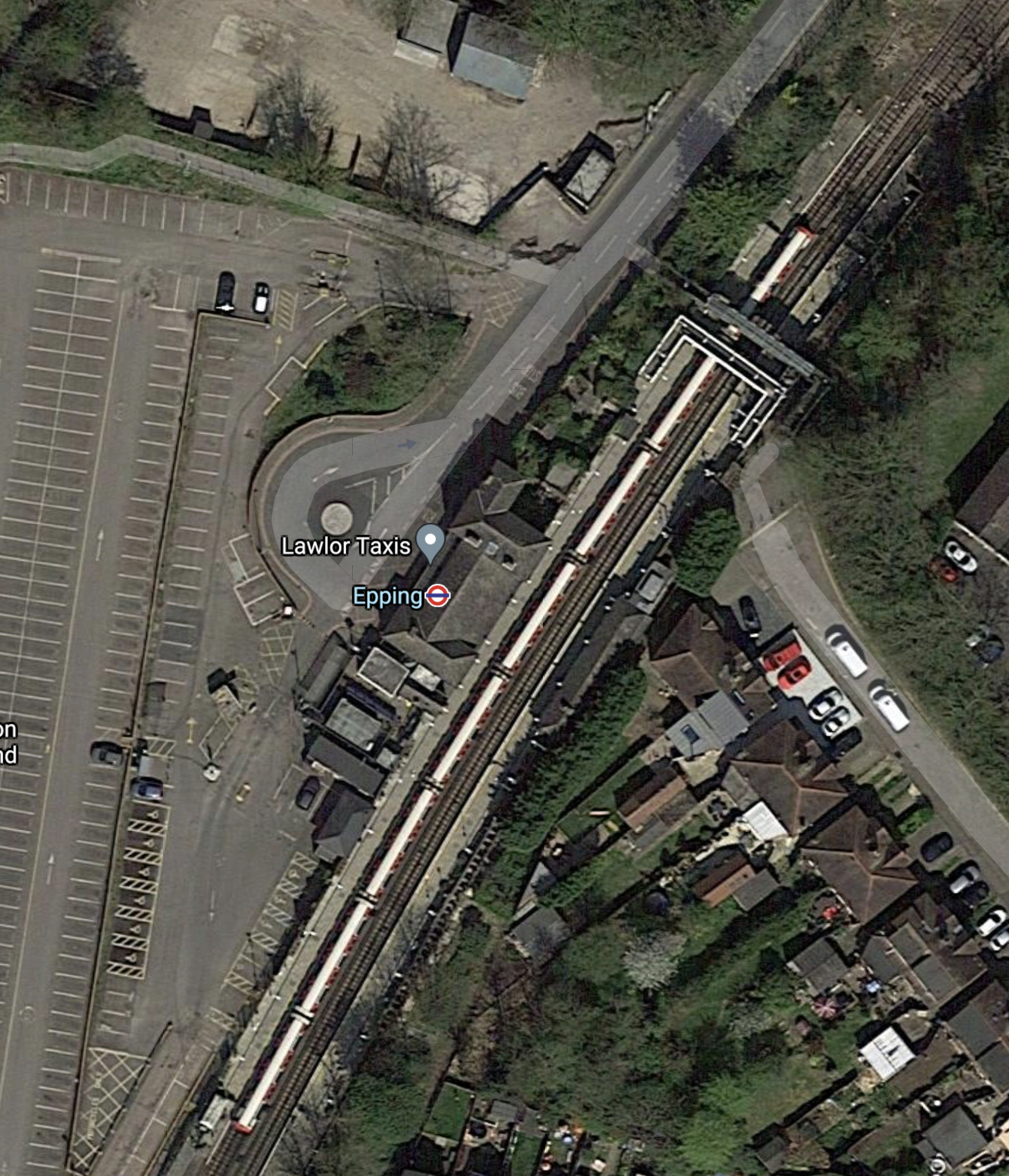
Note.
- The station has two platforms, but is not step-free.
- It has a large car-park.
- Trains take thirty-seven minutes between Epping and Liverpool Street stations.
- Trains have a frequency of nine tph.
This map from cartometro.com shows the track layout at Epping station and the interface with the Epping Ongar Railway.
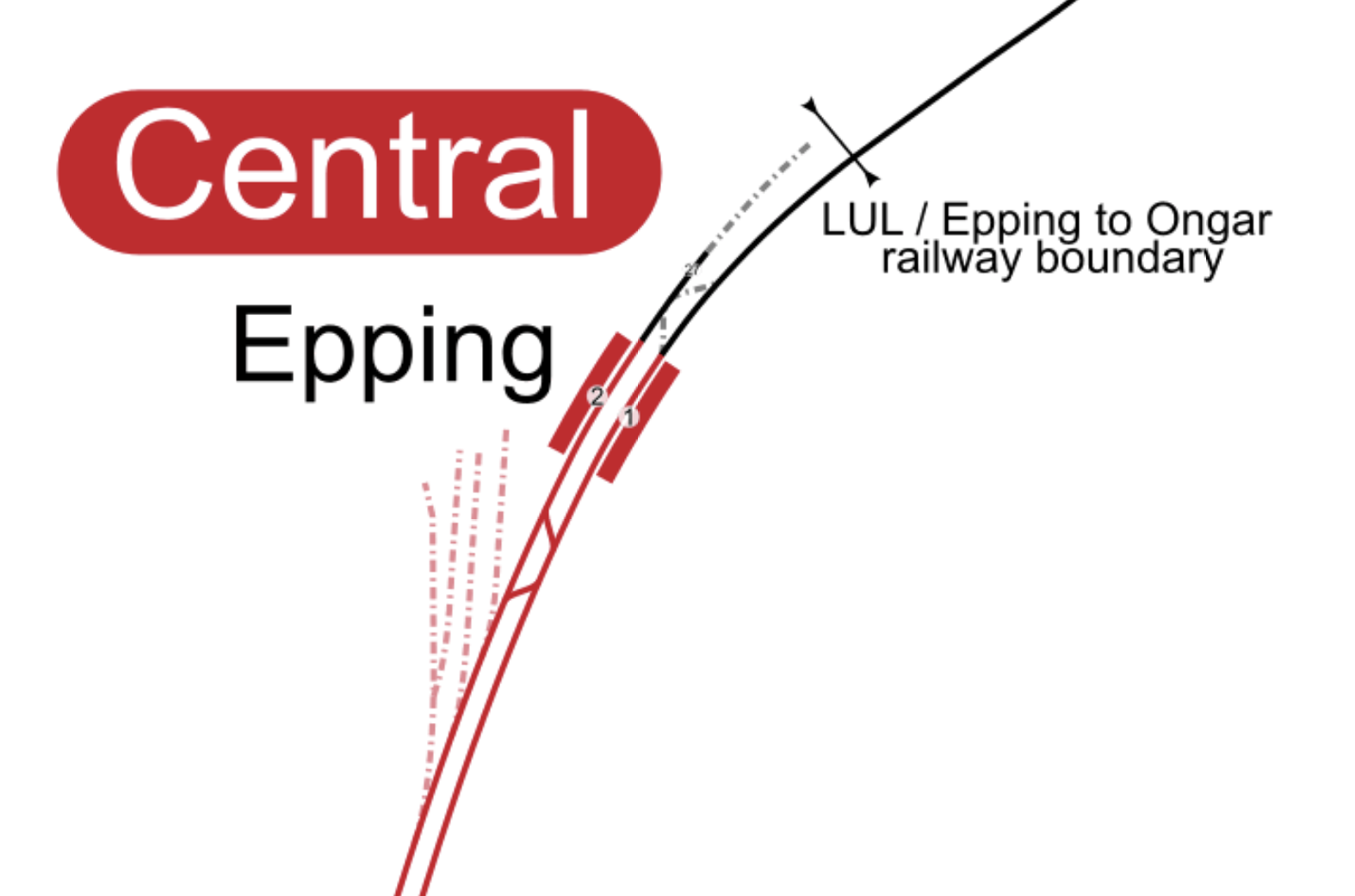
Note.
- The Epping Ongar Railway has always been single track.
- The crossovers to the South of Epping station allow either platform to be used for Central Line services.
- When the Central Line ran to Ongar, it looks like all services used Platform 1 at Epping.
I feel that it might be possible to create an extension to Harlow, by doing something like the following.
- Add a second bi-directional track alongside the Epping Ongar Railway between Epping station and the M11.
- Extend Platform 1 to the North, so that the heritage trains can load and unload passengers at Epping station.
- The Central Line platforms would be unaltered, so could still handle the nine tph they currently handle.
- Trains to and from Harlow would always use Platform 2.
At the M11, the new bi-directional track would turn North and become double-track to Harlow.
- The double-track would allow trains to pass.
- If the rolling stock for the Central Line has been renewed, it might be possible to run the extension on battery power.
- If Harlow had a single platform, it would be possible to run four tph to Harlow.
- The current 2012 Stock trains have a capacity of around a thousand passengers.
- I estimate that trains would take about ten minutes between Epping station and the new Harlow station.
I feel something is possible, but building the line might be easier if new battery-electric trains were available, as this would probably allow the extension to be built without electrification.
On the other hand, it might not have the greatest financial case.
- It could be difficult to add large numbers of passengers to the Central Line.
- At around forty-seven minutes, the Central Line service will be slower than the main line trains, which currently take around a dozen minutes less.
I’ll be interested to see what the professionals say.
Extending London Transport Zones To Harlow
Harlow Town station has ticket barriers, but I don’t think it is part of London’s contactless card zone.
Adding Harlow Town and all stations between Harlow Town and the zone could be very beneficial to passengers and train companies.
Examining Connectivity To Crossrail 2
I think that in the current economic situation this should be discounted.
- It is a very expensive project.
- Building it will cause tremendous disruption on the West Anglia Main Line.
- It is only planned to go as far as Broxbourne station.
But I don’t think politicians from outside London and the South-East would sanction another massive project for London.
I don’t think Crossrail 2 will ever be build in its currently proposed form.
Four Tracking Of The Main Line To Stansted Airport
Consider.
- Currently, the numbers of trains on the West Anglia Main Line is under twelve tph.
- Modern double-track railways with the latest digital in-cab signalling like Thameslink and Crossrail can handle twice this number of trains.
- The West Anglia Main Line will be getting new trains with better acceleration.
Four-tracking is mainly needed to cut times to Cambridge and Stansted Airport, but I suspect that with some clever design and improved signalling, the current double-track can be improved significantly.
Improving Existing Public Transport Links In And Out Of The Town
I think that this could be a fruitful area.
- As I said earlier, Harlow has only 6 tph trains stopping in the station.
- I believe this could be increased to at least 10 tph, if the West Anglia Main Line were to be modernised.
- Extending London Transport Zones To Harlow, which I discussed earlier would surely help.
- Is there enough car parking?
- Are there enough buses to the stations?
- Would a fleet of zero-carbon buses tempt people to use them?
- Would it be possible to run a hydrogen commuter bus service up and down the M11 between say Harlow and Ilford for Crossrail?, as is being done in Dublin, that I wrote about in Three Hydrogen Double Decker Buses Set For Dublin.
Hopefully, Harlow’s councillors would have a few good ideas.
A Few Thoughts On What Is Possible
These are a few of my thoughts on what is possible.
Digital Signalling Could Increase The Number of Trains Per Hour Significantly
Consider.
- Currently, the West Anglia Main Line handles ten tph between Liverpool Street and Bishops Stortford.
- Thameslink handles 24 tph with digital signalling.
- Crossrail will handle 24 tph with digital signalling.
- High Speed Two will handle eighteen tph.
I certainly believe that another four tph could be easily handled through the two Harlow stations, with full digital signalling.
Perhaps a frequency of eight tph, that would match TfL Rail between London Liverpool Street and Shenfield would be ideal.
If it works for Shenfield it should work for Harlow!
Rebuild Cheshunt Station
Cheshunt station with its level crossing is a bottleneck and any increase in the number of trains through the station will need the level crossing to be replaced by a bridge.
But developers are talking of high class housing in the area and removal of the level crossing appears to be in their plans.
New High-Capacity Class 720 Trains
Pairs of five-car Class 720 trains are coming to the West Anglia Main Line and each pair will carry over a thousand passengers.
These will be used on four tph, that call at Harlow Town station.
Turn Trains In The High Meads Loop at Stratford Station
The single-track Wirral Line Loop under Liverpool handles up to sixteen tph.
Network Rail built a double-track loop under the Eastfield Shopping Centre, which calls at Platforms 11 and 12 in Stratford.
If this loop was used to turn trains it could probably handle at least twelve tph on one platform.
Liverpool Street currently handles these trains that go up the West Anglia Main Line or the Lea Valley Lines.
- 6 tph – Greater Anglia
- 6 tph – London Overground
It looks to me that the terminal capacity in London could be as high as 20 tph.
Run More Trains On A Digitally-Signalled Route Through Seven Sisters
Just four tph run on the London Overground route through Seven Sisters station.
Compare that with the East London Line of the London Overground, where sixteen tph run between Dalston Junction and Surrey Quays stations.
The London Overground has ambitions to run four tph to Cheshunt and Enfield Town, as they do to Chingford, but that would only up the frequency through Seven Sisters to eight tph.
The tracks in the area also allow trains from Stratford to use the lines through Seven Sisters stations to go North.
Run West Anglia And Lea Valley Services Together
Currently, Greater Anglia and London Overground seem to do their own things, but surely properly integrated and with the moving of more services to the London Overground, I suspect that everything could be more efficient.
I believe that by using Liverpool Street and Stratford as twin London terminals for Lea Valley services, that upwards of twenty tph can on digitally-signalled West Anglia Main Line and the Lea Valley Lines.
These are the current trains.
- Bishops Stortford – 2 tph
- Cambridge North – 2 tph
- Cheshunt – 2 tph
- Chingford – 4 tph
- Enfield Town – 2 tph
- Hertford East – 2 tph
- Stansted Airport – 4 tph
Note.
- This is a total of eighteen tph
- The pinch point is surely the stretch between Bethnal Green and Clapton stations, which handles 14 tph including a mix of fast expresses and London Overground services.
- On the other hand the route through Seven Sisters is handling just four tph.
- Ten tph run between Tottenham Hale and Cheshunt stations on the West Anglia Main Line.
- Only two tph terminate in Stratford.
If the Cheshunt and Enfield Town services are increased to 4 tph, as is London Overground’s aspirations we get the following.
- Bishops Stortford – 2 tph
- Cambridge North – 2 tph
- Cheshunt – 4 tph
- Chingford – 4 tph
- Enfield Town – 4 tph
- Hertford East – 2 tph
- Stansted Airport – 4 tph
Note.
This is a total of twenty-two tph.
But there is still plenty of spare capacity at Stratford and through Seven Sisters.
If our objective is more trains through Harlow, why not double up the Stratford and Bishops Stortford service.
- Bishops Stortford – 4 tph
- Cambridge North – 2 tph
- Cheshunt – 4 tph
- Chingford – 4 tph
- Enfield Town – 4 tph
- Hertford East – 2 tph
- Stansted Airport – 4 tph
Note.
- This is a total of twenty-four tph.
- Harlow will have eight tph to and from London.
- There will be 8 tph through Seven Sisters.
- There will be twelve tph between Tottenham Hale and Cheshunt stations on the West Anglia Main Line.
- Four tph will terminate at Stratford.
Perhaps to reduce the trains on the West Anglia Main Line, the Hertford East trains could go via Seven Sisters.
But that would mean that stations like Brimsdown and Ponders End would lose a lot of their service.
So why not add extra stops to the Bishops Stortford services?
Conclusion
I believe that by doing the following.
- Adding digital signalling to all lines.
- Turning more trains at Stratford.
- Using the route through Seven Sisters at a much higher frequency.
- Rebuilding Cheshunt station and level crossing.
- Reorganising stops on the West Anglia Main Line.
That it would be possible to create a high-frequency Metro up the Lea Valley.
Except for the digital signalling and Cheshunt station, there is not much work to do on the infrastructure.
Will Whitechapel Station Have The Widest Platform On The Underground?
I took this picture across the island platform for the Sub Surface Lines at Whitechapel station, this morning.
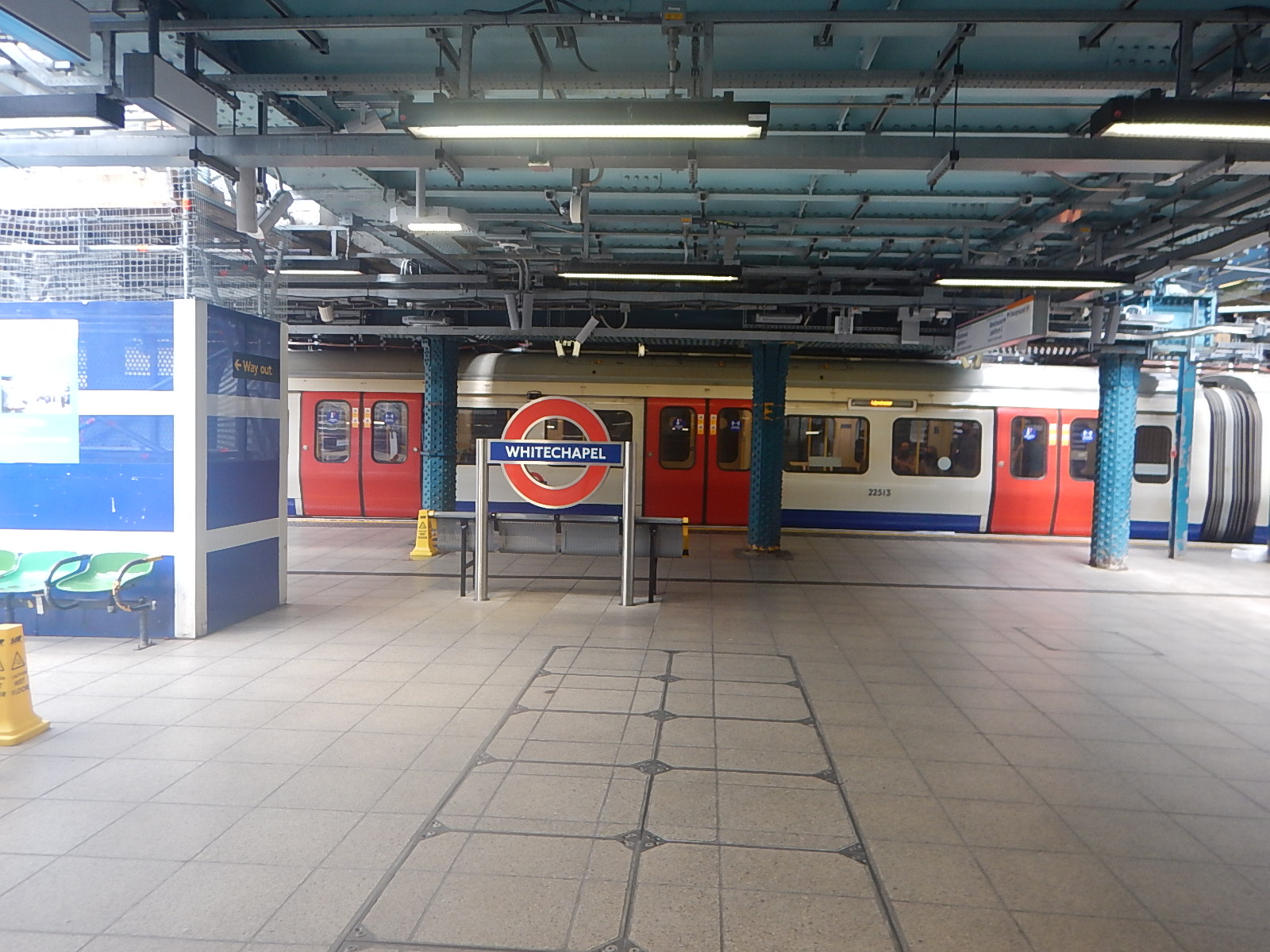
It will certainly be a wide platform, when the station is completed.
It is also shown on this map from carto metro of the lines through the station.
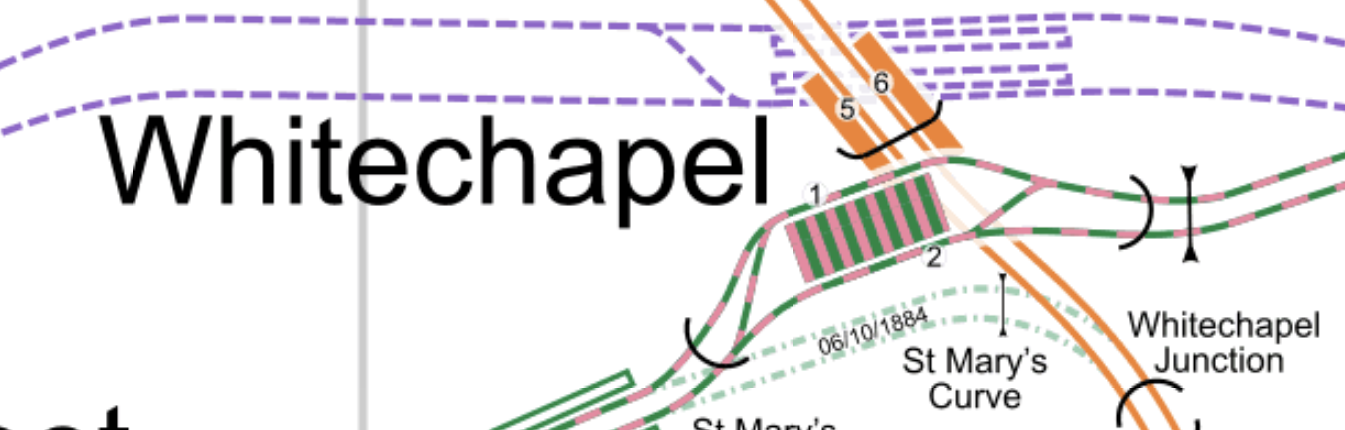
Note.
- Crossrail is shown in purple.
- The Overground is shown in orange.
- The Sub Surface Lines are shown in green and red.
Platforms 1 and 2 form a very wide island platform.
The station is unique in that three full-size high-capacity and high-frequency lines connect at the station.
- Crossrail – East-West – 24 tph – 1,500 passengers per train.
- Sub Surface Lines – East-West – 21 tph – 1209 passengers per train
- Overground – North-South – 16 tph – 170 passengers per train
A lot of passengers will change trains at Whitechapel station, so the spacious platform will be useful.
Will passengers also use the platform to reverse direction.
The quickest way between Liverpool Street and Blackfriars stations is to get a Circle Line train, but passengers could go two stops on a Hammersmith and City train to Whitechapel, walk across the platform and then take the District Line to Victoria.
Alternatively, you could take Crossrail to Whitechapel to get the District Line.
But the latter is in the advanced course on Ducking and Diving.
Plan Ahead – Bank London Underground Station Upgrades To Disrupt Underground Services
The title of this post, is the same as that of this article on Rail Advent.
This is the best summary I have seen about what will happen between the 15th January and mid-May next year, when the Northern Line is closed between Moorgate and Kennington stations to work on the upgrade to Bank station.
As I rarely use the Northern Line between Moorgate and Kennington stations, I probably won’t suffer much inconvenience.
But i do have two convenient bus routes between my house and London Bridge station and there is always the Overground and a change to the Jubilee Line at Canada Water station.
London Underground’s Northern Line Extension Starts Trial Operations
The title of this post, is the same as that of this article on Ian Visits.
These are the first two paragraphs.
The Northern line extension between Kennington and Battersea has entered the final trial operations stage ahead of its opening later this year.
Four trains per hour are currently being run through the extension at weekends as part of trial operations. Throughout this trial period, operations and maintenance staff are testing all the systems required to keep the extension running, and existing Northern line train drivers will complete familiarisation training on the route.
As ever, Ian seems to have researched his facts and he is predicting the following.
- The extension will open in September.
- Mill Hill East will get direct services from Central London, which will eliminate the need to change at Finchley Central
- The initial Peak hour service will be six trains per hour (tph)
- The initial Off Peak service will be five tph.
I’m certainly looking forward to opening of the extension.
Ickenham Station Has Gone Step-Free
I wrote West London Stations To Be Made Step-Free in January 2018.
One of the stations on the list; Ickenham station, is now step-free.
These pictures showed the station, when I visited the station in early 2018.
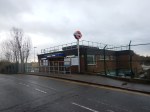
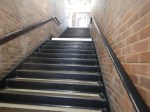
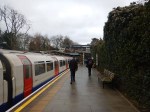
And these show it, after the addition of step-free access.
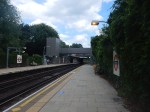
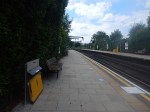
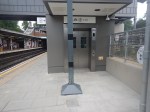

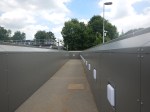
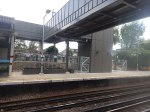
It is a practical rather than architectural lift installation incorporating new walkways connecting the two lifts and the main entrance to the station.
- Unlike many Underground stations, Ickenham station, does not appear to be Listed.
- The cladding for the installation, appears to be in a slate-grey steel.
- The stairs are still there for the agile.
As the pictures show the walkways are open to the elements, but there is enough headroom to use an umbrella.
Has Tess Daly Only Got The One Dress?
Pictures of Tess Daly have been all over the London Underground for over a year now.

But it’s all getting a bit boring and perhaps she needs a new dress?
Is Turnpike Lane Tube Station Going Step-Free?
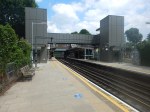
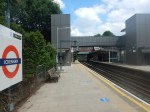
I took these pictures as I passed through Turnpike Lane station today.
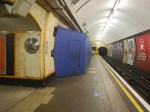

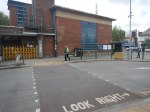
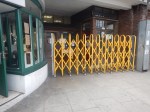
Note.
- The blue hoardings are at the London end of the Northbound platform.
- There are no other blue hoardings at platform level.
- The yellow gates are on the bus station side of the station.
- A lift on the surface behind the yellow gates would be convenient for the buses and just round the corner from a light-controlled crossing of the busy Green Lanes.
- I couldn’t find any other evidence of work.
This Google Map shows the station.

Note.
- The station block in the North-West corner of the map.
- Green Lanes runs North-South to the West of the station.
- There is a bus on Green Lanes by the station.
- The spine of the bus station to the East of the station.
- The pedestrian crossing between the Underground station and the bus station at the Northern end of the spine.
- The wide pavements to give access to the light-controlled crossing over Green Lanes and the bus stops on the road.
This second map from carto metro, shows the track layout through the station.

Note that the escalators to the platforms are to the North of the platforms and connect to a lobby between middle of the two platforms,
Could this mean that using traditional tunneling on the London-end of Platform 2 allows access to what appears to be a generous space between the two platforms and their associated tracks?
It looks to my untrained eye, that a lift shaft could be dug in this area.
But there is no reference to step-free access at Turnpike Lane station anywhere on the internet.
Conclusion
This could be a simple scheme to add step-free access to another of the stations on the Northern section of the Piccadilly Line.
- At present, Cockfosters, Oakwood, Finsbury Park and Caledonian Road stations are already step-free.
- Southgate station could be difficult, but it does have bus connections to some of the stations with step-free access.
- Arnos Grove station is a surface station, where there will be a major housing development on the car park. So I would expect, that this could be one of the next to be planned for step-free access.
- The track and escalator layout might make Wood Green station difficult to make step-free. But it does have lots of buses to Turnpike Lane station.
- I’ve never used Bounds Green station, but it does appear that a Turnpike Lane solution might be possible.
- Manor House station has so many exits, that full step-free access could be expensive. But if it were to be decided that it should be step-free, I feel there could be an innovative solution.
It should be noted that all these stations, with the exception of Manor House are Grade II or Grade II* Listed.
As all road crossings at Manor House are controlled by lights, perhaps the solution at the station, is to replace one or more of the many exits with a lift.
The New Step-Free Entrance At Euston Square Station
This map from cartometro.com shows the Underground Lines in the Euston station area.
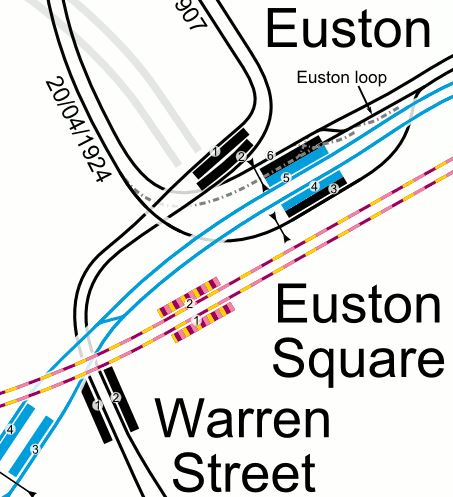
Note.
- The Northern Line is shown in black.
- The Victoria Line is shown in light blue.
- The sub-surface lines are shown in yellow and mauve.
- The Northern and Victoria Lines are deep underneath the station, whereas the sub-surface lines are under Euston Road.
This Google Map shows the area and the positions of the station entrances.
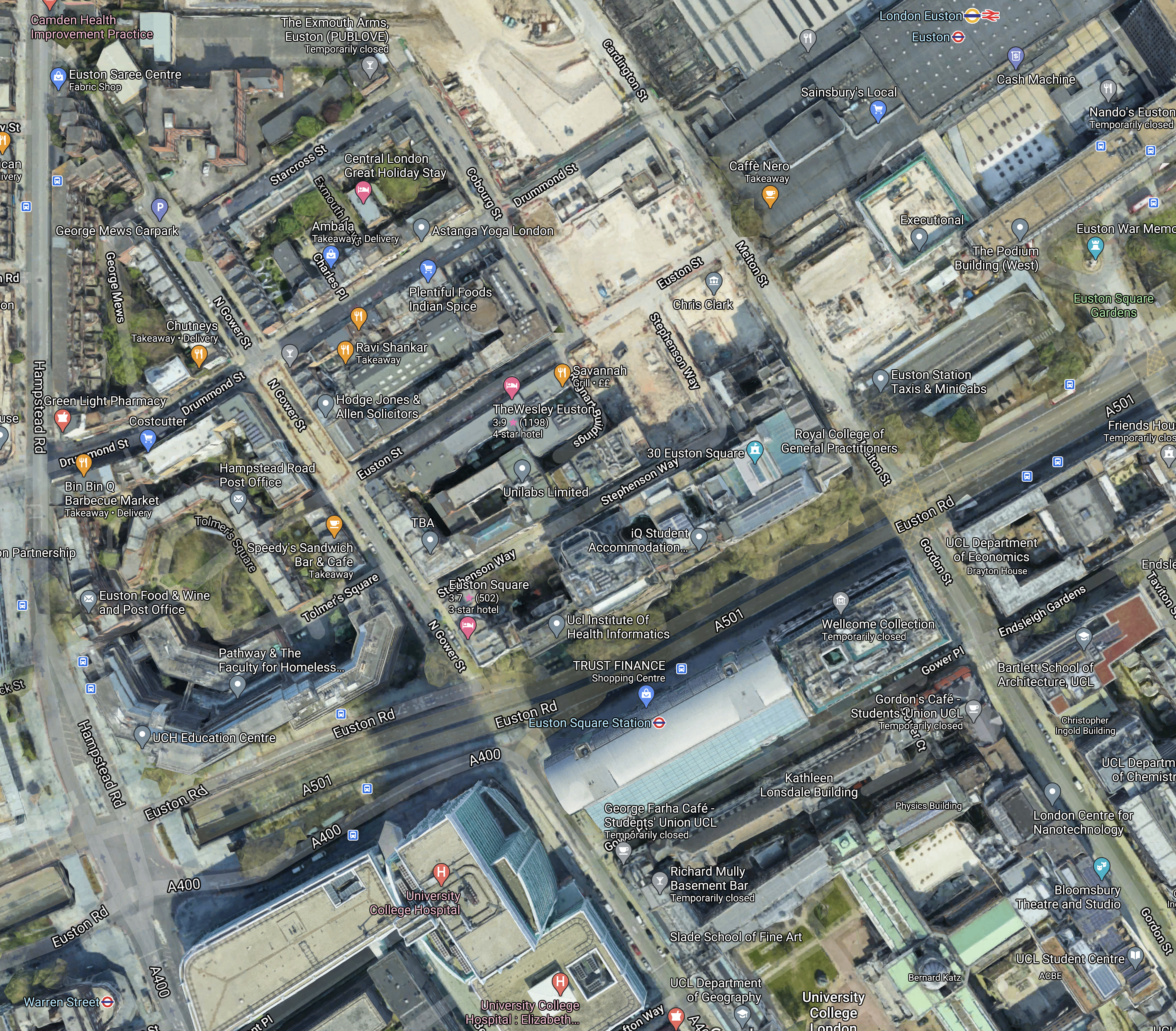
Note.
- Warren Street station in the South West corner of the map at the Northern end of Tottenham Court Road.
- Euston Road running South-West to North-East across the map.
- University College Hospital is on the South side of Euston Road between Tottenham Court Road and Gower Street.
- There is a subway under Euston Road almost in line with Gower Street, that gives access to the Western ends of the platforms at Euston Square station.
- There is a lift to the station from the South side of Euston Road on the Eastern side of Gower Street.
- The Western end of the platforms at Euston Square are probably just to the East of Gower Street.
The next road across Euston Road is Gordon Street, where the entrance to a new subway under Euston Road to Euston station will be located.
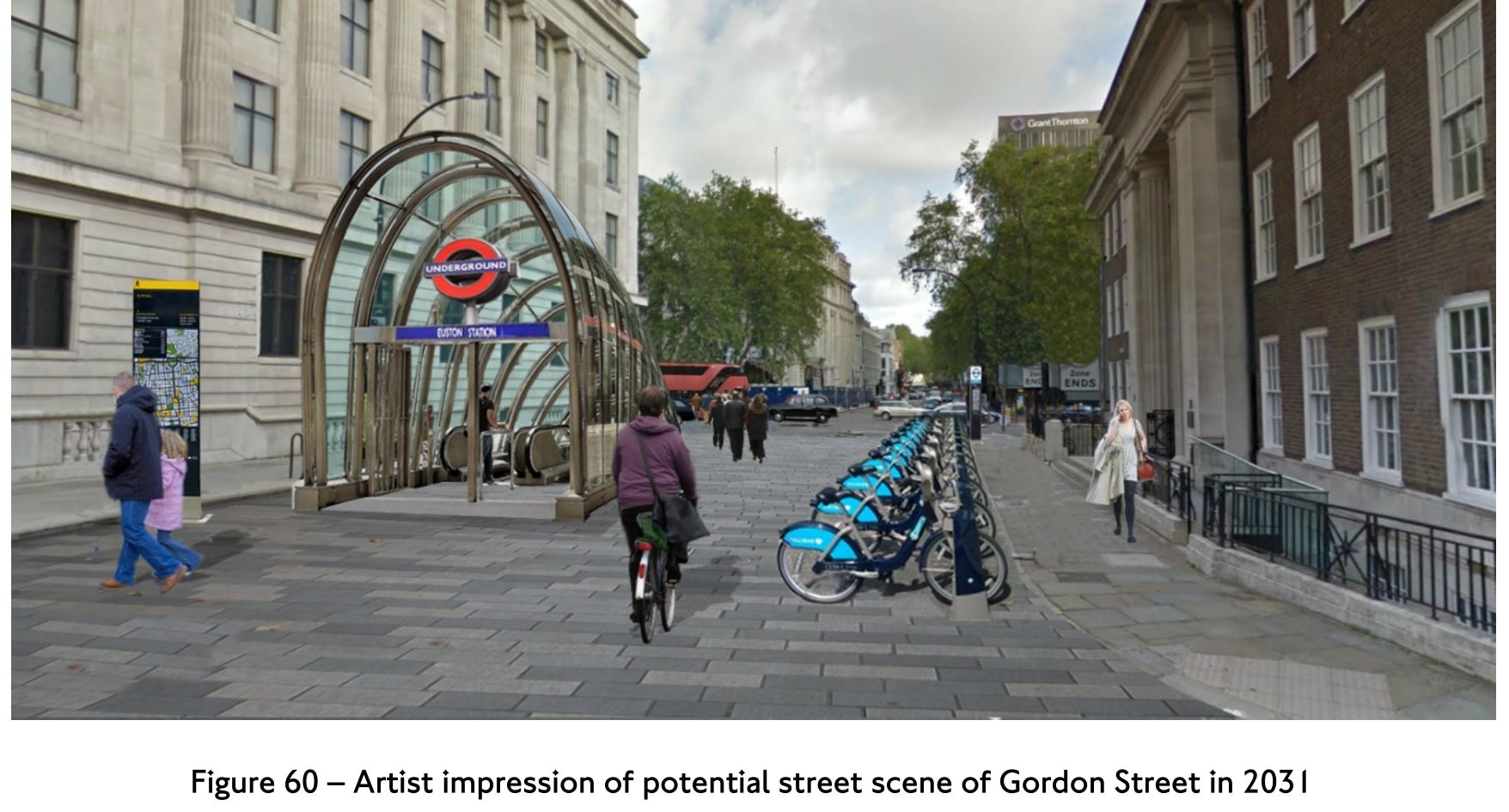
This Transport for London visualisation shows the entrance to the subway looking towards Euston station.
This diagram of the subway. is from Ian Visits,
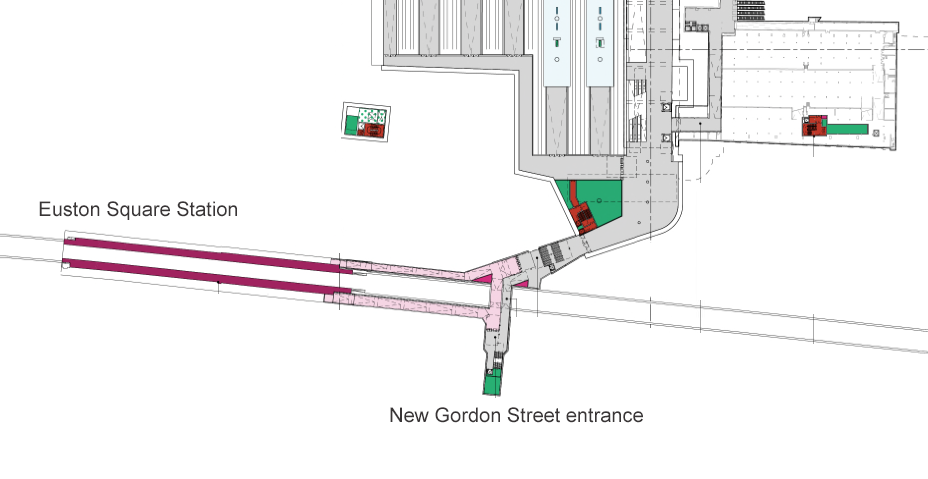 Note the platforms at Euston Square station appear to be shown in red and end to the West of Gordon Street.
I took these pictures at the Eastern end of Euston Square station.
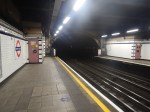
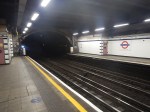
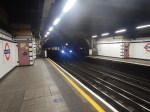
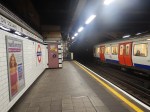
Note what look like bricked off areas at the end of the platforms for electrical and other gubbins. I suspect they could be removed to create more space.
Conclusion
I don’t think that connecting the platforms to the subway will be the most challenging of projects, if they can dig easily behind and over the walls of the Victorian tunnel and behind the platforms.
Could We See More Bunhill 2s On The London Underground?
This article on Railway Gazette, is entitled Air-Conditioned Piccadilly Line Train Designs Presented.
This is said in the article about the air-conditioning of the new trains.
The trains will feature air-conditioning for the first time on one of the capital’s small-profile deep-level Tube lines, which has posed a significant engineering challenge. The heat passed into the tunnels from the air-conditioning units is expected to be offset by a reduced heat output from the traction and braking equipment, given the trains’ lower energy consumption.
Cutting the energy consumption will be mainy good basic engineering.
- Lighting will use LEDs to use less electricity and cut heat generated.
- Efficient air-conditioning units will save energy.
- All electrical equipment like traction motors, transformers and door actuators will be low energy units.
There could also be some more complex ways to save energy.
Extensive Mathematical Modelling Of the Temperature And Humidity Of The Trains
I have built large numbers of mathematical models. I can see a lot of scope to use the technique to find the most efficient method of operation.
- On hot days would the trains be cooled down on the surface sections, so that they entered the tunnels cold?
- Conversely on cold days, would the heat in the tunnels be recovered to get cold trains entering the long central tunnel up to temperature?
- How does passenger loading effect the temperature and humidity?
The model would help to identify, the best operating procedure given the weather conditions.
The mathematical model could even be built into the control system of the train.
Heated Floors
As I said in Air-Conditioned Piccadilly Line Train Designs Presented, the trains could have heated floors, which are an efficient use of space.
They might even be an efficient way of warming a train on a cold day.
I lived near Cockfosters Depot for the first sixteen years of my life and know from personal experience, it can get very cold in the winter.
Regenerative Braking To Batteries
Regenerative braking is used in two ways on the London Underground.
- As the system is DC, electricity generated during braking, can be returned to the rails for use by nearby trains.
- Some stations are also hump-backed, so trains are slowed coming up the hill into the station and pick the energy up, going downhill out of the station. Stations using this technique are very noticeable on the Victoria Line.
I believe that the new Siemens trains should and probably will use regenerative braking to batteries.
- Electricity generated during braking is stored in a battery or batteries on the train.
- When accelerating away from the station, this energy is reused.
The method has advantages.
- There is less electricity transfer between train and conductor rails, which means less heat generated and less contact shoe wear.
- If there is a power failure, the batteries can provide hotel power for the train and could even be large enough to move it to the next station for evacuation of the passengers.
- There may even be scope in building batteries and traction motors as an integrated unit to save weight and reduce heat generation.
- Because of the reuse of energy, energy use is reduced.
I will be very surprised if these new trains aren’t fitted with batteries.
Why Build More Bunhill 2s?
The Bunhill 2 Energy Centre is described on this page of the Borough of Islington web site, which is entitled Bunhill Heat Network.
This is said about Phase 2 of the project.
Phase 2 of the Bunhill Heat and Power network involves building a new energy centre at the top of Central Street, connecting the King’s Square Estate to the network and adding capacity to supply a further 1,000 homes.
The core of the new energy centre is a 1MW heat pump that will recycle the otherwise wasted heat from a ventilation shaft on the Northern Line of the London Underground network, and will transfer that heat into the hot water network. During the summer months, the system will be reversed to inject cool air into the tube tunnels.
Note that a 1MW heat pump can supply enough hot water to heat upwards of a thousand homes.
This page on the Islington web site lists the project partners.
Transport for London is a key partner and this is said.
As a key partner in the Bunhill 2 scheme, TfL upgraded its City Road mid-tunnel ventilation system to enable the capture and utilisation of waste heat from the Northern line tunnels to provide hot water to local homes and businesses. TfL is also carrying out further research to identify opportunities for similar projects across the Tube network as part of its Energy and Carbon Strategy.
So what other stations could be used?
These are disused stations on the deep lines.
- Brompton Road – Piccadilly Line
- Down Street – Piccadilly Line
- South Kentish Town – Northern Line
- York Road – Piccadilly Line
York Road, which is close to all the developments to the North of Kings Cross, would probably be the most likely to be converted into an energy centre to transfer heat to and from the Underground.
Could Some Ventilation Shafts Be Converted Into Energy Centres?
The obvious one is probably Green Lanes Ventilation Station.
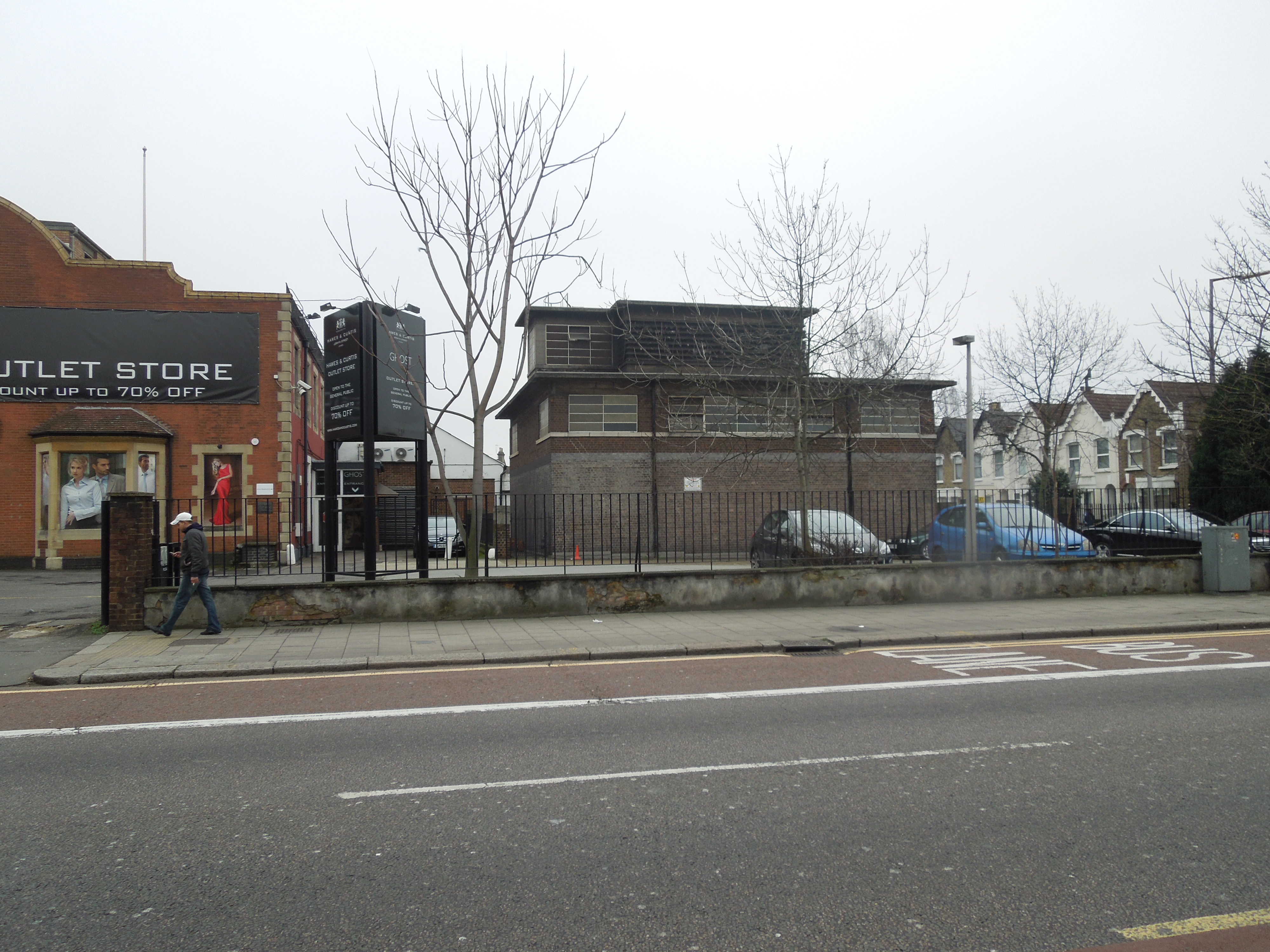
Green Lanes Ventilation Station
But then I suspect this is on Transport for London’s list of sites to be converted into something more useful.
Digging The Central Entrance To Old Street Station – 27th February 2021
This map from Transport for London shows the future layout of Old Street Roundabout.
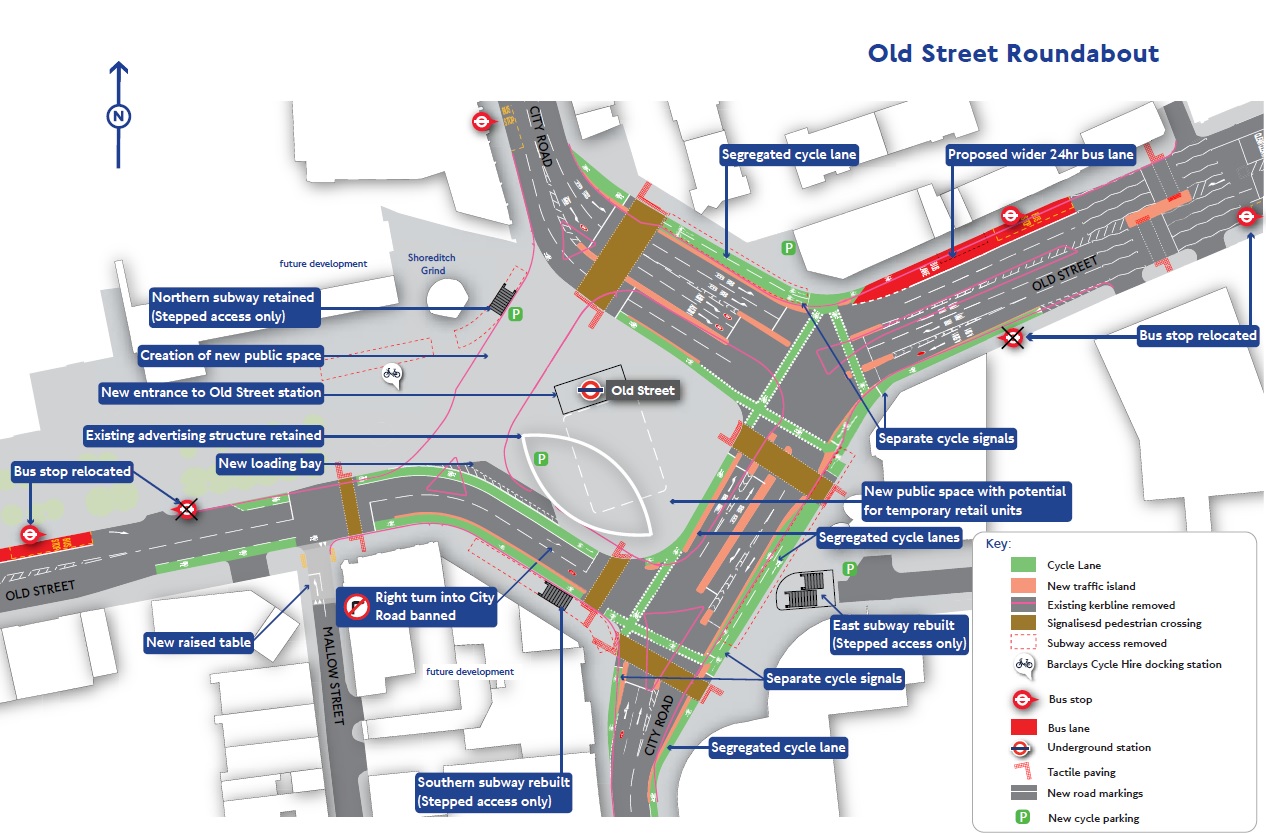
Note the new entrance to the station in the middle of the roundabout.
The contractors are now digging a big hole for the central entrance, with a digger in an unusual turquoise colour.





Note.
- The central and the two other entrances will be steps.
- There will also be a lift, close to the Shoreditch Grind, in the North-West area.
- There will also be a service lift for the shops in the station.
- Particular attention has been given to the use of natural light.
- The central entrance features a green roof.
Some won’t like the design, but I think, its simplicity like some of London’s 1930s Underground stations will endear it to the majority of passengers.

