Moorgate Station’s Soldiers Are Now Painted
The City of London’s soldiers outside Moorgate station have now been painted.
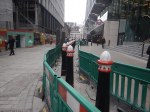

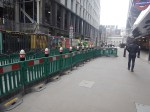
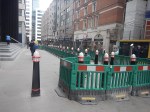
But the plastic barriers haven’t been removed yet.
It looks like the station entrance could be finished soon.
If you want a bollard like this for your drive ATG Access make and sell them.
Will 22 Ropemaker Street Have Shops?
As I walked past 22 Ropemaker Street on Sunday, the builders appeared to be finishing off the Ground Floor.
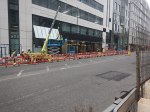
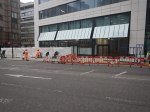
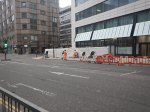
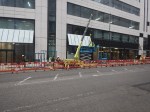
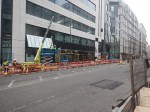
Looking at the building’s web site, there is no mention of retail.
- But the web site does show off the transport and walking connections.
- It also has its own entrance for cyclists.
- Car parking is not mentioned on the web site.
- The web site also details the building.
It’s certainly a well-designed office building.
Hertford North Station – 6th December 2023
I went to Hertford North station this morning and took these pictures.
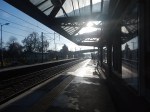
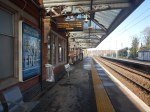
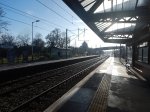
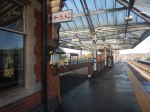
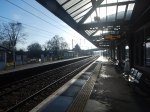
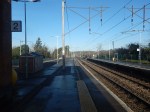
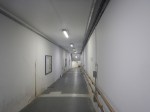
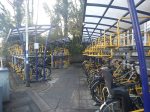
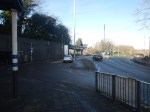
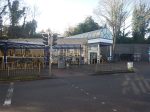
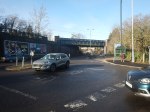
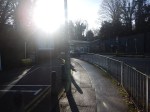
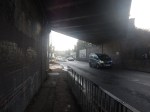
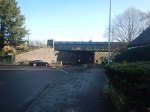
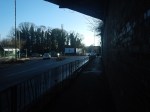
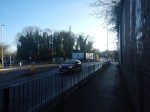
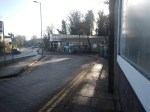
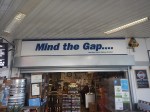
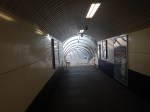
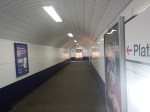
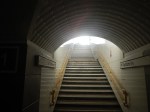
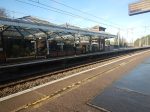
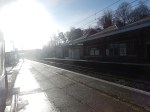
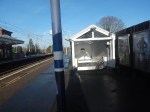
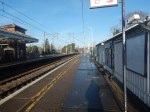
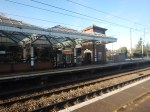
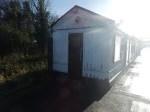
Note.
- Getting to Platform 1 is not easy.
- There would appear to be no obvious place for a lift.
- The traditional signals are still working.
- There is a cafe/shop in the station.
With some sympathetic refurbishment, it could be an excellent station.
I have some thoughts.
Digital Signalling
The digital signalling is currently being rolled out on the Northern City Line.
- The Class 717 train seemed to be running faster than I can remember.
- Had Network Rail been weeding the signals, as there only seemed to be one between each pair of stations?
- Currently, Moorgate and Welwyn Garden City takes around 50-53 minutes.
- Currently, Moorgate and Stevenage takes around 66-67 minutes.
- The average speed between Moorgate and Stevenage is only about 32 mph, which is slow for an 85 mph train.
Could the digital signalling find more time between Hertford North and Stevenage reduce the journey time to something less than an hour?
Trains For Current Schedule
I estimate that the current off-peak schedule of two trains per hour (tph) needs nine trains.
So as there are extra trains in the peak, the fleet of twenty-five Class 717 trains should be enough to be able to run the extra peak trains.
Could Four Trains Per Hour Be Run On Both Routes?
Four tph on both routes, would need something like eighteen trains, which leaves seven spare trains.
Development Around Liverpool Street Elizabeth Line Station
After my Full English breakfast in Leon this morning, I walked around the area between the two entrances to Liverpool Street station on the Elizabeth Line, before entering the station at the Liverpool Street entrance.
I took these pictures as I walked.
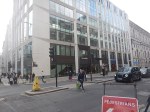


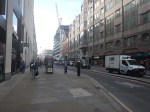
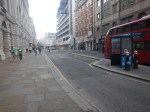
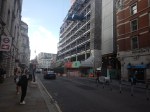
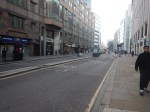
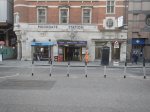
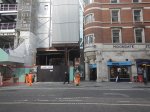

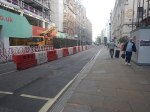
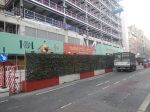
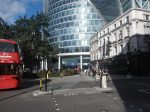
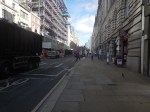
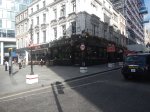
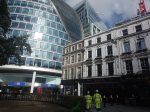
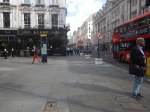


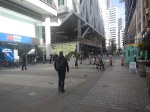
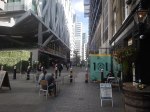
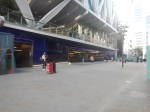
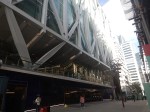

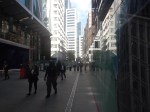
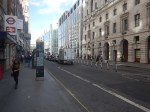

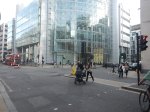
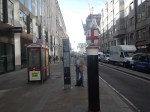
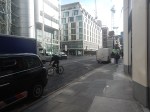
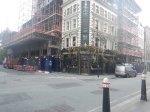
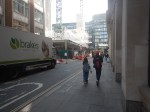
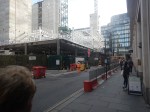
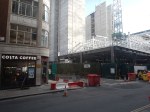
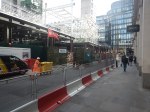
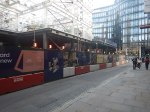
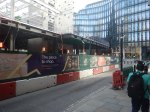
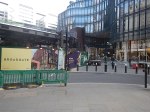
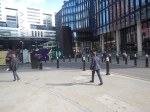
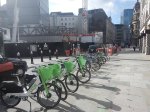



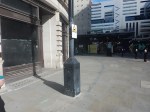
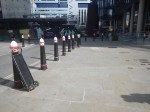
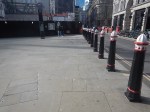
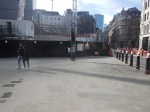
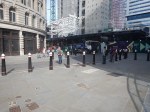
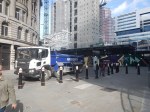
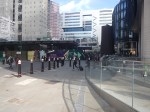
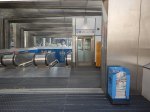
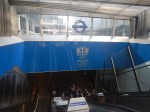
Note.
- The large development with the naked concrete towers is the Western extension to Broadgate.
- The old entrance to Moorgate Underground station and two pubs are squeezed in between the modern buildings.
- The cylindrical building behind the Globe pub, is Moor House.
- Some buildings are brand new and others are older ones, that have been refurbished and/or reskinned.
There is hardly any space left to put in a dog kennel.
Selling Office Space
I took these pictures of the hoarding around the new 101 Moorgate office block, that is being built outside Moorgate station.
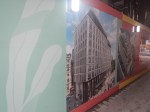
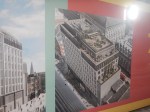



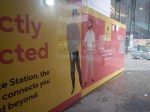

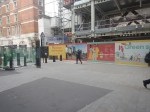
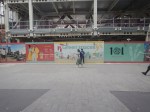
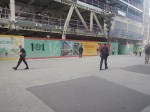
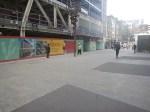
101 Moorgate is certainly easy for the Elizabeth Line and other public transport.
It will be interesting to see, when the building is let!
Progress In Front Of Moorgate Station – 7th August 2023
The pedestrian area in front of the Elizabeth Line entrance at Moorgate station is progressing and I took these pictures this morning.
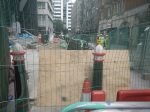
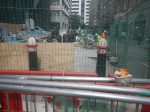
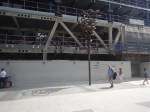
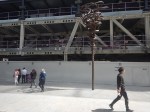
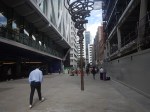
Note.
- The tree-like sculpture is Manifold (Major Third) 5:4, is by Conrad Shawcross, which I showed being installed in An Art Installation In Front Of Moorgate Station.
- The pedestrian area will be protected by the City of London’s distinctive bollards.
- Only two of the bollards have been painted in their final colours.
- In No Budget; Employ Students, I talked about how the City of London has form in using art students to do decorative paintwork.
The UK is certainly going for appropriately-sized pedestrian areas in front of stations to allow travellers to get easily clear at busy times.
An Art Installation In Front Of Moorgate Station
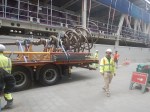
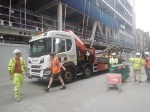
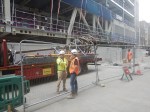
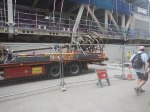
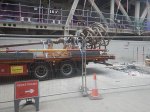
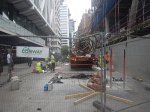
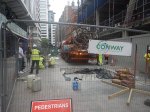
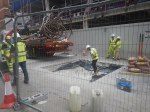
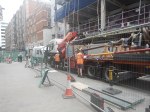
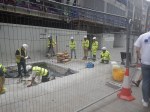
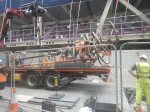
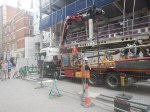
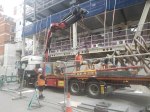
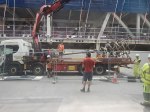
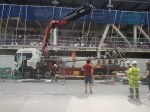
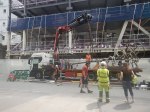
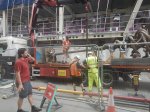
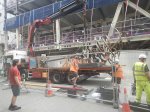
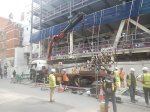
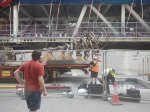
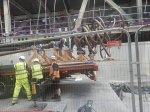
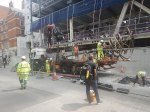
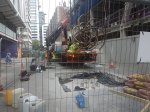
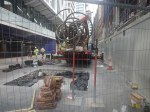
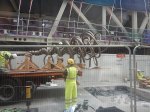
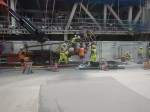
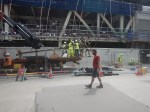
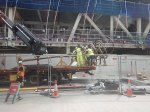
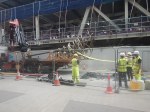
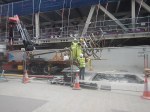
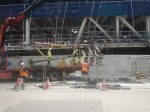
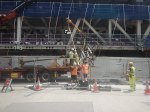
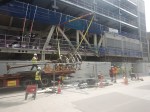
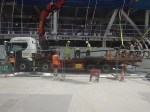
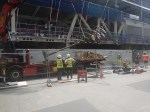
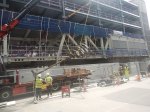
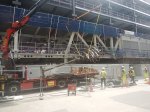
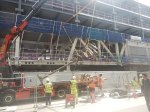
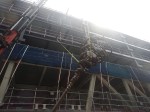
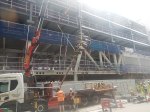
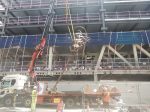
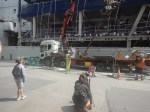
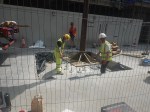
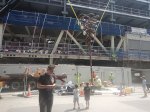
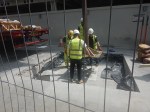
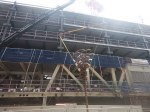
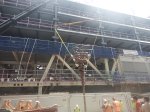
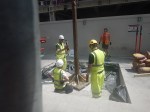
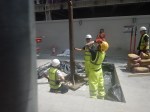
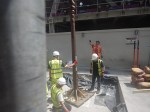
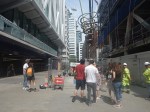
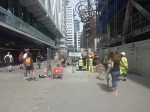
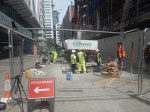
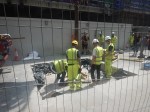
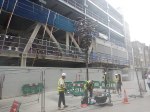
Today, a new sculpture was installed in front of the new entrance to Moorgate station.
I took a few pictures.
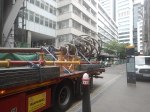
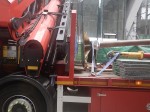
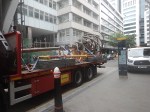
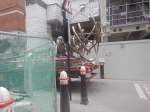
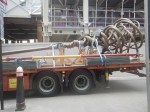

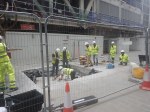
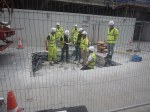
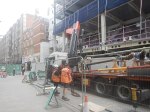
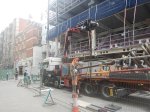


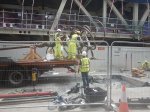
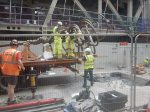
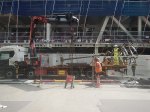
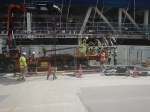
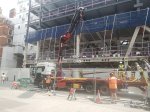
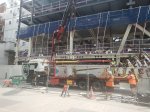
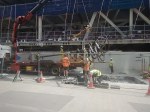
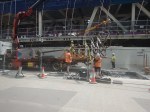
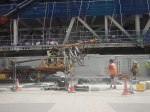
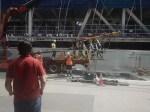
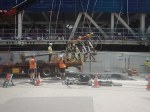
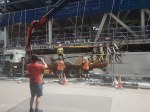

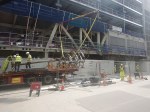
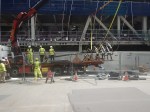
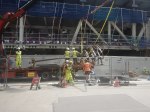
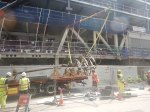
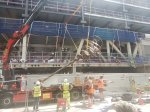
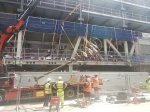
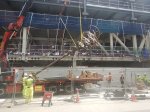
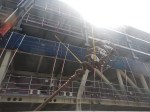
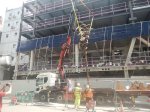
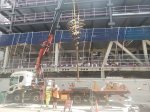
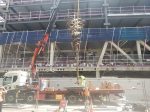
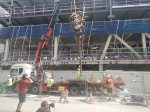
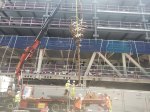
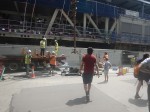

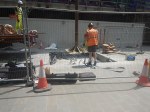
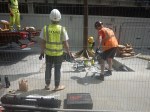


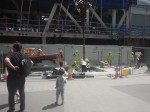
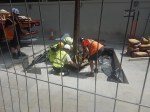

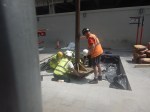
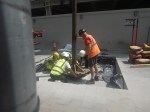
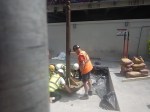
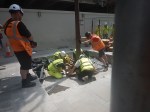
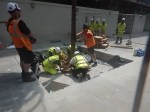
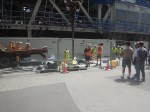
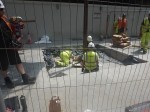
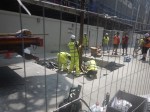
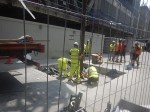
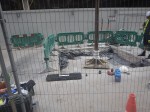

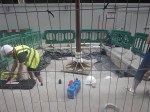
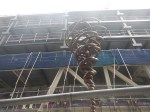
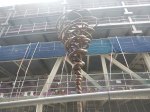
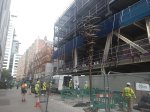

Note.
- The sculpture, which is in bronze and entitled Manifold (Major Third) 5:4, is by Conrad Shawcross, who I talked about briefly in Job Done – I’ve Now Had My First Covid-19 Vaccination.
- Conrad is the guy in red t-shirt, who can be seen in several images.
- I’ve never seen a large sculpture installed before and everything went smoothly!
I have some thoughts.
More On The Sculpture
This page on Art On The Underground is entitled Manifold (Major Third) 5:4, where this description is given.
Manifold (Major Third) 5:4 by British artist Conrad Shawcross RA will be found outside the western entrance to the Elizabeth line station at Liverpool Street later this year. The artwork is a vast bronze sculpture representing a chord falling into silence extrapolated from observations of a Victorian pendulum-driven drawing machine known as a harmonograph, which was instrumental in the birth of the science of synaesthesia. This sculpture is the physical incarnation of the mathematics within a chord.
Note that I am of Conrad’s father’s generation and had a large Meccano set, like many of that generation. I must have built four or five Meccanographs, which were a harmonograph, built out of Meccano.
Bronze
The sculpture is in bronze, which is mainly an alloy of copper and tin.
My uncle; Leslie was an artist, who had won a scholarship to the Slade before the Great War, although he earned his living as an engineer. I do have two of his drawings, of my mother and his wife.
But he was also a capable sculptor, and sculpted and cast a bronze of a Hanoverian horse, which would probably be, the family possession, that C and myself would have loved to have owned. It is now owned by his granddaughter, who was also one of our bridesmaids, when we got married in 1968.
I also have another link to bronze. My father was a letterpress printer and his largest customers was a company called Enfield Rolling Mills, who rolled copper and other non-ferrous metals including bronze into various shapes.
I don’t know whether they invented the process. but sometime around 1960,Enfield Rolling Mills started to continuous cast bronze. I seem to remember that their bronze tubes were used in the original UK nuclear power stations.
Because of my father’s long-established friendship with the owner of Enfield Rolling Mills, I used to earn money there for my studies.
3D Printing
Bronze, other metals and even concrete can now be 3D printed.
I suspect we’ll see 3D printed sculptures appearing with greater regularity.
Other Materials
These pictures show Conrad Shawcross’s sculpture outside the Crick Institute.
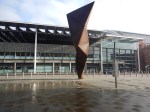


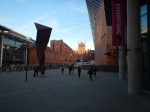
It appears to be made out of weathered steel, which is often seen used in railway bridges and other structures.
In Denmark Hill Station – 4th September 2021, I talk about how the roof at Denmark Hill station is made out of steel covered with solar panels.
Could outdoor sculptures be made with steel covered in solar panels?
Moorgate And Luton Airport Parkway
This morning I went by train from Moorgate to Luton Airport Parkway to have a look at the Luton DART.
I used the following route.
- Elizabeth Line – Moorgate to Farringdon.
- Thameslink – Farringdon to Luton Airport Parkway.
I came back from Luton Airport Parkway on a Luton Airport Express.
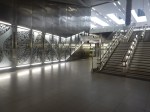
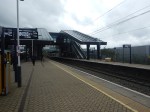
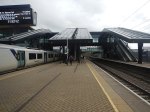
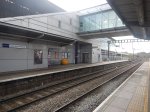
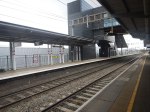
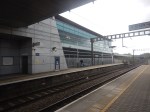
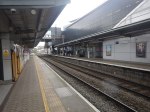
I took these pictures on the route.
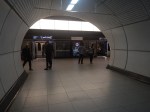
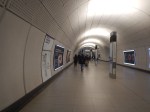
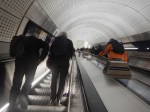
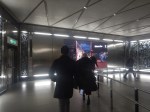
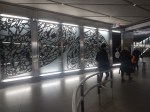
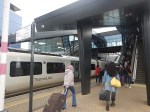
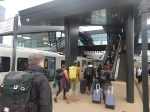
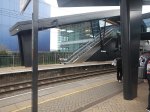
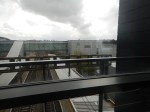
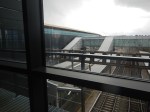
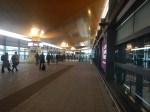
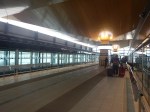
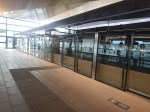

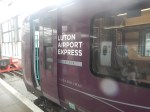
Note.
- The change at Farringdon station was very easy.
- You walk past toilets at the Farringdon change.
- There are two bridges, lots of escalators and lifts at Luton Airport Parkway station.
- I didn’t take the DART to the airport.
These are some detailed thoughts.
Luton Airport Parkway Station
It is a much improved station, but still has some work to do.
- There was a problem with one escalator.
- Some of the signage is not finalised.
- I had a problem with ticketing, as I was sold the wrong ticket.
- Staff probably need a bit more training.
But then the station has only been open three weeks.
Luton Airport Express
East Midland Railway’s St. Pancras and Corby service is now branded as Luton Airport Express.
- It has its own web site.
- Trains only stop at Luton Airport Parkway, Luton, Bedford, Wellingborough and Kettering.
- Trains take as little as twenty-two minutes between St. Pancras and Luton Airport Parkway.
- Class 360 trains are used.
- Trains run every thirty minutes.
As it serves the local area, I wonder how many airport employees, now use this train to get to work?
Great Northern’s Class 717 Fleet Receives Go-Ahead From ORR To Operate With In-Cab Digital Signalling
The title of this post is the same as that of this press release from Great Northern.
These five paragraphs outline how the new signalling will be introduced.
Govia Thameslink Railway (GTR) has received authorisation from the Office of Rail and Road (ORR) to place its Class 717 fleet into passenger service using Level 2 European Train Control System (ETCS) digital signalling.
This is a key step towards the introduction of digital signalling on both the Northern City Line, between Finsbury Park and Moorgate in London, and the East Coast Main Line between London and Grantham, as part of the government-funded East Coast Digital Programme (ECDP).
The programme will see traditional lineside signals replaced by state-of-the-art in-cab signalling technology (ETCS). On the Northern City Line this will give Great Northern passengers a more reliable service.
The trains, leased to GTR by Rock Rail, will begin running in passenger service once Network Rail has completed its approval works to switch on the trackside ETCS system. Once this second milestone is achieved later this year, GTR will start training, in passenger service, two hundred and fifty of its Great Northern drivers to drive using ETCS.
The new system overlays the traditional signals, so drivers will be able to continue using ETCS alongside their untrained colleagues once they are qualified, ensuring they maintain full competency until everyone is trained and the old system can be switched off.
I used the route from Essex Road to Moorgate stations, this morning about 09:30 and Great Northern seems to be running eight trains per hour (tph) on that section.
Moorgate To Charlton Via Cannon Street
I needed to go to Charlton station this morning to take a couple of photographs for a possible blog post.
- I had had my usual breakfast in LEON on Moorgate, so I started from Moorgate station.
- I took the Northern Line one stop to Bank station.
- It was then straight up the double escalators.
- I followed this by a brisk walk along Cannon Street.
The total time between entering Moorgate station and sitting on my train at Cannon Street station was about ten minutes.
One of London’s more difficult stations to access now has a North-South Underground line, to go with its East-West line.
 The Anonymous Widower