Rossendale Reopening Prospect
The title of this post is the same as that of an article in the February 2019 Edition of Modern Railways.
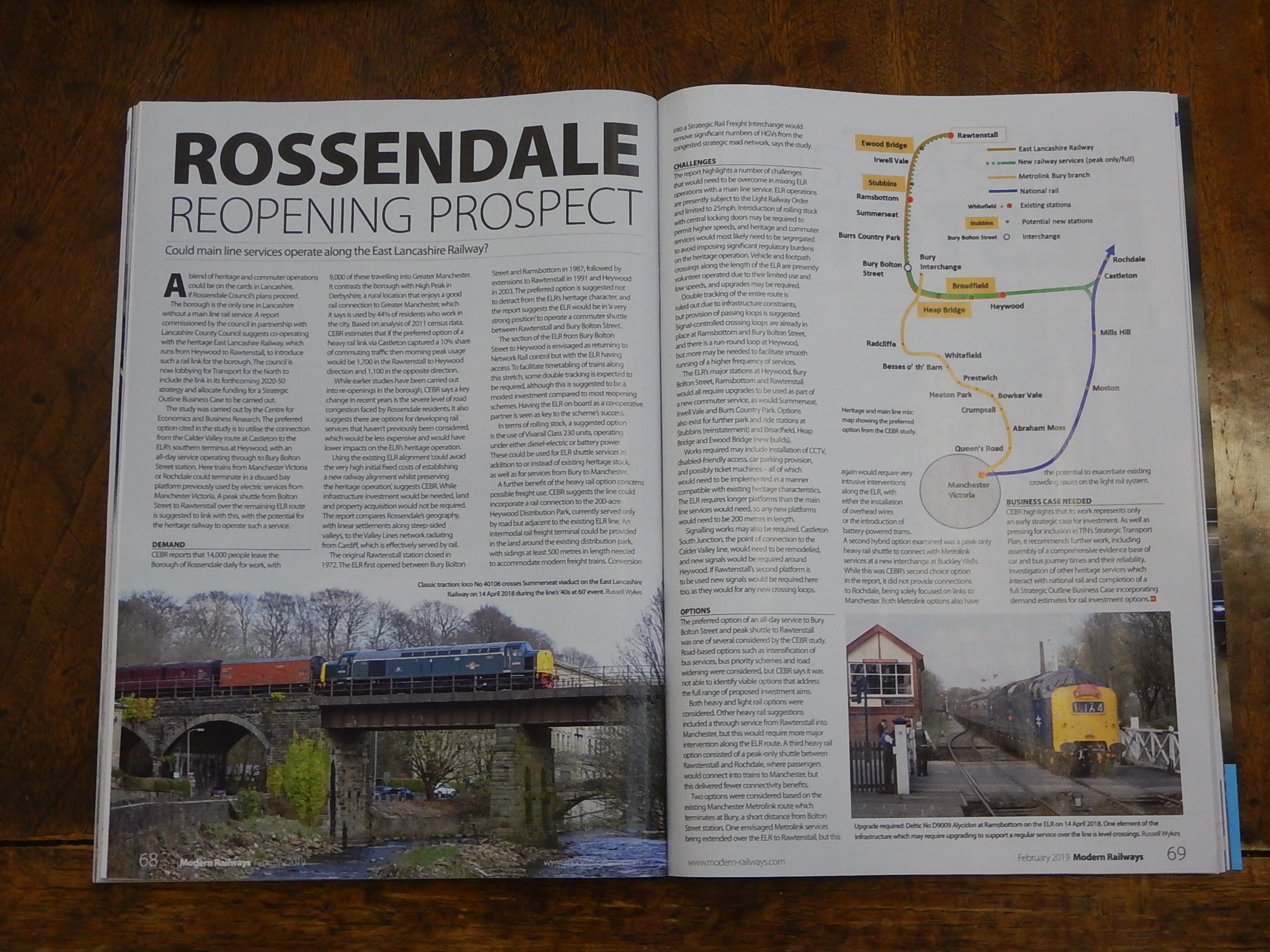
This is the opening two paragraphs.
A blend of heritage and commuter operations could be on the cards in Lancashire, if Rossendale Council’s plans proceed.
The borough is the only one in Lancashire without a main line rail service. A report commissioned by the council in partnership with Lancashire County Council suggests co-operating with the heritage East Lancashire Railway, which runs from Heywood to Rawstenstall, to introduce such a rail link for the borough.
Yesterday, I had a comment read out on the BBC, as I discussed in Wake Up To Money – New Stations.
Wake Up To Money yesterday was broadcast from Darwen, which is only a valley away from Rossendale.
- One of the complaints on the program was about crowded roads and bad transport links to Manchester and Manchester Airport.
- It looks to me, that the proposed Rossendale services will fulfil a similar need.
- The main objective appears to be to create good links to Manchester and Manchester Airport, with a secondary objective of creating a link across the Pennines to Leeds with a change at Rochdale.
The article gives more details of the proposal.
Track
The plan envisages reinstating the route between Rawtenstall and Castleton Junction on the Calder Valley Line.
The section between Rawtenstall and Heywood stations, via Bury Bolton Street station is the heritage line of the East Lancashire Railway (ELR). It is best described as predominately single-track with passing loops.
The article says this about improving the track.
The section of the ELR from Bury Bolton Street to Heywood is envisaged as returning to Network Rail control but with the ELR having access. To facilitate timetabling of trains along the stretch, some double-tracking is expected to be required, although this is suggested to be a modest investment compared to most reopening schemes. Having the ELR on board as a co-operative partner is seen as key to the scheme’s success.
Having flown my virtual helicopter along the line, it looks to me, that it could become another scenic route out of Manchester.
Castleton Junction
This Google Map shows Castleton Junction, where the East Lancashire Line meets the Calder Valley Line.
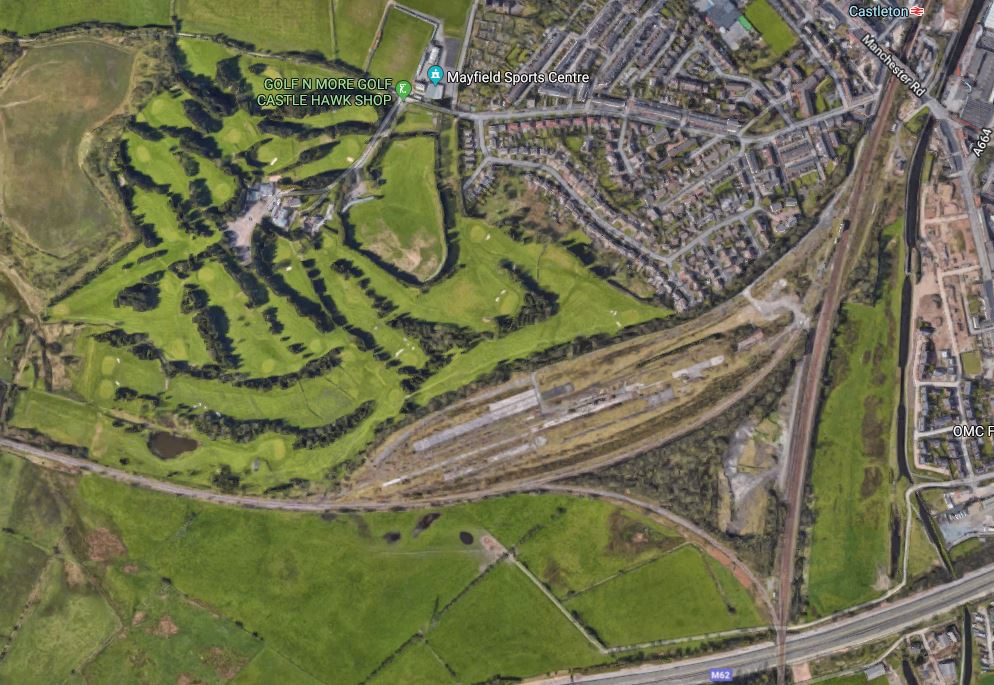
Note.
- The Calder Valley Line runs North-South.
- The ELR goes off to the West.
- Castleton station is in the North-East corner of the map.
What was or is the large site to the North-West of the junction?
The Junction will need to be upgraded and resignalled.
Electrification
It would be very unlikely, that the route will be electrified.
Although, I suppose there is a chance, that the Calder Valley Line might be electrified, to create an electrified route between Leeds and Manchester Victoria.
- If this were to happen, then there would be electrification between Manchester Victoria and Rochdale.
- Castleton Junction, where the new route would join the Calder Valley Line would be electrified.
This would make it easier and more likely for battery-electric trains to work the new route.
Possible Routes
Three routes are suggesting in the article.
- Manchester Victoria and Bury Bolton Street
- Bury Bolton Street and Rochdale
- Bury Bolton Street and Rawtenstall – Peak-Hour shuttle.
It is suggested that the third route would be run by the ELR.
Rolling Stock
The article says this about rolling stock.
In terms of rolling stock, a suggested option is the use of Vivarail Class 230 units, operating under either diesel-electric or battery power. These could be used for ELR shuttle services in addition to or instead of existing heritage stock, as well as for services from Bury to Manchester.
The Class 230 trains are an obvious choice, but I think that other trains could also be suitable.
These are my thoughts.
Class 230 Trains
I described a ride in a Class 230 train in Battery Class 230 Train Demonstration At Bo’ness And Kinneil Railway.
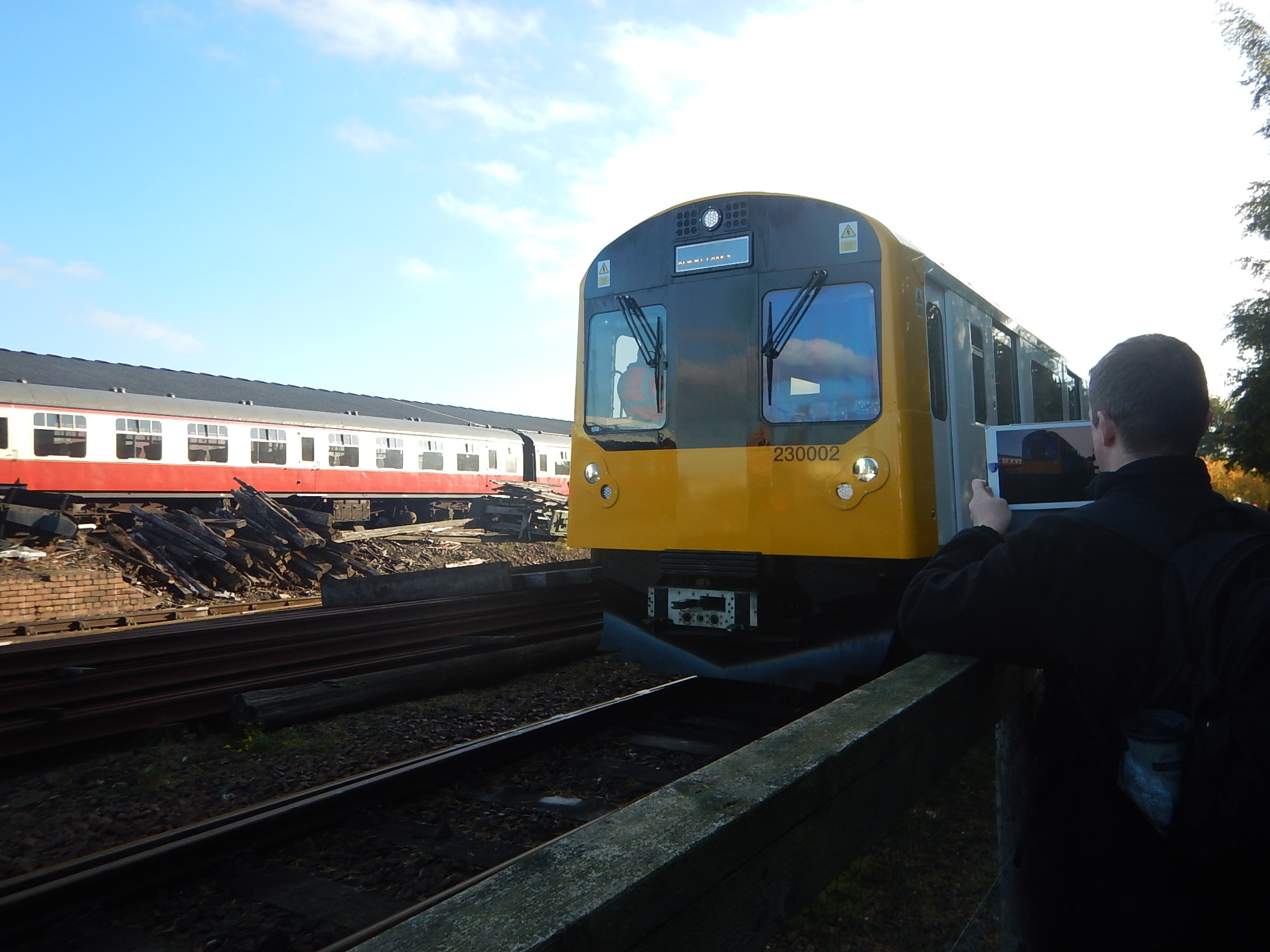
The Class 230 train would have these characteristics.
- The three-car train has a useful capacity of around 300 passengers.
- The range on battery power should enable a service between Bury Bolton Road and Manchester Victoria stations.
- The batteries can be charged in under ten minutes.
- The operating speed is 60 mph.
- The trains have been designed to be easy to service and this can be done on a remote basis.
- The trains are of an age, to fit in well on a heritage railway.
- I suspect the average competent heritage railway could do the servicing.
The trains also have the advantage of large windows for looking at the scenery.
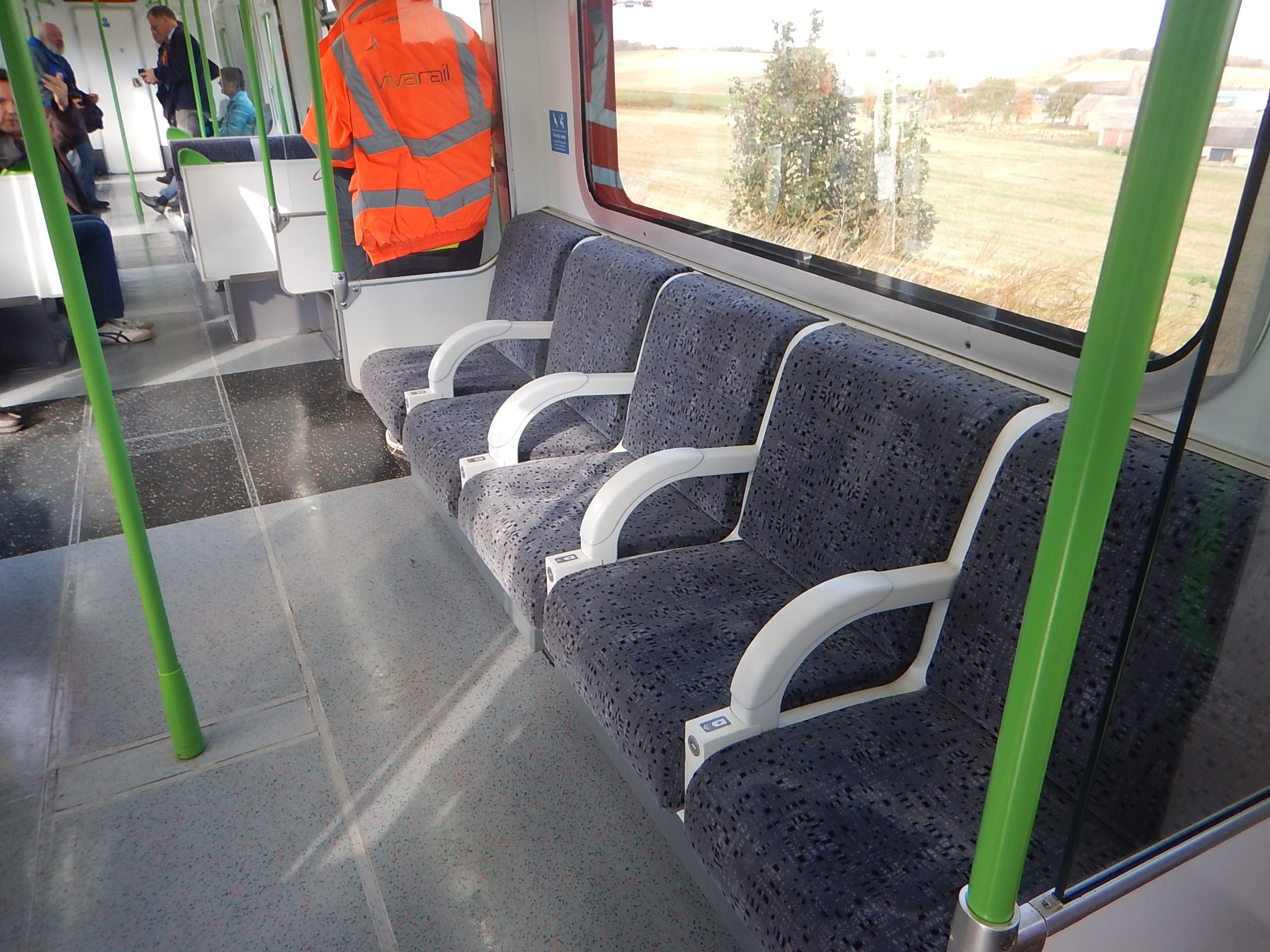
The trains would need to be charged at the end of the route and I suspect that Vivarail’s fast charging system would handle this in the terminal stations.
Class 769 Trains
Class 769 trains are electro-diesel trains, that use their diesel engines, where there is no 25 KVAC overhead electrification.
They are four-car trains with a passenger capacity of over 300 passengers.
They would have a very big advantage for the train operator.
Services across Manchester are often paired to give travellers the chance to do cross-city journeys without changing trains.
Using Class 769 trains would enable more services to be paired up.
Class 399 Tram-Trains
Class 399 tram-trains are under trial in Sheffield and they will also be used on the South Wales Metro.
The terrain in Rossendale involves a hundred metre or so climb from Bury Bolton Street to Rawtenstall. Rochdale is perhaps fifty metres higher than Bury Bolton Street.
Consider a Class 399 tram/train, working between Bury Bolton Street and Rawtenstall stsations.
- Wikipedia gives the weight of the vehicle as 66 tonnes.
- The altitude difference is 120 metres.
- I will assume 200 passengers at 90 Kg. each, which gives a weight of 12 tonnes.
This means that the train has a increase of potential energy of 25 kWh at Rawtenstall station. This would be easily stored in an appropriately-sized traction battery.
It would appear that tram-trains should be able to climb to Rawtenstall, provided they could get to Bury with a full battery.
I look at this in detail in Could A Class 399 Tram-Train With Batteries Go Between Manchester Victoria And Rochdale/Bury Bolton Street/Rawtenstall Stations?
Alstom Breeze Trains
Alston Breeze trains could be a possibility, if hydrogen trains are compatible with steam trains.
The trains would also be able to work across Manchester, as the Class 769 trains will be able to.
Battery-Electric Multiple Units
In Northern’s Battery Plans, I discuss CAF’s proposal to Northern to create battery-electric Class 331 trains.
These could be ideal.
Diesel Multiple Units
Northern have lots of better quality diesel multiple units including Class 156 and Class 170 trains. The company also has around sixty new Class 195 diesel multiple units on order.
These could obviously handle the route, but would it be better to use battery or more capable bi-mode trains on the route?
Diesel Use In Manchester
I suspect too, that train companies, their staff, passengers and all Mancunians would like to see Central Manchester’s railways become a diesel-free zone.
Train Timings
I obviously don’t have accurate figures, but I have a feeling that most of these trains could do a round trip in an hour between Manchester Victoria and Bury Bolton Street stations. The Class 230 trains would probably have time for a fast charge at each end of the route.
My Choice Of Train
It will be Class 230 or Class 769 trains.
Both trains could work the services to Bury Bolton Street station from Manchester Victoria and Rochdale stations.
The Class 769 has two advantages.
- It is the larger train.
- It could use its electric capability to cross Manchester.
Both trains wouldn’t look out of place running a shuttle between Bury Bolton Street and Rawtenstall stations, as they are rebuilt trains from a previous era.
Stations
A few points about the existing stations.
Bury Bolton Street Station
Bury Bolton Street station has four platforms and will be the interchange between the new services and those of the ELR.
The station has a bay platform that faces South East.
With modern signalling, I would expect that it could handle four trains per hour (tph).
Perhaps, these could be two tph from both Manchester Victoria and Rochdale stations.
Heywood Station
This Google Map shows Heywood station.
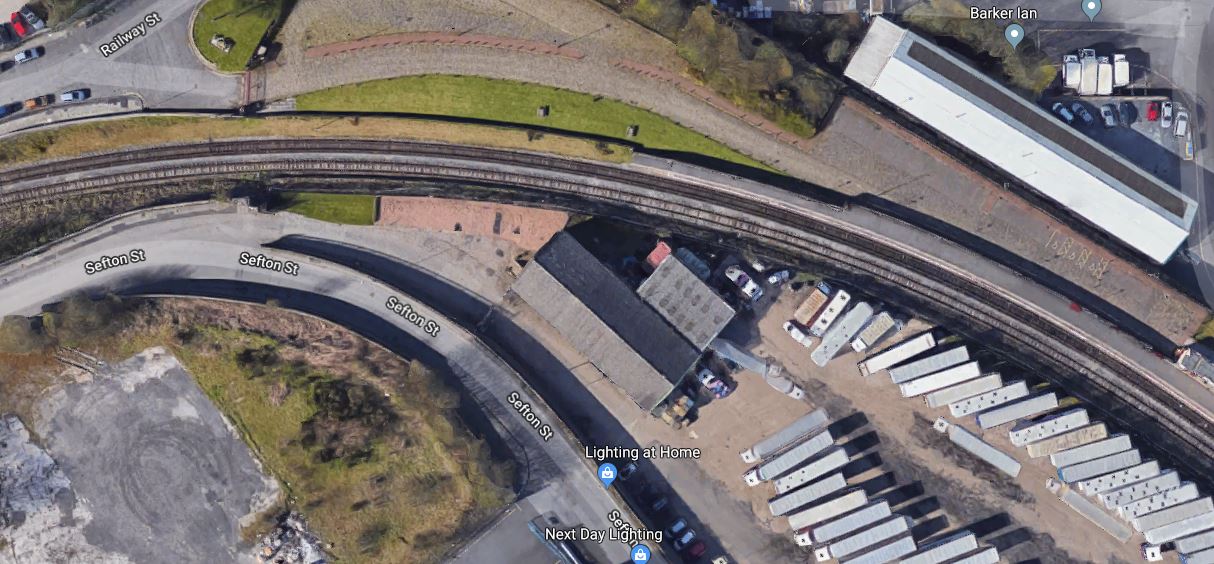
At present it has a long single curved platform.
I suspect to accommodate the new services, which could be four tph in both directions, the station would need a second platform.
Ramsbottom Station
This Google Map shows Ramsbottom station.
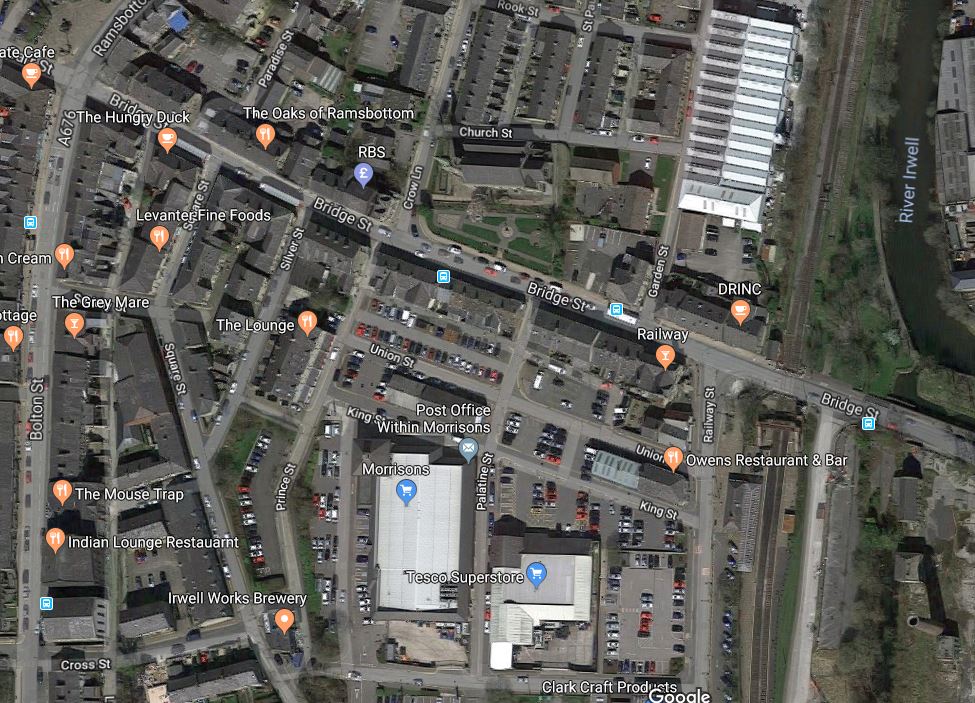
It is a two platform station, which appears to be close to the Town Centre and a Tesco Superstore and a Morrison’s.
Rawtenstall Station
This Google Map shows Rawtenstall station.
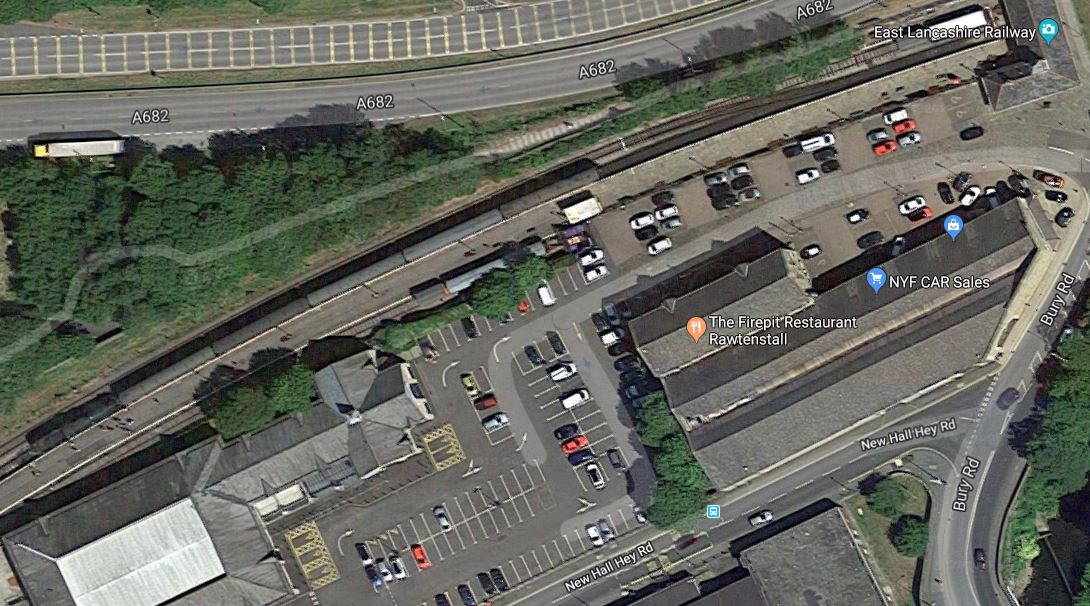
Note, the train in the single platform with a run round loop for a locomotive.
The article says it would be possible to create a second platform at the station.
It would appear that if Class 230 trains were to be used for the proposed.Peak Hour service to Rawtenstall station, then there would be space for installing a fast charger.
Rochdale Station
Rochdale station will be a terminus for services from Bury Bolton Street station.
This paragraph in the Wikipedia entry for Rochdale station describes the new bay platform at the station and how it is used.
In 2015, construction on a fourth railway platform began. It is located at the south end of the main island platform, with the southbound through line having been re-aligned slightly further east to accommodate the new terminating line.
This section of the Calder Valley Line appears to be very busy with a train every four minutes.
I wonder, if by diverting some services to Bury Bolton Street station, this helps ease traffic on the Calder Valley Line.
Could trains do the following triangular route?
- Manchester Victoria
- Heywood
- Bury Bolton Street
- Heywood
- Rochdale
- Manchester Victoria
Train timetablers with much more knowledge than myself, will have fun getting a workable timetable.
New Stations
About half-a-dozen new stations will need to be built.
Most will probably be fairly simple affairs and those North of Bury Bolton Street station could probably by just a single platform.
There is one possibly proposed station, that could be more complicated.
Buckley Wells station could be built where the Bury Line of the Manchester Metrolink and the East Lancashire Line cross by the A56.
Park-and-Ride stations are also suggested in the article at Broadfield, Ewood Bridge, Heap Bridge and Stubbins.
Freight
The article also raises the possibility of running freight trains between the Calder Valley Line and Heywood.
This is said.
,The line could incorporate a rail connection to the 200-acre Heywood Distribution Park, currently served only by road, but adjacent to the existing ELR line. An intermodal rail freight terminal could be provided in the land around the existing distribution park, with sidings at least 500 metres in length needed to accommodate modern freight trains. Conversion into a Strategic Freight Interchange would remove significant numbers of HGVs from the congested strategic road network.
Would the implementation of this plan for freight be popular with the residents of Rossendale?
Conclusion
The proposal is a comprehensive one, which could benefit several groups.
- The residents of Rossendale.
- Vsitors to the area
- Commuters to Manchester
- Travellers across the Pennines
- Travellers to Manchester Airport
- Freight companies.
The proposal needs further investigation to see whether there is a strong business case for implementation.
I also think, that this sort of project model, where a heritage line is integrated with the National Rail network, can be repeated elsewhere in the country.
We have some very well-managed heritage railways in the UK, some of which could be extended to the National Rail network to provide much needed passenger and freight services to new and existing developments and difficult to access towns.
The rules need to be developed, so that these projects can be developed.
New Station In Soham Revealed With Network Rail To Unveil Design Proposals At Public Meetings
The title of this post is the same as that of this article on Rail Technology Magazine.
Rebuilding of Soham station has been talked about for years and it now looks like it is finally on its way.
This is a significant paragraph.
The early design work for the new station would allow for a second platform and footbridge to be constructed and a second track added as part of a future project.
I think this means, that doubling the route between Kennett and Ely stations will be done after Soham station is rebuilt.
Cardiff Parkway Station: Work To Start In 2020
The title of this post, is the same as that as this article on the BBC.
This is the first two paragraphs.
Work to build a new £30m railway station on the outskirts of Cardiff is expected to start in 2020, after receiving Welsh Government backing.
The station in St Mellons will serve up to 32,000 residents, linking them to Swansea, Cardiff, London, Bristol and Birmingham and the South Wales Metro.
Cardiff Parkway station will be between Cardiff Central and Newport stations and it will be close to the existing St. Mellons Business Park.
It is planned to open in 2022.
Nothing is said about services at the station, but there currently appears to be about six trains per hour (tph) between Cardiff Central and Newport, serving places like Birmingham, London, Manchester and Nottingham, in addition to places in South Wales.
Many if not all, of the trains calling at the station, when it opens will be modern trains, designed to execute fast station stops, so I wouldn’t be surprised to see a frequency of at least six tph between the new station and both Cardiff Central and Newport stations.
- Two tph – Cardiff and London Paddington
- Two tph – Cardiff and Ebbw Vale Town
- One tph – Cardiff and Nottingham
- One tph – Cardiff and Manchester
This looks to me to be the sort of station development that should be copied elsewhere in the country.
Wake Up To Money – New Stations
I generally listen to this program on BBC Radio 5, before getting out of bed.
Today they asked for smaller ideas that would benefit, so I sent this message.
It costs around £10million to build a decent station on an existing railway line. We should be building tens of them to serve new developments and existing towns. Most new ones seem to be successful. James in Dalston
It was read out.
Various factors are also working in favour of new stations.
Successful New Stations
Success breeds success and there have been several examples of new station openings in the last decade, that have been very successful.
Other developments and existing towns want to have a similar success.
Innovative Design
Station design is getting better and more innovative, with features and modules cropping up all over the country.
Single-Platform Stations
Single-platform stations, like Cranbrook in Devon and Galashiels in the Borders, which both opened in recent years, have shown that single-platform stations are a more affordable alternative to an all-singing-and-dancing station with two platforms and an expensive step-free bridge.
New Trains With Fast Dwell Times
The new generation of trains like Aventras, Desiro Cities and Flirts are designed to slow from line speed, execute a station stop and get back to line speed, in a shorter time, than previous trains.
This has been achieved by.
- Faster acceleration
- Better braking
- Level access between train and platform
- Wide lobbies on trains
- Better platform design
- Walk-through trains
- Better information on trains
- Better staff organisation
Whereas a decade or two ago, an extra station stop would cause havoc with the timetable, it is now easier to add a stop at a new or existing station.
Developers Are Often In Favour
Developers seem to be moving away from a philosophy, that everybody using their office, commercial or housing development will come by car.
One developer told me, that you actually get a premium price if a housing development has its own train station.
Conclusion
I think that is very likely in the next few years, the number of new stations built will increase.
Porterbrook Awards £11m Contract To Modify New Digital Heathrow Express Fleet
The title of this post is the same as that of this article on Rail Technology Magazine.
These are the first two paragraphs.
Porterbrook has unveiled a £11m contract with Bombardier to modify 12 Class 387 trains in preparation for their use on the Heathrow Express rail link.
The 12 specially converted ‘Electrostar’ trains currently operate on London commuter services for GWR but will now form a dedicated Heathrow Express fleet of electric multiple-units.
As other Class 387 trains are used on Gatwick Express, I’m sure that the trains will end up as some of the best airport expresses in the world.
But I feel that this is the most significant paragraph in the article.
The deal will also see the company fit digital signalling equipment, called ETCS, to the Class 387s – the first-time digital signalling will have been fitted on an existing fleet of electric passenger trains and will result in ‘type approval’ from the ORR which will enable ETCS to be fitted on all Electrostar fleets.
Fitting ETCS to the Heathrow Express trains will have several benefits.
More Trains Between Paddington And Reading
With the refurbishment of the Class 387 trains for the Heathrow Express, there will only be three types of trains between Paddington and Reading stations.
- Class 387 trains
- Class 800/801/802 trains
- Class 345 trains
Within a few years, all of these trains will be able to use ETCS and the benefits will be more trains between Paddington and Reading stations.
The trains would probably be a few minutes faster too!
All Electrostars Will Be Able To Be Updated With Digital Signalling
If the digital signalling works for the Class 387 trains, it would appear that it could be fitted to all the other Electrostars.
This could be very significant, as several busy lines have a high proportion of Electrostars.
These are my thoughts on some lines.
Brighton Main Line
The trains working the Brighton Main Line include.
- Gatwick Express’s Class 387 trains.
- Thameslink’s Class 700 trains, which are already using ETCS.
- Southern’s Electrostars.
Could we see digital signalling increase the capacity of this line.
East London Line
The East London Line is an all-Electrostar line and in the next few years, with the coming of Crossrail, it will probably need more services.
I suspect it will be using digital signalling and ETCS in a few years time.
North And West London Lines
If the East London Line were to be successfully signalled to bring capacity benefits, I could see the North London and West London Lines following suit.
The Class 710 trains, that will be boosting passenger capacity are Aventras and will be compatible with digital signalling. The freight locomotives are also being upgraded to digital signalling.
c2c
In a few years time, c2c will be using only Electrostars and Aventras! So why not use digital signalling?
As more new trains arrive with digital signalling, more lines will be converted to digital signalling and ETCS.
Conclusion
The updating of twelve Class 387 trains for Heathrow Express is a big step in the creation of a digital railway.
Rail Company In Bid To Build Multi-Million-Pound Rail Depot Near Ipswich Station
The title of this post is the same as that of this article on Rail Technology Magazine.
This is the first two paragraphs.
Rail company Freightliner has revealed that it is hoping to build a new multi-million pound depot for its trains just outside Ipswich station.
Freightliner said it wants to build an extensive workshop to maintain its locomotives and wagons, with around 20 new full-time and part-time jobs created to help it carry out the maintenance currently carried out at other depots across the country.
This Google Map shows the current position of Freightliner’s yard at Ipswich station.
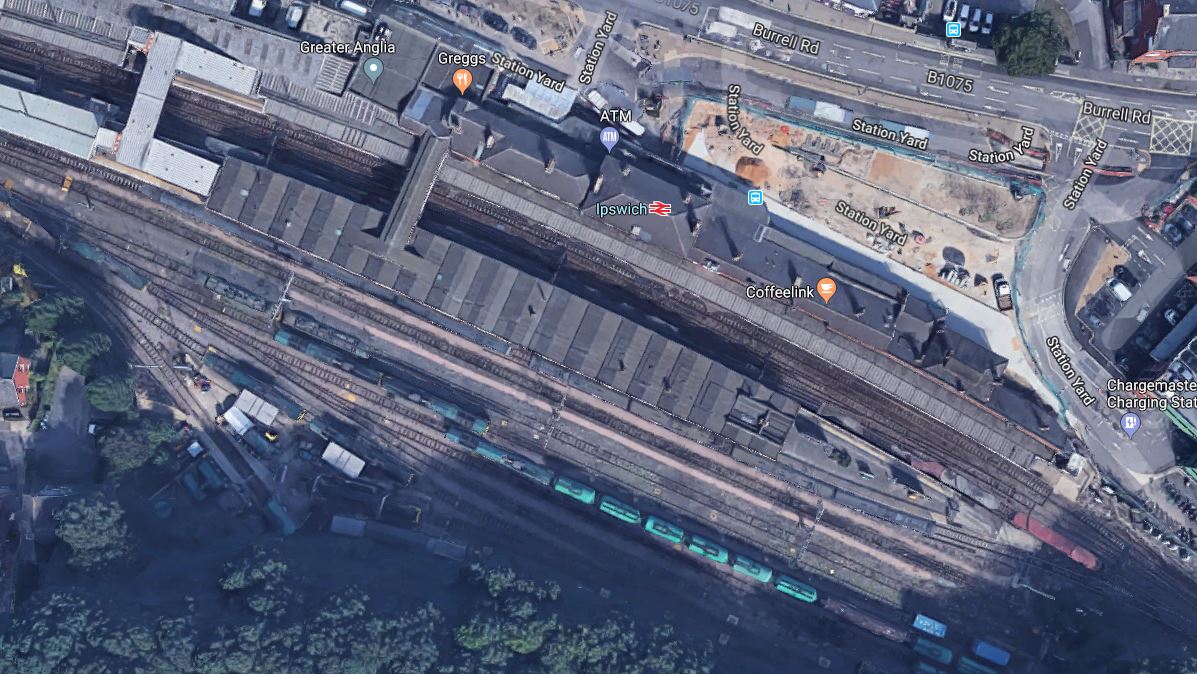
Note the yard tucked in to the South of the station. It looks like fuel is being delivered.
It is not very large and according to the article, its position means that to refuel, locomotives have to cross the Great Eastern Main Line.
Part of the yard could also become the site for additional platforms for Ipswich station.
This article in the Ipswich Star, says this about the position of the new depot.
It wants to build a massive new workshop to maintain its locomotives and wagons on land where there are currently little-used tracks beside Ranelagh Road.
This Google Map shows the position.
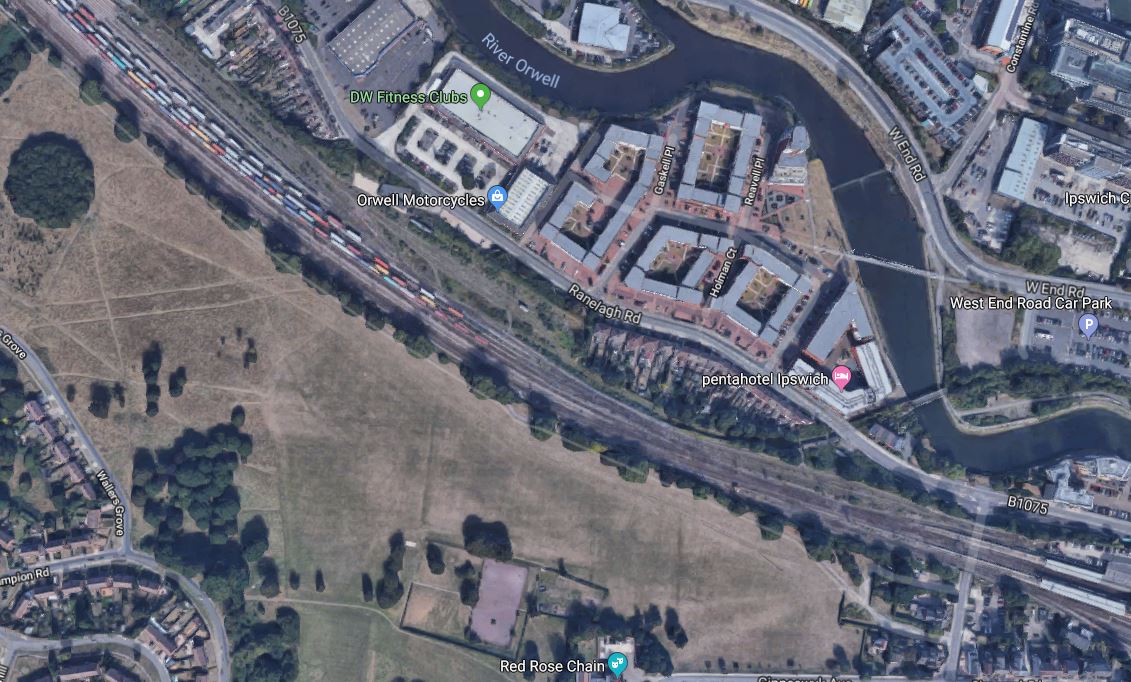
Several freight trains are visible in Ipswich Yard and just to the North are the little-used tracks, mentioned in the Ipswich Star. It looks like this will be the new location of the depot.
The new depot will be well out of the way of Ipswich station, which can just be seen in the bottom-right corner of the map.
As the new depot will create extra jobs and be able to handle wagon repairs, that currently need to go to Manchester or Southampton, it seems that Freightliner’s plan is a good one.
Infrastructure Delays Force Northern To Soldier On With Pacers
The title of this post is the same as that of this article on Rail Magazine.
This is the first paragraph.
Forty-six Pacers remained in traffic with Northern at the start of January, after they were supposed to have been sent off-lease.
Northern are saying they are still in service because of delays in the delivery of the electrification through Bolton, which would have allowed the replacement of Pacers with electric trains.
The situation has not been helped by the late delivery of eight Class 769 trains, which could be running partially-electrified routes.
The Class 331 trains should also be arriving this year.
As there are also some more Class 319 trains in store, it does look like Northern’s blaming of the late electrification is on the mark.
Seabed Rocks Could Act As Green Energy Stores
The title of this post is the same as that of this press release from the University of Strathclyde.
This is the first four paragraphs.
Rocks in the seabed off the UK coast could provide long-term storage locations for renewable energy production, new research suggests.
An advanced technique could be used to trap compressed air in porous rock formations found in the North Sea using electricity from renewable technologies.
The pressurised air could later be released to drive a turbine to generate large amounts of electricity.
Using the technique on a large scale could store enough compressed air to meet the UK’s electricity needs during winter, when demand is highest, the study found.
I read about this in today’s copy of The Times, which also says the following.
- There are suitable areas in the North and Irish Seas that can be used.
- The rocks could store fifty percent more energy than we used January and February.
As similar technology is being used in salt caverns in Germany and the United States, I feel that the idea has possibilities.
Hochtief Brought In For Crossrail Station Construction Work
The title of this post is the same as that of this article on Building.
This is the first two paragraphs.
Hochtief has been handed a £40m contract to carry out improvement works at three stations in west London that will be part of the Crossrail route when it opens.
In a deal published to the Official Journal, the German contractor has been chosen to carry out improvement work at Hayes and Harlington, Southall and West Drayton stations.
The article then goes on to give a detailed report oif the state of the Crossrail stations in the central section.
In the article, the new Crossrail boss; Mark Wild was also very forthcoming about the line’s problem.
My Project Management experience, says to me, that the standard of planning and reporting on the project wasn’t of the best.
 The Anonymous Widower