By Bus To The Amex Stadium
It wasn’t the easiest to find the bus at first, as there didn’t appear to be any information. In the end I struck lucky, with a bit of phone guidance from my son, who used to live in the city. But getting off left me on a busy dual carriageway with the stadium on the other side of the road.
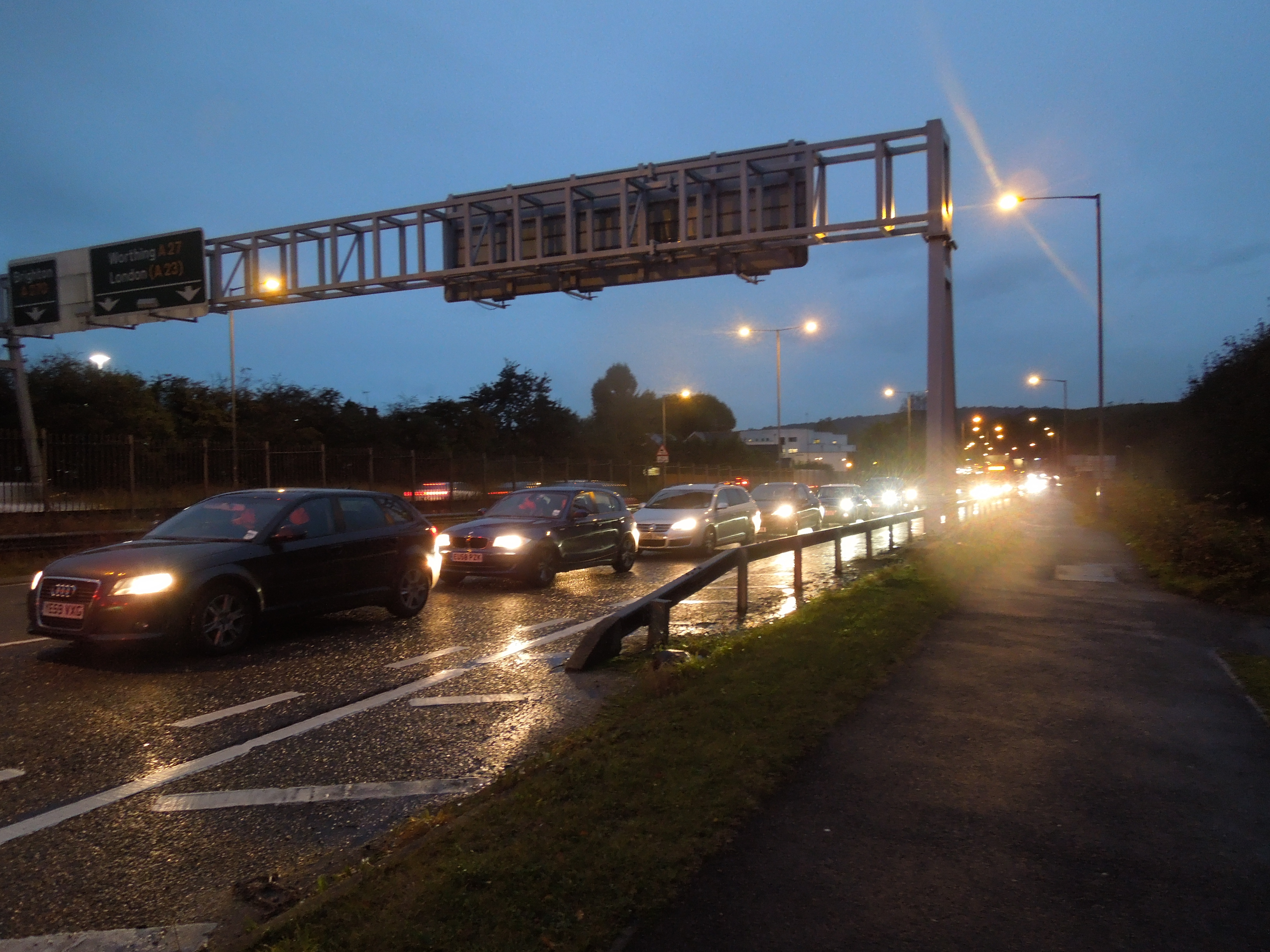
By Bus To The Amex Stadium
It’s on cold rainy nights that bus information systems like London and a few other places have, come into their own, as you know which stop to get out.
Eventually, I found my way in, by the time-honoured method of finding the walking crowd and following them.
I could have got a train, as my match ticket, included a free bus or train ticket from Brighton, but that would have meant walking back to the station.
But getting to the Amex, is infinitely better that getting to some stadia I’ve visited.
Brighton Names The Buses
I’ve said before that buses should be named. Brighton does it!
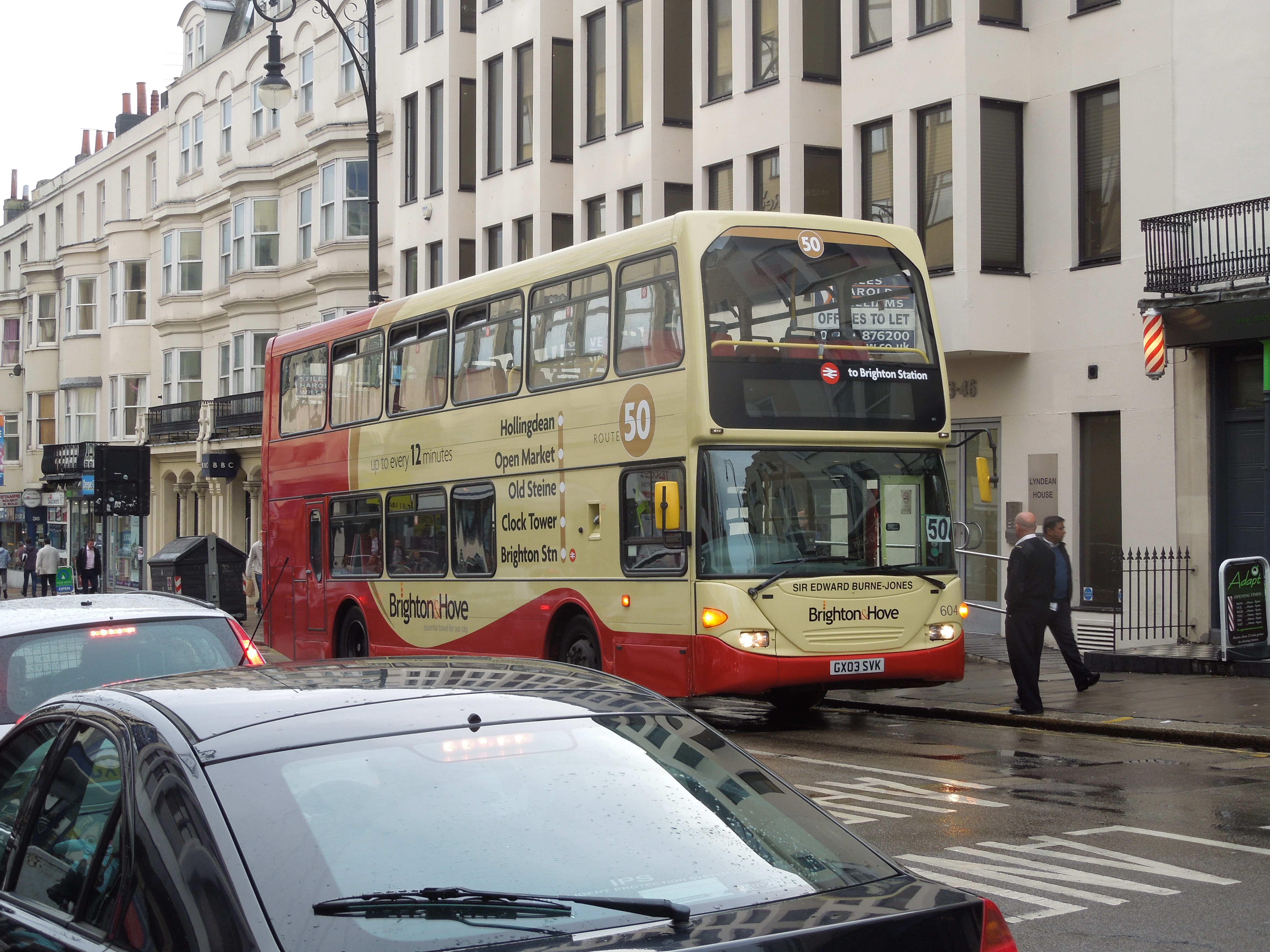
Brighton Names The Buses
This may be different too, but it’s a brave attempt at a livery that gives you information.
To Brighton via Cable Car And A Lot More
And a few other things too!
I had plenty of time yesterday to get to the Ipswich match at Brighton, so I thought, I’d see how many different forms of transport I could use.
1. A 21 Bus to Bank
I started the simple way by getting on this 21 bus to take me to Bank station for the DLR.
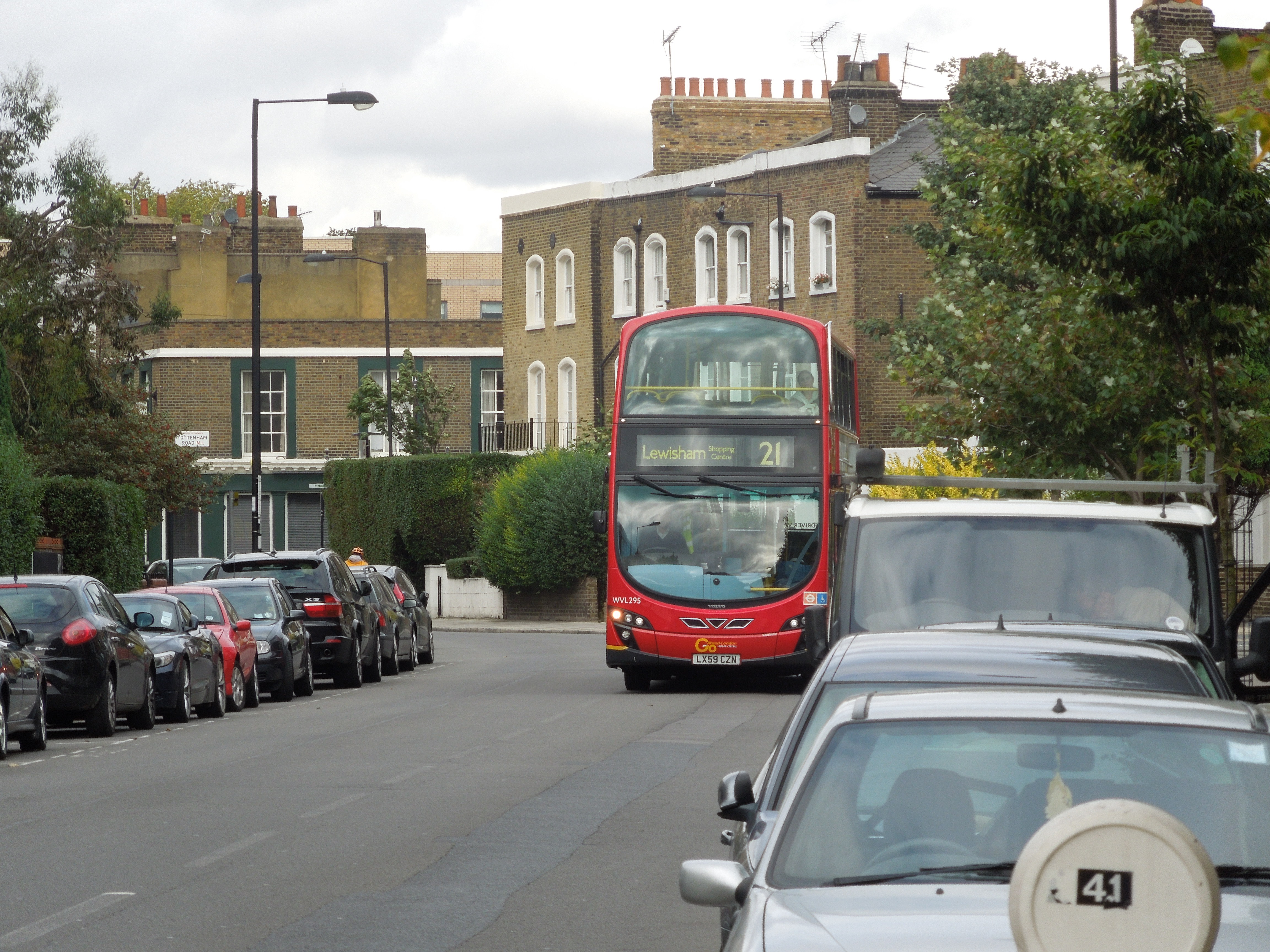
A 21 Bus To Bank
It didn’t actually go to Bank, as southbound buses have to take a detour at Moorgate because of Crossrail.
2. Docklands Light Railway to Royal Victoria Docks
I then took the DLR to Royal Victoria Dock station for the cable-car.
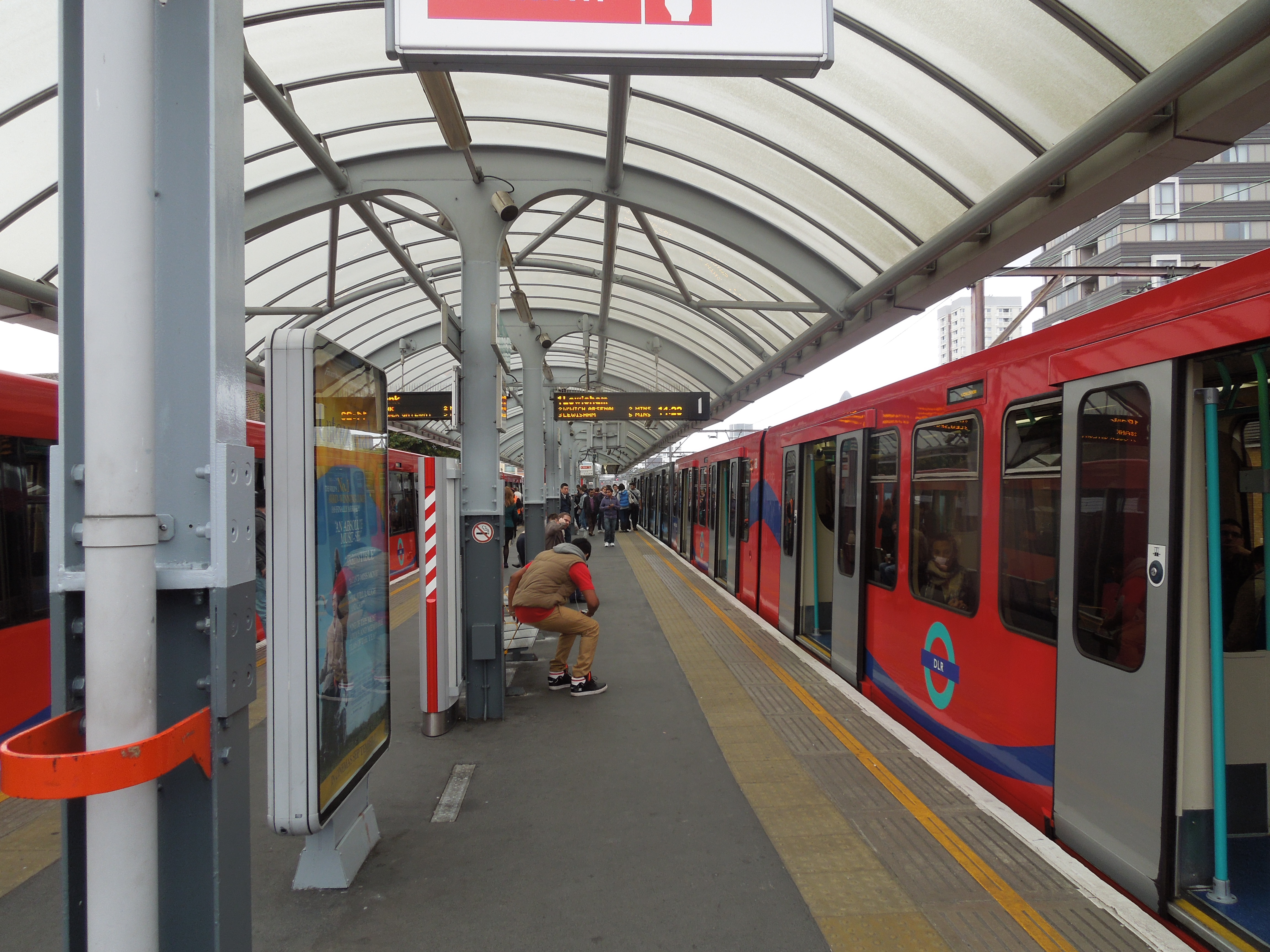
DLR Train At Bank
I did take a pause at Limehouse station to take pictures of the Hydraulic Accumulator Tower.
3. Emirates Air-Line To North Greenwich
I’d actually come this way to give me a good title to the post. But, as I had a gondola to myself, I was able to take good pictures of the Crossrail site at Limmo.

The Crossrail Site On The Limmo Peninsular
Work seems to be proceeding at speed and hopefully Elizabeth and Victoria will be dropped in the big hole soon.
4. Jubilee Line To Canada Water
This was the point, I realised I hadn’t got an SD card in the camera, so I purchased one by the O2.
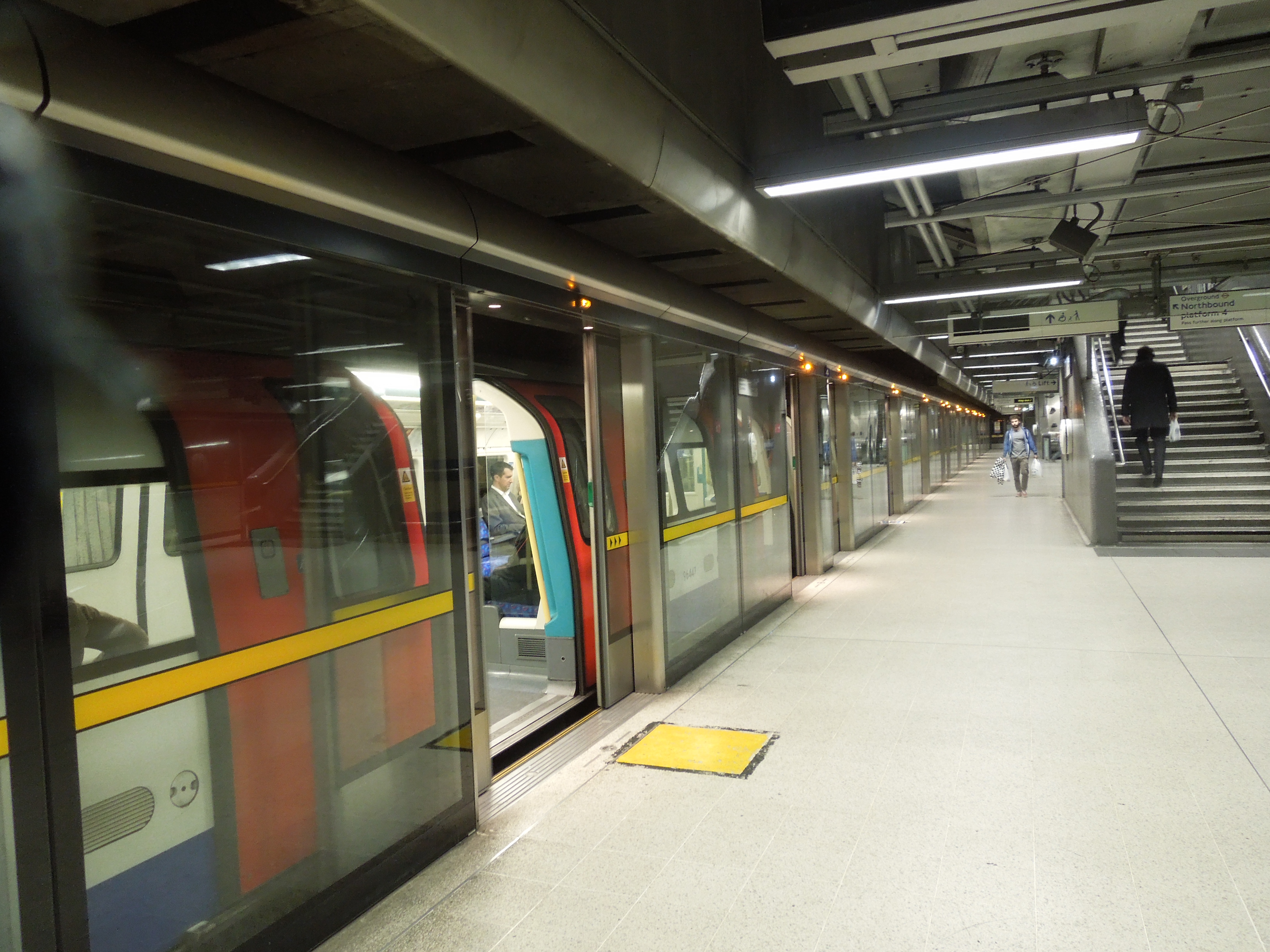
Jubilee Line At Canada Water
At least the Jubilee line was working properly.
5.Lift To The Overground
This might seem like blatant cheating to get my count up. It is!
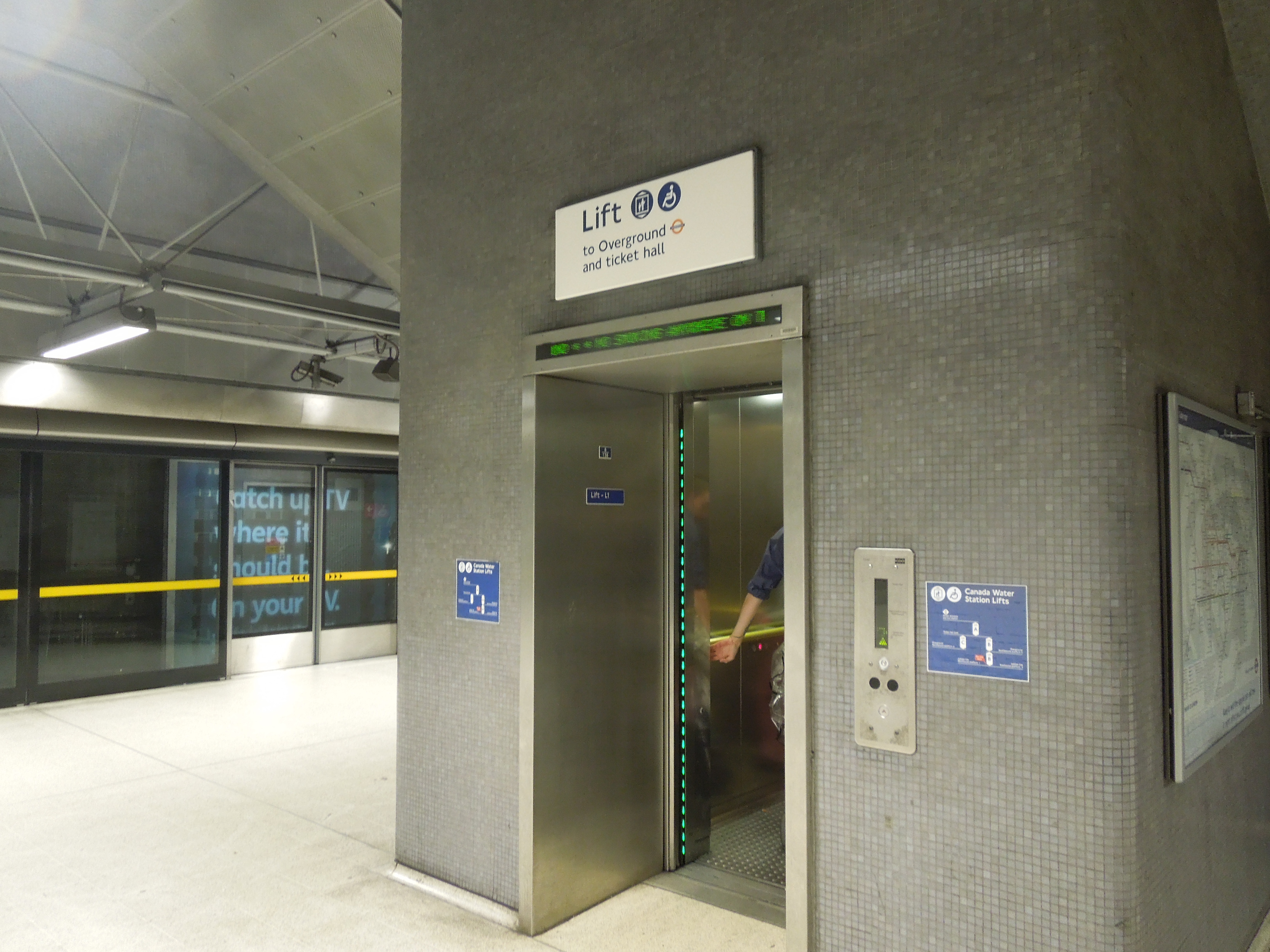
Lift To The Overground
Although it was a nice clean lift!
6. Overground To West Croydon
Those who know London’s transport system can argue that I should have taken the Jubilee line to London Bridge station and got a train from there. But hey! That would not be fun.

Arriving At West Croydon
But even the Overground takes you to wrong station at Croydon for Brighton. But at least, West Croydon station now has a quick exit to the tram.
7. Tram To East Croydon
At least when you’re going West to East in Croydon, the Tramlink is simple.
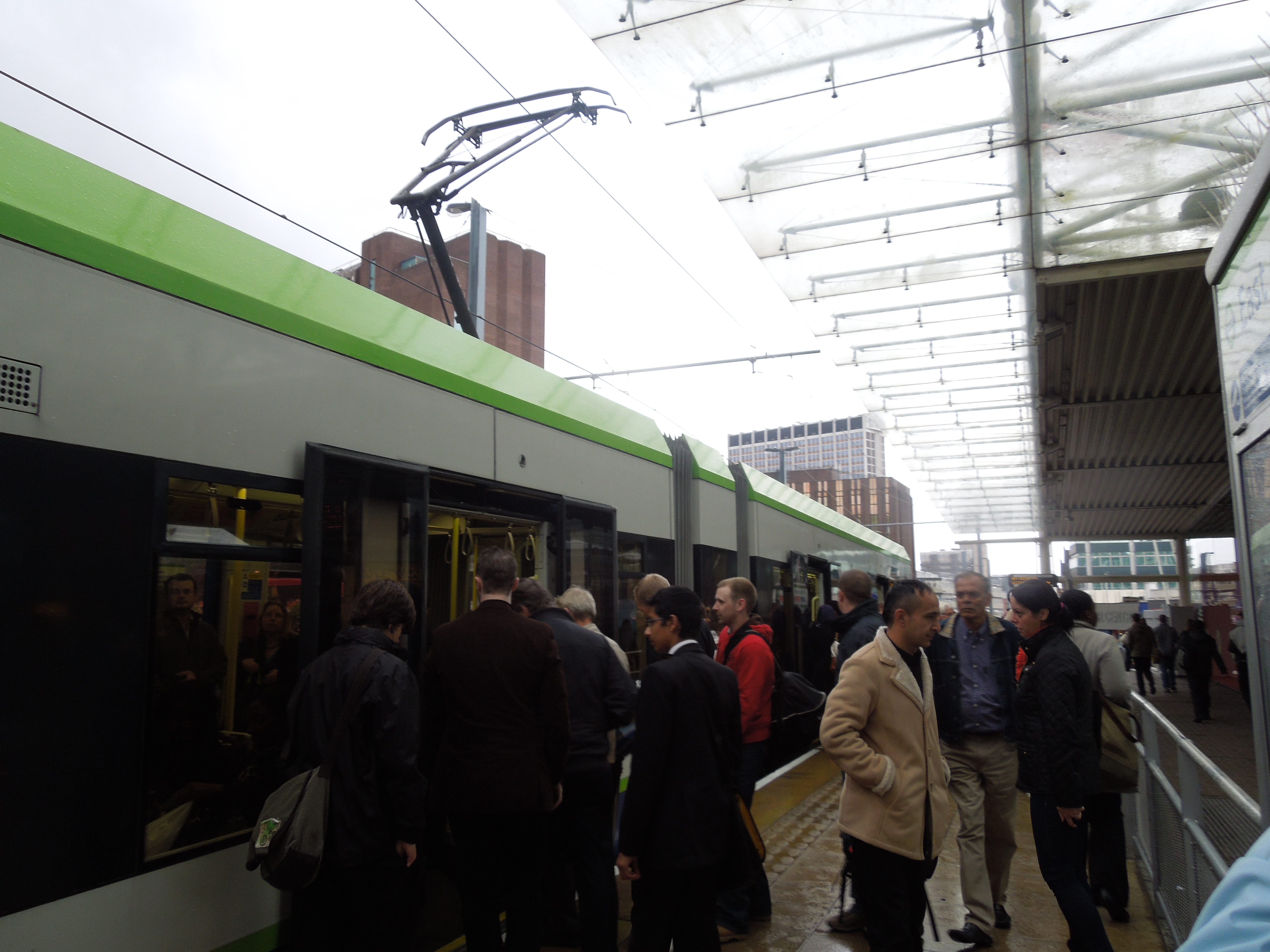
Tram at East Croydon
In fact, if say I’m coming from Brighton to my home, I will probably go direct to the London terminus. But going south, I tend to take the Overground from close by my house and then the tram to East Croydon station, as I did here.
8. Train To Brighton
I bought my first ticket of the day. a senior return to Brighton for £11.70.
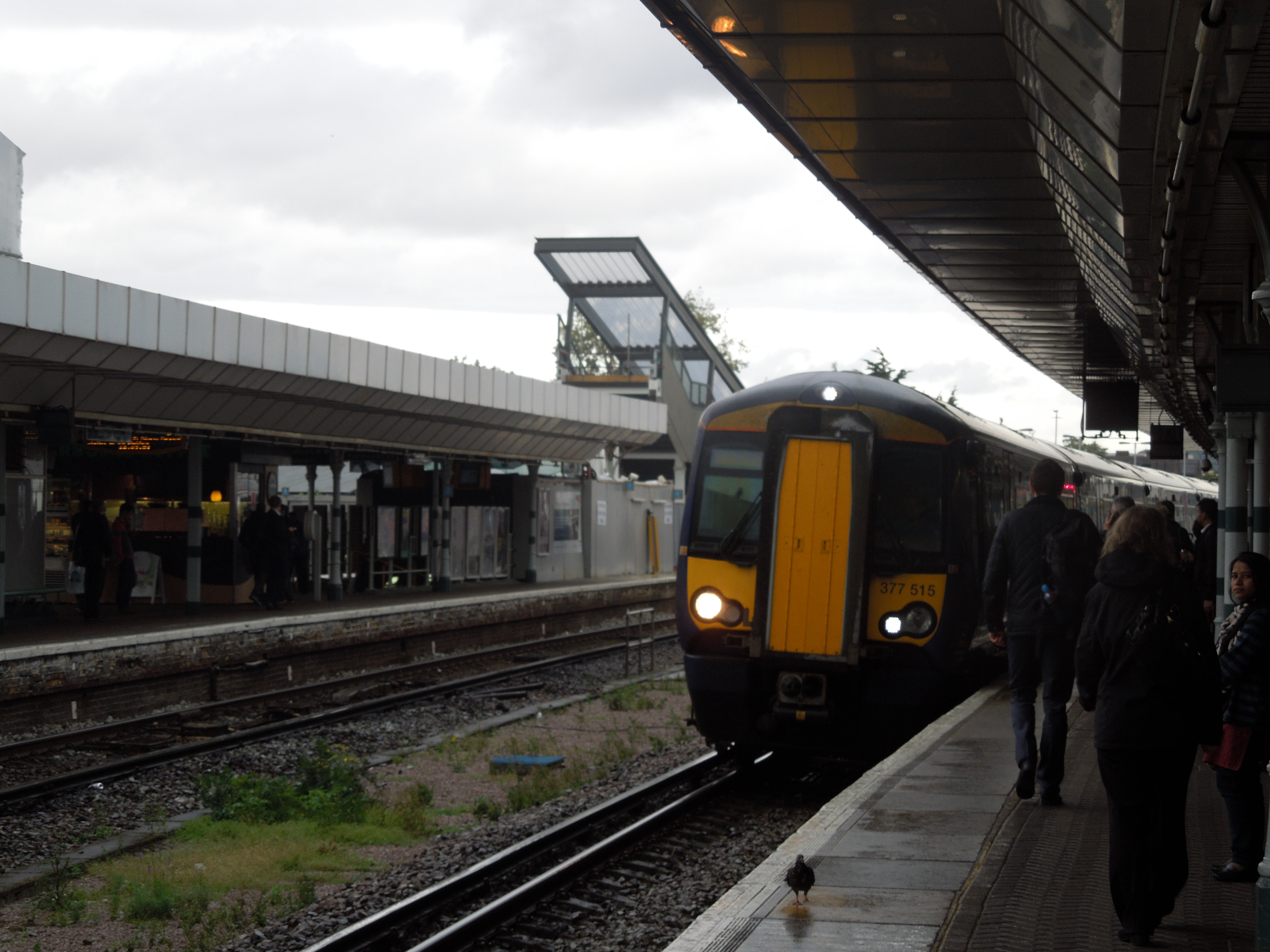
My Train To Brighton Arrives
I arrived in Brighton on time.
I then walked down the hill to Carluccio’s for an early supper.
The Downside of PFI
I found this little story tucked away on the Internet. In 1998, London Underground entered into a PFI contract with a consortium called Powerlink to provide power to the system. Although, they have no issues with the consortium, London Underground have decided to exercise a break clause, that should save them £220m over the thirty year life of the contract.
Sounds like good and sensible business to me, unless you’re a member of the consortium.
Supposedly, New Buses for London cost about £330,000 each. If you divide this into £220m, you get approximately 667 buses.
Didn’t Transport for London just buy 600 New Buses for London?
It makes you think!
Bus Pass On Rails
Modern Railways is reporting that the government is doing an experiment with First Great Western, whereby a concessionary bus-pass can effectively be used as a Senior Railcard.
I have both and it would be one less card to lose, if I had to carry just one card. The Freedom Pass also has a photograph and I have used it where a photo ID is required.
I also have to show both cards, when I go to Ipswich, by buying a ticket from the Zone 6 boundary to Ipswich, as I do the London end of the journey on my Freedom Pass.
I don’t know how many concessionary bus passes and Senior Railcards are in circulation, but abolishing the Senior Railcard and using the concessionary bus-pass wouldn’t be very affordable in these times of financial restraint.
But then the experiment may show that if those with bus-passes got rail travel with a third off, the extra revenue might pay for the scheme.
It certainly seems an idea that will eventually be implemented.
Especially, as it would be a real vote winner for the party that brought it in. Especially, if they tied up the rules, so that bus-passes worked under the same restrictions nationwide.
Kids’ Scooters and Endless Large Cases On Public Transport
Sometimes, I get a bit fed=up with the amount of baggage people take on Underground trains and buses. I do spot it better than I used to, but for example, there seems to be innumerable people, who always seem to have all their possessions in a large suitcase in tow. Do some peo0ple change where they live every day?
The number of times, I’ve tripped over a badly stowed children’s scooter has been too numerous to count.
At the moment, I’ve only seen anger, but some people have been very so. Especially in busy times!
Boris’s Plot To Get Londoners Fit!
A few days ago, at the Angel, I came out of the Tube station and after picking up my paper, I needed any of a 30, 38 or 56 bus to get myself home.
I was crossing the road, when I became aware of people running in all directions, including down the middle of and across the road. Luckily the lights were with us, so I followed the force.
The rushing was all because a New Bus for London, running on the 38 route had appeared and was waiting to get on the stop to suck in its load of passengers.
I got on at the rear platform and sat immediately and safely in one of the rear facing seats by the platform, just as the bus moved away.
This morning returning from the Angel after a coffee and doing some shopping, I followed a rather puffing much younger man onto the bus.
I then remarked to the driver that these buses seemed to be a plot to get Londoners fit.
She laughed and didn’t disagree.
The Designers of the New Bus for London Missed a Trick Here
This picture shows the roof detail downstairs on the New Bus for London.
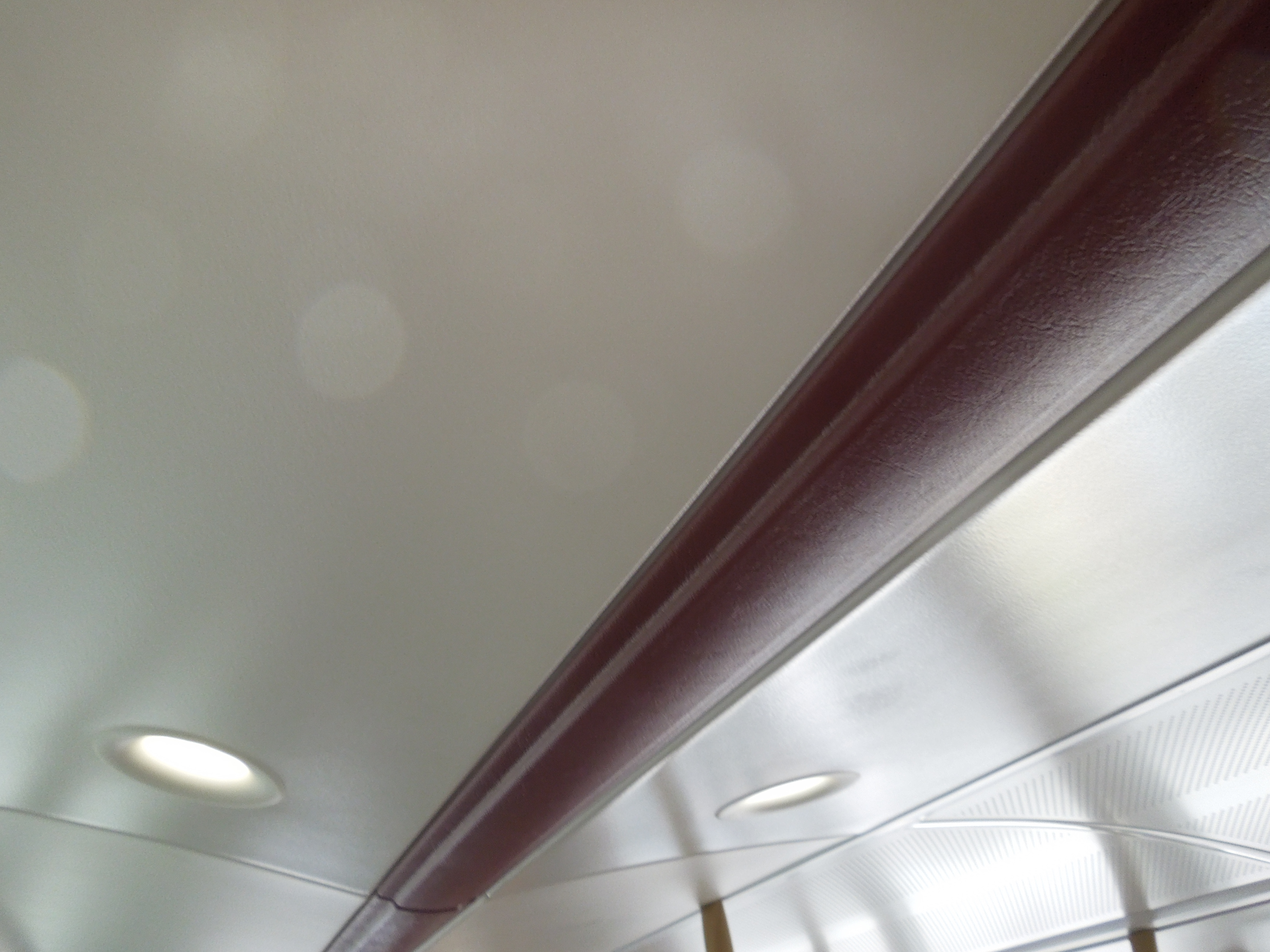
Roof Detail on a New Bus for London
The strip is just a moulding and design detail, but on some buses in the sixties and seventies, this strip was soft and if you pressed it the bell rang to stop the bus.
London Uses The Train Model For 600 New Buses for London
London has just ordered 600 New Buses for London from Wrightbus, according to this article on the BBC website.
Boris’s political opponents say he is wrong, but they would anyway, wouldn’t they?
On the other hand, what Transport for London (TfL) are using is exactly the same purchase model, as that used for trains in this country.
The trains are ordered by the Department of Transport, owned by leasing companies or ROSCOs and then hired by the train companies like Virgin. In many cases, the maintenance is arranged by the manufacturer or ROSCO and they guarantee to provide so many trains each day.
When applied to London’s buses, this must give similar advantages.
- Although, TfL are buying 600 buses, I suspect that this package includes maintenance and guarantees a specific number of operational buses. In fact, on the 38 route, there are nine in service, but usually one is kept as a spare, in case of failure.
- Are TfL selling the leases on to a third party? How many of those, who are against the deal, have never bought something on hire purchase or a lease?
- The buses can be used, where and when they are needed. Most routes need about 20-30 buses, so batches of the New Buses can be moved around, according to need. For instance, the passenger pattern may be very different according to the seasons, so buses might run on one route in summer and another in the winter.
- These buses will change as time goes on and owning them outright, gives TfL the opportunity to update the older ones to the new specification.
- I think too, that the single ownership, should mean that the buses will have a longer service lifetime, just like the old Routemasters and the Inter City 125 trains.
- It will also give TfL time to do a full analysis of bus design, operation patterns and costs.
So all things being well, I think this could be a good decision, that saves money in the long term.
 The Anonymous Widower