A New Station For Clapham East
In the June 2016 Edition of Modern Railways, there was an article entitled Turning South London Orange.
One of the proposals in the article is to create a new station at Clapham East. The location is half a mile North-East of Clapham Junction station on the East London Line.
This Google Map shows the location.
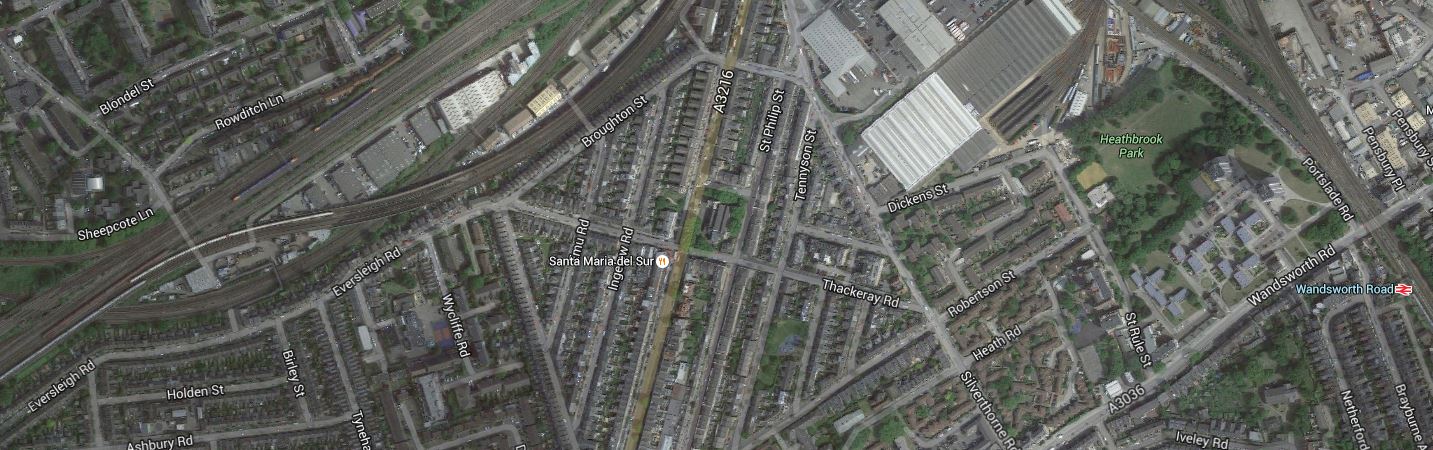
Location Of Clapham East Station
Note Wandsworth Road station at the East of the map, with Clapham Junction station, off the map a short distance to the West.
I’m not too sure of the exact location of the proposed station but it would appear to be on the East London Line, where it runs along Eversleigh Road, close to the junction of Culvert Road.
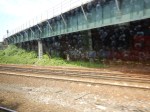
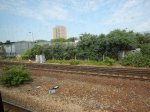
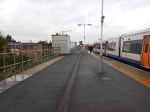
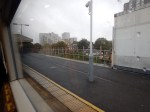
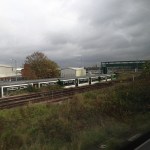
These pictures were taken as my East London Line train passed through in the area.






This map from carto.metro.free.fr might help.
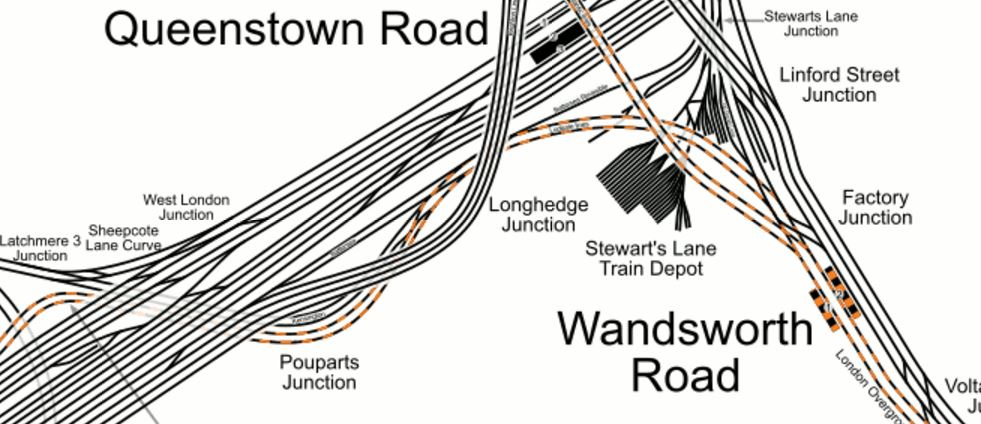
Lines Around Clapham East Station
The bridge in the pictures is where the lines from Victoria go over the East Lo0ndon Line to get to Clapham Junction station.
I think the station will be on the East London Line, which is shown in orange, just above the words “Pouparts Junction.
The Centre for London report, says that the area rather lacks a train service and that a station is needed.
Increased Frequencies On The East London Line
This article from the South London Press is entitled More Trains For The London Overground. The article says Transport for London (TfL) wants to make two service improvements are on the East London Line.
- From 2018, there will be an extra two trains per hour (tph) between Dalston Junction and Crystal Palace.
- From 2019, there will be four additional trains between Dalston Junction and Clapham Junction, making the frequency 8 tph.
I found the source of the report on TfL’s web site. This is a handy summary from the Appendix.
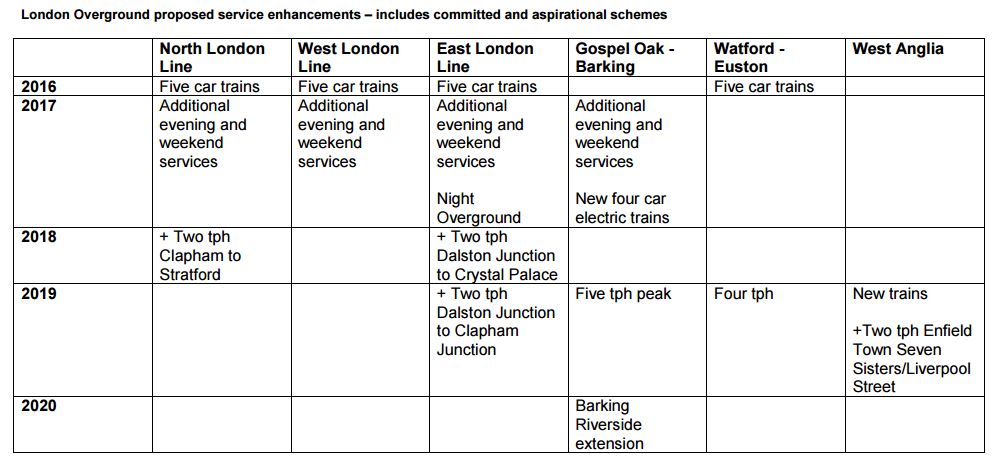
LO Improvements
It looks like the pattern of extra trains is as follows.
- From 2018, there will be an extra two trains per hour (tph) between Dalston Junction and Crystal Palace.
- From 2019, there will be an extra 2 tph between Dalston Junction and Clapham Junction, making the frequency 6 tph.
Currently both these services go to Highbury and Islington.
It’s interesting that these increased services are starting in 2018-2019! This times them to start just as Crossrail and Thameslink are opening, which probably means that TfL are expecting that a lot of Crossrail passengers will change to and from the East London Line at Whitechapel. As I will, no doubt!
Buried in TfL’s Transport Plan for 2050 says are possible plans on improving the service on the East London Line.
- Better late night and overnight services on the Overground.
- Automatic Train Operation on the core of the line from Dalston Junction to Surrey Quays to increase service frequency from 16 tph to possibly as high as 24 tph.
- Six car trains on the Overground.
At the moment the East London Line has 16 four-car trains an hour in the core route, so 24 six-car trains will mean an increase of capacity of 2.25.
The announced service improvements will mean that 20 tph will be passing Whitechapel and Canada Water.
So will we see other services started to bring the line up to the 24 tph capacity?
This would give London three almost-new 24 tph lines crossing the city; Crossrail, Thameslink and the East London Line, in an H-shape.
TfL don’t sem to be planning it yet!
The increase in frequency from Dalston Junction to Clapham Junction station is very welcome to me, as I often take a train to Clapham Junction to go south to Brighton, Gatwick or other places.
Increasing the frequency to Clapham Junction may also be needed, as extra stations and other changes are added to this branch of the East London Line.
- New Bermondsey station will be opened to take advantage of the six services per hour between Dalston Junction and Clapham Junction.
- Clapham Junction might be served by the Northern Line Extension some time in the early 2020s.
- Clapham Junction may well be served with other services to take the pressure off Victoria and Waterloo. It always strikes me as a station, that since its latest improvements could handle more services.
- Camberwell station, which has been promised for some time, could finally be under way, to connect the East London Line to Thameslink at Loughborough Junction station. A design based on the split-level principles of Smethwick Galton Bridge station may solve the connection problem.
The only difficulty of this frequency could be that there might need to be upgrades at Clapham Junction to turnback more trains.
Increasing the frequency to Crystal Palace station will be of less use to me, as I’ve rarely used that service.
If it linked to Tramlink, I might use it more, but that extension to Tramlink was dropped by Boris and there seems to be no enthusiasm on anybody’s part to build it.
I do wonder if Transport for London have other plans for Crystal Palace in their mind.
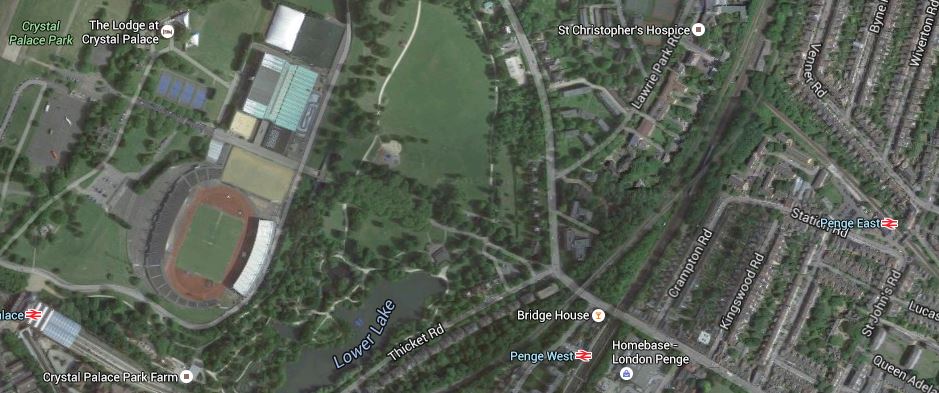
Look at this Google Map showing Crystal Palace, Penge West and Penge East stations.
Crystal Palace And Penge
Crystal Palace is a fully modernised and accessible station with lifts, a cafe and lots of platforms, so it makes an ideal terminus for trains on the East London Line.
Penge West is not the best appointed of stations and I suspect if a much better alternative was provided nearby, no-one would miss the station.
Penge East is on the Victoria to Orpington Line and needs upgrading for step-free access. But it has the problem of a Listed footbridge, that should be burnt. I wrote about it in An Exploration At Penge.
Buried in TfL’s Plan for 2050, is the one-word; Penge, as a possible new station. The line through Penge East passes under both the Brighton Main Line and the branch to Crystal Palace, in an area of railway land.
After looking at Smethwick Galton Bridge station or as I called it, Birmingham’s Four-Poster station, I do feel that a good architect could design a station, that solved the challenging problem of the difference in height and created a fully-accessible interchange. This station could have a lot going for it, as services passing through the station would include.
- 4 tph between Victoria and Orpington on the Victoria to Orpington Line
- 6 tph between Dalston Junction and Crystal Palace and 4 tph between Dalston Junction and West Croydon on the East London Line.
- A selection of the East London Line services would go to Highbury and Islington.
- 2 tph between London Bridge and Caterham on the Brighton Main Line.
- Services between Bedford/St. Albans/St. Pancras and Beckenham Junction on the Victoria to Orpington Line
It would increase connectivity greatly all over East London, both North and South of the river.
I suspect too, that the station would open up the brownfield land around the railway for property development.
I think there is a strong case to watch that area of Penge!
Could Another Overground Platform Be Squeezed In At Clapham Junction Station?
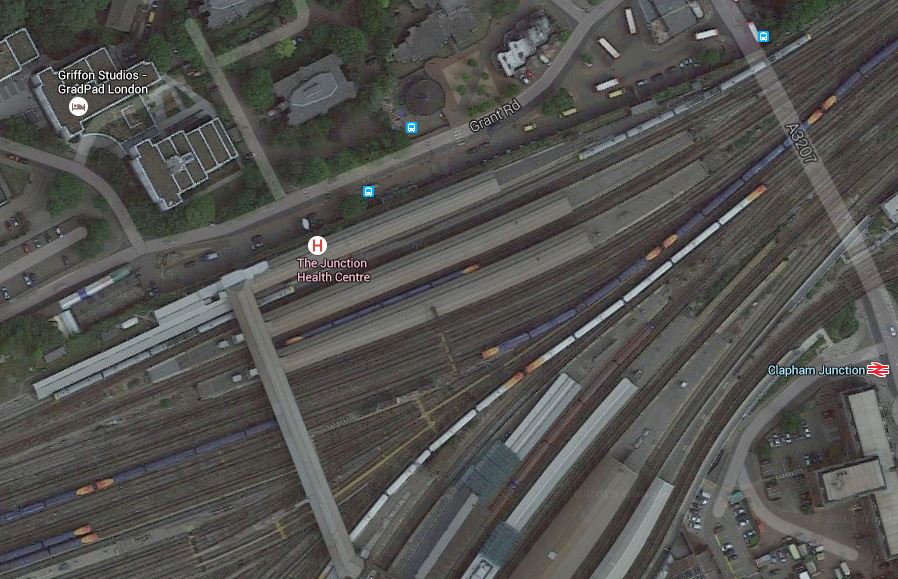
Clapham Junction station has two Overground platforms, 1 and 2, at the Northern side of the station.
This Google Map shows the platforms at the station.
Clapham Junction Platforms 1 and 2
Platforms 1 and 2 are continuous at the top, with one on the left. Note that Class 378 trains are in both platforms.
These pictures show Platforms 1 and 2 and the space behind.
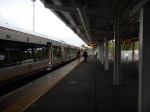

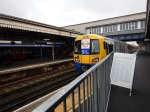
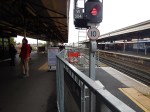
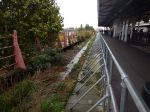
I don’t know whether another platform could be fitted in, but I suspect, if London Overground needed another one, then with some reconstruction and movement of the various cabins and boxes, then one could be built.
Could The West London Line Be Another Important North-South Link In London?
I took the Southern service from Wembley Central to East Croydon. It is an hourly service that goes between Milton Keynes and South Croydon stations using a Class 377 train. These pictures show some view of the route.
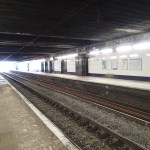
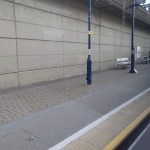
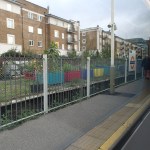
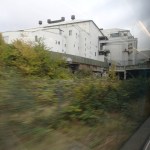
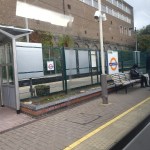
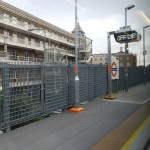

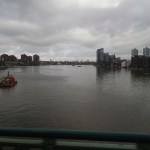

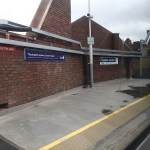
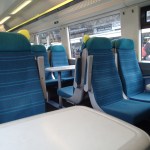

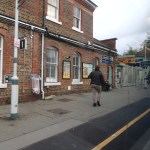
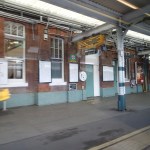

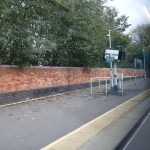
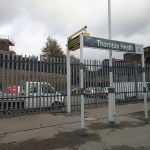
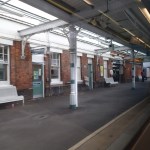
It is not a high-speed service, and it took about an hour. It does go by a bit of a roundabout route calling at the following stations.
Shepherd’s Bush – For the Westfield shopping centre.
Kensington Olympia – For the exhibition centre.
West Brompton – For Earl’s Court, which is being redeveloiped as housing
Imperial Wharf -For Chelsea and all the smart housing
Clapham Junction – For trains to just about anywhere in the South West and South
Wandsworth Common
Balham – The Gateway to the South
Streatham Common
Norbury
Thornton Heath
Selhurst
East Croydon – For Tramlink, Thameslink and trains to Brighton, Gatwick and many places on the Sussex Coast.
I think we can assume that if a station is built at Old Oak Common to link Crossrail and the Overground, then the West London Line will be linked into this station with a modern step-free interchange.
London has two high capacity North-South routes that cross the central part of the City; Thameslink and the East London Line.
So could the West London Line be upgraded as a third high capacity North South link?
There are several reasons why this might be done.
1. Waterloo is a difficult station to go to, to get trains for the South West. If I’m going to Portsmouth or Southampton, I generally pick up my long-distance train at Clapham Junction, after using the Overground to get there. An upgraded West London Line would give a route to avoid Waterloo to many travellers.
2. The line would also act as a route to avoid going to Euston in the same way.
3. As the line should be linked to Crossrail and HS2 at Old Oak Common, an upgraded line will improve access to Heathrow and the North for South and South West London.
4. In my view, the massive development at Earl’s Court needs a good rail link and possibly another station to the North, as it already has West Brompton to the South.
I think that in ten years time, when plans for HS2 and Old Oak Common are being put into concrete, we’ll see the West London Line upgraded to act as a high-capacity route.
The one thing we mustn’t do is build developments such as at Earl’s Court, so that they compromise what we might want to do on the West London Line.
We should make sure that any developments are done in a similar manner to Wembley Central, which has just enclosed the four rail lines underneath in a step-free concrete box.
The Clapham Kiss – Where East Meets West
I took these two pictures, as I went from Shepherds Bush to Dalston Junction stations this afternoon on the London Overground.
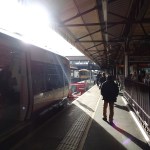
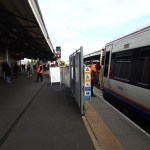
Normally, I’d take a northbound train at Shepherds Bush direct to Highbury and Islington or Canonbury, where I would use the footbridge to crossover to get on a train for Dalston Junction. The reason I like to end up in Dalston Junction station, is that there are lots of buses down the Balls Pond Road to my house and they mean, I don’t have to cross any roads.
But at Shepherds Bush, this would have meant waiting nearly ten minutes for a northbound train, so I took the first train to Clapham Junction. A factor that influenced my choice was that to change between the two trains, is just a short walk up the platform.
I spoke to the driver, who was very pleased, as they don’t always meet as precisely as this, although that is what’s intended.
But the whole layout at Clapham Junction shows that a little bit of innovative thinking can often make things better for all concerned.
Clapham Junction To Clapham High Street
I got the Overground back from Clapham Junction, rather than struggle from Waterloo, which was suffering from engineering works.
what surprised me, was that the train virtually emptied at Clapham High Street station. I would have thought that a bus would have been quicker on this short journey, especially, as you often wait ten minutes for a train.
But the Overground takes eight minutes and the 345 bus takes twenty four. The man on the Clapham Overground isn’t stupid!
An Advantage Of Clapham Junction Station
One of the advantages of changing at Clapham Junction station is the bridge with lots of kiosks. I bought this excellent fresh lemonade for £1.90 at Knot Pretzels.
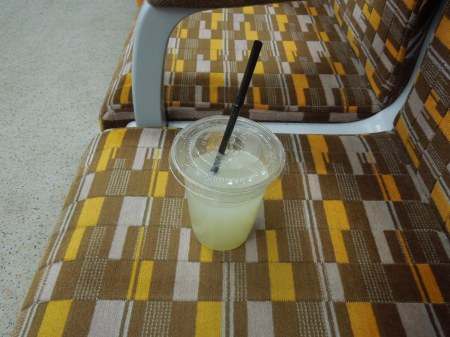
An Advantage Of Clapham Junction Station
We need more kiosks with lemonade ready-to-go.
There Would Appear To Be Good Connections At Clapham Junction
One of my gripes with Clapham Junction station, is that if you arrive on the Overground like I do, you have to exit the barriers to either purchase or pick up a ticket for your onward journey.
I did think it might be likely, that the obvious place for a machine, the refurbished pedestrian bridge, didn’t have proper network connections!
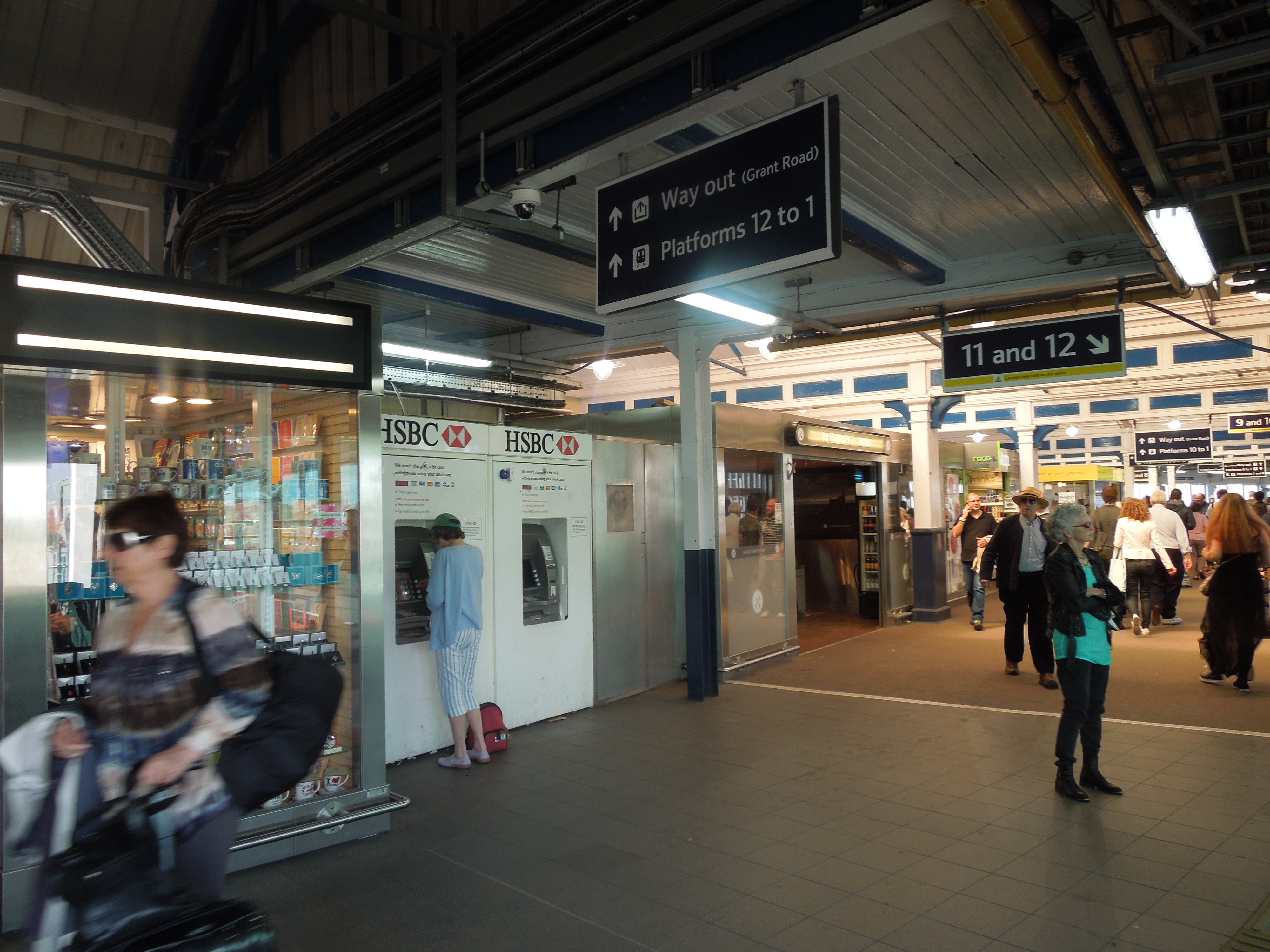
Cashpoints At Clapham Junction
But it’s got these two cashpoints, so that can’t be the reason!
As it was today, I was changing for Redhill and missed my train by a minute or so, because I was delayed by having to walk a long way to get the ticket.
The Trip Out To Budapest
I’ve just returned from Budapest by train, after flying out on Monday, the 8th. I outlined it here.
I took the Overground, as I indicated I would and it was easy. I also found out, that all trains for Gatwick Airport leave from platform 13 at Clapham Junction station.
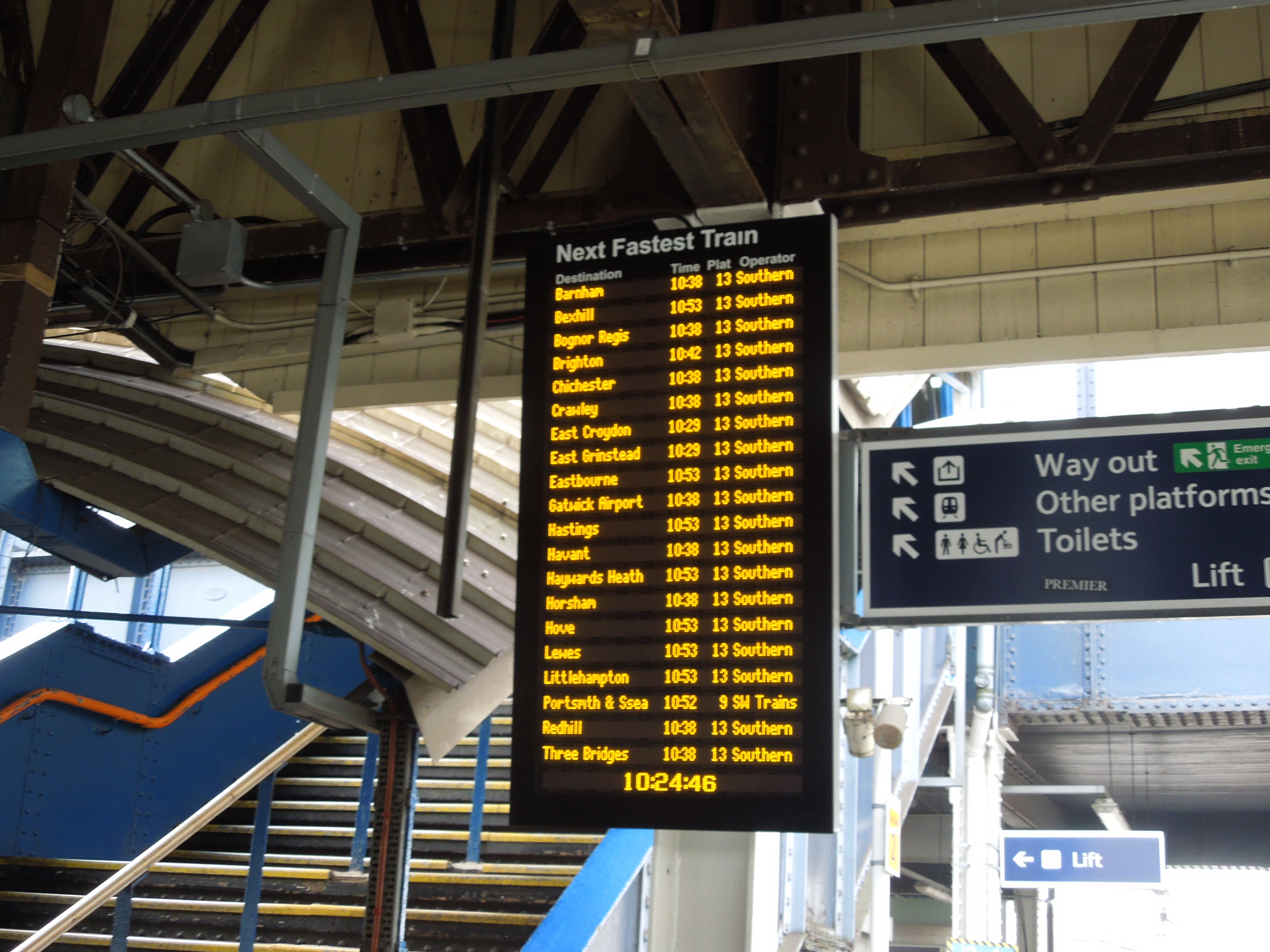
All Trains To Gatwick Go From 13
This makes things easy to remember. Unfortunately, we were delayed due to someone falling on the line.
The flight out was uneventful and my only complaint, was the uncomfortable seat. but that’s really down to me, rather than the aircraft.
Changing At Clapham Junction On The Overground
Yesterday, when I returned from the New Kings Road, I didn’t come the obvious way of taking a bus to somewhere like Sloane Square or Piccadlly from where I would get the Underground. after all, the last time I did this journey, it took forever. As it was sunny, I decided to walk to Imperial Wharf station on the Overground.
I had three choices there.
- I could go north to Willesden Junction station and then get the North London line to either Dalston Kingsland or Highbury and Islington stations.
- I could also go north on a direct train that eventually ended up at Stratford.
- I could go south to Clapham Junction station and then get the extended East London line to Dalston Junction station.
Dalston Junction station is my preferred destination, as I can walk out of the front and get any of a number of buses to close to my house.
In the end, I let the trains make my decision for me and after looking at the indicators I got on the first one to arrive.
It was a southbound one to Clapham Junction station.
It was the first time I’d done this west to east transfer at the station and it was simple, in that I just walked up the platform and got in the train to Dalston Junction. There was a staff member on the train, so I was able to know what was the front. But on these trains it doesn’t matter as they are walk-through from head to tail.
In some ways it was a surprising way to go from Chelsea to Dalston, but it was painless and probably quicker than the alternative. The view was a lot better too!
The step-free train change at Clapham Junction station was so much better, than those where you have to walk miles between platforms. The decision to split a platform and have one destination at each end, seems to have been an excellent one.
I suspect the only improvement is to have more and longer trains on the Overground. But that will happen!
 The Anonymous Widower