Stadler Presents A World First In Berlin
The title of this post, is the same as that of this press release from Stadler.
These are the first two paragraphs.
With the RS ZERO, the rail vehicle manufacturer is presenting the successor to the successful Regio-Shuttle RS1 model. There is a choice of two modern and environmentally friendly drive technologies: Hydrogen and battery. Both will enable CO2 emission-free operation of secondary lines in the future.
Stadler today unveiled the prototype of the new RS ZERO, the innovative successor to the successful RS1 Regio-Shuttle. The Regio-Shuttle has been one of the most popular vehicles in German regional rail transport for 28 years, with around 500 RS1 vehicles currently in operation in Germany and the Czech Republic. Stadler is building on this proven technology and integrating state-of-the-art, environmentally friendly drive systems. The RS ZERO is optionally available with a hydrogen and/or battery drive and thus not only sets new standards for environmentally friendly rail transport, but also presents a world first.
These pictures from Chemnitz Trams And The Chemnitz Model, show the Regio-Shuttle RS1.
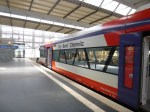
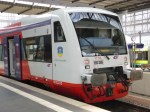
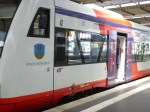
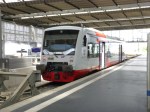
Note.
- The Regio-Shuttles can run as up to seven car trains.
- These Regio-Shuttles are electro-diesel.
- The distinctive diagonal windows.
- They can carry 170 passengers at 75 mph.
- They can run as train-trams using the Chemnitz model on compatible tram networks.
The Regio-Shuttle Wikipedia entry gives more details.
This image from the press release shows the prototype RS ZERO.
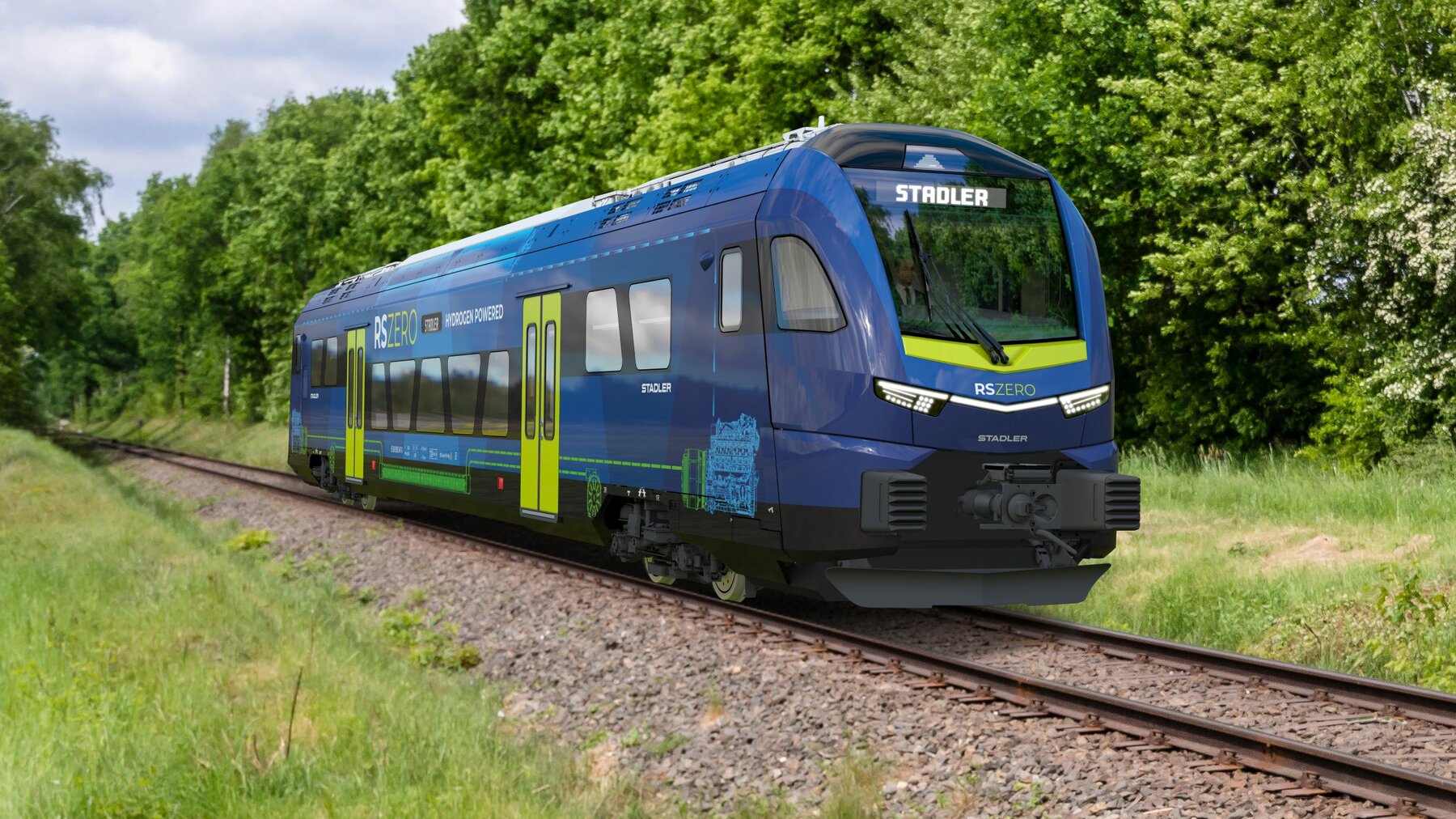
It looks very similar to my pictures from Chemnitz.
I have a few thoughts.
Comparison To A Class 150 Train
A Class 150 train can carry up to 149 seated passengers at 75 mph, which is similar to the RS ZERO.
As Stadler have built trains for Greater Anglia, Merseyrail and the Glasgow Subway, I believe that Stadler could build an RS ZERO, that would fit the UK loading gauge.
In What Train Is This?, I show the standard of interior, that can be achieved by refurbishing a Class 150 train, but unlike the RS ZERO, the train won’t be zero-carbon.
Does The RS ZERO Have A Toilet?
This is a paragraph from the press release.
The prototype of the RS ZERO presented today in Berlin is a one-car vehicle with hydrogen drive. Stadler is demonstrating the numerous design options with a multi-purpose area equipped for carrying bicycles, pushchairs and bulky luggage, lounge and comfort zones, standard and privacy seats, a wheelchair space, WC and a train office.
The train appears to be able to have what an operator might need.
What Will Be The Range Of An RS ZERO On Hydrogen?
I suspect, Stadler will provide a train, that will handle the route.
Conclusion
This could be a very handy train to decarbonise branch and secondary lines in the UK.
Bedford And Bletchley For £1.30 Return
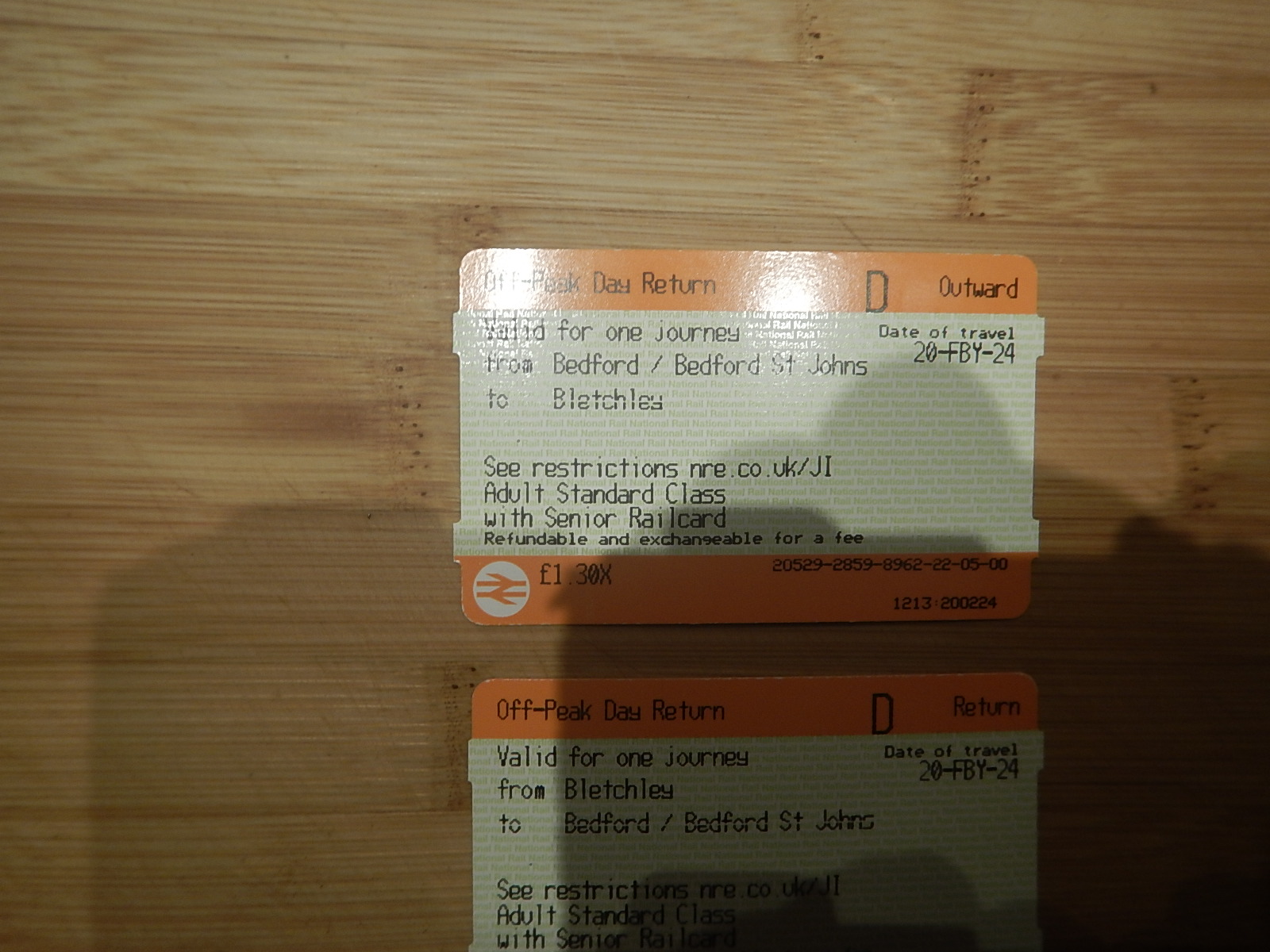
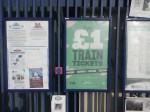
I am not talking, rubbish, but that is the ticket price, I was charged to go between Bedford and Bletchley stations today.
Note.
- I bought the two tickets from the machine at Bedford station.
- I did get £0.70 pence off for my Senior Railcard.
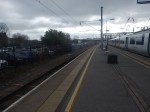
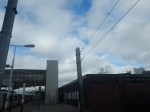
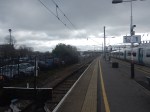
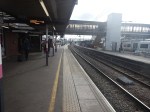
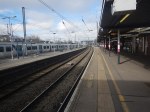
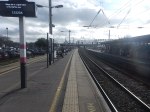
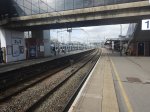
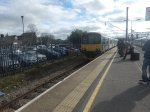
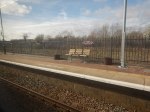
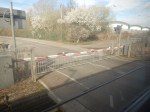
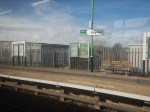
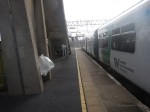
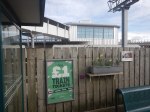
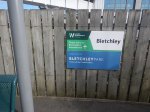
These are some more pictures I took along the route.
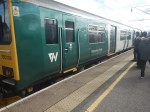
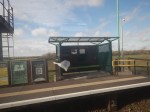
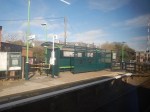
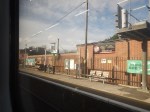
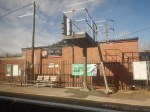
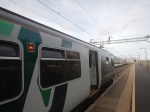

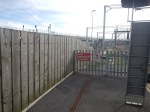
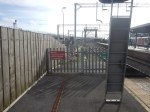
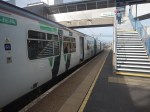
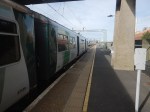
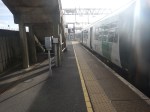
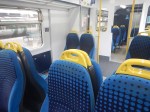
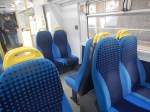
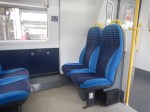
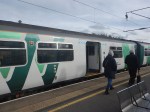
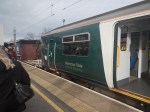
Note.
- Platform 1a at Bedford station is electrified.
- The train was a Class 150 train, that had had a quality refurbishment.
- The stations were neat and tidy.
- The flyover and the extra platforms at Bletchley station seemed ready for the East West Railway.
- There were several level crossings.
- Platform 6 at Bletchley station is electrified.
- Trains took over fifteen minutes to turn at both ends of the journey.
- Bedford and Bletchley is 16.2 miles
- The train was moderately full both ways.
This press release from London Northwestern Railway is entitled London Northwestern Railway: Full Timetable To Resume On Marston Vale Line As £1 tickets Launched.
This is an extract.
The full hourly train service will resume on Monday 19 February. To celebrate its return and encourage passengers to return to the route, LNR is also announcing a major ticket offer today. For three months from Monday, a single journey between any two stations on the Marston Vale Line will cost just £1 (50p for children). The promotion represents a discount of up to 90% on the usual fare, depending on the journey.
Jonny Wiseman, LNR customer experience director, said: “The return of the full timetable to the Marston Vale Line is fantastic news and marks the end of a frustrating period for our customers.
“Our focus now is on encouraging passengers to make full use of their local train service, which is why we have reduced the cost of a trip on the line to £1 for the next three months.
When were tickets between Bedford and Bletchley, last this price?
Will Bedford And Bletchley Be Electrified?
It is not a question of will, as the route already is.
- Platform 1a at Bedford is already electrified.
- Platform 6 at Bletchley is already electrified.
- The schedule gives battery-electric trains sufficient time to charge, whilst the driver changes ends at the two terminal stations.
- Bedford and Bletchley is just 16.2 miles.
- There is even electrified track from Platform 6 at Bletchley station to Bletchley depot, which is being extended.
All it needs is a small fleet of battery-electric trains, which have a 25 KVAC overhead capability.
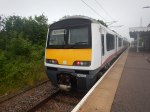
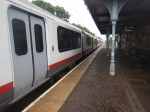
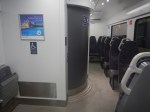
These pictures show a Class 321 Renatus.
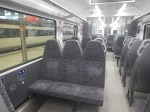

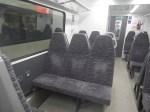
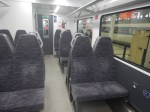

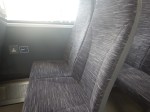
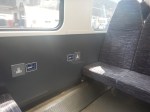
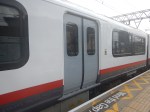
Note.
- The trains were recently refurbished by Greater Anglia.
- In Eversholt Rail And Vivarail To Develop Class 321 BEMU, I talked about how Eversholt Rail planned to get Vivarail to convert the Class 321 Renatus trains into battery-electric multiple units.
- The Class 321 train is a 100 mph four-car train.
- Four-car trains would future proof the route for many years.
- Thirty trains were converted to the Renatus specification.
These trains converted to battery-electric multiple units could certainly handle Bletchley and Bedford services.
Could Four-Car Battery Electric Multiple Units Handle The Next Phase Of East West Rail?
It is likely, when the East West Rail opens that this could be the service.
- Oxford and Milton Keynes – 2 tph – Calling at Oxford Parkway, Bicester Village, Winslow and Bletchley
- Oxford and Bedford – 2 tph – Calling at Oxford Parkway, Bicester Village, Winslow, Bletchley, Woburn Sands, Ridgmont and Bedford St Johns
- Bletchley and Bedford – 2 tph – Calling at Fenny Stratford, Bow Brickhill, Woburn Sands, Aspley Guise, Ridgmont, Lidlington, Millbrook, Stewartby, Kempston Hardwick and Bedford St Johns
Note.
- tph is trains per hour.
- I have assumed that the existing Bletchley and Bedford service is doubled in frequency.
- I estimate that Oxford and Milton Keynes Central is 41.6 miles.
- I estimate that Oxford and Bedford is 54.7 miles.
This would mean the following.
- Oxford and Bletchley would have a frequency of 4 tph.
- Bletchley and Bedford would have a frequency of 4 tph.
- Oxford station would have to charge and turn 4 tph.
- Bedford station would have to charge and turn 4 tph.
- Bletchley station would have to charge and turn 2 tph.
- Milton Keynes Central station would have to charge and turn 2 tph.
There would need to be some form of charging at Oxford.
But Oxford station has two North-facing bay platforms.
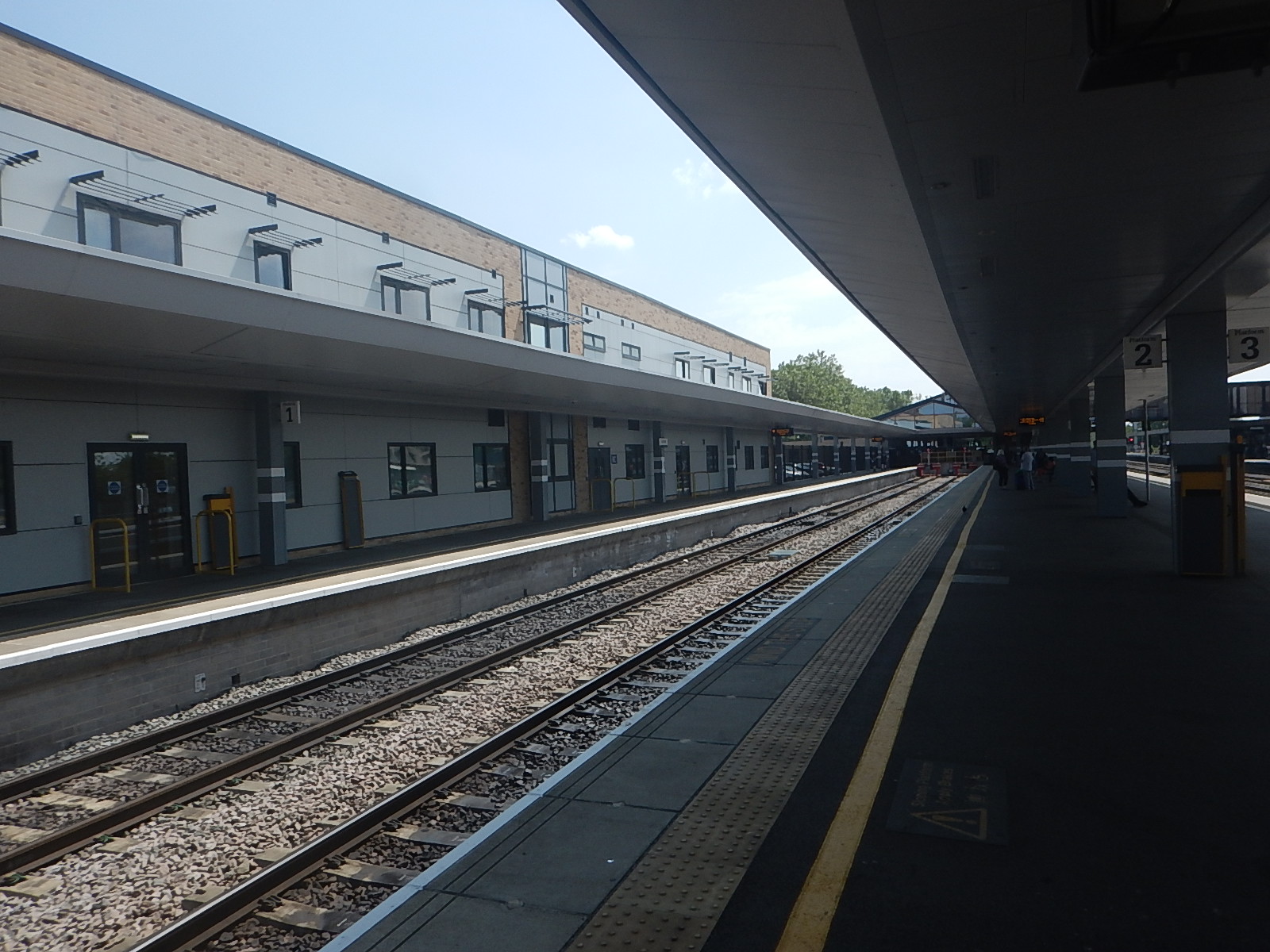
These platforms could be electrified or fitted with a Vivarail/GWR Fast Charger.
As it takes less than fifteen minutes to fully-charge a train, two platforms could charge eight tph.
Newquay Station – 9/10th February 2024
These pictures show Newquay station.








Note.
- It is a small one-platform station.
- It has a few facilities.
- It is located on the main street in the centre of the town.
This Google Map shows Newquay station.

Newquay station appears to have a very long platform.
- This page on Railway Data gives a length of 242 metres.
- It should accommodate a nine-car Class 802 train.
- The station is also close to the beach.
It looks to me that Newquay station is ready for a big surfing festival.
I have a few thoughts.
Adding A Second Platform
These pictures show the space alongside the current single track. At least for a five-car train.
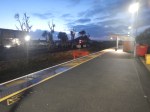
Note.
- I would expect that adding a second platform could be easily done by a competent and experienced construction company.
- There would need to be new track and a set of points, so that a train could use either platform.
- Signalling would be added, so both platforms could be used, either separately or at the same time.
I also expect that the Tregoss Loop would need to be commissioned before the second platform.
Adding Charging For Battery-Electric Trains
Consider.
In GWR Trialling Transformative Ultra-Rapid Charging Train Battery, I talked about the installation of the Vivarail/GWR Fast Charge system at West Ealing station.
In Decarbonising The Mid-Cornwall Metro, I talked about using the Vivarail/GWR Fast Charge system or hydrogen to decarbonise the Mid-Cornwall Metro.
This picture shows the Vivarail/GWR Fast Charge system at West Ealing station.
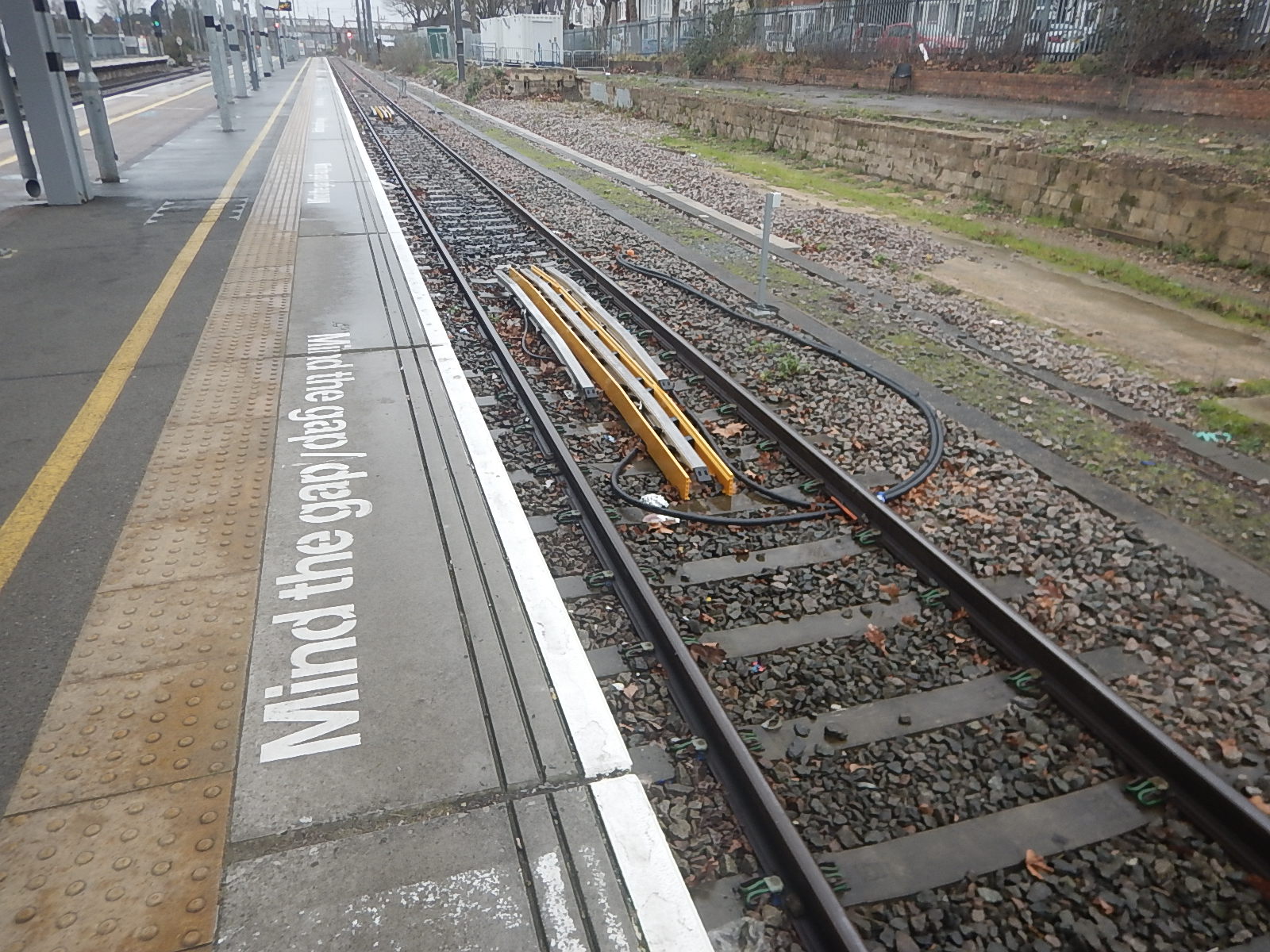
I feel there would be no problem fitting one of these in one or both of the platforms at Newquay.
But I do feel that the best way to decarbonise services to Newquay, would be to fully-electrify Par station with 25 KVAC overhead wires.
- Mid-Cornwall Metro services would charge their batteries using a pantograph, every time that they reversed in the station.
- Long distance battery-electric services through the station would top up their batteries during a stop at the station.
- Locomotives with batteries will be increasingly used on freight services and charging may be needed for the locomotives used from china clay trains.
Note.
- Par and Falmouth Docks is 30.8 miles.
- Par and Newquay is 20.8 miles.
- Par and Penzance is 44.8 miles
- Par and Plymouth is 34.7 miles.
- Par and Truro is 19 miles.
Par would appear to be a station, that could be easy to electrify and is conveniently placed in the heart of services through Cornwall.
Up To Ebbw Vale From Newport
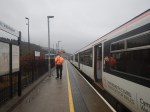
I took these pictures as my train climbed the hill up to Ebbw Vale Town station.
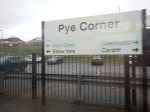
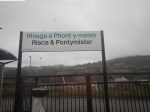
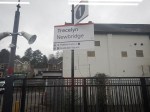



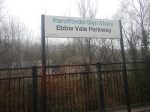
Note.
- The Class 150 train, that I was in had no difficulty in climbing up to Ebbw Vale Town.
- The dtations and track appeared in good condition.
- The weather was getting wetter, which didn’t help the pictures.
It’s a typical South Wales valley packed with houses and factories and with a small river and a few chapels an rugby pitches through in.
Penistone Line – 15th December 2023
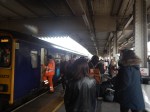
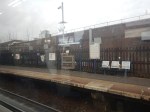
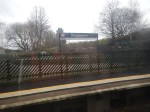
I took these pictures on the Penistone Line today.















Note.
- I started at Sheffield station and travelled to Huddersfield station, before returning to Sheffield on the next train.
- The trains run hourly.
- There are 15 stops.
- The route had good views but it didn’t seem the train worked that hard.
- The route is 36.4 miles and trains are timed to take 75 minutes.
- That is an average speed of 29.1 mph.
- Most services were run by two car Class 150 trains, but some were run by three-car trains.
- The two trains I used were well patronised.
I have some thoughts and observations.
Could The Service Be Run Faster?
Consider.
- 29.1 mph doesn’t seem very fast.
- The maximum speed is 50 mph or less in places.
- The line North of Barnsley is single-track with passing loops at Penistone and Stocksmoor.
- Some of this single-track is on top of high viaducts, so could be difficult to double.
- Between Barnsley and Sheffield is double-track.
- To do the journey in an hour would need an average of 36.4 mph.
- Typically, Greater Anglia run their Class 755 trains at 34-36 mph.
As the Penistone Line has 15 stops, an electric train with faster acceleration and deceleration might be ideal for the route.
But I suspect it would be tight, but possible to do the journey in an hour.
Help And Money Is On Its Way!
This article on Kirkless Together is entitled £48million Funding Boost To Get Penistone Rail Line On The Right Track.
This is the first paragraph.
The government have just announced that we’ve been successful in a bid to their Levelling Up Fund for £48million, to support major improvements to the Penistone rail line.
That certainly sounds like a good start.
The article sums up what the funding means like this.
This funding means we’ll be able to improve the infrastructure along this rail line, and improve access as well. This will make the Penistone line a really important link between Huddersfield, Barnsley and Sheffield!
Improvements are outlined in this paragraph.
It will include station improvements creating better access and waiting facilities, increasing the speed of travel along the line and upgrading the rail infrastructure – including doubling sections of track, which will allow for two trains to travel on the northern section of the line every hour, in both directions.
Note.
- I feel that the current track layout could allow a theoretical two trains per hour (tph) service North of Barnsley, if both passing loops at Penistone and Stocksmoor were to be used.
- But it might not be very resilient to late trains and other problems, so extra double-track might be desirable, if it made the route more reliable.
I would expect that if possible, the improvements would allow trains to go between Sheffield and Huddersfield in an hour, as that would definitely attract more passengers to the service.
Could Battery-Electric Trains Run The Service On The Penistone Line?
Consider.
- Both Sheffield and Huddersfield stations will be electrified in the next few years, so the power supplies will be able to support charging of battery-electric trains.
- Sheffield and Huddersfield is only 36.4 miles.
- Hopefully, the track improvements would make the route less severe.
- The Penistone Line is self-contained with no other services on much of the route.
- There is time to charge the train at each end of the route.
In an article in the October 2017 Edition of Modern Railways, which is entitled Celling England By The Pound, Ian Walmsley says this in relation to trains running on the Uckfield Branch, which is not very challenging.
A modern EMU needs between 3 and 5 kWh per vehicle mile for this sort of service.
I don’t think the terrain of the Penistone line is much different from the Uckfield branch, so what are the figures for a three-car-battery electric train?
The answer would appear to be somewhere between 328 and 546 kWh.
According to the data sheet is now on the Stadler web site, the battery size of a Class 777 train is 320 KWh.
I feel that an off the shelf battery electric train could work the Penistone Line.
Could Tram-Train Operation Be Used?
Consider.
- A Sheffield tram driver told me that Sheffield’s Class 399 Tram-Trains are excellent on hills.
- The cousins of the Class 399 Tram-Trains run a similar service between Karlsruhe and Baden-Baden in Germany on bigger hills.
- Battery-electric Class 399 Tram-Trains are available and are being tested in Wales.
- Sheffield station handles Huddersfield services straight into one of two single bay platforms.
- Huddersfield station handles Sheffield services straight into a single bay platform.
- Major improvements to the Penistone Line will allow two trains per hour on the line.
I suspect if two trains per hour can be run using using diesel multiple units operating as a shuttle, then battery-electric Class 399 tram-trains could do the same.
A Tourist Tramway Across The Pennines
I feel there are possibilities to run tram-trains between Huddersfield and Manchester Piccadilly via Meadowhall and Sheffield stations.
This would create a unique tourist tramway across the Pennines.
Huddersfield’s magnificient Grade 1 Listed station is being upgraded and electrified.
The Hope Valley Line has been upgraded in the last couple of years.
Through Sheffield will be upgraded and electrified for the Midland Main Line.
Stadler have built vehicles for lines like these in many places.
This could be the spectacular attraction that the North-Centre of England needs.
Three New Battery-Only Revolution Very Light Rail Vehicles
This title of this post, is the same as that as this press release from Eversholt Rail Group.
These are the three bullet points.
- Eversholt Rail funding three brand-new Revolution Very Light Rail vehicles for passenger trials and ongoing operation.
- Manufactured in the UK by Transport Design International.
- Battery-only propulsion, providing zero-emissions operation.
These three paragraphs fill out the story.
Innovative new lightweight passenger trains that will help decarbonise Britain’s railways are to be trialled after a new deal was announced this week.
The new Revolution Very Light Rail vehicles will run entirely on battery power and could be carrying passengers within three years. A new system of lineside fast charging will mean the whole operation has zero emissions.
Some of Britain’s major rail operators are already showing interest in the RVLR vehicles as they seek to fulfil promises to make rail ‘cleaner’.
This is also said about looking for routes, to trial the new vehicles.
Eversholt Rail and TDI are working with key stakeholders across the UK rail industry to agree routes and services where operators can run passenger-carrying trials using these new vehicles. These trials will generate actual passenger demand data to support business cases for long-term deployment of RVLR vehicles as well as providing further passenger and operator feedback on their design and capabilities.
I have some thoughts and questions.
What Is The Top Speed?
A lot of questions like this are answered by this article on Rail Engineer, which is entitled Very Light Rail – A Revolution.
These can be ascertained from this comprehensive article.
- Top Speed – 65 mph
- Seats – 56
- Wheelchair space
- PRM TSI accessibility compatible
- Tare Weight – 24.8 tonnes
- USB Charging
For comparison these figures relate to a PRM-compliant Class 153 diesel train.
- Top Speed – 75 mph
- Seats – 59
- Tare Weight – 41.2 tonnes
This picture shows one of the Class 153 trains at Matlock Bath station.
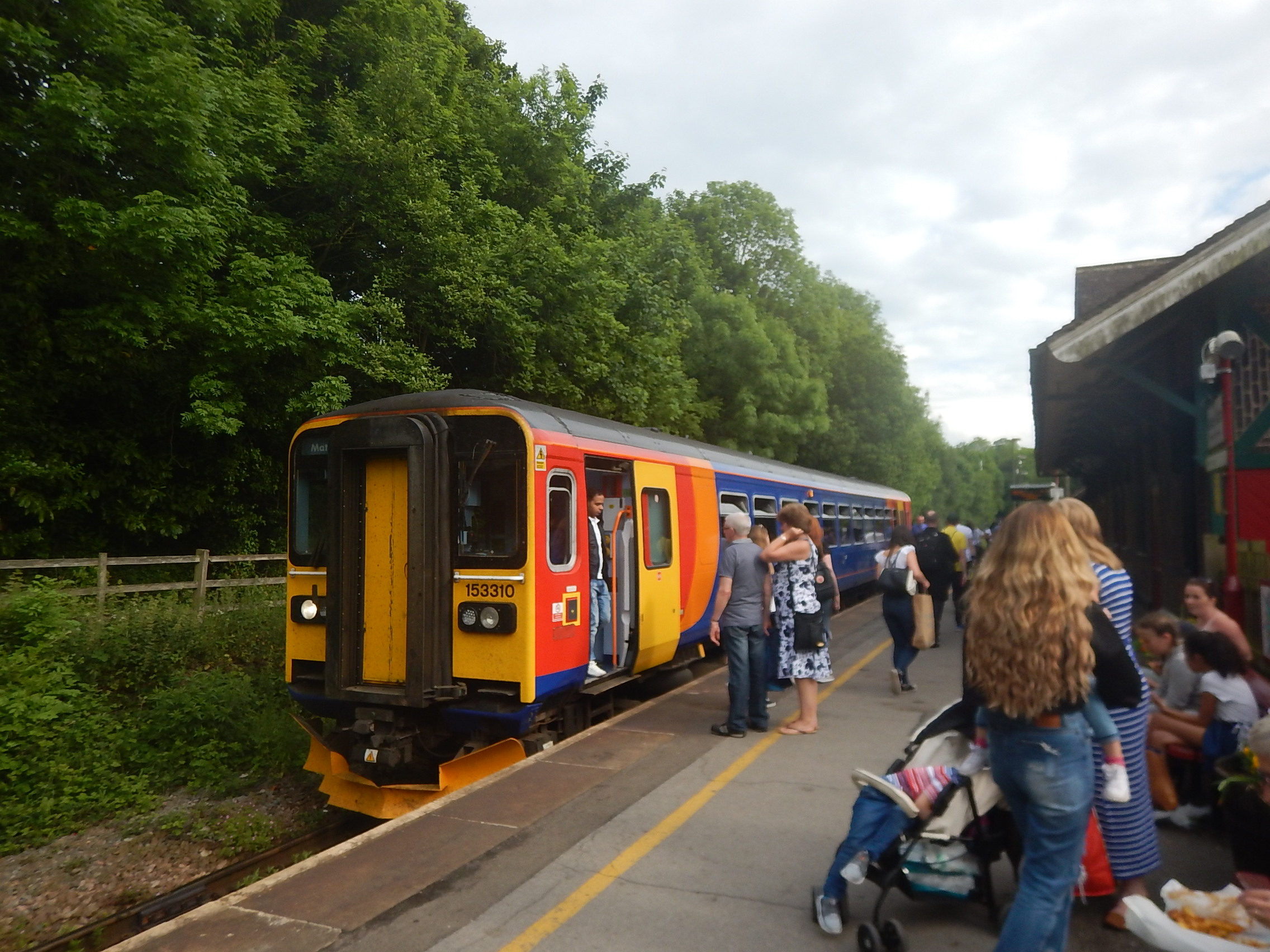
There are still around thirty in service in the UK.
Can Two Revolution VLRs Run As A Two-Car Train?
From the pictures on the web, the trains have buffers and space for a coupler, so until someone says they must always run as single units, I’ll assume they can at least run as a pair.
Can A Revolution VLR Recharge Its Batteries Using Conventional 25 KVAC Overhead Electrification?
One route, that is a possibility for running using Revolution VLR must surely be the Greenford Branch, which connects to the electrified Great Western Main Line at West Ealing station.
In this and at several other places on the network, it could be easier to charge the trains using the existing overhead electrification or an extension of it.
Another possibility; the Marston Vale Line is also electrified at both Bedford and Bletchley.
In New Mobile Rail Charging Facility For Long Marston, I talked about how Siemens are developing a mobile charger, which initially will be deployed at Long Marston.
It could be very useful for efficient operation, if the batteries on a Revolution VLR could be charged in a number of places, which included conventional electrification.
If charging only happened, whilst trains were stationary, a lightweight pantograph and appropriate electrical gubbins might be sufficient.
Can A Revolution VLR Replace A Class 153 Train?
I suspect on some routes this will be possible, but on others, the speed or hill-climbing requirements might be too stiff for the lightweight train.
But, if I was designing a train like the Revolution VLR, I’d make sure it fitted as many markets as possible.
The picture was taken at Matlock Bath station on the Derwent Valley Line, which is a single track with a fifty mph limit and an uphill climb. I suspect that the Revolution VLR would be designed to handle the uphill part of the route, but would the train be able to handle the speed of the Midland Main Line to Derby.
The Revolution VLR would probably attract more passengers, so it might be necessary to double up the service by running a pair.
Can A Pair Of Revolution VLRs Replace A Class 150 Train?
I don’t see why not!
Could The West London Orbital Use Revolution VLRs?
This might be a proposed route that could use Revolution VLRs.
The two routes would be.
- West Hampstead and Hounslow.
- Hendon and Kew Bridge.
Both services would use the Dudding Hill Line and serve Neasden, Harlesden, Old Oak Common and Acton, with a frequency of four trains per hour (tph).
Although this service could be run using conventional multiple units, it might be more affordable to use Revolution VLRs charged on sections of line that are already electrified.
Could the Greenford Branch Use Revolution VLRs?
The Greenford Branch would be a classic application and trains could be charged by fitting a charger in the bay platform at West Ealing station.
In An Automated Shuttle Train On The Greenford Branch Line, I did a rough calculation to see if an automated shuttle could achieve four tph.
Four tph might be too ambitious, but automatic trains shuttling along a branch line might be an affordable way to provide zero-carbon trains with an adequate capacity.
- The driver would drive the train using the sort of remote control used for drones.
- The driver would sit in a convenient place on the train, with CCTV to help them see everything.
- When the train was ready to leave, the driver would push a button to tell the train to move to the next station.
- On arrival at the next station, the doors will open.
- The process would repeat along the line.
If this method of operation sounds vaguely familiar, the Victoria Line has used it since 1067.
Although the Victoria Line drivers always sit in the front.
But on a line with no other trains running at the same time, all they need is a good view of the doors.
Branch lines that could be run in this way could include.
Bodmin Parkway and Bodmin General
Brockenhurst and Lymington Pier
Grove Park and Bromley North
Lancaster and Morecambe
Liskeard and Looe
Lostwithiel and Powey
Maidenhead and Marlow
March and Wisbech
Par and Newquay
Plymouth and Gunnislake
Romford and Upminster
Sittingbourne and Sheerness-on-Sea
Slough and Windsor Central
Southall and Brentford
St. Erth and St. Ives
Truro and Falmouth Docks
Twyford and Henley-on-Thames
Watford Junction and St. Albans Abbey
West Ealing and Greenford
Wickford and Southminster
Wymondham and Dereham
Treforest Estate Station – 28th November 2023
On Tuesday, I went to South Wales to look at the progress of the South Wales Metro.
I took these pictures at Treforest Estate station.
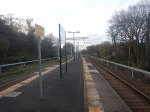
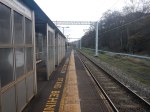
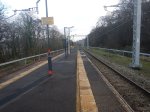
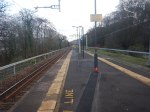
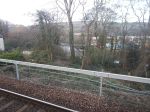
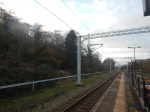
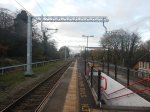
Note.
- The station has a narrow island platform.
- Aberdare, Merthyr Tydfil and Treherbert trains go through here. but on Tuesday not all were stopping.
- It was rather cold and draughty.
- The electrification looks to be of high quality.
This OpenRalwayMap shows the tracks through the station.
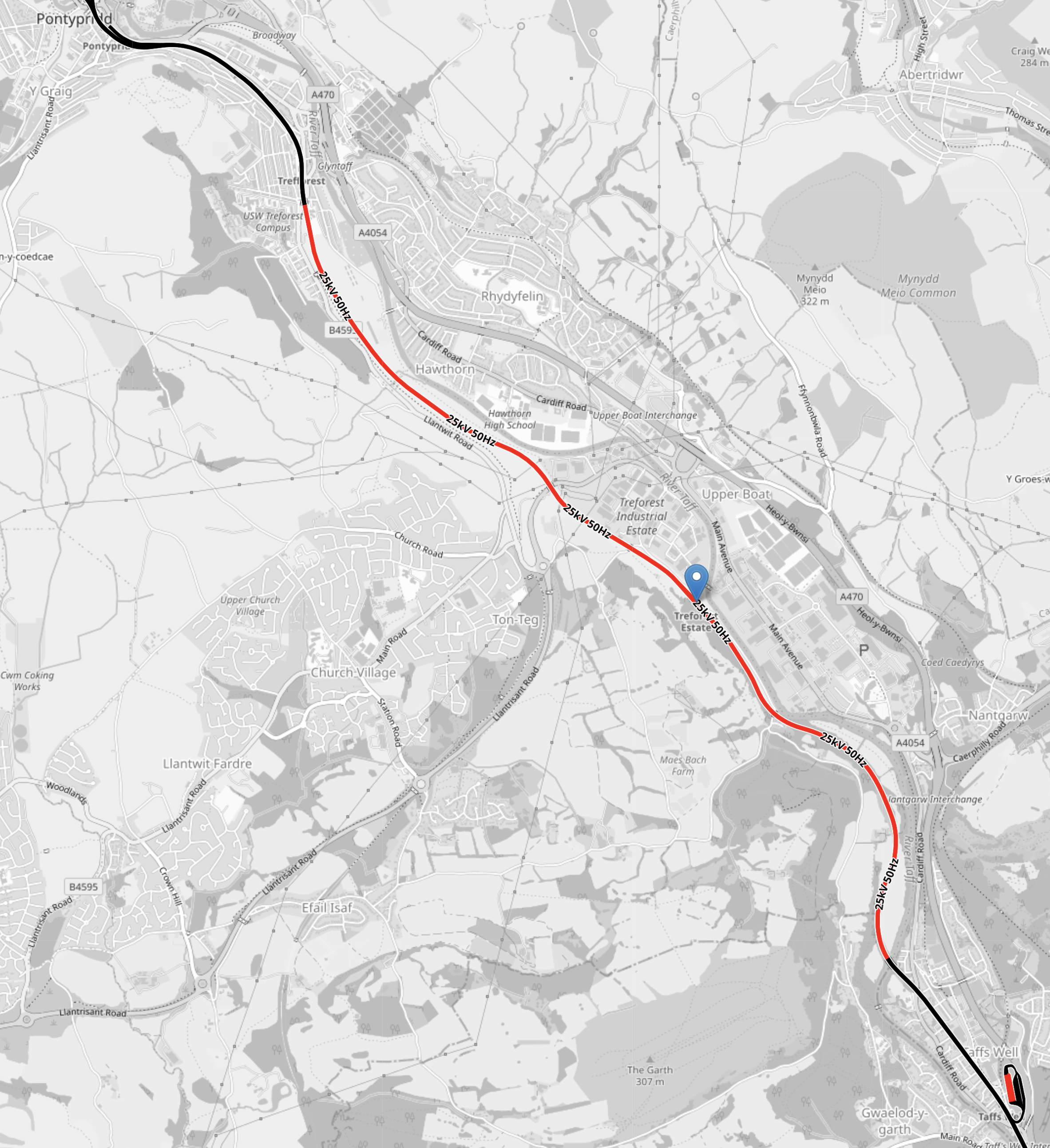
Note.
- Electrified lines are shown in red.
- Unelectrified lines are shown in black.
- Pontypridd, where the tracks are not electrified is at the top of the map.
- The strange squiggle in the South-East corner of the map is Taff’s Well Depot.
- The blue arrow indicates the position of Treforest Estate station.
This OpenRalwayMap shows the station at a larger scale.
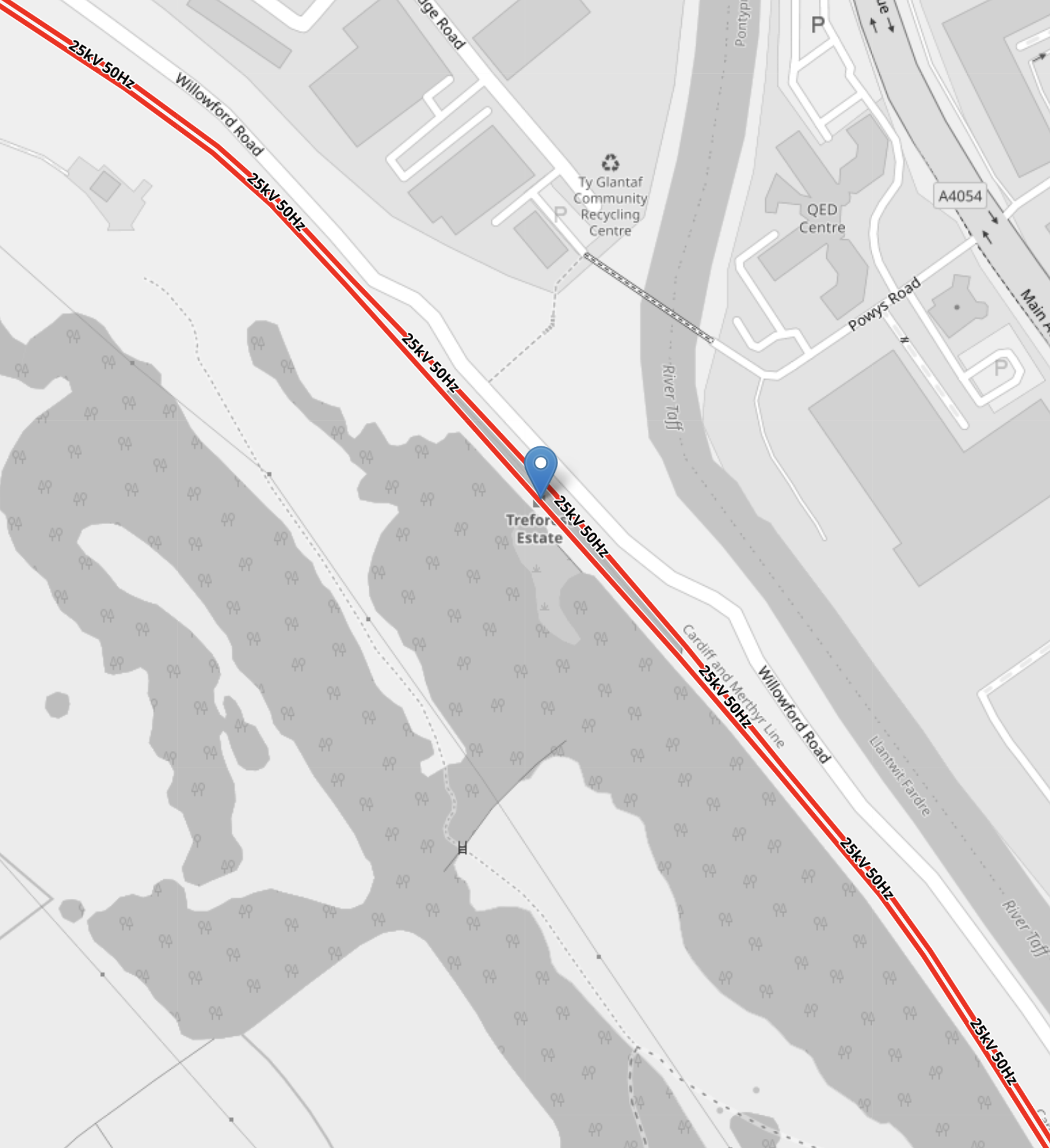
Note.
- Electrified lines are shown in red.
- Unelectrified lines are shown in black.
I wonder if the drivers will raise and lower the pantograph in Treforest Estate station. Or will this be automatic?
Abercynon Station – 28th November 2023
On Tuesday, I went to South Wales to look at the progress of the South Wales Metro.
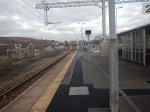
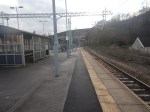
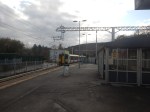
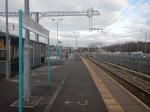
I took these pictures at Abercynon station.
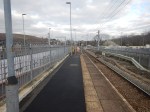
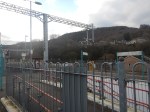
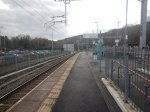
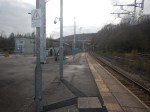
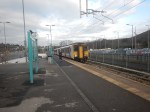
Note.
- The station has a wide island platform.
- The Aberdare and the Merthyr Tydfil branches merge here.
- It was rather draughty.
- The electrification looks to be of high quality.
This OpenRalwayMap shows the tracks through the station.
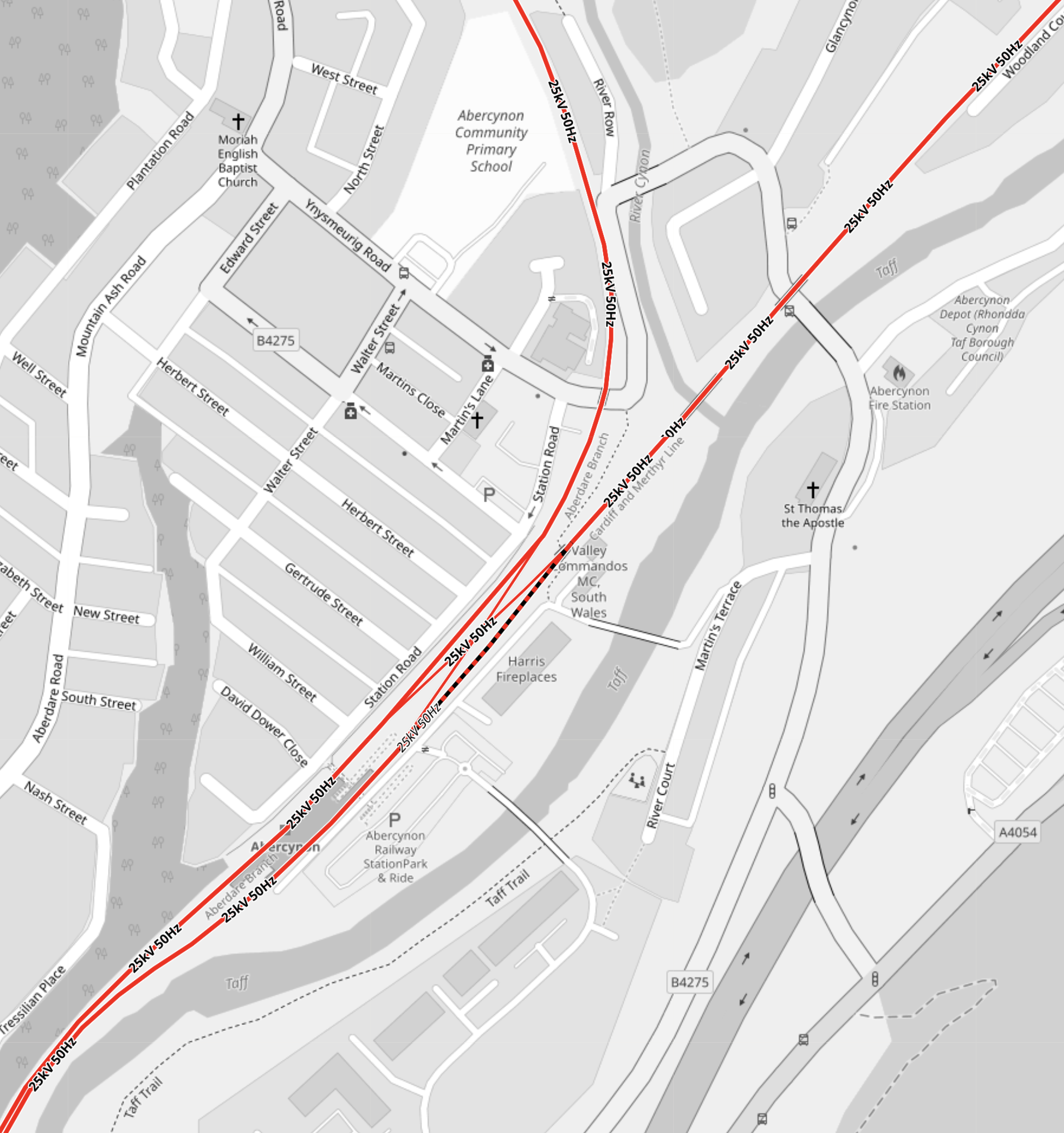
Note.
- Electrified lines are shown in red.
- Unelectrified lines are shown in black.
- The single-track going North is the Aberdare branch.
- The single-track going North-East is the Merthyr Tydfil branch.
- There is a crossover to the North of the station, so that trains can go where they should.
- The single platform is the grey-shaded area between the two tracks.
- The tracks are electrified to the South.
It is a neat simple station, that also allows passengers to travel between stations on different Northern branches.
The Increase In Passenger Capacity
Consider.
- Currently, there are two Class 150/2 tph on both Northern branches.
- This means current capacity is 596 passengers per hour.
- After electrification, there will be four Class 398 tph on both Northern branches.
- This means future capacity is 2016 passengers per hour.
That is an increase of 238 % in the capacity.
Adding Buxton And Manchester Piccadilly To The Bee Network
This article on the Railway Gazette has a list of the lines, that will be transferred between Northern Rail and the Bee Network.
Included in the list is this line.
Buxton And Manchester Piccadilly
I think this route would be the following.
- The Southern terminus would be Buxton.
- The Northern terminus would be Manchester Piccadilly.
- Intermediate stations would be Dove Holes, Chapel-en-le-Frith, Whaley Bridge, Furness Vale, New Mills Newtown, Disley, Middlewood, Hazel Grove, Woodsmoor, Davenport, Stockport, Heaton Chapel and Levenshulme.
- he route is fully electrified with 25 KVAC overhead between Hazel Grove and Manchester Piccadilly.
- Most of the route has a range of operating speeds. up to 90 mph.
- The distance is 19 miles
- Trains take 62 minutes
- Trains are often two-car Class 150 trains working as a pair.
- The Buxton Line is one of the stiffest routes on the UK rail network.
The route is the same as the current Northern Trains service.
This is my thought.
Trains
I think there are three choices.
- Electrify the line fully and use 100 mph electric trains like Class 331 trains.
- Use 100 mph battery-electric trains, with large enough batteries to climb to Buxton.
- Use 100 mph hydrogen-electric trains, with enough power on hydrogen to climb to Buxton.
Note.
- The current diesel trains could be used until a zero-carbon solution is delivered.
- 100 mph trains would be needed because of the 90 mph section around Stockport.
- The stiffness of the line makes the choice difficult.
- Regenerative braking would allow trains to coast down the hill.
- Battery-electric trains would not need charging at Buxton.
I’m sure that the deal that will be setting up the Bee Network, would have a plan for the Buxton Line.
Strategic Outline Business Case Submitted For Reopening Tavistock To Plymouth Rail Line
The title of this post, is the same as that of this news topic on the Devon County Council web site.
This is the sub-heading for the news item.
The Strategic Outline Business Case for the reopening of the Tavistock to Plymouth rail line has been submitted.
These three paragraphs outline the proposal.
Our submission to the Government’s Restoring Your Railway programme sets out the rationale for reopening the line between Bere Alston and Tavistock.
The scheme would reinstate approximately five miles of track and deliver a new single platform station at Tavistock, which would serve around 21,000 residents of Tavistock, Horrabridge, Lamerton, and Mary Tavy.
An hourly Tavistock-Plymouth service would stop at Bere Alston, Bere Ferrers and the west Plymouth stations, while maintaining the existing two-hourly service between Plymouth and Gunnislake.
I have a few thoughts.
The Connection At Bere Alston Station
This OpenRailwayMap shows the track layout at Bere Alston station.
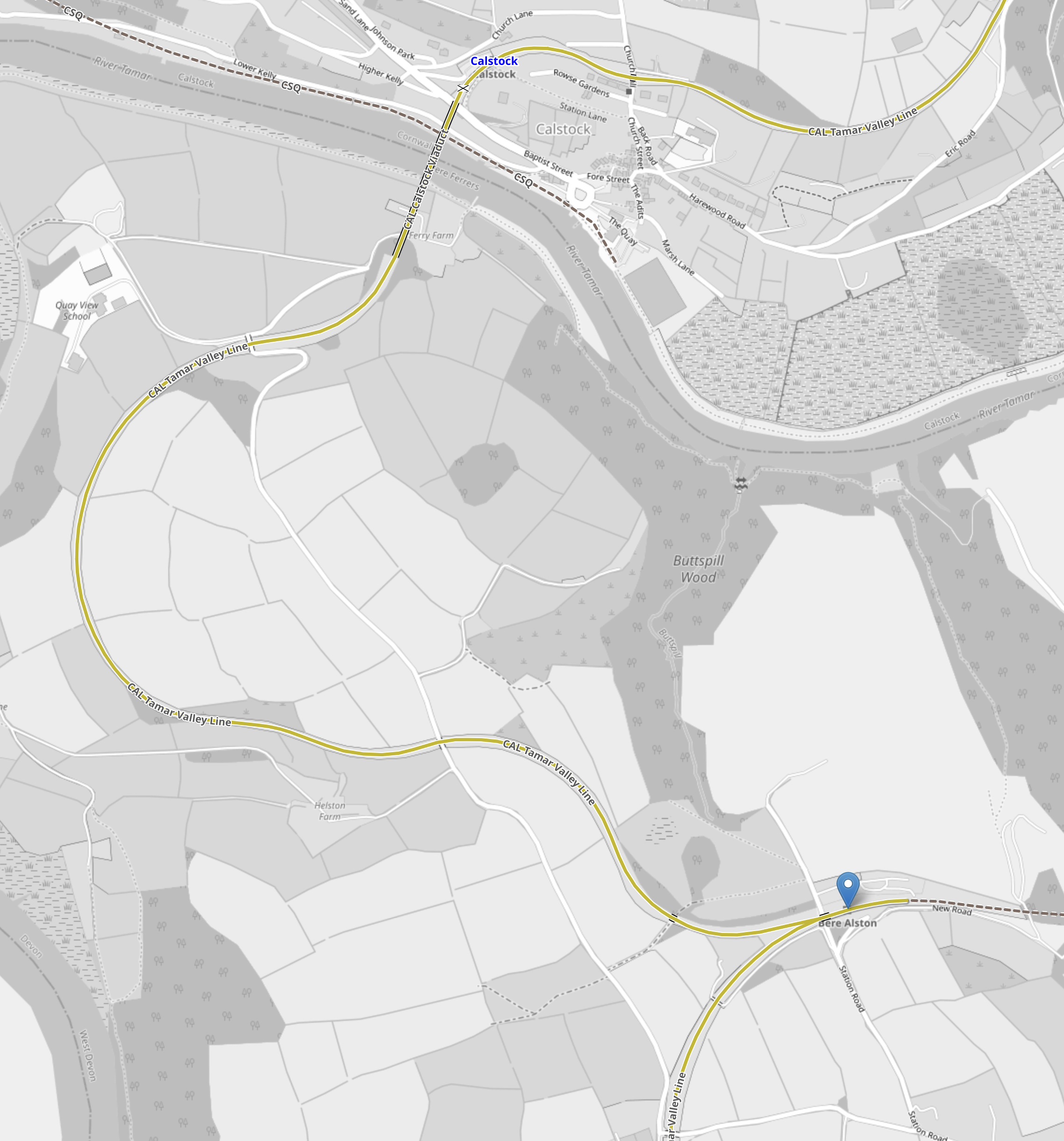
Note.
- Bere Alston station is indicated by the blue arrow.
- The line between Bere Alston and Tavistock goes East from Bere Alston station and is shown as a black dotted line.
- The single-track Tamar Valley Line between Plymouth and Gunnislake stations, is shown in yellow.
- Tamar Line trains reverse in Bere Alston stations.
- Plymouth is to the South.
- Gunnislake is to the North.
It would appear to be a simple connection.
The Route Between Bere Alston Station And Tavistock
This OpenRailwayMap shows the route between Bere Alston Station And Tavistock.
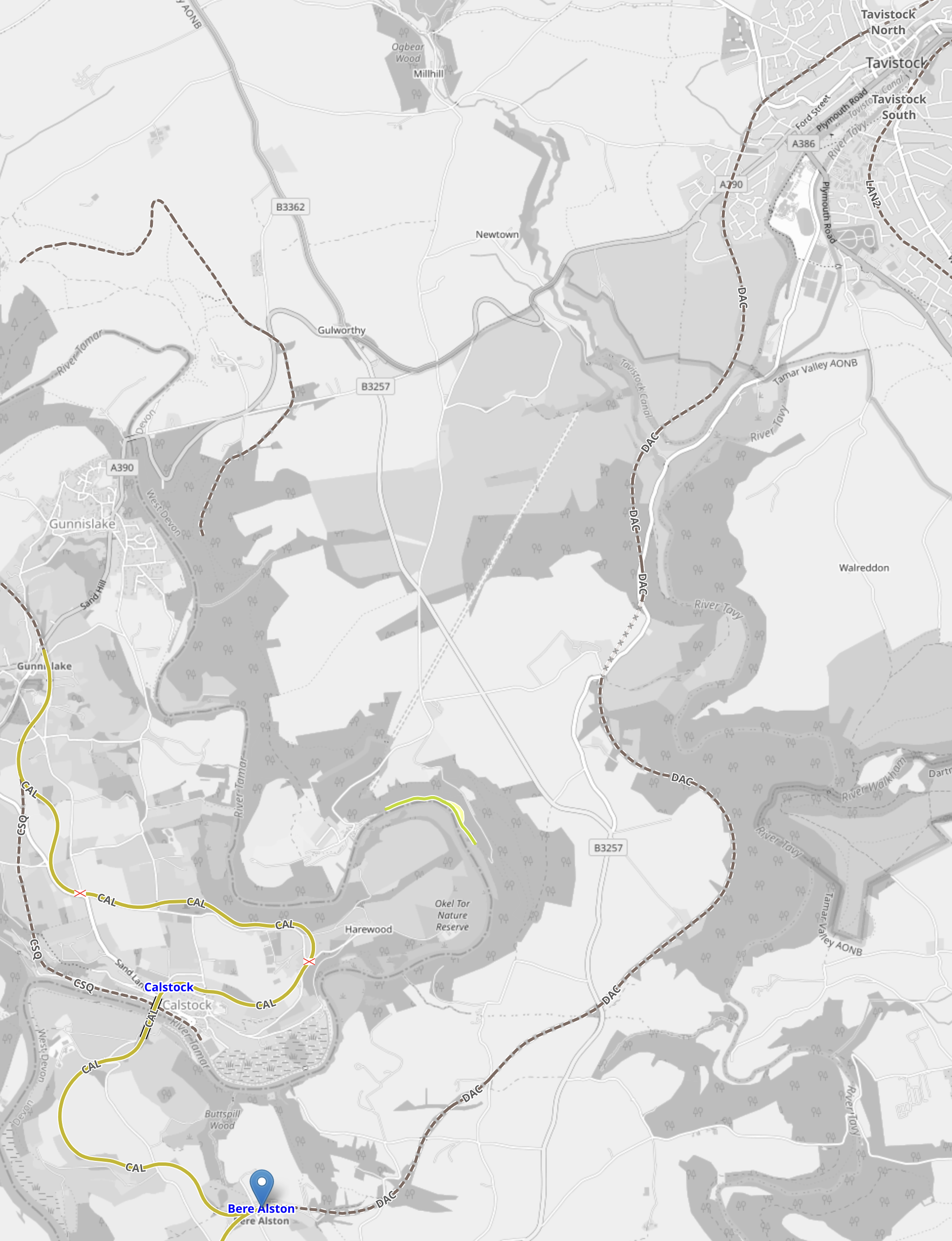
Note.
- Bere Alston station is indicated by the blue arrow.
- The single-track Tamar Valley Line between Plymouth and Gunnislake stations, is shown in yellow.
- Tavistock is in the North-East corner of the map.
- The dotted line between Bere Alston and Tavistock shows the route of the proposed reopened railway.
The new railway follows the route of a railway that closed in 1968.
These two paragraphs from the Wikipedia entry for Tavistock North station, describe the state of the railway between Tavistock North and Bere Alston stations.
The station building has been restored and converted into three self-catering cottages. The stationmaster’s house is being restored as a private dwelling, while the goods yard, now known as Kilworthy Park, houses the offices of West Devon Borough Council. The track bed for about one mile (1.6 km) south of Tavistock North station is open to the public as a footpath and nature reserve, and it is possible to walk across the viaducts that overlook the town.
The rest of the track bed south of Tavistock is almost intact to Bere Alston, where it joins the present-day Tamar Valley Line. There has been discussion regarding the re-opening of a rail link for a number of years. Engineering assessment has shown that the track bed, and structures such as bridges and tunnels, are in sound condition.
It doesn’t appear that restoring the track will be the most challenging of tasks.
But it does appear that extending the railway to the former Tavistock North station, would be a very challenging task indeed.
The Proposed Station At Tavistock
This OpenRailwayMap shows the track as it runs through Tavistock to the former Tavistock North station.
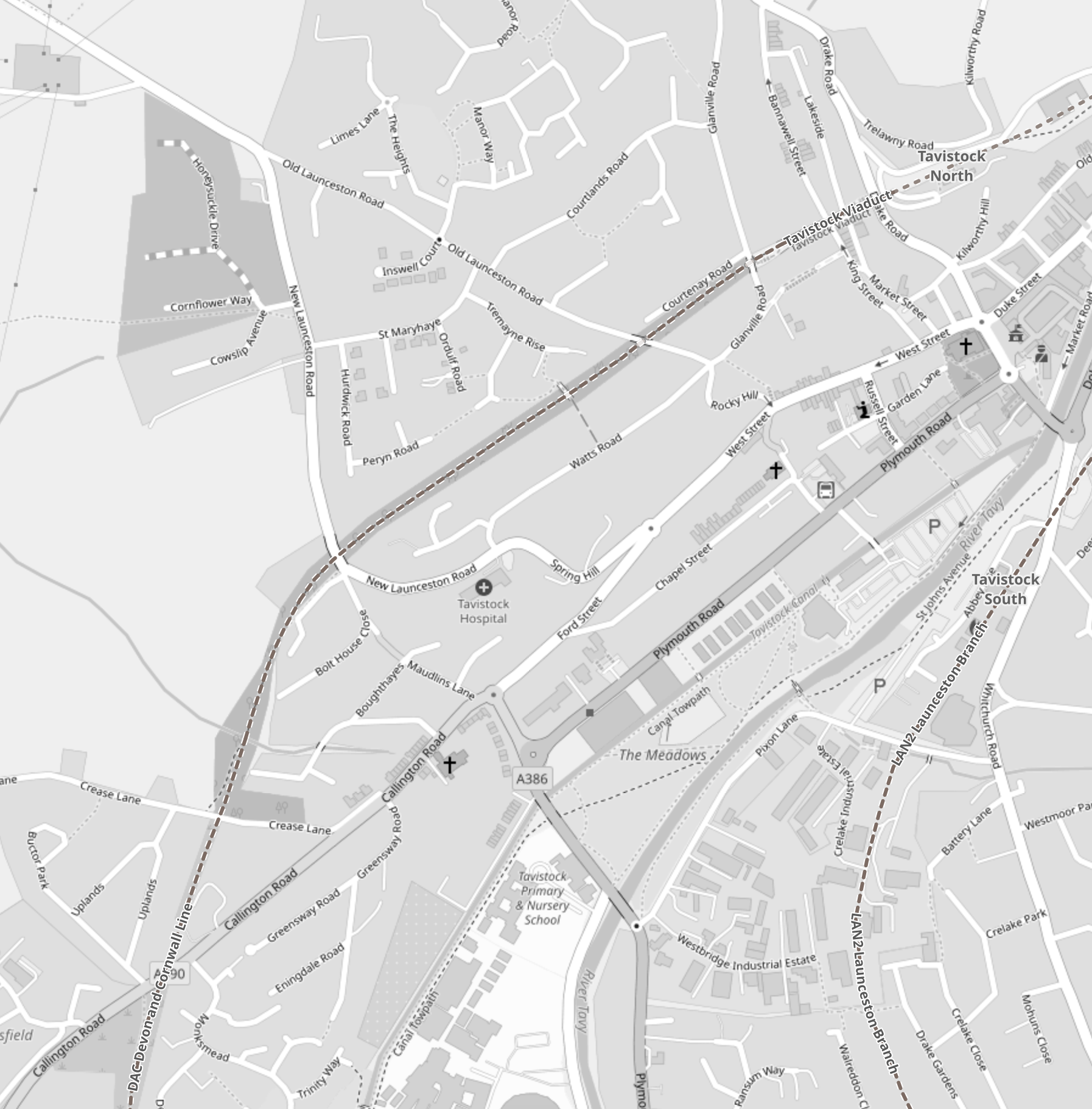
Note.
- The former railway is shown as a dotted line running diagonally SW-NE across the map.
- The former Tavistock North station is shown in the North-East corner of the map.
- This railway turns South as it leaves the town.
- The single-platform station will be built, where the railway crosses the A390.
- Another former railway passes through the town to the South-East, that passes through the former Tavistock South. station.
Between the former Tavistock North station and the A390 is now the Tavistock Viaduct Walk, which is about a mile long.
This Google Map shows where the track-bed of the old railway approaches the A390.
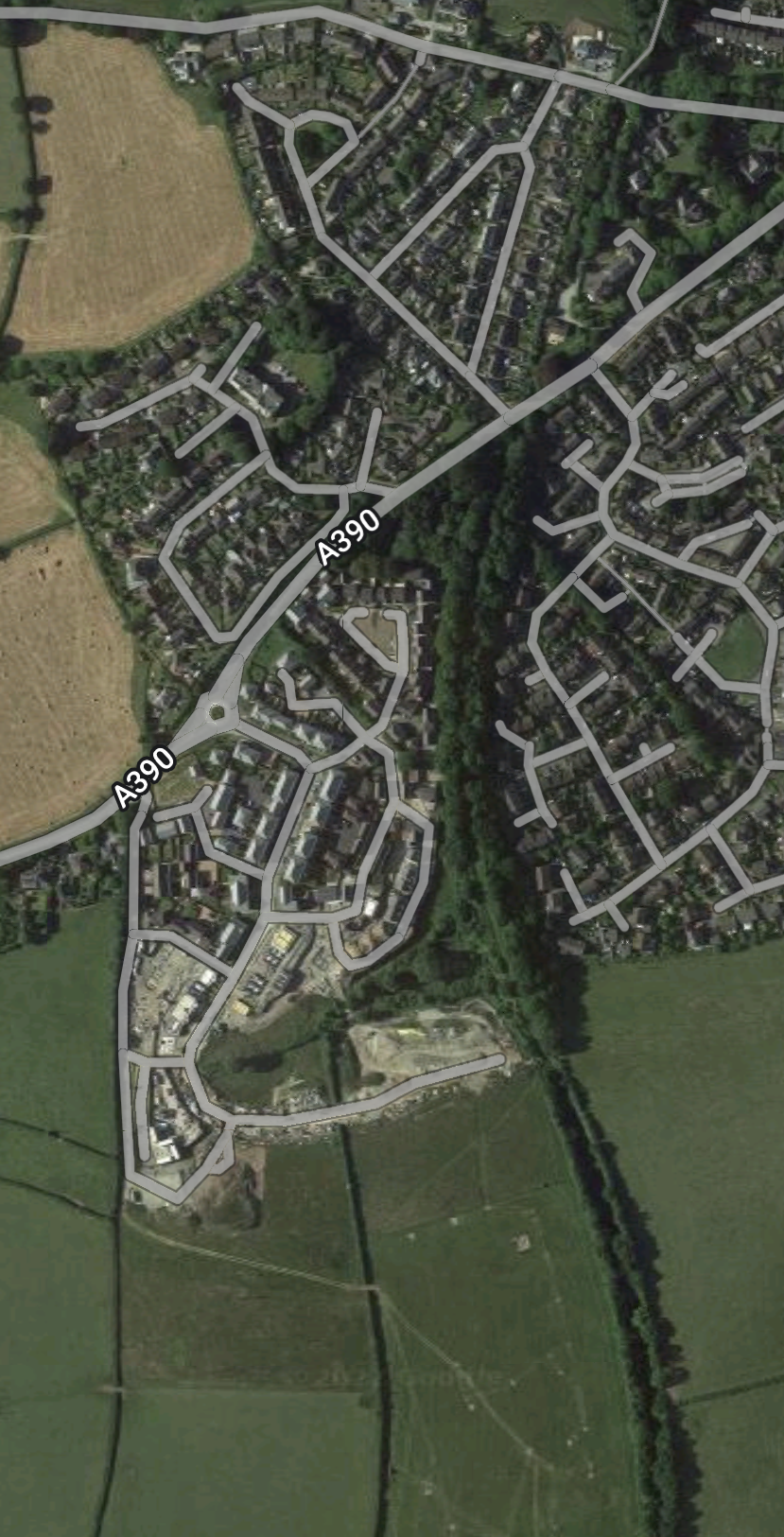
Note.
- The green scar of the former railway approaching from the South.
- The A390 running diagonally across the map.
- The plans only include a one-platform station, which I suspect is all that will fit.
Could this be a station without car-parking?
There’s not much space to put it!
Will It Be Possible To Extend From Tavistock To Okehampton?
The Line between Bere Alston and Tavistock North stations used to extend to Okehampton and train operators and Local Authorities are keen to provide a new link, in case the railway gets washed away again at Dawlish.
It’s not so much for passengers, as coaches can be used between Okehampton and Bodmin Parkway stations along the A30.
But an alternative route for freight is needed.
I would hope that the new Tavistock station will be capable of being modified, so that trains can run between Plymouth and Okehampton stations.
What Class Of Train Will Be Used Between Plymouth And Tavistock?
As a Class 150 train is used from Plymouth to Gunnislake, I suspect a Class 150 train will be used.
But the station will probably be long enough for a five-car Class 802 train.
 The Anonymous Widower