Crossrail Gets A Convenient Hotel
This article on The Urban Developer is entitled London’s Newest Skyscraper Gets Green Light.
This is the first two paragraphs.
London’s Paddington will soon be home to a new 20-storey hotel tower, dubbed The Gateway Building, after planning permission was granted by Westminster council planners.
The Sheldon Square site will house the 113-metre-high hotel designed by architects Carmody Groarke for developer British Land. The hotel will provide access to the area’s new Crossrail station, with the third basement level expected to provide access to the Elizabeth Line — connecting Reading with London and Heathrow.
As they say, location is everything!
- Crossrail will whisk you to and from Heathrow.
- There’s not many hotels with direct access to the station underneath.
- For the businessman who has everything, Bond Street is only one stop away for the trophy wife to spend your hard-earned money.
- The City and Canary Wharf are just a few stops further.
I doubt the hotel will be a Premier Inn.
How many other skyscraper hotels will sprout up along Crossrail?
Each one will be another nail in the coffin of Heathrow Express.
Can Between Rayners Lane And Uxbridge Stations Be Step-Free?
I took a Metropolitan Line train to Ucbridge station today and took these pictures, taken at stations between Rayners Lane and Uxbridge stations, where the line is shared between Metropolitan and Piccadilly Lines.
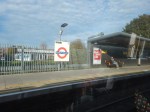
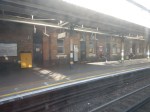
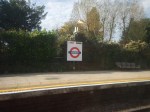
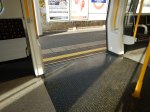
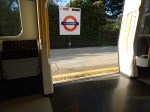
Note.
- Between platforms and Metropolitan Line trains access is generally good.
- Only Uxbridge and Hillingdon stations are fully step-free.
- There is no special provision for Piccadilly Line trains.
Making this section of line fully step-free is going to be difficult.
It may be very much step-free now for Metropolitan Line trains, but look at this picture of a Piccadilly Line train at Rayners Lane station.
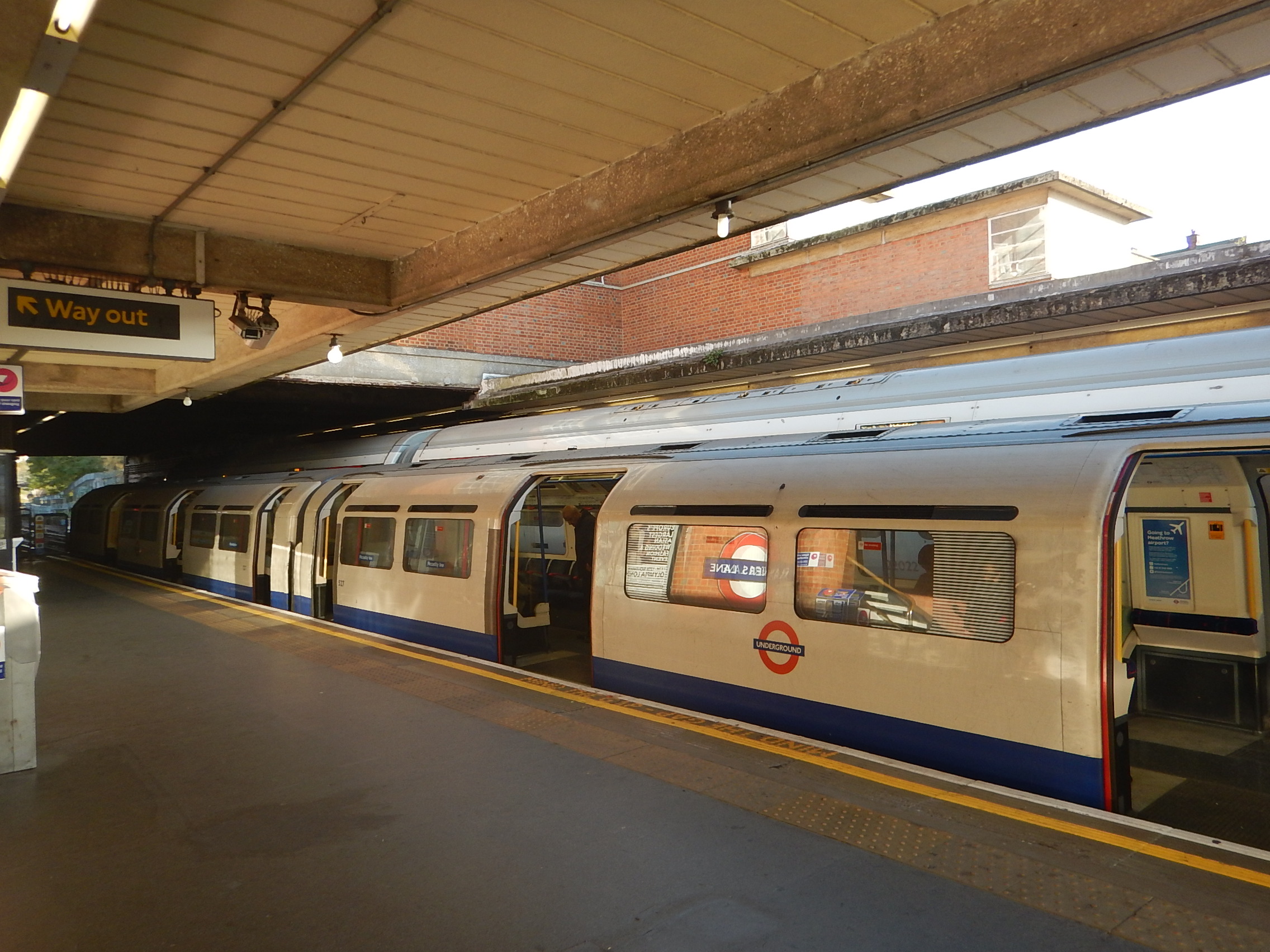
This certainly won’t meet the spirit if not the law of the the Persons of Reduced Mobility regulations.
The Platform Edge Door Issue
This article in London Reconnections is entitled Upgrading the Piccadilly: Calling Time on Mind the Gap?. It is an article that is well worth reading.
This is said about the platform train interface.
On modern transport networks once a system is designed to be UTO-capable then a mandatory requirement almost always now follows – the network or line in question should have platform-edge doors at all stations, including the above ground ones. Furthermore platform levels must be aligned with the floor level of the trains.
UTO means Unattended Train Operation.
I put London Reconnections on my list of trusted sites like The BBC, The Guardian, The Financial Times and several railway web sites, so I would rate this interpretation correct.
The new Piccadilly Line trains will certainly be built to be UTO-capable, as on past form, they will be built to last at least forty years. Could we guarantee that UTO won’t come in during their lifetime?
Note that one of the regulations associated with trains being UTO-capable, is that platform and train floors must be aligned.
This is not only good for passengers, including those in wheelchairs and buggies, and those overloaded with shopping, but it’s also good for train companies, as dwell times at stations can generally be reduced and staff don’t have to deal with cumbersome wheelchair ramps.
But, I think that these regulations mean that it is very difficult for two types of train to share the same platform.
This principle was probably obvious to the engineer, who designed the platforms at Stratford station in the 1930s, where main line services are on one side and the Central Line is on the other.
The principle certainly seems to be involved in the design of the tram-train interchange platforms at Rotherham Central station.
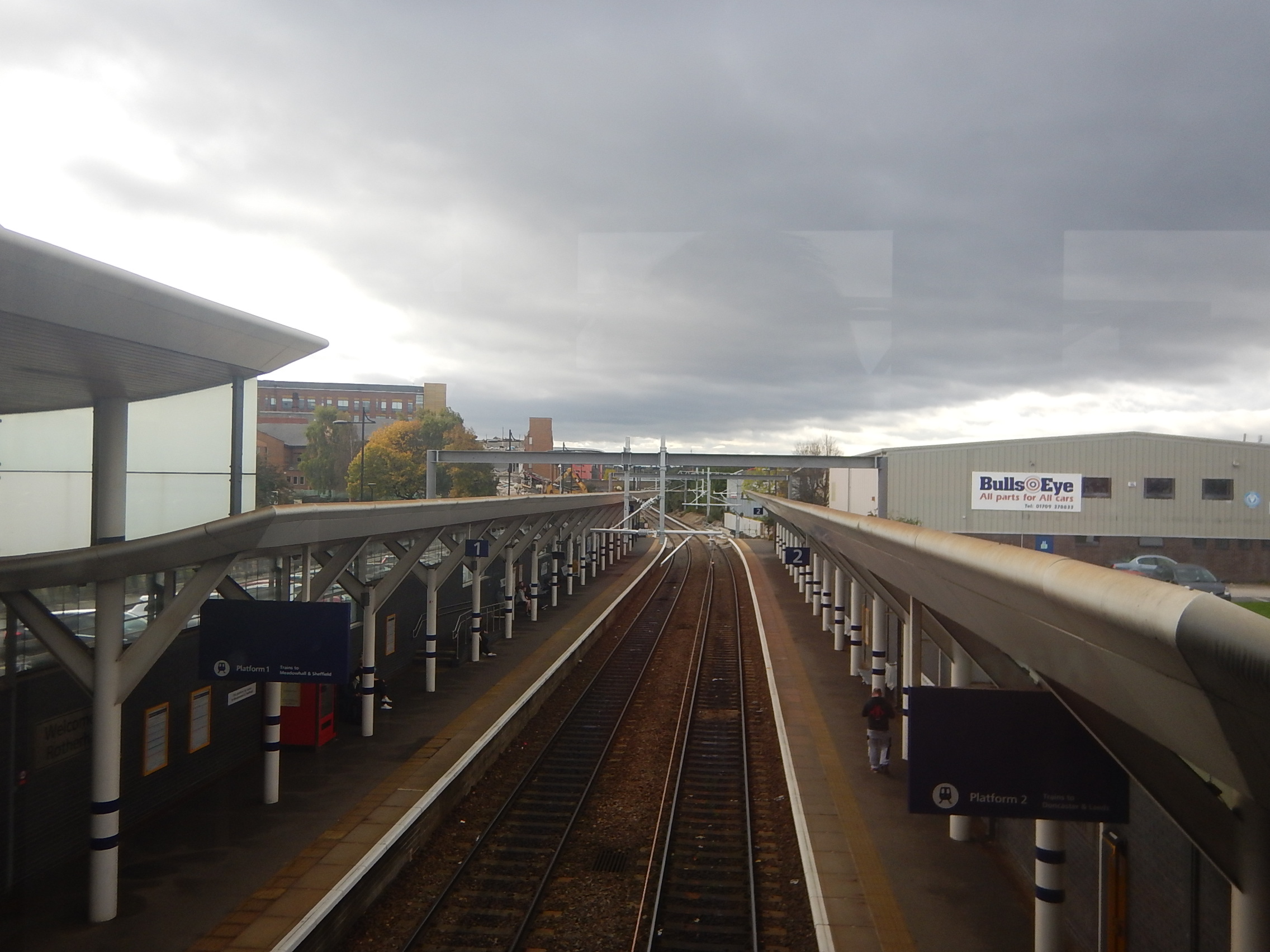
Lower level extensions are being built at the Sheffield (far) ends of the platforms, so passengers changing, will just walk along the platform.
- The longer high-level section will be able to handle the longest train likely to call, which will probably be about eight-cars.
- The shorter low-level section will be able to handle the longest tram likely to call, which will probably be a forty metre Class 399 tram-train.
It’s a simple layout, but it would mean a very long platform, if it were to be used with sub-service and deep-level Underground trains sharing a platform.
Applying The Regulations Between Rayners Lane And Uxbridge Stations
I believe these regulations will mean that only three ways to meet the regulations are possible.
- Separate tracks and platforms between Rayners Lane and Uxbridge stations.
- Extremely long bi-level platforms.
- Only one type of train serves the branch.
The first two options would probably be too expensive, but I believe that by good design and some clever reworking of the tracks at Rayners Lane station.
A Redesigned Rayners Lane Station
So could Rayners Lane station be redesigned to meet all the regulations and provide a much-improved passenger experience.
Step-Free Access
This picture shows the 1930s stairs at Rayners Lane station.
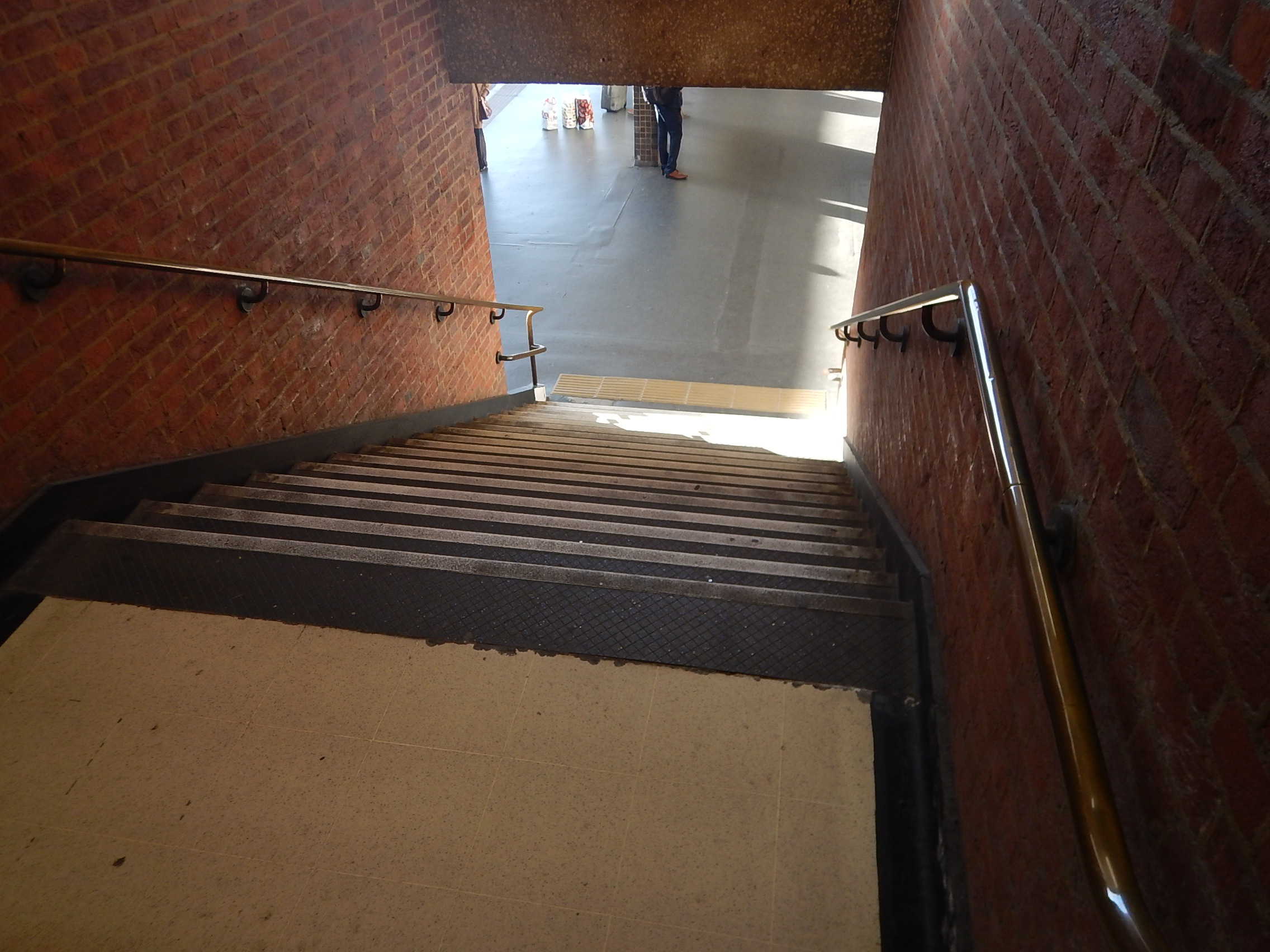
The station may be Grade II Listed, but this is not acceptable any more.
As is the platform-train interface shown in the first picture!
|Adding lifts and improving the stairs will be a major undertaking.
The Metropolitan Line Service
The Peak service is ten trains per hour (tph) in both directions, with a reduction to eight tph in the Off Peak.
Once the Four Lines Modernisation (4LM) is completed in 2023, these frequencies will be increased.
The journey between Aldgate and Uxbridge stations currently takes an hour.
This journey time is awkward from the point of scheduling the trains. The new signalling will probably reduce this to such a time, that the train could do the journey, turnround and be ready to return within an hour.
This would mean a higher frequency of trains without adding to the fleet. Although, it will probably mean that more drivers will need to be trained, which is a lot more affordable and easier, than buying new trains.
I feel that 10 tph might even be possible with the existing fleet and the new signalling.
But the new signalling will probably allow more semi-fast trains to operate, which might mean an extremely customer-friendly 12 rph were possible all day.
The Piccadilly Line Service
The Peak service is twelve trains per hour (tph) in both directions, with a reduction to six tph in the Off Peak.
Half the trains reverse at Rayners Lane station.
The journey between Kings Cross St. Pncras and Uxbridge stations currently takes an nine minutes over the hour.
The Rayners Lane To Uxbridge Service
Adding the two services together gives a Peak service of twenty-two trains per hour (tph) in both directions, with a reduction to eleven tph in the Off Peak.
Terminating The Piccadilly Line At Rayners Lane Station
There would be advantages to terminating all Piccadilly Line services at Rayners Lane station.
- All Piccadilly Line trains would go through the same procedure at Rayners Lane station
- The journey time would be reduced by fourteen minutes, which would ease train scheduling.
- There would be no knock on effects, if either line had delays.
- Signalling and train control at Rayners Lane would be simpler.
But it would need a major rebuilding of the tracks and platforms.
On the Victoria Line, thirty-six tph are handled on two platforms at Walthamstow Central and Brixton stations or eighteen tph on each platform.
So could a single platform at Rayners Lane station handle the Piccadilly Line service?
If it could, it could even be positioned between the two Metropolitan Lines, with an island platform on either side, giving cross-platform operation in both directions.
But because problems do occur, there would probably be two terminal platforms for the Piccadilly Line, as there are at the end of most Underground lines.
I think terminating Piccadilly Line services at Rayners Lane station could be made to work well and provide step-free access at all stations West of Rayners Lane station.
Terminating The Metropolitan Line At Rayners Lane Station
I don’t believe the problems of terminating the Metropolitan Line service at Rayners Lane would be any more difficult, than terminating the Piccadilly Line, but it might offer advantages, after all the stations on the line had been rebuilt to accept the new UTO-capable Piccadilly Line trains.
- This would open the possibility of running trains under UTO between Acton Town and Uxbridge stations.
- Hillingdon Borough Council have been pushing for the Central Line to be diverted from West Ruislip to Uxbridge. This would become possible.
- The frequency all the way from Acton Town to Uxbridge could easily be raised.
As with terminating Piccadilly Line services at Rayners Lane station, I think that terminating Metropolitan Line services could be used to provide step-free access at all stations West of Rayners Lane station.
Could A Piccadilly Line Service Be Run Between Uxbridge and Ealing Broadway Stations?
In Is There Going To Be More Change At Ealing Broadway Station?, I wrote about rumours of a possible plan to create a new terminus for the Piccadilly Line at Ealing Broadway station, using the route currently used by District Line trains from Ealing Common station.
I came to the following conclusion.
But overall, because it sorts out step-free access in the area, I think it is a good proposal.
I just wonder, if it would be possible for trains to run between Uxbridge and Ealing Broadway station.
This Google Map shows where the Piccadilly Line to Rayners Lane and Ucbridge and the District Line to Ealing Broadway divide , a short distance North of Ealing Common station.
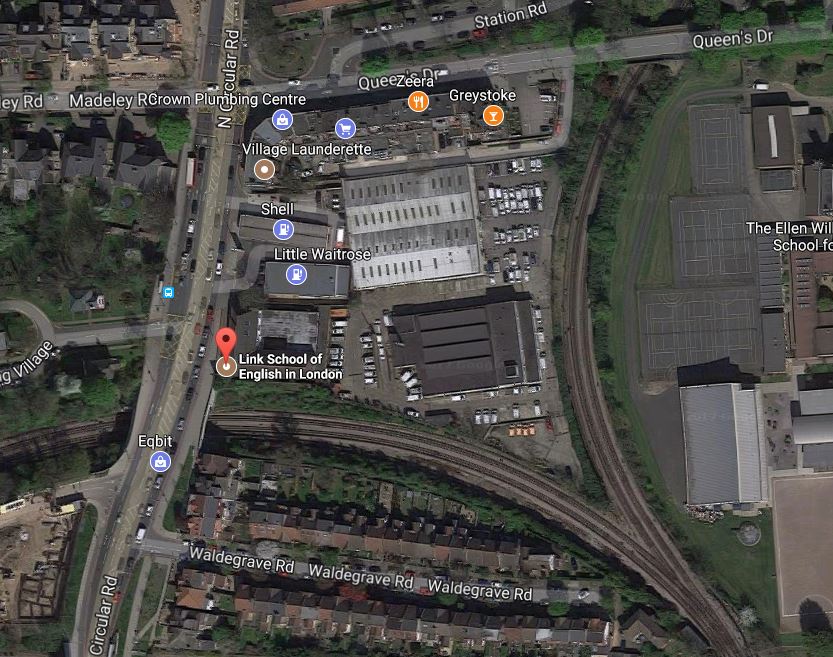
I think that creating the missing side of the triangular junction would be possible, thus allowing a service to be created between Ealing Broadway and Uxbridge stations.
- All stations would be made step-free and UTO-capable.
- Twelve tph could be run between Uxbridge and Ealing Broadway in both directions.
- Ten or welve tph would still be run between Uxbridge and Cockfosters.
- Twelve tph on both routes would mean a train every two and a half minutes between North Ealing and Uxbridge stations.
- The route would surely be ideal for running under UTO.
- A large area of Ealing, Hillington and Harrow would get a frequent link to Crossrail at Ealing Broadway.
- Extra stations could be added to the route to support development.
If the interchange at Rayners Lane were to be well designed, I doubt there would be any losers.
Could The Central Line Be Extended To Uxbridge?
In the Wikipedia entry for Uxbridge station, in the last sentence of a section called History, this is said.
The London Borough of Hillingdon announced in June 2011 that it would be lobbying Transport for London to have the Central line diverted from West Ruislip station to Uxbridge. Such a project would require a business case approved by TfL and the completion of signal upgrade work on the Metropolitan Line.
So would that be feasible?
Access To Uxbridge Station?
This map from carto.metro.free.fr shows the lines to Uxbridge and West Ruislip stations.
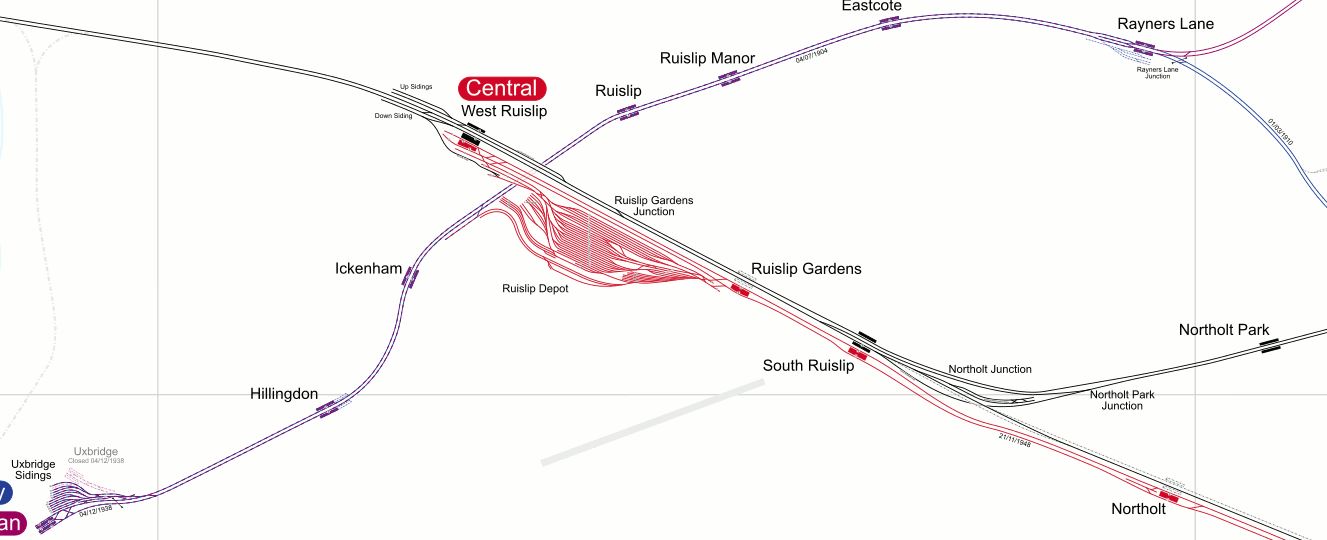
The lines in the map are as follows.
- black – Chiltern Main Line
- blue- Piccsdilly Line
- mauve – Metropolitan Line
- red – Central Line
The big red blob is the Central Line’s Ruislip Depot.
Uxbridge station is in the South-West corner.
This map from carto.metro.free.fr shows where all the lines cross at the North-West end of Ruislip Depot.
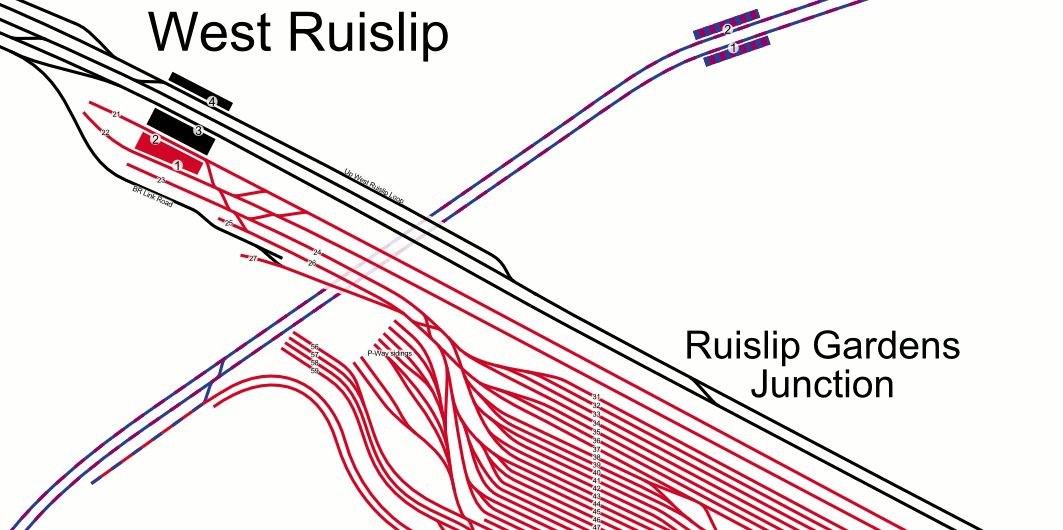
I suspect that an efficient connection can be made to allow the Central Line to go to Uxbridge instead of or as an alternative to West Ruislip station.
Note that at some point in the future, it is expected that both the Central and the Piccadilly Lines will use the same type of train. Will Ruislip depot be used for some Piccadilly Line trains, given its location close to Uxbridge station and the good connection?
Uxbridge Station
This map from carto.metro.free.fr shows Uxbridge station.
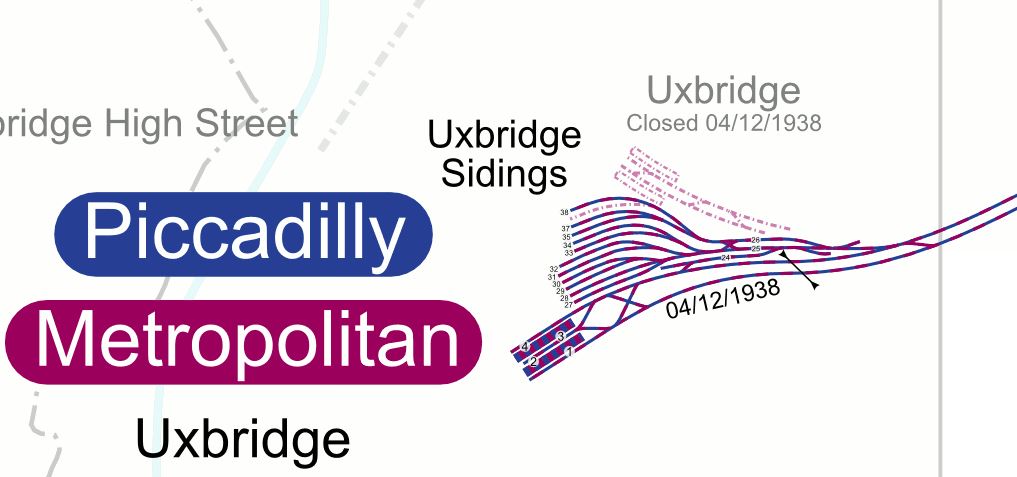
Note that Uxbridge station has three lines and four platforms.
- It would surely be much easier to handle the service, if all the trains terminating at Uxbridge were the same type.
- This would happen, if all Metropolitan Line trains terminated at Rayners Lane station.
- Two platforms could easily handle twenty-four tph for the Piccadilly Line.
- Two platforms could easily handle nine tph for the Central Line.
Uxbridge would become a very busy station.
Conclusion
There are a lot of possible improvements that can be done to the train service to Uxbridge.
Is There Going To Be More Change At Ealing Broadway Station?
Ealing Broadway station is being upgraded for Crossrail.
In the November 2017 Edition of Modern Railways, there is a Capital Connection supplement, which discusses London’s railways.
On Page 7 in a section about the sub-surface lines, this is said.
One possibility being discussed is that the Piccadilly should take over the District’s Ealing Broadway service. This would free up space on the South side of the inner-London circle for more City trains off the Wimbledon branch, one of the sub-surface network’s most-crowded routes.
On Page 15 in a section about the Mayor’s plans, this is said.
It is suggested Piccadilly Line services run to Ealing Broadway instead of the District Line, enabling increased frequencies on the latter’s Richmond and Wimbledon branches.
As the plan is mentioned twice, certainly the proposal is being thought about.
The Lines At Ealing Broadway Station
This map from carto.metro.free.fr shows the lines at Ealing Broadway station.
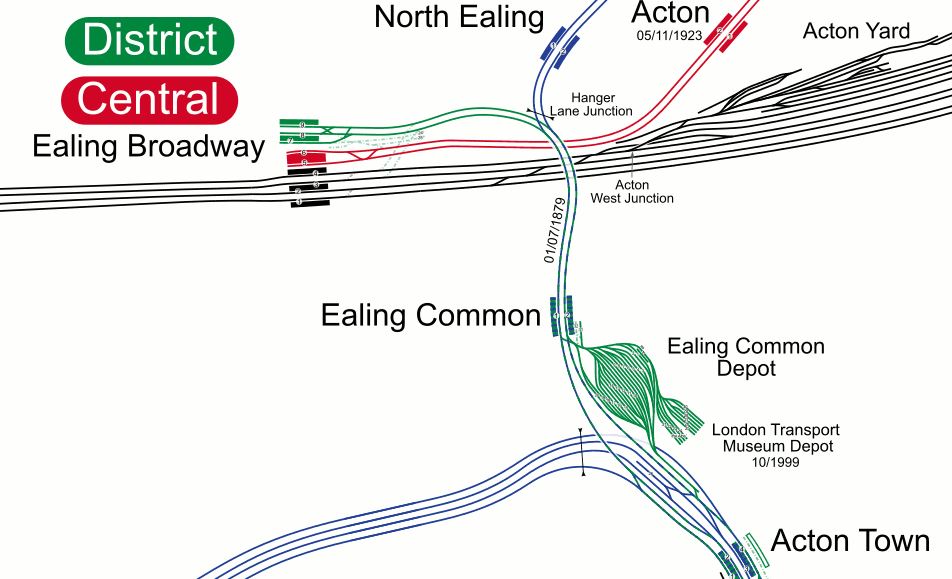
Note how the Piccadilly and District Lines share tracks from Ealing Common station, which then split with District Line trains going to Ealing Broadway station and Piccadilly Line trains going to Rayners Lane and Uxbridge stations.
If the change happened and Ealing Broadway station was only served by the Piccadilly and Central Lines of the Underground, then there might be opportunities to improve the efficiency of the Underground side of the station.
Crossrail Effects On Access To Heathrow
Crossrail will change the way a lot of passengers go to and from Heathrow Airport.
Crossrail To Heathrow
From May 2018, the service will be.
- 4 trains per hour (tph) between Paddington and Heathrow Central and Heathrow Terminal 4
After December 2019, the service will be.
- 4 tph between Abbey Wood and Heathrow Central and Heathrow Terminal 4
- 2 tph between Abbey Wood and Heathrow Central and Heathrow Terminal 5
In addition these services will serve all station including Canary Wharf, Liverpool Street, Bond Street,Paddington and Ealing Broadway.
Effect On Heathrow Express
It will be difficult to predict what will happen to Heathrow Express, but I suspect several groups of passengers will desert it.
- Passengers wanting to go anywhere East of Paddington without changing trains.
- Passengers wanting any Crossrail station.
- Passengers, who don’t like the prices of Heathrow Express.
- Passengers using Oyster or contactless cards.
- Passengers who want to ride on London’s spectacular new Crossrail.
After Old Oak Common station is opened, the numbers will further decrease.
Will Heathrow Express survive?
Effect On Piccadilly Line
The current Piccadilly Line route to the Airport will not be closed, as for many it will still be a convenient route to the Airport
- Passengers who live on the Piccadilly Line and don’t want to change trains. Think Southgate, Knightsbridge, Hammersmith and Osterley!
- Passengers to the East of Acton Town station.
- Passengers, workers and others needing to go to Hatton Cross station.
If Crossrail connected with the Piccadilly Line at say Holborn, it would be all so different.
Effect On District Line
When Crossrail opens, the District Line will become a loop from Crossrail, between Ealing Broadway and Whitechapel running along the North Bank of the Thames via Earls Court, Victoria, Charing Cross and Monument.
The step-free interchange at Ealing Broadway could become busy with passengers travelling to and from the Airport.
Effect On Piccadilly Line Overcrowding
Heathrow trains on the Piccadilly Line can get very overcrowded with so many passengers with heavy cases.
It must sometimes be very difficult to get on a Piccadilly Line train between Heathrow and South Kensington stations.
Crossrail should take the pressure from these trains, by allowing passengers to use the District Line with a change at Ealing Broadway.
Effect On My Personal Route
My personal route to the airport is to take a 141 bus to Manor House station and then get the Piccadilly Line. It takes 94 minutes.
After Crossrail fully opens, if I took the East London Line from Dalston Junction to Whitechapel and then used Crossrail, I’d take 57 minutes.
Conclusion
Crossrail will affect the way many get to Heathrow Airport.
But there are large areas of London, who still will need to change trains twice to get to the airport.
Piccadilly Line To Ealing Broadway Effects
Adding Ealing Broadway station as a fourth Western terminus to the Piccadilly Line will have effects, but not as important as the opening of Crossrail.
Some Improved Journey Times To Heathrow
Some Piccadilly Line stations will see improved journey times to Heathrow.
Hammersmith to Heathrow currently takes 37 minutes by the Piccadilly Line.
Taking a Piccadilly Line train to Ealing Broadway and then using Crossrail could save a dozen minutes.
The District Line Connection To Crossrail At Ealing Broadway Is Lost
Passengers along the District Line from Monument to Hammersmith will lose their direct access to Crossrail at Ealing Broadway.
Cross-platform access to the Piccadilly Line at Hammersmith and Turnham Green will probably be provided or improved, but it will be a second change.
Note that until the Piccafilly Line gets upgraded and new trains arrive around 2023, the District Line with new trains and the soon to be installed new signalling may well be a better passenger experience.
More Trains To Richmond
This will certainly be possible, if some Ealing Broadway trains are diverted to Richmond.
But Crossrail has another delight in its cupboard for Richmond.
Old Oak Common station is scheduled to open in 2026 and will offer an interchange between Crossrail and the North London Line.
Richmond will certainly be getting a better train service to Central and East London.
More Trains To Wimbledon
This will certainly be possible, if some Ealing Broadway trains are diverted to Wimbledon.
The Ealing Common Problem
At Ealing Common station, the Piccadilly and District Line share the same tracks and platforms.
Some commentators have suggested that the new trains on the Piccadilly Line will be designed to work with platform-edge doors for improved safety and dwell times.
So if platform-edge doors were to be fitted to all stations on the Piccadilly Line as has been suggested, there would be no way the doors would fit the new S7 Stock of the District Line.
Swapping Ealing Broadway from the District to Piccadilly Lines would solve this problem and give more flexibility, but it might give London Underground other problems with regard to access for District Line trains to Ealing Common depot.
These pictures show Ealing Common station.
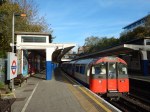

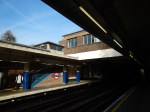

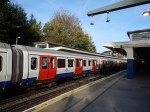
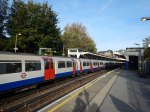
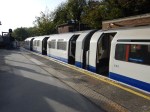
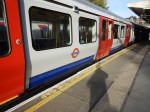
Note the difference of levels between the Piccadilly and District Line trains.
There would be no way to provide level access for both types of train using a Harrington Hump.
So is making a station that serves both deep-level and sub-surface lines, step-free, a problem that is still to be cracked?
This Google Map shows Ealing Common station.
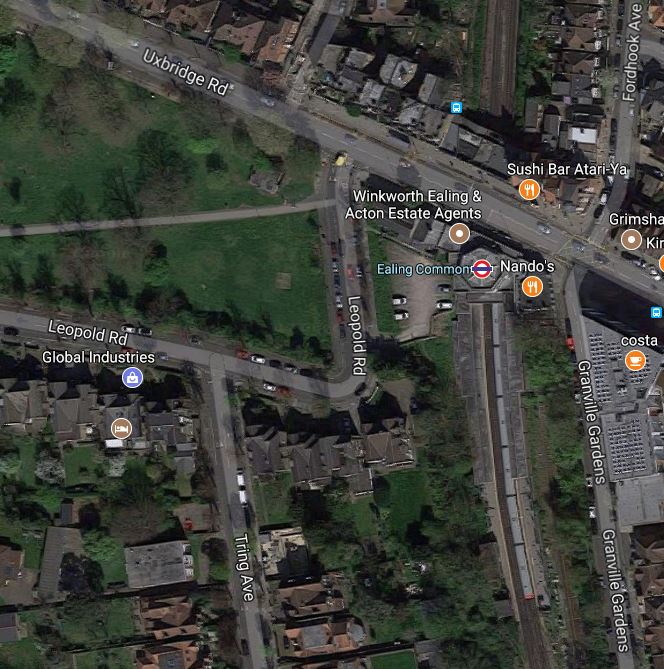
It doesn’t look that it is a station, where two extra platforms could be squeezed in, so both lines could have their own platforms.
Could Ealing Common station be one of the main reasons to serve Ealing Broadway station with the Piccadilly Line?
Acton Town Station
On a brief pass-through of Acton Town station, it would appear that the Ealing Common problem exists.
So making Acton Town station, a Piccadilly Line-only station, would ease making the station step-free, as it would only be served by one type of train.
Chiswick Park Station
Chiswick Park station only has platforms on the District Line and would need to be remodelled, if Ealing Broadway became the terminus of the Piccadilly Line.
One suggestion I found was to add two new District Line platforms to the Richmond branch.
This Google Map shows the station.
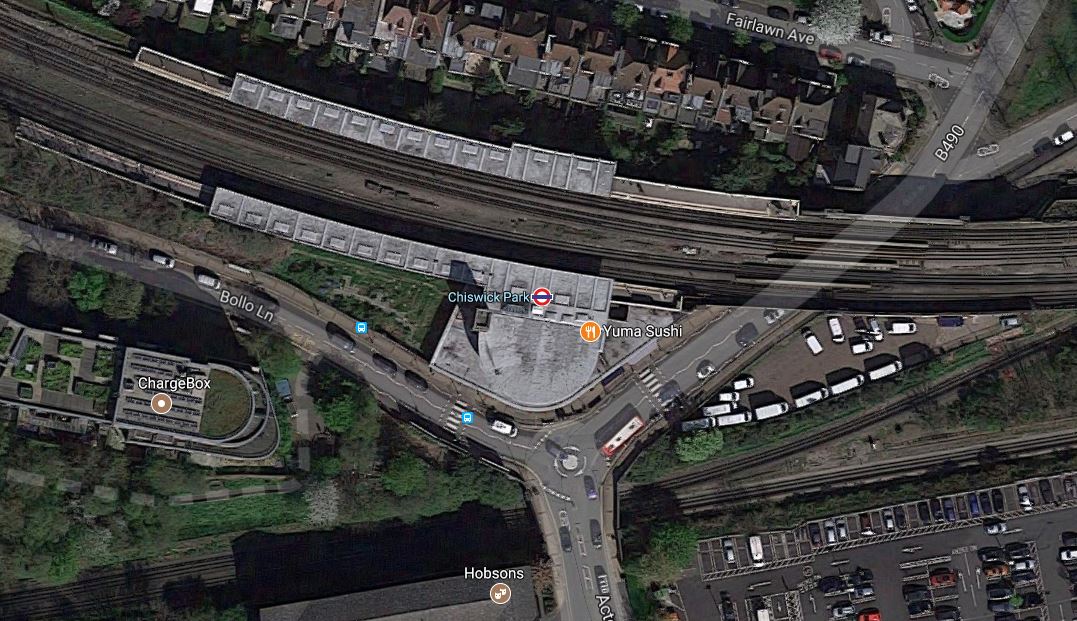
Note the Richmond branch passing South of the station.
Chiswick Park station is Grade II Listed and I’m sure that a good architect can find a more than acceptable solution.
Conclusion
It appears to me, there are two opposite forces on either side of a possible proposal to serve Ealing Broadway station with the Piccadilly Line, rather than the District Line.
- The District Line will form a loop South of Crossrail between Ealing Broadway and Whitechapel stations.
- Making a station step-free that handles both deep-level and sub-surface lines, is not an easy undertaking.
Running the Piccadilly Line to Ealing Broadway means that a change is required at Turnham Green, Hammersith or Barons Court stations to use the loop described in point 1.
But this change would enable the step-free access to be created in all stations in the area.
I think that the change of terminus will go ahead, with the following additions.
- Improved access to Ealing Common depot.
- Improved cross-platform access at Turnham Green, Hammersith or Barons Court stations.
- Two extra platform on the District Line at Chiswick Park station.
What started out as a simple change could end up as a substantial project.
But overall, because it sorts out step-free access in the area, I think it is a good proposal.
Should Crossrail Be Extended From Old Oak Common?
In How Will Chiltern Railways Serve Old Oak Common?, I looked at the possibilities of how Chiltern Main Line services will use the Old Oak Common station complex as an additional London terminus to ease the overcrowding at Marylebone station.
In Will Crossrail Go Up The West Coast Main Line?, I looked at why the extension of Crossrail to Milton Keynes was announced and then cancelled as it was thought to be bad value for money.
But is the general principle of extending Crossrail from Old Oak Common onto a new branch or branches a good idea?
Crossrail Revenue And Profit
If you’re running any railway, you get the highest revenue by running as many trains as you can and making sure that they are full with passengers all the time.
The Central Section of Crossrail between Stratford and Paddington stations will be very heavily used, as it will have to handle the following passenger flows.
- Passengers from the Abbey Wood Branch going to and from Central London
- Passengers from Heathrow going to and from Central London
- Passengers from the Reading Branch going to and from Central London
- Passengers from the Shenfield Branch going to and from Central London
- Passengers from National Rail services at Liverpool Street going to and from Central London
- Passengers from National Rail services at Paddington going to and from Central London
In addition it will also be used as an extra Underground line in Central London
The Central Section will be a cash cow for the Crossrail operator!
The various branches to and from Abbey Wood, Heathrow, Reading and Shenfield, may well be less heavily used, but will probably see a different type of passenger to the Central Section, who might need more space and hopefully a seat.
The Class 345 Trains
The Class 345 trains have been designed for efficiency and flexibility.
- I believe that each car is a separate one-car electric train with its own function.
- Most cars will be motored to distribute traction and braking forces along the train.
- I wouldn’t be surprised to see a battery in each car to handle regenerative braking.
- Cars are joined together to make a train of an appropriate length.
- Initially, the trains are starting at seven cars, but will go to nine cars and possibly ten.
- The interiors have been designed to satisfy both needs of a long distance commuter train and a London Underground train.
The operator will be able to configure the trains as new routes are added and passenger levels change.
Comparing Crossrail And The Victoria Line
It is worthwhile to compare the Central Section of Crossrail with the Victoria Line.
Crossrail’s Central Section has the following characteristics.
- Twenty-four trains per hour (tph) in both directions
- Automatic train operation (ATO)
- Full-size trains of up to ten carriages long
- Platform-edge doors
- Large stations with lots of wide platforms and passages.
- Double-ended stations ay Liverpool Street-Moorgate, Barbican-Farringdon, Tottenham Court Road and Bond Street.
- Step-free access
- Easy access to connecting lines
- Cross-platform reverse at most stations
Whereas the Victoria Line has the following characteristics.
- Thirty-six tph in both directions
- Automatic train operation
- Tube-size trains of six carriages
- Small stations with lots of narrow platforms and passages
- Some step-free access
- Some easy access to connecting lines
- Cross-platform reverse at most stations
The two lines show a difference in design, very much in keeping with their construction dates.
One comparison is surprising.
Crossrail is planned to run twenty-four tph through the Central Section, but if Dear Old Vicky can manage 36 tph on a line built in the 1960s with generally cramped stations, surely Crossrail with the benefit of some of the best modern design can do a bit more.
I’ve read that Crossrail could handle thirty tph, but then we wondered in the 1960s at the Victoria Line’s fast trains and high frequency in the twenties between Seven Sisters and Brixton. And look at the old girl now!
Dear Old Vicky is second in frequency to parts of the Moscow Metro, which run a train every 95 seconds, as opposed to the 100 seconds of the Victoria.
I suspect that grates with the engineers of the London Underground, as no-one likes being second.
A few years ago, the engineers thought 33 tph between Brixton and Seven Sisters was the limit but now there is 36 tph all the way along the line.
So will we see further improvements to the Victoria Line like these?
- A loop at Brixton via Herne Hill station to turn trains at the Southern end of the line.
- Higher capacity stations at Oxford Circus, Euston, Kings Cross St. Pancras, Highbury and Islington, Finsbury Park and Walthamstow Central.
- Air-conditioned, walk-through articulated trains
- Full step-free access at all stations and platforms
- Improved train control software
- Improved methods of working
These and other improvements will push the frequency towards the magic forty tph.
Do I think that forty tph is achievable on a line built in the 1960s?
As a Control Engineer, trained in the 1960s, I can only give one answer. And that must be yes!
I feel that the stations are the key, as at times stations like Oxford Circus and Walthamstow Central are struggling to handle the number of passengers. Victoria was like that a few years ago, but the addition of a new entrance and more and wider passages has made the station seem a lot less crowded.
Surely, Dear Old Vicky has shown what is possible, when you take a well designed railway and try to ramp up the capacity!
Various commentators have said Crossrail will handle thirty tph, but why are they not being more ambitious?
Comparing Crossrail And Thameslink
Crossrail and Thameslink have a lot in common.
- Frequencies of twenty-four tph through their central sections
- High capacity step-free central stations
- High-capacity purpose-built trains
- Automatic Train Control in the central sections.
But there are differences.
- Crossrail’s central section is straight through from Paddington to Stratford, whereas Thameslink has a junction at Blackfriars.
- Crossrail’s central section has seven stations, whereas Thameslink has just five.
- Blackfriars station is also a terminal station on Thameslink’s central section.
- Crossrail’s stations are generally island platforms, which ease reversing direction, whereas Thameslink’s generally aren’t.
- Crossrail is 25 KVAC overhead electrification throughout, whereas Thameslink has a voltage change at St. Pancras.
I think that although both lines will be opened at a frequency of 24 tph, raising the frequency on Crossrail will be easier than Thameslink.
The Importance Of Increasing Frequency On Crossrail and Thasmeslink
The train capacity on the two routes are as follows.
- A nine-car Crossrail Class 345 train can carry 1,500 passengers
- A twelve-car Thameslink Class 700 train can carry 1,754 passengers
- A eight-car Thameslink Class 700 train can carry 1,146 passengers
Compare this with an eight-car Victoria Line 2009 Stock train, which holds just 876 passengers.
So if Crossrail went from 24 to 30 tph through the central section, that would add extra capacity for 9,000 passengers per hour, between Stratford and Paddington.
Building Crossrail and upgrading Thameslink will bring London two high-capacity cross-London Underground Lines.
The more the frequencies on those lines can be increased the higher will be the capacity of the Underground network in Central London.
Crossrail’s Shenfield Branch
The Branch to Shenfield station has the following characteristics.
- It is an almost completely separated double-track railway between Stratford and Shenfield.
- All stations will be step-free.
- Most trains on the route will be Crossrail’s Class 345 trains.
- A few of Greater Anglia’s similar Aventra trains may use the route.
- The route will have modern signalling and ERTMS.
- It is proposed that initially twelve tph will serve the branch
I believe the track, stations and signalling of the Shenfield Branch could handle up to twenty-four tph.
That figure might seem high, but consider the following.
- Shenfield station has three platforms where Crossrail trains can be turned back.
- Walthamstow Central and Brixton stations handle thirty-six trains tph with just two platforms.
- The track layout at Shenfield can accommodate through trains.
Passenger access to the platforms is probably more of a limiting factor, than the track and platforms.
Timings
Currently, Class 315 trains are scheduled to go between Stratford and Shenfield in thirty-six minutes, with faster Longer distance services doing the trip non-stop in fifteen minutes.
- Crossrail is claiming on their web site, that the Class 345 trains will do the trip in thirty-two minutes or four minutes less.
- But there are eleven station between Stratford and Shenfield. So that is a saving of only around twenty-two seconds a station.
I feel Crossrail is playing their timings very safe.
Future Services
I think the following will happen in a few years.
- The current proposal of twelve tph to Shenfield will be increased to something like fifteen or twenty tph.
- Crossrail timings between Stratford and Shenfield will approach the current fastest time of fifteen minutes between the two stations.
- Fast services to and from North of Chelmsford will stop at Shenfield to enable faster and easier journeys.
- Crossrail could be extended to stations like Beaulieu and Southend Victoria.
- Shenfield will become a major rail interchange.
The East of England will see major changes to its rail network.
Crossrail’s Abbey Wood Branch
The Branch to Abbey Wood station has the following characteristics.
- It is a tunnelled double-track railway between Whitechapel and Abbey Wood stations.
- All stations will be step-free.
- All trains on the route will be Crossrail’s Class 345 trains.
- The route will have modern signalling and ERTMS.
- It is proposed that initially twelve tph will serve the branch
I believe the track, stations and signalling of the Abbey Wood Branch could handle up to twenty-four tph.
Future Services
I think the following will happen in a few years.
- The current proposal of twelve tph to Abbey Wood will be increased to something like fifteen or twenty tph.
- Services on the Abbey Wood Branch will continue to match those on the Shenfield Branch, as this makes journeys between the two Eastern branches easier.
- Crossrail could be extended to stations like Ebbsfleet and Gravesend.
- Abbey Wood will become a major rail interchange.
South East London and Kent will see major changes to its rail network.
Summing Up The Two Eastern Branches
The two Eastern Branches can probably provide as many as twenty-four tph for Crossrail.
As the maximum frequency through the Central Section is probably in the thirties, they can allocate services according to where the traffic lies.
It would also appear that as the two services will use the same platforms at Whitechapel station and trains will be every few minutes, that Crossrail is designed to make journeys between say Ilford and Abbey Wood much quicker than by car.
Crossrail’s Reading Branch
The Branch to Reading station has the following characteristics.
- It is a semi-separated double-track railway between Paddington and Reading.
- All stations will be step-free.
- Most trains on the route will be Crossrail’s Class 345 trains.
- Other services may share the tracks.
- The route will have modern signalling and ERTMS.
- It is proposed that initially six tph will serve the branch; four to Reading and two to Maidenhead.
I believe the track, stations and signalling of the Reading Branch could handle up to twenty-four tph,
Future Services
I think the following will happen in a few years.
- The current proposal of six tph to Reading and Maidenhead will be increased increased.
- Crossrail could be extended to stations like Basingstoke and Oxford.
- Reading will become an even more major rail interchange.
West London and Berkshire will see major changes to its rail network.
Crossrail’s Heathrow Branch
The Branch to Heathrow has the following characteristics.
- It is a fully-separated double-track railway between Airport Junction and Heathrow.
- All stations are step-free.
- Most trains on the route will be Crossrail’s Class 345 trains.
- Other services may share the tracks.
- The route will have modern signalling and ERTMS.
- It is proposed that initially six tph will serve the branch.
I believe the track, stations and signalling of the Heathrow Branch could handle in excess of twelve tph.
Future Services
I think the following will happen in a few years.
- The current proposal of six tph to Heathrow is increased.
- Crossrail could be extended to stations beyond Terminal 5.
- Heathrow Express will fade away.
Heathrow will see major changes to its rail network.
Turning Back Crossrail Trains At Paddington
These services will call at Paddington from the East.
- 12 tph from Abbey Wood
- 12 tph from Shenfield
And these from the West
6 tph from Heathrow
2 tph from Maidenhead
4 tph from Reading
This gives an imbalance, so twelve tph will have to be turned back to the East at Paddington.
Crossrail Services
The provisional service pattern is shown in the Wikipedia entry for Crossrail under Services.
It effectively shows the following services, with times are from Crossrail’s provisional journey time calculator.
- 4 tph – Reading to Abbey Wood – 80/78 minutes
- 2 tph – Maidenhead to Abbey Wood – 67/66 minutes
- 4 tph – Heathrow Terminal 4 to Abbey Wood – 60/60 minutes
- 2 tph – Heathrow Terminal 5 to Abbey Wood – 60/60 minutes (assumed same as previous)
- 12 tph – Paddington to Shenfield – 51/51 minutes
It should also be noted that Paddington to Abbey Wood is 29/28 minutes.
Note.
- The first figure is for the West to East journey.
- The second figure is for the East to West journey.
- There isn’t much difference between West to East and East to West journeys.
This leads me to give these numbers for the trains on each route.
- Reading to Abbey Wood – 12 trains
- Maidenhead to Abbey Wood – 5 trains
- Heathrow Terminal 4 to Abbey Wood – 10 trains
- Heathrow Terminal 5 to Abbey Wood – 5 trains
- Paddington to Shenfield – 24 trains
This totals up to 56 trains.
Note.
- My numbers of trains figures, are very rough and are minimum numbers.
- Provisionally, Crossrail will also be running 4 tph between Liverpool Street and Gidea Park in the Peak, which could need four trains.
- Crossrail have ordered 70 trains.
- Some trains will be in maintenance and others will be held in reserve.
Crossrail seem to have ordered a sensible number of trains for the initial services.
Ceossrail Extension To Gravesend
It would appear that a typical Abbey Wood to Gravesend service takes just under half an hour.
This is with slower twenty-five year old Class 465 trains, so extending services to Gravesend would just add an hour to the round trip.
This would make train timetabling easy.
If the Heathrow Terminal 4 service to Abbey Wood was extended to Gravesend, it would require another two trains.
In addition.
- The Class 345 trains have been designed to run on 750 VDC third-rail electrification, with the addition of third-rail shoes.
- I think that the new track layout at Abbey Wood station could cope with four tph running to Gravesend using the North Kent Line.
- A single platform at Gravesend could turn back four tph.
It does look that to choose Gravesend as an extension for Crossrail could be a very good decision.
The New South Eastern Franchise
This will be a key factor in extending Crossrail to Gravesend and I suspect all bidders will give co-operation with Crossrail, a high priority.
I suspect a new franchise will replace a large proportion of the train fleet with new 100 mph traqins and that the Class 465 trains will be retired.
The new franchise is due to start in December 2018.
When Could A Crossrail Service To Gravesend Start?
I believe that the following infrastructure is ready for a four tph Crossrail service to Gravesend.
- The link between Crossrail and the North Kent Line at Abbey Wood station.
- Platform 0 at Gravesend is a twelve-car London-facing bay platform, that could handle the trains.
- Dartford, Gravesend, Greenhithe stations are step-free.
However, certain things must happen before a Crossrail service to Gravesend could start.
- The new Southeastern franchise must be up and running.
- ERTMS must be installed along the North Kent Line.
- All trains running along the North Kent Line must be 100 mph trains, able to take advantage of modern signalling.
- All stations between Abbey Wood and Gravesend must be made step-free.
The new franchise will probably have its new service pattern and modern trains in place by the end of 2023, which would probably make the Crossrail extension easier.
Before a decision is made on the extension, Crossrail needs a couple of years to find out how passengers use the new line and the other services, which will include Thameslink, that call at Abbey Wood station.
Can Crossrail Be Extended From Old Oak Common?
Before answering the question, the related question of whether it is possible should be answered.
Extending Trains From Paddington
Current proposals envisage twelve trains turning back at Paddington.
It would not be difficult if a number of these trains continued to Old Oak Common station.
Can Paddington To Old Oak Common Handle The Extra Trains?
The current proposals envisage just twelve tph using the route between Paddington and Old Oak Common station, with perhaps a few wxtra trains going to and from Old Oak Common Depot.
As the tunnelled section of Crossrail can handle double that frequency, I suspect there will be no problems extending extra trains to Old Oak Common station.
It would appear that there would be no problems extending services to Old Oak Common station.
Where Would The Extra Services Go?
The choices lie between the Chiltern Main Line and the West Coast Main Line.
If we take Crossrail’s well-thought out choice of Gravessend, I think we need a destination, that is ideally just under thirty minutes from Old Oak Common station.
In the next few sub-sections, I’ll look at possibilities.
Extending To High Wycombe On The Chiltern Main Line
A service between High Wycombe and Wembley Stadium stations takes 27 minutes with stops at Beaconsfield, Gerrards Cross and South Ruislip stations. Taking the Acton-Northolt Line and even with stopping at Seer Green and Jordans, Denham Golf Club, Denham, West Ruislip and Greenford, I’m pretty sure, that a train could go from Old Oak Common to High Wycombe and back in comfortably under an hour.
Four tph between High Wycombe and Shenfield would require twelve trains, which is four more than would be needed for the same service between Paddington and Shenfield.
Consider.
- Four tph could easily be turned back in a single platform at High Wycombe station.
- High Wycombe station has plenty of space.
- However, it would need the route between Old Oak Common and High Wycombe to be electrified.
- But, it is a long-term aim of Chiltern Railways to electrify the Chiltern Main Line.
I believe that High Wycombe station could be a viable terminal for Crossrail.
Extending To Milton Keynes Central On The West Coast Main Line
A service between Milton Keynes Central and Wembley Central stations takes 51 minutes with seven stops.
This would mean that a train could go from Shenfield to Milton Keynes Central in comfortably under two hours.
Four tph between Milton Keyns Central and Shenfield would require sixteen trains, which is eight more than would be needed for the same service between Paddington and Shenfield.
Consider.
- Four tph could easily be turned back in a single platform at Milton Keynes Central station.
- Milton Keynes Central station has space for a terminal platform.
- Except for creating the connection at Old Oak Common and updating stations to full step-free access, the infrastructure is pretty good.
- Crossrail would be linked to the East-West Rail Link.
I believe that Milton Keynes Central station could be a viable terminal for Crossrail.
Should Crossrail Be Extended From Old Oak Common?
It is certainly possible to extend to either High Wycombe or Milton Keynes Central.
If a decision were to be made to extend Crossrail, passenger statistics would probably decide, which would be the extra terminal or terminals.
Abbey Wood Station Opens
Abbey Wood Station partly opened today.


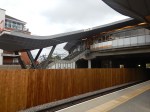

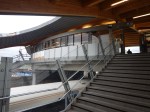
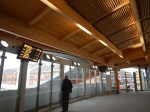
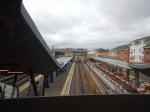





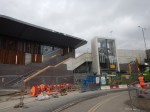
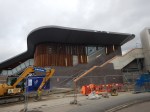

As can be seen, it is not finished, but it can certainly accept all the Southeastern trains calling at the station.
Is it the UK’s first station with three pedestrian bridges and six lifts?
Will Crossrail Go Up The West Coast Main Line?
This report on the BBC from August 2014, is entitled Crossrail Extension To Hertfordshire Being Considered.
This is the opening paragraph.
Proposals to extend Crossrail to Hertfordshire are being considered by the government, Transport Secretary Patrick McLoughlin has announced.
But then in August 2016, the proposal was cancelled as being poor value for money.
The Wikipedia entry for Crossrail has a section called To the West Coast Main Line, under Extensions.
This is said.
Network Rail’s July 2011 London & South East Route Utilisation Strategy (RUS) recommended diverting West Coast Main Line (WCML) services from stations between London and Milton Keynes Central away from Euston, to Crossrail via Old Oak Common, to free up capacity at Euston for High Speed 2. This would provide a direct service from the WCML to the Shenfield, Canary Wharf and Abbey Wood, release London Underground capacity at Euston, make better use of Crossrail’s capacity west of Paddington, and improve access to Heathrow Airport from the north. Under this scheme, all Crossrail trains would continue west of Paddington, instead of some of them terminating there. They would serve Heathrow Airport (10 tph), stations to Maidenhead and Reading (6 tph), and stations to Milton Keynes Central (8 tph)
That sounds all very sensible. So why was the scheme cancelled?
I will look at various factors to see if I can get an idea!
Was It Just Bad Value For Money?
Wikipedia says this.
This proposal was shelved in August 2016 due to “poor overall value for money to the taxpayer”
But it was BC (Before Covid)!
Current Local Services To Milton Keynes
London Midland currently runs five trains per hour (tph) between Euston and Milton Keynes Central stations using Class 350 trains capable of 110 mph.
The new operator; West Midlands Trains will replace these trains with 110 mph Aventras.
Note that both these trains have to be capable of running at 110 mph, as this is necessary for efficient operation of the West Coast Main Line.
Crossrail Local Services To Milton Keynes
Crossrail’s Class 345 trains are only capable of 90 mph running, but then again, West Midlands Trains will have Aventras capable of 110 mph.
So for a start, the current Crossrail trains would be unable to work services to Milton Keynes in an efficient manner.
I would estimate around twenty trains would have to be updated for 110 mph running to provide eight tph.
An Upgrade Of Milton Keynes Central Station
With a fast eight tph running to and from Central London, the nature of the train services at Milton Keynes would change dramatically.
How many of Virgin’s passengers to and from the North would prefer to change to a local train at Milton Keynes, rather than lug heavy baggage on the Underground?
HS2 would have an unexpected competitor.
ERTMS On The West Coast Main Line
Would ERTMS need to be installed on the West Coast Main Line to accommodate al these trains?
This will probably happen soon anyway, but Crossrail to Milton Keynes could bring it forward.
Connecting Crossrail To The West Coast Main Line
Look at this map from carto.map.free.fr, which shows the lines in the Old Oak Common area.
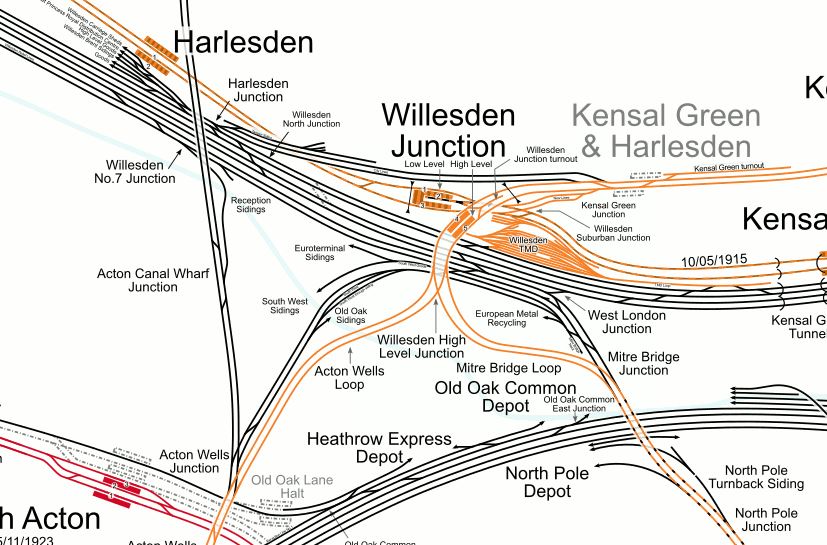
Note.
- The West Coast Main Line is the multi-track railway towards the top of the map.
- The Great Western Main Line is the multi-track railway towards the bottom of the map.
- The Slow Lines on both main lines are on the Northern side of the tracks.
- The Old Oak Common station will be on the Great Western Main Line, just to the West of the North Pole Depot.
This all means that a flyover or a tunnel must be built to connect the two pairs of Slow Lines. It’s not simple!
This Google Map of the area illustrates the problem.
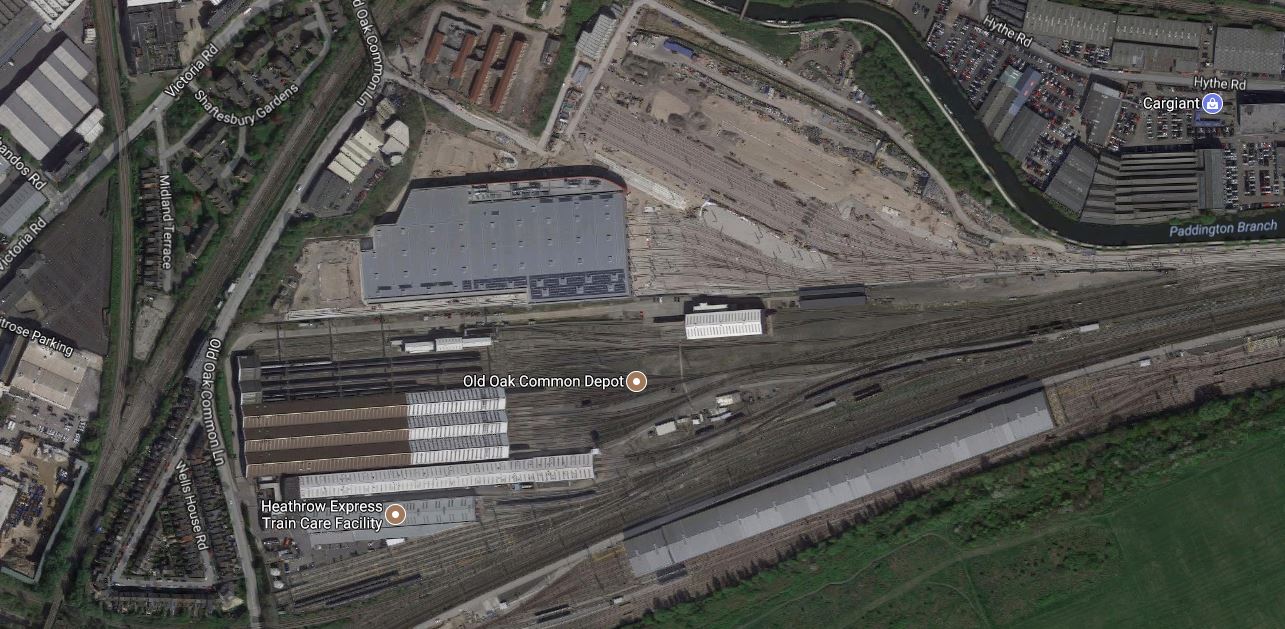
Note.
- The Great Western Main Line going across the bottom of the map.
- The North Pole Depot alongside the Great Western Main Line.
- The Dudding Hill Line and the West London Line at the Western side of the map.
- Crossrail’s newly-built depot is the large grey rectangular building.
- There’s also some housing to the North-West of Crossrail’s Depot
I doubt that a flyover could pass over all that.
But a tunnel starting at the surely soon-to-be-redundant Heathrow Express Depot , that turned North-West would be a possibility.
A tunnel could emerge to the North-West of Harlesden station.
This Google Map shows that area.

Note.
- The silver building in the top-left corner is the Princess Royal Distribution Centre.
- The West Coast Main Line runs diagonally across the map.
- The Dudding Hill Line runs up the Eastern side of the map.
I suspect that space for a tunnel portal can be found.
- Twin tunnels would probably be bored.
- I estimate that they, would need to be just over two kilometres long.
- I suspect too, that they could be built without an additional ventilation shaft in the middle.
Looking at these maps, I’m very much of the opinion, that boring a tunnelled solution, would be possible, but what would be the cost?
The Lee Tunnel in East London is about twice as long and larger in diameter. From the cost of that tunnel, which was opened in 2016, I feel that the two tunnels could be built for just under a billion pounds.
A Tunnel-Free Solution
This Google Map shows Old Oak Common between the Great Western Main Line and the West Coast Main Line.
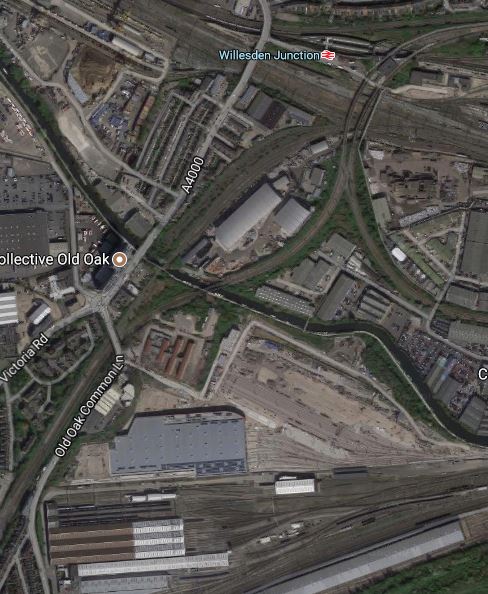
The Crossrail station would be at the bottom just above the North Pole Depot.
I wonder if a line could go through or behind the Heathrow Express site and then follow the North London Line behind the Crossrail Depot to Willesden High Level Junction.
This Google Map shows Willesden High Level Junction and the tracks of the London Overground as they pass over the West Coast Main Line.

I suspect modern three-dimensional design and structural analysis can create a connecting viaduct.
I doubt the track will be much more than a kilometre long and I suspect with the right signalling and a degree of Automatic Train Control, eight tph each way could be handled on a single track.
Conclusion
It looks like updating the Class 345 trains, ERTMS and building a tunnel under Old Oak Common could be a sizeable bill.
Have cost estimates been such, that the project was not deemed to be value for money?
How Will Chiltern Railways Serve Old Oak Common?
Whilst writing A Proposal For Two London Overground Stations At Old Oak Common, I got to thinking about how Chiltern Railways would use Old Oak Common station as a second London terminus, to relieve pressure on Marylebone station.
Lines At Old Oak Common
This map from TfL shows the lines in the area and the location of the proposed two new stations; Hythe Road and Old Oak Common Lane, for the London Overground.
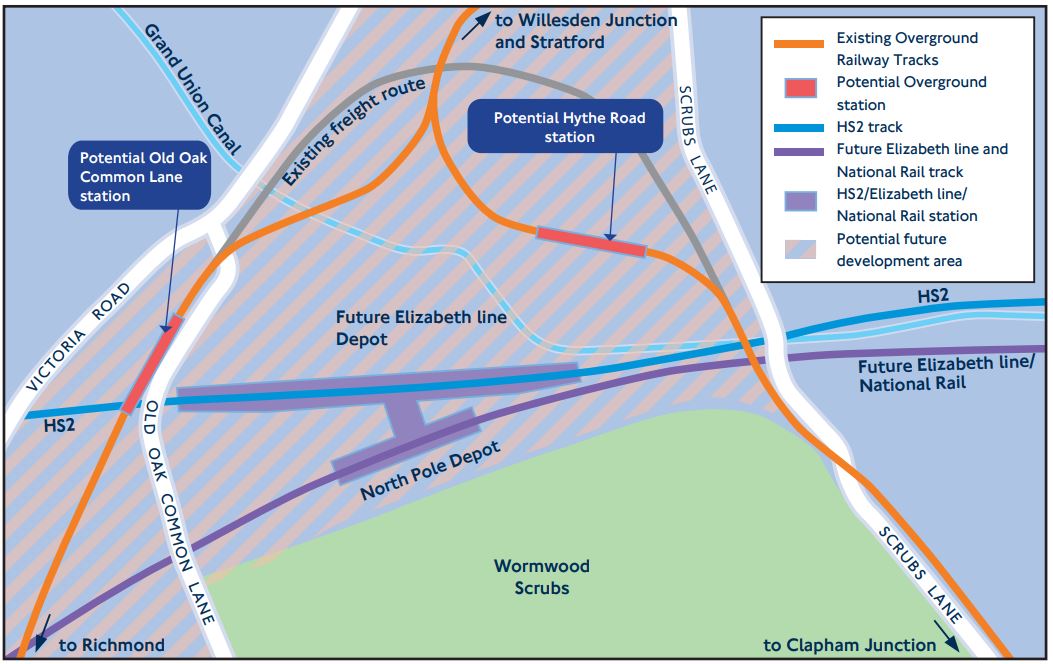
Hythe Road station will be on the West London Line between Willesden Junction and Shepherd’s Bush stations.
Old Oak Common Lane station will be on the North London Line between Willesden Junction and Acton Central stations.
How Will Chiltern Serve Old Oak Common?
Search the Internet for “Chiltern Railways Old Oak Common” and you find little of substance.
So exactly how will Chiltern Railways get trains to the station complex?
Using The Acton-Northolt Line
The Acton-Northolt Line is a logical route from Northolt Junction on the Chiltern Main Line to Old Oak Common.
But there could be problems with the Acton-Northolt Line.
- It will be on top of the tunnel taking HS2 out of London and building HS2 might be difficult.
- It is partly single track and would need to be doubled.
- It might be difficult to find space to build the station at Old Oak Common around the platforms for HS2, Crossrail and the Great Western Main Line.
- Getting tracks to the Northern part of the site for a Chiltern station there, might be difficult.
Points 1 and 2 would probably combine together to delay the Chiltern extension until after HS2 or at least the tunnel, is substantially complete.
This map from carto.metro.free.fr illustrates the problem of finding a place for the station.
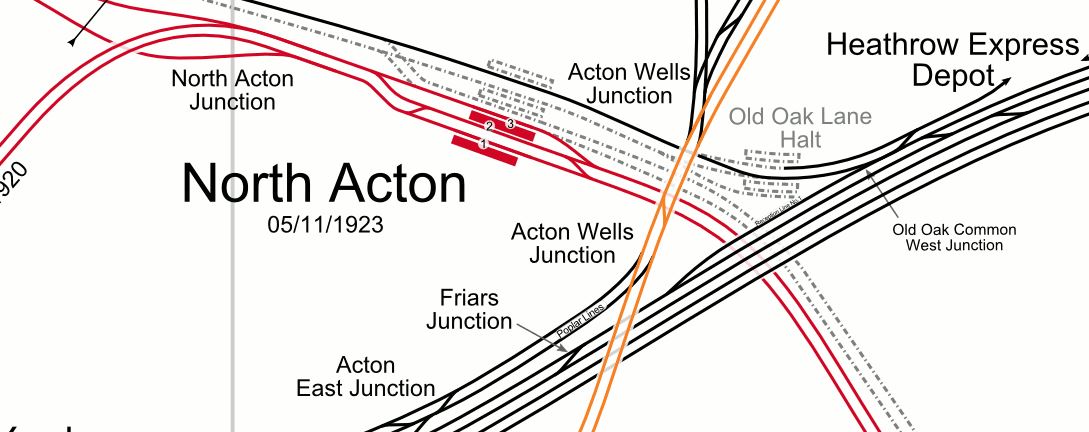
Note.
- The Great Western Railway is the multi-track in black .
- The single track shown in black North of North Action station is the Acton-Northolt Line.
- Old Oak Common Lane station is just to the North of Acton Wells Junction.
- The curves to connect the Acton-Northolt Line to the North London Line would be very tight.
The preferred position for the station is probably in the area of the current Heathrow Express Depot.
An alternative position for the station could be at North Acton station.
This Google Map shows North Acton station and its relation to the proposed Old Oak Common Lane station.
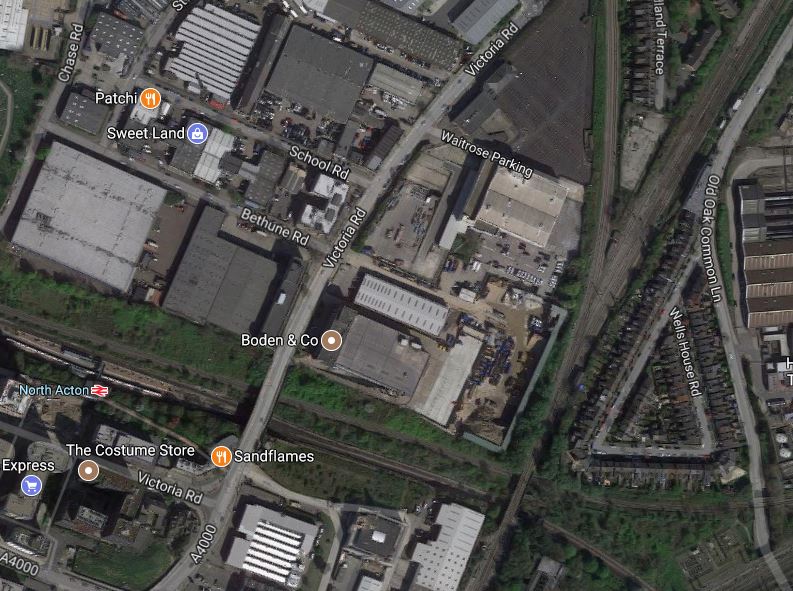
Old Oak Common Lane station would be located North of the Junction, where the Dudding Hill Line and the North London Line split, in the top-right corner of the map.
The rebuilt North Acton station could have the following characteristics.
- Two or possibly three, Chiltern platforms could be built North of the current Central Line platforms.
- The station could have a walking route or moving walkway to connect it to Old Oak Common Lane station and the main Old Oak Common complex.
- It would also fulfil the aims of politicians to link the Central and North London Lines.
It could be a viable alternative with valuable over-site development.
I took these pictures from the bridge, where Victoria Road passes over the Central Line and Acton-Northolt Lines.
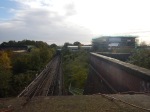

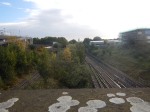
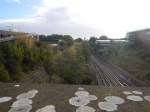
Note.
- The pictures were taken looking East towards Old Oak Common.
- The single-track Acton-Northolt Line is in the shrubbery on the left.
- The Acton-Northolt Line is about two or three metres higher than the Central Line.
- The greyish-blue bridge in the distance carries the North London Line over the cutting.
North Acton station is on the other side of the bridge.
It strikes me that the various levels give possibilities for an improved Central Line layout and a couple of platforms for Chiltern Railways.
Advantages and Problems Of Using The Acton-Northolt Line
The advantages of using this route could include.
- It could open up development sites along the route.
- New stations could be developed at Hanger Lane, Perivale, Greenford, Northolt, South Ruislip, Ruislip Grdens and West Ruoslip.
- The new double-track line could be electrified without disrupting existing services.
- It connects the Chiltern Main Line to HS2 and Crossrail.
- It could enable a Crossrail extension along the Acton-Northolt Line.
The big problem could be doubling the Acton-Northolt Line and building the station, whilst the tunnelling work for HS2 was proceeding.
The Acton-Northolt Line And HS2
I do hope that HS2 is not being designed to block future use of the Acton-Northolt Line.
In fact, I hope the reverse is true and creation of a double-track Acton-Northolt Line is part of the specification for HS2.
Using The Dudding Hill Line
There is a connecting chord between the Chiltern Main Line and the Dudding Hill Line at Neasden.
This map from carto.metro.free.fr shows how trains would get between Wembley Stadium station and the Dudding Hill Line.
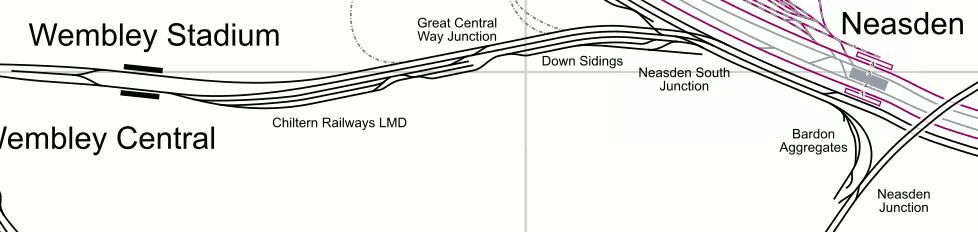
Note.
- The Dudding Hill Line is the line crossing all the tracks to the South of Neasden.
- The route would mean that Chiltern trains would be sent to their destination; Marylebone or Old Oak Common at Neasden.
The biggest problem may be where to put the station, as the Dudding Hill Line passes slightly to the West of the Old Oak Common complex.
But look at TfL’s visualisation for Old Oak Common Lane station.
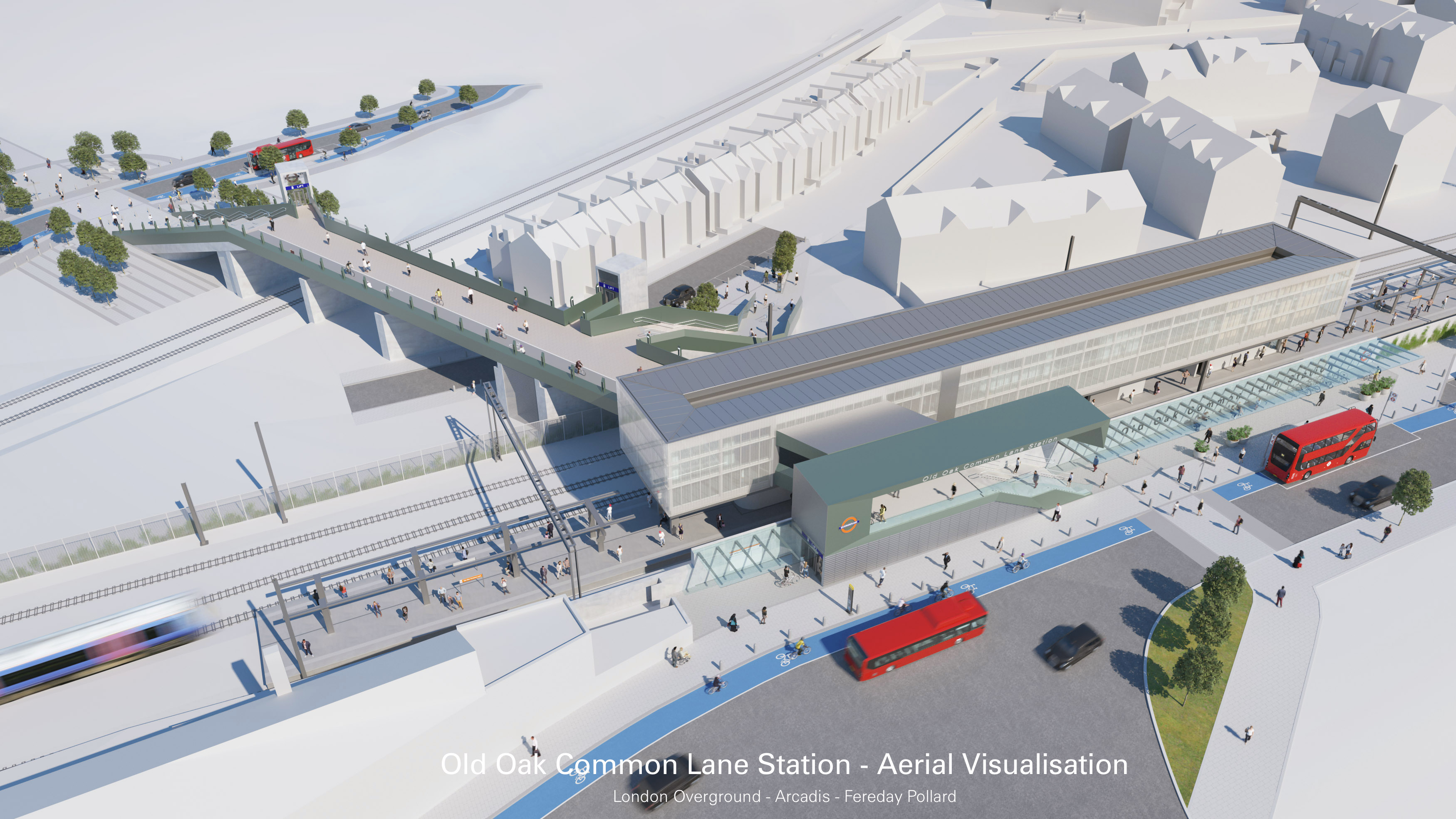
The Dudding Hill Line is shown in the visualisation running under the pedestrian and cycle route to Victoria Road.
This Google Map shows the area in detail.
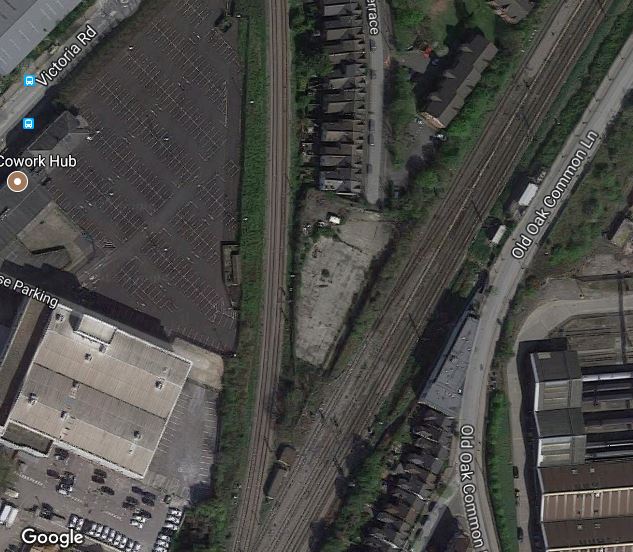
Note.
- The North London Line goes North-East.
- The proposed Old Oak Common Lane station would be built where the road is closest to the North London Line.
- The Dudding Hill Line goes North.
There would appear to be a site ripe for development to the West of the Dudding Hill Line.
Advantages and Problems Of Using The Dudding Hill Line
The advantages of using this route could include.
The station could be built in combination with London Overground’s proposed Old Oak Common Lane station.
- There is a lot of space for the station.
- No new track is required, although the Dudding Hill Line would need upgrading.
- Good connections to HS2 and Crossrail will be built for Old Oak Common Lane station.
- Thestation on the Dudding Hill Line could also be used by the proposed West London Orbital Railway.
- Construction would not be a difficult job and would not affect existing services.
- The site would not be affected by HS2.
The problems are mainly about connectivity to other lines, but well-designed connections to Crossrail and the Central Line would solve a lot of these problems.
Conclusion
There are at least two feasible options for a Chiltern station in the Old Oak Common area.
Could Three-Car Aventras Run Services On The Greenford Branch?
Services on the Greenford Branch Line between West Ealing and Greenford stations, are currently provided by a two-car Class 165 train.
Consider.
- There are no plans to electrify the line.
- West Ealing station has a recently-constructed bay platform to serve the branch.
- The branch line is a 2.7 mile double-track line with three stations.
- The intermediate stations at Drayton Green, Castle Bar Park and South Greenford have short platforms, that can only accept two-car trains.
- The service frequency is two trains per hour (tph).
- Each trip takes eleven minutes.
In an ideal world, the service would be electric and four tph.
Proposals For New Trains
Most proposals seem to suggest moving the branch line to the London Overground and using one of their Class 172 trains. But these trains are now being moved to West Midlands Trains, so that proposal would seem to be a non-starter.
Three-Car Aventras
Could three-car Aventras run services on the line using battery power?
I discussed such a train in A Detailed Look At A Three-Car Aventra, after West Midlands Trains ordered thirty-six of the trains.
These are my thoughts.
Capacity Increase
A three-car train would give a fifty percent increase in capacity on the line.
Is this capacity increase needed?
The Link With Crossrail
Under Services in the Wikipedia entry for Crossrail, it is indicated that twelve tph will pass through West Ealing station, although it is not yet known how many will stop.
Surely, when Crossrail opens fully, an integrated service with good connections will be created at West Ealing.
I believe Crossrail will work in one of two ways at West Ealing.
- In a London Underground-like manner, all trains will stop.
- Perhaps four or six tph will stop.
I suspect that Londoners won’t accept the second pattern, as they are used to the Underground and the Overground, where there are not many limited-stop services and a train comes along every few minutes.
So this would mean that there will be trains every five minutes in both directions at West Ealing station, creating a steady stream of passengers for the Greenford Branch Line.
Passengers will get fed up waiting thirty minutes for the branch line train.
As West Ealing will be a well-equipped station, waiting fifteen minutes for a train will probably be acceptable to passengers.
Anything less and there will be masses of complaints.
The Link With The Central Line
What applies at West Ealing with Crossrail, surely applies at Greenford with the Central Line.
Short Platforms
I feel that selective door opening on the Aventra could handle the short platforms on the branch.
Four Trains Per Hour
I think it be possible to work a four tph West Ealing to Greenford shuttle, as the branch line is double-track.
But it may need another cross-over to be installed.
Four tph would need two operational trains.
Charging The Trains
The trains could be charged at either end of the branch line, although for practical reasons, charging might use 25 KVAC overhead at West Ealing and 750 VDC at Greenford, as these are used on other tracks in the respective stations.
But as Aventras can be dual voltage, this could be handled by the trains.
As the line is only 2.7 miles long, charging could probably be done at one end only.
Other Alternatives
It would not be balanced to ignore other possibilities.
Refurbished Two-Car Diesel Trains
Two refurbished two-car diesel trains, like say Class 150 trains could also work four tph. on the branch.
But these would probably present services and refuelling problems.
Class 230 Trains
Two Class 230 trains could also work four tph. on the branch.
Consider.
- They could work the branch on diesel or battery, or a combination of both.
- Trains would be refurbished to a modern standard, with wi-fi and power sockets.
- Two-car trains would fit the stations on the branch.
- They are designed for remote servicing.
I think that a dedicated fleet of three two-car Class 230 trains would be a viable alternative.
Conclusion
Three-car Aventras could provide a good service on the Greenford Branch Line, but there are issues and it may be more complicated than anyone thinks to run a service, that is acceptable to passengers.
But three two-car Class 230 trains would be a viable alternative.
Upgrades For Northern And Jubilee Lines Have Been Brought To A Halt By Transport for London
The title of this post is the same as that of this article in City AM. This is the first paragraph.
Planned upgrades for the Northern and Jubilee Lines have been paused by Transport for London (TfL), though train drivers’ union Aslef says they will be cancelled entirely.
But is it such a disaster?
The Jubilee and othern Lines need more trains to increase the service frquencies. This is said in the article.
The Northern Line upgrade plan was to buy 17 additional trains so the Northern Line could run a 30 trains per hour service on all branches of the line, while the Jubilee Line would have had 10 new trains to operate a 36 trains per hour service.
So it looks like twenty-seven new trains are needed.
The Central Line Train Upgrade
This article on Railway-news.com is untitled London Underground’s Central Line Trains Set For Upgrade.
Currently, the Central Line‘s 1992 Stock have DC motors, which will be replaced by more efficient motors and a sophisticated control system.
The cost of the upgrade will be £112.1 million or about £1.3 million per train.
Transport for London are only making a reliability claim for the upgrade. Hopefully, if the trains are more reliable, then more can be in service. so can a higher frequency be run?
I also think in addition, the trains could possibly accelerate faster from stops, thus reducing the dwell times at stations and ultimately the journey times.
- Epping to West Ruislip currently takes ninety minutes with 38 stops.
- Ealing Broadway to Newbury Park takes sixty minutes with 24 stops.
- Northolt to Loughton takes sixty-seven minutes with 28 stops.
Saving just ten seconds on each stop will reduce journey times by several minutes.
I suspect that Transport for London will rearrange the timetable to increase the service frequency from the current twenty-four trains per hour (tph).
It will be interesting to see what frequency of trains and journey times are achieved, when all the Central Line trains have been updated.
The Victoria Line Upgrade Of 2016
In 2016, the Victoria Line track was upgraded at Walthamstow Central station, so that services could be increased to thirty six tph.
The Problem Of Ordering A Small Batch Of Unique Trains
This article on London Reconnections is entitled Third World Class Capacity: Cancelling Tube Upgrades.
The article talks about the problems of building small batches of unique trains and I would conclude they will be expensive, unless you could find some way of not buying them.
Could The Jubilee And Northern Line Trains And Stations Be Upgraded To Increase The Capacity And Avoid The Need For More Trains?
I’ve no idea, but I suspect that Transport for London have looked into the possibility.
The Jubilee Line
Currently, the Jubilee Line is worked by sixty-three 1996 Stock trains.
Wikipedia gives a good description of the Traction Control of the trains. This is the first sentence.
1995 and 1996 stocks have similar body shells but they use different AC traction control systems. The 1995 stock system is more modern, since the 1996 stock design specification was frozen in 1991.
This gives me the impression, that a more modern traction control system could improve the train performance, as electronics have moved on in the last twenty years.
The Northern Line
Currently, the Northern Line is worked by one hundred and six 1995 Stock trains.
Upgrading The Traction Control
I wonder if the most economic way is to update the traction control on both sets of trains with the same system.
If the upgrade needed new AC motors at the Central Line cost £1.3 million a train, would give total cost of around £220 million.
Upgrading The Stations
I suspect that Transport for London will upgrade the stations with Harrington Humps and other facilities to make train loading and unloading easier and less likely to delay the train.
I suspect that all the lessons learned in raising the Victoria Line to 36 tph will be applied.
Crossrail And The Jubilee Line
Crosrail appears to have been designed, so that it works in co-operation with London’s older Underground lines.
When considering Crossrail’s relationship with the Jubilee Line, the following must be taken into account.
- The two lines have interchanges at Bond Street, Canary Wharf and Stratford stations.
- Crossrail has good connections to the Metropolitan and Baskerloo Lines, which in North-West London serve Jubilee Line territory.
Perhaps more importantly, there is a cross-platform interchange at Whitechapel between the two Eastern branches of Crossrail. This will give passengers an easy route between Sssex and Canary Wharf.
These features should divert passengers away from the Jubilee Line.
Will this make upgrading the Jubilee Line, less urgent?
London Bridge Station, Thameslink And The Jubilee Line
One of the problems with the Jubilee Line is that you have to walk miles to get to the platforms at some stations.
London Bridge and Waterloo stations are bad examples.
These two stations are now connected by a fourteen tph link across the South Bank, which goes from London Bridge to Charing Cross via Waterloo East.
I use the route regularly back from Waterloo, as I can get a 141 bus to my home at London Bridge station.
Next year, when Thameslink is fully open even more passengers will be able to avoid the Jubilee Line.
And then there’s West Hampstead Interchange!
If this station were to be created to link all the lines together at West Hampstead, it would also create a second connection between Thameslink and the Jubilee Line.
The Splitting Of The Northern Line
Once Camden Town and Bank stations have been upgraded in 2025, the Northern Line will become two separate lines, with cross-platform interchange at Camden Town and Kennington stations. This will enable thirty-six tph on both branches and allow trains to be used more efficiently.
I do wonder, if in the detailed design and planning of the station extension at Camden Town, has shown that the split can be performed earlier, thus efficient train usage can start earlier.
Thameslink And The Northern Line
My late wife used to live in Barnet until we were married.
From that area in the 1960s, you could either take the Northern Line from High Barnet station or the two tph local train into Kings Cross from Oakleigh Park or New Barnet stations.
The local rail service is now three tph to Moorgate. Not a great improvement in fifty years!
However, things are changing at New Barnet and Oakleigh Park stations.
- New trains and an uprated service into Moorgate.
- Thameslink will add a two tph service to Sevenoaks.
Will these developments take a small amount of pressure off the Northern Line?
The Provision Of Depot Space
One of the disadvantages of buying more trains, would be that the depots would need to be expanded, so they could be stored.
London is a crowded city, which is short of land.
So is this a problem?
Londoners
Londoners are World Champions at ducking and diving!
So don’t underestimate their abilities to find the quickest routes that take the pressure off the Jubilee and Northern Lines.
Replacing The Whole Jubilee And Northern Fleets
It is intended that new trains will be in service on the Piccadilly Line around 2022. Wikipedia says this about Siemens proposal for the trains.
Siemens has publicised an outline design, which would feature air-conditioning and would also have battery power enabling the train to run on to the next station if third and fourth rail power were lost. It would have a lower floor and 11% higher passenger capacity than the present tube stock. There would be a weight saving of 30 tonnes, and the trains would be 17% more energy-efficient with air-conditioning included, or 30% more energy-efficient without it.
By the end of the 2020s, the Jubilee and Northern Line trains will be over thirty years old, and by then the two lines will be in need of even more capacity.
Replacing the current trains with a London-proven new train would surely be a distinct possibility.
Conclusion
The more I look at whether the top-up order for new trains is needed, the more I’m convinced it isn’t!
How To 3D-Print Using Concrete!
All the 3D-printing I’ve seen has involved plastic, but Crossrail’s builders are using the technique to create complex shapes in concrete.
It’s all explained in this post on IanVisits, which is entitled How Crossrail Is Using 3D-Printing To Build Its Stations.
They don’t actually 3D-print the concrete, but a wax mould, that is then used to cast the actual piece required.
According to the post, the FreeFAB process has been used to create 1,400 unique moulds, which have then been used to create 36,000 different shaped concrete panels.
Ian’s post is a fascinating read and the mind boggles as to what will eventually produced using this technique.
 The Anonymous Widower