Ipswich’s New Bridge
I noted in my piece on Temenos, that Ipswich hadn’t built any new structures like bridges in recent years. I was wrong, as Ipswich now has a new bridge over the Gipping named after Sir Bobby Robson.
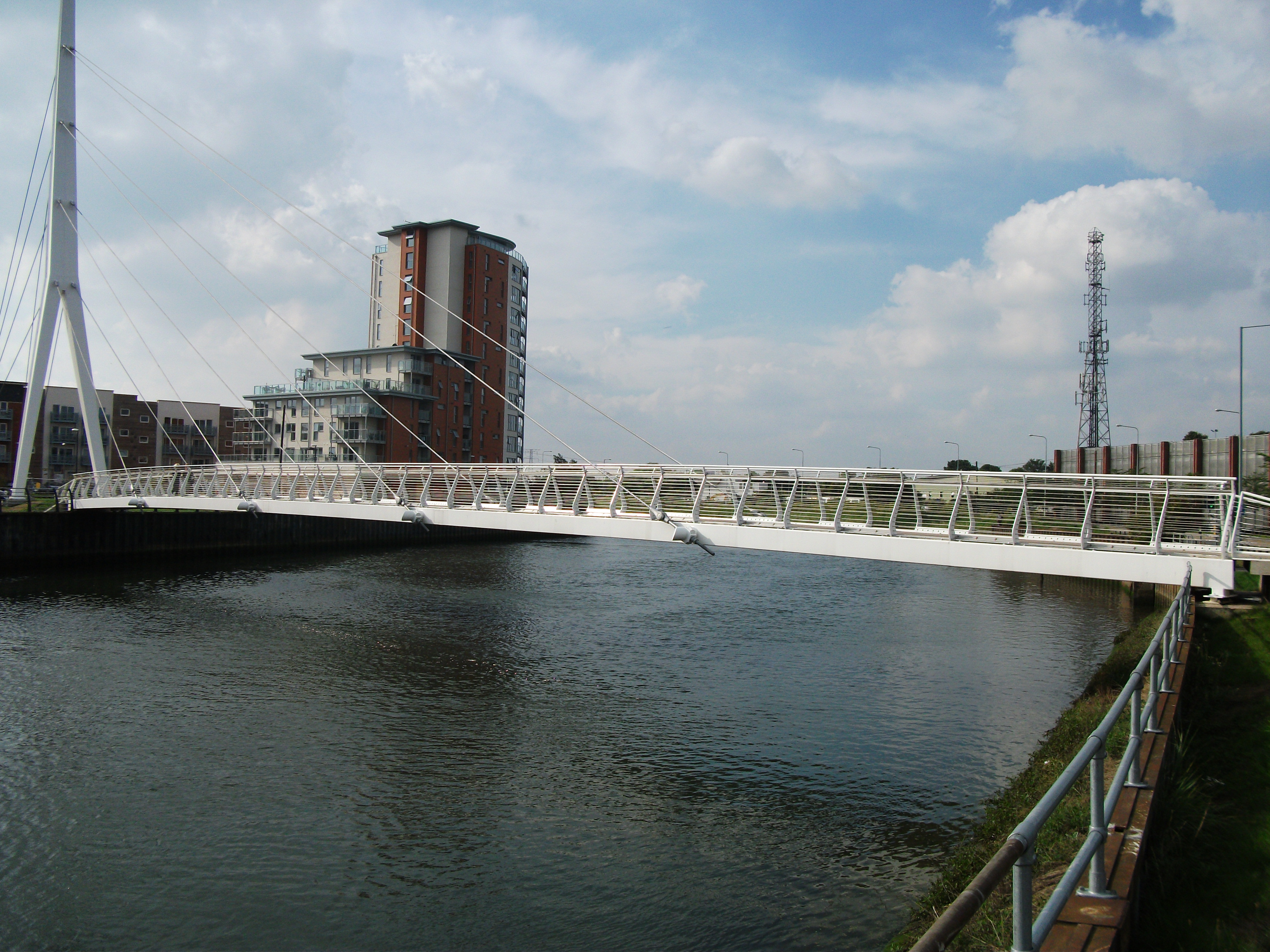
The Sir Bobby Robson Bridge, Ipswich
The Tees Bridges and Barrage
Although the bridges across the Tees at Middlesbrough, are not as numerous as those across the Tyne at Newcastle, they are more impressive and also include a unique flood protection barrier.
Travelling down the river fropm the mouth pf the River Tees, the bridges are as follows
The Transporter Bridge is one of the most unusual, unique and impressive bridges in England.
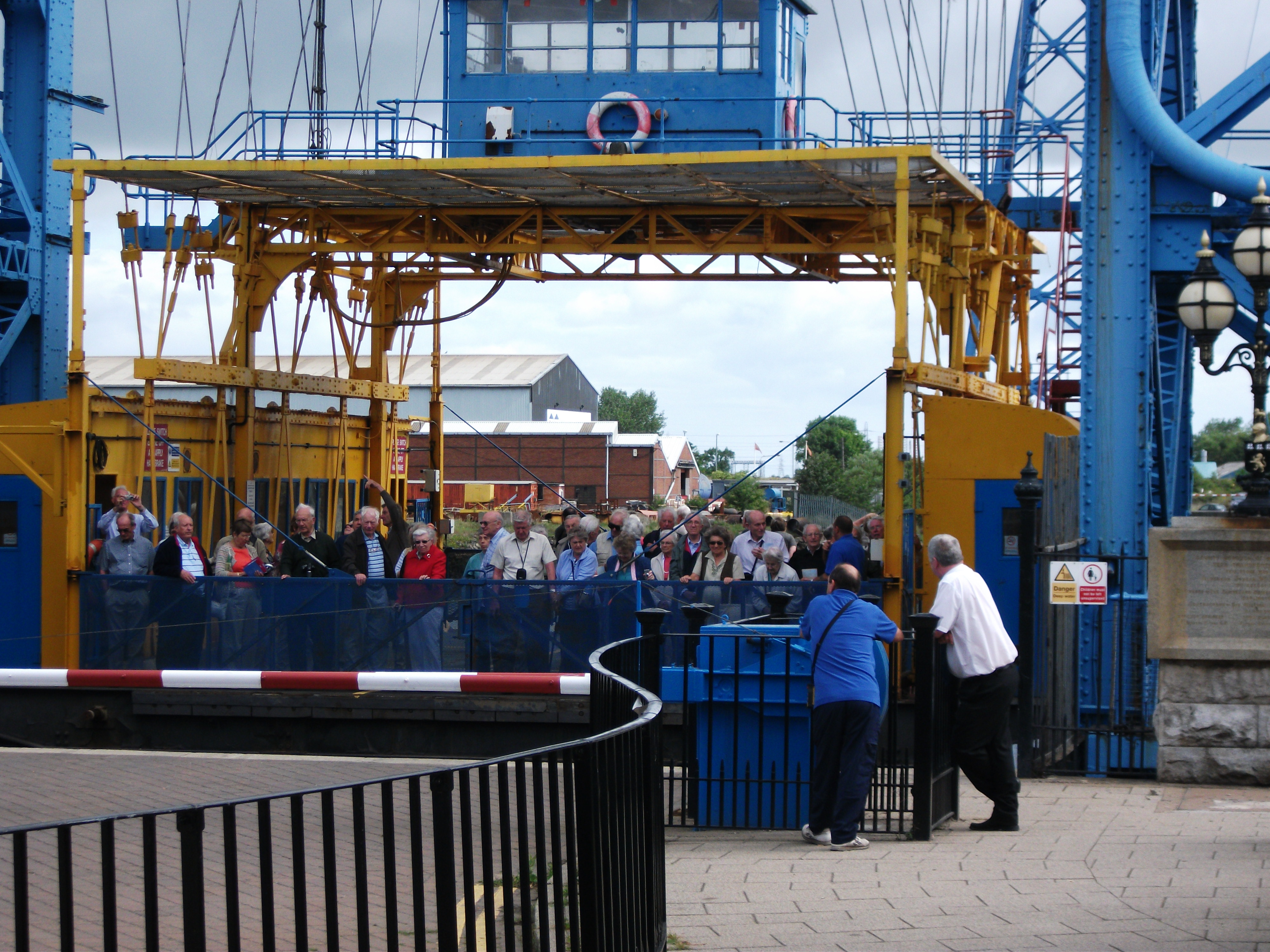
Foot Passengers on the Transporter Bridge
On Saturday, the bridge was closed, but they were still allowing foot passengers to cross over in the gondola slung from the bridge. A scene from Billy Elliot was shot in the gondola. So we just took a few photos and moved on.
It could be argued that the Newport Bridge is just as unique as its more famous brother. It is a vertical lift bridge and only one of four in the United Kingdom.
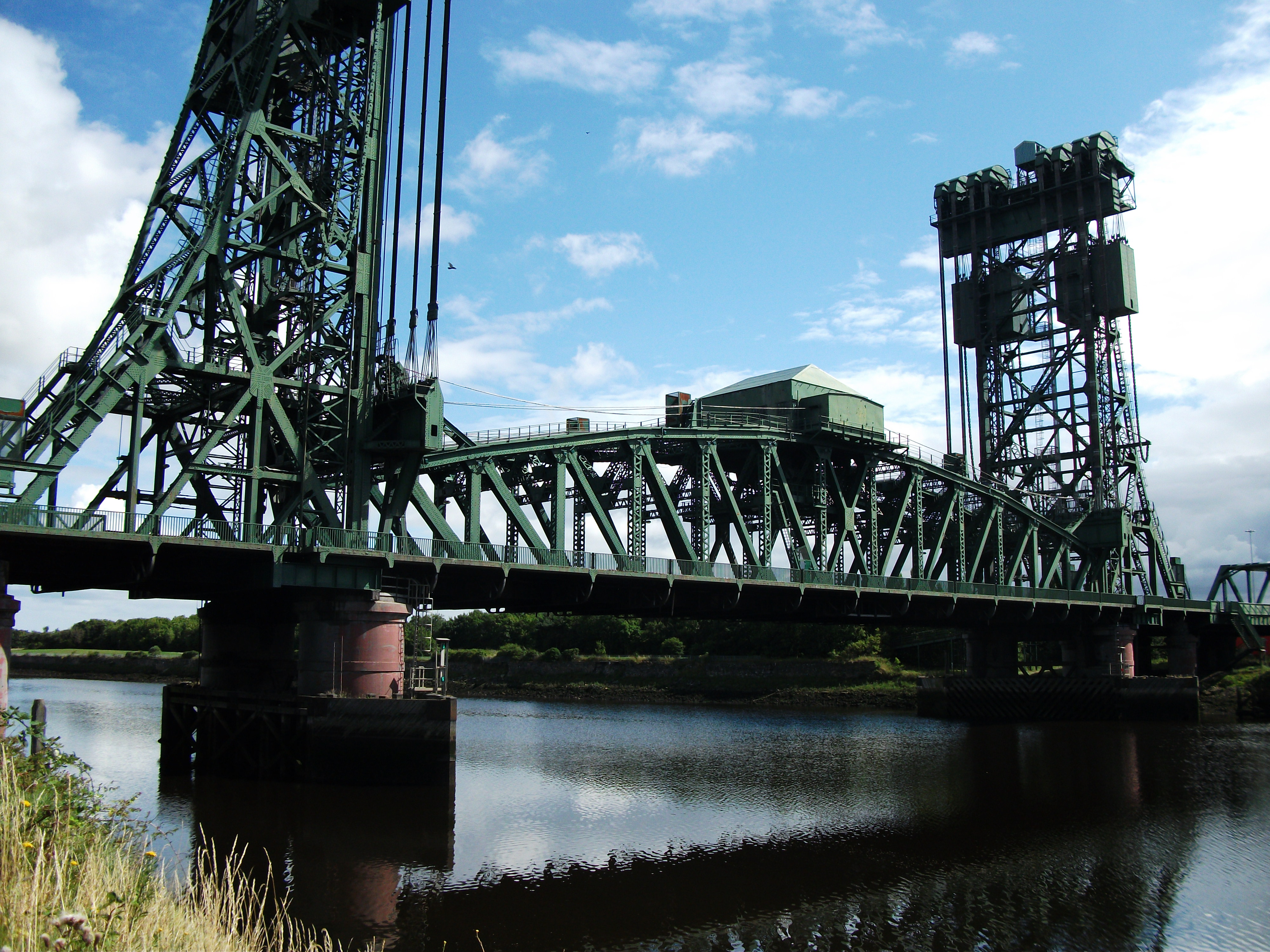
The Newport Lifting Bridge
The bridge is no longer raised, as large ships rarely go past it these days. It must have been a marvellous sight to see it being raised.
The Tees Barrier is many things to different people; a road and foot bridge, a white water canoe slalom course, a flood barrier a barge lock and even a test facility for turbines and a fish ladder to allow salmon to pass upstream.
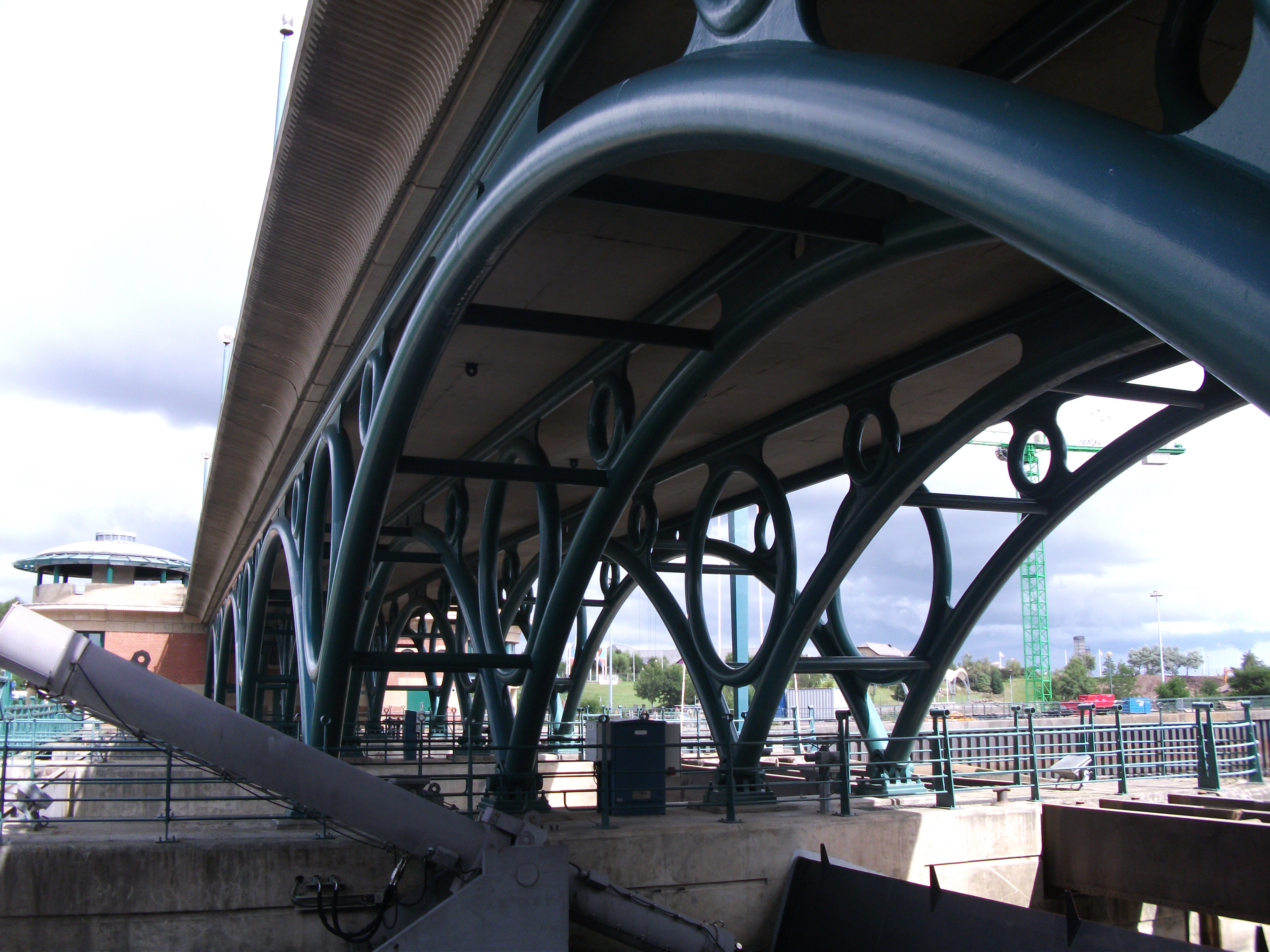
The Tees Barrage
I liked the barrier a lot. It just shows how if you use your imagination, you can create something that serves a number of purposes well.
The Infinity Bridge was the last one we saw and is a foot and cycle bridge in a very clean design.

The Infinity Bridge
All of these bridges can be visited by just walking. There is a detailed walk on the AA’s web site.
Panorama on the Gulf Oil Spill
A fascinating program, which probably asked more questions than it answered.
I’ve worked on some fairly dangerous chemical plants and you always put safety first, last and at every place in between. You might be lucky taking a short cut, but can you live at peace with yourself, if that short-cut proves to be fatal for others? I couldn’t!
So when doubts are raised about the working state of the blow-out protector by an engineer and it would seem these warning are ignored by BP and Transocean, I raise my engineer’s head in despair.
But then other engineers and managers have ignored such calls. I worked on a plant at ICI Mond in the late 1960s, where one of my colleagues installed an instrument, that said under some operating conditions, the plant could explode. The plant operation was immediately modified to avoid this condition. However the non-ICI designers of the plant saidthat no instrument could measure what we had found and refused to shut a similar plant in continental Europe.
They were wrong, not to do something which may have been important for safety.
The Juice Carton Spanner
I have a weak left hand due to a stroke and find opening the plastic cartons for things like Innocent smoothies, a little difficult. But I’m getting better and I had no trouble a few minutes ago. However, there must be many others who do, as perhaps their hands are worse than mine because of arthritis or missing fingers.
But all the caps are the same and it should be possible to create a small plastic ring spanner that mates with the cap perfectly. Companies like Innocent might even give them away free with an advert on them, as they’d only cost a few pence each to make.
There are still so many things that need inventing!
I always remember my father had a wonderful pair of round-jawed pliers, that were always being used to open difficult bottles at home. I’v never seen anything like them since.
BP’s Gulf Crisis
I’ve done a lot of interesting things in a long working life. One that might help BP is a type of reusable oil rig/platform, for which I did the calculations in about 1972. It was called a Balaena and the company was called Balaena Structures. It was based in Cambridge. I wonder what happened to the idea.
The Rivetted Wing
This picture of the wing of the 747 shows the rivets that hold it together.

747 Wing
By the way, the upturned end of the wing is an aerodynamic device to increase efficiency.
If you are on Airbus as opposed to a Boeing, you’ll see differences.
For a start the Airbus uses a different end to a wing in that they have more of a sideways delta at the end.
But the main difference is that Airbus glue their wings, whilst Boeing use rivets.
Glue? You might ask.
But they have doing it for years. In fact the technology was first started by de Havilland and was applied very successfully to the Mosquito of World War II fame. They then applied it to the Comet and Trident airliners before using it on all Airbus wings.
The advantage is that glue carries the loads between the parts of the wing continuously, whereas with rivets the stresses are carried only at points, which have been weakened by the rivet holes. This means that it should be possible to have a lighter wing for the same strength with glue.
Some technologies may seem strange, but don’t ignore them if they work.
Finger Friendly Packaging
If we want to see how a company in a small country can create a very large high-tech niche for themselves, you need look no further than Logitech, who are based in Switzerland. Their products aren’t very cuckoo clock.
As I’ve bought myself a new laptop for the journey, I felt it would be a good idea to get a new mouse. I hate those pads on laptops which never seem to work for me! So as I’ve got several of their products, I looked no further than Logitech.
The mouse works well and has a very small transmitter, so I can leave it in all the time. And the mouse works on just one battery. In fact I’m using it now.
But what surprised me was the packaging.
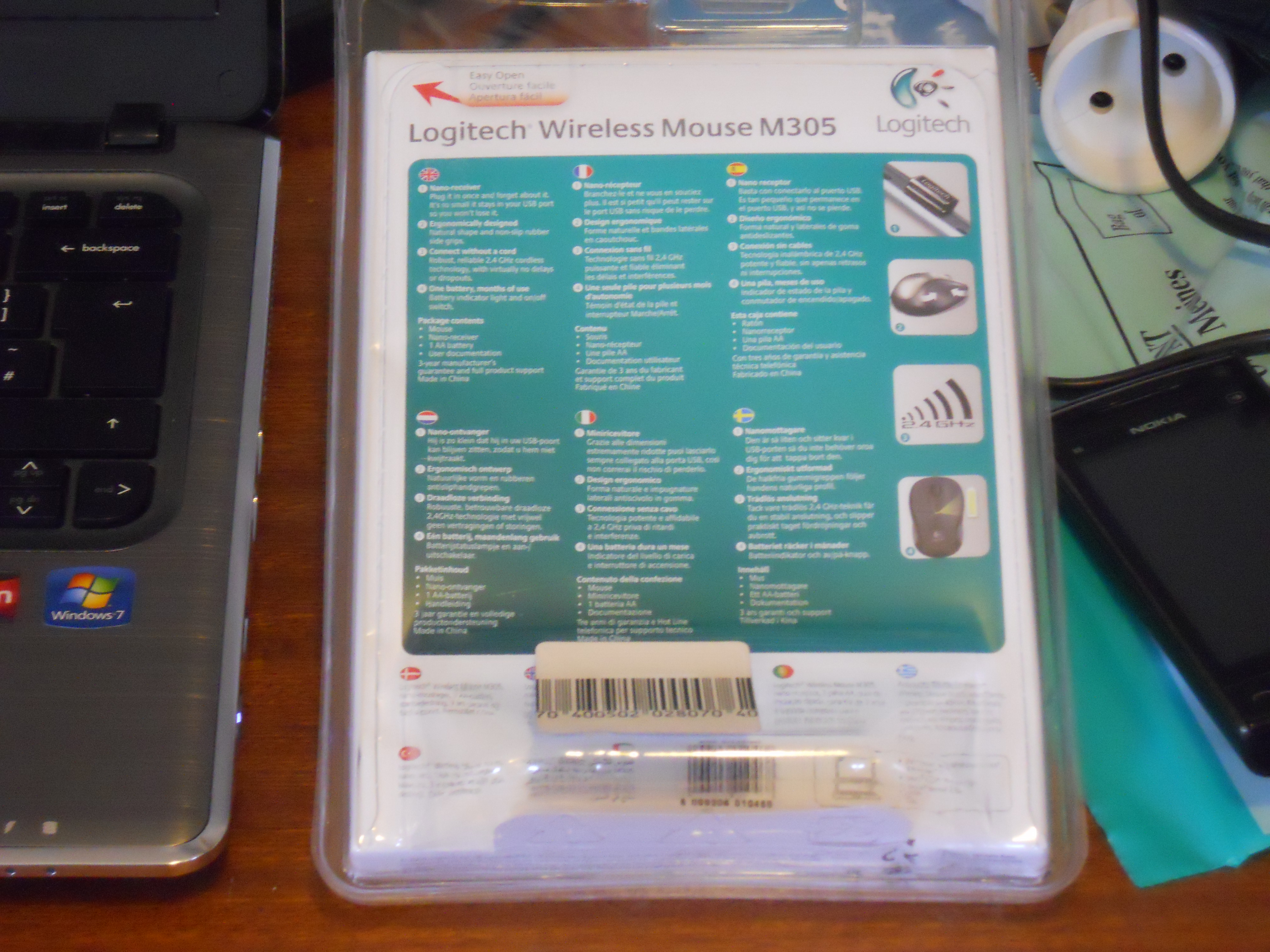
Logitech's Finger Friendly Packaging
Note the red arrow at the top. It points to a perforated area in the packaging, which you tear along in the age old fashion and hey presto, you get access to the contents.
No broken nails, knives or scissors.
This type of packaging should be compulsory!
10/10 to Logitech.
New River Walk
The New River is one of London’s hidden treasures. It could be argued that the growth of London owes just a bit to this early seventeenth century feat of engineering to bring clean drinking water to London.
It is still used to bring water to London and most of the route is an easy walk. But from Stoke Newington onwards the river is now not used to provide water and in some places it has been converted into walks and parks. One such is the New River Walk at Canonbury.
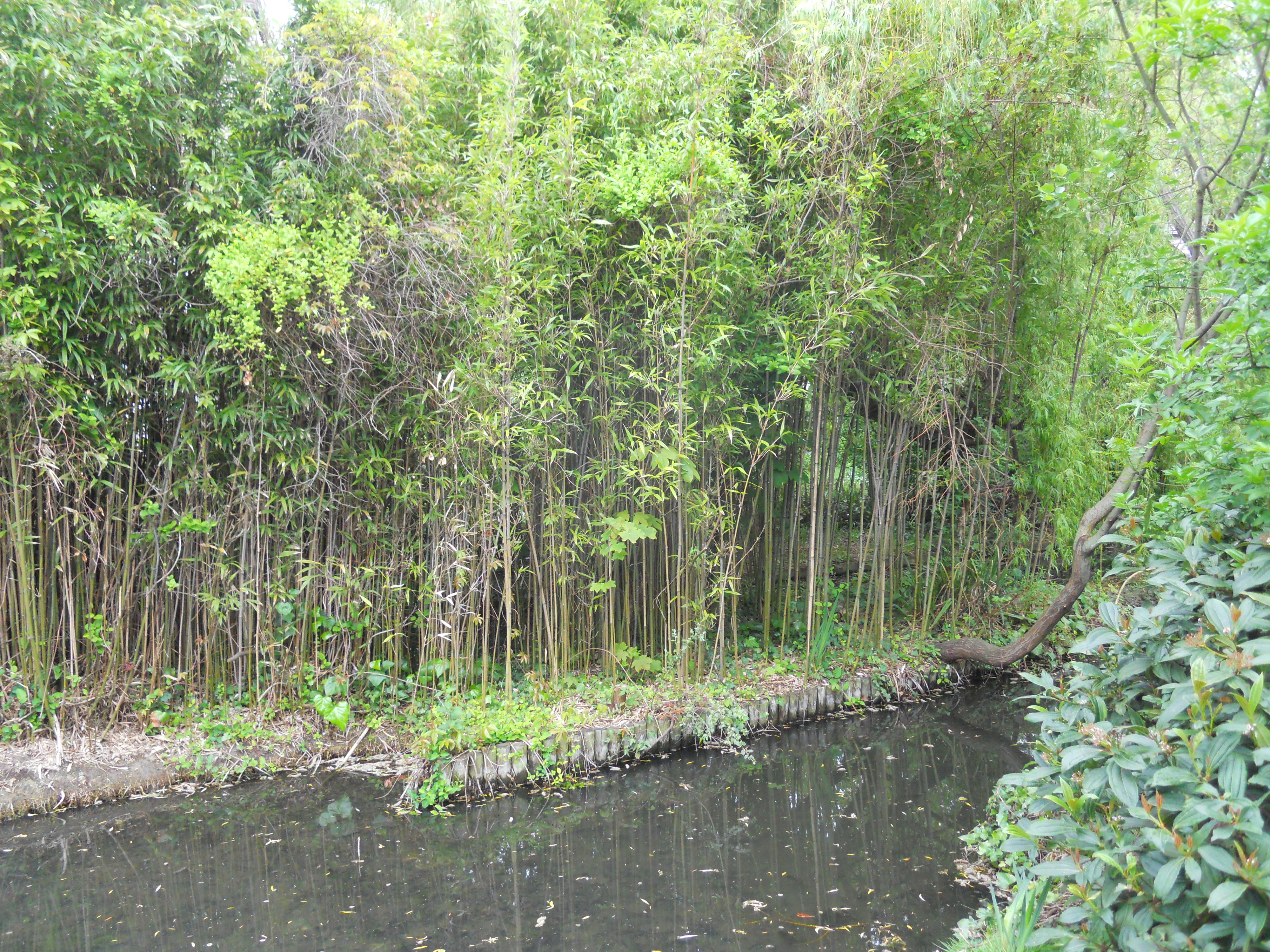
New River Walk
Note the bamboo!
The Bridges of Newcastle
If Newcastle has one unique feature that distinguishes it from all other cities in the UK, it is the bridges across the Tyne.
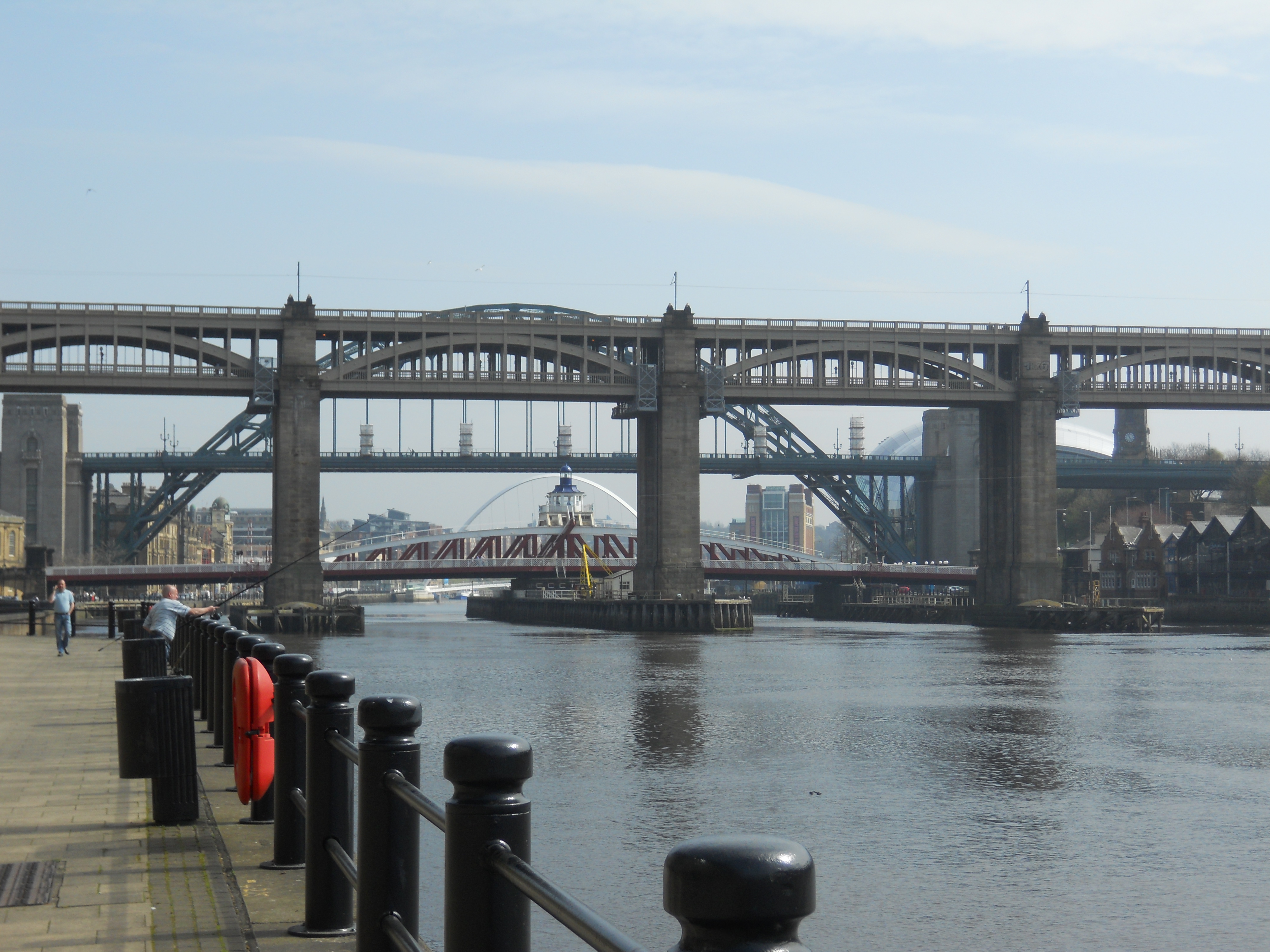
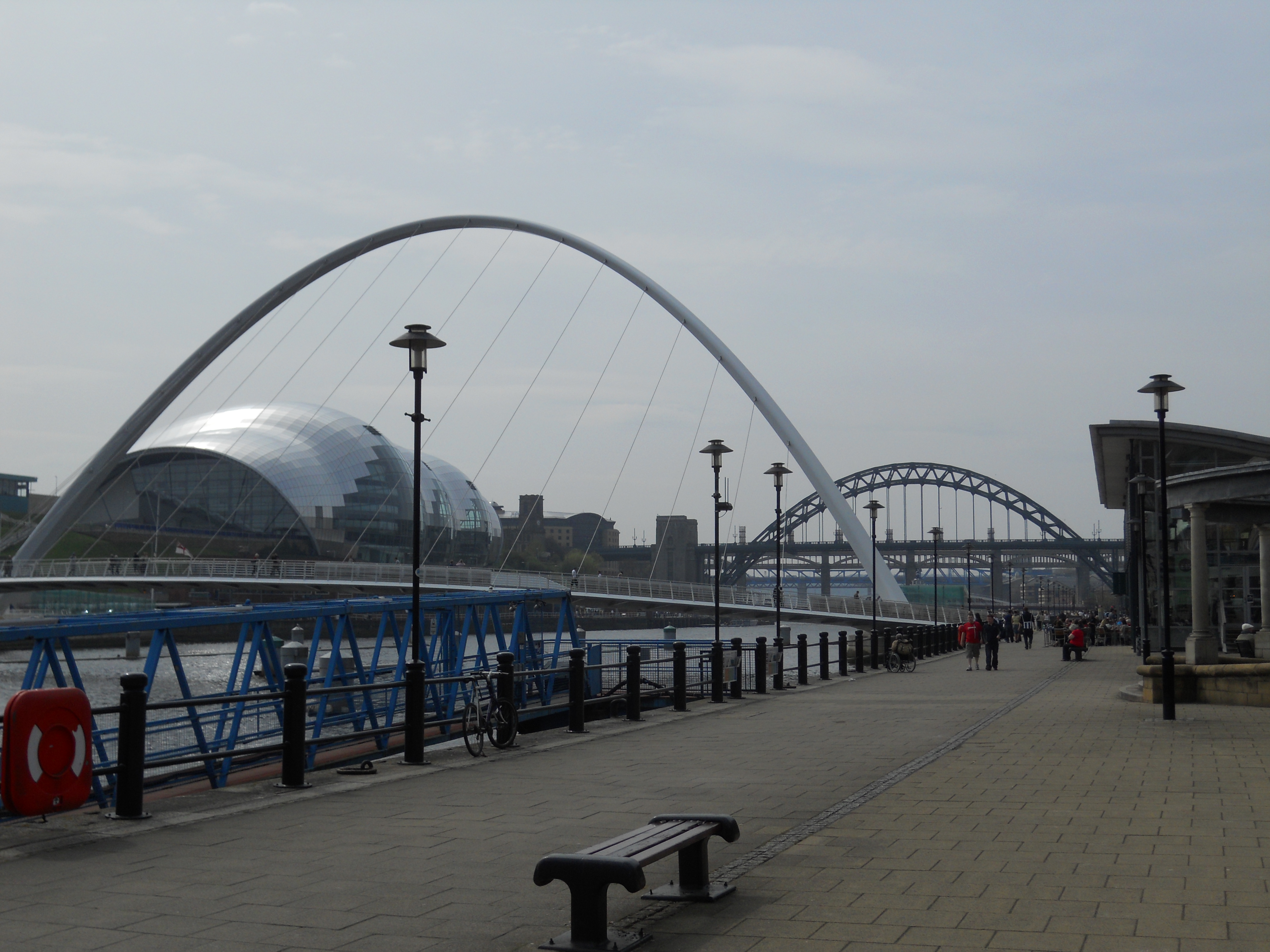

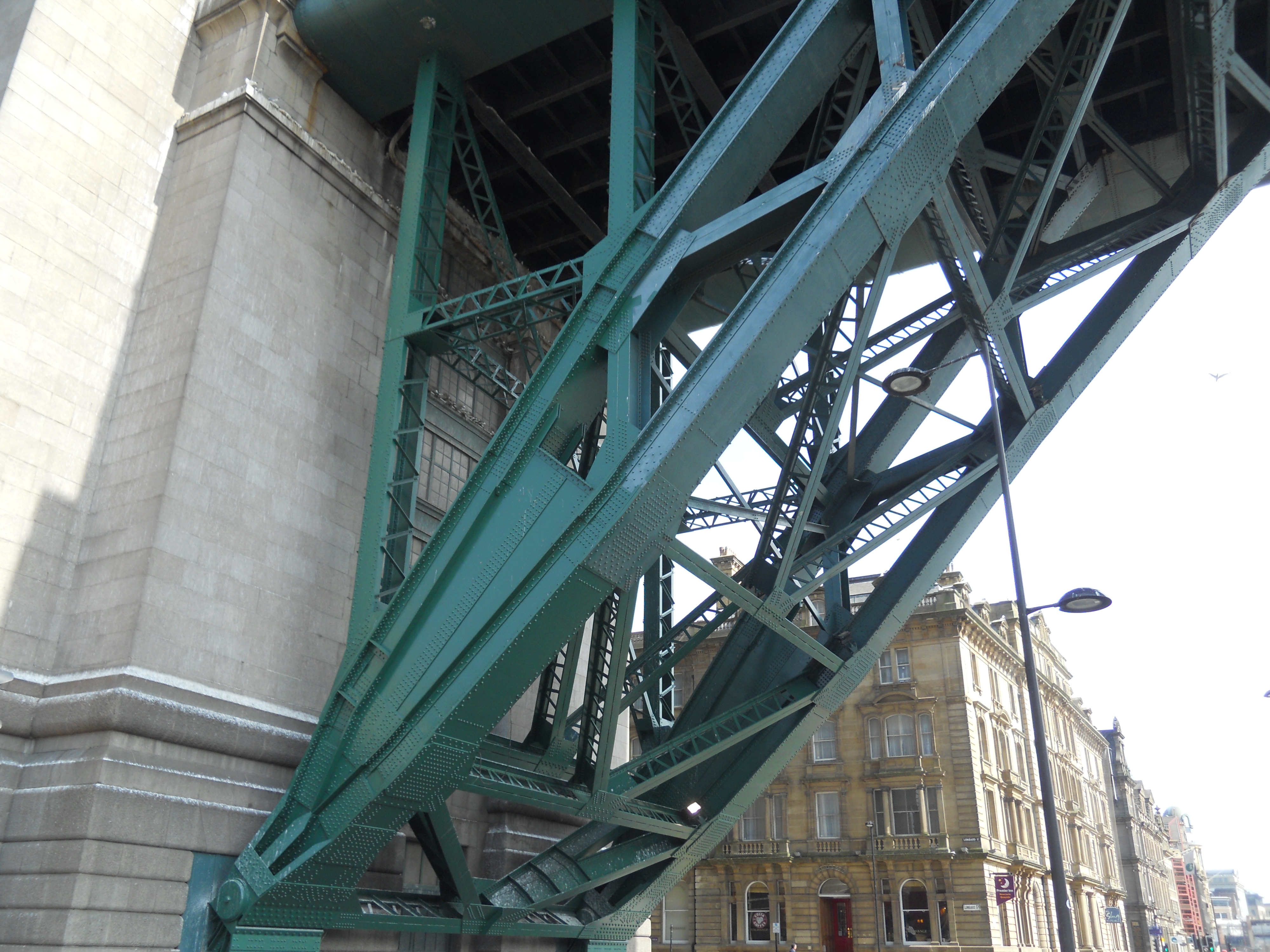
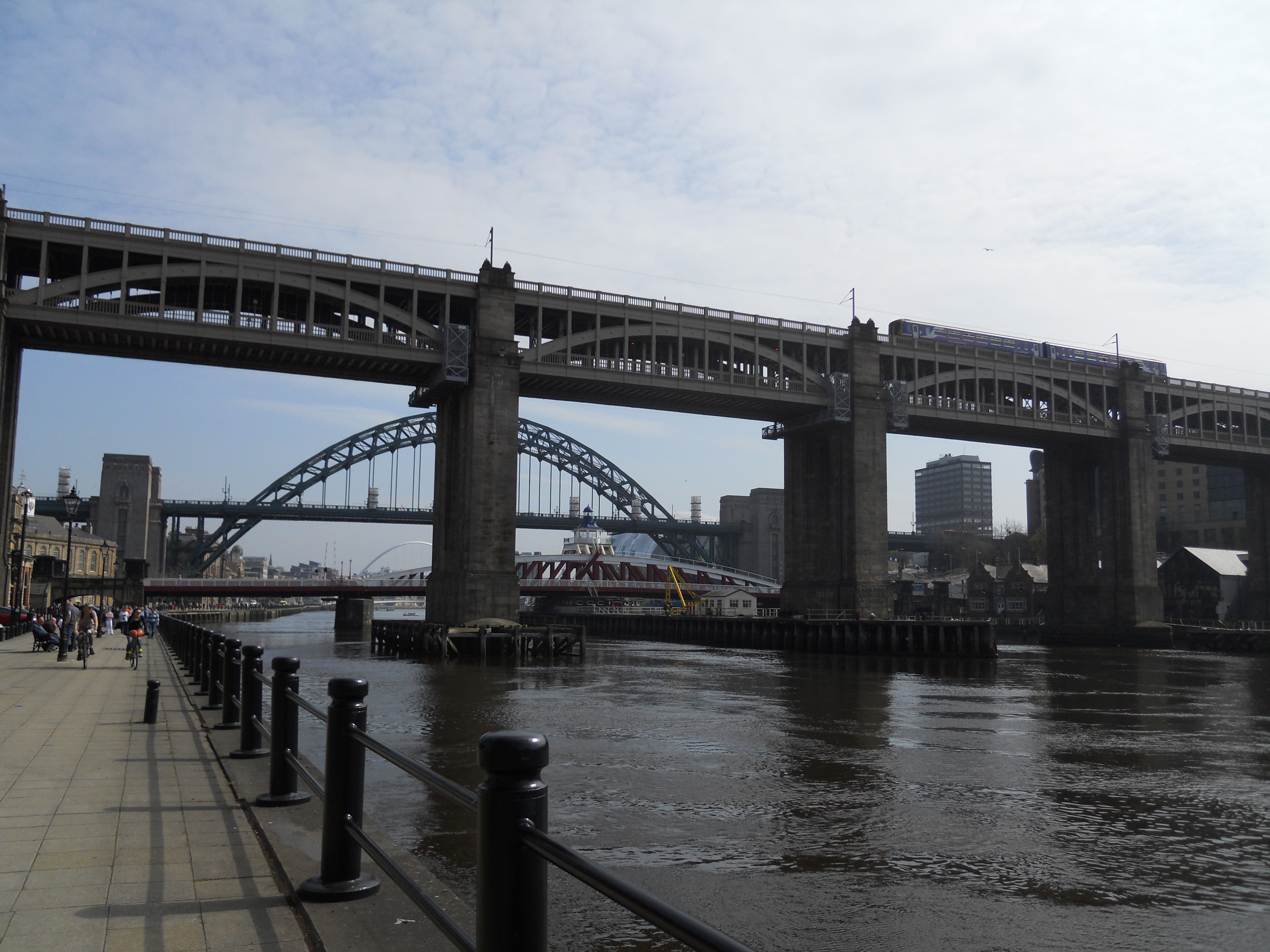

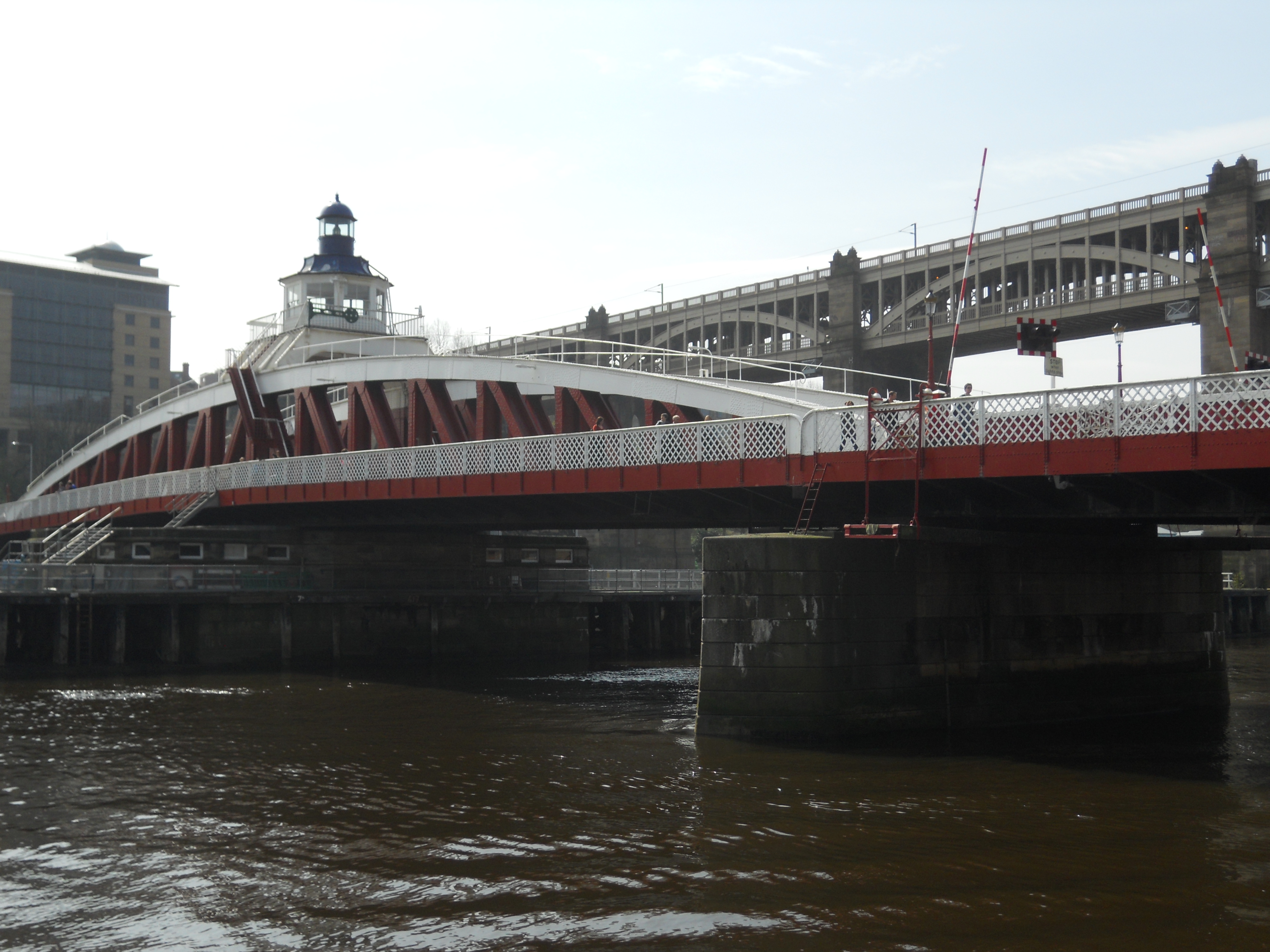
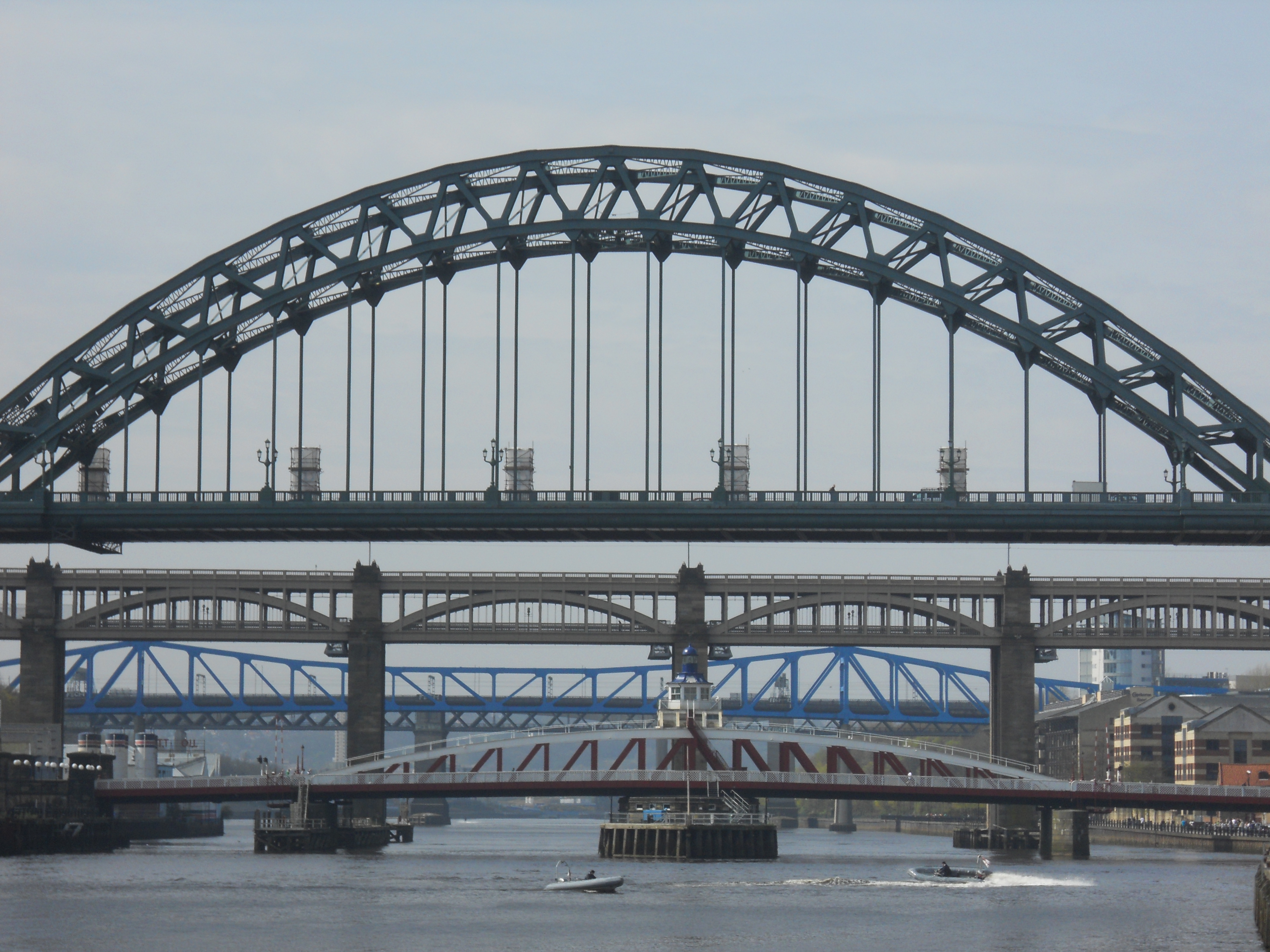

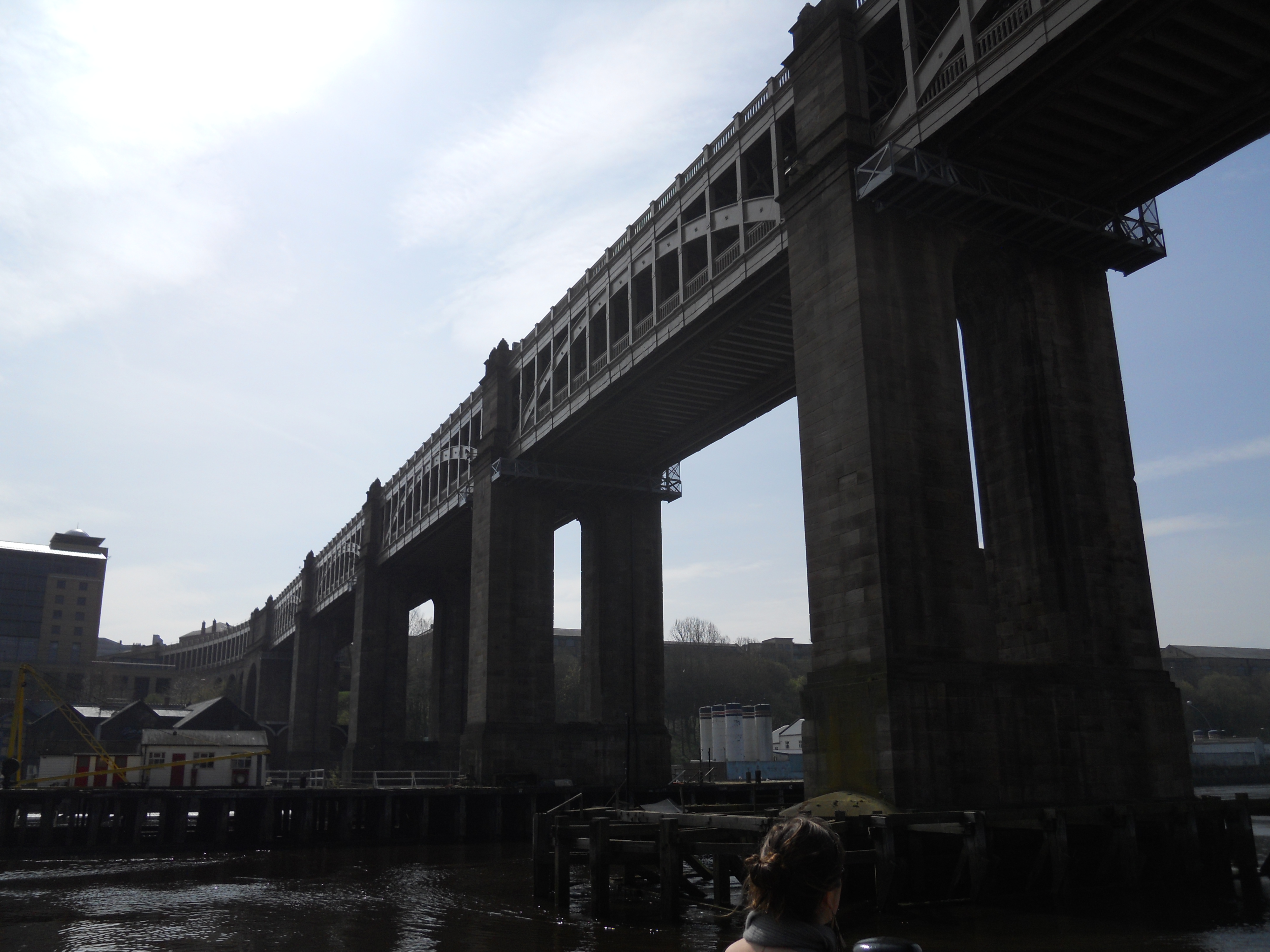
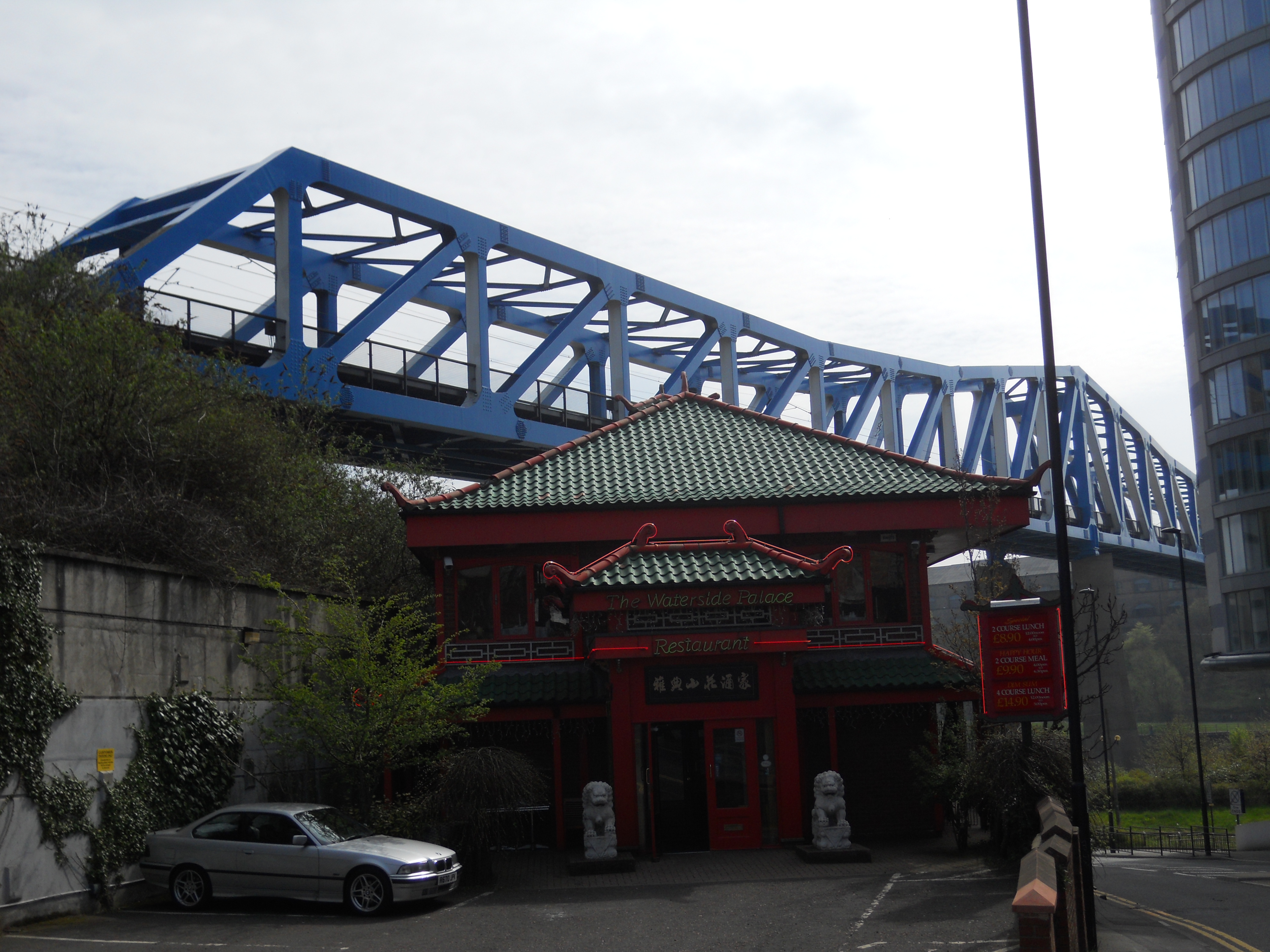
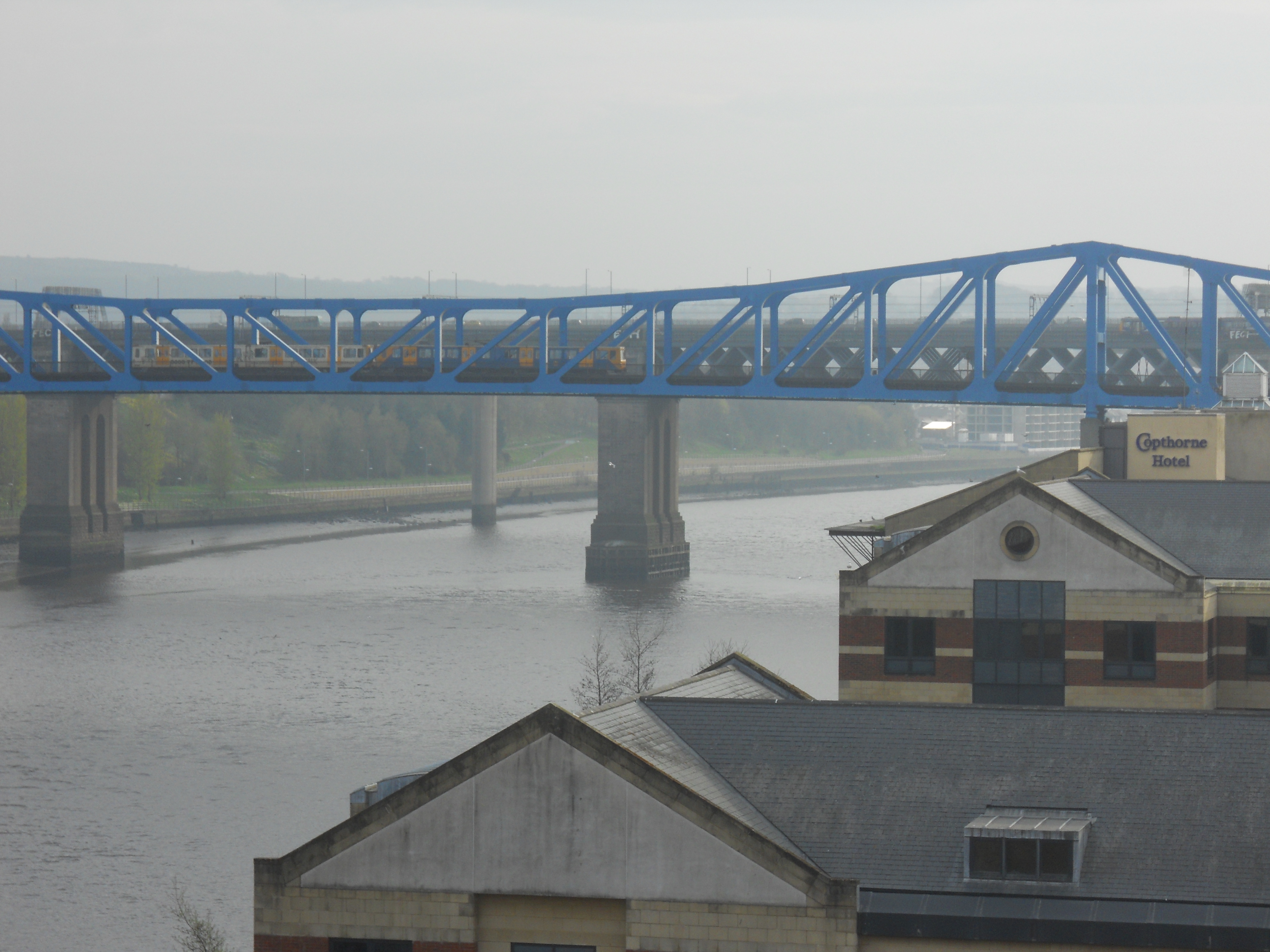
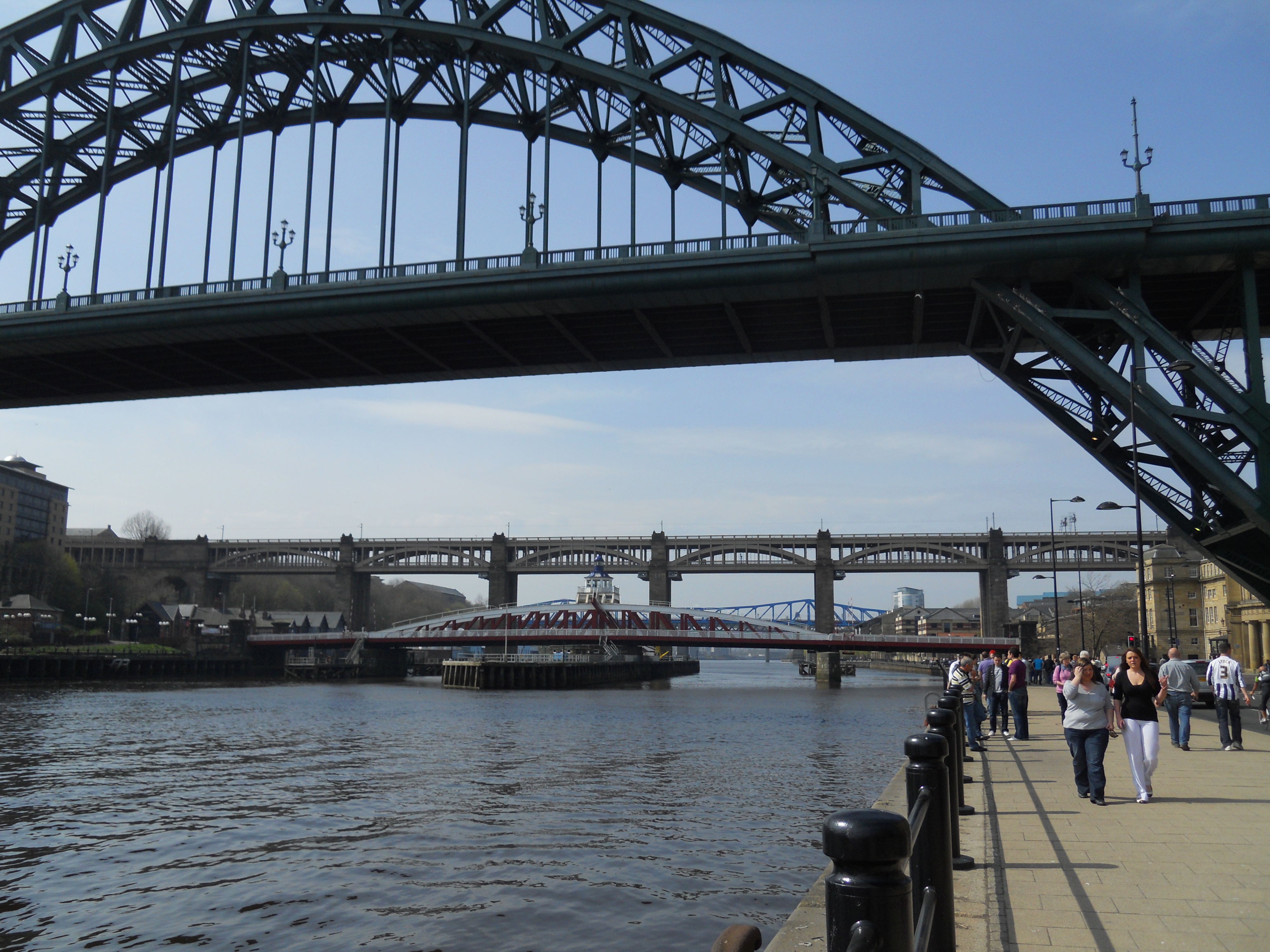

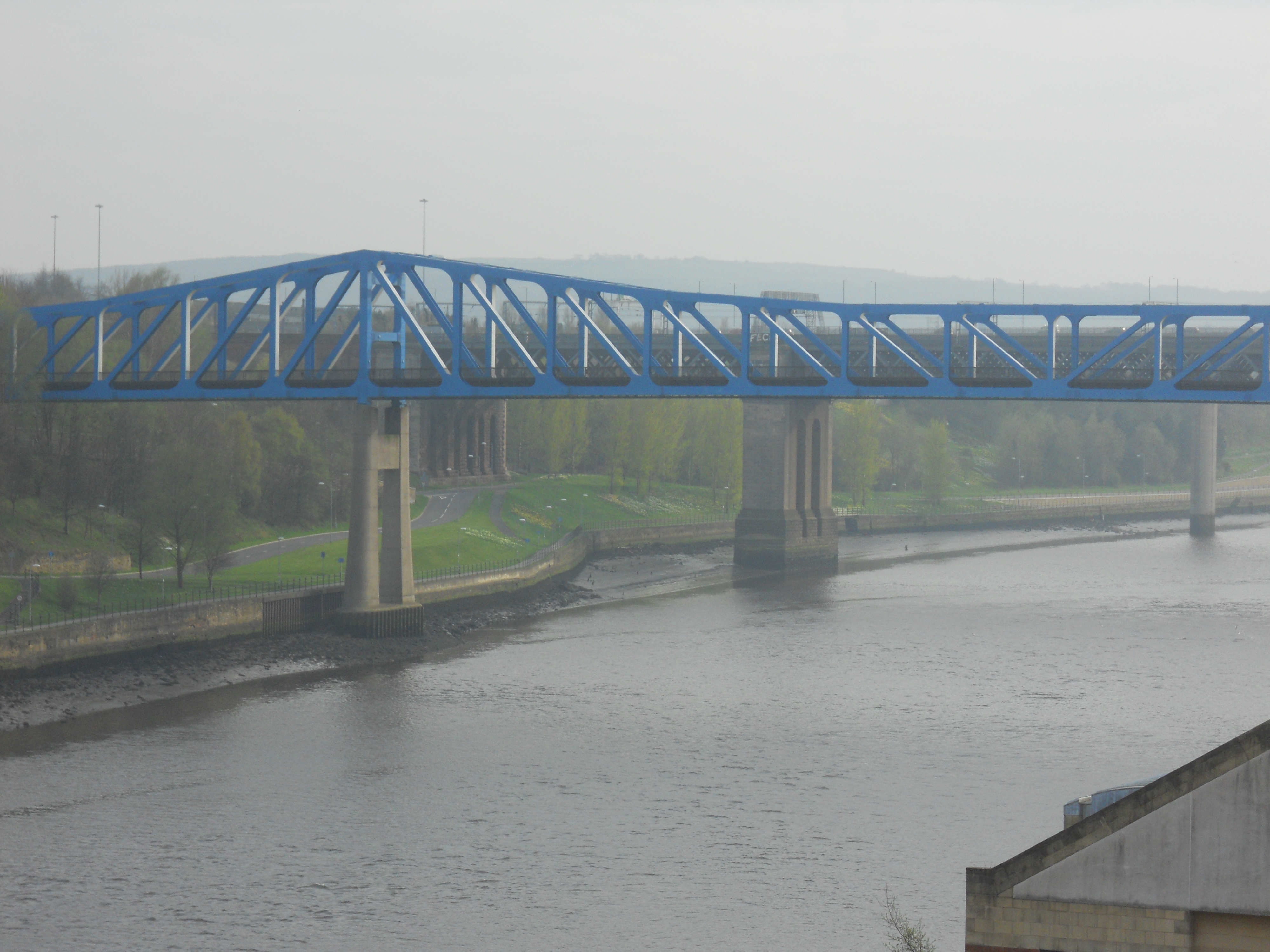

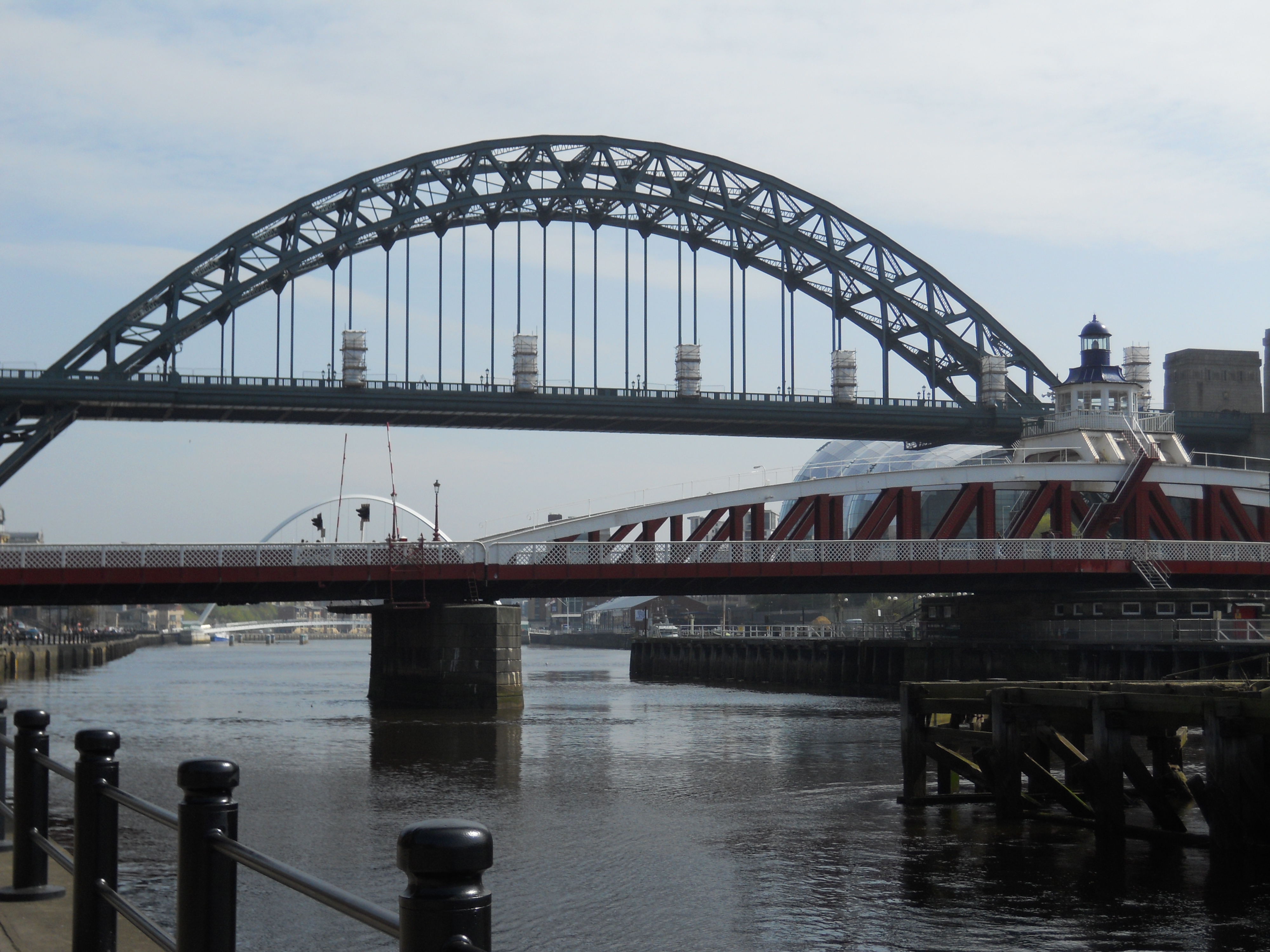
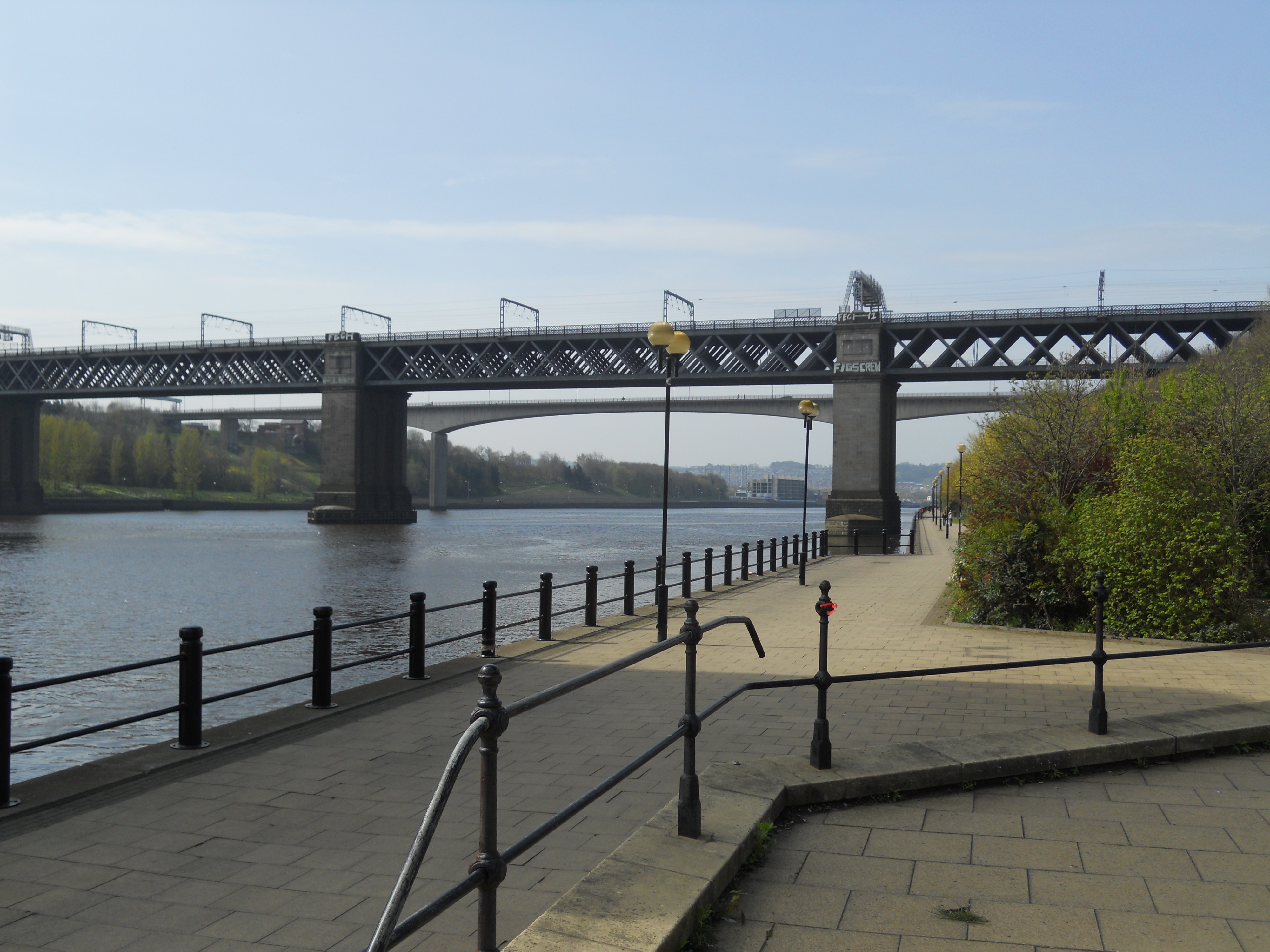
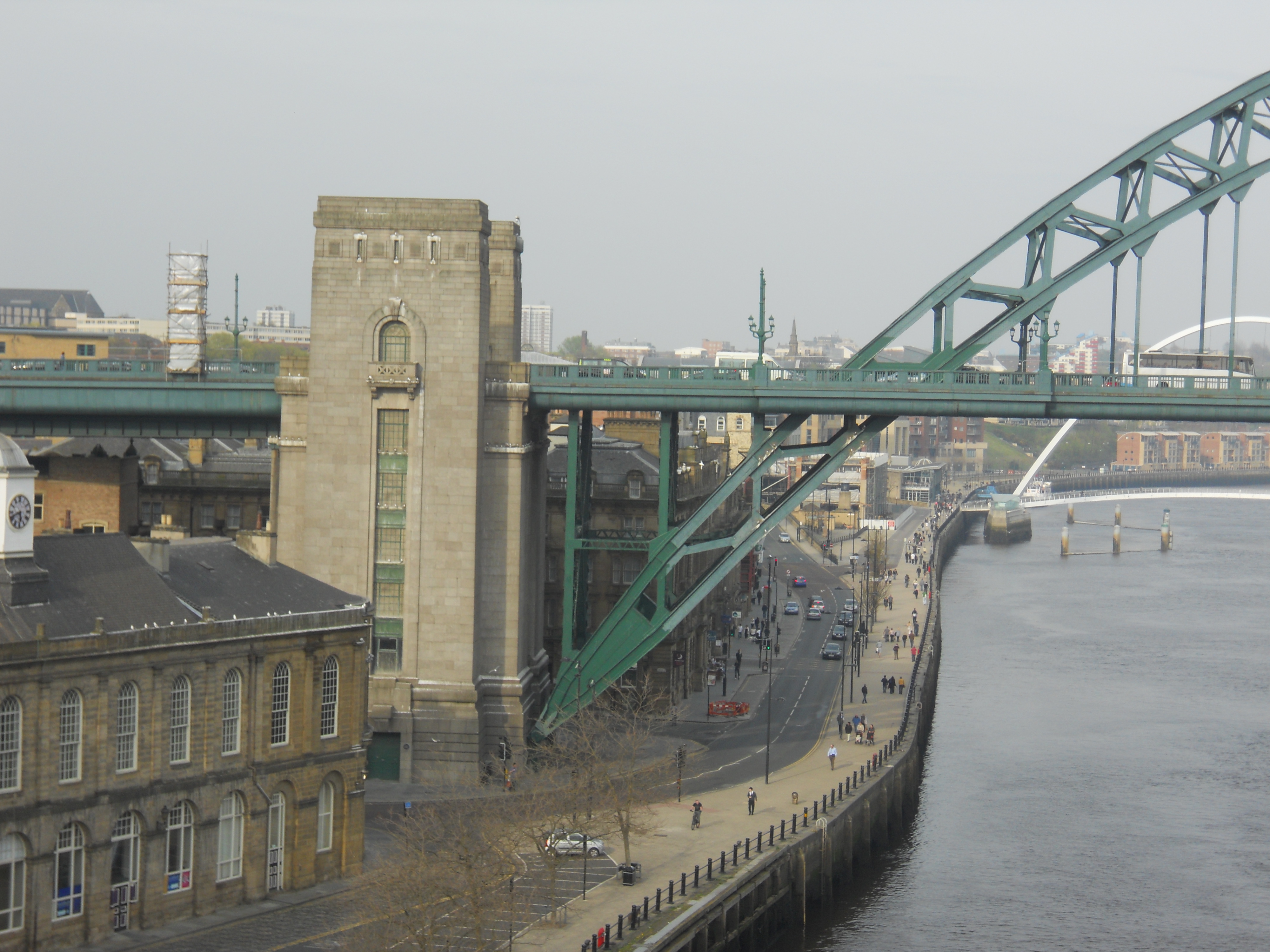
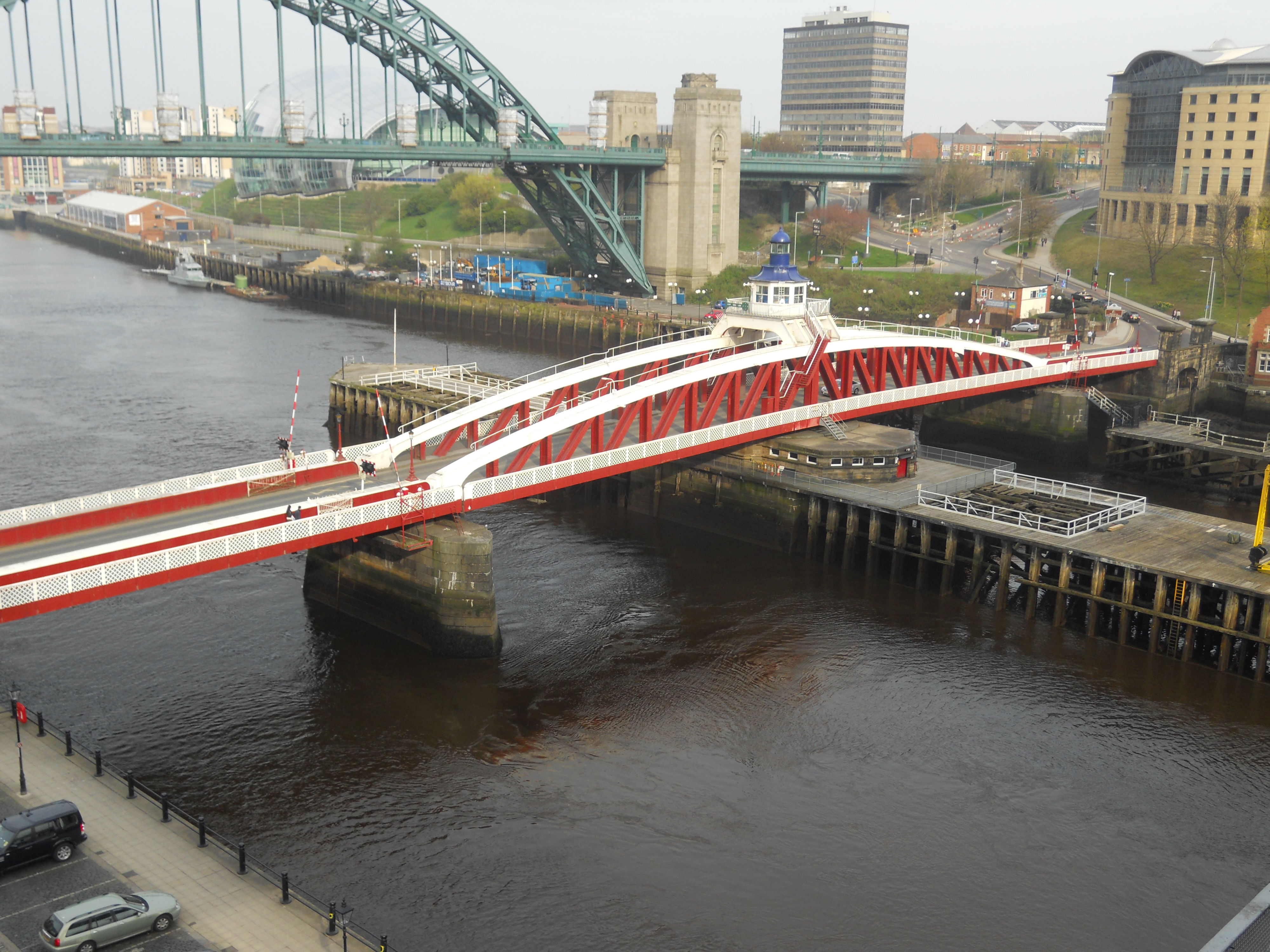
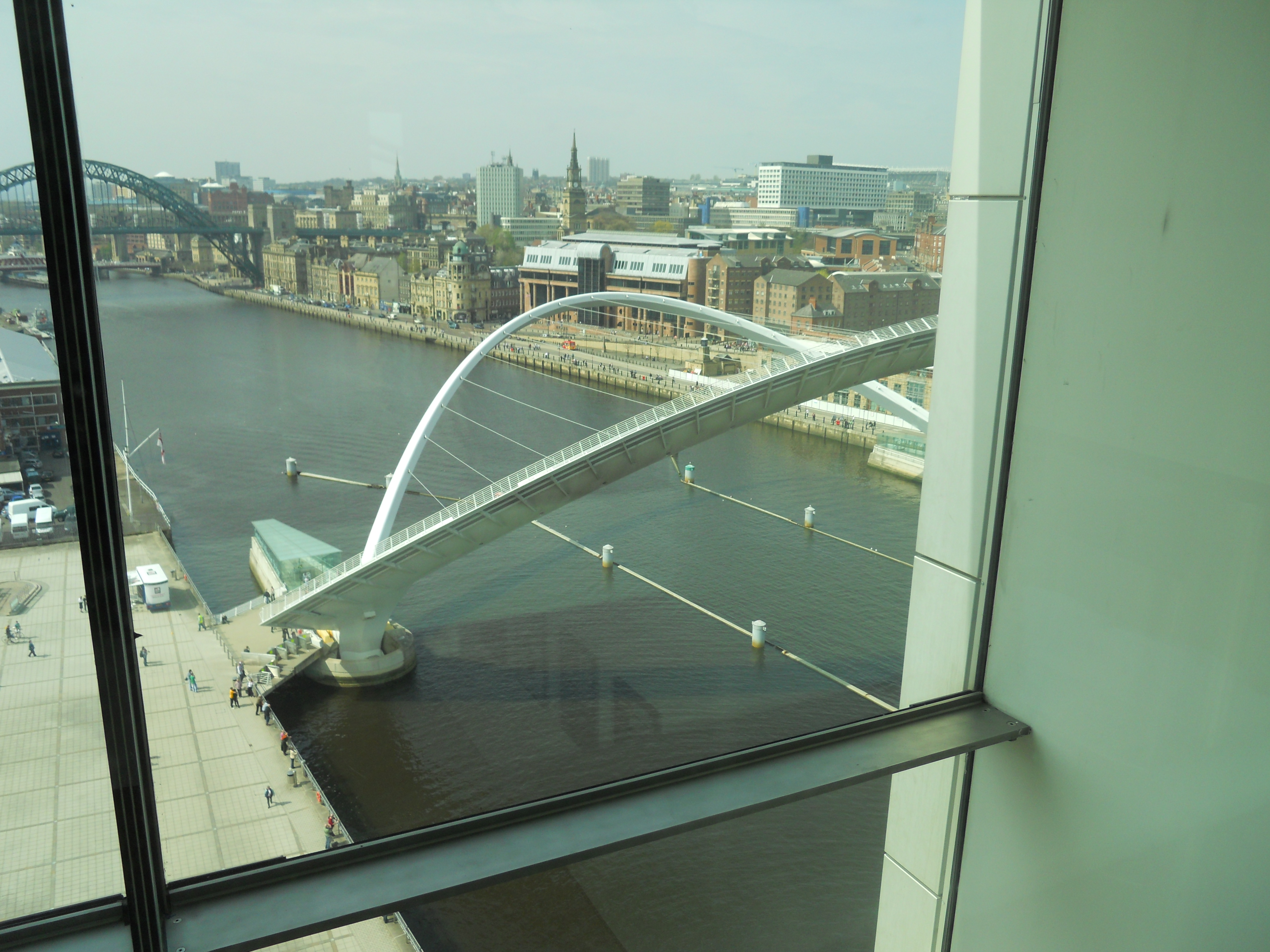
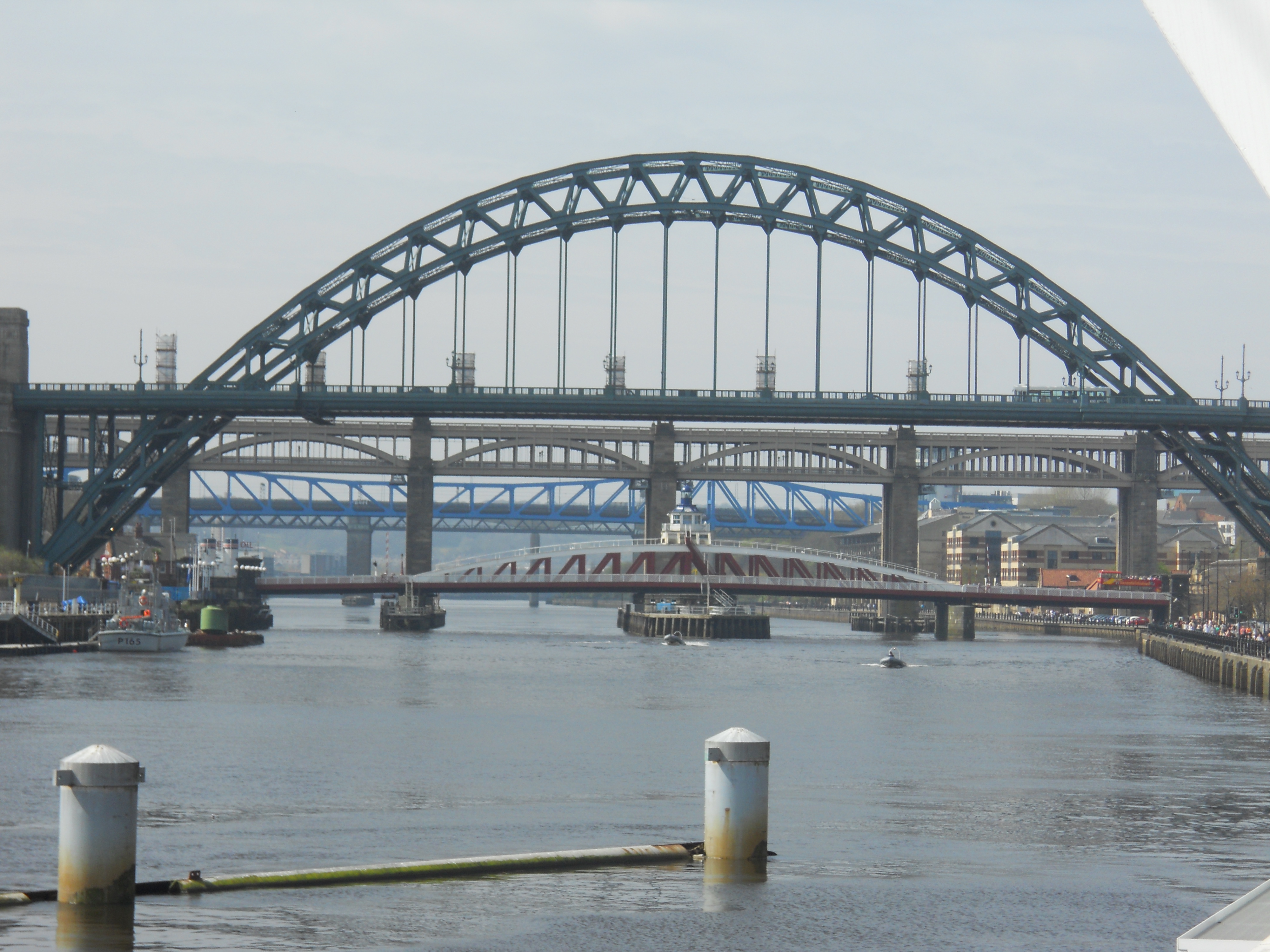


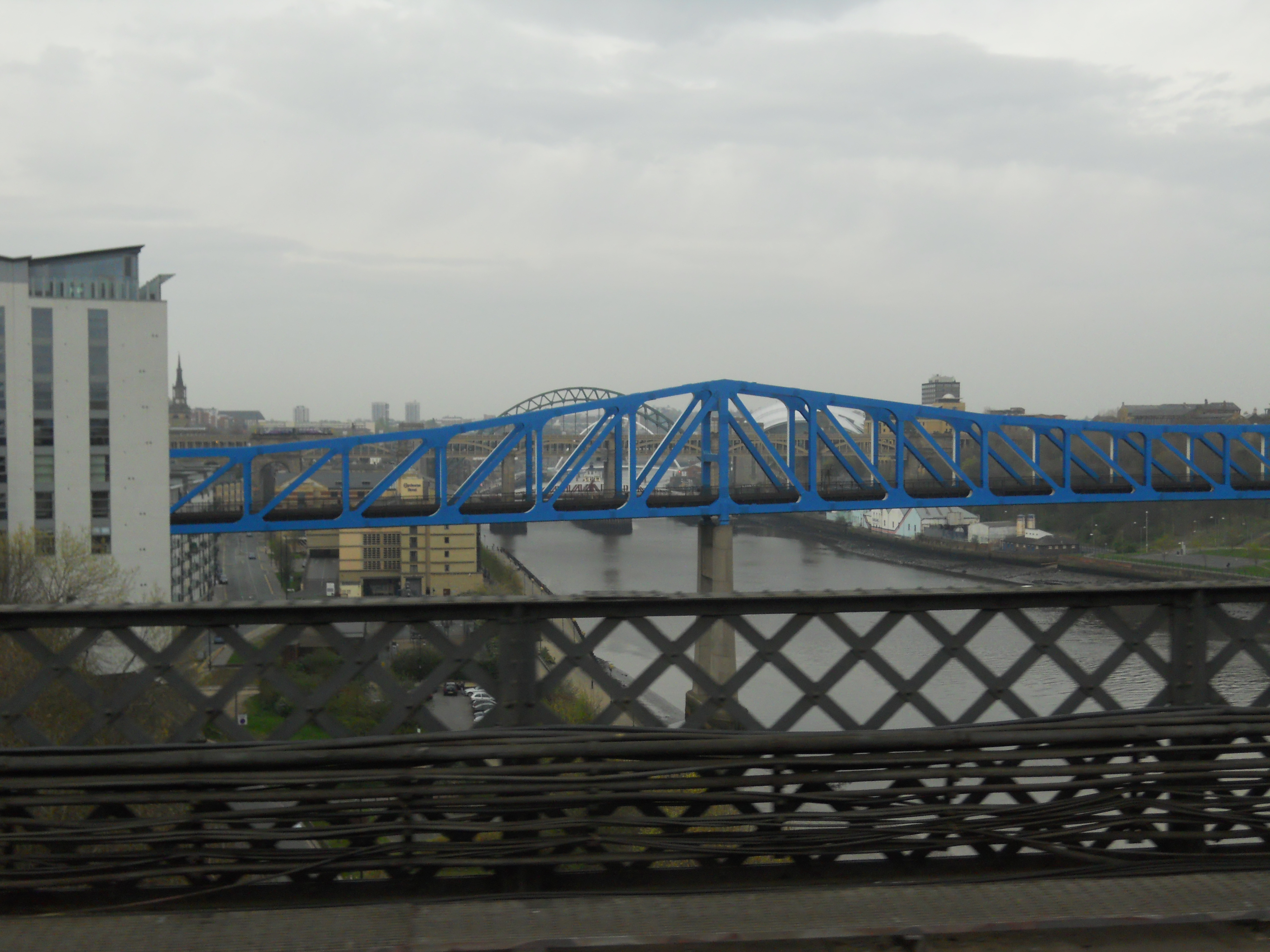

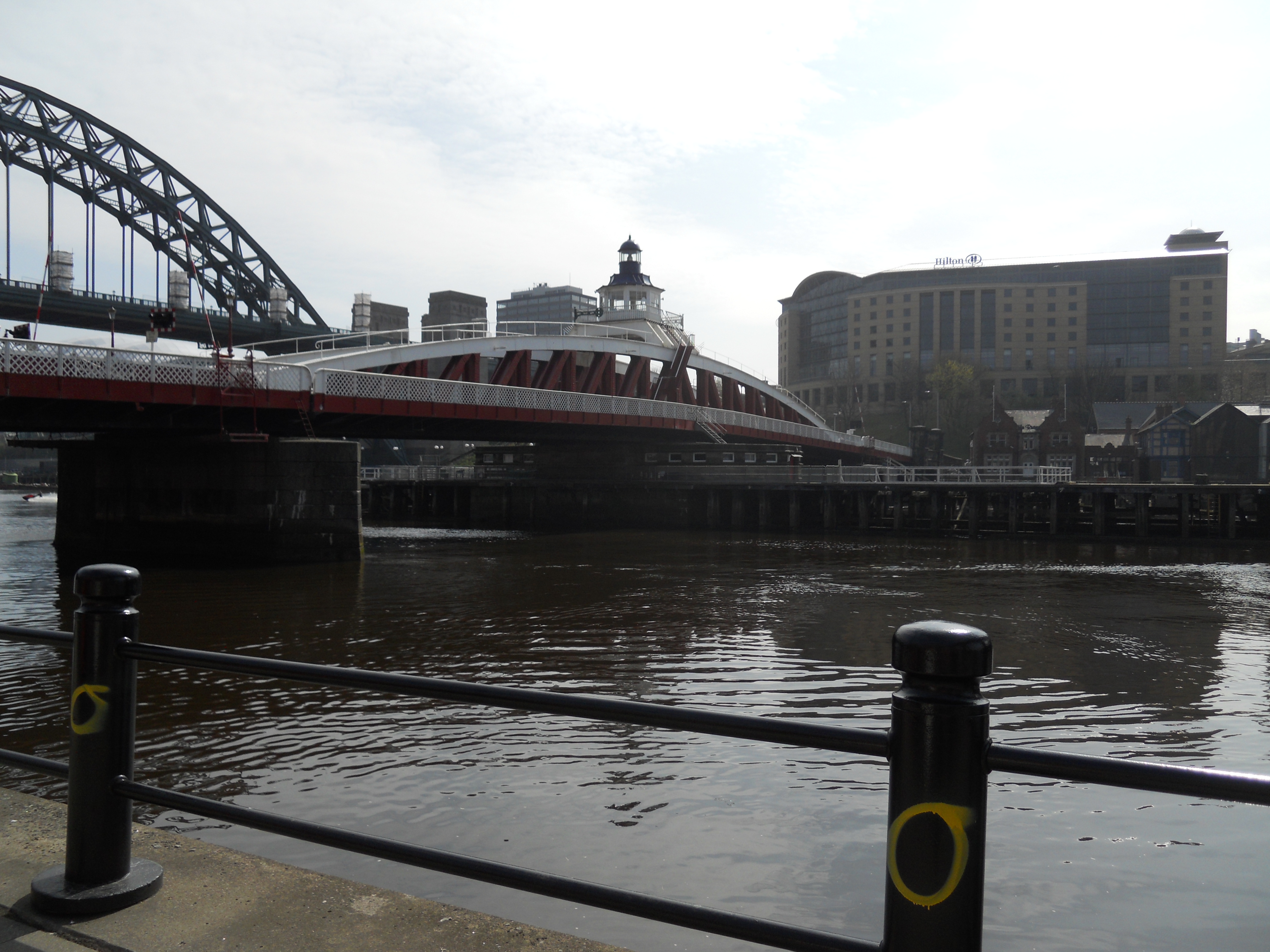
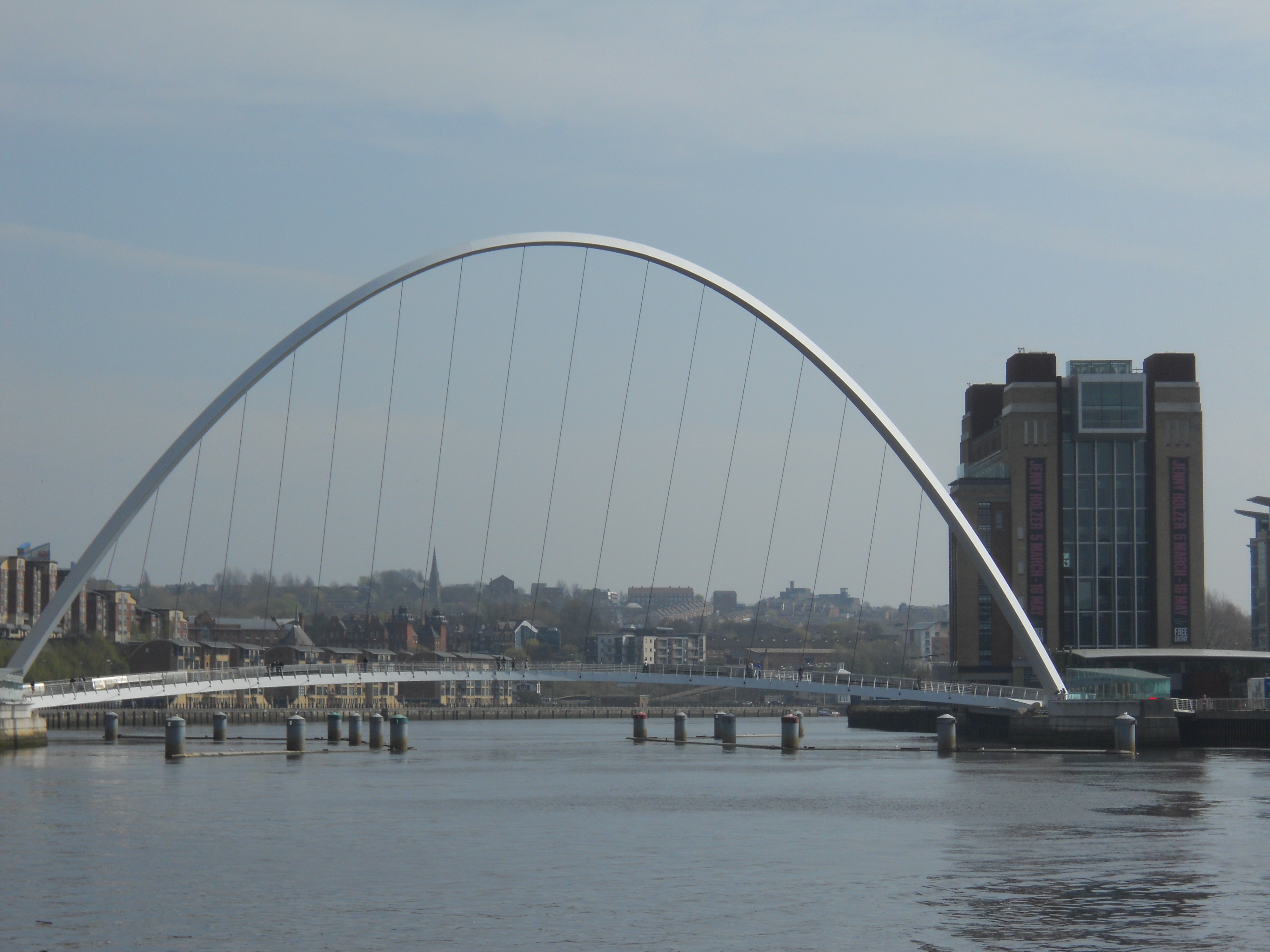
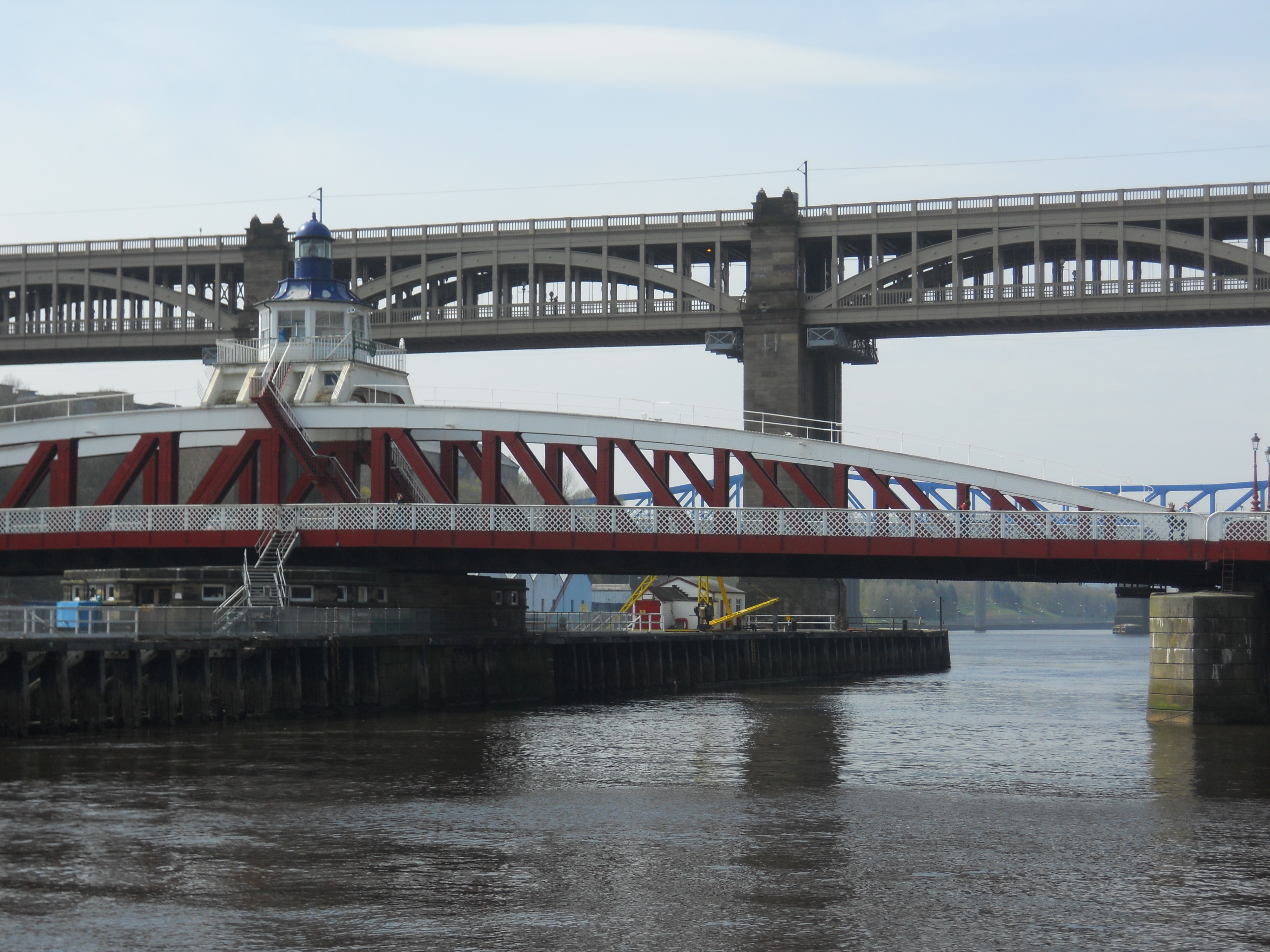

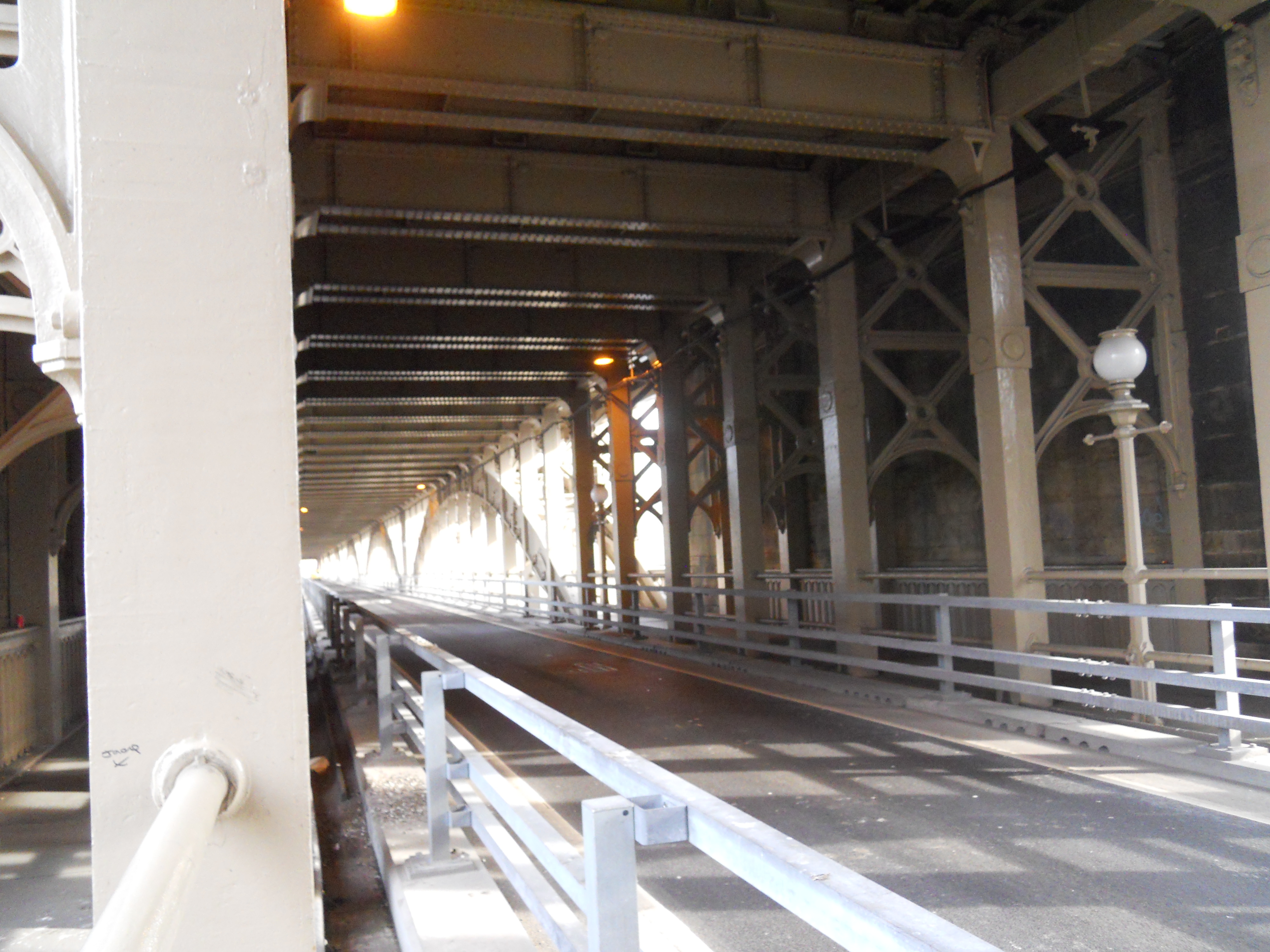
The bridges in order as you go from the mouth of the Tyne upstream or from east to west are as follows.
- The Gateshead Millennium Bridge or the Blinking Eye Bridge was opened in 2001 and is a foot and cycle bridge by the Baltic Centre for Contemporary Art. The bridge opens every day and some of the pictures show this.
- The Tyne Bridge was opened in 1928 and is a classic through arch bridge like the larger and much wider Sydney Harbour Bridge, which was opened four years later. Both bridges were built by Dorman Long in Middlesborough.
- The Swing Bridge was built by Armstrong to allow large warships access to his works on the Tyne.
- The High Level Bridge was designed by Robert Stephenson to allow both road and rail traffic to cross the river. It opened in 1849.
- The Queen Elizabeth II Metro Bridge is a modern bridge opened in 1981 that carries the Tyne and Wear Metro over the river.
- The King Edward VII Bridge, opened in 1906, carries the main East Coast Main Line.
- The Redheugh Bridge carries the A189 over the river. It was opened in 1983.
A lot of these bridges have been designed to allow large ships up the Tyne. Now though, the Gateshead Millennium Bridge has effectively stopped this.
Purists will say why have I called this the Bridges of Newcastle rather than the Tyne Bridges, especially as Newcastle is only on one bank of the River. But most people will know of Newcastle and many will not know the name of the river.
Newcastle Station
Newcastle Station is unusual in that it is built on a curve, but as you’d expect from an area which boasts William Armstrong and Robert Stephenson, it is not a station without a lot of very good ironwork.
When I arrived I couldn’t find a tourist office for a map. However, I did find one later when I asked at the railway information desk.
 The Anonymous Widower