The Train that Won’t Go Quietly!
There are very few engineering projects in the world, that last a long time, as the technology gets replaced. To me some of the best in the UK are :-
The New River – Built in 1613 to supply London with fresh water, It is still used in part for that purpose nearly four centuries later. Will there be a celebration in 2013?
The Thames Embankments and Bazalgette‘s Sewers in London – These transformed the city and also laid down the basic quality control standards for large construction projects. I seem to remember reading that only one person died in the construction of the sewers, which was a major achievement for the ninteenth century.
The Forth Bridge – Probably the best known bridge in the world. Opened in 1890, it still carries nearly 200 trains a day.
The Thames Tunnel – The first tunnel under a navigable river, that now carries the East London Line under the Thames.
St. Pancras Station – The head of SNCF described it as the finest station in the world. I’ll agree with him. It was originally opened in 1868 and a lot of the original design is still intact.
Welwyn Viaduct – An extraordinary structure in Hertfordshire, that still carries the East Coast Main Line over 150 years after it was built.
We may have structures that last for years but actual vehicles that last more than a four decades or so are rare indeed.
The Mersey Ferries have been around for centuries, but the current three boats are all over fifty years old. I remember them with affection from my days at Liverpool University in the mid-1960s.
The London Routemaster bus was launched in 1956 and although most were replaced by 2005, their are still two heritage routes in central London. I rode on one in September.
The Victoria Line in London has two distinctions. It is the oldest fully-automated railway in the world and it still has some trains dating from 1967. I have travelled on some quite recently and they are still in good condition. at 43 years old.
And then there is the Inter-City 125 or High Speed Train. It may not be as venerable as the other three examples, but then they don’t travel at 200 km/hr or 125 mph over routes that measure hundreds rather than tens of miles. It was also designed as a stop-gap design after the failure of British Railways to get the tilting APT to work.
Now over thirty five years since the trains were introduced, they are being refurbished, re-engined and are still in front-line service all over the country.
On my trip north from Edinburgh to Inverness in the cab of HST, 43313, talked about some of the problems with the trains and added to my knowledge.
The old rather smoky diesel engines have now been replaced in many power cars with modern units.
The rather draughty and noisy doors in the cab have now been replaced to make the working environment second-to-none.
But the slam doors of the Mark 3 coaches with their rather quaint traditional windows are a worry.
But that is now being addressed by sound engineering according to Modern Railways.
Who’s to say when we’ll see the last of the HSTs. I wouldn’t be surprised if some are still running in 2030 or even 2040, as they are classic Darwinian train, that evolves to beat every attempt to kill it off.
In the same magazine, it was also announced that one of the HSTs had run from Plymouth to Paddington non-stop in just two hours forty minutes. That is an average speed of 84.375 mph. London to Paris by Eurostar is 307 miles and takes two hours fifteen minutes at an average speed of 136.444 mph.
So Eurostar is quicker, but it runs on a line virtually without curves and it isn’t thirty five years old.
As Modern Railways said, the Plymouth to Paddington run wasn’t bad for a thirty-five year old, British Rail-era diesel train dismissed as obselete by Labour transport ministers almost a decade ago!
I could talk about pots and kettles, but in a way isn’t the HST a superb two-fingered salute to the bunch of NuLabor morons, who almost bankrupted this country, by their idiotic policies?
Is This Platform the Future for Offshore Oil and Gas?
As Deepwater Horizon and Piper Alpha have shown, trying to get offshore oil and gas wells working properly can be a hazardous business.
I was converted to the idea and the economics of reuseable platforms many years ago, when I did the calculations for Balaena Structures in Cambridge.
A few days ago I was watching BBC Breakfast, when they had an item about F3-FA, which is a reuseable gas platform. It may have cost £200million, but it is intended to drain up to four or five smaller gas fields during ts working life.
The article says this about the costs of the design.
“Most platforms are permanently installed on the seabed, they are used for a number of years, after which they are decommissioned and brought back onshore,” he says.
“This platform is self-installing, which means it comes out on a barge, you put the legs down to the sea bed, you exploit the oil and gas out of the field and when the field is finished you do it in reverse and take it to the next field.
Just seven or eight people are needed to run the 9,000-tonnes facility“And you do that three or four times, thus reducing the cost.”
Note that statement about the platform needing a small crew. It must surely have safety and accommodation implications as well as cost.
Incidentally, it is very different to the Balaena I worked on. One day, I’ll put the details of that on this blog.
The Two Forth Bridges
You shouldn’t go to Edinburgh on a trip like mine, that is looking at the engineering that has shaped this country, without going to see the two Forth bridges.
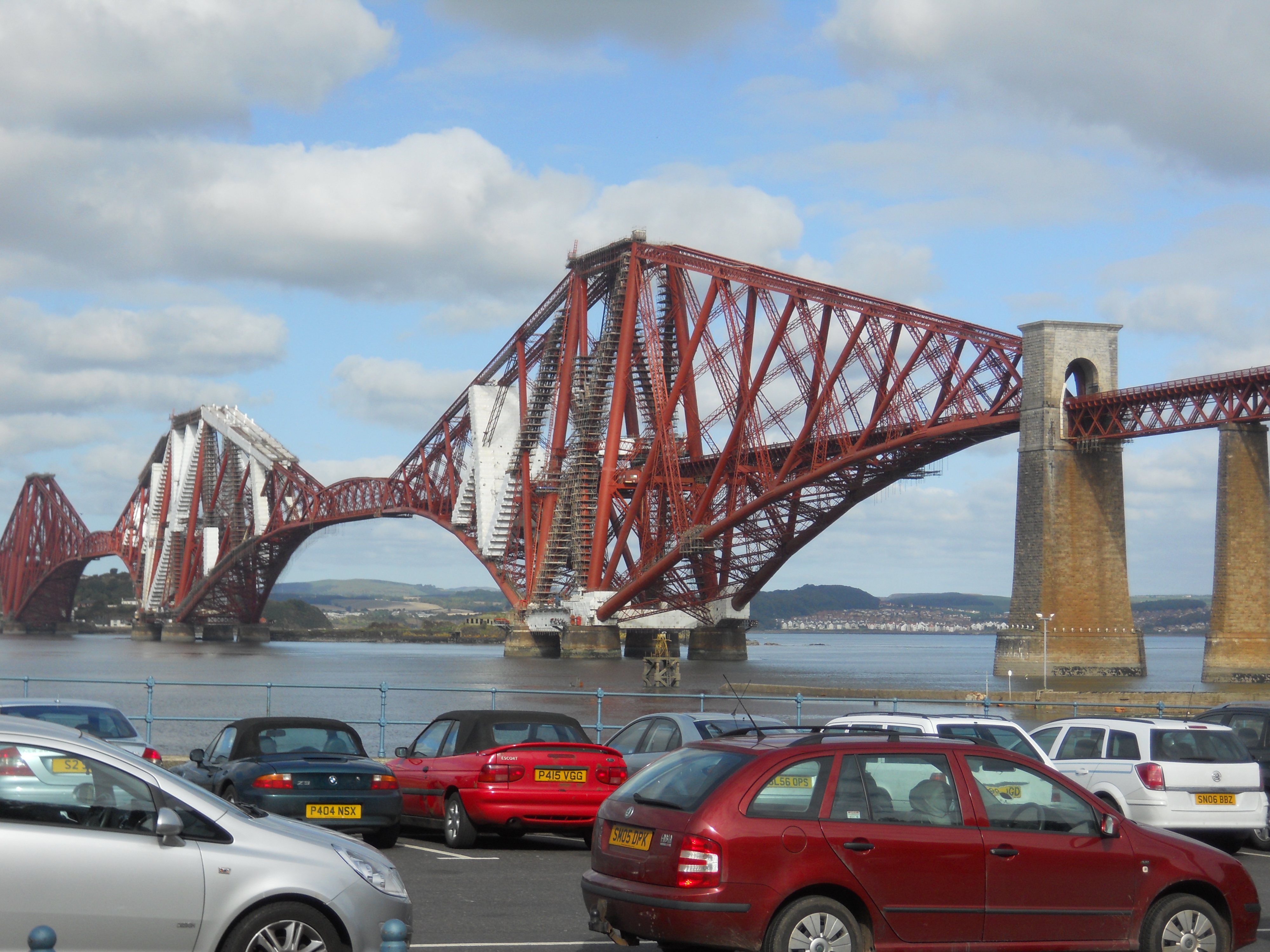
The Forth Rail Bridge
The rail bridge is probably the most recogniseable bridge in the world and despite being 120 years old it still carries upwards of ten trains per hour. Incidentally, as modern trains are lighter than steam ones, it is probably under less stress now than it was in the past. It’s been under less stree too in recent years as coal trains no longer use the bridge.
I do wonder that if can see this bridge in twenty years, whether the trains going across the top will be electric!
I’ve actually never been across the rail bridge and it’s been many years since I travelled across the road bridge. I think it was with my hosat in Edinburgh and my late wife, when we went to St. Andrews.
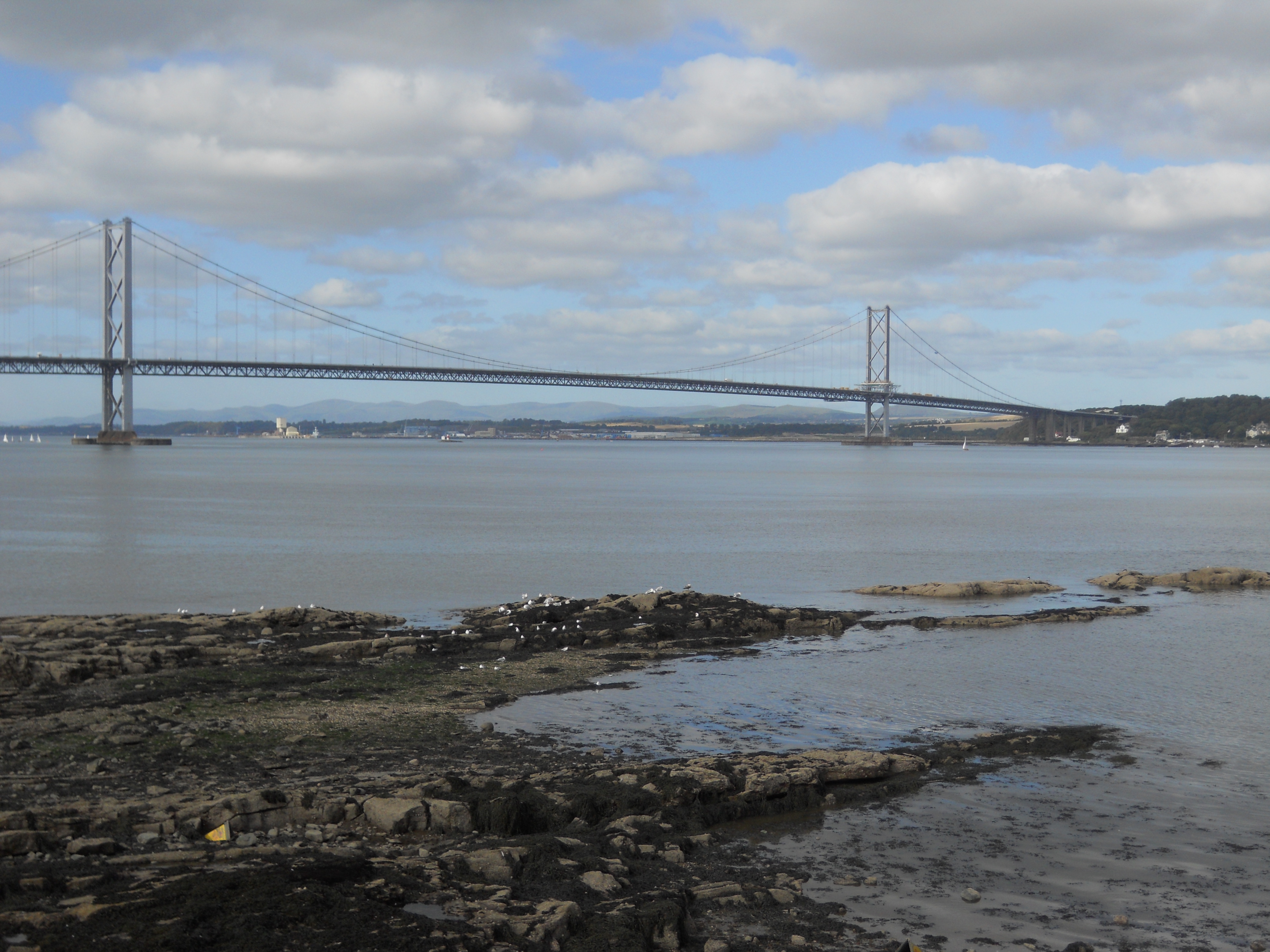
The Forth Road Bridge
It is rather ironic, that if I could return to this spot in 2100, it would be more likely that the older rail bridge would still be carrying traffic, whereas, it would appear that the road bridge will have to be closed by 2020.
So much for modern engineering!
Open Door in Edinburgh
Sunday was Open Door in Edinburgh, which is Scotland’s version of Open House, where historic buildings that are not normally opened, can be viewed by the general public. It is a good idea.
The list for Edinburgh was perhaps what you’d expect from Scotland’s capital, but for me, there wasn’t enough on the industrial and engineering side.
My host and I did have a good walk on Calton Hill with its views all over the city.
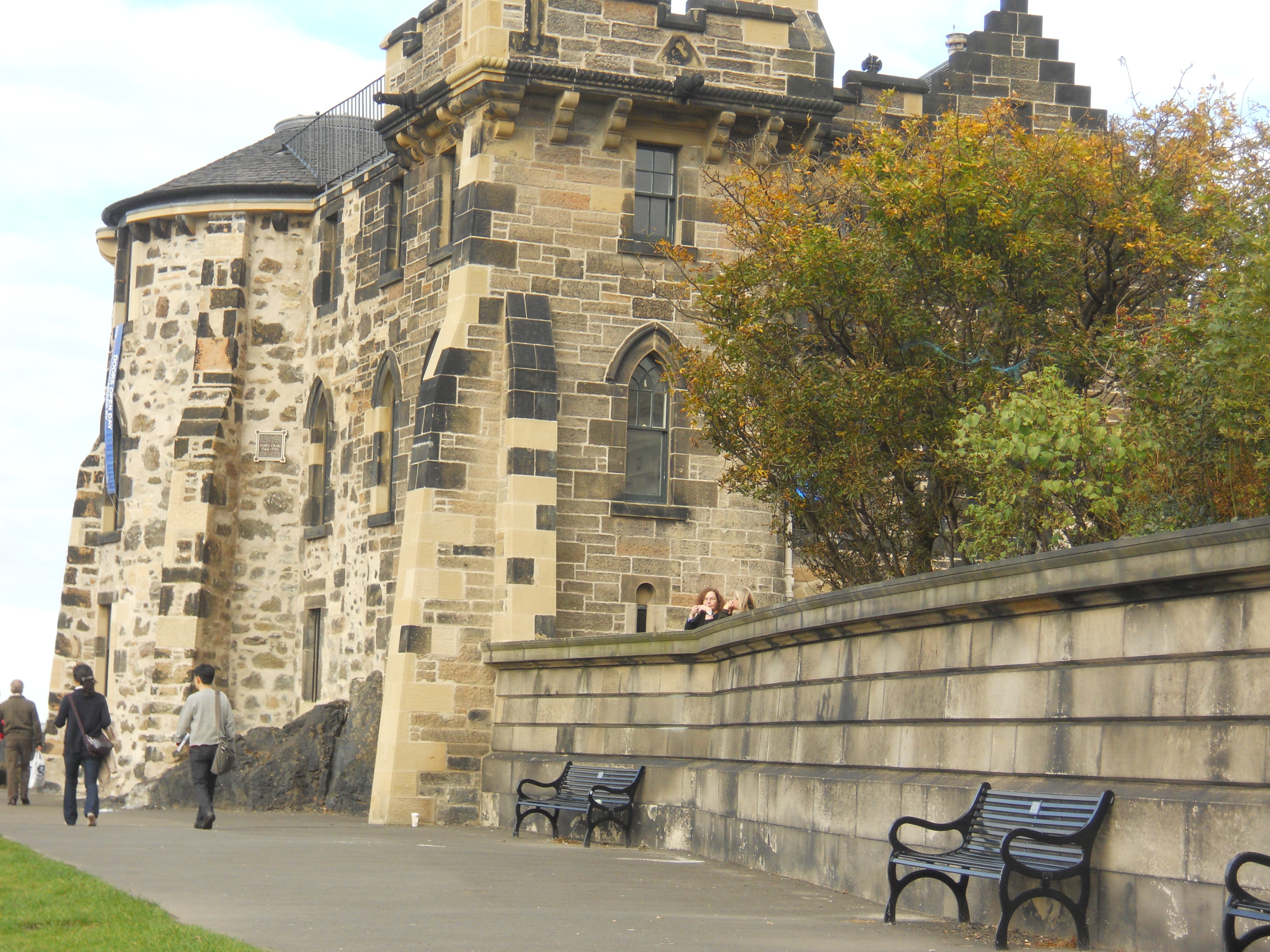
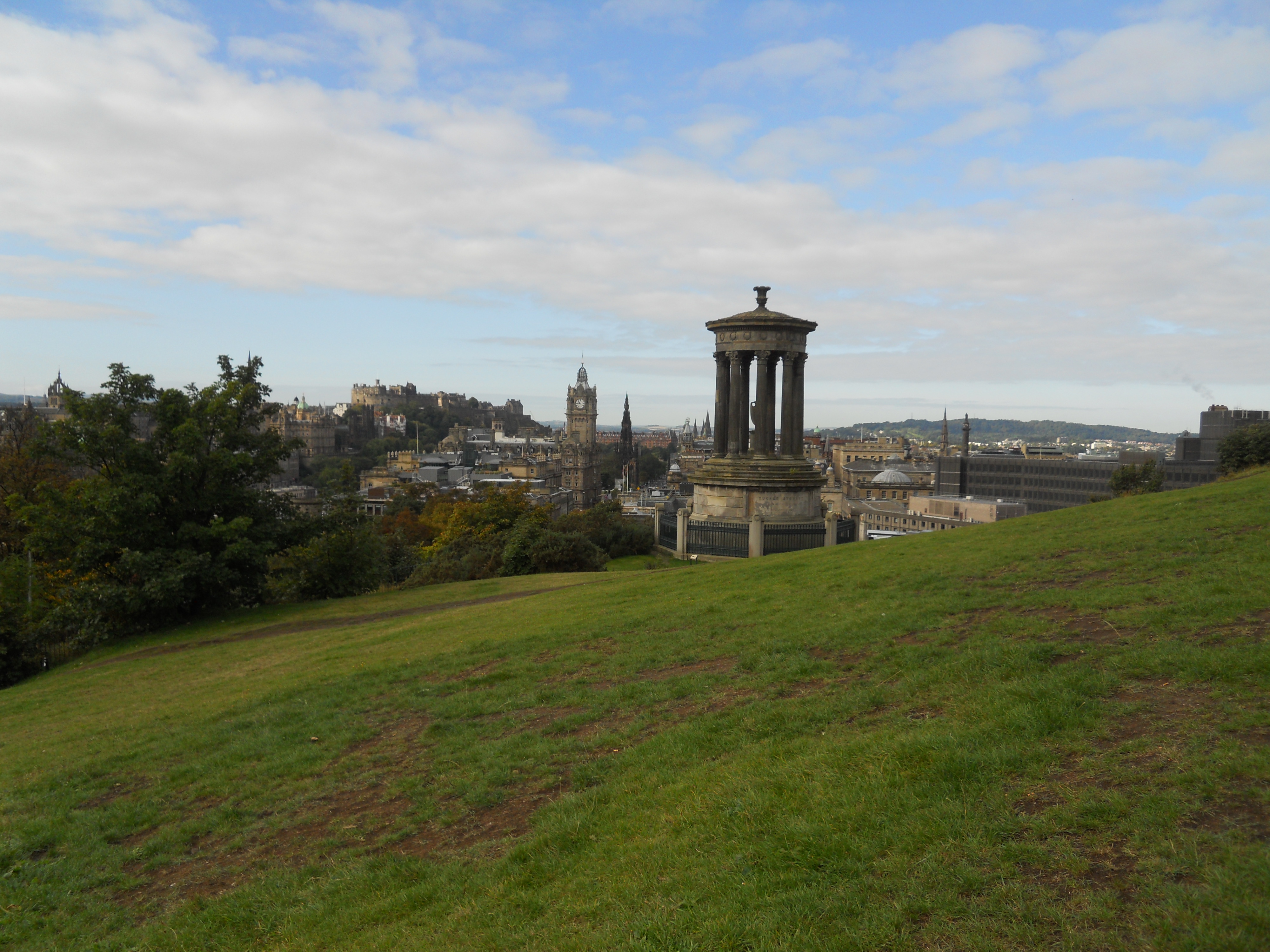
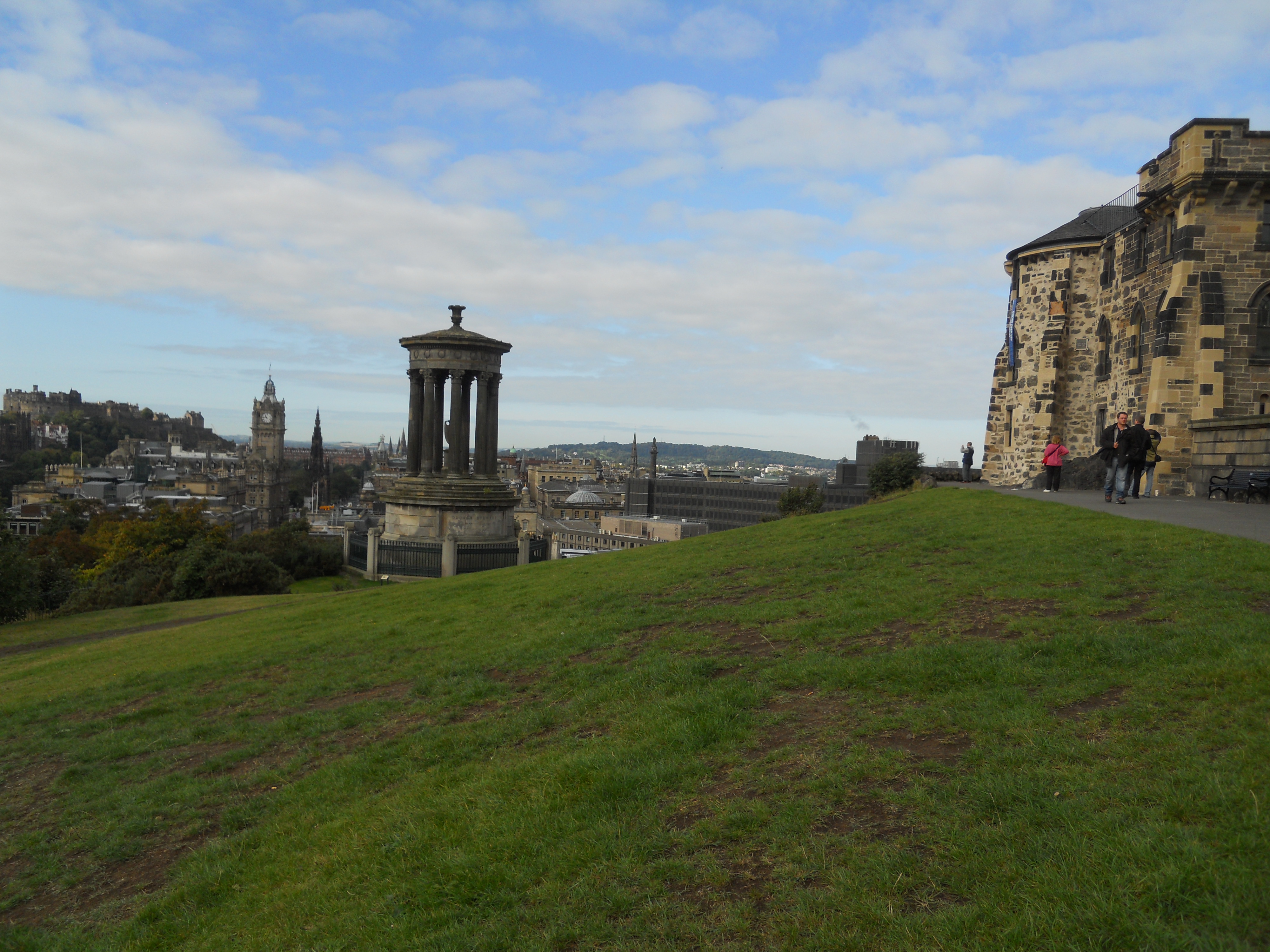
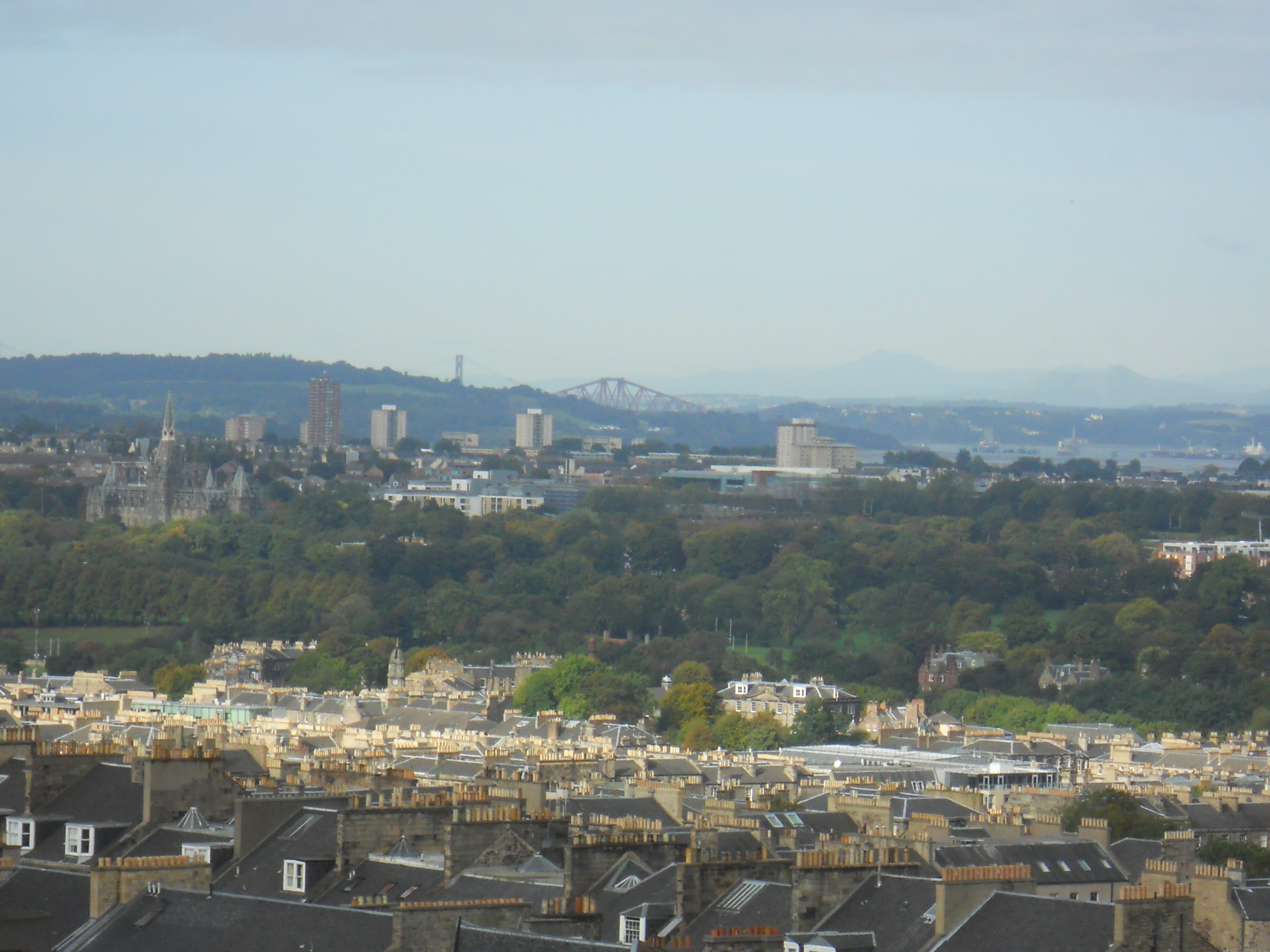
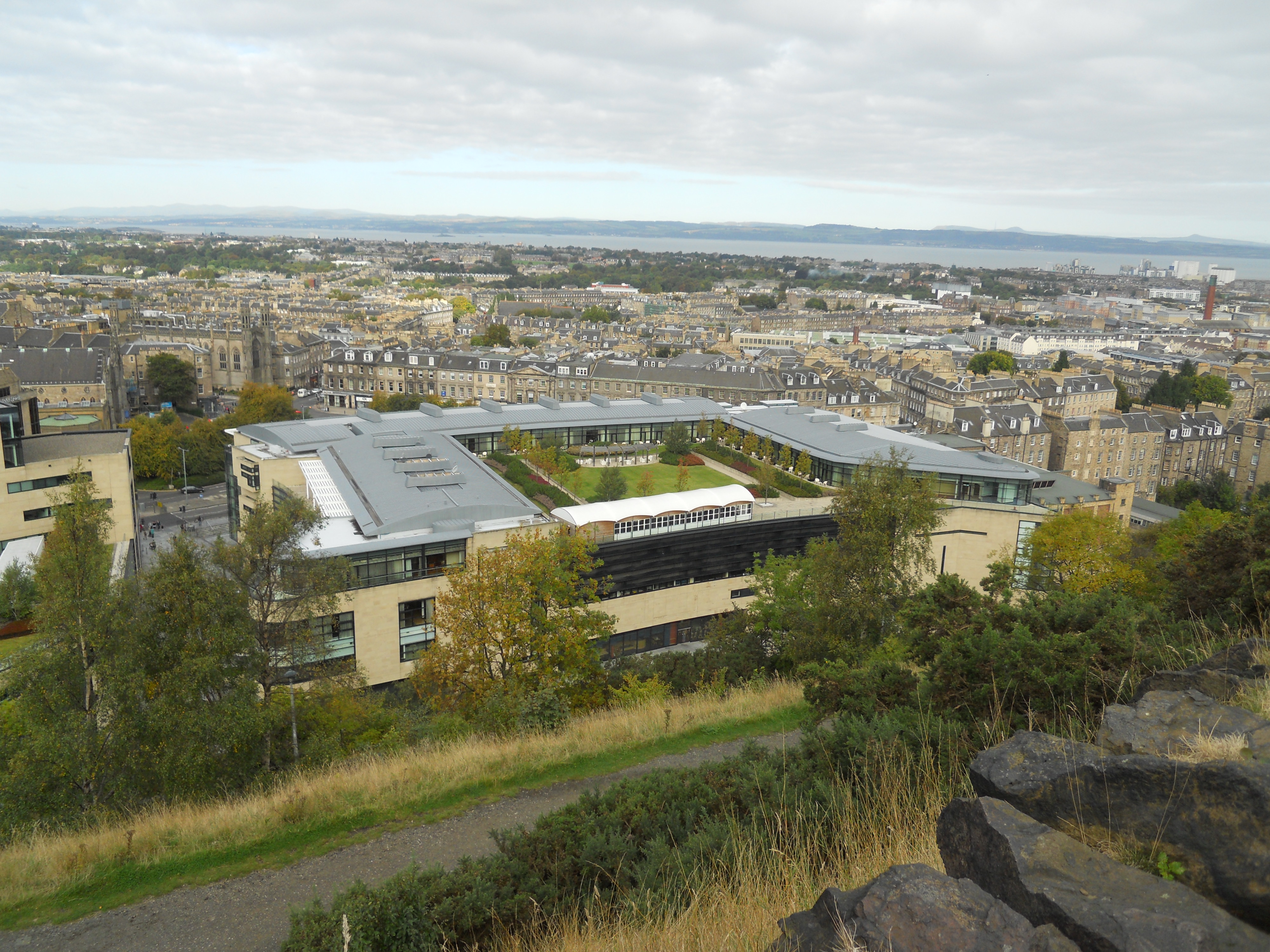
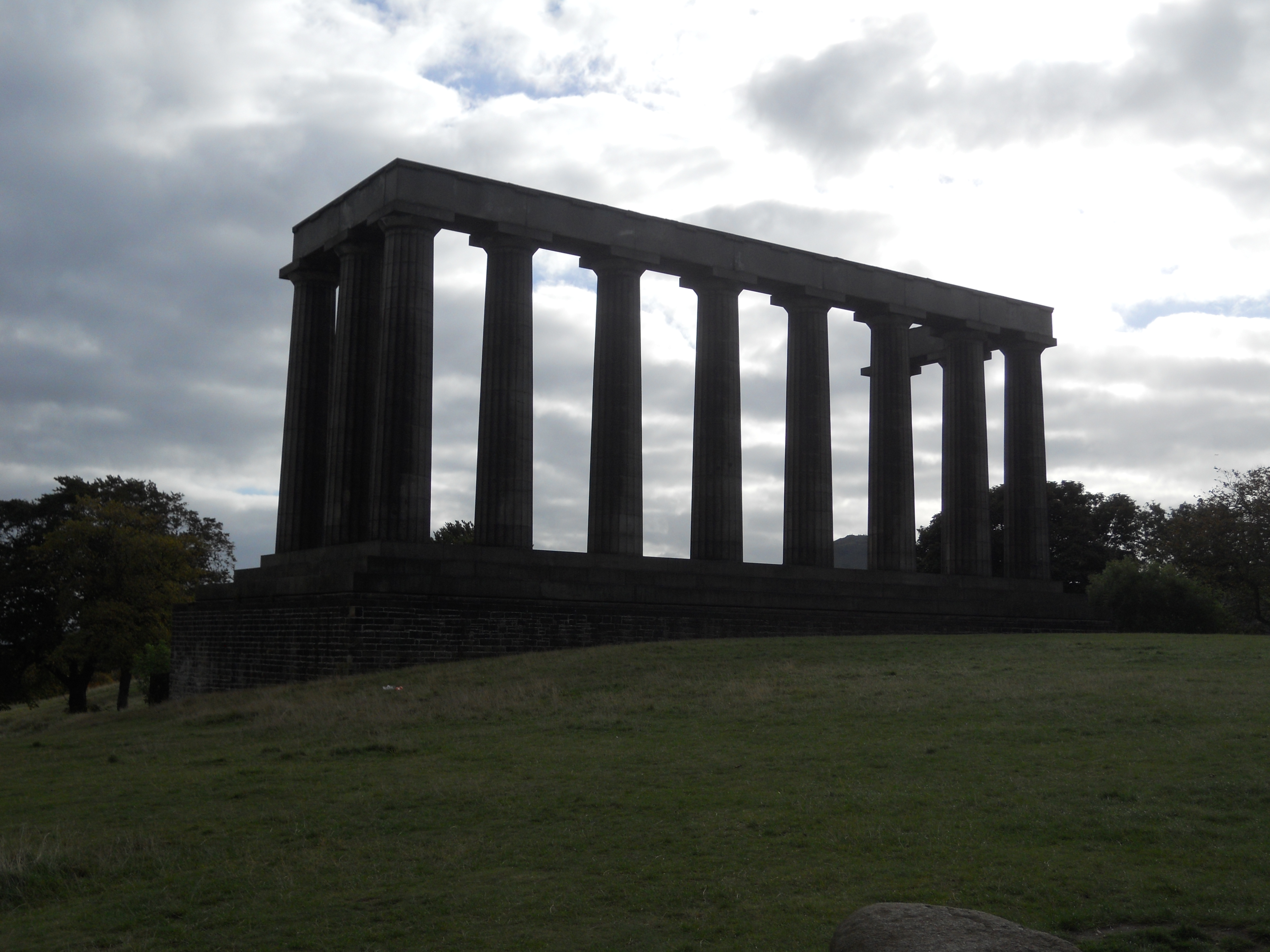


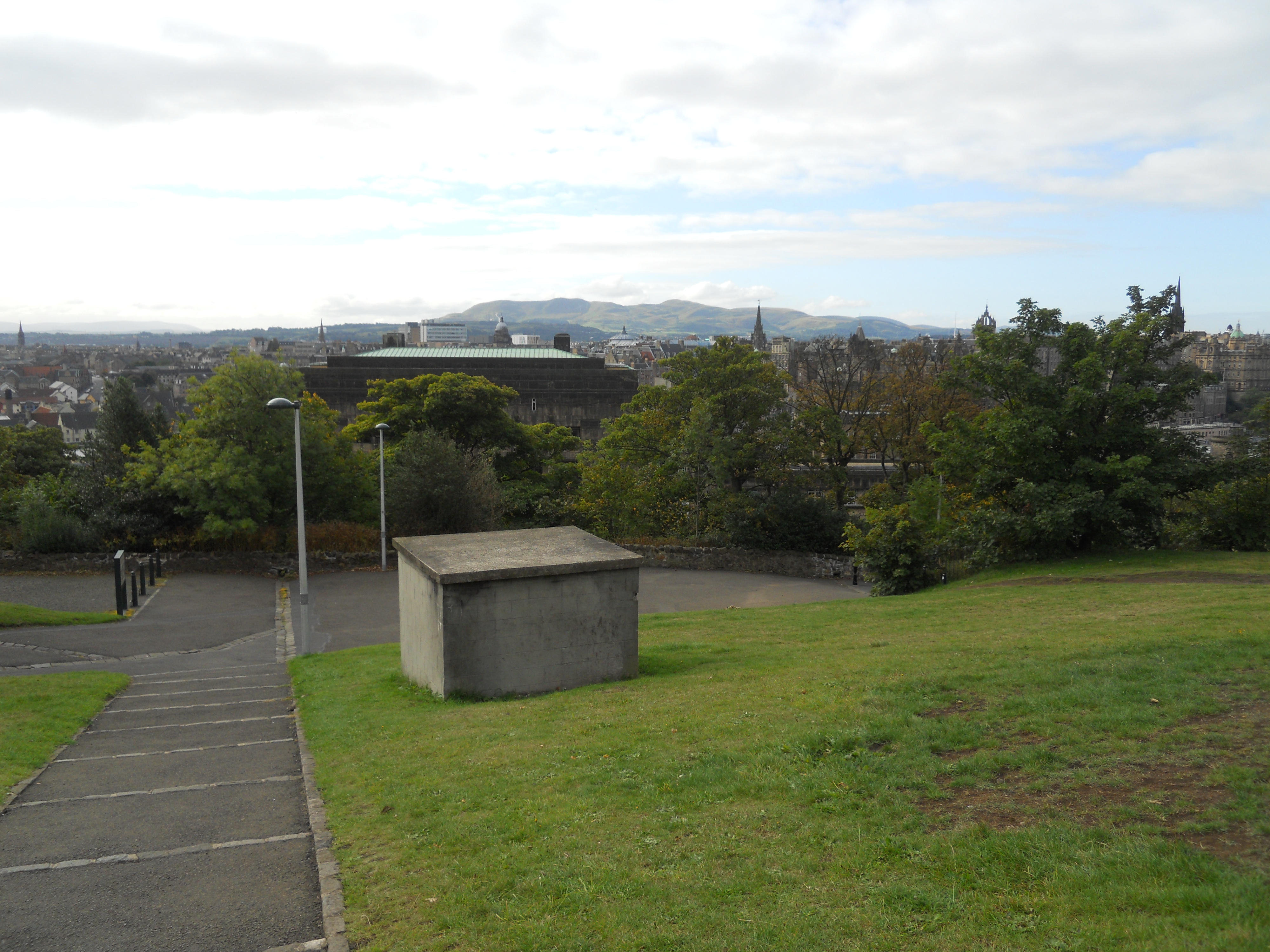
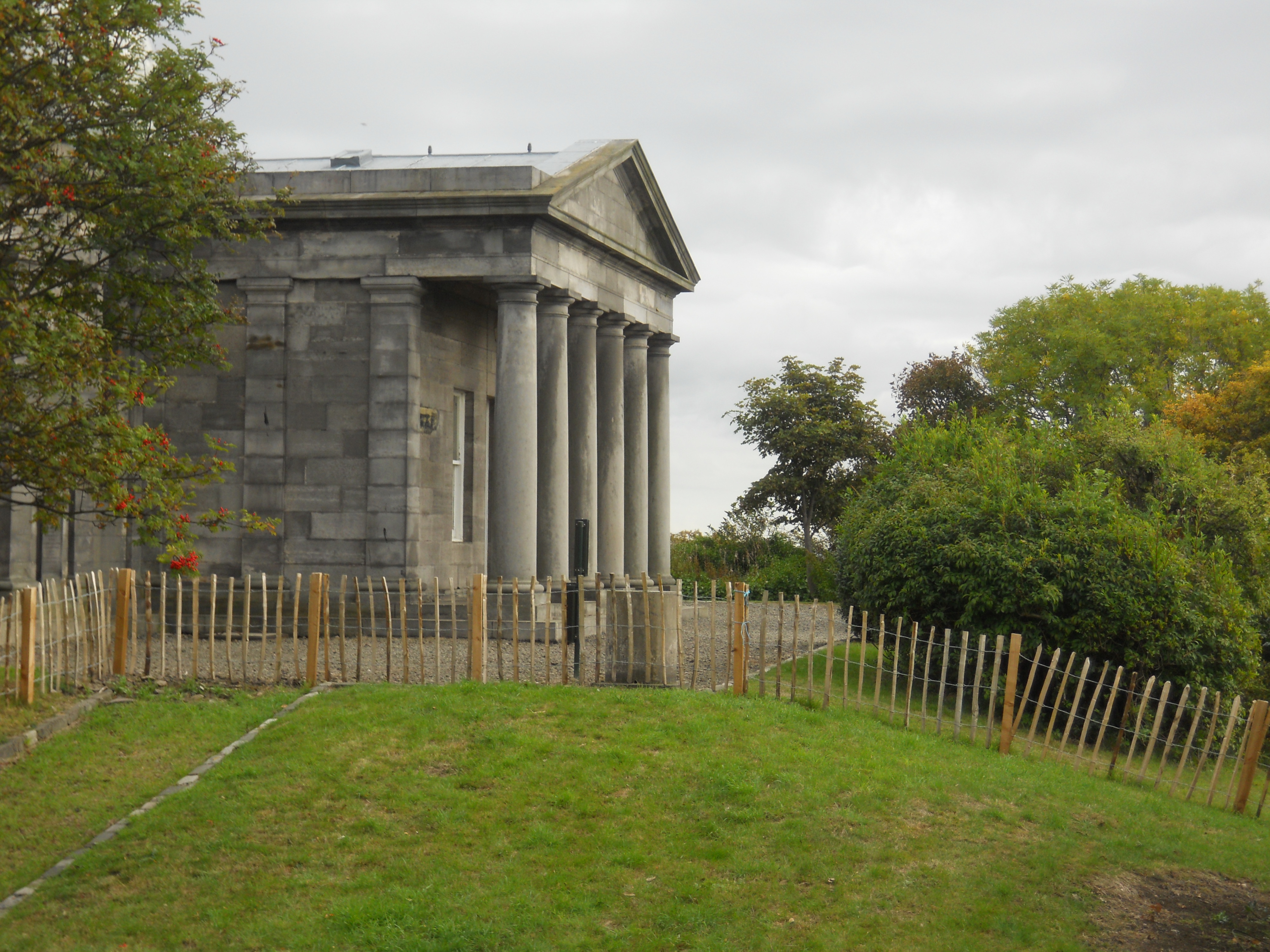
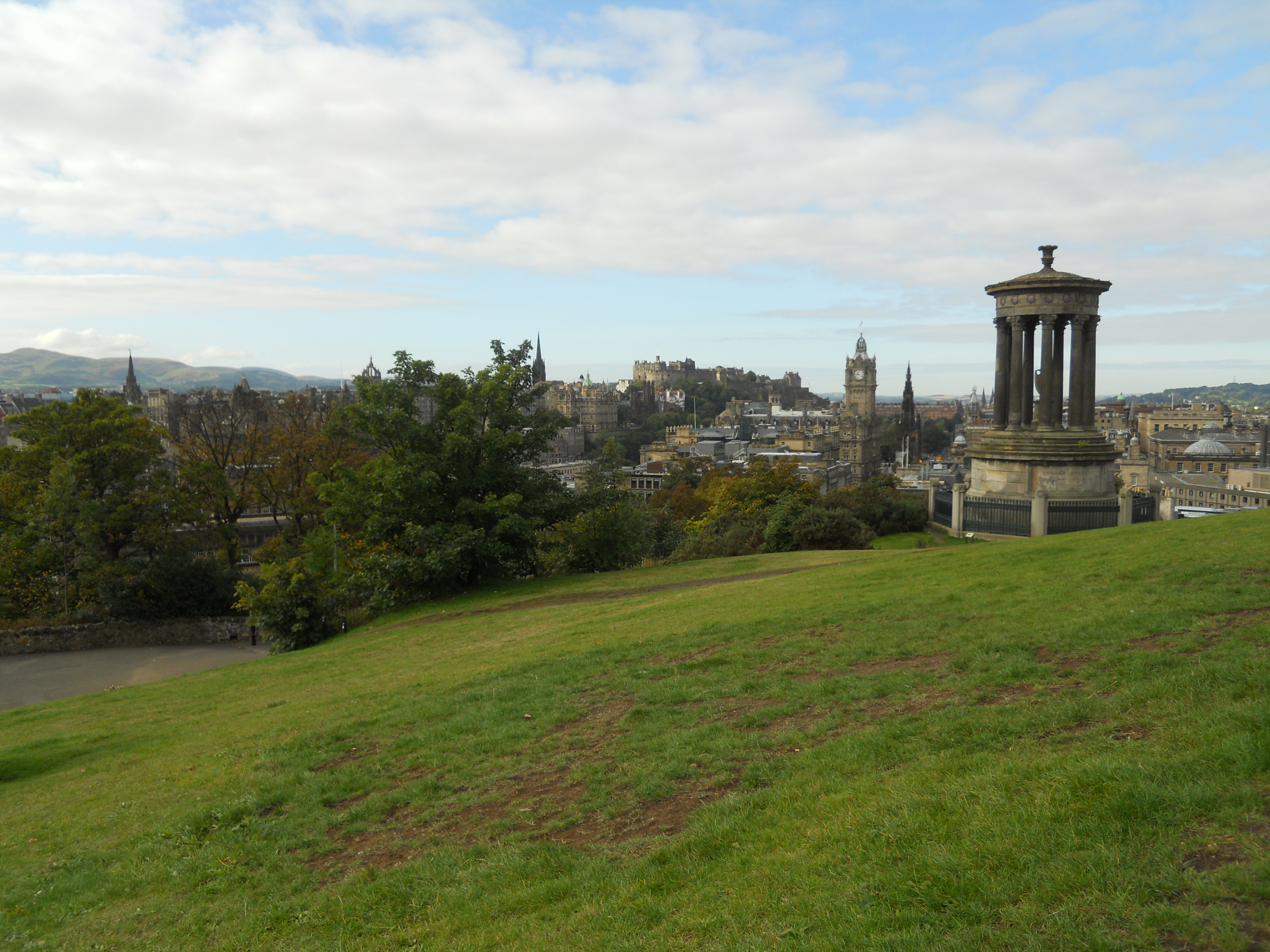
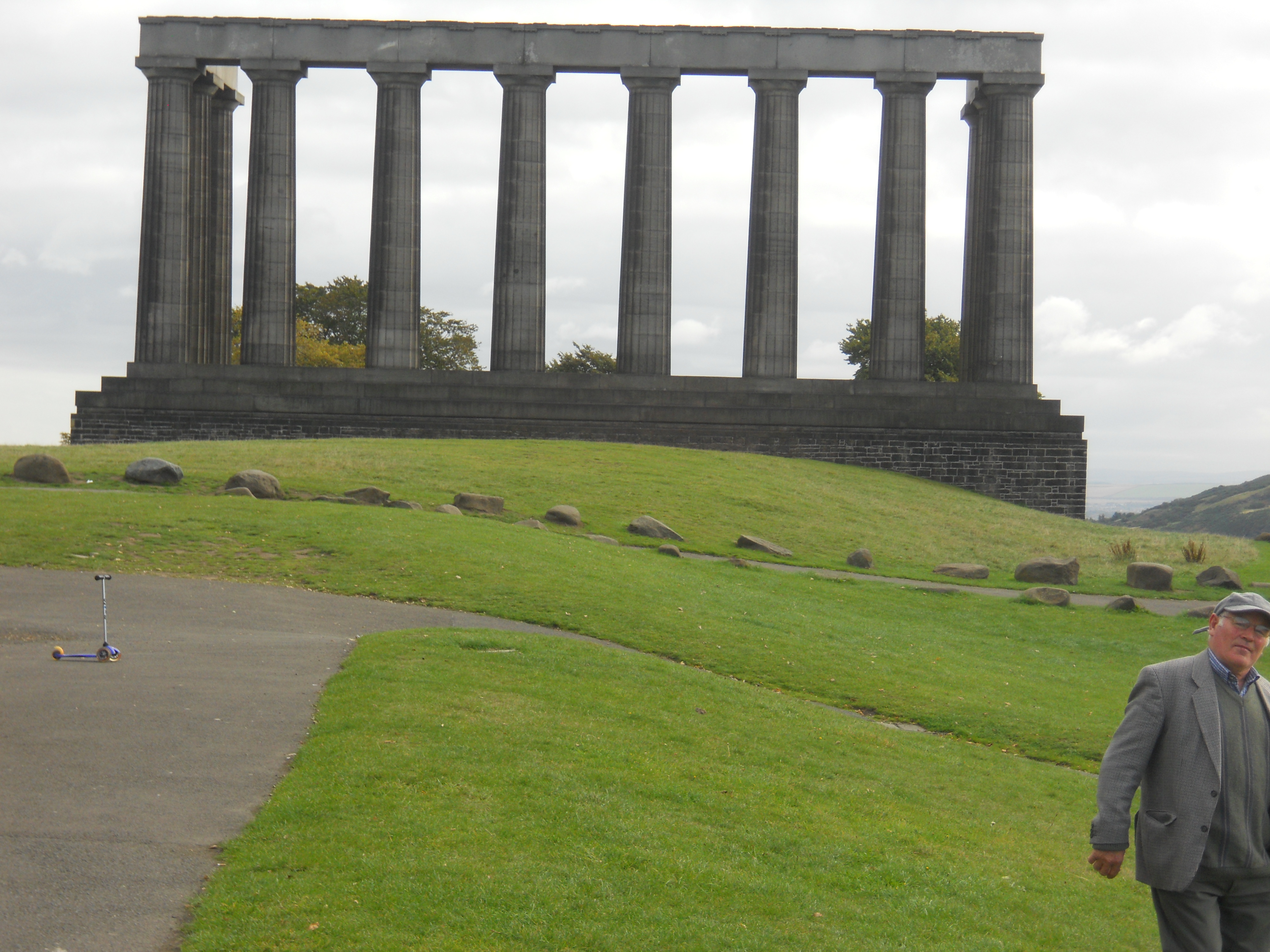
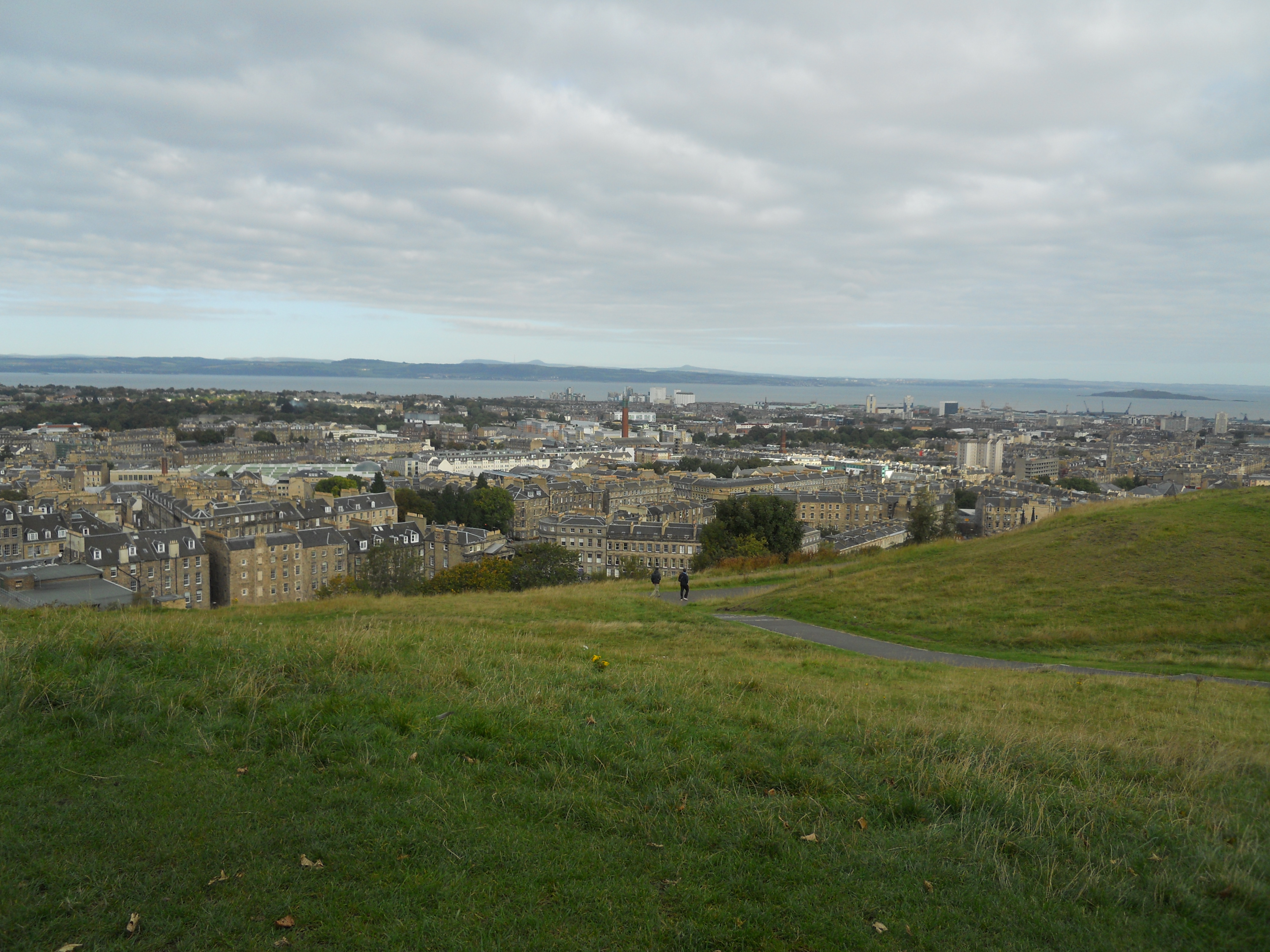
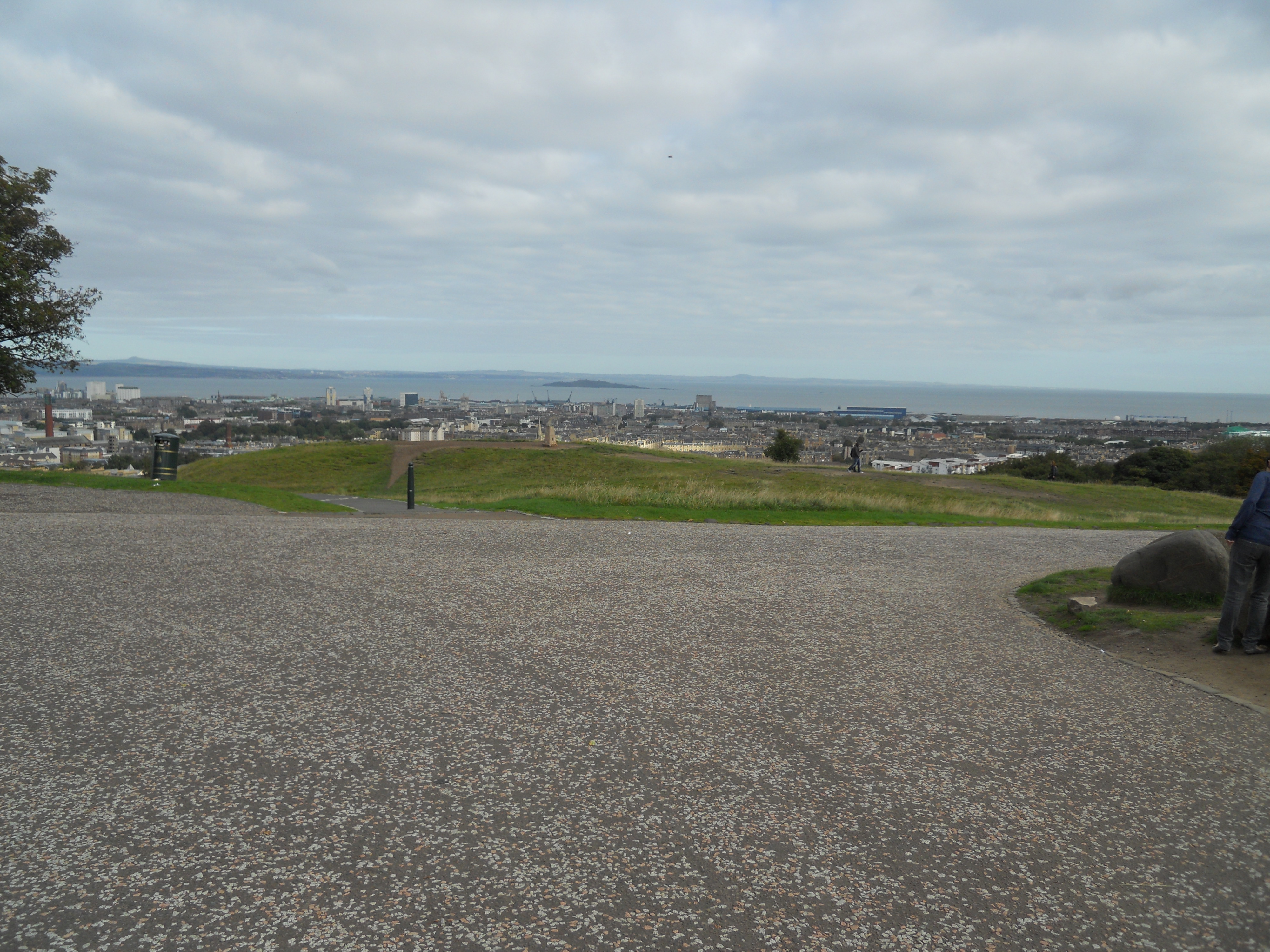
In the gallery you can see the National Monument. This is said about it in Wikipedia.
Particularly due to the use of high-quality materials, the project ended in 1829 with funds running out. Local legend suggests that the city of Glasgow apparently offered to cover the costs but Edinburgh was too proud to accept the other city’s charity. As a result, the monument is often given the nickname Edinburgh’s Disgrace or Edinburgh’s Folly.
Edinburgh and Glasgow are just like North and South London or on a national scale, Australia and New Zealand.
Thorne, Althorpe and Flixborough
One of the places the train stopped was Thorne.
I can remember driving through it on a dark and wet night sometime in about 1970, when it was one of the poorest areas in the UK. C, myself and our eldest son, who was just a baby at the time had been to visit C’s friend from Liverpool University, Sandra Briton and her husband Keith at Gliberdyke.
It still looked pretty bleak from the train, as the wind blew across the flat lands of North Lincolnshire.
It’s not a place I should have ever wanted to live.
Althorpe was another place passed by the train and we used to have friends who lived near there under the shadow of the River Trent. C could remember being woken up by a boat on the river virtually passing by the room where she was sleeping.
Our friends used to tell a story how tourists used to turn up looking for the last resting place of Princess Diana. But of course they had got the spelling wrong. I hope it’s improved with Sat-Navs or do they send those Dianaphiles to the wilds of North Lincolnshire?
But I couldn’t go to this part of the country, without thinking about the Flixborough disaster. I’ve worked on lots of chemical plants and know how dangerous they can be. And the disaster at Flixborough, proved my fears, when 28 people died and many were injured in June 1974.
According to Wikipedia, the cause of the explosion my well have been a badly-designed bypass pipe that wasn’t properly tested. I also heard a contributing factor from an engineer at ICI, was that the design of the plant had been metric as it was a Dutch design and it had been converted to Imperial when it was built in the UK. This had meant that the pipe that broke was the wrong size to withstand the pressure. Wikipedia says this.
The official inquiry into the accident determined that the bypass pipe had failed because of unforeseen lateral stresses in the pipe during a pressure surge. The bypass had been designed by engineers who were not experienced in high-pressure pipework, no plans or calculations had been produced, the pipe was not pressure-tested, and was mounted on temporary scaffolding poles that allowed the pipe to twist under pressure. The by-pass pipe was a smaller diameter (20″) than the reactor flanges (24″) and in order to align the flanges, short sections of steel bellows were added at each end of the by-pass – under pressure such bellows tend to squirm or twist.
I don’t know what the truth was and probably we’ll never find out, but in my view to mix measurement systems in anything as dangerous as a chemical plant is asking for trouble. It should be noted that ICI went fully metric in chemical plant design sometime in the 1950s. I seem to remember hearing somewhere that safety was one of the reasons.
The fact that we still commonly use Imperial measures is an absolute disgrace.
The Brunel Museum
The Brunel Museum is just a short walk from Rotherhithe on the East London Line and is well-signposted from there.
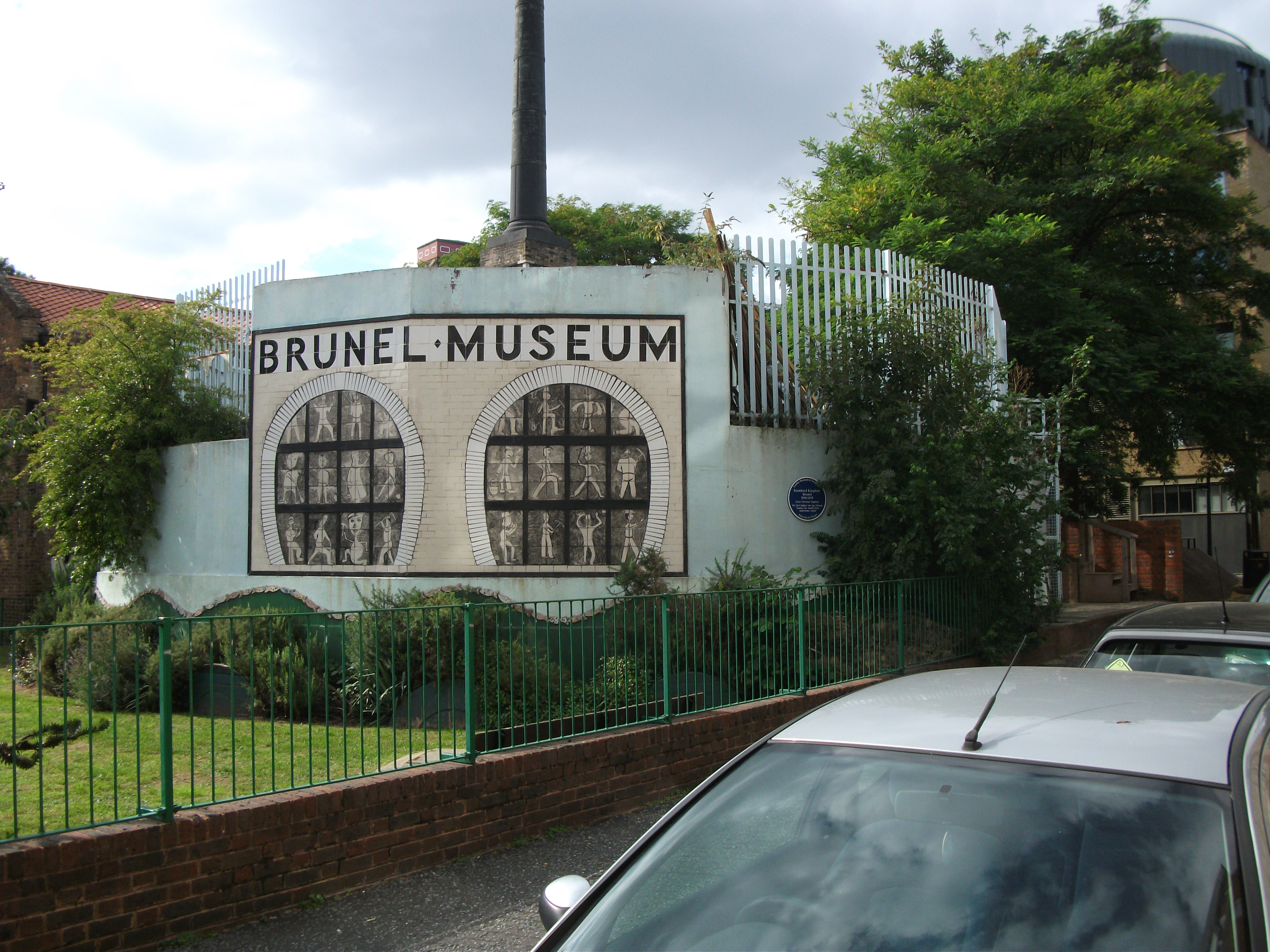
The Brunel Museum
It is a small museum with some good displays about Isambard Brunel and his often forgotten father, Marc. It is well worth the entrance fee of £2.
One of my most favourite books is the biography of Isambard Kingdom Brunel
The Car of the Future?
Gordon Murray is one of the most innovative car designers of the past few decades, famous for racing and sports cars. So what do you get if he turns his mind to designing a car for everyone?
You get this!
It just goes to show what happens, when you throw convention out of the window, and think about what people really what. Whether they can be convinced they need it, is another matter! But give people good design and they usually like it!
But as Ralph Waldo Emerson said, “Build a better mousetrap and the world will beat a path to your door!”
Boxing Clever
Boxing Clever is the title of two articles in September’s edition of Modern Railways magazine. They detail the works being done to upgrade the major freight lines of Felixstowe to Nuneaton and Southampton to Birmingham, so that they can take the larger 9 ft 6 in high containers (boxes) from the ports to and from industrial centres. In times of austerity and climate change, it is interesting to see how these projects which will cut out hundreds of thousands of lorry journeys are being carried out and managed using some very innovative solutions. So much so,m that it appears that the second project might be £10m under its £70.7m budget.
It is an example of very good project management and shows how by spending money wisely to remove freight bottle-necks is to the good of us all. You could argue for instance that Felixstowe to Nuneaton enhancement might be the equivalent of adding extra capacity to the A14, which is a road, that really can’t be widened too easily, as the Orwell bridge was only built for two lanes each way.
I particularly liked the way that the 1847 Southampton Tunnel was made larger. Rather than use the traditional approach and closing the tunnel for two to three months, as they did when they upgraded Ipswich Tunnel, they did it a track at a time closing for only three weekends and over Christmas 2009, saving a year on the project.
It is my belief that we can save a lot of money on infrastructure projects, like roads, railways, hospitals ands schools by thinking things through with a great deal more innovation, enterprise and by borrowing good and proven ideas and methods from other countries and industries.
New Readers
I was given a write-up in the Ipswich Town program today and some people who visit, may have been directed from the program.
Don’t take anything I say too seriously, as underneath it all I try to amuse and inform. Remember too, I have other interests outside Ipswich Town, like art, architecture, engineering and trains. I also feel that one of the ways we’re going to get this country out of the mess it’s in, is by appreciating what we’ve got here in these Isles and enjoying it. Who would have thought that a visit to Middlesbrough or Crewe could be so enjoyable. But they genuinely were and I shall be visiting other places in the next few months, that might be equally unpromising. Hopefully, they’ll be equally enjoyable, even if Town don’t win or the trip has nothing to do with football.
The next trips will be Portsmouth and Scunthorpe.
Feel free to post comments. I reserve the right to remove those that are not constructive!
Chester’s Hydro-Electric Power Station
Ever since I first went to Chester and saw it on the Dee, I’ve always wondered about the hydro-electric power station by the bridge.
As you can see from these pictures it is not in use to gnerate power anymore,m but there is still the weir to funnel water through the sluices and turbines.
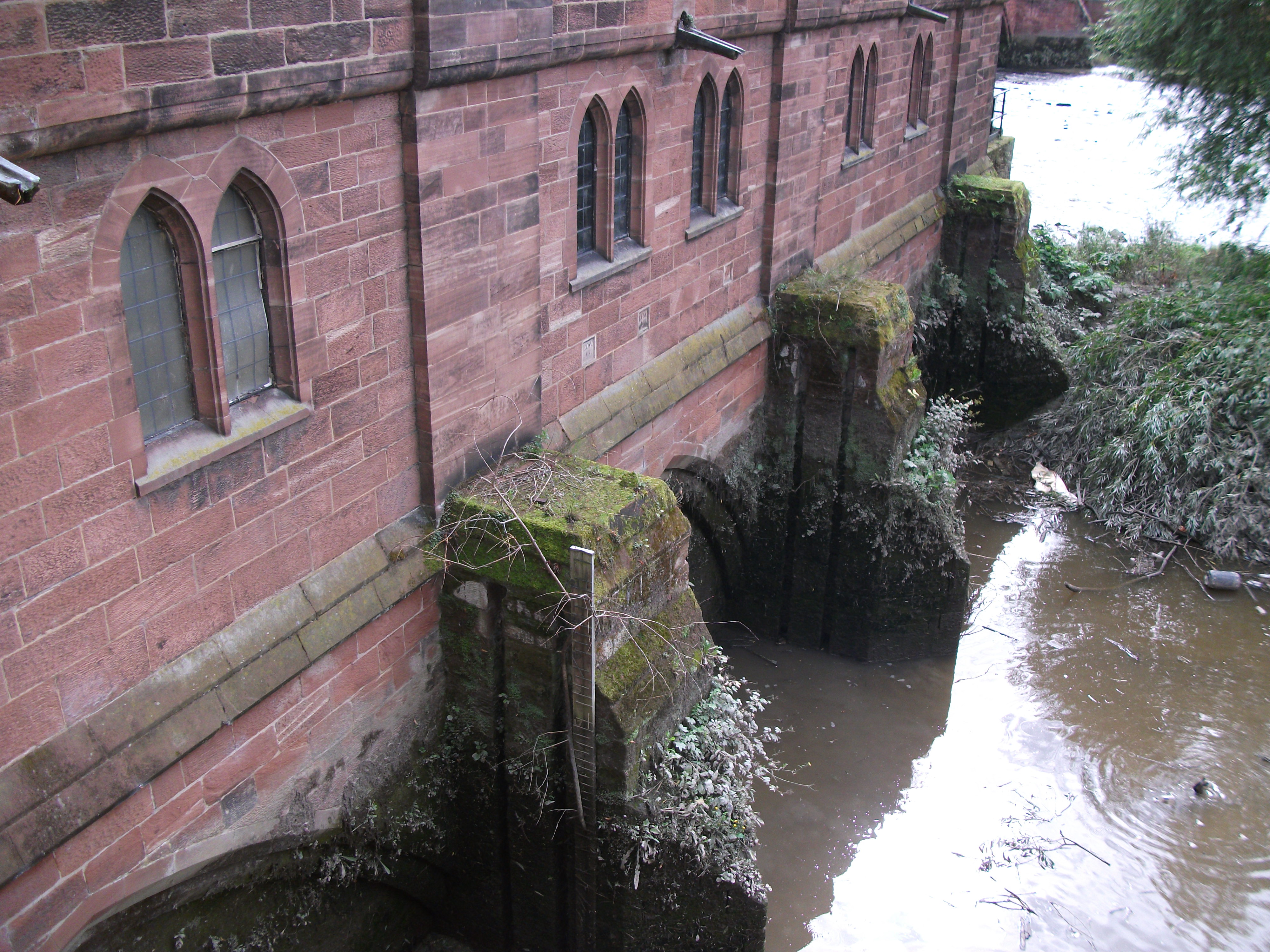
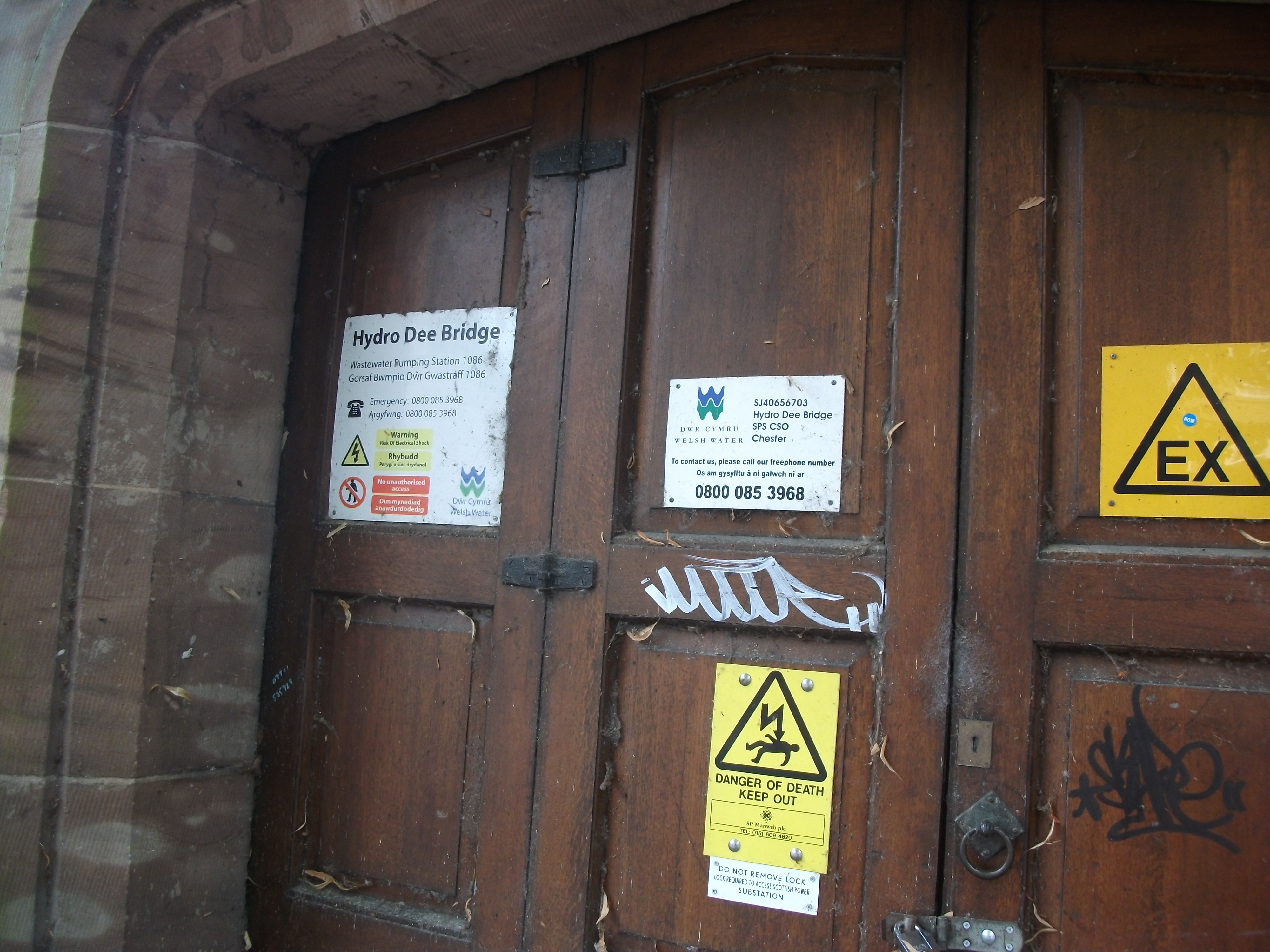
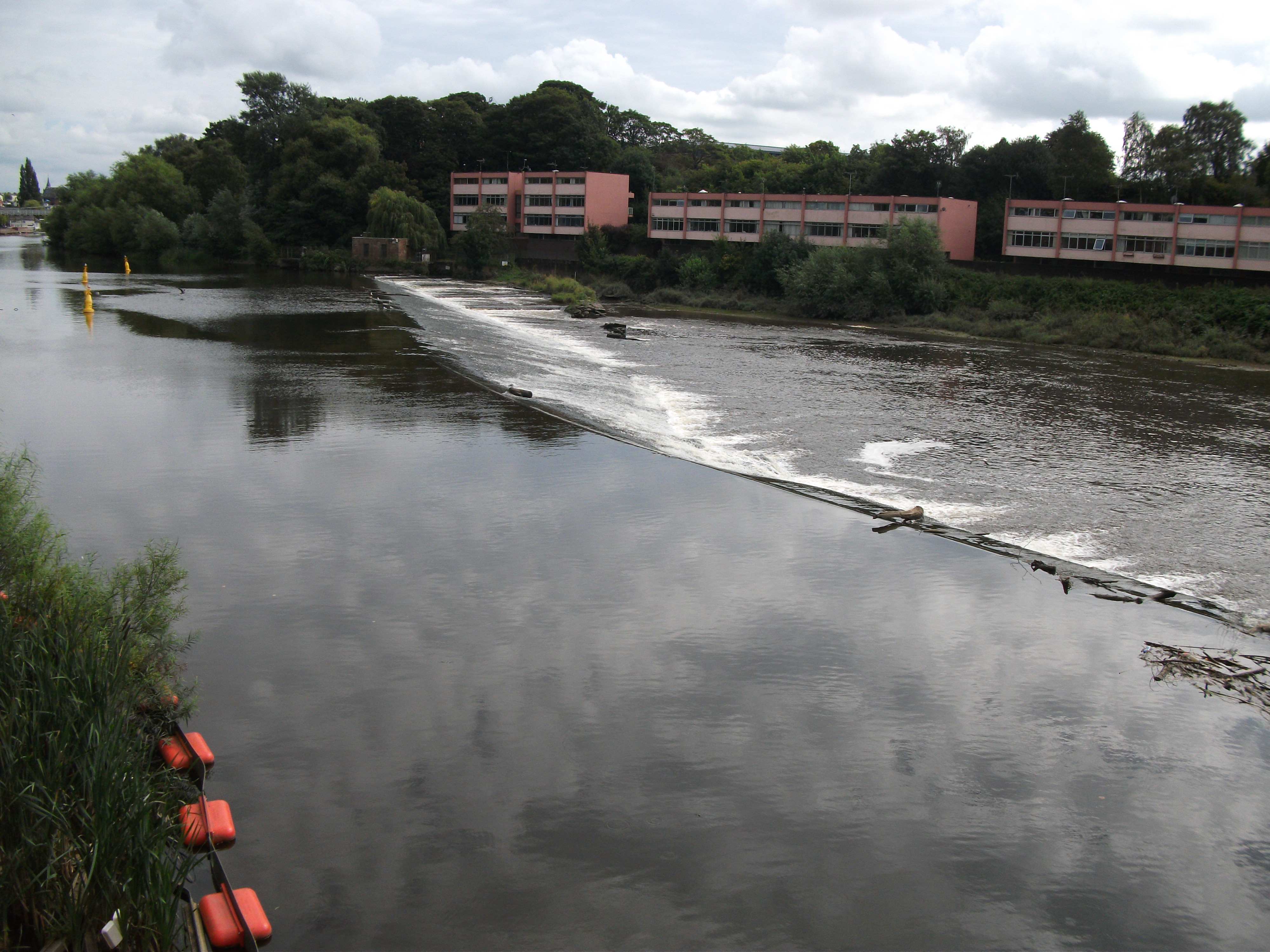
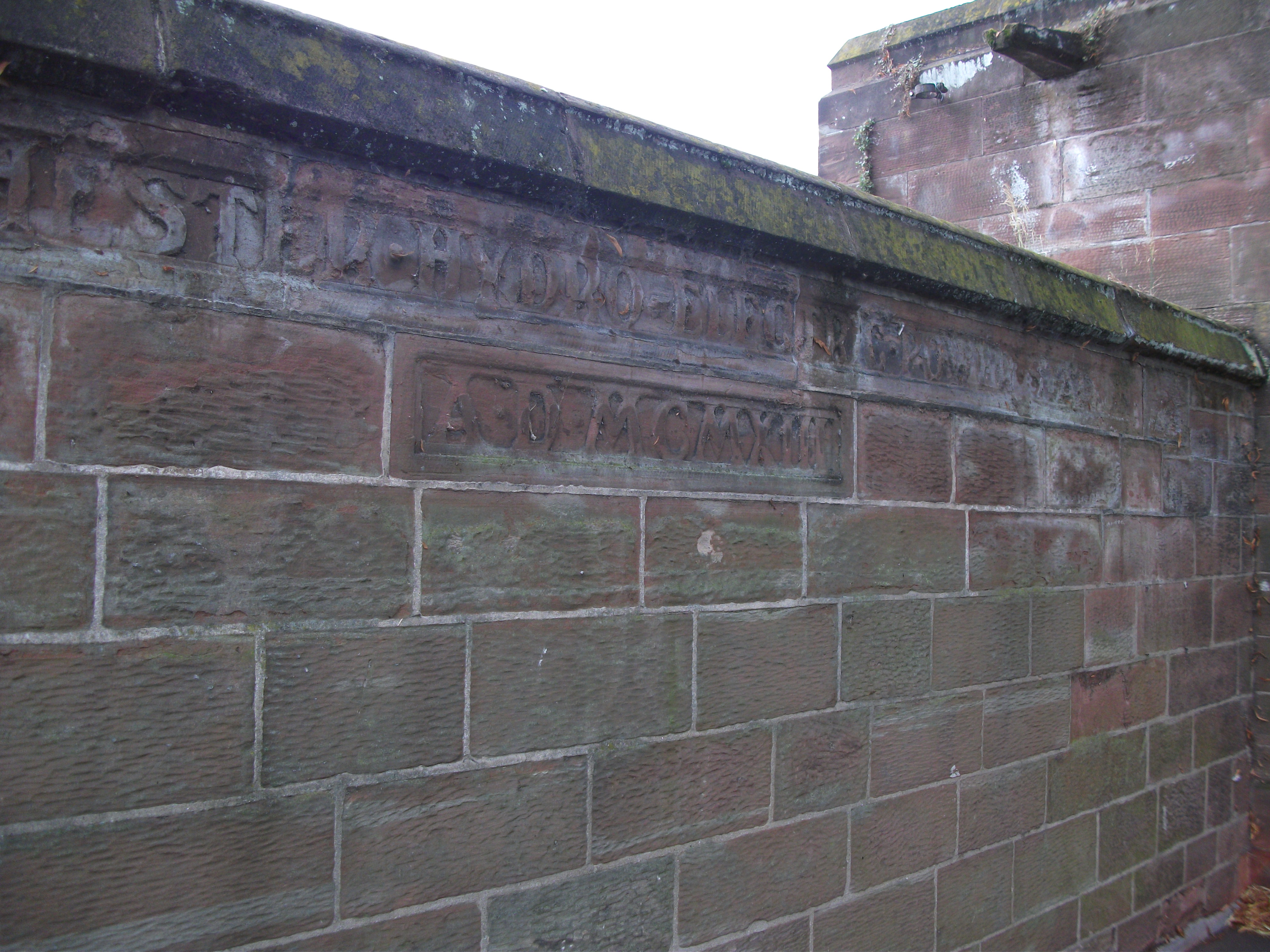
The weir which was built in the eleventh century isa Grade 1 Listed building and it might appear according to Wikipedia that they may be using the river to generate power again. The site certainly needs some restoration as the photos show.

