C Would Not Have Been Amused
I most certainly aren’t and she would have been with me on this one.
The lights in this house are generally wall units, which were originally fitted with 40 watt tungsten bulbs, that I believe should be removed immediately, as we do need to do something about our electricity consumption and carbon emissions. As half of them have failed, the light in some parts of the house is not good. The fittings were designed for 100 watt tungsten screw bulbs, which despite being available in markets round here should not be sold. Finding an adequate energy-saving replacement is proving tiresome, as it seems that many shops only carry a few very standard and expensive bulbs. So perhaps people in London stick with their illegal tungsten bulbs. As an example, I’ve not seen one of the clever light sensitive bulbs I used to use outside in Suffolk.
There are also loads of the dreaded MR16 halogen bulbs. I hate them as they give me headaches, but the LED replacements don’t. They also give out a lot more light, use a lot less energy and last for ever. I did manage to find two and they helped, but I need to find a lot more, as quite a few of the old ones have either failed or flash on and off.
Mercury in the Oil, Gas and Chemical Industries
When I worked years ago at ICI, I had a lot to do with analysing the air in chlorine cell rooms for mercury. In those days when you electrolysed brine to get chlorine and hydrogen, you used a mercury cathode.
We understood the health problems in those days nearly 50 years ago and I would have thought that we had got mercury leaks under control. But I read an article in The Sunday Times, saying that mercury is a problem with oil and gas extraction.
So I searched the Internet and found this article, from a company who have solutions, or at least know about the problem.
It just shows how we much be very careful. After all, things like antique barometers which use mercury are under all sorts of regulations, but the worse problem of mercury in oil extraction is not controlled.
Remember too, that one person’s impurity is someone else’s feedstock. I remember an engineer at ICI, who gave a lecture on integrated chemical plants, who said that nothing except pure cold water should ever be discharged from a chemical plant. He said, that even hot water had a value in heating terms.
An Alternative Recycling System
Various organisations, like the Council for the Fossilisation of Rural England, think that all glass bottles should have a deposit that is returned, when you take the bottle back.
This is very old thinking as these days we can do much better!
I recycle all my glass and put it in one of those large cylindrical containers in one of the neighbouring villages, as we don’t have one in the village where I live. These are then craned away on to a truck to go to the central recycling centre, The system works well, except when the containers gets filled and the truck doesn’t empty them for a few days. Incidentally, most recycled glass round here ends up being used as road-stone and hardcore. This may seem a waste, but I think it is actually, the most energy efficient way of reusing the glass and it avoids the need for digging hole to extract gravel.
I got to think, that this system could easily be modifed to create an incentive to recycle.
Let’s take glass bottles, although it could easily work with things like newspapers, old clothes and rags, aluminium cans or plastic bottles.
You would create a Recycling Fund, that was either filled up by a levy on all glass bottles sold or directly by central government.
The recycling container would be stamped with an empty weight and every time it was collected, it would be weighed to ascertain how much glass had been recycled. I suspect that the crane on the truck could do this very simply and easily.
Councils would then have a map of which areas recycled the most bottles say, and this would then earn that area an appropriate proportion of the Recycling Fund, which could be spent how the area wanted. Perhaps, they might want a children’s playground to be refurbished, some public toilets re-opened or just some flower baskets.
What has been created is a virtuous circle. The more you recycle, the more you get for local projects. Areas that didn’t recycle wouldn’t get any special projects, but those that did would get a substantial environmental improvement.
I suspect that such a scheme would be affordable and non-bureaucratic to run. It could also be run initially without a bottle charge, so that people saw trhe benefits before they paid.
Another Onshore Oil Field
They were talking yesterday on the radio about the SIngleton oil field, just a few miles north of Goodwood race course in Sussex. This piece in the Daily Mail says that some of the locals don’t even know it’s there!
There is also this web page at the University of Southampton web site showing all the small oil fields in the south of England.
You don’t hear of many problems, so perhaps the US could satisfy its thirst for oil, by driling in more environmentally sensitive areas on shore. There would appear to be less risk, if they follow the English precedent. Incidentally, BP seems to be the operator in a lot of these fields.
The Oil Spill
One of the fallouts of DMW was the ability to mix oil and wster easily. I’m sure it could hrlp.
Cynicism About Organic Foods
I should say before I continue, that I do buy organic foods.
But!
I am always suspicious that they don’t live up to the hype.
Take my supper yesterday. I ate several Jersey Royal potatoes, which were not organic. But they are produced by farmers who care about the quality of their product. They were exquisite.
Take just before Christmas. A farmer brought me some washed supermarket parsnips round, as a favour for his wife using a stable for a pony. They were much better than those you get from Waitrose or Sainbury’s, but that is where they would have ended up. However, that takes a couple of days, whereas they arrived from his field in a couple of hours.
So it seems that how the product is handled after picking is perhaps as important than what goes on before.
I suspect that it is more true with something like meat. After all I’ve kept animals for years and know that the better you treat them the better they perform. Or in the case of food animals, does that mean taste?
So where you know about the provenance of the animal and can trust the farmer are you getting a better and perhaps a more humanely kept product. After all organic means that some drugs used for medicinal purposes are banned. Is that humane?
So when I read this report in The Times yesterday, my cynicism was increased.
This says that a study by Professor Benton of Leeds University has shown that organic farms are not necessarily the best for wildlife.
The research found that organic farms had, on average, 12 per cent more biodiversity in terms of the number and variety of plants, birds, earthworms and insects. But the yield from organic fields was 55 per cent lower than from conventional fields growing similar crops in the same areas. While there were more plants and butterflies on organic farms, there was no difference in the number of bees and there were 30 per cent more hoverflies on conventional farms.
Organic fields contained more magpies and jays but 10 per cent fewer small birds such as yellowhammers, corn buntings, linnets, skylarks and lapwings. The researchers found that the larger birds, which were attracted to organic farms by their denser patches of woodland, were scaring away the smaller birds and preying on their nests.
It is all very interesting.
One point Professor Benton said was that greater benefits were detected where there were clusters of organic farms. That I would understand as in the studlands of Newmarket, there appears to be a much greater diversity than on ordinary agricultural land. That is also because horses are such inefficient grazers and leave lots for hares and deer.
Would the Owner Please Remove his Fridge
At the bottom of my lane last night, I noticed a dumped fridge.
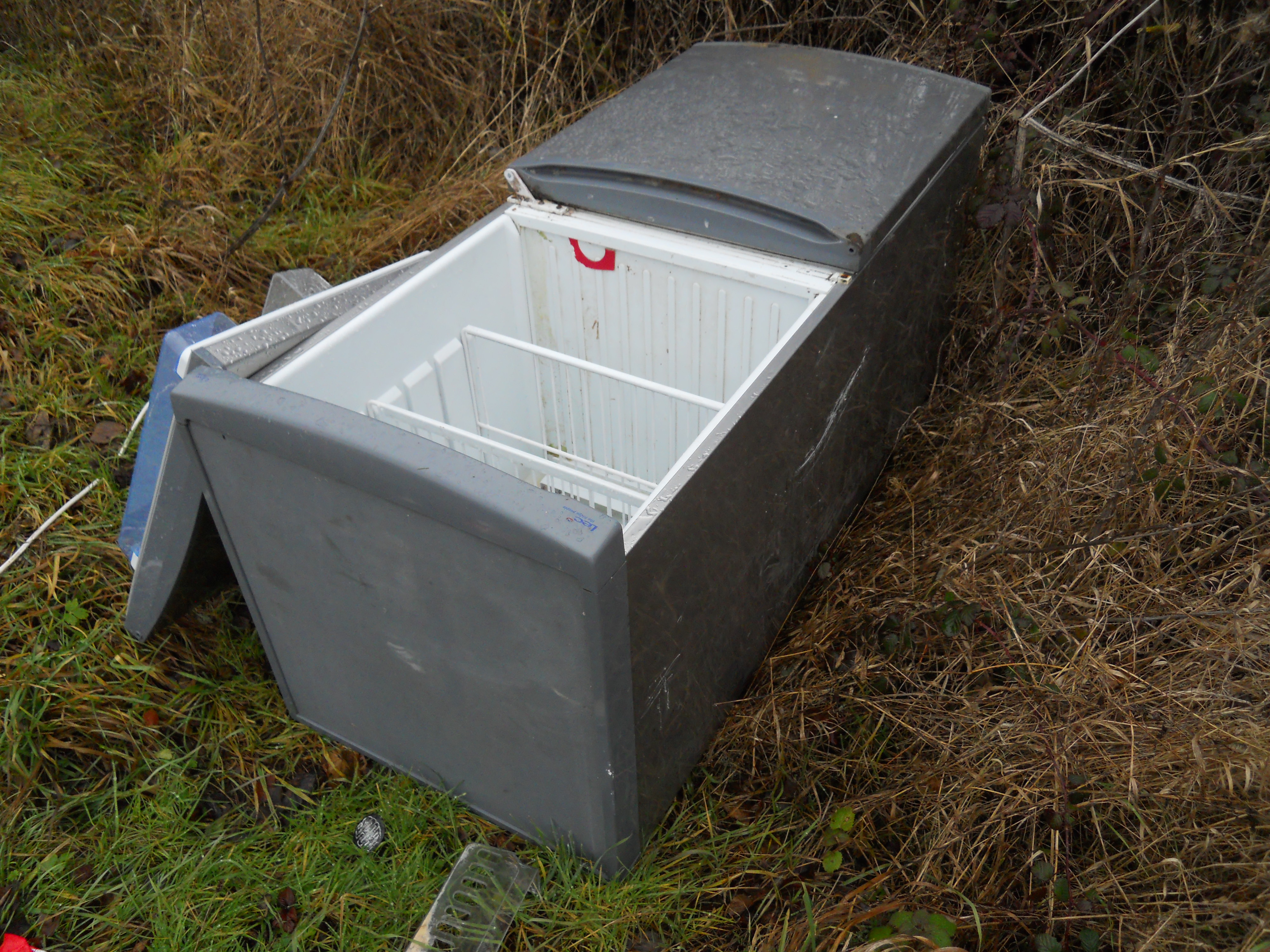
Is This Your Fridge?
What annoys me about this is that I doubt it was anybody in the village and someone must have taken the trouble to drive it a few miles. Now when I had to get rid of a fridge a couple of years ago, I put it in the back of my car and took it to the dump in Haverhill. So I probably drove as far, but I was within the law.
At least we don’t have Glasgow’s problem.
Watersnoodmuseum
This is a museum at Ouwerkerke in the Netherlands, dedicated to the North Sea Flood of 1953.
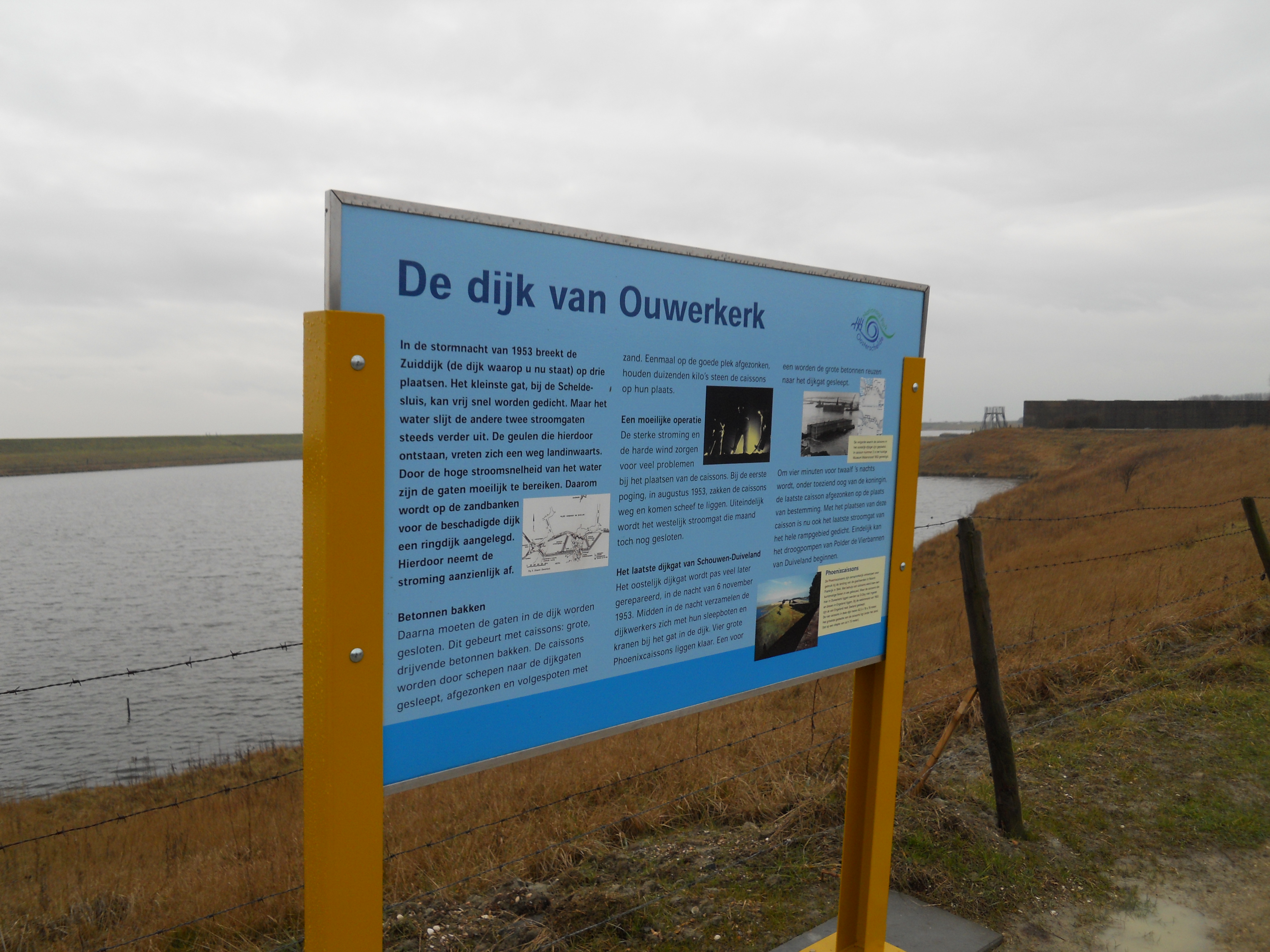
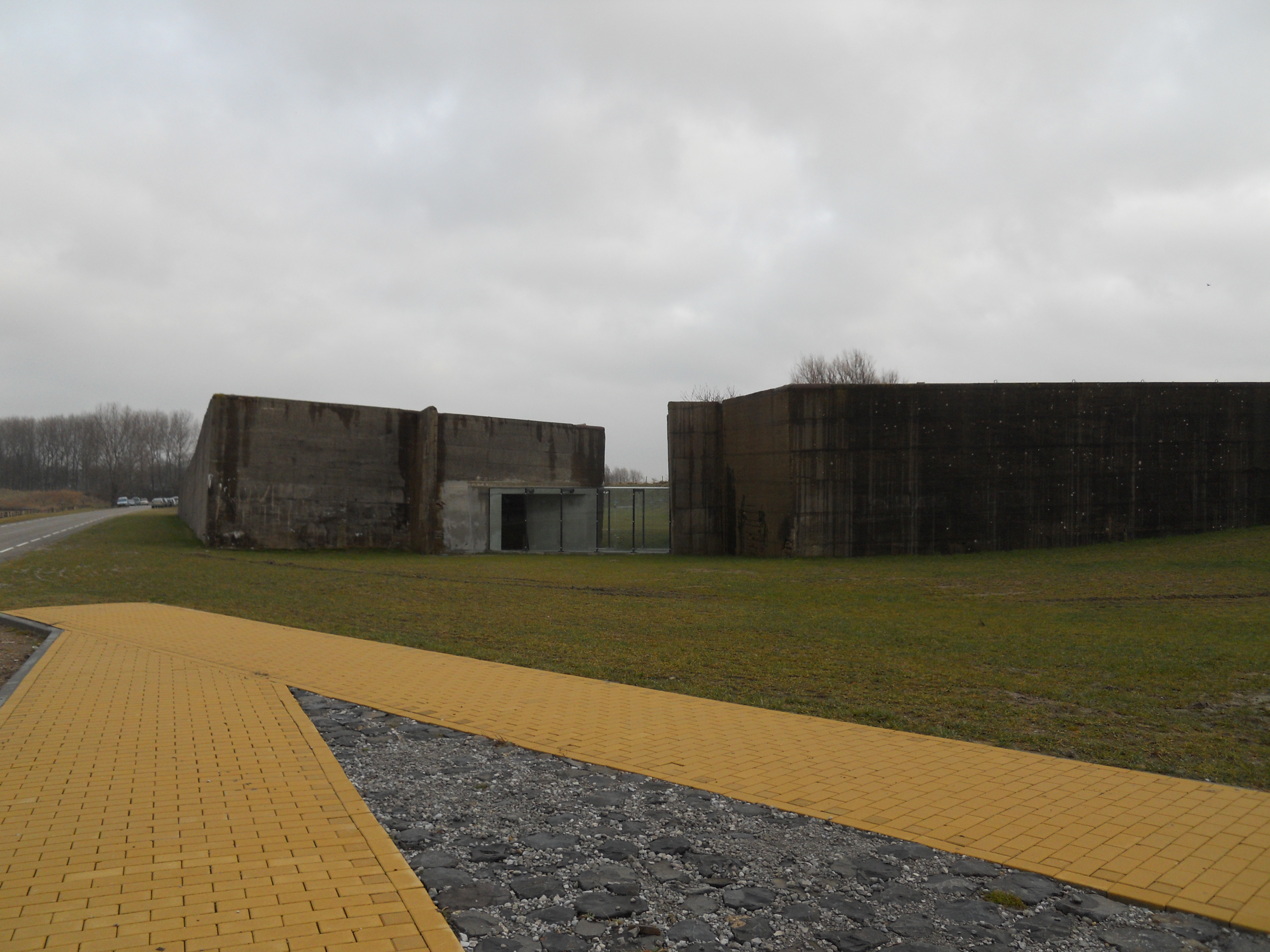
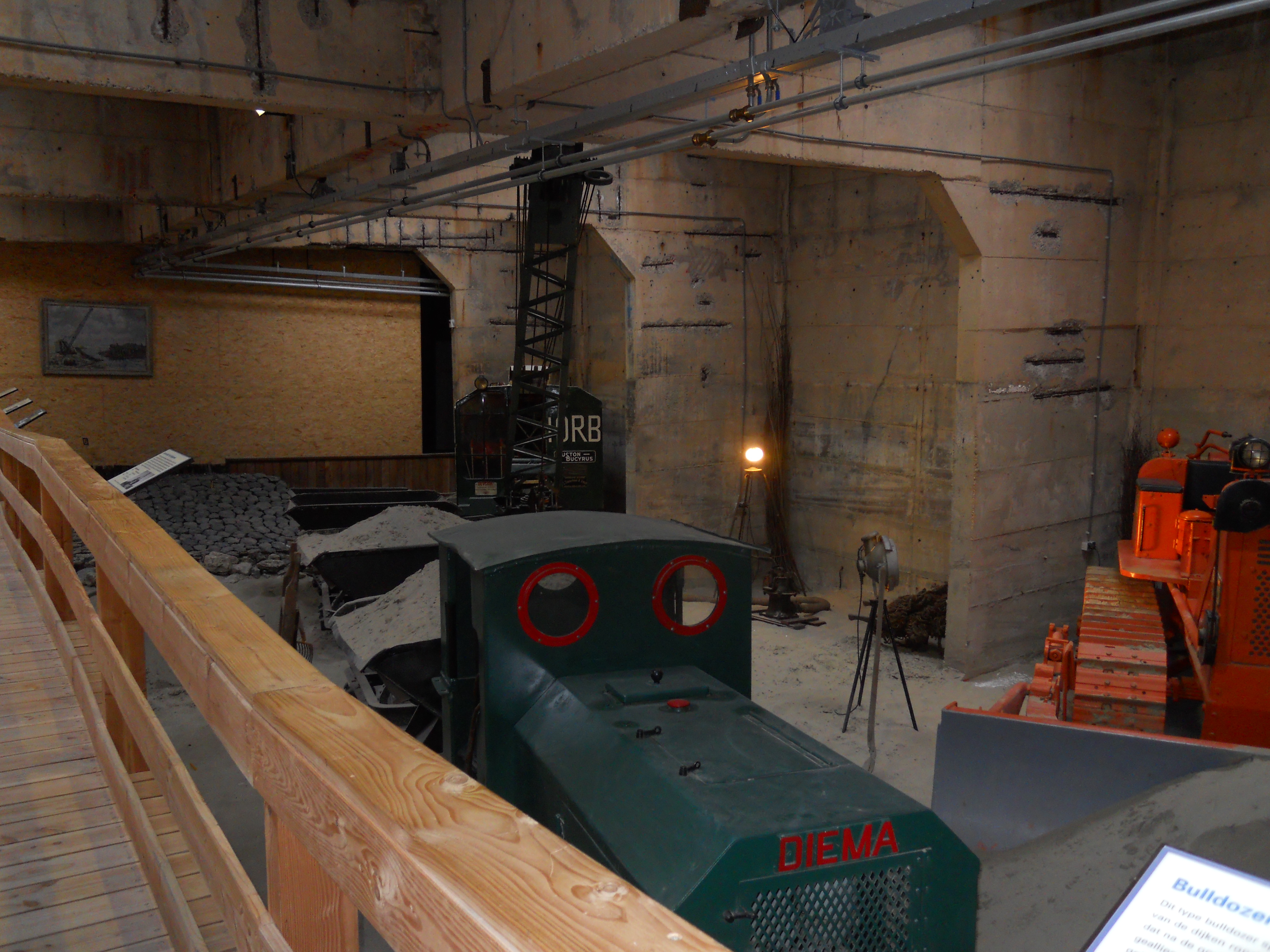
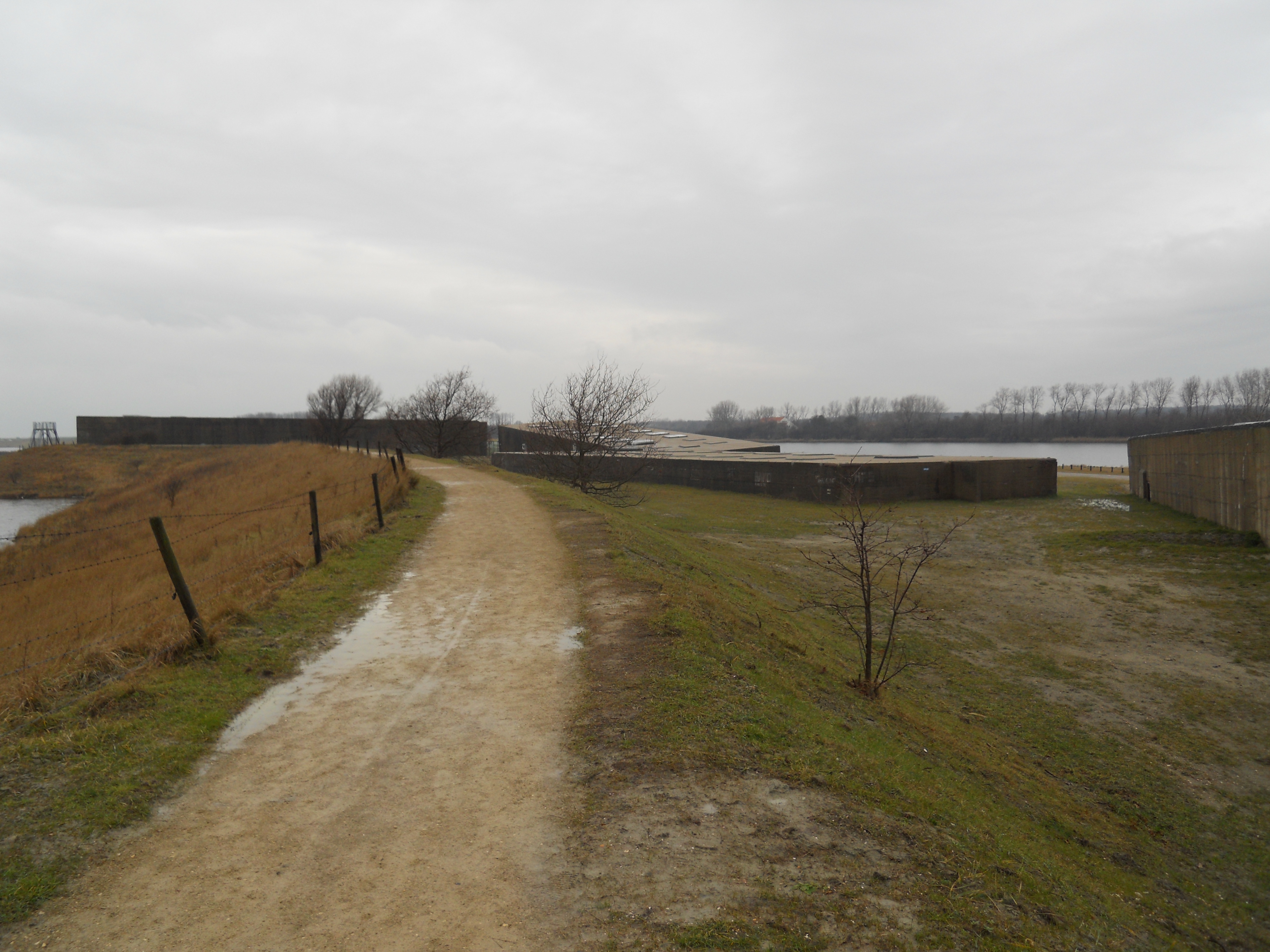

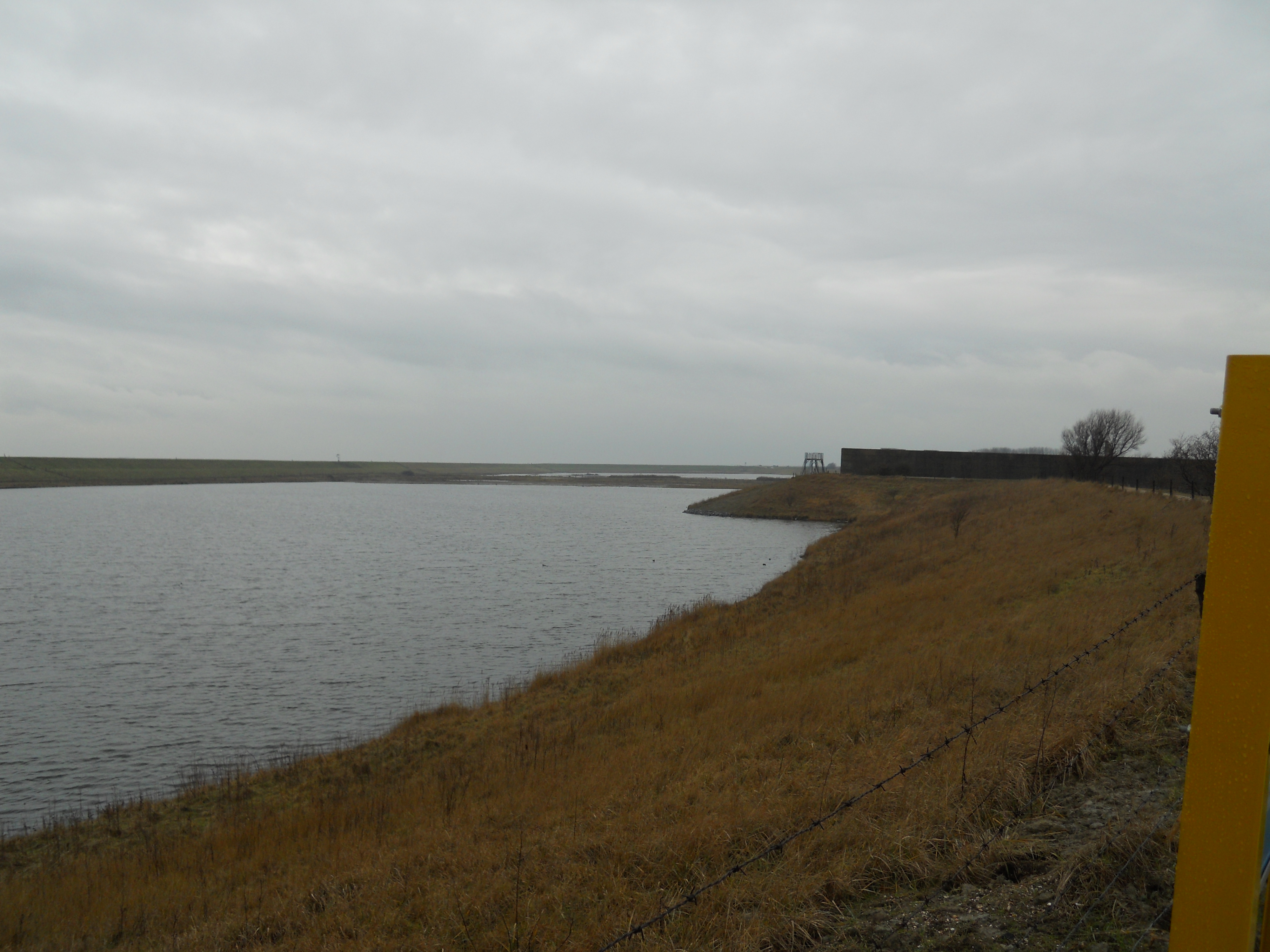

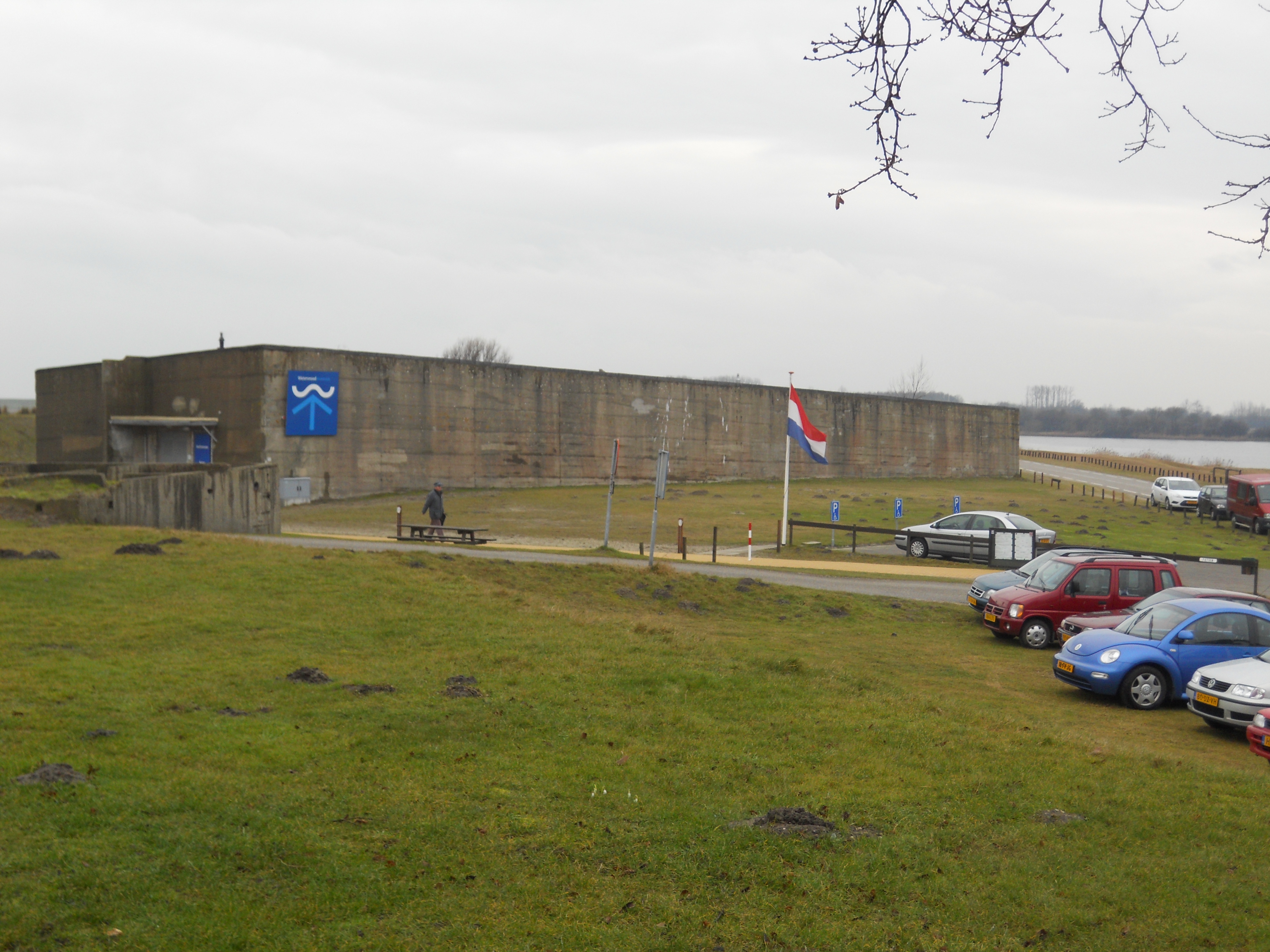


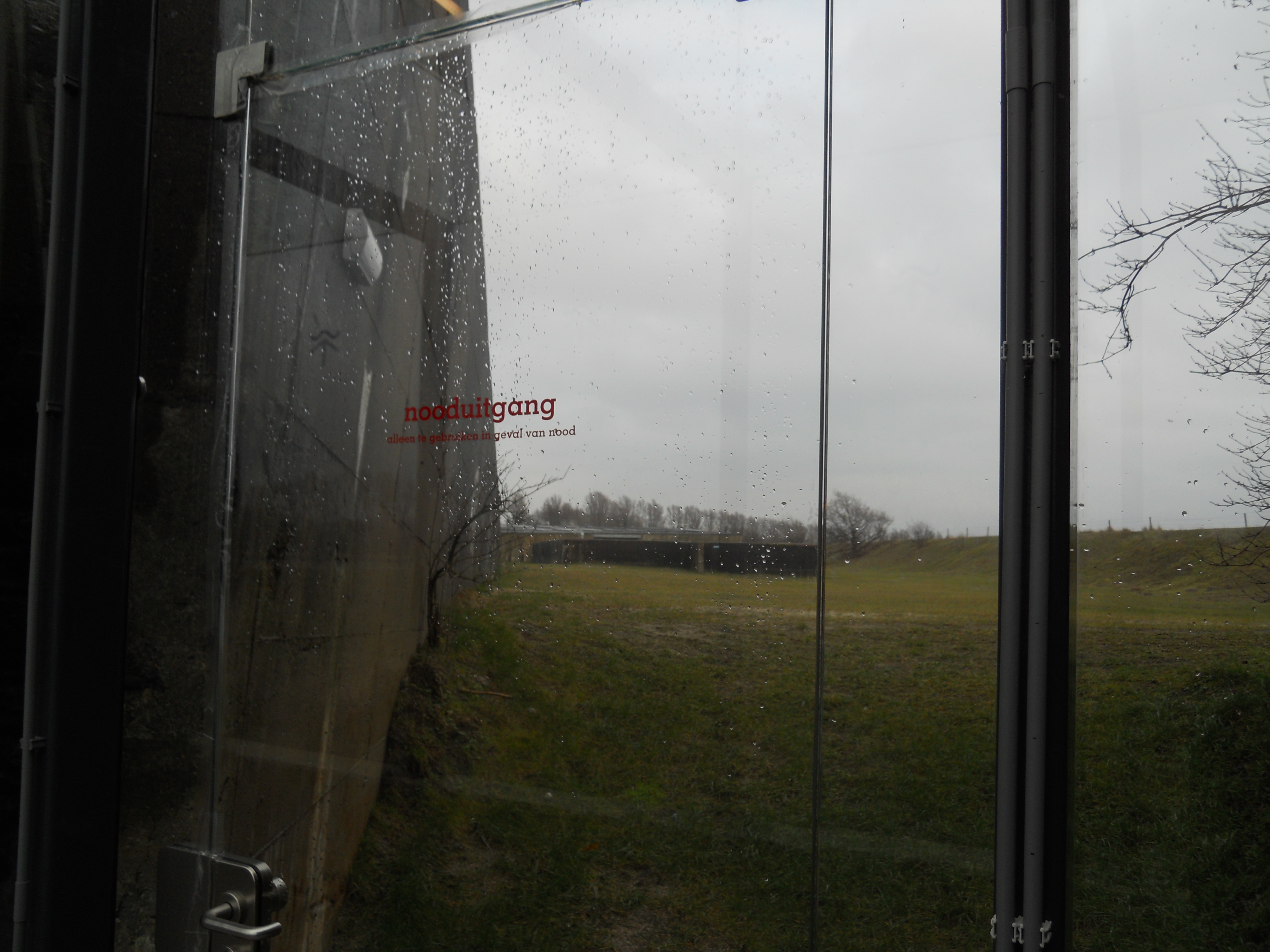



It is an impressive museum that opened a few years ago.
It is actually built inside four giant Phoenix breakwaters or caissons, that were originally built to be part of the Mulberry Harbours used for the D-Day invasion in the Second World War. They had been used to plug one of the last gaps in the dykes in November 1953. The construction of the caissons is clearly visible, both inside and outside.
Having lived in Felixstowe as a teenager some years after the disaster, it somewhat saddens me that we have no museum to the floods in the UK. Thirty eight people died in Felixstowe and I can still see the marks of the flood on the walls of the houses in my mind.
 The Anonymous Widower