Are There Any Plans For The Bay Sub-Surface Platforms At Moorgate Station?
I use Moorgate station regularly, as there’s a Leon Restaurant just outside the station, that looked after me properly during the Covid-19 Pandemic, so when I’m in the area and need feeding I pop in.
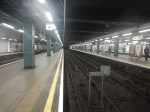
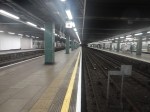
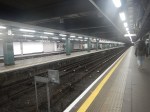
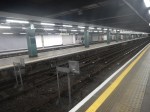
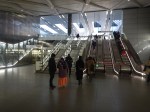
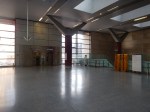
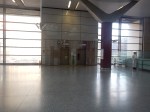
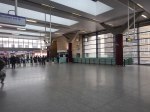
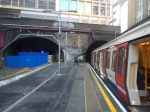
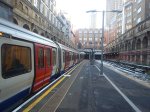
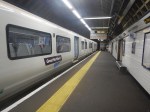
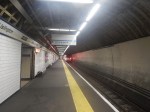
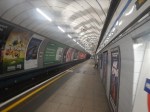
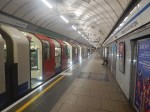
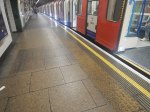
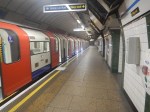
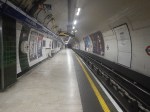
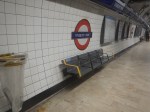
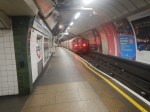
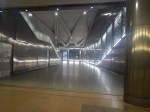
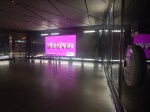
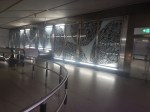
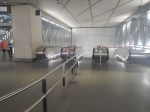
These pictures show the four bay platforms on the Sub-Surface lines.
Note.
- The pair of platforms to the left or South are numbered 5 and 6 and used to handle Thameslink trains, that ran to Moorgate station.
- Platforms 5 and 6 used to be electrified with 25 KVAC overhead wires.
- The pair of platforms to the right or North are numbered 3 and 4 and are used to terminate some Metropolitan Line services at Moorgate station.
- Platforms 3 and 4 are electrified with London Underground four-rail electrification.
- The number for Platform 4 can clearly be seen.
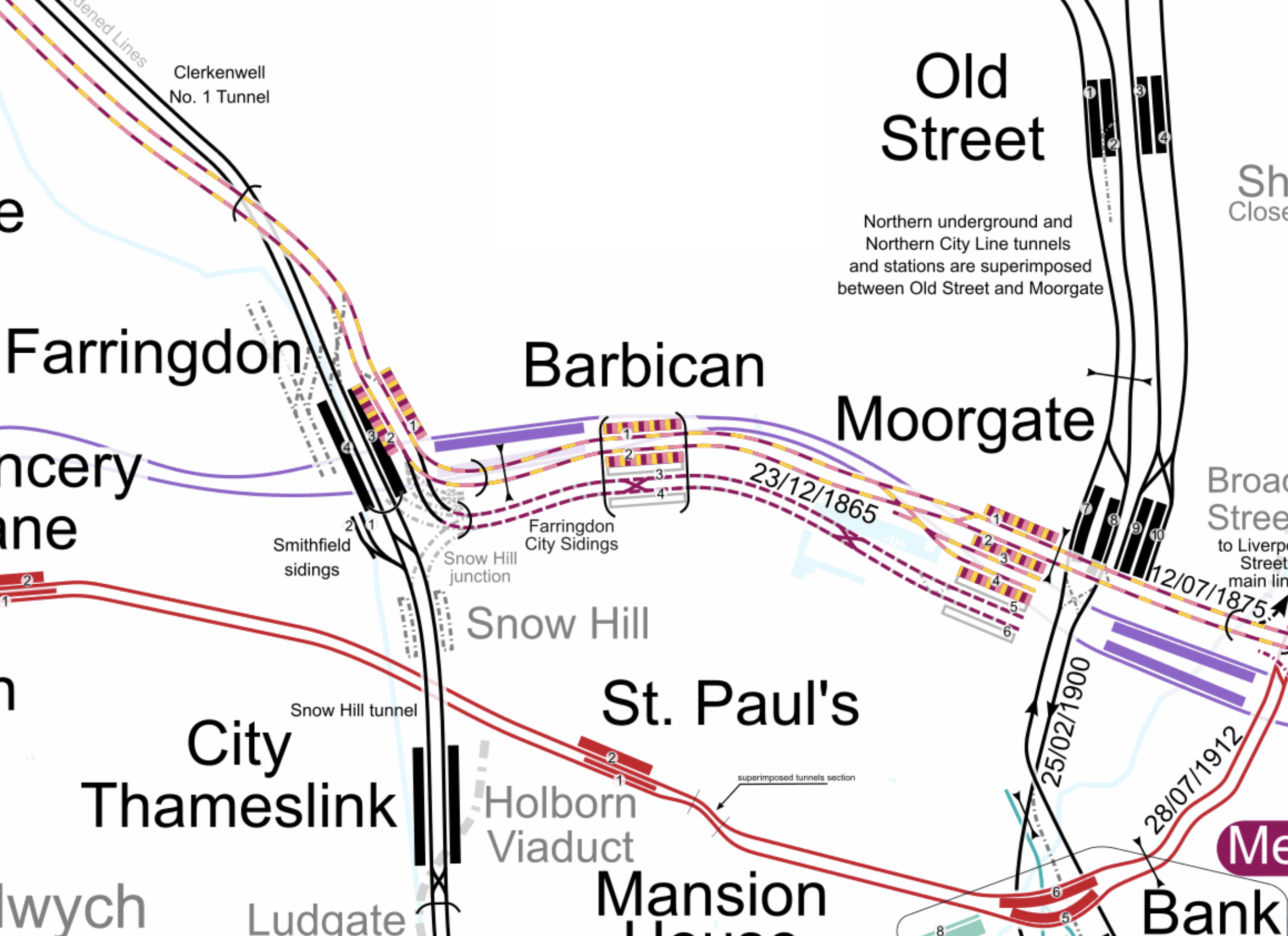
This map from cartometro shows the track layout in Farringdon, Barbican and Moorgate stations.
Note.
- The multi-coloured tracks and platforms of the Metropolitan, Circle and Hammersmith & City Lines running through Platforms 1 & 2 at Farringdon, Barbican and Moorgate stations.
- The multi-coloured tracks and platforms of the Metropolitan, Circle and Hammersmith & City Lines terminating in Platforms 3 & 4 at Moorgate station.
- The purple tracks and platforms of the Elizabeth Line running underneath the Metropolitan, Circle and Hammersmith & City Lines and their stations.
- The maroon and white tracks and platforms of Thameslink running through Platforms 3 & 4 in Barbican station and terminating in Platforms 5 & 6 at Moorgate station.
- The black tracks of Thameslink running through Farringdon and City Thameslink stations.
- It would appear there used to be two junctions to allow trains from Moorgate to go North through Farringdon station or South through City Thameslink station.
- The Thameslink tracks have two useful crossovers.
- The black tracks of the City branch of the Northern Line running through Old Street, Moorgate and Bank stations.
- The black tracks of the Northern City Line running through Old Street station and terminating in Moorgate station.
- The red tracks of the Central Line running through Chancery Lane, St. Paul’s and Bank station.
Because of the layout of the various tracks new connections and improvements may be possible.
Extending The Northern City Line To Bank Station
In Walking Along Moorgate – 30th September 2020, I describe some of the possibilities opened up by the design of Moor House, which has been built to allow more tunneling underneath.
I believe two extensions South from Moorgate station would be possible.
- It was intended by the builders of the Northern City Line, to take the route to just North of Bank station at Lothbury.
- Has The Possibility Been Created For A Pedestrian Tunnel Between Bank And Moorgate Stations?
Note.
- As the extension to Bank station has dug tunnels all over the place, I would expect that the engineers on that project would have a good idea on the best way to connect Moorgate and Bank stations.
- I usually use the Northern Line between Moorgate and Bank stations, but sometimes the Northern Line is rather crowded.
- The Northern City Line is being resignalled and may have an increased number of trains, so more passenger capacity may be needed.
- If a new station were to be built at Lothbury, it might be possible to improve step-free access to the Northern City Line.
- A new station on the Northern City Line and a pedestrian tunnel could connect to the newly-installed travelator at Bank station.
There are certainly serious possibilities to improve connections between Moorgate and Bank stations.
Could Metropolitan Line Trains Be Turned At Moorgate Station?
Currently, there are eight trains per hour (tph) between Aldgate and Uxbridge in the Off Peak.
With the new signalling on the Sub-Surface Lines would it allow more trains to operate, if some Metropolitan Line services were terminated in Platforms 3 & 4 at Moorgate station.
Would It Be Worthwhile To Run Thameslink Trains Again Into Moorgate Station?
It would only need to terminate trains from the North, as trains from the South can terminate at Black friars Station.
Perhaps a two tph service from a convenient station would suffice.
A Pedestrian Connection Between City Thameslink Station And St. Paul’s Tube Station
I covered this in A Pedestrian Connection Between City Thameslink Station And St. Paul’s Tube Station.
Moorgate And Luton Airport Parkway
This morning I went by train from Moorgate to Luton Airport Parkway to have a look at the Luton DART.
I used the following route.
- Elizabeth Line – Moorgate to Farringdon.
- Thameslink – Farringdon to Luton Airport Parkway.
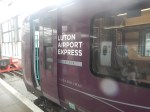
I came back from Luton Airport Parkway on a Luton Airport Express.
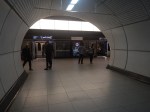
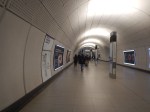
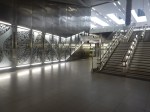
I took these pictures on the route.



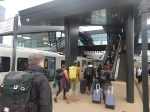
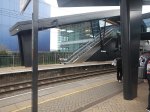
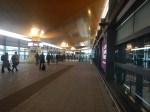
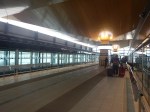
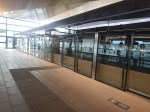
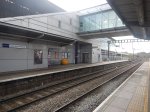
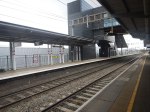
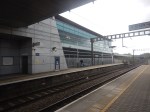
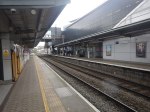

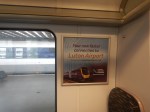
Note.
- The change at Farringdon station was very easy.
- You walk past toilets at the Farringdon change.
- There are two bridges, lots of escalators and lifts at Luton Airport Parkway station.
- I didn’t take the DART to the airport.
These are some detailed thoughts.
Luton Airport Parkway Station
It is a much improved station, but still has some work to do.
- There was a problem with one escalator.
- Some of the signage is not finalised.
- I had a problem with ticketing, as I was sold the wrong ticket.
- Staff probably need a bit more training.
But then the station has only been open three weeks.
Luton Airport Express
East Midland Railway’s St. Pancras and Corby service is now branded as Luton Airport Express.
- It has its own web site.
- Trains only stop at Luton Airport Parkway, Luton, Bedford, Wellingborough and Kettering.
- Trains take as little as twenty-two minutes between St. Pancras and Luton Airport Parkway.
- Class 360 trains are used.
- Trains run every thirty minutes.
As it serves the local area, I wonder how many airport employees, now use this train to get to work?
Elizabeth Line: Commuters Say Service ‘Not What Was Promised’
The title of this post, is the same as that of this article on the BBC.
This is the sub-heading to the article by Tom Edwards.
All of the huge modernist stations are now open and it is architecturally impressive, but what has service on the Elizabeth line been like since it opened in the summer?
These three paragraphs talk about how passengers have reported problems to Tom.
Many say it has been hit and miss, and commuters in West Ealing have been in touch with me to highlight some of the problems.
They recorded some of their journeys for BBC London, and it doesn’t look pleasant.
Many are really fed up with the delays and cancellations and above all the overcrowding.
As with many new railways, like the London Overground, the Borders Railway and the Dartmoor Line, the passenger numbers on the Elizabeth Line have exceeded projections.
The main reasons are probably.
- Convenience of the new route and its stations.
- Curiosity about the new infrastructure.
- The improved access to the trains with heavy cases.
But in the case of the Elizabeth Line two other factors also apply.
Are Passengers Changing From the Piccadilly to the Elizabeth Line?
Consider.
- The Piccadilly Line trains are smaller than the Elizabeth Line trains.
- The Piccadilly Line trains are not air-conditioned.
- Heathrow Central to Holborn is 62 minutes on the Piccadilly Line and several minutes quicker using the Elizabeth and Central Lines with a change at Bond Street or Tottenham Court Road.
Many passengers, who previously used the Piccadilly Line may swap to the Elizabeth Line for a quicker journey on a more comfortable and spacious train.
The new Piccadilly Line trains will have more space, walk-through carriages and air conditioning, so may well tempt passengers back.
Bond Street And All Stations To the East On the Elizabeth Line Are Only Five Minutes Slower By Elizabeth Line Direct
Consider.
- Heathrow Central and Bond Street is 38 minutes using Heathrow Express and the Elizabeth Line with a change at Paddington.
- Using the Elizabeth Line all the way takes 43 minutes.
- The figures for Liverpool Street are 46 and 51 minutes respectively.
- The figures for Canary Wharf are 53 and 58 minutes respectively.
Note.
- The direct route avoids the change at Paddington.
- The change at Paddington between Heathrow Express and the Elizabeth Line is not onerous.
- Routes using Heathrow Express are fifteen pounds more expensive.
- If you’re desperate for a coffee, you can pick one up, when you change at Paddington using Heathrow express.
I believe a regular traveller to Heathrow, who has easy access to an Elizabeth Line station and in the past has used Heathrow Express will give the Elizabeth Line a chance.
The Jewel In The East Is On The Elizabeth Line
In 2014, I wrote Is Whitechapel Station Going To Be A Jewel In The East?.
Consider.
- The Elizabeth Line will go through the station with a frequency of up to 24 trains per hour (tph).
- The two Eastern branches of the Elizabeth Line split to the East of Whitechapel station.
- There will be four tph between Heathrow and Whitechapel.
- The East London Line of the London Overground goes through the station with a frequency of 16 tph, that will be raised to at least 20 tph in a few years.
- The District Line goes through the station with a frequency of upwards of 12 tph.
- The Hammersmith and City Line goes through the station with a frequency of 6 tph.
- The station has large numbers of lifts and escalators.
Passengers from all over the Eastern half of London will change at Whitechapel on their journey to and from Heathrow.
Farrington station Connects Thameslink And The Elizabeth Line
Consider.
- The Elizabeth Line will go through Farringdon station with a frequency of up to 24 tph.
- The Circle, Hammersmith and City and the Metropolitan Lines will go through the station with a combined frequency of up to 24 tph.
- Thameslink will go through the station with a frequency of up to 14 tph.
Passengers from Thameslink’s catchment area will change at Farringdon on their journey to and from Heathrow.
Overcrowding On The Elizabeth Line
It is not a surprise to me, that the Western end of the Elizabeth Line is overcrowded.
I noticed it in November 3022, when I wrote So Many Cases On A Train!.
What Can Be Done To Ease The Overcrowding?
These are possible ways to ease the overcrowding.
Increase The Number Of Trains To Heathrow
I would feel the obvious way to increase the number of trains to Heathrow, would be to run direct trains between Shenfield and Heathrow.
Currently, there are these trains.
- 4 tph – Heathrow Express – Paddington and Terminal 5
- 2 tph – Elizabeth Line – Abbey Wood and Terminal 4
- 2 tph – Elizabeth Line – Abbey Wood and Terminal 5
But is there the capacity to add extra trains between Hayes & Harlington and Heathrow through the tunnel?
Run A Service Between Shenfield And Hayes & Harlington
This would add capacity in West London, where it is needed, but wouldn’t add any extra trains through the tunnel to Heathrow.
By timing this service in combination with the Elizabeth Line services to Heathrow, I suspect a very efficient service between Heathrow and both Eastern terminals could be devised.
- As four tph run between Abbey Wood and Heathrow, four tph would be run between Shenfield and Hayes & Harlington.
- Going towards Heathrow, the train from Shenfield to Hayes & Harlington would be a few minutes in front of the train from Abbey Wood to Heathrow. Passengers going from Shenfield to Heathrow would be instructed to change at any station between Whitechapel and Southall, by waiting a few minutes for the following train.
- Coming from Heathrow, passengers wanting to go to Shenfield would walk across the platform at Hayes & Harlington to catch the waiting train to Shenfield. The Shenfield train would follow a few minutes behind the Abbey Wood train.
Note.
- The two train services would run as a pair, a few minutes apart.
- No new infrastructure would be required.
Currently, there are eight tph between Whitechapel and Hayes & Harlington.
Four tph between Shenfield and Hayes & Harlington would increase the following.
- The capacity between Whitechapel and Hayes & Harlington by fifty percent.
- The train frequency in the central tunnel to twenty tph or a train every three minutes.
- The frequency between Paddington and Shenfield to twelve tph.
There would still be four tph available for more services.
Brent Cross West Station – 22nd January 2023
T took these pictures as I passed the site this morning.

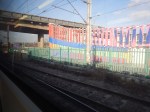
I’m not sure about the work of art.
Changing At Farringdon To And From Northbound Thameslink Trains
For my trip this morning, I took the Lizzie Line one stop from Moorgate station to Farringdon, and then straight up the escalator to the Northbound Thameslink platform.
Changing to Northbound Thameslink services at Farringdon is very easy, if you make sure you arrive in the Western end of your Lizzie Line train.
These pictures show the change.
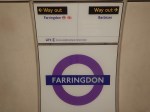
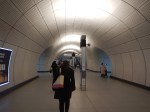
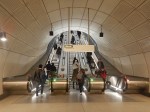

Note.
- You can only change at the Western end of the Lizzie Line platforms.
- At the top of the escalator, keep to the left and walk through to the Northbound platform.
You will be arrive on the Northbound platform at the back of the train.
The reverse change is also easy, so if I was coming home from Gatwick Airport or Brighton, I’d change at Farringdon to the Lizzie Line for Moorgate, from where I can get a bus to my home.
The change to the Lizzie Line will be easier, if you are in the back of your Thameslink train.
Pit Stops At Farringdon Station
One unique feature of the Northbound Thameslink platform at Farringdon station, is that unusually for a sub-surface station, it has full facilities, which are located by the escalators for the Lizzie Line.
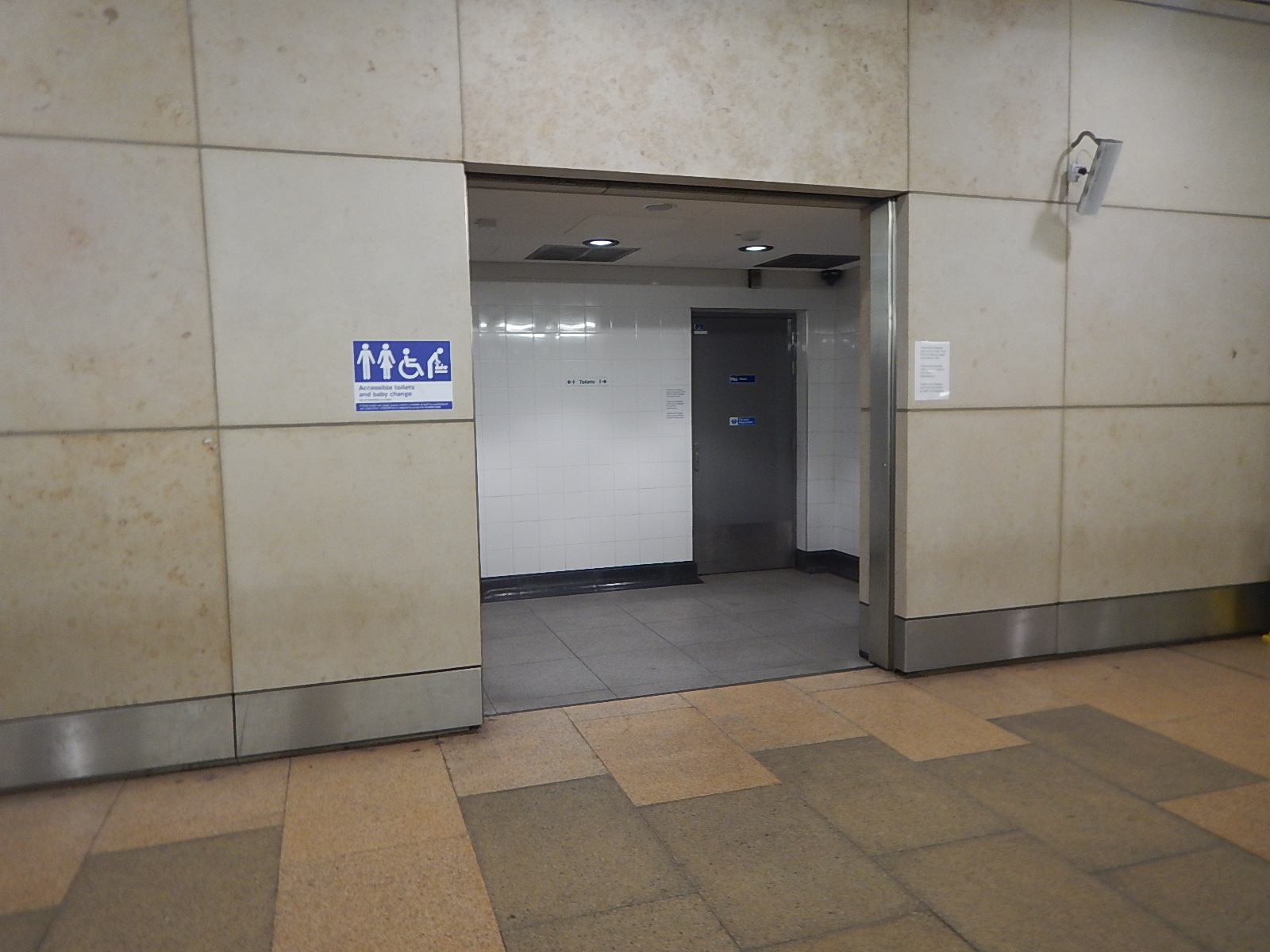
I would very much like to see more of these.
Changing At Farringdon To And From Southbound Thameslink Trains
Changing to Southbound Thameslink services at Farringdon is similar to changing to Northbound Thameslink services, if you make sure you arrive in the Western end of your Lizzie Line train.
These pictures show the change.

Note.
- You can only change at the Western end of the Lizzie Line platforms, where you go up the escalator.
- At the top of the escalator, keep to the right and take the escalator to the station entrance.
- Then descend to the Southbound platform using the stairs or the lifts.
You will arrive on the Southbound platform at the front of the train.
The reverse change is also easy, so if I was coming home from Bedford or Cambridge, I’d change at Farringdon to the Lizzie Line for Moorgate, from where I can get a bus to my home.
The change to the Lizzie Line will be easier, if you are in the front of your Thameslink train.
Ducking And Diving Between Moorgate And Liberty
Liberty is one of my favourite shops. That probably dates from the times in the 1970s, when C and I didn’t have large amounts of money and three kids, so if she needed a new summer dress, I’d make it and we’d usually choose the fabric at Liberty.
I was doing some Christmas shopping today, so after breakfast at Leon on Moorgate, I jumped into the Lizzie Line to the Hanover Square entrance at Bond Street station, where it was a short walk to Liberty.
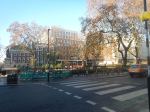
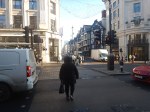
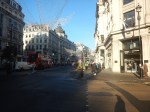
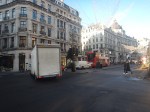
These pictures document the route.
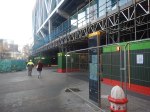
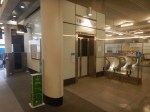
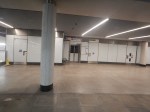
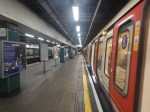
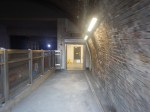

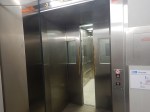
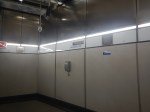
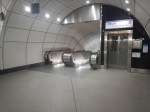
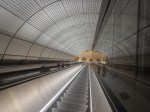
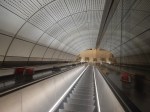
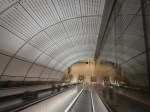

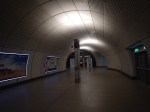
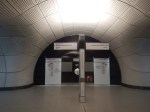
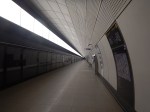
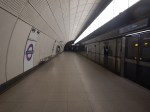
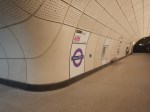
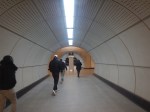














Note.
- I took one stop on the Metropolitan Line from Moorgate to Barbican.
- I positioned myself, at the front of the train.
- This enabled me to take the lift at Barbican station to the Lizzie Line passenger interchange level at Farringdon station.
- I then got the escalator down to the platforms.
- I was able to get into the back of the Westbound train, which I needed to avoid a long walk at Bond Street station.
The Lizzie Line will bring out the best ducking and diving in us all.
But with my manoeuvres, I avoided a two hundred metre walk from one end of the train to another!
This Google Map shows my walking route from Bond Street station to Liberty.
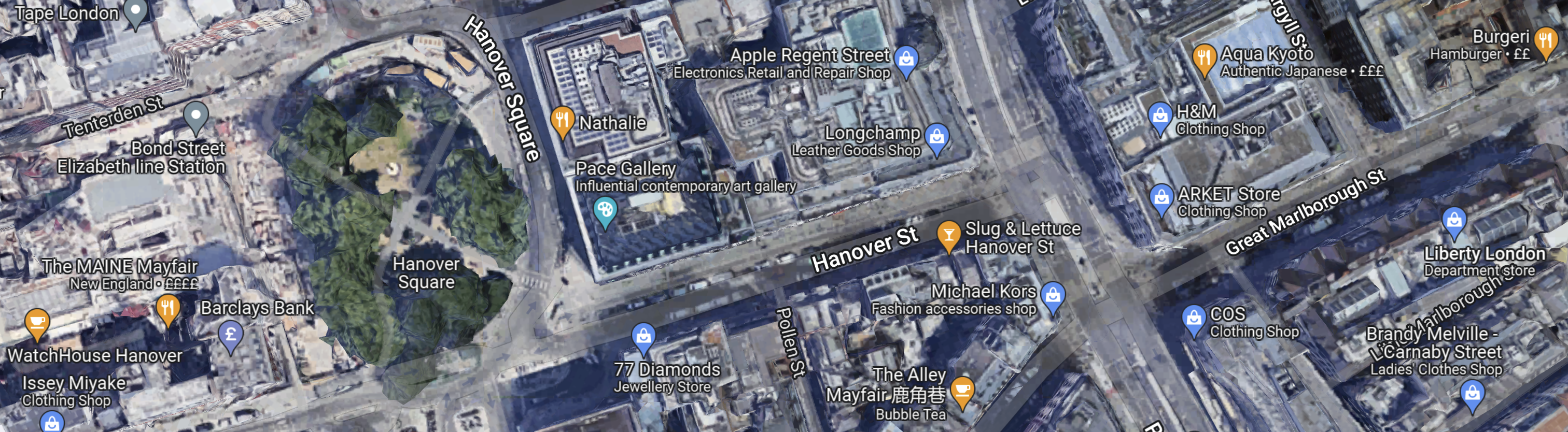
Note.
- Hanover Square is the green space to the left of the map.
- The Hanover Square entrance to Bond Street station is in the North-West corner of the square.
- Liberty is at the far right of the map.
Advantages of this route include.
- The Western end is in one of London’s best squares.
- All major road crossings have zebras or light controlled crossings.
- There are a few smaller useful shops like itsu, a Pret and a Ryman on Hanover Street.
- The route wasn’t too busy with pedestrians.
I would recommend using the Hanover Square entrance to Bond Street station for places like Bond Street, Carnaby Street, John Lewis, Regent Street and The Palladium.
After I’d done my shopping at Liberty, I walked along Great Marlborough Street to the back entrance of Marks and Spencer’s flagship store, thus avoiding the crowds on Oxford Street.
What If I Want To Go To John Lewis On Oxford Street?
As for Liberty, you would take the Lizzie Line to Bond Street station and use the Hanover Square or Eastern exit, then follow these pictures.
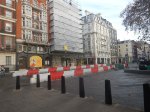
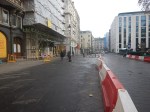


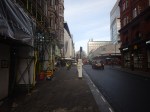
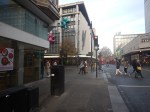
Note the Leon, which will probably opening soon.
What If I Want To Go To Bond Street?
You take the Medici Courtyard by the side of the station.


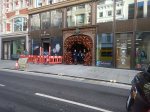


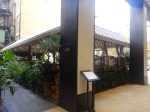
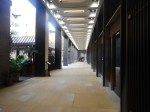










Note.
- There is an upmarket hotel in the courtyard.
- The courtyard has some artwork.
- The floral entrance on Bond Street.
It will be interesting to see how the Medici Courtyard develops.
Extending The Elizabeth Line – Improving The Northern City Line
Some parts of North and North-East London, have less-than-good connections with the Elizabeth Line.
- The Piccadilly Line has no direct connection with the Elizabeth Line.
- The Victoria Line has no direct connection with the Elizabeth Line.
- The Bank branch of the Northern Line has only a poor connection with the Elizabeth Line at Moorgate station.
- The Northern City Line has only a poor connection with the Elizabeth Line at Moorgate station.
- The Charing Cross branch of the Northern Line has a good connection with the Elizabeth Line at Tottenham Court Road station.
- The Lea Valley Lines of the London Overground have good connections with the Elizabeth Line at Liverpool Street station.
- Thameslink has a good connection with the Elizabeth Line at Farringdon station.
It would appear that if you live near one of the Lea Valley Lines or Thameslink stations, you can access the Elizabeth Line fairly easily at Liverpool Street or Farringdon stations, but if you rely on a Northern, Northern City, Piccadilly or Victoria Line local station, you are not so lucky!
Could The Northern City Line Be Improved To Give Better Connections Between North London And The Elizabeth Line?
This map from cartometro.com shows the lines between Finsbury Park and Highbury & Islington stations.
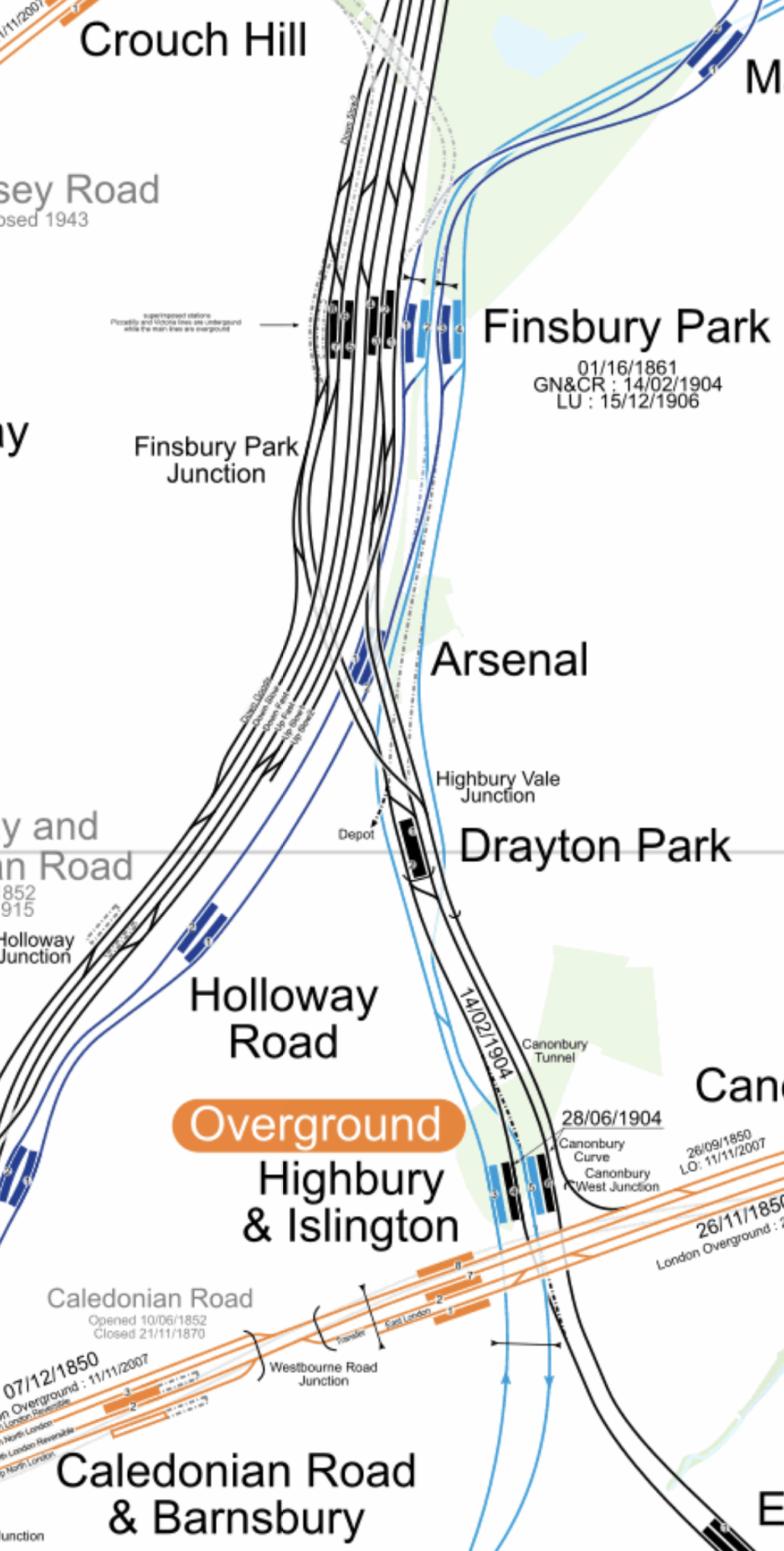
Note.
- The dark blue tracks are the Piccadilly Line, which calls at M (Manor House), Finsbury Park, Arsenal, Holloway Road and Caledonian Road, before going South-West to King’s Cross St. Pancras.
- The lighter blue tracks are the Victoria Line, which calls at Finsbury Park and Highbury & Islington, before going South-West to King’s Cross St. Pancras.
- The black tracks on the Western side of the map are those of the East Coast Main Line into King’s Cross.
- The black tracks going South-East from Finsbury Park are the Northern City Line, which calls at Finsbury Park, Drayton Park, Highbury & Islington, E (Essex Road) and Old Street before terminating at Moorgate.
This second map shows the lines through Finsbury Park station.
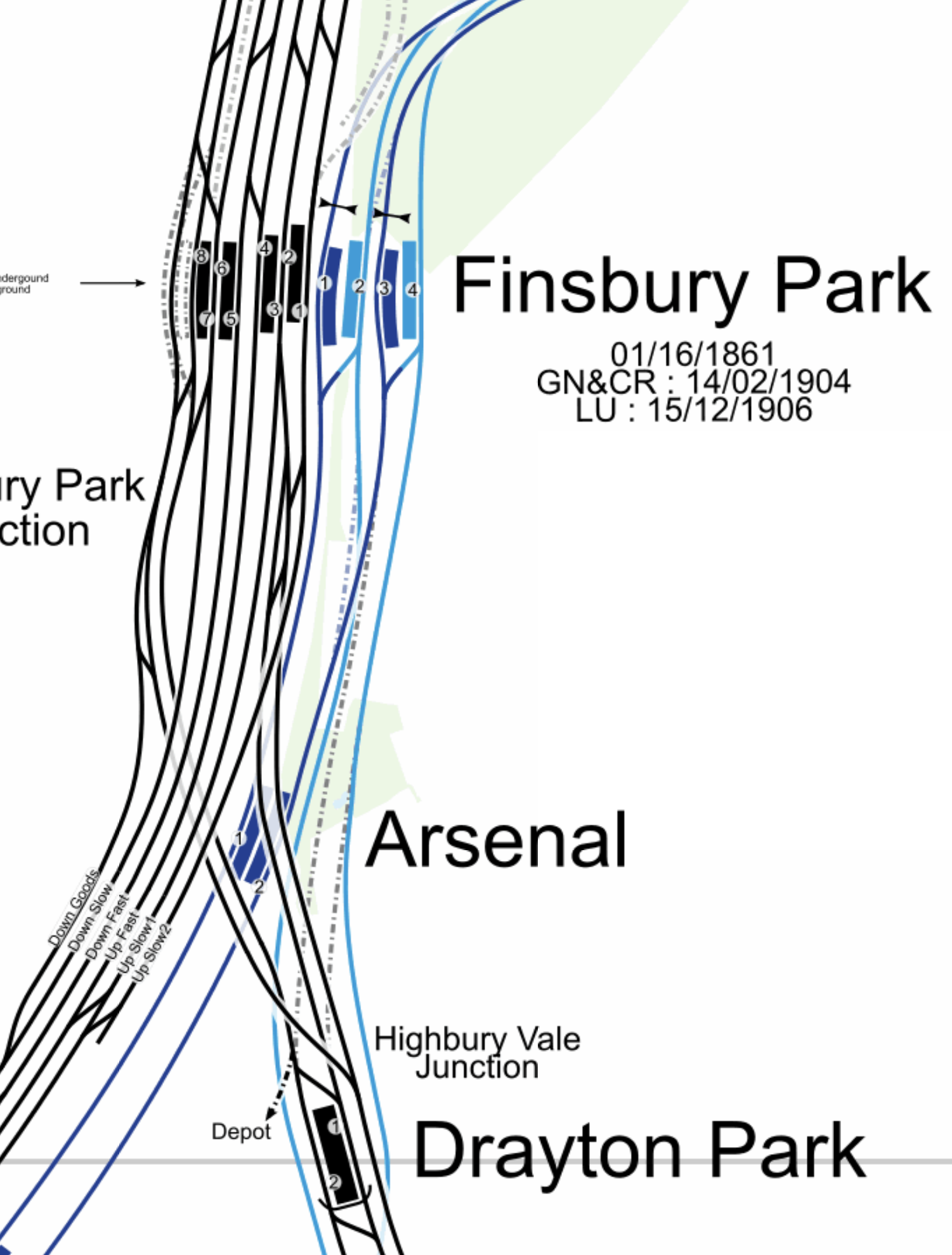
Note.
- The dark blue tracks are the Piccadilly Line.
- The lighter blue tracks are the Victoria Line.
- The black tracks going through Drayton Park station are the Northern City Line.
- The platforms of the Piccadilly and Victoria Lines are paired at Finsbury Park station, so that passengers can change lines with a simple walk-across.
This third map shows the lines through Highbury & Islington station.
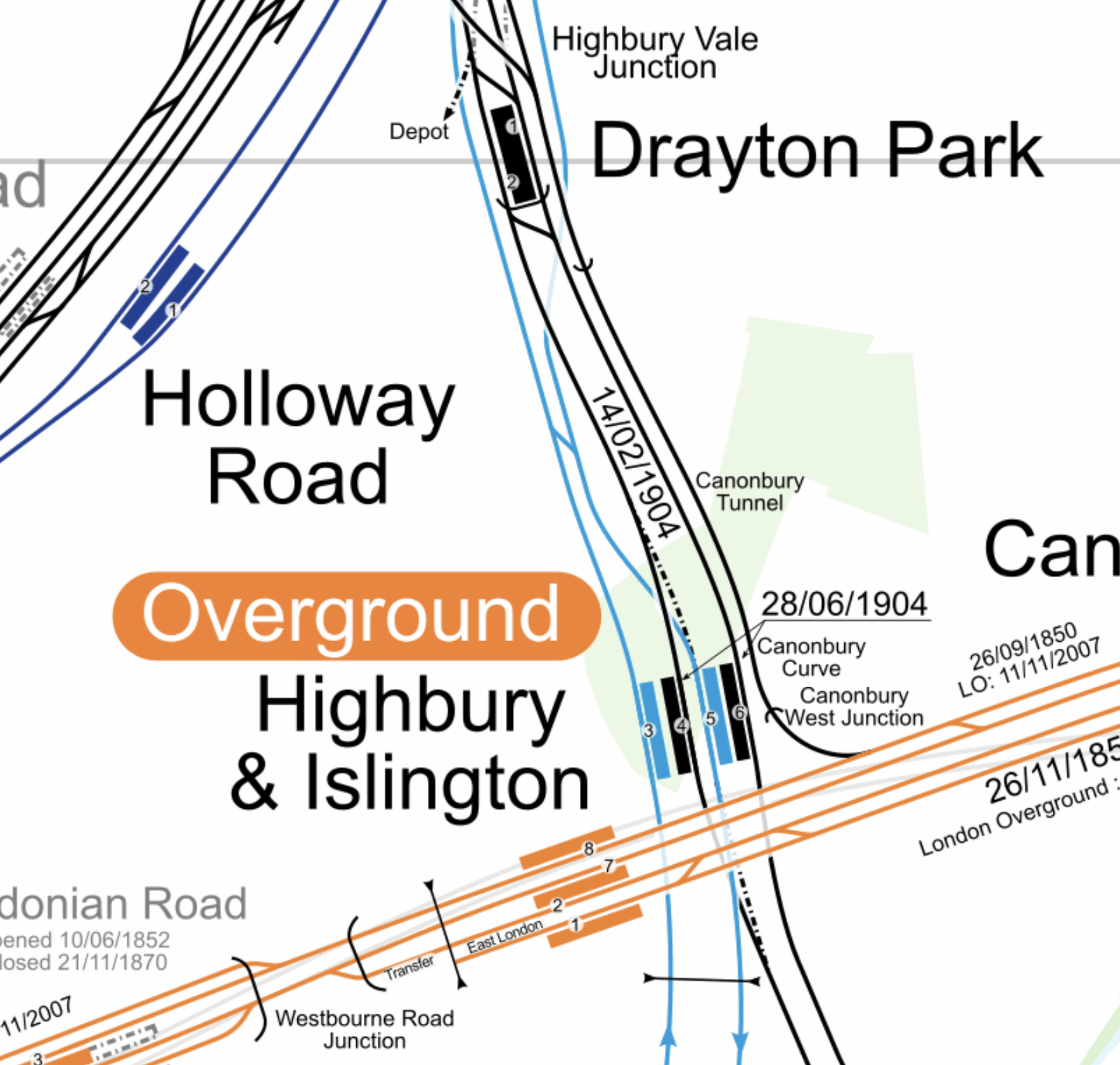
Note.
- The dark blue tracks are the Piccadilly Line.
- The lighter blue tracks are the Victoria Line.
- The orange tracks are the London Overground.
- The black tracks going through Drayton Park and Highbury & Islington stations are the Northern City Line, which terminates at Moorgate station.
- The platforms of the Northern City and Victoria Lines are paired at Highbury & Islington station, so that passengers can change lines with a simple walk-across.
The big problem with Highbury & Islington station is that is not step-free.
A Step-Free Route Between Wood Green And Moorgate Stations
Currently, it is possible to go between Wood Green and Moorgate stations by using three trains.
- Piccadilly Line – Wood Green to Finsbury Park – 6 mins
- Victoria Line – Finsbury Park to Highbury & Islington – 6 mins
- Northern City Line – Highbury & Islington to Moorgate – 10 mins
Note.
- These are actual times measured on my phone.
- The total time is twenty-two minutes.
- I had to wait a couple of minutes at both changes.
- Both changes are walk-across.
- The changes are not as perfect as they could be, although they would be easily managed with a buggy or a heavy case.
These pictures show the change at Highbury & Islington station.
These pictures show the change at Finsbury Park station.

This route works for all stations Between Manor House and Cockfosters.
- Cockfosters – Add 15 minutes
- Oakwood – Add 12 minutes
- Southgate – Add 9 minutes
- Arnos Grove – Add 6 minutes
- Bounds Green – Add 3 minutes
- Turnpike Lane – Subtract 2 minutes
- Manor House – Subtract 5 minutes
But look at the frequencies of the three sections in trains per hour (tph)
- Piccadilly Line – 21 tph
- Victoria Line – 33 tph
- Northern City Line – 4 tph
The Northern City Line frequency is not high enough, as you could have a fifteen minute wait for a train.
Improvements Needed To The Northern City Line
The Northern City Line now has new Class 717 trains, a terminal platform at Stevenage and full digital signalling is being installed.
- The major improvement needed would be to improve frequency to at least 12 tph.
- Six tph on both branches should be possible.
I would also install step-free access at more stations.
Moorgate Station’s Northern City Line Platforms
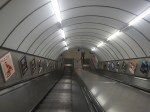
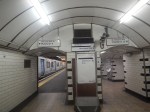
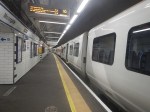
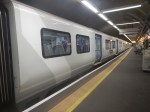
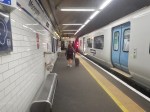
These pictures show the platforms of the Northern City Line at Moorgate station.

Note.
Improved Connections At Moorgate Station
I talked about the connections between the Northern and Elizabeth Lines at Moorgate station in Elizabeth Line To Northern Line At Moorgate Station.
This was my conclusion.
Routes between the Northern and Elizabeth Lines at Moorgate need to be improved.
I feel that some of the improvements could be fairly minor, but adding step-free access to the Northern City Line could be more difficult.
An Improved Connection Between Bank And Moorgate Stations
Currently, there are three ways between Bank and Moorgate stations.
- Use the Northern Line
- Use a 21, 43 or 141 bus routes
- Walk
I believe that it would also be possible to dig a pedestrian tunnel between the two stations and fit it out with a moving walkway.
This visualisation shows the updated Bank station.
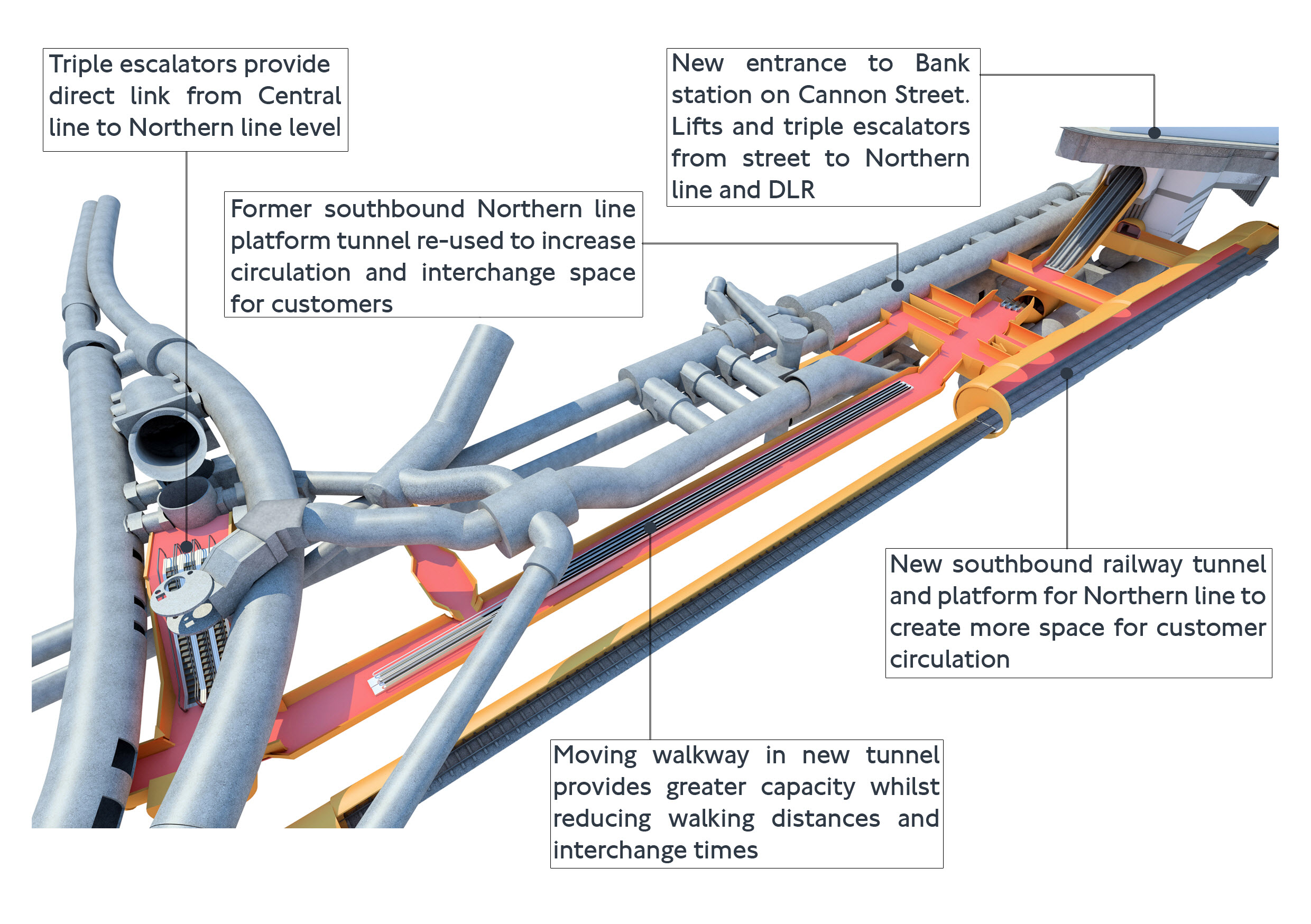
Note.
- Moorgate station is to the left.
- The only more-or-less completed bits are the two Northern Line tunnels and platforms and parallel pedestrian tunnel.
- The four cross tunnels can be picked out towards the far end of the station.
- Three of the cross tunnels can now be used by passengers.
- The moving walkway can be accessed from the two cross tunnels nearest to the Central Line.
- The escalators from the yet-to-open Cannon Street entrance appear to lead directly into a cross tunnel and a parallel tunnel to the moving walkway.
I believe that the moving walkway to Moorgate station could connect with the Bank station complex, at the Moorgate end of the new moving walkway in Bank station.
Extending The Elizabeth Line – Linking To The Oxted Line
I believe that everybody in the South East of England needs the best access possible to the Elizabeth Line, by train from where they live.
- The Elizabeth Line serves the important places like Brick Lane, Canary Wharf, the City of London, Heathrow Airport, Liverpool Street station, the Olympic Park, Oxford Street and Paddington station directly.
- Because of its connection to Thameslink, the Elizabeth Line also serves important places like Bedford, Brighton, Cambridge, Gatwick Airport, Luton Airport and Tate Modern with a single change at Farringdon station.
- Using the Elizabeth Line, Thameslink and perhaps a bus, it is possible to get to most important places in Central London.
- The more passengers that use the Elizabeth Line and Thameslink, the more London’s businesses will thrive creating employment and tax revenues.
- It should also be remembered, that using a train to visit central London, probably cuts your carbon footprint.
- The Elizabeth Line also cost a fortune, so perhaps by using it, you will be getting some of your portion of what it cost you back.
This post is the first of several, where I discuss how to bring more passengers into the Elizabeth Line network.
The Oxted Line
The Oxted Line is a line with two branches; East Grinstead and Uckfield, which runs South from East Croydon station.
- The branch to East Grinstead is electrified, but the branch to Uckfield is not and is still run by diesel trains.
- Plans exist to run battery-electric trains on the Uckfield branch, but they always seem to be awaited,
- Network Rail are now saying that they will electrify the Uckfield branch with third-rail.
- All platforms on both branches can take ten-car trains, if not twelve.
- A reasonable amount of money has been spent on the Uckfield branch to improve it.
- Services on both branches are one train per hour (tph).
- London terminals of trains are London Bridge and Victoria, both of which have no easy connection to the Elizabeth Line.
The major faults of the current services are as follows.
- One tph is not enough.
- Victoria is an overcrowded terminal with no connection to the Elizabeth Line or Thameslink
- At London Bridge and East Croydon, there are tortuous step-free change to Thameslink.
- From London Bridge you can use the Northern Line to transfer to the Elizabeth Line, but it wouldn’t be the best route when taking a heavy case to Heathrow.
- From Victoria, you can use the Circle and District lines to the Elizabeth Line at Paddington.
The Oxted Line service needs to be improved.
I would do the following.
Move Uckfield Branch Services To Thameslink
This would mean that Uckfield services would call at East Croydon, London Bridge, Blackfriars, City Thameslink, Farringdon, St. Pancras and then terminate somewhere to the North.
- There would be a step-free change to the Elizabeth Line at Farringdon.
- East Croydon and London Bridge are still served.
- There are connections to the Circle, District, Hammersmith & City, Jubilee, Metropolitan, Northern, Piccadilly and Victoria Lines of the Underground.
- There will be no need for a terminal platform at London Bridge.
I believe that this gives much better connectivity.
Electrify To Uckfield
This is a long-debated question.
But as Thameslink trains are Class 700 trains, which are dual voltage, I’d electrify the Uckfield branch with 25 KVAC overhead electrification between Hurst Green and Uckfield.
Lightweight catenary could be used to reduce visual intrusion.
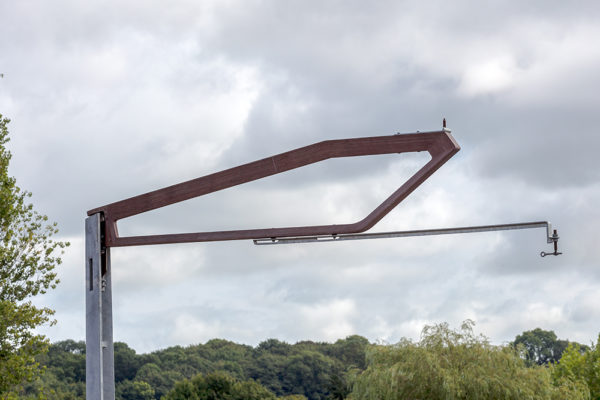
Note.
- The curved beam at the top of this overhead electrification gantry is laminated wood.
- Power changeover would take place at Hurst Green station.
Hopefully, the electric trains would offset any anger at overhead wires.
Run Two tph To Uckfield
I am fairly certain that when Network Rail lengthened the platforms on the Uckfield branch, that they arranged the track and signalling, so that two tph could use the branch.
Run An Hourly Shuttle Between Oxted And East Grinstead
This service would be as follows.
- It would terminate in the bay platform at Oxted station.
- This would give 2 tph on this route.
The existing hourly service between East Grinstead and Victoria would continue.
Conclusion
I believe that this simple scheme could give very good benefits to all stakeholders.
Westbound Elizabeth Line To Northbound Thameslink At Farringdon Station
This journey is the reverse of the one I did earlier today in Southbound Thameslink To Eastbound Elizabeth Line At Farringdon Station.
These pictures show my walk at Farringdon station.

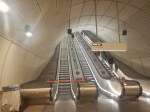


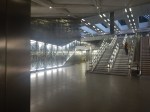

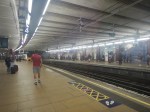
Note.
- This route starts at the Western end of the Elizabeth Line platforms in Farringdon station.
- I took the escalator there to the top.
- I then walked to the left of the second bank of stairs and escalators.
- This took me directly on to the Northbound Thameslink platform.
This route also works if you’re going East on the Elizabeth Line and want to go North on Thameslink.
This second set of pictures show the walk in the reverse direction.

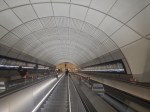

Interchange with the Northbound Thameslink platform is very easy in both directions, as most of the walk between platforms is done on the escalator.
Conclusion
There would appear to be an imbalance of quality between the connections between the Elizabeth Line and the two Thameslink platforms.
- Those going between the Elizabeth Line and the Northbound Thameslink platform will find it easy, as most of the route is on an escalator.
- On the other hand, those using the Southbound Thameslink platform at busy times could find it congested and slow.
I suspect that regular users of the station, will develop their own routes through the station.
Southbound Thameslink To Eastbound Elizabeth Line At Farringdon Station
I travelled today from St. Pancras International station to Whitechapel station, using the following route.
- Southbound Thameslink service to Farringdon station.
- Eastbound Elizabeth Line service to Whitechapel station.
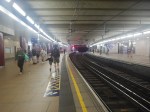
These pictures show my walk at Farringdon station.
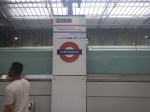
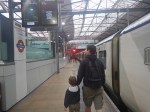
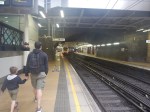


Note.
- I was riding at the back of the train, so I had a long walk to the lifts.
- It would be better to travel in the Southern end of the Thameslink train, as the lifts are at the Southern end of the Southbound Thameslink platform.
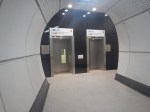
- I used the lifts to descend to the Elizabeth Line platforms.
- It is only a short walk between the lifts and the Elizabeth Line trains.
As the last picture indicates, the connecting lifts that I used, can also be used to go from the Southbound Thameslink to the Westbound Elizabeth Line at Farringdon Station.
These connecting lifts can also be used in the reverse direction to go from all Elizabeth Line services to Southbound Thameslink services to London Bridge, East Croydon, Gatwick Airport, Brighton and all the other Southern Thameslink destinations!
If you want to avoid the lifts, as it appears they can busy, you have to climb the stairs to get to the concourse and then descend to get the escalator down to the Elizabeth Line, that I wrote about in Westbound Elizabeth Line To Northbound Thameslink At Farringdon Station.
Conclusion
There would appear to be an imbalance of quality between the connections between the Elizabeth Line and the two Thameslink platforms.
- Those going between the Elizabeth Line and the Northbound Thameslink platform will find it easy, as most of the route is on an escalator.
- On the other hand, those using the Southbound Thameslink platform at busy times could find it congested and slow.
I suspect that regular users of the station, will develop their own routes through the station.
 The Anonymous Widower