Could A Hackney Junction Station Be Created?
Today, I was returning from Stratford station and did what I often do now and that is get off the Overground at Hackney Central station and get a 38 bus to just round the corner from my house. Ideally, I would like to take the disused Eastern Curve to walk from Dalston Junction station. But this would be a difficult route to reinstate. It would also be expensive, with not much change left from a million pounds.
The change at Hackney Central only takes a few minutes, but it involves using an overbridge to cross the North London line and a U-shaped walk to get to the bus stop on Graham Road.
The other problem at Hackney is getting between the two stations of Hackney Central and Hackney Downs. I walked it at ground level and it doesn’t take too long. There are some pictrures here.
But I wouldn’t like to do it in a few years or with a child in a buggy or in a wheelchair. There used to be a walkway at track level, but this was demolished, when the North London line was truncated to Dalston in 1944.
So could anything be done to improve the station? Let’s start by looking at an aerial view of the two stations and the surrounding roads coutesy of Google.
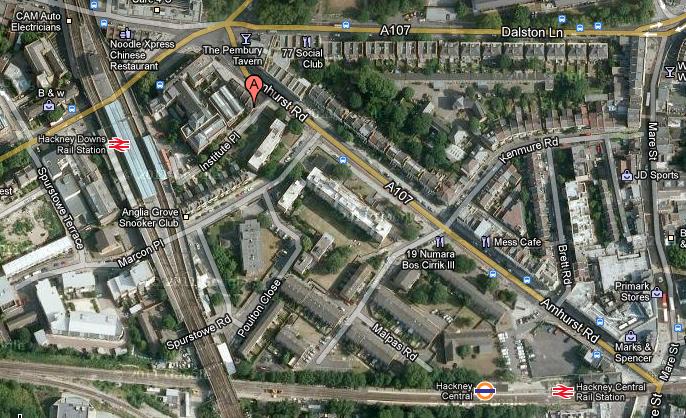
Map of Hackney Central and Downs Stations
The first thing you will notice is that there is a surprising amount of greenery and trees, especially along the line running westwards from Hackney Central station.
There is also car parking to the north of Hackney Central on Amhurst Road, which could be developed for something more worthwhile.
Returning to ground level, I took this picture of the old station building for Hackney Central, which sits on the corner of Mare Street and Graham Road.

The Old Hackney Central Station
This is surely worth preserving and using for something better than as a prop for the railway. Note the alleyway that leads to the new station buildings at the side.
This station is very similar to Camden Road station, also on the North London line, and like that station, I suspect Hackney Central also featured an underpass to get to the line on the other side. If this could be reinstated, this would remove one of the main problems of the station and that is having to use the overbridge to get to and from the westbound platform. I can manage it OK after a stroke, but I couldn’t if I was a young mother with twins in a double buggy.
I’m no architect, but I feel that a good one, with an understanding of structures could create an imposing station at the Hackney Central end of the combined station. As I said before there is space to the north of the station, which could be used as either a bus interchange, a square with cafes and other meeting places or niche retail. Or perhaps all three to create somewhere you might go to meet someone before walking the Lea Valley, going shopping at Eastfield or to the football at White Hart Lane.
The Hackney Downs end on the other hand doesn’t offer such a good collection of buildings on which to create a statement as you could at Central. So perhaps you just do something with the staircases and give it a good or as I said earlier, a wild coat of paint.
To connect the two stations you have three options.
- The simplest would probably be to signpost a preferred route, perhaps cutting the current distance slightly by sneaking in at the back of Hackney Downs.
- You could also put controlled crossing in at the two stations, so that the bus routes that served both stations could be used to bridge the gap.
- Or you could create a Hackney Skywalk alongside the two railways, above the streets below. Whether this could be done meeting all of the safety regulations, I do not know, but it would be a statement of intent of two rail lines and one station.
Finally, the buses in the area need a bit of reorganisation, especially if the North London Line continues to carry more and more passengers and the stations get full step-free access.
- Some buses for instance, like the 30 and the 277 almost parallel the line from Hackney Wick to Highbury and Islington, so perhaps some simplification could be envisaged.
- The 38 goes all the way to Victoria from Hackney, as does the 73 from Stoke Newington, so perhaps if Hackney had better connections to the Victoria line, some passengers might take that route.
- The new North London Line has shown that if you provide good east-west links in North London, they’ll get used. So perhaps, there is a need for a bus from somewhere like Archway to Walthamstow.
If nothing with this ramble, I’ve proved one thing. There are endless possibilities about what can be done to improve public transport in Hackney and up the Lea Valley.
To be fair to, to the Council, they have a lot of useful information and alternative plans on their web site.
Avoid Changing At Bank
For some time now, changing from one tube line to another at Bank has been something to avoid according to Transport for London.
I have advised people coming to see me to change at Bank onto a 76, 21 or 141 bus to go north to Dalston. But now CrossRail works and putting in a new water main seem to mean that finding a bus at certain times at Bank, is like looking for a needle in the proverbial haystack.
Coming back from Oxford Circus at around four this afternoon, took me nearly an hour, when normally in the rush hour, I can do it on a 73 bus in about thirty-five minutes.
So where were the seventy-frees this afternoon? Stuck in the jams at Bond Street caused by Sunday afternoon shoppers and the CrossRail works at Bond Street. I couldn’t tak the Victoria line to Highbury and Islington, as that was closed for engineering work.
The problems will sort themselves out in the next few weeks, as the summer will be over and a lot of the weekend engineering work will be suspended until the Christmas period.
It is now though, that one of the major faults of the Overground is starting to show itself. And that is the lack of a link to the Central line in the east of London. You have to remember too, that the Central line is actually under Shoreditch High Street station. But then the cost of a new tube station there would probably have doubled the cost of the East London line.
I suppose the planners felt that when CrossRail is finished, then this will solve the problem with the interchange at Whitechapel.
The Edinburgh Tram Fiasco Continues
Over the last few years, there have been several local transport prjects in the UK. Most like the London Overground have been completed on time and on budget, with one in London the DLR Extension to Stratford International being a year late.
Two major projects though have gone seriously over budget; the Cambridge Busway and the Edinburgh Tram.
The former is now up and running and most of the reports are positive. Extra buses are supposedly being ordered to cope with demand. But it will be easier to sort out the problems of the cost overruns for a success than a failure.
But the Edinburgh Tram fiasco continues according to this report on the BBC. So for a large cost overrun, Edinburgh will get what half they originally ordered. When what they are now getting is completed, passengers arriving at the airport will be unable to take the tram to the City Centre to see the similarly half-finished National Monument. But at least the tram will serve the headquarters of the Royal Bank of UK Taxpayers at Gogar!
At least it has given a lot of work for consultants and material for comedians at the Festival.
A Plan For Tottenham Is Emerging
It would appear that Spurs are on the point of dropping their bid to take over the Olympic stadium according to the BBC.
I have looked at the plans for the new stadium and feel that the way it would be built is innovative and good project management, making the best use of all the resources.
A deal seems to be being working out with the Mayor and the Government about improving public transport in the area. As I said earlier, I believe this should be achieved by giving some or all of the Lea Valley lines to Transport for London and adding them to the Overground. The trains, track and power supplies are not the worst, but improving the stations with their dreadful access and especially the link at Hackney Downs to the North London line and to buses must be done. A point here, is that this access traps the locals in the area, whether they like football or not.
It would also help London and Tottenham Hotspur, if a large Park and Ride was built somewhere to the north of White Hart Lane station on the Cheshunt line by the M25. London and the City lacks a decent Park and Ride and parking at most stations to the north and east of London is inadequate and overpriced.
So in my view a proper modern railway run to the same reliability as the Overground would transform the whole area from Bethnal Green, through Hackney and Tottenham to Enfield and the M25.
Finally, it has always irked Spurs supporters that Arsenal have their own Underground station. So why shouldn’t White Hart Lane be renamed Spurs?
The Overground Connection to the Lea Valley Line at Seven Sisters
I tried to take a picture of the Gospel Oak to Barking Line of the Overground, as I passed over it, just before I got to Seven Sisters station whilst travelling to Bruce Grove today.
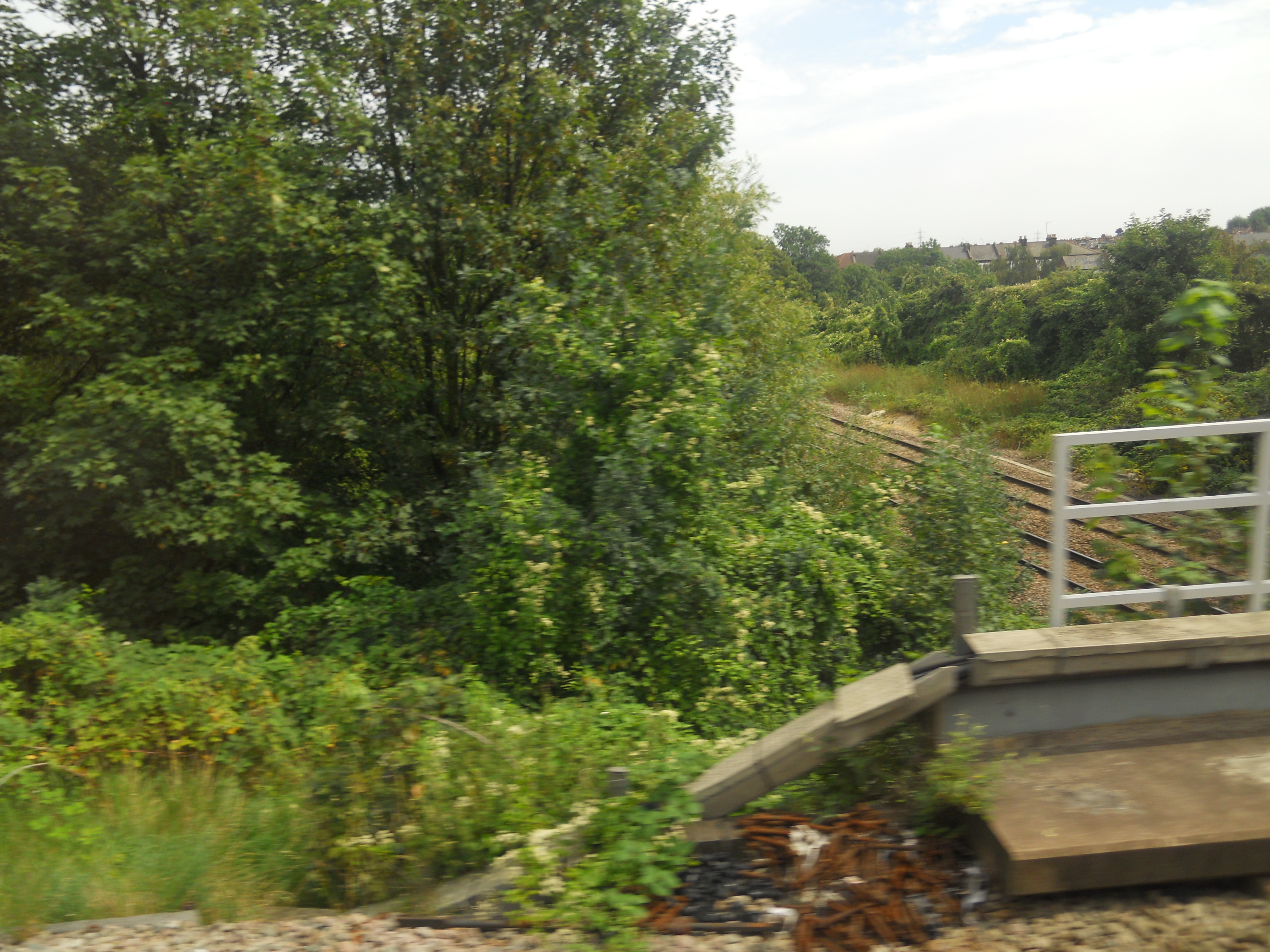
The Overground Passing Under the Lea Valley Line South of Seven Sisters
It was not good and neither was the one of the I took of Seven Sisters South junction that connects the two lines.
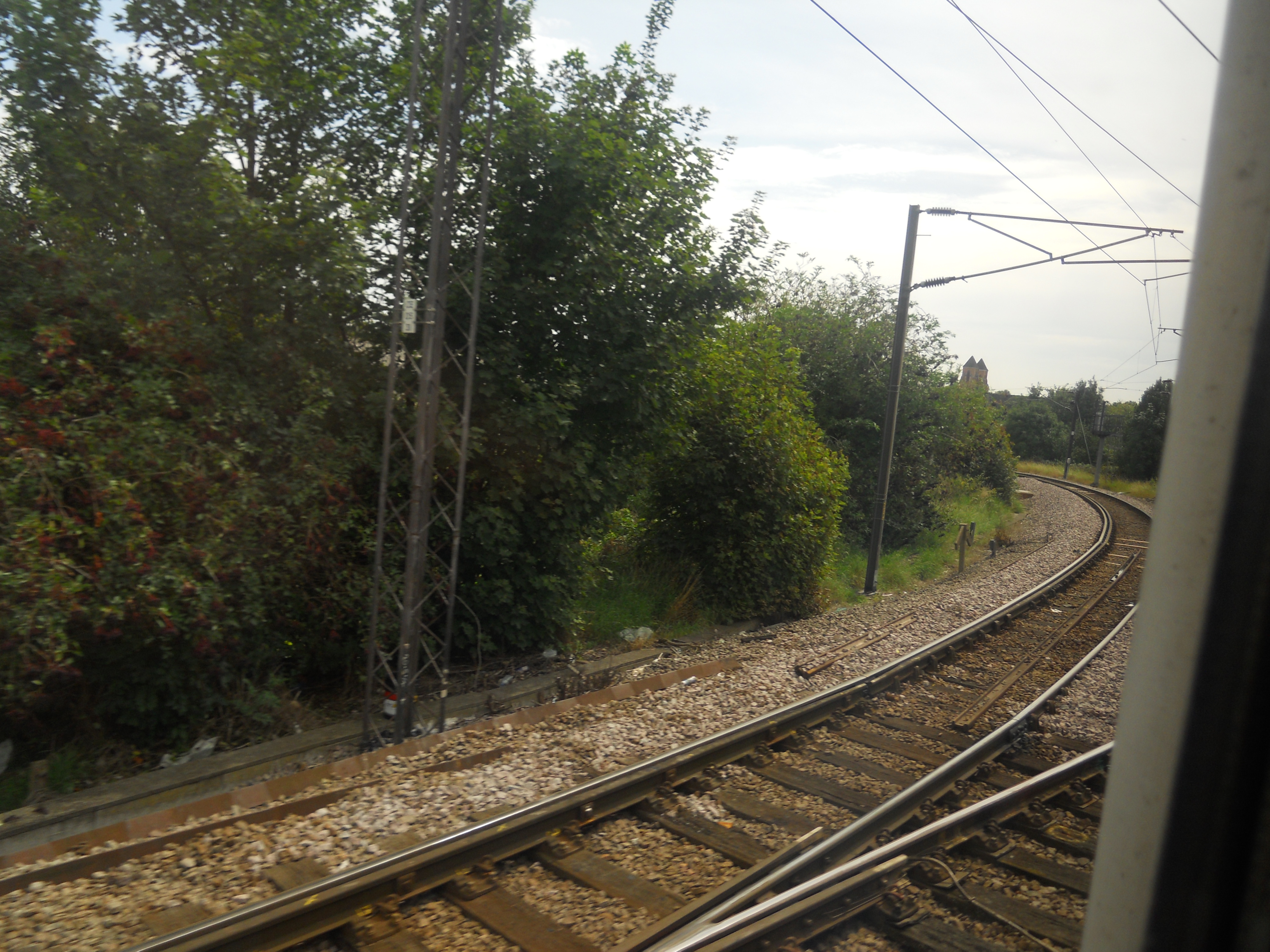
Seven Sisters South Junction
Some might argue that an interchange station here would be a good thing. Or perhaps that some trains from Enfield might use this junction to get to Barking and other places in East London.
I wouldn’t! But I would make the walk from Seven Sisters station to South Tottenham station as easy as possible. According to Wikipedia, there is a shorter route that is not well signposted.
So often improvements in many things can be brought about by decent signs, maps or a few litres of well-applied paint. Perhaps when we signpost an area, we should involve the teenagers. They know all the short-cuts and those places that are dangerous.
Connecting Hackney Central and Hackney Downs Stations
It says this in Wikipedia under the entry for Hackney Downs station.
The station is a short walk from Hackney Central, on the North London Line. Until Hackney Central’s closure in 1944, a passenger connection linked the two stations. However, when Hackney Central reopened in 1985, the footway did not reopen, and passengers transferring between the two stations are obliged to leave the station and transfer at street level.
Last night, I took the Overground to Hackney Central and then walked to Hackney Downs station.
It was quite an easy walk, but not the most obvious.
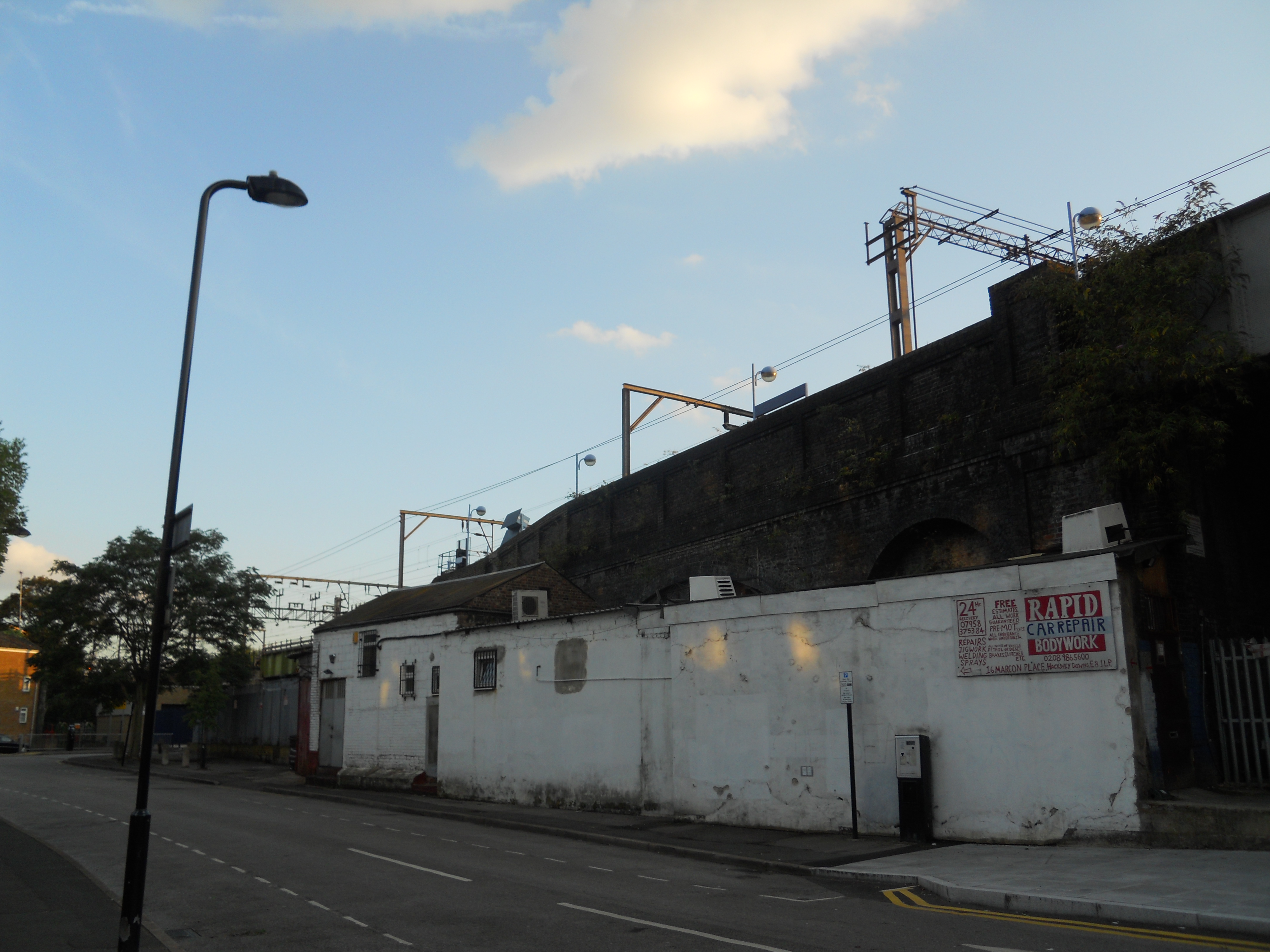
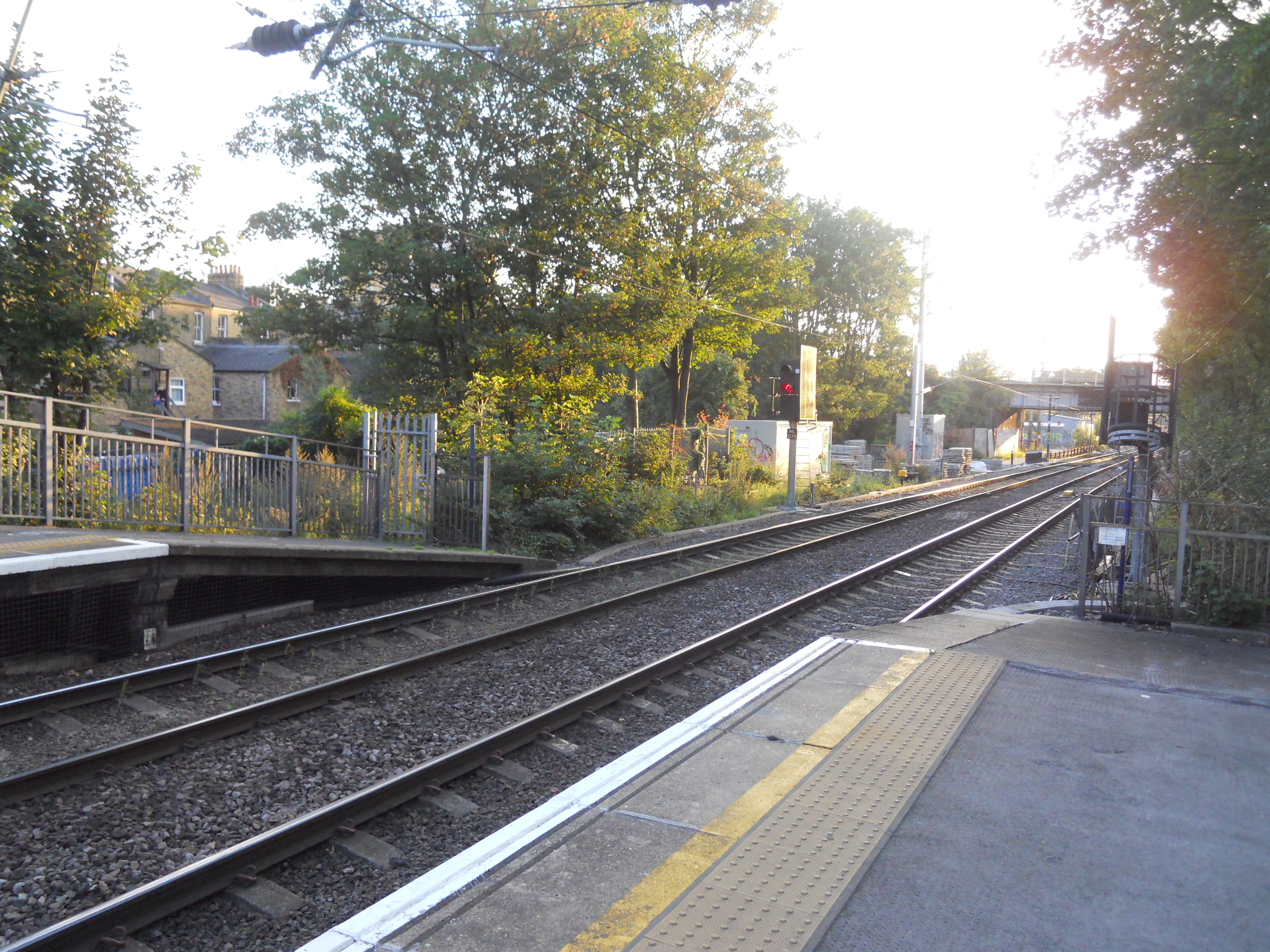
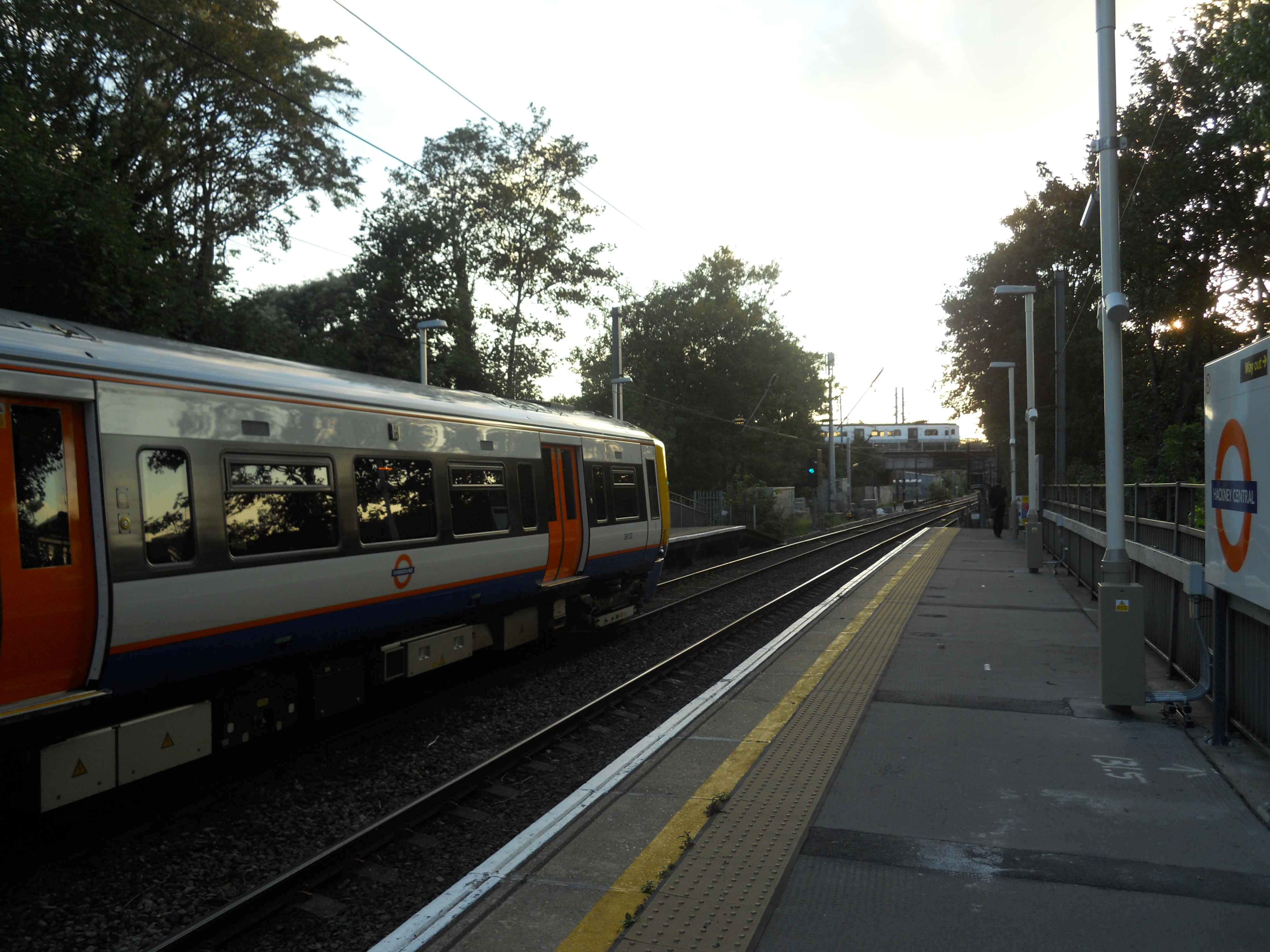
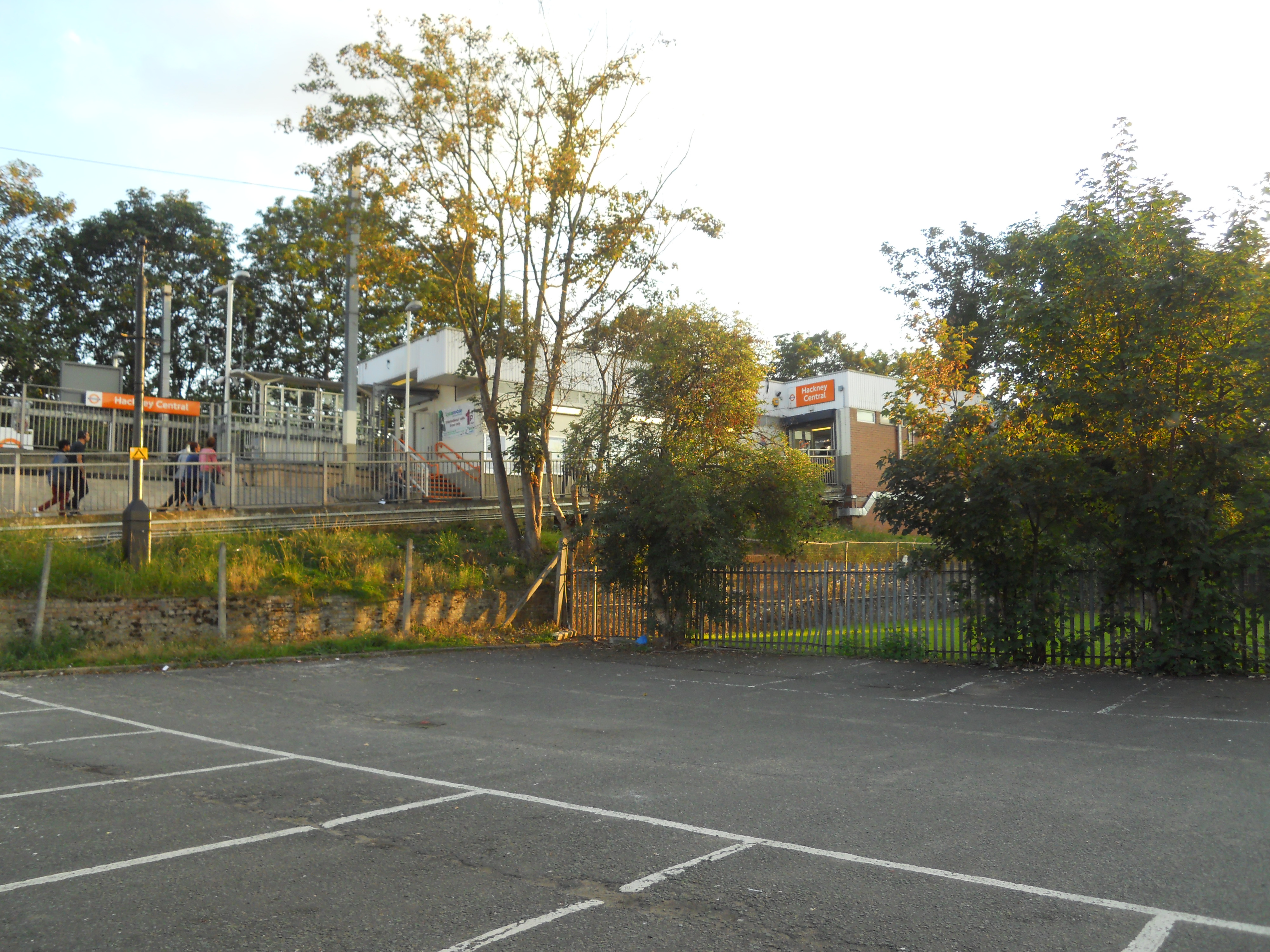
These pictures show how close the lines are and some of the local area.
It may not be possible to reinstate the walkway, but surely something better can be done, incorporating sensible bus interchanges as well.
I see this very much as an opportunity for Hackney.
How Do We Revive Tottenham?
What caused the riots that happened last week is very much a matter for others to decide.
I’ve known the area for years and quite frankly parts of it haven’t changed much since the end of the Second World War. As an example, the scruffy garage where I parked my bike in the 1960s to go to see Spurs is still there and it looks as if it hasn’t been painted in the last fifty years.
Transport is a major problem and it is even worse when Spurs are at home.
In the short term, I’d do three things.
In the first place, bring the area maps and the bus information up to the same standard that Londoners expect and get in other areas like Islington, Hackney and Westminster.
And then I’d put some investment into the railway that runs between Hackney Downs and Silver Street, by trying to improve the dreadful and dangerous steps. Escalators are expensive, but certainly a single escalator with a double width staircase could be used to improve safety at White Hart Lane. Lifts should also be selectively installed, so that step free access for the disabled is available at probably White Hart Lane, Seven Sisters and Hackney Downs.
One of the problems of the railway is that entry and exit at some stations is quite low. Could this be because it’s a difficult climb, whereas the nearby buses are just a step on and off? Also the trains are not Oyster-friendly! That would be the thrd thing!
So perhaps as I said earlier, should this line and the other Lea Valley lines be added to the Overground? Yes, I think it’s a no-brainer.
Incidentally Hackney Central on the Overground has substantially more passengers going through its doors than the nearby Hackney Downs.
Lots of things need to be done, but let’s improve the transport first.
The second thing that must be done is that Tottenham Hotspur decide quickly what they are doing with White Hart Lane stadium and the derelict land north of it. If they moved the stadium further north, it would actually be nearer to an upgraded White Hart Lane station. The station could even be renamed as Tottenham Hotspur.
Should We Add the Lea Valley Lines to the Overground?
There are effectively three surburban Lea Valley lines.
- Liverpool Street to Enfield
- Liverpool Street to Chingford
- Liverpool Street to Cheshunt via Southbury
Some count the line through Tottenham Hale as another Lea Valley Line, but I prefer to think of that as part of the West Anglia Main Line to Bishops Stortford and Cambridge.
I know the lines quite well and they are not in the best of health with stations that need investment, disabled access and to be incorporated into the Oyster fare network.
You might say it is just like the North London Line of a few years ago!
Except there is one major difference. The trains may be old, but they are in a much better state than the travelling urinals of the old North London Line.
The lines are also not badly connected to both the London Underground and the Overground.
- Seven Sisters and Walthamstow Central are shared stations serving both the Lea Valley Lines and the Victoria line.
- A footpath is planned to connect Walthamstow Central with Walthamstow Queen’s Road on the Overground.
- Hackey Downs used to be connected to Hackey Central on the Overground by means of a path at track level. This interchange could give the Overground a quick way to get to the city as an alternative to walking from Shoreditch High Street on the East London Line.
The more I look at this, the more I like it!
The lines are already built for eight car trains and frequencies approaching ten trains per hour. All they need is punters to fill them and that is where the expertise of the Overground comes in. They certainly have a track record of doing it on the current lines.
Transport for London also have good project management expertise, as they showed at the Dalston Curve, where the project was under budget and early. They also know about making stations disabled-friendly.
So I think we should go for it!
Hackney Downs Station
I wanted to go to Tottenham today, to answer a few questions that had arisen in my mind after the trip yesterday to IKEA.
I started at Hackney Downs station.
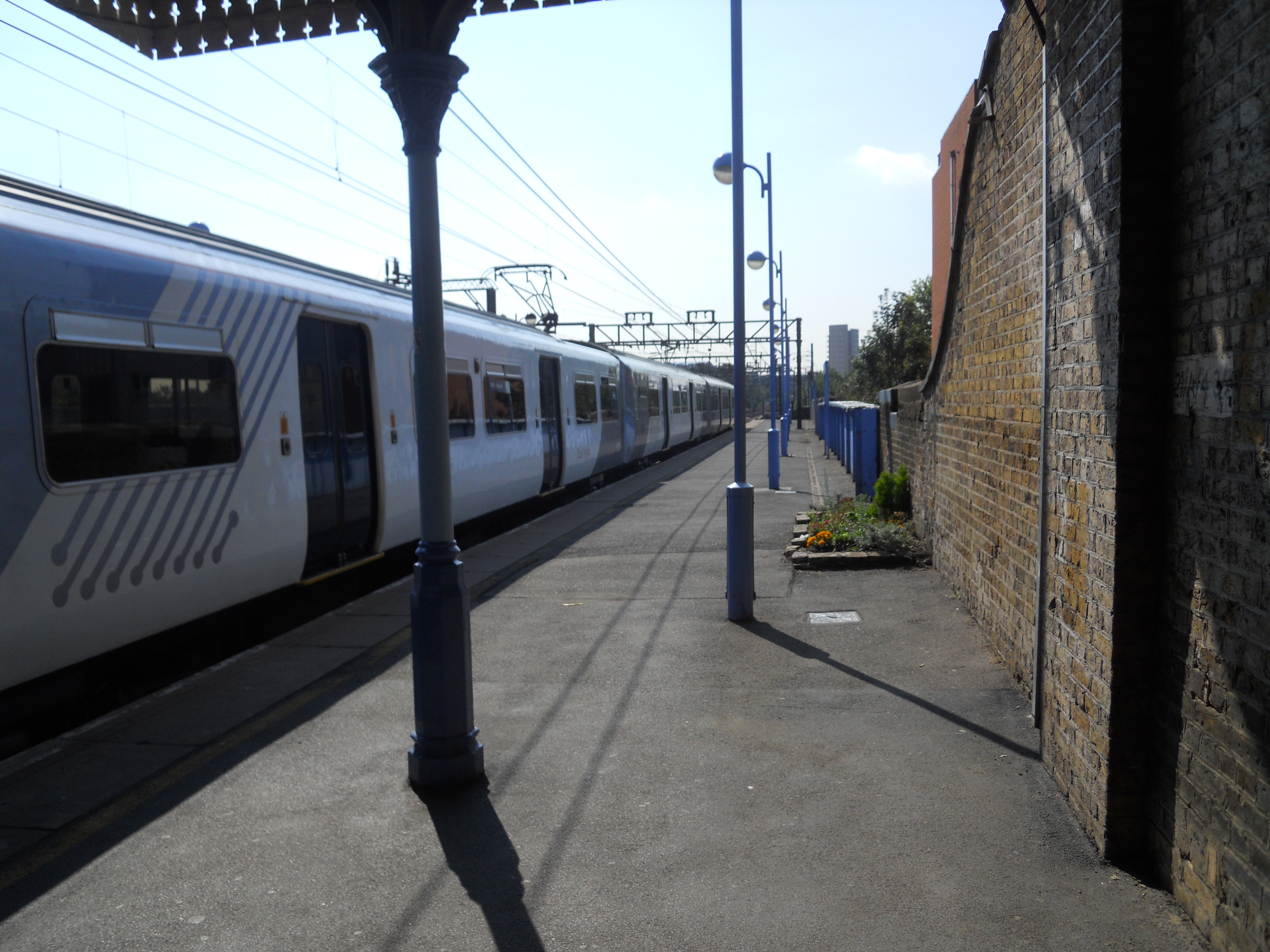
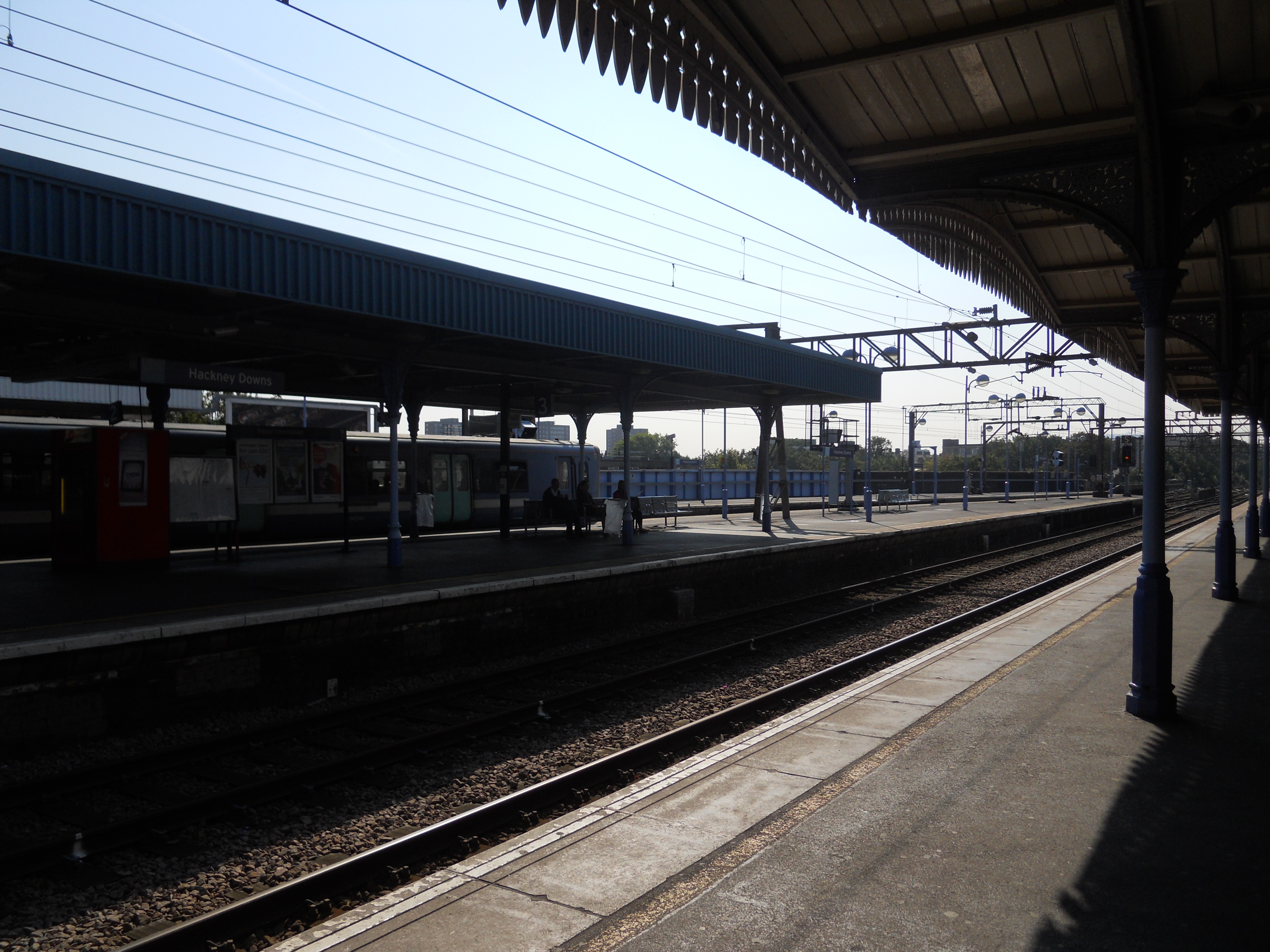
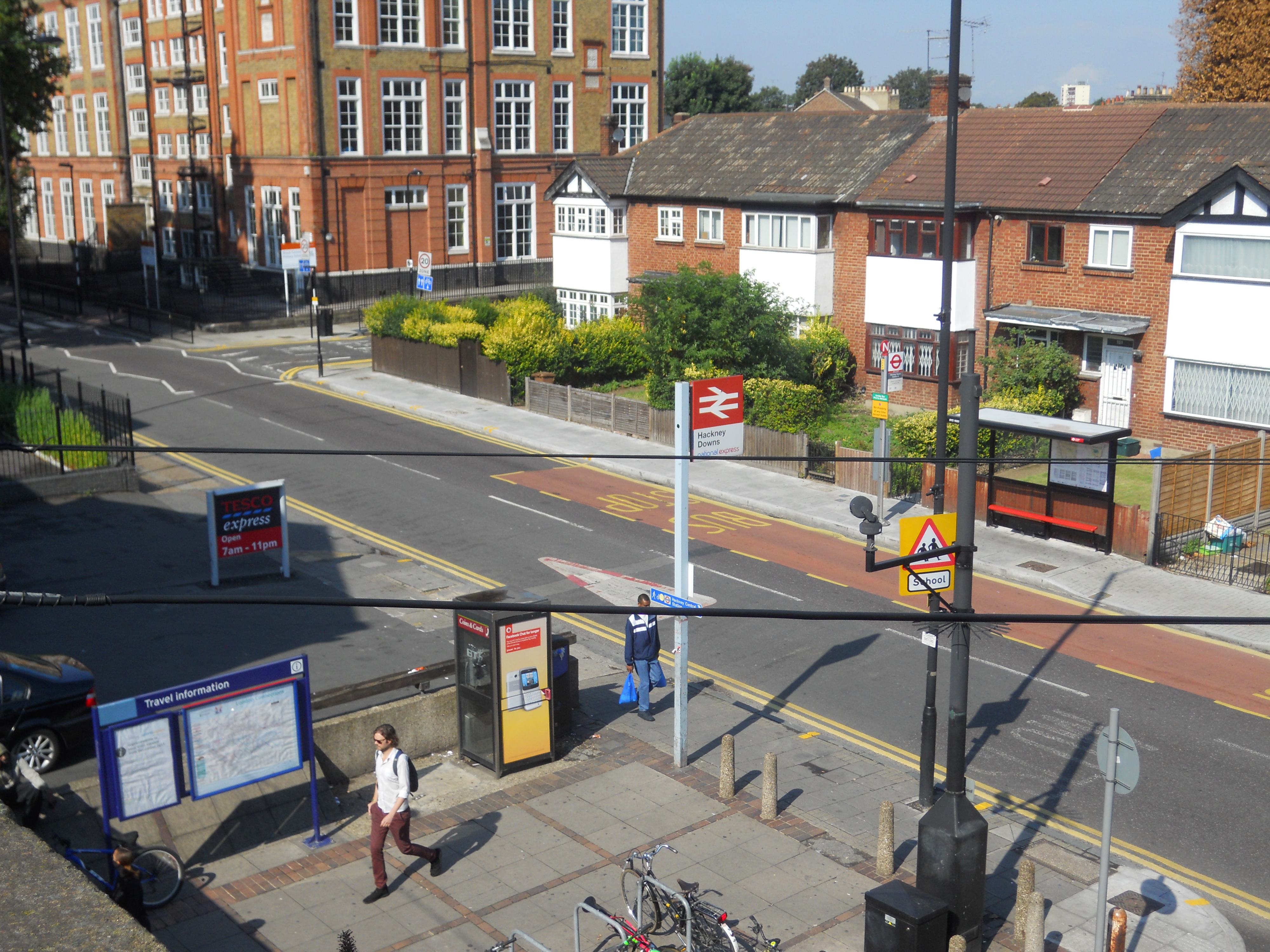


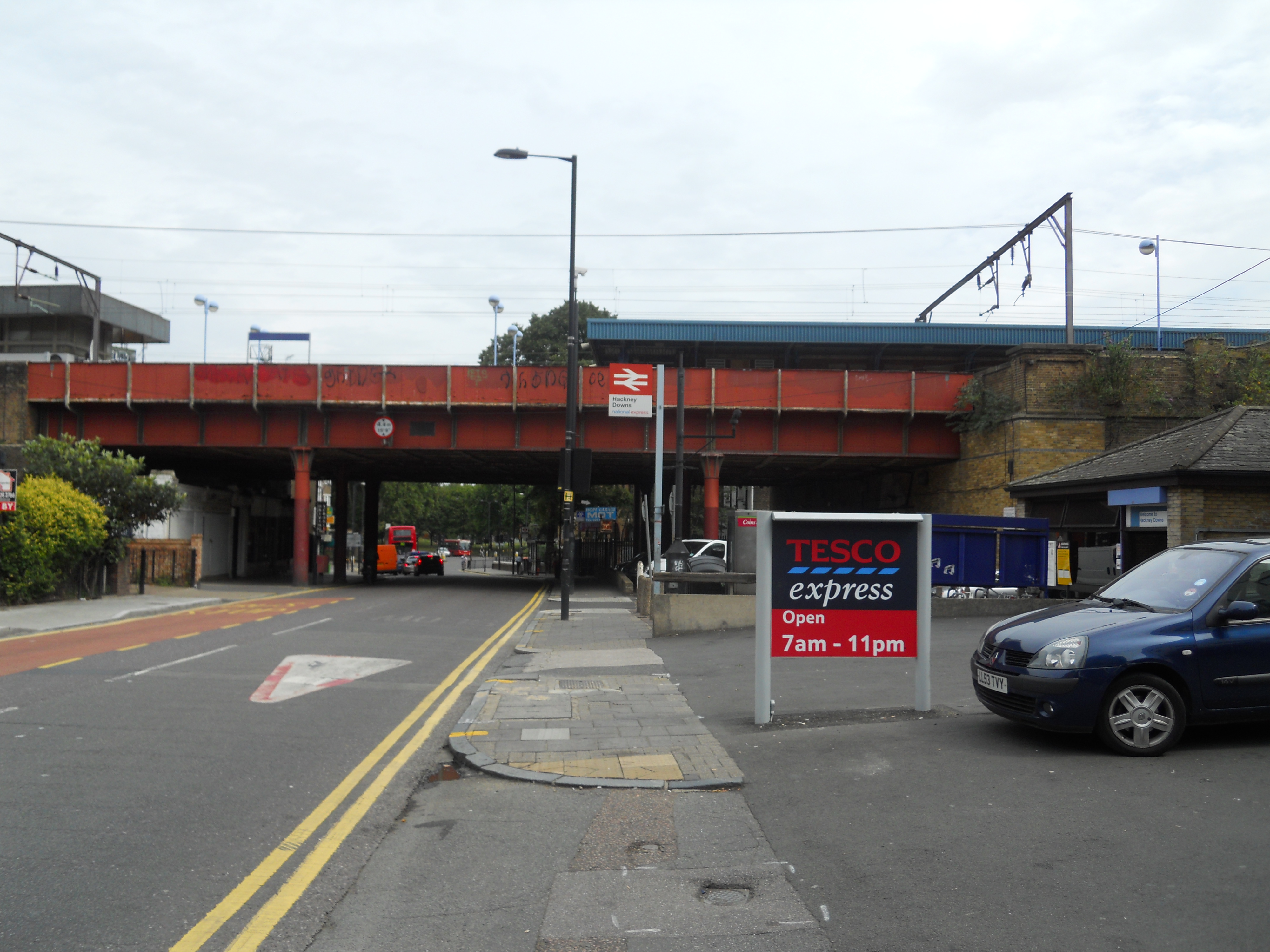

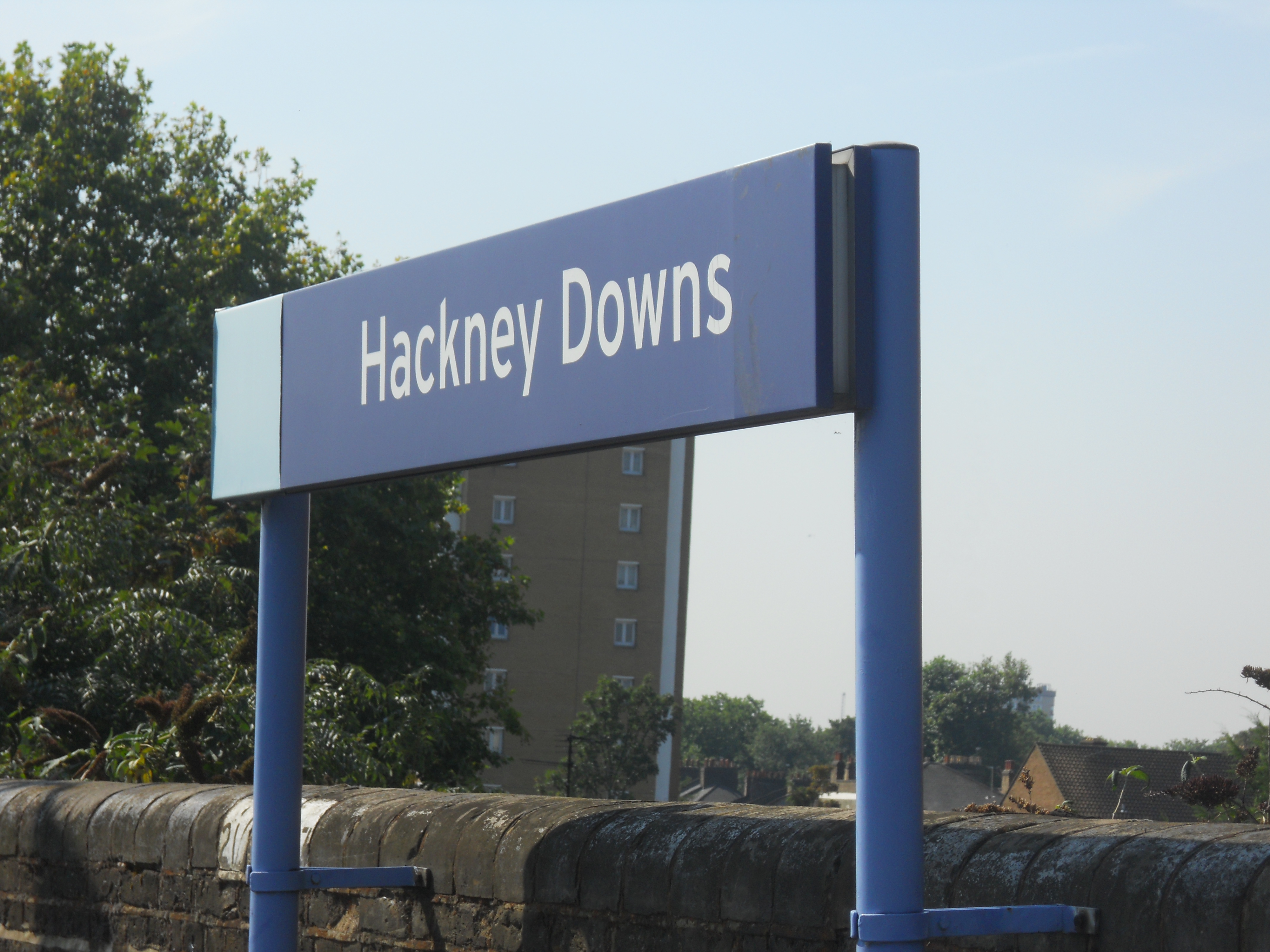
To say it is a dump would not be fair, as I suspect that staff try hard to keep a station that has lacked investment for years, working well.
It could be a very good station and I think it could be made into a major interchange by just a few changes and perhaps by borrowing ideas from the Overground.
The access to the platforms, which is by steep staircases, must be improved. I’m not disabled, but do appreciate the problems of those who are. In a wheelchair, unless accompanied by say four of Her Majesty’s squaddies, you wouldn’t stand a chance.
It is dark and dingy too and desperately in need of an imaginative repainting. Hackney has lots of artists, so perhaps they could help or design a scheme. Has a station ever been converted into an art gallery? I know the Musee d’Orsay was formerly a station, but they threw the trains out. Babies and bathwaters come to mind.
How about adding a food shop and a coffee bar?
The interface to the buses underneath the station is poor, as the picture in the gallery shows. There should be a light-controlled crossing over Dalston Lane.
But there is a lot going for the station.
It is close to the open space of Hackney Downs.
It is well served by services going to Enfield, Tottenham, Chingford, Cheshunt, Hertford and of course, Liverpool Street.
A walkway did link it to Hackney Central and this could be reinstated to create a true rail interchange for Hackney.
Is The London Overground a Success?
The three most important lines of the London Overground are now well established. I like it and I use the system several times a week. Admittedly, I have a station at the end of my road, but it is still about a kilometre away. The trains are comfortable, clean and I’ve only been late once.
But do others feel the same way as I do?
So I typed “London Overground success” into Google to see what I got.
I found this article, which is sub-titled, Tangerine Dreams. Here’s a flavour.
That the London Overground has been a success is difficult to deny. Whilst it has certainly had its share of delays and difficulties (such as with the rollout of the 378s), its current performance and satisfaction figures accurately portray the step change in service that has happened on the NLL and elsewhere since the Operator effectively made its debut in 2007. In a city where other Operators such as South Eastern are increasingly feeling the heat from passengers over the level of service they provide, London Overground’s performance also serves to highlight that there are effective ways to address the challenges that London’s railway infrastructure brings.
The rest of the article should be read and it is generally positive about London’s newest railway.
Politician’s of all colours will claim that the success is all down to them. In my view, given how the Overground built on successful ideas, rather than try revolutrionary new ones, I would say you’d have to be really stupid to make the project fail and be an unloved railway.
For a transport project to be successful, you have to locate it so that it takes people where they want to go. The Overground does this well, although you could argue it needs more links to the Underground, as Highbury and Islington, Whitechapel and Richmond aren’t really enough. But West Hampstead will come and possibly there will be others if the politicians decide to invest in success.
One factor that helps, is it is the least claustrophobic and most photogenic of London’s railways, with the possible exception of the DLR. I would recommend both the DLR and the Overground to visitors who want to get a different perspective of London.
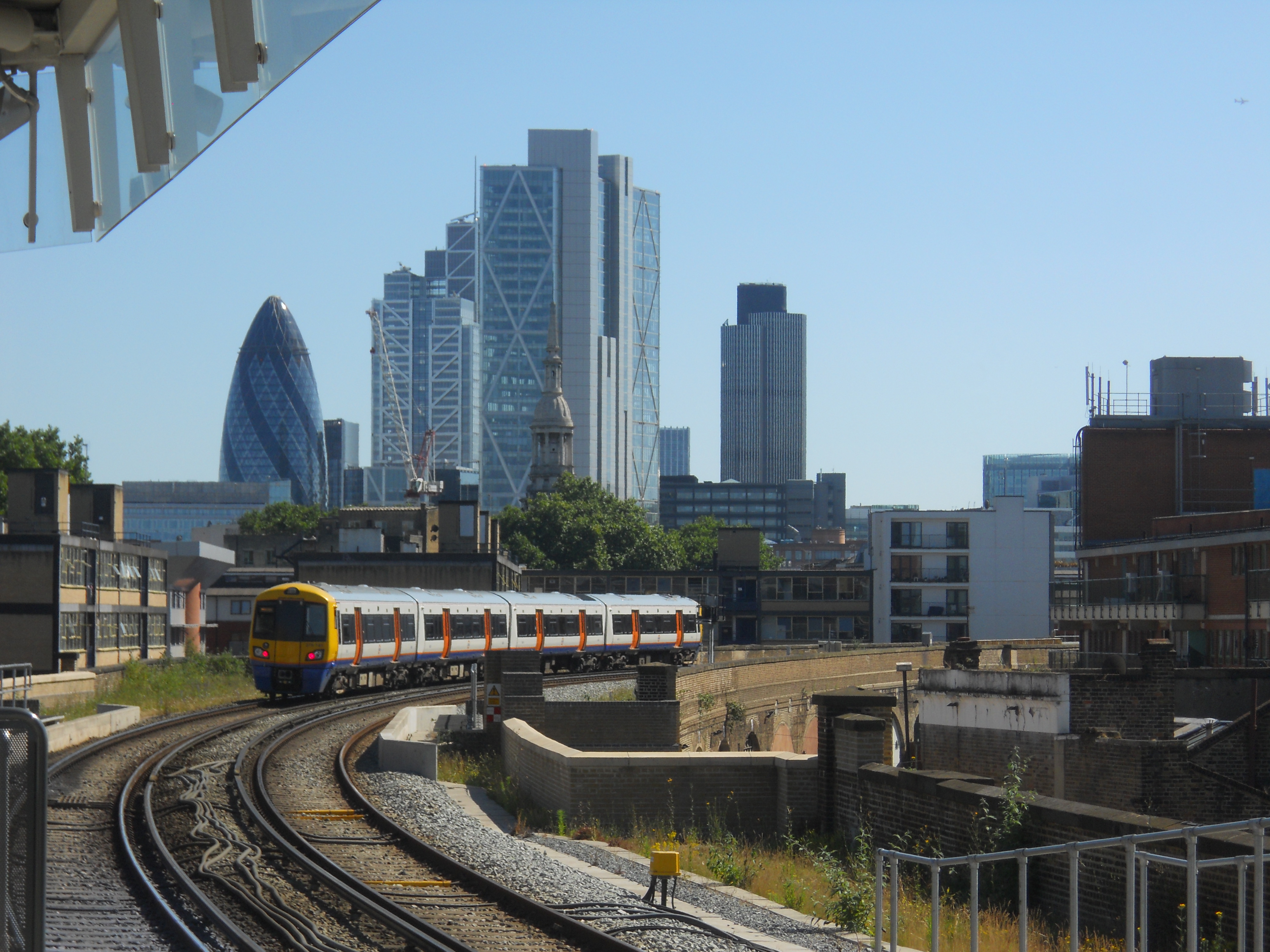
Overground Train on the Embankment South of Hoxton Station
I’ve used this picture before to show how different the Overground is. This view even ended up in Modern Railways to illuastrate an article about links between the City and transport projects.
I think the next question is can we build on this success?

