Moving The West London Line AC/DC Switchover To Kensington Olympia
London has a rail capacity problem, for both freight and passenger trains.
This report from Network Rail is entitled The London Rail Freight Strategy (LRFS).
One of the secondary recommendations of the report is to move the switchover between AC and DC power on the West London Line to Kensington Olympia station. It says this about the switchover.
Although moving the changeover to Shepherd’s Bush would eliminate the need for passenger trains to slow down or stop at North Pole Junction, electrically hauled freight trains will still need to switch power supply modes whilst moving, wherever the AC/DC interface is located.
Due to the substantial incline facing trains running northward on the WLL, which increases in severity towards the Willesden end of the route, it would be preferable for the changeover to be made as far south as possible. This would enable freight trains to slow down to switch traction before reaching the worst of the gradient, giving them a much better chance of regaining line speed once drawing power from the OLE.
Although Kensington Olympia is less than a mile to the south of Shepherd’s Bush, the intervening route section is almost entirely level, with the incline commencing just before Shepherd’s Bush station and continuing to rise sharply along the rest of the WLL. The capacity and performance benefits of relocating the changeover are therefore likely to be greater if the overhead wires are extended to Kensington Olympia, removing the risk to traffic flow that would remain if freight trains were forced to switch whilst running uphill.
This would prepare the West London Line for the transition to electric freight that will be necessary as part of the decarbonisation of the railway over the next thirty years.
Resolving the current traction changeover issues for freight as well as passenger trains would support this transition by encouraging freight operators to invest in electric locomotives to run on the orbital routes, in the confidence that this constraint has been addressed.
I covered this recommendation in Moving The West London Line AC/DC Switchover To Shepherd’s Bush, as so many arguments are the same about the two stations.
This was my conclusion in the related post.
I believe, as probably do Network Rail, that Kensington Olympia station should be the station, where the switchover occurs.
I did add a caveat, that it is probably all down to money.
Related Posts
These are related posts about the London Rail Freight Strategy (LRFS).
Decarbonisation Of London’s Freight Routes
East Coast Main Line South Bi-Directional Capability
Gauge Improvements Across London
Headway Reductions On The Gospel Oak To Barking, North London and West London Lines
Heavy Axle Weight Restrictions
Kensal Green Junction Improvement
Longhedge Junction Speed Increases
Moving The West London Line AC/DC Switchover To Shepherd’s Bush
Stratford Regulating Point Extension
Moving The West London Line AC/DC Switchover To Shepherd’s Bush
London has a rail capacity problem, for both freight and passenger trains.
This report from Network Rail is entitled The London Rail Freight Strategy (LRFS).
One of the recommendations of the report is to move the switchover between AC and DC power on the West London Line to Shepherd’s Bush station. It says this about the switchover.
Extension of the overhead wires further along the WLL, to provide AC electrification as far south as Shepherd’s Bush station.
Two passenger train services run along the West London Line.
- Four tph – London Overground – Clapham Junction and Stratford
- One tph – Southern – Clapham Junction and Milton Keynes
Note.
- tph is trains per hour.
- London Overground would like to increase their service to six tph.
- All trains stop at Shepherd’s Bush station.
The West London Line (WLL) runs between Willesden Junction station in the North and Clapham Junction station in the South.
These are the stations and their electrification status.
- Willesden Junction – 25 KVAC Overhead Electrification
- Shepherd’s Bush – 750 VDC Third-Rail Electrification
- Kensington Olympia – 750 VDC Third-Rail Electrification
- West Brompton – 750 VDC Third-Rail Electrification
- Imperial Wharf – 750 VDC Third-Rail Electrification
The switchover is performed North of Shepherd’s Bush station with the train moving.
These pictures show the electrification to the North of Shepherd’s Bush station.
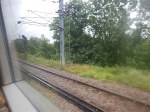
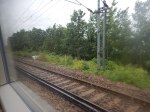
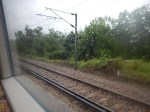
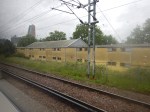
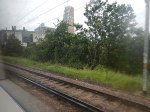
This double-electrification allows switchover, whilst the trains are moving.
This is said in the Network Rail document about moving the West London Line AC/DC switchover to Shepherd’s Bush station.
Extending the Overhead Line Equipment south to Shepherd’s Bush would enable passenger trains to change traction source whilst making their scheduled station stop.
A slight extension to dwell times at Shepherd’s Bush may be required, but the elimination of the need to slow down or, especially, to stop, as is the case for GTR trains, at North Pole Junction would release a significant amount of capacity.
Recent work carried out on behalf of Transport for London calculated that the relocation of the changeover to the Shepherd’s Bush could provide an indicative net saving of 7 minutes per hour, which is equivalent to an additional path and some additional time for timetable flexibility.
The LRFS capacity analysis concluded that this intervention could potentially release up to two additional timetable paths an hour in each direction.
Moreover, the analysis advised that eliminating the need for GTR services to stop to change traction at North Pole Junction would be of significant performance benefit even today.
This sounds to me like this us a good solution, that will give winners all round.
- I went North yesterday on a GTR (Southern) service and can confirm, the stop to switch voltage at North Pole junction.
- Extra paths are always good news.
- I have a feeling that the overhead electrification on the route isn’t the best, so Network Rail may even have to replace it anyway.
What I like about the proposal, is that if the switchover point is moved to Shepherd’s Bush station and in the very rare occurence of a switchover failure, the passengers can be easily evacuated from the train as it will most likely be in Shepherd’s Bush station, rather than in the industrial wastelands of West London.
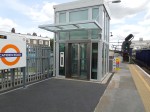
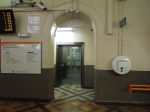
These pictures show Shepherd’s Bush station.
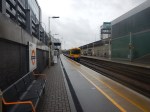
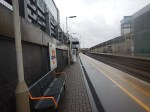
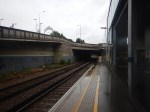
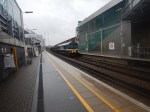
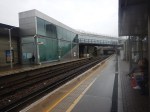
Note.
- It looks like the bridges have been built high enough for overhead electrification.
- The platforms appear to be able to handle long trains.
- Putting up overhead gantries doesn’t look to be the most challenging of tasks.
I don’t think, that the engineering needed will be difficult and because of the gains outlined in the report, this project should be performed as soon as possible.
Should The AC/DC Switchover Be At Kensington Olympia Station?
The Network Rail document also muses about performing the AC/DC switchover at Kensington Olympia station.
This is said.
Although moving the changeover to Shepherd’s Bush would eliminate the need for passenger trains to slow down or stop at North Pole Junction, electrically hauled freight trains will still need to switch power supply modes whilst moving, wherever the AC/DC interface is located.
Due to the substantial incline facing trains running northward on the WLL, which increases in severity towards the Willesden end of the route, it would be preferable for the changeover to be made as far south as possible. This would enable freight trains to slow down to switch traction before reaching the worst of the gradient, giving them a much better chance of regaining line speed once drawing power from the OLE.
Although Kensington Olympia is less than a mile to the south of Shepherd’s Bush, the intervening route section is almost entirely level, with the incline commencing just before Shepherd’s Bush station and continuing to rise sharply along the rest of the WLL. The capacity and performance benefits of relocating the changeover are therefore likely to be greater if the overhead wires are extended to Kensington Olympia, removing the risk to traffic flow that would remain if freight trains were forced to switch whilst running uphill.
This would prepare the West London Line for the transition to electric freight that will be necessary as part of the decarbonisation of the railway over the next thirty years.
Resolving the current traction changeover issues for freight as well as passenger trains would support this transition by encouraging freight operators to invest in electric locomotives to run on the orbital routes, in the confidence that this constraint has been addressed.
Network Rail seem to have made a very strong case for switching between AC and DC power at Kensington Olympia station.
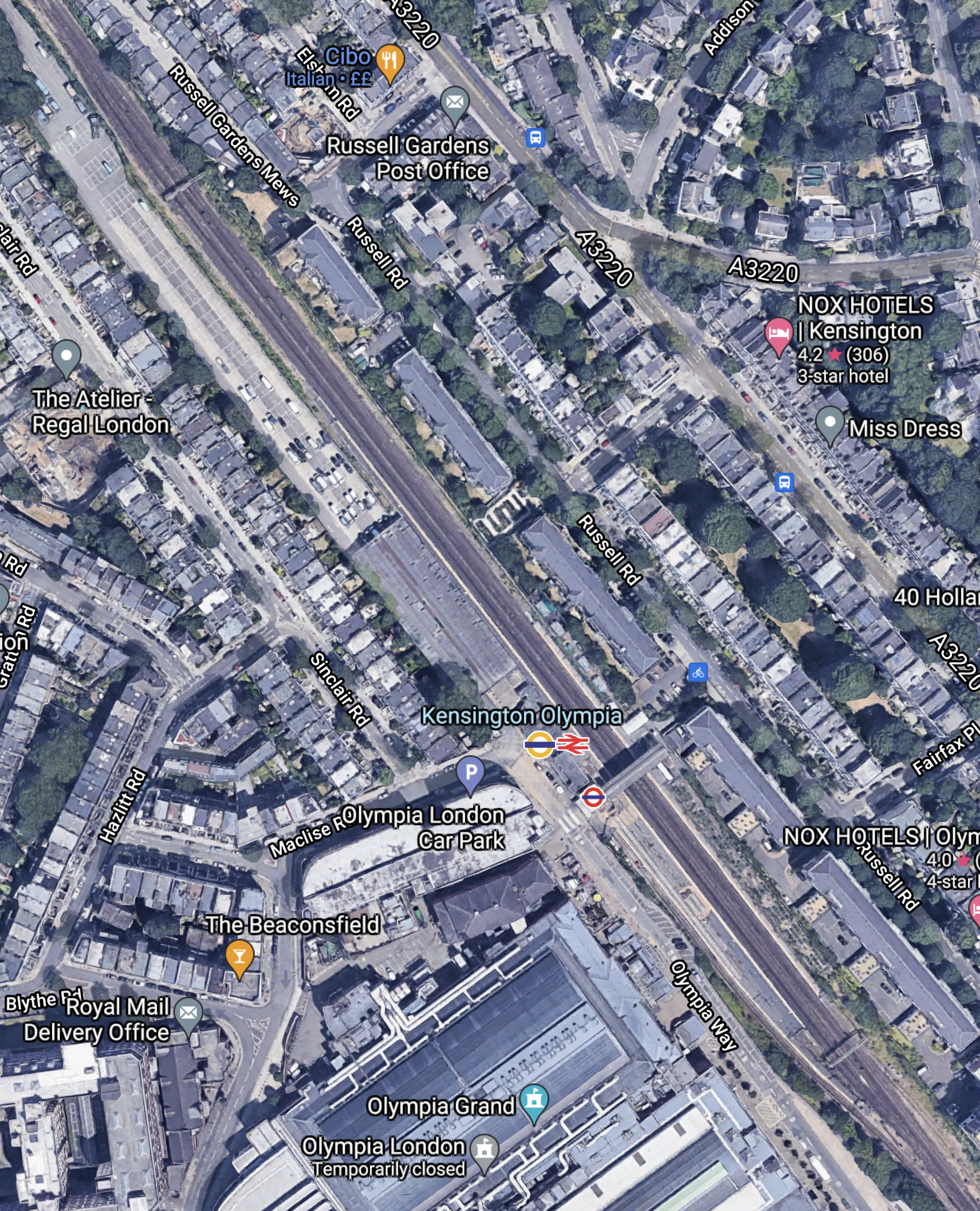
These Google Map shows Kensington Olympia station.
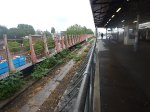
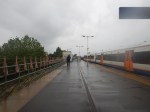
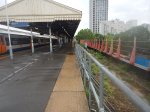
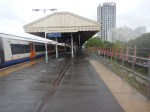
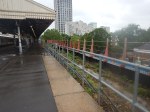
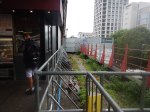
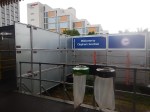
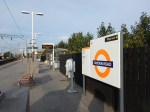
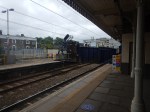
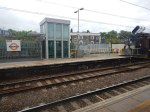
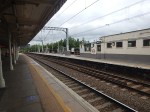
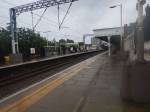
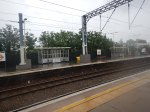
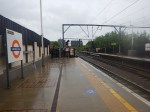
And these pictures show the station on a very wet day.
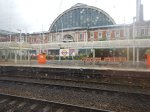
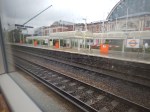
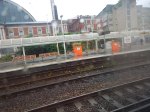
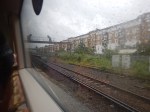
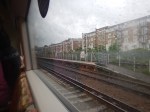
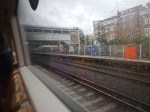
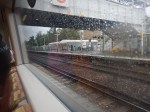
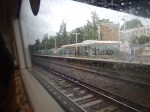
It doesn’t appear that there would be too many problems in electrifying Kensington Olympia station.
The only problem, may be the bridge at Addison Gardens to the North of Kensington Olympia station.
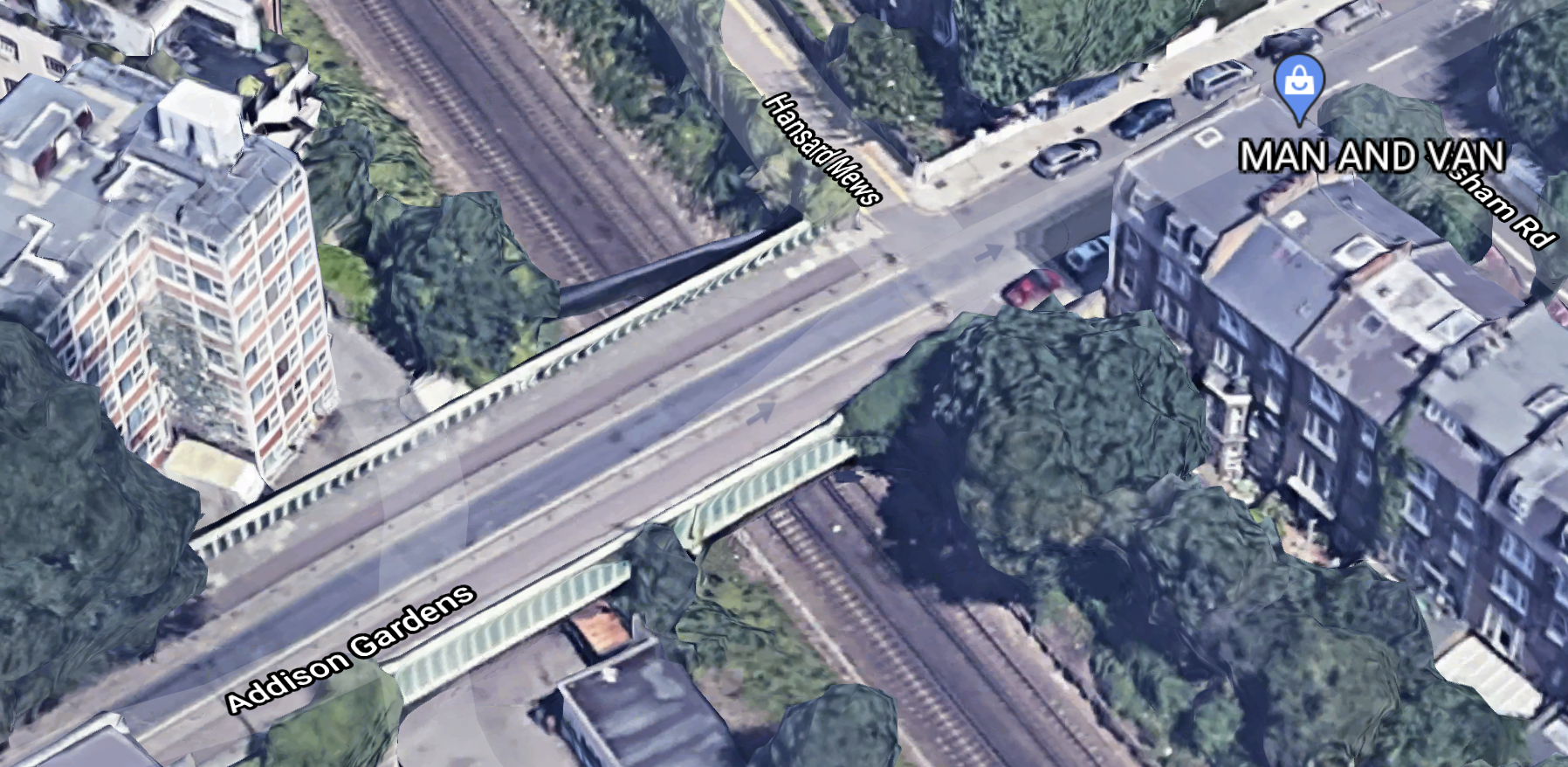
Although, Network Rail have an extensive range of tricks to get the wires through.
Conclusion
I believe, as probably do Network Rail, that Kensington Olympia station should be the station, where the switchover occurs.
But it’s all down to money.
It does seem to me, that the London Rail Freight Strategy is the first serious attempt to work out, the possible freight and passenger uses of the West London Line, which is one of those rail lines that has been designed by Topsy and accidents of history.
How many other rail routes in the UK, would be improved by a similar analysis?
Related Posts
These are related posts about the London Rail Freight Strategy (LRFS).
Decarbonisation Of London’s Freight Routes
East Coast Main Line South Bi-Directional Capability
Gauge Improvements Across London
Headway Reductions On The Gospel Oak To Barking, North London and West London Lines
Heavy Axle Weight Restrictions
Kensal Green Junction Improvement
Longhedge Junction Speed Increases
Moving The West London Line AC/DC Switchover To Kensington Olympia
Stratford Regulating Point Extension
Will Camden Road Station Get A Third Platform?
Will Clapham Junction Station Get A Platform 0?
Kensal Green Junction Improvement
London has a rail capacity problem, for both freight and passenger trains.
This report from Network Rail is entitled The London Rail Freight Strategy (LRFS).
One of the recommendations of the report is to improve Kensal Green junction. It says this about the improvements.
Upgrade of the junction, moving it slightly to the east and realigning the layout, to facilitate faster crossing speeds sufficient for a 3-minute planning margin.
This map from cartometro.com shows the track layout between Harlesden in the West to Kensal Rise station in the East.
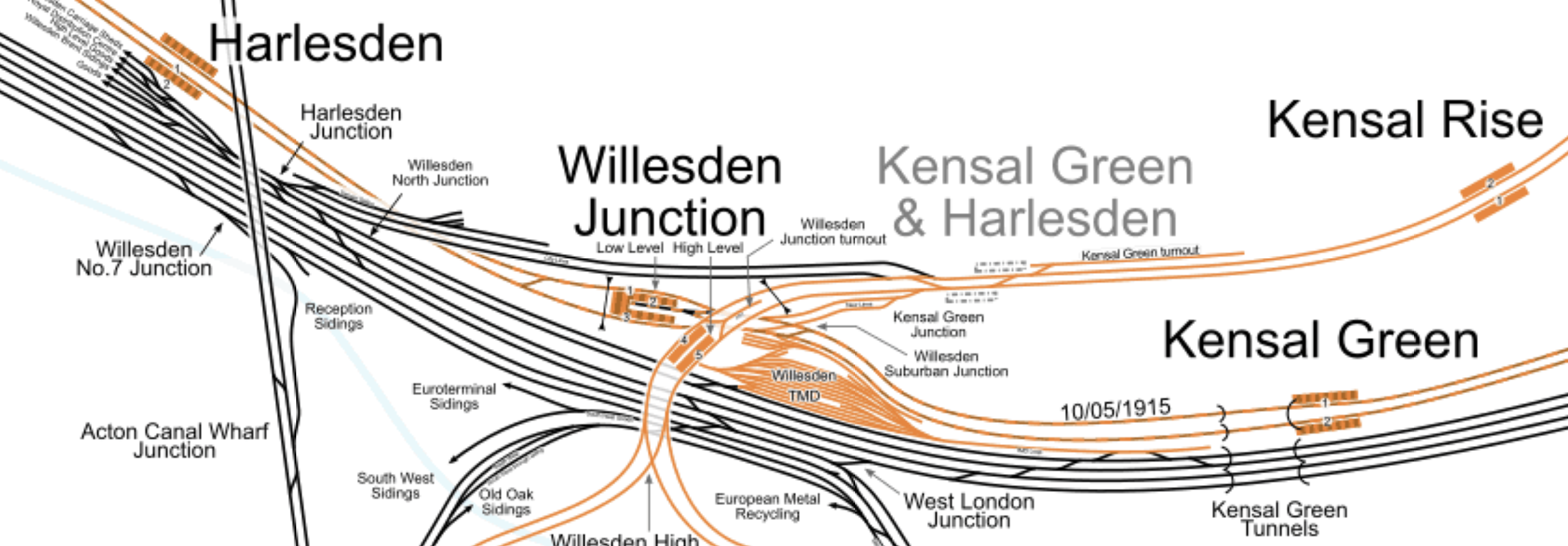
Note.
- Harlesden, Willesden Junction Low Level and Kensal Green stations are on the shared tracks of the Bakerloo and Watford DC Lines.
- Willesden Junction High Level and Kensal Rise are stations on the North London Line.
- Kensal Green & Harlesden is a former station on the North London Line, which is shown on the map as dotted platforms.
- Kensal Green Junction is to the West of Willesden Junction High Level station.
- The City Lines, which are shown in black connect the North London Line to the West coast Main Line and the important freight yards at Wembley.
- The black tracks at the bottom of the map are the West Coast Main Line.
This Google Map shows Kensal Green Junction.
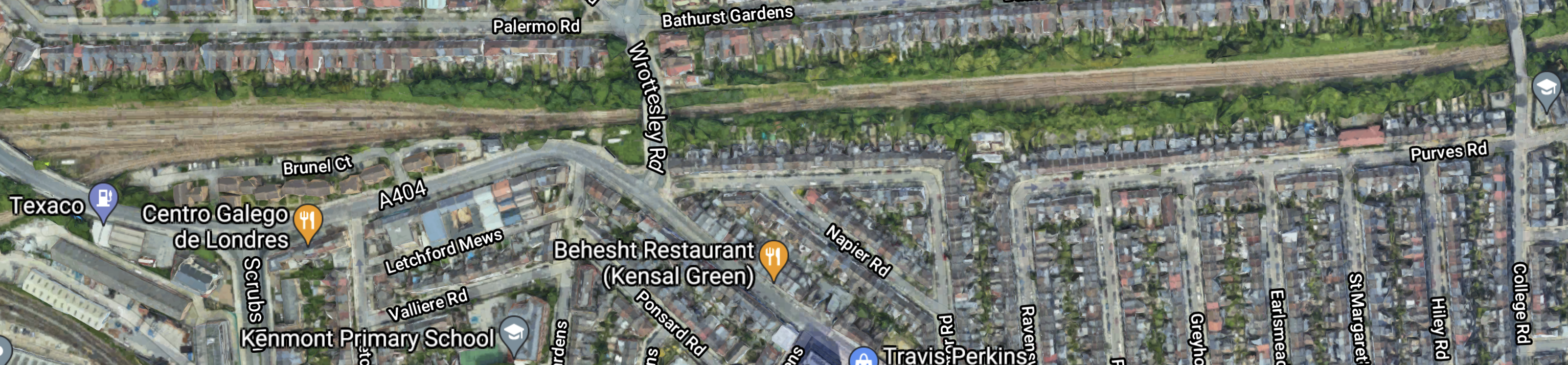
Note.
- The railway is the sandy scar across the top of the map.
- The Kensal Green Turnout is in the North-East section of the map.
- The Kensal Green Junction and the City Lines are in the North-West corner of the map.
- The road over the railway in the middle of the map is Wrottesley Road.
These pictures show the Kensal Green Turnout.
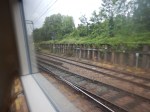

And these show Kensal Green Junction and the City Lines.
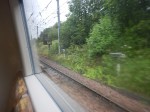
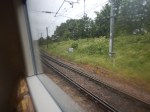
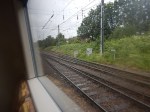
Note.
- The railway has generous margins.
- The City Lines are electrified.
- The North London Line is electrified.
- The Kensal Green junction appears to be fully electrified.
- All electrification is 25 KVAC overhead.
There would be plenty of space to install a modern efficient junction.
This is said in the Network Rail document about the improvement to Kensal Green Junction.
Kensal Green Junction, just to the northeast of Willesden Junction High Level station on the North London Line, is a key location for the functioning of the orbital routes.
It connects the North London Line to the West Coast Main Line and Wembley Yard, a vital link for cross-London intermodal flows.
Westbound freight trains must cross over the flat junction to access the City lines towards the West Coast Main Line, a conflicting move with any eastbound London Overground or freight services from Willesden Junction High Level. Ensuring these moves can take place as quickly and as smoothly as possible is essential to the efficient use of capacity on the North London Line.
The proposed enhancement would upgrade the junction, moving it slightly to the east and realigning the layout, to facilitate faster crossing speeds.
Currently trains from the City lines (in the eastbound direction) are limited to 10 mph over Kensal Green Junction, while trains towards the City lines (in the westbound direction) are limited to 15 mph.
This scheme would increase speeds through the junction so that trains can safely cross it a
minimum of 3 minutes after a conflicting movement – they currently have to wait at least 4 minutes.Although this is a relatively minor scheme, it could have a significant positive impact on both capacity and performance in the area.
I find the last paragraph very important. So does this improvement scheme offer good value to money?
Could The Junction Be Used By Passenger Trains?
Consider.
- Nothing is mentioned about passenger trains.
- Electric passenger trains are nippier because of better acceleration.
- No scheduled services appear to use the City Lines
- But I did find an empty stock movement from Wembley Sidings to Gospel Oak.
If the junction could be improved would there be any reason to run passenger trains through the junction?
Suppose, High Speed Two, during the rebuilding of Euston station, decided to stop the Watford DC Line services from using Euston station.
If the Class 710 trains of the London Overground could terminate at say Camden Road station, this would give passengers on the Northern part of the Watford DC Line another route to Central London by changing at West Hampstead station for Thameslink or the Jubilee Line or Camden Road station for the Northern Line by walking between the two Camden stations.
I would expect there may need to be some extra crossovers, so that trains from the Watford DC Lines could access the City Lines to get to and from Kensal Green junction.
In Will Camden Road Station Get a Third Platform?, I outlined how Camden Road station could get a third platform, as is also proposed in the LRFS.
But suppose though the existing Platform 2 at Camden Road station were to be diverted into two platforms.
- A Platform 2 East handling services to and from the East.
- A Platform 2 West handling services to and from the West.
That would do nicely.
Conclusion
Improving Kensal Green Junction may improve passenger services, especially if High Speed Two work at Euston means the Watford DC services have to be suspended.
Related Posts
These are related posts about the London Rail Freight Strategy (LRFS).
Decarbonisation Of London’s Freight Routes
East Coast Main Line South Bi-Directional Capability
Gauge Improvements Across London
Headway Reductions On The Gospel Oak To Barking, North London and West London Lines
Heavy Axle Weight Restrictions
Longhedge Junction Speed Increases
Moving The West London Line AC/DC Switchover To Kensington Olympia
Moving The West London Line AC/DC Switchover To Shepherd’s Bush
Stratford Regulating Point Extension
Will Clapham Junction Station Get A Platform 0?
London has a rail capacity problem, for both freight and passenger trains.
This report from Network Rail is entitled The London Rail Freight Strategy (LRFS).
One of the recommendations of the report is to build a Platform 0 at Clapham Junction station. It says this about that that platform.
Creation of additional bay platform capacity at the northern end of Clapham Junction station, for the use
of London Overground WLL services.
This map from cartometro.com shows the track layout as the orange tentacles of the London Overground approach Clapham Junction station.
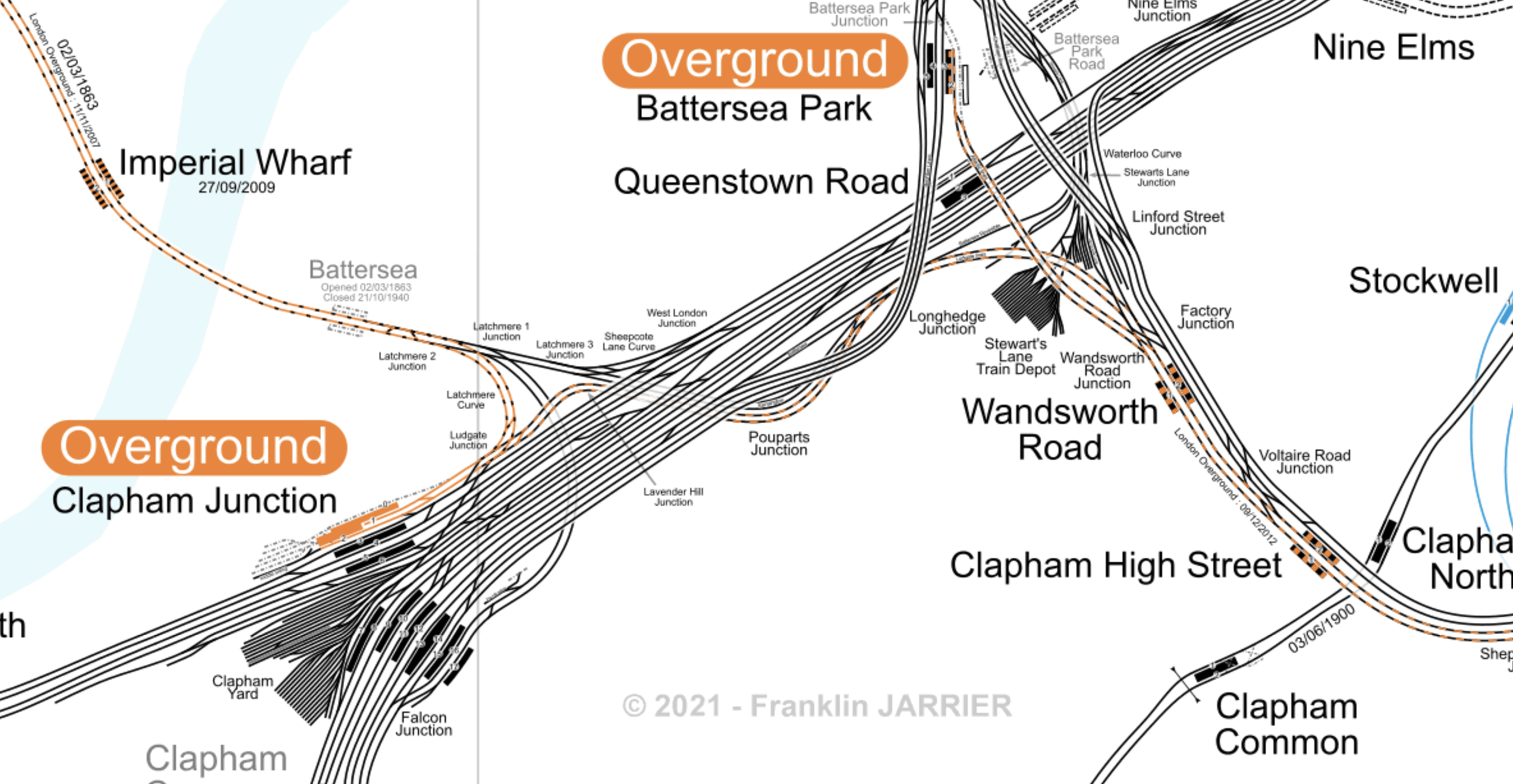
Note.
- The West London Line approaches Clapham Junction station through Imperial Wharf station.
- The South London Line approaches Clapham Junction station through Clapham High Street and Wandsworth Road stations.
This second map from cartometro.com shows the track layout of the current two Overground platforms at Clapham Junction station and how the third one will fit in.
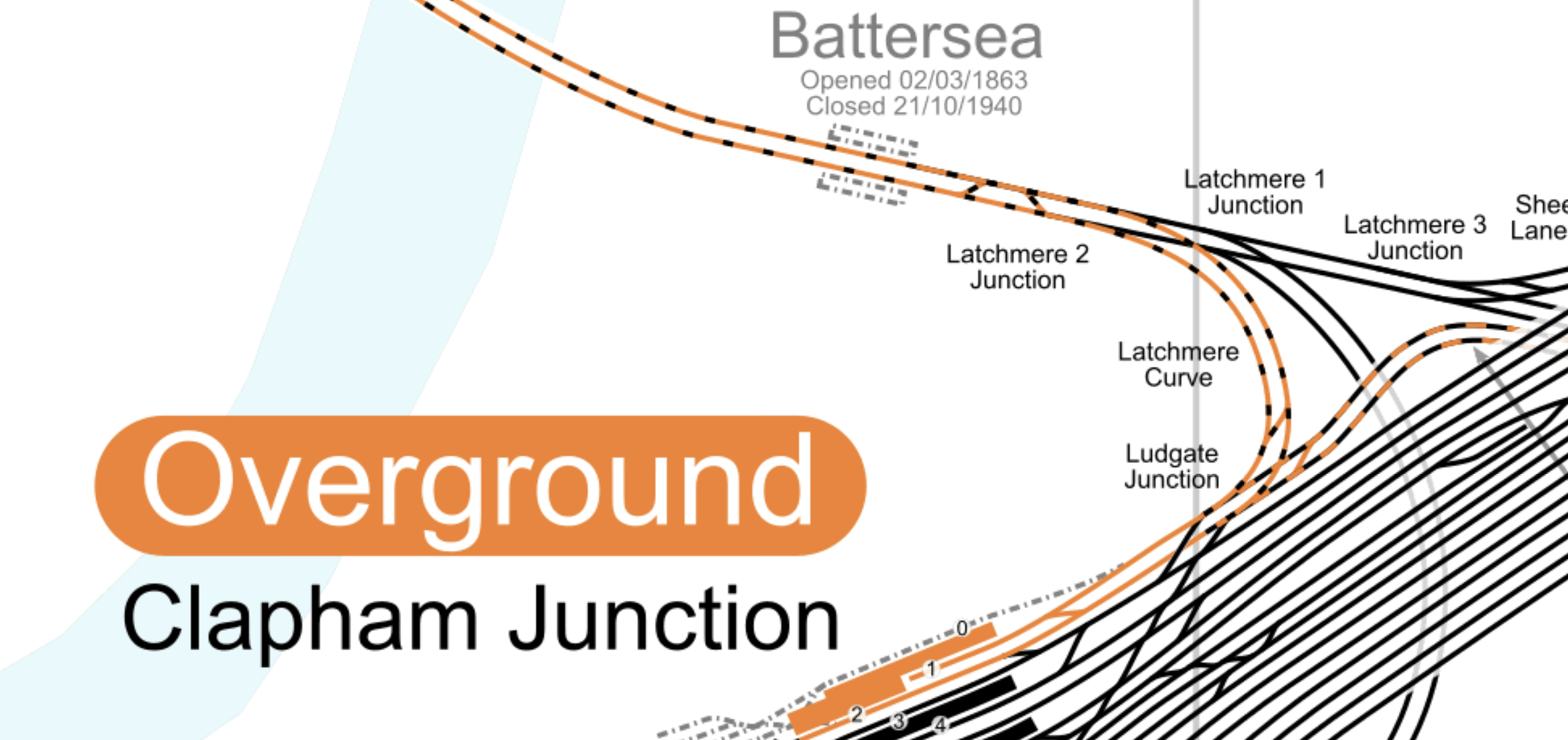
Note.
- It appears that there are crossovers to allow trains from either South or West London Lines to enter any of Platforms 0, 1 or 2.
- A typical bay platform can turn four trains per hour (tph) or possibly six tph, if the signalling is tip-top.
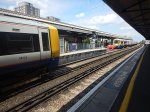
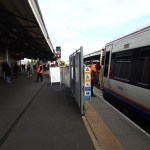
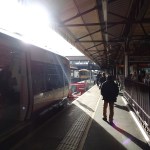
These pictures show the current state of Platform 0 at Clapham Junction station.
And these show Platforms 1 and 2 at Clapham Junction station.

The current two-platform system seems to work well.
Clapham Junction Station Is A Super-Interchange
Clapham Junction is already a super-interchange on the London Overground with lots of services to Central and Outer London and the wider South of England.
The London Overground probably needs more super-interchanges on its circular route around London.
- Whitechapel and Stratford, which are one stop apart on Crossrail, could develop into one in East London.
- As it grows, Old Oak Common, will develop into one in West London.
Other super-interchanges could develop at Croydon, Hackney (Central/Downs) and West Hampstead.
Network Rail’s Reasons For The New Platform
I’ll start with some information.
Current Overground Services
Current Overground services are as follows.
- 4 tph – Stratford via Willesden Junction
- 4 tph – Dalston Junction via Surrey Quays
The total of 8 tph, is generally easily handled by two platforms, unless something goes wrong.
Future Overground Services
It is expected that in the future services could be as follows.
- 6 tph – Stratford via Willesden Junction
- 6 tph – Dalston Junction via Surrey Quays
As I regularly use the service between Dalston Junction and Clapham Junction to get a connection to places like Portsmouth and Southampton, I know at least one regular traveller, who is looking forward to the increase in frequency.
But there could be another London Overground in the future.
In Gibb Report – East Croydon – Milton Keynes Route Should Be Transferred To London Overground, I wrote how in his report, Chris Gibb recommended that this hourly service should be transferred to the London Overground.
This is said in the Network Rail document about Platform 0 at Clapham Junction station.
The longstanding proposal for the creation of additional bay platform capacity at the northern end of Clapham Junction station, for the use of London Overground West London Line services, is supported by this strategy.
The scheme would reinstate the disused former platform 1 to create a newly designated ‘Platform 0’, adjacent to the present platforms 1 and 2.
This intervention has been recognised as key to long-term growth on the West London Line by several previous pieces of work for both Network Rail and Transport for London, which have consistently concluded that additional platform capacity at Clapham Junction is needed, if TfL’s aspiration to increase the WLL Overground service to 6 trains per hour is to be met.
Capacity analysis for the LRFS has reaffirmed that the desire to operate this level of service throughout the day cannot be achieved with a single bay platform.
Although this scheme would clearly be of direct benefit to the London Overground passenger service, the positive impact it would have on the capacity and performance of the WLL overall means that it is also very much in the interest of freight that Platform 0 be delivered. Without a new bay platform, the main alternative means to increase Overground train frequencies involves the use of platform 17 at the far end of the station, where freight and GTR trains pass through towards the BML. This is a sub-optimal solution for both freight and passenger operations.
Note.
- Platform 0 will share an island platform with Platforms 1 and 2, so there will be short level walks between trains.
- Platform 1 and 2 are already fully accessible, so Platform 0 will be as well.
The report feels that increasing passenger and freight services are often two sides of the same coin.
Questions
I have some questions.
Would Three Platforms Be Enough To Handle Twelve tph?
As two platforms seem to handle eight tph, at most times in the present, I suspect the answer is in the affirmative.
Would Three Platforms Be Enough To Handle Thirteen tph?
This would be needed, if the Milton Keynes service were to be transferred to the Overground and it used Clapham Junction station as a Southern terminus.
If it still went through Clapham Junction station to Croydon, then it would probably use Platform 17, as it tends to do now!
I do suspect that three platforms will be enough, as otherwise the LRFS would be proposing something else.
What Will Be The Length Of The New Platform 0?
Under Future Proposals in the Wikipedia entry for Clapham Junction station, this is said.
In a Network Rail study in 2015, it was proposed that platform 0 could reopen for 8-car operations of the West London Line.
An eight-car platform would allow the current eight-car Class 377 trains, that work the Milton Keynes service to use the platform.
Note that as an eight-car Class 377 train is 163.2 metres long, a platform that will accomodate this train, will be long enough to accomodate a five-car Class 378 train, which is only 102.5 metres long.
But should the platform be built long enough to handle two Class 378 trains working as a pair?
This Google Map shows Platform 1 and the current state of the future Platform 0 at Clapham Junction station.
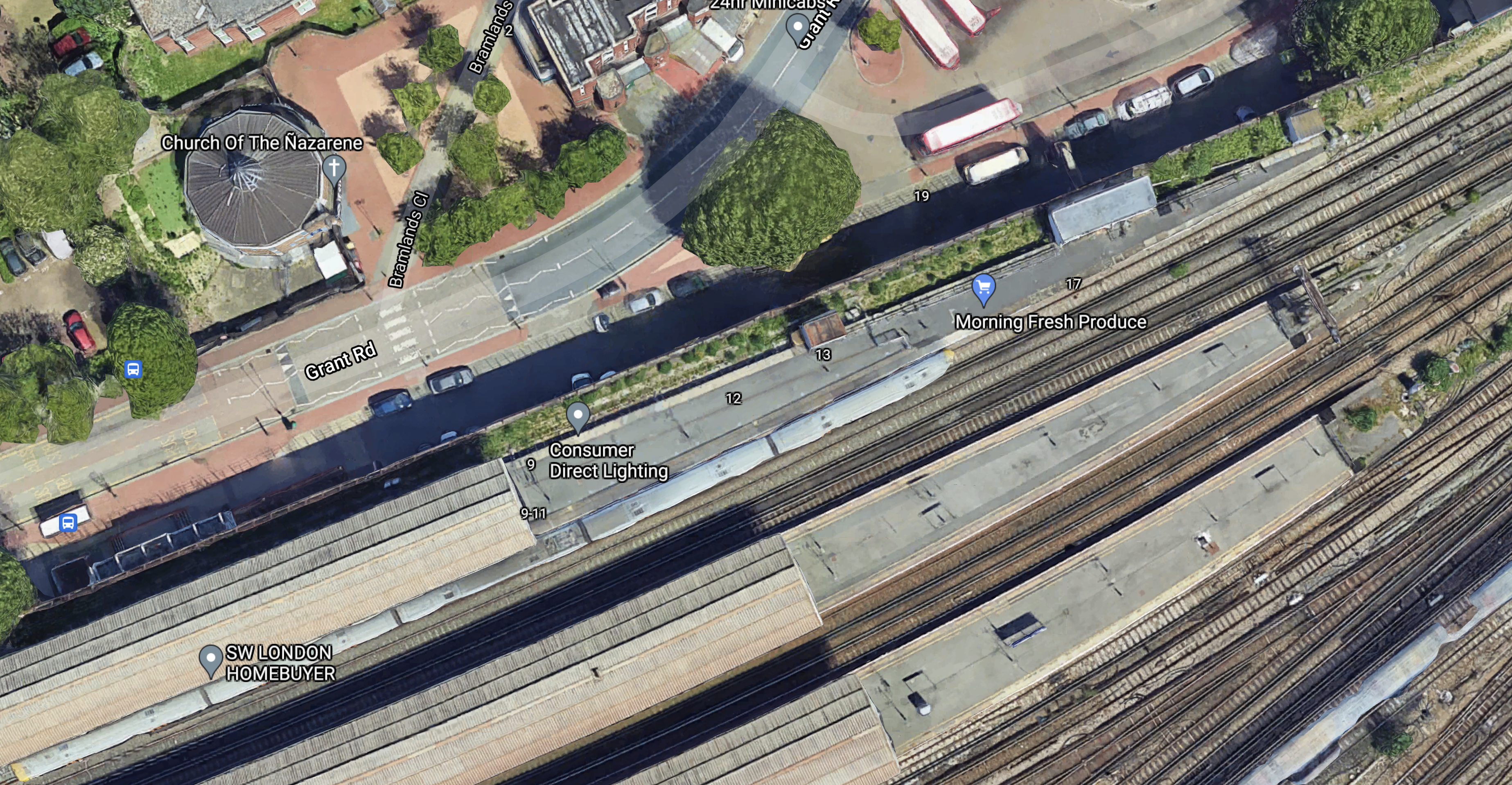
Note.
- a five-car Class 378 train is standing in Platform 1.
- There are some minor obstructions along Platform 0.
I don’t think it would be impossible to create an eight-car Platform 0. Although, Platforms 0 and 1 might need to be extended by perhaps ten or twenty minutes towards London.
Does The Milton Keynes and Clapham Junction Service Need 110 mph Trains?
I have talked to several drivers, who drive trains on the four 125 mph lines out of London and some have complained about slower 100 mph trains, that get in their way and slow them down.
If the drivers get miffed, I suspect the train operating companies are more annoyed.
But over the last few years, the following has happened.
- Heathrow Express have replaced 100 Class 360 trains with 110 mph Class 387 trains on the Great Western Main Line.
- East Midlands Railway will be running 110 mph Class 360 trains to Corby on the Midland Main Line.
- West Midlands Trains will be replacing 110 mph Class 350 trains with 110 mph Class 730 trains on the West Coast Main Line.
- Great Northern run 110 mph Class 387 trains to Cambridge and Kings Lynn on the East Coast Main Line.
I wouldn’t be surprised to see 110 mph trains running between Milton Keynes and Clapham Junction, as they would just be following a sensible practice to increase capacity.
Conclusion
I have no problems with creating a new Platform 0 at Clapham Junction, but suspect that faster trains would be needed for the Milton Keynes and Clapham Junction, that would use it.
Work Appears To Have Already Started On Platform 0
With the installation of the all-important site hut and the fact that there were several engineers around with laser-measurement tools, I suspect that work is already underway to prepare everything for the construction of Platform 0 at Clapham Junction station.
Related Posts
These are related posts about the London Rail Freight Strategy (LRFS).
Decarbonisation Of London’s Freight Routes
East Coast Main Line South Bi-Directional Capability
Gauge Improvements Across London
Headway Reductions On The Gospel Oak To Barking, North London and West London Lines
Heavy Axle Weight Restrictions
Kensal Green Junction Improvement
Longhedge Junction Speed Increases
Moving The West London Line AC/DC Switchover To Kensington Olympia
Moving The West London Line AC/DC Switchover To Shepherd’s Bush
Stratford Regulating Point Extension
Will Camden Road Station Get A Third Platform?
Will Camden Road Station Get A Third Platform?
London has a rail capacity problem, for both freight and passenger trains.
This report from Network Rail is entitled The London Rail Freight Strategy (LRFS).
One of the recommendations of the report is to build a third platform at Camden Road station. It says this about the third platform.
Reinstatement of a third track and platform on the northern side of Camden Road station, utilising part of
the former 4-track formation through the station.
Camden Road station used to have four platforms, but now it just have two.
This Google Map shows the station as it is today.
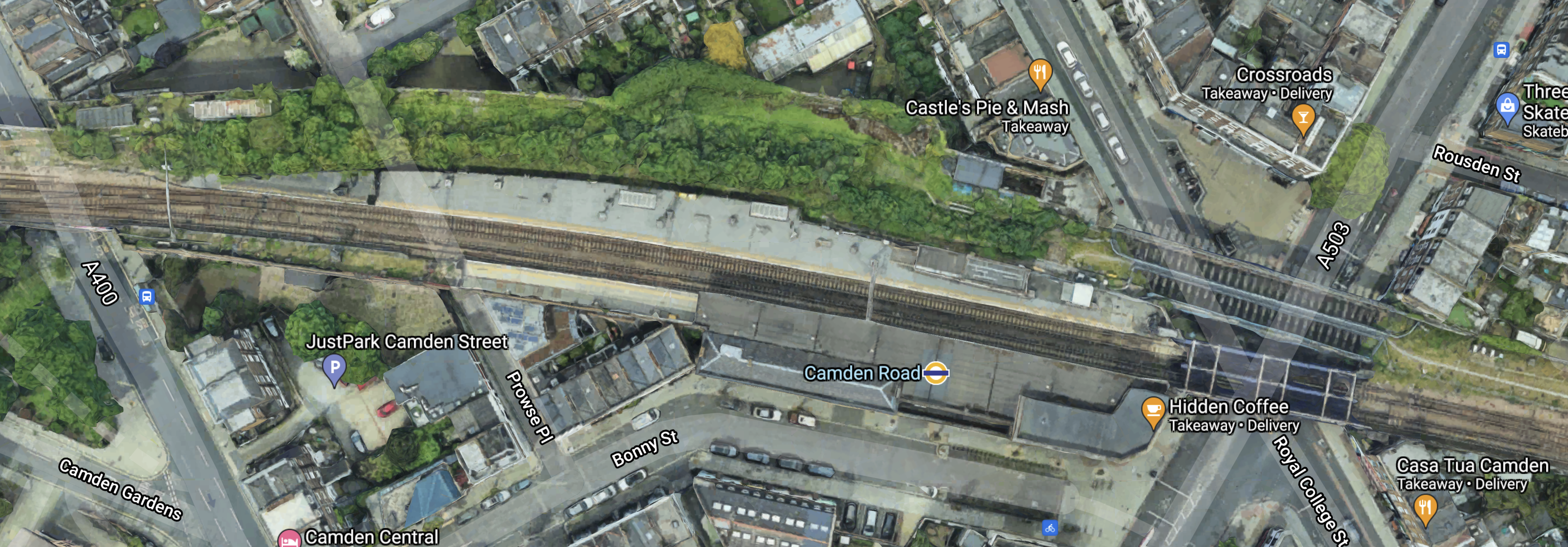
Note.
- Platform 1 is on the South side of the tracks with the London Overground roundel conveniently shown on the roof.
- Platform 2 is on the North side of the tracks.
- Regular users of the station can probably pick out the lift at the Eastern end of Platform 2.
- There is a bridge to the East of the station which takes the tracks over the junction of Royal College Street and Camden Road.
To the North of this bridge, two further bridges can be seen, that used to take the former third and fourth tracks over the roads and into two additional platforms to the North of the current two.
This map from cartometro.com shows the track layout through Camden Road station.
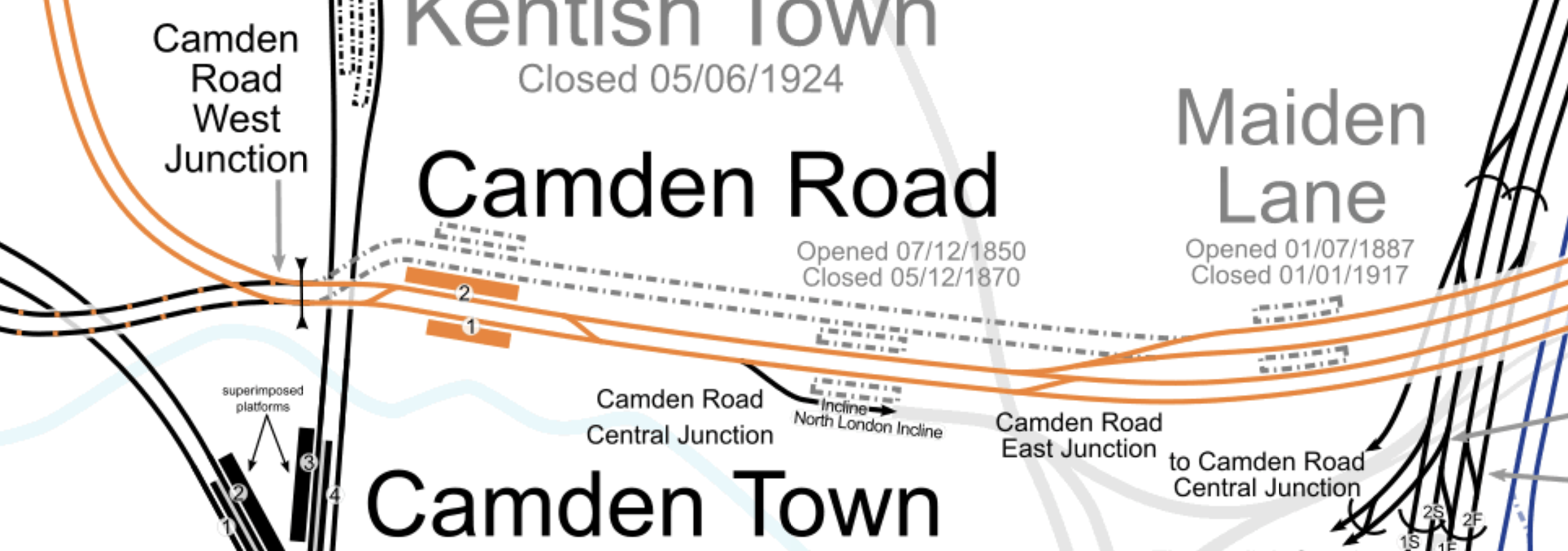
Note.
- The tracks shown in orange are the route of the North London Line of the London Overground.
- The two orange platforms labelled 1 and 2 at Camden Road station.
- The two former lines passing behind Platform 2, used to rejoin the North London Line to the West of the station.
These pictures were taken on the current Platform 2.
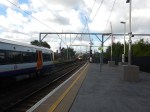
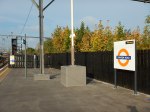
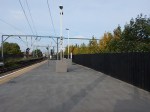
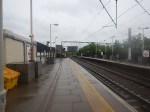
And these are some pictures of the bridge, what is behind the fence and other bridges.
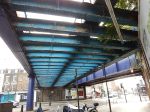
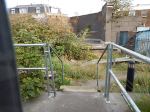
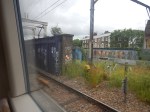
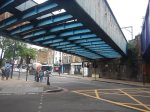
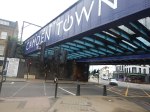
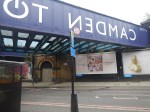
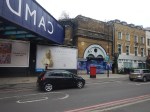
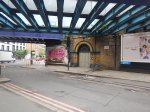

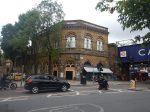
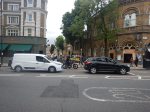
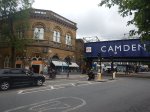
Note.
- Most of the pictures of Platform 2, were taken from Platform 1.
- Behind the fence on Platform 2, there appears to be a substantial urban forest.
- Renewing the bridges and updating the railway arches could improve the area significantly.
- Camden Road station is a Grade II Listed building.
I don’t think, that any of the construction would be too challenging.
How Would The Third Platform Be Used?
This is said in the Network Rail document about the third platform at Camden Road station.
This proposal would reinstate a third track and platform on the northern side of Camden Road station, utilising part of the former 4-track formation through the station.
The additional capacity provided would facilitate much greater flexibility in pathing options for trains on this busy central section of the NLL, opening up new options for future service provision and bolstering performance resilience.
Reinstatement of a third platform would enable platform 2 to be used as a central turnback, with platform 3 becoming the eastbound line for through London Overground services and the majority of freight.
Transport for London modelling suggests that the eastern end of the NLL, from Canonbury to Stratford, will see some of the strongest long-term demand growth on the Overground network.
A turnback platform will allow this to be addressed with peak capacity boosting services between Stratford and Camden Road and there would also be the option to operate these through the off-peak, which could offer a means of providing additional passenger capacity where it is most needed.
The availability of an additional platform would also aid performance recovery during perturbation on
the orbital routes.
That all looks fairly sensible and wouldn’t require much work to the current station.
Note.
- Platform 2 is currently a fully-accessible platform with a lift and will become a spacious fully-accessible island platform with two faces 2 and 3, both serving London Overground services going East.
- There must surely be space on the island platform to build a substantial shelter, where passengers can sit, when long freight trains are passing through.
- There could even be space for a coffee kiosk.
The former Platform 3 appeared to be a Westbound platform, but the proposed new one appears to be an Eastbound one.
The Track Layout Immediately To The East Of Camden Road Station
These are my thoughts on the track layout to the East of Camden Road station.
This map from cartometro.com shows the track layout between Camden Road and Highbury & Islington stations.
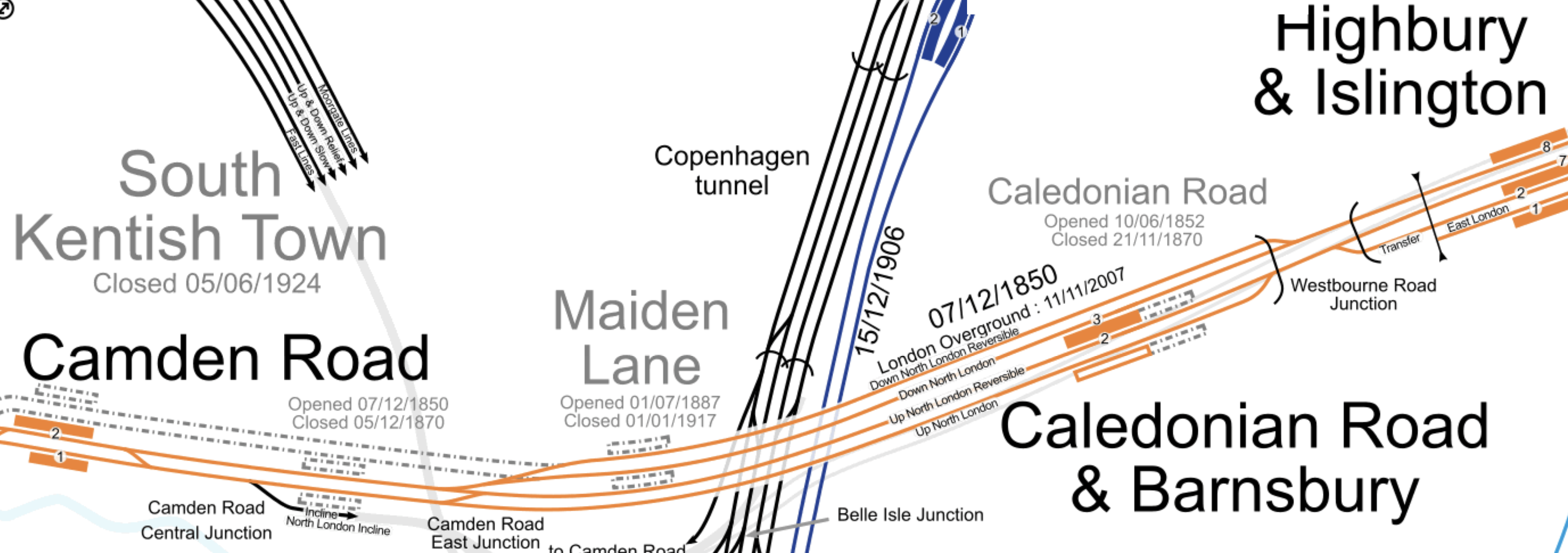
Much of the route through Caledonian Road and Barnsbury station is four tracks. These tracks are named from North to South as follows.
- Down North London Reversible
- Down North London
- Up North London Reversible
- Up North London
Note.
- Eastbound London Overground services use the Down North London track.
- Eastbound freight services use the Down North London Reversible track.
- Eastbound freight services are sometimes held by signallers on the Down North London Reversible track.
- Westbound London Overground services use the Up North London Reversible track, before crossing over to the Up North London track at Camden Road East Junction.
- London Overground services only use the central island platform at Caledonian Road and Barnsbury station.
- Westbound freight services use both of the Up North London tracks.
- The London Borough of Camden have stated that they would like to see the reopening of Maiden Lane station.
These pictures show the former trackbed between the former Maiden Lane station and Camden Road station.
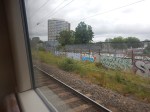
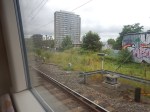
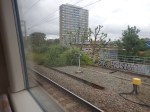

Looking at these pictures, I can deduce the following.
- There is very little constructuction of the former trackbed.
- There would be some signalling equipment to move.
- Some of the steel bridges would have to be replaced.
I feel, that a single track could definitely be created between the new Platform 3 at Camden Road station to connect with both Down North London tracks before the site of the former Maiden Line station.
It may even be possible to squeeze in two tracks.
A new track or tracks would enable the following.
- Eastbound London Overground services to go from Platform 3 at Camden Road station to Platform 3 at Caledonian Road and Barnsbury station.
- Eastbound freight services to go from Platform 3 at Camden Road station to either the Down North London Reversible or the Down North London tracks through Caledonian Road and Barnsbury station.
Note.
- Westbound services going through Camden Road station would be unaffected.
- Westbound London Overground services terminating in Platform 2 at Camden Road station would cross over to the current Up North London Reversible at the current Camden Road Central junction.
- Eastbound London Overground services starting in Platform 2 at Camden Road station would cross over to the new track or tracks to proceed to the East.
These are my answers to a few questions.
Will There Be One Or Two Extra Tracks?
Consider.
- It could probably be organised that the extra track or tracks start perhaps fifty metres or so to the East of Camden Road station.
- The distance between this point and Westbourne Road Junction is around a mile.
- Network Rail allows freight trains up to a length of 775 metres.
I am drawn to the conclusion, that if two tracks were to be built, then signallers would be able to hold the longest freight trains on the extended Down North London Reversible track, without interrupting London Overground passenger services.
How Will The Extra Tracks Affect The Camden Highline?
If two new tracks are built, I would expect that it will be impossible to build the Camden Highline.
But if only one is built, I suspect that a narrower Camden Highline might be able to be squeezed in.
Could Provision Be Made So A New Maiden Lane Station Could Be Built?
This map from cartometro.com shows the track layout around the former Maiden Lane station.
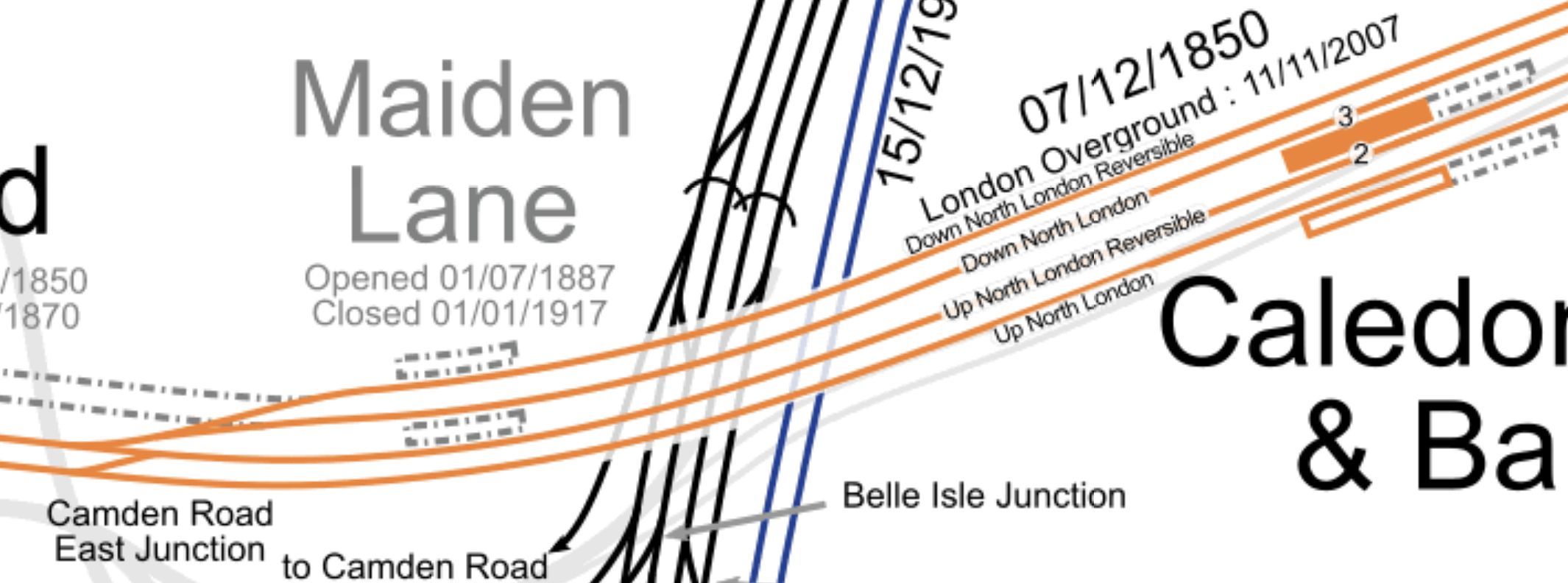
Consider.
- Eastbound London Overground services use the Down North London track and call in Platform 3 at Caledonian Road and Barnsbury station.
- Westbound London Overground services use the Up North London Reversible track and call in Platform 2 at Caledonian Road and Barnsbury station.
- To connect Platform 3 at Camden Road station to the Down North London Reversible and Down North London tracks, I suspect that Camden Road East junction will have to be remodelled.
I wonder if by the application of Network Rail’s latest track layout software, space could found for an island platform between the Up North London Reversible and Down North London tracks.
In Is Caledonian Road And Barnsbury An Ideal Four-Track Station?, I discuss the design of Caledonian Road and Barnsbury station,
I think it is a distinct possibility, that provision could be made for a future Maiden Lane station.
Will There Be Changes At Camden Road West Junction?
This map from cartometro.com shows the track layout to the West of Camden Road station.
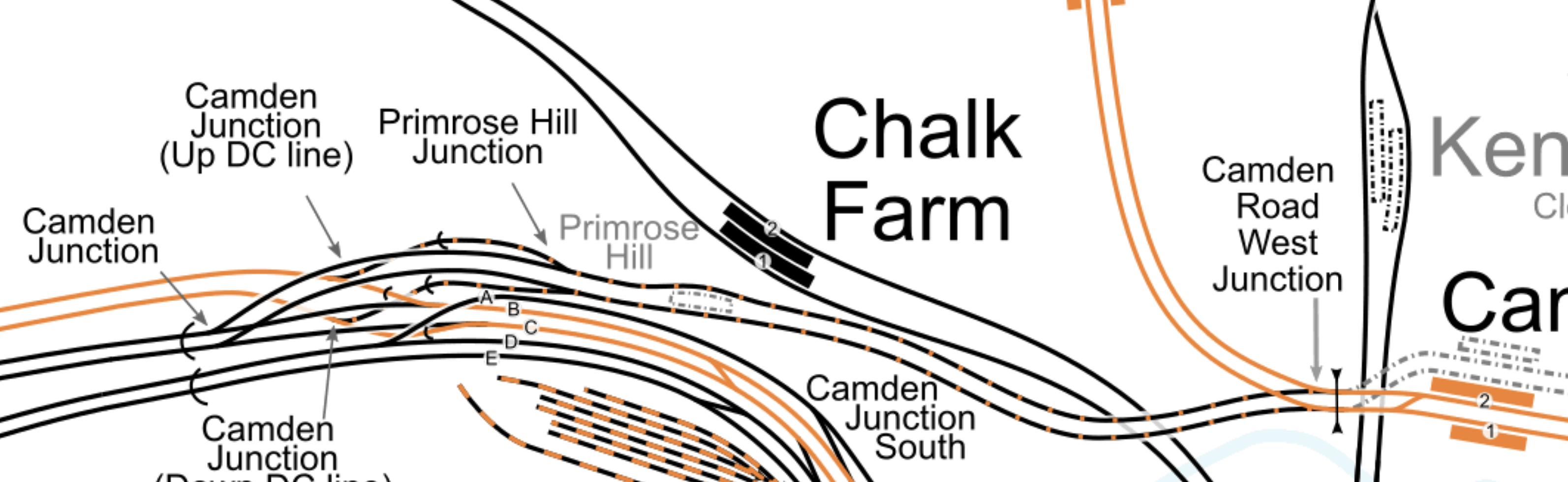
Note.
- Platforms 1 and 2 of Camden Road station at the Eastern end of the map.
- Camden Road West junction to the West of the platforms.
- The dotted lines of old tracks leading to the former Platform 3 and 4 at Camden Road station.
Two double tracks lead away to the West from Camden Road West junction.
- The orange tracks are the North London Line to Willesden Junction and Acton.
- The black and orange tracks are an extension of the Watford DC Line, that links Camden Road station to the West Coast Main Line via Primrose Hill station.
Will both pairs of tracks be connected to the North London Line at Camden Road West junction, as they are now?
- Currently, a few freight trains per day, use the Primrose Hill route.
- There have been plans in the past, for the London Overground to use this route.
- They have also been known to run a Rail Replacement Train between Willesden Junction and Camden Road stations during engineering works, as I wrote about in The Future Of The Watford DC Line.
So I suspect Network Rail will design a comprehensive junction, that is all things to all operators and trains.
Through Running Between The East London Line and Willesden Junction Station
This was originally talked about in the original plans for the London Overground.
If you travel on the Overground to Barking, Blackhorse Road, Canada Water, Highbury & Islington, West Brompton, Hampstead, Whitechapel or Willesden Junction in the Peak, the interchanges are very busy, as passengers are transferring to the Underground.
Was this why through running was originally proposed between the East and North London Lines at Highbury & Islington station, as it would allow direct connection to extra Underground lines?
But one of the aims of the Overground was to enable journeys around London without going via Central London.
Platform 3 at Camden Road station, seems to increase the capacity on the North London Line, so perhaps this upgrade would give extra paths to allow some services to terminate to the West of Highbury & Islington.
This map from cartometro.com shows the track layout to the West of Highbury & Islington station.
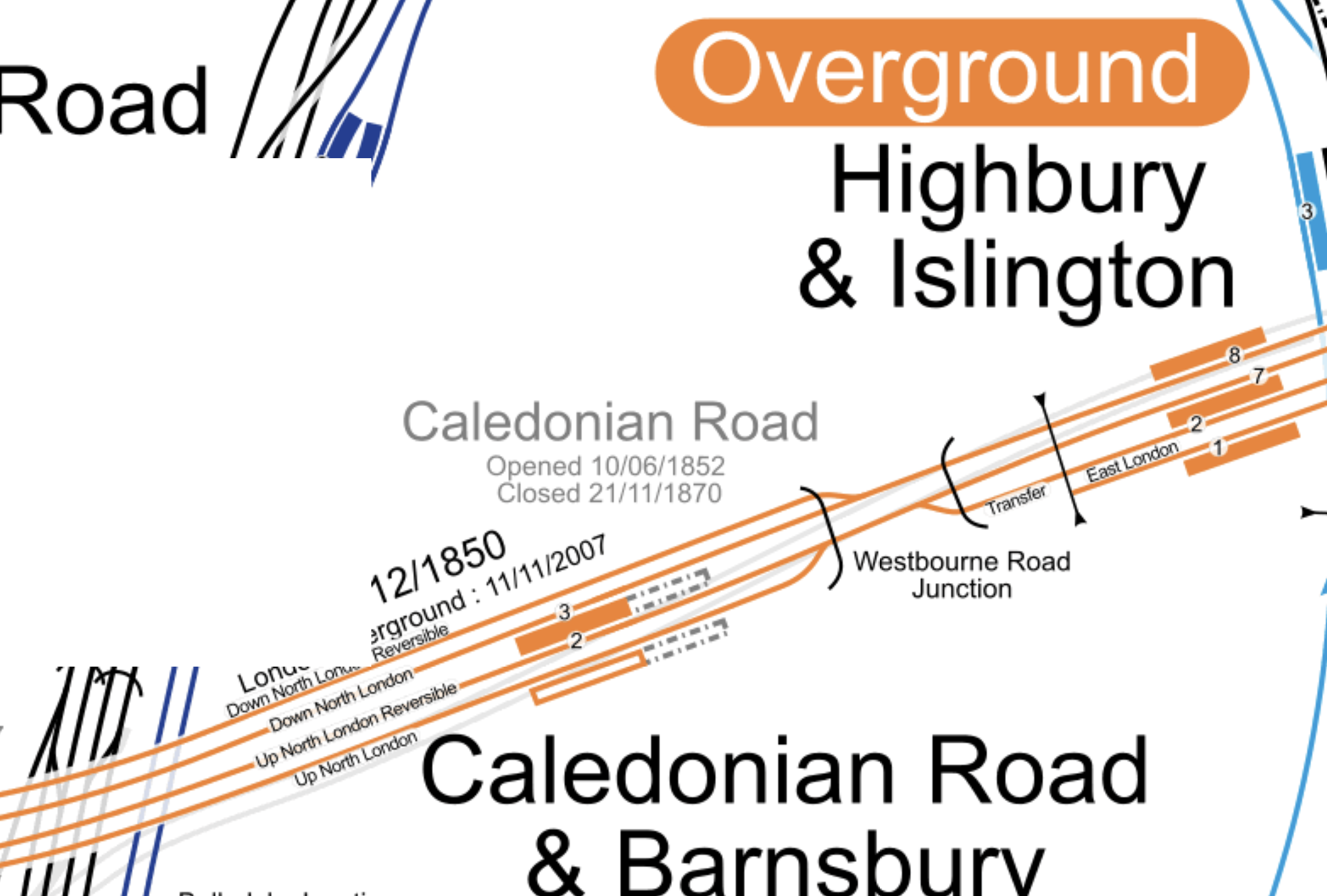
I’m sure if Network Rail’s engineers can sort out King’s Cross, then they can come up with a track and signalling system that can handle this,
Could Platform 2 At Camden Road Be Used As An Alternative Terminus For Watford DC Line Services?
Euston station is being rebuilt and Network Rail might like to kick Watford DC Line services out of the station either temporarily or even permanently.
There are two routes that the Watford DC Line could take to get between Harlesden and Camden Road stations.
- They can use the route, I took one Sunday, when the London Overground was running a Rail Replacement Train, via Willesden Junction Low Level, Kensal Green, Queens Park, Kilburn High Road and South Hampstead.
- They might also be able to join the North London Line an improved Kensal Green junction.
The first route works and the second may need some extra work at Harlesden junction.
I estimate that Platform 2 at Camden Road station is presently as long as 120 metres.
I also estimate that it could be lengthened at both ends, during the building of a new platform 3 alongside.
Could a platform be built long enough to be able to handle two trains simultaneously?
- A four-car Class 710 train at the Western end.
- A five-car Class 378 train at the Eastern end.
A 200 metre long platform would probably suffice!
I think the concept has possibilities.
- Willesden Junction station has connections to the Bakerloo Line.
- West Hampstead station has connections to Thameslink and the Jubilee and further connections could be developed,
- Camden Road station could be connected to Camden Town station, which is on both branches of the Northern Line.
- A reopened Primrose Hill station could be connected to Chalk Farm station on the Northern Line.
- The Northern Line connects to Crossrail at Moorgate and Tottenham Court Road stations.
I suspect, if Camden Town station were to be expanded and rebuilt, that the connection between the two Camden stations would be more likely.
Either route could be taken between Willesden Junction and Camden Road stations.
But I feel, it might be less costly to take the North London Line route, especially, as this connects to West Hampstead station.
Could The Track Layout Be Further Simplified?
I’m no track expert, but it strikes me that a four-track layout could be built between just East of Camden Road station and Westbourne Road junction. From North to South these tracks would be.
- Eastbound Freight line – Connecting at the Western end to Platform 3 at Camden Road station and following the existing Down North London Reversible track to Westbourne Road junction.
- Eastbound Overground line – Connecting at the Western end to Platforms 2 and 3 at Camden Road station and following the existing Down North London track through Caledonian Road and Barnsbury station to Westbourne Road junction.
- Westbound Overground line – Connecting at the Western end to Platforms 1 and 2 at Camden Road station and following the existing Up North London Reversible track through Caledonian Road and Barnsbury station to Westbourne Road junction.
- Westbound Freight line – Connecting at the Western end to Platform 1 at Camden Road station and following the existing Up North London track to Westbourne Road junction.
Note.
- Both freight lines would be long enough for signallers to hold freight trains, so that other services could overtake.
- East of Caledonian Road and Barnsbury station, Overground and freight service would share the two tracks, as they do now!
- West of Camden Road station, Overground and freight service would share the two tracks, as they do now!
It strikes me that by good design, the capacity and speed through this section of the busy North London Line can be increased.
Related Posts
These are related posts about the London Rail Freight Strategy (LRFS).
Decarbonisation Of London’s Freight Routes
East Coast Main Line South Bi-Directional Capability
Gauge Improvements Across London
Headway Reductions On The Gospel Oak To Barking, North London and West London Lines
Heavy Axle Weight Restrictions
Kensal Green Junction Improvement
Longhedge Junction Speed Increases
Moving The West London Line AC/DC Switchover To Kensington Olympia
Moving The West London Line AC/DC Switchover To Shepherd’s Bush
Stratford Regulating Point Extension
Will Clapham Junction Station Get A Platform 0?
 The Anonymous Widower