Could Train Services At Liverpool Lime Street Station Be Made Carbon-Free?
This map from OpenRailwayMap shows Liverpool Lime Street station.

Note.
- There are ten platforms, which are arranged in two sets of five.
- Electrified tracks are shown in red.
- The lilac track is the loop of the underground Wirral Line.
It would appear that the station is fully electrified.
Services To And From Liverpool Lime Street
These services currently run to and from Liverpool Lime Street station.
- Avanti West Coast – London Euston – 1 tph – Electric
- East Midlands Railway – Norwich – 1 tph – Diesel – Electrified to Liverpool South Parkway – 25.2 miles to electrification at Trafford Park.
- London Northwestern Railway – Birmingham New Street – 1 tph – Electric
- Northern – Blackpool North – 1 tph – Electric
- Northern – Manchester Airport – 1 tph – Electric
- Northern – Manchester Oxford Road – 1 tph – Diesel – Electrified to Liverpool South Parkway – 25.2 miles to electrification at Trafford Park.
- Northern – Warrington Central – 1 tph – Diesel – Electrified to Liverpool South Parkway – 12.7 miles to Warrington Central.
- Northern – Wigan North Western – 2 tph – Electric
- TransPennine Express – Cleethorpes – 1 tph – Electric – Electrified to Liverpool South Parkway – 25.2 miles to electrification at Trafford Park.
- TransPennine Express – Glasgow – 2 tpd – Electric
- TransPennine Express – Hull – 1 tph – Electric
- TransPennine Express – Newcastle – 1 tph – Electric
- Transport for Wales – Chester – 1 tph – Diesel – Electrified to Runcorn – 13.9 miles to Chester.
Note.
- tpd is trains per day
- tph is trains per hour
- There are nine electric services and four diesel services.
It looks to me, that by using battery-electric trains on the four diesel services, Liverpool Lime Street station can be made carbon-free.
Distances on battery power for each service would be as follows.
- East Midlands Railway – Norwich – Both ways – 25.2 miles between Liverpool South Parkway and Trafford Park with charging at both ends.
- Northern – Manchester Oxford Road – Both ways – 25.2 miles between Liverpool South Parkway and Trafford Park with charging at both ends.
- Northern – Warrington Central – Both ways – 12,7 miles between Liverpool South Parkway and Warrington Central with charging between Liverpool Lime Street and Liverpool South Parkway.
- Transport for Wales – Chester – Both ways – 13.9 miles between Runcorn and Chester with charging between Liverpool Lime Street and Runcorn.
Note the flexibility of battery-electric trains allows a variety of charging regimes.
Conclusion
Liverpool Lime Street Station can be made carbon-free
Improvements To Leeds And Hull Services
This news story from the Department of Transport is entitled Yorkshire And The Humber To Benefit From £19.8 billion Transport Investment.
This is said about Leeds and Hull services.
Hull will also be brought into the Northern Powerhouse Rail network, reducing journey time from Leeds from 58 minutes to just 48. The number of trains between Hull and Sheffield will be doubled, to 2 per hour, with capacity also doubled. Journeys from Hull to Manchester will drop from 115 to 84 minutes, enabling 2 fast trains to Leeds.
I shall look at the 10:15 Northern Trains service between Hull and Leeds on the 13th October 2023.
- The distance is 51.8 miles.
- There are seven stops.
- The service is run by a diesel Class 158 train.
- Journey time is 69 minutes.
Ten minutes off this time would be worthwhile.
I shall look at the 10:03 TransPennine Express service between Hull and Leeds on the 13th October 2023.
- There are two stops.
- The service is run by a diesel Class 185 train.
- Journey time is 54 minutes.
Ten minutes off this time would be difficult.
Note.
- The line between Micklefield and Leeds is being electrified.
- The distance between Hull and Micklefield is 42 miles.
- The route has a maximum speed of between 75 and 90 mph.
There is also an historic swing bridge at Selby, which would probably be difficult to electrify.
How Many Minutes Could Electric Trains Save Between Leeds and Hull?
Electric trains have better acceleration and deceleration, when compared to diesel trains, so two minutes per stop and for the acceleration and deceleration at Hull and Leeds, would give the following times.
- Northern Trains – 53 minutes
- TransPennine Express – 48 minutes
As electrification is not mentioned for between Leeds and Hull, the only electric trains, that could work the route will be battery-electric trains.
Battery-Electric Trains Between Leeds and Hull
Consider.
- TransPennine Express already have Class 802 trains, from which the battery-electric version is being developed.
- Northern Trains would need a suitable battery-electric train. There has been talk of a CAF battery-electric Class 331 train, but nothing more. These would surly be ideal.
- Trains could be charged on new electrification in Hull station and between Micklefield and Leeds.
The trains would need a range of just 42 miles.
A Second Fast Train Between Leeds and Hull
What does this statement in the news story imply?
Journeys from Hull to Manchester will drop from 115 to 84 minutes, enabling 2 fast trains to Leeds.
I feel that this statement must be read in conjunction with the benefits of the TransPennine Route Upgrade.
One benefit is given as Faster Journeys, where this is said.
We’re speeding up journeys so you can travel to your favourite towns and cities more quickly. Our fastest journey times are forecast to be 63-66 minutes between Manchester and York and 41-42 minutes between Manchester and Leeds.
The news story says that the fastest journey times between Leeds and Hull will be 48 minutes, which would give a Hull and Manchester time of 89-90 minutes.
Alternatively, there could be these timings on one train.
- Hull and Leeds – 48 mins
- Hull and Manchester Victoria – 84 mins
- Leeds and Manchester Victoria – 36 mins
Note.
- The train would call at Brough, Selby, Leeds, Huddersfield and Stalybridge.
- There may be a new station at Leeds Thorpe Park
- The distance between Hull and Manchester Victoria is 94.7 miles.
- This is an average speed of 67.6 mph.
It almost looks like it’s connectivity East of Leeds and speed between Leeds and Manchester.
Conclusion
Battery-electric trains would provide all the improvements promised between Leeds and Hull.
Morley Station – 17th August 2023
These pictures show Morley station, which is currently being upgraded.
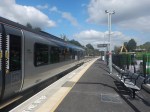
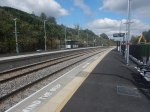
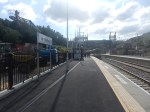
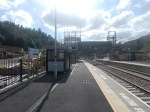
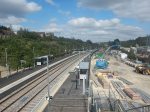
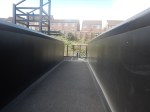
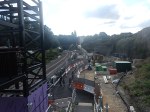
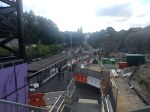
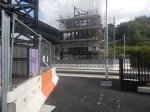
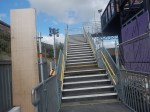
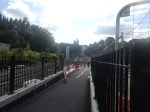
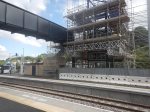
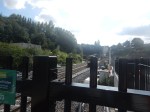
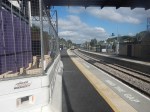
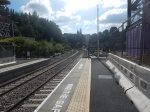
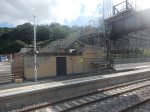
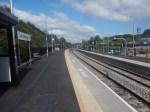
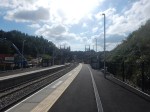
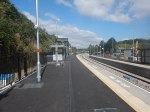
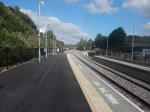
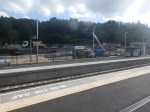
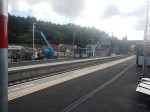
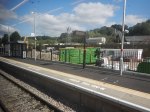
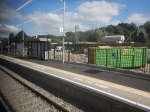
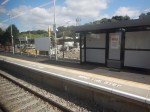
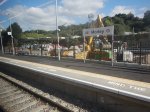
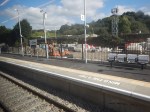
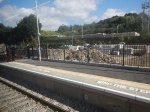
I was rather surprised at the lack of any sign of electrification.
There was no sign of any gantries for overhead electrification, either installed or ready to installed.
In Is There Going To Be Full Electrification Between Leeds And Huddersfield?, I said this.
I have now found this document on the Network Rail web site, which is entitled Huddersfield to Westtown (Dewsbury).
This statement is included under proposals.
Electrification of the railway from Huddersfield to Ravensthorpe – and right through to Leeds.
Because there is a dash in the words, has electrification to Leeds, been a recent addition?
I also showed this map, that I have copied from the Network Rail document
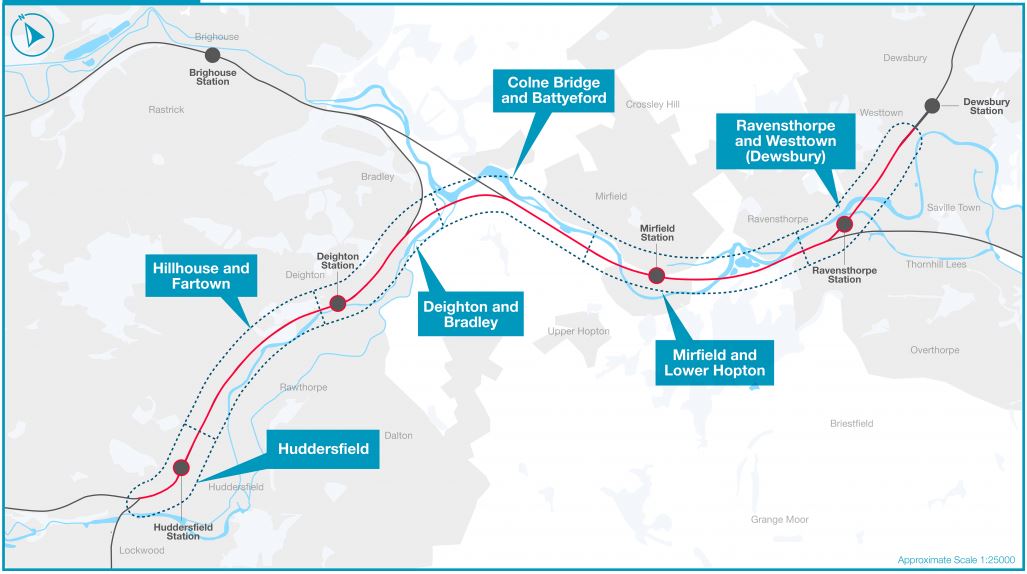
Note the railway lines shown in red. Are these the ones to be electrified? As they go from Huddersfield to Westtown, I think the answer is probably in the affirmative.
Surely, if there were going to be electrification through Morley, they’d have at least put the gantries up by now or installed the bases for them by now?
These are some distances from Real Time Trains.
- Leeds and Morley – 4.6 miles
- Morley and Dewsbury – 5,5 miles
- Dewsbury and Huddersfield 8 miles
Note.
- Leeds and Dewsbury are only 10.1 miles apart, which would be an easy journey for a battery-electric train.
- Trains typically take eighteen minutes between Dewsbury and Huddersfield, which would surely be more than enough time to charge the batteries on a train.
- It also appears that the only trains through Morley station are passenger services run by TransPennine Express or Northern Trains.
It certainly looks to me, that the section of the route between Dewsbury and Leeds though Morley station is to be run using battery-electric trains.
Northern Trains Plans Framework Contract For 450 Multiple-Units
The title of this post, is the same as that of this article on Railway Gazette.
This is the first paragraph.
Northern Trains has invited expressions of interest in a framework contract covering the supply of up to 450 multiple-units to replace ‘significant quantities of its ageing fleet’.
These are other details.
- Firm orders would be placed in phases.
- The initial order would be for ‘multi-mode’ multiple-units.
- Battery-electric or electric-only trains would be included in subsequent orders.
- Trains would have a minimum design life of 35 years from acceptance.
- The ability for the multi-mode units to be converted to electric or battery-electric power as part of an ‘in-life decarbonisation’ programme.
These four paragraphs outline the framework agreement between Northern Trains, the train manufacturer and the owners, who will finance the trains.
The framework agreement would run for eight years, with Northern able to order rolling stock in multiple phases.
Each phase would include a train manufacturing and supply agreement and a technical support and spares supply agreement.
The supplier would provide tools and spare parts, and there would be options for the supply of mock-ups and a cab simulator. Northern is to run a separate procurement for an owning party which would purchase each fleet and lease it to the operator.
The owner would be party to each manufacturing and supply agreement, and there may be different owning parties for each order phase.
This is a well-thought out proposal, that would be worth around a billion pounds to the train manufacturer.
It would probably be based around a family of trains like Alstom’s Aventra, CAF’s Civity or Stadler’s FLIRT.
For a series of orders of such a value, I think we will see some excellent proposals.
The deal will transform rail travel in the North.
I have some thoughts.
Which Trains Will Be Replaced?
Northern Trains fleet includes these ageing trains.
- Class 150/0 diesel trains – 6 x three-car – 18 cars
- Class 150/1 diesel trains – 46 x two-car – 92 cars
- Class 150/2 diesel trains – 26 x two-car – 52 cars
- Class 155 diesel trains – 7 x two-car – 14 cars
- Class 156 diesel trains – 65 x two-car – 130 cars
- Class 158/0 diesel trains – 45 x two-car – 90 cars
- Class 158/9 diesel trains – 8 x three-car – 24 cars
- Class 319 electric trains – 12 x four-car – 48 cars
- Class 323 electric trains – 34 x three-car – 102 cars
- Class 333 electric trains – 16 x four-car – 64 cars
- Class 769 bi-mode trains – 8 x four-car – 32 cars
Note.
- These total to 273 trains and 661 cars.
- If the 16 Class 170 trains, which are of three-cars, were also to be replaced. that would bring the total trains to be replaced to 289 trains and 709 cars.
I would expect the difference between 273-289 current trains and 450 trains in the article, is explained by new services and increased services on certain routes.
Which Trains Could Be Retained?
Northern Trains fleet includes these new trains.
- Class 195 diesel trains – 25 x two-cars – 50 cars
- Class 195 diesel trains – 33 x three-cars – 99 cars
- Class 331 electric trains – 31 x three-cars – 93 cars
- Class 331 electric trains – 12 x four-cars – 48 cars
Note.
- These trains were all built by CAF in the last five years.
- These total to 101 trains and 290 cars.
But if they have an expected life of 35 years, the diesels will have to be converted to zero-carbon trains.
Will The CAF Trains Be Retained?
Consider.
- If all the ageing trains and those not built by CAF were to be replaced then that would be 289 trains and 709 cars.
- If the nearly-new CAF trains were also to be replaced that would be 390 trains and 999 cars.
- Add in a few more trains for expanded services and you’re got the figure of 450 trains given in this article.
- If the CAF trains were to be replaced, then Northern Trains would have an homogenous fleet of new trains from one manufacturer, with all the advantages in operation and maintenance.
On the other hand, I haven’t read any bad criticism of these CAF trains, so I will assume that there is no pressing reason to replace them.
And of course Northern Trains could have an homogenous fleet of new CAF trains.
This is said in the article.
The supplier would provide tools and spare parts, and there would be options for the supply of mock-ups and a cab simulator.
As this is specifically mentioned, do Northern lack a simulator for driver training?
What About The Manchester Bee Network And Other Local Networks?
Will these networks want to take control of their local trains?
If there is an homogenous fleet of new trains from one manufacturer, then surely, it would be easier to give control of some routes to the local transport interests.
Training and driver rostering could be retained in what was left of Northern Trains.
Tram-Trains
Tram trains would be an added complication, but as the South Wales Metro is showing, tram-trains are an interesting way of expanding a network.
Do Network Rail Have A Cunning Plan To Run Battery Electric Trains To Wigan Wallgate And Blackburn?
This news story, which is entitled £72 million Boost For Train Services In Manchester And The North, was released by the government today.
This is the sub-heading.
This package will improve the passenger experience by having more reliable trains and fewer delays.
These two paragraphs describe the work.
The funding will deliver a third platform at Salford Crescent station and track improvement work across north Manchester to help reduce delays, bottlenecks and station overcrowding, meaning passengers will enjoy more comfortable and reliable journeys.
Manchester Victoria Station will also benefit from extra entry and exit points to platforms, making it easier for passengers to travel through the station during busier periods.
These are my thoughts.
Battery-Electric Trains
New Merseyrail Train Runs 135km On Battery says a lot about the capabilities of modern battery-electric multiple units.
135 km is 84 miles and if you look at services in the Wigan and Blackburn area, these are the services, currently run by diesel trains on lines without electrification.
- Blackburn and Bolton – 13.9 miles
- Blackburn and Manchester Victoria – 39.4 miles
- Hindley and Salford Crescent – 16.2 miles
- Southport and Wigan Wallgate – 17.4 miles
- Kirkby and Wigan Wallgate – 12 miles
- Clitheroe and Bolton – 23.7 miles
- Manchester Piccadilly and Buxton – 19 miles
I believe that a modern battery-electric train would be able to handle all these routes, with assistance from regenerative braking and Newton’s friend.
I also believe that CAF, Hitachi, Siemens and Stadler would be capable of building a battery-electric train for these routes.
This OpenRailwayMap shows the electrification between Wigan and Lostock Junction.
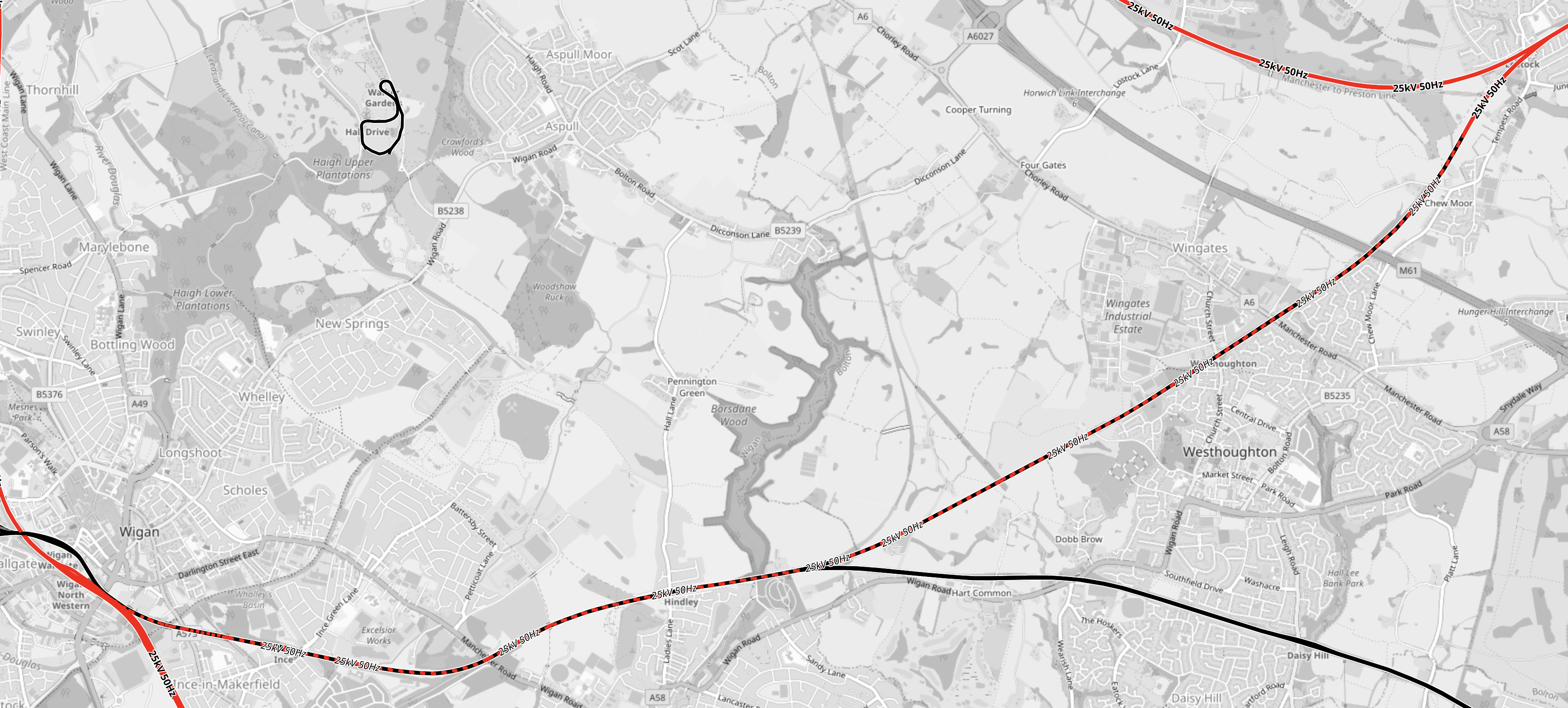
Note.
- Wigan is in the South-West corner of the map.
- Lostock Junction is in the North-East corner of the map.
- The black and red line between Wigan and Lostock Junction indicates the track is being electrified with 25 KVAC overhead electrification.
- The black line going East to the South-East corner of the map is the unelectrified line to Salford Crescent via Atherton.
- At Lostock Junction the line joins the electrified Manchester and Preston Line via Bolton.
Network Rail’s layout means that trains to Kirkby, Southport and Salford Crescent via Atherton can all charge their batteries in a convenient station before embarking to their destination without electrification.
The Third Platform At Salford Crescent Station
Three platforms at Salford Crescent will give capacity advantages.
But it will also mean, that if all battery-electric trains for Wigan Wallgate via Atherton can have a dedicated platform, that if necessary, they can use to top up the batteries.
Northern’s Trans-Pennine Services
Northern Trains run four hourly trains across the Pennines.
- York and Blackpool North via Church Fenton, Garforth, Leeds, New Pudsey, Bradford Interchange, Halifax, Sowerby Bridge, Hebden Bridge, Burnley Manchester Road, Accrington, Blackburn, Preston, Kirkham & Wesham and Poulton-le-Fylde.
- Leeds and Manchester Victoria via Bramley, New Pudsey, Bradford Interchange, Halifax, Hebden Bridge, Todmorden and Rochdale.
- Leeds and Wigan Wallgate via Morley, Batley, Dewsbury, Ravensthorpe, Mirfield, Brighouse, Sowerby Bridge, Mytholmroyd, Hebden Bridge, Todmorden, Walsden, Littleborough, Smithy Bridge, Rochdale, Manchester Victoria, Salford Central, Salford Crescent, Swinton, Moorside, Walkden, Atherton, Hag Fold, Daisy Hill, Hindley and Ince.
- Leeds and Chester via Bramley, New Pudsey, Bradford Interchange, Low Moor, Halifax, Sowerby Bridge, Mytholmroyd, Hebden Bridge, Todmorden, Rochdale, Manchester Victoria, Newton-le-Willows, Earlestown and Warrington Bank Quay.
Note.
- All routes are partly electrified.
- Hebden Bridge gets four trains per hour (tph).
- Bradford Interchange, Halifax, New Pudsey Rochdale, Sowerby Bridge, Todmorden and Manchester Victoria get three tph.
- It is a comprehensive set of routes serving nearly fifty stations in the North.
Stretches of line without electrification include.
- Chester and Earlstown – 23 miles
- Leeds and Manchester Victoria – 49.8 miles
- Leeds and Blackburn – 50.2 miles
- Hindley and Salford Crescent – 16.2 miles
There may be a need to electrify Blackburn and Preston or some other short sections.
Conclusion
I have a feeling that most of the diesel services in Manchester could be replaced by battery-electric trains.
Plan To Develop New ‘Southern Gateway’ Through Station In City Centre
The title of this post, is the same as that of this article in the Bradford Telgraph and Argus.
This is the sub-heading.
Work to develop a new city centre rail station in Bradford could soon be back on the rails, despite the Government cancelling the local Northern Powerhouse Rail line
These are the first two paragraphs.
It has today been announced that the UK Infrastructure Bank will be working with Bradford Council to plan and develop a proposed “Southern Gateway” station in the city centre.
Although few details have been announced so far, the station is expected to be a through station, and is likely to be on the site off Wakefield Road currently occupied by St James’ Wholesale Market.
This sounds like an updating with finance of a plan I wrote about in Bradford Seeks Support On Rail Project Which Could Deliver £30bn Benefits.
This map from OpenRailwayMap shows the rail lines in the Bradford area.
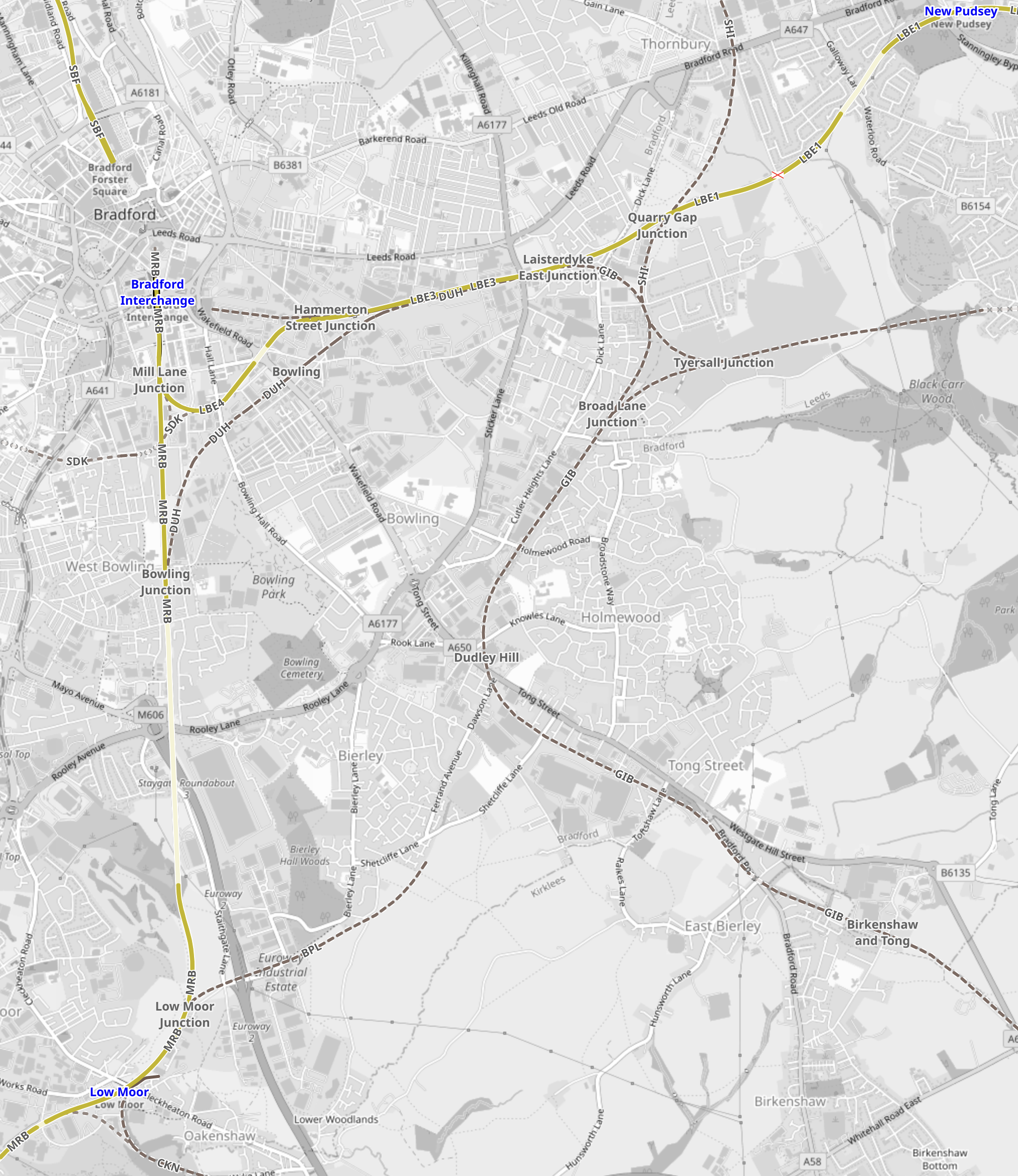
Note.
- New Pudsey station is in the North-East corner of the map.
- Bradford Foster Square and Bradford Interchange stations are in the North-West corner of the map.
- Low Moor station is in the South-West corner of the map.
This second OpenRailwayMap shows an enlargement of the lines across Bradford.
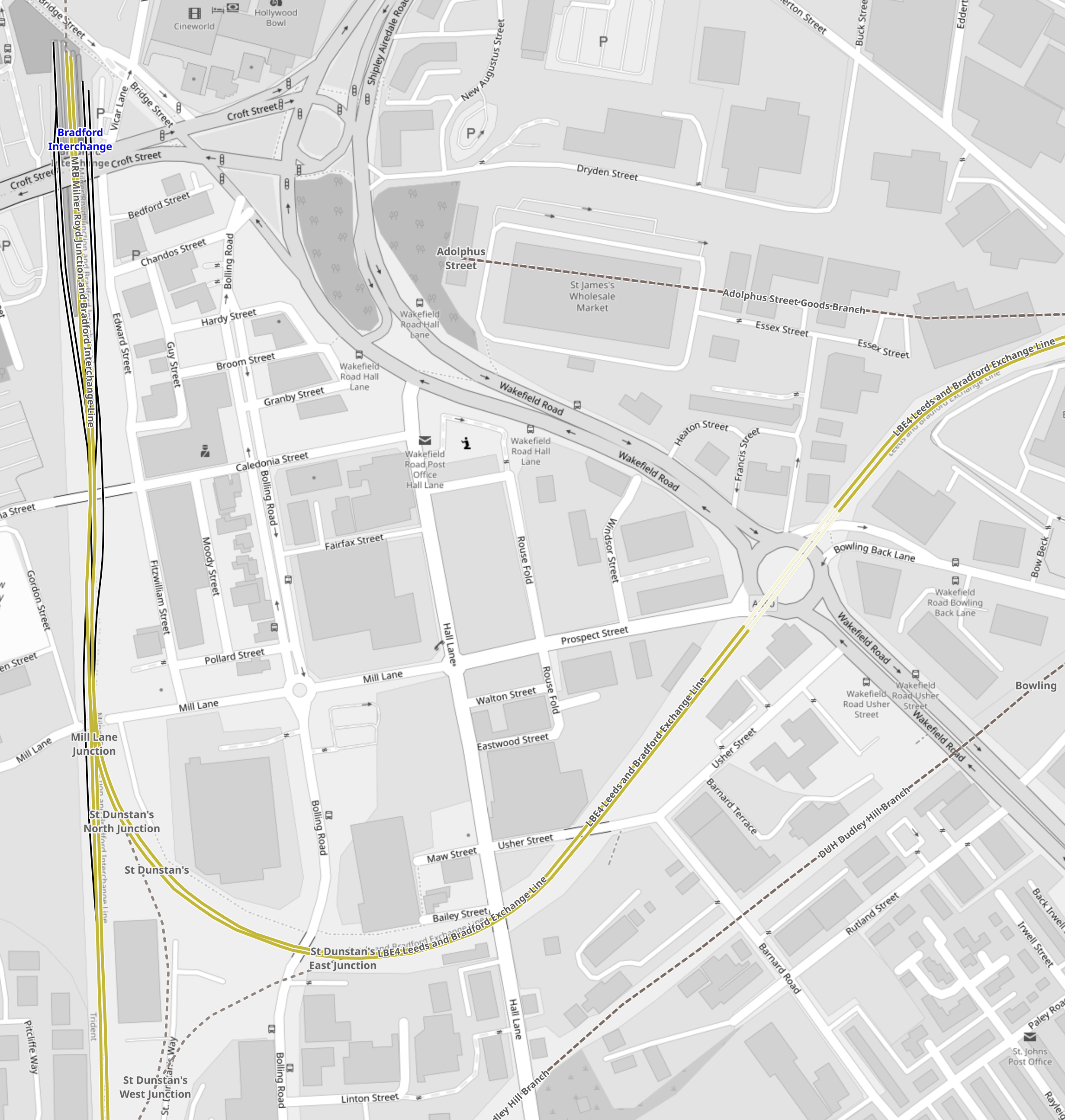
Note.
- Bradford Interchange station is in the North-West corner of the map.
- The railway lines are shown in yellow.
- New Pudsey station is off the map to the East and on the way to Leeds.
- Some trains between Leeds and Bradford are routed via New Pudsey station and the loop in this map.
- The railway between New Pudsey and Bradford Interchange stations goes under a roundabout on the Wakefield Road.
This Google Map shows St. James Wholesale Market and the railway to the North-East of the roundabout.
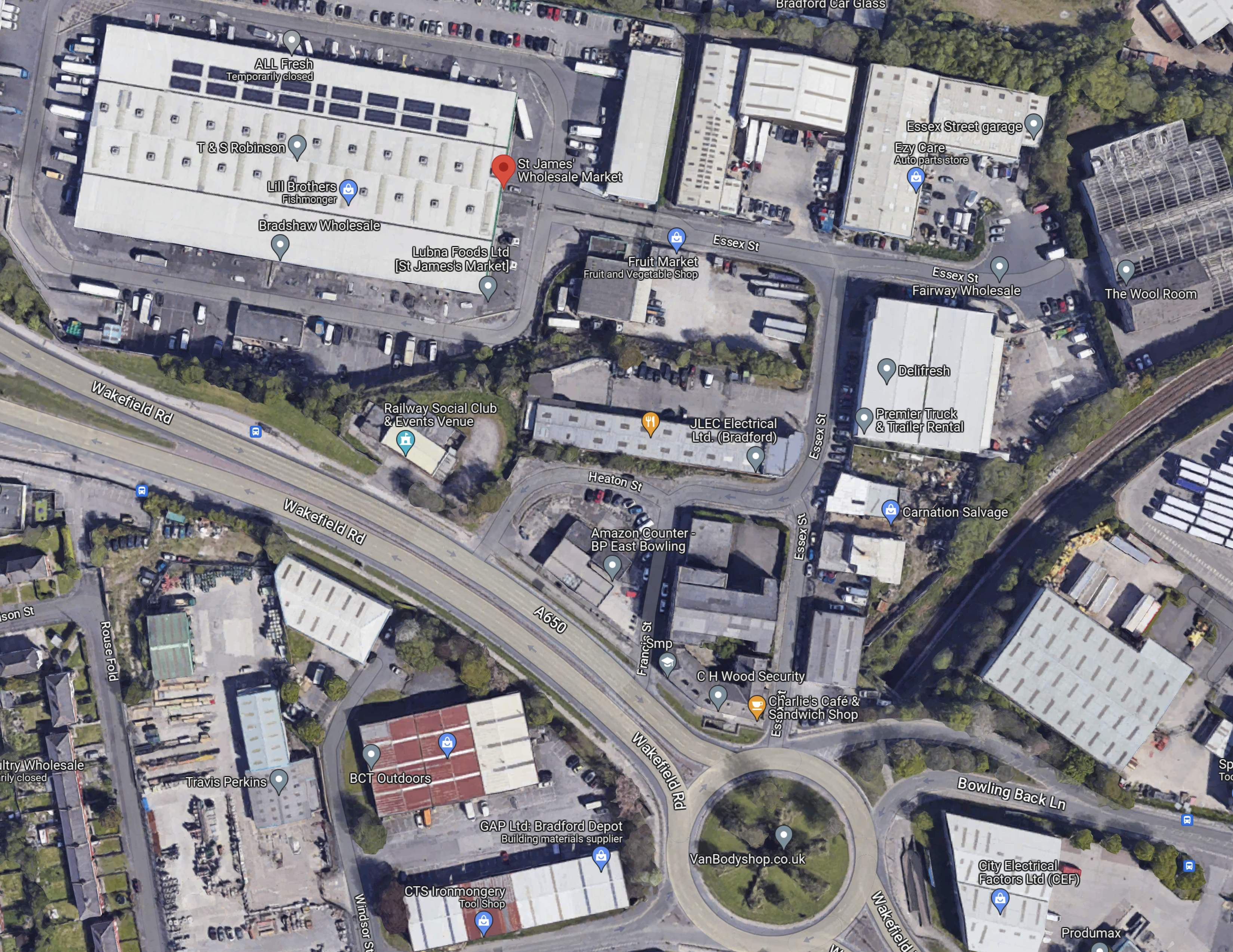
Note.
- St. James Wholesale Market is marked by the red arrow.
- The railway between New Pudsey and Bradford Interchange stations goes under the roundabout at the bottom of the map.
There’s certainly a lot of space to the East of the market. Could the new station be built with a lot of adjacent open space like King’s Cross and Liverpool Lime Street.
These are further thoughts.
Will There Be A New Chord South Of Bradford Interchange Station?
This section is an edited version of a section from Bradford Seeks Support On Rail Project Which Could Deliver £30bn Benefits.
This Google Map, shows Mill Lane Junction, where the lines from New Pudsey and Bradford Low Moor stations join South of Bradford Interchange station.
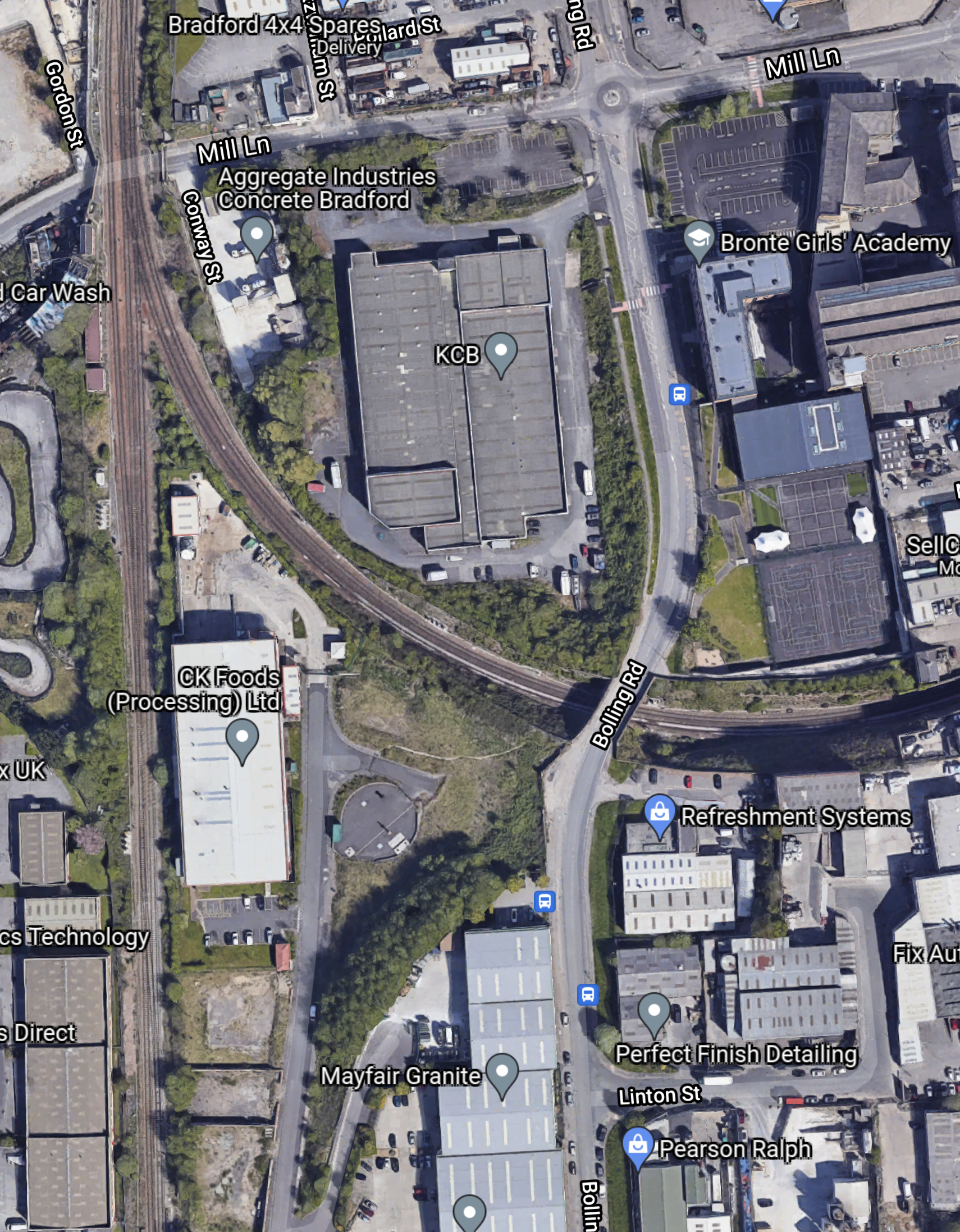
Note.
- Bradford Interchange station is on the rail line to the North.
- The proposed new Bradford station and the existing New Pudsey station are on the rail line to the East.
- Bradford Low Moor station is on the rail line to the South.
It would appear that an extra chord should be added to the junction to allow trains between Manchester Victoria and Leeds running via the Calder Valley Line to call at the new station in Bradford.
Current trains between Manchester Victoria and Leeds using this route have to reverse at Bradford Interchange. The new station and the extra chord would avoid this.
Will Bradford Interchange Station Be Closed?
That is a big question and depends on the overall plan.
I await the full plan with interest.
But building the new chord, closing Interchange station and avoiding the reverse will speed up services.
What Trains Will Call At The New Station?
Currently, only these trains from Northern, go through the station site.
- Hull and Halifax
- Leeds and Chester
- Leeds and Manchester Victoria
- York and Blackpool North
Note.
- All have a frequency of one train per hour (tph)
- All currently reverse at Bradford Interchange.
- All call at Leeds, New Pudsey and Halifax.
- Three tph call at Bramley and Hebden Bridge.
- Two tph call at Manchester Victoria, Rochdale and Todmorden.
- One tph calls at Low Moor.
I suspect these service could be augmented to perhaps give the following.
Four tph to Hebden Bridge, Rochdale and Manchester Victoria.
The only other trains passing though the area are Grand Central’s four trains per day (tpd) between London King’s Cross and Bradford Interchange via Low Moor.
- If these trains terminated in a bay platform at the new station, would this enable their frequency to be increased?
- Or could the services be extended to Leeds?
The new station certainly opens up possibilities.
Adding Rose Hill Marple And Manchester Piccadilly To The Bee Network
This article on the Railway Gazette has a list of the lines, that will be transferred between Northern Rail and the Bee Network.
Included in the list is this line.
Rose Hill Marple And Manchester Piccadilly
I think this route would be the following.
- The Eastern terminus would be Rose Hill Marple.
- The Western terminus would be Manchester Piccadilly.
- Intermediate stations would be Romiley. Woodley, Hyde Central, Hyde North, Guide Bridge, Fairfield and Gorton.
- The route is partially-electrified with 25 KVAC overhead between Hyde North and Manchester Piccadilly.
- Most of the route has a range of operating speeds, up to 90 mph.
- The distance is 13.3 miles
- Trains take 34 minutes
- Trains are often two-car Class 156 trains.
The route is the same as the current Northern Trains service.
This is my thought.
Trains
This route is a classic for battery-electric trains, as only 6.8 miles at the Marple end is not electrified.
Merseyrail’s Class 777 trains or something similar would surely do nicely.
There would be no need for charging at the Marple end.
 The Anonymous Widower