Midlands Rail Hub Looks To The Future With Preferred Alliance Partners
The title of this post, is the same as that of this press release from Network Rail.
The press release has a spectacular picture, which I’m showing here.
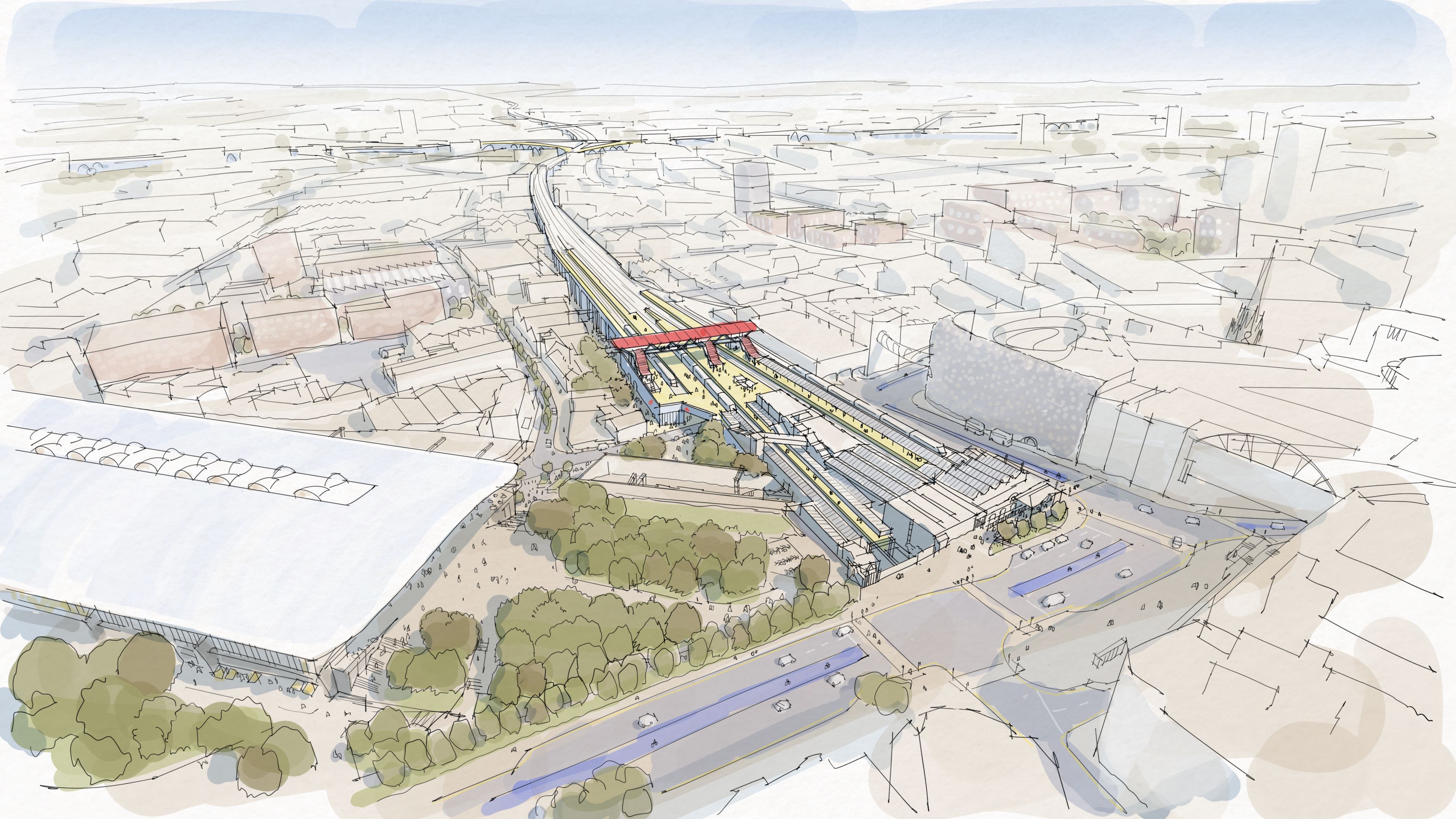
Note.
- High Speed Two’s Curzon Street station is on the left.
- Birmingham Moor Street station is in the centre.
- There appears to be parkland between the two stations.
- Is that the West Midlands Metro running across in front of Moor Street station?
This OpenRailwayMap shows the railway lines in the area.
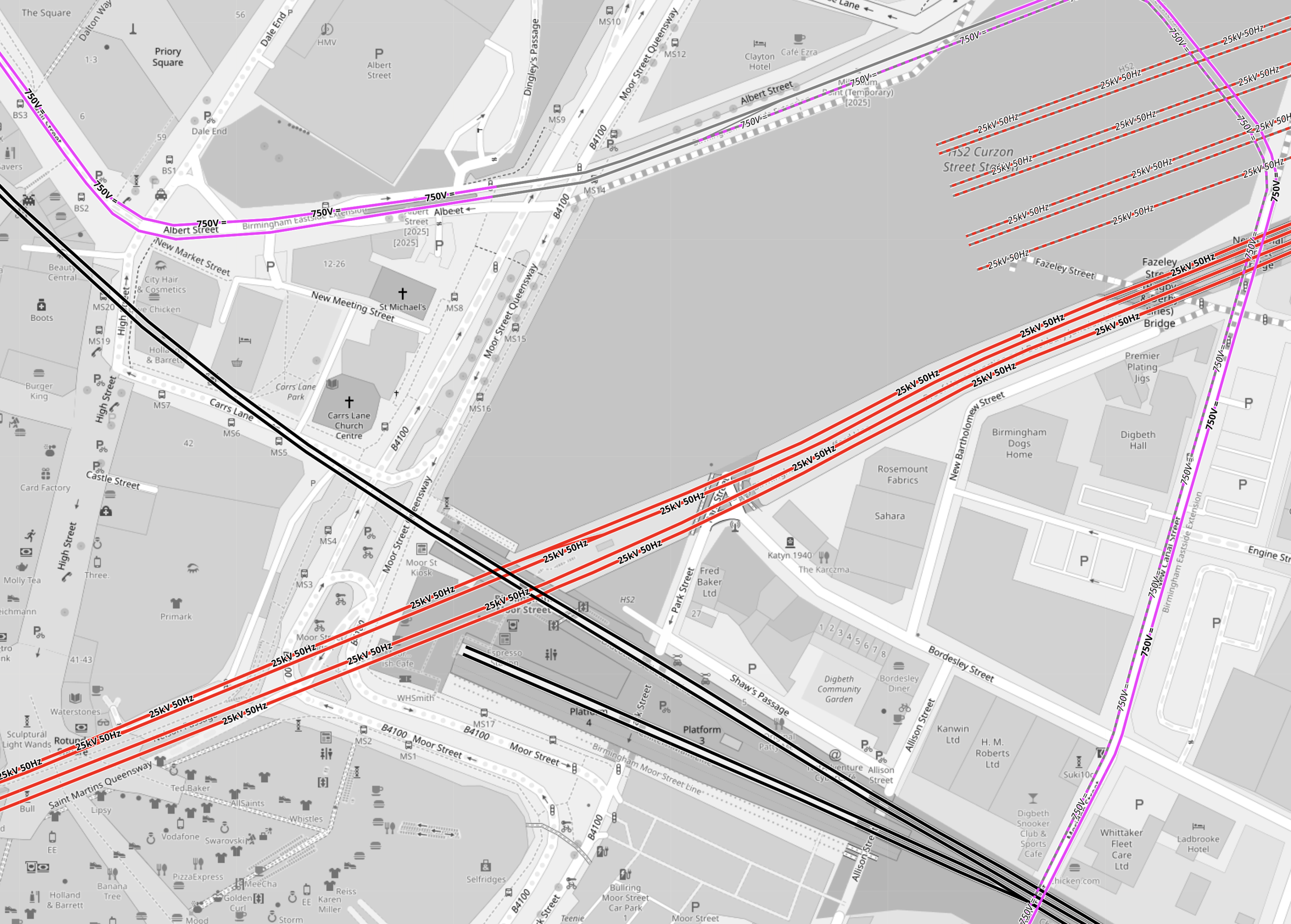
Note.
- Electrified tracks are shown in red.
- Tracks without electrification are shown in black.
- West Midlands Metro tracks are shown in mauve.
- The red tracks going diagonally across the map are the four electrified tracks going into Birmingham New Street station.
- Birmingham New Street station is off the map to the West.
- To the North of the tracks going into Birmingham New Street station, there are the seven platforms of High Speed Two’s Curzon Street station.
- The four platforms without electrification are shown South of the tracks into Birmingham New Street station.
- Two platforms at Birmingham Moor Street station are through platforms, that pass under Birmingham City Centre to Birmingham Snow Hill station.
- The other two platforms at Birmingham Moor Street station are bay platforms.
- The West Midlands Metro appears to take a loop around the stations.
But when you get into the words of the press release, there are a lot of vegetables and very little meat.
- The Midlands Rail Hub could cost around £1.75bn if delivered in full.
- The government’s recent spending review committed to progress the next stage of Midlands Rail Hub.
- Alongside this, planning is underway to begin to deliver two smaller but significant upgrades to benefit passengers as quickly as possible.
- The Alliance partners will be VolkerRail, Laing O’Rourke, AtkinsRéalis, Siemens Mobility, and Network Rail.
These four paragraphs indicate the work, that could be done.
The biggest change will be connecting the Chiltern main line, which runs into Moor Street, with the Camp Hill lines which run towards the South West and East Midlands via two new chords in Bordesley, near Birmingham city centre.
The transformation of the network will include running more train services on key routes through Birmingham and significantly improving connections for the millions of people who use the railway every day.
Work will be prioritised to explore how smaller, but vital, pieces of work which will provide passengers and communities with quicker benefits, including new journey options and more trains can be delivered as soon as possible.
They include reopening platform 4 at Snow Hill station so additional Chiltern Railways services can run directly between Birmingham’s business district and London Marylebone, and redeveloping Kings Norton station and the lines through it so extra Cross City trains can be added and new Midlands Rail Hub-enabled services can call there.
Three projects are specifically mentioned.
- The new chords in Bordesley.
- The reopening of platform 4 at Snow Hill station.
- The redeveloping of Kings Norton station.
I shall now look at each in detail.
The New Chords At Bordesley
This OpenRailwayMap shows the tracks going into and around Birmingham Moor Street station.
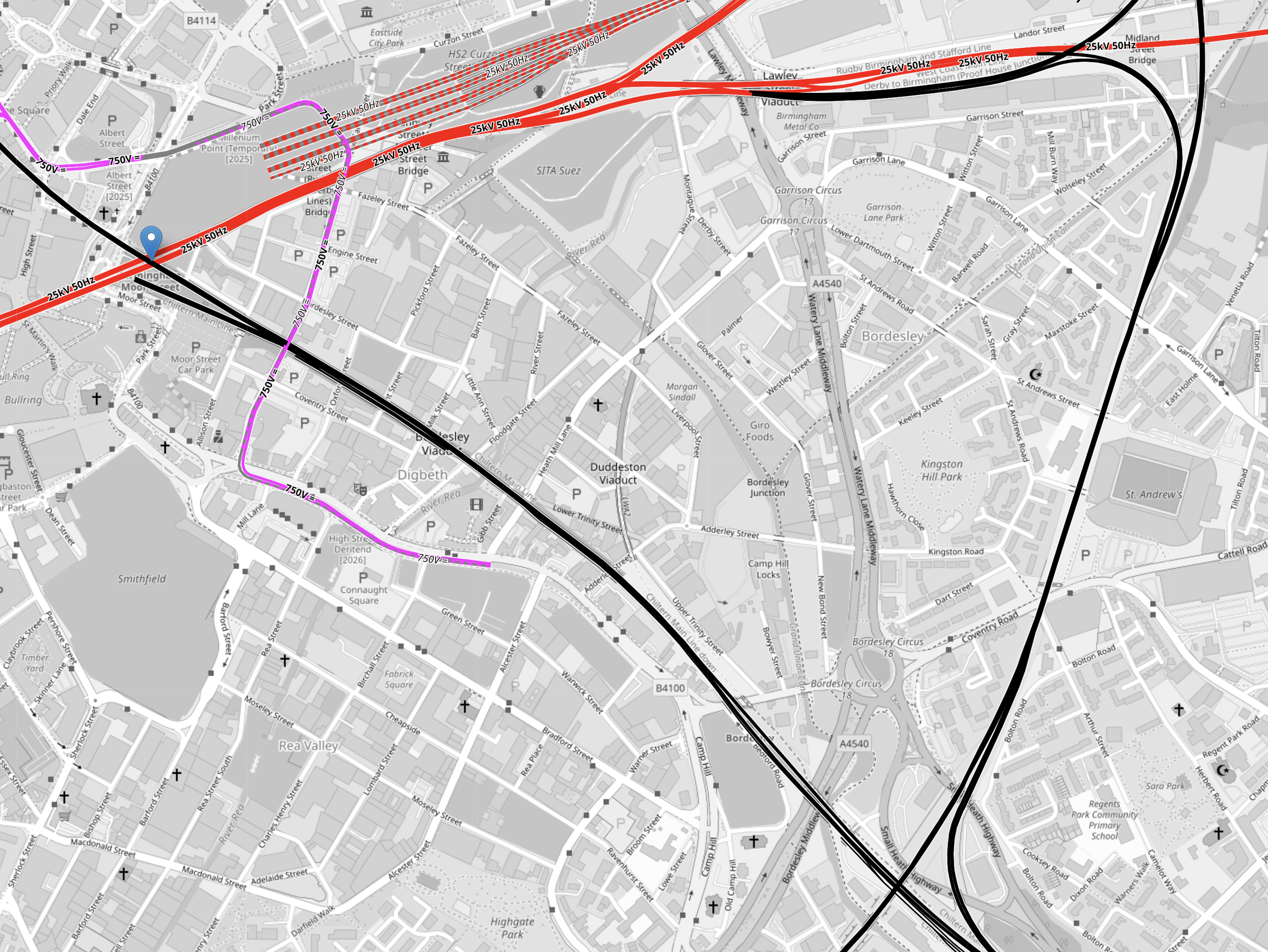
Note.
- Electrified tracks are shown in red.
- Tracks without electrification are shown in black.
- West Midlands Metro tracks are shown in mauve.
- The red tracks going diagonally across the map are the four electrified tracks going into Birmingham New Street station.
- Birmingham New Street station is off the map to the West.
- To the North of the tracks going into Birmingham New Street station, there are the seven platforms of High Speed Two’s Curzon Street station.
- The black track running NW-SE is the Chiltern Main Line between London Marylebone and Birmingham Moor Street stations.
- Birmingham Moor Street station is indicated by the blue arrow in the North-West corner of the map.
- The black track running NE-SW is the Camp Hill Line, that allows services to cross Birmingham.
Two new chords will be built where the Chiltern Main and the Camp Hill Lines cross, to allow services on the Camp Hill Line to call at Birmingham Moor Street station.
Consider.
- The press release described these chords as the biggest change.
- The chords will probably not be fully used, until the new stations are built on the Camp Hill Line.
- There may be need for extra platforms at Birmingham Moor Street station to accommodate any new services.
For these reasons, I suspect that these chords could well be the project that is pushed back to a later date.
The Reopening Of Platform 4 At Snow Hill Station
This OpenRailwayMap shows the track layout at Birmingham Snow Hill station.
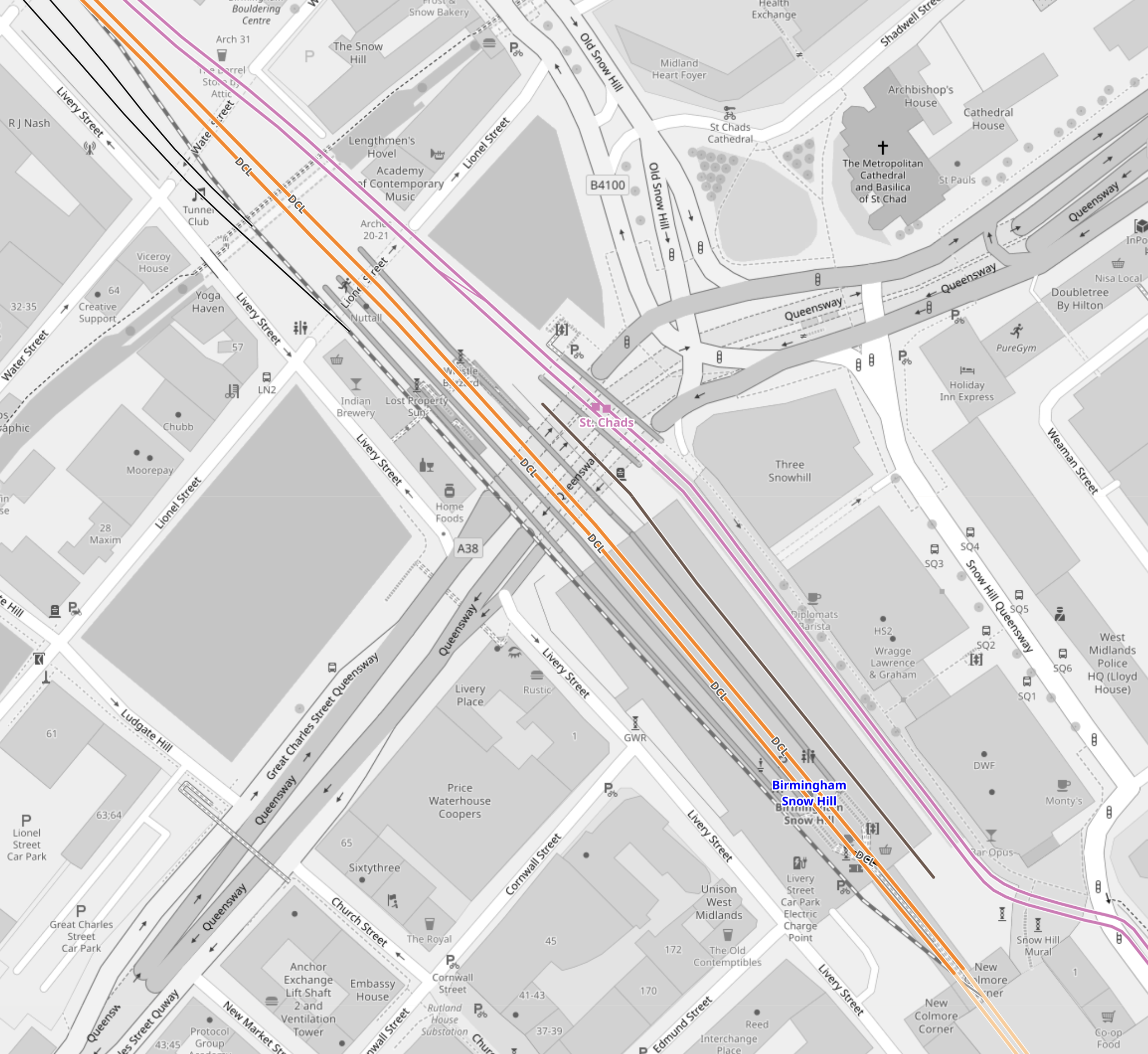
Note.
- The two lilac tracks are the West Midlands Metro.
- The two orange tracks are the two through tracks between Birmingham Moor Street and Stourbridge Junction stations.
- Platform 3 is the Southbound track to Birmingham Moor Street on the right.
- Platform 2 is the Northbound track to Stourbridge Junction on the left
- Platform 1 is a loop on left.
- Platforms 1, 2 and 3 are all bi-directional.
- The closed Platform 4 is on the right and is shown by the black track.
I would expect that this reopening could be fairly straightforward and may also have worthwhile benefits.
- Would an extra platform, allow all Chiltern services to serve both Birmingham Moor Street and Birmingham Show Hill stations?
- Chiltern would probably find it easy to extend services from Birmingham to the North-West of the city.
- In this century, services have run as far as Wrexham from Marylebone.
- If all Chiltern services terminated at Birmingham Show Hill station would this have operational and/or marketing advantages?
- If all Chiltern services terminated at Birmingham Show Hill station would this, make it easier for some passengers to get a train to London and the South?
- If all Chiltern services terminated at Birmingham Show Hill station would this release a platform at Birmingham Moor Street station for other services?
These are a few pictures of Birmingham Snow Hill station.
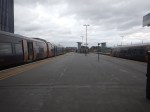
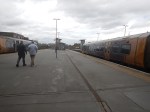
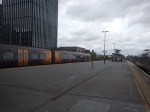
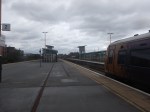
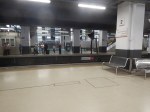
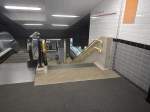
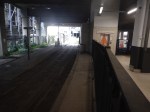
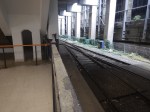
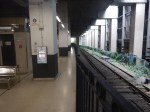
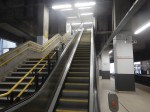

Platform 4 at Birmingham Snow Hill station could be a Build One Platform-Get One Free At Another Station situation!
The Redeveloping Of Kings Norton Station
This will probably be needed for running services on the Camp Hill Line, so why not get some of the work done early, so the rebuilding doesn’t effect existing services?
This OpenRailwayMap shows the Eastern end of Kings Norton station
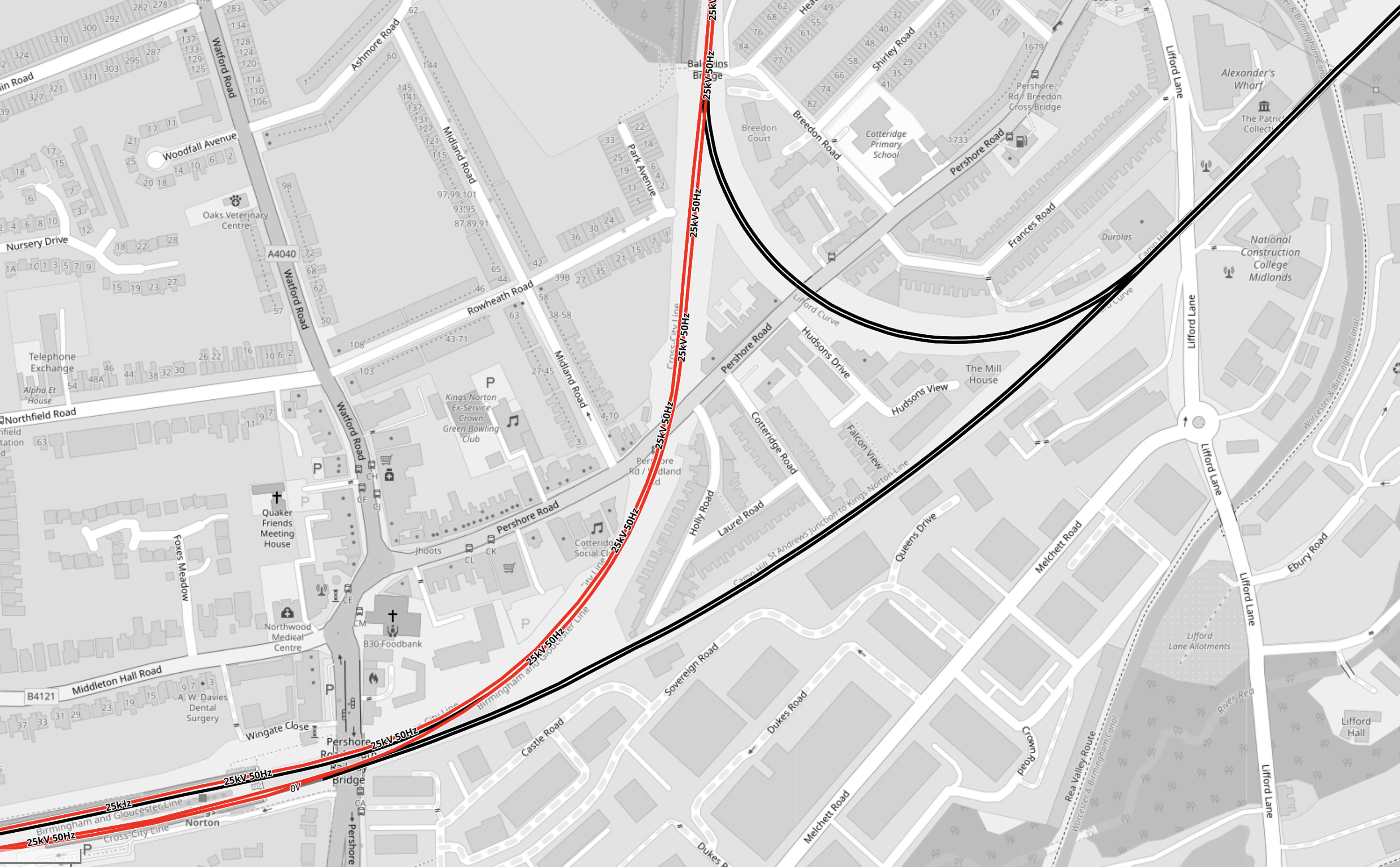
Note.
- Electrified tracks are shown in red.
- Tracks without electrification are shown in black.
- The station has four platforms, but some are unused.
- Two platforms are on an island, with a single platform on either side.
This OpenRailwayMap shows the Western end of Kings Norton station.
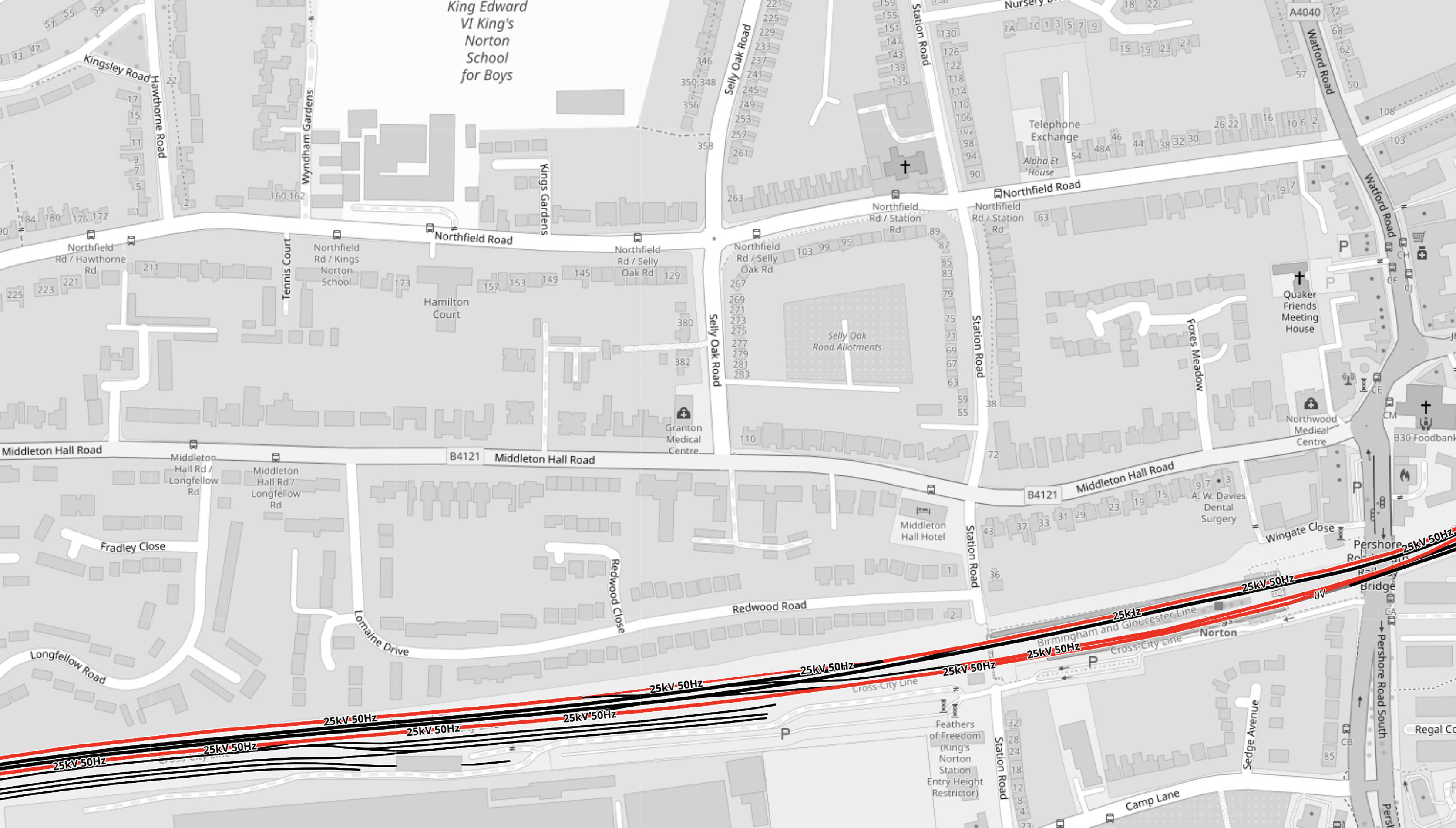
The notes to the previous map apply.
These two paragraphs from the Wikipedia entry for Kings Norton station, describe the station.
With the development of both bus and tram services, the need for such a large facility reduced from the 1930s onwards. The result is that today although all four platforms remain in place, only the outer two are in passenger use, with the middle island platforms now derelict.
Refurbished as part of the Cross-City line in 1978, it retained some of its original features following refurbishment, unlike the other ‘cross city line’ stations. The original station building survived, leased out for commercial purposes, until it was demolished in February 2006 for safety reasons. An extension car park provides a Park and Ride facility.
Disabled-access doesn’t seem to be the best either.
These pictures show the station.
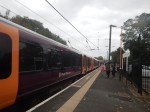
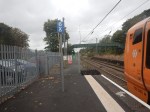
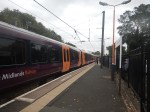
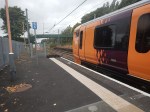
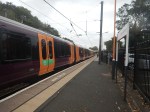
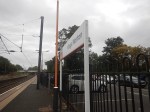
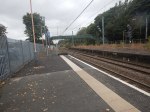
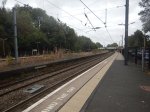
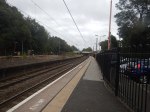
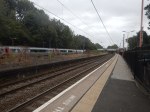
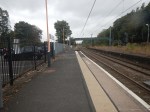
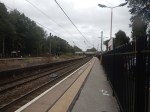
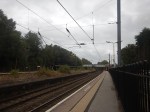
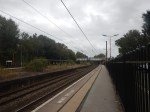
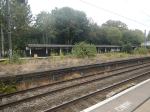
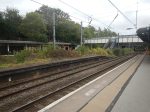
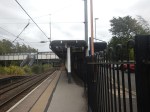
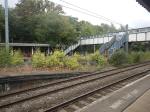
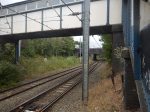
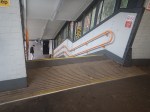
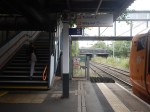
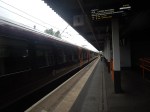
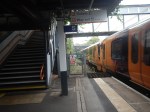
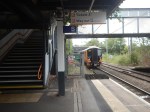
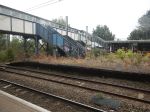
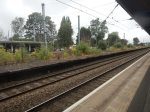
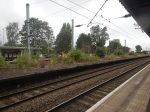
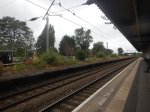
Note.
- As I guessed, there is no disabled-access.
- But there are Braille markings on the handrails down to the platforms.
- Two CrossCountry trains are seen going through the station.
- The local Class 730 trains, lights and information screens appeared to be new.
- Three platforms are electrified, but the fourth is not.
- The electrification structure could probably be used to electrify the fourth platform.
- Only the two outside platforms ; 1 and 4 are in use, with the central island platforms ; 2 and 3 left derelict.
- There is car parking and possibly space for more.
- The two active platforms are 150 metres long and the six-car Class 730 trainstrains appear to be 144 metres long.
- The Class 220 trains, that are run by CrossCountry Trains appear to be 93 metres long.
It was one of the scruffiest stations, that I’ve ever seen.
These are my thoughts on the station.
Handling The Camp Hill Line
Refurbishing Kings Norton Station
I don’t feel, that this will be the most horrendous of jobs, as it is very much a job, where all the rubbish and wild forest is removed and new platforms and a bridge are built.
London Underground’s New Piccadilly Line Trains Delayed Until 2026
The title of this post, is the same as that of this article on Railway Gazette.
These are the first two paragraphs.
The new air-conditioned trains which Siemens Mobility is supplying for London Underground’s Piccadilly Line are now expected to enter service from the second half of 2026, Transport for London has confirmed.
When the order was signed in November 2018 it was envisaged that the trains would enter service from 2024.
The article also says this about the new CAF trains for the Docklands Light Railway.
The Docklands Light Railway is to implement ‘short-term timetable changes’ on less busy routes from July 21. The reduction in services aims to ensure that reliability can be maintained pending the delayed introduction of new CAF trainsets, which was originally planned for 2023 but is now expected later this year. TfL said the age of the existing trains meant some needed to be retired this summer.
It looks like has two sets of new trains, both being delivered two years late; one being German and the other Spanish.
The only factors I can think both trains being late would be.
- Bad management of the contracts by Transport for London.
- Bad documentation of the Piccadilly Line and the Docklands Light Railway, when they were built.
- Bad project management generally throughout Europe.
- All politicians will be blaming someone else.
Take your pick!
Could A Cross-City Underground Railway Be Run Using Battery-Electric Trains?
Consider.
- Cross-city underground railways like London’s Bakerloo, Central, Jubilee,Northern, Piccadilly and Victoria Lines are usually powered by third-rail technology, which can be dangerous, if someone falls on the track.
- Siemens new London Underground 2024 Stock, which is fully-described in this Wikipedia entry, has the following characteristics.
- A train width of 2.648 metres.
- A train height of 2.844 metres.
- Walk-through carriages
- Air-conditioning
They will also have batteries to support regenerative braking.
But say you were building a new underground line across a city like Birmingham, Leeds or Manchester.
Would the following be possible?
- The tunnel would be built as small as possible, which would probably mean that it was built faster and more economically.
- There would be no electrified rails or overhead wires to power the trains in the tunnel.
- The trains would be powered by batteries.
- Batteries would be charged by a pantograph, that erected to contact with an overhead line outside the tunnel.
- The central tunnel would be bored straight.
- When the train doors opened, passengers would be able to walk on a level surface into and out of the train.
- I believe it would be possible to align the train doors with openings in the tunnel wall at stations to eliminate the need for platform edge doors.
I believe that to design a train and tunnel to literally fit like a glove, could save a lot of money on building a cross-city underground line.
The New Southbound Northern Line Platform At Bank Station
These pictures show the new Southbound Northern Line Platform at Bank Station.

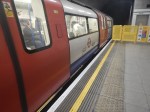
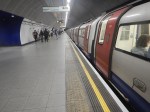
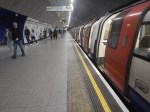
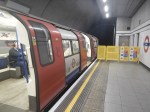
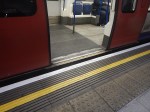
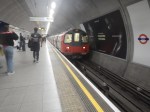
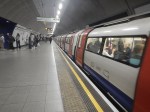

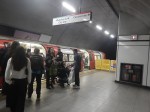
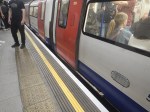
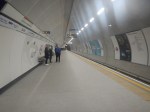
Note.
- This is probably London Underground’s newest platform.
- The step into and out of the train is fairly level.
- This improvement has been achieved with new track and thirty-year-old rolling stock.
Have Siemens redesigned the platform/train interface in the London Underground 2024 Stock, so that the train/platform interface is even better?
- Who’s to know what you can do with modern computer-aided design techniques?
- If the train were to be battery-powered, so that conductor rails were not needed, would the extra space help fit everything in?
- If there were no live rails under the train, would this increase safety, both real and perceived?
I believe it might be possible to design a train/platform interface, that would work with simpler and more affordable platform edge doors.
We probably find out what is possible until the London Underground 2024 Stock enter service later this year.
£2.1bn North Wales Rail Overhaul Plans Unveiled
The title of this post is the same as this article on the BBC.
This is the sub-heading.
A £2.1bn plan to overhaul north Wales’ railway network has been unveiled by Welsh Transport Secretary Ken Skates, but with no funding commitment from the UK government so far.
These three introductory paragraphs add more detail.
The proposals include more services, the introduction of pay-as-you-go “tap in tap out” technology, electrification of lines and a Metro-style service linking Wrexham and Liverpool.
Promising the plans would mean “better stations and more trains”, Welsh ministers have committed an initial £13m, with substantial UK government cash needed to realise the proposals.
The UK government has been asked to comment.
Having lived in Liverpool for seven years, I can understand how this upgrade will benefit Wales and also bring the area closer to Liverpool and Merseyside, to the benefit of the wider region.
There is also this press release from the Welsh Government, which is entitled “METRO IS GO” with Network North Wales.
This press release says plans include.
- Commencing work on the line between Wrexham and Liverpool as the crucial first phase of delivering metro services direct between the two cities.
- Doubling train services between Wrexham and Chester next May.
- Bringing forward the introduction of 50% more services across the North Wales mainline from December 2026 to next May – resulting in a new service from Llandudno to Liverpool and extending the Manchester Airport service to Holyhead in place of Llandudno.
- Upon completion of rail line works at Padeswood, increase train services between Wrexham and Bidston to 2 trains per hour within the next three years, ahead of the introduction of 4 trains per hour that will run direct between Wrexham and Liverpool by 2035.
- The existing Borderlands Line will also be renamed the Wrexham – Liverpool line.
- Key stations on the Wrexham – Liverpool line will be improved in the next 12 months.
- Trains operating on the Wrexham – Liverpool line will be wrapped to reflect the communities and football clubs they serve.
- Introducing Pay as You Go tap in tap out technology – covering connections between Gobowen and Rhyl, and along the full length of the Wrexham -Liverpool line
- Working with Network Rail to determine the feasibility of a rapid delivery of a new test railway station at Deeside Industrial Park, to gauge demand for permanent services to the park.
- A new, multi-million pound electrification innovation fund to develop a plan to decarbonise the railway in North Wales and enable more frequent metro services and additional stations
- Match funding for step-free access at Shotton and Ruabon stations.
- Working with local authorities to develop plans for Gateway multi-modal interchanges at Holyhead, Bangor, Caernarfon and Wrexham.
- A new T13 bus service – connecting Rhyl, Ruthin, Denbigh and Wrexham.
- Examining options to re-open stations and build new stations to serve employment growth areas.
- A new bus network specifically designed to link communities with industrial estates in the Flintshire and Wrexham Investment Zone.
It all seems very comprehensive.
The Current Wrexham And Liverpool Route
This OpenRailwayMap shows the railways of North Wales between Chester, Flint and Wrexham Central.
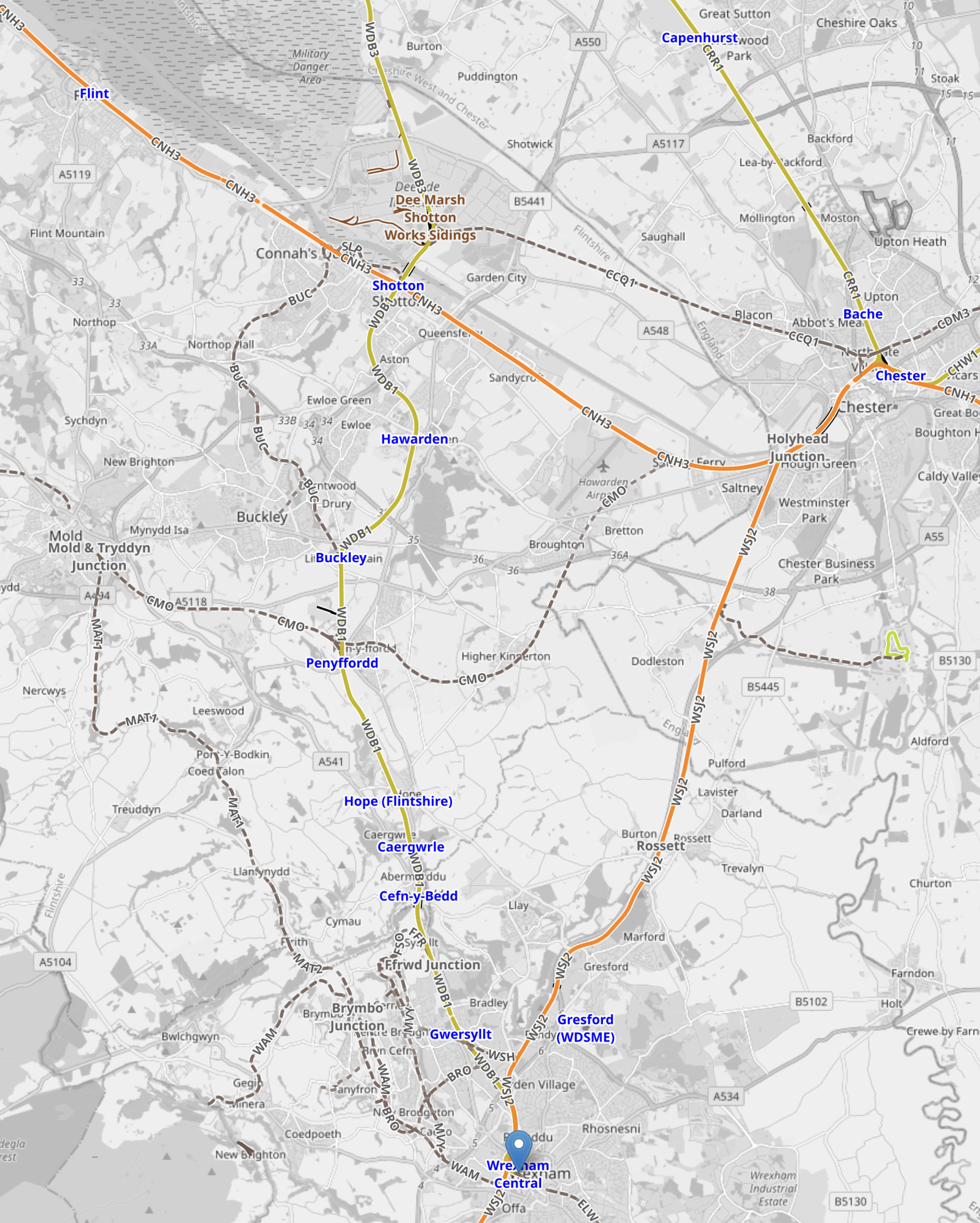
Note.
- Wrexham Central station is at the bottom of the map indicated by the blue arrow.
- Chester is in the North-East corner of the map, where three orange tracks meet.
- The orange track running East from Chester is the North Wales Coast Line to Crewe
- The orange track running West from Chester is the North Wales Coast Line to Shotton, Flint and then on to Llandudno, Bangor and Holyhead.
- The orange track running South from Chester goes to Wrexham.
- The yellow track running North from Chester is Merseyrail to Liverpool.
- Flint station is in the North-West corner of the map, with Shotton station between Chester and Flint stations.
- The yellow track running North from Wrexham Central station to Shotton station is the Borderlands Line to Bidston for Liverpool.
This second OpenRailwayMap shows the two Wrexham stations and the lines to Liverpool and Chester.
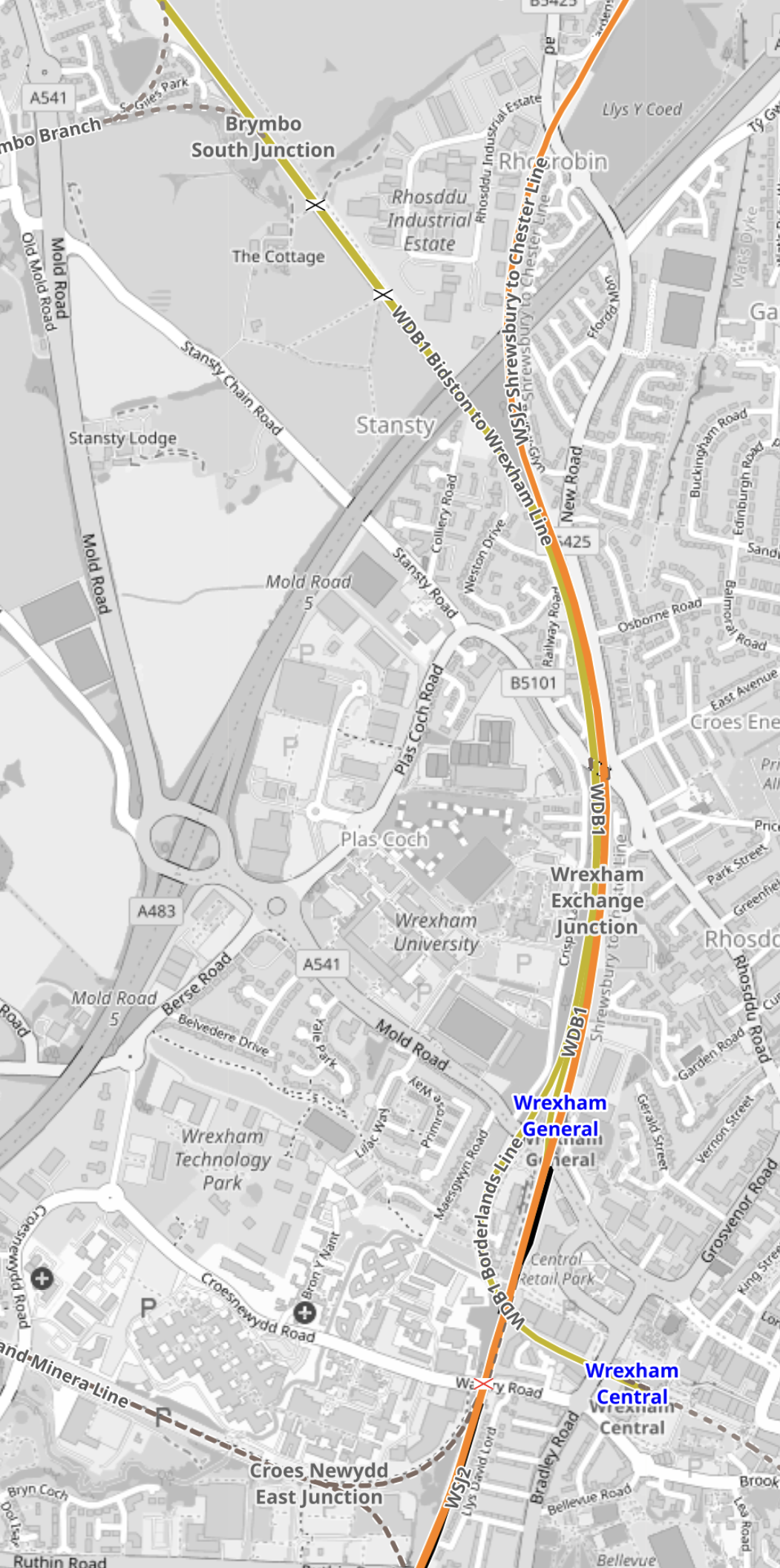
Note.
The orange track running North-South is the Chester and Shrewsbury Line, which runs through Wrexham General station.
The yellow track running North -West is the Borderlands Line to Shotton and Bidston for Liverpool.
Wrexham Central station is on an extension of the Borderlands Line.
This third OpenRailwayMap shows where the Borderlands Line crosses the River Dee on the Hawarden Bridge.
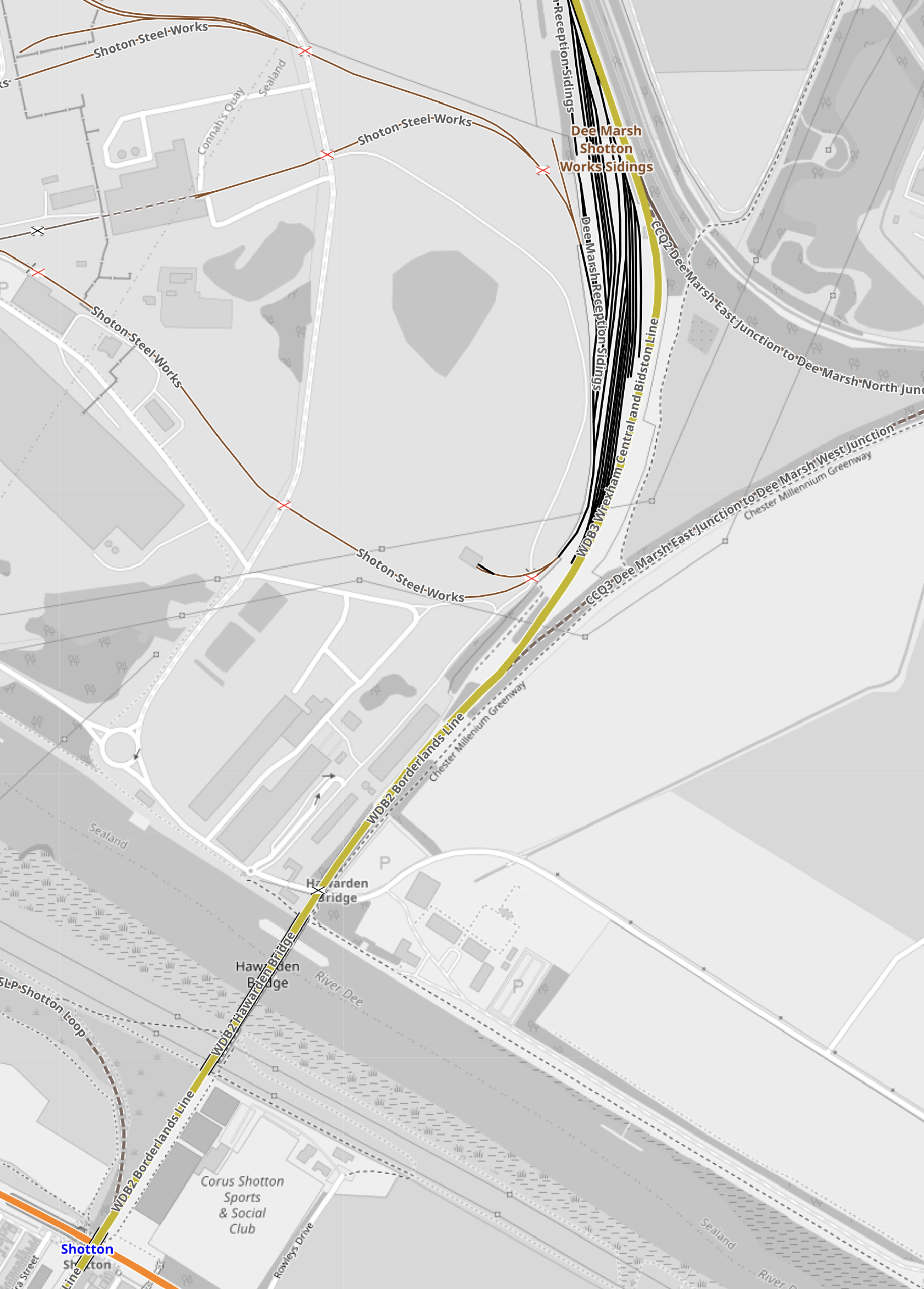
Note.
- Running across the South-West corner of the map is the River Dee.
- The orange track in the South-West corner of the map is the North Wales Coast Line between Chester and Holyhead.
- The yellow track is the Borderlands Line between Wrexham and Bidston for Liverpool.
- The Borderlands Line crosses the River Dee on the Hawarden Bridge.
- Shotton station is a poor interchange between the two lines.
- Hawarden Bridge station is North of the river.
This fourth OpenRailwayMap shows where the Borderlands Line joins Merseyrail’s Wirral Line at Bidston station.
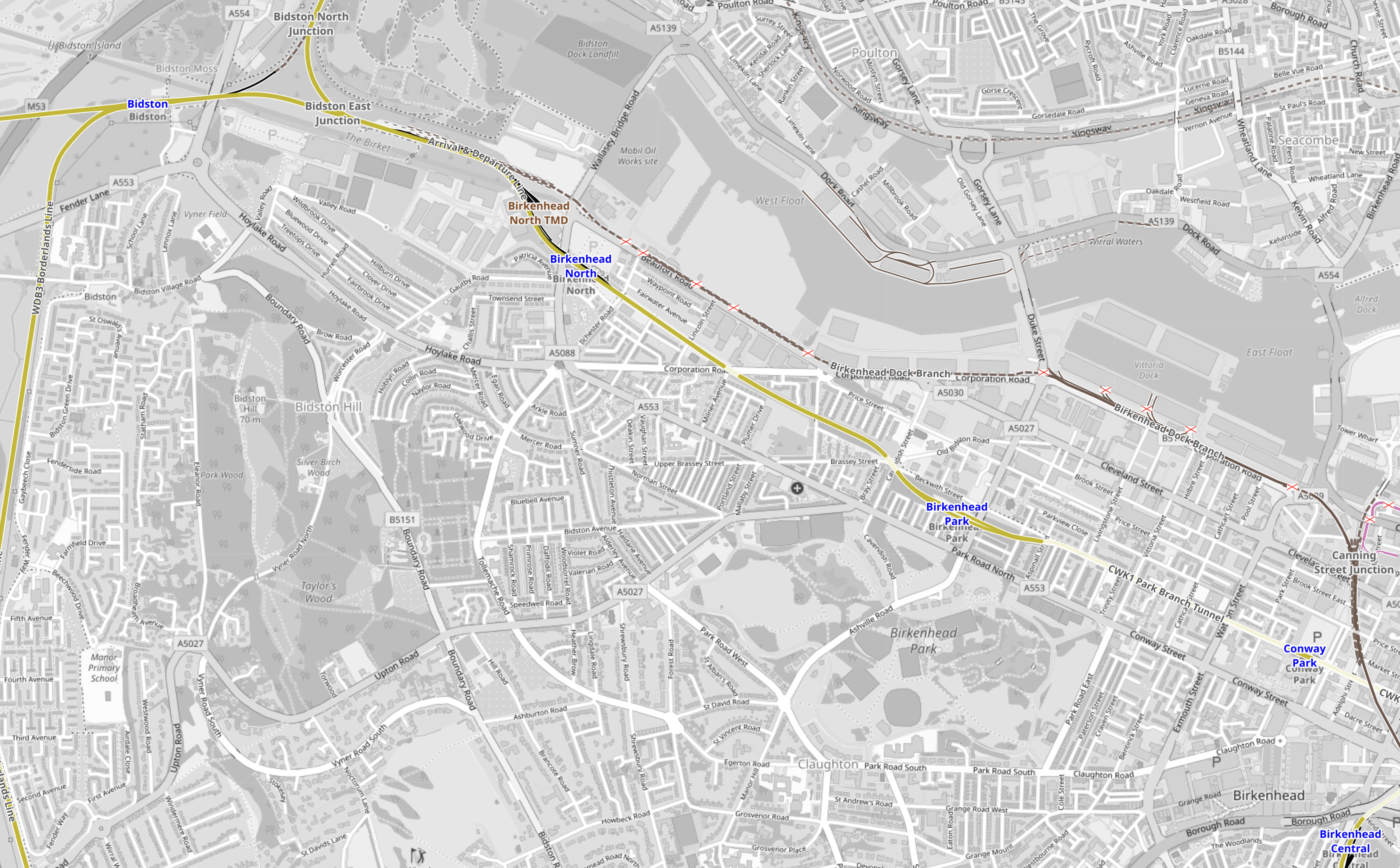
Note.
- Bidston station is in the vNorth-West corner of the map.
- The yellow track running West from Bidston station is Merseyrail to West Kirby.
- The yellow track running South from Bidston station is the Borderlands Line to Wrexham.
- The yellow track running North from the triangular junction to the East of Bidston station is Merseyrail to New Brighton.
- The yellow track running East from the triangular junction to the East of Bidston station is Merseyrail to Liverpool via Birkenhead North, Birkenhead Park, Conway Park and Hamilton Square stations.
- Birkenhead Central station is in the South-Eastern corner of the map and is on Merseyrail’s branches to Chester and Ellesmere Port stations.
Services from Chester, Ellesmere Port, New Brighton and West Kirby all combine at Hamilton Square to go round the stations under the centre of Liverpool; James Street, Moorfields, Lime Street, Central and James Street (again).
Wrexham And Liverpool Improvements
These plans concern the Borderlands Line or the Wrexham and Liverpool Line.
- Commencing work on the line between Wrexham and Liverpool as the crucial first phase of delivering metro services direct between the two cities.
- Upon completion of rail line works at Padeswood, increase train services between Wrexham and Bidston to 2 trains per hour within the next three years, ahead of the introduction of 4 trains per hour that will run direct between Wrexham and Liverpool by 2035.
- The existing Borderlands Line will also be renamed the Wrexham – Liverpool line.
- Key stations on the Wrexham – Liverpool line will be improved in the next 12 months.
- Trains operating on the Wrexham – Liverpool line will be wrapped to reflect the communities and football clubs they serve.
- Introducing Pay as You Go tap in tap out technology – covering connections between Gobowen and Rhyl, and along the full length of the Wrexham -Liverpool line
- Working with Network Rail to determine the feasibility of a rapid delivery of a new test railway station at Deeside Industrial Park, to gauge demand for permanent services to the park.
- A new, multi-million pound electrification innovation fund to develop a plan to decarbonise the railway in North Wales and enable more frequent metro services and additional stations
- Match funding for step-free access at Shotton and Ruabon stations.
- Examining options to re-open stations and build new stations to serve employment growth areas.
There looks a lot to do, but none of the actions would appear to be that large and expensive.
Running Class 777 Trains Between Wrexham Central Station And Liverpool City Centre
Consider.
- There is no way, that the Office of Road and Rail will allow any more third rail electrification.
- Class 777 trains could be fitted with pantographs, if the trains need to be charged on the tracks past Bidston station.
- Siemens Mobility have developed a Rail Charging Converter, that I wrote about in Technology Behind Siemens Mobility’s British Battery Trains Hits The Tracks.
- I suspect Stadler have some similar technology for the Class 777 trains.
- Wrexham Central station is a single platform station.
- Bidston and Wrexham Central stations are 27.5 miles apart or a 55 mile round trip.
- In New Merseyrail Train Runs 135km On Battery, I describe how a Class 777 train ran for over eighty miles on battery power.
In Liverpool City Centre, trains would join services from Chester, Ellesmere Port, New Brighton and West Kirby and go round a loop through James Street, Moorfields, Liverpool Lime Street, Liverpool Central and James Street.
This Google Map shows Wrexham Central station.
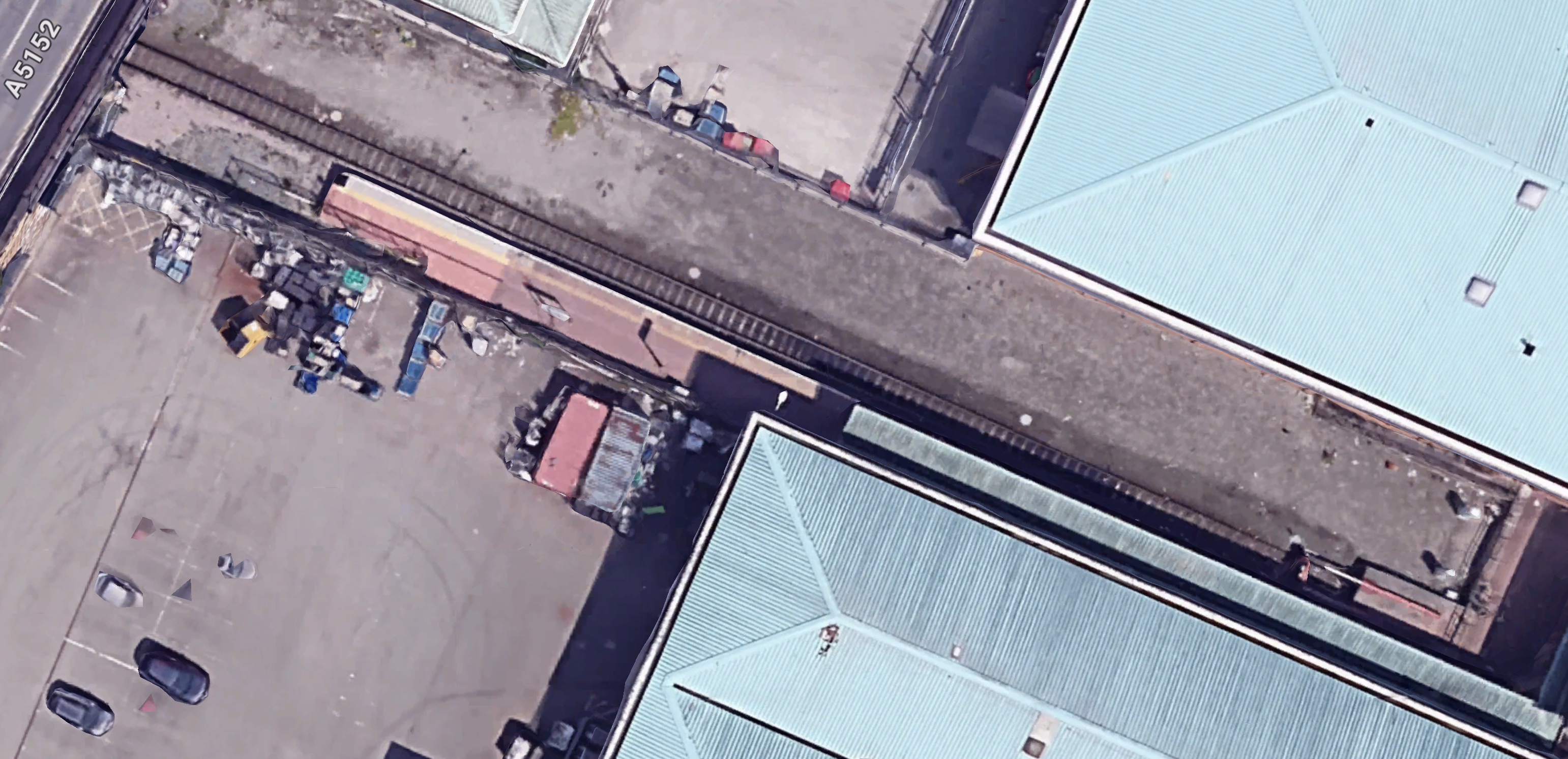
Note.
- The single track, with the platform alongside.
- There would be plenty of space on the North side of the track to put up a short length of overead wire to charge the trains.
- The station appears to be surrounded by a shopping centre.
One platform should be able to handle four trains per hour (tph)
This second Google Map shows Bidston station.
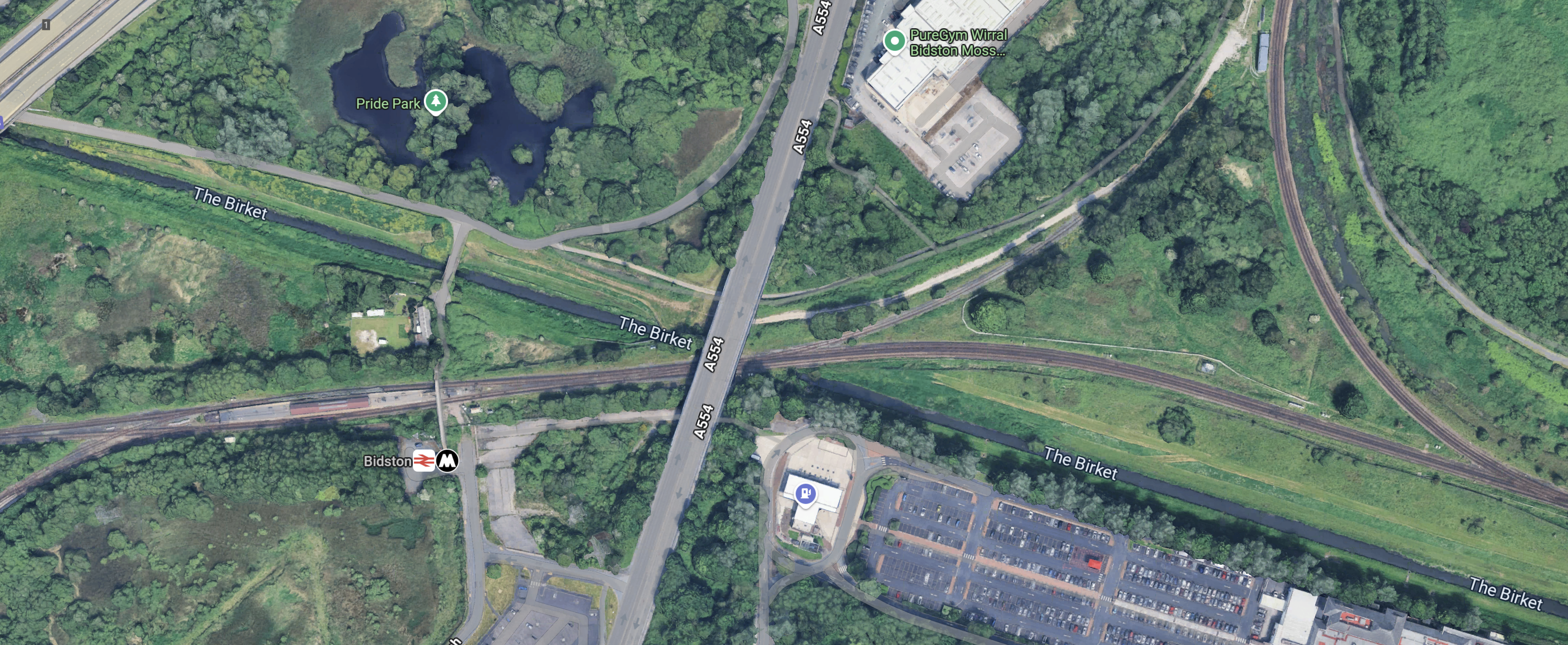
Note.
- Bidston station is indicated by the station symbol.
- Merseyrail’s line between West Kirby and Liverpool runs through the station.
- Trains to Liverpool take the Eastern point of the triangular junction.
- Trains to New Brighton take the Northern point of the triangular junction.
- Trains to West Kirby and Wrexham take the Westerly lines, from Bidston station.
Work will probably need to be done at the junction, where the West Kirby and Wrexham line split.
I discuss the work at Padeswood in Train Frequency Focus In North Wales Transport Commission’s Interim Recommendations.
It doesn’t seem to me, that to be able to run 2 or even 4 tph between Wrexham Central and Liverpool, is going to need a large budget. Although, a few extra Class 777 trains, with a battery-electric capability, will be needed.
But this corner of Wales will have one of the world’s first battery-electric international trains.
New And Improved Services And Stations
These plans concern new and improved services and stations on the Borderlands Line or the Wrexham and Liverpool Line.
- The existing Borderlands Line will also be renamed the Wrexham – Liverpool line.
- Key stations on the Wrexham – Liverpool line will be improved in the next 12 months.
- Trains operating on the Wrexham – Liverpool line will be wrapped to reflect the communities and football clubs they serve.
- Introducing Pay as You Go tap in tap out technology – covering connections between Gobowen and Rhyl, and along the full length of the Wrexham -Liverpool line
- Match funding for step-free access at Shotton station.
- Examining options to re-open stations and build new stations to serve employment growth areas.
Deeside Industrial Park Station
This is planned for Deeside Industrial Park station.
Working with Network Rail to determine the feasibility of a rapid delivery of a new test railway station at Deeside Industrial Park, to gauge demand for permanent services to the park.
This Google Map shows Deeside Industrial Park
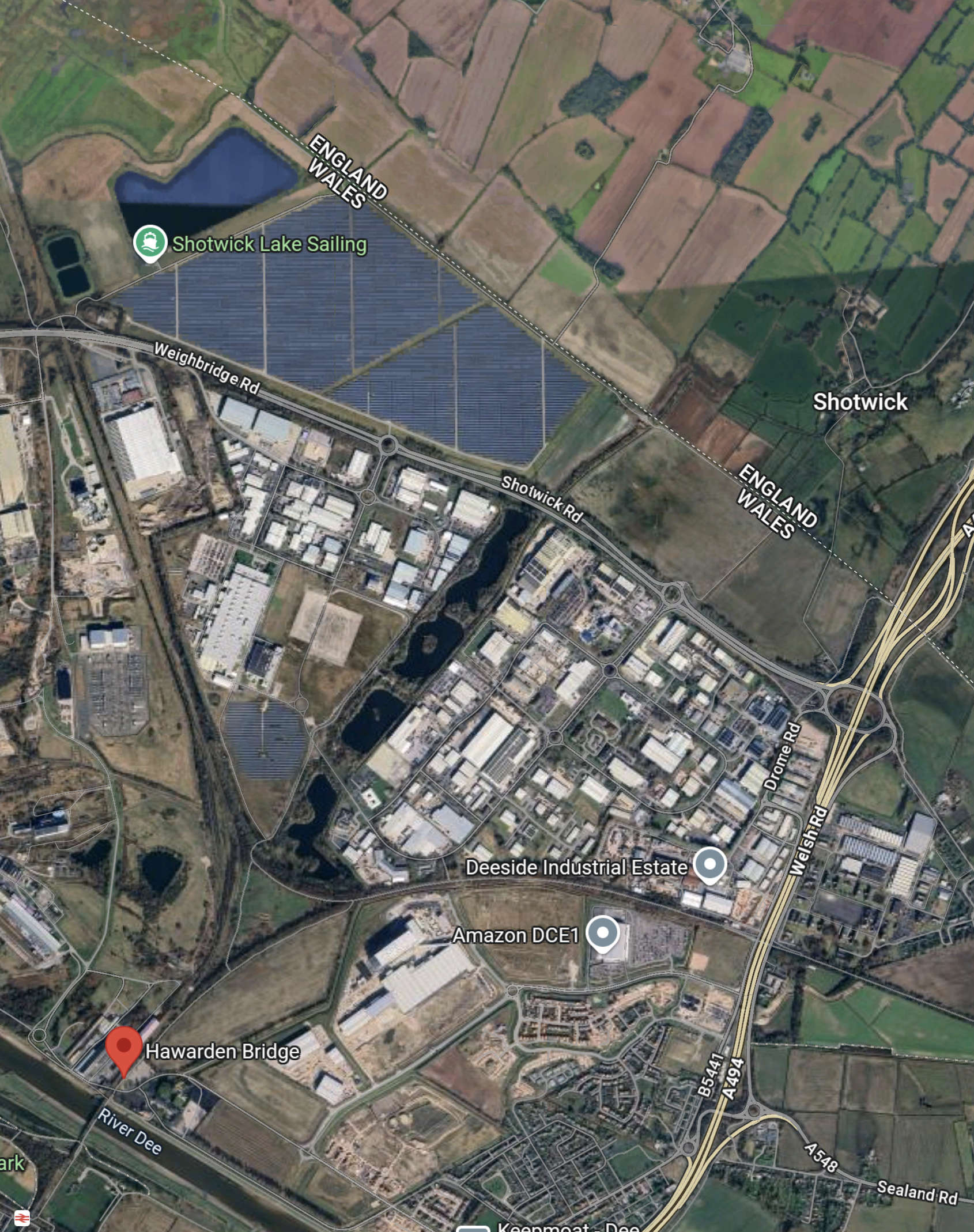
Note.
Shotton station is in the South West corner of the map.
Hawarden Bridge station is indicated by the red arrow.
The double-track Borderlands Line runs between the two stations and then Northwards between the warehouses and factories of the estate.
This second Google Map shows the area to the North of the two stations in greater detail.
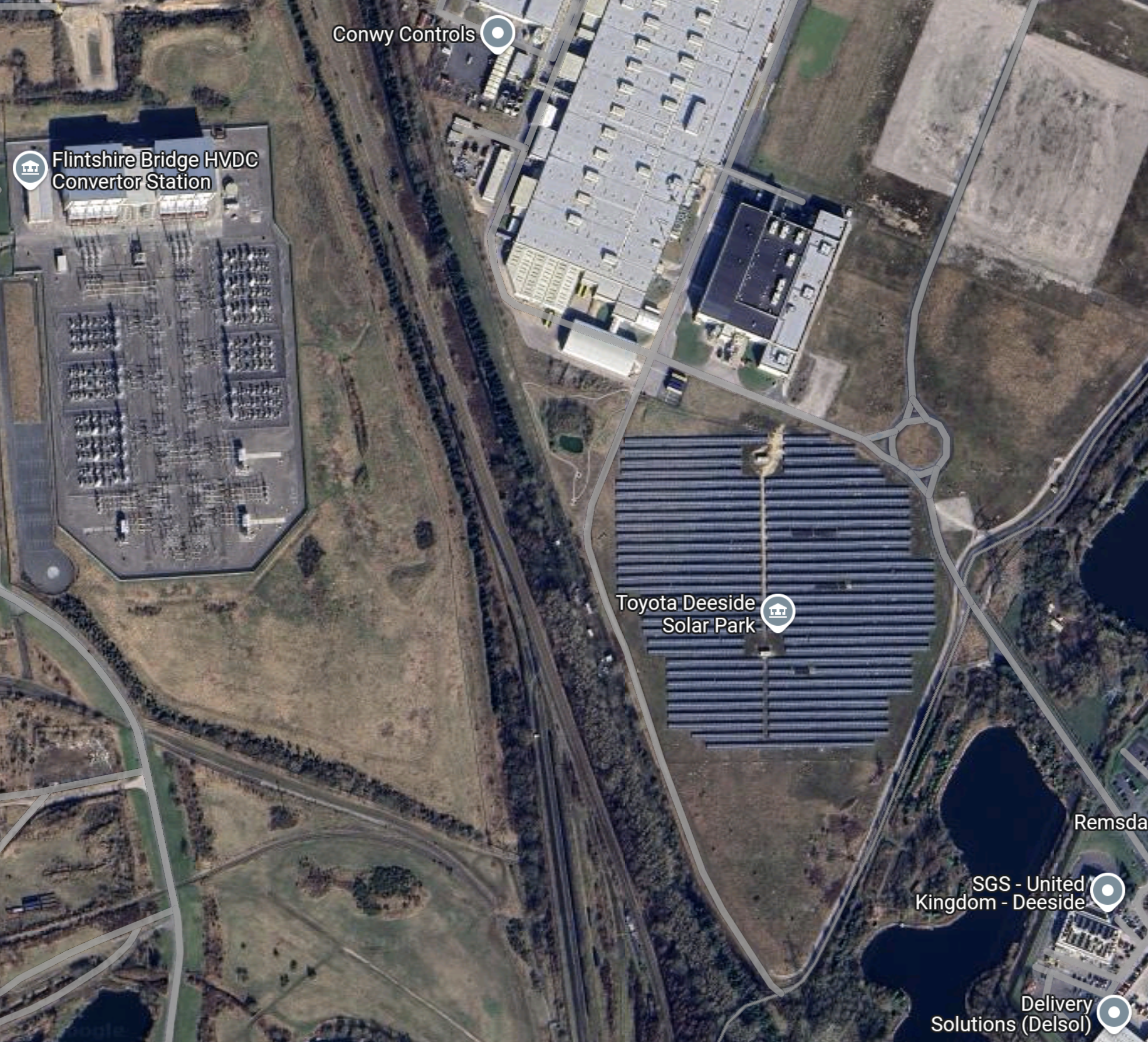
Note.
- Flintshire Bridge Converter Station is the Southern end of the 2.2 GW Western HVDC Link from Scotland.
- Toyota’s Deeside Solar Park.
- The Borderland’s Line running between the substation and the solar park.
It does appear there could be plenty of space for a station.
Network Rail on Merseyside certainly have access to to a temporary station, as these pictures show of one’s use at Liverpool South Parkway station, which I wrote about in Liverpool South Parkway Station Stands In For Lime Street.


Note.
- It was mainly built of scaffolding.
- It was long enough for an eleven-car Class 390 train.
It could certainly be rearranged to make a temporary two-platform station.
But why a temporary station?
- It may turn out, that Bidston and Wrexham Central is too long for battery-electric trains.
- But Deeside Industrial Park station would be about half-way, so an ideal place for a pit-stop.
- It’s also got plenty of electricity.
- Toyota might also want to see how it helps the operation of their engine plant.
Network Rail might want to try out the idea of building a temporary station elsewhere in the future.
Smart Train Lease Aims ‘To Make Renting Trains As Easy And Simple As Renting A Car’
The title of this post, is the same as that of this article on Railway Gazette International.
These four paragraphs outline the scheme.
Siemens Mobility has established a leasing subsidiary that would enable train operators to use its Mireo Smart battery, hydrogen and electric multiple-units without needing to make long-term investment commitments.
Smart Train Lease GmbH would make available at short notice multiple-units already approved for operation. These could be short or medium-term leases, with services such as maintenance available as part of the package. The aim is to provide operators with an economical way to quickly and flexibly expand their fleets and try out more sustainable traction technologies.
‘We want to make renting trains as easy and simple as renting a car, and thus help accelerate the mobility transition’, the leasing company’s CEO Benjamin Dobernecker explained on February 14.
Smart Train Lease will initially operate in Germany, although it plans to expand throughout Europe in the medium term.
I like this idea and I think it will work.
Metier Management Systems And Artemis
When four of us started Metier Management Systems in 1977 to sell our mini-computer-based project management system; Artemis, we generally rented or leased our systems, although we did sell some as the years progressed.
- For a fixed fee per month, a company got a project management computer and all the software.
- The fixed fee included installation, first line support, training and software updates.
- We could also supply extra training and project management consultancy at appropriate rates.
- The only extra costs to the client were the electricity to power the hardware and the paper to put in the printer.
- We also allowed clients to convert leases into outright sales.
This simple sales model appealed to a lot of our clients.
- The cost of the system was easy to budget.
- Many of our clients were happy with leasing or renting computer equipment.
- As the system was desk-sized, it easily fitted the average office.
But the leasing model was very advantageous to us.
- Most of our clients were large high-value quality organisations like big oil companies, nationalised industries and engineering consultancies.
- Our Finance Director and our Bank Manager at Lloyds Bank devised a plan, whereby we bundled a number of high-quality leases together and sold the bundle to Lloyds Bank’s leasing company.
The money we received gave us a healthy cash flow.
- The cash flow was then used to fund Research and Development and to finance more sales.
- If say someone like BP or Shell should phone up or send a fax, wanting a system immediately, we were generally able to fulfil their request.
I am sure that Siemens Mobility will be using a similar model.
They will aim to have trains in stock to fulfil clients needs.
So if Deutsche Bahn phone up saying have you got a three-car battery-electric train that works with 15 KVAC and has a range of 100 kilometres for next Monday, Siemens Mobility can generally say yes.
What helps is that the modular Mireo Smart multiple unit comes in battery, hydrogen and electric versions.
Extras could include full servicing a driver.
So Siemens Mobility will plug the train together and deliver it.
How Would Siemens Use The Leasing Model In Great Britain?
Consider.
- There are a lot of routes that need to be decarbonised in Great Britain.
- Many of these routes have electrification at one or both ends.
- Often these routes terminate in a bay platform.
- On most of these routes a two-, three-, four- or five-car train will be sufficient capacity.
- In the Desiro City, Siemens have a train, that is acceptable to Great Britain.
- If routes in Great Britain are to be electrified, they must be electrified with 25 KVAC overhead wires.
- Trains would be 100 mph, so they wouldn’t be limited as to routes.
- A Mireo-B has a range of between 80-100 kilometres or 49.7-74.6 miles.
I am sure Siemens Desiro City or its European equivalent; Mireo can be developed into a family of trains suitable for GB!
- The basic train would be two driving cars.
- Length would be increased by coupling trailer cars between the two driving cars.
- Hydrogen power would be in one of the trailers.
- Batteries would be under an appropriate number of cars.
Battery trains would be able to use a simple automatic charger, similar to the one, that I described in GWR Trialling Transformative Ultra-Rapid Charging Train Battery.
An Example – Mid-Cornwall Metro
This map shows the Mid-Cornwall Metro.

Consider.
- Newquay and Par is 20.8 miles.
- Falmouth Docks and Par is 30.8 miles.
- Newquay and Falmouth Docks is 51.6 miles.
- The maximum speed between Par and Newquay is around 30 mph
- The maximum speed between Par and Falmouth Docks is around 50-70 mph
- There are twelve intermediate stations.
- There is a reverse at Par station.
- Charging would be easy to install at Falmouth Docks, Newquay and Par.
- In Par Station – 10th February 2024, I suggested that Par station could be fully-electrified, so that expresses could have a Splash-and-Dash on their way to London and Penzance. If all platforms at Par were electrified the Mid-Cornwall Metro trains could charge from the electrification, as they reversed.
There are two main ways that the Mid-Cornwall Metro might operate.
- There would be chargers at Newquay and Falmouth Docks and trains would shuttle the 51.6 miles between the two stations.
- There would only be charging at Par and trains would after charging at Par go alternatively to Newquay and Falmouth Docks.
The first might need smaller batteries and the second would only need one charger.
An Example – Uckfield Branch
The Uckfield branch is in Southern England.
- It is not electrified between Hurst Green Junction and Uckfield, which is 24.7 miles.
- There are eight intermediate stations.
- The line can accommodate ten-car trains.
There is space at Uckfield station for a charger.

Charging would be at Uckfield station and North of Hurst Green Junction, where it will use the existing electrification.
Conclusions
This leasing/rental model will surely encourage train operators to replace diesels with appropriate zero-carbon alternatives on routes that need to be decarbonised.
 The Anonymous Widower