Bridlington Station To Go Step-Free
This document on the Government web site is entitled Access for All: 73 Stations Set To Benefit From Additional Funding.
Bridlington station is on the list.
In Bridlington Station – 13th March 2019, I showed this picture, that I had taken on my visit.
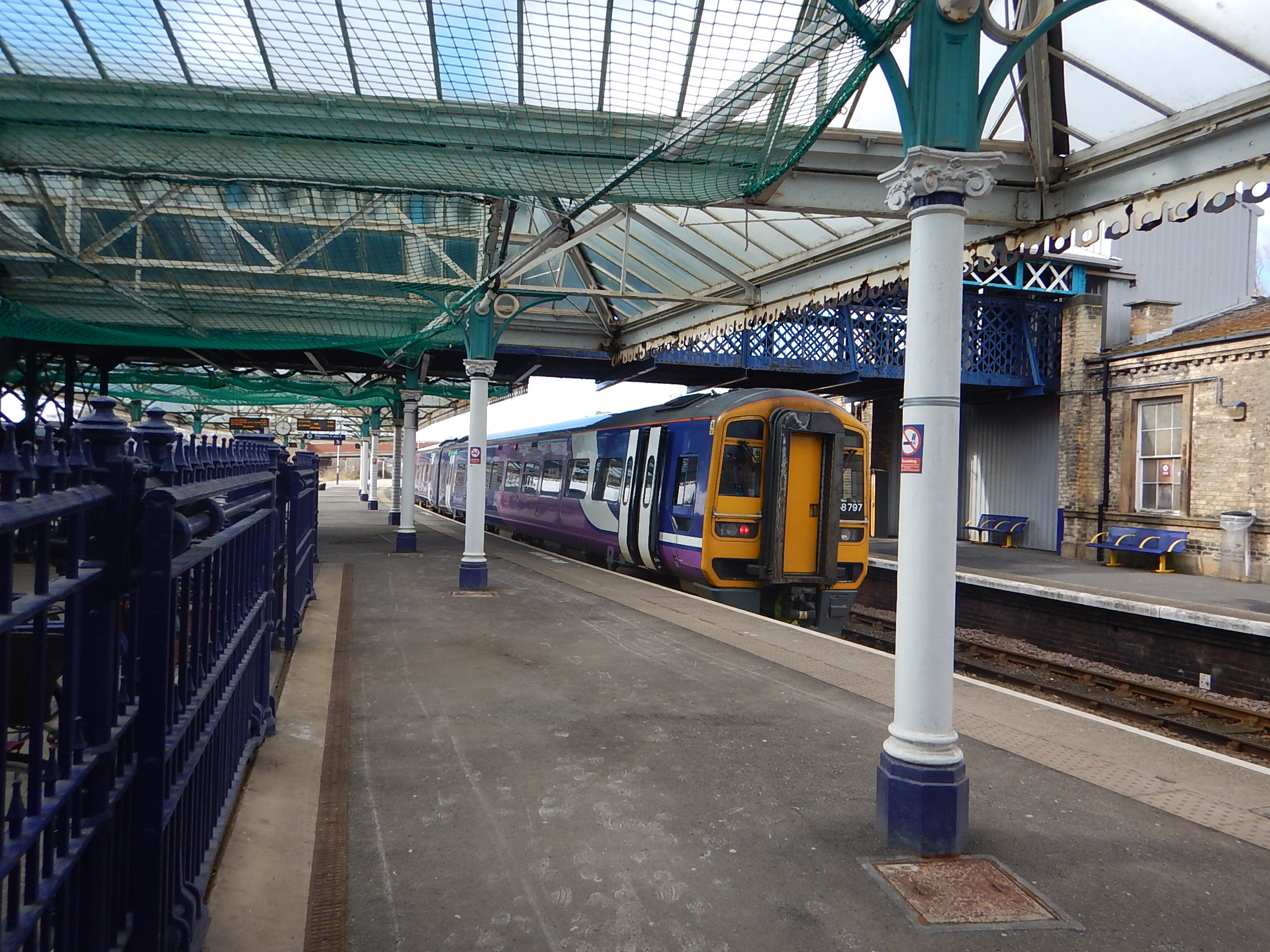
The bridge connects the Northbound platform to the Southbound and bay platforms and the main part of the station.
This Google Map shows the location of the existing bridge clearly.
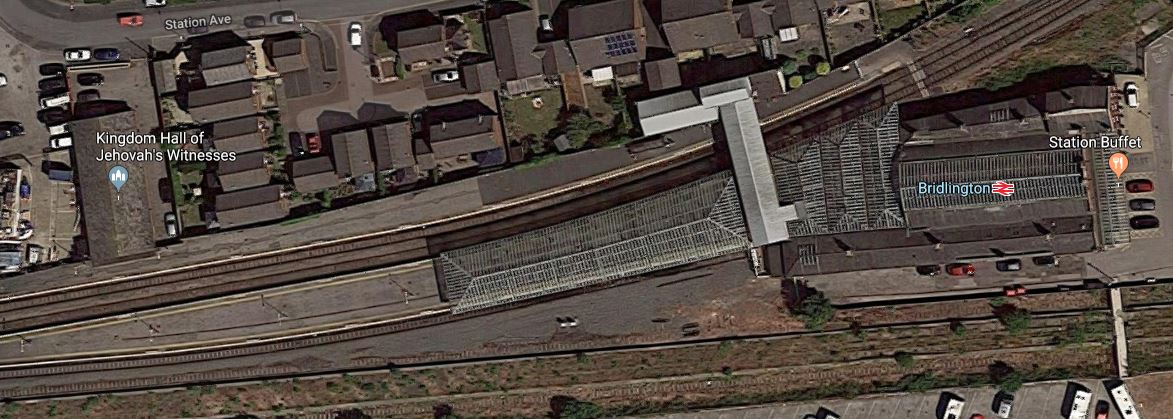
It should obviously be made step-free to make all three platforms easy to access for all travellers.
- Should the old bridge be totally replaced or should new lifts be added?
- Should the bridge be moved from its current position?
- Should the bridge be raised to allow for possible future electrification?
- Should a fsctory-build standard bridge with lifts be instaled in a different position?
In Winner Announced In The Network Rail Footbridge Design Ideas Competition, I wrote how the competition was won by this bridge.
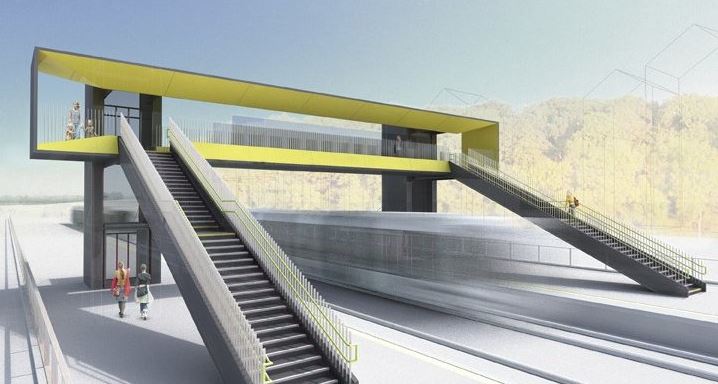
So could a factory-built bridge like this be installed at Bridlington station?
I suspect that it could be fitted on the Western ends of the platforms, leaving the original bridge in place during construction to keep the station open.
After installation of the new bridge, the original bridge could be demolished, shut off or refurbished as appropriate.
Note that the town of Bridlington is getting a makeover.
- New and an increasing number of trains will be calling at Bridlington station to serve residents, commuters and visitors.
- A modern step-free bridge which welcomes travellers to the town or speeds them on their way, could be just the ticket.
I have a feeling this step-free bridge could deliver good value to Bridlington, the train operating companies and travellers to and from the town.
Stowmarket Station To Go Step-Free
This document on the Government web site is entitled Access for All: 73 Stations Set To Benefit From Additional Funding.
Stowmarket station is on the list.
In Roaming Around East Anglia – Stowmarket Station, I said this.
The station is Grade II Listed, has the capability to handle the long London-Norwich expresses and probably only needs a step-free footbridge to be ready for the East-West Rail Link.
This picture shows the bridge.
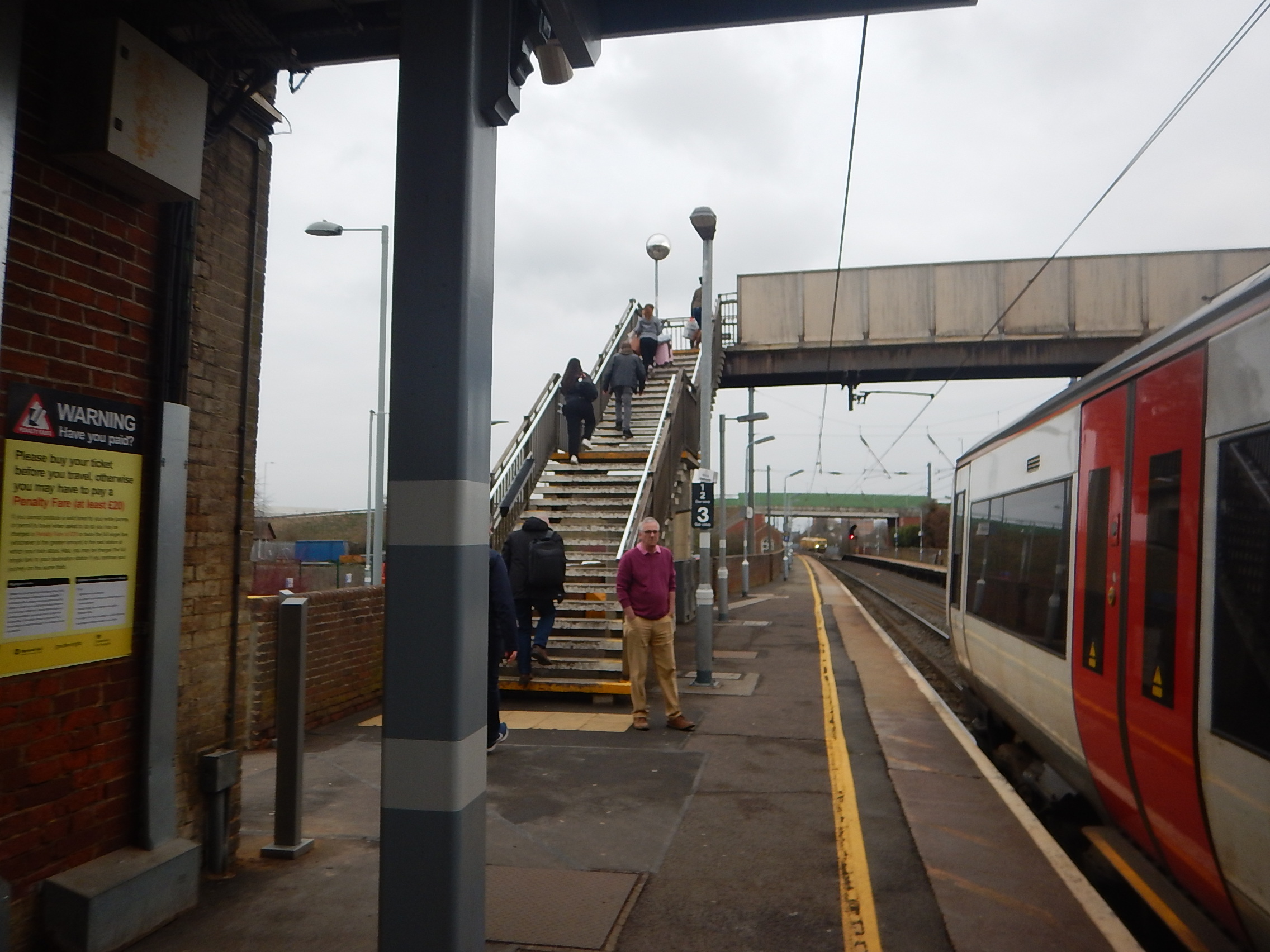
Step-free access would create an easy interchange between stations.
- On the Great East Main Line between Stowmarket and Norwich.
- On the East-West Rail Link between Stowmarket and Cambridge/Peterborough and further West.
Journeys like between Diss and Bury St. Edmunds, Newmarket, Cambridge and Peterborough will be so much easier.
Greater Anglia is already planning to increase services on both routes, so the step-free bridge will be well used.
Installing Step-Free Access
In Winner Announced In The Network Rail Footbridge Design Ideas Competition, I wrote how the competition was won by this bridge.
So could a factory-built bridge like this be installed at Stowmarket station?
- I think this could be possible, if the existing bridge were to be removed.
- At least there is a level crossing by the station, which could be used as an emergency means of crossing the railway.
I very much favour this approach. which surely could be installed on a weekend possession.
Hackney Downs Station To Go Step-Free
This document on the Government web site is entitled Access for All: 73 Stations Set To Benefit From Additional Funding.
Hackney Downs station, which I use regularly is on the list.
In Is Hackney Downs Station A Suitable Case For Treatment?, I mused at the possibilities for the station, after a chance meeting with an architect, surveyor or planner from Transport for London at the station, who had just had a look behind the locked doors at the station.
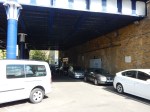
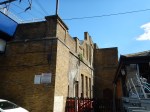

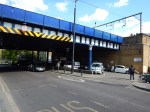
Let’s hope that if there is something worth preserving behind those forbidding brick walls!
Other than the obvious step-free access, my ideas for the station would include.
- Better use of the rooms on the platforms.
- A couple of enclosed waiting rooms.
- Improved bus stop locations.
- A light-controlled crossing outside the station.
But the biggest opportunities would surely be opened up, if London Overground’s services were reorganised.
At present, the station has the following services in trains per hour (tph)
- Liverpool Street and Chesthunt – two tph
- Liverpool Street and Chingford – four tph
- Liverpool Street and Enfield Town – two tph
Plans also exist to increase the Enfield Town services to four tph.
These are not overly high frequency services compared to some services in London.
In Could London Overground Extend To Hertford East Station?, I speculated on a rumour that Hertford East services would be given to the London Overground.
If this does happen, I believe that some local services would have to terminate in the High Meads Loop under the Eastfield shopping centre at Stratford.
In the other post I say this.
If as I proposed the following trains run through Seven Sisters station.
- Two tph between Liverpool Street and Cheshunt/Broxbourne or Hertford East.
- Two tph between Stratford and Cheshunt/Broxbourne or Hertford East.
- Two tph between Liverpool Street and Enfield Town.
- Two tph between Stratford and Enfield Town.
This means that Hackney Downs would have the following services.
- Two tph between Liverpool Street and Cheshunt/Broxbourne or Hertford East.
- Two tph between Liverpool Street and Enfield Town.
- Four tph between Liverpool Street and Chingford.
Would it not be more efficient, if all of these services used the slow tracks into Liverpool Street?
This would give the expresses exclusive use of the fast lines into Liverpool Street.
It’s probably a naive analysis, but I believe services at Hackney Downs station could well include regular services between Liverpool Street and Broxbourne/Hertford East.
Conclusion
Step-free access at Hackney Downs station could be part of a package, that sees extra services and destinations added to the station.
My First Ride In An Alstom Coradia iLint
I’m finally, riding in a hydrogen-powered Alstom Coradia iLint train through the German countryside.

Not as quiet as the two battery trains, I’ve ridden, but that’s because It feels to me that the traction motors are crudely under the passengers and cardan shafts are used to drive the wheels!
Battery electric trains with regenerative braking should be virtually free of any mechanical noise. Both the Class 379 and Class 230 battery demonstrators were almost silent. As electricity generated from hydrogen doesn’t appear to generate much noise, then a hydrogen-powered train can also be almost silent.
From talking to fellow passengers, it would appear that the train has been very reliable in service.
Alstom are proving hydrogen would work well in a train designed for that purpose, but updating a DMU with a mechanical transmission, possibly isn’t the way to go.
Class 321 Breeze Train
I think that the Class 321 Breeze train will be quieter and faster.
It appears too, that if Alstom’s conversion follows the design of the Class 321 Renatus, the train will have a totally flat floor.
Come to think of it, I can’t think of a train running in the UK, that doesn’t have a totally flat floor!
The iLint, like the Lint has several sets of steps.
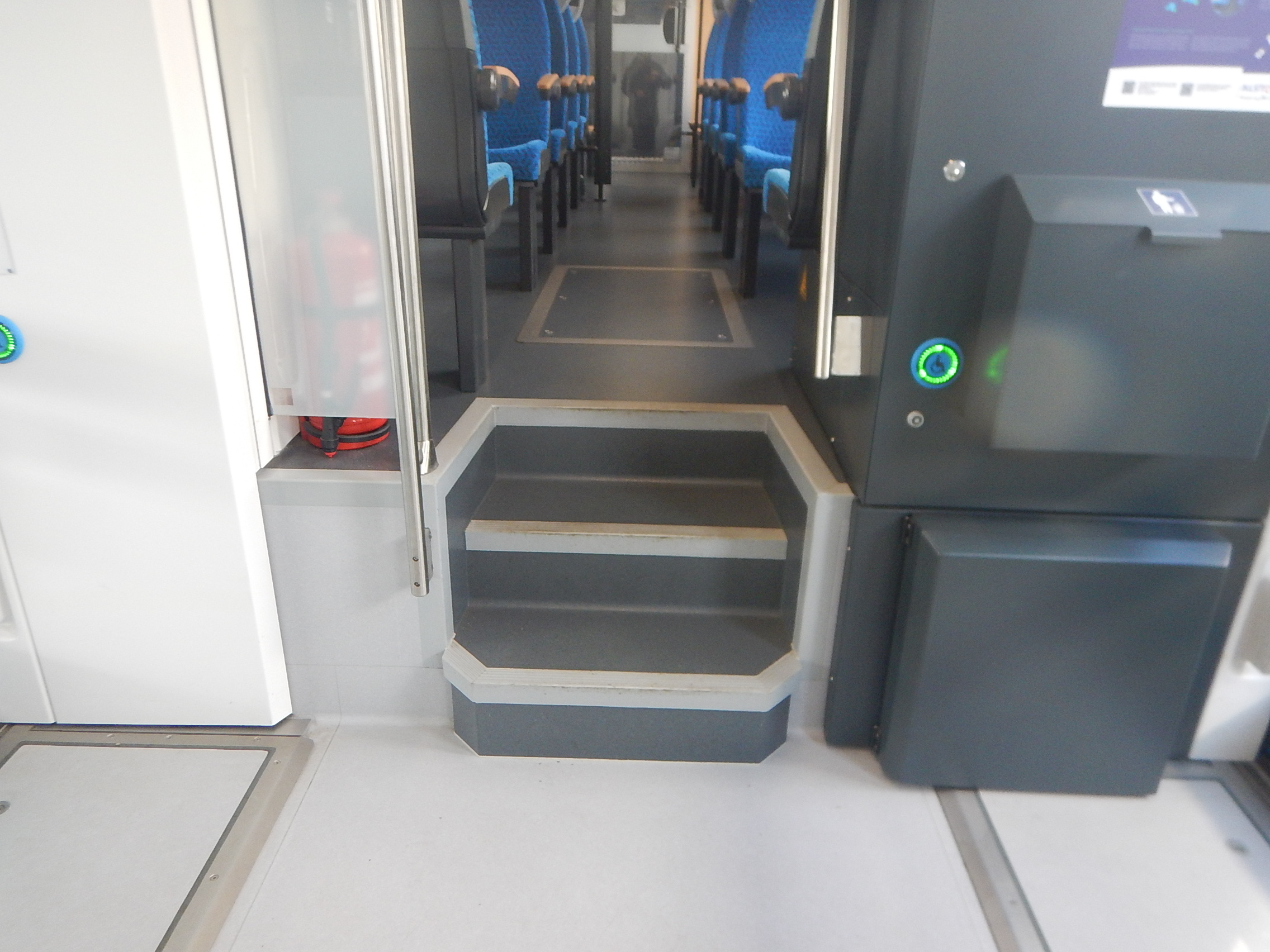
These are not acceptable in a modern train, bus or tram.
Lint 41 And iLint Compared
It is interesting to compare the iLint with the current diesel Lint 41s on the route.
- The iLint is faster and may accelerate better.
- The iLint is based on the bigger Lint 54, so it has more seats and two doors instead of one on each side of the cars.
- The newer iLint appears to have a higher quality interior.
I feel that the iLint will be quicker on a real.route.
The Future Of Buxtehude And Cuxhaven
Currently, to go between Buxtehude and Cuxhaven and back to Buxtehude takes around five hours. So that means the current hourly service needs five trains.
But if the iLint could do a round trip in four hours, the number of trains would be teduced to four.
If to increase capacity, all trains were pairs of iLints, the number of trains required would be eight.
Supposing it was required to double frequency, this would mean sixteen trains would be needed!
And how many trains have been ordered? Sixteen!
Coincidence or good planning?
Publicising The Achievement
When Bombardier created the Class 379 IPEMU, they made certain that there was a lot of local publicity including a report on BBC Look East.
I made a point of asking local residents about the train and no-one had heard of it. Although, I must say that students who regularly used the train, were very much in favour.
This was the only information, I found about the train.
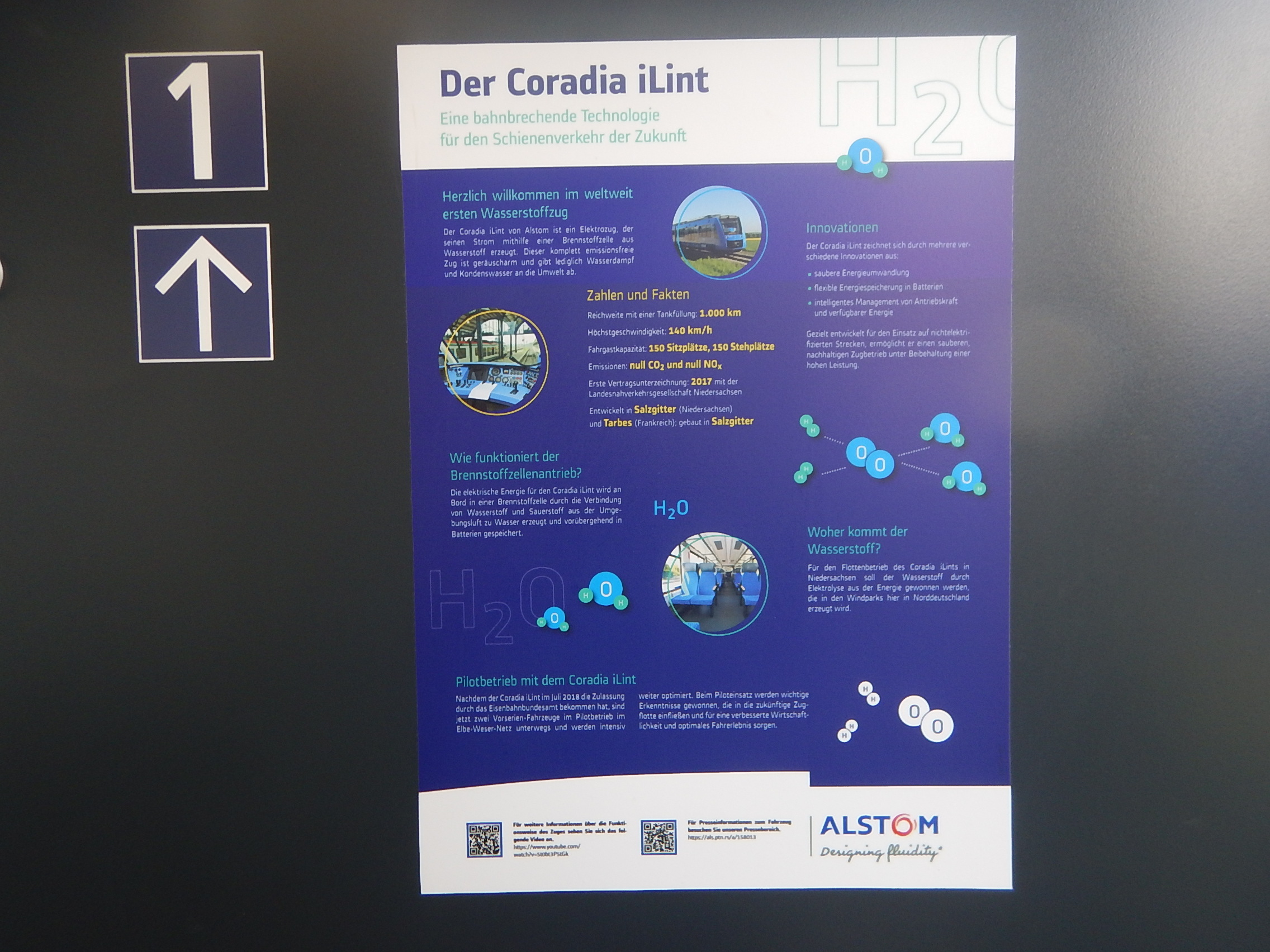
It was only in German, which I can read,. But surely, such an important achievement deserves better publicity and explanation in perhaps German, English and French.
Conclusion
Alstom have proved that hydrogen-power is possible in a smaller train, suitable for regional routes.
My reservations are totally about the Lint, which is an inferior train compared to many others that I’ve ridden in the UK and Europe.
I wouldn’t like to use the train in a wheel-chair!
The next generation of purpose-built trains with hydrogen power will be much better!
Hamburg S-Bahn Trains
These trains of the Hamburg S-Bahn are fairly typical of Germany.
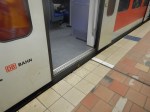
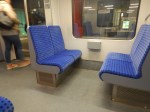
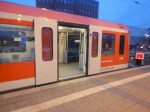
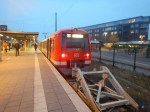
Note.
- They have step-free access from platform to train, which is rare on the German rail network.
- There are no phone charging points or wi-fi, but on the surface there is a good 4G signal.
- The seats are not as comfortable as those on a Class 378 train.
They seem to cope reasonably well with heavy traffic in the Peak.
The Dalston Kingsland Station Problem
One of my local stations on the North London Line is Dalston Kingsland station.
Unlike Hampstead Heath station and the three neighbouring stations of Canonbury, Dalston Junction and Hackney Central, there are no lifts at Dalston Kingsland station and the stairs are narrower without a central rail.
Looking at the passenger traffic at the stations I have mentioned, gives the following numbers for 2017-18 in millions.
- Canonbury – 3.0
- Dalston Junction – 5.7
- Dalston Kingsland – 5.5
- Hackney Central – 4.3
- Hampstead Heath – 3.3
Dalston Kingsland serves almost as many passengers as does the nearby Dalston Junction, but it is a very inferior station.
- Recently, a high capacity wide gate-line has been installed.
- When trains call at the station, it is difficult to get to the platforms, unless you wait until arriving passengers have come up the stairs.
- There are no lifts.
- More housing is being built around Dalston Kingsland station.
- In December 2018, the train frequency through Dalston Kingsland was raised to eight from six trains per hour (tph).
Is Dalston Kingsland station an accident waiting to happen?
Various plans and other improvements will effect the passenger traffic through Dalston Kingsland station.
More Trains Through Dalston Kingsland Station
In Gospel Oak-Barking Fleet Plan Remains Unclear, I calculated that running the current combined eight tph service between Stratford and Clapham Junction/Richmond needs twenty trains.
- Increasing this service from four tph to five trains per hour to both Western termini, would increase the frequency between Stratford and Willesden Junction to ten tph.
- It would also require twenty-five trains to run the service.
- London Overground has six five-car Class 710 trains on order, that will be used to improve the service on the North and West London Lines.
This would leave a spare train to cover failures and maintenance.
So it would appear that Dalston Kingsland station could get a train every six minutes in both directions.
Passengers would appreciate this, but what about the freight operators, that use the line?
Will a twenty-five percent increase in train capacity result in a similar increase in passengers using the stairs at the station?
The Effect Of London Overground Syndrome
In London Overground Syndrome, I described the syndrome like this.
This benign disease, which is probably a modern version of the Victorian railway mania, was first identified in East London in 2011, when it was found that the newly-refurbished East London Line and North London Line were inadequate due to high passenger satisfaction and much increased usage. It has now spread across other parts of the capital, despite various eradication programs.
The North London Line through Dalston Kingsland station seems to have a particularly strong form.of the syndrome.
In December 2018, the frequency through the station was increased by thirty-three percent, but overcrowding in the Peak seems not to have reduced.
Could it be that because the line offers a more pleasant and easier connection between Stratford, Highbury & Islington, Camden, Hampstead, Willesden, Clapham Junction, Acton and Richmond, that any increase in capacity is welcomed and passengers transfer from a more crowded Underground?
There will be more Ducking and Diving!
Crossrail Effects
I suspect only educated guesses can be made, as to what effects Crossrail will have on Dalston Kingsland station.
Judging by the number of passengers, who get on and off Overground trains at Highbury & Islington station, a lot of passengers use the North London and Victoria Lines for commuting and other journeys.
Crossrail, with its connection to the North London Line at Stratford and eventually at Old Oak Common will take passengers from the North London Line and the various connections between the two lines, will further even out passenger traffic.
If it does, it will be Londoners Ducking-and Diving again!
Avoiding Dalston Kingsland Station
I think that some groups of passengers will avoid Dalston Kingsland station.
- Like me, some travellers have a choice of station.
- Passengers walking between the two Dalston stations, may choose to use the shorter step-free interchange at Canonbury.
- As the frequencies on the Overground increases, passengers may find that a less obvious route is better for them.
- I suspect some savvy passengers take a train from West Croydon at Dalston Junction station and then cross the platform at Highbury & Islington station.
It’s classic animal behaviour to avoid problems and go by a better way.
Northern City Line Effects
The Northerrn City Line between Highbury & Islington and Moorgate stations could have an effect on passenger numbers at Dalston Kingsland station.
In a couple of years, the line will be much improved.
- Services will be running seven days a week.
- Elderly Class 313 traiins will have been replaced by new Class 717 trains.
- There will be a step-free connection to Crossrail at Moorgate station.
- Frequencies will be significantly increased.
Overall, there will be a new high-capacity line running North-South within walking distance or a couple of bus stops of the two Dalston stations.
I have already started to use the line more, by catching a bus to Essex Road station for a train to Moorgate station. It’s quicker in the morning Peak.
HS2 Effects
I remember using the North London Line in the 1970s, between Broad Street and Willesden stations. It was terrible. But now, when High Speed Two opens in 2026, London’s Mucky Duck which has grown into a swan, will speed you to Old Oak Common station for your journey to the North.
Because many of these travellers will have heavy bags with them, all stations on the North London Line must be made step-free.
Highbury & Islington Station Improvements
Highbury & Islington station was rebuilt for the Victoria Line in the 1960s, when costs were much more important than passenger convenience.
The area outside the station is being sorted, but the plans are starting to be developed to create better and step-free access to the deep level platforms.
A much improved Highbury & Islington station would create a lot of easier routes from both Dalston stations.
Essex Road Station Improvements
Essex Road station has lifts, but is not step-free as the lifts go to well below the platforms, to which the final connection is a long set of steps.
The station sits on what must be a valuable site in Islington, which would be ripe for redevelopment.
Redevelopment of this station will happen and it will make things a lot better for me, as it is within my walking range or a short bus ride.
Bus Improvements
When I moved to Dalston in 2010, there was a good bus service to Highbury & Islington station along the Balls Pond Road.
But now, a South London Mayor has cut this, because I suspect we can use the Overground.
But this assumes that Dalston Kingsland station is has quality access. Which of course it doesn’t!
The buses must be improved along the Balls Pond Road.
Six-Car Trains Through Dalston Kingsland Station
I’ve deliberately left this to last, as it is the biggest and most difficult.
There are two routes through Dalston Kingland station.
- Four tph on that use the West London Line to go to Clapham Junction station.
- Four tph on that use the North London Line to go to Richmond station.
One or both of these routes might be possible to be run by six-car trains using selective door opening on the short platforms.
Lengthening the new Class 710 trains will not be a problem, as a few extra coaches would be ordered.
On the other hand lengthening the existing Class 378 trains may be more problematical, as they are out of production. I suppose that two five-car trains could be converted into a six-car and a four-car.
Six-car operation would surely add twenty percent to the passengers going through the station.
The Future Of Dalston Kingsland Station
The extra trains and capacity through Dalston Kingsland station will increase the pressure on the inadequate access at the station.
But some of the other improvements will divert passengers from the station and take the pressure off.
I suspect that Transport for London are hoping this will be sufficient action to keep the station functioning at a comfortable level, until it is rebuilt for Crossrail 2.
But that is a tough ask and could contain a lot of wishful thinking.
Conclusion
Dalston Kingsland station needs lift and wider and safer stairs in the near future.
Forest Gate Station Is Almost Ready For Crossrail
These pictures show the almost complete Forest Gate station.
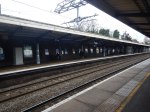
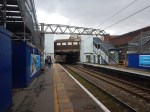
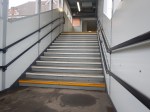
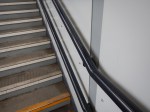
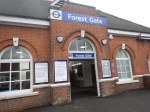


Compare them with these from 2014 in Before Crossrail – Forest Gate.
I wonder what wil happen to the pepper pot. I think it used to be a coffee kiosk.
The staff said, that one is needed.
Maryland Station Is Almost Ready For Crossrail
These pictures show the almost complete Maryland station.
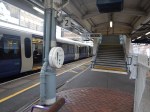


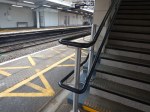

Compare them with these from 2014 in Before Crossrail – Maryland.
A sow’s ear has been turned into a silk purse.
Manor Park Station Is Almost Ready For Crossrail
These pictures show the almost complete Manor Park station.
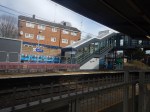


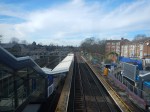
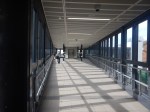

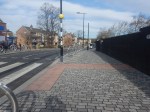
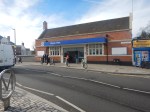
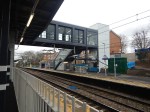


Compare them with these from 2014 in Before Crossrail – Manor Park.
The station has been through an amazing transfomation.
The New Escalators At Limehouse Station
Limehouse station now has a smart pair of escalators on the Westbound platform.
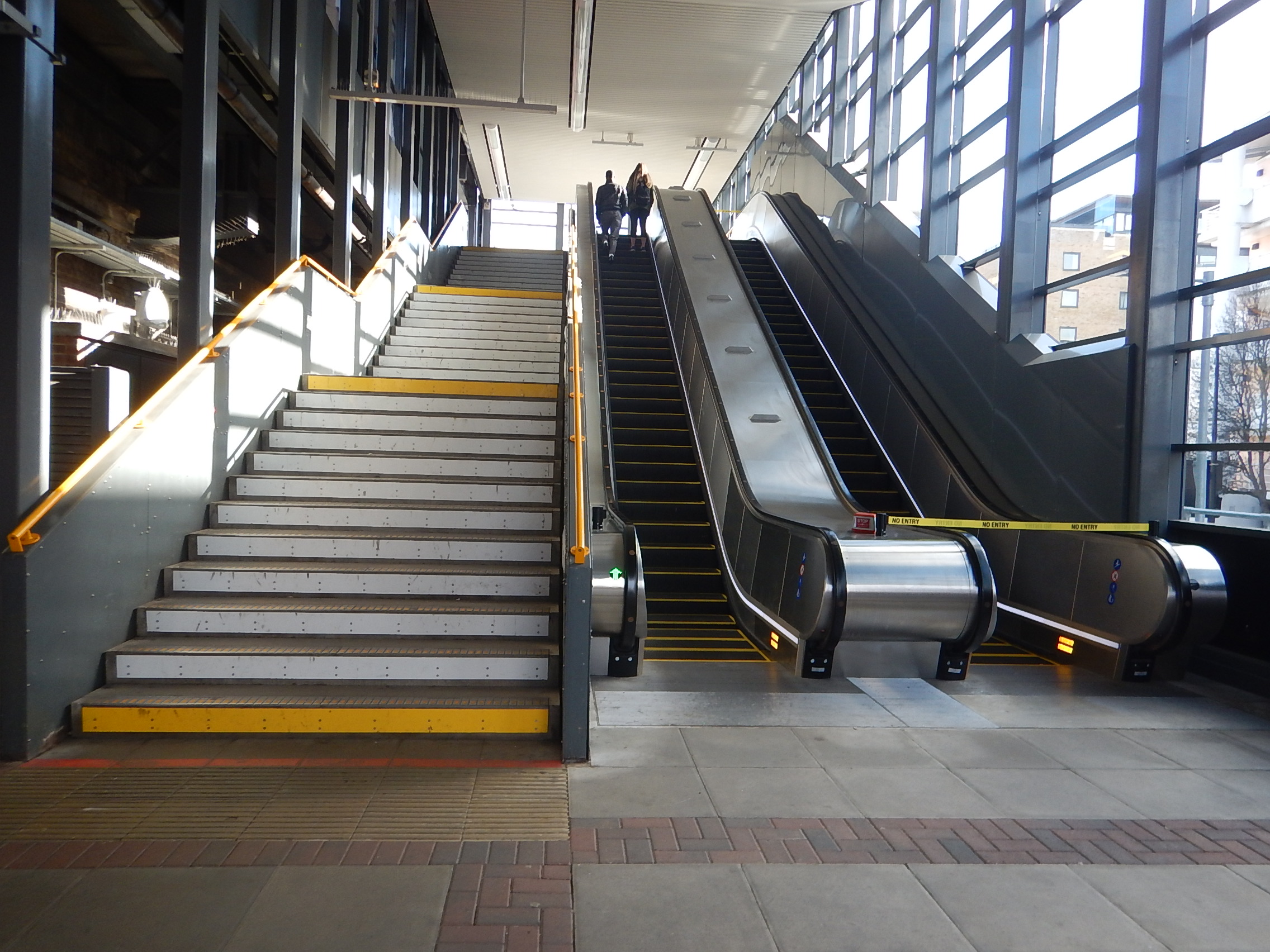
Are escalators going to be added to the Eastbound platform and the c2c platforms?
 The Anonymous Widower