The Sleeper to Euston
AFter a curry in Fort William, I boarded the sleeper for London around 19:30 and it left on time at 19:50. Or should I say it left for Edinburgh, where the various coaches from all parts of Scotland were joined up into one long train for London.
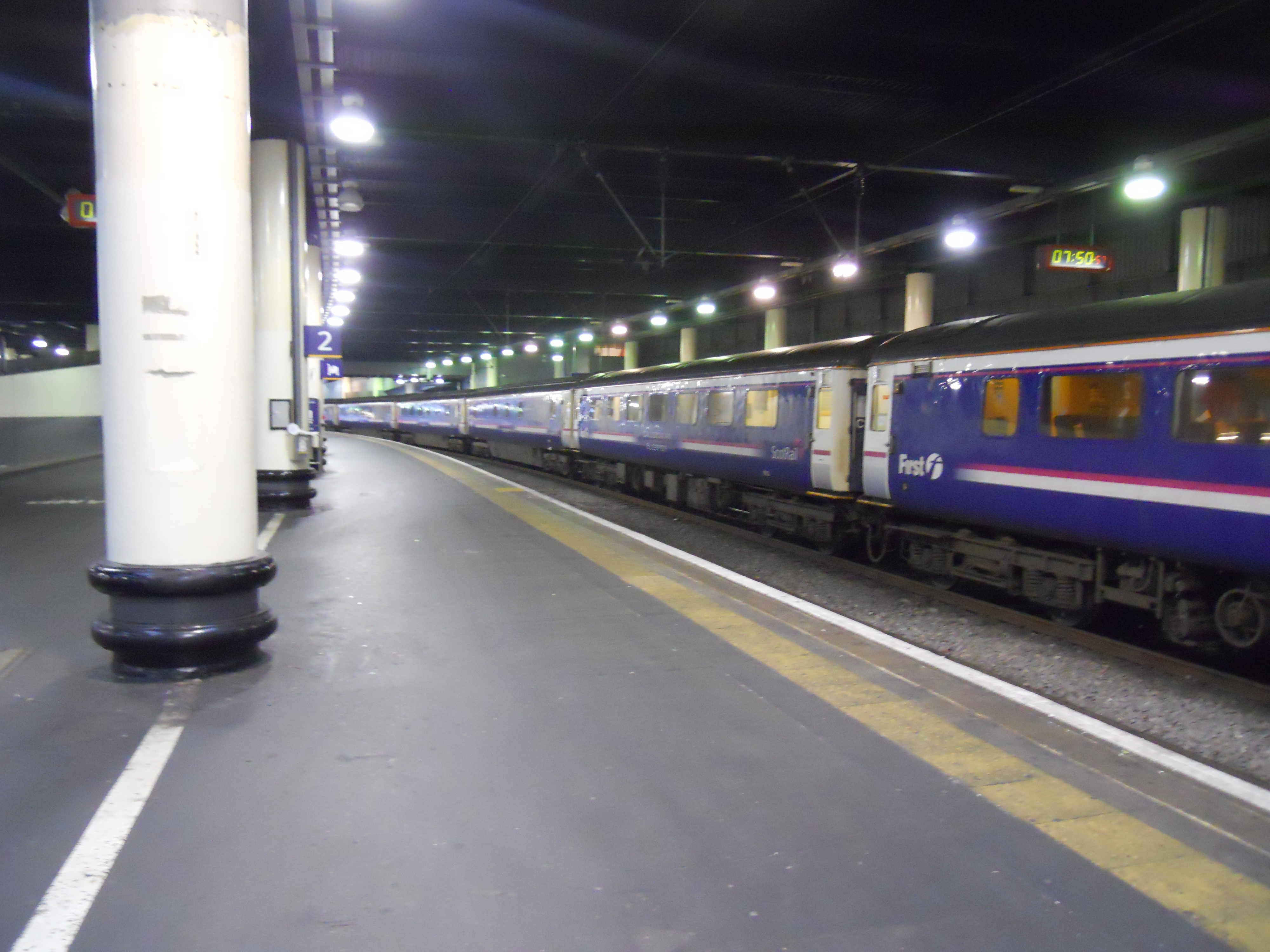


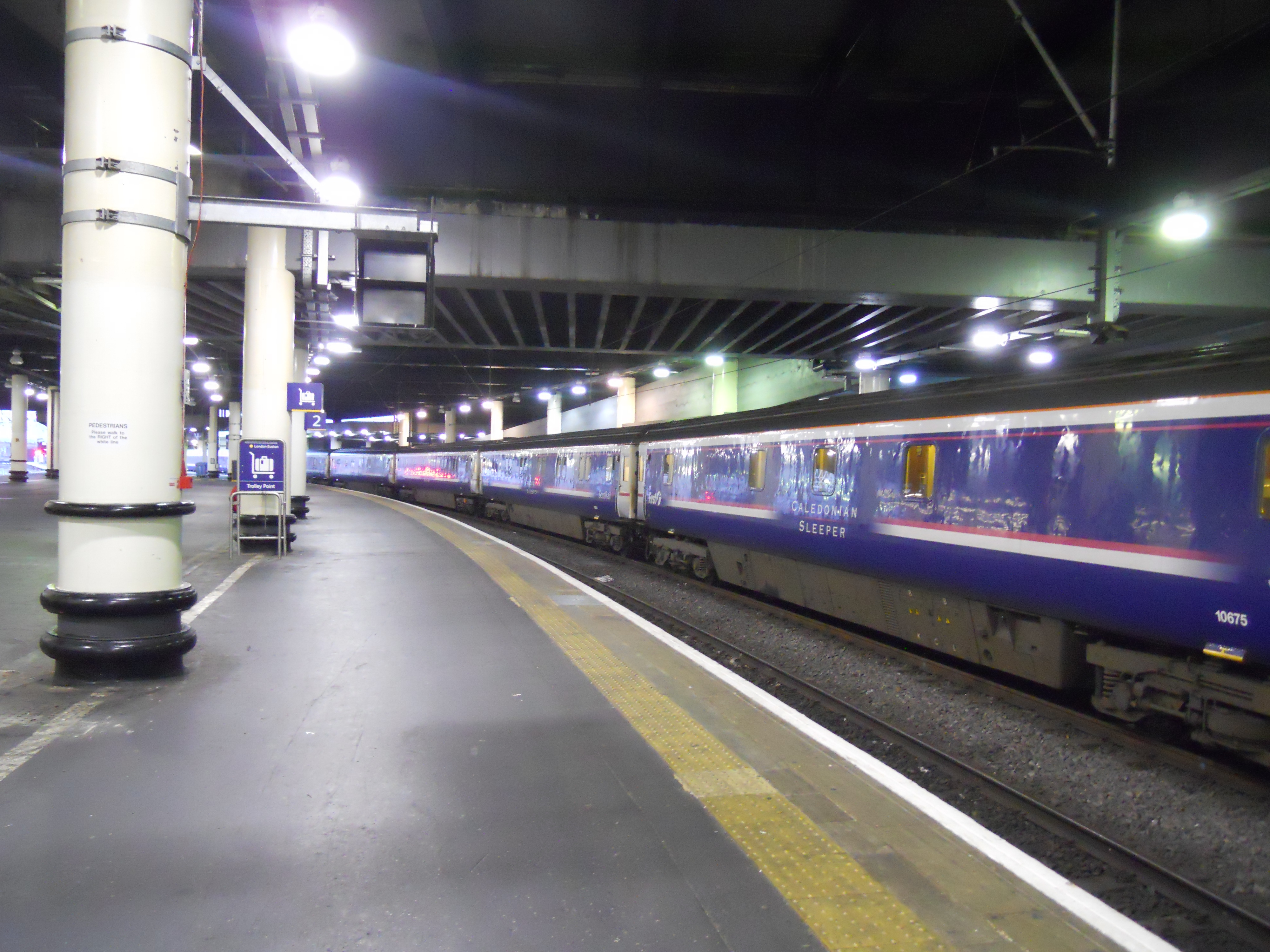
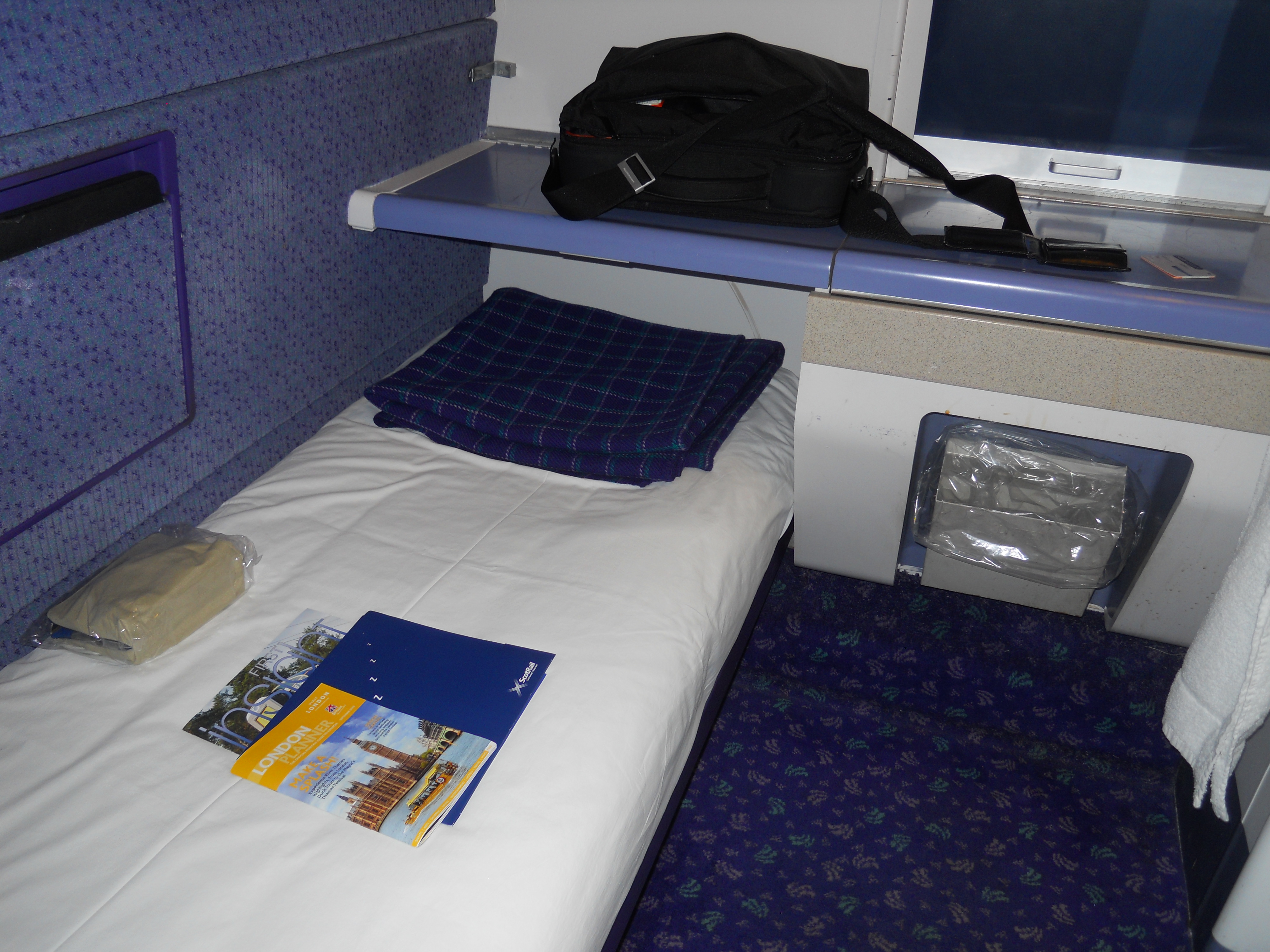

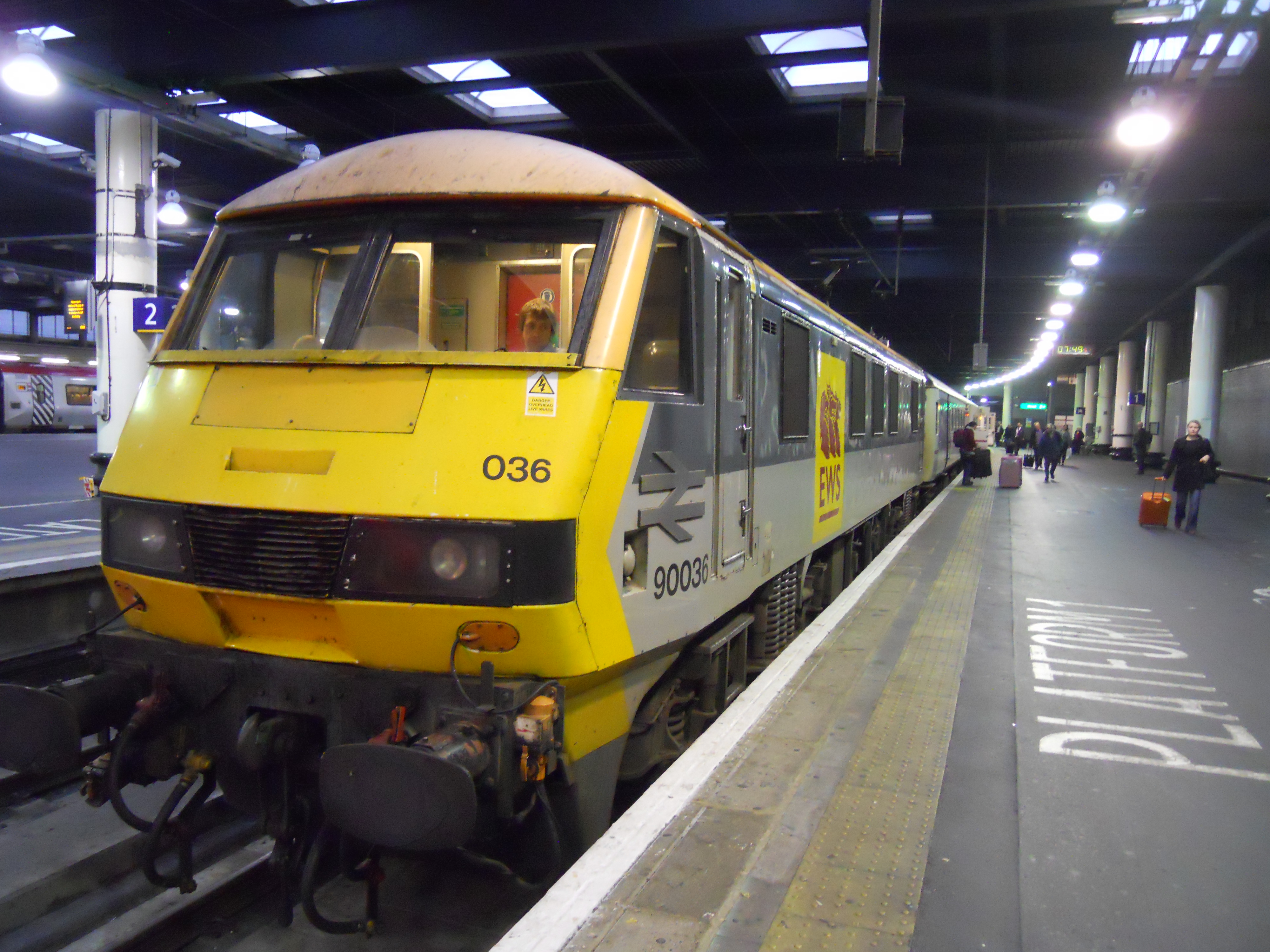
I had a whisky before I retired and slept soundly until Crewe. This was despite the fact that the steward had told me, I’d got the worst berth in the carriage over the bogie and I would have difficulty sleeping. The next thing I remember was being woken with my breakfast. As a coeliac, I just had the coffee and the juice, but actually, I wasn’t that hungry, as I’d eaten well in Scotland.
So would I tske the sleeper again?
Perhaps this one, but I doubt I’ll take the one we did as a family with a car to the South of France. I didn’t sleep well on that and spent most of the trip trying to find out where I was. But at least C and myself christened the berth.
The third sleeper was again with C on the Eastern and Oriental Express from Bangkok to Butterworth for Penang. That was a memorable trip, but it’s probably one I wouldn’t risk for some years.
Mallaig to Fort William
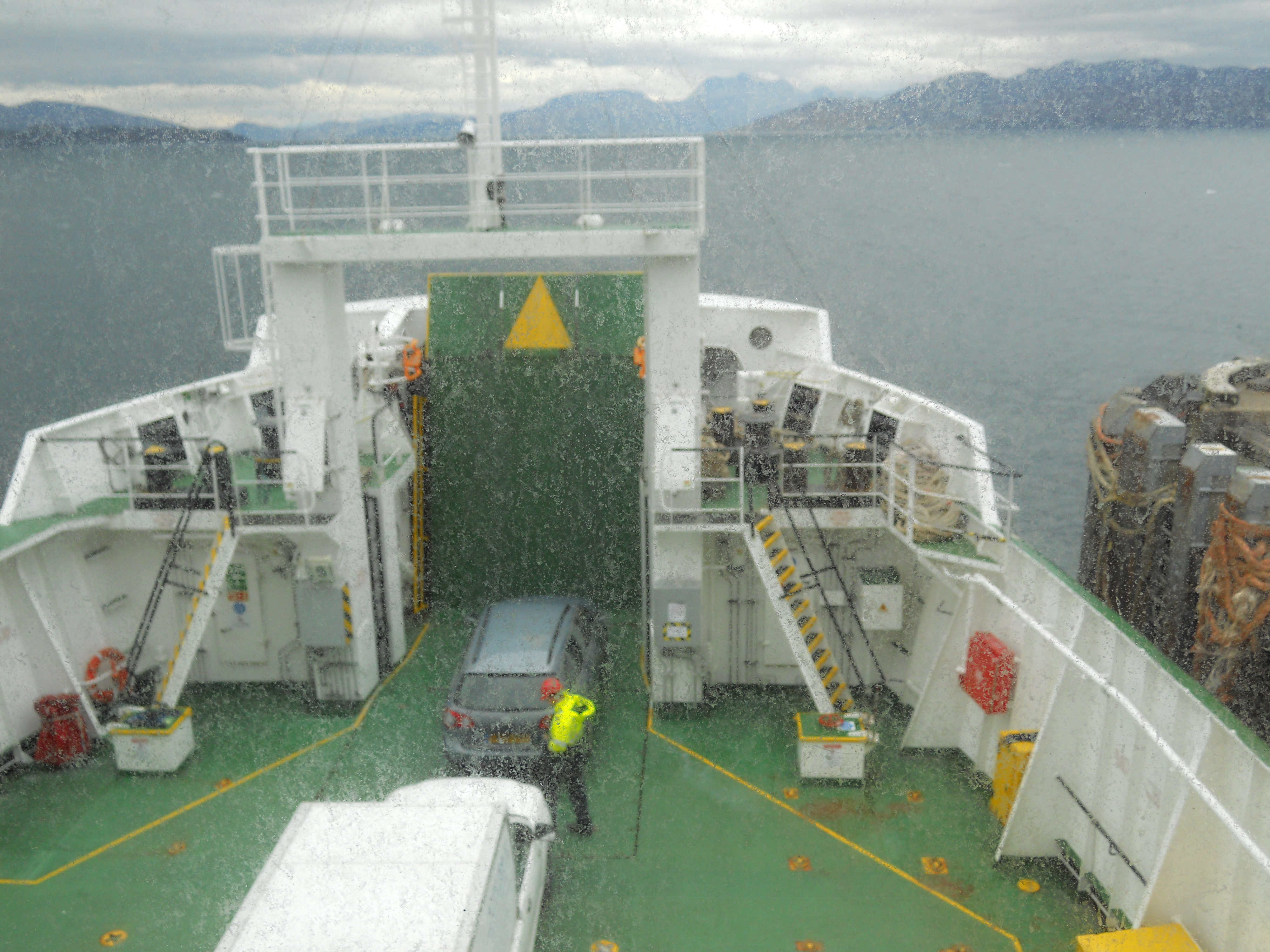
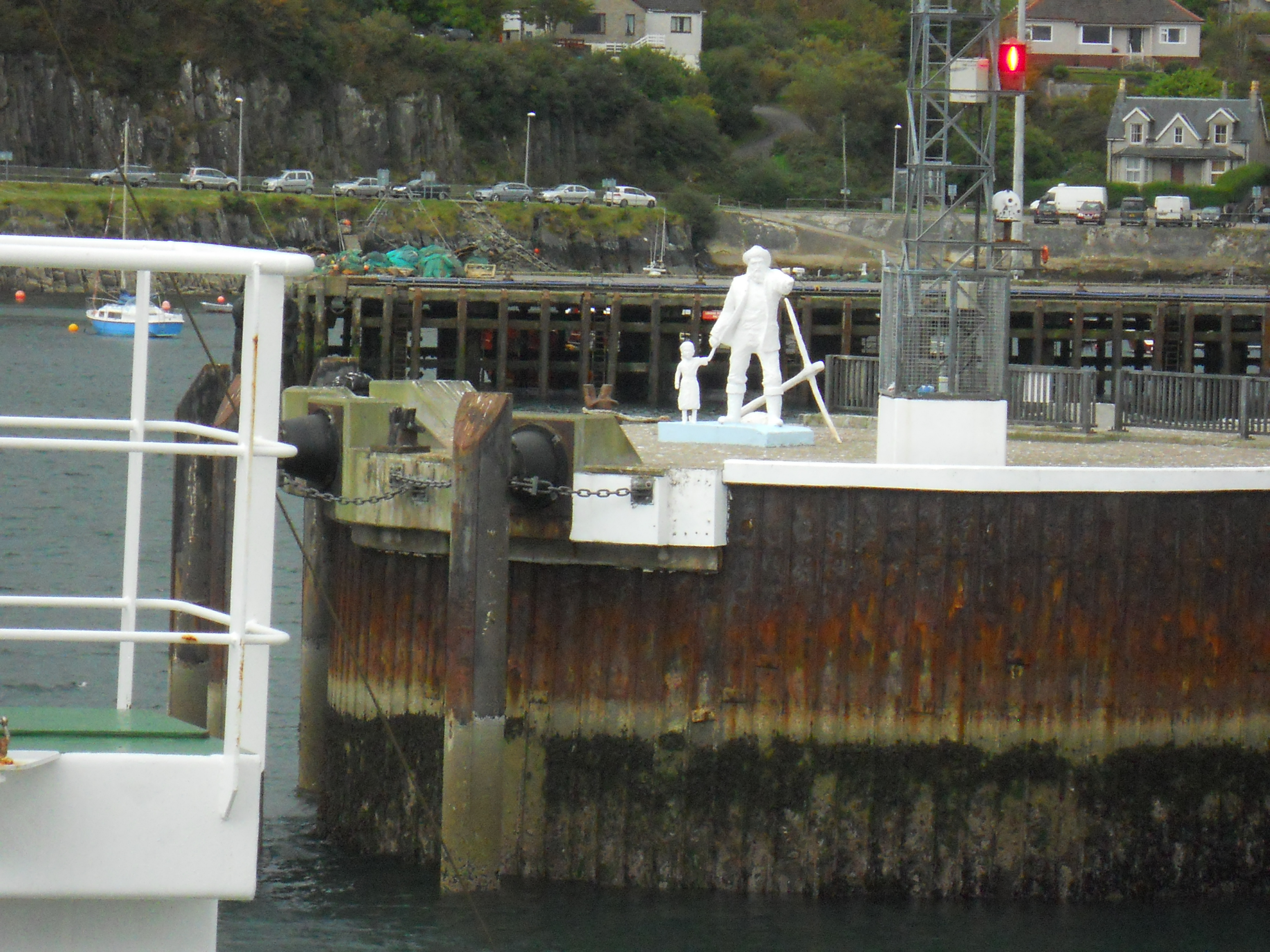
The ferry crossing was windy and cold,but uneventful and about an hour after landing, I was able to take the train for Fort William.

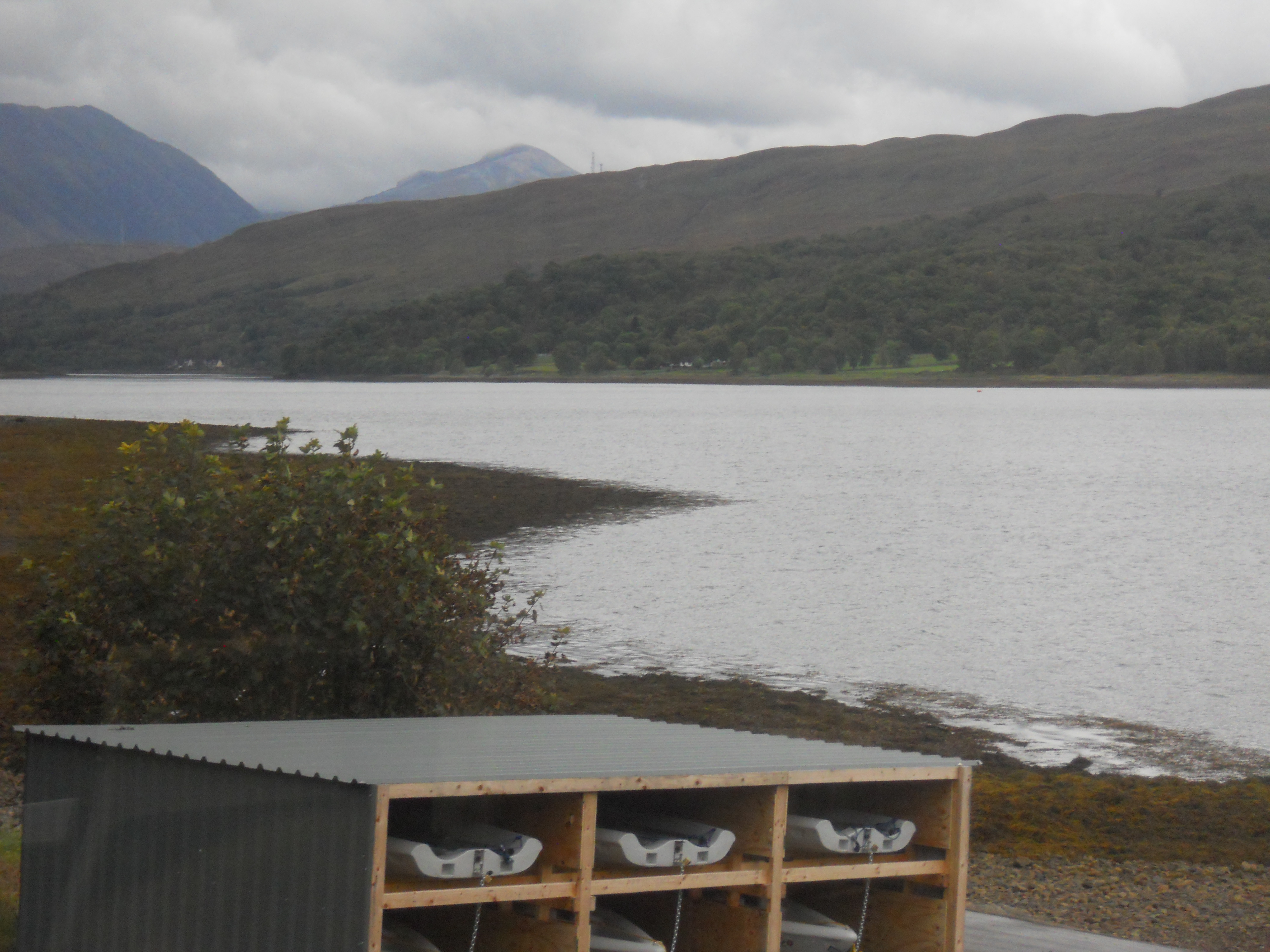

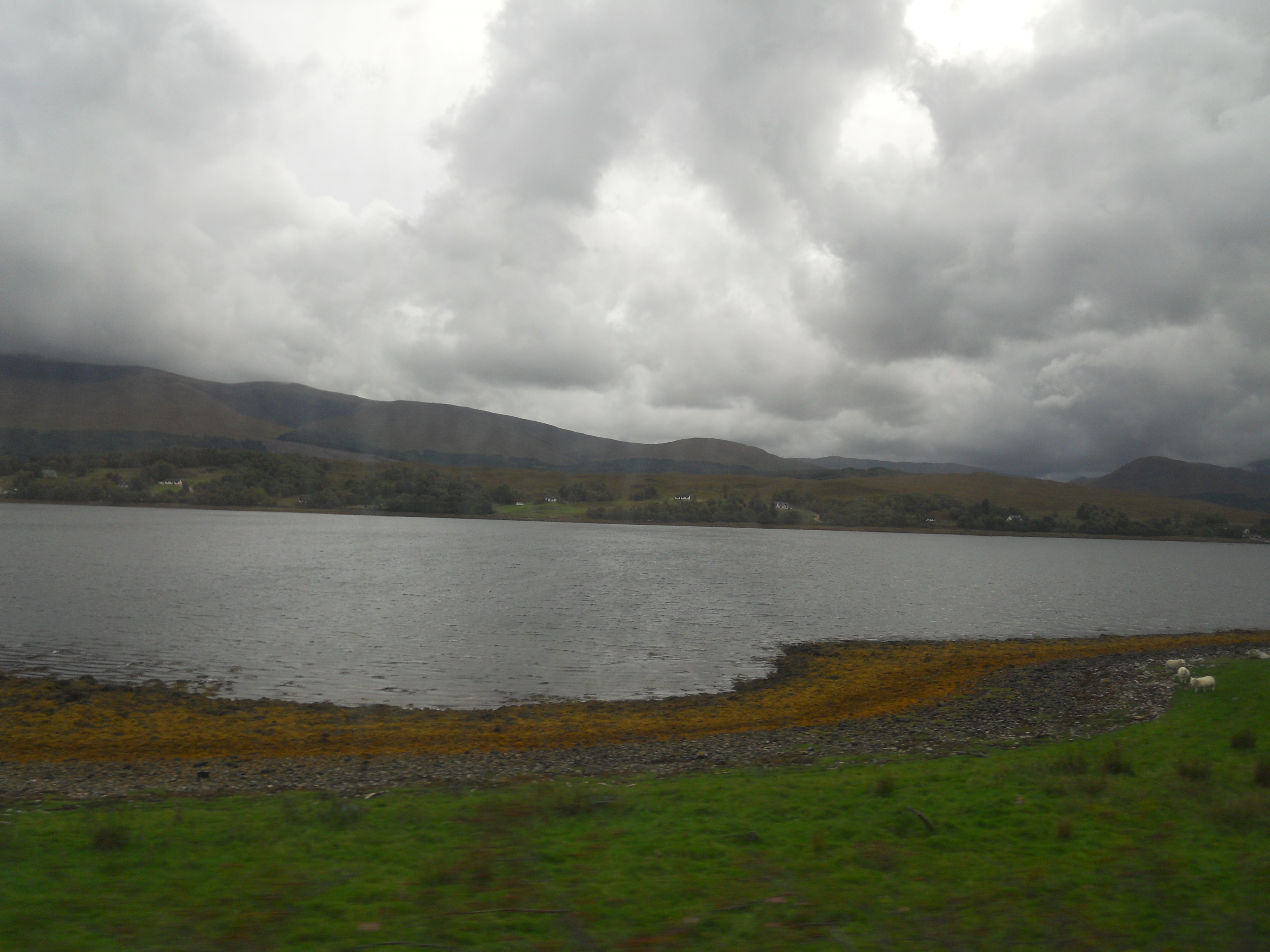

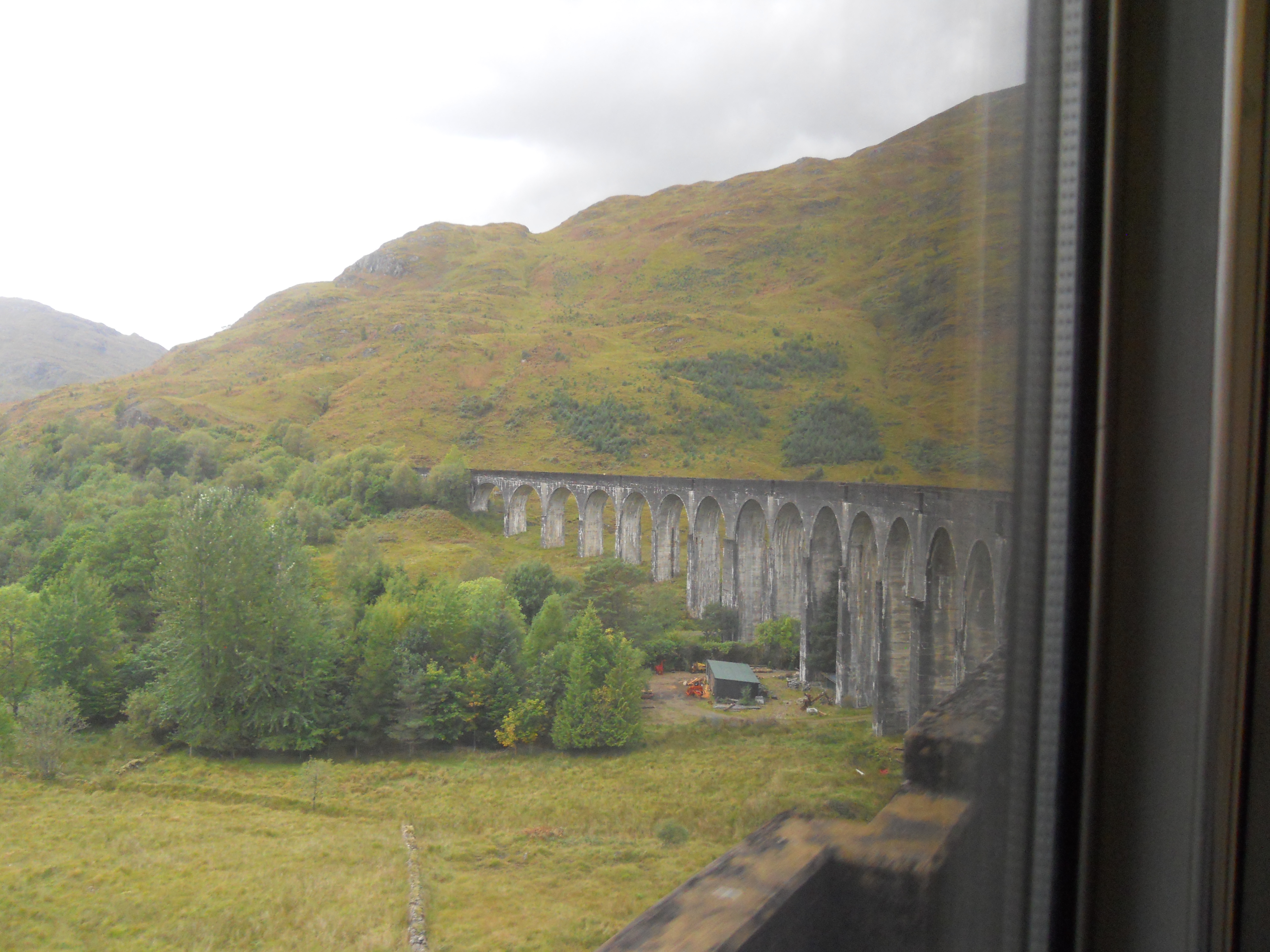
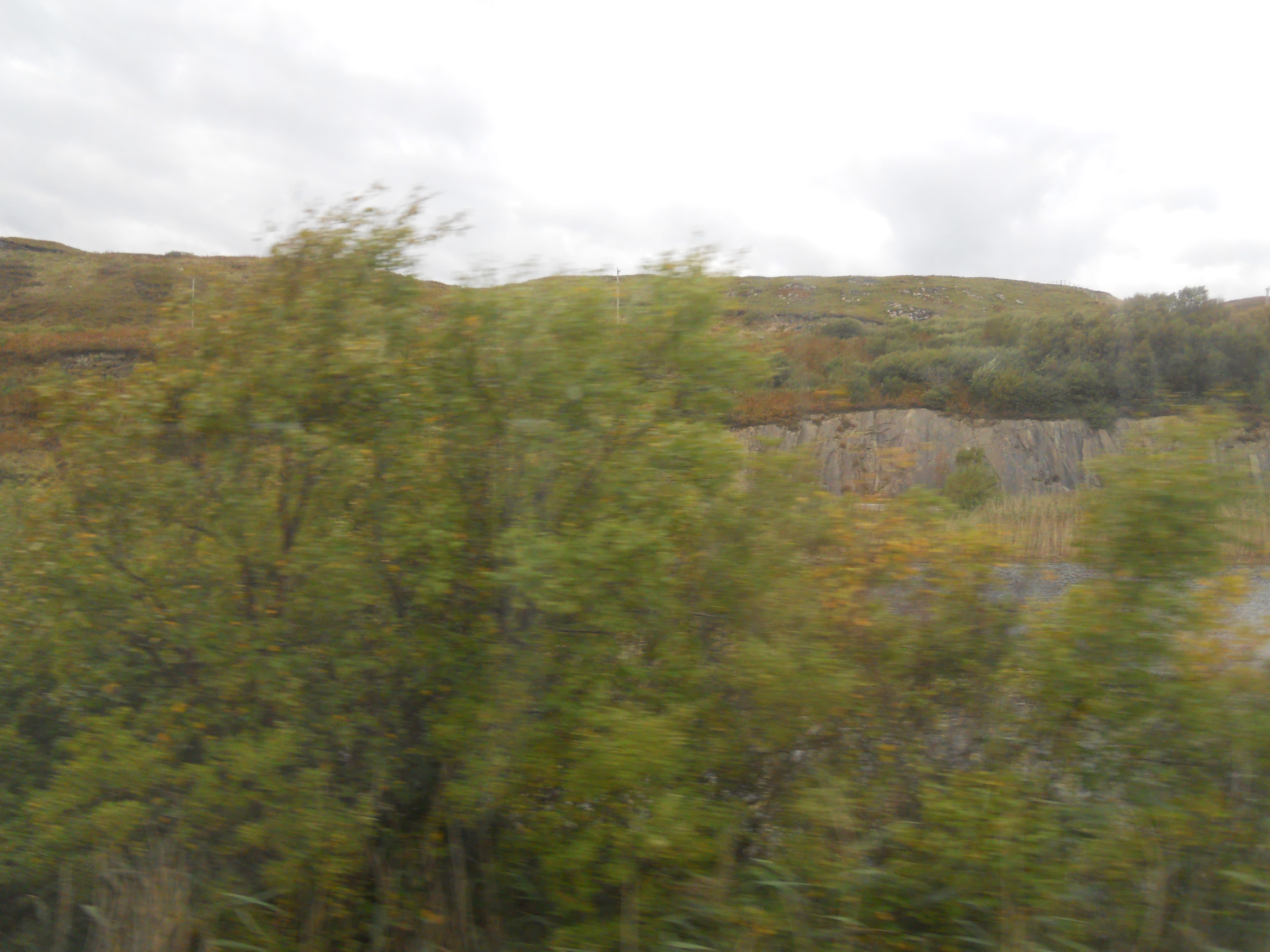


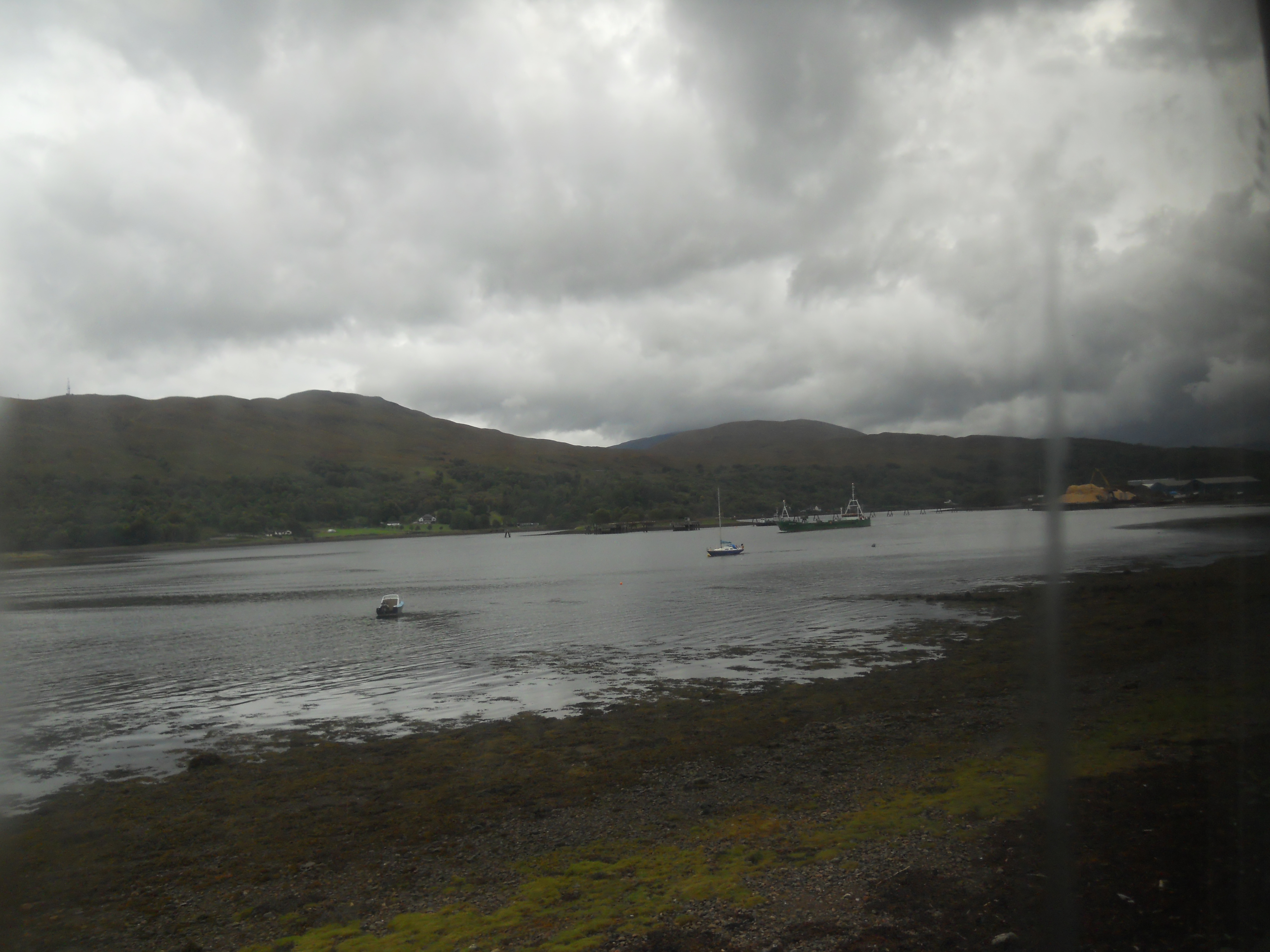


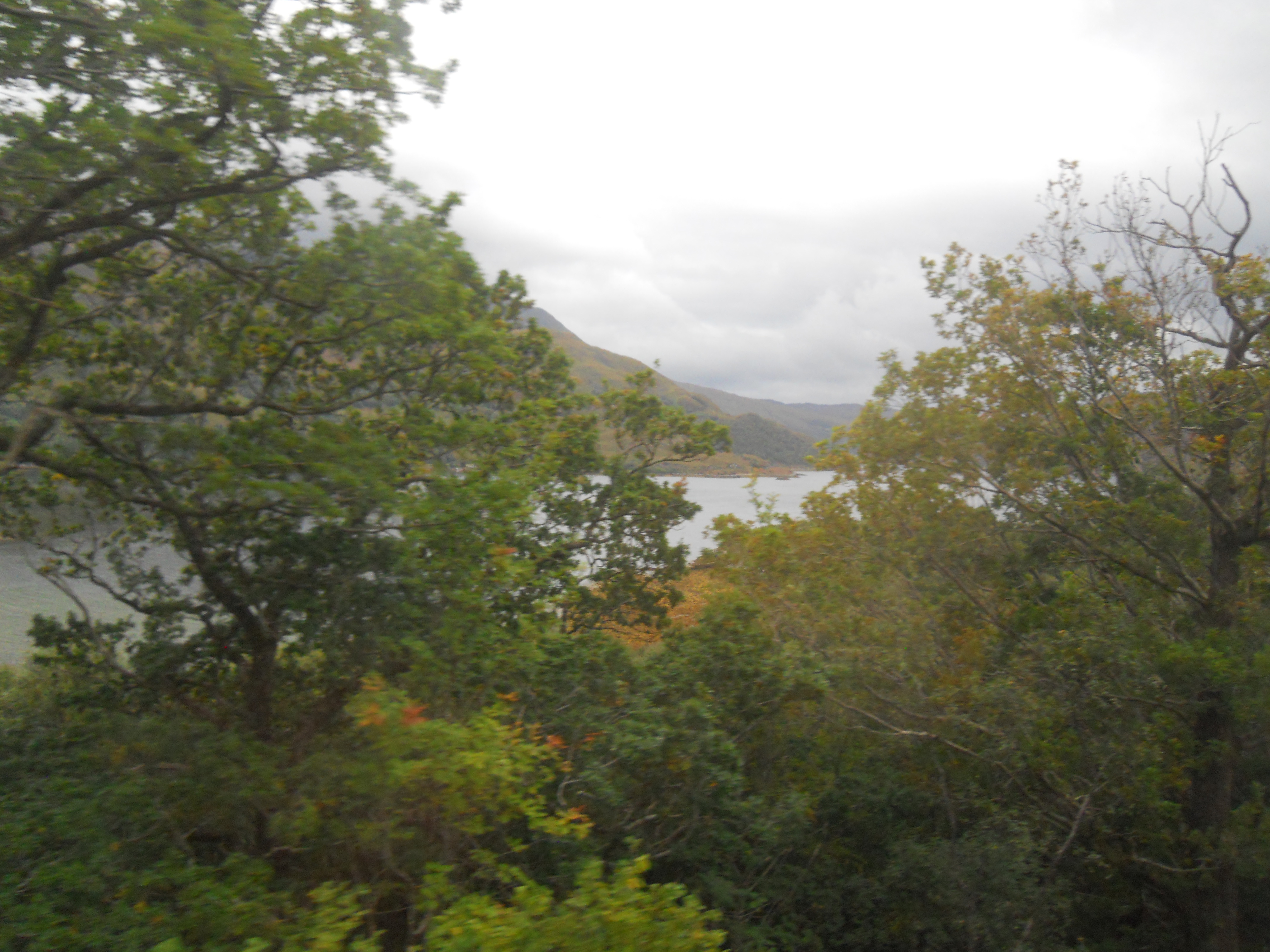
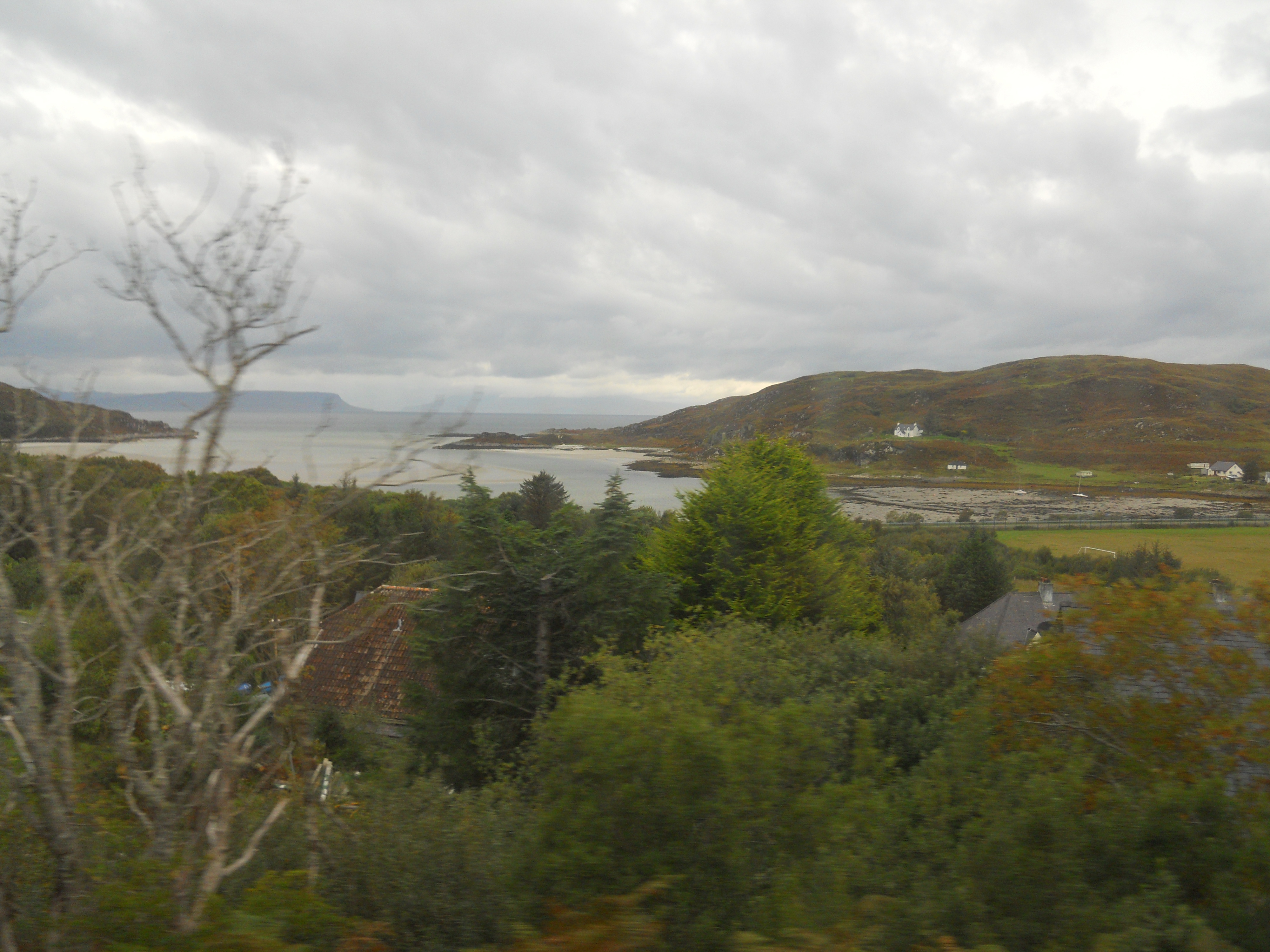

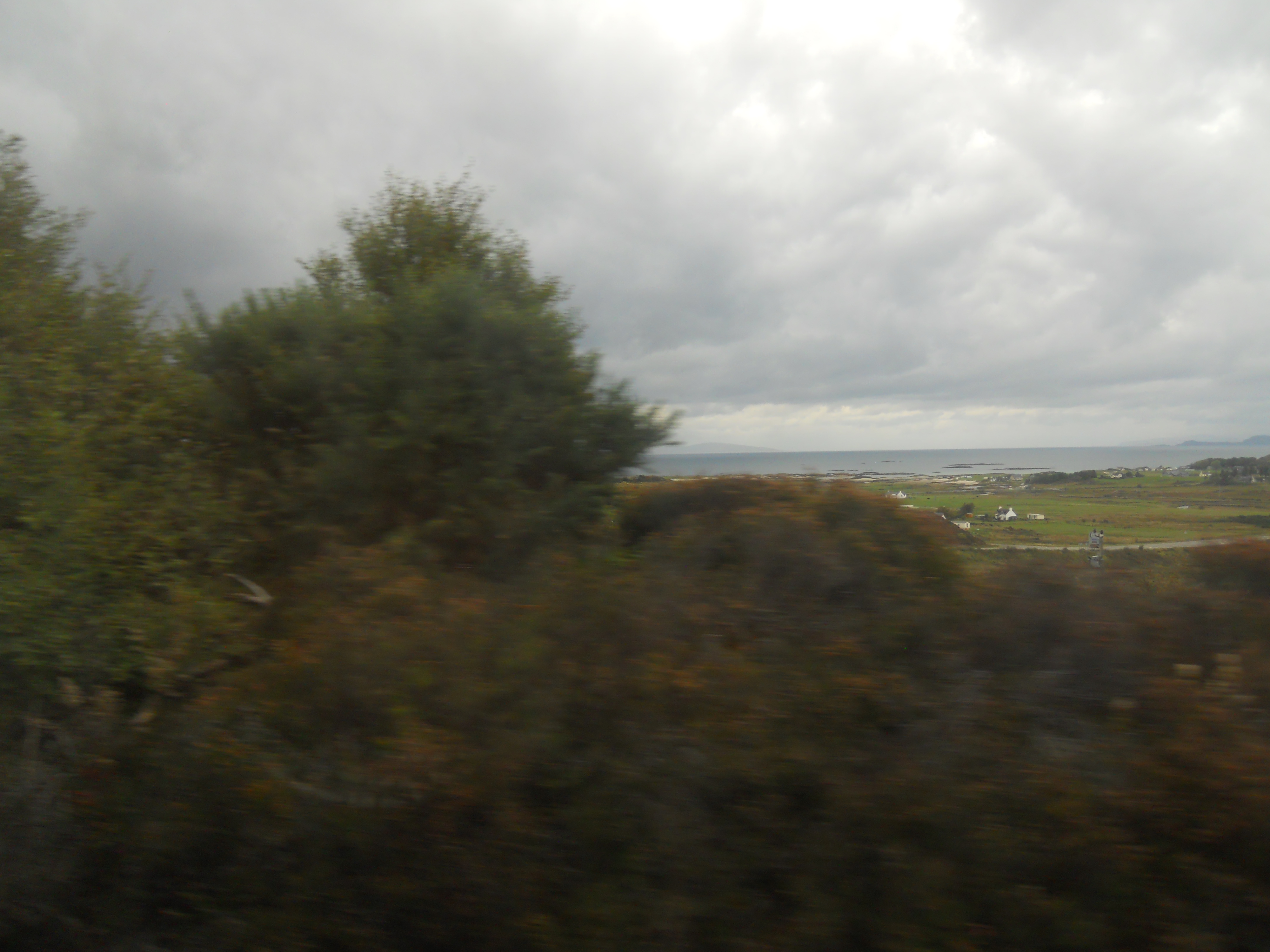

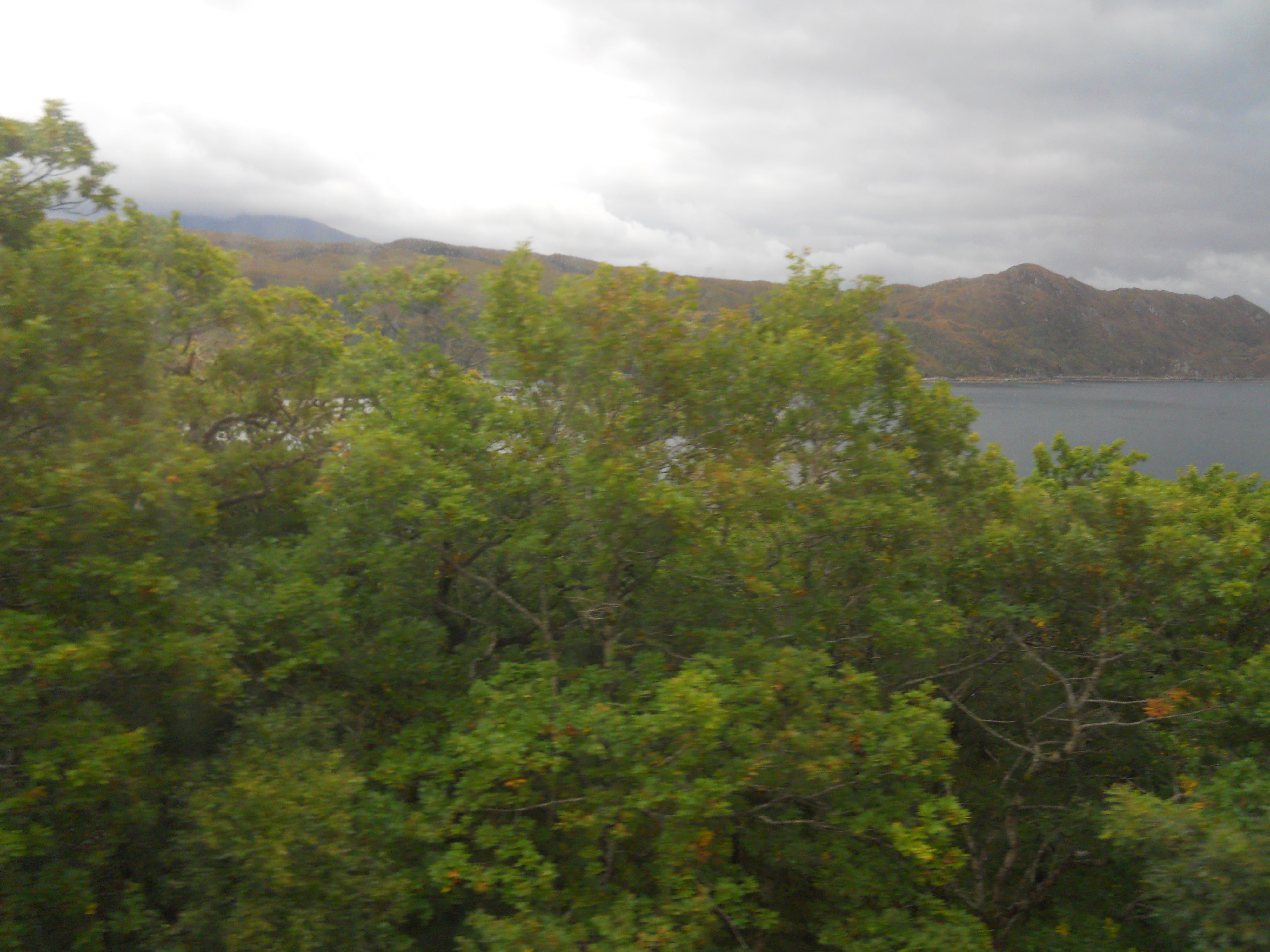
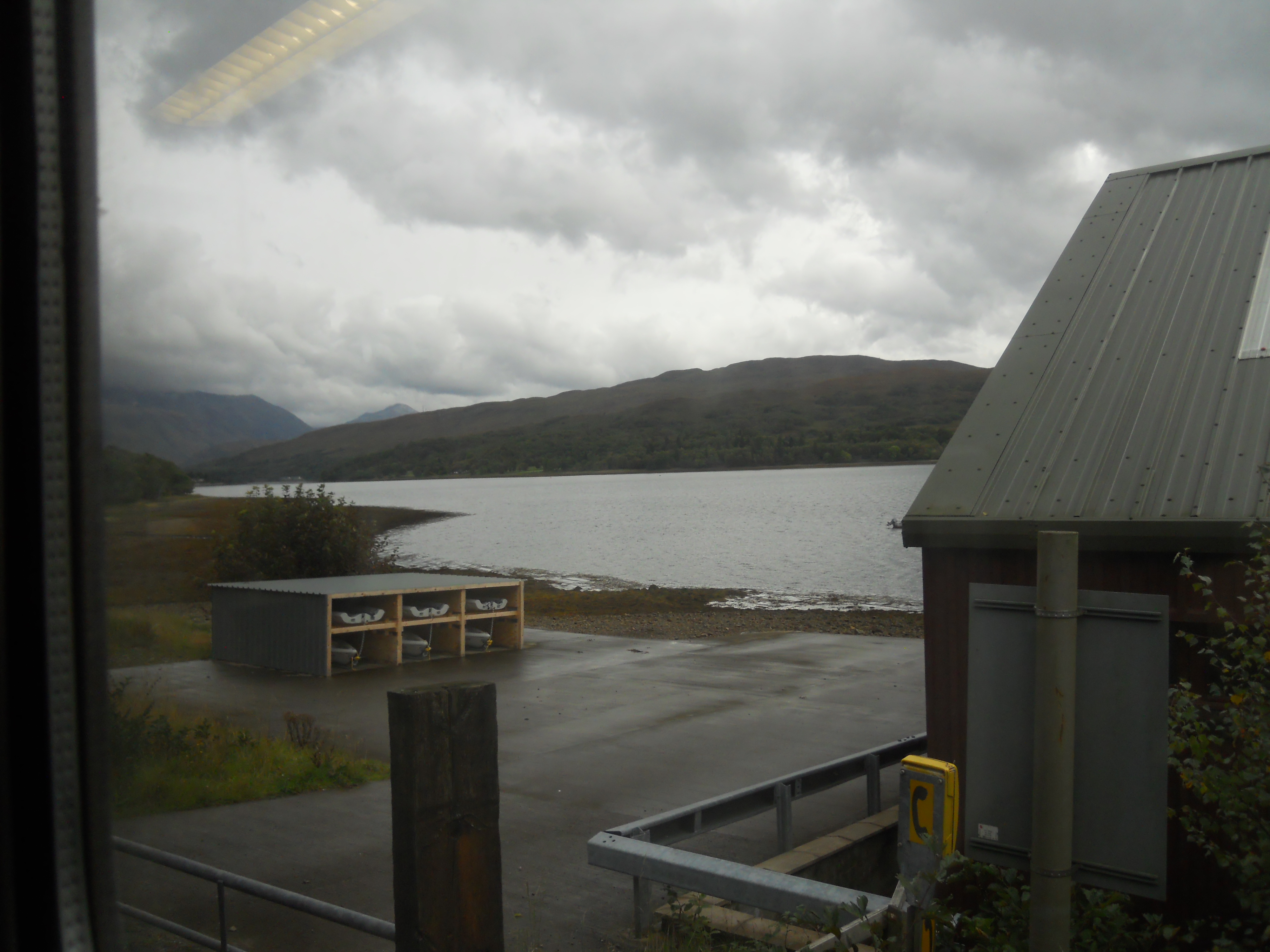

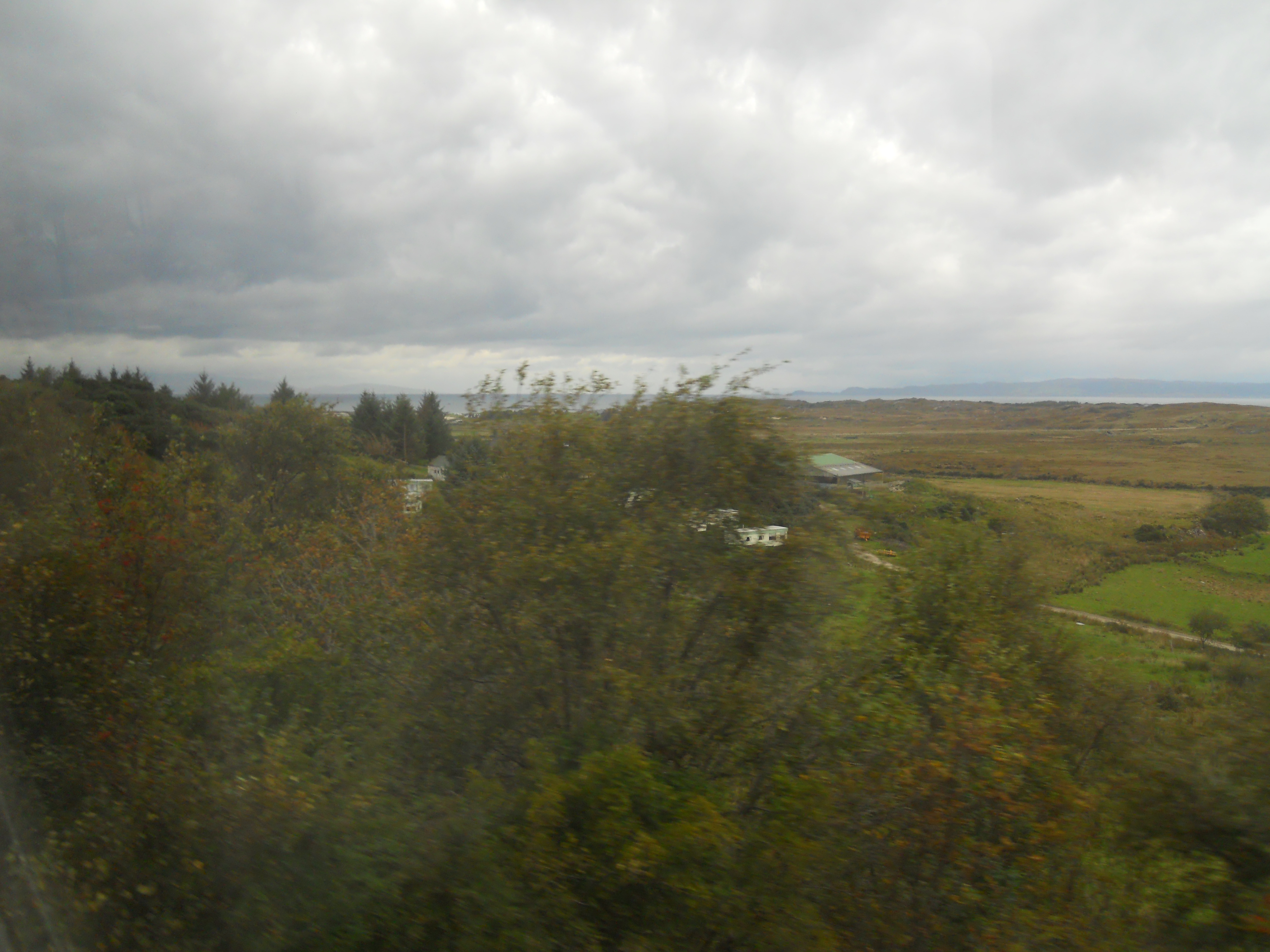



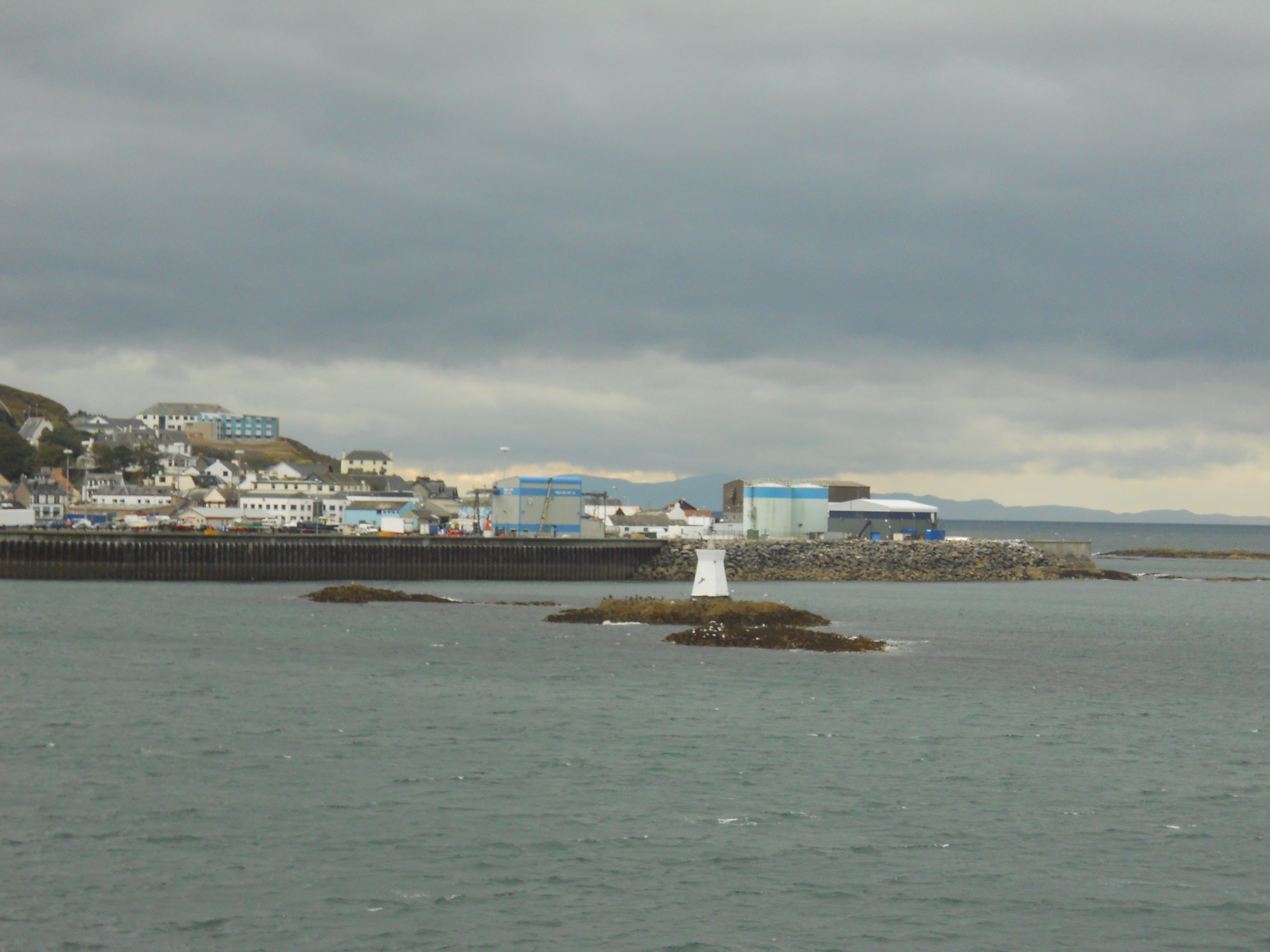
This is another line famous for the view as you can see from the pictures. But again the line was suffering from crowded trains.
Kyle of Lochalsh
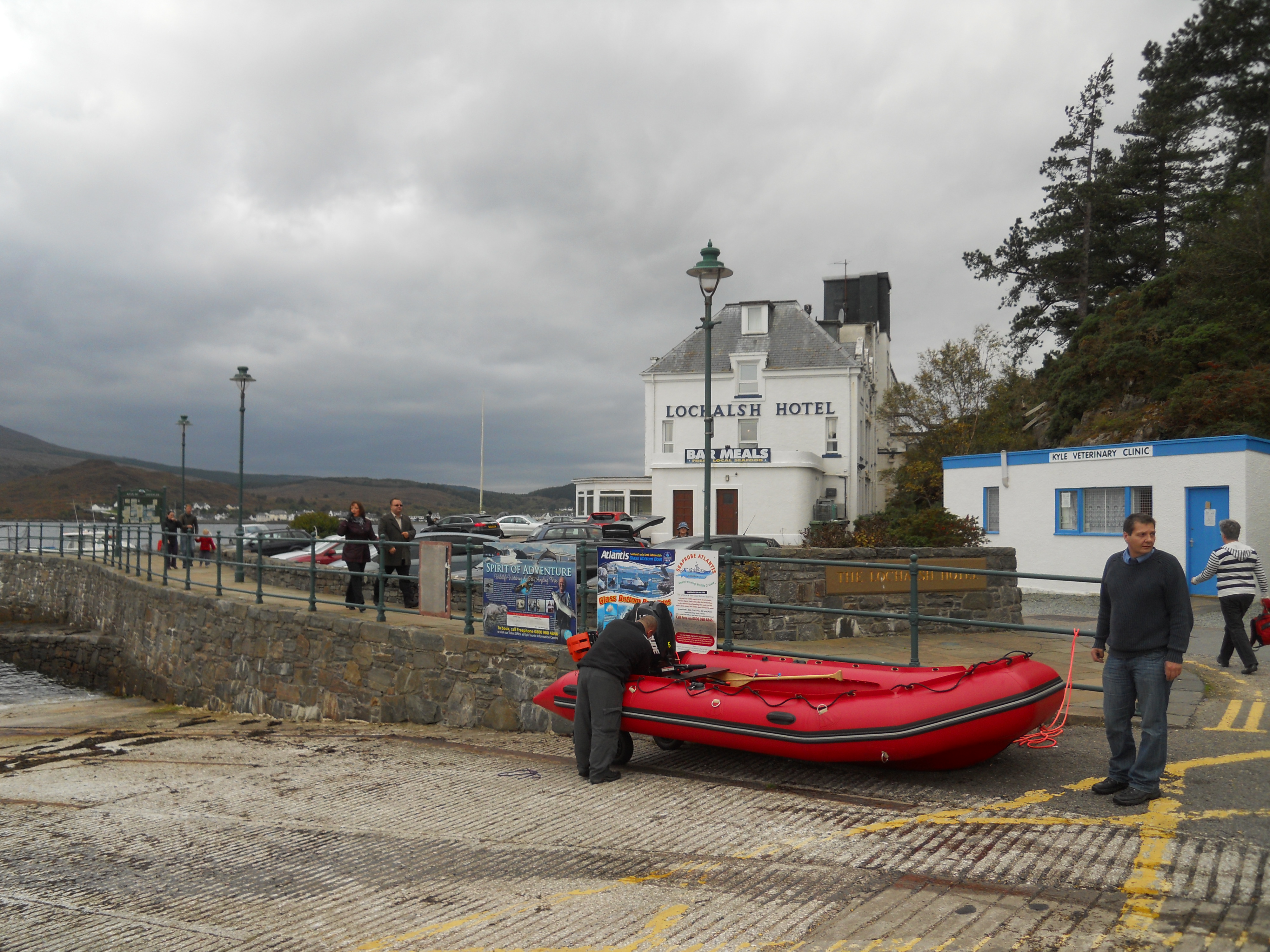
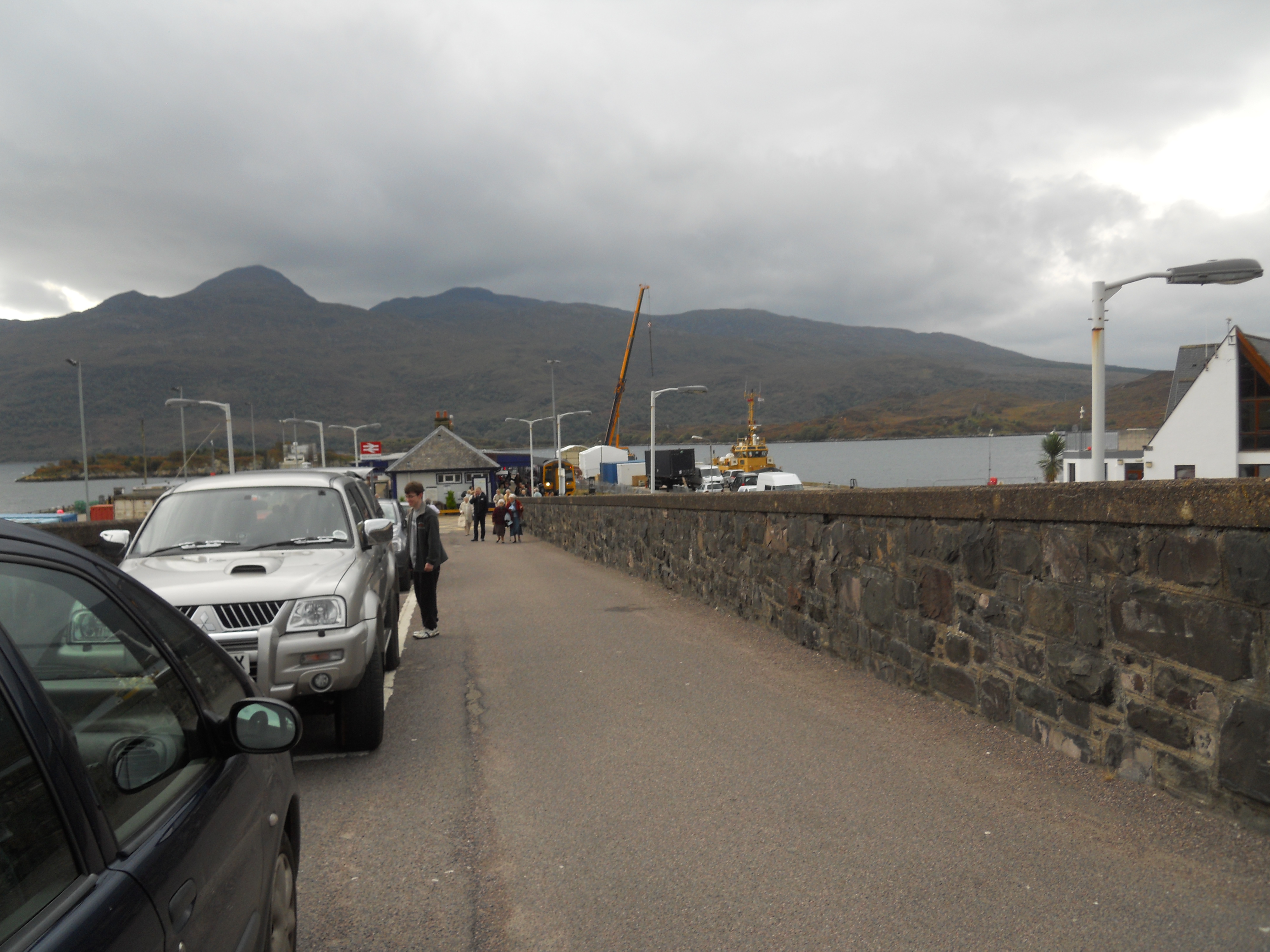
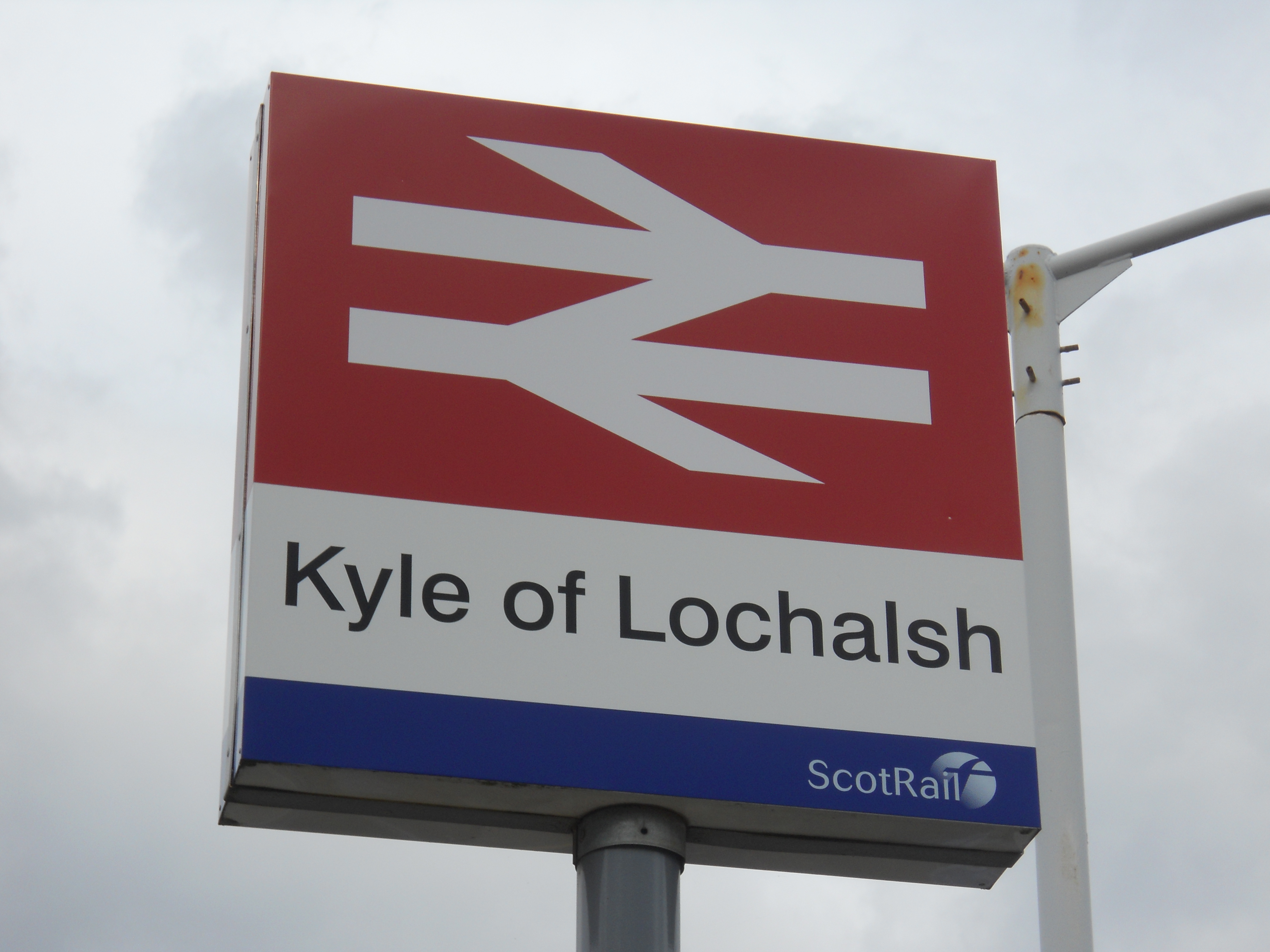
Kyle of Lochalsh is the end of the line and from here I got a bus directly to Arnadale on Skye for the ferry to Mallaig. Be warned that buses only run direct in the months when the ferry is running. There are a couple of restaurants in Kyle and a well-stocked Co-operative supermarket, which I used to buy some filling for my rolls.




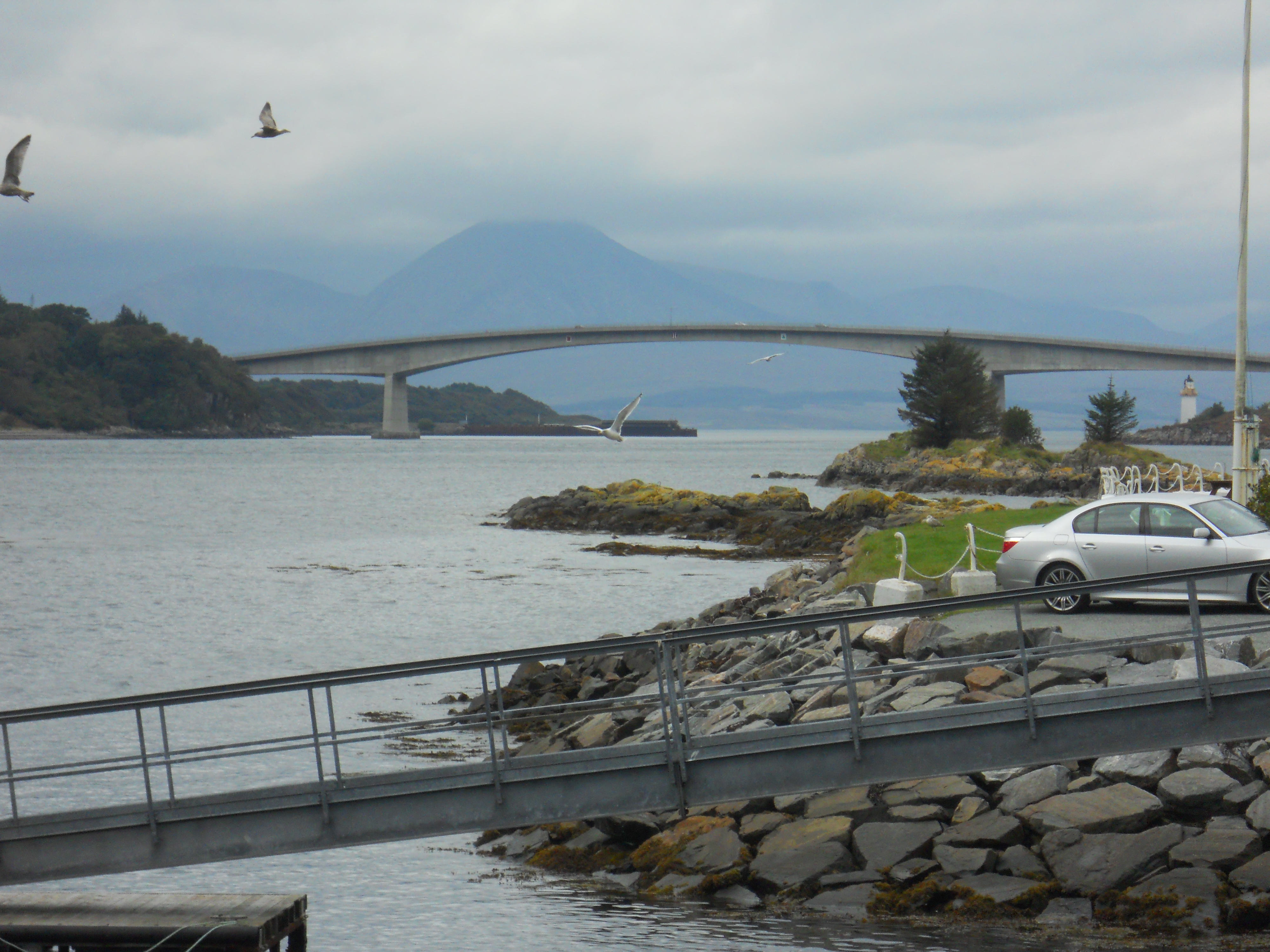
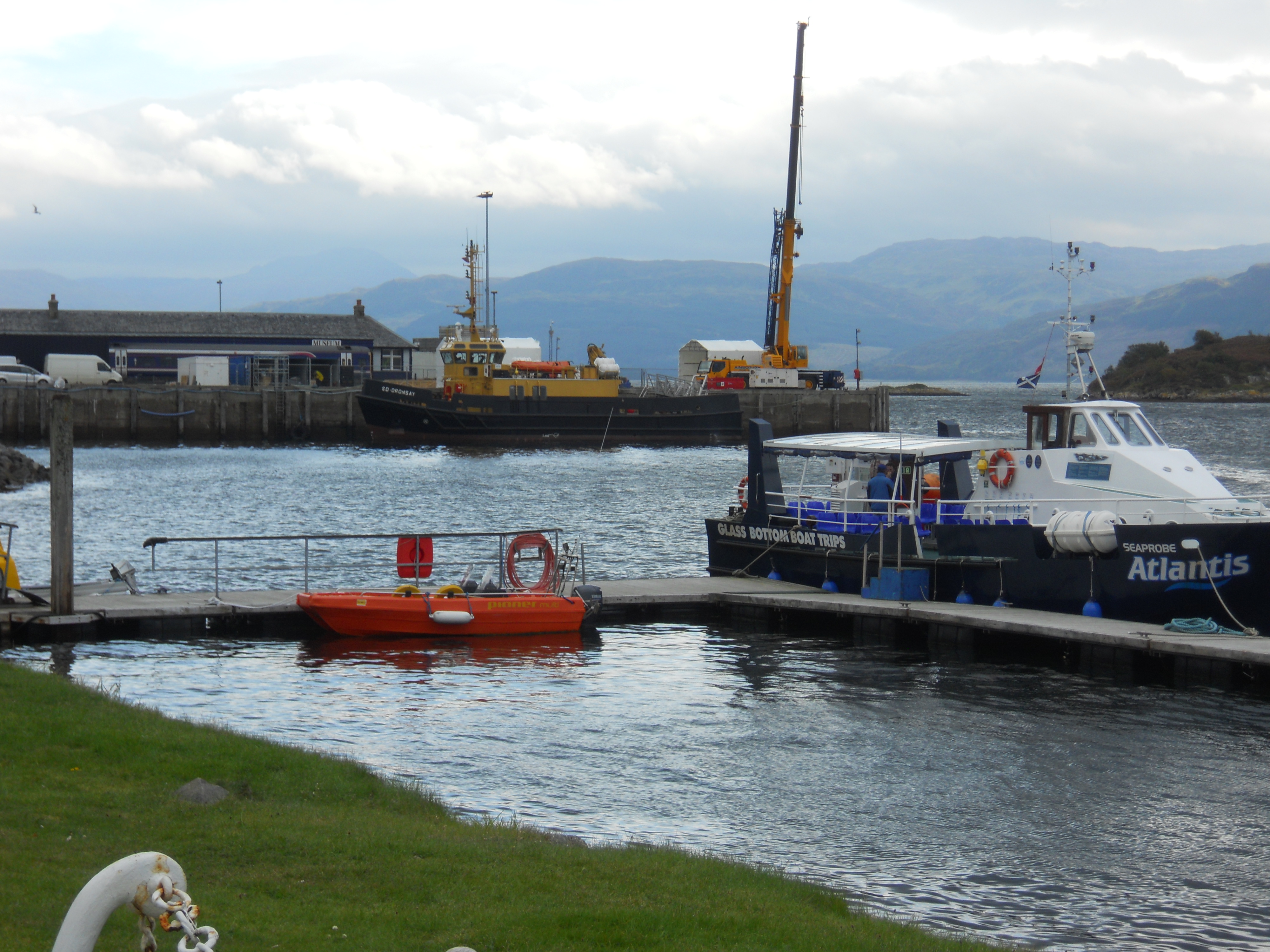


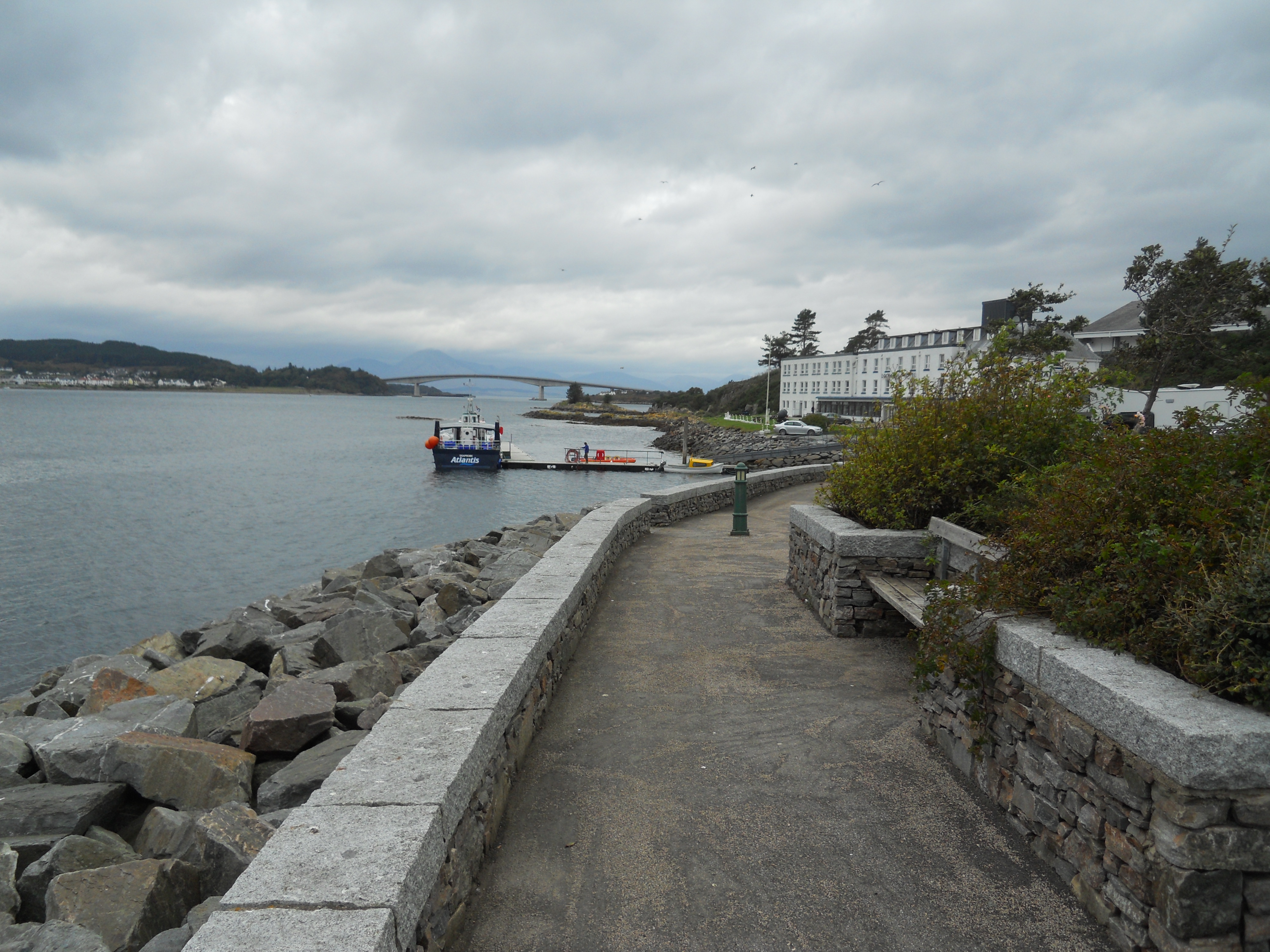
Inverness to Kyle of Lochalsh
The Kyle of Lochalsh Line is one of the great railway journeys in the world. It is probably best described as legendary, as anybody of a certain age, who has ever collected engine numbers or closely observed trains, has heard of the railway, that winds its way from Inverness almost to the Isle of Skye.
I’d spent the night in a comfortable B&B called Ivanhoe, where they went to a lot of trouble to get me some gluten-free rolls for my breakfast. They prepared a buttered spare for my lunch with some salmon or meat that I might buy on the journey. I would certainly stay at Ivanhoe again.
The line sweeps between sea and mountains and alongside lochs on its way to Kyle of Lochalsh.
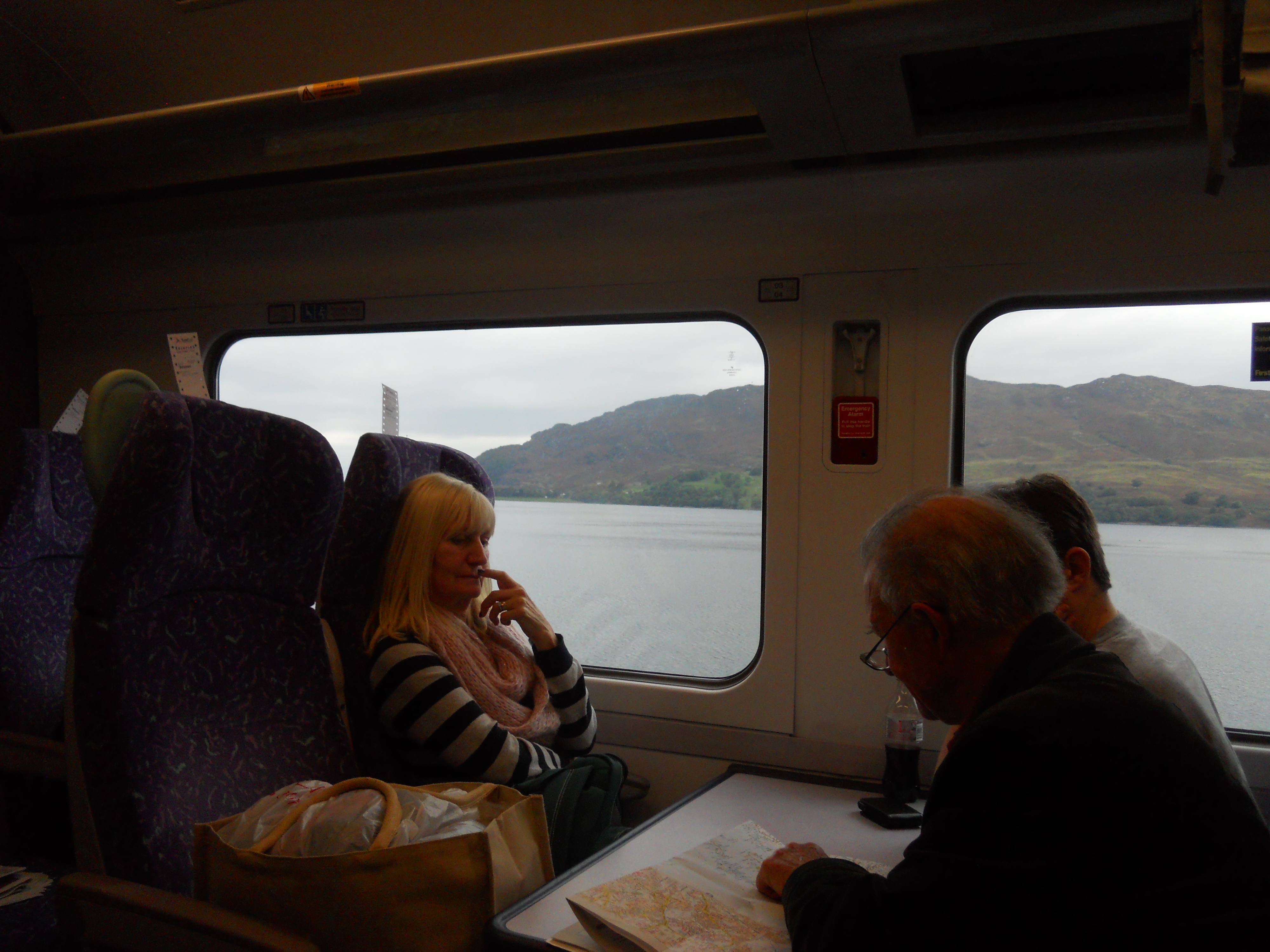
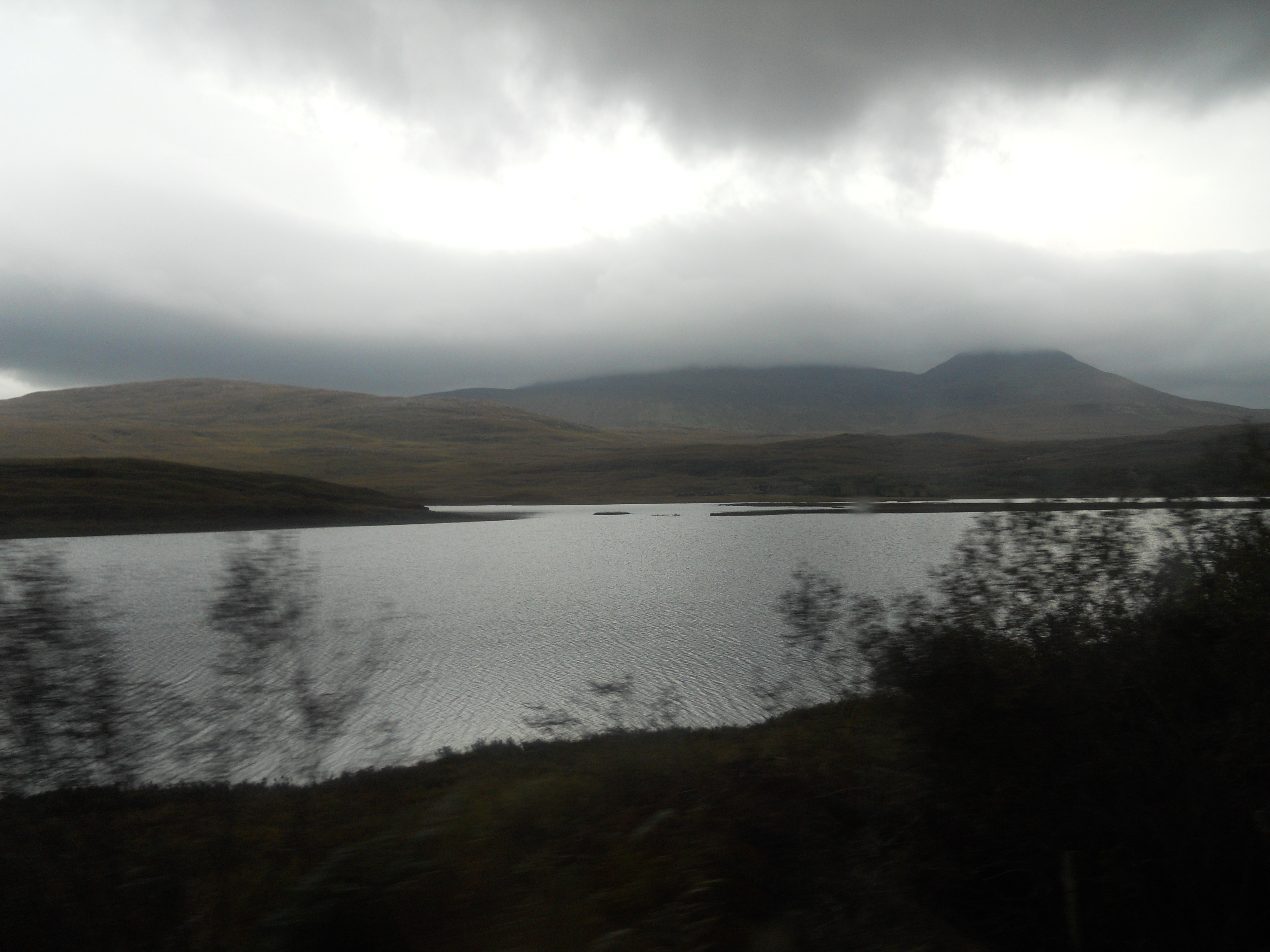
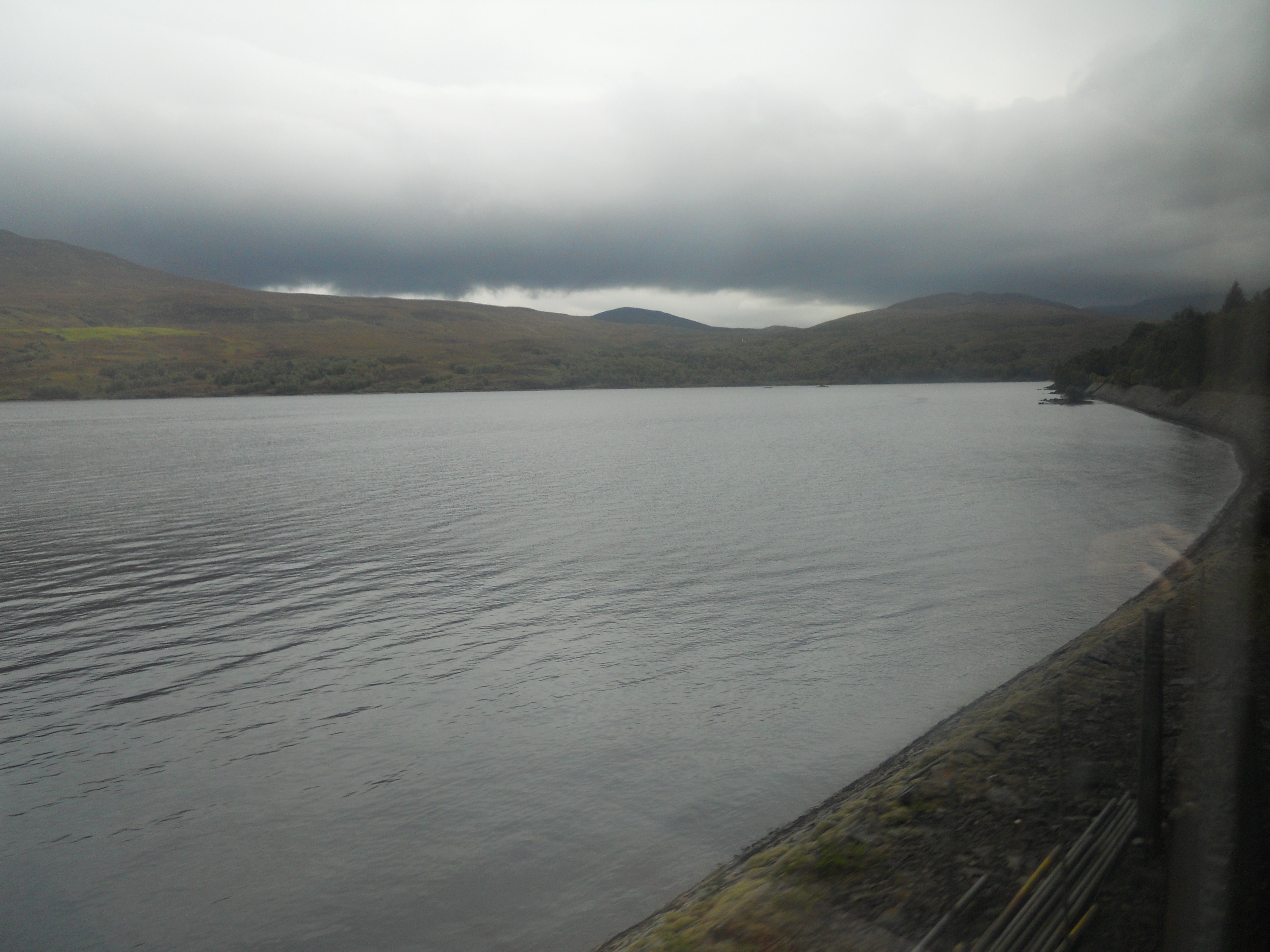
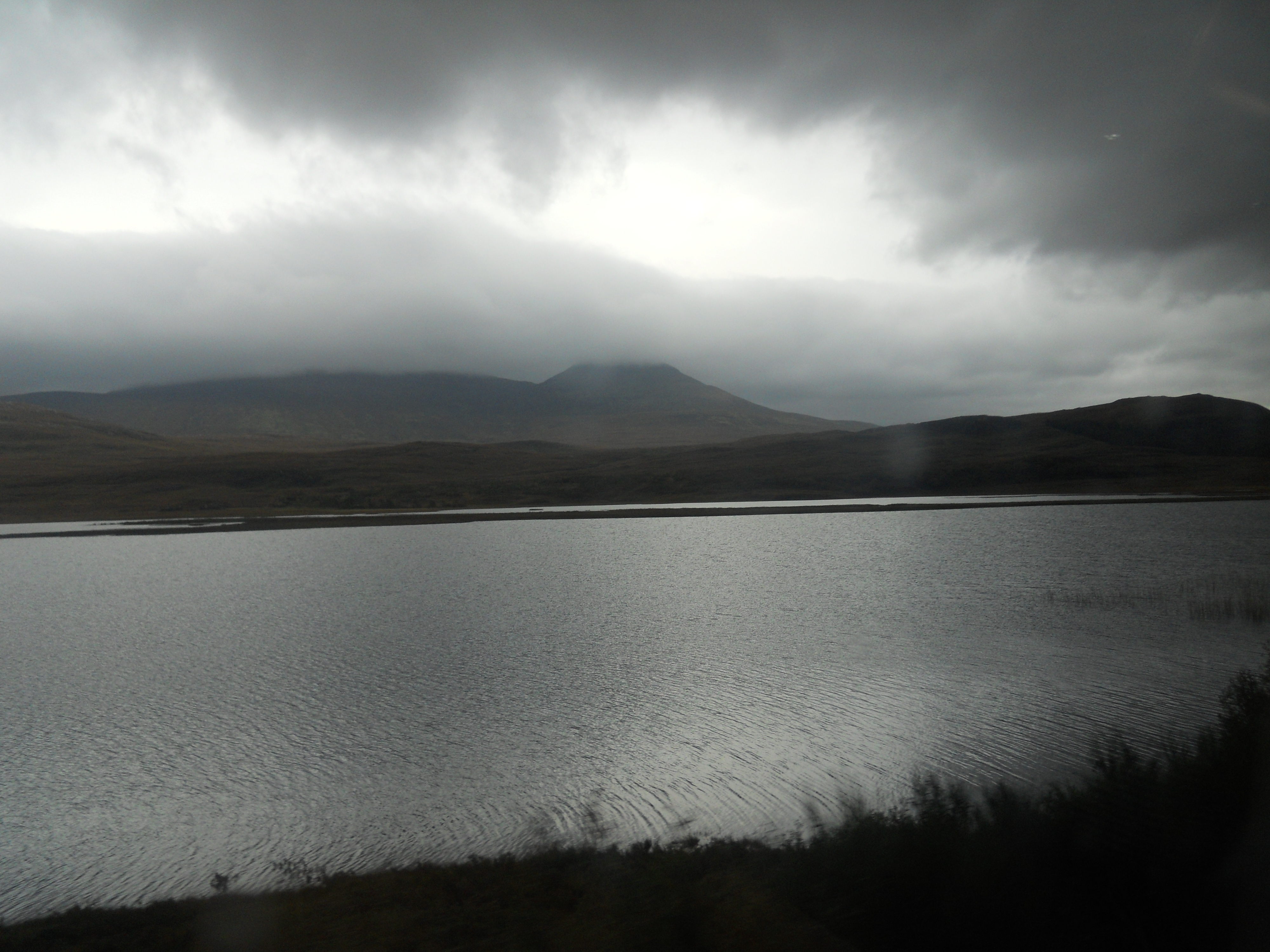
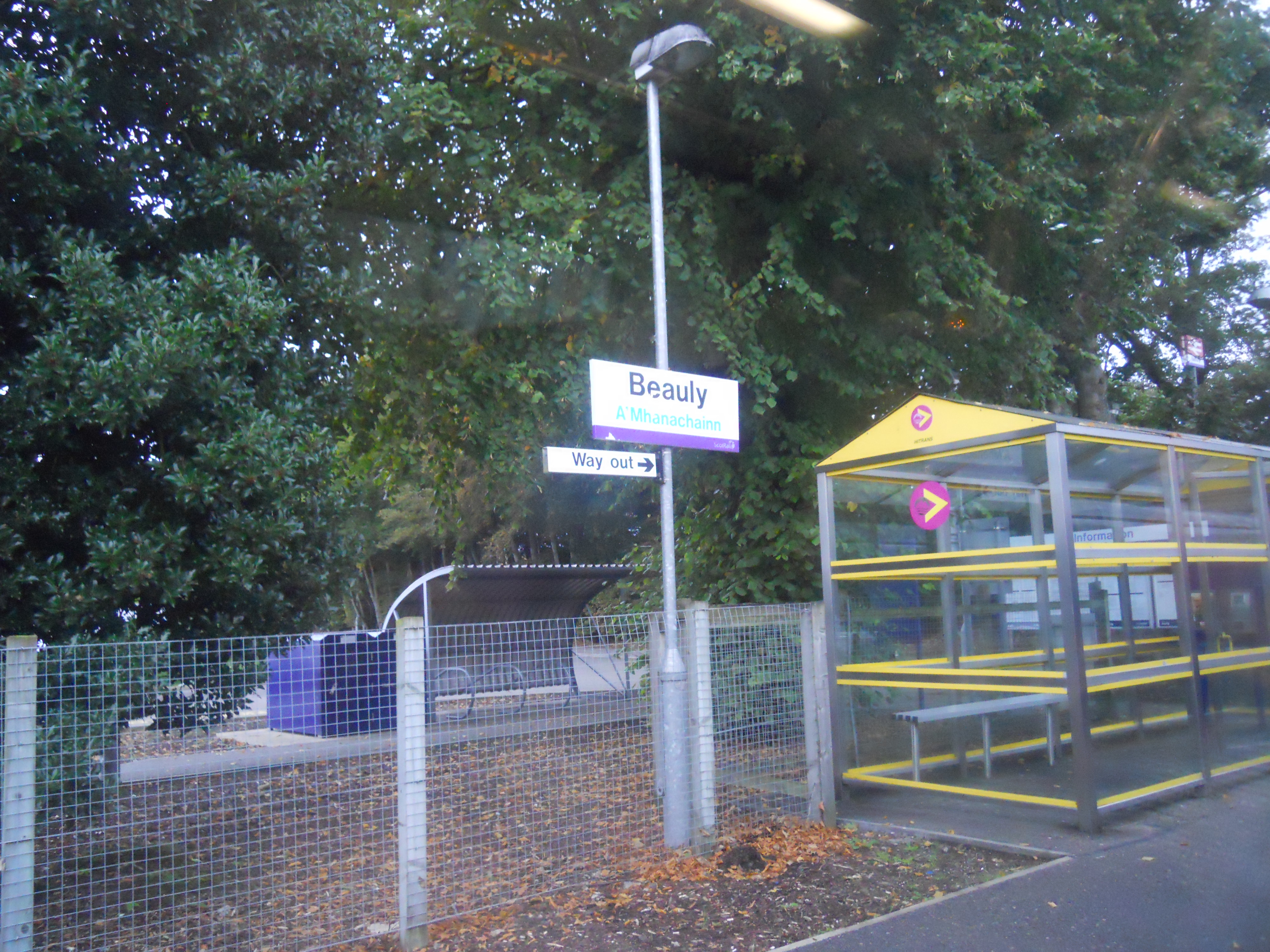
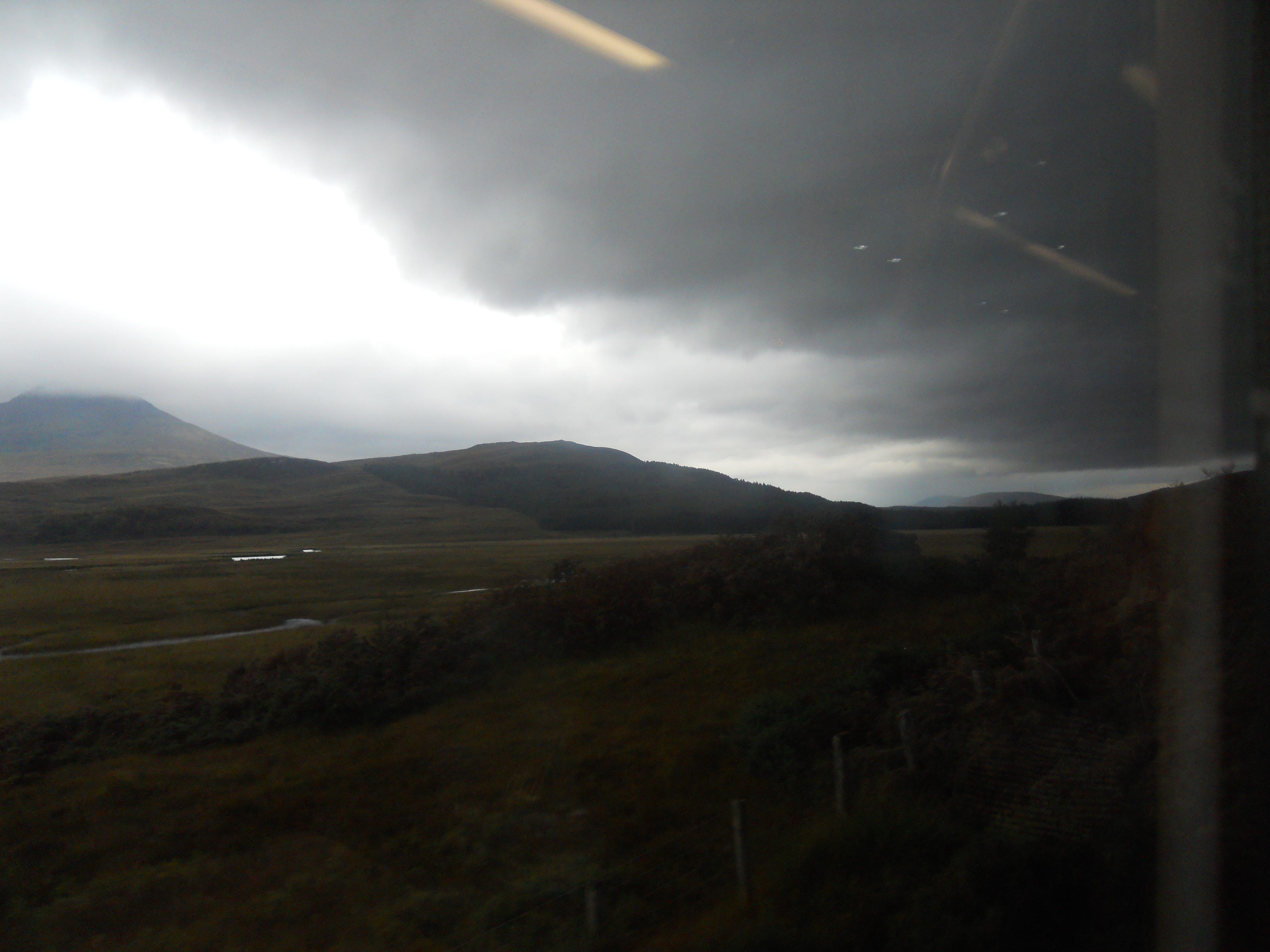
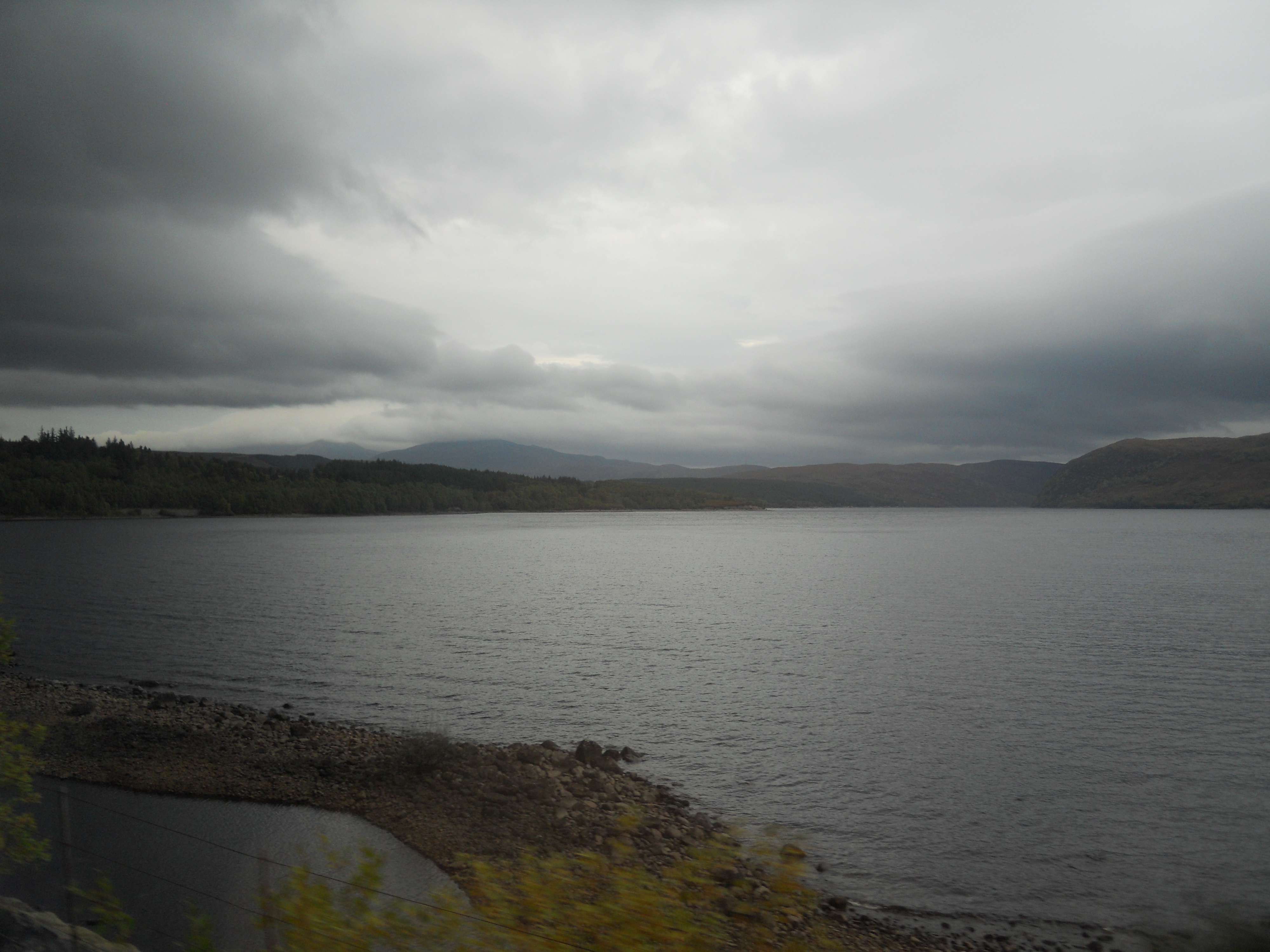
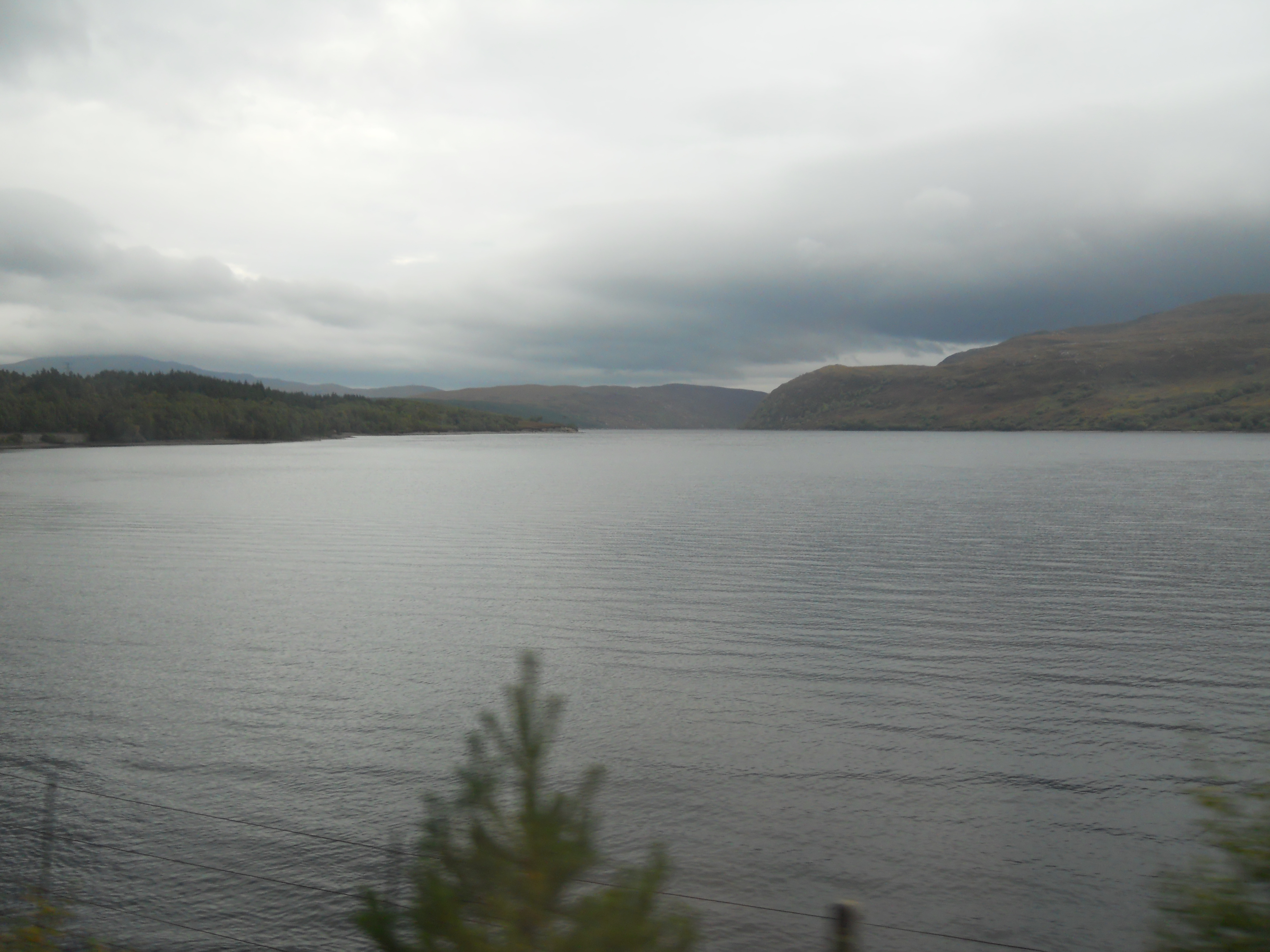
The real problem on the line is that there is just too little capacity. I have been reading in Modern Railways about the problems of the replacement of the inadequate Pacers, that I used to get from Doncaster to Scunthorpe. Surely the thing to do would be to create rakes of say four or five Mk 3 coaches and use those on lines like this with a diesel engine and then cascade the Class 158s to where they are desperately needed like East Anglia, Lincolnshire and the North.
Edinburgh to Inverness in the Cab of an HST
Part of the reason for the trip north was to travel in the cab of a diesel High Speed Train from Edinburgh to Inverness. This was organised by East Coast and I don’t think they’d be too happy, if you used this page as an excuse to try to do the same. But thanks to everyone at the company, for giving me the trip of a lifetime!
I travelled with their Driver Manager, who himself had spent years driving trains, and an experienced driver from Newcastle, so if anybody thinks that having me in the cab compromised anything, then there was no way I could.
The first thing that struck me about the journey was how quiet it was in the cab of the HST, despite having a 2,250 horse power diesel engine in the next room. Compare this with the engine in a typical heavy truck and it’s about five times as powerful, but then it has to pull nine full coaches, with the help of the other power car at the back of the train and a total of 4,500 horses. Compare it too with the 3,300 horse power of the Deltic of the 160s and 1970s. But that was a 100 mph train, as opposed to the 125 mph of the HST.
It should also be said that the noise and vibration was much less than that I experienced as a passenger on one of the dreaded Pacers on my way to Scunthorpe.
Before you watch the video, note that the occasional screeches are the signal warnings, which must be cancelled by the driver.
As they say, enjoy the film! The video has now been shortened, by cutting out some of the repetitive bits!
Incidentally, my typing and vision has improved a bit, since the trip.
Was that improvement caused by travelling in a HST? If it is, then it’s a very unusual cure and something you won’t get on the NHS!
To say the least it was a train journey of a lifetime, usually at 90 mph on a line that rises to 1,400 feet above sea level. How many trains in the world do that sort of speed on a line that was opened in the last century. Remember too, that the youngest HST is 27 years old!
Some journey! Some train! But then good engineering is absolutely timeless!
Some of my friends, think that I didn’t take this film. So here’s a picture of me in the cab.
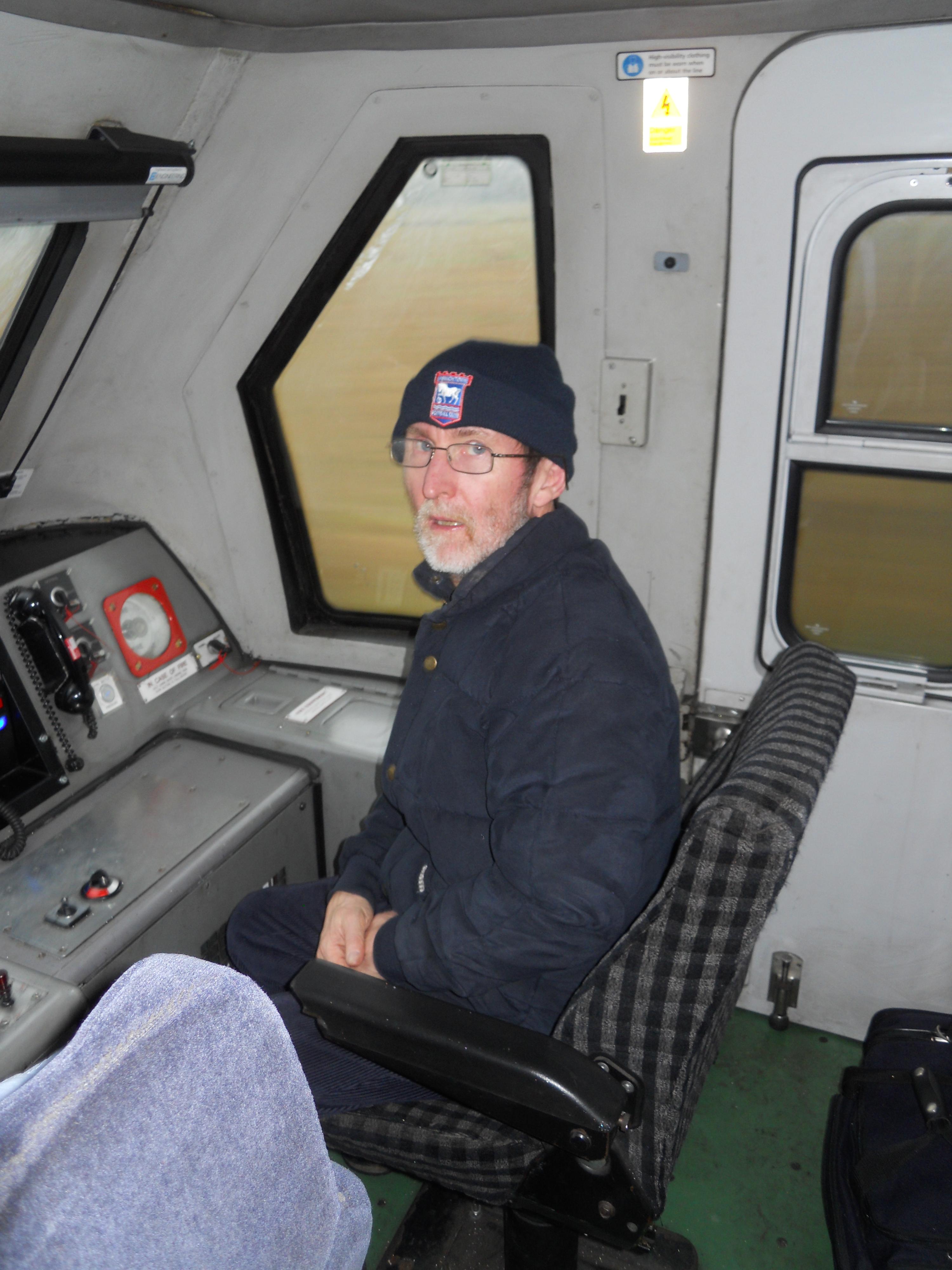
I actually didn’t realise I looked that scruffy, but then I was travelling to be warm! Hence the Ipswich Town woolly hat! Was it the first time, such a hat had been worn on an HST?
The Two Forth Bridges
You shouldn’t go to Edinburgh on a trip like mine, that is looking at the engineering that has shaped this country, without going to see the two Forth bridges.
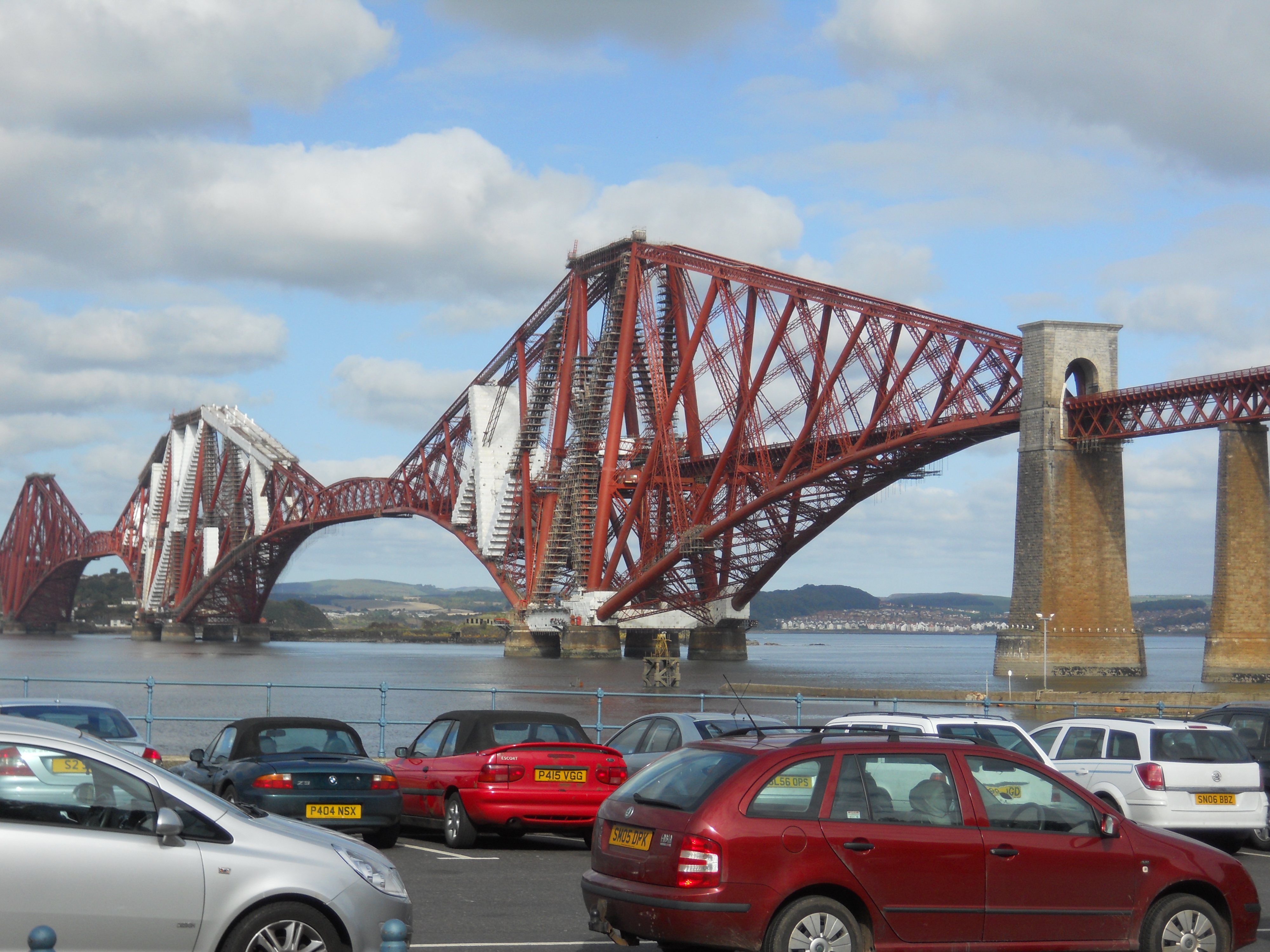
The Forth Rail Bridge
The rail bridge is probably the most recogniseable bridge in the world and despite being 120 years old it still carries upwards of ten trains per hour. Incidentally, as modern trains are lighter than steam ones, it is probably under less stress now than it was in the past. It’s been under less stree too in recent years as coal trains no longer use the bridge.
I do wonder that if can see this bridge in twenty years, whether the trains going across the top will be electric!
I’ve actually never been across the rail bridge and it’s been many years since I travelled across the road bridge. I think it was with my hosat in Edinburgh and my late wife, when we went to St. Andrews.
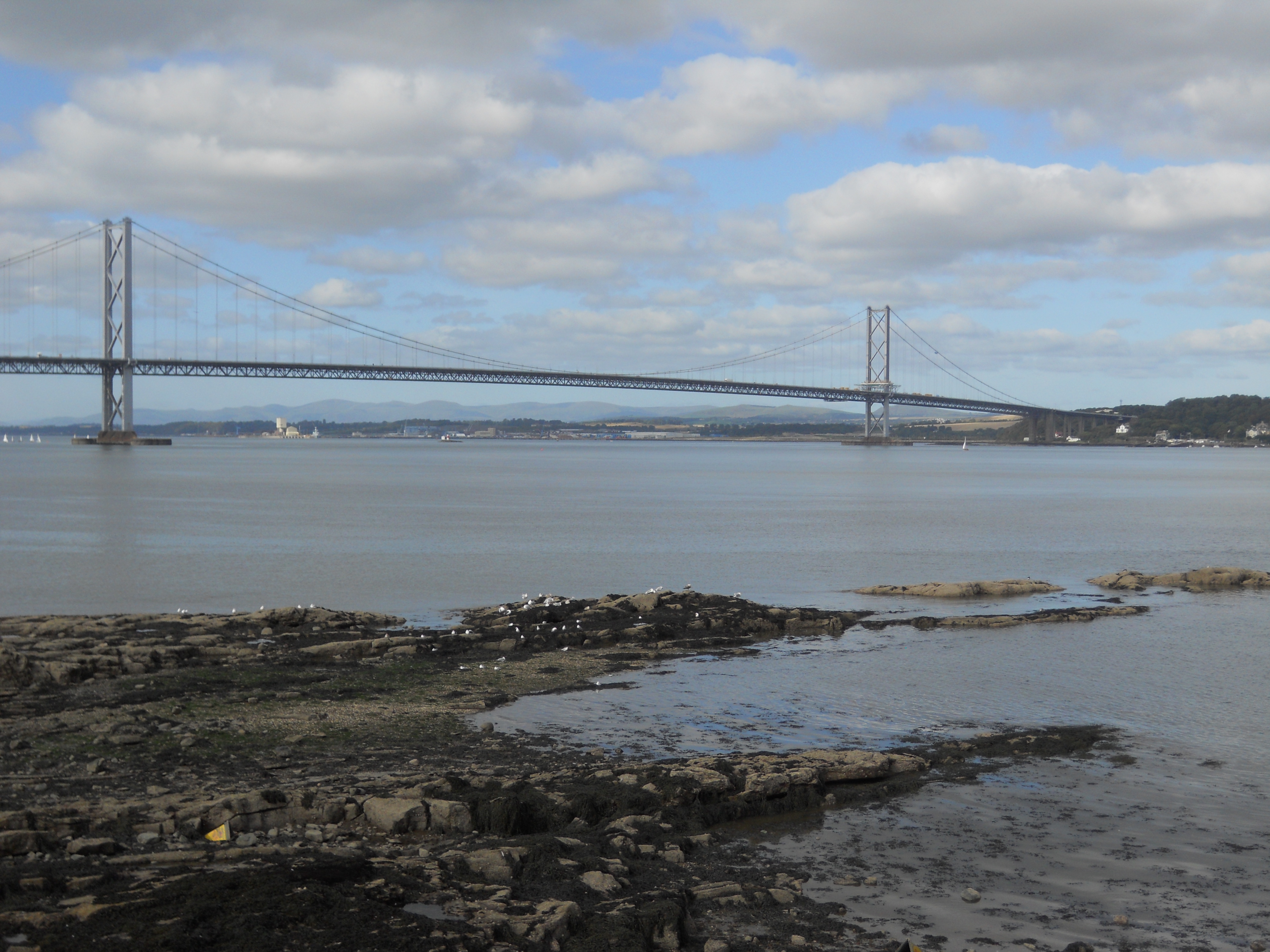
The Forth Road Bridge
It is rather ironic, that if I could return to this spot in 2100, it would be more likely that the older rail bridge would still be carrying traffic, whereas, it would appear that the road bridge will have to be closed by 2020.
So much for modern engineering!
Welcome to Edinburgh Waverley
In the last few weeks, I’ve been in and out of Edinburgh Waverley station several times and to be fair it is not one of the best. It always seems dark and crowded, information provision is minimal and unless you take a taxi, you always seem to have to walk up endless flights of stairs. I know there are lifts, but I can never be bothered to wait. How too will it interface with the tram? I doubt without lots of steps!
I suspect though that it’s really one of these cases of the station being built in the wrong place for the 21st Century.
On my trip to Inverness, the Driver Manager told me that there were plans to improve Edinburgh Haymarket, so perhaps in a few years time, it will all be a lot better.
It is interesting to compare Waverley with Glasgow Queen Street, where the station is much lighter and the access into the station seemed generally level.
Doncaster to Edinburgh
I had a few minutes to change trains at Doncaster, before I got on the fast train towards the North. I’d known when I booked that the last part of the journey to Edinburgh would actually be a coach as they were doing substantial work in the Morpeth area. At least though when I got in the Scottish capital, I knew that it was perhaps a ten minute taxi to a comfortable bed in my friend’s house.
Doncaster is a station that has had a serious makeover with most of the facilities modern and up-to-date. But I don’t know, but it just lacks something.
Perhaps, stations should be destinations in their own right.
I know St. Pancras International is in a different league from every other station in the UK and possibly Europe, if you believe some of the statements of the head of SNCF, but I believe all stations should aspire to be a little bit like that station.
If say you are meeting someone in the station, it should be a pleasant place to wait, have a coffee, read the paper and perhaps watch the trains coming and going.
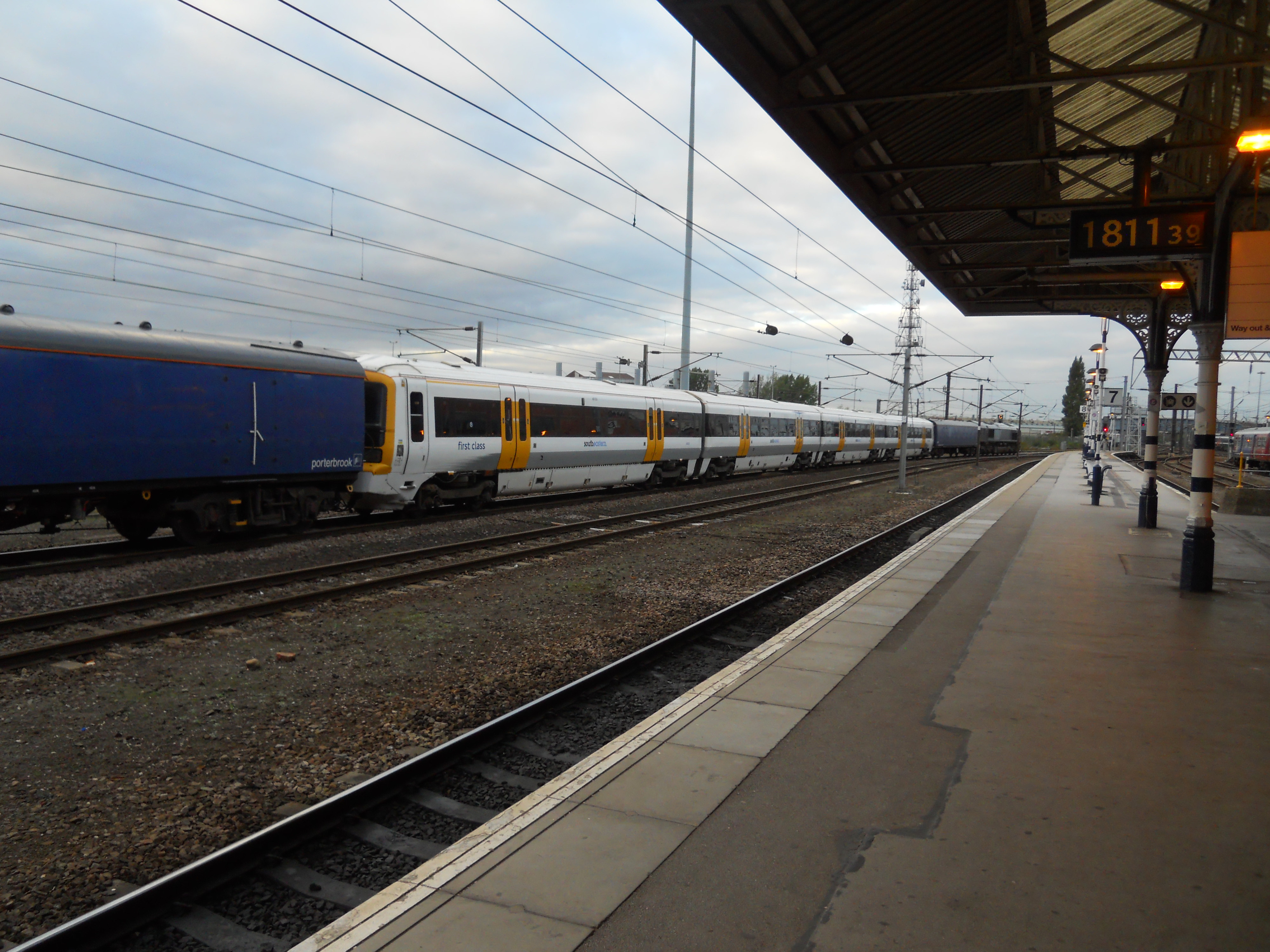
Moving a Train
The picture shows a Southern train from the routes south of London, probably being moved to the works at Doncaster or York for repair or refurbishment. There is a lot of movement at a station like Doncaster.
Stations should also be places for business meetings, so that say if you are based in london and want to meet your managers from say Hull and Newcastle, then perhaps a sensible and productive lunch in the middle would be an idea.
I didn’t venture outside of the station, so I don’t know whether their is a nice hotel or restaurant outside or not!
But why not create a sensible cafe/restaurant, shops and perhaps a hotel high up in the station? Many stations have beautifully structured roofs and the proper structure placed up there would compliment them. In some ways, the engineering involved would be similar to that in some of our art gsalleries and museums, where roofs and mezzanines have been created. Space should always be use to the maximum, and now that trains make a lot less pollution, the roof space might be ripe for development
It might not be practical, but so many of our stations are cluttered and there is nothing more than a Costa and a burger bar.
We can do so much better!
It’s just a small point, but to get it right, you must get all the details right. For instance they’d put in nice new toilets in Doncaster, but the toilet roll dispensers were all broken, as they were badly designed.
Coming up, I would have been able to just walk across the platform, but when going north, it meant I had to use the underpass. Perhaps, we should ensure that as many connections as possible are just a short walk on the level! Doncaster, Peterbough and York aren’t too bad. They would also be a lot better, if people didn’t travel with the kitchen sink on wheels trailing behind them.
I was travelling very light and all I had was just a shoulder bag, that carried a spare pair of knickers and socks for each day I was away and a shirt for every two. I didn’t bring a laptop, as I’ve now come to the conclusion that every gram is something else to carry and more strain on my decrepit body.
We arrived in Newastle on time and whilst others were dreading the bus, I was being philosophical. There was a bit of a scrum at the coaches, but I was on quickly and managed to get a double seat for the nearly three hour trip. I think it could have been better organised with perhaps a few coaches going direct to Edinburgh, rather than having to drop off perhaps one person at Berwick and Dunbar. Some American passengers were getting distinctly edgy, as they’d only got into Heathrow that morning. They’d have probably changed their plans, if they’d known about the coach, but then the information their agent got in the US seemed to be incomplete. Travel agents are to me the lowest of the low, as they always book you on the route that gives them the most commission, so possibly East Coast pays better than Virgin! We are lucky in that we have two equally fast routes to Scotland from London and you should use the one that is more convenient, not the one that is obvious.
Three Good Things About Scunthorpe
Other than the coffee and Raz and his excellent taxi, there is only one other thing good about Scunthorpe. Or should we be polite and call it Shorpe! And that is the TransPennine Express, that gets you out of the town.
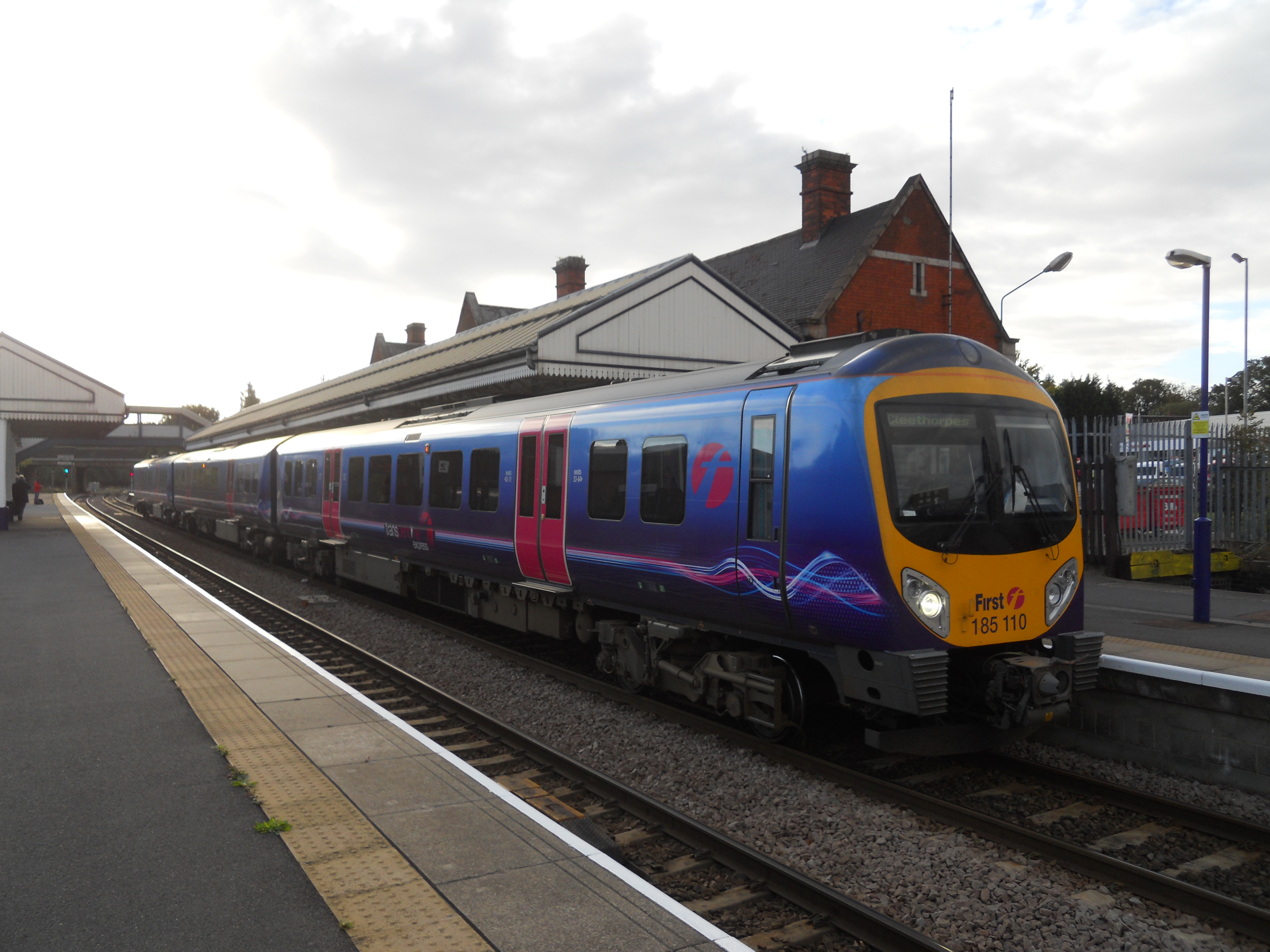
TransPennine Express at Scunthorpe
I took one of these trains as far as Doncaster, where I headed north towards Edinburgh.

