My Freedom Pass Failed South of the River
I’ve indicated before that London has always been two cities; my side of the North and the other side of the South.
Now I’ve got nothing against those who live south of the river and in fact some of my friends live there, but it’s a different country. It’s nothing new, as my father said that the two sides didn’t agree on anything before the Second World War. I blame it on Arsenal’s move from south of the river to Highbury. It was almost as bad as Wimbledon going to Milton Keynes.
But that still doesn’t explain, why my Freedom Pass wasn’t accepted at Elephant and Castle, either coming out or going in. However, in both cases, the helpful staff let me through.
Do the barriers read your DNA and if it’s from the North, you’re barred? We should be told!
Why Is The Jubilee Line Always Delayed?
Or it seems to be when I go near it!
This morning I went to Elephant and Castle and passing through Monument, an announcement said that all lines on the Underground were running well except for the Jubilee.
It always seems to be like that. Could it be, that as it was built to be finished by the Millennium for the do of the great-and-good at the Doom, that it wasn’t done properly? Or was it NuLabor couldn’t afford the bribe to keep the workers on the job, so they left out a few important wires?
As it was, today it didn’t matter, as I took the Bakerloo from Embankment. But it was still suffering delays, when I came back!
The Anagram Tube Map
The title says it all. But if you must look at it, it’s here.
It’s just a pity, it’s not up to date.
Bus-Top Art
The stop at the end of my road has got one of the new video displays, which are part of bus-top art.
I tried to get a picture of the art this morning, but failed. Perhaps it wasn’t switched on yet. Or perhaps, the angle is wrong from a new hybrid 76 bus.
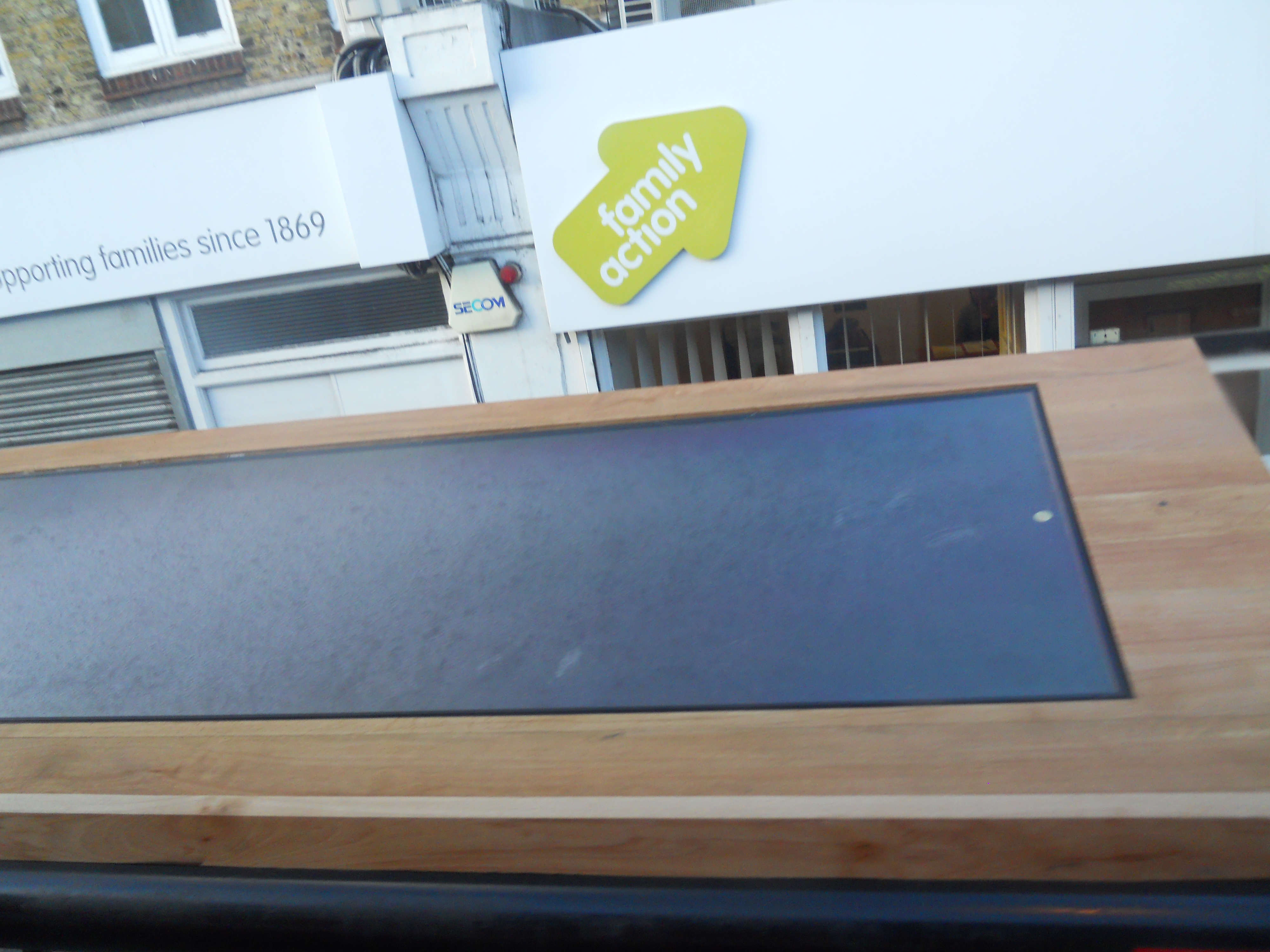
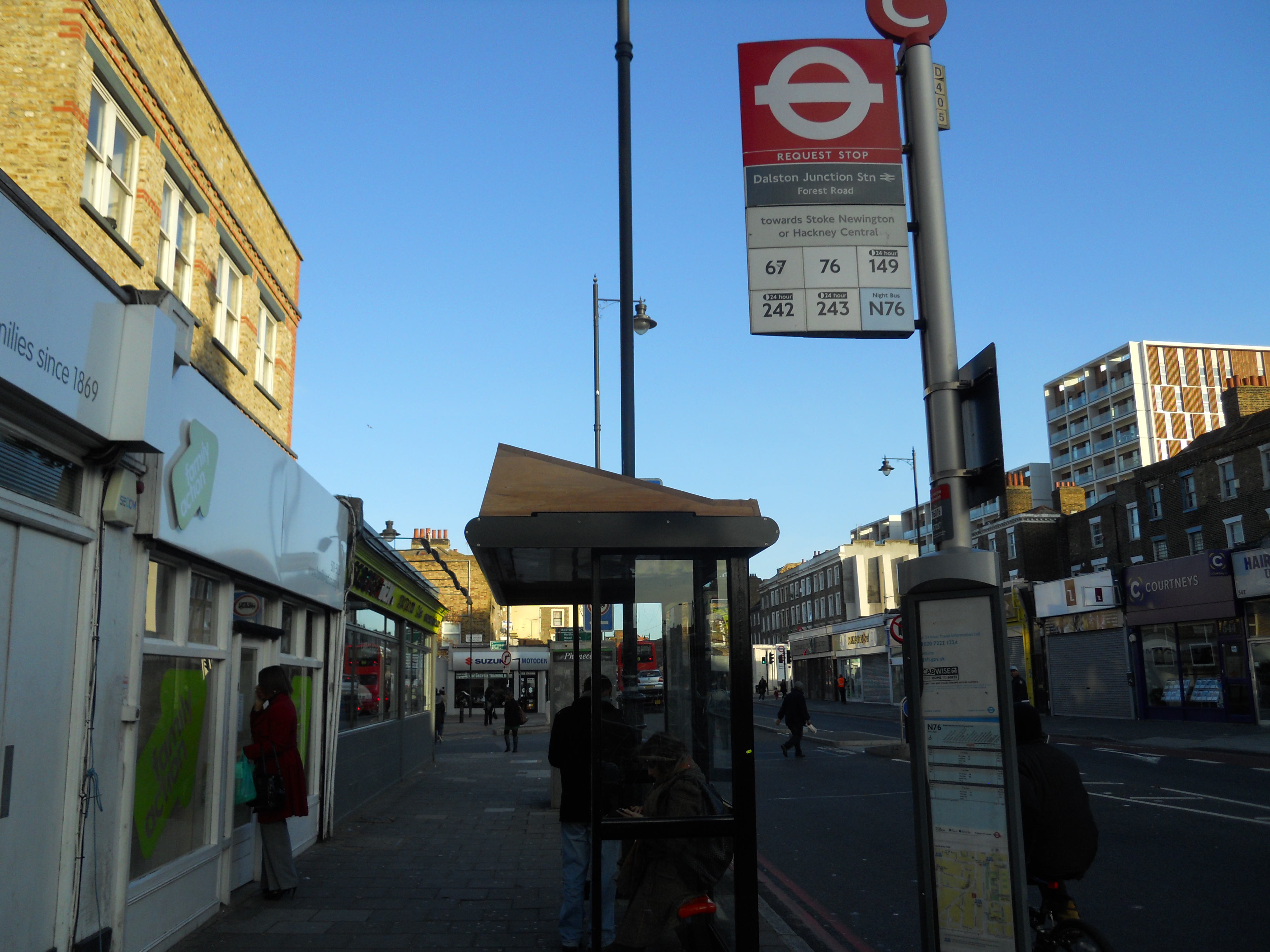
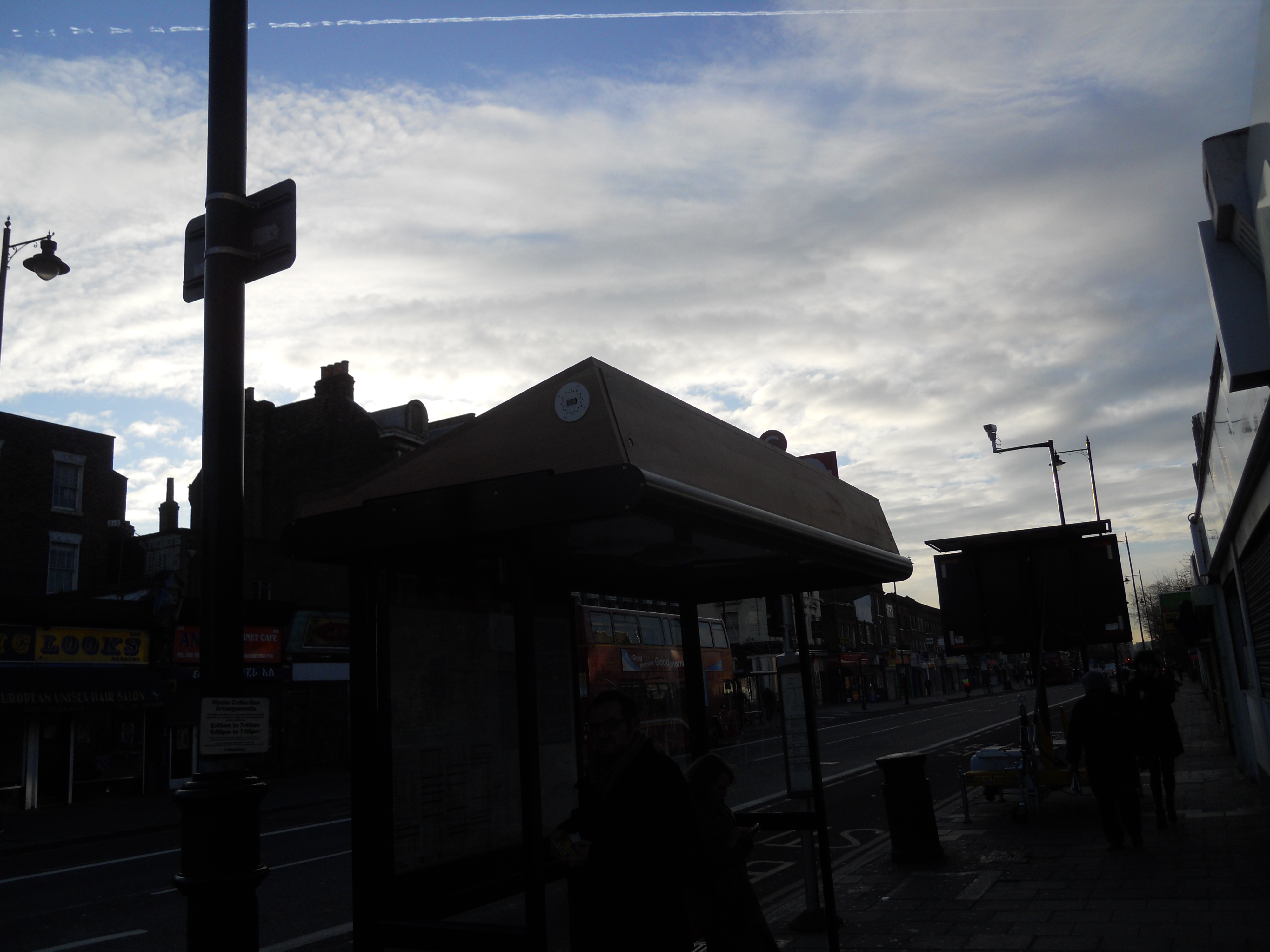
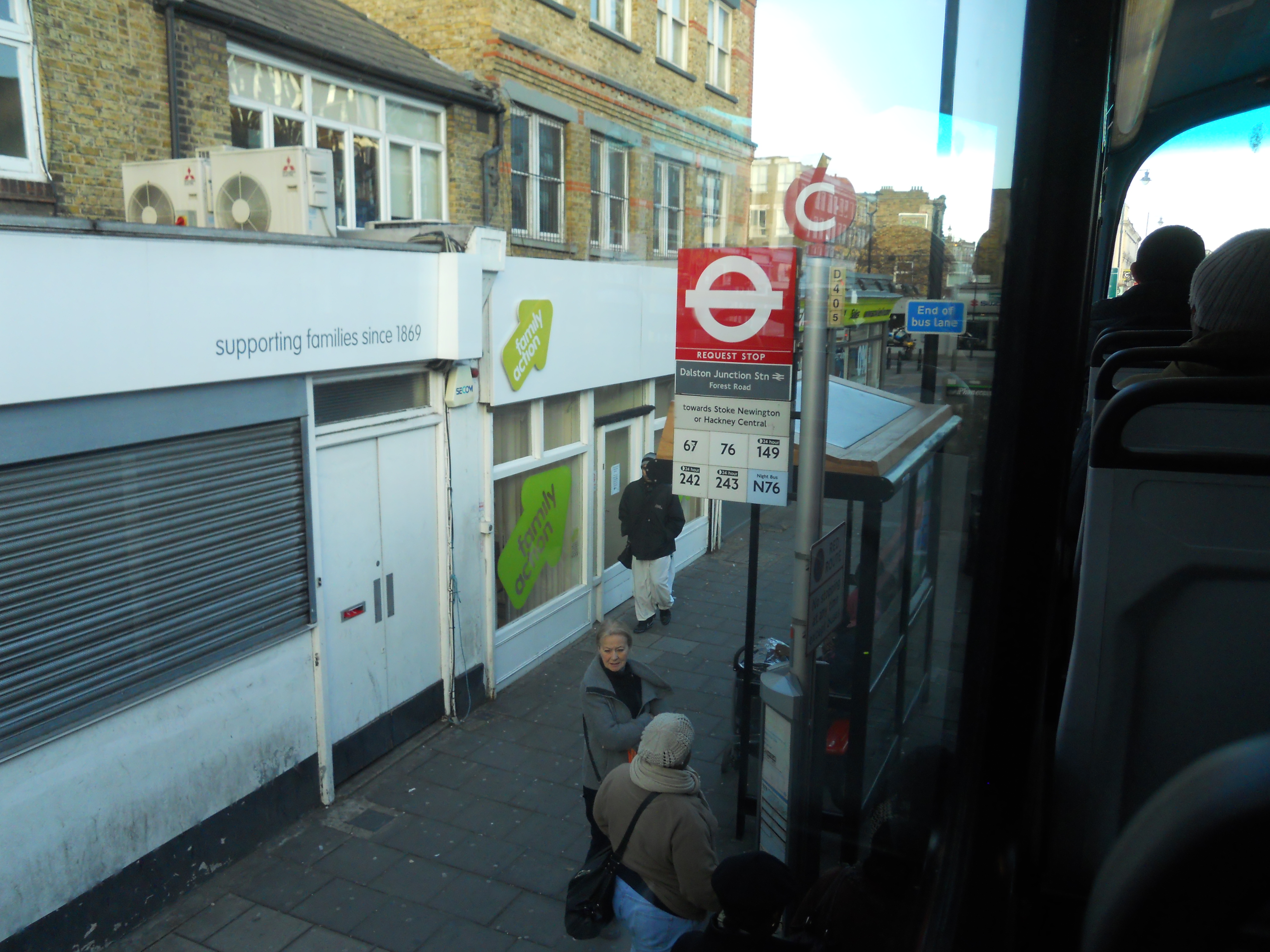
It is all part of the London 2012 Cultural Olympiad.
It will be interesting to see it, when it’s working properly.
Here is a video I took on February 16th, 2012
The camerawork could be better, but it does show the concept.
The Emirates Air-Line
This is the cable car over the Thames sponsored by Emirates.
Construction has started on the south bank of the river by the O2.
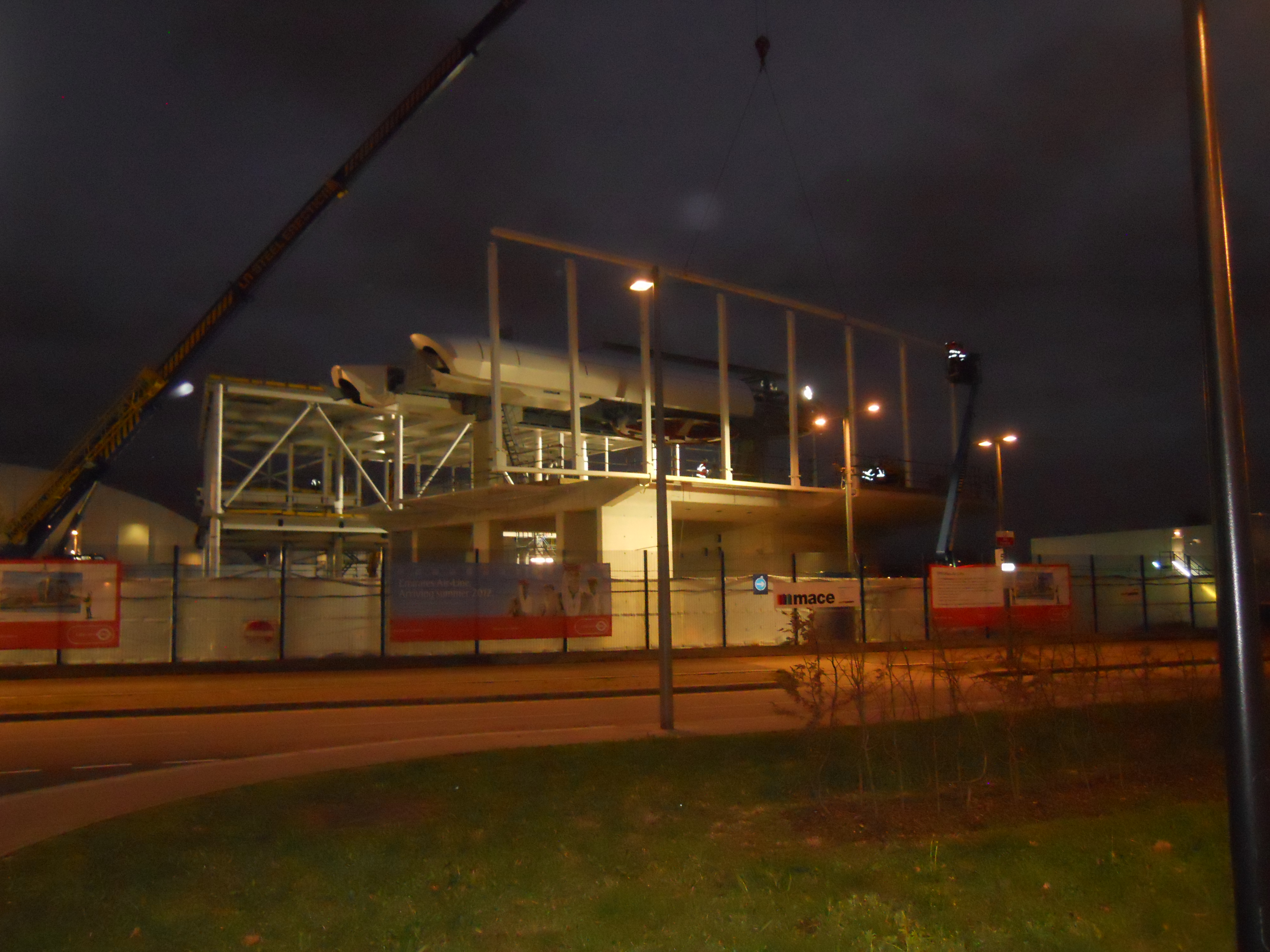
The Emirates Air-Line
This cable car has been talked about for many years and it looks like it will finally be built.
The Success of the East London Line
I found this article on the web. It predicts that in 2011-2012 they’ll be a large increase in passengers on the East London Line.
Here’s the first couple of paragraphs.
The London Overground network has “grown faster than anticipated” with nearly three and a half times more journeys made per week in 2011 than in 2007, according to a TfL report on the train operator. Nearly two million journeys were made per week in September last year compared with 0.6 million in 2007.
But the increase has led to higher levels of crowding, and the local government body predicts that there will be 100 million journeys made on the service in 2011/12 as user demand proliferates this year due to predicted popular events including the Olympic Games and the Queen’s Jubilee.
I think it proves that building new rail lines or improving old ones encourages a lot of people to use trains.
The Rubbish Talked About HS2
I listened to some of the phone-in about HS2 on Radio 5 this morning, but gave up after most of those in the discussion, weren’t letting facts get in the way of a good selfish argument.
So here’s a few facts and my observations.
The West Coast Main Line is rather a nightmare. It is overloaded now and longer and bigger trains would probably only mop-up a small amount of the increase in passengers that will happen in the next few years. In my travels any Virgin train to or from Glasgow was severely overloaded and this section needs action now.
It was intended that the speed limit on the line would be increased, but because the line isn’t very straight, the cost would be high both in monetary terms and also in blockades whilst it was upgraded. Wikipedia says this about the reasons for the bad design of the line.
Because of opposition by landowners along the route, in places some railway lines were built so that they avoided large estates and rural towns, and to reduce construction costs the railways followed natural contours, resulting in many curves and bends. The WCML also passes through some hilly areas, such as the Chilterns (Tring cutting), the Watford Gap and Northampton uplands followed by the Trent Valley, the mountains of Cumbria with a summit at Shap, and Beattock Summit in southern Lanarkshire. This legacy of gradients and curves, and the fact that it was not originally conceived as a single trunk route, means the WCML was never ideal as a long-distance main line.
The East Coast Main Line is better, but it doesn’t solve the problem on the western side of the country.
So those who talk about increasing the capacity on the West Coast Main Line had better look at the engineering problems involved.
Christian Wolmar, a respected commentator on rail, said on television this morning, that the money for HS2 would be better spent on improving local tranport in cities and large towns, by providing trams and better bus services. He has a point, but there is one fault in his argument.
If we take Manchester as an example, where the tram system is being substantially developed, this will make it easier for long distance travellers to get to Manchester Piccadilly and the West Coast Main Line. If trams are frequent and have substantial car parking outside of the city, it may well persuade many more to take the train rather than driving.
So in fact, his plan will in the long term increase the long distance train traffic increasing the need for long distance services from Manchester and in a decade or so for HS2.
More passengers will also be brought to the line, by improvements to cross country and branch lines. Some of these like Manchester to Leeds are scheduled to be electrified and this can only attract more passengers to the fast London lines, where their local station has no connection.
One point on this is that Network Rail is investing in a special overhead line installation train, that can install a mile of overhead wiring every night with only minimal line closure. This will mean that some lines where only a marginal case exists now, will be electrified. An example is possibly from Felixstowe to Nuneaton via Peterborough, which would allow freight trains to be electric hauled all the way to the North of England and Scotland.
Another big problem is freight, which most would feel is better carried by rail to and from the ports to where it is needed. A few years ago, Felixstowe had just three freight trains a day out of the port. Now it’s a lot higher. Much of the freight will come and go through Felixstowe, Southampton and in the future the new London Gateway development and it will need to be either collected from and delivered all over the country. This would add greatly to the number of freight trains going everywhere. Many of course, will have to go up to Birmingham, the North West and Scotland.
So whatever we do we’ll have to find some way to take the freight north or alternatively free up the West Coast Main Line, by building HS2. Or do we put more trucks on the motorways and clog them up?
Those that propose upgrading the West Coast Main Line with longer and bigger trains, forget one problem, that under the current plans also applies to HS2. And that is what to do with the totally inadequate station at Euston. Of London’s main stations it is one of the worst, as I said here. It will have to be rebuilt whether we build HS2 or not. It really doesn’t have the good ongoing transport links that Kings Cross, Liverpool Street, London Bridge and Paddington have or in some cases will have after Crossrail.
In fact it could be argued that if HS2 has a station at Old Oak Common, this might be a better London terminus for that line, as it links to Crossrail, the Great Western Main Line and possibly Heathrow.
There are also a lot of technology that will make HS2 better from an engineering, environmental and passenger point of view.
For a start tunnelling technology has improved substantially in the last decade or so. If you look at the speed of building the Crossrail tunnels, I think that this shows a big increase to the similar tunnels bored for HS1. Having listened to Justine Greening’s statement in the House of Commons, this improvement is being used to put more of the line underground. We may actually be getting to the point, where tunnels are cheaper to build that lines on viaducts.
We also know a lot more about how to minimise problems when we build large projects. Crossrail for example seems to be causing a lot less problems with construction than HS1 did. Admittedly, it has caused a bit of a problem at some Central London station sites, but no more than say the average large building site or an office block.
Project management has also got a lot better over the last few decades and it is much more likely these days that a large contract is built on time and on budget. Provided the politicians and the civil servants don’t stick their oar in too much and change the specification, it will be all right in the end.
As the Sunday Times pointed out at the weekend design is getting better and the trains on HS2 could be a lot better than Eurostar. We might also see other technologies like anti-noise cutting the noise signature of the trains.
It has also been said that passengers won’t use HS2 because it will be too expensive and too much hassle. But here is where technology will help, in such things as buying tickets, where hopefully we’ll see a touch-in touch-out system like Oyster.
So the doom-mongers will continue to knock HS2, but it has a lot going for it.
The trouble with rail projects, is that if we had a referendum about spending £32 billion on rail or the same amount on roads, the public would vote for the roads. But within a few years they’d be just as gridlocked.
The Scottish Independence Referendum
The phone-in on BBC Radio 5 this morning, was about the possible Scottish Independence Referendum, which is being debated by David Cameron’s cabinet today.
I should say, that I don’t care much, whether Scotland is independent from the UK or not. after all, there would be one big advantage to England if Scotland were to be independent.
It would mean that the result of UK General Elections would not be skewed because of the overwhelmingly left-facing vote north of the border. It would also mean that policies for England would not be decided in a Parliament, where many of the members had no electoral connection to England, but still voted on English law. Tam Dalyell posed this as the West Lothian question and summed it up as follows.
For how long will English constituencies and English Honourable members tolerate … at least 119 Honourable Members from Scotland, Wales and Northern Ireland exercising an important, and probably often decisive, effect on English politics while they themselves have no say in the same matters in Scotland, Wales and Northern Ireland?
I agree with this and it is a running sore to many English voters. Interestingly, to sort the West Lothian Question doesn’t need Scottish independence, but just a simple change to UK law, which would say that on matters of English law, only English MPs could vote. But would the Labour Party give up this right?
There might well be other advantages to England and I won’t debate them here, but I think it is in the interest of the whole of the UK, that the problem is settled one way or another before the end of the current UK Parliament.
Some of the biggest problems do not concern either the UK or the Scottish governments.
Suppose you are the CEO of an airline with a service to the London area, that is thinking of serving a second airport in the north of the UK. Obviously, your choice is between Manchester, Edinburgh and Glasgow. But which? Uncertainty about the status of Scotland in the UK doesn’t help your decision. From my experience of the trains between Manchester and Scotland, it would appear that Manchester is getting the business, as opposed to Glasgow or Edinburgh. Note these points too.
- In 2010, Manchester was used by slightly more passengers than Glasgow and Edinburgh combined.
- The Scottish airports are not connected directly to the rail network. Manchester is and is due to get extra connections in the next few years.
- All airports have direct air links to either Gatwick, Heathrow or Stansted.
If Scotland’s status in the UK were to be sorted long-term, it would be a much easier decision.
There are a lot of other business decisions that are suffering from the same uncertaincy.
I actually think that the biggest problem with any Scottish referendum, is that no matter how it is written, it would not give a clear-cut result, that would satisfy everybody.
There could be three possible boxes on the ballot paper for a referendum.
- Complete independence for Scotland.
- More devolution for Scotland.
- Carry on as we are now.
The Scottish Nationalists would be very happy with one and possibly two. But as time progressed, I suspect that if they didn’t get complete independence, they’d come back again and again until they got the result they wanted. The uncertainty would be bad for Scotland and not very good for the UK. So in my view David Cameron is right to insist on an early binding referendum to put the issue to bed, once and for all. It would appear that the Scottish Nationalists want the referendum in 2014, as it’s the seven hundredth anniversary of the Battle of Bannockburn. I actually think that would be a recipe for a lot of trouble, that no-one wants.
The English would also like to bury the argument and most would be happy if Scotland became independent, as it would mean no Scottish interference in matters purely of interest to the English. Remember too, that the last two Scottish Prime Ministers of the UK, are not held in much affection in England. I think too, that the English would also be happy to go along with a very definite vote for the status quo, providing that the West Lothian Question was settled and there was no chance of another referendum for at least fifteen years or so.
I feel a bit sorry for the Welsh here, as they were a bit short-changed on devolution by Tony Blair. I do have this feeling though, that Wales will do well economically in the next few years, especially if they get the infrastructure a lot better.
Northern Ireland is a totally different matter and I’ve always believed that it should be united with the south. But that will probably not happen in my lifetime.
To return to the Scottish Referendum, would any political party get a result they want?
Scotland is a much more divided country than England, although both have a lot of regional pride. Edinburgh and Glasgow rarely agree and I’ve read reports in the past, about the islands not wanting independence at all, except from the rest of Scotland.
So it will be very difficult for any party to marshall the voters.
In fact, I think that in a three choice referendum, the Scots are more likely to vote strongly for maintaining the status quo.
So This Is Clapton Pond!
Coming back home yesterday after lunch in Walthamstow, I changed buses at Clapton Pond.

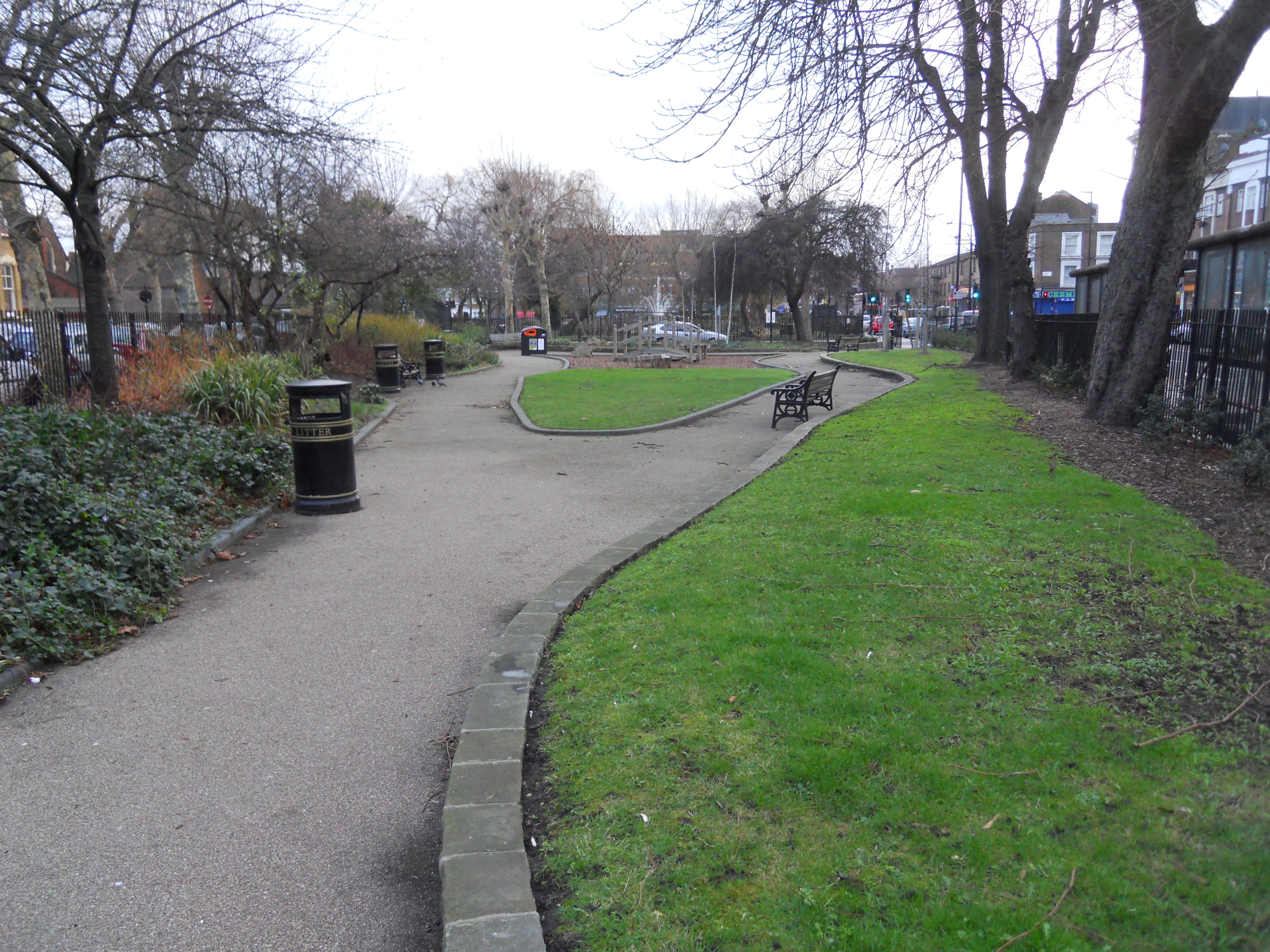

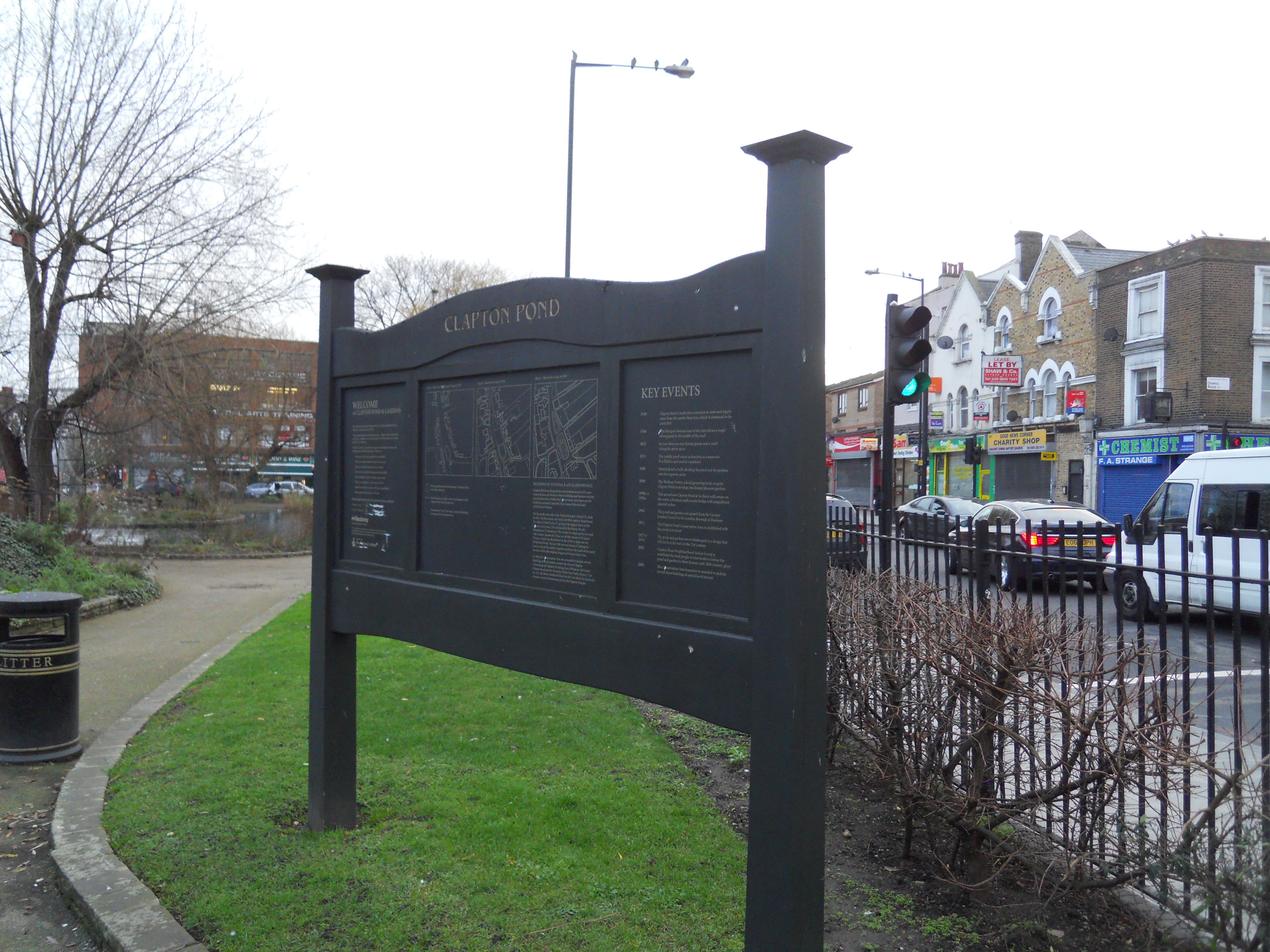
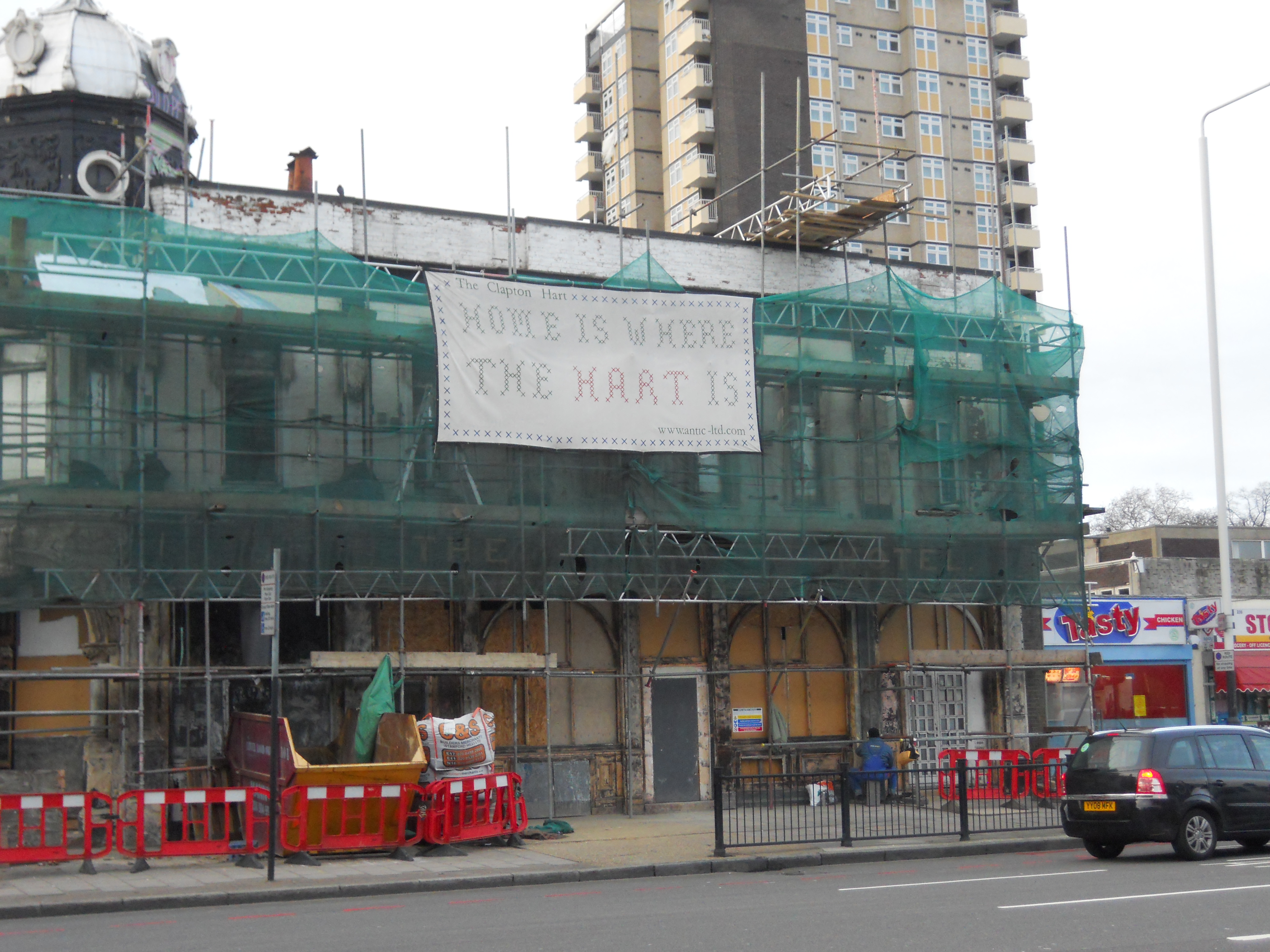
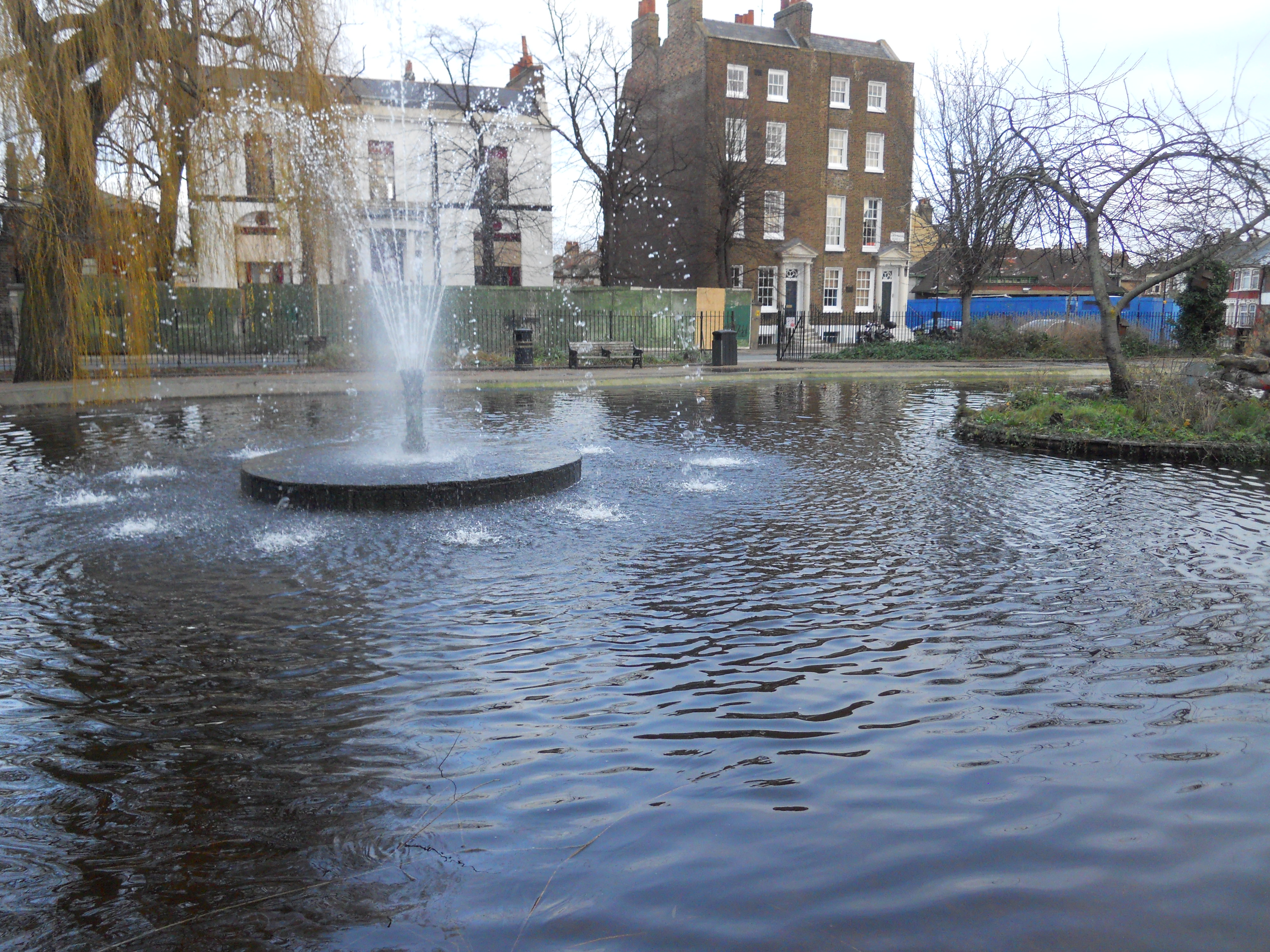
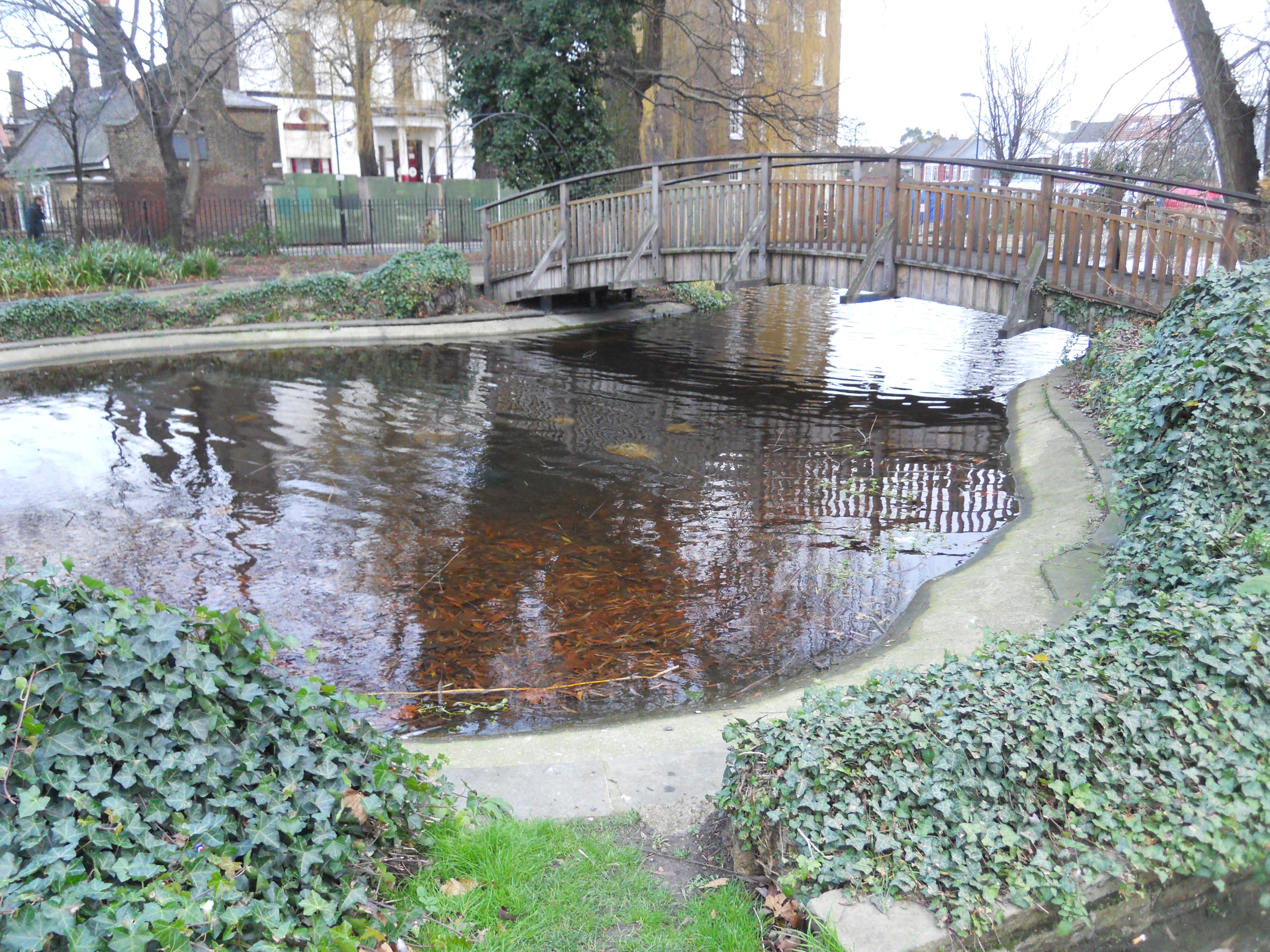
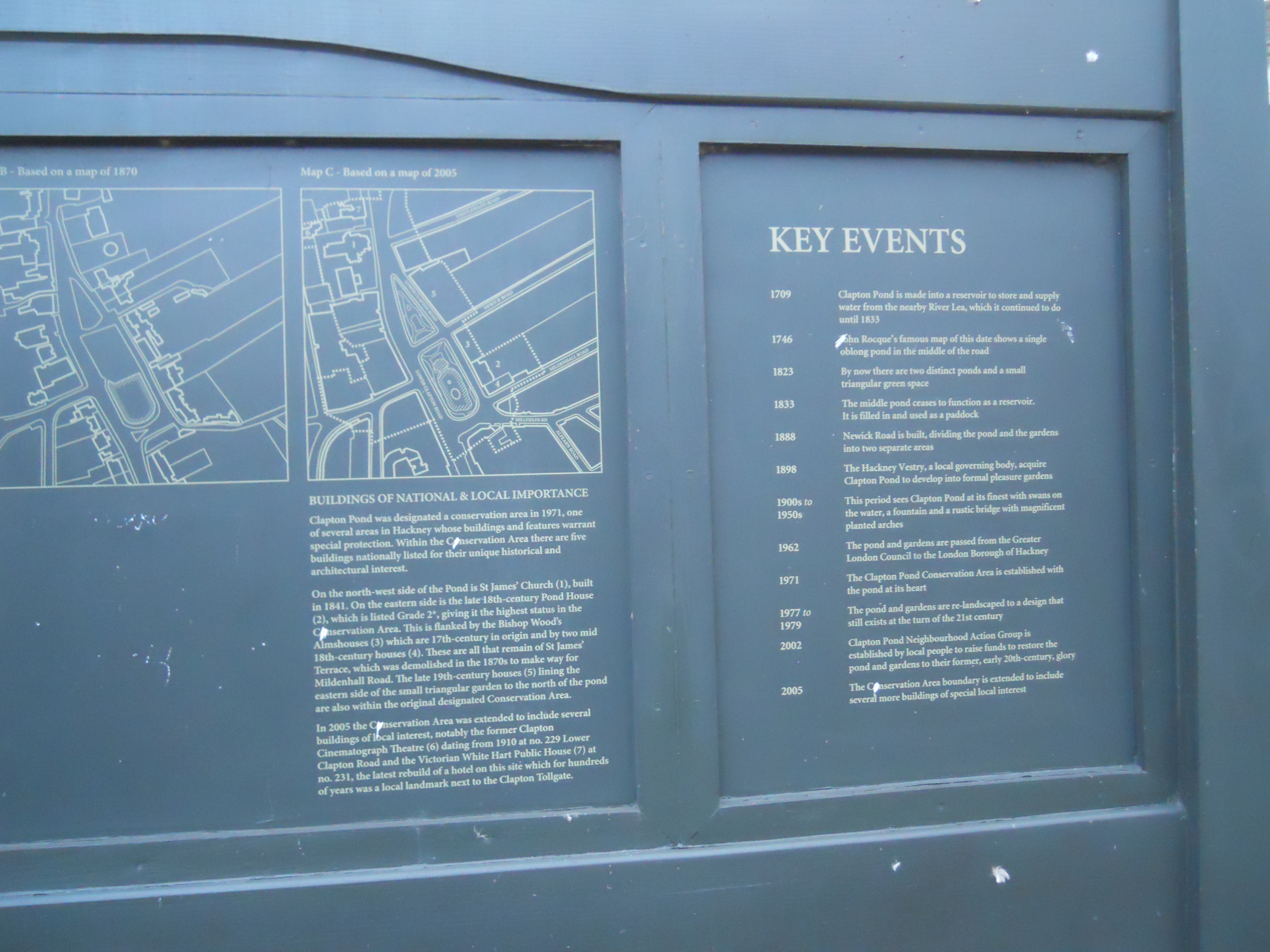

Note the bus stands on the roundabout. This where the 38s turn round. So will Clapton Pond become a tourist destination, when the New Bus for London enters service on that route on the 20th February 2012.
Double-Decker Trains for HS2
According to the Sunday Times today, a design consultancy, Priestmangoode has been asked to make the trains on HS2 as sexy as possible.
I’m all for this and have stated that we should make trains more passenger friendly several times. Here’s a piece where I advocated a better approach to the trains to the West Country and the north of Scotland from London using rebuilt High Speed Diesel Trains.
Transport for London have used this design-led approach on the New Bus for London and I hope it goes well for them, when the bus is introduced next month.
So get the trains right and of course build them in the UK and we might have a railway to be proud of. As someone, who’s travelled from London to Nice on Eurostar and a TGV Duplex, we don’t have much competition from the French. The TGV Duplex may look impressive on the outside, but inside it’s rather cramped and stuffy and the ride is not as good as a High Speed Diesel Train.
 The Anonymous Widower