The Olympics Come In £377 million Under Budget
This has just been announced and you can read about it here in the Independent.
Various commentators and politicians have said that this is all down to good project management.
Sadly, there is no credit given to those that started the project management software revolution in the 1970s. It is truly an unheralded mainly-British software development, of which I played a small part.
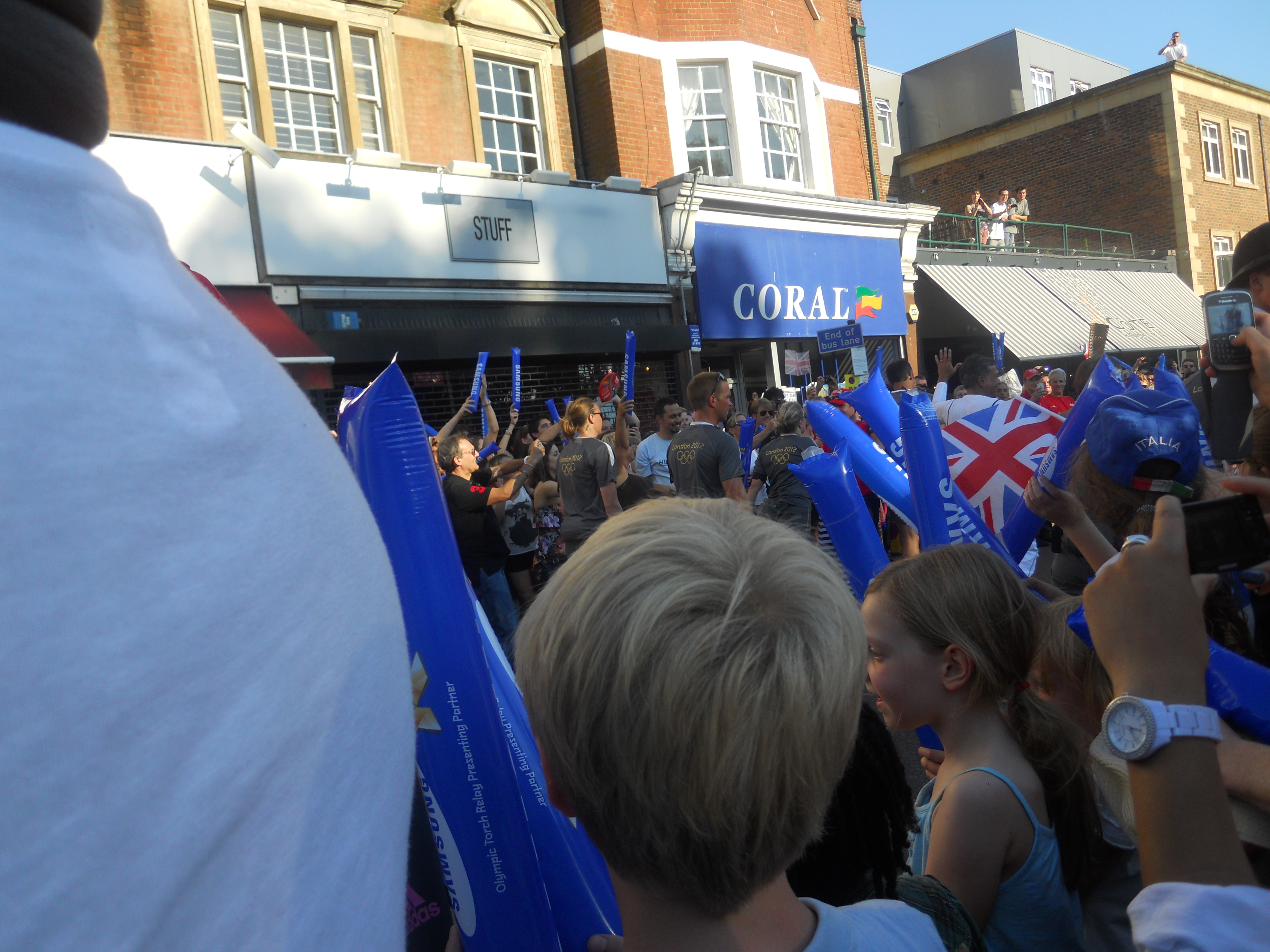
Torch Chasing in West London – Ealing
Today the torch arriving in Ealing, so I took the Central line out to Ealing Broadway station. I took these pictures before and mainly after an early supper in Carluccio’s in Ealing Green.
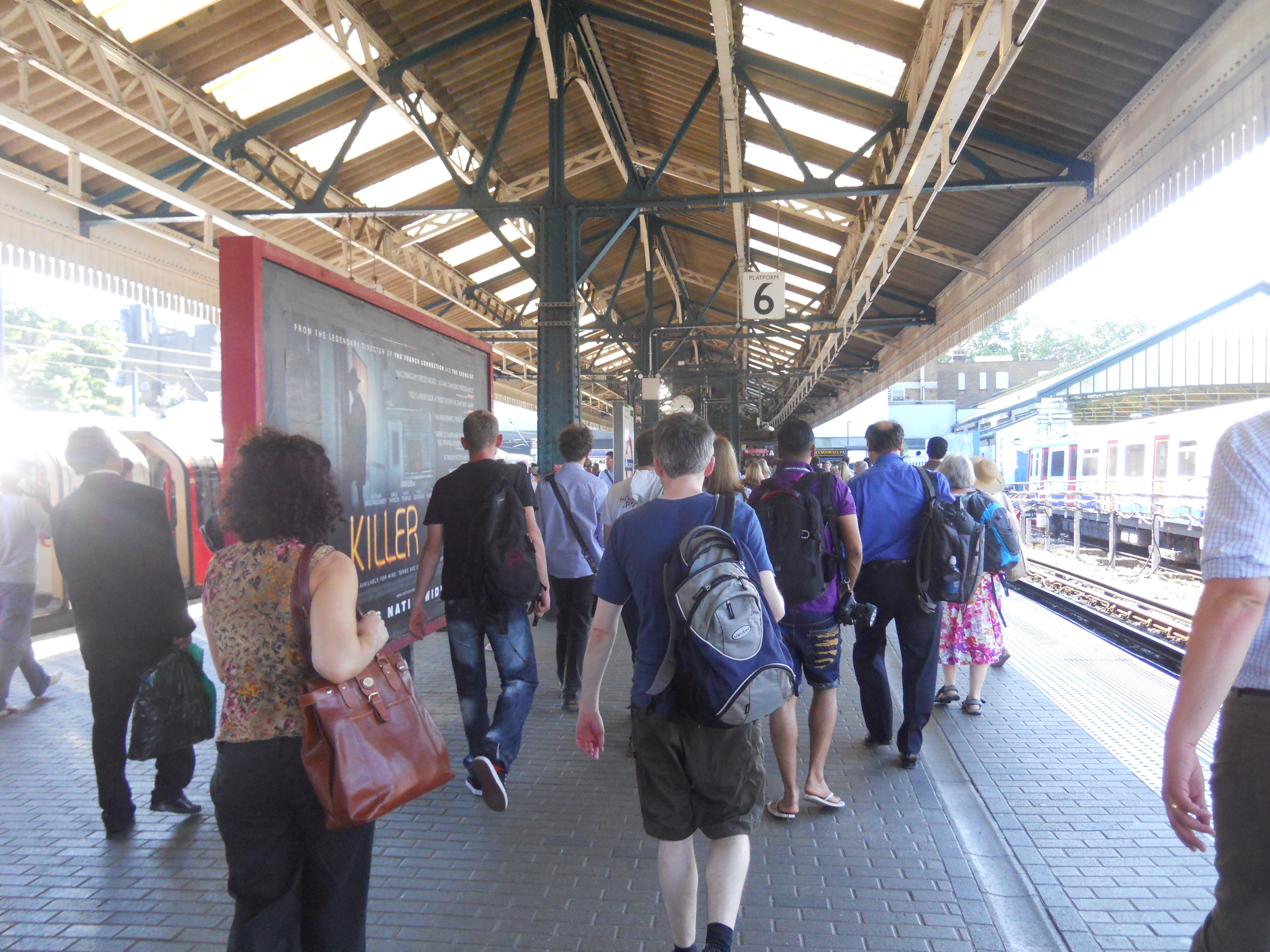


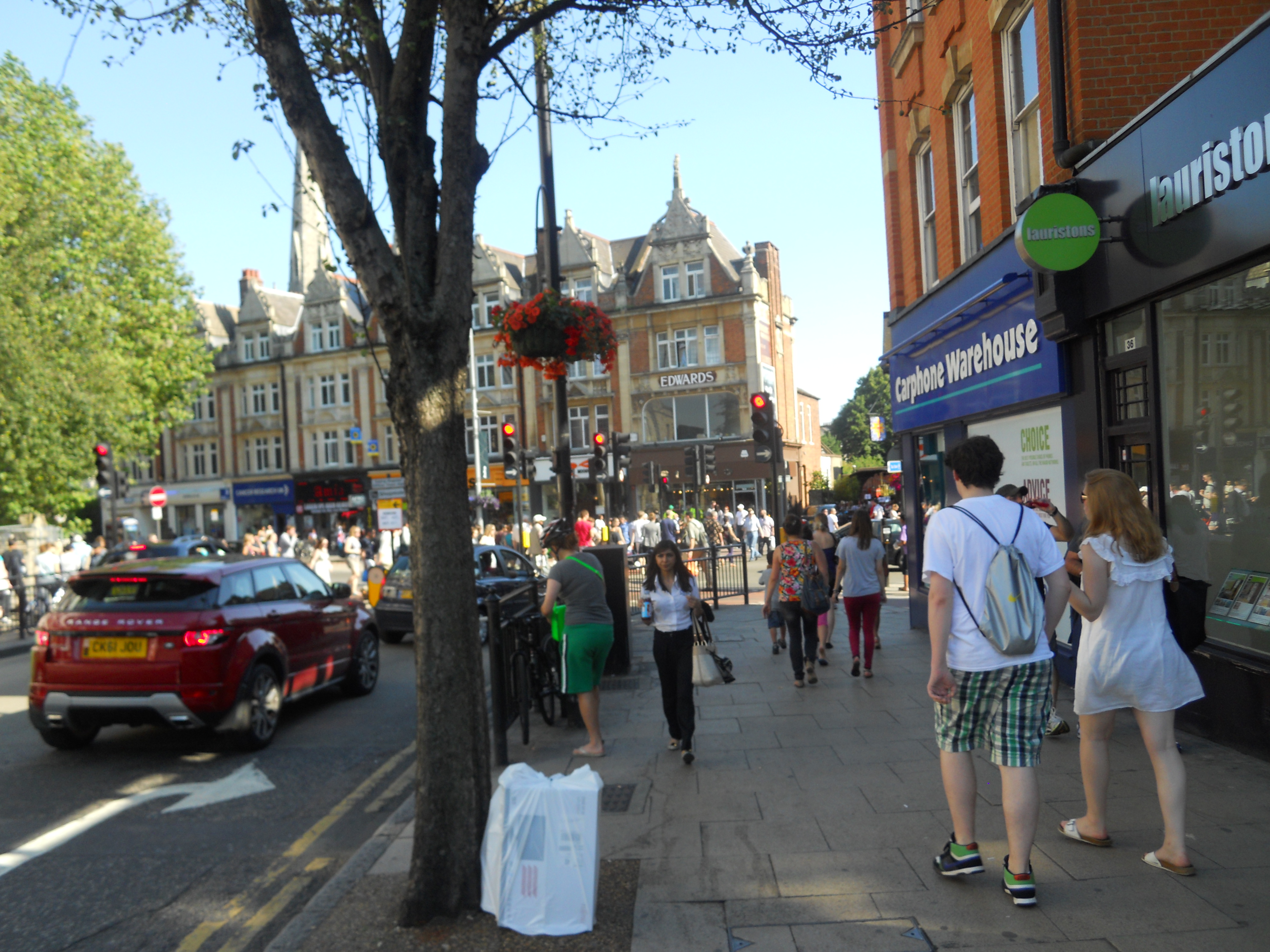
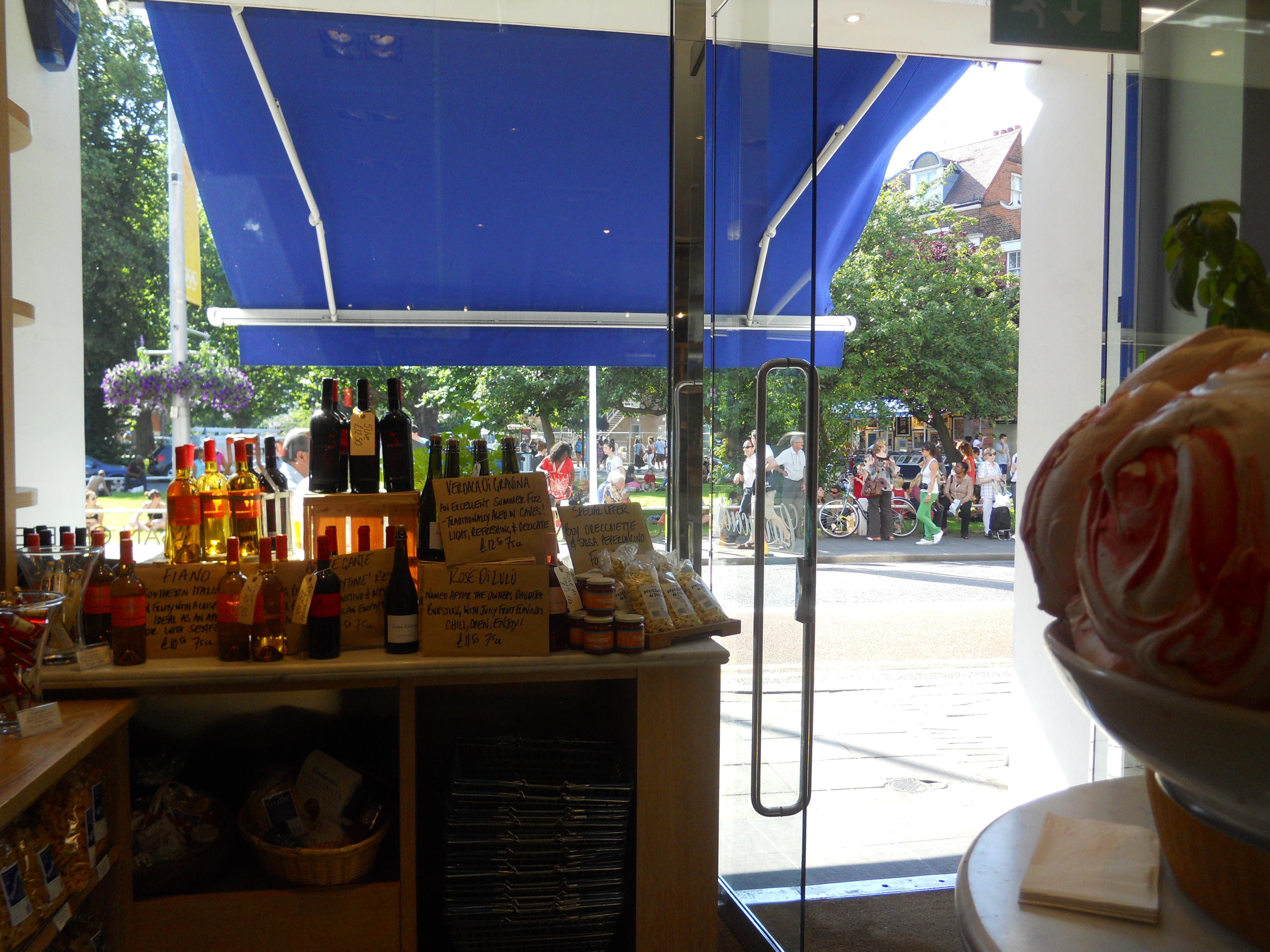
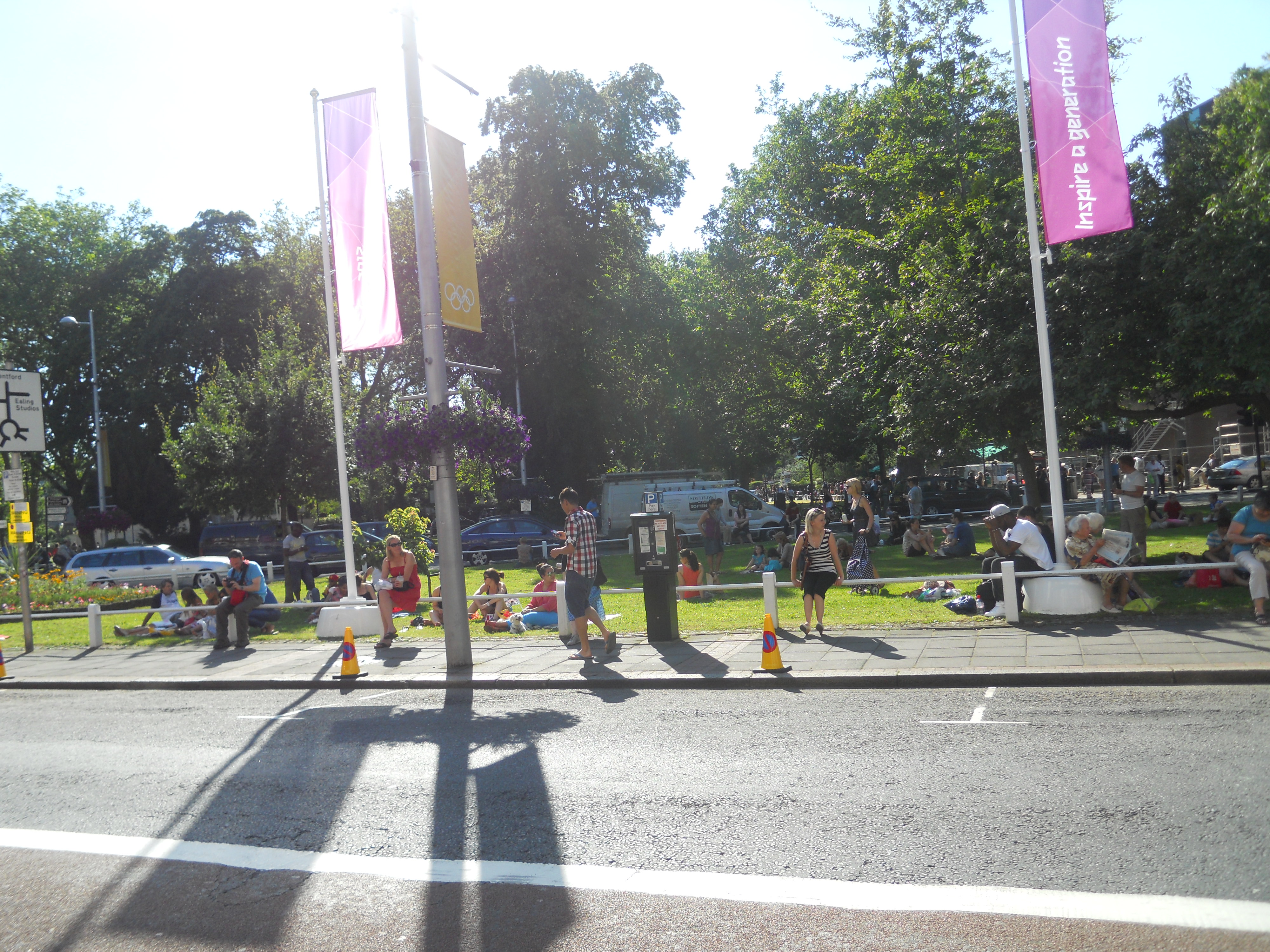
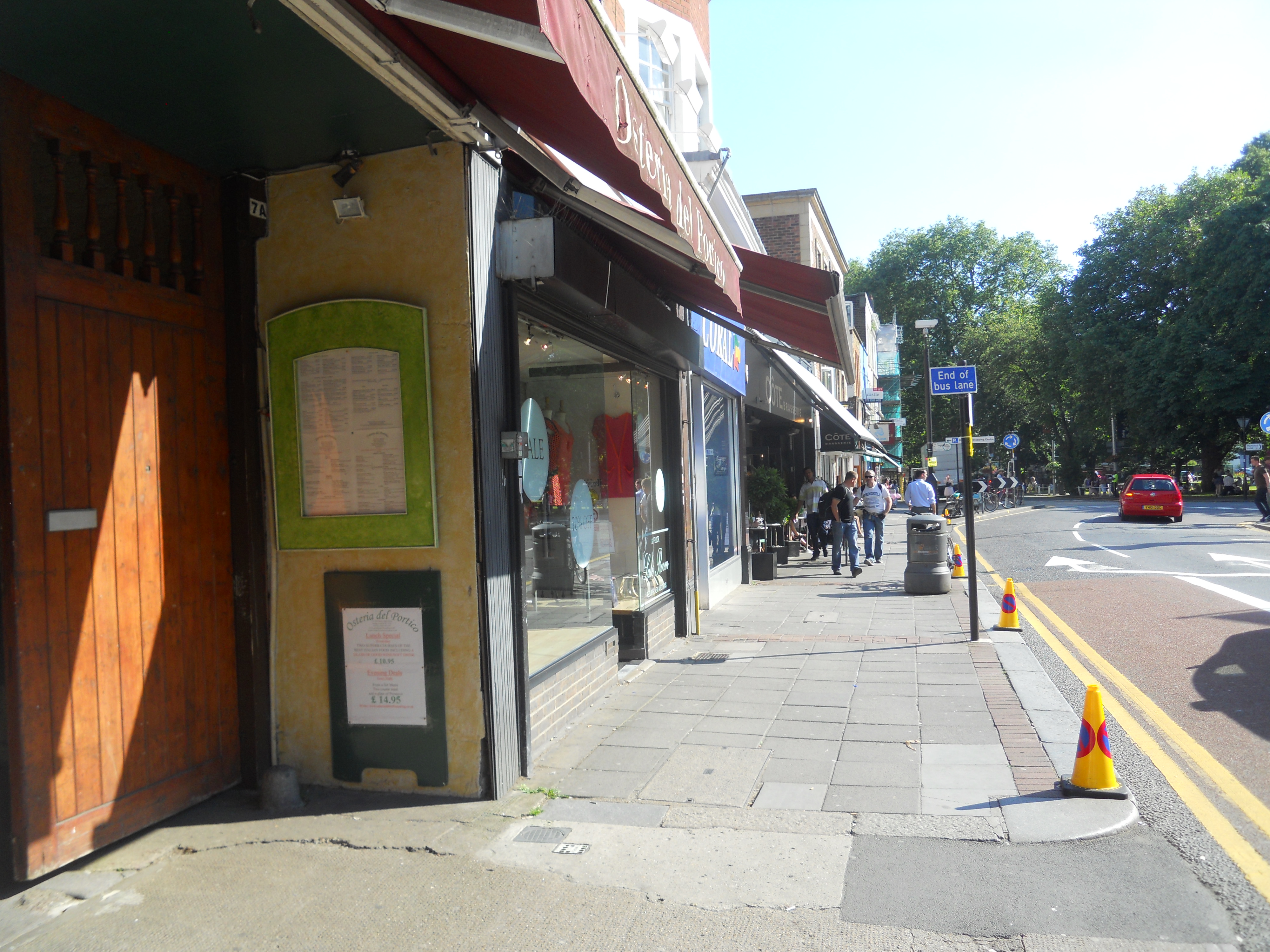
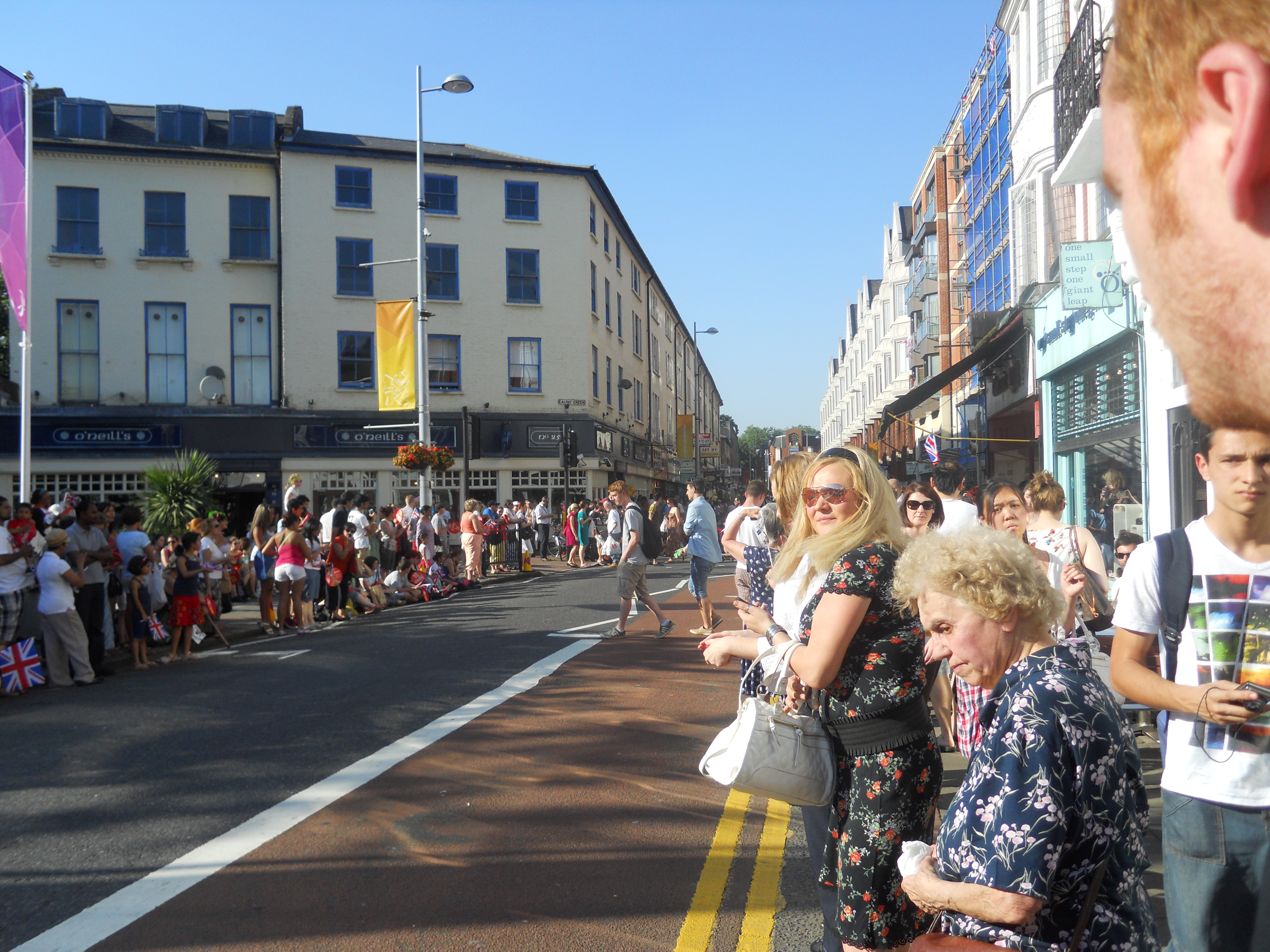
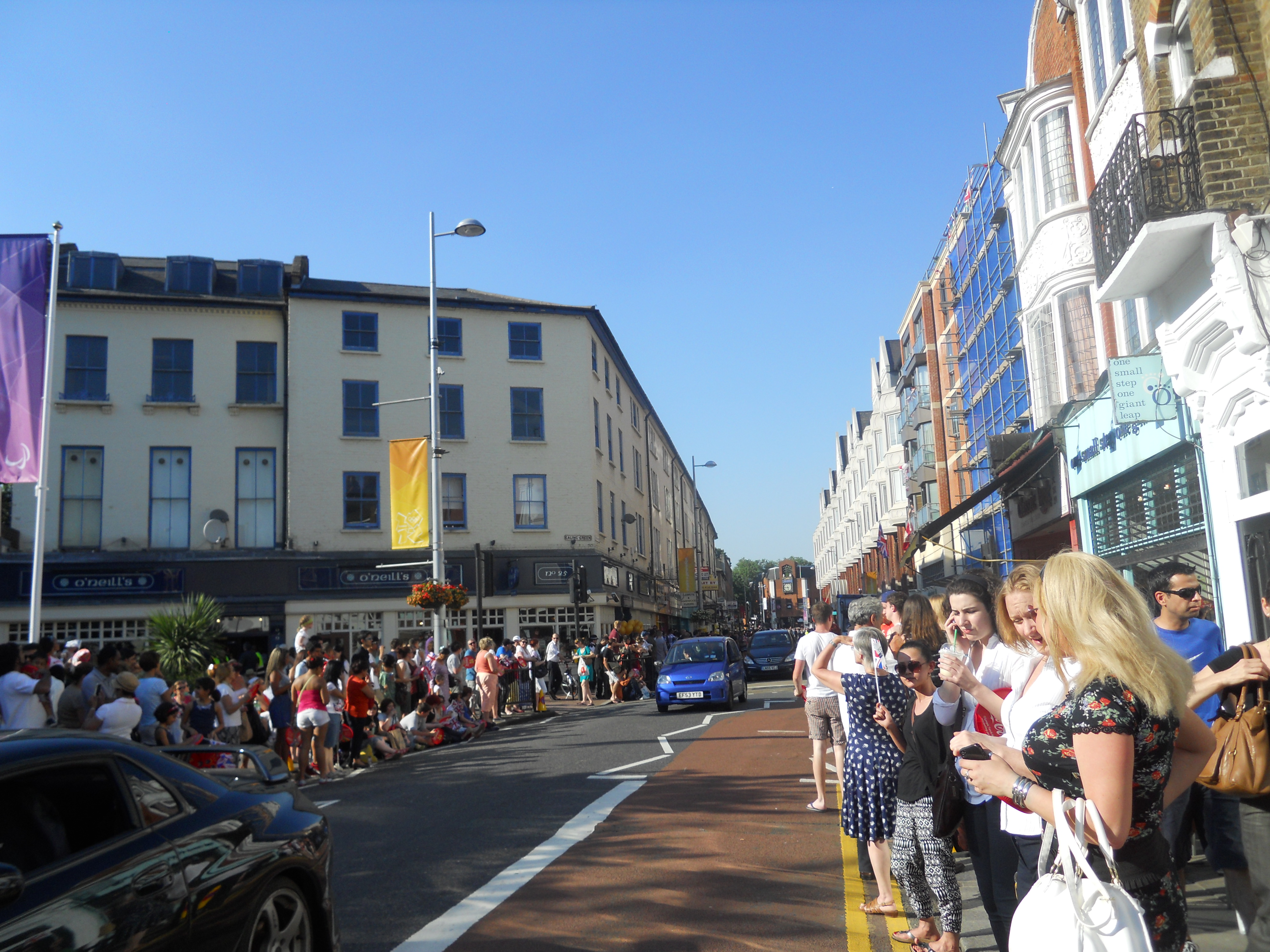
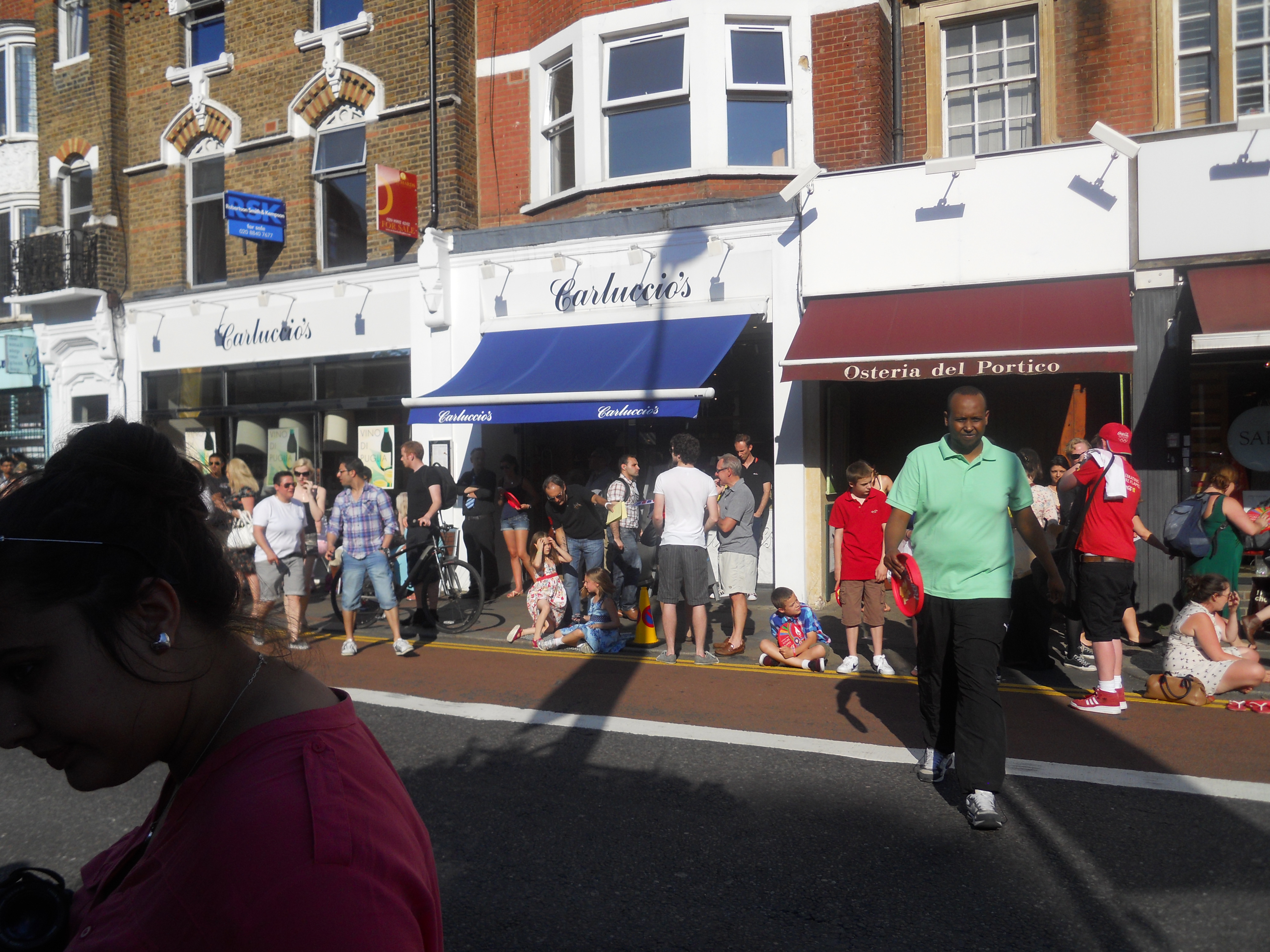
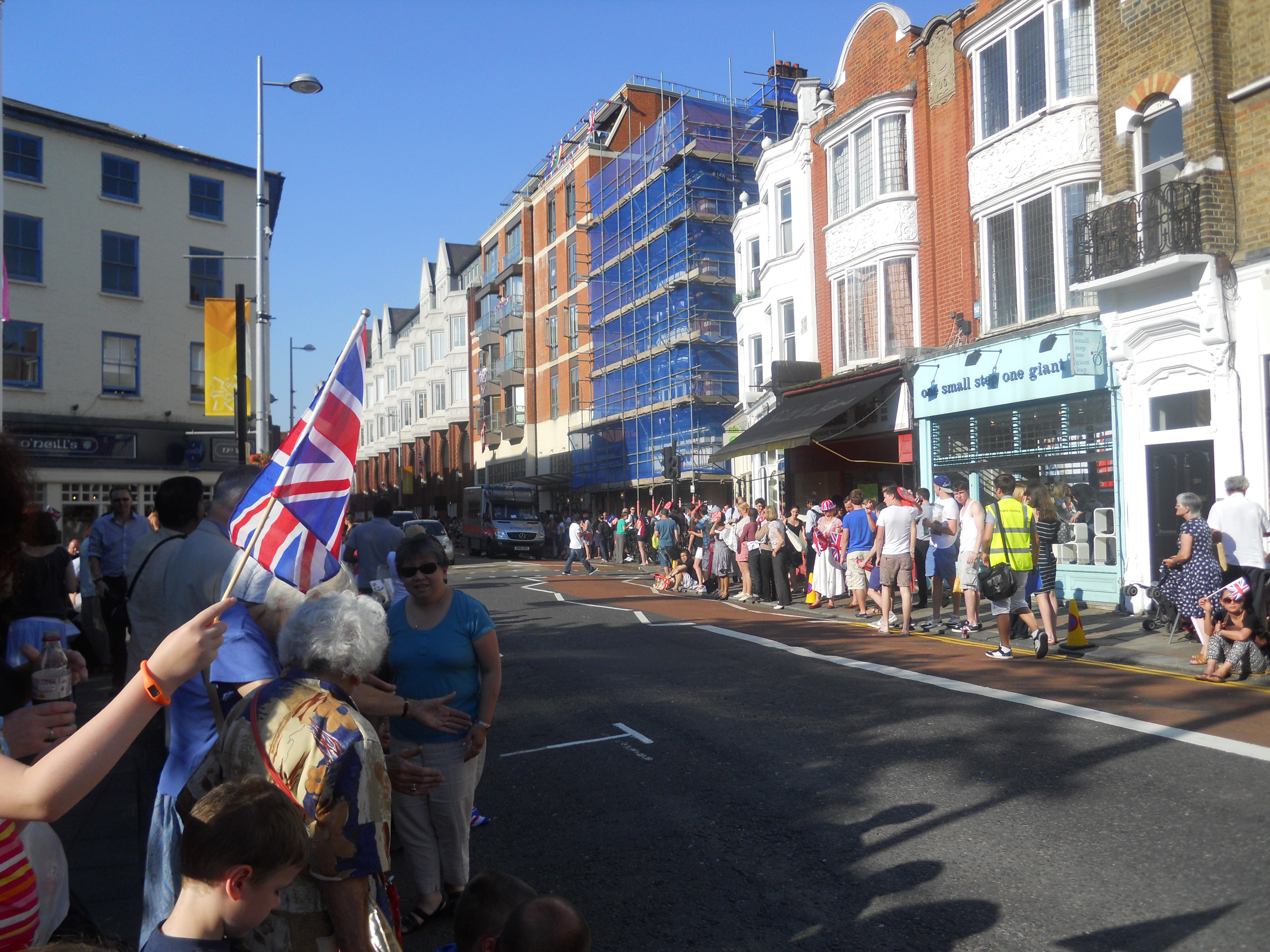
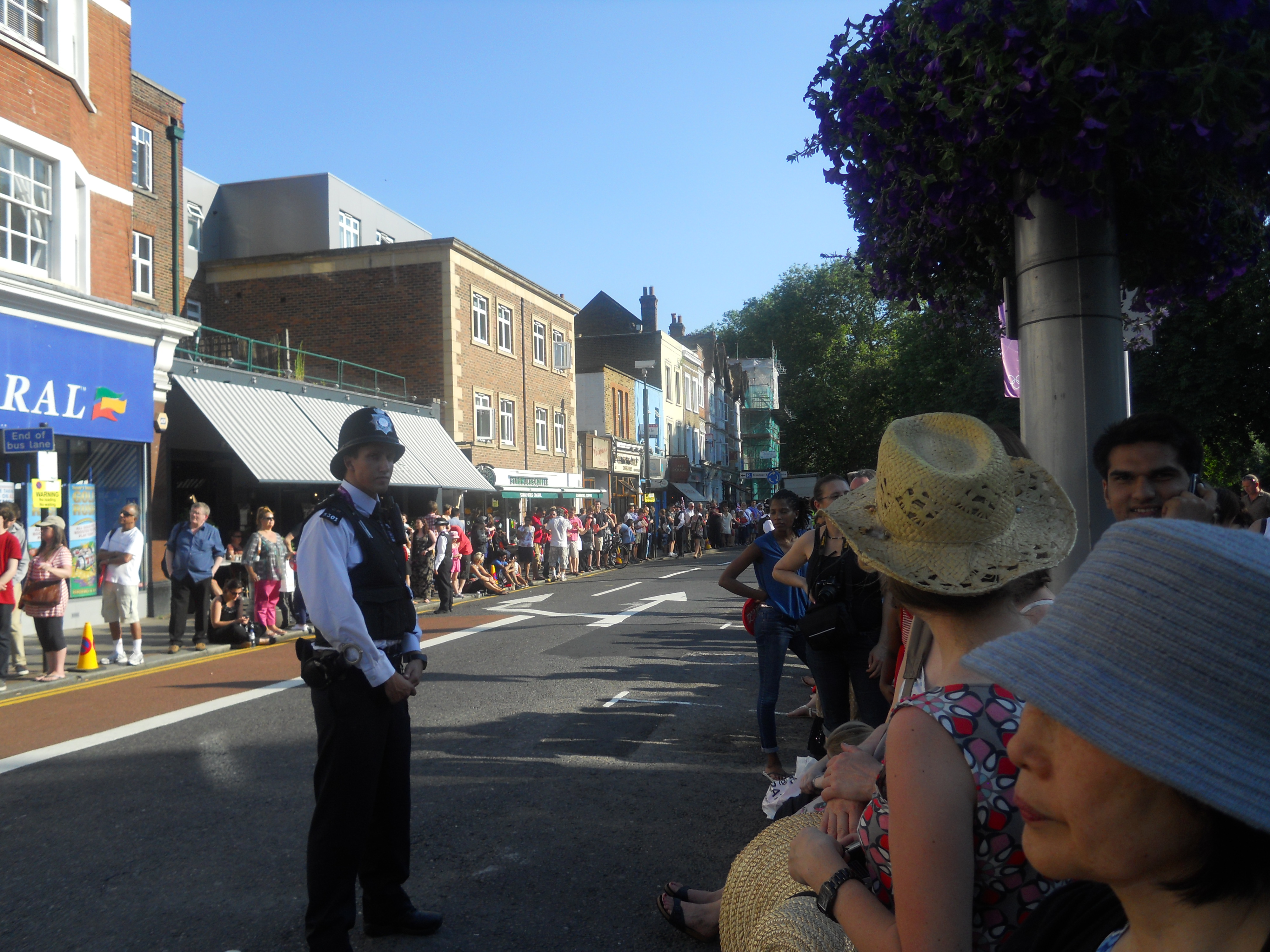
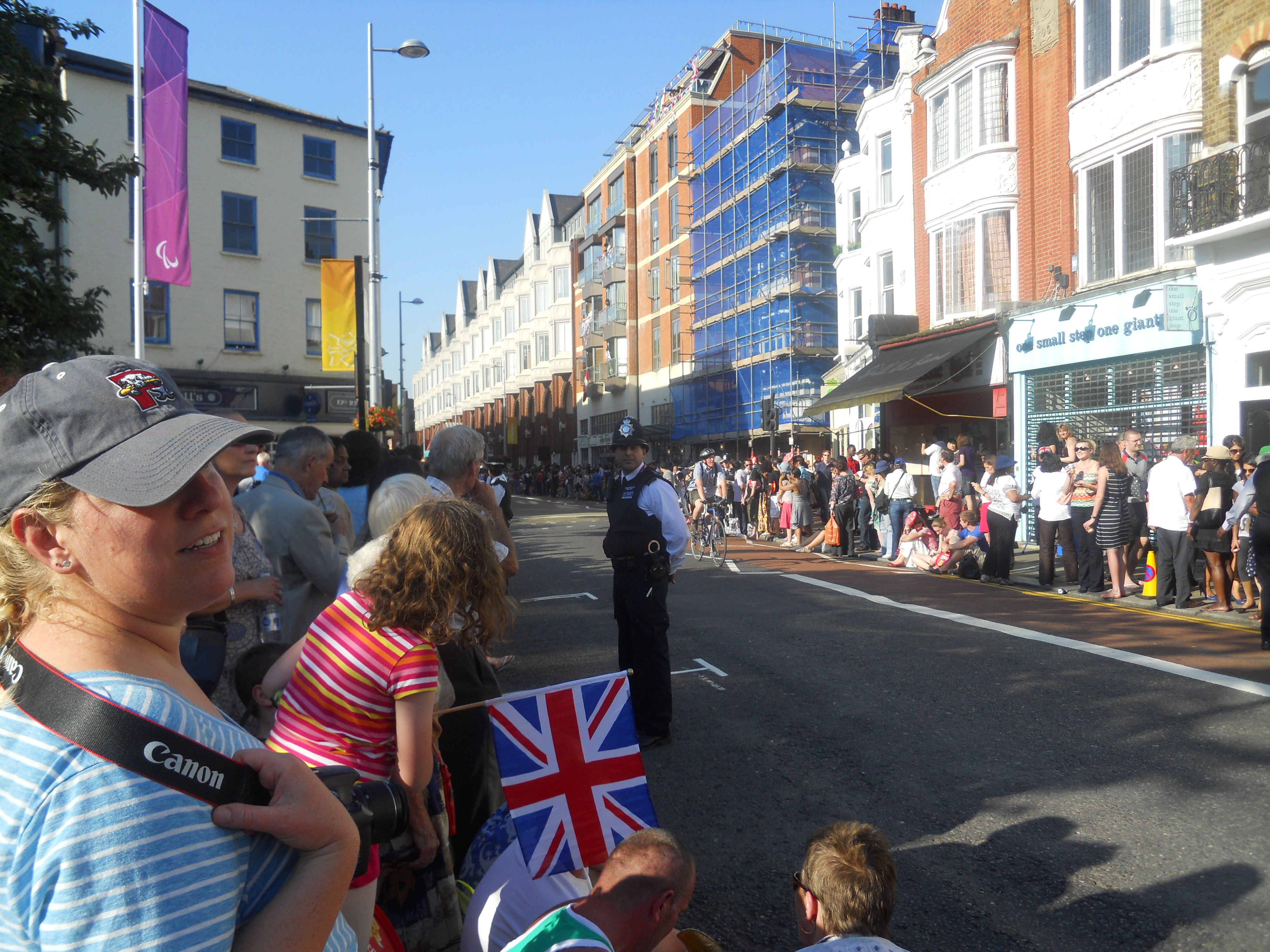
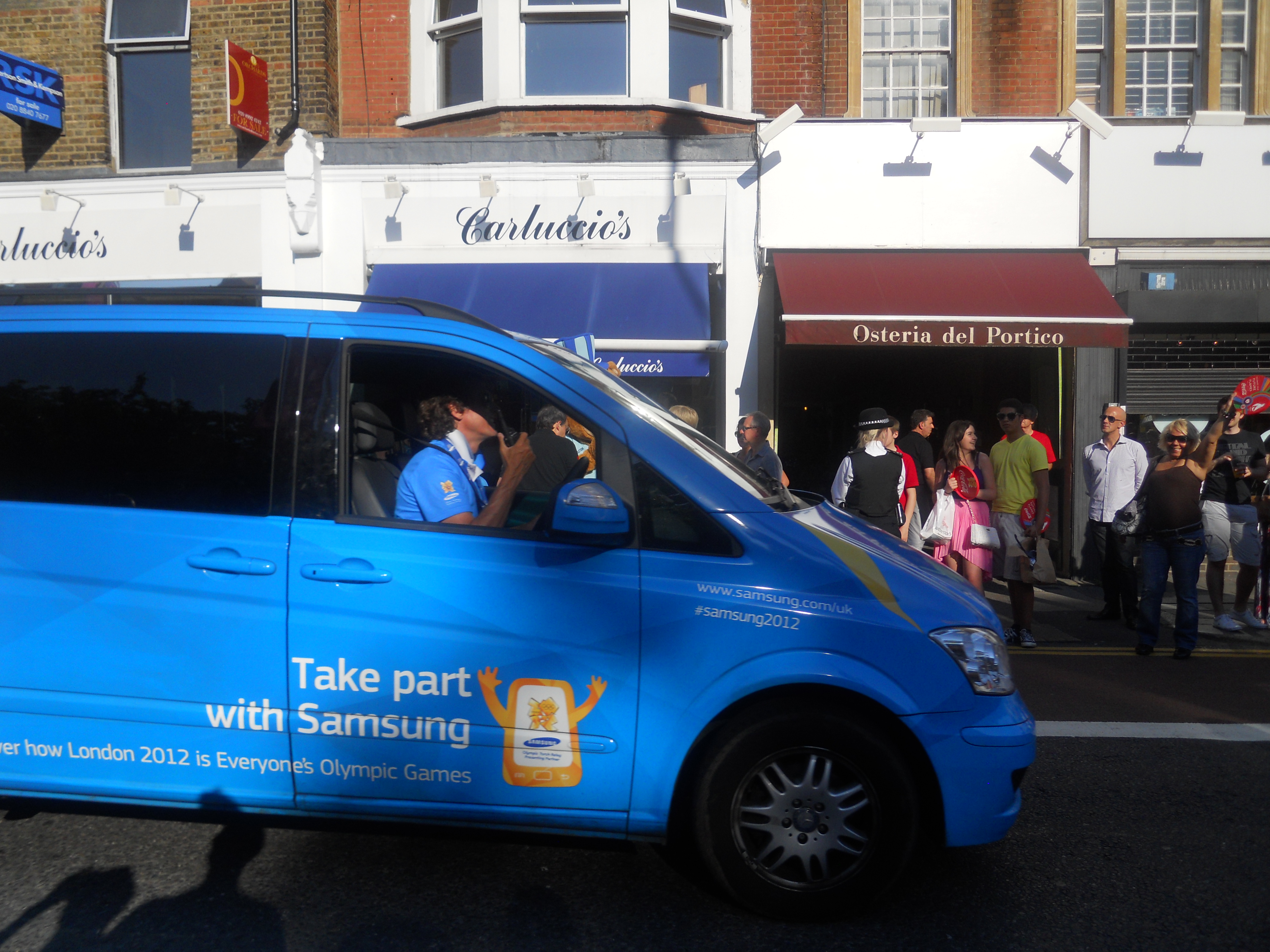

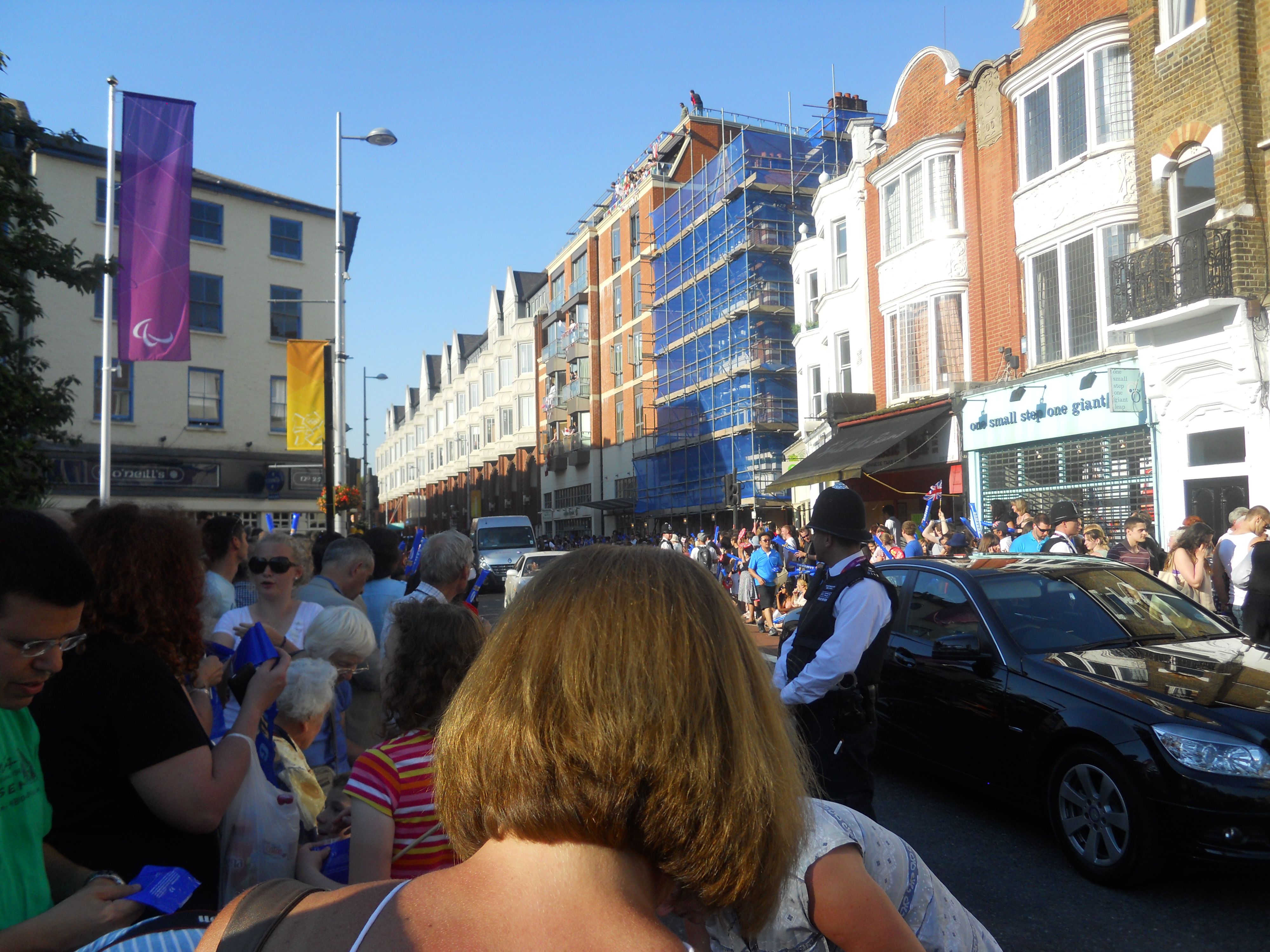
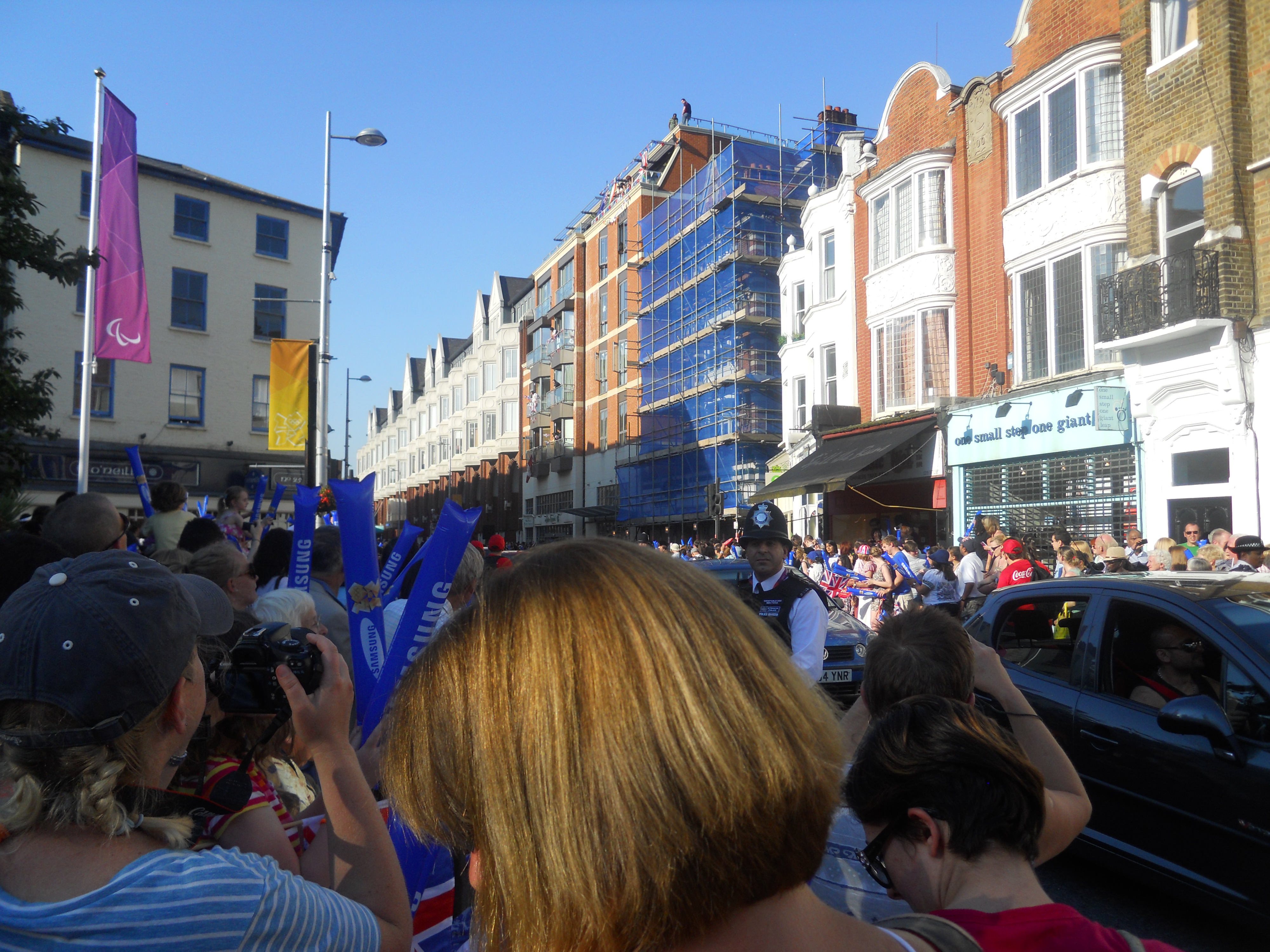
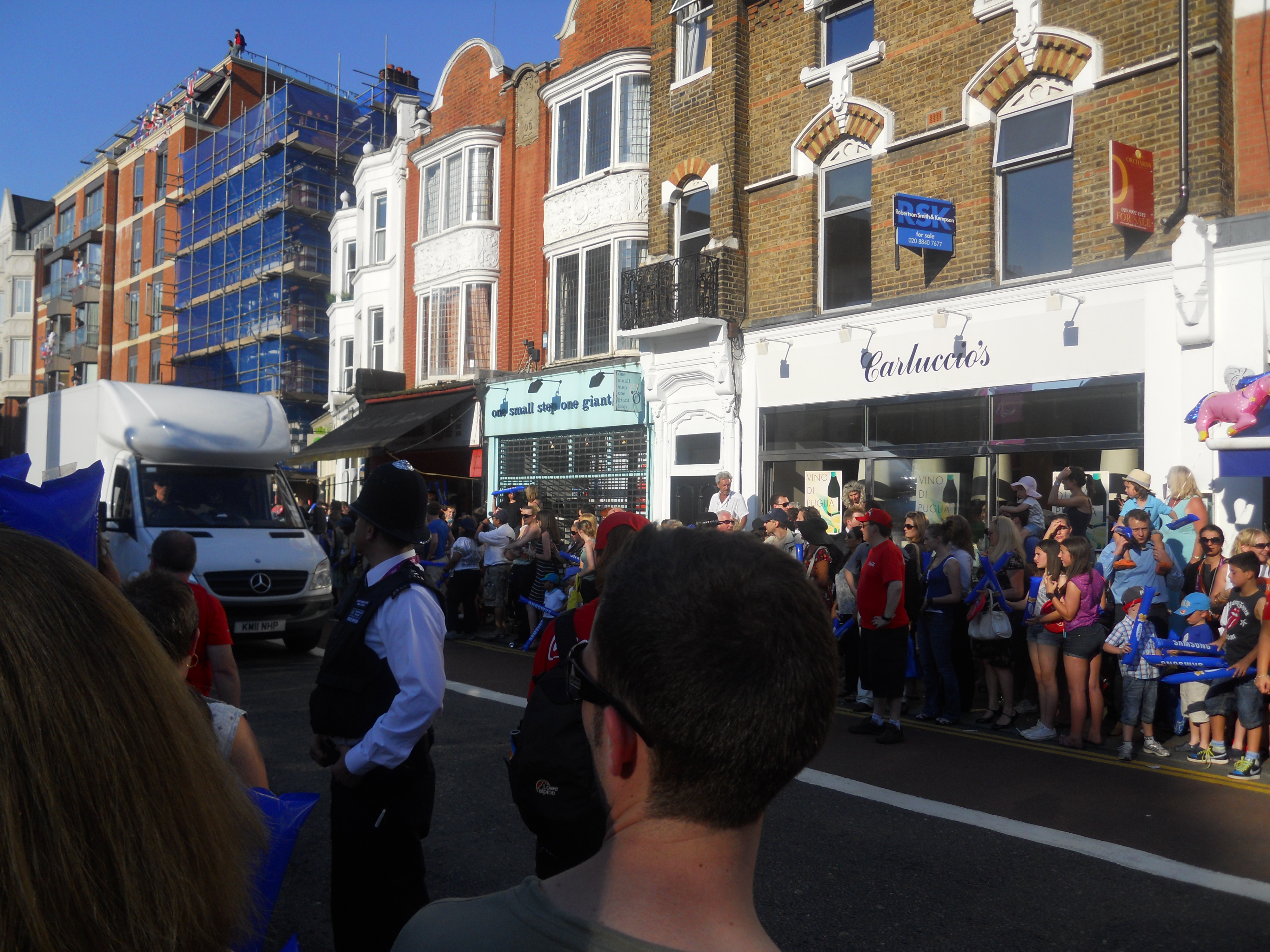
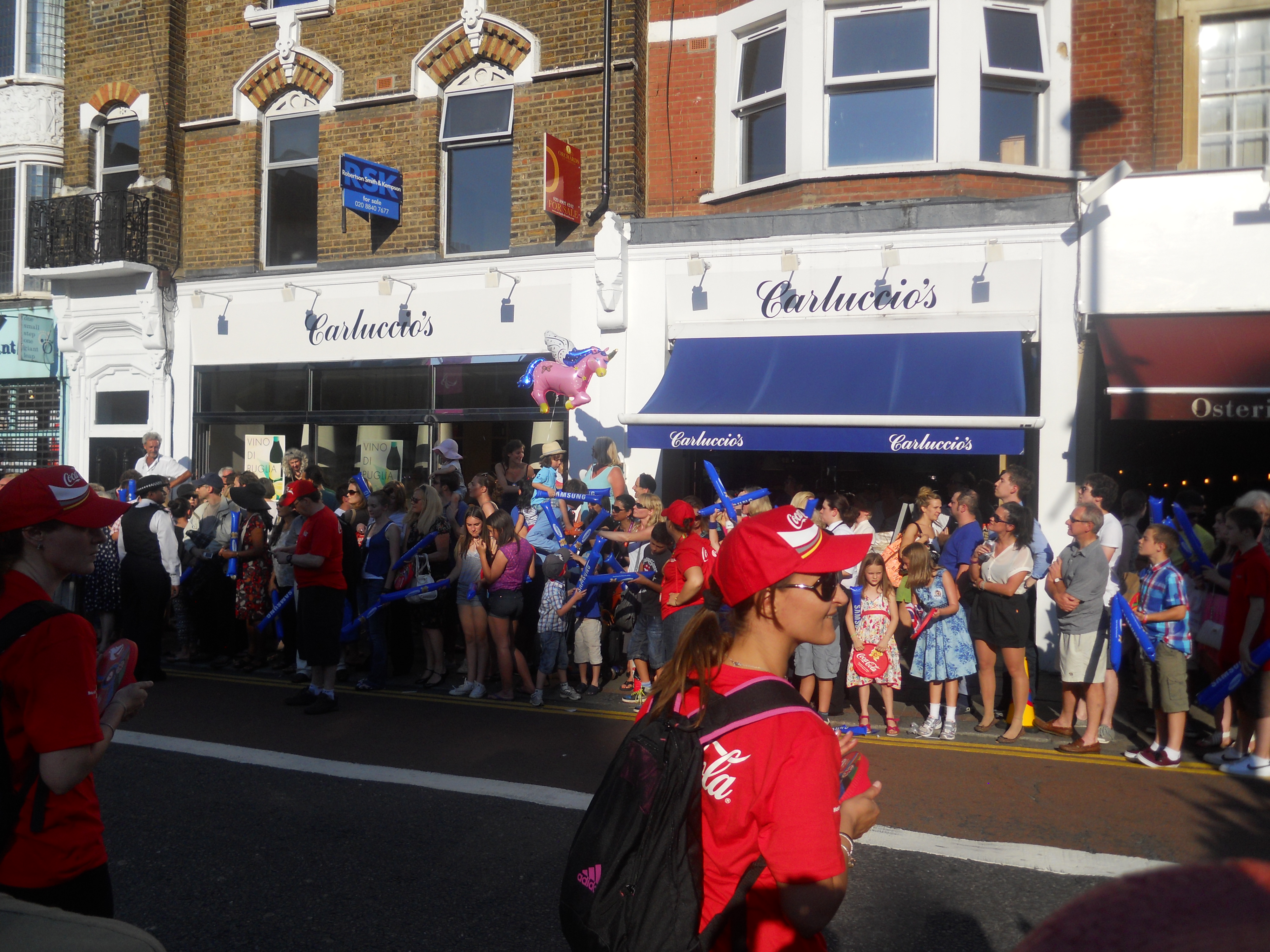

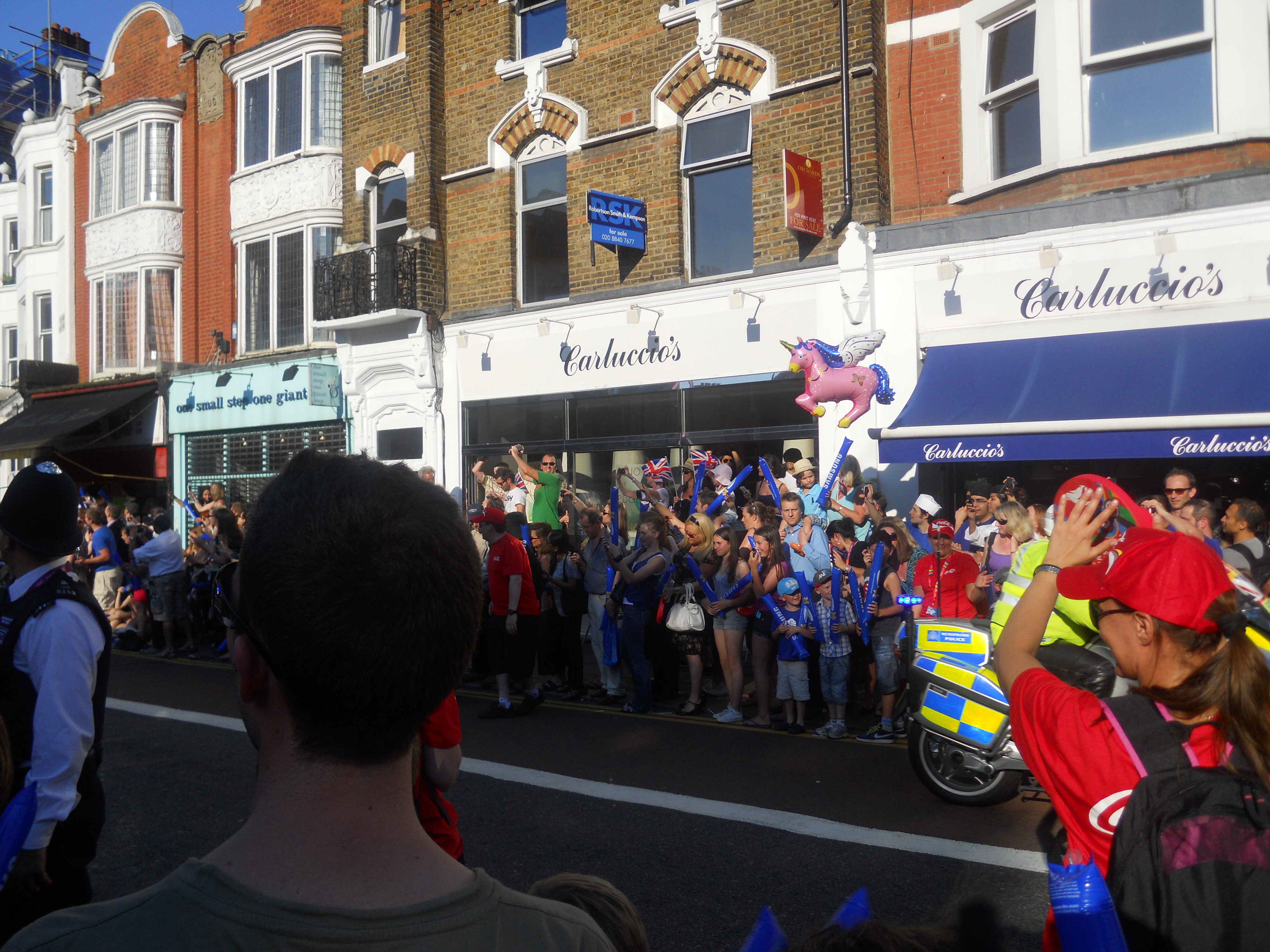
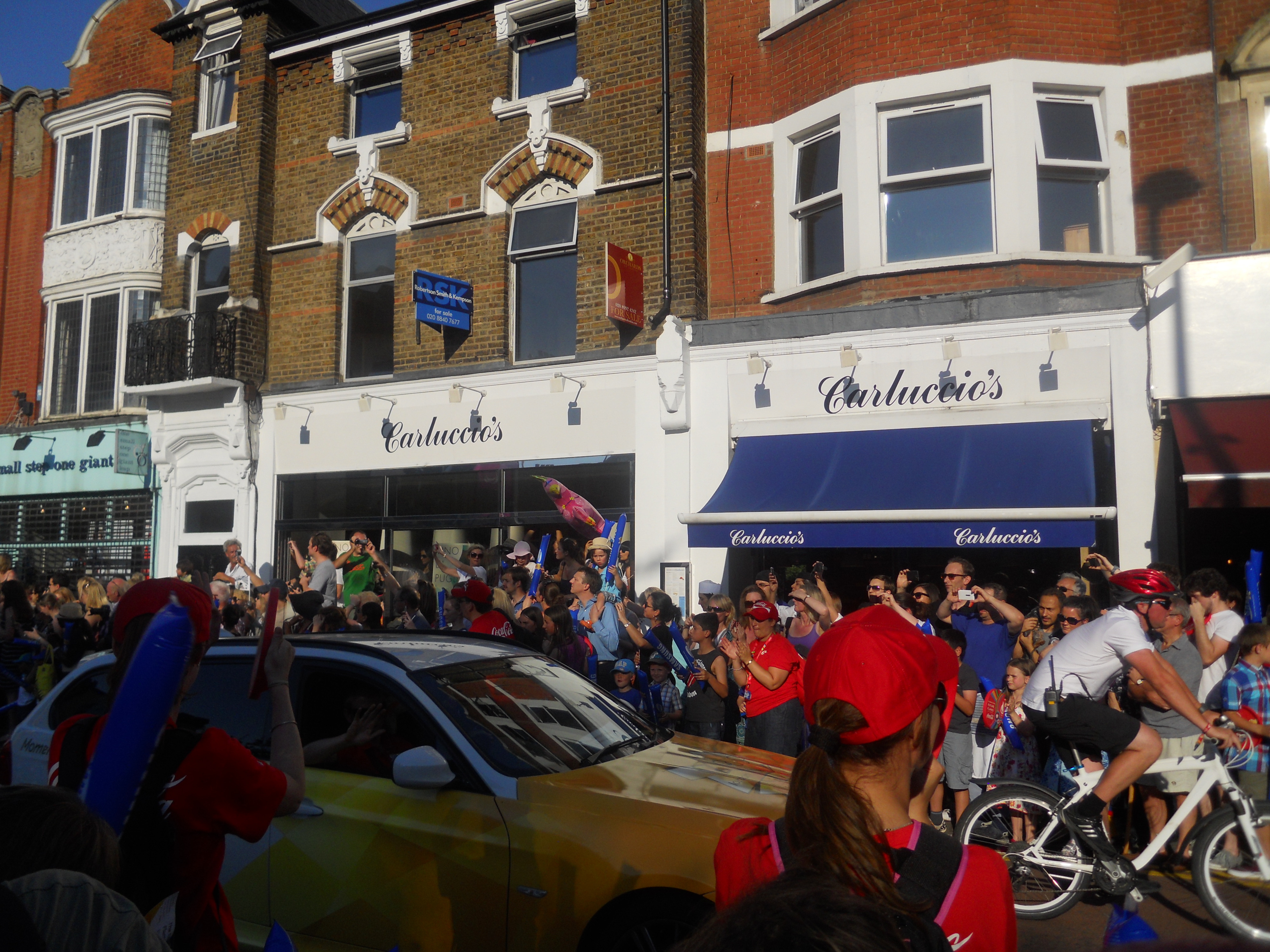

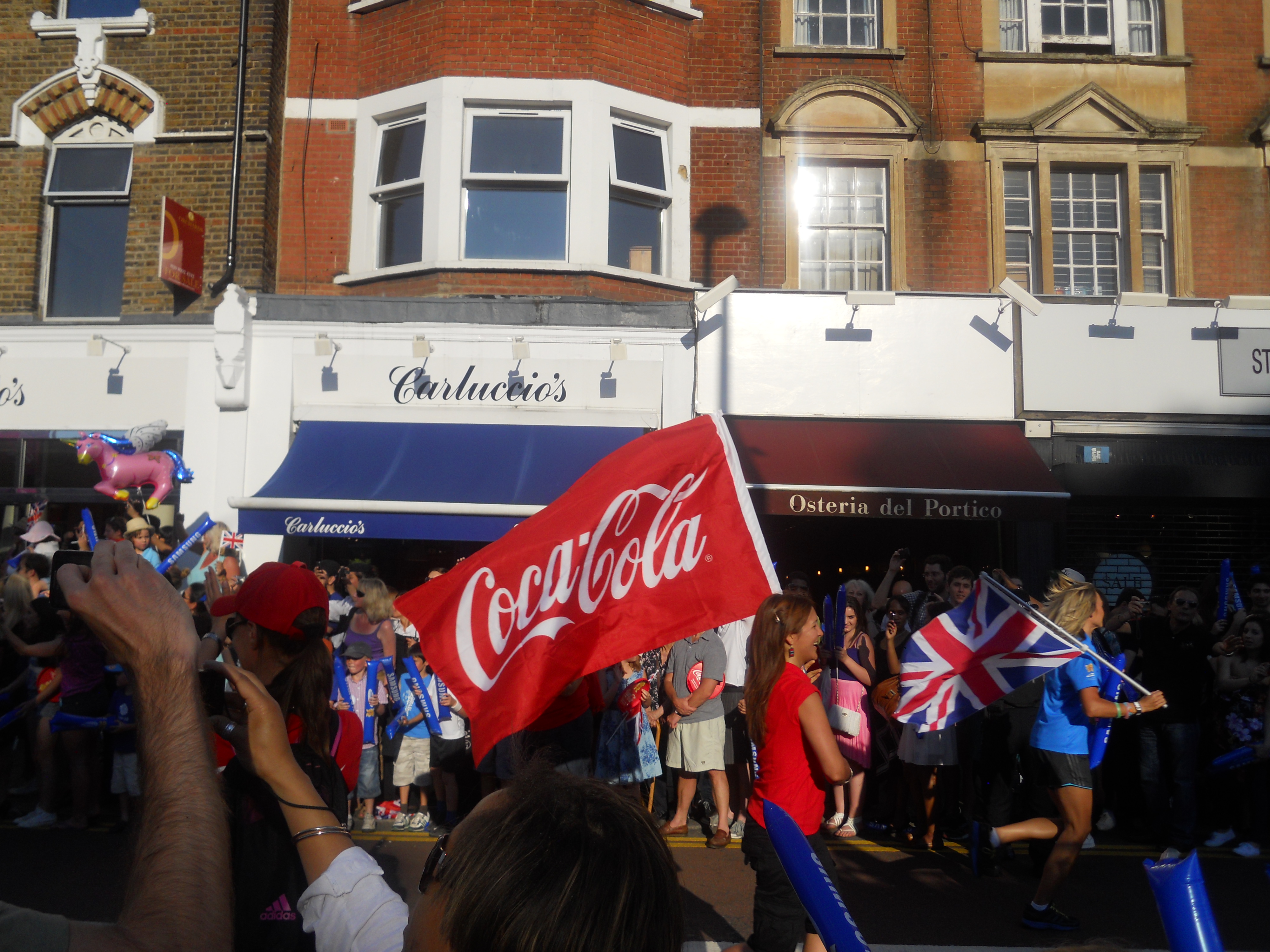

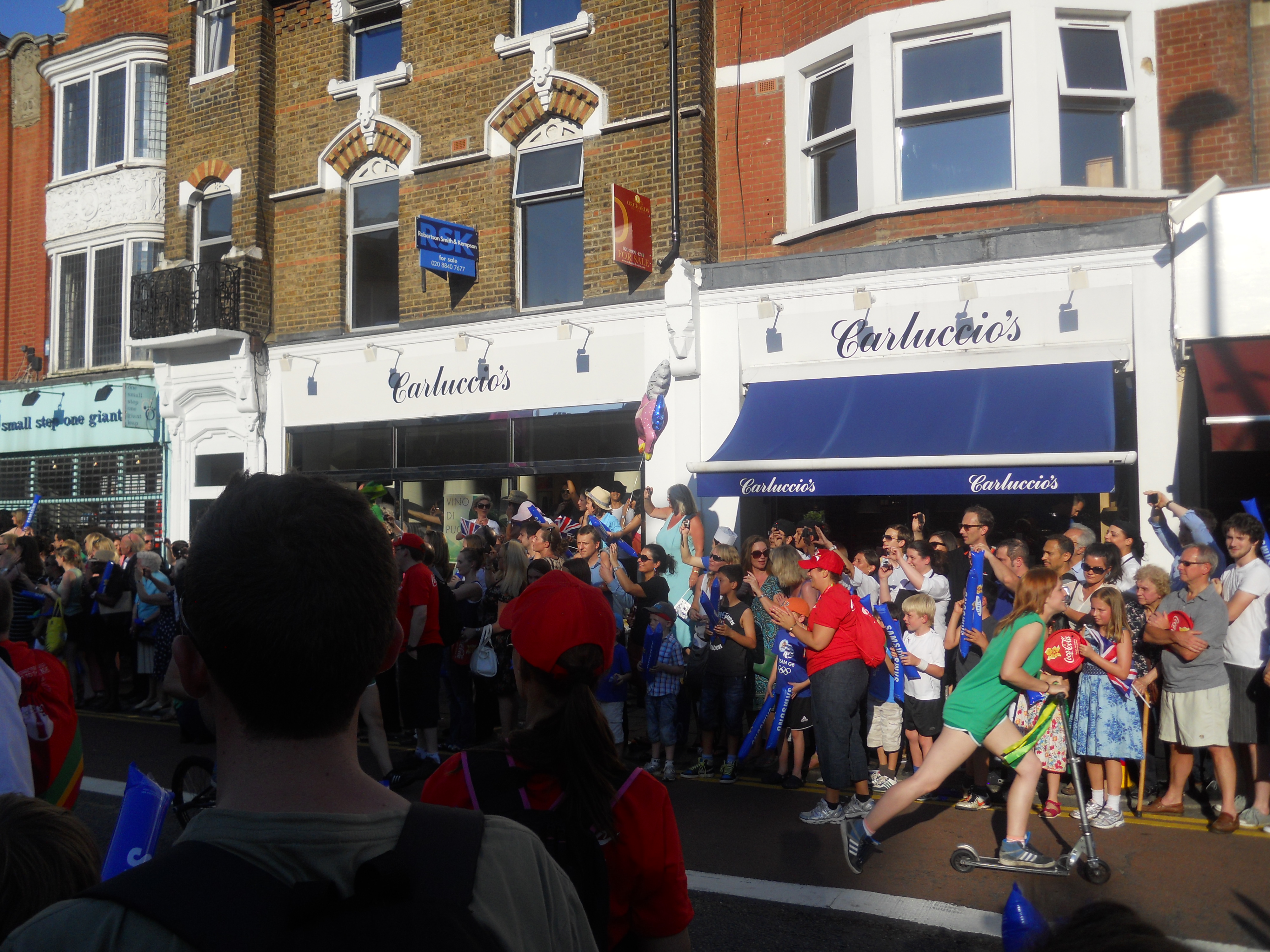
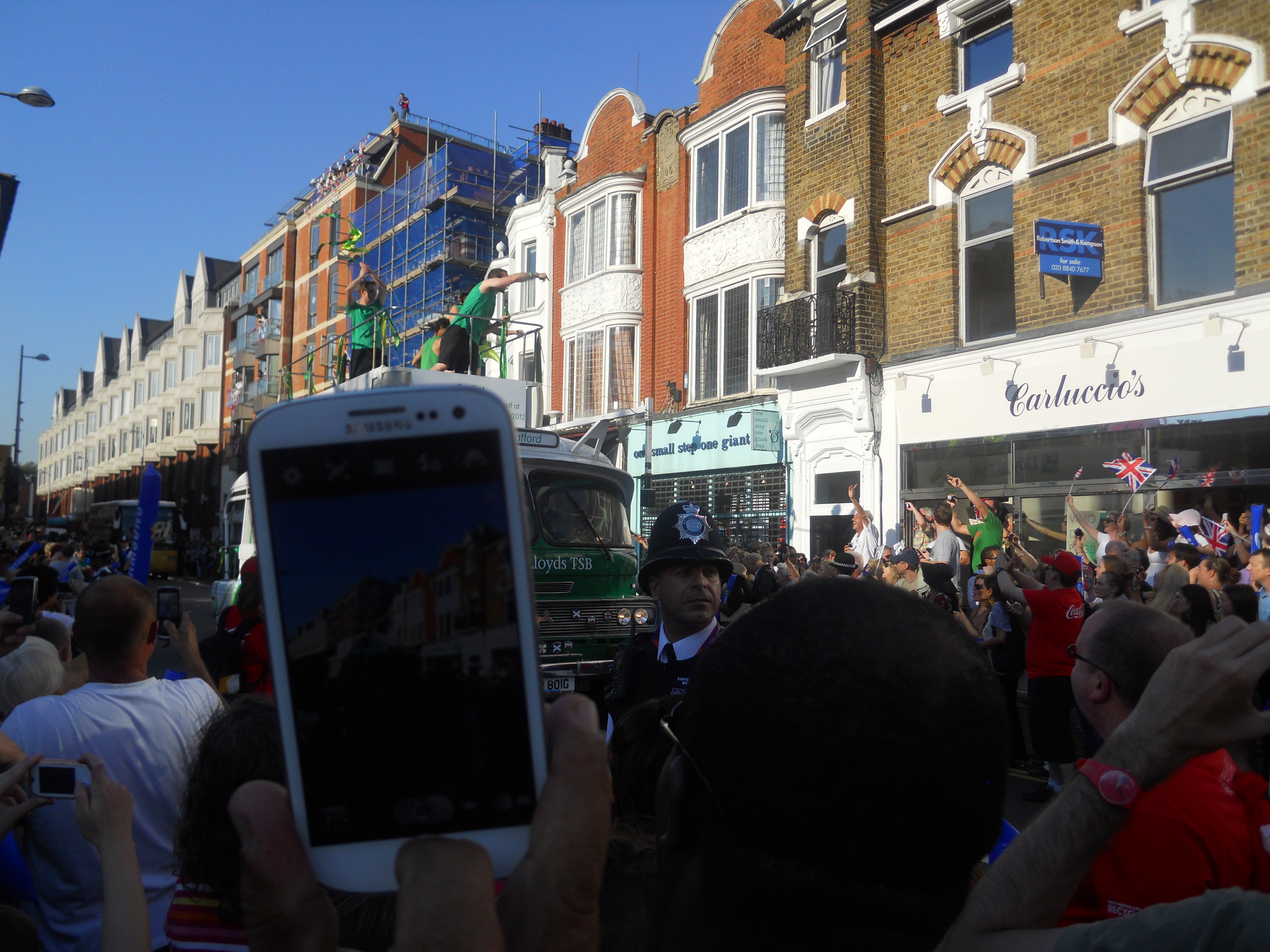

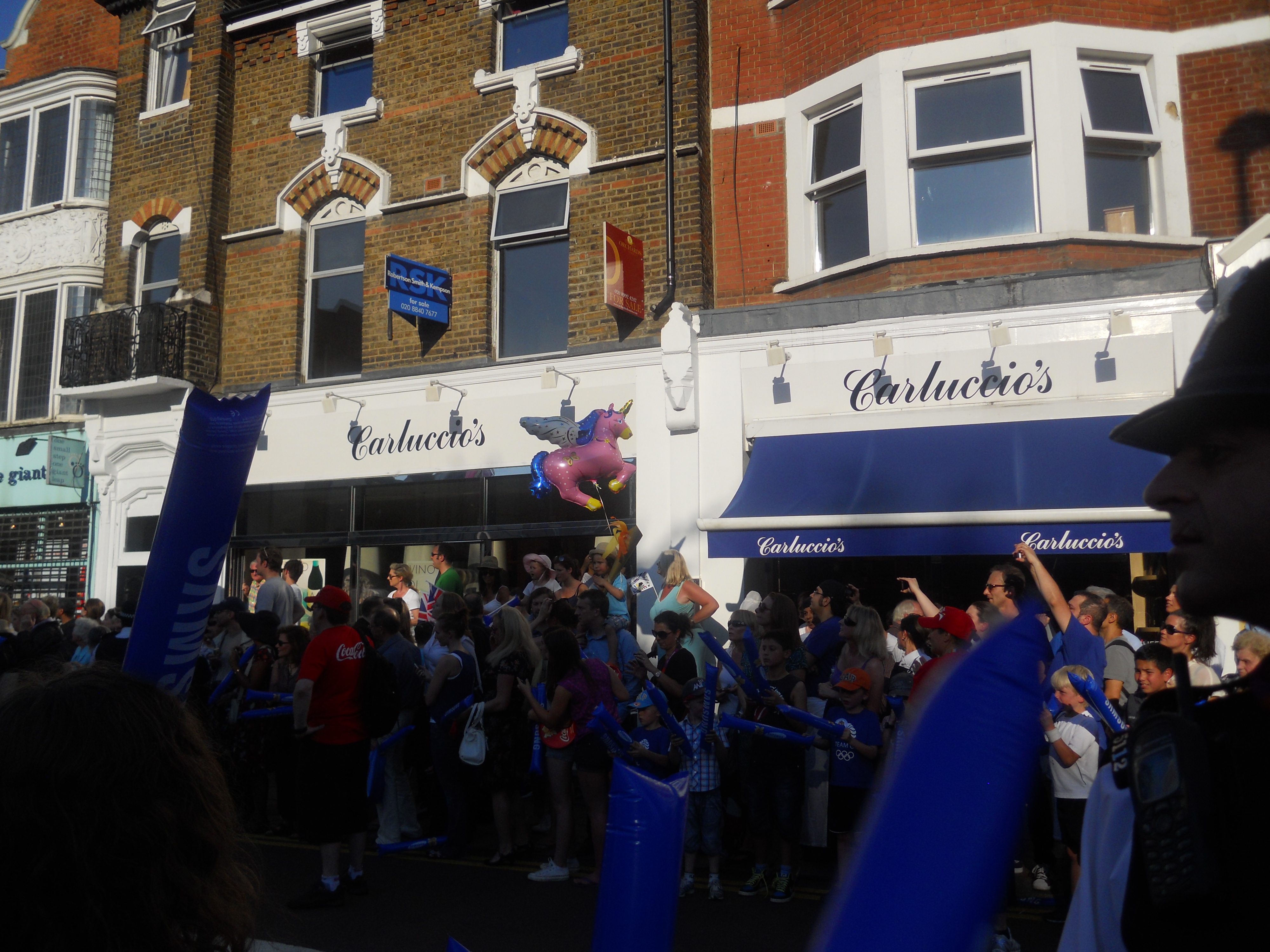
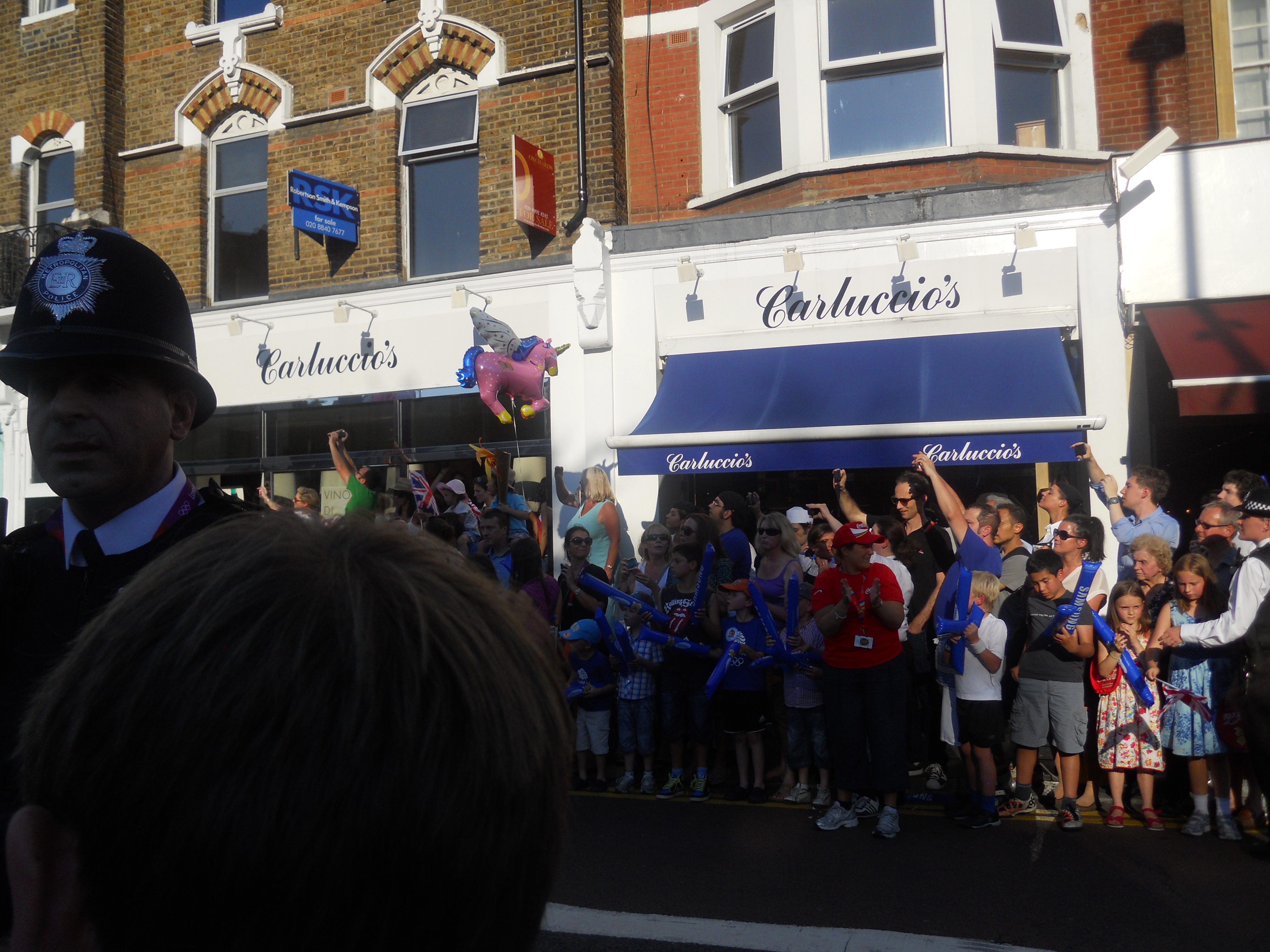
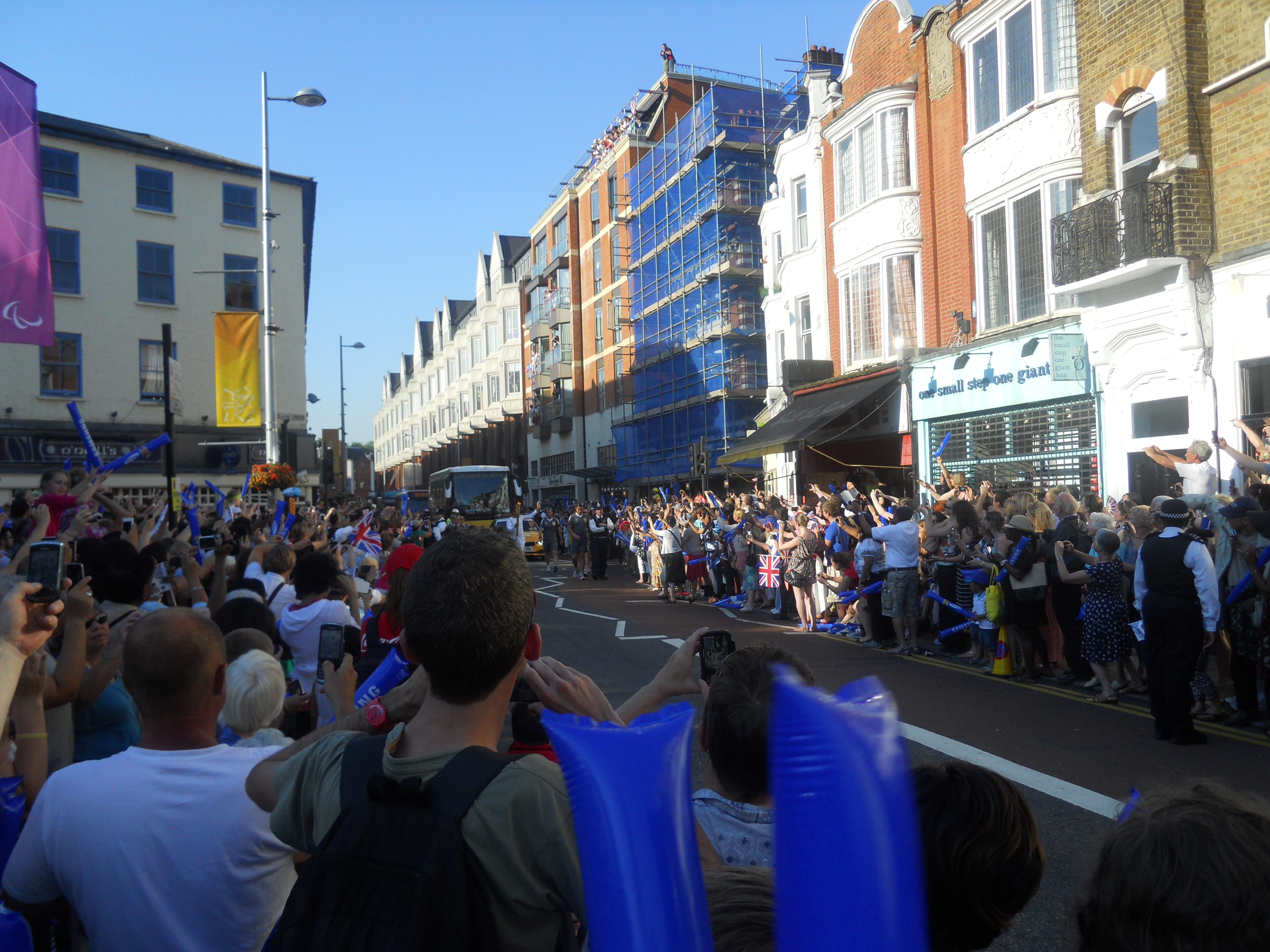

This road has a lot of good memories for me, as in a wine bar here, a lot of the plotting and design concerning Artemis was done over lunch, whilst some of us were working in Richard Evans house.
Those were the days and I suspect anybody who reads this will drink to absent friends.
A Life Hanging Around Banking
I first worked for a bank in about 1971, as a consultant programmer on a system that worked out how much various actions cost them to do. It was a rather clever system, that took all of the bank’s costs and numbers like the number of cheques cashed and worked out for each branch how much things actually cost. The system had been designed by Bob, the bank’s Chief Management Accountant, a man with an encyclopedic knowledge of accountancy and banking, and with whom I became firm friends over the next few years. Over the time, we consumed several bottles of good wine, notably in a restaurant called Mother Bunches near St. Paul’s. Sadly, in about 1978, Bob died and I lost a good friend.I was a scruffy man in those days and one memory stands out. I was painting the flat in the Barbican and Bob phoned and asked me to run the software to calculate costs for the last quarter. It was only because his assistant was on holiday. So I cycled to Time Sharing in Gt. Portland Street and did the run. Bob then phoned me at Time Sharing and asked that I bring the results to the bank and give it to the usher at the door. But when I got to the bank it was closed and on ringing the bell, the massive bronze door opened and the usher in full morning suit and top hat, asked if I had comuter output for Bob. I said yes and he replied that Bob had asked to see me. I protested because of my appearance and I was firmly ushered inside and told to go to the fourth floor. When I met Bob for the first time in his office, I apologised for my appearance and he just smiled, took the computer output and started checking the answers. Before I returned to the Barbican, we had more than a few good glasses of wine.
Before I leave Bob and the system I programmed, I’ll put in a few observations.
- Bob always reckoned bankers were likely to be called John. A boring name for someone expected to be boring at work. Perhaps with all the banks’ problems, these days, they could improve their profile by hiring a few more Johns.
- I didn’t have any access to the banks main computer system, as I didn’t need to, but I got the impression, that they had hardly changed the design since the system had been first-written and only had a limited number of places to store information on customers. So consequently, their summary statistics on their customers wasn’t very good at all. I’d love to know, whether they are any better now.
- A lot of fundamental pieces of information on the bank’s costs were almost impossible to find. Bob had come from a major FTSE 500 company and put it down to the fact that they were a bank therefore cost control wasn’t a problem.
- A very dominant factor in the costs of a branch was property and who in particular owned the building. The bank actually owned most of the branches themselves, but where they rented a branch building costs were a lot higher.
- But the most important factor in the costs, was inevitably hanky-panky, where a manager was giving loans for sexual favours. I suppose that these days, where you never meet your bank manager has cured that problem, even if it has introduced a lot more.
- One of the design rules, Bob put into the system, actually ended up in Artemis. If say you split a sum of money into several fields in a database, then just to round the figures to the neatest penny wasn’t good enough, as although it might be correct, the pence column might not add to the original value. So any error was lost in the largest value, just as it was in Artemis. The reason was because bankers in those days, always checked the answers by adding them up and woe betide if they didn’t agree.
- It must have been a good system, as it was still running fifteen years later. Although by that time Time Sharing had long since gone, so they ran it on one of the last PDP-10s somewhere in the United States.
At the time, I was banking with Barclays and wasn’t very pleased with them. So I asked the people, who I worked with to set me up with a new branch. After all, if I was doing business with a bank, it might not be a bad idea to bank with them.
I don’t know whether it was chance or whether I was setup by the people I worked with. A few days later, I turned up in the branch of the bank by the Barbican and met David for the first time. I’d actually been working late on the bank’s cost accountancy system and I was rather surprised, that David knew about it. He did disclose that he’d been on the committee that had decided that Bob should develop the system. I remember that day, that David and I were scheduled to meet at ten and I finally got back to the flat at one.
It was the start of a life-long friendship, that only stopped on David’s death within a few days of that of my wife in 2007.
I can remember a lunch in an expensive City restaurant, where at four after a long lunch, his second-in-command came in, saying that the branch needed to be signed off. In some versions of this tale, I say that he said to his number two to forge his signature, but I suspect it was more that he should have had the right to sign-off the branch. If it was the latter, that would fit David’s character, as I know from other things he said, that he believed very much in delegation.
He also introduced me to some of his customers, who had got the Miss World-that-wasn’t, Helen Morgan to open their new shop. David kept a signed photograph of the Welsh model on his desk for many years. David never did anything inappropriate concerning the ladies during his banking career.
David got further into my business life, when we started Metier. The company needed a good bank manager and I introduced David to one of my partners. I remember we all met over lunch in the Honourable Artillery Company.
soon after, David was promoted to a bigger branch in the West End. It wasn’t a planned promotion, but one that was necessitated by an early retirement of the manager there. To say it was a mess, would be a very large understatement. But David was the sort of person, who rose to challenges using any legal method.
One thing that illustrated his competence, was when we presented him with one of the first computerised spreadsheets, the bank had ever received, he immediately passed it to his area manager on his Area Manager’s first day in the job. Many would have ducked that challenge. They used it to educate themselves, and we got the funding we needed. In fact, David told me some years later, that he reckoned we weren’t asking for enough and got the clearance for more on that very first spreadsheet.
A Discussion About the Falklands
During part of the Falklands War or soon afterwards, I was at an Artemis Users Conference in Denver Colorado.
After dinner one night, four of us, got together and had a few drinks. The other guys were the Project Manager of the McDonnell Douglas Harrier program, a guy with a similar position at Long Beach Naval Shipyard and a banker from New York.
The banker kept on about us needing a nice big flat-top (aircraft-carrier) with a few Tomcats and that would have dealt with the Argentines. I wanted to stand my British corner, but really didn’t know what to say. In the end the other two Americans, just let him have enough rope and then they played their card; the awful weather. One said that the weather reports from the Falklands, they’d seen, were so bad, that the only aircraft you could take-off and land back again was a Harrier.
The banker wasn’t seen again that evening,
What Have the London Marathon and the Multi-User Version of Artemis in Common
According to legend and this web site, the London Marathon was planned by Chris Brasher and John Disley in a pub; the Dysart Arms at Richmond.
So what’s different to most great ideas?
The first multi-user version of Artemis, the project management system, was designed by Richard Nobbs and myself in the Gardeners Arms at Stutton.
My Zopa Spreadsheet
I have a spreadsheet written in Excel, that documents all of my Zopa investment.
What I find about Excel is that it is so illogical and nothing is intuitive. When I wrote a PC-based version of Artemis, that was a project management, spreadsheet and a graphics program, it was way in advance of Excel today for ease-of-use. But then it didn’t have all the features.
Am I being arrogant?
No! At my age and state of health I have that luxury.
On a more important theme, is the spreadsheet telling me what I should do with Zopa?
I think so and I’ll be making changes to my lending philosophy in the next few days.
Computer Disasters Incorporated
When we were writing Artemis, and afterwards, some people asked what we would have done if it had all gone wrong.
We didn’t officially have a Plan B, but then we had organised the company, so that if we had to close it, we’d all come out with something. I can remember having a chat with the company accountant and he explained, how our system of leasing systems, meant there would always be a useful cash flow from a sale for some time.
I do remember though talking about a company called Computer Disasters Inc. Basically, it would have been a no-fix no-fee rescue company for computer systems that had gone awry. After all we had the people to sell such services and the experience to fix them.
I suspect it’s a concept that has been used successfully by others.
Do Successful Women Have a House Husband?
A news item in the Sunday Times today is headed Top women need ‘him indoors’
It goes on to discuss how quite a few of the top women in the City have husbands who are at home.
I will not answer my question directly, but talk about my relationship of forty years with C. Or more particularly our careers.
For the first few years, we were very typical although, some would say that your early twenties are too young to have children. We had three before I was 25 and C was 24. I worked hard to get on and by that time I was starting my first business. I was working at least 24 hours a day, seven days a week and we were living in a fouuth floor walk up flat in St. John’s Wood. So if you have to live in crap housing make sure it’s in a good location. Just north of Regent’s Park can’t really be better.
When I sold my first business, we moved to the Barbican and C went to UCL to do a law degree, as Politics from Liverpool, where your tutor was Robert Kilroy-Silk, doesn’t really prepare you for the world of real work.
For the next fifteen years or so, I was part of the team creating Artemis, whilst C was getting her career together as a barrister. We were both working hard and I got the financial rewards when the company was sold. C meanwhile gained a reputation as one of East Anglia’s foremost family barristers.
When we moved to Newmarket to start the stud, we started to evolve a new way of working together. We still had our individual careers and interests, but I would spend more time on other things, as C was now very much the major wage owner. It allowed me to develop ideas, some of which worked and some didn’t. And then when she moved to Chambers in Cambridge, which was very much Internet based, I became much more of her support at home.
As we didn’t have young children anymore, I couldn’t be described as anything more than home support.
So in some ways we’d almost come full circle.
I suspect our model has not been untypical and I’d recommend it. As the major wage-earner changes over the years, does it really demean the man to be the one who oooks after the house, when his wife can earn three or four times he can.
But we also did a lot of things together.
Shopping for instance. Some of my friends are incredulous, that for most of our life together we did the general shopping together too. When we were in the Barbican, we’d push the children up to Chapel Market next to the Waitrose I now use. So life has now come full circle in more ways than one.
Clothes shopping was often together too. C was better at choosing clothes for me and in many cases the reverse was true. I remember the year she died being in Zara and C was looking at a sun dress on a hanger. She said that it was awful and I then picked it up, realising that it would be just her size and style. She bought it and wore it all the summer. Remember that I am a designer and also an unusual man, who was taught to make clothes by his mother.
If I have any regrets about our relationship, it was that I dodn’t do more cooking. I taught myself in a few days after she died and like doing it.
So I would suspect that although house-husband is too strong a word for it, most successful women and successful men for that matter have a strong partner at home, who can help or even take charge of the mundane and suggest other ways in the serious part of their career. As an example in the latter, I helped in a few of C’s cases, by using my knowledge and experience to improve her arguments and in some other cases, I have suggested ways of improving her returns from the work.
And then there’s the need for a cuddle and more, that we all need!
Living alone is not a choice we would make for ourselves.
The Good Ship Artemis
The two nights I’ve been on Syros, they’ve parked a ferry called Artemis outside to make me feel at home.

The Good Ship Artemis
It left early both mornings.
Programming in the Nude
The story about Comic Relief reminds me, that most of the time I was programming Artemis at Debach and was alone, I never bothered to get dressed.
It did have its drawback, in that once I trod on a loose nail and hurt my foot. Luckily after a bit of TLC from C, I was able to carry on.
How many people, other than a few models and actors, can claim that they made their fortune without their clothes on?
 The Anonymous Widower