More Frequent Trains And A New Station For The London Overground
The title of this post, is the same as that of this article on IanVisits.
This is said.
In a statement, the government agreed to requests for £80.8 million from the GLA to support transport upgrades so that 14,000 homes can be built along the East London Line.
Upgrades include.
- New Bermondsey station, which was originally to be called Surrey Canal Road, will be built.
- A second entrance will be built at Surrey Quays station.
- Frequency between Dalston Junction and Clapham Junction stations will be increased from four trains per hour (tph) to six tph.
- Frequency between Highbury & Islington and Crystal Palace stations will be increased from four tph to six tph.
The frequency upgrades will mean twenty tph between Dalston Junction and Surrey Quays stations, or a train every three minutes as opposed to the current three minutes and forty-five seconds.
A few thoughts follow.
Surrey Quays Station Upgrade
Ian’s article says this about the new entrance at Surrey Quays station.
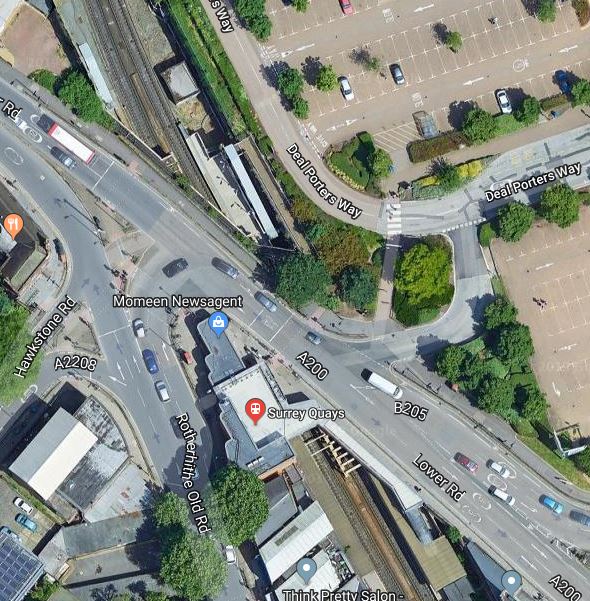
The very cramped Surrey Quays station gets a second entrance, which will run under the main road and be based on the north side, where the shopping centre car park is today. That avoids crossing two busy roads, which can take some time if you’re waiting for the lights to change.
This Google Map shows the station and the car park of the Shopping Centre.
These are my pictures, taken at and around the station.
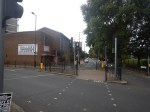

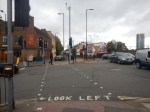
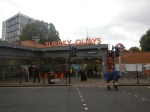
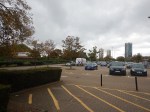

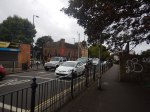
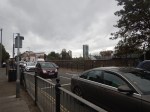
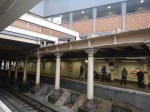
Traffic is bad and the subway suggested by Ian’s wording will be very welcome.
Collateral Benefits At New Cross Gate
New Cross Gate station will be one of several stations along the East London Line to see benefits in service frequency and quality.
The train frequency on East London Line services will rise from eight tph to ten tph.
But this is not all that should or could happen.
- The service between Highbury & Islington and West Croydon stations could rise from four tph to six tph.
- This would mean that New Cross Gate would have a twelve tph service to and from Whitechapel, which in a year or so, will have Crossrail connections to Canary Wharf, Bond Street, Paddington and Heathrow.
- Southeastern should be getting new higher-capacity, higher-performance and possibly longer trains to replace their elderly trains into London Bridge.
- Charing Cross station is redeveloped into a higher-capacity, cross-river station, to allow more trains.
- Digital signalling, as used on Thameslink will be extended to cover all trains through New Cross and New Cross Gate.
- The Docklands Light Railway to Lewisham will get new and higher-capacity trains.
- Southeastern Metro services could go to the London Overground.
Could this all mean that the East London Line, Southeastern and Crossrail will more than hold the fort until it is decided to build the Bakerloo Line Extension?
The Bakerloo Line Extension
This map from TfL shows the route of the Bakerloo Line Extension.
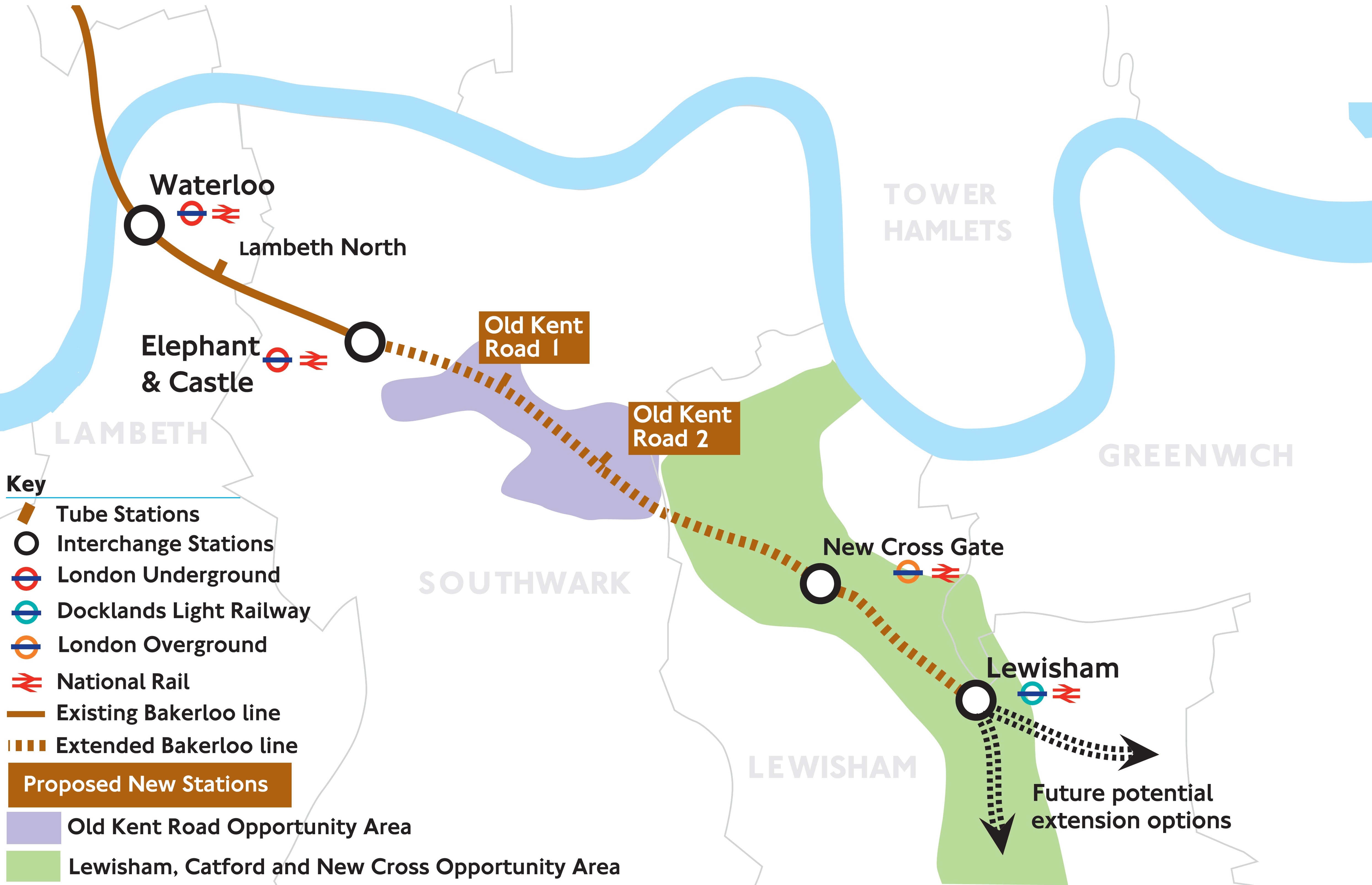
If and when the Bakerloo Line Extension is built, New Cross Gate will surely become a major transport hub.
If you look at the current and proposed stations on the Southern section of an extended Bakerloo Line, you can say the following.
- Paddington will get a step-free pedestrian link between Crossrail and the Bakerloo Line.
- Charing Cross will benefit from more Southeastern Metro services into the main line station.
- Waterloo will benefit from more Southeastern Metro services through the attached Waterloo East station.
- Elephant & Castle station will benefit from more Thameslink services through the attached main line station.
- New Cross Gate will benefit from more Southeastern Metro and East London Line services through the station.
- Lewisham will benefit from more Southeastern Metro services through the station.
But there are no interim benefits for the blue-mauve area, that will be served by the proposed Old Kent Road 1 and Old Kent Road 2 stations.
In addition, is there a need to add capacity between the New Cross area and Lewisham? Southeastern improvements will help, but the Bakerloo Line Extension will do a lot more!
Except for these two stations, is there a reason to build an extension to the Bakerloo Line, as train services between Charing Cross, Waterloo East and New Cross and Lewisham will be significantly increased in frequency, reach and quality?
A Bakerloo Line Extension Redesign
Whatever happens to the Bakerloo Line, the following should be done.
- New walk-through trains running at a higher-frequency on the current route.
- Major access improvements and better connection to main line services at Elephant & Castle, Waterloo East, Charing Cross and Willesden Junction stations.
- A radical reorganisation North of Queen’s Park station, in conjunction with the Watford DC Line and the proposed West London Orbital Railway.
This would improve the current line, but it would do nothing for those living where the extension will go!
So why not do what is happening to the Northern Line at Battersea and create a short extension to the Bakerloo Line that serves the areas that need it and one that can be extended in the future?
- You could argue, that the extension to Lewisham is short and it could be extended to Hayes and other places.
- I also think, that the route goes via New Cross Gate, as that is one of the few sites in the area, from where a large tunnel could be built.
Ideally, what could be needed is a high-capacity public transport link from Elephant & Castle and Greenwich and/or Lewisham via the Old Kent Road, New Cross Gate and New Cross.
The Germans, the Dutch and others wouldn’t mess about and would run trams along the road, but that would go down with the locals like a lead West London Tram.
So it looks like some form of extension of the Bakerloo Line is the only way to go.
Consider.
- Two-platform terminal stations at Brixton and Walthamstow Central handle up to thirty-six tph on the Victoria Line.
- New Cross Gate and New Cross stations are about five hundred metres apart.
- Double-ended stations like Knightsbridge on the Piccadilly Line and Kings Cross on the Victoria Line work very well.
I would look at building a double-ended Bakerloo Line station deep underneath New Cross Road.
- It would be connected by escalators and lifts to the existing stations at New Cross Gate in the West and New Cross in the East.
- Provision would be made to extend the line further to either Greenwich or Lewisham.
- New Cross and Lewisham already have a high-frequency connection of six tph.
- The whole extension could be built from the single tunnelling location on the Sainsbury’s site at New Cross Gate.
- There would be no necessity for any works at Lewisham station.
It would probably need more services to be run between New Cross and Lewisham.
Current Services Between New Cross And Lewisham
Southeastern currently runs these services between New Cross and Lewisham.
- London Cannon Street and Slade Green via Sidcup
- London Cannon Street and Orpington via Grove Park
- London Cannon Street and Hayes
All services are two tph.
Extending The East London Line Service South From New Cross
New Cross is served by the only short service on the London Overground; the four tph between Dalston Junction and New Cross stations.
So could this East London Line service be extended South to serve Lewisham to increase services between New Cross and Lewisham?
This map from carto.metro.free.fr shows the lines at New Cross station.
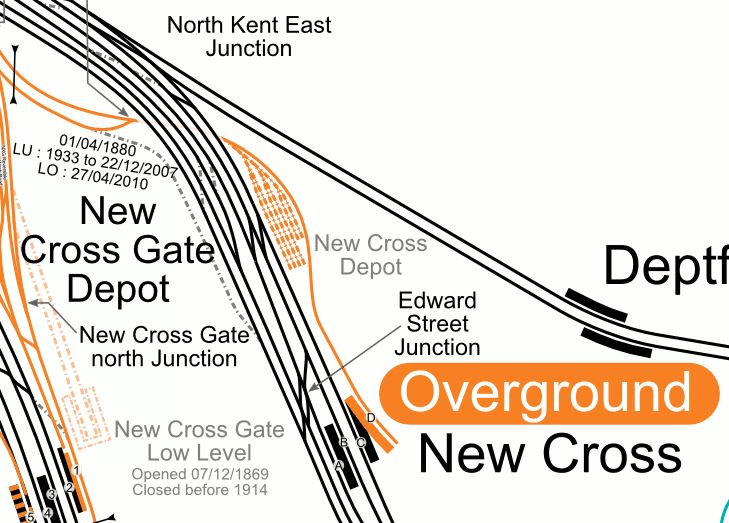
Note how the double-track East London Line, shown in orange, arrives from Surrey Quays station arrives in the North-Western corner of the map, becomes a single-track and then goes under the main lines before going into the bay platform D.
This Google Map shows the same area.
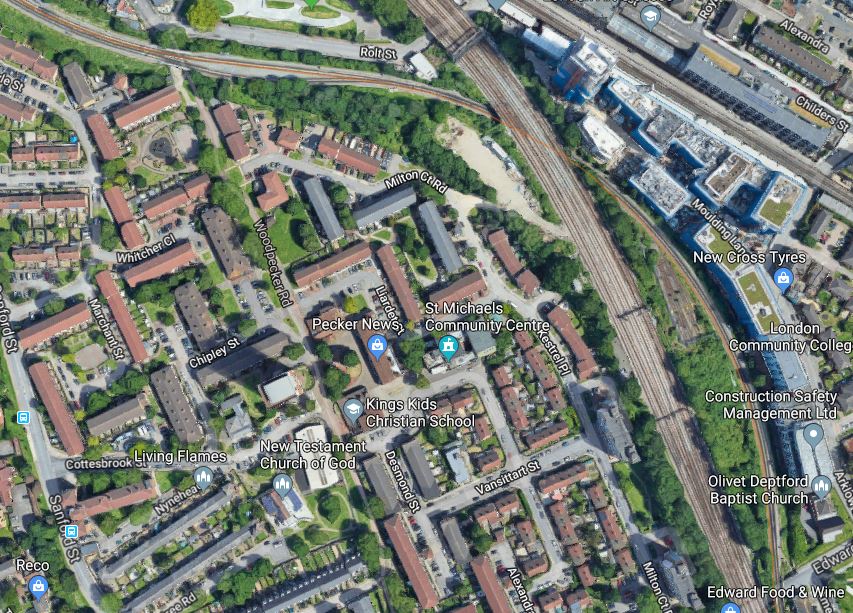
The London Overground track is clearly visible.
Could extra track be added, to enable the following?
- Southbound trains could join the main line and stop in Platform C
- Northbound trains could leave the main line after stopping in Platform A and go towards Surrey Quays station.
If this is possible, then it would give a four tph service between Dalston Junction and Lewisham, with an important stop at Whitechapel to connect to Crossrail.
Lewisham doesn’t have the space for a terminal platform, but there would appear two possible terminals South of Lewisham.
- Hayes – Journey time to and from Dalston Junction would take around 53 minutes.
- Orpington – Journey time to and from Dalston Junction would take around 50 minutes.
Both stations would make ideal terminals.
- They have bay platforms for terminating the trains.
- Round trips would be a convenient two hours.
- Eight trains would be needed for the service.
- New Cross will have the same four tph to and from Dalston Junction as it does now!
- Lewisham and Dalston Junction would have a four tph service that would take 27 minutes.
The service could even be split with two tph to each terminal.
Will the Extended Services Need To Replace Other Services?
Currently Hayes has these current Off Peak services.
- Two tph to Cannon Street via London Bridge
- Two tph to Charing Cross via London Bridge
I would expect that if digital signalling is applied through the area, that the extra services could be added to Hayes and Orpington as decided.
An Improved Hayes Line
Transport for London and various commentators always assume that the Bakerloo Line will eventually take over the Hayes Line.
This will or could mean the following.
- Passengers used to a full-size train looking out on the countryside and back gardens through big windows, will have to get used to a more restricted view.
- Platforms on the Hayes Line will need to be rebuilt, so that two different size of train will be step-free between train and platform.
- The service could be slower.
- The ability to walk through an increasingly pedestrianised Central London to and from Cannon Street, Charing Cross and London Bridge will be lost.
- Loss of First Class seats. which will happen anyway!
I think that passengers could want to stick with the current service.
The only reason to allow the Bakerloo Line Extension to take over the Hayes Line, is that it would allow another four tph to run between Lewisham and London Bridge. But digital signalling could give the same benefit!
But what if the Overground muscled in?
The Hayes Line could take up to four tph between Dalston Junction and Hayes, via Lewisham and New Cross, which would give these benefits.
- Increased capacity on the Hayes Line.
- An excellent connection to Crossrail, which would give a better connection to the West End, Liverpool Street and Heathrow.
- Better connection to the Eastern side of the City of London and Canary Wharf.
- It could free up four tph between New Cross and London Bridge.
- Same-platform interchange between Southeastern and East London Line services at Lewisham and New Cross.
There would need to be these changes to the infrastructure.
- A new track layout at New Cross.
- Installation of digital signalling.
The latter will happen anyway.
Times To And From Crossrail
Times to and from Whitechapel, with its Crossrail connection are.
- Lewisham – 17 minutes
- Hayes – 44 minutes
- Orpington – 41 minutes
The current service between Orpington and Farrington, which also will connect to Crossrail, takes 52 minutes.
Penge Interchange
Although, this has not been funded, I think that this new interchange could be very much in Transport for London’s plans.
I discuss the possible Penge Interchange station in Penge Interchange.
It’s certainly something to watch out for, as it could improve connectivity by a large amount.
The View From The Dalston Omnibus
For decades, Dalston had a terrible reputation and then came the Overground, which changed everything.
There are now these combined devices from the two Dalston stations.
- Eight tph to Stratford
- Four tph to Richmond via Willesden Junction
- Four tph to Clapham Junction via Willesden Junction
- Four tph to Clapham Junction via Surrey Quays
- Four tph to Crystal Palace via Surrey Quays
- Four tph to New Cross via Surrey Quays
- Four tph to West Croydon via Surrey Quays
There is also a useful eight tph connecting service between Dalston Junction and Highbury & Islington.
In the next couple of years, these developments should happen.
- Services on the East London Line will be increased with an extra two tph to Clapham Junction and Crystal Palace.
- Services on the North London Line will be increased to cope with overcrowding. As the Dalston Junction and Highbury & Islington connecting service will be going to ten tph, it would seem logical that the North London Line service should match this frequency.
- Crossrail will open and Dalston will have a twenty tph connection to its services at Whitechapel.
Dalston needs better connections to either main line terminal stations or their interchanges a few miles out.
Currently, Dalston has very useful connections to the following main interchanges.
- Stratford for the Great Eastern Main Line.
- Clapham Junction for the South Western Railway and Southern services.
- Richmond for Windsor and Reading services.
- Whitechapel will provide a link to Crossrail.
- In addition the planned update at Norwood Junction will give better connection to services to Gatwick, Brighton and other services to the South of Croydon.
Better interchanges are needed with services to the North and the South East of London.
Extending the Dalston Junction and New Cross service to Hayes or Orpington via Lewisham could greater improve the train service from Dalston, by providing interchange to services fanning out into and beyond South East London.
Conclusion
I am drawn to these two conclusions.
- The Bakerloo Line should be extended via two new Old Kent Road stations to a double-ended terminal station in New Cross with interchange to both New Cross Gate and New Cross stations.
- The New Cross branch of the London Overground should be extended through Lewisham to Orpington and/or Hayes.
My preferred destination for the London Overground service could be Hayes, as this would surely help to free up paths through Lewisham and London Bridge.
Could We Bore A Double-Track Railway With A Tunnel Boring Machine?
There is one inevitability about construction projects.
As buildings get taller, foundations get deeper, structures get heavier, machines like cranes get bigger and more able to lift heavy loads.
I remember how in the 1970s, a project manager was eulogising about how the latest floating cranes that could lift 4,000 tonnes wee revolutionising the construction of oil platforms in the North Sea.
Crossrail may be a railway under London, where people think the tunnels are massive.
This page on the Crossrail web site describes the tunnels.
A network of new rail tunnels have been built by eight giant tunnel boring machines, to carry Crossrail’s trains eastbound and westbound. Each tunnel is 21 kilometres/13 miles long, 6.2 metres in diameter and up to 40 metres below ground.
But they are not the largest tunnels under London.
The Thames Tunnel, built by the Brunels, opened in 1843.
- It is eleven metres wide.
- It is six metres high.
- It carries the double track railway of the East London Line, which runs Class 378 trains, which are very much a typical British loading gauge.
There is also the Thames Tideway Tunnel, which is being dug to be a 7.2 wide circular tunnel.
And then there’s Bertha!
This description is from Wikipedia.
Bertha was a 57.5-foot-diameter (17.5 m) tunnel boring machine built specifically for the Washington State Department of Transportation’s (WSDOT) Alaskan Way Viaduct replacement tunnel project in Seattle.[1] It was made by Hitachi Zosen Sakai Works in Osaka, Japan, and the machine’s assembly was completed in Seattle in June 2013. Tunnel boring began on July 30, 2013, with the machine originally scheduled to complete the tunnel in December 2015.
It looks like London’s tunnels should be considered small.
Cross section areas of various tunnels are.
- Thames Tuideway Tunnel – 40.7 square metres.
- Thames Tunnel – 66 square metres
- Seattle Tunnel – 240 square metres.
- 8 metre circular tunnel – 50.3 square metres
- 10 metre circular tunnel – 78.6 square metres
- 12 metre circular tunnel – 113 square metres
The Seattle Tunnel shows what is possible today.
I am led to the obvious conclusion.
It would be possible to build a tunnel to take a full-size double-track UK railway using a tunnel boring machine.
Whether you would want to is another matter, as two single tunnels may be more affordable and better operationally.
Farringdon Station – 3rd September 2019
These pictures show the Barbican station end of the Crossrail entrance at Farringdon station.


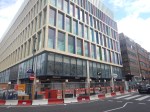

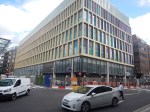
I showed this entrance in Farringdon Station – 7th July 2018.
Is This A Massive Endorsement For The City Of London?
This Google Map is dominated by the new Goldman Sachs building in the City of London.
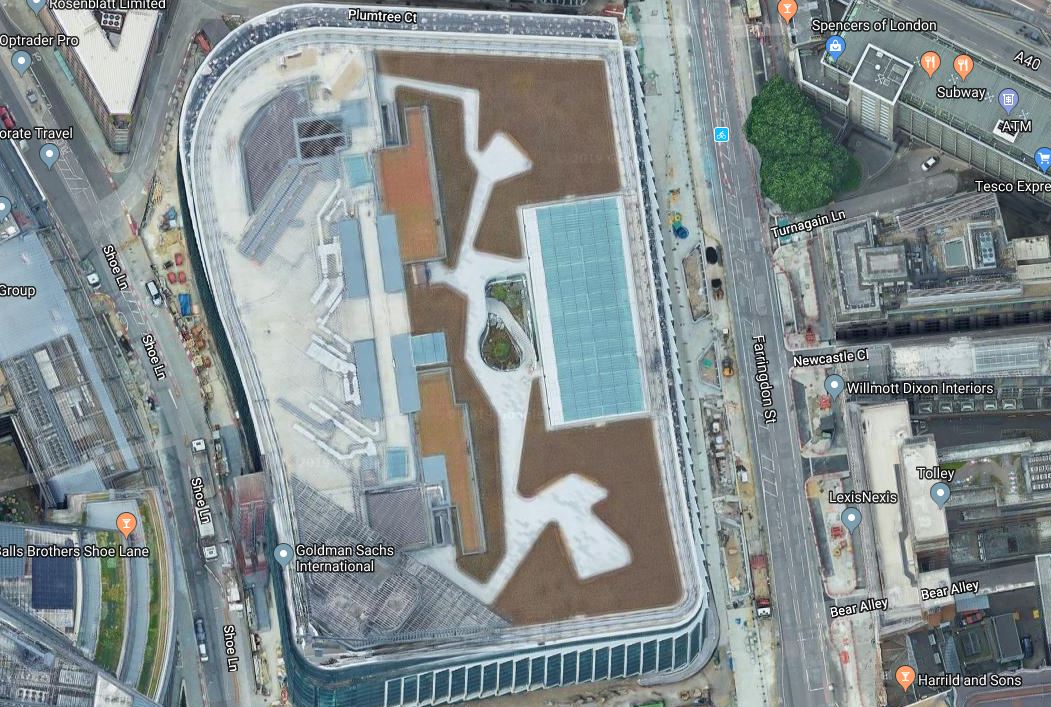
Make what you want of the building and its significance for the City.
But is it an endorsement of a strong future or a monument to a glorious past?
Location, Location, Location
One property developer once said, these were the three most important things about a property.
This Google Map shows the location with respect to Farringdon station.
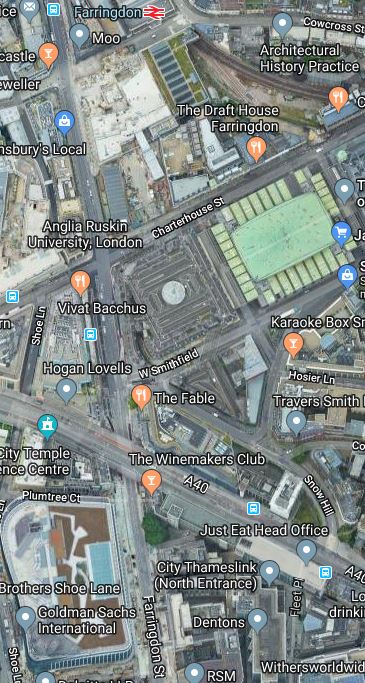
The station, which is at the top of map, will be the best connected in Central London as it will be the crossing of Crossrail and Thameslin. That probably won’t be important to some of the employees of Goldman Sachs, but the building apparently has favoured bicycle spaces over car parking.
Note just to the South of Farringdon station, two of the large buildings of Smithfield Market. These two are very much under-used and plans exist to convert part of them into the new Museum of London.
But a lot of the area between Goldman Sachs and Farringdon is under-developed and will the Goldman Sachs decision, lead to more development of offices, hotels and residences in this part of London at the West of the actual City?
Terminal Six At Heathrow And Terminal Three At Gatwick
I often joke, that this area, will become extra terminals at Heathrow and Gatwick Airports, with an easy link to the trains to Scotland and the Continent just a short taxi ride, bicycle ride or one stop on the Underground up the road at Kings Cross and St. Pancras.
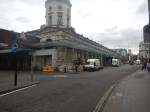
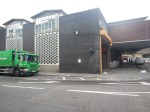
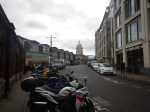
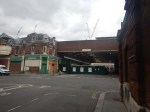
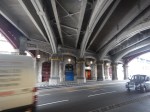
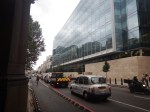
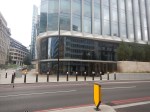
A Walk From Smithfield To The Goldman Sachs Building
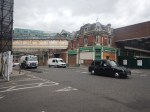
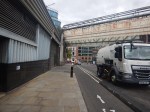
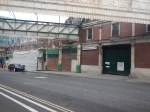
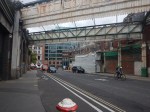
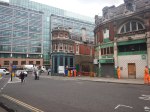
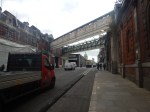
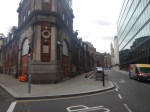
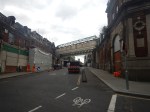
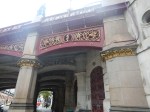
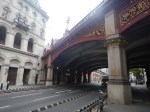
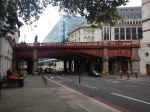
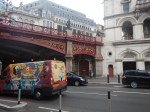
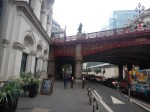
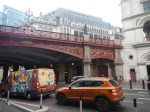
These are some pictures I took on the way.
The New Museum Of London Site

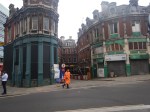
Holborn Viaduct
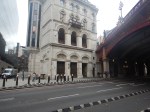
The Goldman Sachs Building



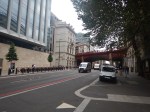

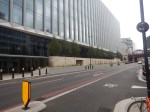

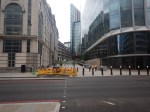

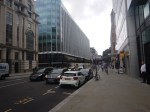
I’m sure that if I can walk to and from Farringdon station at seventy-two, then a lor of people working in the building will use the railway to get to and from work.
Conclusion
Have Goldman Sachs decided to build their new offices at the Crossroads of the World?
Acton Main Line Station – 2nd September 2019
These pictures show Acton Main Line station.
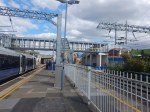
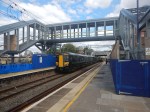
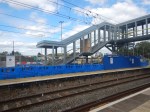
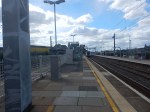
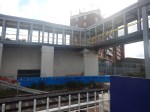
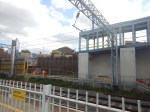
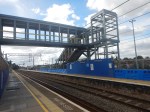
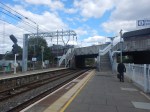
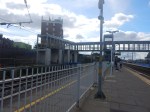

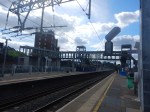
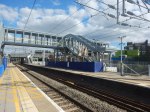
These improvements are promised in Wikipedia.
- New station building with a larger ticket hall with level access from Horn Lane
- Step-free access between street level and all platforms via a new footbridge with stairs and two lifts
- Platforms 2–4 extended to enable 10-car trains to stop
- Improved passenger facilities including a new canopy on platform 4, along with information and security systems.
There is still work to do.
Crossrail Rushes To Make Bond Street Ready For Testing
The title of this post is the same as that of this article on Rail Technology Magazine.
Mark Wild, who is Crossrail’s Chief Executive, is quoted as telling the London Assembly.
Our current focus is predominantly on key areas of risk such as ensuring that Bond Street station is at the required stage of completion to allow us to commence trial running early in 2020..
The more I read about this project, the more I believe, that the projects lateness is down to two things.
- Some very optimistic project management by contractors to get some of the enormous contracts on offer.
- A lack of resources in vital areas like some trades and the testing of trains.
But then what do I know about Project Management and computer software?
Could Bond Street also be the only really late station, as it is on a very cramped site in the centre of some of the most expensive real estate on the planet?
The 3D visualisation shows the area around the station.
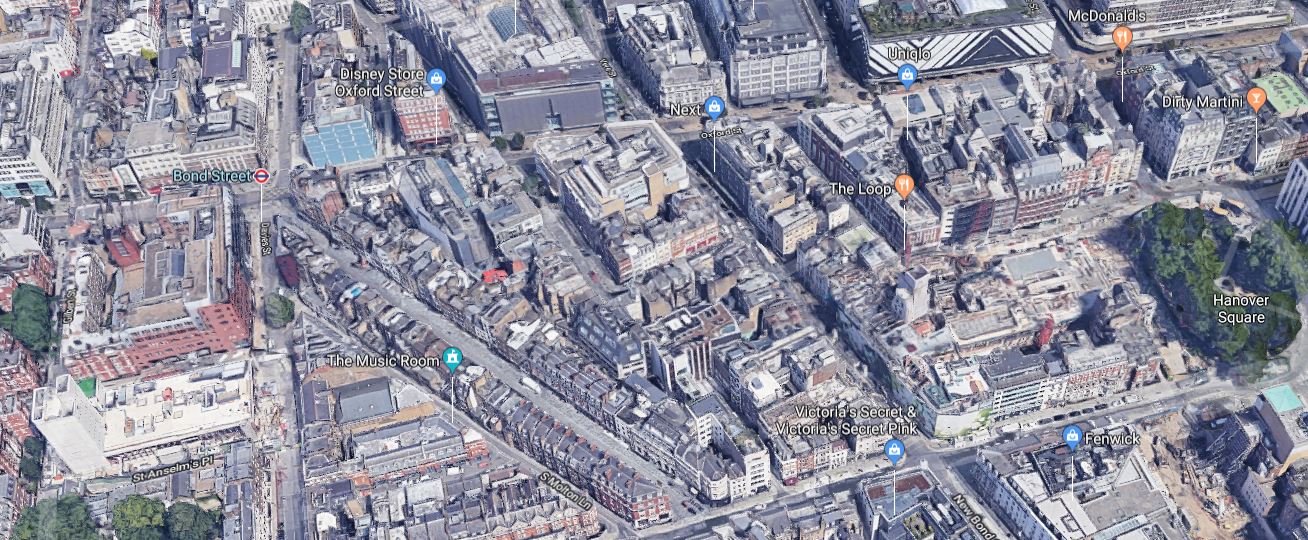
Note .
- The new Western entrance to Bond Street Crossrail station, which is the cleared site with the russet-coloured building behind.
- The new Eastern entrance, which is just to the West of Hanover Square.
- Bond Street running down from Next on Oxford Street to Fenwicks.
Surface access is not good to say the least.
The same access problem probably applies at Paddington, Tottenham Court Road, Farringdon, Moorgate and Liverpool Street stations, but at these five stations, there were buildings that could be demolished to give access for construction.
It should also be notes, that some of these stations have only a few local residents.
I’ll take a quick look at these five stations.
Paddington
This Google Map shows Paddington station.
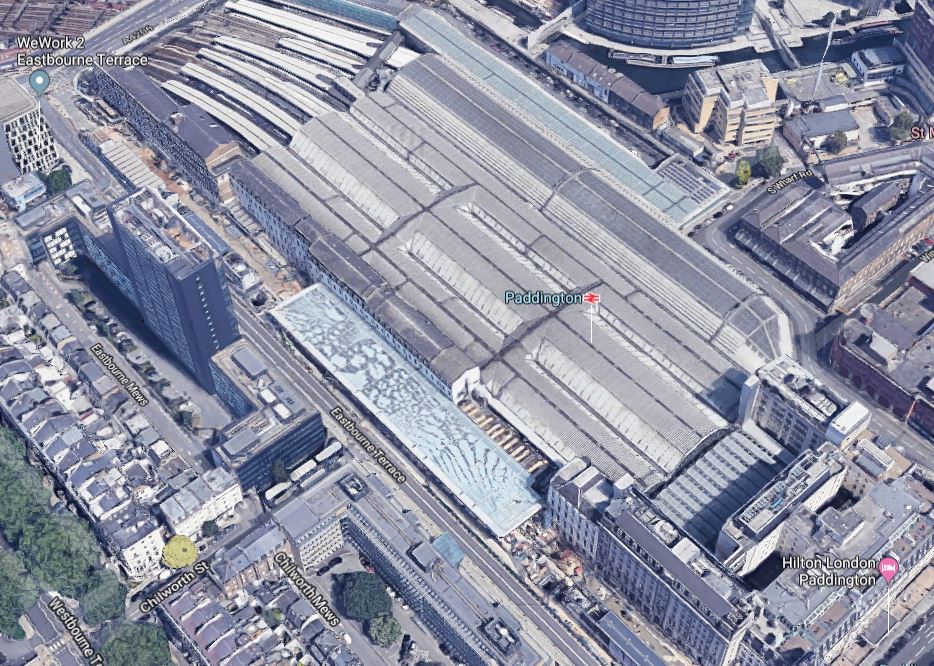
Note the Crossrail station, which has been squeezed into the old cab rank, alongside the station.
Tottenham Court Road
This Google Map shows Tottenham Court Road station.

Note the amount of cleared space around the station,
Farringdon
This Google Map shows Farringdon station.

The Crossrail station is to the West of the current station. It must have helped contractors, that the station had been redeveloped a couple of times for the construction and update of Thameslink.
Moorgate
This Google Map shows Moorgate station.
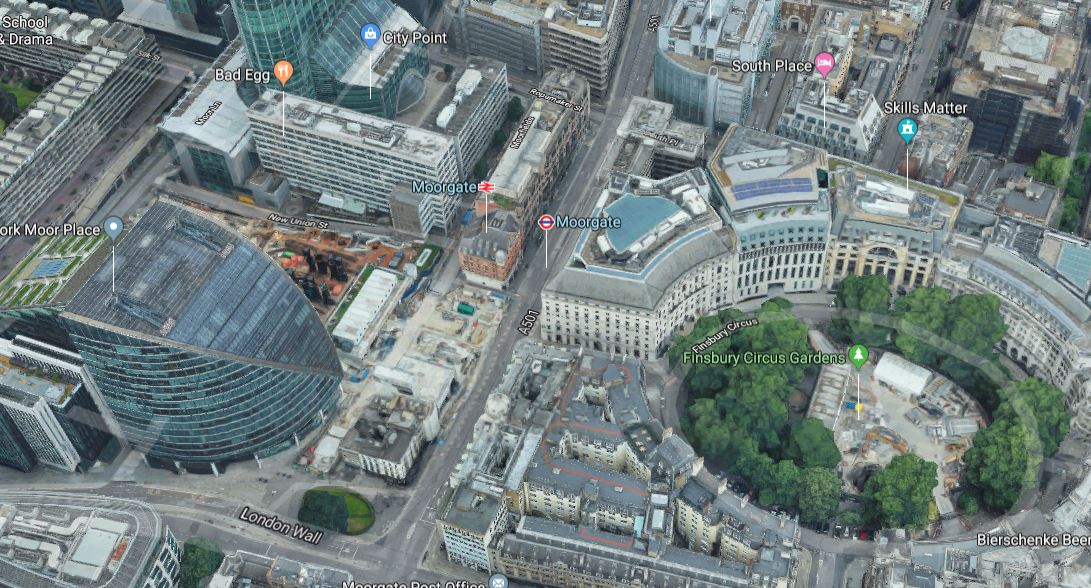
Moor House, which is the large office block behind Moorgate station, was built in 2004 and was designed to accept Crossrail in the basement.
Finsbury Circus, which is the green space in the East was used as a construction site.
Liverpool Street
This Google Map shows Liverpool Street station.
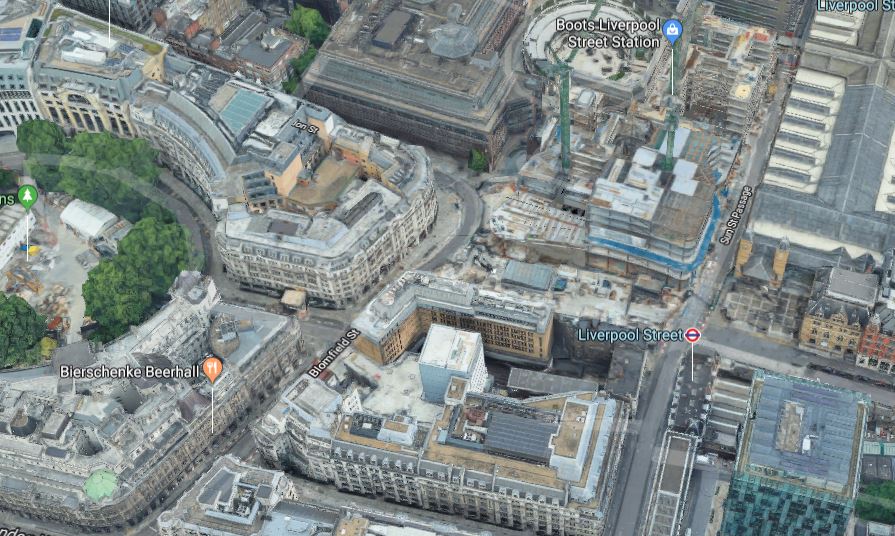
The main entrance to the Crossrail station will be in front of the Broadgate office complex, which is to the West of the station.
This section of Broadgate is also being redeveloped, which probably helps and hinders in equal measure.
Conclusion
I think lessons will be learned that can be applied to other cross-city rail projects.
- Future-planning as with Moor House should be increasingly used.
- Should stations be built in conjunction with other developments?
- Are stations in areas of high real-estate values a good idea?
- Could more innovative ways be used to bring in construction materials?
Will future projects be better?
Seven Kings Station – 2nd July 2019
Seven Kings station appears to be substantially complete, as these pictures show..
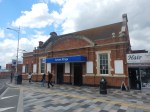
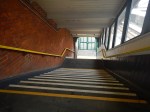
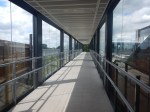
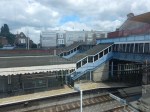
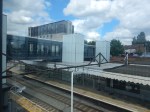
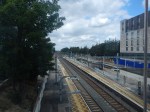
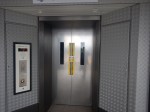

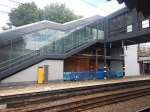

A new bridge with lifts has been added to supplement the current stairs, which have been refurbished.
Brentwood Station – 2nd July 2019
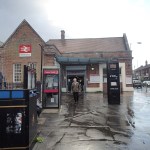
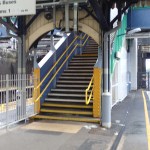
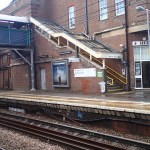
I took these pictures of Brentwood station today.
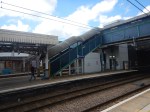
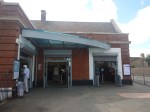
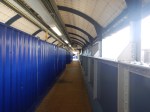
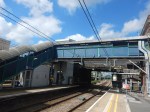
For comparison, this second set of pictures were taken in October 2014 and I posted them in Before Crossrail – Brentwood Station.
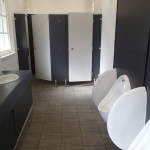
Note the excellent toilets.
There is still work to do to finish the station.
The biggest problem appears to be squeezing the lifts into the structure.
There is this article on Essex Live, which is entitled Brentwood Station Lift Fiasco Is Penalising Buggy-Users And Disable People.
This is said in the article.
Network Rail has previously said that the decision to not install a lift on platform four was “not taken lightly.”
But, the discovery of power cables and a disused culvert underneath where the lift shaft would go led to Network Rail’s conclusion that a lift could not be installed there.
I’m afraid that station modifications are liberally sprinkled with stories like this.
Harold Wood Station – 2nd July 2019
Harold Wood station appears to be progressing towards completion.
These pictures were taken today.
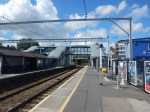
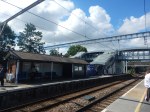
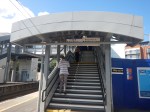
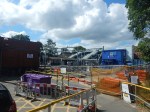
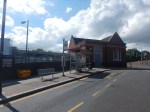
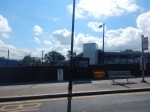
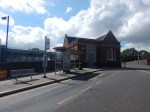
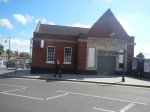
For comparison, this second set of pictures were taken in October 2014 and I posted then in Before Crossrail – Harold Wood .
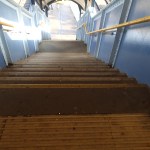
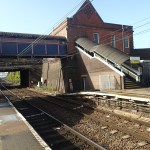
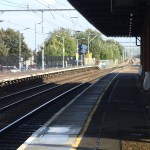
In the related post, I said this.
The station has toilets but a bad bridge and no lifts.
It won’t take much to get it ready for Crossrail.
It appears that the following work has been done.
- A temporary (?) step-free entrance has been built.
- A new bridge has been put in place.
- The platforms have been extended.
But the lift installation need finishing and the old station building needs refurbishing.
The station has the air of an overrunning refurbishing project or one that has run out of money.
Gidea Park Station – 2nd July 2019
Gidea Park station is now almost ready to become step-free.
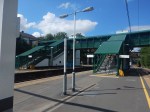
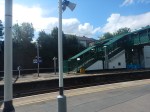
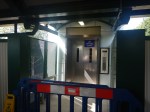
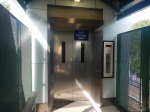
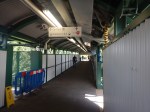
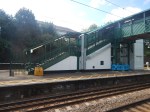
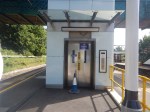
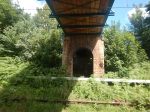
There is still a bit of testing and decorating to finish off and hopefully everything in the station will be fully operational in a few weeks.
Compare the pictures, with these of the bridge, that I took in October 2014.
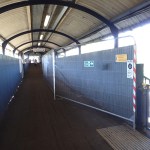
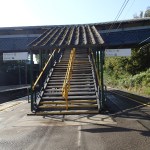
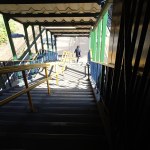
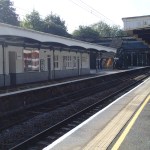
The pictures come from Before Crossrail – Gidea Park, where I said this.
One of the station staff told me, that the bridge had obvious corrosion problems and it was being replaced with one with lifts.
It appears that the contractors have taken the old footbridge, refurbished it with all the care that the Scots use on the Forth Railway Bridge and added a pair of new lift towers to give step-free access to the platforms.
This method probably took longer than replacing the whole structure with a new bridge, but I suspect that the contractors were able to keep the station open at all times.
I have to add a tail-piece.
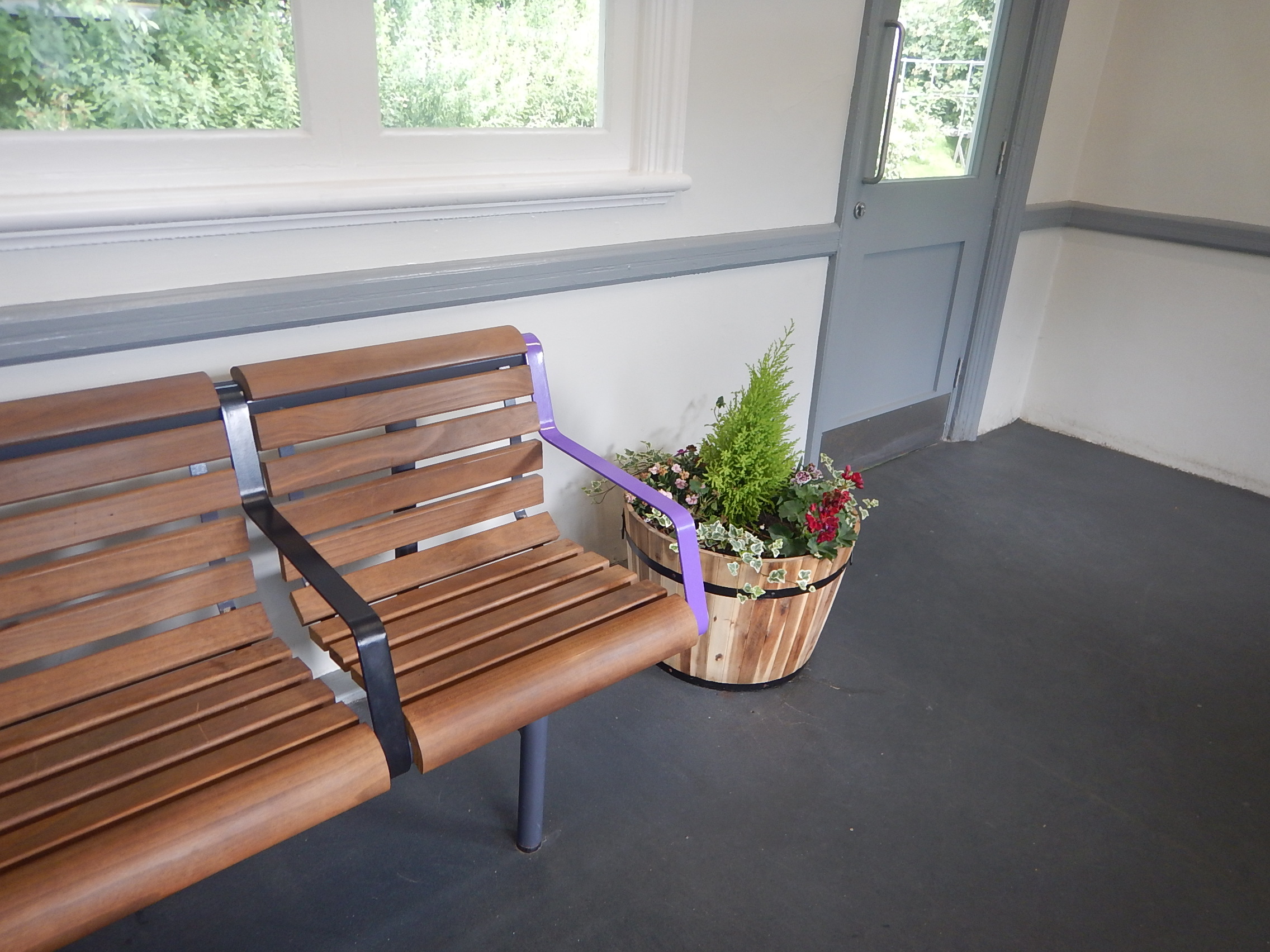
This picture was taken in the waiting room.
But then the station had a florist when I visited in 2014. Perhaps, it still does!
 The Anonymous Widower