Network Rail Seem To Have Survived Christmas Without Indigestion
This article in the International Railway Journal is entitled Network Rail completes £100m of upgrades over Christmas.
It lists all the projects that were completed over Christmas,
I’m pleased that a lot of work seems to have been completed between London and Norwich, so hopefully, I’ll be seeing a more reliable rail service to Ipswich next season.
I also saw some of the fruits of the work yesterday, which I wrote about in Through The Acton Dive-Under.
So far, there have been no complaints on the news about the work, that I’ve seen.
A Timelapse Video Of Ordsall Bridge Replacement Over Christmas 2016
I have created a post of this video, to make it easy to find.
I was pointed to the video from this page from Place North West.
Passing The Completed Acton Dive-Under
I took these pictures as I passed the Acton Dive-Under going towards Paddington.
It looks substantially complete.
The dive-under is on the Slow Line into Paddington, soon after Ealing Broadway station.
It was a very clever piece of engineering to create the Acton Dive-Under in the middle of a working railway with trains passing on either side.
I’m certain, there are other places on the UK’s rail network, where a similar technique can be used to sort out places, where two rail lines need to cross each other.
Railway Depots Are Boring Places
If you thought the title to this post was correct, then read this article in Rail Engineer, which is entitled In case you missed it – Cutting-edge equipment for tomorrow’s depots.
It’s about an innovative company in Sheffield called Mechan, who make specialist mechanical handling equipment for railway depots.
They are not a large company, but their orders include.
- Two large train traversers for Hitachi’s new factory at Newton Aycliffe, that is building the Class 800 trains.
- A mllion pound order for Crossrail’s Old Oak Common Depot.
- A 130-tonne traverser for Bombardier’s Ilford Depot.
Their website also details orders for Alstom, Port of Felixstowe, MTR and Siemens.
A lot of people think heavy engineering is boring. It isn’t, it’s just that the scale is bigger, but the problems remain the same.
Levitation Magic
How do you raise a 200 tonne masonry arch bridge by 900 mm, so that you can fit overhead electrification and freight trains with large containers under the bridge?
You used to call in Paul Daniels, but now he’s gone you have to use other forms of magic!
If finesse doesn’t work, you resort to the brute force technique that IK Brunel used to launch the Great Eastern – hydraulic power.
This article on the Freyssinet web site, describes how the bridge was lifted.
For an encore, the engineers then lowered the bridge by 465 mm.
Why raise a bridge like this?
Surely, to use a simple method, like explosives or a large hydraulic breaker and rebuild is a lot easier.
The trouble is it isn’t as this method disturbs the working railway much less and is quicker.
Network Rail also have five hundred bridges like this that need to be raised.
It would certainly make an interesting live stream from the Internet. Perhaps, a fee could be charged to watch for a charity like Cancer Research UK.
Brunel, who played the showman at times, would have approved of that!
Keep Taking The Medicine
On Sunday, I usually fill up my daily pill-boxes.
I use my old Coaguchek strip containers, which each box having the pills for one day.
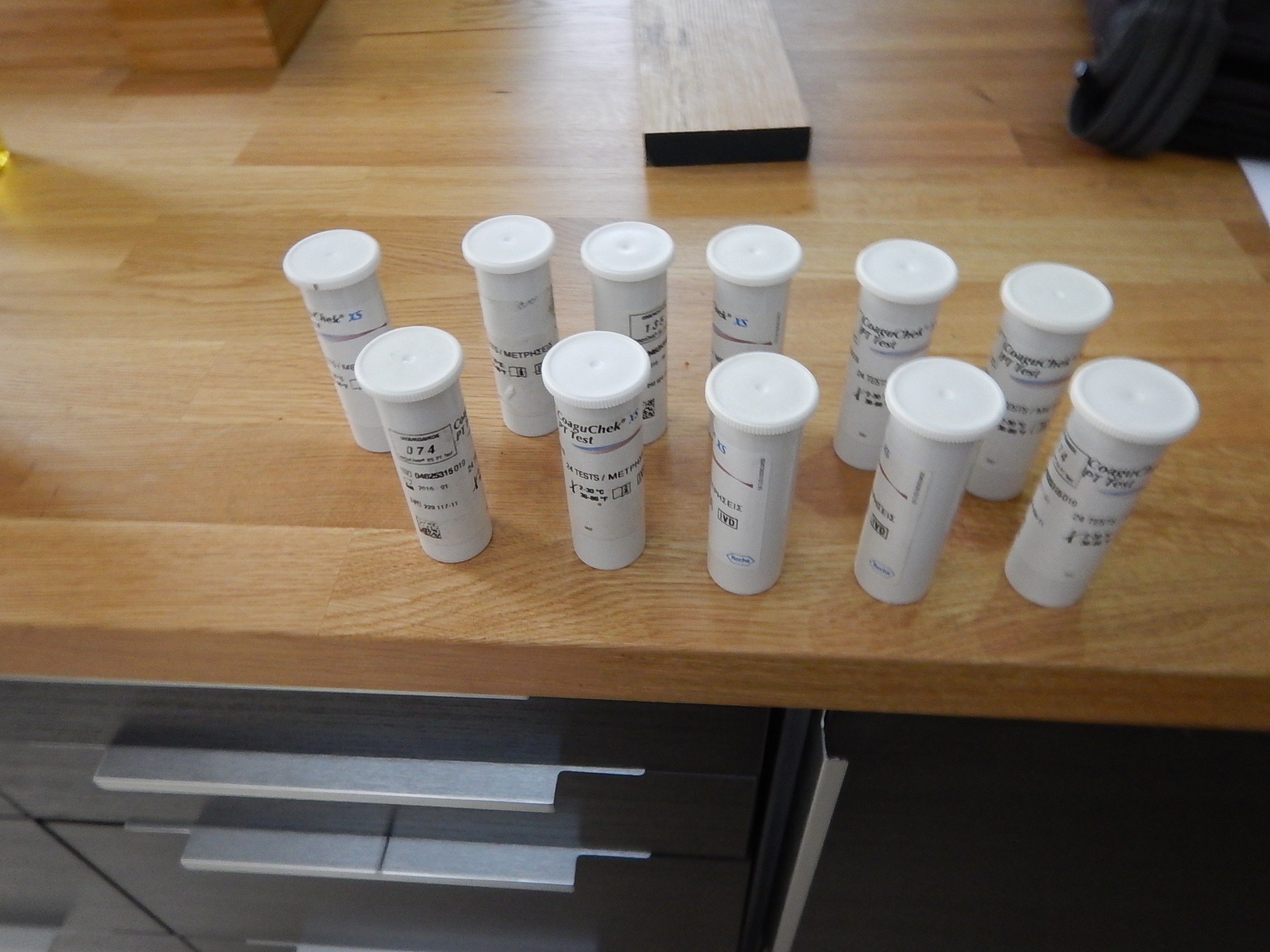
Eleven White Boxes
If I find that I can’t get seven sets of pills, like last Sunday, I know it is time to get my boots out and go to Boots for some more.
The great advantage of individual boxes, is that when I go away, I just take an appropriate number of boxes – two more than the nights I’m away.
Counting out the pills has been a lot easier, since my doctor decided that one pill wasn’t needed any more.
So now, I just put 4 mg. of Warfarin (one blue and one brown), a statin, two other drugs and two vitamin pills in for each day.
I check my own INR and have used 4 mg. a day, for a couple of years now and it tends to hover around the 2.5 level, that I need.
I test myself bi-weekly and only if it is below 2.2 or above 2.8, do I take any action.
Usually, I just stick to the 4 mg. and retest the next day. Very often, it has bounced back, as it was probably something I ate or drunk. Or it could be the weather, as the INR can rise in sun or fall, when you get back to miserable weather.
Some doctors may not like that I choose my own level of drug, but setting the level, is just the sort of problem for which I have a B. Eng degree in |Control Engineering from Liverpool University.
Some of the regimes, I’ve had from doctors and their systems, are pretty complicated and I suspect quite a few patients get confused.
Keeping Your Wiring Tidy
I have form in this area.
- One of my first jobs was designing and building small pieces of control electronics for industrial plant.
- I built small tuners for a company in Felixstowe.
- Later at ICI, I built instruments for installation on chemical plants.
So I learned from about sixteen, that your wiring always has to be neat and colour-coded.
I also remember at ICI, how Neil Saville developed a computerised design program in the late 1960s, to layout and colour-code the wires in a chemical plant.
So I was drawn to this article in Rail Engineer, which is entitled Safety, sustainability and security polymer cable troughing.
The article is about Trojan Services, based in Hove, who have developed various cable troughs and other products for the rail industry, made out of recycled polypropylene.
The article is very much a must-read, which shows how good design can transform the most mundane of products.

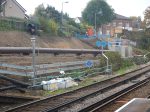
The pictures show some typical cable ducts.
Old Ford Water Recycling Plant
This plant just off the Greenway takes raw sewage from the Northern Outfall Sewer and converts it into clear water for non-potable purposes on the Queen Elizabeth Olympic Park.
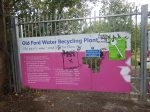

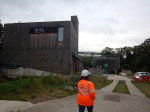

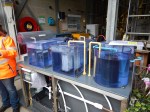
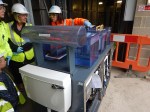
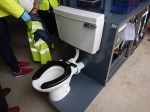
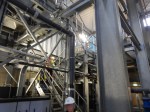
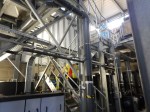
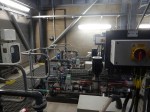
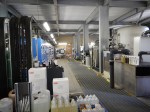
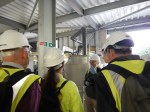
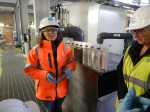
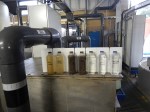
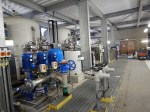
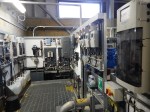
I visited it during Open House 2016.
We need more plants like this, to make better use of the water we use.
Fulwell Station And The Drainage Works
On my way back to Waterloo on the Shepperton Branch Line, I just had to visit Fulwell station and the drainage work, I wrote about in If Your Train Is Late Should You Blame Henry The Eighth?.
I took these pictures.
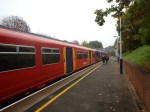
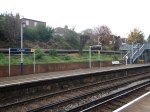
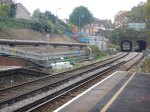

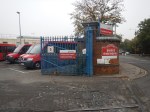
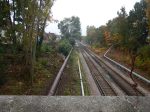
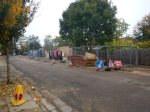
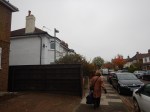
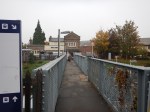
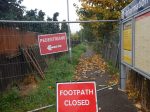
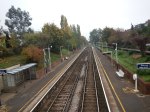
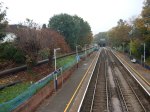
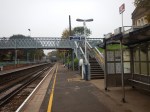
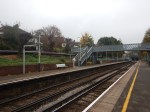
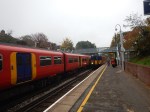




It is a substantial piece of engineering.
- The water is collected from the area of the tunnel into a large tank on the station side of the tunnel.
- The water is then pumped to the lagoons at Fulwell Junction.
- When there is available capacity, the water is drained away, using the drains under the Kingston Loop Line through Teddington.
- The electricity requirement was high and required a separate supply and sub-station.
- The pipework isn’t small.
According to this press release from Network Rail, the works are costing £6 million. This picture of flooding at Fulwell station is from the document.
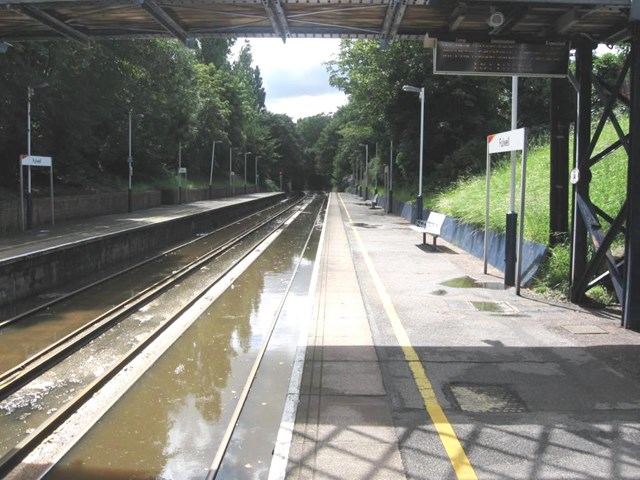
Flooding At Fulwell
This map from carto.metro.free.fr, shows the lines in the area.
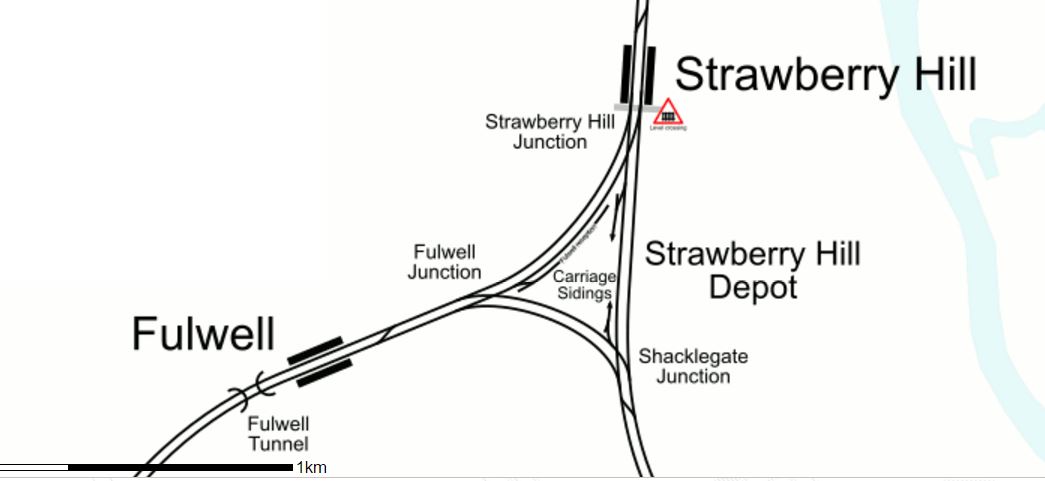
Lines At Fulwell Station
I heard comments like these, from several of the locals.
- The flooding has been terrible at times in recent years.
- If the works cure the flooding they’ll be very pleased.
- They’ll be glad to get the footpath reopened.
- But I didn’t hear any complaints of too much noise.
It does seem to me, that a November 2016 completion date could be possible.
If you were an engineer working on this project, would you want a dry winter or a very bad one, to give the system the sternest test, the Devil can devise?
Final Thoughts
I suppose the only other thing that could be to clean the water and use it for watering one of the golf courses in the area. But probably the cost of the treatment plant, which would be something like the Old Ford Water Recycling Plant, would be too much.
As to hiding or burying the pipe, I suspect that there is a plan for this, possibly using nature’s camouflage and/or lots of soil.
The station is also a good example of traditional cable ducting, but the design probably predates the system I wrote about in Keeping Your Wiring Tidy.
I’ll go back in a couple of years and have a take a butcher’s.
Hopefully, it will still look like a job that has been well done!
If Your Train Is Late Should You Blame Henry The Eighth?
I have just read this fascinating article in the Rail Engineer, entitled Fulwell’s Blue Lagoons.
This is the first paragraph.
What do we have to thank – or blame – King Henry the Eighth for? The Church of England? Some very ruined abbeys? The fashion for padded shoulders? Flooding and subsequent train delays on the Shepperton branch?
Yes, they’re all down to him.
Henry’s need for water at Hampton Court Palace, meant that a whole series of problems were left for Victorian railway engineers, when they built the Shepperton Branch, that have persisted to the present day.
Read the article to find out how Network Rail have hopefully solved the problems.
This Google Map Shows the area around Fulwell and Strawberry Hill stations.
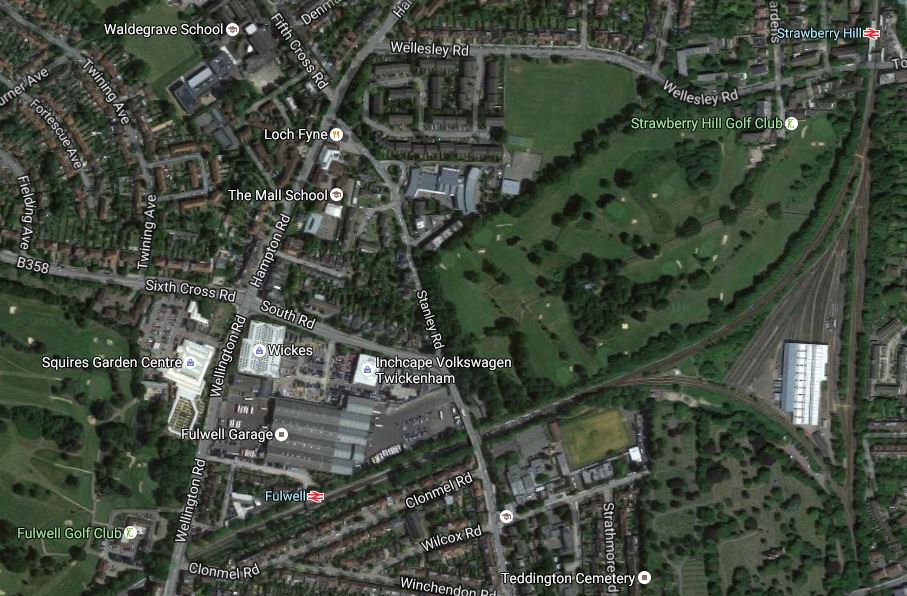
Between Fulwell and Strawberry Hill Stations
The tunnel talked about in the article is to the West of Fulwell station.

