A Cruise To The Isle Of Wight
Until yesterday, I’d never been to the Isle of Wight.
I took the train from Waterloo to Portsmouth Harbour station, from where I walked to the catamaran for Ryde.
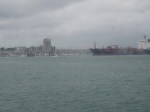
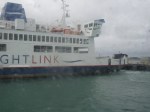
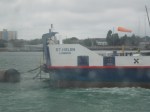
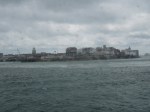
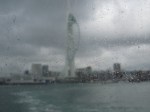
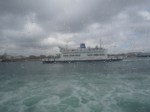


The pictures were taken on the way over.
The ferry was fairly busy with passengers. Unfortunately, you don’t seem to be able to get into the fresh air.
The fort incidentally, is one of the Palmerston Forts.
From Copenhagen To Hamburg By Train
This is one of the more unusual journeys you can do in a high speed train. Usually, high speed trains, are defined as ones, that are capable of travelling at 200 kph or 125 mph. thus, the UK’s InterCity 125 train, built over forty years ago, are high speed trains, despite being diesel-powered. I thought that the train I was on, was a standard DeutscheBahn ICE. But it wasn’t, as it was an ICE-TD, which is diesel-powered.
You don’t notice the diesel engine in each car, and the comfort is similar to an electrically-powered train.
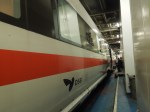
But the big difference on this route, which is called the Bird Flight Line, is that the train is carried part of the way in a ferry from Rødby to Puttgarden. Here are a few pictures.
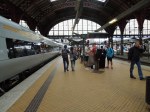
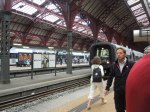
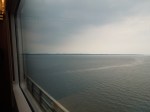
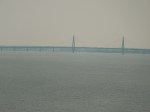
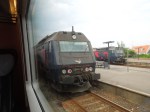

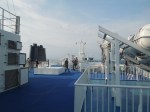
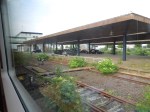
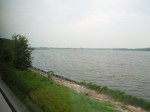
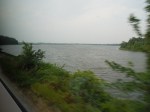
I nearly delayed everything by falling asleep and was quickly roused by the guard and told to get off the train at Rødby.
The train arrived in Hamburg a few minutes late. It certainly had been an unusual trip in a train. It was also noteworthy as I saw a hare in the station at Puttgarden. But then a few years ago, I saw one on the dock at the Hook of Holland.
From Bratislava To Vienna
I left Bratislava on Wednesday morning. Not by train, but by taking a fast boat on the Danube.

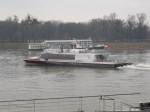
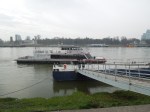

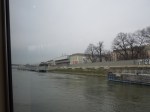




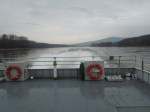
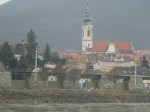
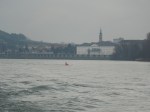
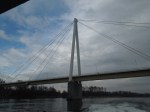


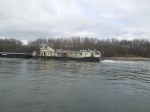
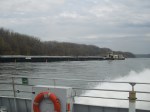
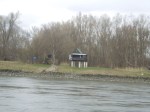
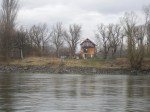

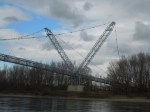

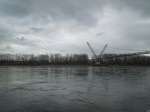

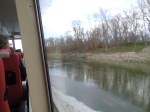
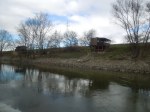

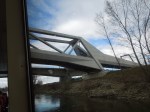
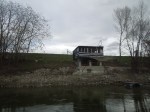

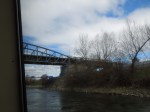
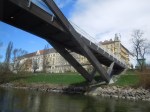
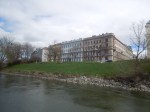
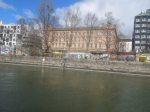
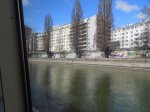



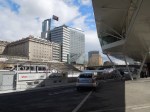
The fare was just twenty euros and it was a very pleasant trip, that took you from one city centre to the other in about seventy-five minutes. As there are three ropund trips a day, you could easily stay in one city and visit the other.
I was particularly fascinated by the fishermen’s cottages along the banks, where they use nets to get the fish.
I have tried to nake all of the bridges, but information on the web is a bit lacking.
The Woolwich Ferry By Foot
In some ways, I can’t go anywhere near the Woolwich Ferry without laughing, as one of the funniest things I ever saw was a sketch on Michael Bentine‘s It’s A Square World called the Night the Woolwich Ferry Sank.
Today, I crossed the Thames as one of a surprising numbers of foot passengers and took these pictures.
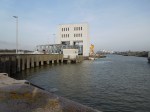
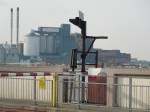
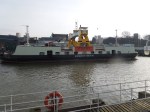
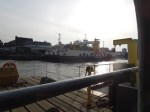
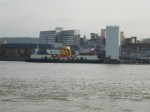
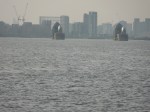

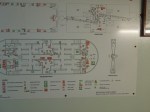
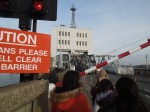
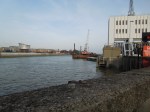
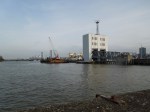
If I have a complaint, it’s that you can’t get on deck like you can on a Mersey Ferry and taking good pictures is difficult. I did take some other pictures five years ago, when I last drove across using the ferry.
Booze Cruises Return
The Times is reporting today, that booze cruises are returning due to the low level of the Euro.
The Mersey Ferries in the 1970s
They’ve just shown the opening clip of the Liver Birds on BBC2, with its picture of the back of the Mersey Ferry, Mountwood, which is still going, but after being renamed Royal Iris of the Mersey. In three years time, I will have known those boats for sixty years.
Incidentally, I don’t remember much of the first series or two of the Liver Birds, as C and I didn’t have a television until about 1973, although we had seen the odd episode at our parents respective houses. I think the first series we really saw was about 1975, when Elizabeth Estensen joined the show.
Ferries Across The Mersey
In the 1960s, the Mersey Ferries were an important transport link, that in truth has been superceded by the railway from Liverpool Lime Street and Central stations to the Wirral.
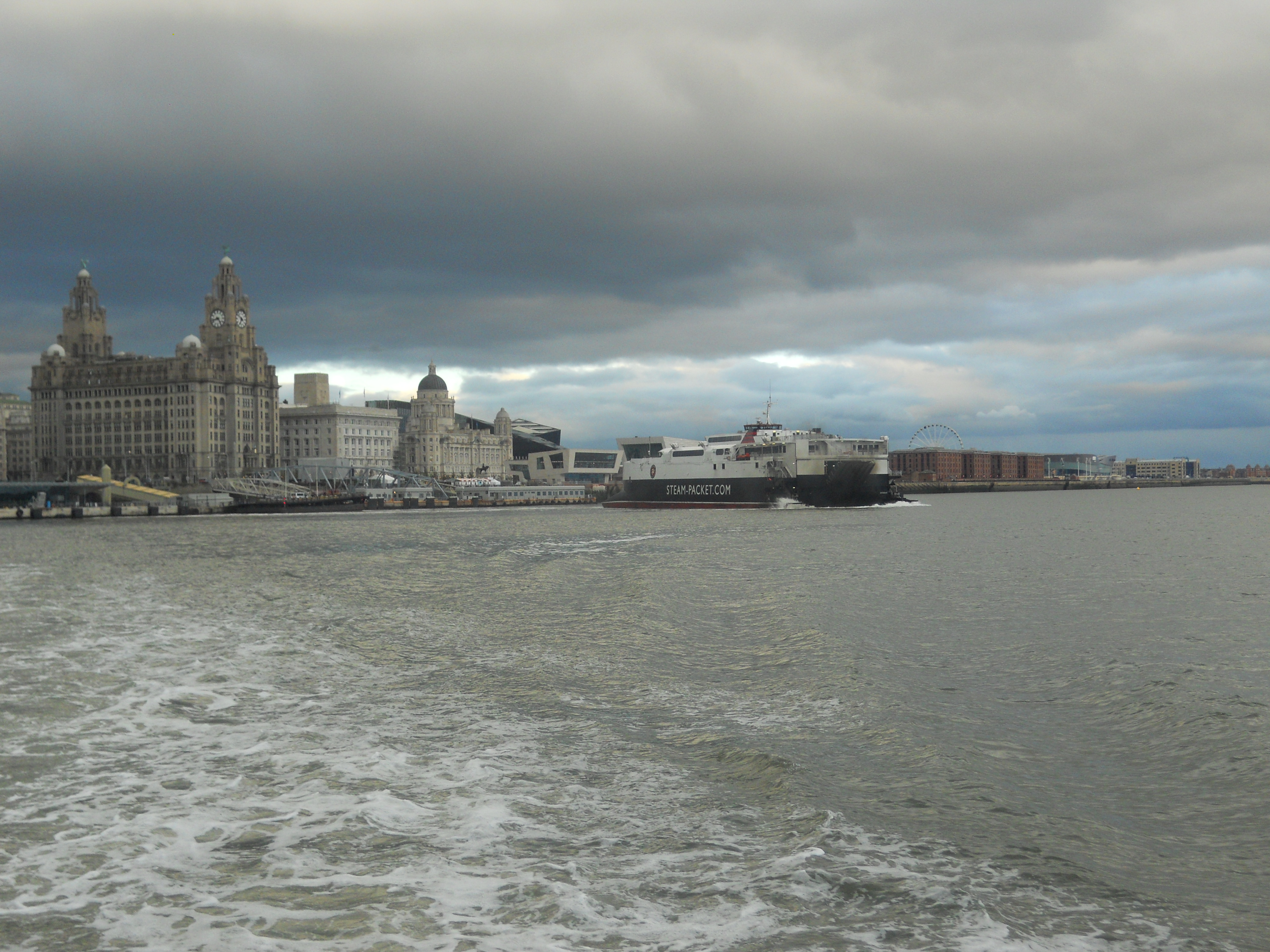
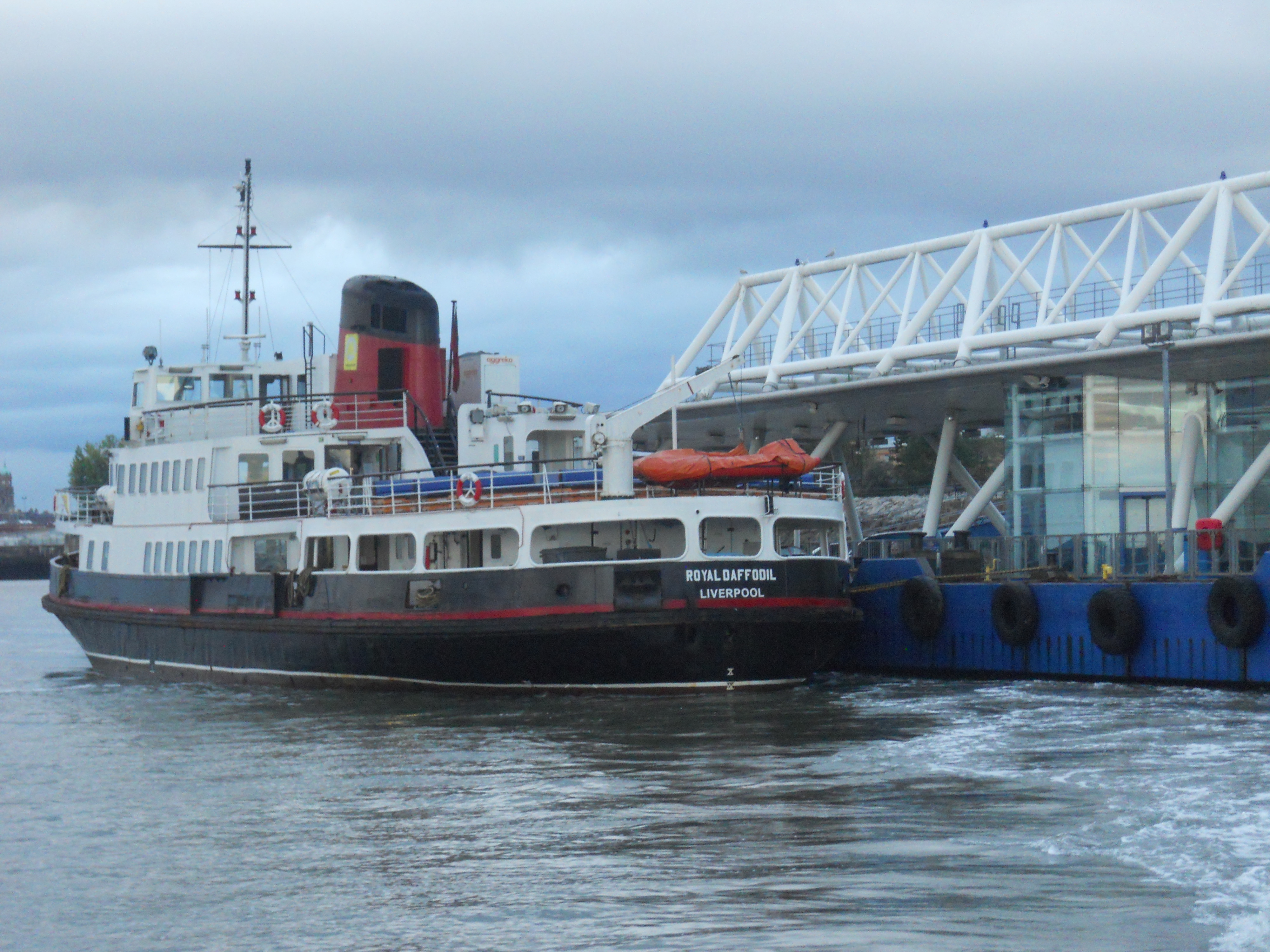


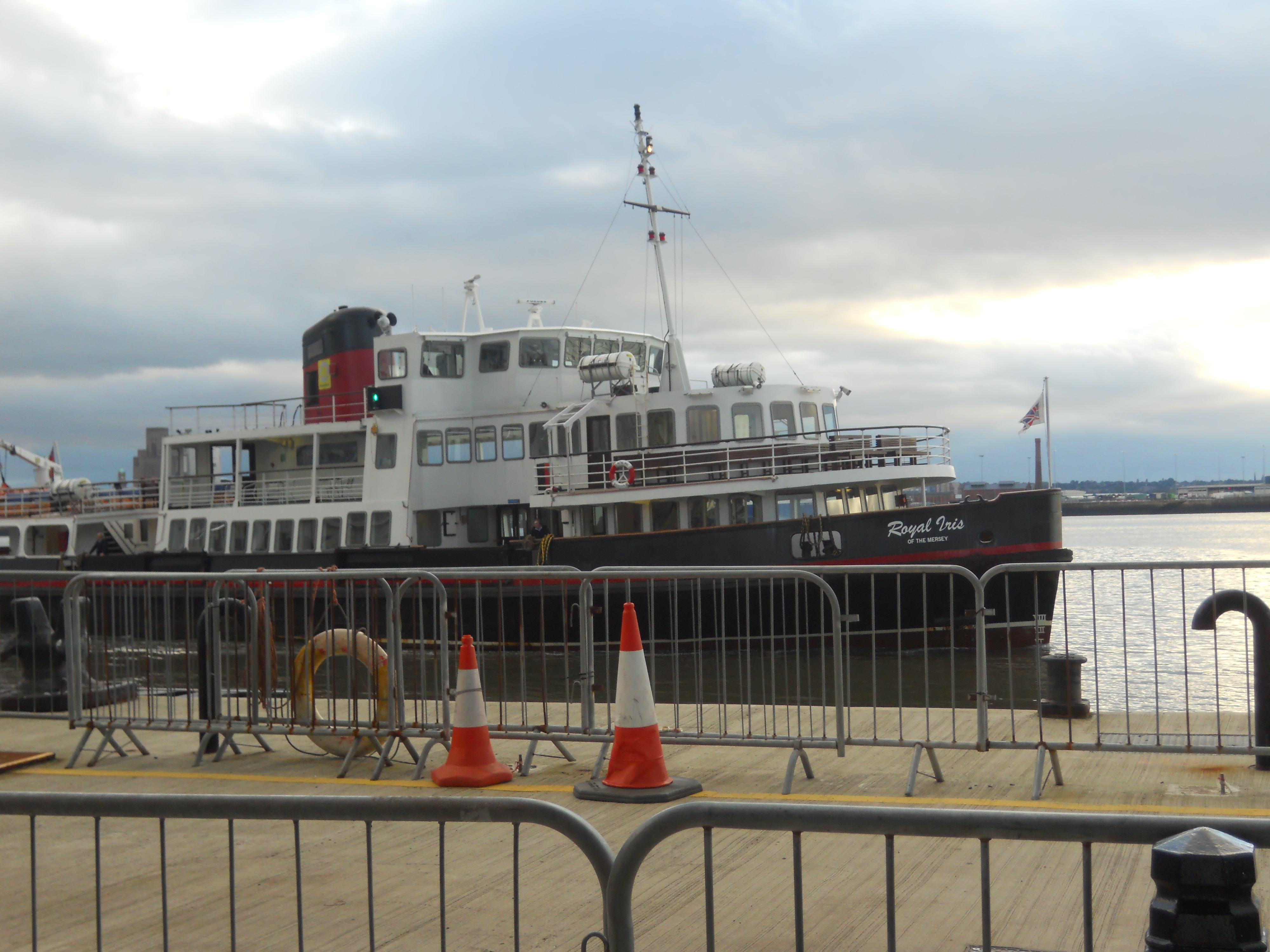
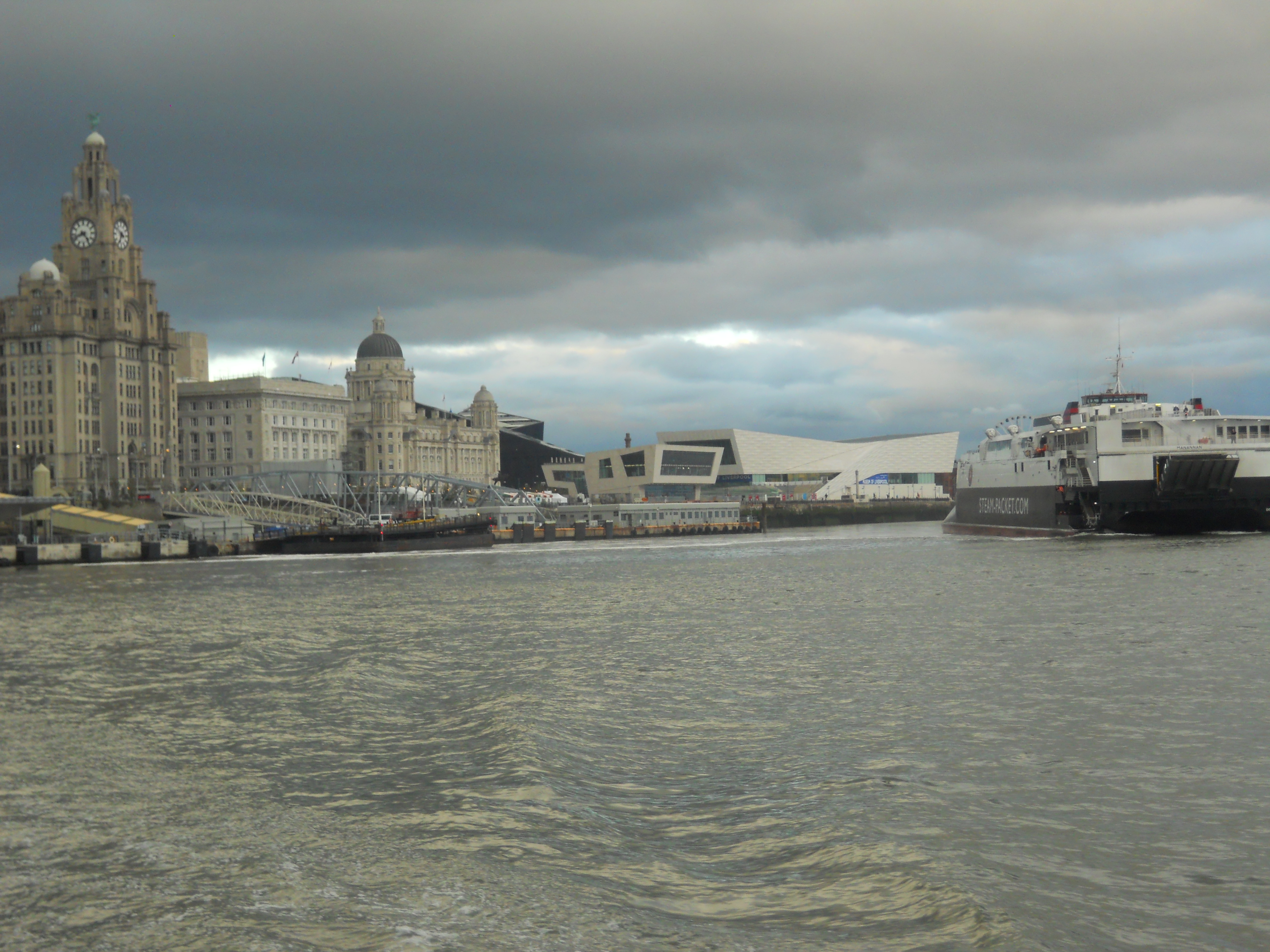
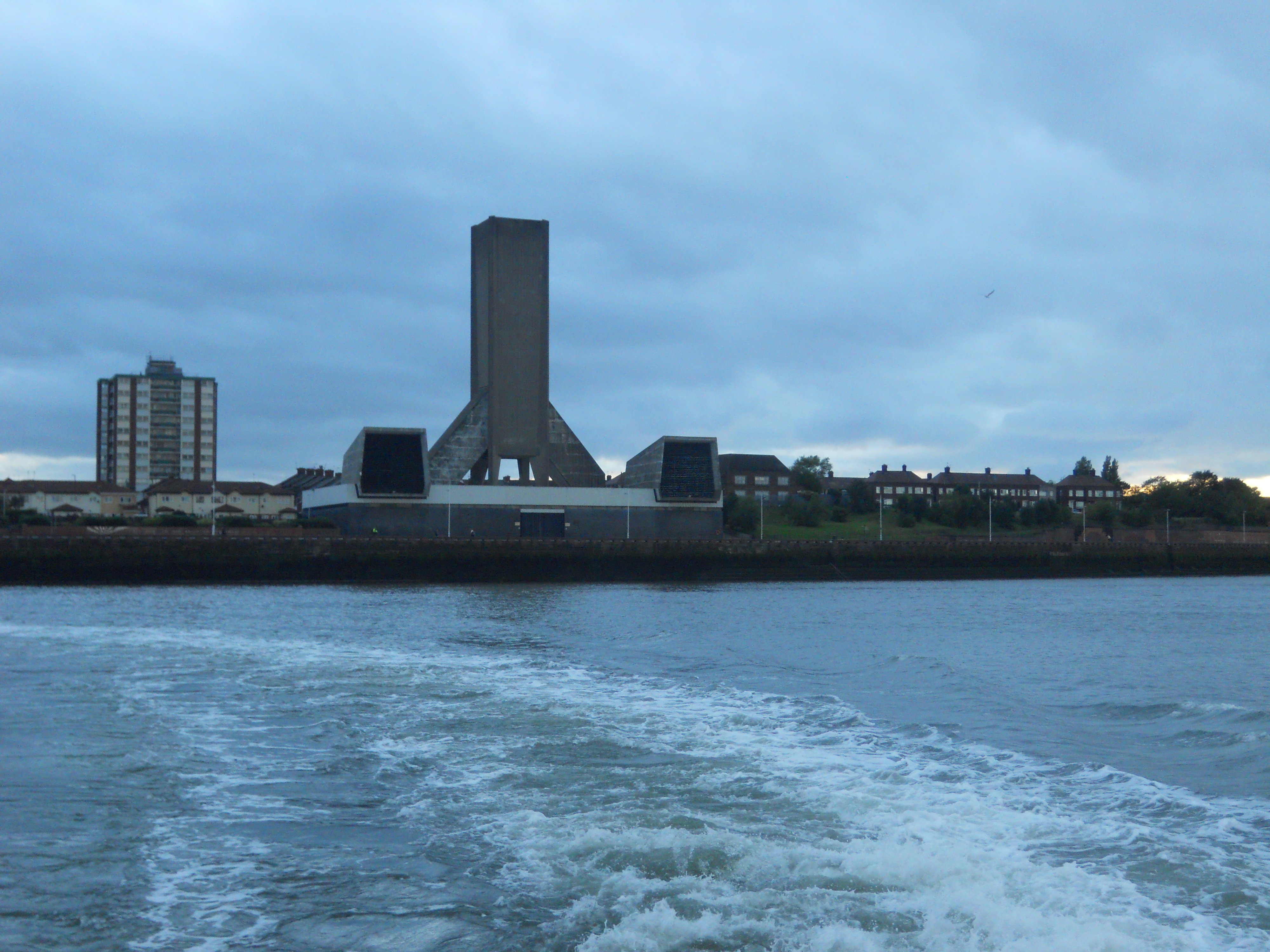
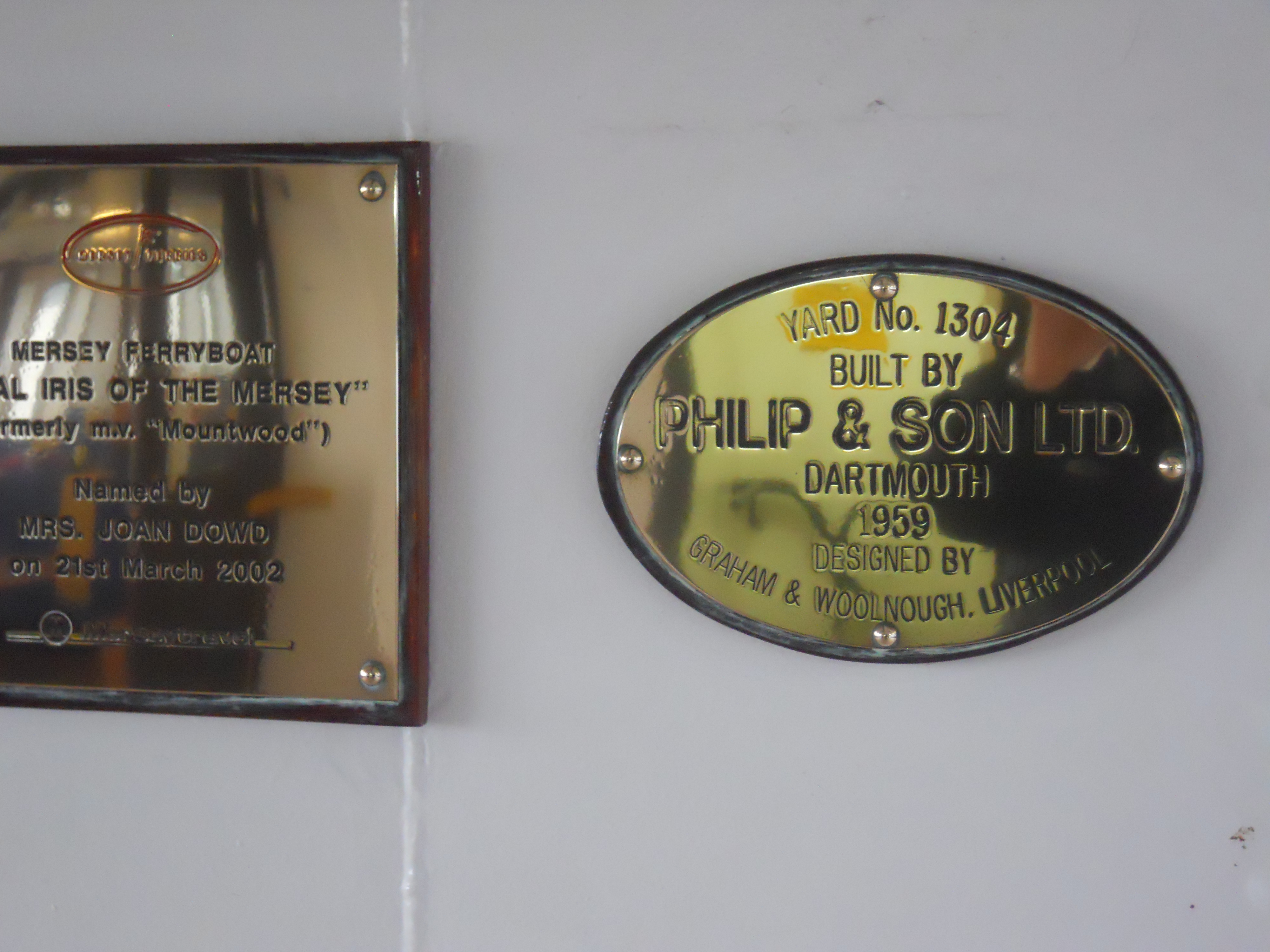
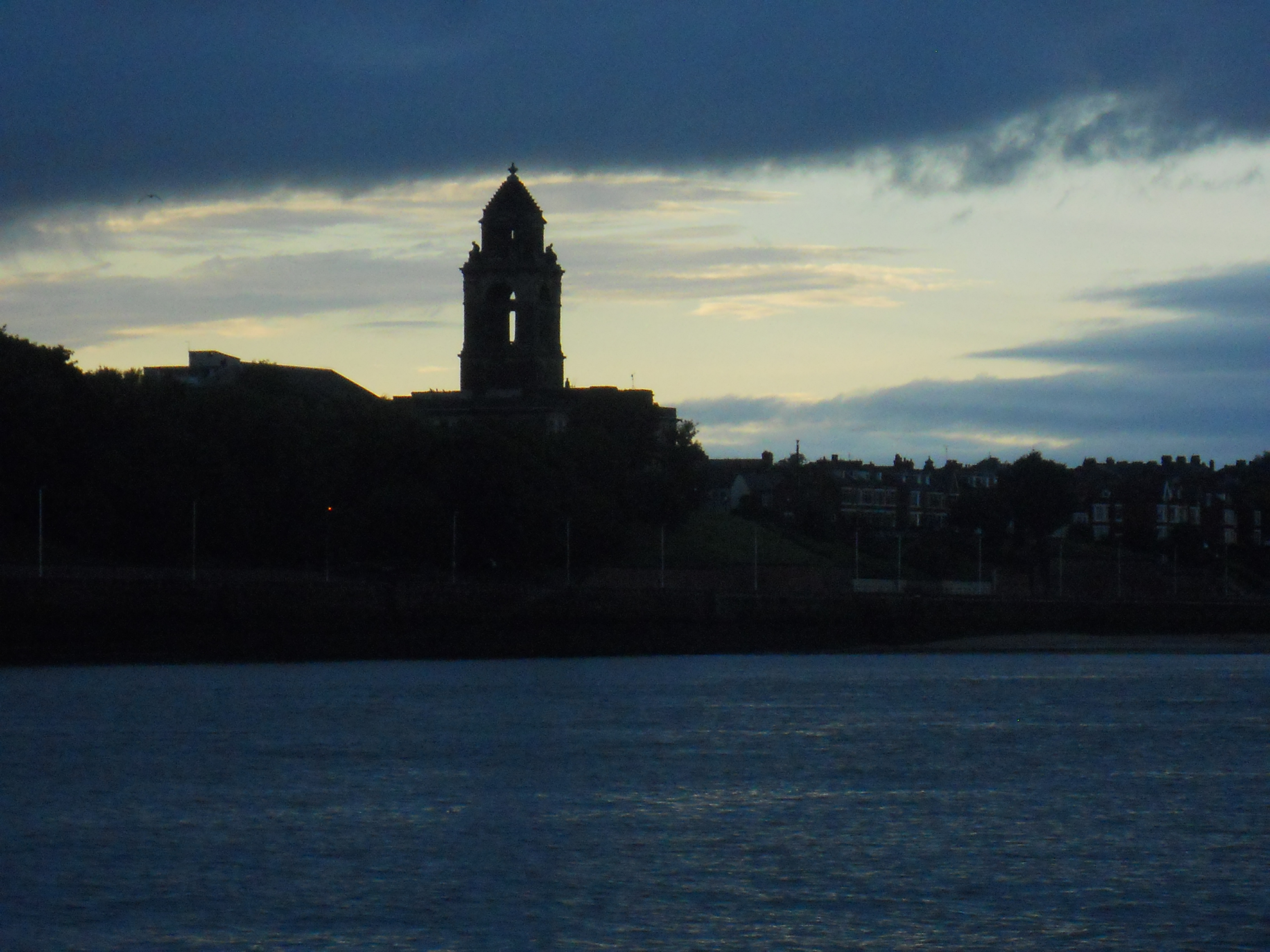
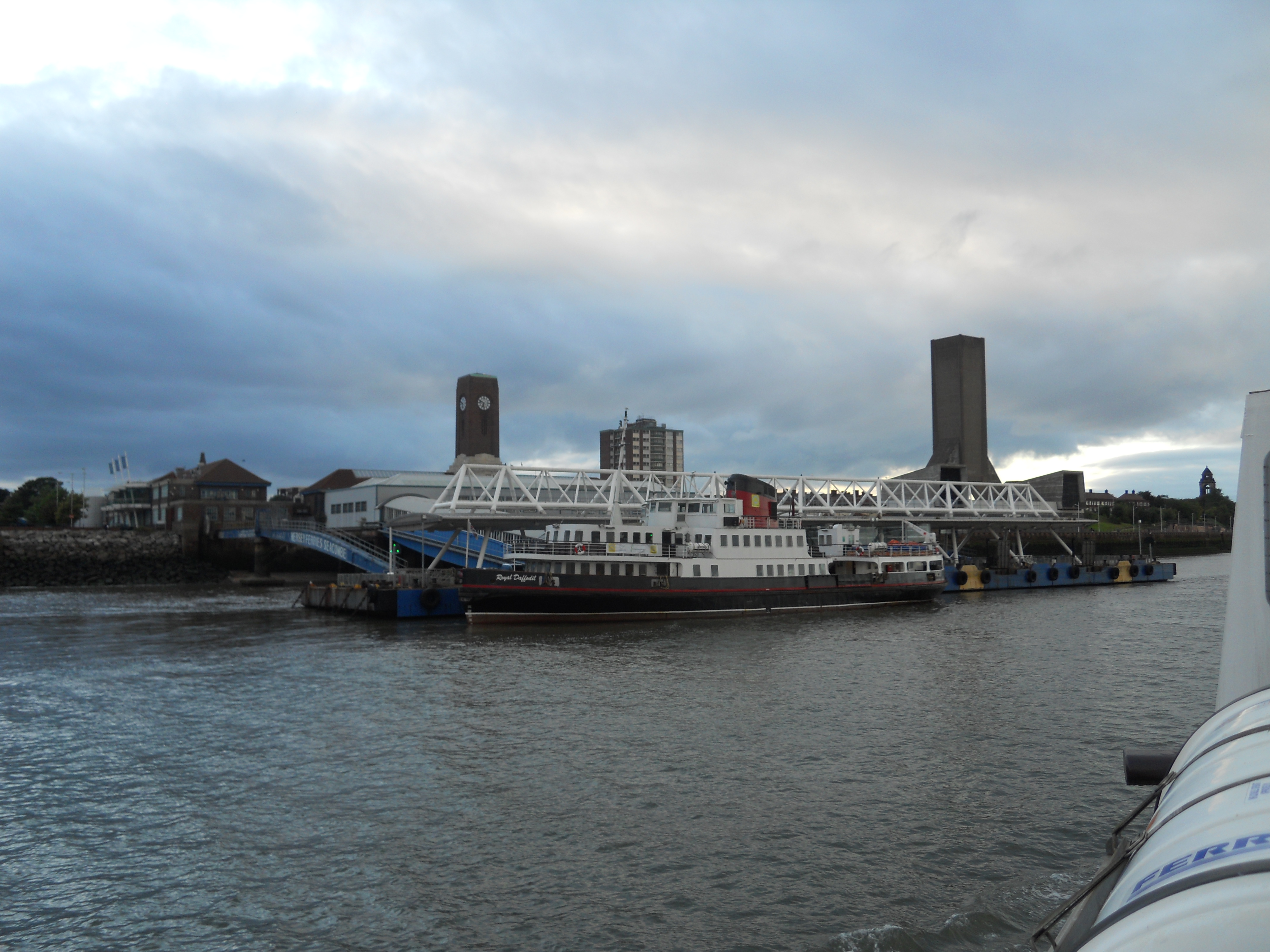
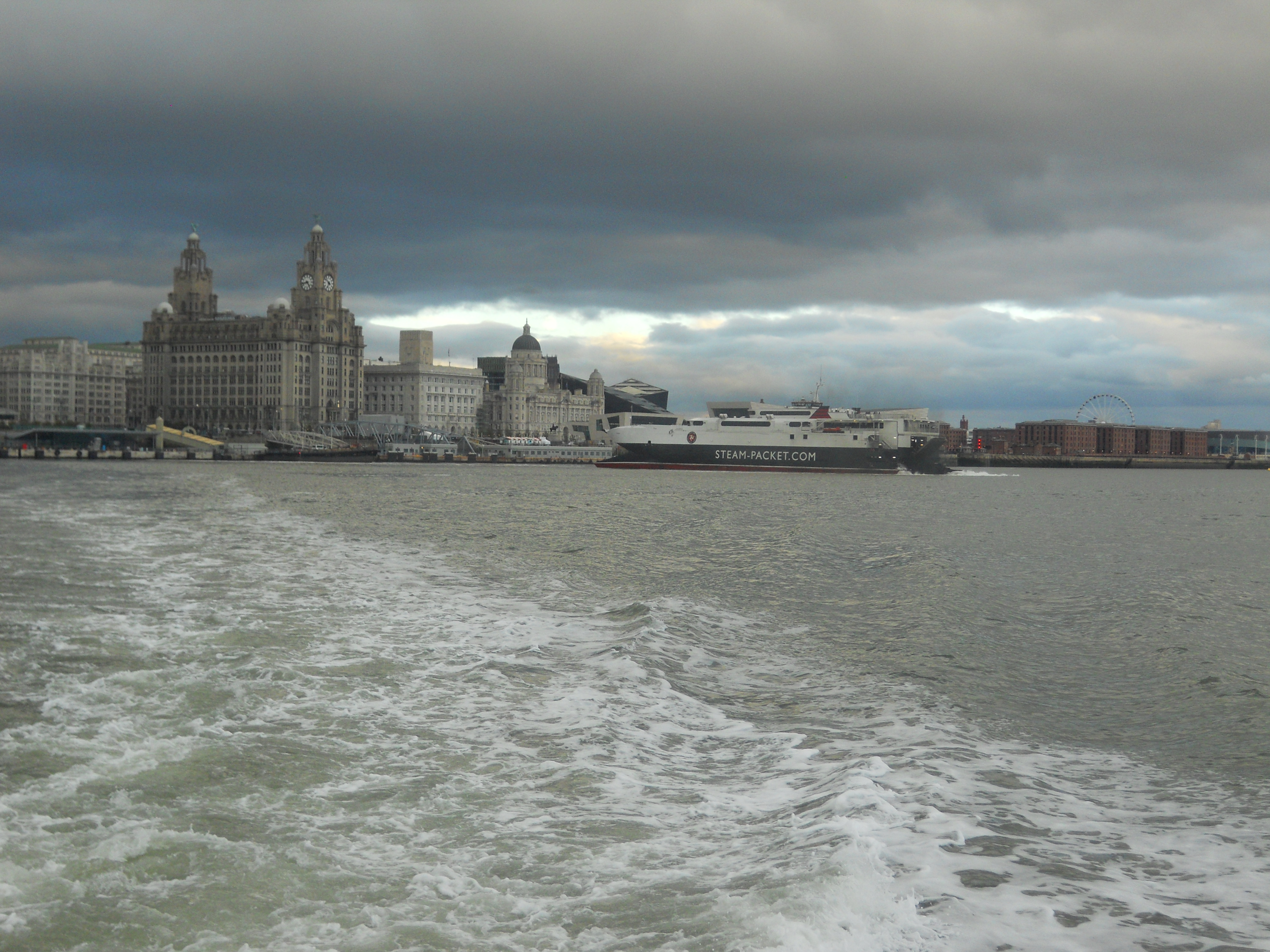
When I was in Liverpool, the ferries were then named Mountwood and Overchurch. Now the same ships are called Royal Iris of the Mersey and the Royal Daffodil. I remember one night in about 1966, the two boats hit each other in a particularly bad storm. For months, you could still sea the damage.
I was also roaring drunk on a ferry once. Never again. Drink and swells from the sea don’t mix. Boy was I sick.
If it can be managed on my my trip around the 92 clubs I should visit Tranmere on the 27th October. It looks like it might just be possible to use the ferry one way.
From London and Crewe to Dublin By Train and Ferry
Ireland has an economic problem, as is well known. Commentators will argue the various reasons, but something that doesn’t help is that getting from Great Britain to Eire is not as easy as to get from Birmingham to Scotland. There are lots of flights, but they are not convenient or acceptable for everyone who wants to travel.
If you go to Dublin by train and ferry there is one train at 9:10 in the morning from Euston, that gets you to Dublin at 17:15, which is a journey time of eight hours and five minutes. I looked for tomorrow and the fare is only £32 one way. But there is only one service during the day, with another overnight.
So how fast could a service be done if the line was electrified all the way to Holyhead? Crewe from Euston can be done in two hours quite easily and it is only 84 miles from Crewe to Holyhead. The fastest services now take just short of four hours. but the trains are not electric or have the smooth ride of an IC125. The fast ferries take two hours for the crossing, but the larger slower ones take three hours fifteen minutes.
If we assume that Crewe to Holyhead can be done at a similar speed as Liverpool Street to Norwich, it would appear that a time of about one hour ten minutes could be obtained on this part of the route. So this would mean a time from London of three hours ten minutes in a smooth modern electric train. If this could be paired with a fast ferry this could mean a time of under five and a half hours if the sea conditions were good enough.
But this is more than about electrifying the North Wales Coast line, which it would appear that the Welsh Assembly would probably like to do. It is about kick starting the Irish economy. And that of North Wales too!
So surely instead of spending billions of euros propping the Irish up, wouldn’t it be better to spend use of that money to connect Eire to Europe more efficiently. After all, railwise, despite what some might believe, the UK is actually part of Europe.
It would be 84 miles of electrification and perhaps a subsidy to the Holyhead to Dublin ferries to make sure that the fast service was every three hours or so. Surely, that would be a more affordable option, as it would also benefit North Wales, which is not one of the more prosperous parts of the EU.
But it is not just about London to North Wales and on to Dublin. Properly built the line would also connect Birmingham, Liverpool and Manchester to North Wales. As an example Liverpool to Holyhead would be under ninety minutes, which is the magic time that makes day trips easy. I also think it would make trips between North and South Wales quicker, but it would probably mean a change at either Chester or Shrewbury.
There are also other issues on the horizon. The major sources of employment on Anglesey, are the nuclear power station at Wylfa and the aluminium smelter. Who knows what will happen in the next few years? But if Holyhead and Anglesey had a first class electrified rail line to the rest of both Wales and the UK, it would help to attract long term jobs. It would of course help tourism and would probably make the University of Bangor even better.
A Fast Ferry Home
It may have been run by a company called Fast Ferries, but it still took four hours to get me from Tinos to Rafina on the Greek mainland.
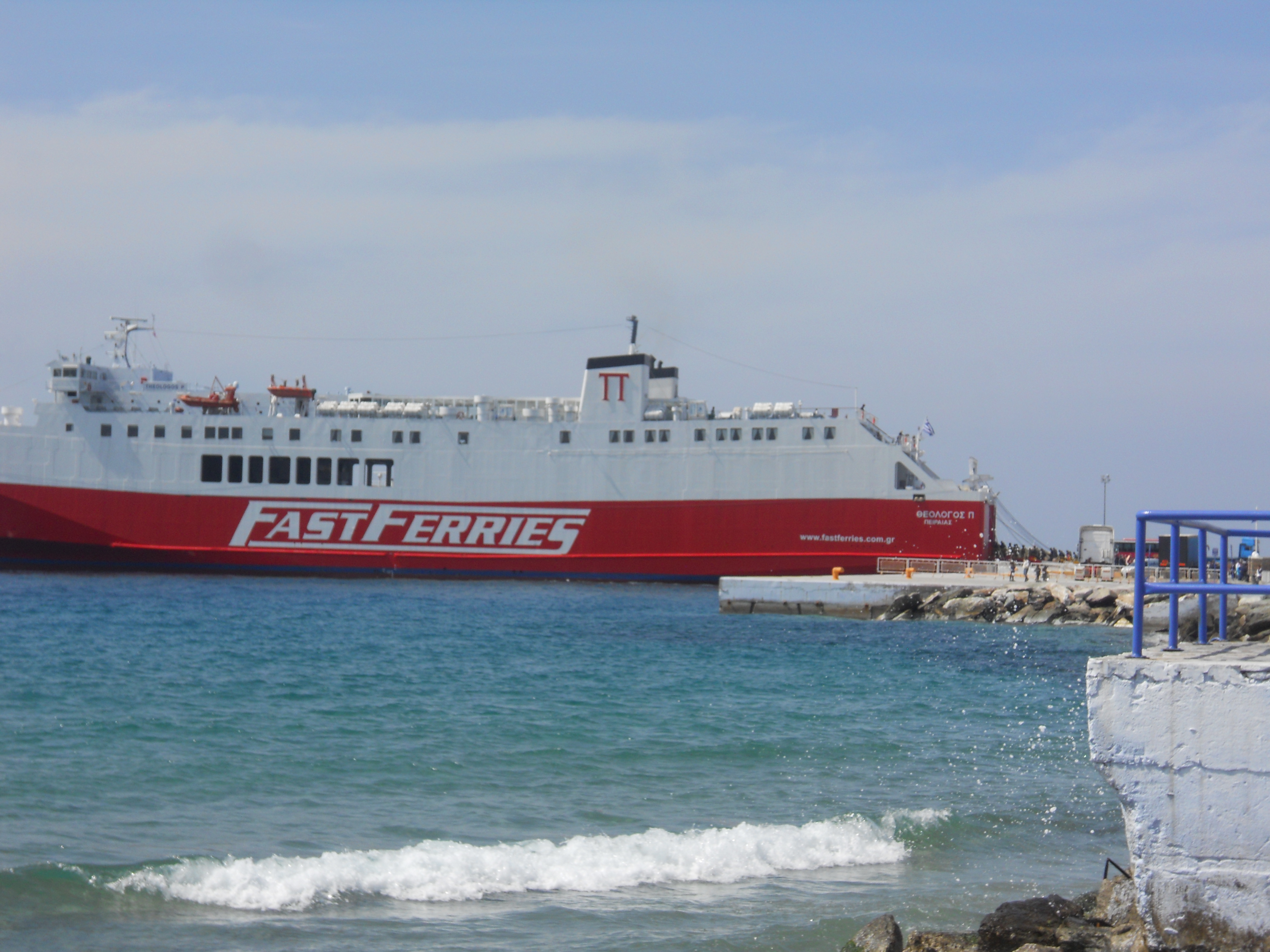
A Fast Ferry
I hadn’t eaten any food since a very good moussaka on the Sunday at lunch time and as I left early for the ferry, I didn’t get any breakfast. At least a supermarket was open on Tinos, at which I was able to purchase a couple of bananas. Where would coeliacs be without them?
On the ferry it was just coffee and chocolate and there weren’t even any Greek salads.
It didn’t get any better at the airport either, as there wasn’t anything in the cafes which didn’t have a large slug of gluten. No Greek salads and not even any of those sesame snacks you usually find in Greece.
So I had a choice of either getting the midday easyJet flight or retreating to Athens and getting a flight on the next day.
I chose the flight, as it appeared there were quite a few seats and as it turned out, two of us had three seats for the journey to Gatwick.
So the flight was good value because of the extra room.
I was also back home in good time.
The Good Ship Artemis
The two nights I’ve been on Syros, they’ve parked a ferry called Artemis outside to make me feel at home.
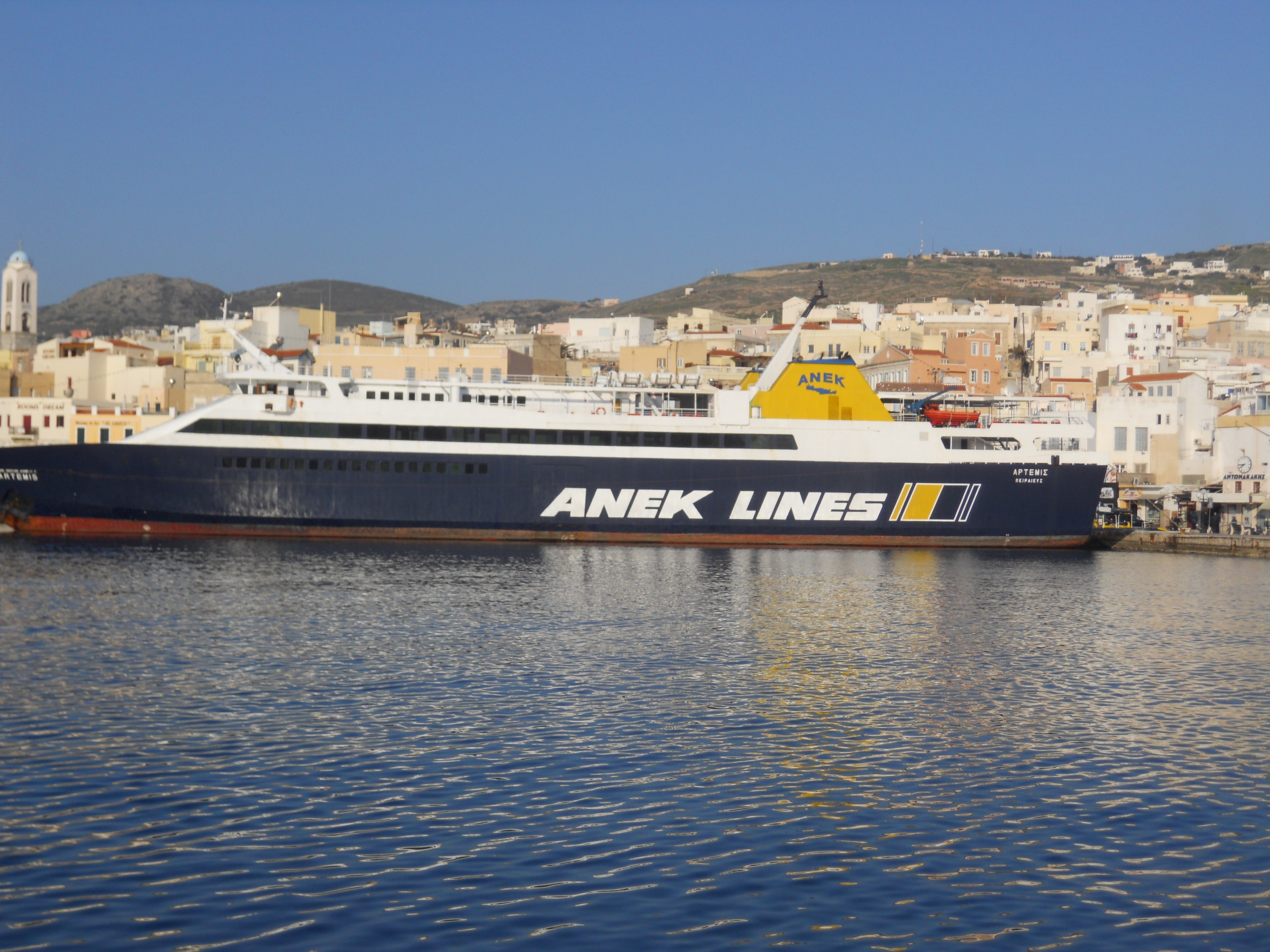
The Good Ship Artemis
It left early both mornings.
 The Anonymous Widower