The Ultimate Recycled Electric Local Train
This morning, I took a ride across London to ride in the first Class 230 train in public service in London.
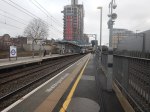
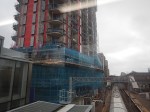
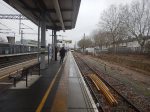
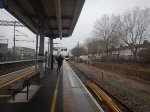
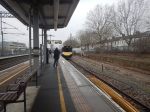
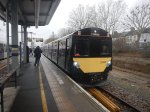
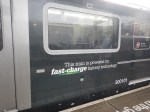
I took these pictures of the new block of flats going up at West Ealing station, the charging system for the train and the train.
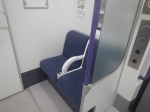
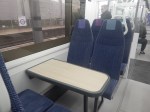
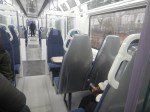
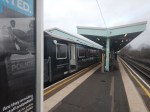
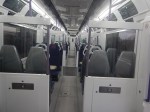
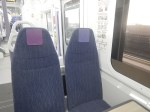
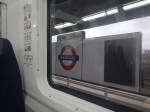
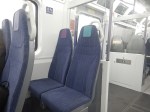

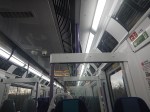
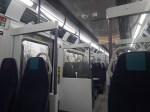
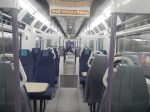
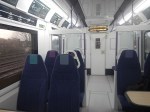

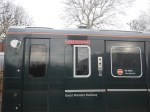
Note.
- The train is three-cars with a toilet to suit everybody, except possibly Donald Trump, who’d want it in gold.
- The single train is shuttling between West Ealing and Greenford stations.
- Each journey 2.5 mile journey takes eleven minutes.
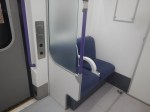
I was surprised at the number of tables and the quality of the seats.
These are some extra thoughts.
The Blocks Of Flats
Google AI gave me this.
Several new developments around West Ealing station feature tall blocks, with major proposals ranging from 4 to 26 storeys. Key projects include a 26-storey tower, proposed 19–22 storey towers on Manor Road/Waitrose site, and 7–21 storey student accommodation blocks. These, along with other 9-storey developments, are transforming the area into a high-density “transport hub” cluster.
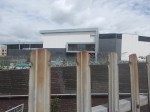
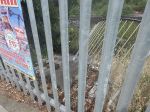
I think the 26-storey West 55 Tower is shown in the first two pictures.
Google AI also says some of the natives are not happy about all the towers.
But I like the “high density” transport hub.
Integrating The Railway And The Housing
Note.
- This would appear to be a good example of integrating the railway and the housing.
- The second picture appears to show a walkway between the station and Tower 55.
- I met a property developer on a train once and he told me, that housing on top of stations without car parking, had better numbers all round, with more flats, less cost and good profit.
- I wonder, if Tower 55, is one of his? He was certainly enthusiastic about the concept.
- Would a Fast-Charge system be easier and very much safer to squeeze in than traditional overhead wiring?
If the flats all don’t have garages, there must be space for other uses.
The Charger At Work
Note.
- The third to the sixth pictures, show the train coming into the station and charging ready for a trip to Greenford.
- The train acts as a heavy safety guard during the process.
- Anything electrical or dangerous is underneath the train.
I would expect that a health and safety expert, would rate the train no more dangerous than a normal train.
There Seems To Have Been A Lot Of Innovative Recycling On The Train
This certainly seems to apply to the seats, which in some cases are the originals remodeled.
A Stylish And Well-Built Train
This phrase would sum up my overall view of the train.
I have a Korean son-in-law and I know a bit, how Koreans think about design.
I would think, that he would like this as it is a stylish and practical train, so it wouldn’t embarrass you or your Korean boss, if you told him to use this train in the UK, to get to your offices.
Using my Korean example, I suspect, that this train could be one that endears itself to its passengers, with its quirky and practical feel, just like the original Mini did.
Adrian Shooter Would Be Pleased
Most Certainly!
I wish all the team well, as I believe this technology and a few trains like 230001 will make their mark on the world.
A Practical Hundred Mile Battery-Electric Route
The Sheffield and Scunthorpe Line is a Parliamentary Service.
- It is 71.6 miles over 1 hour and 48 minutes, through seven stations of the Lincolnshire countryside, at an average speed of 40 mph.
- Currently, it runs once per day, which is not very ideal for a job, education, training, shopping or visiting grandchildren.
- A two-car version of 230001 could be ideal to perhaps do four round or five trips a day and level-up some of the poorer parts of the UK, that don’t even have a decent bus service.
- A similar two-car train could also serve the 45-mile round-trip Cleethorpes and Barton-on-Humber service.
I am sure that this train could start the right sort of rural or urban revolution.
Rail Vehicle Dispensation: Great Western Railway Class 230 Fast Charge Unit
The title of this post, is the same as that of this page on the UK Government web site.
The page is an interesting read, but I do feel, that it marks a big step on introducing the Class 230 trains on the Greenford Branch between West Ealing and Greenford stations.
I should say, that I’ve used the Class 230 trains several times and there are trains and platforms with worse passenger access problems on the UK network.
The Bay Platform At Greenford Station
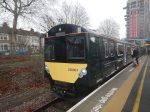
These pictures show Greenford station.
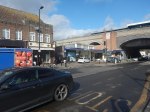

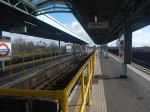
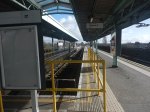
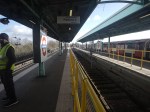
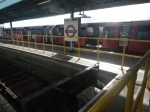
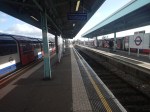
I have some observations to make.
Electrification
Tests for the new battery-electric train would appear to be taking place soon, but there is no electrification or Vivarail/GWR Fast Charge system.
This leads me to the conclusion, that all charging will be done at West Ealing station.
What Length Of Train That Can Be Accommodated In Platform 2 At Greenford Station?
Consider.
- The two-car Class 165 train shown in the pictures is 47 metres long.
- FirstGroup’s test Class 230 train appears from a GWR video, to be three-cars, which would make it 54.663 metres long.
- The test Class 230 train would appear to be nearly eight metres longer, than the current train that works the route.
From the pictures it appears that there is sufficient space in the platform to accommodate the longer train.
Are Arnos Grove And Northolt Tube Stations Going Step Free?
BBC London local news announced this morning some Underground stations would be made step-free.
- It could have been two or ten stations, that would be made step-free.
- Arnos Grove and Northolt were definitely mentioned.
- A timescale of eighteen months was given.
The news story seems to have vanished without trace.
Arnos Grove Station
This Google Map shows Arnos Grove station.
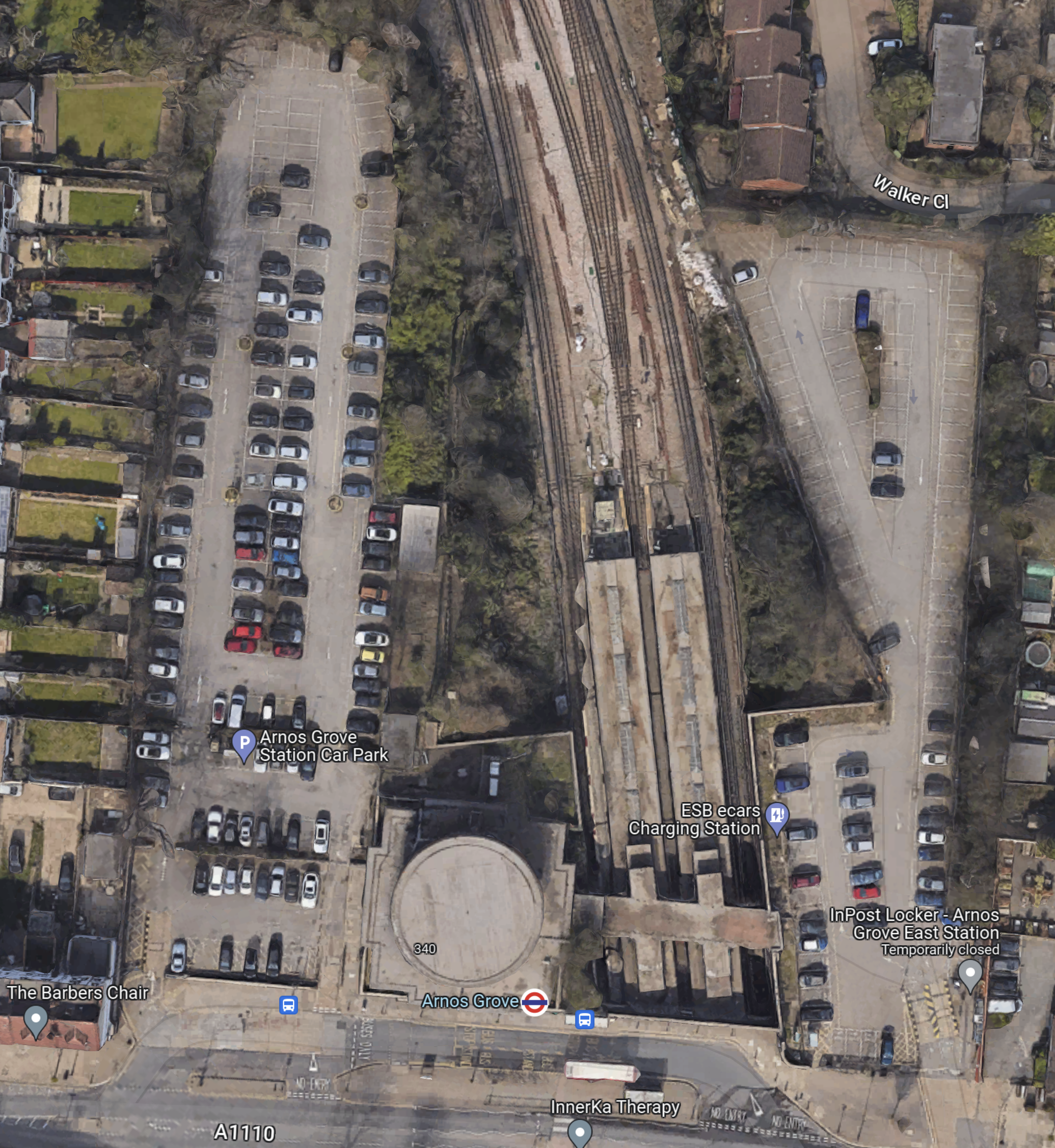
Note.
- The cylindrical shape of Arnos Grove station.
- The bridge over the tracks, which gives access to the trains to the East of the cylinder.
- Car parks to the East and West of the station.
- In Go-Ahead For West London 460-Home Build To Rent Scheme, I described how houses were to be built in the two car parks.
- According to this article on Ian Visits, which is entitled Plans To Build Flats On Arnos Grove Tube Station Car Park, there will be 162 flats in four blocks.
These pictures show Arnos Grove station.

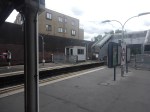
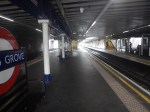
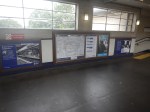
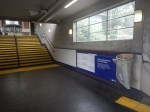
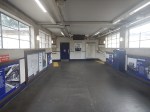
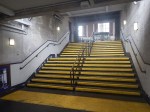
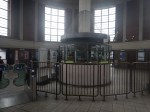

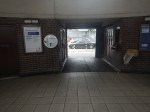
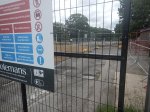
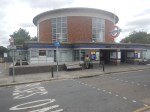


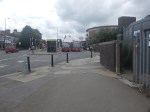
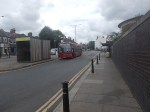
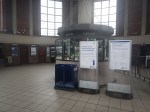
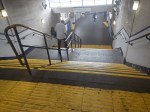
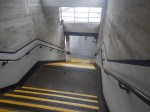
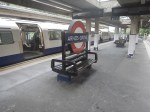

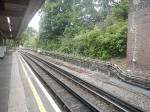

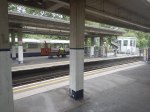
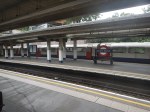
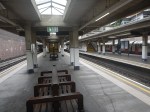
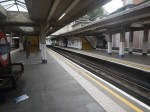
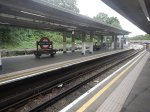
Note.
- Work on the flats on either side seems to have started.
- There are lots of period features.
- There will be a lot of work needed on the rather steep stairs.
- There will be a need for at least three lifts.
This page on Connected Living London, has a plan of the development.
- Gardens are shown each side of the iconic station.
- The gardens can be accessed from the pavement in front of the station.
- Southbound buses draw up in front of the station.
- A zebra crossing gives access to the Northbound buses on the other side of the road.
I suspect that there will be step-free access to the station bridge over the tracks from both gardens.
Northolt Station
This Google Map shows Northolt station.
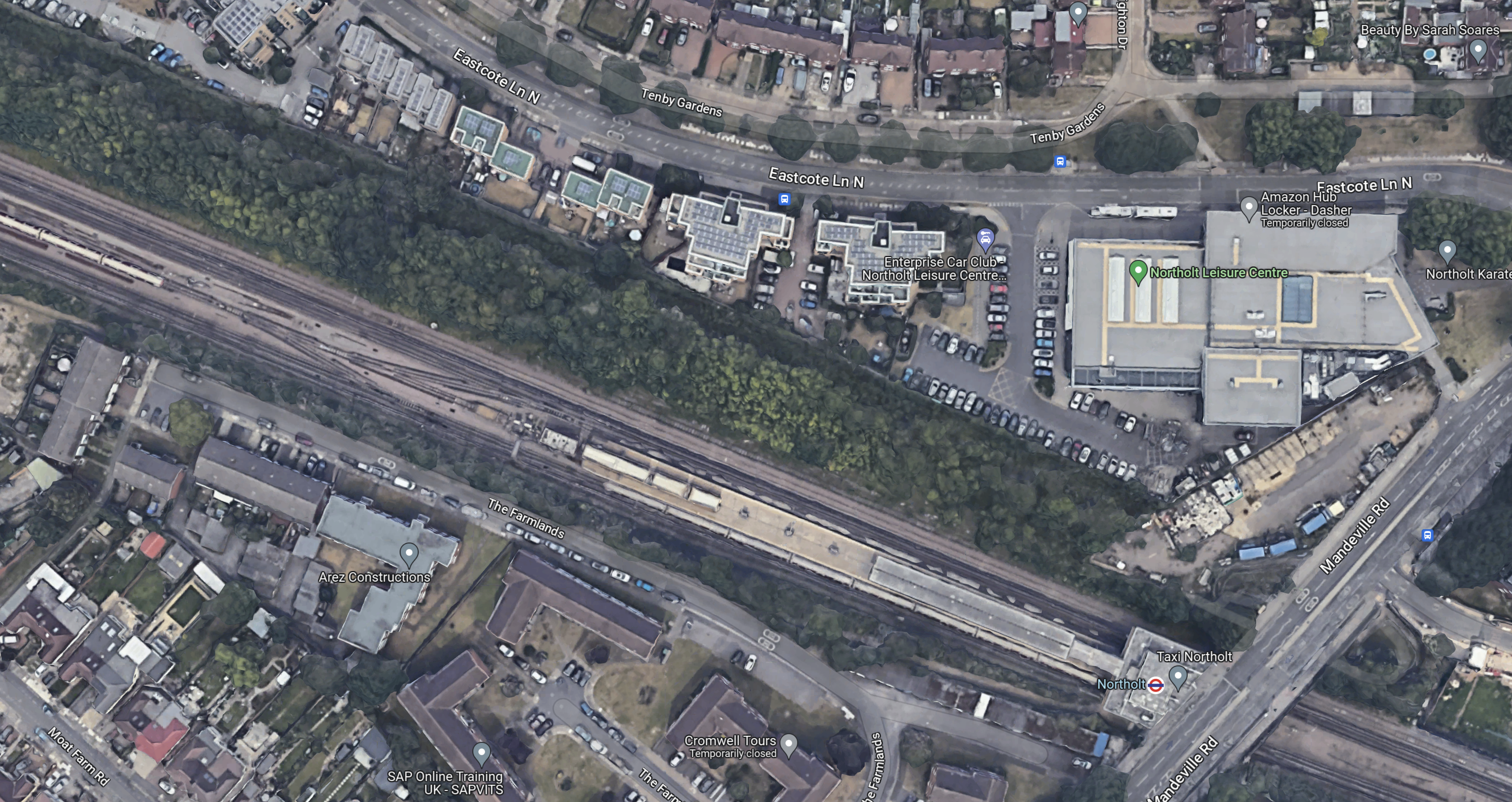
Note.
- The station entrance in the South-East corner of the map on Mandeville Road.
- The long island platform stretching North-West from the station building.
- An eight-car 1992 Stock train is in the Southern platform going West.
- The land on the Northern side of the railway appears to be low-grade woodland, which is quite similar to that at Arnos Grove station.
This map from cartometro.com shows the lines through Northolt station.
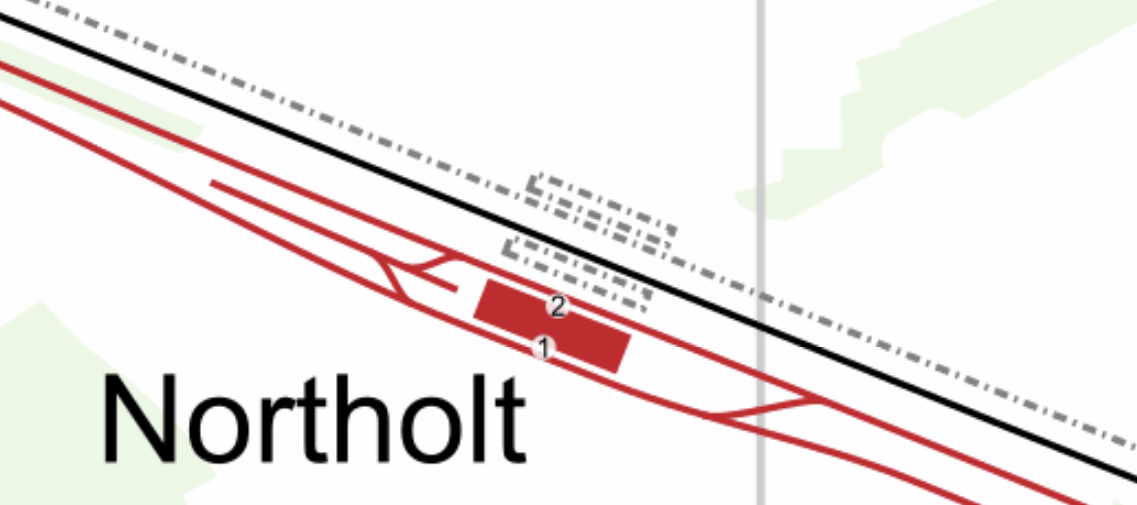
Note.
- The Central Line is shown in red.
- The Central Line is laid out so that there are two ways of turning a train back to London.
- The single-track Acton-Northolt line is shown in black.
- The former second track if the Acton-Northolt line is shown dotted, as are the two former platforms.
These pictures show Northolt station.
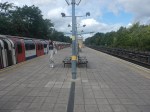
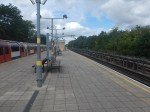
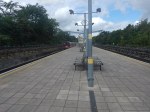
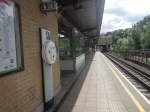
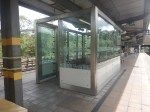
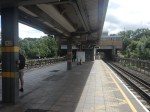
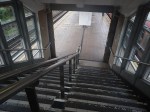
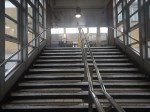
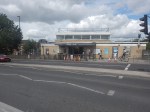
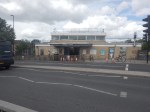
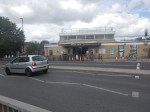
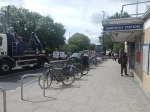
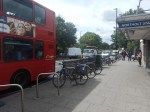
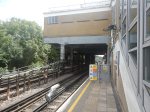
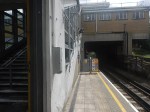
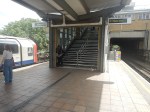
Note.
- The station is showing signs of a sympathetic refurbishment.
- The steps down to the platform is a double set of steps separated by a handrail.
- There is a stylish glass shelter.
- There doesn’t seem much space for a lift to the station entrance.
It should also be noted that for eleven in the morning, the station seemed busy.
These are Underground passenger figures for 2021 in million for stations between Hanger Lane and West Ruislip.
- Hanger Lane – 1.47
- Perivale – 1.08
- Greenford – 2.05
- Northolt – 2.47
- South Ruislip – 0.89
- Ruislip Gardens – 0.48
- West Ruislip – 0.71
Note.
- Greenford, South Ruislip and West Ruislip have some extra National Rail passengers.
- Greenford is the only station between Hanger Lane and West Ruislip, with full step-free access.
- Greenford station uses an inclined lift and I wrote about it in The Inclined Lift In An Improved Greenford Station.
As Northolt is the busiest station without step-free access, this is probably sufficient reason for step-free access to be installed.
Could Step-Free Access At Northolt Be Linked To Property Development?
This Google Map shows a close-up of the station building and Mandeville Road.

Note.
- The station building is marked by the London Transport roundel.
- To the North of the station, is Northolt Leisure Centre, which was opened in 2010.
- Mandeville Road runs across the map to the East of the station and the Leisure Centre.
- In the South-East corner of the map, thee looks what could be a High Speed Two site, marked out with red and white barriers.
- Between the station and the Leisure Centre, there appears to be a site used for parking trucks.
Could it be possible to develop step-free access from the site to the North of the station?
This second set of pictures show that site.
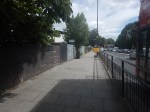
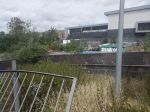
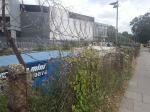

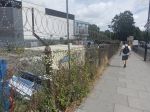

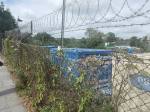
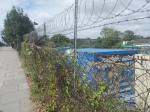
Note.
- The site is rather a dump.
- There is even a subway.
This third set of pictures, show the land on the other side of the Acton-Northolt line from the platform at Northolt station.
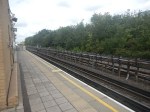
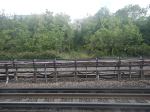
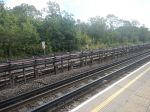
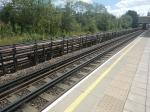
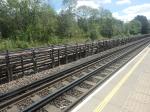
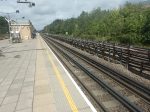
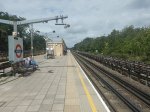
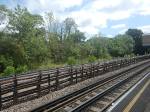
There are certainly possibilities! Especially if, housing were to be developed alongside the Northern side of the railway.
I suspect, that there could be a bridge across the railway, at this position in the station.
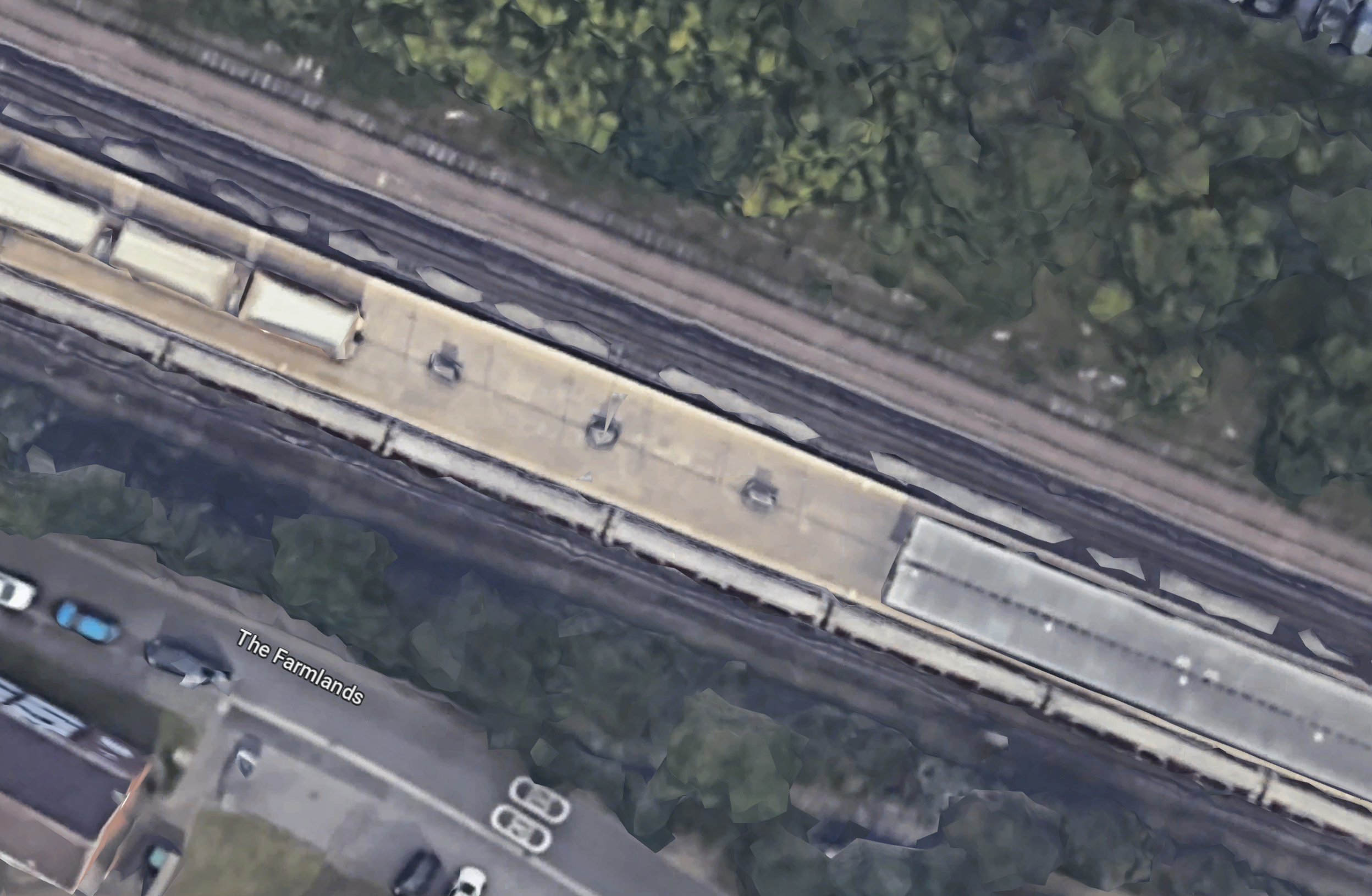
Certainly something would be possible.
Conclusion
Property development at both Arnos Grove and Northolt station would probably need step-free access at both stations.
If the BBC report was right, then to build the step-free access as the first part of the projects, is probably a good idea, as passengers get some early benefits.
I suspect though, that we’ll get a press release that says what is actually happening in a few days.
Battery Train And Fast Charger To Be Tested In London
The title of this post is the same as that of this article on Railway Gazette.
This is the first paragraph.
Great Western Railway has signed an agreement to test Vivarail’s Class 230 battery multiple-unit and fast charging technology under real-world conditions on the 4 km non-electrified branch between West Ealing and Greenford in West London.
As an engineer, who started designing control systems for rolling mills in the mid-1960s and went on to get a Degree in Control and Electrical Engineering from Liverpool University, before working for ICI applying computers to a variety of problems, I can’t look at a railway line like the Greenford Branch without wanting to automate it.
I had one amateurish attempt in An Automated Shuttle Train On The Greenford Branch Line. I was trying to get four trains per hour (tph) on the branch and I don’t think that is possible, with the Class 230 trains.
Now we know the train we are dealing with, I could plan an automated system, that would drive the train.
- Each journey on the branch takes around 11-12 minutes.
- Two tph would take between 44 and 48 minutes shuttling between the two stations in an hour.
- The article states that recharging takes ten minutes.
- If the train charged the batteries once per hour, that would leave between two and six minutes for the other three stops.
- Any freight train using the branch seems to take about six minutes, so they could sneak through, when the shuttle is having a fast charge.
- I would also use a similar system to that originally used on the Victoria Line. After the driver has closed the doors and ascertained that there were no problems, they would press a button to move the train to the next station and then automatically open the doors.
From this rough calculation to run a two tph service, I suspect that the train needs to be able to go between West Ealing and Greenford stations in ten minutes. Assuming one ten minute Fast Charge per hour, this would give three minutes and twenty seconds to turn the train, at the three terminal station stops.
I certainly feel, that an automatic shuttle would be possible.
Is This A Simple And Affordable Solution To Providing Step-Free Access At Essex Road Station?
The access to and from the platforms at Essex Road station, is not the best.
There is a set of tunnels beneath the two platforms.
- The tunnels are connected to the surface, by a pair of large lifts and an emergency spiral staircase.
- The tunnels are connected to the platforms by two wide sets of stairs.
- One set of stairs is for passengers leaving the station and the others are for those arriving.
This set of pictures shows some of stations underground features.
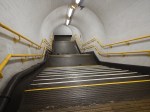
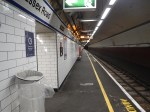

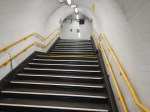
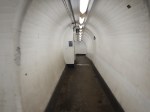


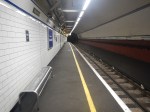
It looks to be a difficult station to make step-free.
- The platforms are narrow.
- There is very little space in the station building to add more lifts direct to the platform.
- I’m not sure,but the rail tunnels might be under the Canonbury Road, which runs outside the station.
Unless its possible to use the Greenford solution.
This picture shows the inclined lift/stairs and escalator installation at Greenford station.
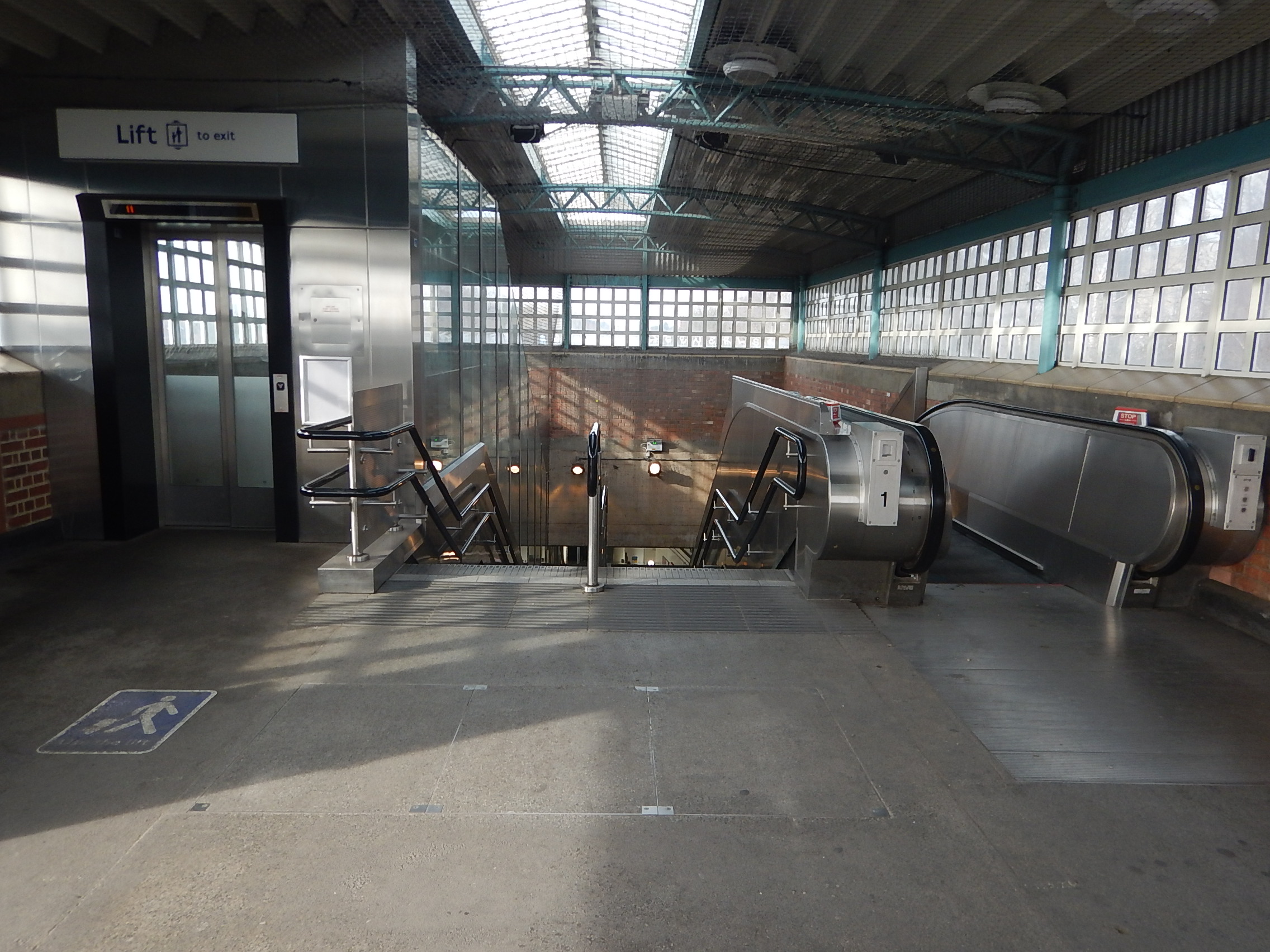
Note.
- The inclined lift has a capacity of about 4-6 people in normal times.
- The staircase is double, with a handrail up the middle.
- The escalator is permanently set to up.
It should be noted that Greenford station has two Central Line platforms and one National Rail platforms.
Could this type of installation be used at Essex Road station?
I will look at a few points and issues.
Station Usage
It should be said, that despite the different natures of the station, we are not comparing apples with oranges, as to get between the street and platforms at both stations, passengers have to use the stairs at Essex Road station or the multi-mode installation at Greenford station.
Entries and exits to Essex Road station over the last four years are as follows.
- 2016-17 – 811,000
- 2017-18 – 861,000
- 2018-19 – 857,000
- 2019-20 – 768,000
The average is 824,000
National Rail entries and exits to Greenford station over the last four years are as follows.
- 2016-17 – 230,000
- 2017-18 – 151,000
- 2018-19 – 153,000
- 2019-20 – 170,000
The average is 176,000
Central Line entries and exits to Greenford station over the last four years are as follows.
- 2015 – 4,720,000
- 2016 – 4,810,000
- 2017 – 4,680,000
- 2018 – 4,250,000
The average is 4,615,000
The total for Greenford station is 4,791,000 or nearly six times as much as Essex Road station.
In fact, the difference is bigger than that as Essex Road station could have a pair of installations, so the capacity of each of the Essex Road installations, would only need to be a twelfth of that of the Greenford installation.
The Simplest Installation
The simplest installation would surely be to fit an inclined lift at the side of one of the existing staircases.
The staircase would probably be halved in width, but quite frankly they are not safe for anybody encumbered with a pushchair or a heavy suitcase.
There would also need to improvements to the routes between the main lifts and the inclined lift.
London’s Single Escalators
London has several single escalators.

Three pictures are from Moorgate and the other one is at Greenford.
Could Pairs Of An Inclined Lift And An Escalator Be Fitted In At Essex Road Station?
It would be tight to fit a pair in one staircase, but I’m sure it would be possible. Especially, if the shaft could be widened a bit.
If they could be made to fit, then a simple program of works could be applied.
- Close one staircase and use the other staircase for both entry and exit. As there is a cross-tunnel, passengers would be able to walk between the lifts and the platforms, by walking about an extra thirty metres or so.
- The closed tunnel would then be gutted and an inclined lift and escalator would be fitted and tested.
- Once complete and tested, it would be opened to passengers.
- The station would now be entrance-only or exit-only, whilst the second lift and escalator were fitted and tested.
Being entrance-only or exit-only would not be the greatest problem, as the 271 bus parallels the rail route between Highbury & Islington and Moorgate stations.
Could An Inclined Lift And A Pair Of Escalators Be Fitted?
In this installation, one shaft would be fitted with a pair of escalators and the other with an inclined lift.
A similar program of works to that I laid out previously would be applied.
Conclusion
Essex Road station could be made step-free.
Because of the bus routes in the area and the 271 in particular, it wouldn’t cause the greatest of inconveniences to close the station for some time.
The Steps At Dalston Junction Station
Dalston Junction is a four-platform station and these are the only stairs at the station.

I think the design is excellent.
- They serve all four platforms, so you can’t go the wrong way!
- They are very wide, so have a high capacity.
- There are effectively four handrails for those like me, who want or need to hold on.
- Fit travellers who can lift their case, can use the stairs.
- There is a landing half-way up.
- The stairs are well-lit.
- in 2017-2018, the stairs handled nearly six million passengers.
- The small number of interchange passengers don’t need to use the stairs and walk between platforms on the level.
- The steps are Transport for London’s typical low-slip design.
- At the bottom of the staircase, there is a wide landing area with two train information displays and a 20-30 metre walks to the four platforms.
- At the top of the staircase there is a wide lobby, with the wide gate-line in front of passengers coming up the stairs.
- There is usually, a member of the station staff watching the passenger flows and answering any questions.
But above all there is a single lift about ten-twenty metres from the stairs, so avoiding the stairs is easy and obvious.
I have seen few stairs in stations as well-designed as these.
A few more general observations.
Wide Stairs With A Double Rail In the Middle
This design of stairs is being increasingly seen in London and around Europe.
In Stairs And A Lift At Cannon Street Station, I show a similar installation.
But there are loads like this monstrosity at Bethnal Green station in Before Overground – Stairs Not Fit For Purpose.
How many stations could be improved by widening the staircase?
Probably quite a few, but many staircases are constrained within solid walls.
Handrails
Transport for London generally use round and easy-to-grip handrails.
These are the best I’ve seen, which are on the Amsterdam Metro.

Some on British Rail-era stations are big and square and must be difficult for those with small or frail hands.
An Obvious Lift
At Dalston Junction, the lift is obvious as you approach the stairs.
But in some stations, the lifts are at the other end of the platform.
The Greenford Solution
These pictures show the solution at Greenford station.


Note.
- There is an up-escalator.
- A staircase,which is as wide as possible.
- There are three handrails with a low rail for those who prefer it.
- There is an inclined lift, which saves space.
I think we’ll see more step-free installations of this style.
Safety
I won’t comment on safety, as I don’t want to bring bad luck to the installations.
Conclusion
All those designing staircases and lift systems for stations, should be made to visit Dalston Junction and Greenford stations in the Peak.
An Automated Shuttle Train On The Greenford Branch Line
The Greenford Branch Line has the following features.
- It is 2.5 miles long.
- It is double-track.
- It is not electrified.
- There is a single platform station at both ends with three intermediate stations.
- The service frequency is two trains per hour (tph).
- Trains take 11-12 minutes to go between the two terminals.
- Freight trains also use the line.
To run the ideal four tph, trains would need to do a round trip between West Ealing and Greenford in fifteen minutes.
If we assume that the two end stops take two minutes and the six intermediate ones take thirty seconds, then that leaves just eight minutes to cover the five miles of the round trip.
This is an average speed of 37.5 mph.
I don’t have the calculation experience or knowledge of train performance to prove it, but I think that an appropriate train would be able to run an automated shuttle, with a frequency of four tph.
The train (or tram-train) would have the following features.
- It would be battery-powered.
- It would be highly automated.
- It would have an operating speed of perhaps sixty mph.
- It would have fast acceleration and deceleration.
The following infrastructure works would also be needed.
- The track would be improved to allow higher speeds.
- The points would be automated.
- Level access between platform and train would be provided.
- A fast charging system would be added to the bay platforms at Greenford and/or West Ealing stations.
If four tph could be achieved on the Greenford Branch with just one automated shuttle and no electrification, this would be exactly what the operator, the passengers and the Government ordered.
How Many Stations Could Use This Step-Free Layout?
Greenford station has London Underground’s only inclined lift.
The inclined lift is installed with an escalator on the other side and double-width stairs with a central rail in between.
Searching the Internet, there doesn’t seem to have been any problems, since it was switched on in 2015.
The number of passengers using the station’s two Central Line and one National Rail platforms is around five million per year, which would appear fairly typical for many outer London tube stations.
So how many stations could use a layout like this?
These issues will need to be considered.
Height
Greenford station is not a great height difference and you wouldn’t want to have too much of a difference, as the stairs will get a heavy use.
Platform Layout
Greenford station has an island platform, which means that one set of inclinced/lift/escalator can serve all platforms.
Installation Width
The picture shows that the combined installation is quite wide, so this type of step-free access could be difficult to install.
Application To A Two-Escalator/Stairs System
There are lots of stations in the outer reaches of the Underground, which need step-free-access, where there are two escalators and a set of stairs.
Some might think, that an inclined lift could be put in the space and it would certainly the engineering wouldn’t be difficult.
But the problem would be long-term maintenance, where escalators are given a full strip-down every ten years or so and closed for several months.
The station would be left with just one working escalator and the inclined lift.
I would therefore feel that installing an inclined lift instead of the stairs is not a feasible proposition, unless the station has two entrances.
Application To A Three-Escalator System
Most deep-level stations on the London Underground have banks of three escalators, so that if one breaks down or is being maintained, there is a full service.
Application To A Station Footbridge
There are lots of stations, that need step-free footbridges.
I can envisage a prefabricated system, where an inclined lift is one of the components.
The lift and its frame would be assembled in a factory and just lifted into place on prepared foundations. Stairs and if needed, an escalator could also be handled in the same way, before the bridge deck was lifted on top.
Too many step-free footbridges, seem to require a lot of bespoke construction on site.
The system could also be used where the entrance to a station was a single set of stairs to an island platform from an existing overbridge.
Bowes Park, Rose Grove and Mill Hill come to mind. This picture shows Mill Hill station in Lancashire.
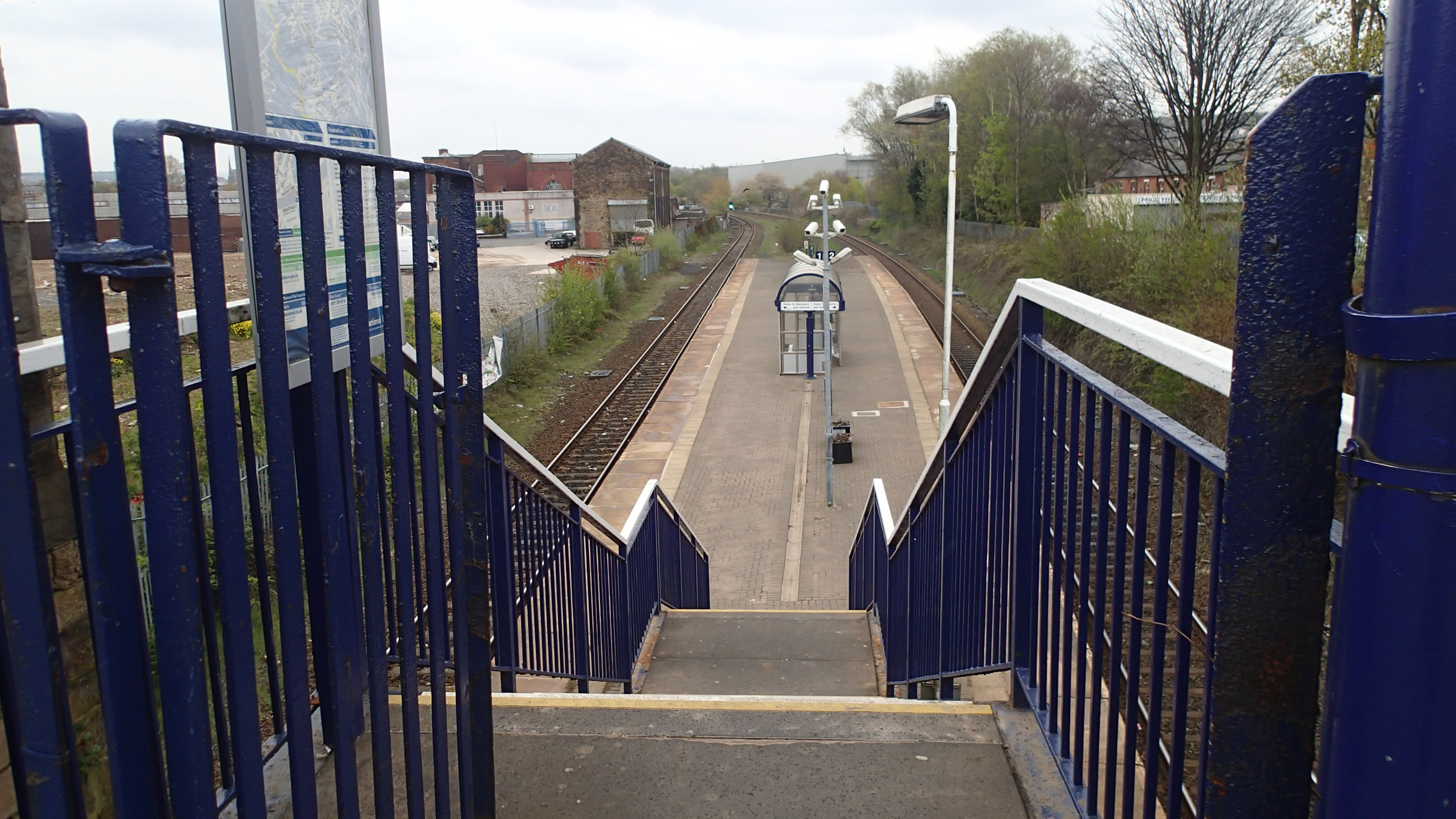
There must be others, where the existing stairs could be replaced with a wide staircase and an inclined lift.
Conclusion
I think it is likely, that given the success of the Greenford installation, we will see other inclined lifts on the UK’s railway network.
But places where they are used will have to be chosen with care and well-designed!
 The Anonymous Widower