Nelson’s Link To Hawke
Edward Hawke was an admiral in the Royal Navy and is best known for his defeating of the French at the Battle of Quiberon Bay in 1759, which probably ended any chance of a French invasion of Great Britain. Quiberon Bay was one of those naval battles like the defeat of the Spanish Armada, Trafalgar and Taranto, that have defined our history.
I had lunch with a friend yesterday and the subject of a artist called Edward Hawke Locker came up. He was called Edward Hawke, as his father, William Locker, was a protege of Admiral Hawke, who served with him in the Seven Years War. The Wikipedia entry for William says this.
Locker then moved to command the frigate HMS Thames, on the home station. He was her captain from 1770 until 1773. In 1777 he took command of HMS Lowestoffe, sailing her to the West Indies. During this period, one of his lieutenants was the newly promoted Horatio Nelson. Nelson, then barely nineteen, served with Locker for fifteen months. His experiences with Locker, and Locker’s teachings had a lasting effect on Nelson.
Twenty years later, on 9 February 1799, Nelson wrote to his old captain: “I have been your scholar; it is you who taught me to board a Frenchman by your conduct when in the Experiment; it is you who always told me ‘Lay a Frenchman close and you will beat him;’ and my only merit in my profession is being a good scholar. Our friendship will never end but with my life, but you have always been too partial to me.”
Note that Lowestoft is spelt how the locals tend to pronounce it. The article also goes on to elaborate on the connection between Locker and Nelson.
If there is a moral in this, it is that you should make sure you learn the lessons of history.
Praise For Hackney, Wooden Spoon for Wandsworth
I know I missed the torch at the end of my road, but that was mainly because I took too long for a pit stop, but I did know where it was going to go, as the maps were good. But that is not what can be said for Wandsworth yesterday, where I tried to see the torch about 17:00. When I asked around, people seemed to be very anti-Olympics and it seemed mainly because of the Olympic Route Network, that made driving difficult. But then I always remember that driving is difficult south of the river.
Wandsworth or at least the centre is perhaps best summed up by the old Ram Brewery site. There’s even an old steam engine in there somewhere, that worked until the 1980s.
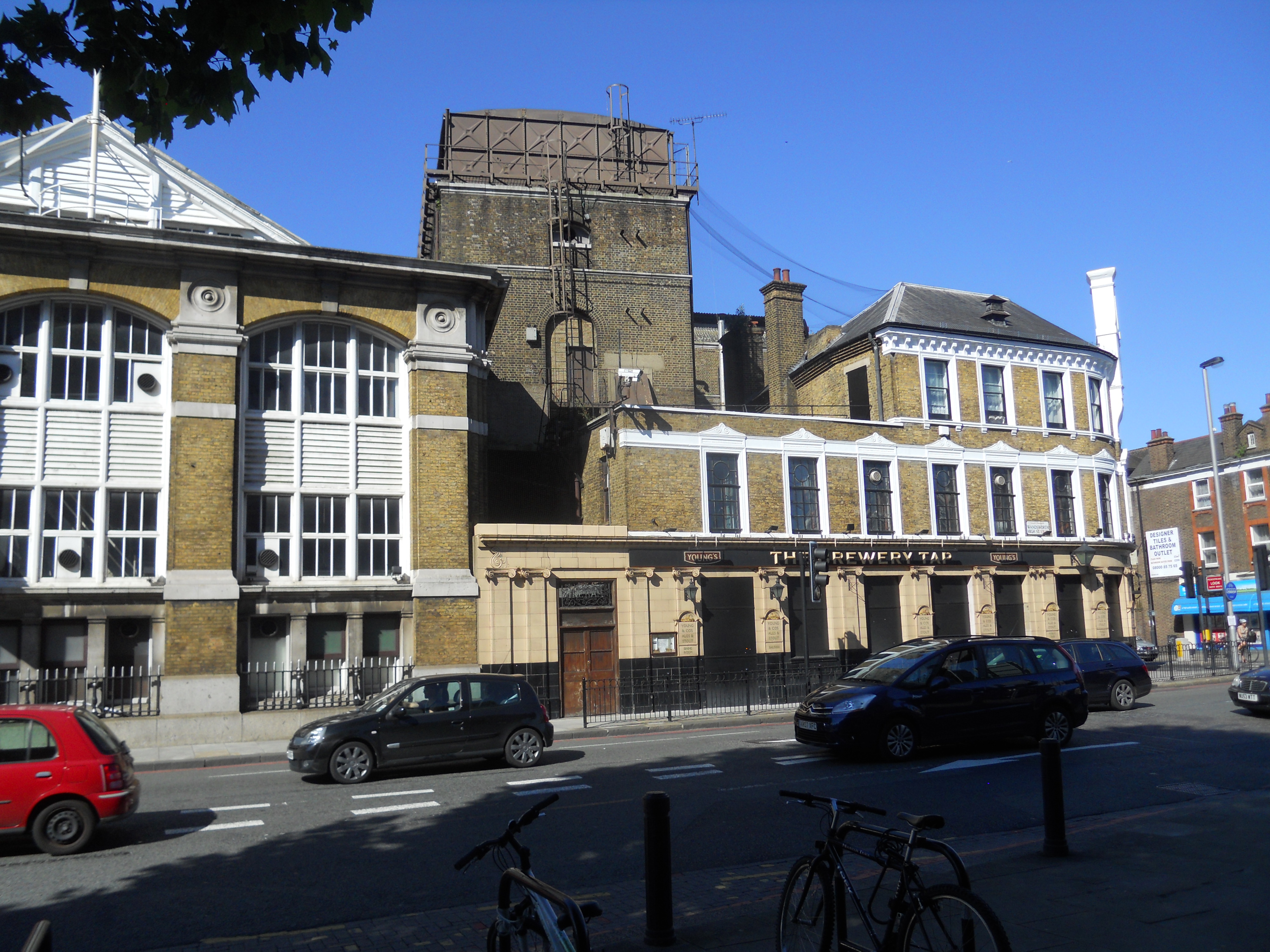

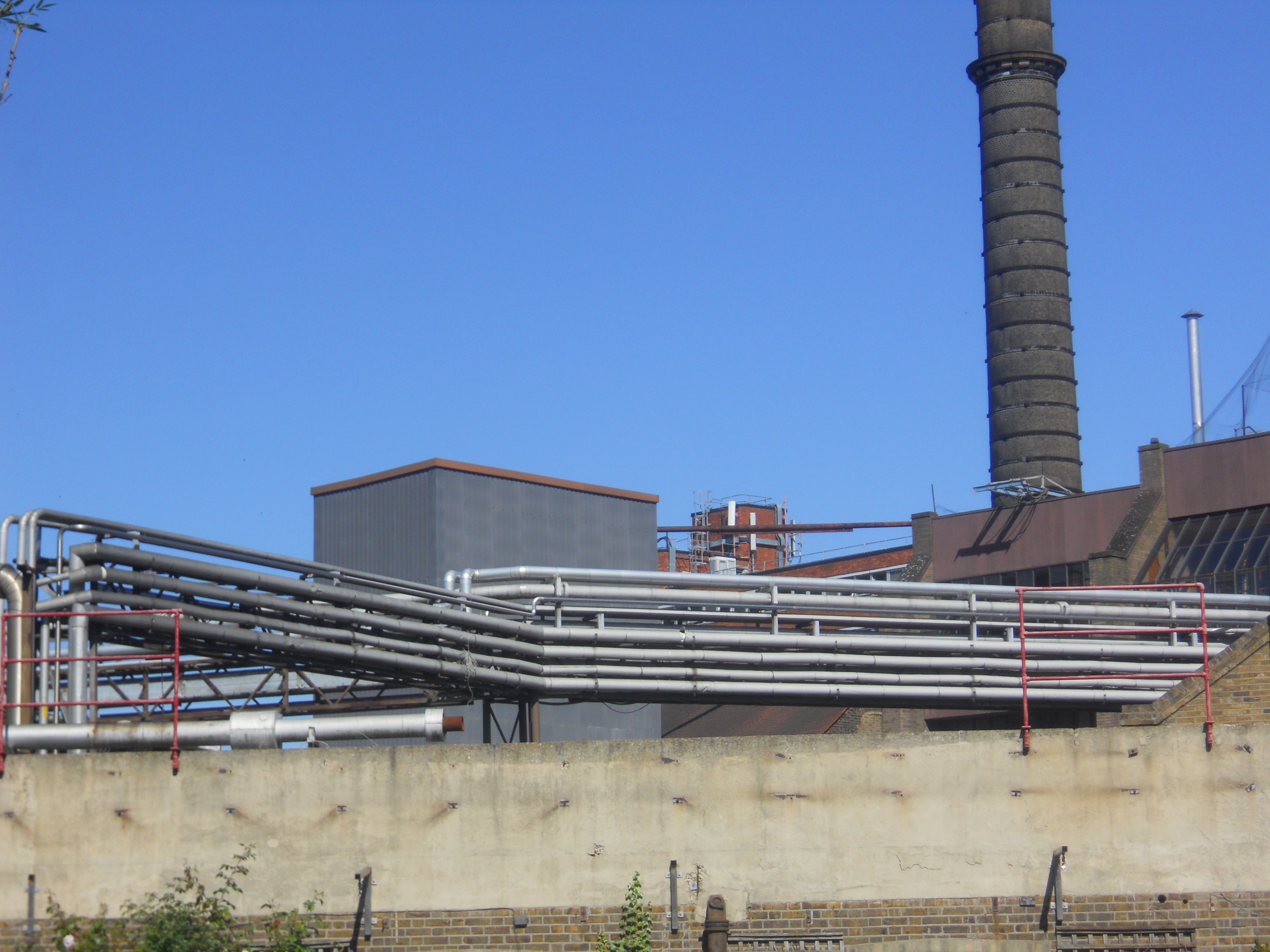
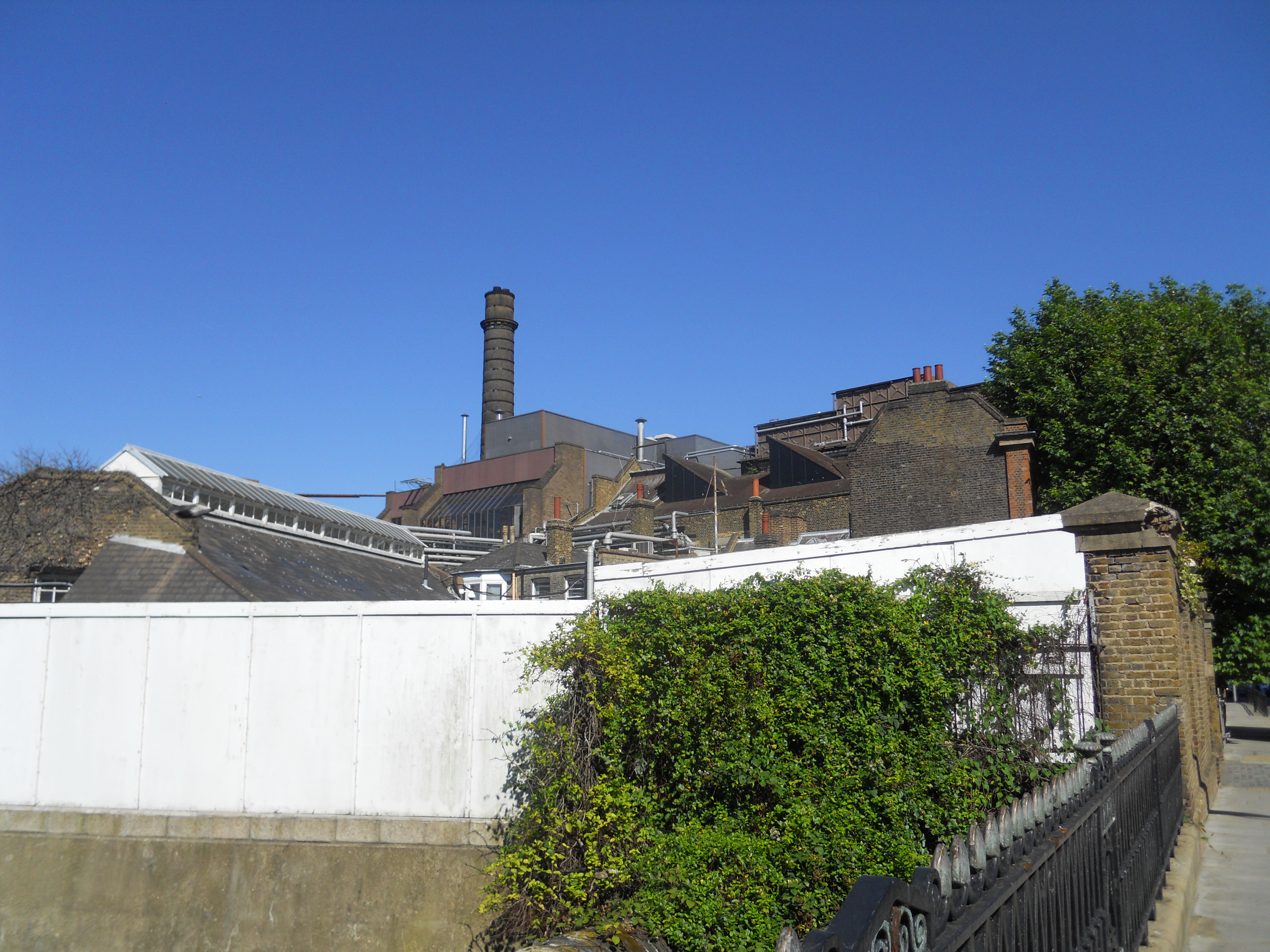
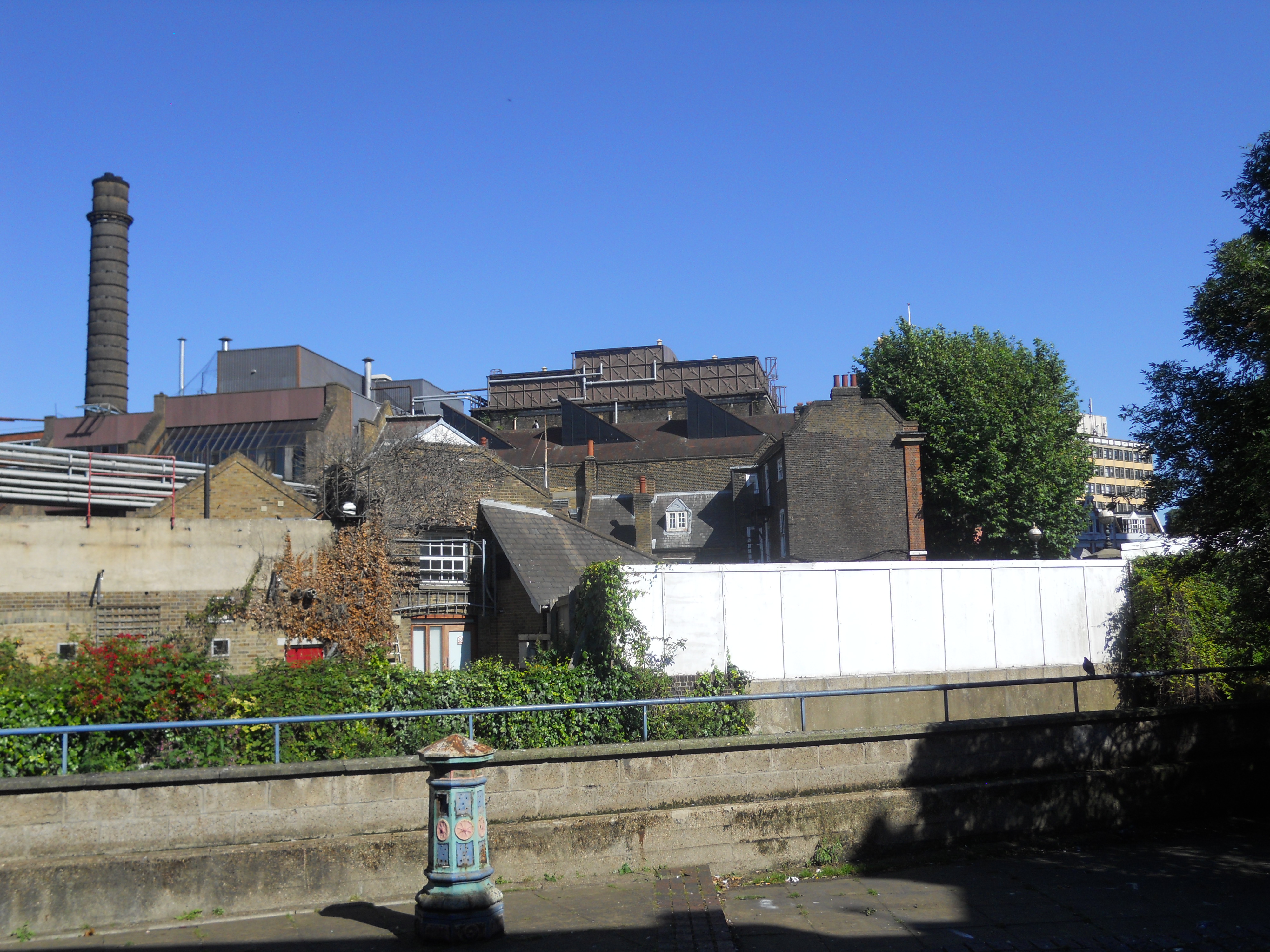
It used to produce one of the best real ales, but look at it now.
Chemical lager manufacturers have a lot to answer for. ADanish friend of mine once said that in Denmark, Carlsberg bought up every brewer and meant the only beer you could get is their product. He advised all in the UK, to not let it happen here.
It doesn’t matter to me now, as I can’t drink beer, but I know many feel that the destruction of the traditional British drinking culture has been one of the disasters of the last few decades. As a policeman once told me in all seriousness, you never get trouble in a real ale pub.
Archaeology In Europe’s Biggest Project
As you can imagine if you dig a hole as large as CrossRail through London, you’ll find things, that history will value.
There’s an exhibition for one day only today. I shall try and go!
A Dead Bus Outside NatWorst
Apparently, all of the passengers had jumped into the branch to get their money out. The cashiers decided to pay everybody out in 5p. pieces and the result was the extra weight caused the bus to stall and break down.
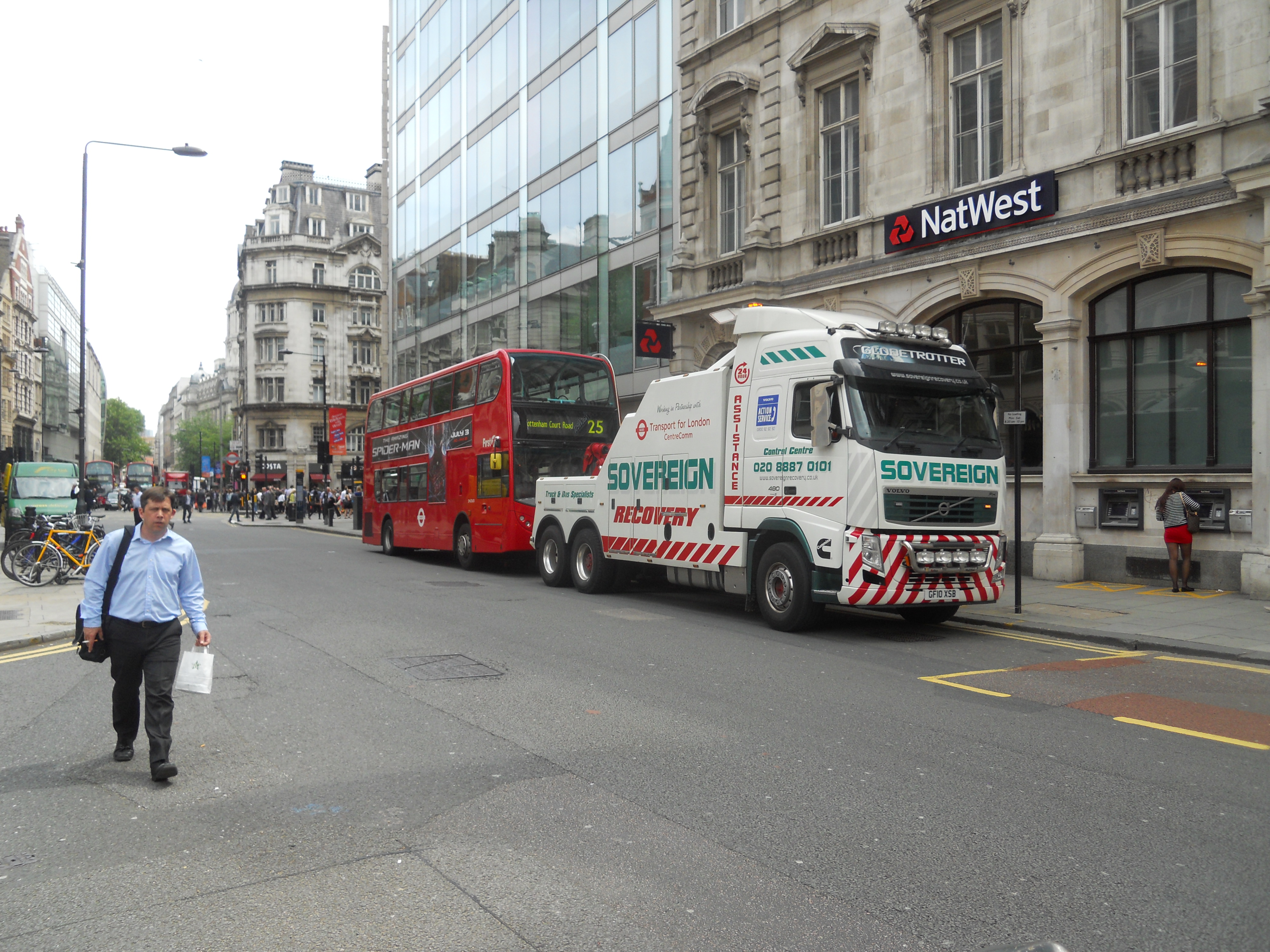
A Dead Bus Outside NatWorst
Apparently this ruse was tried in 1745 to stop a run on the Bank of England, when Bonnie Prince Charlie was marching on London. In those days though they used sixpences.
There’s An Article Here
The Britain From Above web site has some good photographs of stations. This link shows a good one of Marylebone and the Great Central Hotel in front.
I actually think, that a shot of Marylebone from the same place would look very much the same today, except for diesel instead of steam trains.
Someone will write the article.
On a more serious note, railway and other historians will use the database of pictures to sort out, what was there in the 1920s and 30s and how something should be restored. And also to enliven dull articles.
Codebreaker At The Science Museum
This morning, I went to see the exhibition about Alan Turing called Codebreaker at the Science Museum.
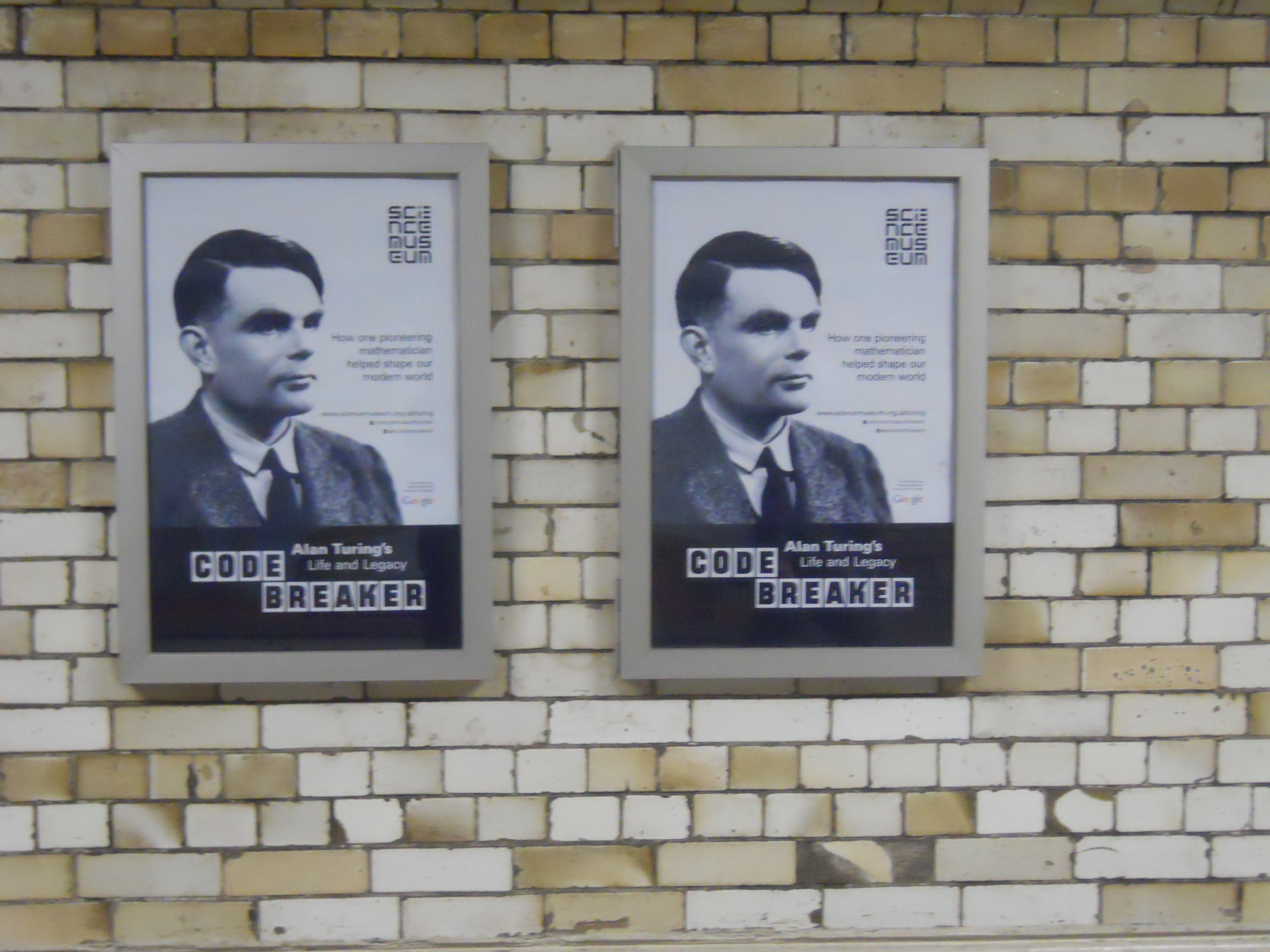
Posters for Codebreaker
it is actually only a small exhibition, but with good quality and some unusual exhibits, including a differential analyser built out of Meccano.
There was also some exhibits and documents on Turing’s personal life, including the Coroner’s report on his suicide.
The exhibition says that his mother thought his death may not have been suicide and in his Wikipedia entry, this is said.
Turing’s mother argued strenuously that the ingestion was accidental, caused by her son’s careless storage of laboratory chemicals. Biographer Andrew Hodges suggests that Turing may have killed himself in an ambiguous way quite deliberately, to give his mother some plausible deniability. Hodges and David Leavitt have suggested that Turing was re-enacting a scene from the 1937 film Snow White, his favourite fairy tale, both noting that (in Leavitt’s words) he took “an especially keen pleasure in the scene where the Wicked Queen immerses her apple in the poisonous brew.”
If you look at others like Turing, such as Newton, you find characters very much on the edge. I used to work with a programmer, who always sang and made strange noises as he coded. He argued that programming was such a logical business, you had to do something mad to balance the mind. Turing wasn’t a programmer in the sense we think now, but he was someone steeped in logic and I suspect the same applied to him.
Sadly, in today’s world, Turing would probably be treasured in much the way Stephen Hawking is.
At least now, hopefully his sexuality would not have been the problem it was in the 1960s.
A French Blue Plaque?
I saw this blue plaque on the wall of the old Dickins and Jones building in Argyll Street today.

Blue Plaque for Germaine de Staël
The lady refered to, is better known as Germaine de Staël and there is more information about the plaque here.
Turing Remembered
The BBC has an excellent article about Alan Turing on its web site. Interestingly, the article is by Vint Cerf, a guy I saw lecture at the University of Hertfordshire a few years ago. They also share a birthday of June 23rd.
The article has been published because next year, the Science Museum will be mounting an exhibition on Turing. That should be well worth a visit.
Robert Comes Home
I like to see old engines and other pieces of industrial history displayed at places like stations.
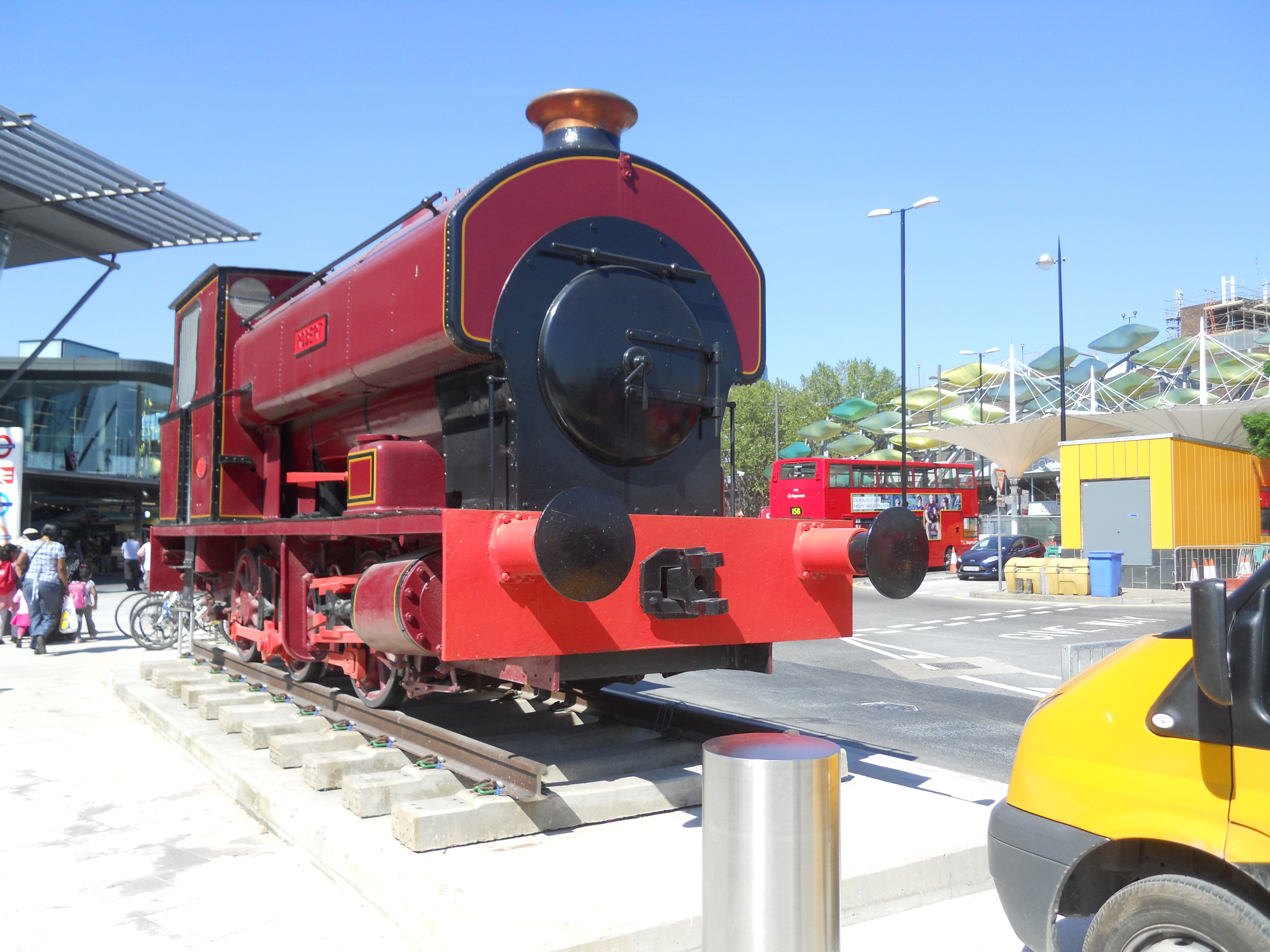


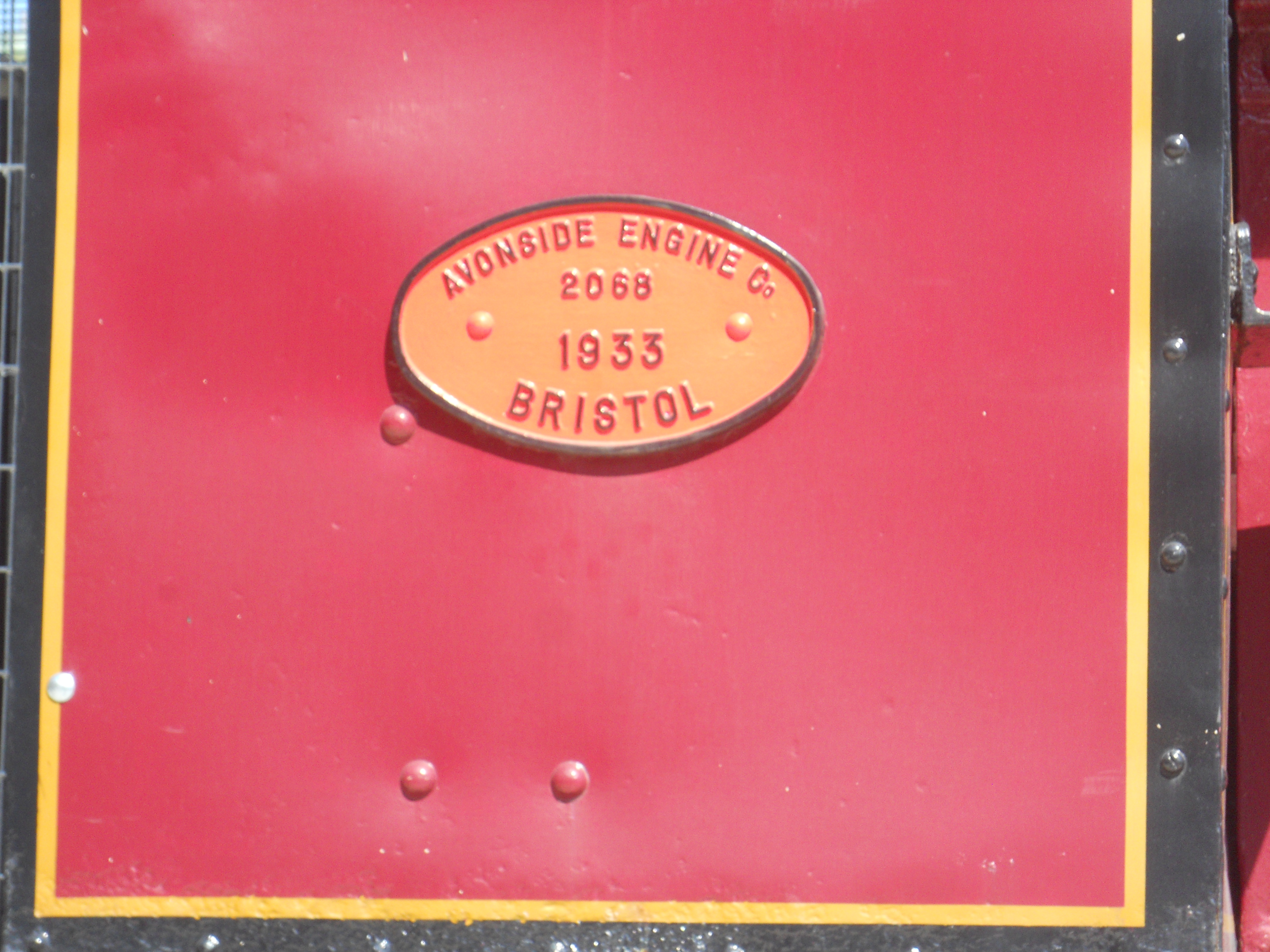
Robert has now been put back at Stratford station and as you casn see from the picture, it has a proper information board.
Some might have commissioned an expensive sculpture, but surely old engines like this are cheaper and just as interesting.
 The Anonymous Widower