Is It Architecture,Engineering Or Art?
I heard good reports on the television of the rebuilt Reading station, so today, as I hadn’t anything specific to do, I decided to go to the town and have a look at the work that has been done.
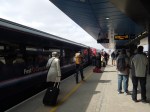

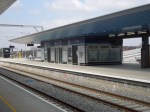
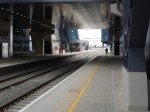


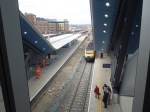
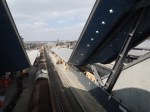
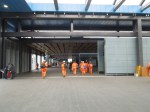
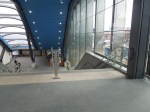

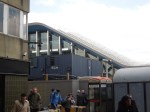


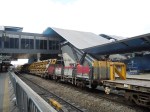


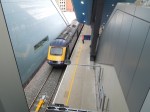

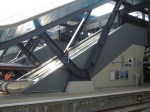

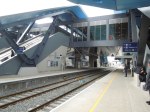



I think Isambard would have been proud of what has been done, as he rarely did boring! And the new Reading station is certainly not that!
The concept of the station is very simple. The thirty metre wide overbridge is connected to all the platforms by escalators and lifts. Then at one end there is another set of four escalators and lifts to take people to the main south entrance.
But in all my life, I’ve never seen so many people walking wide-eyed in awe around a new building or even an art gallery. One guy told me he’d come into the station specifically to photograph the building and had taken fifty pictures. Even railwaymen who’d probably seen it all, were walking around giving the new station a critical look.
There was also the teacher, who’d travelled with me from London. She was amazed at it all, especially as she had left on Thursday from the old Reading station.
Very little has been reported on the media about the design and quality of this new station. The only news seems to be stories pointing out the fact that the handover is a few days late and there’s a bit of chaos. None of the stories mention, that the project will be completed a year ahead of the original plan.
I do wonder if Reading is the shape of stations to come.
The wide overbridge concept is used in a similar, but smaller and less dramatic form at Leeds and Derby, but how many other stations could benefit from this type of design?
In the pictures, you’ll see some of Inter City 125 trains, that are used on all services from London to the West and Wales. They are genuine high speed trains capable of 200 kph, ride as smooth as silk and they are now forty years old. I doubt they’ll all ever be retired, as for running through the Highlands of Scotland and from Bristol to Cornwall, where electrification is virtually impossible, there is no other fast train, that can handle the route.
So at last, these trains have got a modern station, to complement their design.
Don’t Get Your Facts Wrong
In August 2011, Richard Ford, published a table in Modern Railways showing track access charges for the new IEP against the IC125 and IC225.
Unfortunately, he made a mistake in the figures.
Then a Government Minister then used the figures to answer a question in Parliament many months later, giving an answer that was plainly wrong.
Probably, this shows the reasons why you shouldn’t use that thinking technique beloved of idiots everywhere; cut and paste.
The real problem here, is that the Department of Transport civil servant, who made the mistake, is probably too precious to be disciplined.
But Roger gave him or her, a good kicking in the article and has passed the real information to the National Audit Office.
A Paragon Of Track Kindliness
Richard Ford in Modern Railways uses this lovely phrase to describe the High Speed Train in an article comparing track access charges.
Needless to say, British Rail’s iconic 1960s design comes out almost as cheap or even cheaper to run than the new electric ones that are supposed to replace it.
It just goes to show, what a great design it is. Knowing the stubbornness of engineers, these trains will outlive me and might still be running in the second half of this century.
London Uses The Train Model For 600 New Buses for London
London has just ordered 600 New Buses for London from Wrightbus, according to this article on the BBC website.
Boris’s political opponents say he is wrong, but they would anyway, wouldn’t they?
On the other hand, what Transport for London (TfL) are using is exactly the same purchase model, as that used for trains in this country.
The trains are ordered by the Department of Transport, owned by leasing companies or ROSCOs and then hired by the train companies like Virgin. In many cases, the maintenance is arranged by the manufacturer or ROSCO and they guarantee to provide so many trains each day.
When applied to London’s buses, this must give similar advantages.
- Although, TfL are buying 600 buses, I suspect that this package includes maintenance and guarantees a specific number of operational buses. In fact, on the 38 route, there are nine in service, but usually one is kept as a spare, in case of failure.
- Are TfL selling the leases on to a third party? How many of those, who are against the deal, have never bought something on hire purchase or a lease?
- The buses can be used, where and when they are needed. Most routes need about 20-30 buses, so batches of the New Buses can be moved around, according to need. For instance, the passenger pattern may be very different according to the seasons, so buses might run on one route in summer and another in the winter.
- These buses will change as time goes on and owning them outright, gives TfL the opportunity to update the older ones to the new specification.
- I think too, that the single ownership, should mean that the buses will have a longer service lifetime, just like the old Routemasters and the Inter City 125 trains.
- It will also give TfL time to do a full analysis of bus design, operation patterns and costs.
So all things being well, I think this could be a good decision, that saves money in the long term.
The Inter City 125 On BBC4
There was a documentary last night on BBC4 about the legendary High Speed Diesel Train or Inter City 125. It described how the politics, finances and some clever thinking produced a real icon.
Catch the documentary before it disappears from the BBC iPlayer!
The programme said that they’ll still be running in the 2030s on some routes. I wouldn’t bet on them still being running long after that.
Because of their speed and acceleration, they have proven that they can mix it on lines with both slow and higher speed traffic, so unlike heritage units like steam trains, they don’t cause pathing problems. Since they have now been updated with new engines, they produce a lot less noise and emissions too.
It is still proposed that they will be used for services to the far south west for many years, as electrifying the route from Exeter will be very difficult and expensive. They even did the journey from Plymouth to London in well under three hours recently. I reported it on this post.
But if they did a bit of marketing and perhaps uprated the catering, they could create a line, that would be a must-ride one for all visitors to Cornwall from London.
I have believed for a long time, that these trains will never go quietly. They’ll be like Routemasters and even if they’re not in main line service, they’ll turn up in the most surprising of places. The ghost of Jimmy Saville will see to that!
I Called It Right
I know a few Koreans and so I went with them to see them play at Wembley tonight against Gabon. We were a bit higher up in Club West.
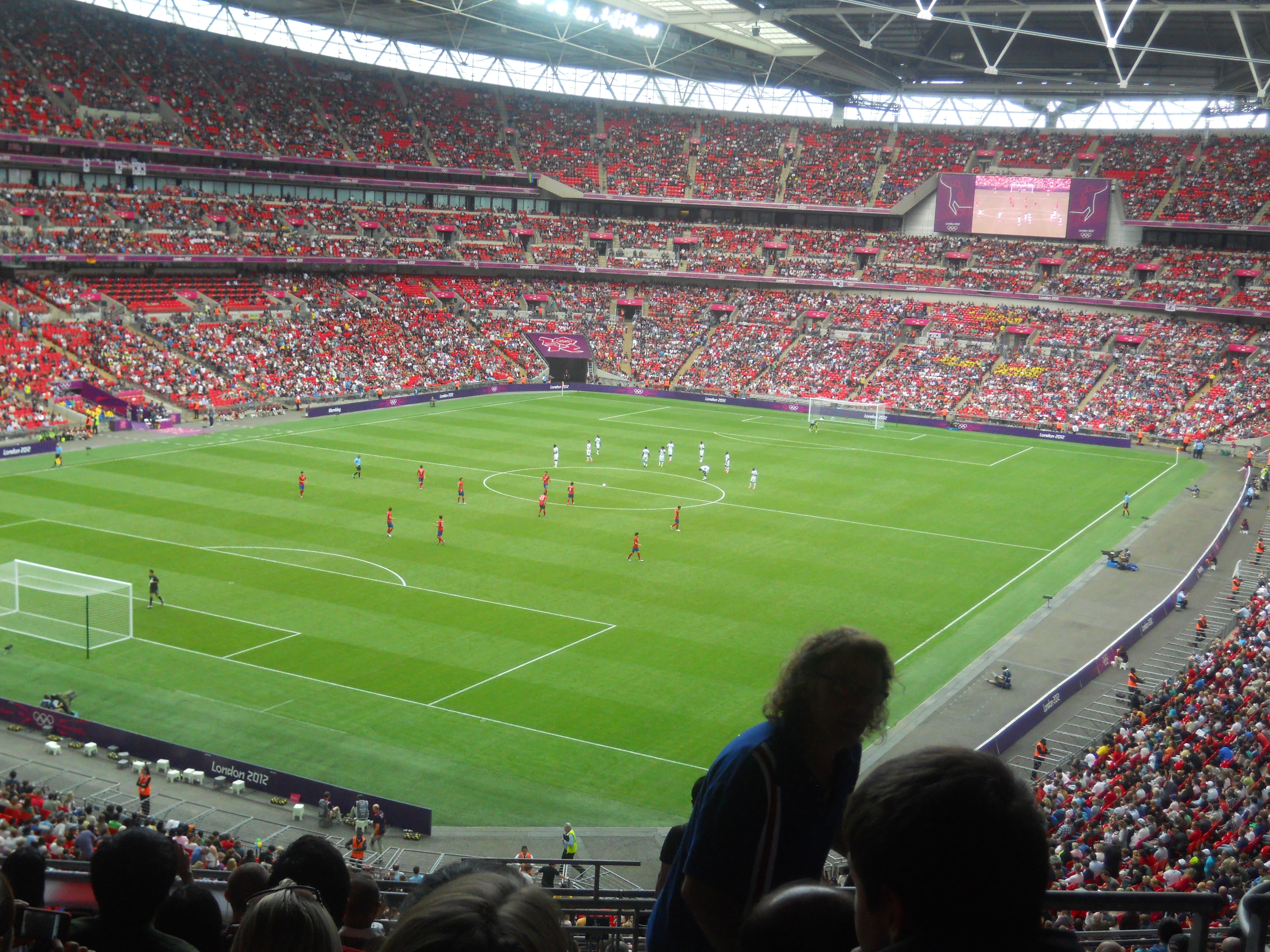
Korea v Gabon at Wembley
The view was a bit better, than for the game last night.
It wasn’t an exciting game and the goalless draw was about fair. But it meant that Korea came second in their group.
When Great Britain won, it meant that the tickets, I’d bought on spec to see the quarter-final in Cardiff won’t have to be sold on.
I just felt the two teams might meet there. And I was right!
So it’ll be off on a High Speed Diesel Train on Saturday. What better way is there to travel to see your team?
What Do You Think Of It Boys?
The picture shows three High Speed Diesel Trains this morning in platforms seven, six and five at Kings Cross station this morning. Note that platform seven is to left.
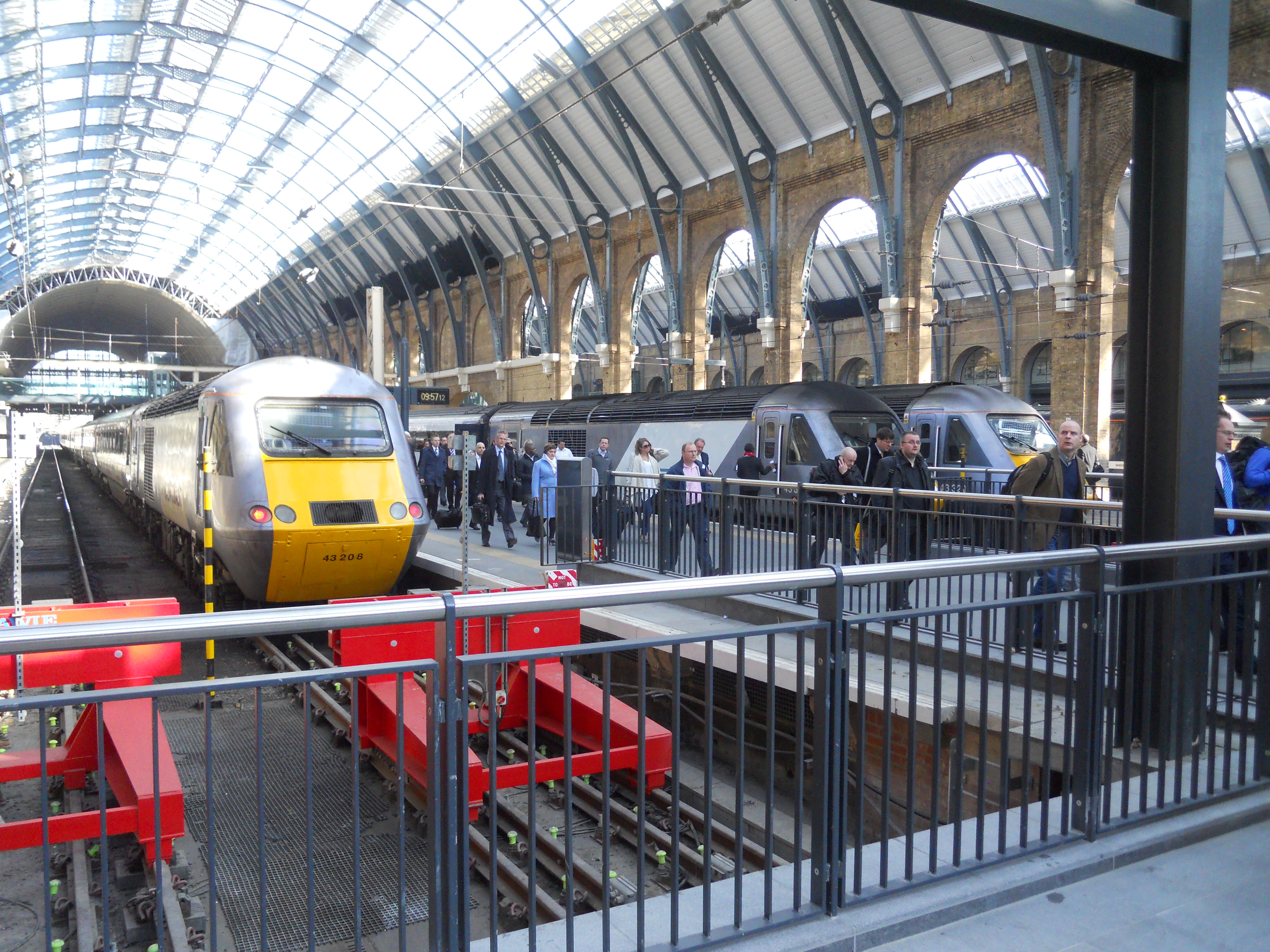
Three High Speed Diesel Trains at Kings Cross
For those of you, who know Kings Cross station, they started running to the station at the end of the 1970s, which is just about the time, that the disgusting dark green extension was erected.
The irony is that they’ll actually outlive the extension, by several years.
So good old British Rail did get some things right. But not stations! Where should Network Rail’s refurbishment experts strike next in London? After all, they’ve now done or have nearly finished St. Pancras, Stratford, Clapham Junction, Blackfriars, Kings Cross and Paddington. I think London Bridge and Waterloo are being planned. But what about the others!
Vote now and vote often.
Where’s All The Dirt Gone?
In my earliest memories of Kings Cross, this picture would have shown a dirty roof, with steam and smoke everywhere, as Gresley A4 and A3 4-6-2 “Pacifics” were getting ready to steam north.
We may think that was a long time ago and it is probably nearly 60 years ago. But there is a link to this picture I took today.
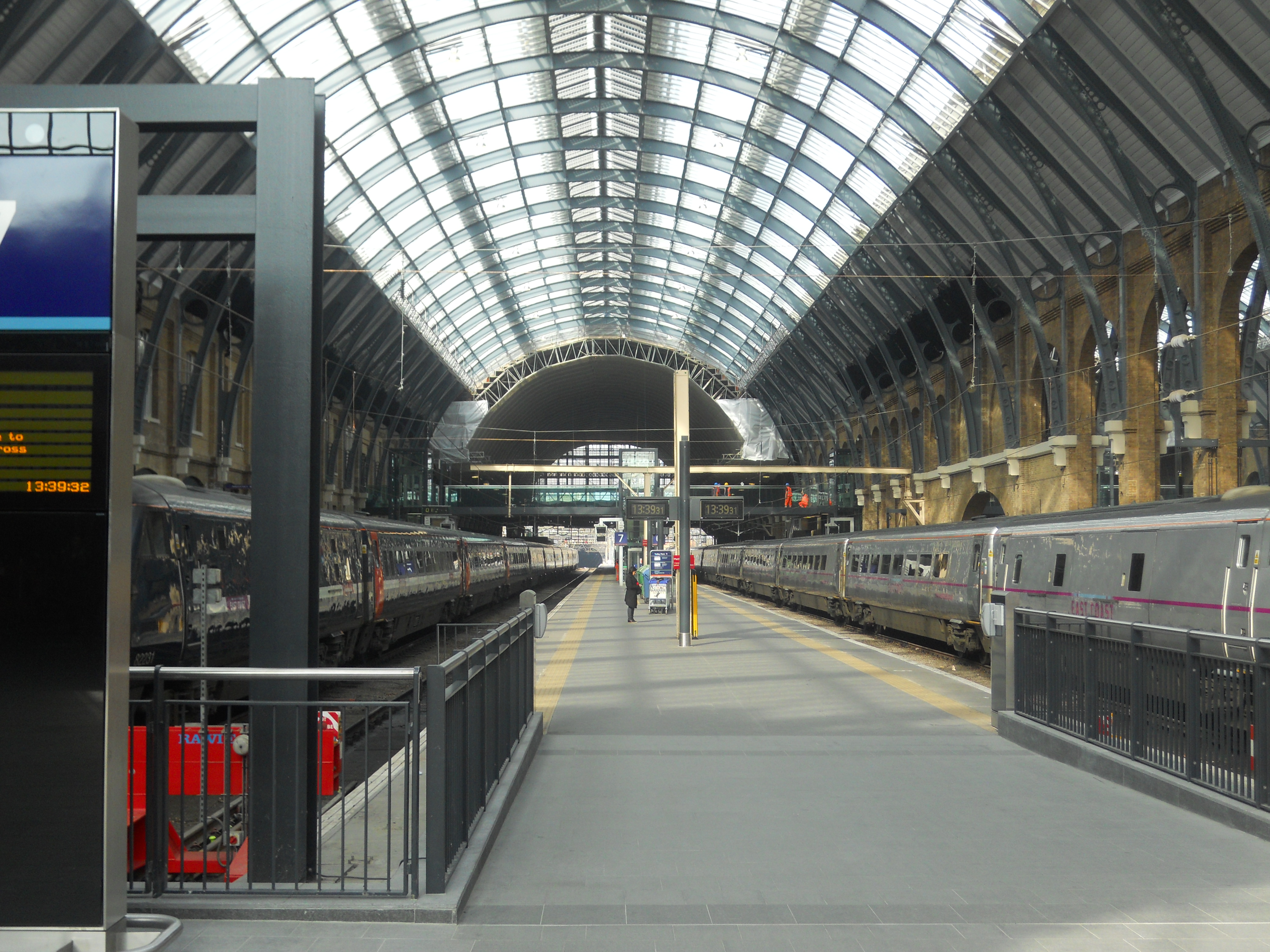
Where's All The Dirt Gone?
In the picture there are two of the InterCity 225 trains, which look like they’ve just had a good wash too!
But they could easily have been two iconic InterCity 125 trains of the 1970s!
Sir Nigel would have been proud as the 125’s were designed by a team led by one of his apprentices; Terry Miller.
I will not guarantee, that if I’m still here to take this picture in ten years time, that none of the platforms will contain an InterCity 125. These wonderful trains, where I’ve proven that you can sit on the floor and still be comfortable, will outlive most of us. And certainly me!
I notice in the picture, that they haven’t put the clock back up yet!
High Speed Diesel Trains to the Rescue
The trains out of Paddington are some of the most overcrowded in the UK. So First Great Western are doing the sensible thing and adding an extra coach to their High Speed Diesel Trains. Currently, their trains have a two power car plus eight coach formation, whereas those on the East Coast are two plus nine.
So they have found a source of redundant buffet cars and these are being re-manufactured and fitted with seats, as reported here on the BBC.
Some reports are a bit sniffy about this approach and have called it rather stopgap.
But I would say it is a tribute to the design of the High Speed Diesel Train, that has always been capable of sandwiching any number of coaches up to nine between the two diesel power cars.
What puzzles me, is why wasn’t this simple idea, carried out sooner. But then those in the Department for Transport didn’t want anything to get in their way of their trips to Japan to clear the way for Hitachi.
Long after those civil servants have retired, High Speed Diesel Trains and their Mk III coaches will still be running.
Double-Decker Trains for HS2
According to the Sunday Times today, a design consultancy, Priestmangoode has been asked to make the trains on HS2 as sexy as possible.
I’m all for this and have stated that we should make trains more passenger friendly several times. Here’s a piece where I advocated a better approach to the trains to the West Country and the north of Scotland from London using rebuilt High Speed Diesel Trains.
Transport for London have used this design-led approach on the New Bus for London and I hope it goes well for them, when the bus is introduced next month.
So get the trains right and of course build them in the UK and we might have a railway to be proud of. As someone, who’s travelled from London to Nice on Eurostar and a TGV Duplex, we don’t have much competition from the French. The TGV Duplex may look impressive on the outside, but inside it’s rather cramped and stuffy and the ride is not as good as a High Speed Diesel Train.
 The Anonymous Widower