Ricardo Develops Advanced Ranger HEX 6×6 Conversion With Hybrid Electric Drivetrain
The title of this post, is the same as that of this press release from Ricardo.
This is the sub-heading.
The new vehicle has been conceived to help improve the sustainability of future defence mobility while retaining the highest performance demanded by the toughest environments
This picture is from the press release.

My first thought is that it looks the ultimate technical.
These two paragraphs introduce the vehicle.
Ricardo, a global strategic, environmental, and engineering consulting company, has developed the Ranger HEX, a 6×6 vehicle conversion designed to offer a significant improvement in payload of up to 3,800kg over the harshest of terrains. It comes with a hybrid drivetrain to maintain performance and improve fuel consumption.
This new conversion benefits from Ricardo’s expertise and experience in creating high quality, cost effective special vehicles for defence, security and utility applications. The vehicle will benefit from enhanced levels of capability, robustness and availability.
These three paragraphs describe the design.
The HEX solution differs from conventional conversions as it has been conceived as an overlay bolt-on system that does not require any alteration of the Ford Ranger base vehicle, which is Europe’s number one commercial pick-up platform. This ensures that the base vehicle retains all the robustness and quality of the standard vehicle and allows the system to be removed and re-installed on a different vehicle.
An electric rear drive system has been adopted that uses a production Ford drive unit to provide up to an additional 210kW of power, over and above the class leading 186kW of power from the existing 3.0L V6 diesel engine. The De Dion rear suspension design is not only weight efficient and robust but also provides better wheel control for improved traction and ride. In addition, the De Dion arrangement decouples the suspension and drive systems to allow a range of drive units to be used or deleted for a cost-effective 6×4 variant with maximum payload using an undriven ‘lazy’ axle.
The electric drive is designed as a self-contained through-the-road hybrid system. Braking energy is harvested under deceleration to charge the battery pack. This energy is then used to provide electric torque under acceleration to mitigate the usual drop in performance whist carrying a high payload. A selection of battery capacities are available, depending on customer requirements. All high voltage components are contained within a single integrated enclosure for safety and ease of maintenance and repair.
Note.
- The conversion would appear to bolt on to the standard Ford Ranger base vehicle.
- The vehicle has regenerative braking.
- It has a payload of 3.8 tonnes.
- It appears to have a very sophisticated rear suspension.
- Judging by the colour and the mention of the word defence in the article, I suspect this vehicle has been initially designed for a military application.
- Over 300,000 Rangers were sold worldwide in 2021.
- In the UK, it looks like a Ford Ranger will cost around £30,000 excluding VAT.
In addition I’ve read in this article on Autoweek that, the conversion itself has been designed as an overlay bolt-on modification that requires no alterations to the base vehicle, even preserving its existing warranty.
I have my thoughts.
Applications
The press release talks about high quality, cost effective special vehicles for defence, security and utility applications.
Use your imagination!
Perhaps.
- It is going to be used as the ultimate technical by the Ukrainians.
- A missile manufacturer has a system, that weighs around 3.5 tonnes and needs a launch vehicle.
- The RNLI needs an affordable vehicle to launch lifeboats from the beach.
- It is going to be used as rough terrain ambulance.
- It would make an excellent towing vehicle.
With all the problems in Morocco and Libya at the moment, it has been launched at the right time.
Zero-Carbon Operation
I believe that a zero-carbon version is essential. Especially, as the sub-heading mentions sustainable defence mobility.
The easiest way to achieve this would be to run on HVO or some form of biodiesel.
I suspect between them Ford and Ricardo have enough knowledge to create a hydrogen powered version.
Are There Autonomous Ford Rangers?
Google says, “Yes!”
This article on foresttech is entitled Ford Ranger Goes Fully-Autonomous, where this is said.
An Australian mining group has advanced the future of mobility (in mining at least) with the deployment of a fleet of fully-autonomous Ford Rangers at one of its mines.
Fortescue Metals Group has retrofitted four Rangers at its Christmas Creek mine in Western Australia with autonomous systems created by the company’s Technology and Automation team, to remove the need for fitters to make around 12,000 28-kilometre round trips each year to collect equipment and parts.
Of course, it’s not quite as ground-breaking as it sounds: mining operations don’t need to deal with road rules, pedestrians or many other vehicles, which hugely complicate the matter. Nevertheless, it’s still impressive.
Three applications suggest themselves.
- Delivering supplies in a disaster zone, after an earthquake, flooding,, landslide or volcanic eruption.
- Delivering supplies, including ammunition on a battlefield.
- Moving supplies along a long linear construction site, like a new railway or road.
Note.
In all three applications, six-wheel drive will be important, if ground conditions are bad.
- Could Fortescue Metals Group be behind this project?
- Disasters seem to be getting more common.
- Autonomous battlefield delivery must be safer for personnel.
I suspect there will be agricultural applications of an autonomous vehicle.
Will We See More Multi-Country Renewable Energy Deals?
In this blog, I have talked about various deals, where two or more countries and/or companies are getting together to generate electricity in one country and transfer it to another, either as electricity or as hydrogen
Examples include.
- The Asian Renewable Energy Hub, which I first wrote about in Vast Australian Renewable Energy Site Powers BP’s Ambitions.
- The Australia-Asia PowerLink, which I first wrote about in Sun Cable’s Australia-Asia PowerLink.
- Fortescue Future Industries will convert cattle stations in Western Australia into renewable power stations.
- The EuroAfrica Interconnector is a HVDC interconnector and submarine power cable between the Greek, Cypriot, and Egypt power grids, which I first wrote about in The EuroAfrica Interconnector.
- The EuroAsia Interconnector is a proposed HVDC interconnector between the Greek, Cypriot, and Israeli power grids via the world’s longest submarine power cable, which I first wrote about in The EuroAsia Interconnector.
- Icelink is a proposed electricity interconnector between Iceland and Great Britain, which I first wrote about in Is Iceland Part Of The Solution To The Problem Of Russia?
- The Morocco-UK Power Project, which I first wrote about in Moroccan Solar-Plus-Wind To Be Linked To GB In ‘Ground-Breaking’ Xlinks Project.
- Namibian Green Hydrogen, which I first wrote about in Namibia Is Building A Reputation For The Cheapest Green Hydrogen.
There are also all the hydrogen deals done by Fortescue Future Industries.
Where Are There Possibilities Of More Multi-Country Renewable Energy Deals?
These are a few serious possibilities.
Argentina
This is an extract from this page on Wind Energy International, which is entitled Argentina.
Argentina has an estimated technical wind energy potential of 300 GW. In southern Patagonia (Chubut and Santa Cruz provinces), average wind speeds range between 9.0 and 11.2 m/s, whereas in the north (Neuquén and Río Negro provinces), wind speeds range from 7.2 to 8.4 m/s. The general average capacity factor for Argentina is 35% and in the Patagonia region it ranges between as much as 47% and 59%. Especially in Northwest Patagonia, locally known as the Comahue region, hydro and wind may seasonally complement each other and.benefit both technologies. One other promising region for wind power development is the Atlantic sea coast.
As I wrote in Australia’s FFI Plans $8.4 Billion Green Hydrogen Project In Argentina, it appears that Andrew Forrest and FFI are already on the ground.
Australia
There are already three major schemes based on Australia and I am certain they will be more. Especially, as Japan, Korea, Malaysia and Singapore will need the zero-carbon energy.
It would appear that except for the Australia-Asia PowerLink, the energy will be transferred as liquid hydrogen or liquid ammonia.
Bangladesh
Bangladesh wouldn’t be on the lists of many, where ideal countries for renewable energy are being discussed.
But, this report on Energy Tracker Asia is entitled The Renewable Energy Potential of Bangladesh, where this is said.
A report investigating the renewable energy technical capacity of Bangladesh found that the country could deploy up to 156 GW of utility-scale solar on 6,250 km2 of land and 150 GW of wind. Offshore wind power would account for 134 GW of this total capacity.
I wouldn’t be surprised to see Bangladesh, supplying renewable energy to the East, with international companies and organisations developing the renewable infrastructure.
I think it should be noted that international companies flock to countries, where the investment opportunities are good. That has happened in the UK, with offshore wind, where many wind farms have been developed by companies such as Equinor, Iberola, RWE and Wattenfall.
Chile
Chile has started to develop the 100,000 square kilometres of the Atacama Desert for solar power and I wrote about this in The Power Of Solar With A Large Battery.
This sentence in the Wikipedia entry for Energy In Chile, illustrates the potential of solar power in the Atacama Desert.
In 2013, Total S.A. announced the world’s largest unsubsidised solar farm would be installed with assistance from SunPower Corp into Chile’s Atacama desert.
I also wrote Chile Wants To Export Solar Energy To Asia Via 15,000km Submarine Cable, about Chile’s ambitions to supply Asia with energy.
Ethiopia
Andrew Forrest of Fortescue Future Industries is on the case, as I wrote in Fortescue Future Industries Enters Ethiopia to Produce Green Energy.
North Africa
Consider.
- The major North African countries of Morocco, Algeria, Tunisia, Libya and Egypt, all have and depend on to a certain extent on fossil fuels.
- There are gas pipelines to Spain and Italy.
- Morocco will be the Southern end of the Morocco-UK Power Project, if it gets developed.
- All five countries have some nuclear power stations.
- All five countries have lots of sun for solar power.
- Some Saharan countries to the South of Morocco, Algeria and Libya could also provide energy from the sun.
- Egypt has substantial hydro-electric power on the River Nile.
- Egypt will be connected to Greece through the EuroAfrica Interconnector.
I believe that a well-designed and co-ordinated project could generate a lot of electricity and hydrogen for Europe and bring much-needed income and employment to North Africa.
I feel that if the Morocco-UK Power Project can be successfully built, then this could create a flurry of activity all over North Africa.
Saudi Arabia
Saudi Arabia has a problem. As the rest of the world moves away from fossil fuels in the next few decades, they will see the revenues from oil and natural gas come under pressure.
But as a rich country, with 2.15 million km² of land and lots of sun, they must have some potential to generate solar electricity.
In the Wikipedia entry for Solar Power In Saudi Arabia, this is said.
The Saudi agency in charge of developing the nations renewable energy sector, Ka-care, announced in May 2012 that the nation would install 41 gigawatts (GW) of solar capacity by 2032.[2] It was projected to be composed of 25 GW of solar thermal, and 16 GW of photovoltaics. At the time of this announcement, Saudi Arabia had only 0.003 gigawatts of installed solar energy capacity. A total of 24 GW of renewable energy was expected by 2020, and 54 GW by 2032.
Wikipedia also says that Saudi Arabia also has nuclear ambitions.
I can see that Saudi Arabia will replace some of their oil and gas exports with green hydrogen.
Megrahi Leaves More Questions Than Answers
Having seen the one-man show Lockerbie: Unfinished Business at the Edinburgh Fringe two years ago, I have always been suspicious that Megrahi was the man behind the Lockerbie bombings.
In the meantime,nothing has convinced me, that he was guilty and I agree with the show, that it was more likely, Iran was behind the bombing.
Now that Megrahi has died, it makes it even less likely that the truth will be discovered.
If you have a view on this case, read this. If it changes your view, note why in your mind.
Liverpool Comes To London
HMS Liverpool is in London this weekend and I went to have a look.
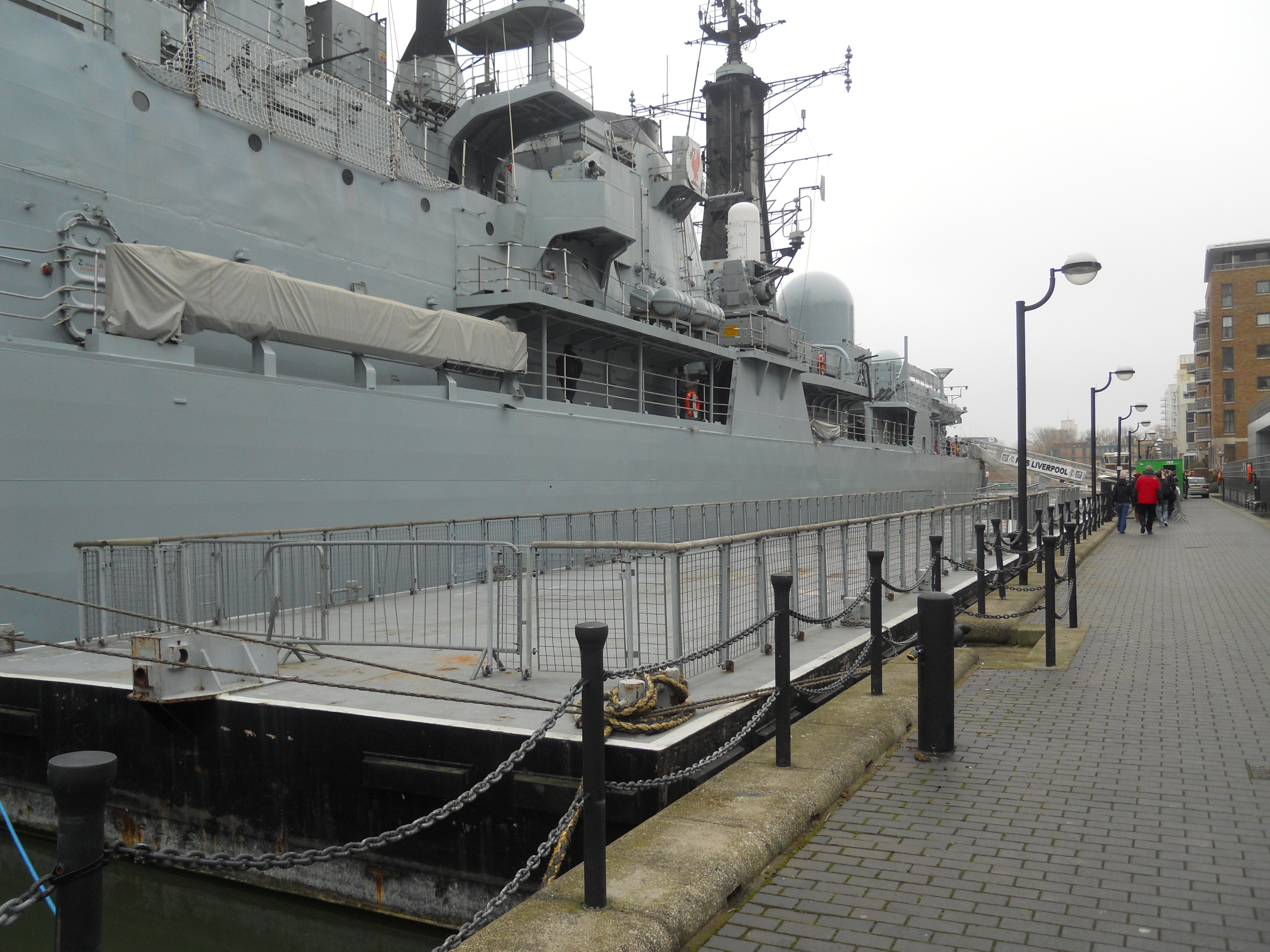
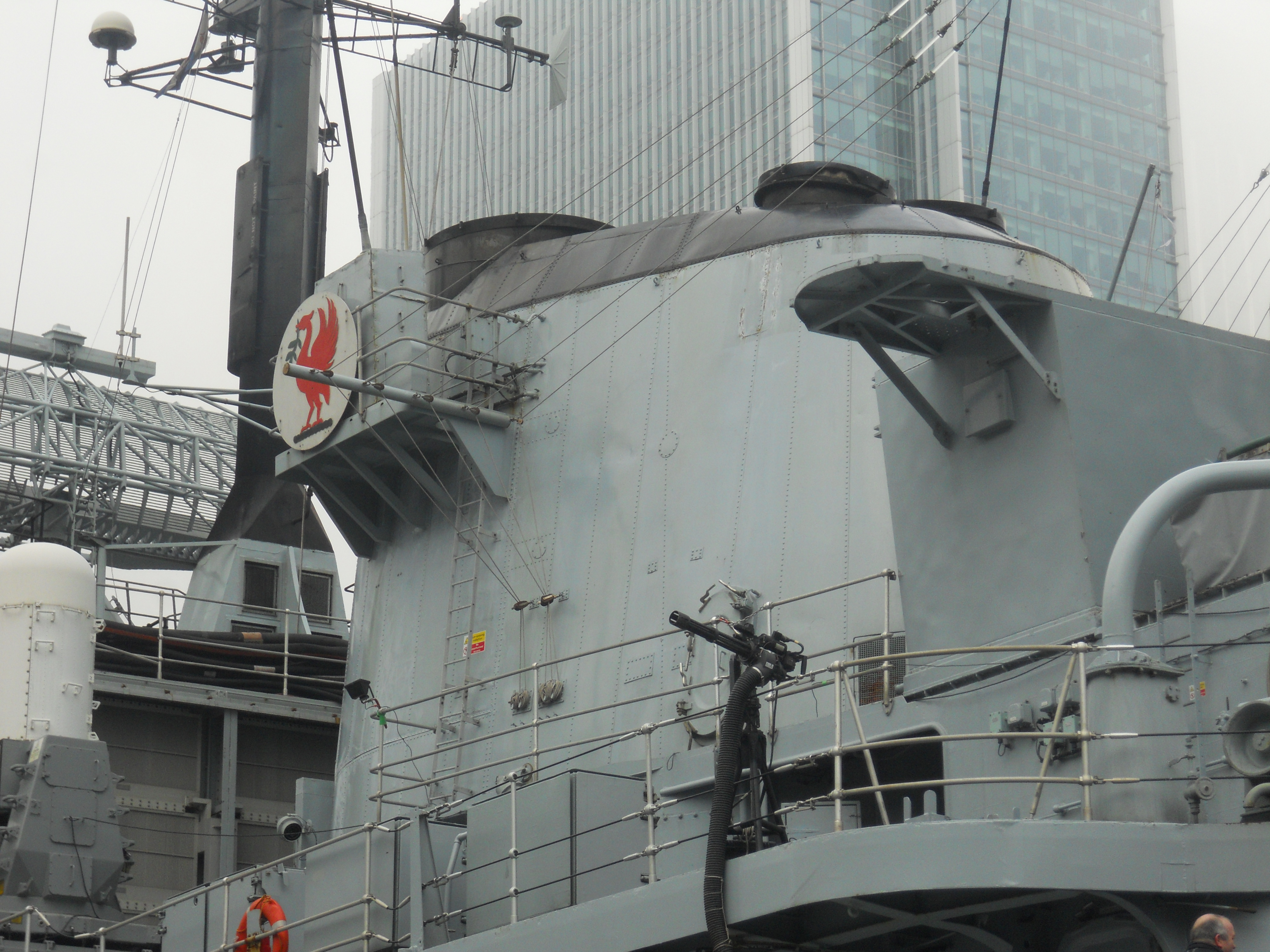
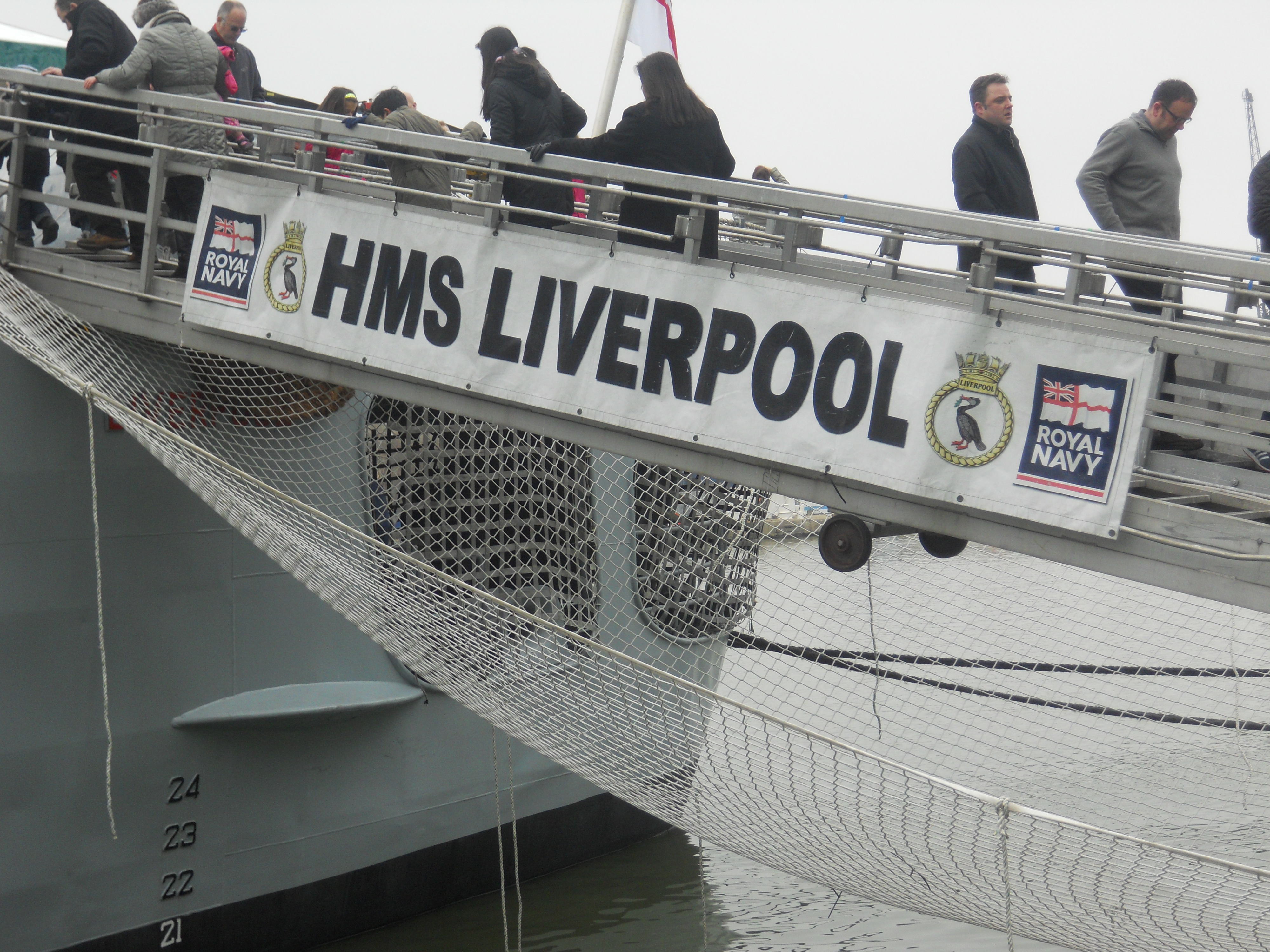
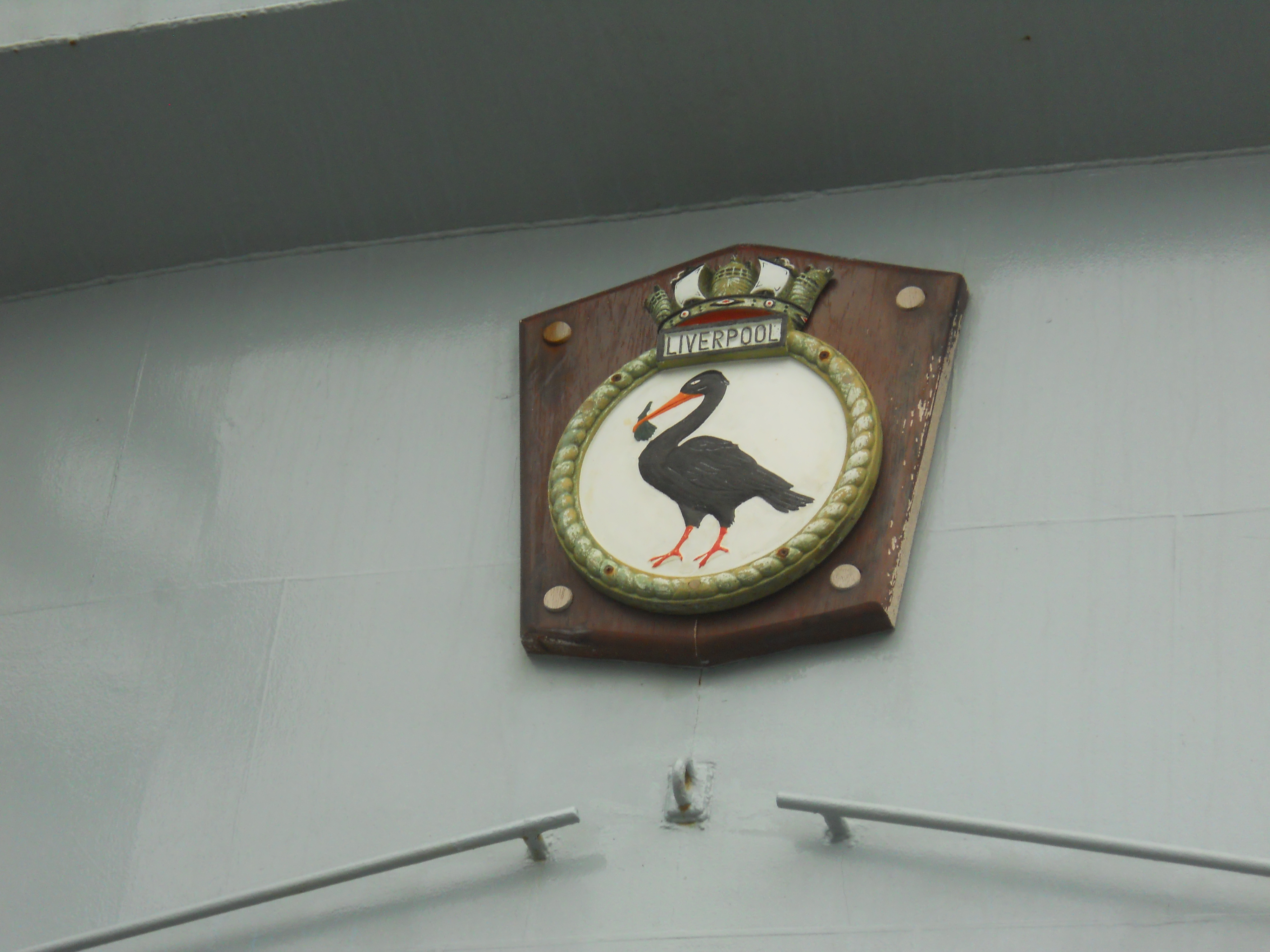
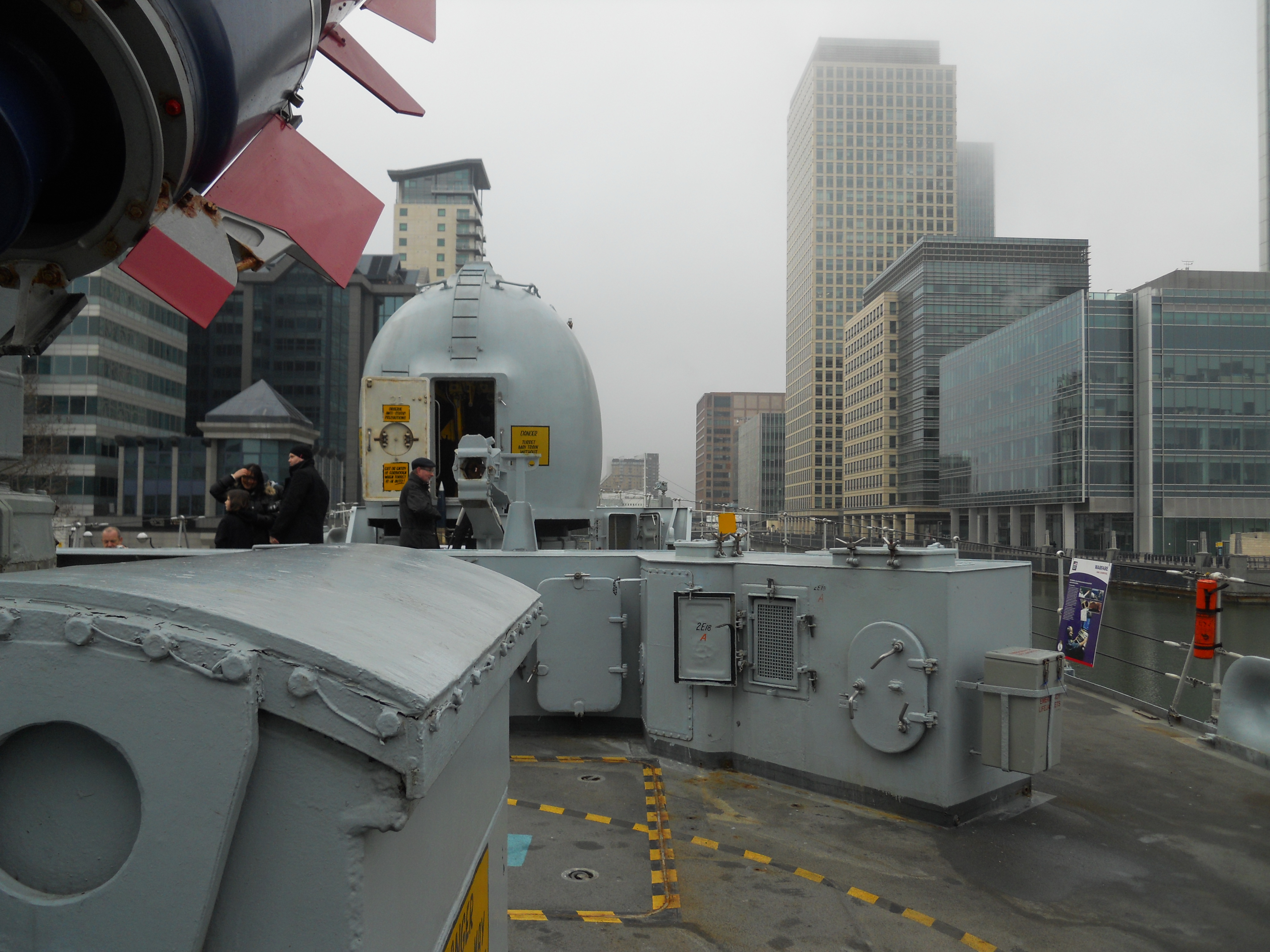
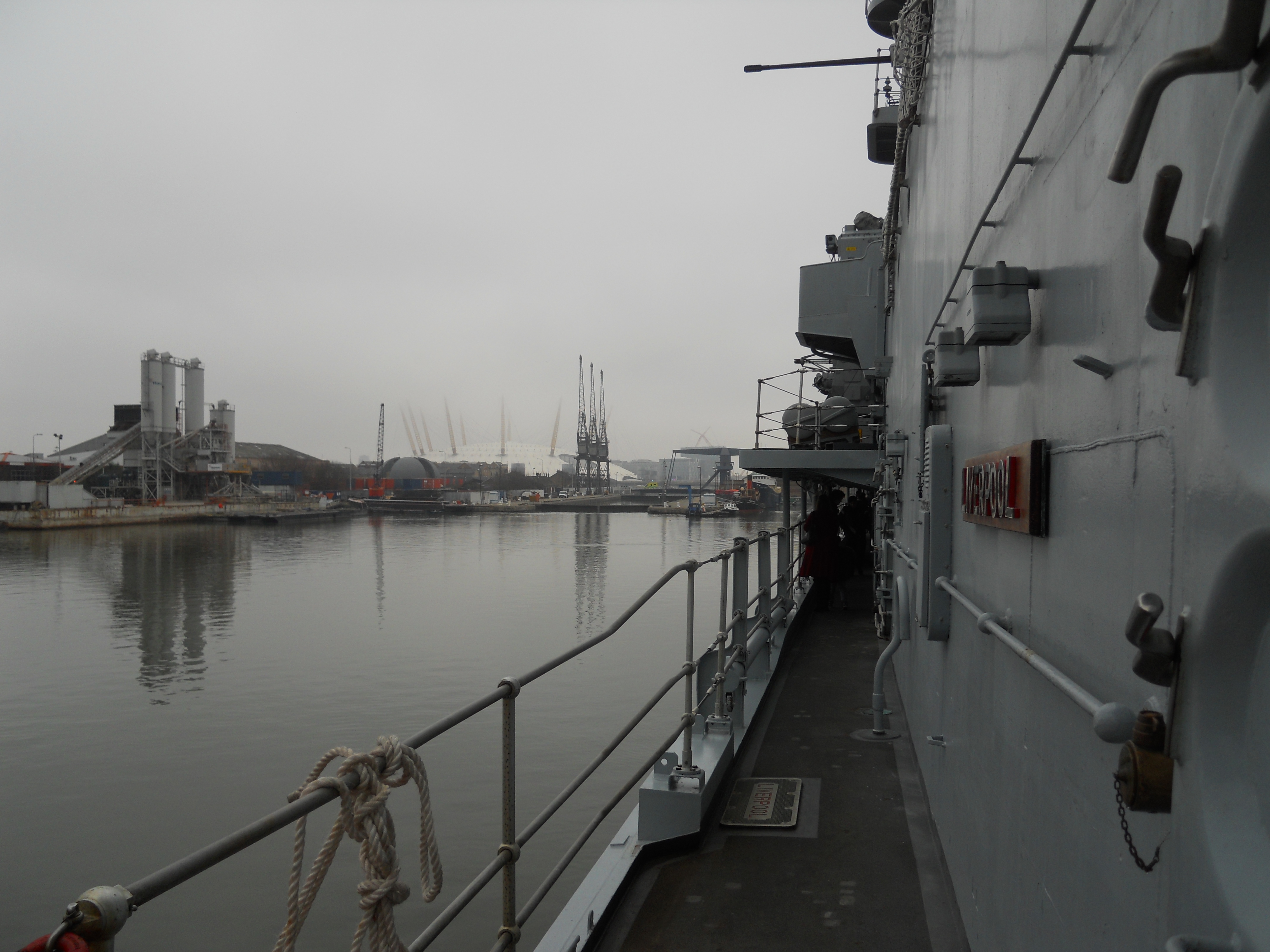
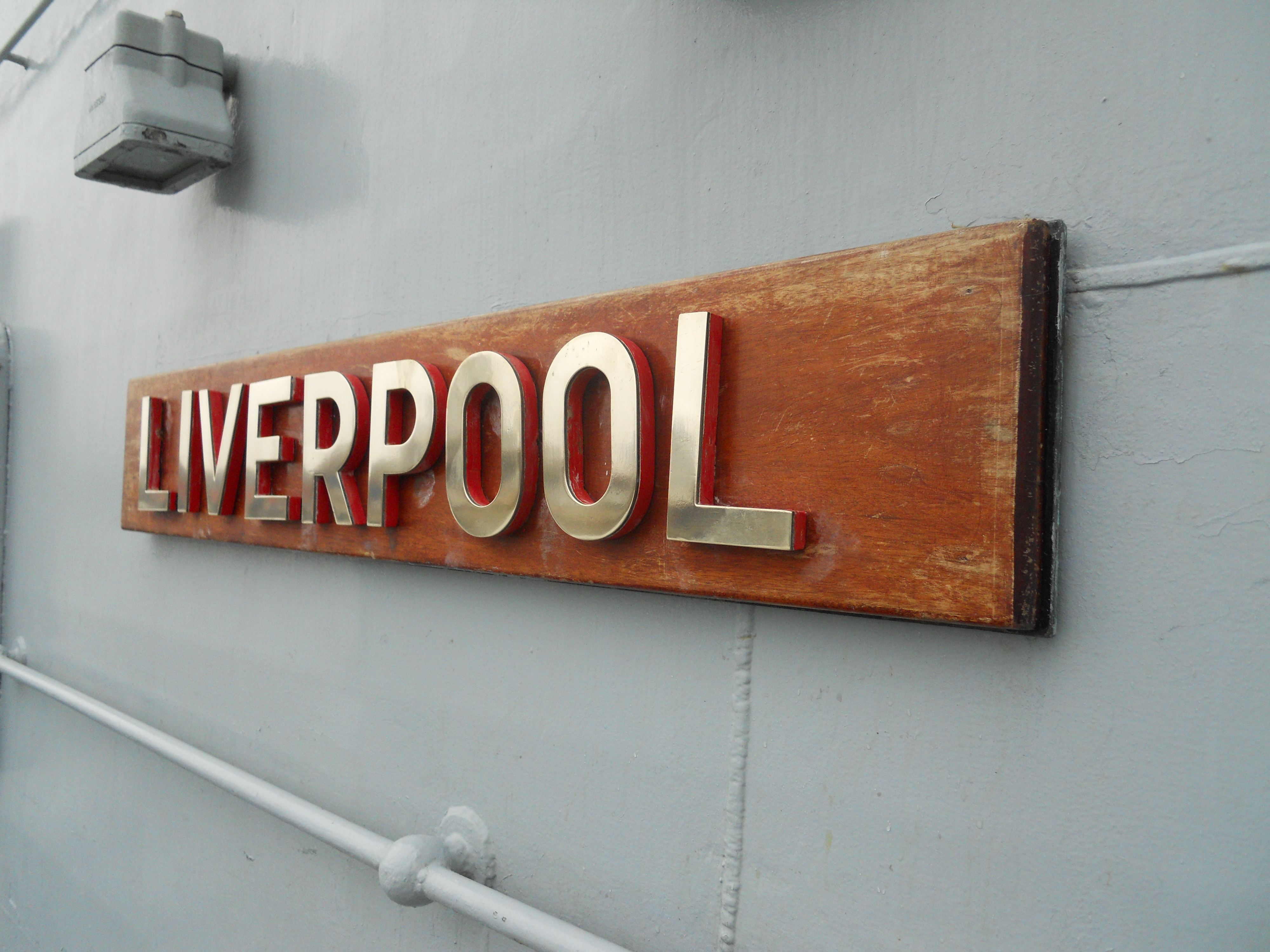
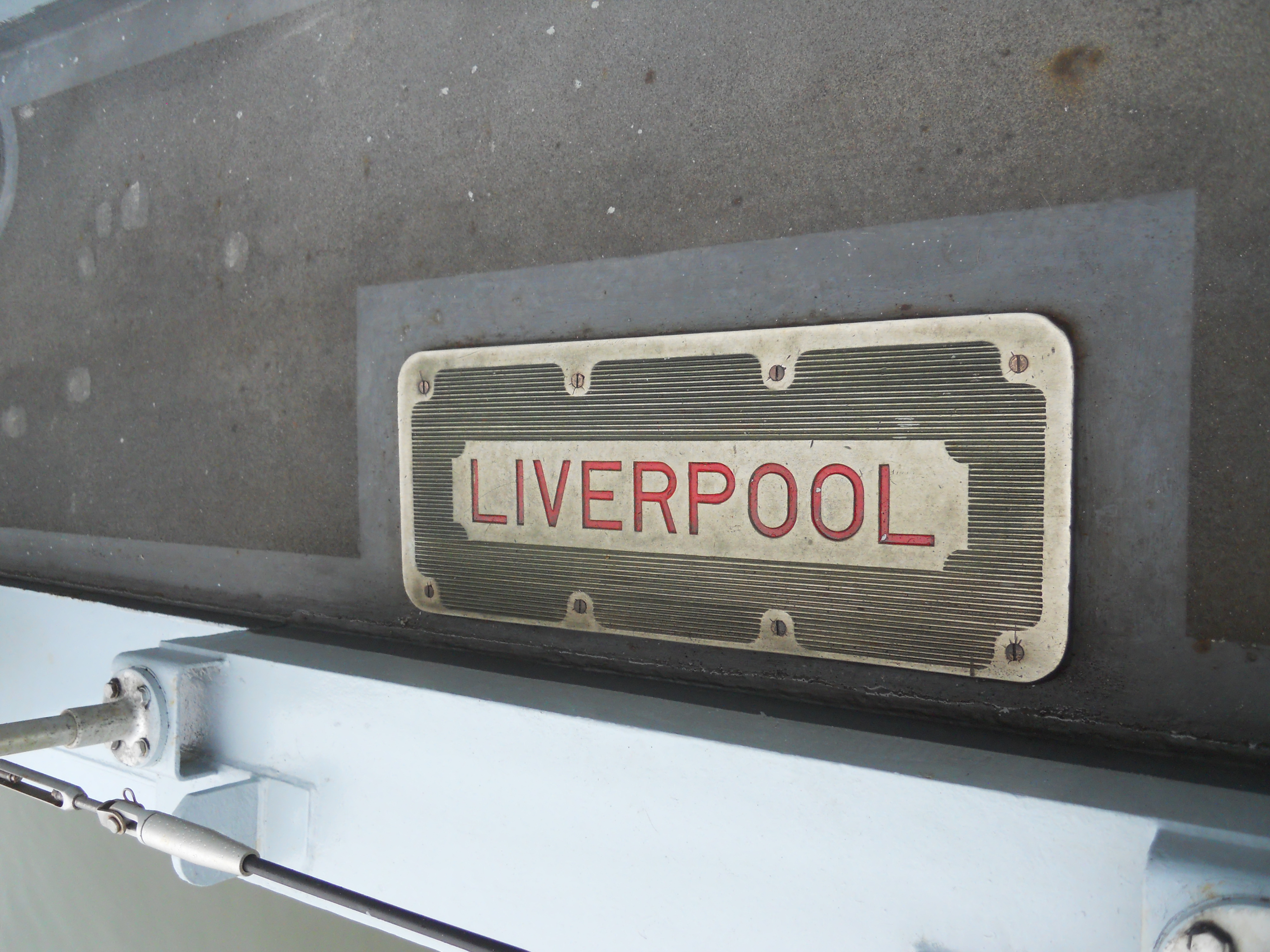
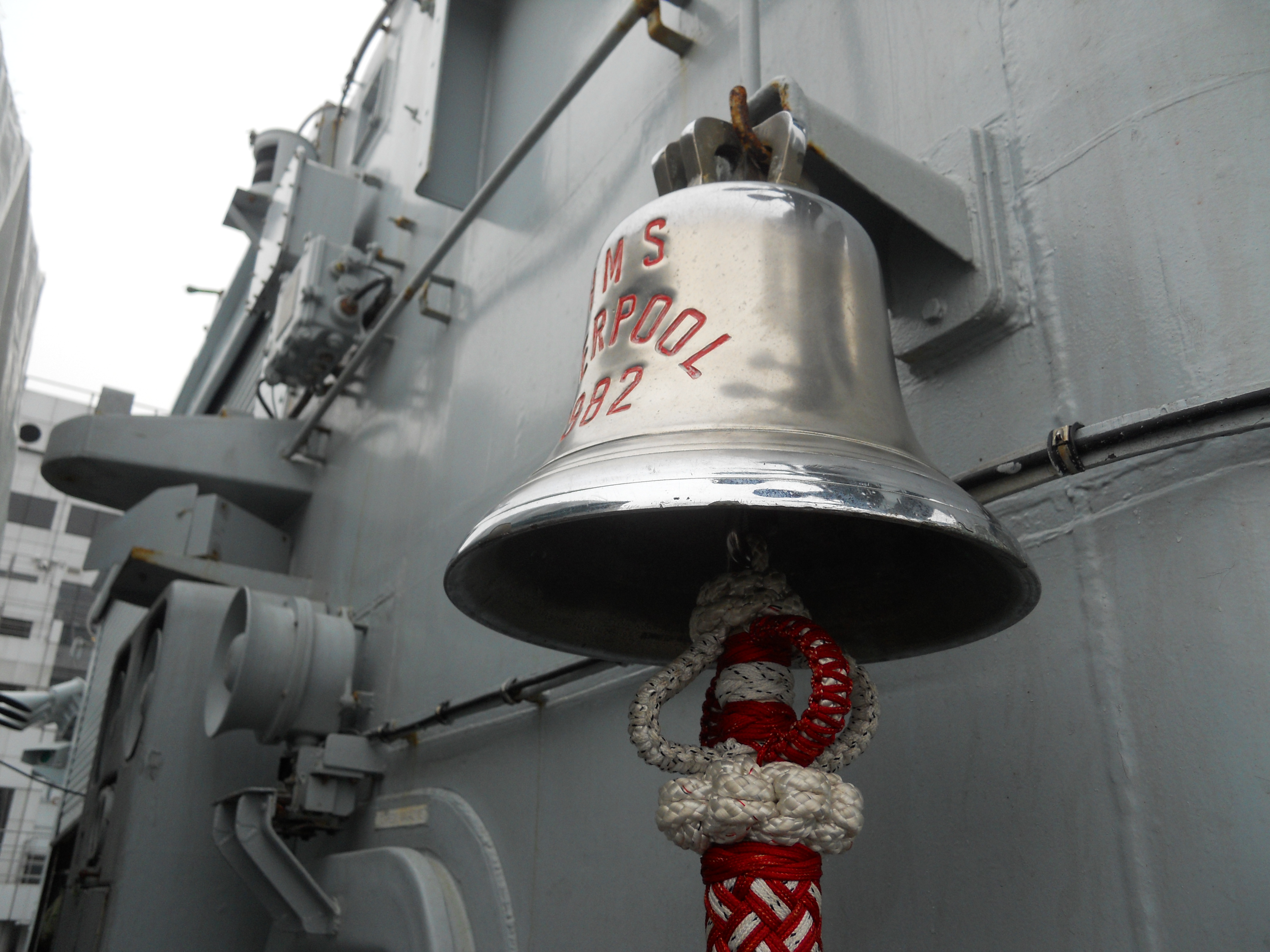
Note the red liver bird, which gives the ship it’s nickname of Crazy Red Chicken.
We Should Let al Megrahi Die in Peace
I’ve just heard the father of one of the Lockerbie victims say this on the BBC. He is right, as Megrahi does really seem to be close to death according to this typical report among many. After all as the victim’s father said, Gaddafi has killed a lot more of his own people than the number that died in the PanAm jet at Lockerbie.
However, we shouldn’t let up though on finding out who was ultimately responsible for Lockerbie. It is all too convenient to put the blame on Gaddafi, who surely will soon be dead, as I can’t see him being captured alive or escaping to a safe haven. And if he did the latter, he has made enemies, who would not hestitate to assasinate him.
After I saw Lockerbie: Unfinished Business at the Gilded Balloon last year in Edinburgh, I posted this. I stand by every word I said.
Let’s Get Gaddafi To The Hague
I suspect that the cruel and idiotic Gaddafi has a few tricks up his sleeves yet. But wouldn’t it be a victory for everybody, especially the Libyan people, if he felt the respected justice of the International Criminal Court.
If they’re short of cells, he could share with some of the other dictators and war criminals under arrest in The Hague. They all deserve each other.
Was It Right To Bomb Germany As We Did in the Second World War?
I have felt for a long time that the bombing of German cities by the RAF and the USAAF was rather a pointless exercise driven more by vengeance and revenge than any strategic purpose to defeat the Nazis.
Remember, I was brought up in London and many of my relatives experienced the bombing first hand. My grandfather’s premises close to the Barbican, where he worked as an engraver, were completely destroyed in the Blitz. Many of these people weren’t too bothered about the bombing as it just made them angry and anyway they survived. Others might have felt different, but most just felt that you had to deal with what happened and get on with life. Supposedly, one of the reasons for bombing civilians was to break their moral and hopefully get them to turn against the government. I think that London and other British cities that were bombed showed that it didn’t work. If anything it just stiffened their resolve to carry on.
Was it any different in Germany, when we bombed their cities? I’ve only met a couple of Germans, who endured the bombing from the RAF and the USAAF and they didn’t seem to react any differently to the way we did. And they probably suffered a lot more.
But also remember that a 250,000 from both the RAF and the USAAF either died or went missing in the bombing of Germany. So in some ways we lost the trained personnel that we really needed to support the invasion.
I also remember reading the history of the de Havilland Mosquito. Initially this superb design wasn’t really wanted by the RAF, as they felt who in his right mind would want to fly across to bomb Germany in an unarmed aircraft built out of ply and balsa wood. To them and the USAAF, a heavily armed four engined bomber would obviously be better. But statistics proved them wrong, as the Mosquito, which carried virtually the same bomb load as a B-17, but with a crew of two instead of ten, had a much higher return rate and much lower losses of crew. It was also much faster and could bomb Germany twice in one night.
In my view it should have been used strategically to take out German infrastructure, such as important factories and rail junctions. Wikipedia says this.
Mosquitos were widely used by the RAF Pathfinder Force, which marked targets for night-time strategic bombing. Despite an initially high loss rate, the Mosquito ended the war with the lowest losses of any aircraft in RAF Bomber Command service. Post war, the RAF found that when finally applied to bombing, in terms of useful damage done, the Mosquito had proved 4.95 times cheaper than the Avro Lancaster.
Yesterday, the obituary of Flight Lieutenant Don Nelson was published in the papers.
He was an RAF navigator, who helped to plan the destruction of German infrastructure in the run up to D-Day.
This is an extract from The Times.
In the spring of 1944 Bomber Command under its redoubtable but stubborn leader, Air Chief Marshal Sir Arthur Harris, was ordered to divert a proportion of its energies from the strategic bombing of Germany, of which Harris was the architect, to attacking targets in northern France and Belgium — railways, bridges, tunnels, marshalling yards — whose destruction would materially expedite the forthcoming Allied invasion of German-occupied Europe.
Although Harris dug his heels in against what he was convinced was a misuse of his strategic bomber force, a trial raid against a railway centre at Trappes, south west of Paris, in early March resulted in such spectacular destruction and dislocation of rail traffic that it became evident that a sustained assault by Bomber Command would be capable of virtually paralysing the German capacity to move troops against whatever beach heads the Allies might establish before, and not after, the projected invasion. This was a vital discovery. In spite of Harris’s protests his best bomber squadrons were from then until June 6, 1944, and afterwards, employed on this momentous interdiction work.
The Telegraph tells a very similar story.
Looking back with 20/20 hindsight, I think we probably could have done better in our bombing campaign against Germany, by bombing infrastructure important to the war effort, rather than the general population.
We also never learn from the past, as if we look at Iraq, Afghanistan and now Libya, we continue to make the same mistakes we always do. Inevitably vengeance seems to get mixed up with the simple objective of defeating a vile and hideous regime and its leader.
Why The Full Dress Uniforms?
I know the attacking of Libya is serious, but why do the admirals of the United States Navy appear on TV, in full dress uniforms with all their medals and decorations?
Some have almost as many as Gaddafi!
Money Transfer – Libyan Style
A ship containing a £100 million of Libyan bank notes has been seized by the UK Border Agency according to this report.
We could burn it to generate electricity or perhaps the government could give us all a few notes to perhaps use for a sensible purpose like stopping tables from rocking. Or perhaps as stand-by toilet paper!
Gaddafi Gets a Good Kicking
Gaddafi’s attempts to recapture Brega seemed to be a real defeat, as his forces seem to have no stomach for a fight.
Let’s hope he sees sense and gives up.
He could also go to live with his friend Robert Mugabe. They deserve each other. but their unfortunate citizens don’t!
 The Anonymous Widower