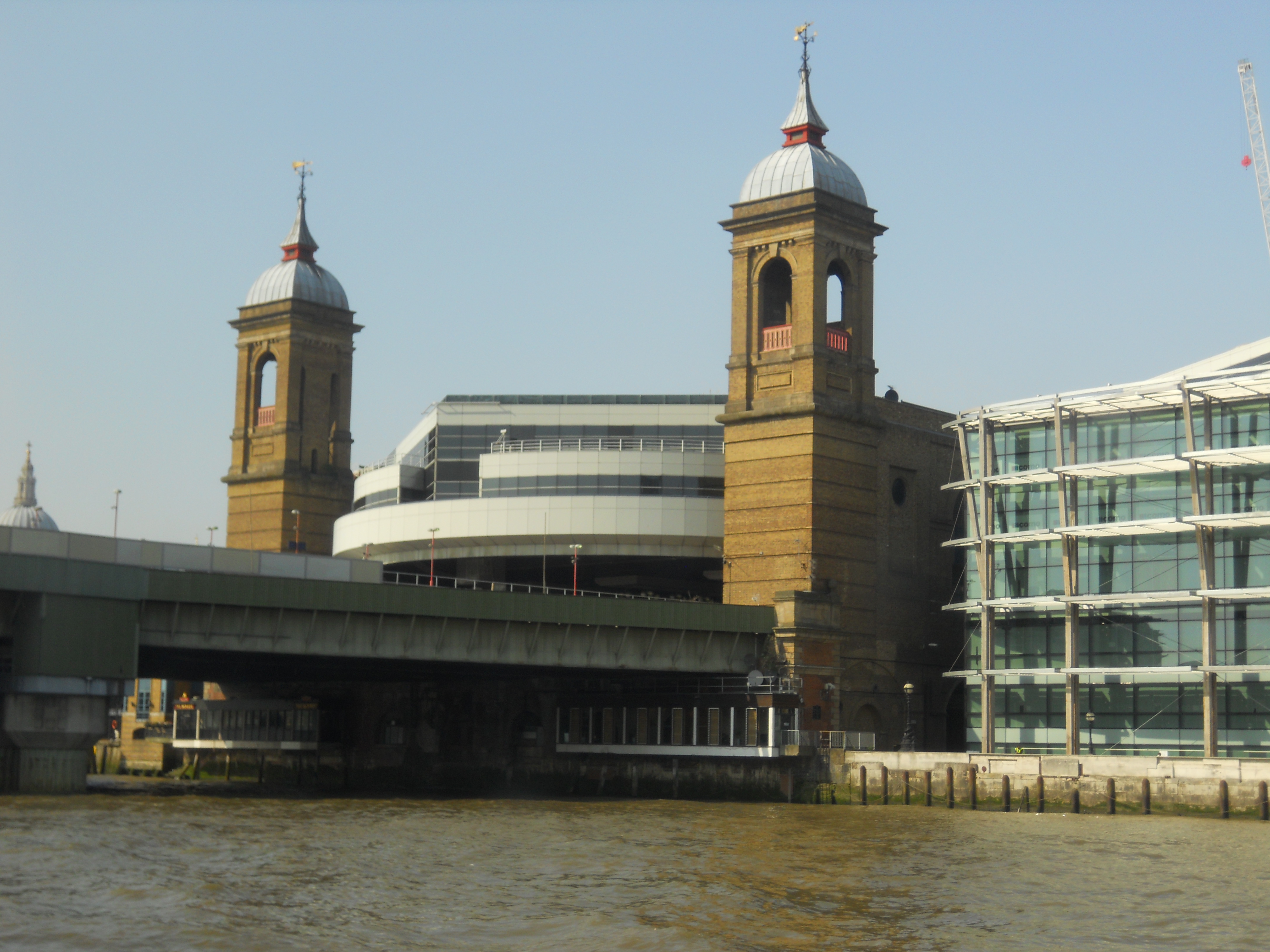
We nearly bought a buy-to-let in this impressive block by the Thames Barrier.
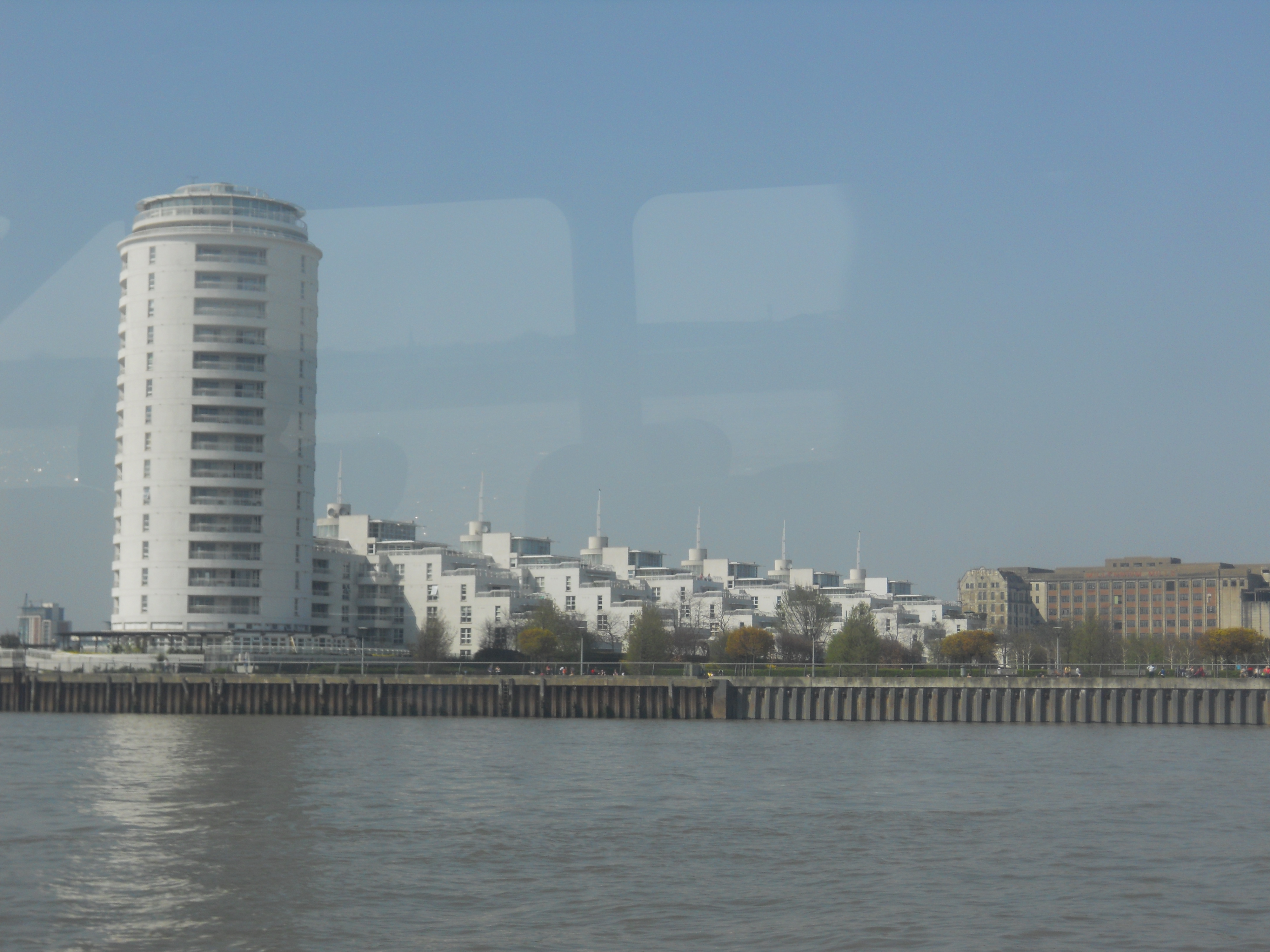
Barrier Point, London
I just wonder what would have happened, if we’d bought the flat.
Would I now be using it as a pied-a-terre?
52.245212
0.403362
April 19, 2010
Posted by AnonW |
World | London, River Thames, Thames Barrier |
Leave a comment
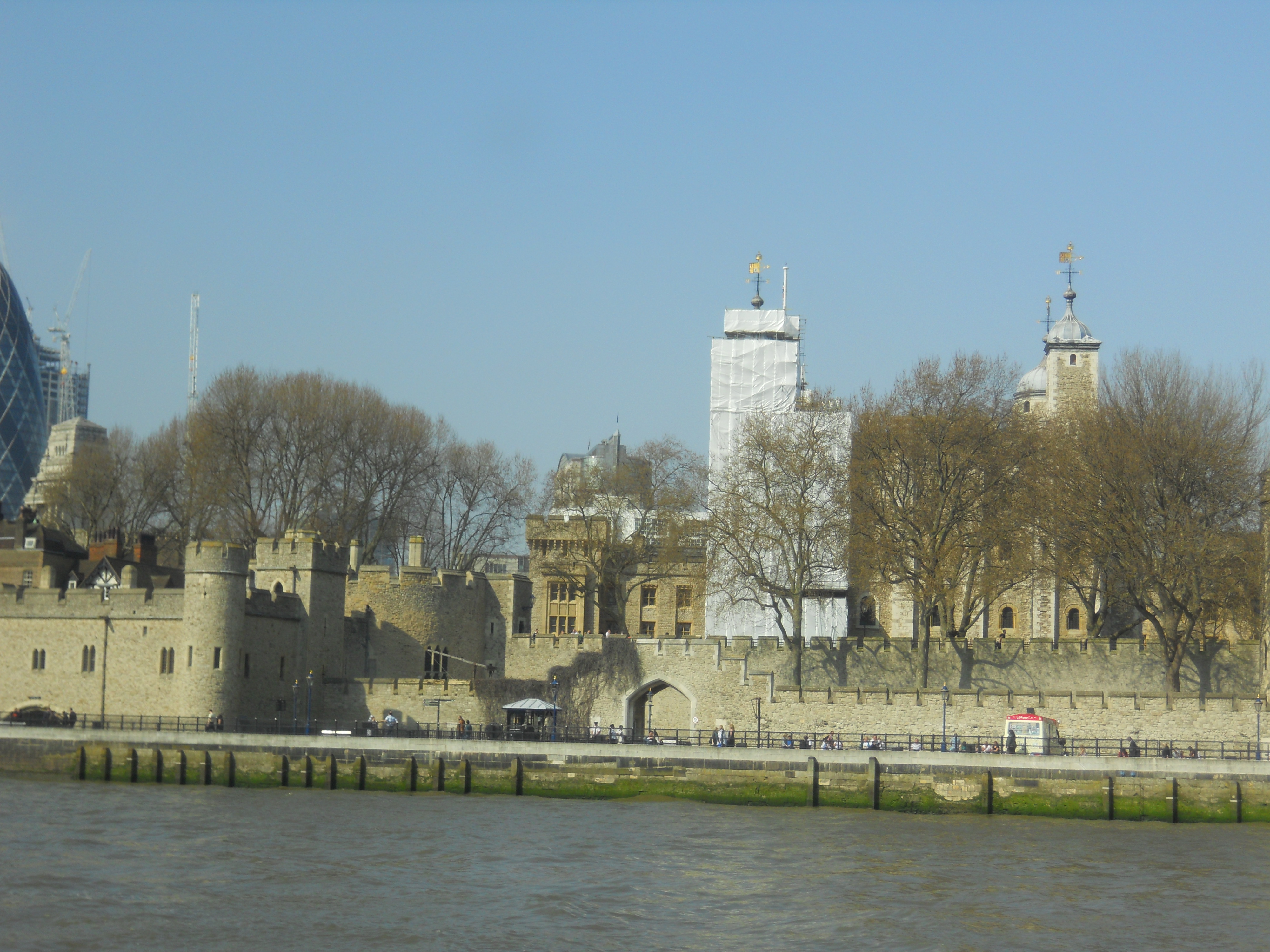
The Thames Barrier protects London from flooding.
You can see it from around Pontoon Dock station on the DLR and also the Thames Clipper passed through it between Woolwich and the O2.
This slideshow requires JavaScript.
The Thames Barrier is something worth visiting. The easiest way is to go to Pontoon Dock station and then walk through the attractive Thames Barrier Park. There is a very nice cafe in the park too!
For those who are sceptical about global warming and rising sea levels, just look at the statistics about the closing of the Thames Barrier.
52.245212
0.403362
April 19, 2010
Posted by AnonW |
Transport/Travel, World | London, River Thames, Thames Barrier |
Leave a comment
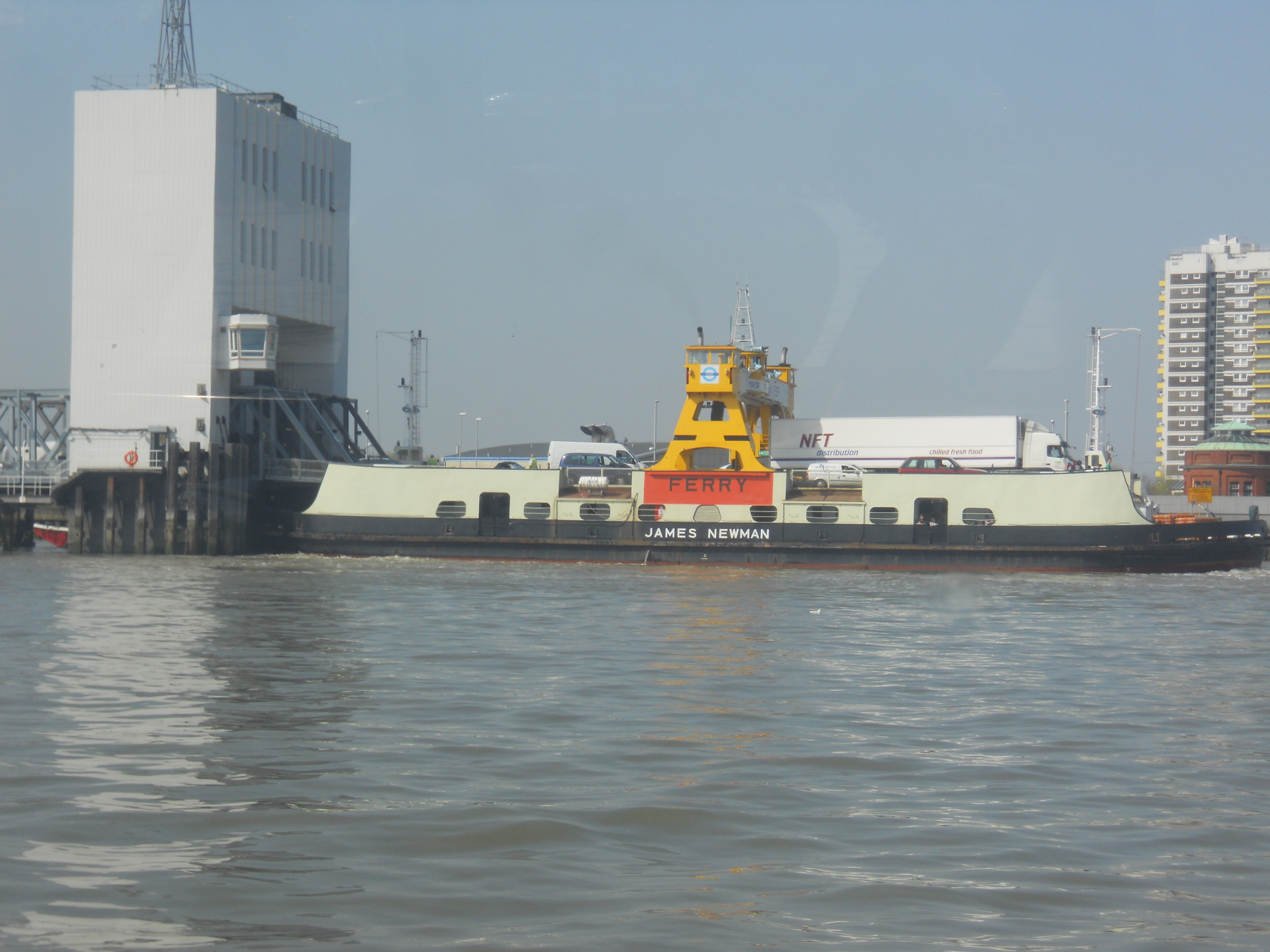
This is the Woolwich Ferry.

The Woolwich Ferry
There are more pictures of crossing the river by Woolwich Ferry here.
52.245212
0.403362
April 19, 2010
Posted by AnonW |
Transport/Travel | Ferry, London, Woolwich Ferry |
Leave a comment
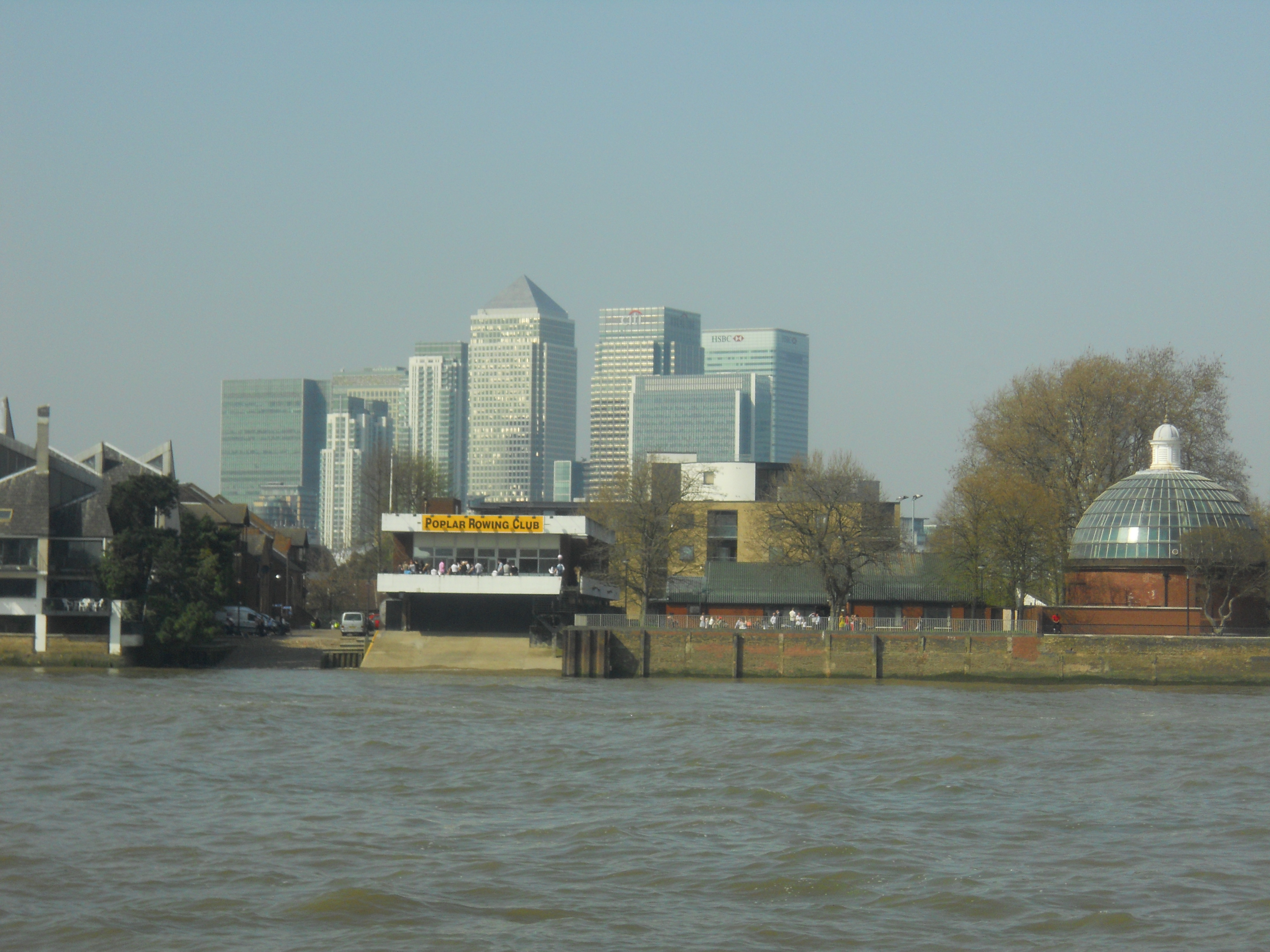
I had intended to take the DLR back to Bank, but I noticed that the river buses, Thames Clippers, also ran from the riverfront at the Arsenal to Embankment. So I took one.
It cost £4.80 on my Oyster card to get as far as Embankment with a change at the Dome; or the O2 as it is now called.
This slideshow requires JavaScript.
It was a very pleasant and comfortable trip in the sun. There was even coffee on board.
52.245212
0.403362
April 19, 2010
Posted by AnonW |
Transport/Travel | London, River Thames |
2 Comments
As I said in the previous post, I went to Woolwich Arsenal station on the DLR. The title of this post is the main thing to see at Woolwich. Once it produced armaments and now it is being turned over to museums, housing and leisure.
This slideshow requires JavaScript.
I think when it is finished it will be an interesting place to live with good transport links to both East and Central London.
But not for me though as it’s south of the river. It’s like asking an Edinburgh Scot to live in Glasgow or vice-versa!
52.245212
0.403362
April 18, 2010
Posted by AnonW |
Transport/Travel, World | London |
Leave a comment
I’ve always liked the DLR and today I took a trip to the furthest station of the railway in the South East of London; Woolwich Arsenal.
This slideshow requires JavaScript.
I’d been to Pontoon Dock station before to visit the Thames Barrier and also to London City Airport. But I hadn’t been as far as Woolwich. In fact the nearest I’d ever got to Woolwich was on occasional trips on the Woolwich Ferry.
52.245212
0.403362
April 18, 2010
Posted by AnonW |
Transport/Travel | Docklands Light Railway, London, London City Airport |
Leave a comment
I saw this trophy in the Museum of London.

The Chris Brasher Sporting Life Trophy
It was originally presented by the Sporting Life in 1909 to the winner of the Polytechnic Marathon. In 2003 Chris Brasher‘s name was added to commemorate his founding of the London Marathon.
But there is also controversy about the ownership of the trophy, according to this on Ian Ridpath’s web site.
I have always had a soft spot for Brasher.
I remember, as a nine-year-old, getting up in 1956 and hearing that he had won the gold medal in the 3,000 metres steeplechase in the Melbourne Olympics. I’ve also worn his walking boots for years, I’ve watched many of his London Marathons and admired his journalism on both the television and the printed media.
He also was the interviewer when Barnes Wallis, the designer of the bouncing bomb, said one of my favourite quotations.
There is no greater thrill in life than proving something is impossible and then showing how it can be done.
Never give up in life!
52.245212
0.403362
April 12, 2010
Posted by AnonW |
Sport | Athletics, London, Museum |
1 Comment
One of the problems of being a coeliac is that you have trouble with eating on the hoof. Today, I was walking through Shoreditch, just looking at the buildings, when I came across a (gastro)pub called the Princess of Shoreditch.
The menu looked that one or two of the items were gluten free, so I thought I’d go in and see if I could have a meal. I entered and found that they had Aspall Cyder on draught, which is always a welcome sign for me. And probably for a lot of other coeliacs too!
I asked whether the poached cod on the menu was gluten free and this was checked with the chef. I got a friendly thumbs up sign, so I ordered it.

Poached Cod
It was very good and the whole lunch including a pint of Aspall and coffee cost twenty pounds. I’ll go again.
Since I’ve got home, I’ve checked Time Out. They like it too!
52.245212
0.403362
April 12, 2010
Posted by AnonW |
Food | Cider, London |
Leave a comment
St. Martins-in-the-Fields is one of London’s most famous churches. It sits in the north-east corner of Trafalgar Square and you can see and hear the church in the video I made when I was on the Fourth Plinth.
The crypt contains a nice cafe and is now entered through a new entrance to the north of the church.

The Entrance to the Crypt of St. Martin-in-the-Fields
It is worth a visit.
52.245212
0.403362
April 12, 2010
Posted by AnonW |
Transport/Travel | Church, London |
Leave a comment
Sometimes it is wrong to go back. But I’m thinking of going back to the Barbican to live.
This slideshow requires JavaScript.
I lived there, with my late wife and our three sons from about 1974 to 1980, on the 11th floor of Cromwell Tower.
It was a good place to be and we enjoyed it. My middle son has said since that he did too and he has encouraged me to think about going back.
The one thing we avoided whilst in the Barbican was seeing the tragedy of the Moorgate Tube Disaster. We were away with friends in Edinburgh.
This accident, which killed 43, has never been satisfactorially explained. I don’t have my own theories, except to say that we may learn more in the next few years about how the brain works and this may provide a clue. Wikipedia says this.
The autopsy found no evidence of a medical problem such as a stroke or heart attack that could have incapacitated Newson; he did not appear to have taken alcohol, although post mortem testing for this was hampered by the 4½ days it took to retrieve his body from the wreckage. Dr P A B Raffle, the Chief Medical Officer of London Transport, gave evidence to the inquest and the official enquiry that Newson might have been temporarily paralysed by a rare kind of brain seizure (known as “akinesis with mutism” or “transient global amnesia”). In this situation, the brain continues to function and the individual remains aware although they cannot physically move. This would certainly go some way towards explaining why Newson held down the dead man’s handle right up until the point of impact and made no attempt to shield his face. This explanation also supports witness statements that Newson was sitting upright in his seat and looking straight ahead as the train passed through the station.
Even if they did find more, it would all be too late. Remember though, that now we have MRI scans and the one I had at Addenbrooke’s showed I’d had a previous small stroke.
But I did travel back to Whittlesford from Tottenham Hale once with a very experienced London Underground driver/supervisor, who gave me a very plausible theory. Nothing I have heard or saw in the last twenty years, conflicts with what I was told.
So has the Barbican changed?
When we were in Cromwell Tower nearly forty years ago, we were rather cut off from the main part of the estate, by the construction work for the Barbican Centre. Now that is complete and forms an integral part of life in the Barbican.
And they’ve now got a Waitrose in Whitecross Street!
Whether I do return is open to question, but it is a fascinating area in which to live, work and explore.
But in some respects it is more than going back to somewhere that I lived. Many of my mother’s family were born just north of the Barbican in St. Luke’s. This was because her father, an engraver, had had his business in the area of the Barbican. The premises and all of the family’s records were destroyed in the bombing of World War II.
52.245212
0.403362
April 11, 2010
Posted by AnonW |
World | Barbican, London, Second World War |
21 Comments