Aberdeen’s Exceed Secures Centrica Rough Contract
The title of this post, is the same as that of this article on Energy Voice.
This is the sub-heading.
Well and reservoir management firm Exceed has secured a contract with Centrica Energy Storage for the redevelopment of the Rough gas storage field.
This is the introductory paragraph.
Exceed said its role in the initial stages of the project, which is exploring converting the Rough field into a hydrogen storage facility, could create more than 30 jobs.
In Wood To Optimise Hydrogen Storage For Centrica’s Rough Field, I talked about changing Rough from a gas to a hydrogen store, so it looks like Centrica are going to create a vast hydrogen storage facility.
This all fits with my belief, that Centrica’s Rough facility and SSE’s nearby Aldbrough storage facility, will at sometime in the future be connected to the Germany hydrogen pipeline; AquaVentus to perform backup to hydrogen produced in the North Sea.
I also feel that the hydrogen trading will be of benefit to Centrica and SSE.
The last section of the Energy Voice article is entitled Rough Hydrogen Storage Concerns.
The following facts are given.
There are currently eight geological gas storage sites across Great Britain, containing approximately 3.1bcm in capacity and maximum deliverability rates of 124mcm/day.
Five of these gas storage sites are in salt caverns while the remaining three are depleted oil and gas fields, with the Centrica’s Rough field in the North Sea the only site located offshore.
The British Geological Survey estimates the UK could store up to 3,000 TWh of hydrogen.
Currently, we use the following energy in a year.
- 263 TWh of electricity
- 705 TWh of natural gas
So we use a total of 968 TWh of energy.
3,000 TWh of hydrogen would keep the UK going for three years. So we should be fine!
World’s Tallest Wooden Wind Turbine Starts Turning
The title of this post, is the same as that of this article on the BBC.
This is the sub-heading.
What is made from the same wood as a Christmas tree, held together by glue and manufactured in a Swedish factory for assembly later?
These three paragraphs outline the design of a revolutionary wind turbine tower.
If that calls to mind flat-pack furniture and meatballs, you’re wrong.
If you answered “a wooden wind turbine”, you could be a visionary.
According to Modvion, the Swedish start-up that has just built the world’s tallest wooden turbine tower, using wood for wind power is the future.
I feel that it is not as revolutionary as some people might think.
Forty years ago, I built an extension on my house that included a swimming pool and a barn. The swimming pool roof was based on laminated wood beams and the barn was constructed using traditional wooden beams, that were bolted together.
But surely the most amazing wooden structure of the last century is the DH 98 Mosquito.
This paragraph introduces the Wikipedia entry for this amazing aeroplane.
The de Havilland DH.98 Mosquito is a British twin-engined, multirole combat aircraft, introduced during the Second World War. Unusual in that its airframe was constructed mostly of wood, it was nicknamed the “Wooden Wonder”, or “Mossie”. Lord Beaverbrook, Minister of Aircraft Production, nicknamed it “Freeman’s Folly”, alluding to Air Chief Marshal Sir Wilfrid Freeman, who defended Geoffrey de Havilland and his design concept against orders to scrap the project. In 1941, it was one of the fastest operational aircraft in the world.
One of my friends from the twentieth century, had been an RAF Mosquito pilot in the 1950s and felt it was an unequalled design of aircraft.
The airframe of the Mosquito was built using similar materials and methods as Modvion’s turbine tower.
I have just found out, that the de Havilland Aircraft Museum, where the prototype Mosquito is displayed, is open at least until the 7th of January.
I shall be going by public transport and if anybody would like to accompany me, use the Contact Page to get in touch.
Wood Burning At Home
The title of this post, is the same as that of the title on the home page of this web site.
I actually accessed the page as it appeared as an advert on something I was looking at on the Internet.
This is the sub-heading.
How do you feel about open fires, wood burners and even wood smoke?
These four paragraphs make up the home page.
It has long been known that the small particles released by solid fuel burning can stay in the air and even travel long distances. These small particles, when inhaled, can increase your risk of stroke, asthma, lung cancer, heart disease and dementia.
It is estimated that around 4,000 premature deaths occur each year in London due to long-term exposure to air pollution, of which about 284 are attributable to domestic wood burning. Every one of those 284 deaths is completely avoidable.
Domestic wood burning has a health and economic cost of about £187 million per year in London. That’s a cost of £24 for every London resident, whether you burn solid fuels or not.
The most effective way of reducing pollution and protecting everyone’s health is simply to avoid burning any wood, coal, or other solid fuels at home.
As I don’t have naked flames at all in my house, this doesn’t apply to me.
When I helped to fund two guys, who were developing a metered dose inhaler for asthma drugs, I did my due diligence before I invested.
I found some research, that said that naked flames and the oxides of nitrogen they produce, were one of the main causes of asthma.
So I avoid them and don’t do barbecues, bonfires, gas cookers or gas fires.
Incidentally, the two guys did develop the metered dose inhaler for asthma drugs and it is now prescribed as Respimat. It is totally mechanical, with no compressed gases or batteries.
Matched Seats And Roof At London Bridge Station
These pictures show the recently-built roof and the newly-installed seats at London Bridge station.
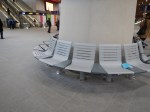
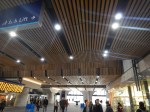
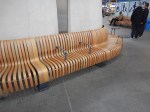
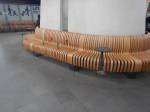
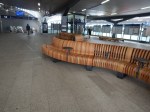


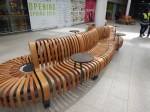
Note.
- The first picture shows the seats that were installed on a temporary basis.
- The second picture shows a section of roof.
- The remaining pictures show the seats in various places in the station.
- I like the tables for your coffee, tea or chocolate.
- I like the randomness of the placement on the entry to the station.
- They also stand out against the stone floor.
They are very different and brought a smile to my face.
A Waste Of Space
The photographs show the central island at Highbury Corner.

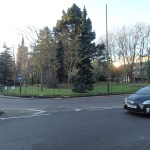
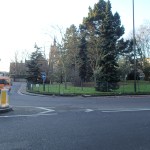
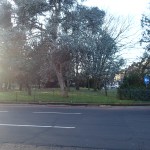
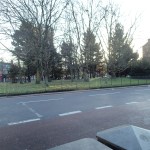



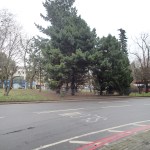
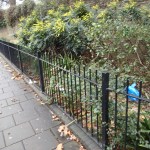
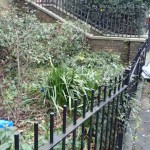

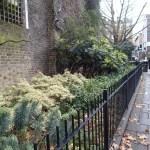
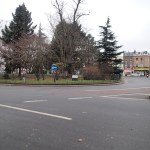




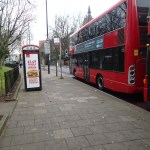

Note that a couple of these pictures were taken over several days and in some, workers would appear to be tidying it up.
Surely something better could be done with this green space. Walk for about ten minutes and you come to Newington Green, which is a green space with a cafe in the middle of a busy traffic interchange, that has improved immensely in recent years.
Two points.
1. One thing that needs sorting is the position of the bus stand for the 277, which is totally in the wrong place.
2. The memorial garden to those that died in the V1 attack is tucked away and might be better moved to the middle, if public were to be allowed access.
With a bit of imaginative thinking, Highbury Corner could be a green space to welcome people to the thriving Upper Street.
What Is Natural Oak?
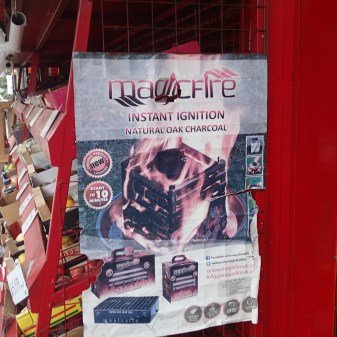
I found this advert rather strange.
What Is Natural Oak?
I suppose unnatural oak would be veneered chipboard or MDF.
Roof Trusses
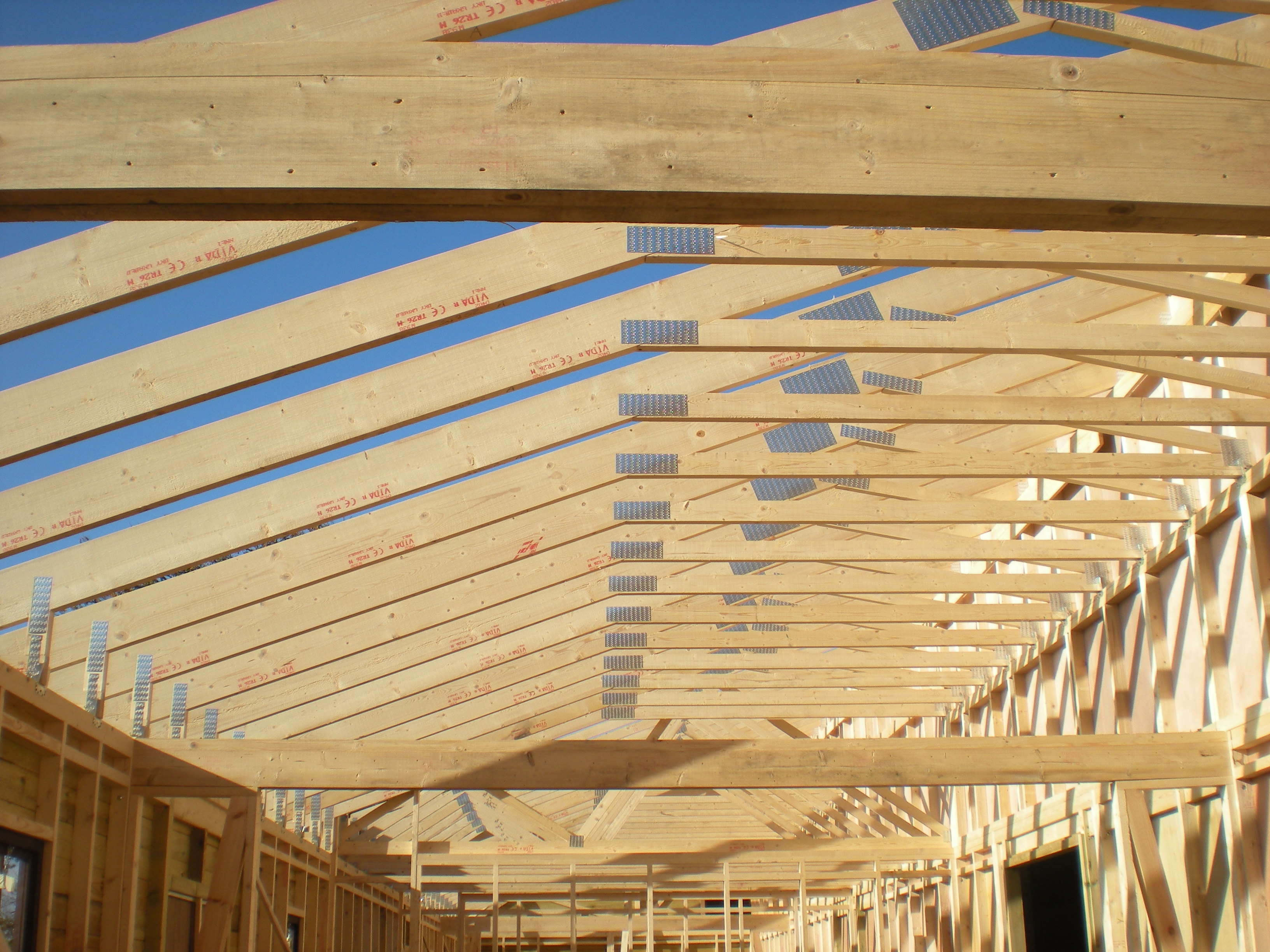
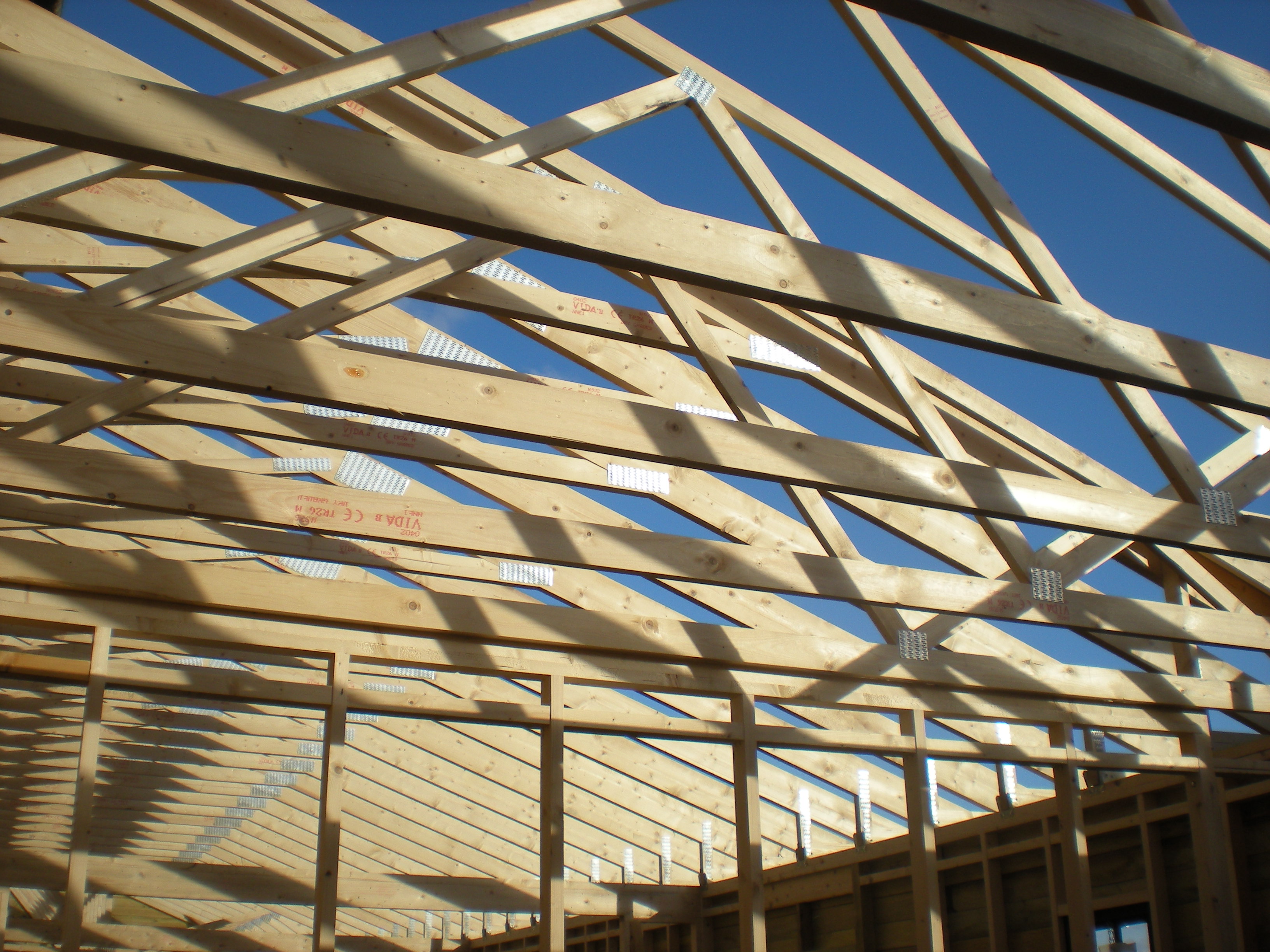
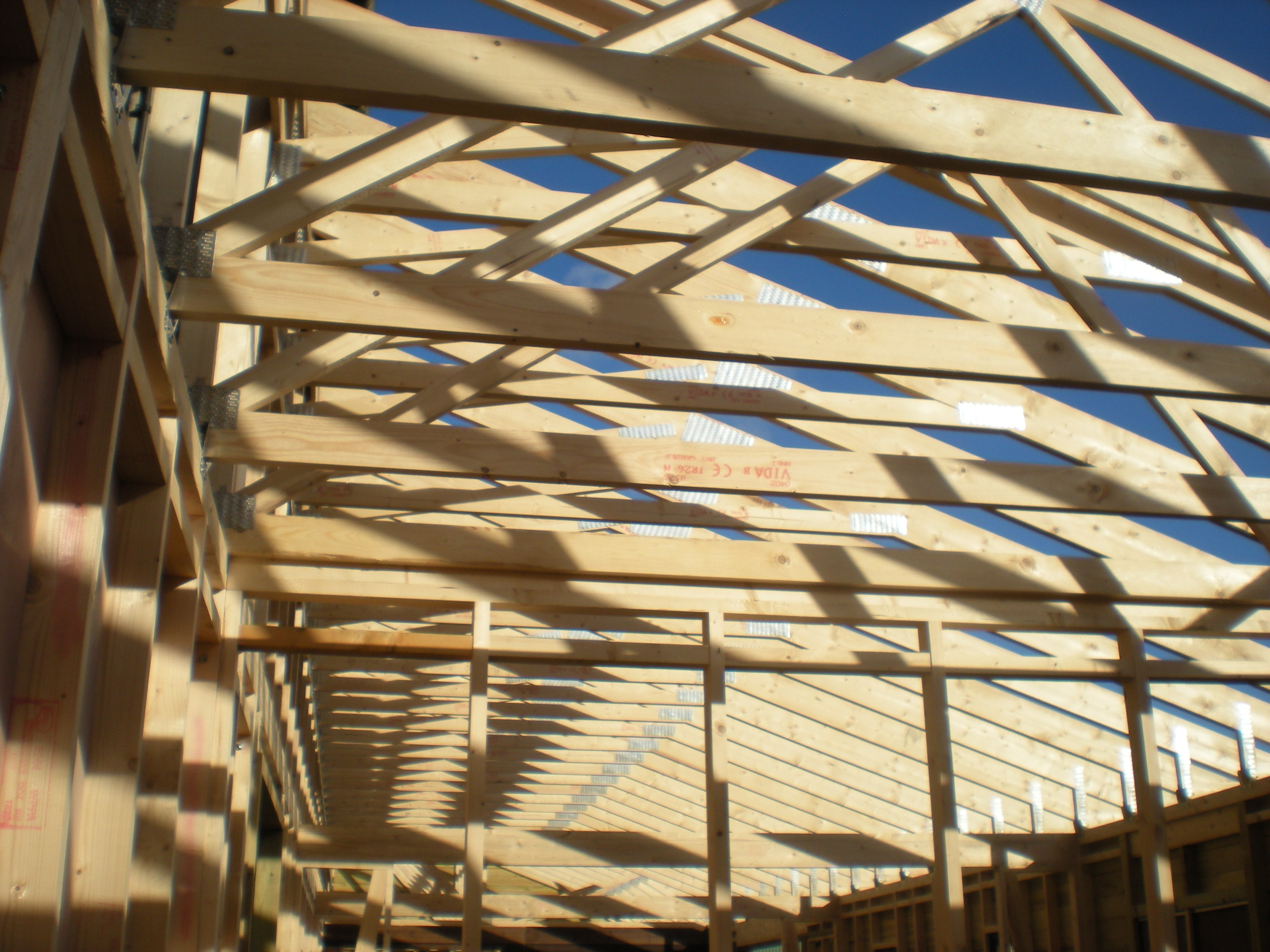
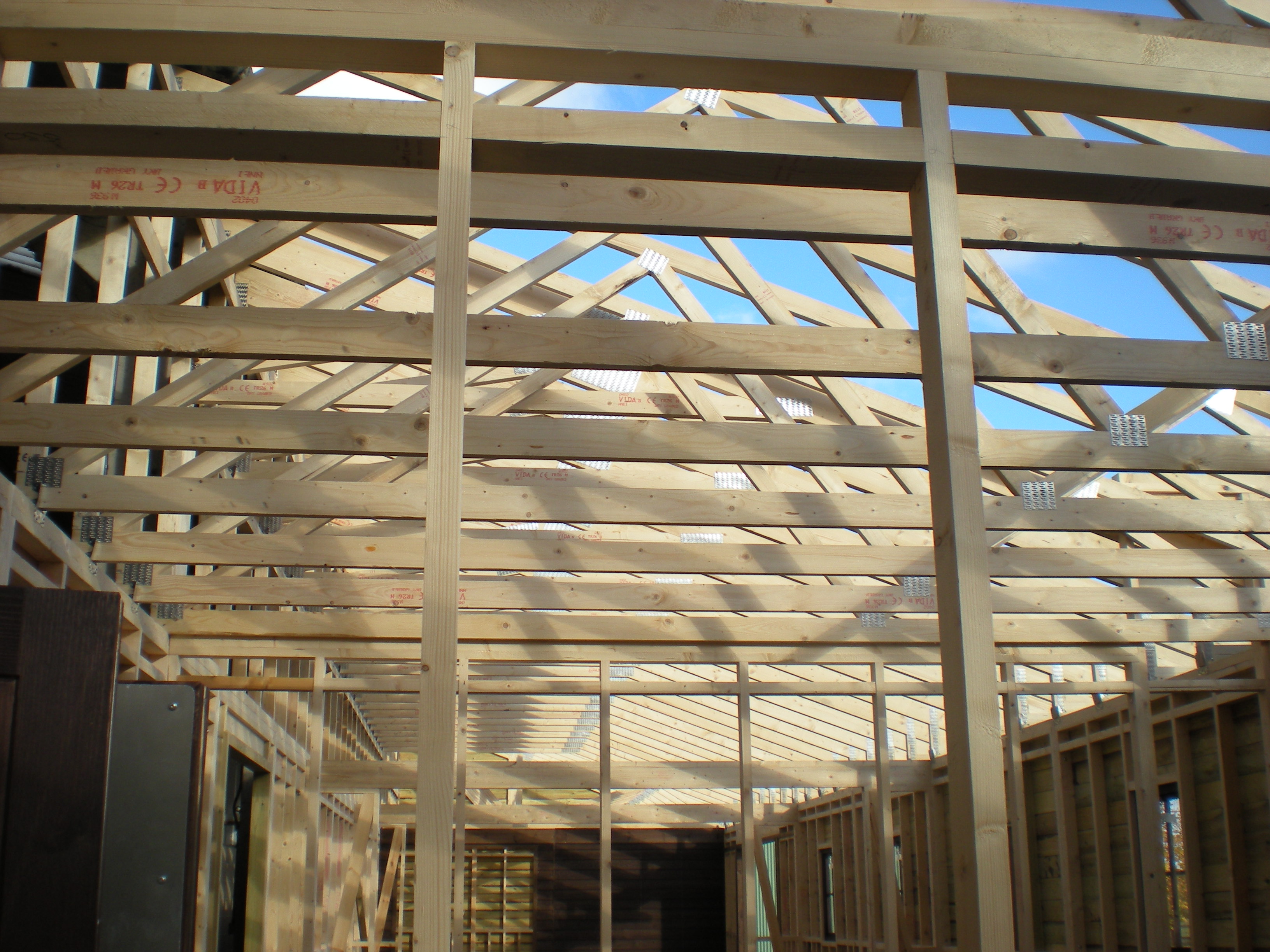
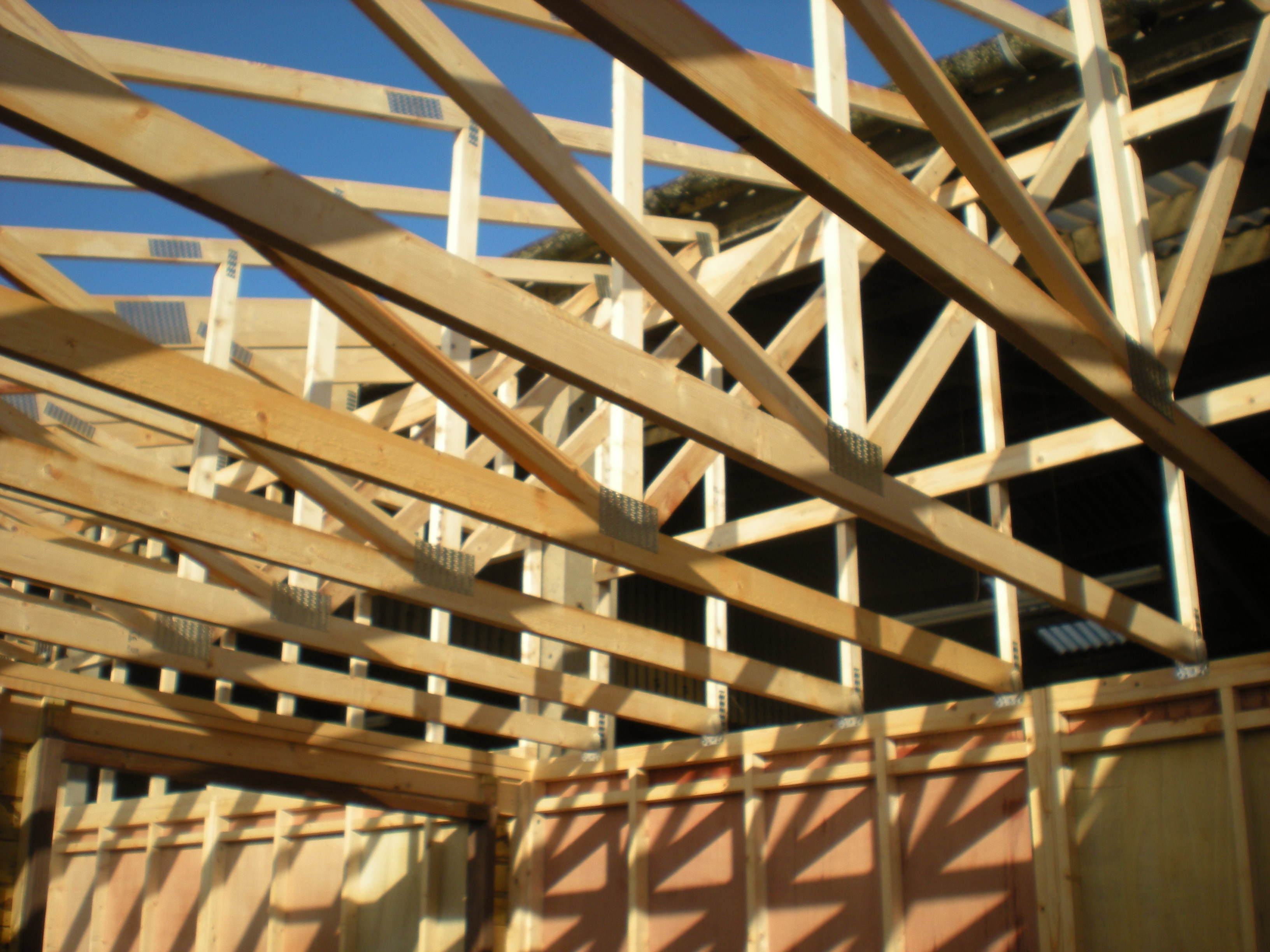
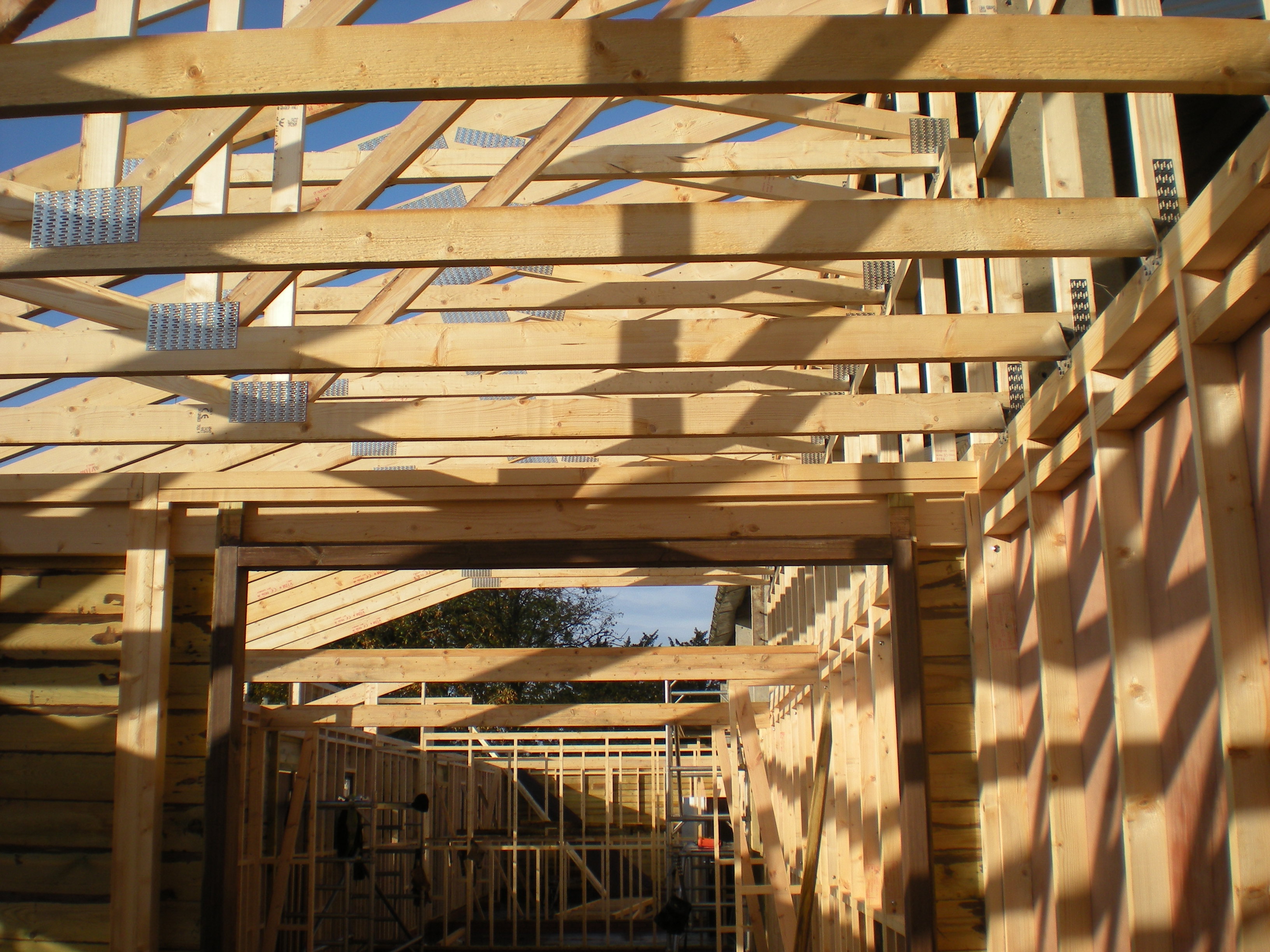
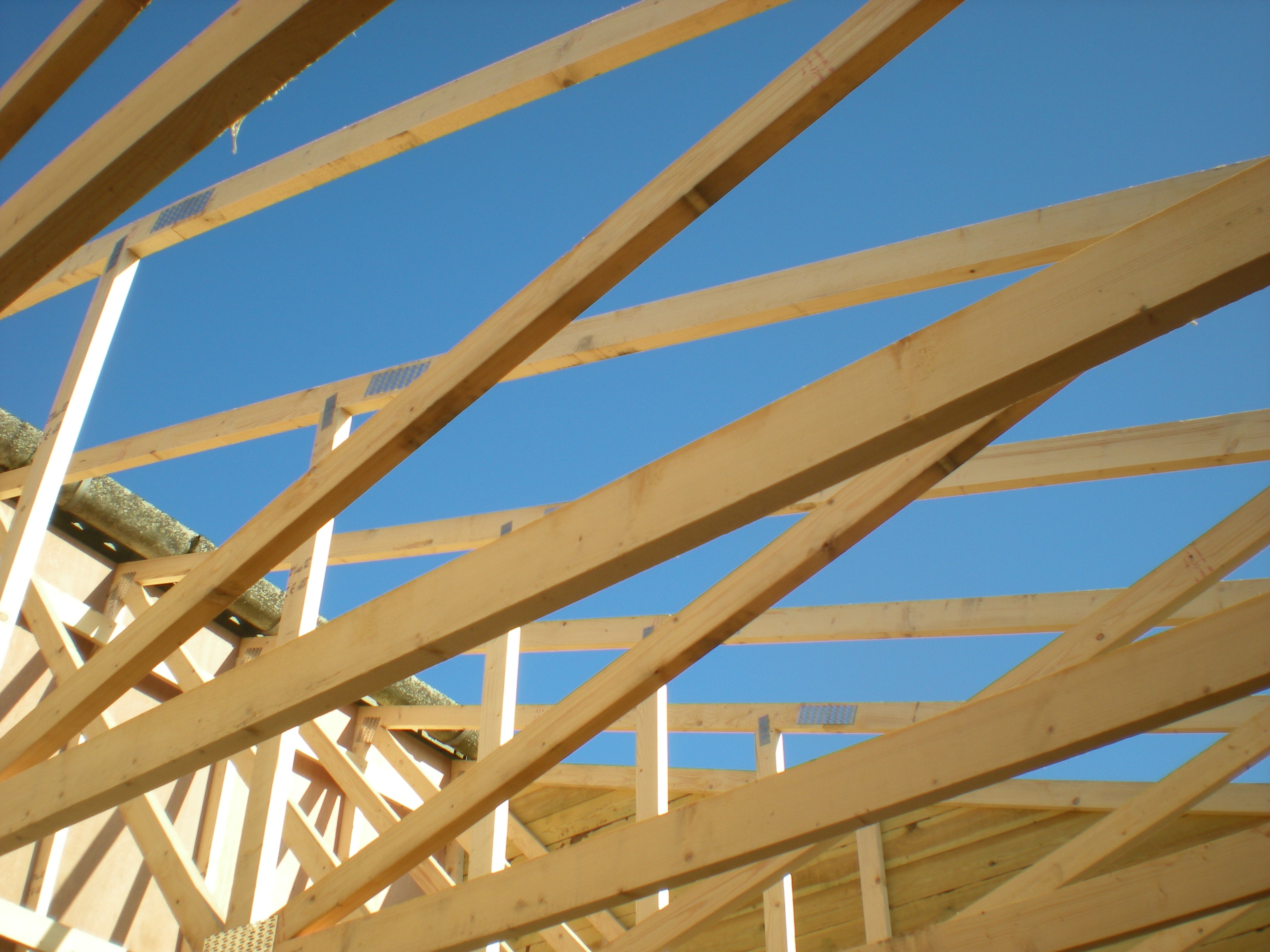
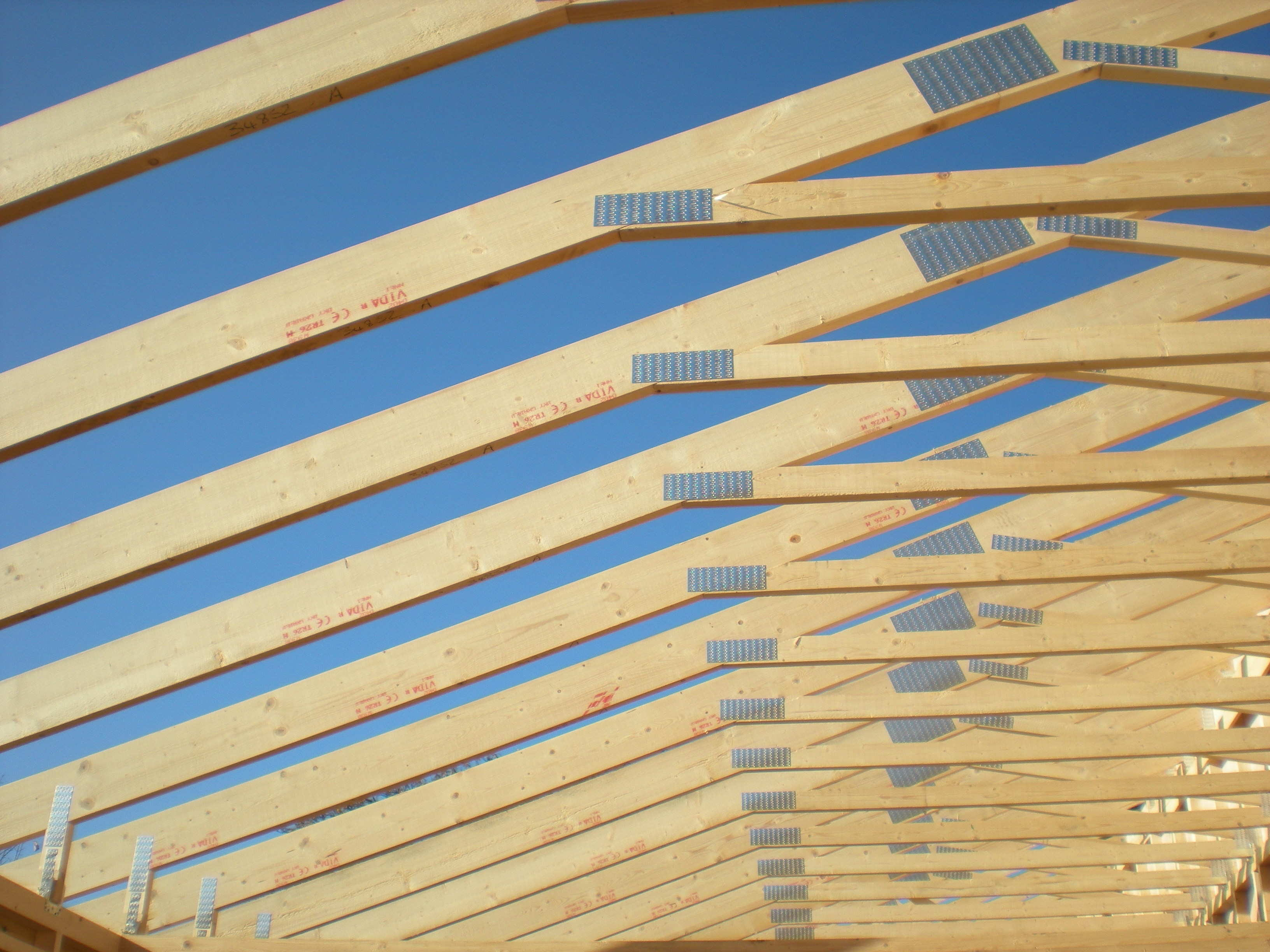
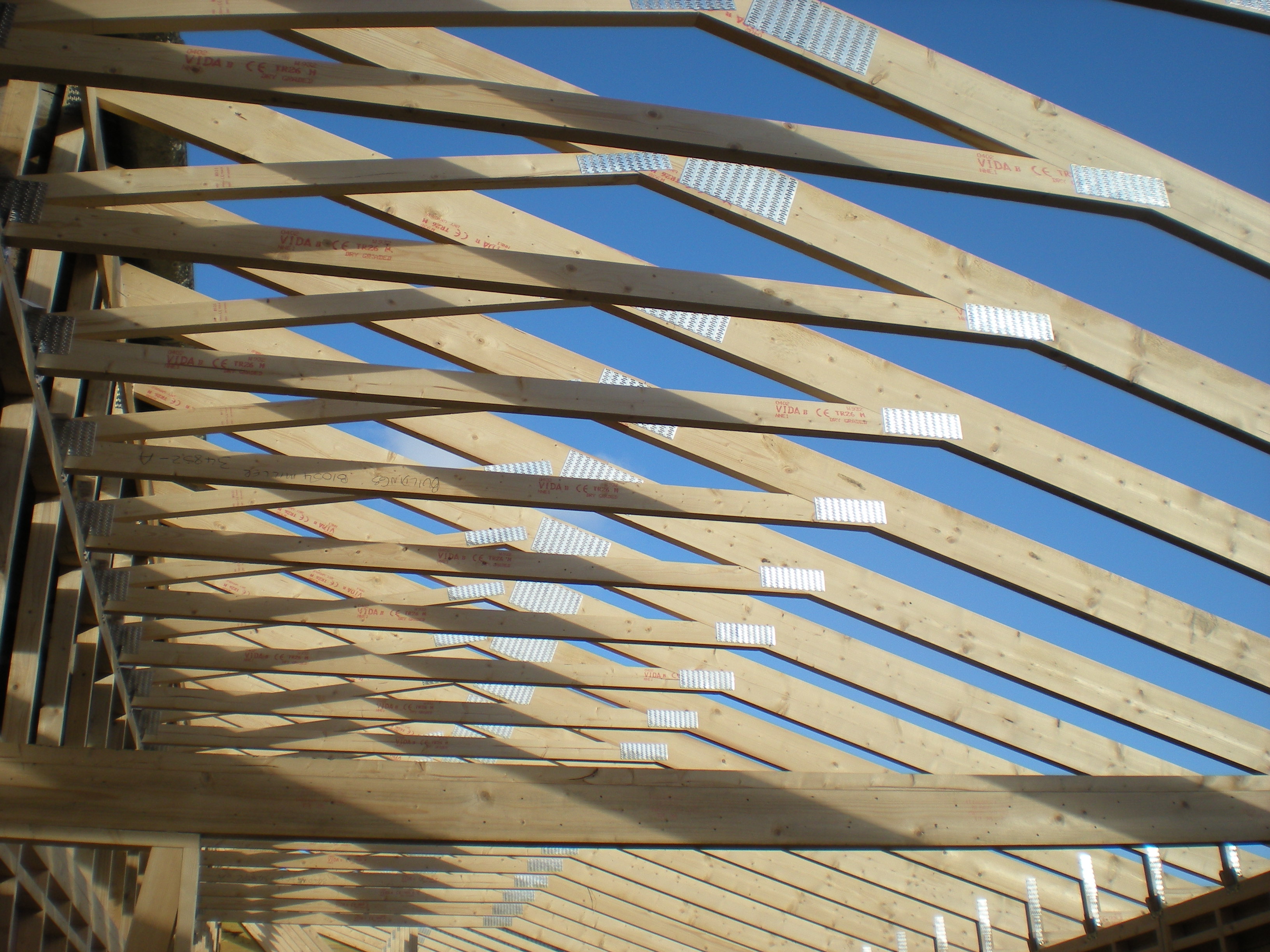
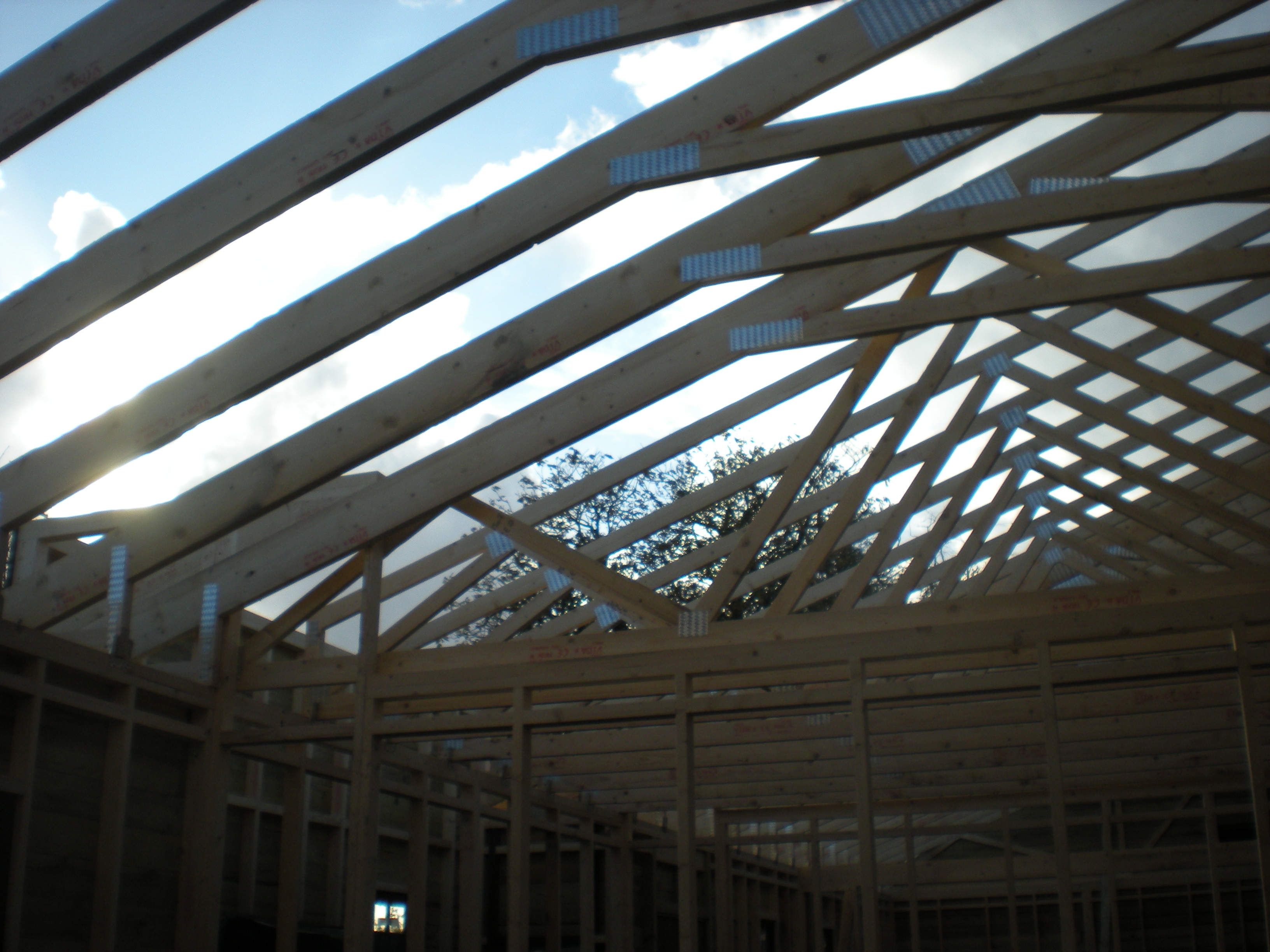
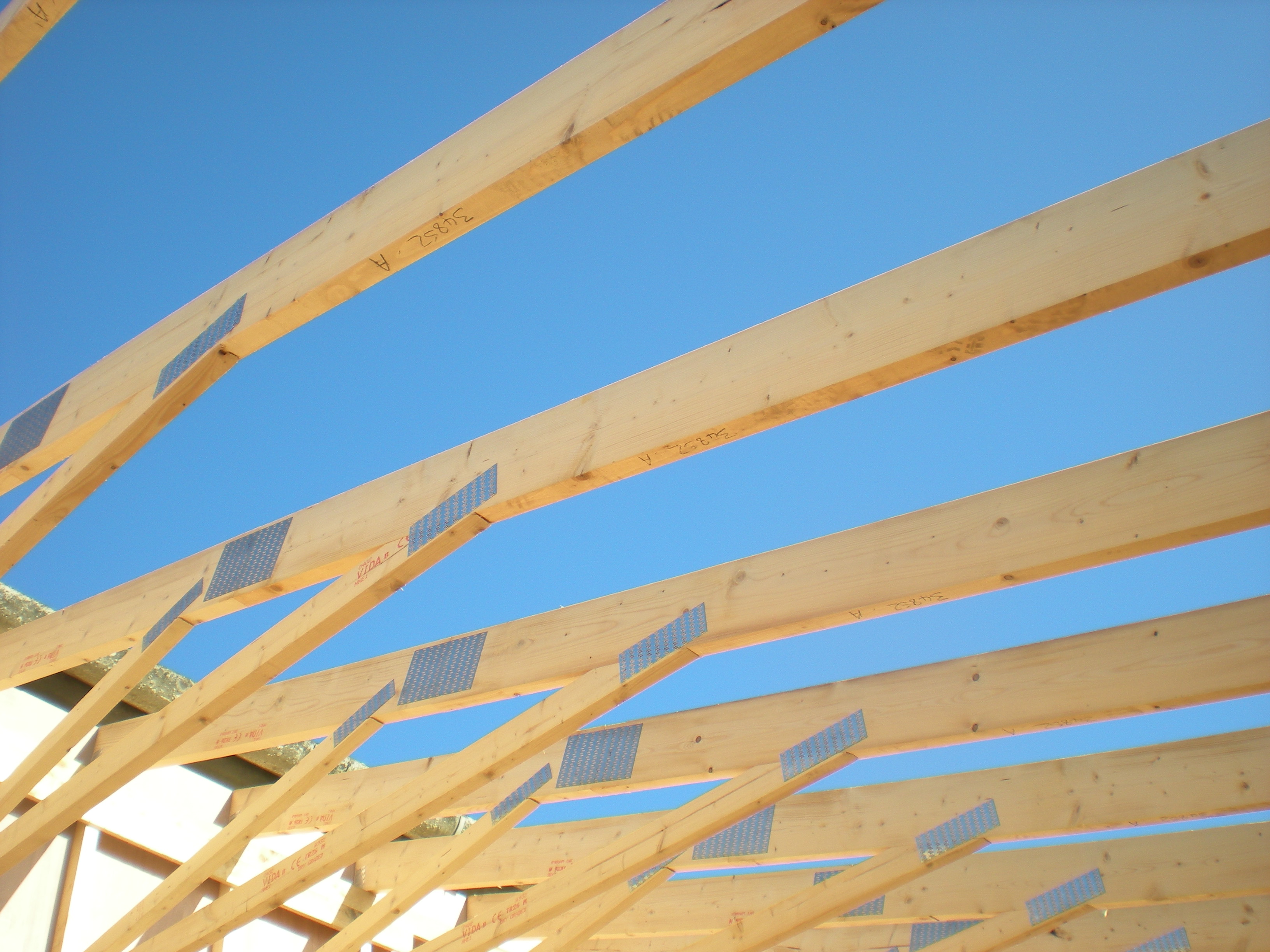
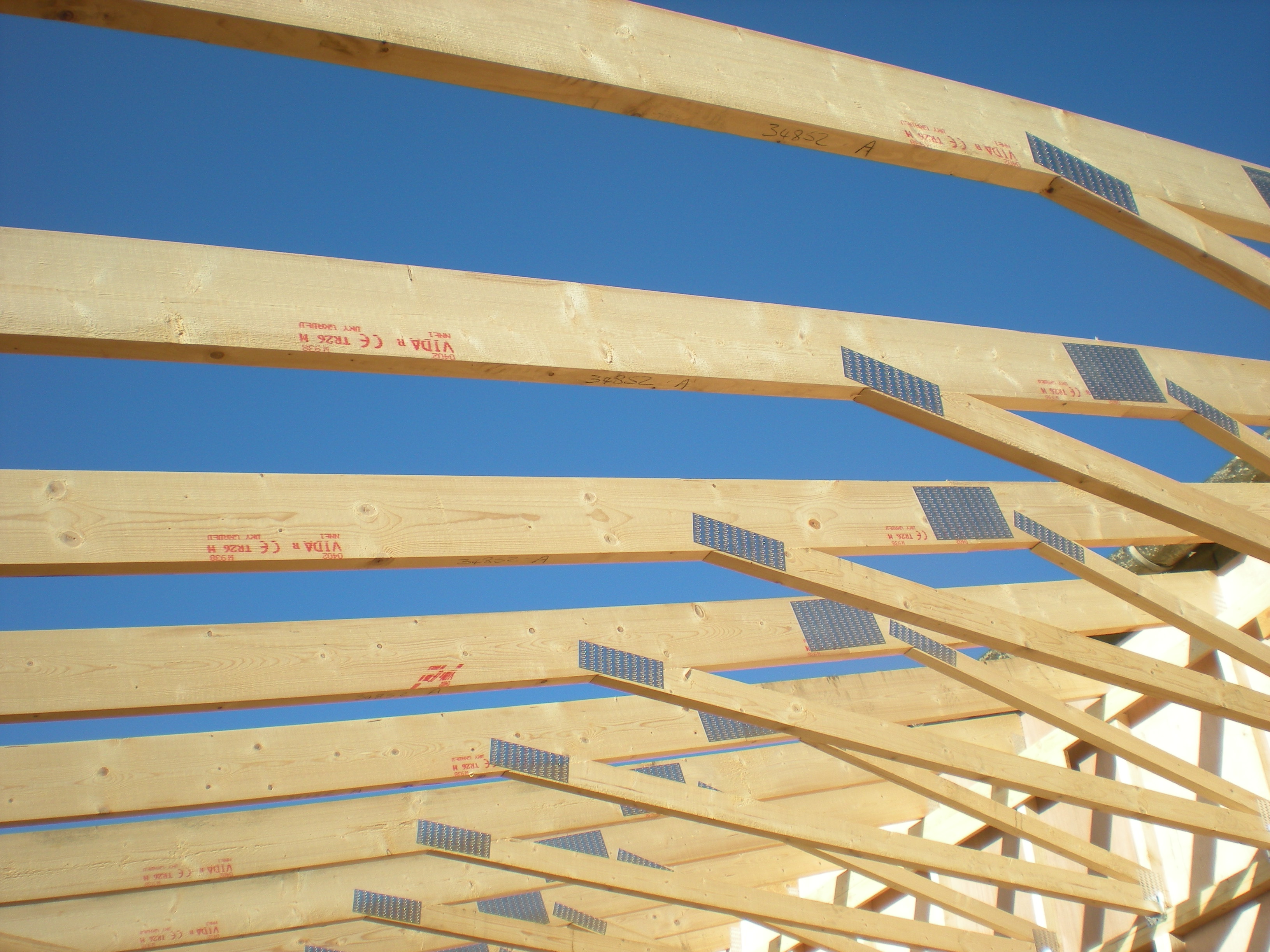
I’m having a new building put up and by accident I took an interesting photo of the roof trusses in the sunlight and backed by the blue sky. I liked it, so I took some more.
 The Anonymous Widower