Freight Trains Through Lincoln Station
I must have spent nearly ninety minutes in total at Lincoln station yesterday and in that time, at least four long freight trains went through.
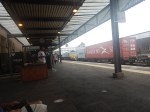
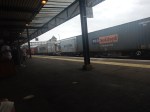
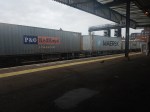
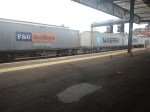



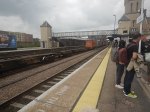
The reason is that Lincoln station lies on the Great Northern and Great Eastern Joint Line, which is a major freight diversion between Doncaster and Peterborough.
- It appears to me, that more freight trains are now using this route since the opening of the Werrington Dive Under.
- All were hauled by a noisy and polluting diesel Class 66 locomotive.
- Some were hauling as many as forty containers.
Articles like this one on Lincolnshire Live, which is entitled Who Had The Crazy idea to Let Trains Run Right Through Lincoln City Centre?, which contains this paragraph.
Then, you’re left with a decision over whether you take your own life in your hands by scuttling over the crossing as fast as you can before being trapped by the barriers, climbing the stairs of one of the two footbridges, or simply waiting at the barrier for the trains to pass (and God help you if it’s one of those freight trains with a seemingly endless amount of carriages).
New footbridges have been installed over the railway, as I wrote about in The Footbridges Over The Railway At Lincoln. But is that enough?
Diesel locomotives are not the most friendly of neighbours and the sooner we start to replace them with quieter locomotives the better.
Lincoln is not the only place, that is plagued by Class 66 locomotives.
- Near me, the North London and Gospel Oak to Barking Lines are regularly used by freight trains hauled by diesel locomotives, despite being electrified.
- Diesel locomotives regularly use the Castlefield Corridor through Manchester.
There must be other places, which suffer from these beasts.
A Locomotive Named After A Cat
As I arrived in Cleethorpes station, there was a Class 68 locomotive in Platform 1.
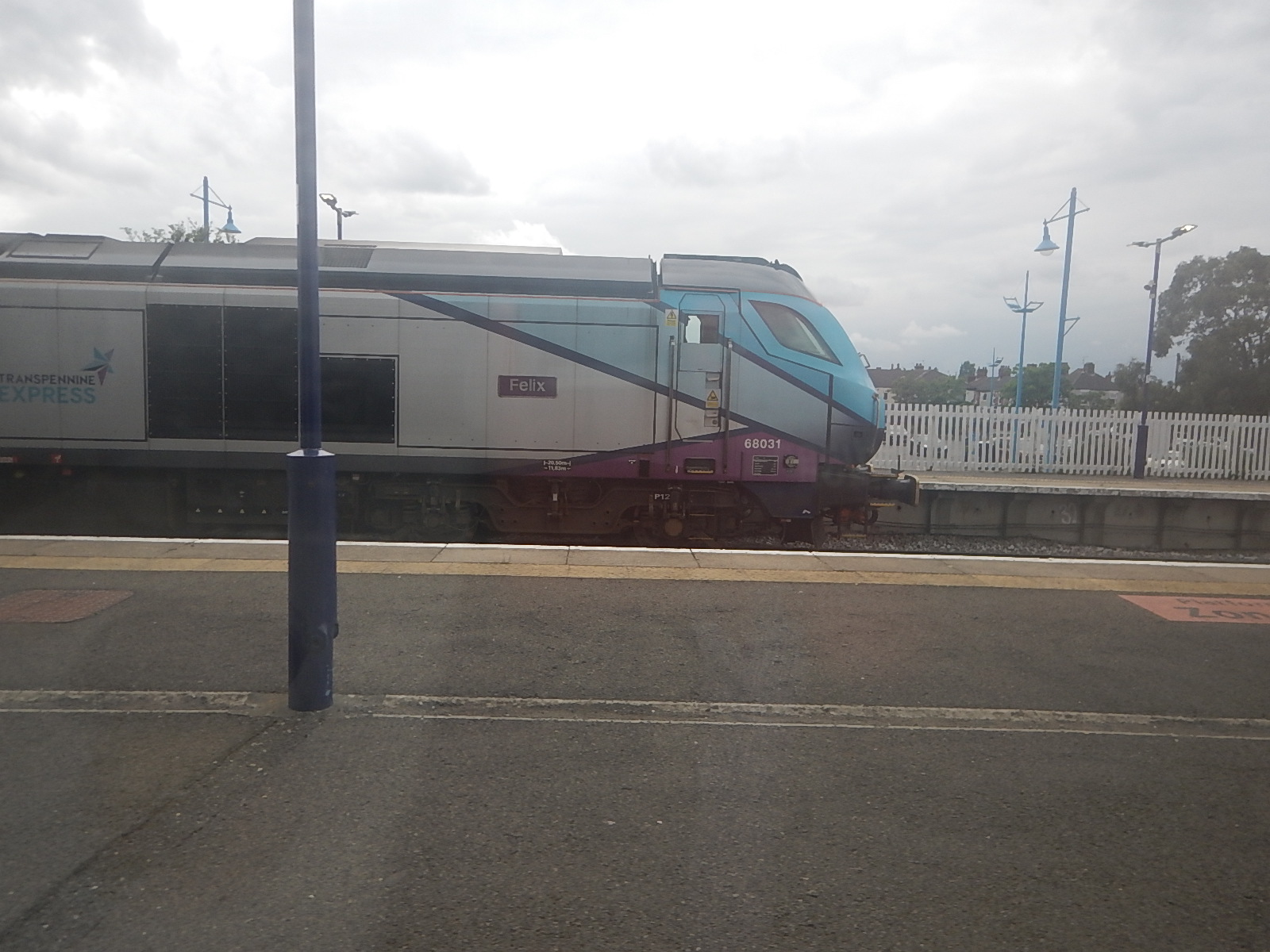
It is named after Felix; the station cat at Huddersfield station.
Lunch On The Pier In Cleethorpes
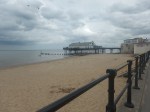
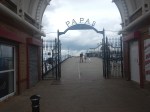
I took these pictures as I walked along the sea front, where I had lunch at a restaurant called Papas.

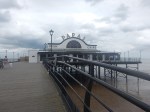

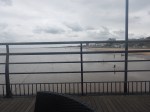




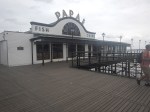


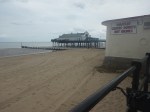
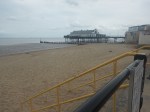
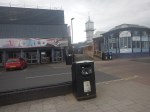
Note.
- As you can see, I had some excellent gluten-free fish and chips, which I washed down with a zero-alcohol beer.
- The service was good, friendly and fast.
- I needed it fast, as I had a train to catch and if I missed it, it would be a two-hour wait.
Strangely, I don’t think, I’ve ever eaten a proper meal on a pier.
This Google Map shows the location of the pier with respect to the station.
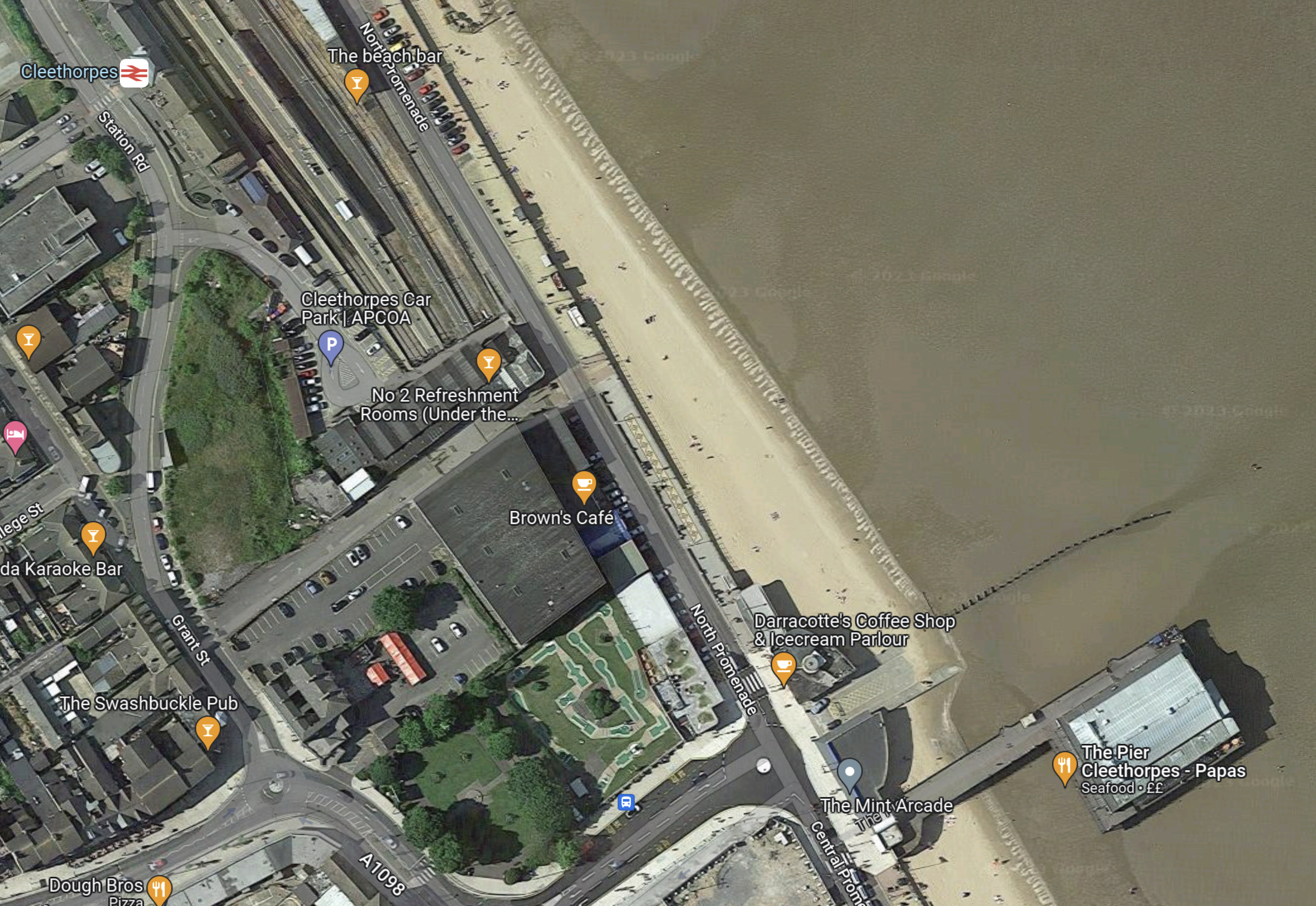
Note.
- The station is in the North-West corner of the map.
- The pier and restaurant is in the South-East corner of the map.
It is a very easy level walk from the station to the restaurant.
Gluten-Free Fish And Chips In Old Fashioned Seaside Towns
This is the third time in recent years, when I’ve had excellent gluten-free fish and chips in an old-fashioned seaside town.
The other two places were Lowestoft and Skegness.
Incidentally, from what I remember of the taste of ordinary fish and chips, I prefer the taste of the gluten-free version, which I’ve had perhaps a dozen times in the last twenty0five years.
But then some gluten-free versions taste better than the ordinary version. Egg sandwiches are one.
Cleethorpes Station – 28th June 2023
I took these pictures at Cleethorpes station yesterday.
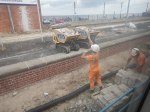
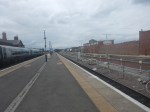
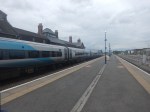
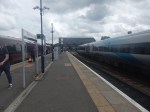
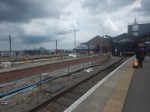
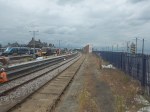
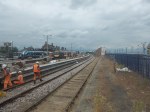
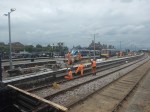
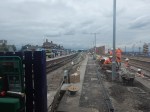
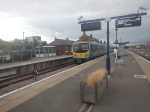
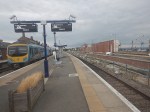
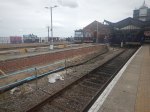
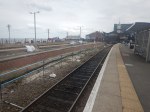
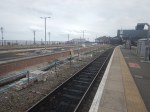
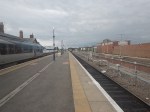
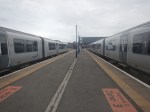
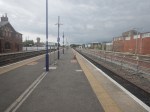
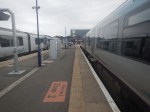
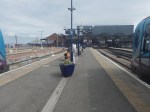
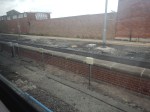
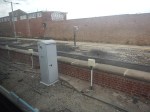
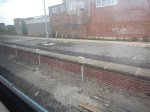
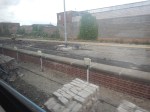
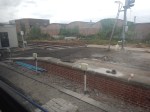
Compare them with this one taken three years ago.
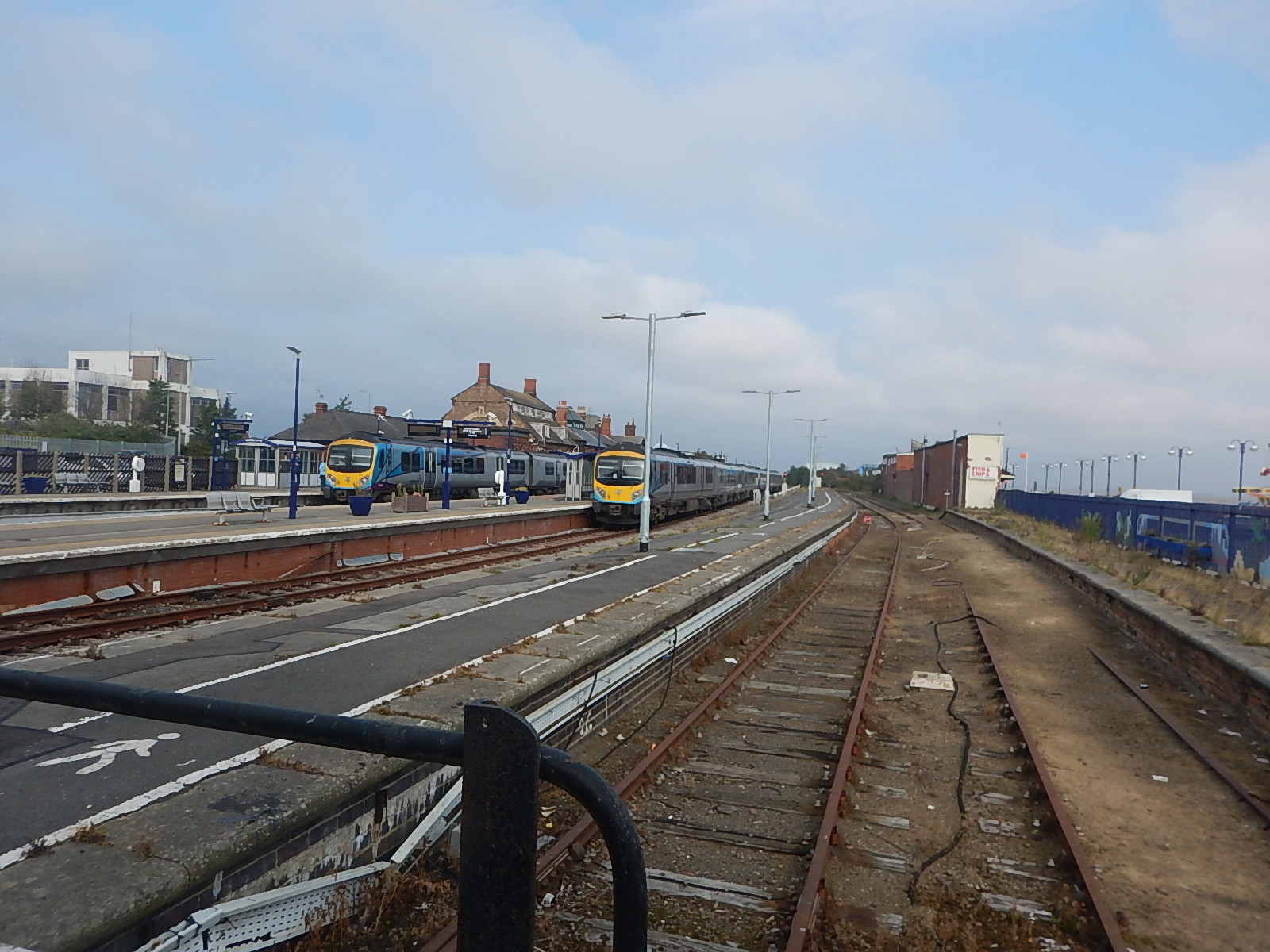
Note.
- It appears a Platform 4 has been created on the seaward side of the station.
- The track in Platform 4 in yesterday’s pictures appears to be newly-ballasted, whereas three years ago it had an air of dereliction.
- There is now a smart blue wooden fence separating the tracks from the station concourse.
- Strangely, the lighting between Platforms 3 and 4 had been installed three years ago.
- There are different types of lighting on the two islands. Could this be because Network Rail are looking for the lights that perform best in a seaside environment?
This Google Map shows Cleethorpes station.
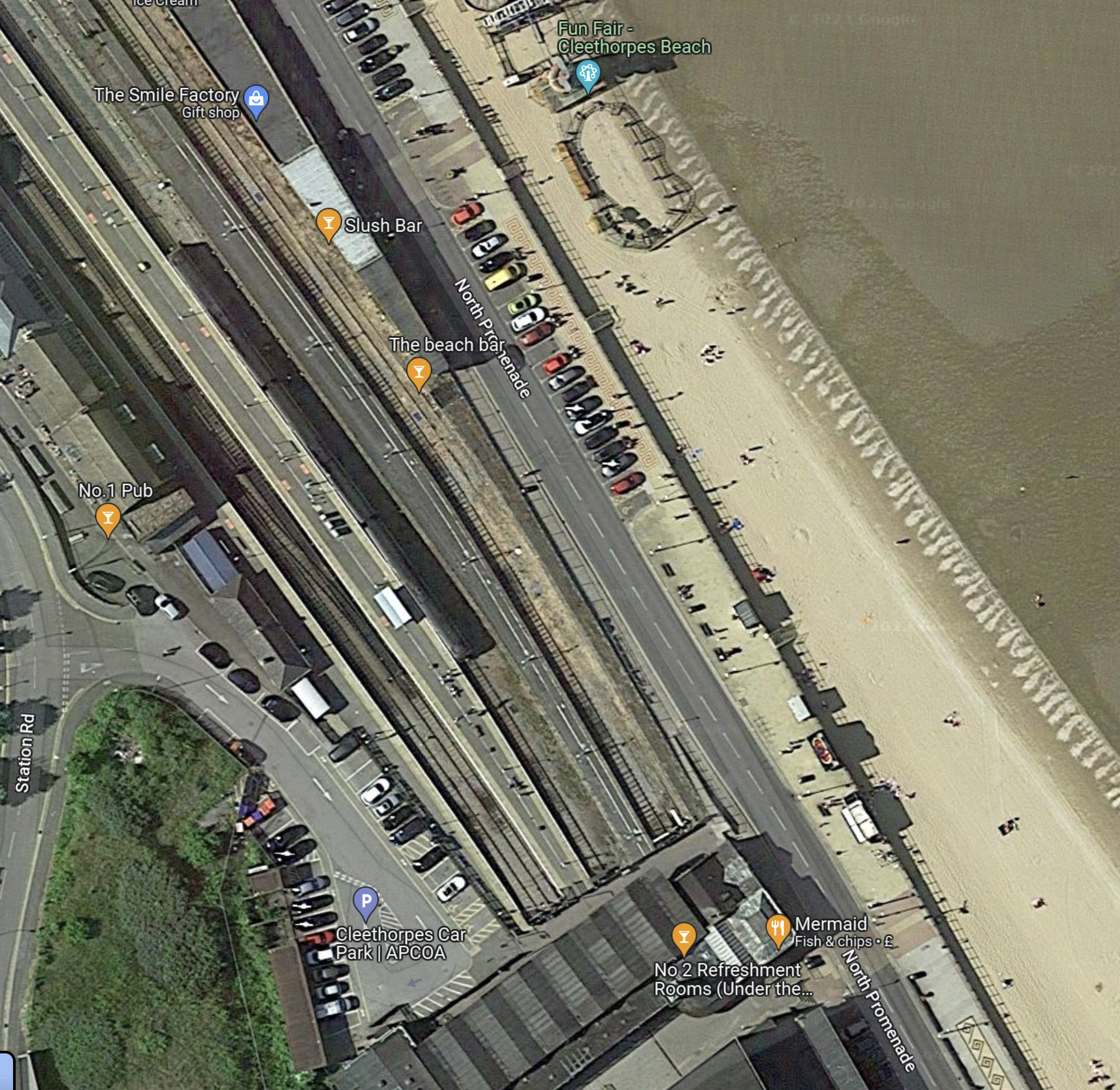
Note.
- The track in Platform 4 appears to be complete.
- The station is very handy for the beach.
In Azuma Test Train Takes To The Tracks As LNER Trials Possible New Route, I said this.
It looks like three platforms 2, 3 and 4 at Cleethorpes station were checked.
I think it is possible to say, that once Network Rail’s brickies and paviours have tidied up, that Cleethorpes station will be LNER-ready and could accept a service from London via Lincoln, Market Rasen, Barnetby and Grimsby Town.
What Will Be The Initial Service Of The London and Cleethorpes Service?
The Wikipedia entry for Cleethorpes station, says this about the London service.
In the 1970s Cleethorpes had a twice daily return service to London King’s Cross, typically hauled by a Class 55 Deltic.
Three people, I spoke to about the possible service, mentioned that two trains per day would be the frequency.
I certainly think, that this frequency, could be a sensible initial frequency.
If it worked in the 1970s, I can see why it might work in the 2020s.
- Kids still like to go to the seaside and the station is close.
- This area of North-East Lincolnshire, is getting increasingly important as an energy and hydrogen powerhouse.
- Cleethorpes station has the space to handle more train services.
- Cleethorpes station has a small depot nearby, which could ease train operations, by stabling a train overnight for an early start in the morning.
But there is one factor that could attract passengers to use the train between King’s Cross and Cleethorpes. I believe that the soon-to-be-announced Hitachi battery-electric Class 800 trains could be able to handle the route without using a drop of fossil fuel.
Running Battery-Electric Class 800 trains Between King’s Cross And Cleethorpes
Consider.
- Cleethorpes and Lincoln is 47.2 miles with three stops.
- Lincoln and Newark Northgate, where the electrification starts is 16.7 files.
- Cleethorpes and Newark Northgate is 63.9 miles, with an out-and-back trip being 127.8 miles.
- Battery-electric trains would do most of their charging between King’s Cross and Newark Northgate.
- Full or partial charging should be possible at both Cleethorpes and Lincoln.
- Battery-electric trains could give help, in cases of catenary failure on the East Coast Main Line.
- In What Will Be The Range Of A Hitachi Class 800 Battery Train?, I said that I believed a Class 800 battery train would eventually have a battery range in excess of the Stadler FLIRT Akku’s 139 miles, as no-one likes being second.
I believe these strategies are possible.
Charge A Round Trip At Cleethorpes
Consider.
- This is a range of just 63.9 miles.
- The service would use Platform 4 at Cleethorpes station.
- Charging at Cleethorpes could be by a short length of overhead electrification in Cleethorpes station or a specialist charger in the small depot.
- Charge time would be around 15 minutes.
- If charging were in the station, there would be no shunting of trains around.
This could be a simple and efficient way to run the service.
A Battery Round Trip To Cleethorpes
- This is a range of 127.8 miles.
- The service would use Platform 4 at Cleethorpes station.
- I believe that this service would need a simple charger at Cleethorpes station, as trains do get delayed and these delays on a battery-electric train, may increase the need for charging.
- Also what would happen in Grimsby Town were at home to a London club in the FA Cup?
This could be a reliable way to run the service, but I believe drivers need a charging facility at Cleethorpes as a fail-safe backup.
Electrification Between Grimsby Town And Cleethorpes
In Between Lincoln And Cleethorpes – 28th June 2023, I said this.
3.3 miles between Grimsby Town and Cleethorpes took just ten minutes.
All trains terminating at Cleethorpes would get at least twenty minutes of charging, every time, they turned round at the station.
Much of the route between Grimsby Town and Cleethorpes is only single-track, so this could be a very affordable option.
I don’t think there would be many objectors to electrifying between Grimsby Town and Cleethorpes.
An hourly train would use twenty minutes in ever hour between Grimsby Town and Cleethorpes, it looks like the limit would be three trains per hour terminating at Cleethorpes.
So could the three trains be the following?
- One train to Liverpool Lime Street.
- One train to Lincoln, with alternate trains continuing to Nottingham, Loughborough and Leicester and some trains to Kings Cross.
- One train to Barton-on-Humber.
Note.
- The Liverpool Lime Street train, would use batteries between Grimsby Town and Hazel Grove, which is 101.4 miles.
- A London King’s Cross train, would use batteries between Grimsby Town and Newark Northgate, which is 60.6 miles.
- A Leicester train, could use batteries between Grimsby Town and Leicester, which is 105.3 miles. Nottingham and Grimsby Town is 77.8 miles.
- Leicester and Nottingham services would need electrification at the Western end.
- King;s Cross, Leicester and Nottingham services would be arranged so Lincoln and Cleethorpes was an hourly service.
- A Barton-on-Humber train, would use batteries between Grimsby Town and Barton-on-Humber , which is 19.6 miles or 39.2 miles for a round trip.
Cleethorpes station could be at the centre of its own battery-electric train network, with all trains powered by just 3.3 miles of single-track electrification.
Between Lincoln And Cleethorpes – 28th June 2023
I arrived at Lincoln at 1200 and had expected, there would be a train to Grimsby and Cleethorpes in a few minutes.
Wrong!
I had to wait until 13:32 for a train to Grimsby, where I changed for Cleethorpes.
The 43.9 miles between Lincoln and Grimsby Town took 53 minutes.
The 3.3 miles between Grimsby Town and Cleethorpes took just ten minutes.
Note.
The Grimsby Town and Lincoln train only stops at Market Rasen, Barnetby and Habrough.
The Cleethorpes-bound change at Grimsby Town station includes a climb over a bridge without lifts.
The Lincoln-bound change is at least a walk-though to an adjacent platform.
There is a friendly cafe on the Cleethorpes-bound platform.
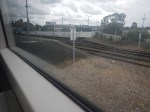
I took these pictures on the trip to Cleethorpes.

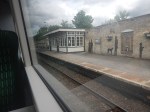
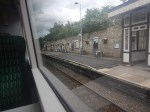
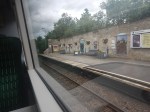



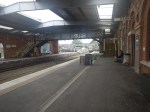
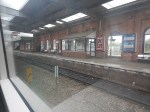
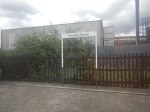
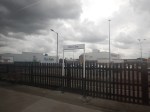
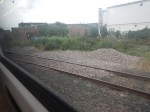
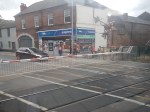
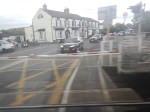
And these were taken on the way back.



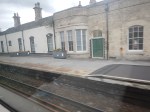
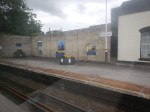
Note.
- There are around forty level crossings on the route.
- The three stations that will be used by LNER; Market Rasen, Barnetby and Grimsby Town, all appear to be in reasonable condition.
- Market Rasen has Harrington Humps.
- Barnetby station has zone markers and an amazing step-free bridge.
- The maximum speed of the line appears to be 75 mph.
The track appeared to be in good condition and the Class 170 train was rolling along at a good speed.
These are my thoughts on improving the route.
More Trains Between Lincoln And Cleethorpes
Speaking to an East Midlands Railway conductor, it was obvious she felt more trains were needed between Lincoln and Cleethorpes.
As Skegness gets an hourly train from Nottingham, I would feel, that it is not unreasonable that Cleethorpes had an hourly train from Lincoln and perhaps one train per two hours (tp2h) from Leicester, Loughborough and Nottingham.
The Leicester, Loughborough and Nottingham service is already at 1 tp2h level with a change at Grimsby Town.
A Blue Peter-Style Repair To A Train Window
My train between Lincoln and Peterborough was delayed by a broken window.
These pictures show how it was repaired.

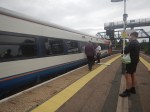
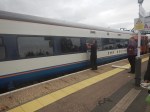
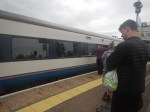
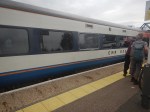
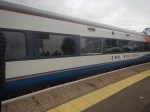
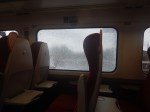
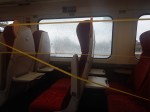
Obviously someone spent their childhood watching Blue Peter.
It’s amazing what you can do with sticky-back plastic and yellow tape.
The Lack Of Phone Charging On East Midlands Railways
I arrived at Lincoln station yesterday, after my trip from London, with a full battery on my phone, as LNER trains have charging points. But by the time I left Cleethorpes station to come home, my phone was dead, as I suspect the latest version of a news app, I use is a battery drainer.
There were also no charging points on TransPennine’s Class 185 trains or East Midlands Railways Class 170 trains.
Only, when I boarded a British Rail-era Class 158 train to get to Peterborough, was I able to recharge my phone.
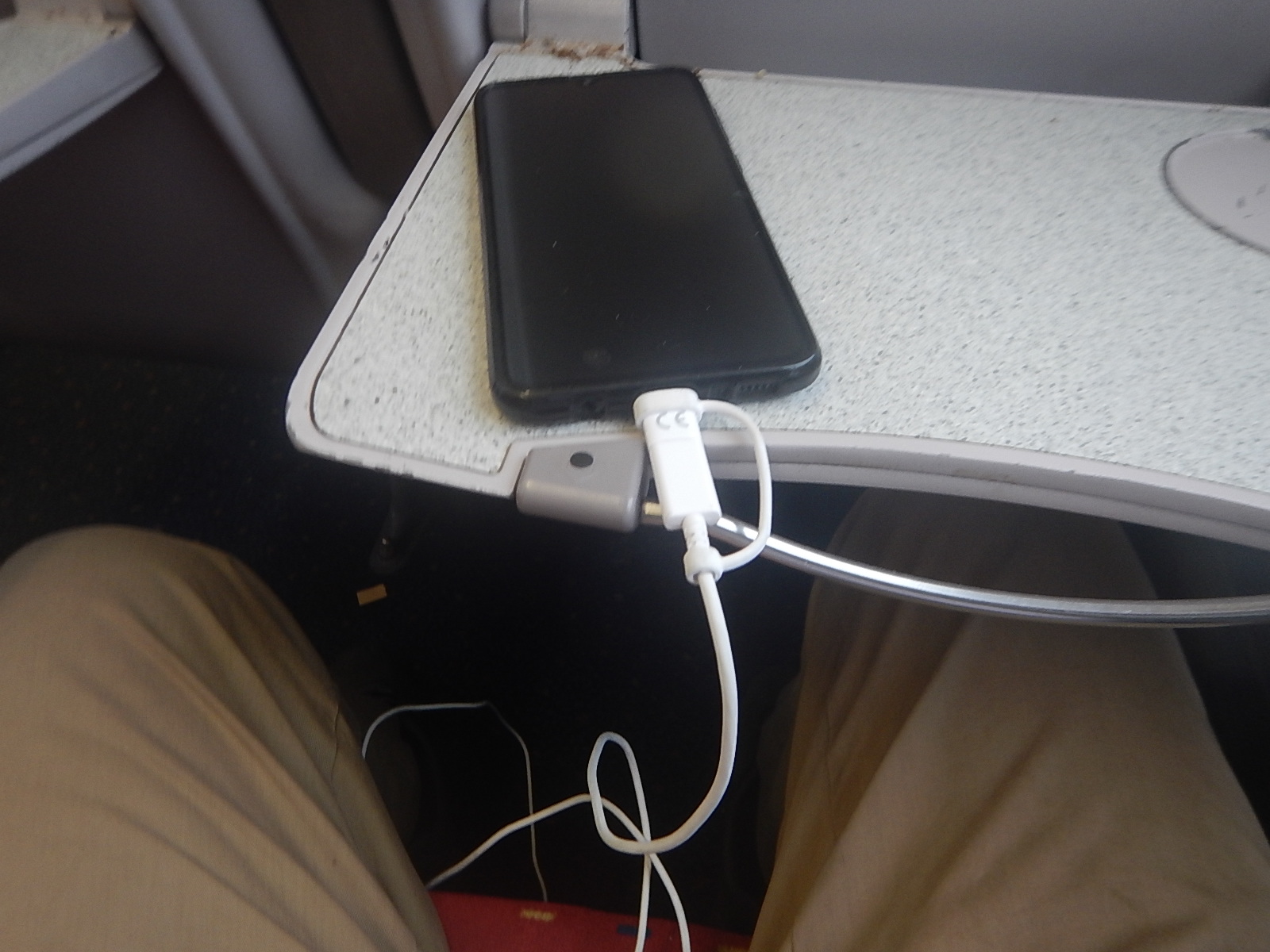
There is surely a need for phone chargers on every train.
A Pair Of Toilets At Peterborough Station
Coming back from Lincolnshire yesterday, I had a few minutes to wait for my train to London on Platform 3. As there was a sign to toilets, I thought I’d sort myself out before the train arrived.
I found two spacious identical unisex toilets.
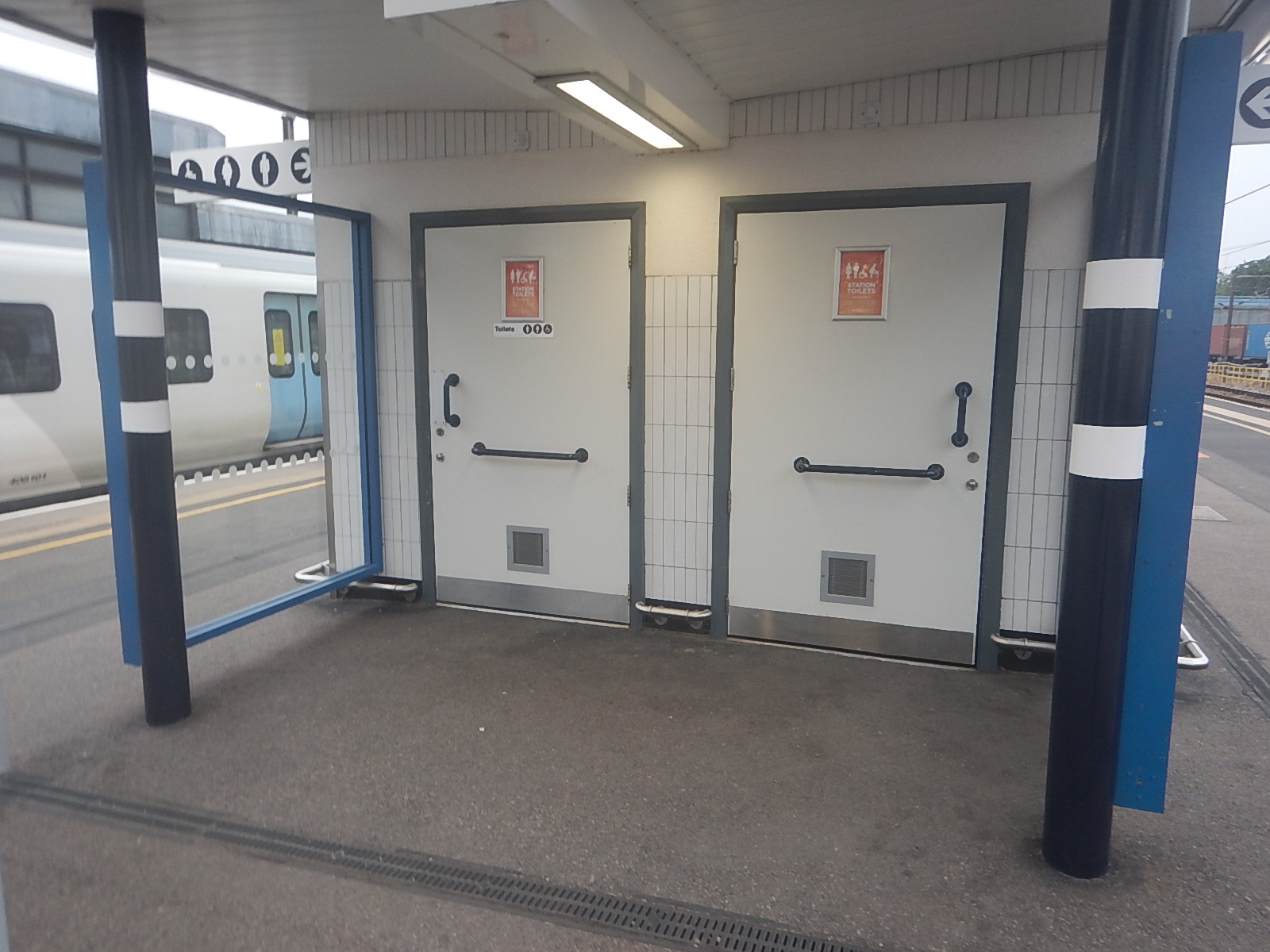
If you were of any sexual orientation, in a wheelchair, needed a place to change a baby or just wanted a quick splash and dash, I don’t think, anybody would find a problem with this pair.
They were also scrupulously clean. But then most station toilets generally are these days. Earlier in the day, I’d used the toilets at Lincoln station and they were very clean too!
I do think that the quality and cleanliness of toilets has been one of the biggest improvements of train travel in the UK, in the last fifty years in the UK.
 The Anonymous Widower