From Blackburn To Liverpool
I took these pictures as I went from Blackburn to Liverpool by a rather roundabout route mainly using a Lancashire Day Ranger.
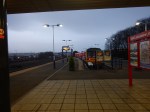
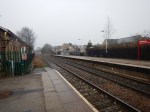
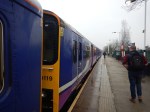

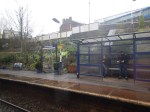

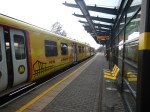


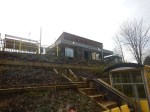
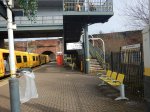

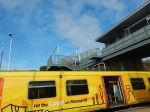
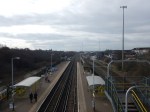
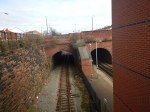

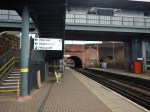

These are my notes on the pictures.
The North Wakes Up Slow
I usually wake up about five and listen to the early news and Wake Up To Money on BBC Radio 5.
One of the reasons, I stay in Premier Inns, is that when I’m in one, I don’t have to change my routine.
I often leave home around seven and get my paper from the shop on the corner, which opens at the same time. Even on Sundays!
But in Blackburn and many places in the North, try getting a paper at that time and nothing’s open.
The Morrisons in Blackburn Town Centre didn’t open until 08:30, which is almost the afternoon for me!
Clitheroe Station
I did take one of the first stations to Clitheroe station, which cost me just £2.70 with my Senior Railcard.
Clitheroe is the sort of station, that has a homely atmosphere and serves as the terminal for the Ribble Valley Line, with a ticket office, four-car platforms and an underpass to get across the tracks.
To Southport via Bolton
I took the train back to Bolton station and I just had time to buy a Lancashire Day Ranger in time to get a train to Southport station.
Southport station has a direct entrance to the town’s Marks and Spencer, so it must have the biggest food hall in any UK station.
I took the opportunity to pick up some sandwiches for an early lunch.
Kirkby Station
Kirkby station is like Ormskirk station, where the Merseyrail third-rail electric trains meet Northern’s services from Manchester or Preston.
It is not the best of designs, but Merseyrail are aiming to move the interchange to a new station at Headbolt Lane, which will hopefully have electric trains to Manchester on the Kirkby Branch Line, via Wigan Wallgate and Atherton stations.
Kirkdale Station
Kirkdale station is architecturally unusual, in that everything is on a step-free bridge across the tracks. Liverpool has another similar one in Wavertree Technology Parkstation, but why haven’t we got a standard station like this for lines in cuttings?
St. Luke’s Church
I always visit St. Luke’s Church, if I have time, when I pass through Liverpool.
It was one of C’s favourite places in the City and to me, it sums up Liverpool’s attitude to the troubles that beset us all!
Sadly, it would appear that La Bussola in old Street is no more, as it’s reincarnation as a Starbucks has been turned into a clothes shop.
The places of 1960s Liverpool are disappearing. At least Phred seemed to still be standing tall on the shell of the former Lewis’s Department Store.
Walking Manchester Metrolink’s Second City Crossing
I took these pictures when I walked the route of Manchester Metrolink‘s Second City Crossing (2CC).
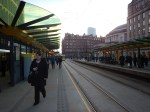
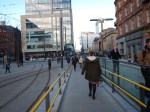
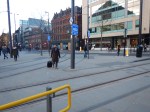

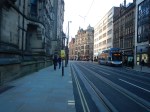

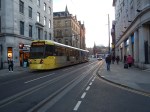
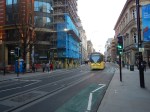
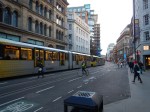

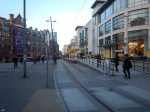
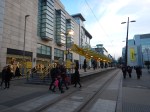
I think it could be more interesting than just a second route across the City Centre for the trams.
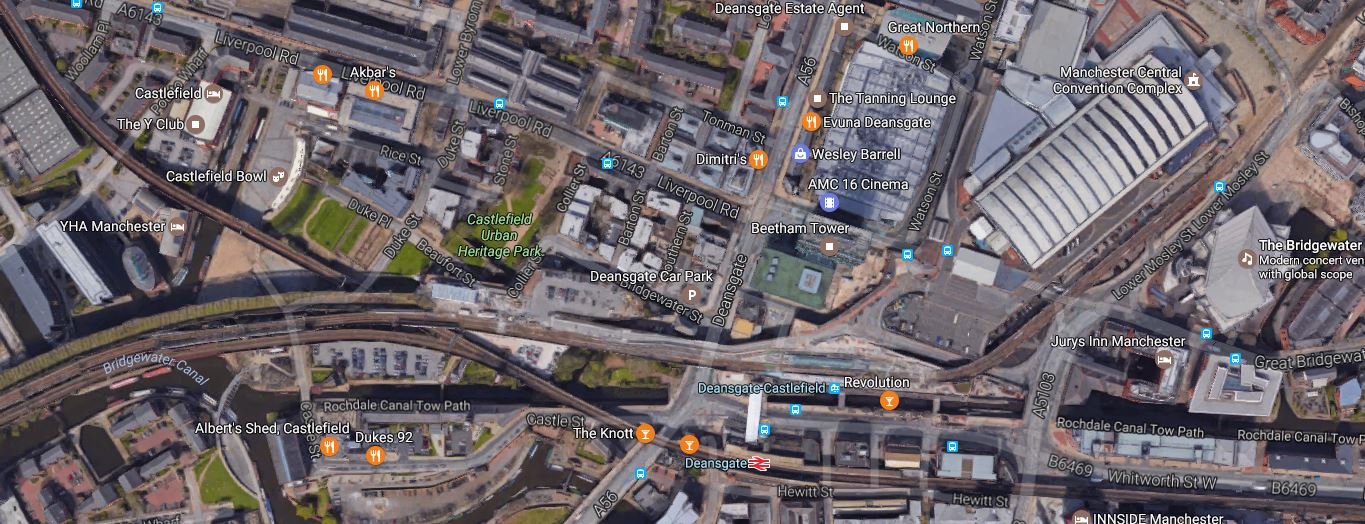
This Google Map shows the train and tram lines through Deansgate station and Deansgate-Castlefield tram-stop,
Note.
- St. Peter’s Square tram-stop, which is the Western end of the 2CC, is the next one to the East from Deansgate-Castlefield.
- The rail and tram lines run close together to the West of Deansgate station.
- The rail line runs to Trafford Park, Warrington Central and then on to Liverpool.
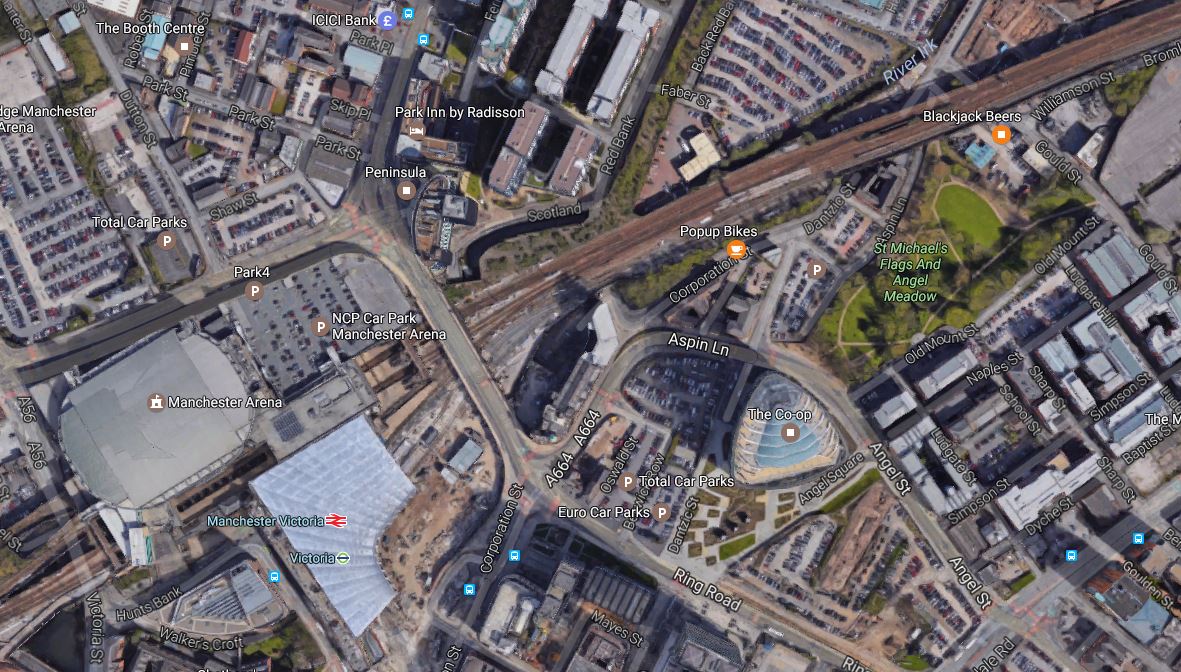
This Google Map shows the train and tram lines to the immediate East of Manchester Victoria station.
Note.
- Victoria station is the Eastern end of the 2CC.
- The rail and tram lines run close together to the East of Victoria station.
- The rail lines run to Rochdale, Burnley, Hebden Bridge and Ashton-under-Lyme.
I can’t believe that the 2CC wasn’t designed without thinking about incorporating it as part of a tram-train route across the City.
Consider the Class 399 tram-train being trialled in Sheffield.
- It can work as a standard tram on a tram network, running under tram rules.
- It can work as 62 mph train on an electrified rail line.
- It can run on both 25 KVAC and 1500 VDC overhead electrification.
- On rail lines it can share with any train, like for instance a Class 319 pr Class 185 train.
It would probably need to be a version tailored to Manchester’s tram standards, but once the Manchester to Liverpool Line via Warrington and the Calder Valley Line are electrified, a Class 399 tram-train could work the following route.
- Starting from Liverpool Lime Street it would run as a train until just before Deansgate station.
- It would then switch to the tram lines and take the 2CC to Manchester Victoria station, running as a tram.
- To the East of Victoria station, the tram-train would switch to the Calder Valley Line and run as a tram, perhaps to Burnley or Hebdeb Bridge.
You have to remember that tram-trains are a bit like 4x4s and if there is a route on which they can run, then they can take it given that track, electrification and signalling are in place.
There would be no reason, why once at Burnley say, the tram-train could not go walkabout around the town.
Conclusion
On a quick look, it would appear that the Second City Crossing (2CC) has been built so that tram-trains across the city centre have not been ruled out.
Hazel Grove Station
Hazel Grove station is an important station on the Buxton Line.

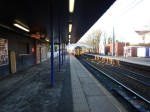
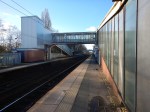

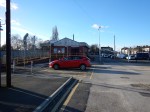
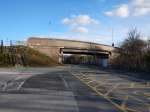


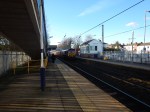
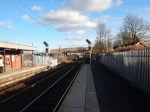
Just to the South of the station, there is a large housing development, which probably helps to explain the what looks to be new expansion to the car parking at the station.
This Google Map shows the area around Hazel Grove station.
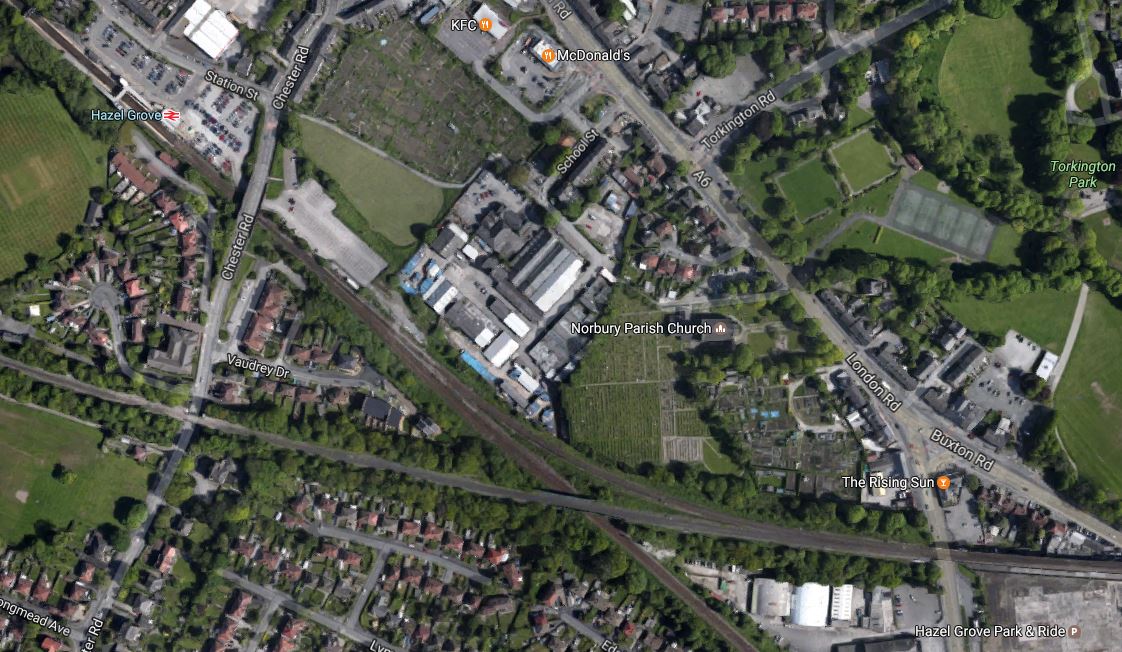
There are two main railways on the map.
- The Buxton Line runs North-West to South-East, connecting Stockport and Manchester in the North-West to Buxton in the South-East.
- The Buxton Line goes through Hazel Grove station, where some trains stop and under Chester Road.
- The rail line running East-West connects the Hope Valley Line in the East to a freight-only going West.
There is also a single-track bi-directional chord that connects the Hope Valley Line with Stockport.
The East Midlands Trains service between Norwich and Liverpool uses this chord, but doesn’t stop in Hazel Grove station.
Current Services At Hazel Grove Station
Under Services in the Wikipedia entry for Hazel Grove station, this is said.
Today Hazel Grove is served by two trains per hour to/from Manchester Piccadilly – the hourly Manchester Piccadilly to Buxton and the hourly Preston to Hazel Grove DMU services. Only a few of the local DMU services between Manchester and Sheffield go via Hazel Grove – most travel via New Mills Central. Few services from Buxton now continue past Manchester Piccadilly and those that do (currently seven services in total) operate in the early morning and evening business peak periods.
So Hazel Grove has a just two diesel multiple units per hour to Manchester Piccadilly..
The Class 319 Flex Train
If the building, testing and delivery of the Class 319 Flex train goes according to the Porterbrook/Northern plan, then the following will happen before the December 2017 Timetable Change..
- Four Class 319 Flex trains will be in service.
- Four more Class 319 trains will be in progress of being converted to Class 319 Flex trains.
- Class 319 Flex trains will be running between Manchester Piccadilly and Buxton.
- Class 319 Flex trains must be running to Blackpool and Windermere, if the sub-leased Class 185 trains have to go back to TransPennine.
Without any extra electrification, the Class 319 Flex trains will be able to run from Hazel Grove to to Barrow-in-Furness, Blackpool North, Buxton, Manchester Piccadill, Preston, Wigan North Western and Windermere
New Track/Electrification Before December 2017 Timetable Change
These changes and upgrades, should happen before the December 2017 Timetable Change.
- Manchester to Preston via Bolton should be electrified.
- The Blackpool Branch Lines to Blackpool North should be electrified.
- Manchester Victoria to Stalybridge could be electrified.
- According to Network Rail, the Ordsall Chord should be in operation.
They could make a lot of difference to services from Hazel Grove station.
- Class 319 electric trains could run to Blackpool North, Bolton, Liverpool, Manchester Piccadilly, Manchester Victoria, Preston and Wigan North Western.
- Class 319 Flex bi-mode trains could run to Barrow-in-Furness, Blackburn, Blackpool South, Buxton, Clitheroe, Stalybridge and Windermere
Northern Rail have an awful lot of sensible possibilities for electric or bi-mode services.
Lunch In Buxton
These pictures show my time in Buxton.
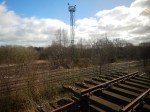
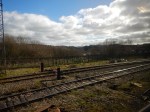
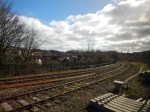
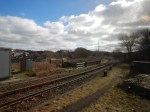


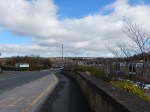
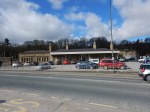
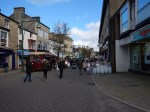


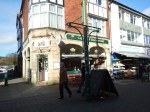
The lunch in the Hydro Cafe was excellent.
Onward From Buxton
There are lines that branch off to the left as you reach Buxton. This the closed Ashbourne Line, which still carries stone and other quarried products from Hindley.
I wouldn’t be surprised that some of this route and others in the area, were reopened to passenger traffic.
Down The Buxton Line
On the return from Buxton, I took these pictures.
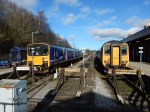
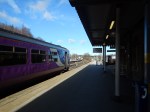
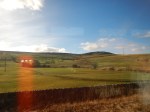
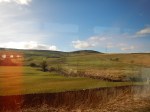
I sat on the wrong side of the train, as the views are better on the left-side going up and the right-side going down.
Up The Buxton Line
I took these pictures as my train went between Manchester Piccadilly and Buxton.

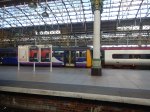
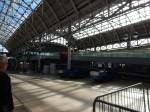
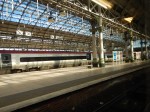
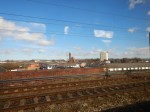
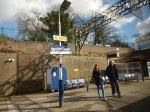


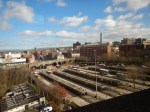

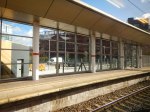
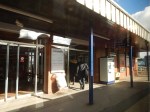
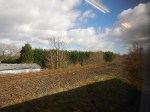
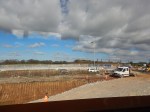
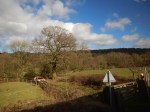


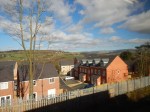


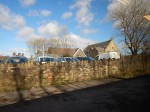

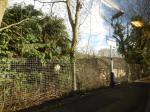
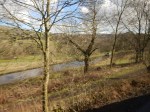

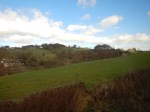
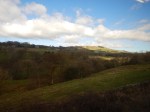
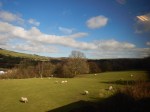
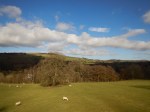

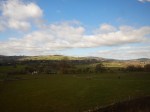
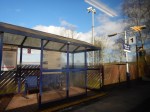
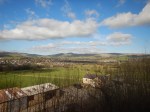
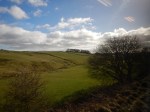
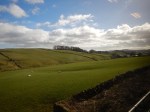
It was a hard climb for a poor clapped-out Class 150 train.
From Salford Central To Deansgate
I took these pictures as I walked from Salford Central station to the Deansgate-Castlefield tram-stop.
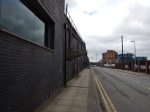
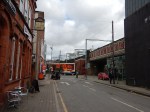

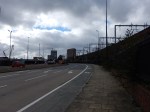

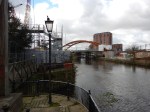


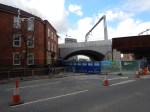
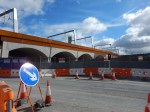
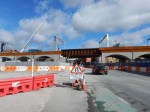
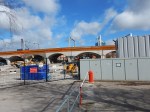
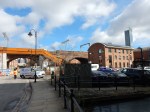
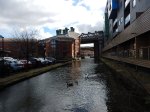


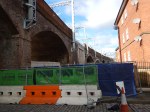
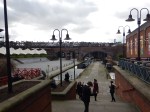
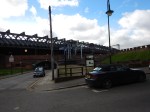

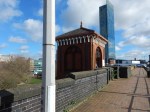

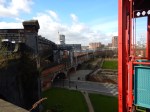
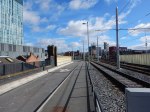
Despite the fact, that it was not raining and is very sunny, it is Manchester! Although probably, some parts are Salford!
It is certainly, an impressive bridge over the Irwell and a reconstructed viaduct to Deansgate.
Could A Class 172 Train Run As A Tram?
I am using a Class 172 train as an example, but it could equally well be any two or three-car train capable of running on the UK network.
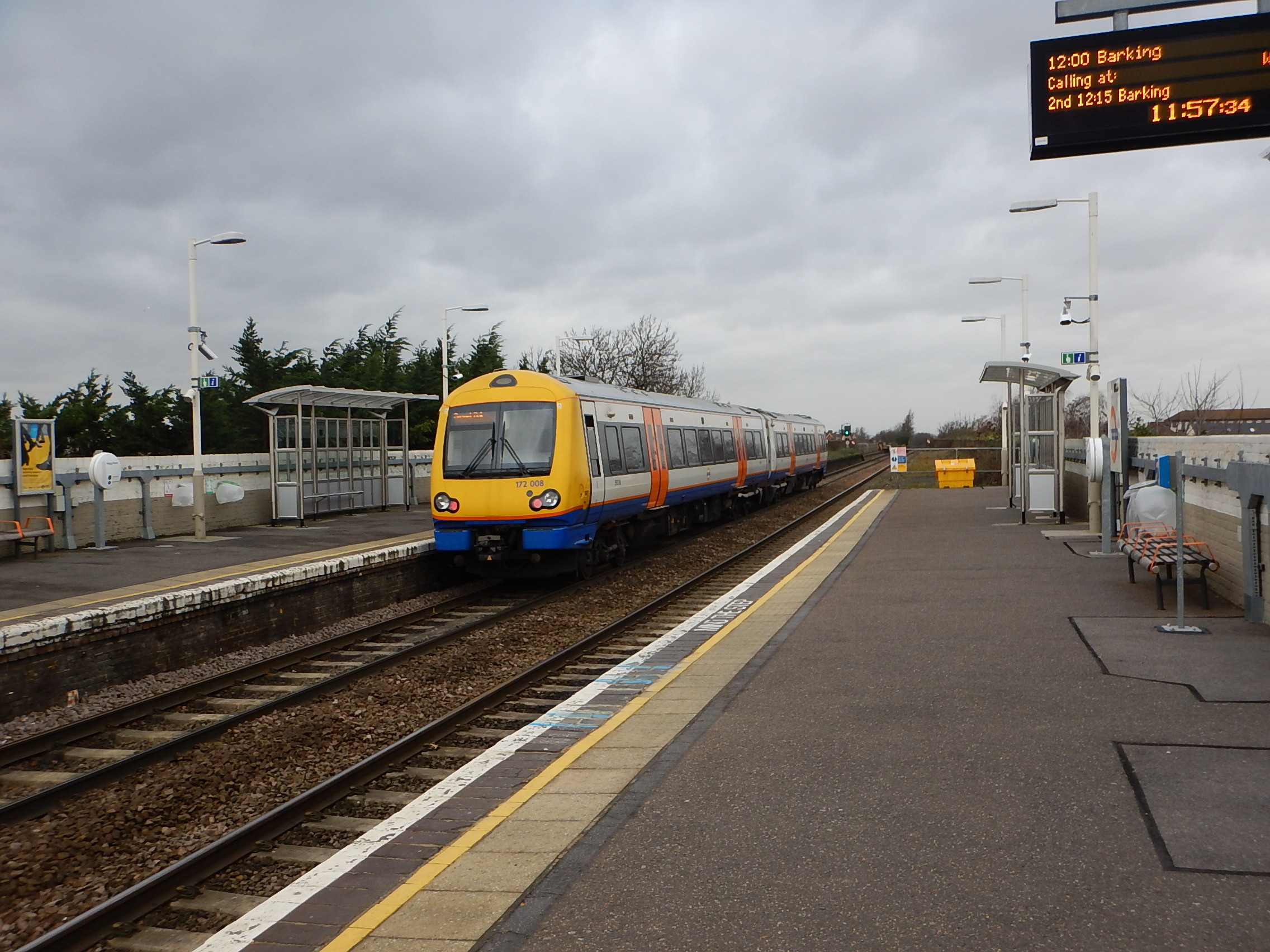
This Class 172 train on the Gospel Oak to Barking Line is probably only a tiny bit bigger than your bog-standard modern tram, that you’re starting to see all over the UK. This train is.
- Modern
- Diesel-powered.
- Two cars.
- Good passenger access.
- The driver has good visibility.
But it could be better, if a train like this was to be built today.
Consider what an ideal rail line for a train of this type, perhaps to run between Saxmundham and Aldeburgh would look like.
- Only one train would be allowed on the line at any one time.
- Freight trans to Sizewell would be allowed under very strict rules.
- Slow speed limit.
- Single or double track.
- Clear colour light signalling, that every passenger understands.
- Platform-train access would be step-free.
- Step-free ramp access to the platforms.
- Passengers can walk across the tracks.
Imagine how Ipswich to Aldeburgh service would work.
- The train would run to Saxmundham under normal rail rules.
- From Saxmundham to Aldeburgh and back, the train would proceed at a slow tram-like speed, with the driver keeping an extra vigilant look out
- Once back at Saxmundham, the train would return to Ipswich.
I can’t see why, it wouldn’t work on lots of branch lines.
It would of course be better with an electric train, so could we see a dual-voltage 25 KVAC/1500 VDC three car train, that could use tram style electrification on the tram-style section?
But it is effectively a small train, that can just run slowly like a tram.
The Class 172 train would do the job, but it would be better if it was a modern version
Something like Stadler’s train with the engine in the middle might do it.
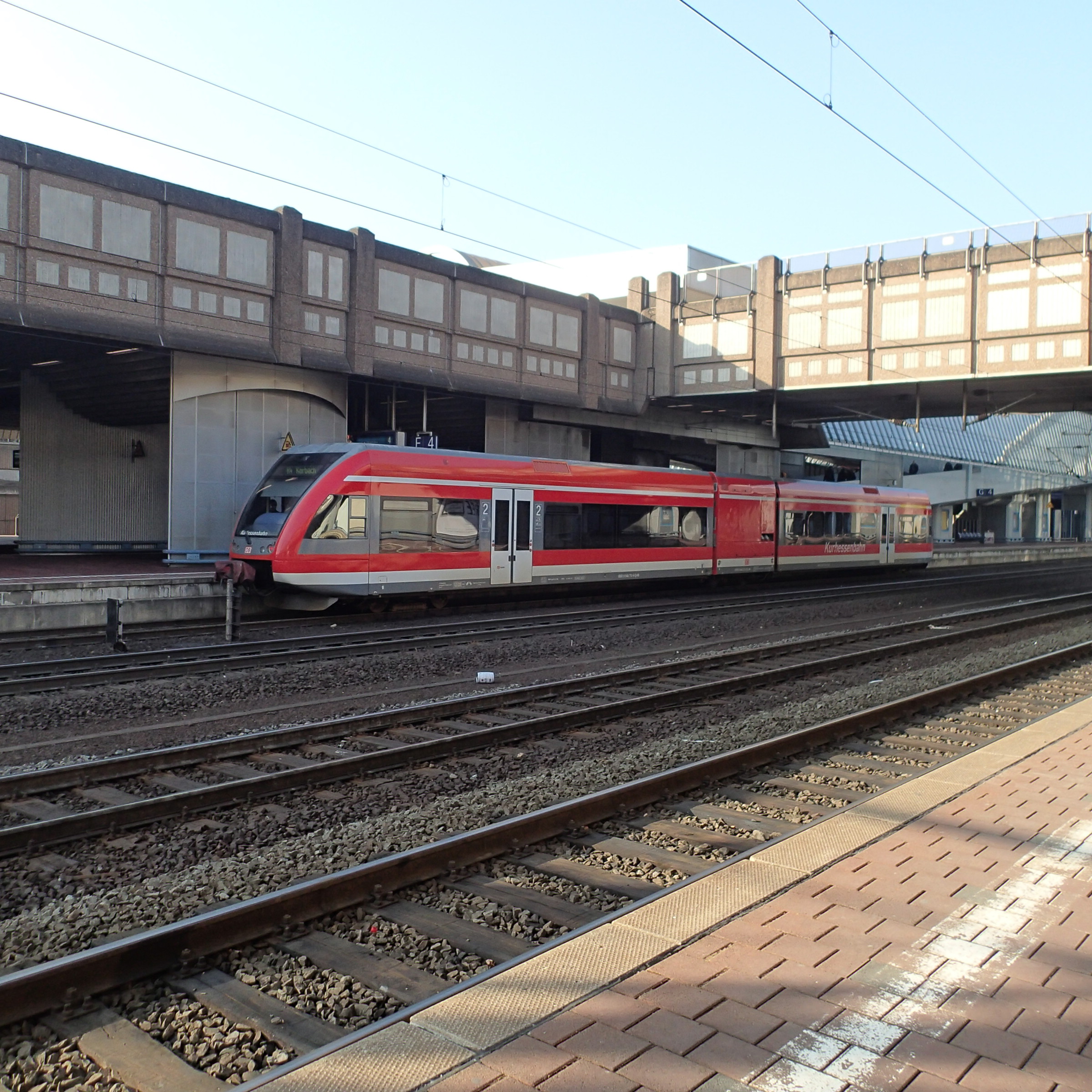
Looks like a tram! Goes like a tram! o it must be a tram! Wrong! It’s a train!
Our small and sometimes annoying loading gauge has its advantages.
Who needs a specialist tram-train?
£690 Million Competition For Local Authorities To Tackle Urban Congestion And Get Local Transport Networks Moving Again
This quote is directly from today’s budget and is the real joker in the pack.
Is the £690 million all for one project, or is it to be split between say thirty ones of £20 million or so.
What I like about it, is that several towns and cities will come forward with very good well-structured schemes.
Schemes, I’ve seen in Europe that I like include.
- Zwickau Zentrum Station and the Rail Link That Thinks It’s A Tram To The Hauptbahnhof, that I wrote about in Riding The Vogtlandbahn.
- Seville’s Short Battery Tram Route Across The City Centre, that I wrote about in The Trams Of Seville.
- Kassel’s Tram-Trains Where The Interchange Is In The Main Square, that I wrote about in The Trams And Tram-Trains Of Kassel.
In some ways the Kassel tram-train system is the most impressive. I sat in a cafe and watched trams and large trams (tram-trains) cross in front of me. Passengers would get off and on and then when their next tram or tram-train arrived they would board and go on their way.
When you see Kasssel, you realise what an opportunity was missed in Manchester, where tram-trains could come into Piccadilly station, take to the streets and pass through Piccadilly Gardens and then go to Victoria station, where they took to the tracks again.
If we look at the cost of the latest Manchester Metrolink extension to the Trafford Centre, it is disclosed in this article in Railway Technology Magazine at £350 million.
So you could get two tram lines for the whole £690 million. Or one line and a lot of tram-trains, trams or trains.
- Large central squares are rare in the UK compared to Europe.
- Birmingham has one, but it’s already got a local transport network. It was also have their version of Seville’s trams.
- Liverpool has the waterfront, but it’s buying new trains.
- Nottingham has one, but like Birmingham has a tram network.
The interesting one is Middlesbrough.
This Google Map shows the town centre.
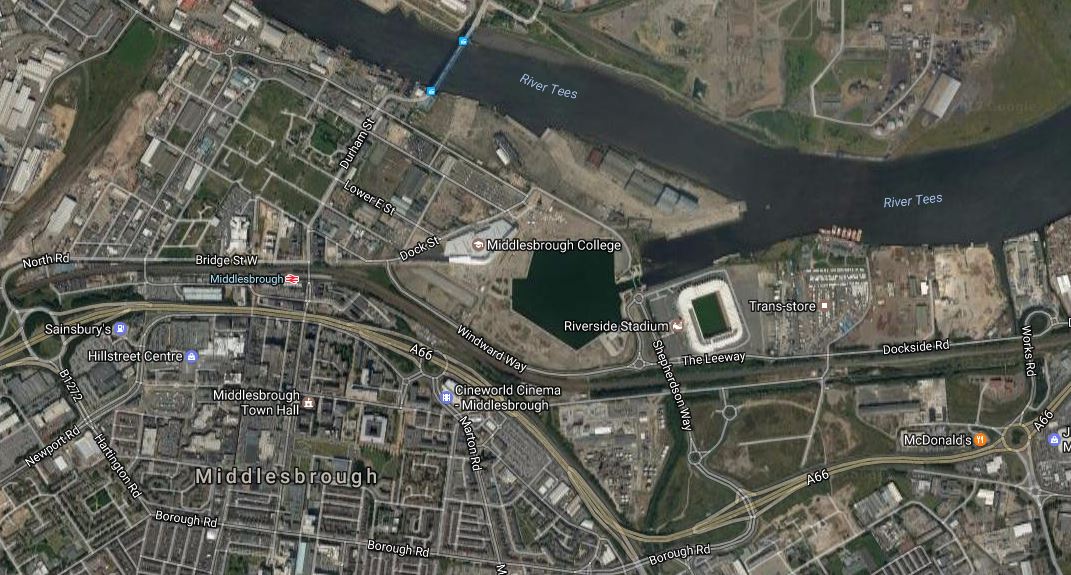
Note the railway passing through the town with the Grade II Listed Middlesbrough station to the North of the town centre.
One line through the station is the Tees Valley Line from Saltburn on the Coast to Bishop Auckland a few miles inland.
If this line were to be run by tram-trains or at least modern trains (London Overground Class 172 (?)) that looked like trams, they could go walk-about through the gardens and the shops in the centre of the town and have stops by the shops in the centre, the Town Hall and the Riverside stadium.
Stops on the line would include Redcar, Darlington and Newton Aycliffe.
Branches from the line go all over the area to Hartlepool, Stockton, Whitby and Sunderland and Newcastle via the Durham Coast Line.
A lot of people will have fun with this competition.
Places to watch would include.
- Brighton to Hove along the front.
- Southend.
- Portsmouth to Southampton
- Cardiff
- Milton Keynes
- Huddersfield
- Leeds-Bradford and the Airport.
Some of the schemes that don’t get funding could even be picked up by the various infrastructure funds, that are always looking for investments.
Spreadsheet Phil has had an idea with vision!
The size of the fund could bring forward some very innovative ideas, other than the usual by-passes, car-parks and more of the same shops.
Relief For Ely
Ely station is not only a bottleneck for trains, but because the A142 only has a headroom of nine foot under the railway, a serious bottleneck for road traffic and an accident blackspot that stops both road and rail traffic.
But this article from the Cambridge News is entitled Work to start on new Ely bypass as final designs get the go-ahead.
This is the article’s simple description of the by-pass.
The new route will bypass the railway level crossing, as well as the accident prone low-bridge underpass, by providing a new link between Stuntney Causeway and Angel Drove to the south of the city.
Preparatory works are set to start on January 9 to mark out the site area to build the 1.7km of road, which will include two new bridges to cross the River Ouse and its flood plain, as well as additional railway lines.
I have been at Ely station a couple of times in the past week and these pictures show that work has now actually started.


The first four pictures were taken from an Ely to Ipswich train and the last one was taken from Plstform 3 at Ely station.
This Google Map shows the area.
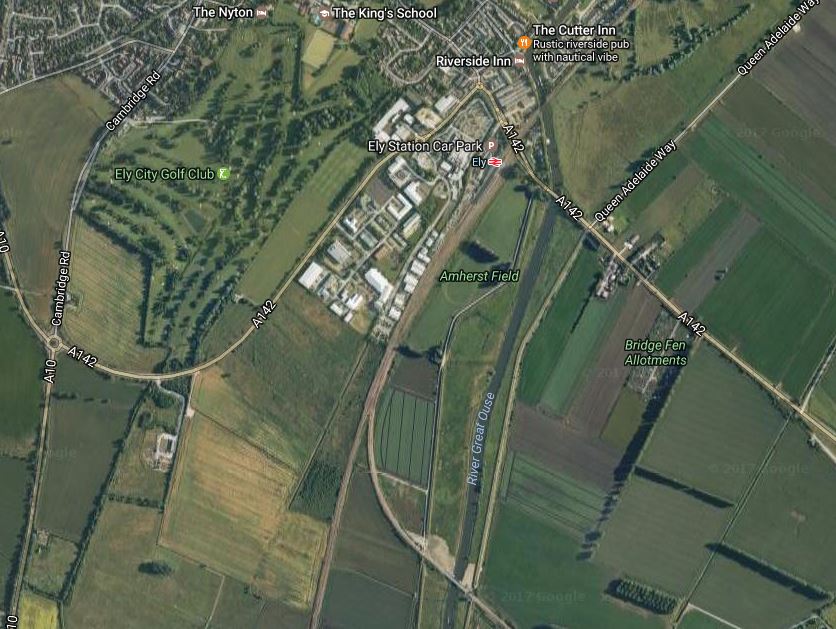
Note.
- Stuntley Causeway is the A142, which leads South-East from the station.
- The Great Ouse.
- The two railway lines meeting at Ely Dock Junction.
- Angel Drove is the road labelled A142, that curves from the city to the roundabout at the West of the map.
- The work site is in the angle between the Great Ouse and the railway line to Bury St. Edmunds, just to the West of the Hawk Bridge, where railway crosses the river.
As the new road crosses the river, the junction with Stuntley Causeway must be somewhere to the South-East of where the A142 currently crosses the river, which must make the road take a widish loop.
The project would appear to be a well-designed solution.
- Is the wide loop of the road, to keep noise of heavy traffic away from the river and the city?
- It should give relief for road traffic at Ely station.
- Hopefully it will cut bridge strikes.
- The viaduct over the railway and the river, incorporates a footbridge.
The question must be asked, if the building of the by-pass and the double-tracking of the railway line to Bury St. Edmunds are two projects that will co-operate.
The Hawk Bridge has already got space for a second track, so could this be laid first, so that it could be used as a siding to bring in the heavy components for the viaduct that will be built over the river? Or will they be floated in, using a barge on the river?
The order of construction on this project could be tricky, but the quality of project management has increased greatly in recent times.
 The Anonymous Widower