Beeching Reversal – Restoration Of A Daily Train Service On The Keighley & Worth Valley Railway
This is one of the Beeching Reversal projects that the Government and Network Rail are proposing to reverse some of the Beeching cuts.
The route starts at Keighley station, which is shown in this Google Map.

Keighley station is effectively a double station.
- The Northern pair of platforms are the electrified Airedale Line, which runs between Leeds and Bradford Forster Square stations in the East to Skipton station in the North-West.
- Curving up from the South is the Keighley and Worth Valley Railway, which runs through the Worth Valley to Oxenhope station.
The basic plan appears to be to run daily passenger services on the heritage railway between Keighley and Oxenhope via Haworth.
But there is a lot more than meets the eye.
Commuter Use
The Wikipedia entry of the Keighley and Worth Valley Railway has a section called Commuter Use, where this is said.
On weekends – in particular Saturday mornings, local residents who live in Oxenhope, Haworth, Oakworth and Ingrow catch the early morning diesel service to Keighley, returning later on steam hauled services. During the weekday outside of the summer months, locals instead use the local bus services.
It then says that studies have been done to investigate the railway’s use as a commuter route.
Heritage Use
There are attractions in the area to attract everybody.
In addition to the major centres of Leeds and Bradford, these stations are worth a visit for the sites they serve.
Haworth for the Brontes
Saltaire for the World Heritage Site of Salts Mill and the Hockneys.
Skipton for the Settle and Carlisle Railway.
LNER To Skipton
LNER run a single daily service to Skipton, that calls at Keighley and Shipley and it is rumoured on Wikipedia, that they would like to run more services.
My feeling, is that the company wants to run pairs of five-car Class 800 or Class 801 trains to Leeds, where they will split and go on to places like Bradford, Harrogate, Huddersfield and Skipton.
Skipton And Colne
This project appears to be a favourite of Governments, as I suspect it solves problems across the North. I last wrote about it in May this year in Colne – Skipton Reopening Moves Closer.
Short Breaks In Yorkshire
Is Yprkshire and Leeds and Bradford in particular, making a bit for the short break market?
It all fits!
What Needs To Be Added To The Keighley And Worth Valley Railway?
If the railway is going to run a regular commuter or tourist service on the route between Keighley and Oxenhope, the following issues must be covered.
Rolling Stock
The railway has an extensive collection of rolling stock, which include a couple of diesel multiple units, that should be able to handle the service.
I would think, that if they wanted something more modern with a heritage feel, that a battery electric version of one of Vivarail’s Class 230 trains would fit the bill. They could run using Vivarail’s Pop-up Metro concept.
Stations
The stations on the railway seem to be in good condition, but I’m sure to handle commuters for Leeds and Bradford, there may be some updating required.
Ticketing
There must be through ticketing.
Conclusion
I don’t feel that this would be the most expensive of schemes, as the major expense of an interchange station between the Keighley and Worth Valley Railway and the Airedale Line is already built.
Beeching Reversal – Re-Opening of Camberwell Station
This is one of the Beeching Reversal projects that the Government and Network Rail are proposing to reverse some of the Beeching cuts.
Some of Lord Beeching’s relatives and friends, may consider it a bit of a cheek to add this project to a list of Beeching Reversals, as the station closed in 1916.
This station re-opening project has been around for donkeys years and endless studies have analyse, whether Camberwell station should be re-opened.
Under Possible Re-opening, Wikipedia says this about a possible Thameslink service and costs.
Steer Davies Gleave produced a TfL-commissioned report discussing the possibility of the station’s re-opening in 2026 in three future land use densities across three levels of operational use (four 8-car trains per hour, six 8-car trains per hour and six 12-car trains per hour) to give a total of nine scenarios. It estimated the capital cost of an 8-car station at £36.74m and a 12-car station at £38.50m.
It also says this about the business case.
In September 2018, TfL published a strategic business case to explore the station’s reinstatement. It acknowledged the area’s poor transport connectivity and that the reopening of the National Rail station was the best of eight option examined. While it concluded the local area would benefit from the station’s re-opening, its conclusions were similar to Steer Davies Gleave’s 2017 report.
This map from carto.metro.free.fr shows the various lines in the area of Camberwell station.
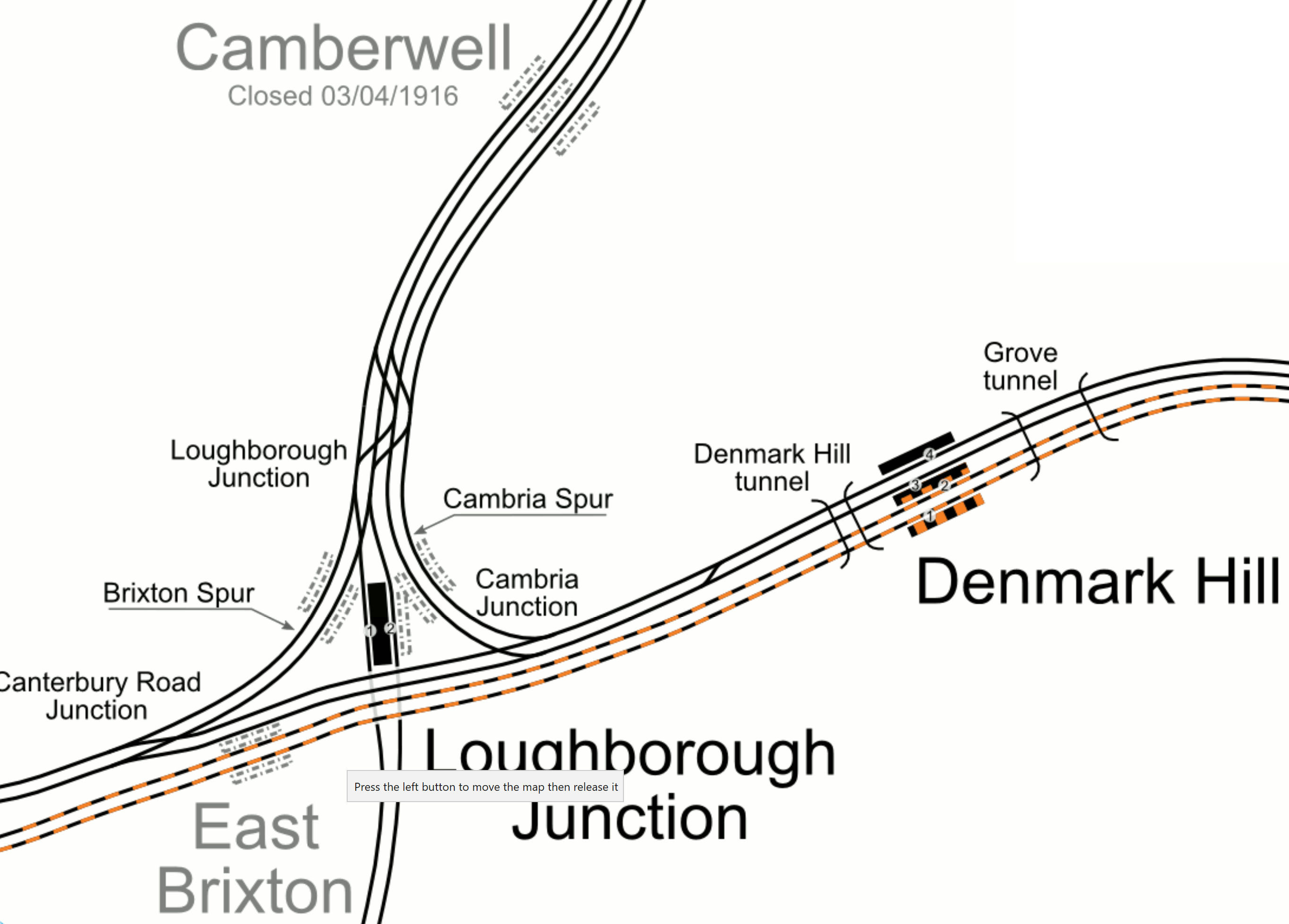
Note.
- The station had four platforms, which if they followed the pattern of Elephant & Castle station to the North would be numbered from the West.
- Trains would appear to use all four lines at Elephant & Castle, but only stop in Platforms 1, 2 and 4.
- Thameslink services go through Platforms 1 & 2 at Loughborough Junction station and Platforms 3 & 4 at Denmark Hill station.
This Google Map shows the area.
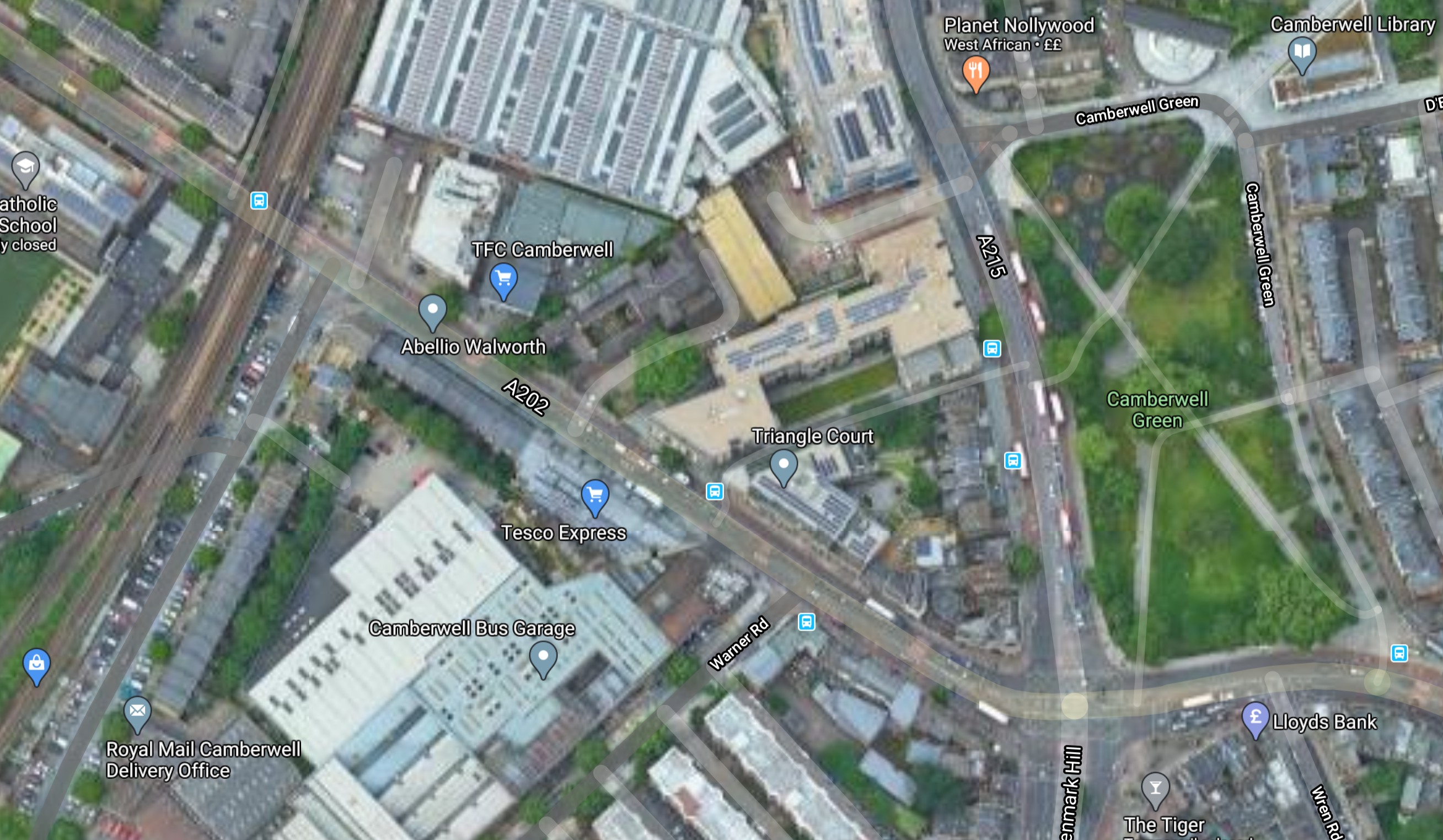
Note.
- The railway cuts across the North-West corner of the map.
- There is a bridge over the busy A202 road.
- The original station appears to have been close to where the railway and the A202 road cross.
- The area is well served by buses and even has a bus garage close to where the station will probably be built.
It would appear that it is a good location for a new station.
Redevelopment Of Elephant & Castle Station
Two big projects and a smaller one may affect Elephant & Castle station in the next few years.
- The whole area is to be redeveloped, with probably better connections between the three different Elephant & Castle stations.
- The Bakerloo Line may be extended from Elephant & Castle to Lewisham.
- Elephant & Castle station will get step-free access.
Would a functioning Camberwell station help, if Elephant & Castle station needed to be closed at times during all the construction work?
Thameslink And Elephant & Castle And Camberwell Stations
Thameslink run four services through Elephant & Castle station and the site of the proposed Camberwell station.
- St. Albans City and Sutton via Loughborough Junction and Mitcham Junction
- St. Albans City and Sutton via Loughborough Junction and Wimbledon
- Luton or Catford and Orpington via Denmark Hill and Catford
- Welwyn Garden City or Blackfriars and Sevenoaks via Denmark Hill and Catford
Note.
- All services are run by eight-car trains.
- All services have a frequency of two trains per house (tph)
This means that Camberwell station would only need to be able to handle eight-car trains. I would suspect that it would be built, so that platforms could be extended in the future, but certainly only short platforms would be needed with the present Thameslink service.
Could costs be saved, by ensuring that all services went through Camberwell station in the pair of Eastern platforms; 3 and 4? I suspect from looking at the pattern of trains, that both Elephant & Castle and Camberwell stations could work as two-platform stations.
Both stations would be built, so that access to the other lines could be added in the future, if needed.
There is certainly scope for cutting the cost of building the station, through good design.
The Current State Of The Station Site
These pictures show the current state of the station site.
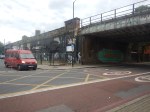
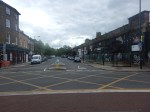
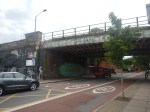
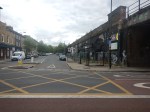
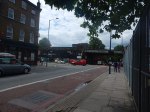
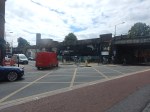
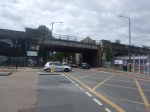
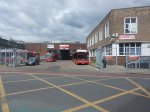




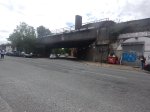


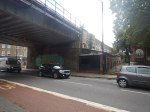
It’s not very tidy, but it did appear to be in a similar state, than when I last saw it.
It almost looks to me, to be in a state of partial demolition.
- All these railway arches have been taken over in a massive £1.5 billion deal from Network Rail by Blackstone and Telereal Trillium.
- On looking at these properties, did they take a look and see them as development potential.
- In fact, the whole area could do with a makeover and there are two bus garages nearby, which might also be rebuilt with towers on top.
So is there a plan from Blackstone behind this reopening of the station?
These viaducts are often very sound and can scrub up well, as these [pictures show.
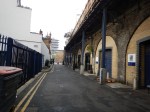
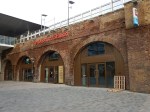


I wonder if a good architect could squeeze in, a quality modern step-free station and half-a-dozen business units, that would enhance the area.
Conclusion
I very much feel, that money for this project to sort out the various design, building and project management issues would be money well spent.
I wonder if this is a project promoted by Sir Peter Hendy, of which he has experience of his time in London.
As I said, Blackstone and their partners might want to turn an underperforming asset into something that all stakeholders would be proud of.
Could it be one of those projects, where the sums don’t add up, but Sir Peter and others with a nose for these projects, feel that if the station is re-opened, the passengers will use it in droves?
Beeching Reversal – The Aston Rowant Extension Of The Chinnor Railway
This is one of the Beeching Reversal projects that the Government and Network Rail are proposing to reverse some of the Beeching cuts.
This Googlr Map shows the location of the proposed Aston Rowant station.
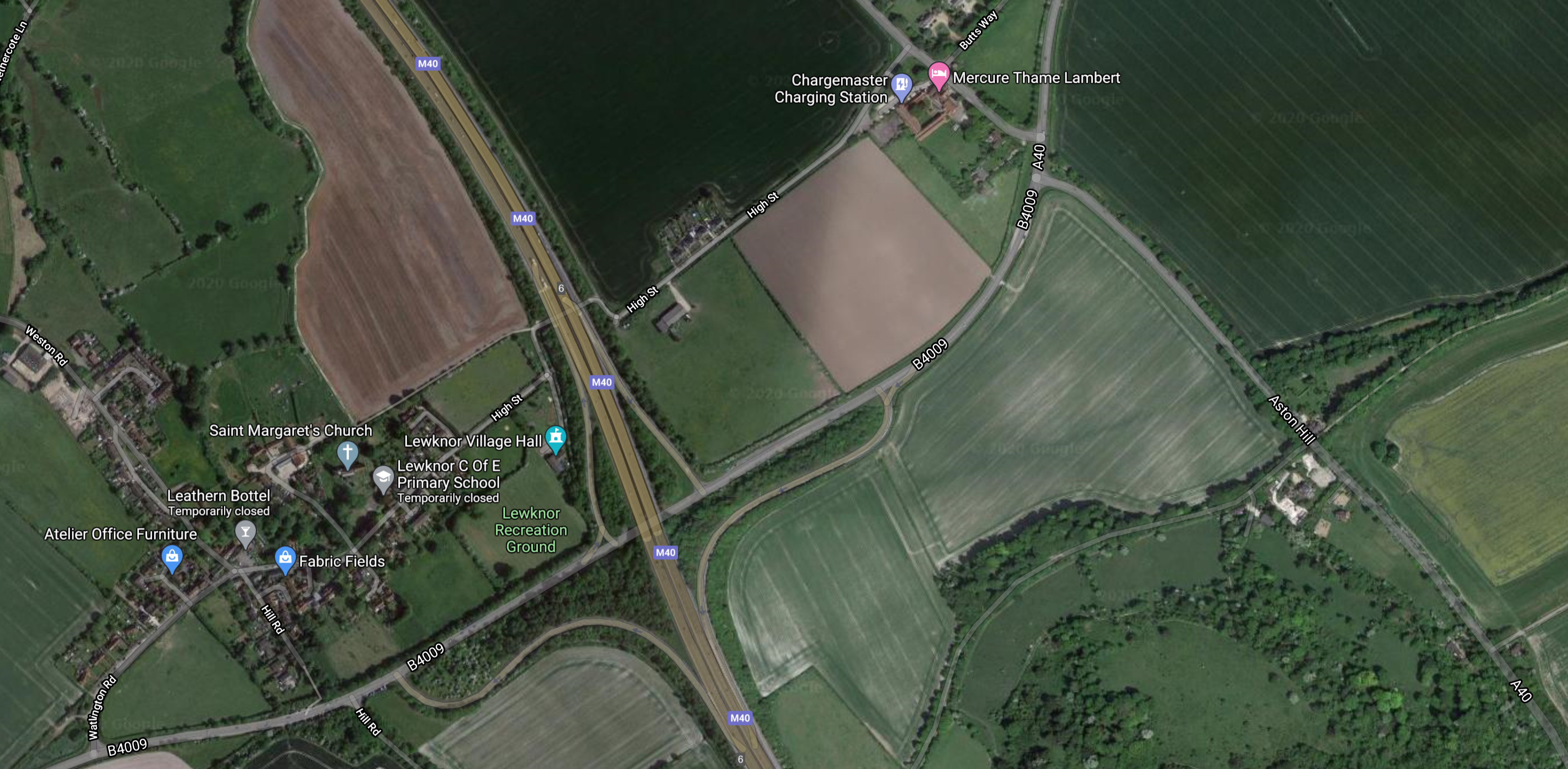
Note.
- The motorway junction is Junction 6 of the M40, where it joins the B4009.
- The hotel at the top of the map, which is marked by a pink arrow, is the Mercure Thame Lambert.
- A road passes the hotel and goes South East parallel to the motorway.
The original Aston Rowant station, appears to have been in the triangular piece of land to the East side of the road.
Wikipedia gives a plan for the future of the Aston Rowant station under a section called Future, where this is said.
There were reports in 1997 that the Chinnor and Princes Risborough Railway (CPRR) wished to extend its operations to Aston Rowant. A joint venture between the CPRR and Chiltern Railways was also proposed whereby the national rail operator would construct a new station at Aston Rowant to allow frequent weekday commuter services along the Icknield Line to connect with main line traffic through to London Marylebone, leaving the CPPR to run heritage services at other times. The scheme, which would cost around £3m, would seek to take advantage of Aston Rowant’s location near junction 6 of the busy M40 motorway.
There doesn’t seem to be any more details on the Internet, but I could see the full scheme having the following.
- A car-park by Junction 6 of the M40.
- Minimal station facilities.
- A shuttle train to Princes Risborough station using a diesel or battery Class 230 train or perhaps a heritage diesel.
- At weekends, it would act as parking for the Chinnor and Princes Risborough Railway.
- Given Adrian Shooter;s historic connections, this could be an ideal place for using Vivarail’s Pop-up Metro concept.
It could be a deal, where everyone’s a winner. Local commuters, Park-and-Ride users, the CPRR and Chiltern Railways could all benefit.
Conclusion
This is a simple scheme and I suspect the biggest problem could be getting the planning permission.
Beeching Reversal – Carshalton Beeches Step-Free Access
This is one of the Beeching Reversal projects that the Government and Network Rail are proposing to reverse some of the Beeching cuts.
Although, I don’t think this bridge had anything to do with Beeching.
These pictures show Carshalton Beeches station.
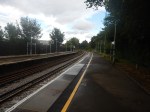


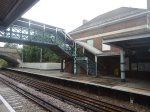
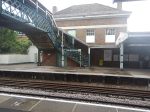
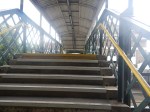
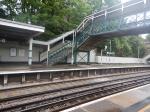
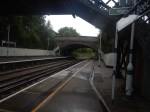
Note.
- The station appears to be in pretty good condition.
- That can’t be said for the bridge.
- There is a ramp at one side of the station by not at the other.
I feel, that with a replacement footbridge, this could be a much more than adequate station.
I wonder, if this project was the local MP’s pick. Possibly, because he was getting masses of complaints about the bridge.
Beeching Reversal – Arundel Chord
This is one of the Beeching Reversal projects that the Government and Network Rail are proposing to reverse some of the Beeching cuts.
This Google Map shows where the chord will be built.
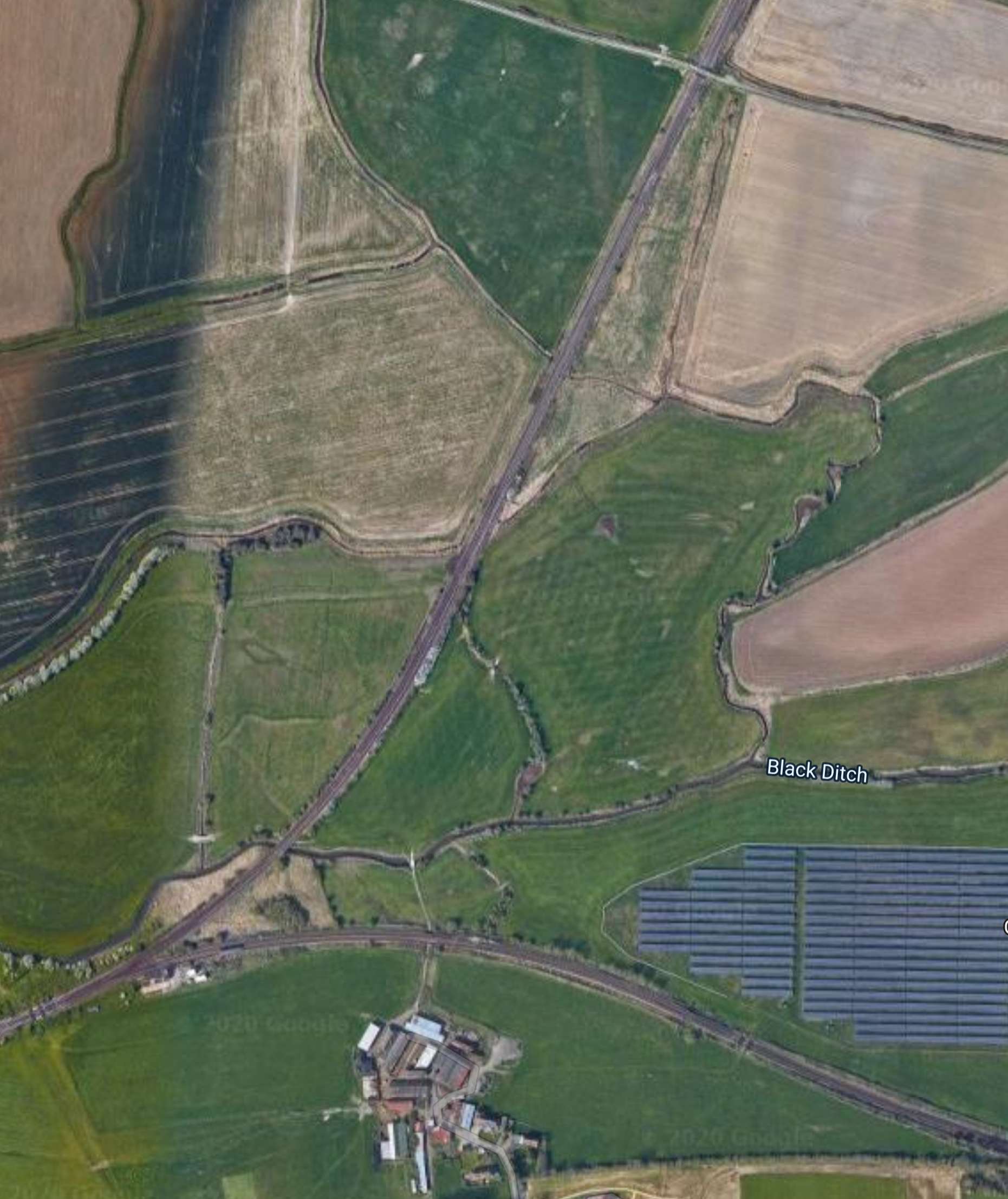
Note.
- The railway line going North is the Arun Valley Line that goes North to Arundel and Horsham stations.
- The line going East is the West Coastway Line that goes East to Angmering, Worthing, Shoreham and Brighton stations.
- The two lines join at Arundel Junction and trains go South and West to Bognor Regis, Littlehampton, Portsmouth and Southampton.
The new chord will join the Arun Valley Line to the North with the West Coastway Line going to the East.
This will give an alternative route between London and Brighton, when the Brighton Main Line is blocked.
- I would assume it will be a simple flat junction at both ends of the chord, as under normal circumstances it won’t get a lot of use.
- It would also needed to be able to accommodate the largest 12-car trains wanting to use the route.
- Also, in the last couple of years, Network Rail have done a lot of work to stop flooding and increase the resilience of the Brighton Main Line.
So is there another plan?
After all, it’s a lot of work to do for a route that only gets used occasionally.
So here’s a few ideas and reasons.
The Rebuilding Of Gatwick Airport And East Croydon Stations
Gatwick Airport and East Croydon stations are due to be rebuilt in the near future and if the Arundel Chord has been built, it offers an alternative route to London for trains from Brighton.
COVID-19
COVID-19 won’t have any direct effects on running the trains, but it could play havoc with the scheduling of any building work on the Brighton Main Line and at the stations, that passengers and trains use to get to London.
Again an alternative route might be useful.
A Service Between London and Hove Via The Arun Valley Line
This route may have advantages in that it might use a less crowded route to London.
A West Sussex Loop
I like loops.
- They can be used to cut the number of platforms needed.
- The driver doesn’t have to change ends.
- Trains can be turned quicker at the destination.
If you’re still sceptical, go to Liverpool and investigate the operation of the Wirral Line, which has five stations in an underground loop under Liverpool city centre. It also handles upwards of twelve trains per hour.
Once the Arundel Chord is built trains could do the following.
- Come South down the Brighton Main Line calling at stations like East Croydon, Gatwick Airport, Three Bridge and Haywards Heath. as required.
- After Preston Park station, the trains would take the West Coastway Line.
- Continue West, calling at stations like Hove, Shoreham, Worthing and Angmering as required.
- On reaching the Arundel Chord, the trains would turn North for Arundel and Horsham.
- Trains would continue back to Three Bridges, stopping as required.
Note.
- As it is a double-track loop, trains could use it both ways.
- Most of the route is in West Sussex, with a few miles in the City of Brighton and Hove.
- Trains don’t have to start in London, but could perhaps turn back at Redhill or Gatwick Airport. This might remove some trains through East Croydon.
Would this service encourage the locals to use the train to travel to Gatwick Airport?
Operating Issues
Network Rail, Southern or Thameslink may have operational reasons, like getting the trains back to depot, if they fail.
More Affordable Than Reopening Uckfield And Lewes
I think it could have similar capacity improvements and advantages to re-opening Uckfield and Lewes, but it is a lot more affordable.
Conclusion
This project seems to have dropped down the list in previous years.
Perhaps something that needs it has come up!
Beeching Reversal: Fifty Disused Rail Lines On Track To Reopen
The title of this post, is the same as that of this article in The Times
This is the introductory paragraph.
The reopening of up to 50 disused railway lines or stations will be considered as part of a reversal of the infamous Beeching cuts, it was announced yesterday.
The Possible Projects
These are the various projects, shown as an index by area, so you can click to find out more.
Yorkshire and Humberside
Reinstatement of the Beverley to York Rail Line
Restoration Of A Daily Train Service On The Keighley & Worth Valley Railway
Upper Wensleydale Railway
Restoring Passenger Rail to the Sheaf Valley
Restoring a South Humber Link
South Yorkshire Joint Railway
New Station At Waverley
East Midlands
West Midlands
Reopening Stratford-upon-Avon to Honeybourne-Worcester/Oxford (SWO) Railway Line
More Stopping Services At Radcliffe-on-Trent And Bottesford Stations On The Poacher Line Between Grantham And Nottingham
Increased Services To Nottingham And Leicester, via Syston And Loughborough From Melton Mowbray
Reconnecting Ashfield Communities through the Maid Marian Line
Wales
Magor And Undy Walkway Station
Restoring services on the Anglesey Central Railway between Gaerwen and Amlych
South West
Shepton Mallet (Mendip Vale)
Radstock railway reinstatement
St Anne’s Park station
Primrose Line
Transforming the Newquay Line
Mid Cornwall Metro
Restoring secondary services on the Great Western Main Line
Goodrington and Churston Stations
New station for Langport and Somerton Area
Charfield Station
Reinstatement of Bodmin-Wadebridge Railway and associated works
Increased service provision Bodmin General-Bodmin Parkway
Ashburton & Buckfastleigh junction railway
Bristol West capacity enhancement
Light railway extension to the Barnstaple Branch (Chivenor Braunton) “TawLink”
Cirencester Community Rail Project
Project Wareham – Complete The Link
South East
Arundel Chord
Re-Opening of Camberwell Station
Unlocking Capacity And Services Through Bramley (Hants)
Aston Rowant Extension Of The Chinnor Railway
Carshalton Beeches Step-Free Access
North West
South Fylde Line Passing Loop
Kenyon Junction Station
Reopening Golborne Railway Station
Reinstatement of Bolton-Radcliffe / Bolton – Bury
Reinstating Beeston Castle and Tarporley Railway Station
Reopen Midge Hall Station
Re-Doubling Of The Mid Cheshire Line Between Stockport And Altrincham And Associated Station Reopenings
Stockport and Ashton Line
Glazebrook Junction And Skelton Junction
East Didsbury – Stockport
North East
Consett-Newcastle Connection
Ferryhill restoration
East
Reopening Wymondham-Dereham Line
King’s Lynn to Hunstanton Railway
Reopening Harston Station
Reopening Sawston Station
A Few Rules
I think we should apply a few rules to the bids and the subsequent projects, that will be developed.
Schemes Should Not Use Diesel Trains Long Term
We are aiming to decarbonise trains by 2040. So let’s not make that more difficult.
All New Stations Should Be Step-Free
This one is obvious.
 The Anonymous Widower