Oxford Street Could Be Pedestrianised By Next Christmas
The title of this post is the same as the sub-title of this article in the Independent.
The aim is to pedestrianise Oxford Street from Oxford Street to Orchard Street by December 2018, which is the date when the Elizabeth Line will open.
It is an ambitious plan and despite substantial backing from the Mayor, Westminster City Council, the West End Company and groups like the British Heart Foundation, I don’t think it will be plain sailing.
Walking Along Oxford Street
In Walking Along Oxford Street, I show various pictures I took this morning whilst walking between Marble Arch and Tottenham Court Road stations.
Oxford Street looked to have improved, since I last did this. But then it’s a long time since I’ve walked the streets without crowds.
My views are as follows.
Measuring Success Or Failure
The success or failure of the pedestrianisation of Oxford Street is very easy to gauge.
The rate of change of turnover is a direct measure.
The Buses
I regularly go shopping in Oxford Street and often used a bus to travel there and back.
I used to be able to get a 73 bus from either 200 metres from my house or by changing at the Angel. But since the 73 has been cut back to Oxford Circus, I’ve tended to use the Underground, often by taking a bus to Bank for the Central Line.
Under Sadiq Khan’s plan all buses will be removed from Oxford Street and only the 139 and the 390 will remain, being rerouted along Wigmore Street.
A lot of people who go to Oxford Street regularly by bus, will lose their direct bus route. How will they react?
Will they use the Underground or the Elizabeth Line or will they go shopping elsewhere?
Since the 73 has been cut back, I think I’ve also gone to Oxford Street a lot less.
Why? I’ve no idea.
But it could be, that regularly, I’d buy something in John Lewis,Selfridges or perhaps in Bond Street and get straight on a 73 bus to the Angel, where I just got off the bus and waited until a bus home arrived at the same stop. As the 73 buses are New Routemasters, they’re a real shoppers’ bus and a lot easier than the Underground.
The Underground And Crossrail
Oxford Street will have the following stations and entrances as you proceed from East to West.
- Holborn – Central and Piccadilly
- Tottenham Court Road (Current Entrance) – Central, Elizabeth and Northern
- Tottenham Court Road (Dean Street Entrance) – Central and Elizabeth
- Oxford Circus – Bakerloo, Central and Victoria
- Bond Street – Central, Elizabeth and Jubilee
- Marble Arch – Central
Between Oxford Circus and Orchard Street, which will be the first section to be pedestrianised, you’ll never be more than two hundred metres from a fully step-free Elizabeth Line station.
Will this be enough to do away with the buses on Oxford Street?
Holborn station is being expanded with a new entrance, so will Oxford Circus and Marble Arch be upgraded?
Cycling
This will be banned. Although the plan envisages alternative cycle routes to the North and South.
Taxis
These will be banned from Oxford Street. Taxi ranks will be provided.
Will this be acceptable to the taxi drivers?
Uber And Mini-Cabs
These will be banned from Oxford Street.
How will these effect the surrounding streets?
Deliveries
How will these be arranged? You can’t get behind all the shops!
The Stalls
There are lots of stalls selling various goods along Oxford Street.
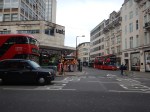



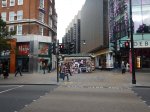


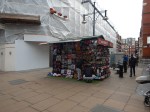
Will the stallholders give up their pitches quietly, if necessary?
Security
I’m no security expert, but after the latest attacks in the UK and Europe, surely keeping out vehicles must remove the weapon of choice from a large group of terrorists.
Local Residents
There are quite a few residents in the area perhaps two hundred metres on either side of Oxford Street.
They could be the biggest losers with traffic cramming the side streets.
Timing
Crossrail opens in December 2018. Does this mean the 1st, 31st or some day in between?
How do you time the pedestrianisation of Oxford Street to fit in with Crossrail?
Especially, as December 2018 will probably contain Christmas!
Conclusion
There is going to be a lot of discussion about this scheme.
As to my view, I like pedestrianised streets and Oxford Street should have gone this way years ago.
Can Between Rayners Lane And Uxbridge Stations Be Step-Free?
I took a Metropolitan Line train to Ucbridge station today and took these pictures, taken at stations between Rayners Lane and Uxbridge stations, where the line is shared between Metropolitan and Piccadilly Lines.
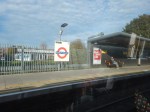
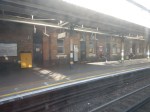
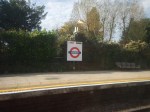
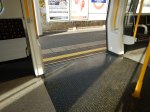
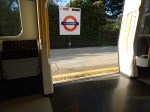
Note.
- Between platforms and Metropolitan Line trains access is generally good.
- Only Uxbridge and Hillingdon stations are fully step-free.
- There is no special provision for Piccadilly Line trains.
Making this section of line fully step-free is going to be difficult.
It may be very much step-free now for Metropolitan Line trains, but look at this picture of a Piccadilly Line train at Rayners Lane station.
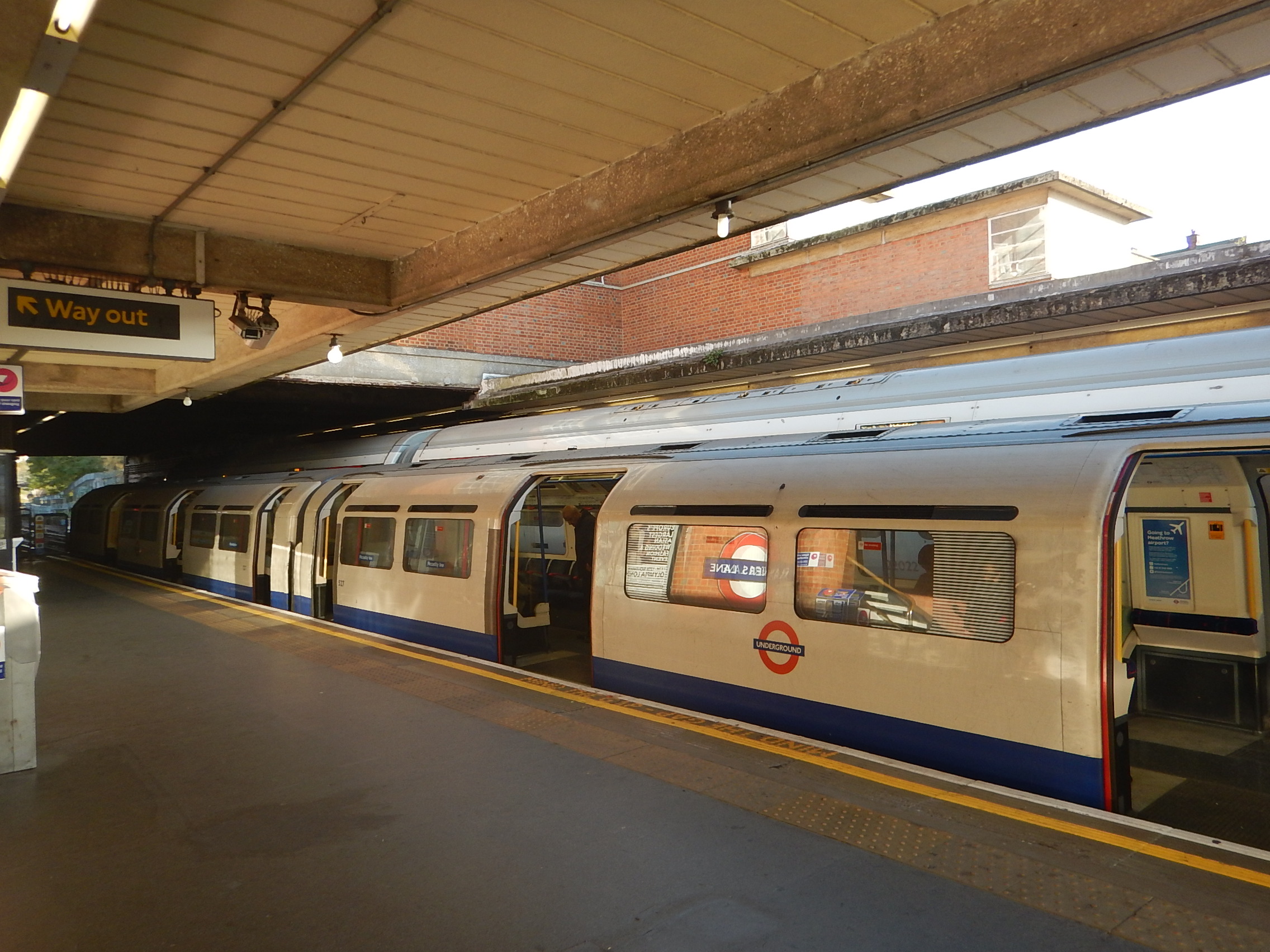
This certainly won’t meet the spirit if not the law of the the Persons of Reduced Mobility regulations.
The Platform Edge Door Issue
This article in London Reconnections is entitled Upgrading the Piccadilly: Calling Time on Mind the Gap?. It is an article that is well worth reading.
This is said about the platform train interface.
On modern transport networks once a system is designed to be UTO-capable then a mandatory requirement almost always now follows – the network or line in question should have platform-edge doors at all stations, including the above ground ones. Furthermore platform levels must be aligned with the floor level of the trains.
UTO means Unattended Train Operation.
I put London Reconnections on my list of trusted sites like The BBC, The Guardian, The Financial Times and several railway web sites, so I would rate this interpretation correct.
The new Piccadilly Line trains will certainly be built to be UTO-capable, as on past form, they will be built to last at least forty years. Could we guarantee that UTO won’t come in during their lifetime?
Note that one of the regulations associated with trains being UTO-capable, is that platform and train floors must be aligned.
This is not only good for passengers, including those in wheelchairs and buggies, and those overloaded with shopping, but it’s also good for train companies, as dwell times at stations can generally be reduced and staff don’t have to deal with cumbersome wheelchair ramps.
But, I think that these regulations mean that it is very difficult for two types of train to share the same platform.
This principle was probably obvious to the engineer, who designed the platforms at Stratford station in the 1930s, where main line services are on one side and the Central Line is on the other.
The principle certainly seems to be involved in the design of the tram-train interchange platforms at Rotherham Central station.
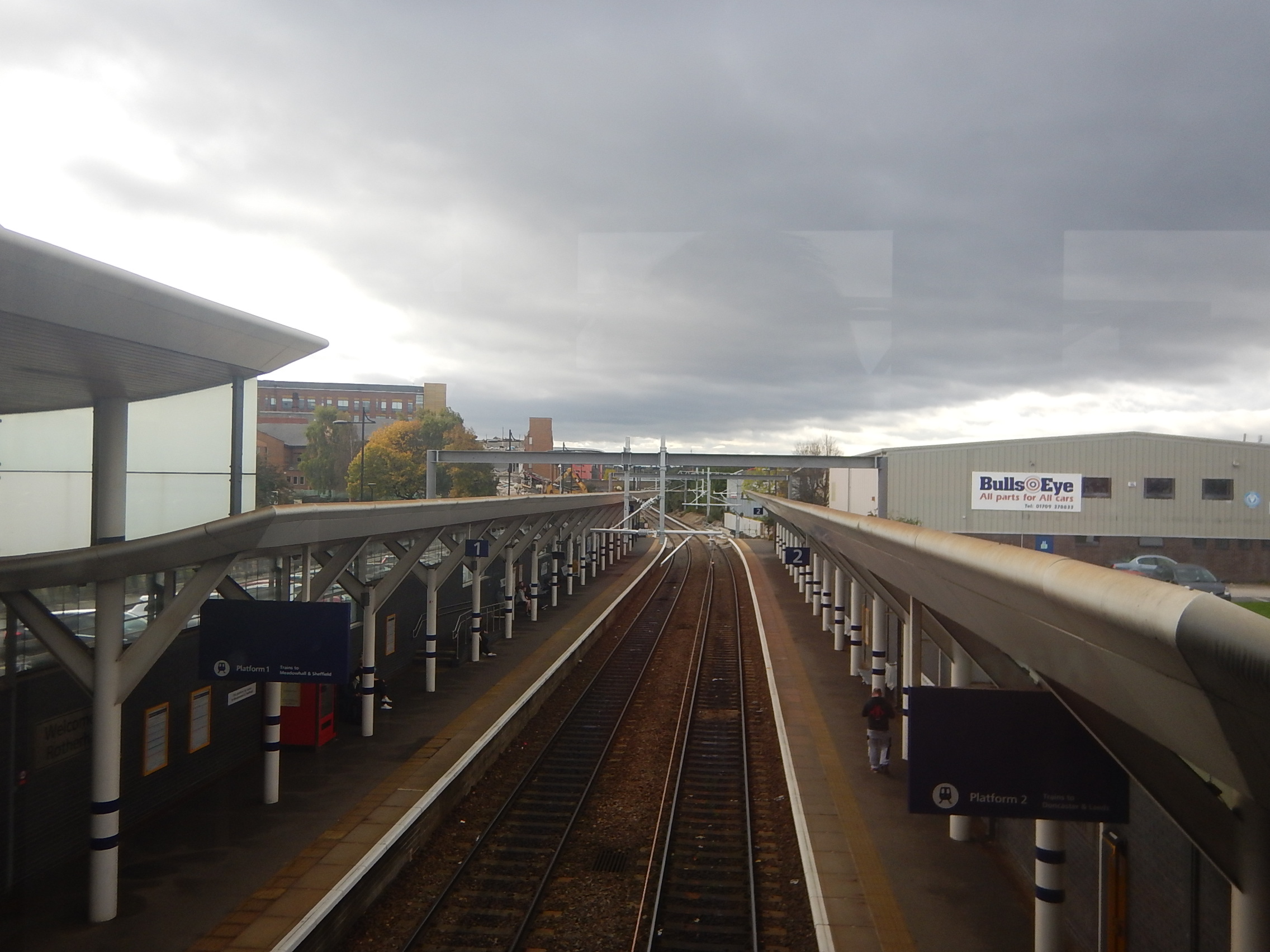
Lower level extensions are being built at the Sheffield (far) ends of the platforms, so passengers changing, will just walk along the platform.
- The longer high-level section will be able to handle the longest train likely to call, which will probably be about eight-cars.
- The shorter low-level section will be able to handle the longest tram likely to call, which will probably be a forty metre Class 399 tram-train.
It’s a simple layout, but it would mean a very long platform, if it were to be used with sub-service and deep-level Underground trains sharing a platform.
Applying The Regulations Between Rayners Lane And Uxbridge Stations
I believe these regulations will mean that only three ways to meet the regulations are possible.
- Separate tracks and platforms between Rayners Lane and Uxbridge stations.
- Extremely long bi-level platforms.
- Only one type of train serves the branch.
The first two options would probably be too expensive, but I believe that by good design and some clever reworking of the tracks at Rayners Lane station.
A Redesigned Rayners Lane Station
So could Rayners Lane station be redesigned to meet all the regulations and provide a much-improved passenger experience.
Step-Free Access
This picture shows the 1930s stairs at Rayners Lane station.
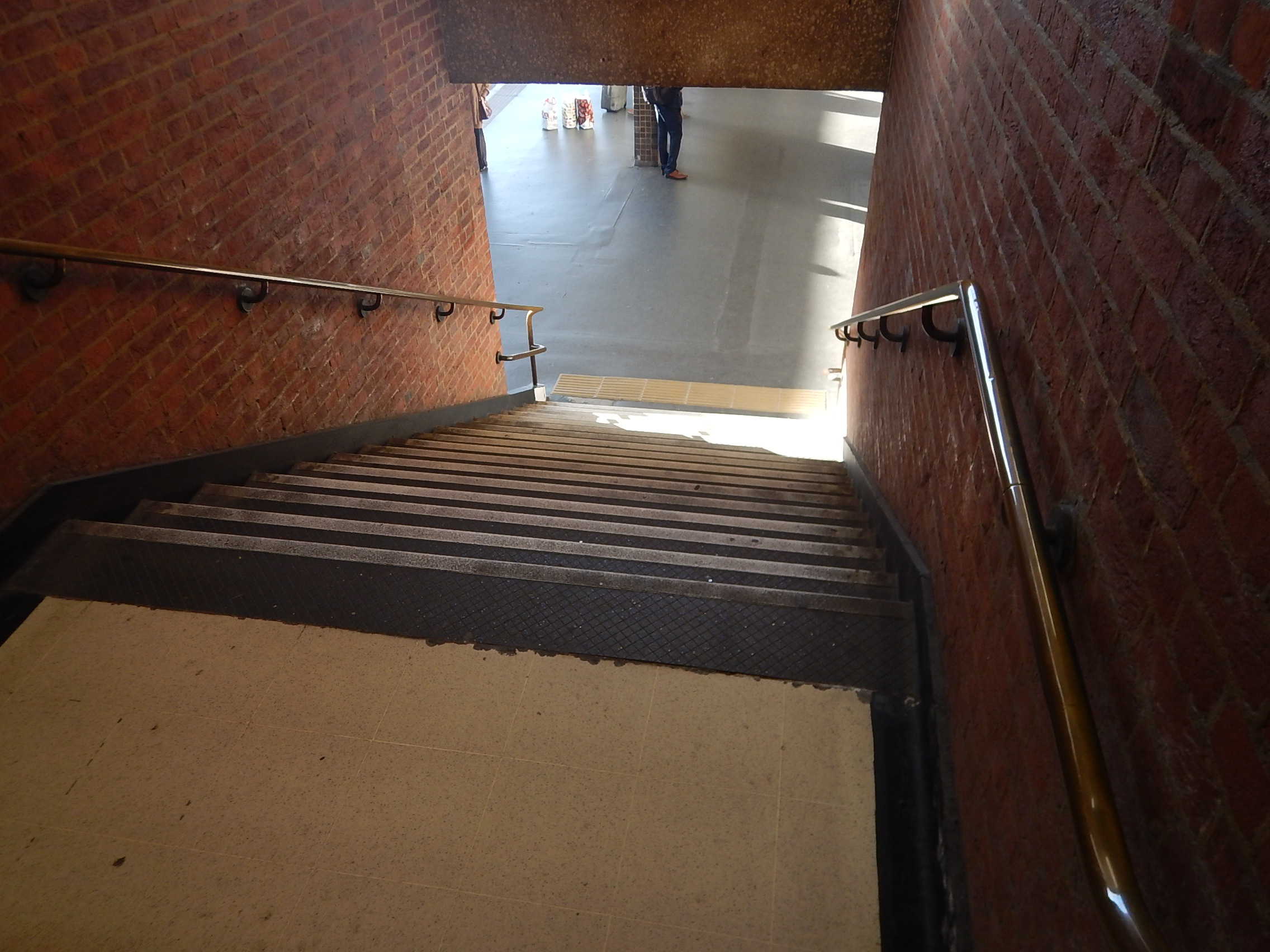
The station may be Grade II Listed, but this is not acceptable any more.
As is the platform-train interface shown in the first picture!
|Adding lifts and improving the stairs will be a major undertaking.
The Metropolitan Line Service
The Peak service is ten trains per hour (tph) in both directions, with a reduction to eight tph in the Off Peak.
Once the Four Lines Modernisation (4LM) is completed in 2023, these frequencies will be increased.
The journey between Aldgate and Uxbridge stations currently takes an hour.
This journey time is awkward from the point of scheduling the trains. The new signalling will probably reduce this to such a time, that the train could do the journey, turnround and be ready to return within an hour.
This would mean a higher frequency of trains without adding to the fleet. Although, it will probably mean that more drivers will need to be trained, which is a lot more affordable and easier, than buying new trains.
I feel that 10 tph might even be possible with the existing fleet and the new signalling.
But the new signalling will probably allow more semi-fast trains to operate, which might mean an extremely customer-friendly 12 rph were possible all day.
The Piccadilly Line Service
The Peak service is twelve trains per hour (tph) in both directions, with a reduction to six tph in the Off Peak.
Half the trains reverse at Rayners Lane station.
The journey between Kings Cross St. Pncras and Uxbridge stations currently takes an nine minutes over the hour.
The Rayners Lane To Uxbridge Service
Adding the two services together gives a Peak service of twenty-two trains per hour (tph) in both directions, with a reduction to eleven tph in the Off Peak.
Terminating The Piccadilly Line At Rayners Lane Station
There would be advantages to terminating all Piccadilly Line services at Rayners Lane station.
- All Piccadilly Line trains would go through the same procedure at Rayners Lane station
- The journey time would be reduced by fourteen minutes, which would ease train scheduling.
- There would be no knock on effects, if either line had delays.
- Signalling and train control at Rayners Lane would be simpler.
But it would need a major rebuilding of the tracks and platforms.
On the Victoria Line, thirty-six tph are handled on two platforms at Walthamstow Central and Brixton stations or eighteen tph on each platform.
So could a single platform at Rayners Lane station handle the Piccadilly Line service?
If it could, it could even be positioned between the two Metropolitan Lines, with an island platform on either side, giving cross-platform operation in both directions.
But because problems do occur, there would probably be two terminal platforms for the Piccadilly Line, as there are at the end of most Underground lines.
I think terminating Piccadilly Line services at Rayners Lane station could be made to work well and provide step-free access at all stations West of Rayners Lane station.
Terminating The Metropolitan Line At Rayners Lane Station
I don’t believe the problems of terminating the Metropolitan Line service at Rayners Lane would be any more difficult, than terminating the Piccadilly Line, but it might offer advantages, after all the stations on the line had been rebuilt to accept the new UTO-capable Piccadilly Line trains.
- This would open the possibility of running trains under UTO between Acton Town and Uxbridge stations.
- Hillingdon Borough Council have been pushing for the Central Line to be diverted from West Ruislip to Uxbridge. This would become possible.
- The frequency all the way from Acton Town to Uxbridge could easily be raised.
As with terminating Piccadilly Line services at Rayners Lane station, I think that terminating Metropolitan Line services could be used to provide step-free access at all stations West of Rayners Lane station.
Could A Piccadilly Line Service Be Run Between Uxbridge and Ealing Broadway Stations?
In Is There Going To Be More Change At Ealing Broadway Station?, I wrote about rumours of a possible plan to create a new terminus for the Piccadilly Line at Ealing Broadway station, using the route currently used by District Line trains from Ealing Common station.
I came to the following conclusion.
But overall, because it sorts out step-free access in the area, I think it is a good proposal.
I just wonder, if it would be possible for trains to run between Uxbridge and Ealing Broadway station.
This Google Map shows where the Piccadilly Line to Rayners Lane and Ucbridge and the District Line to Ealing Broadway divide , a short distance North of Ealing Common station.
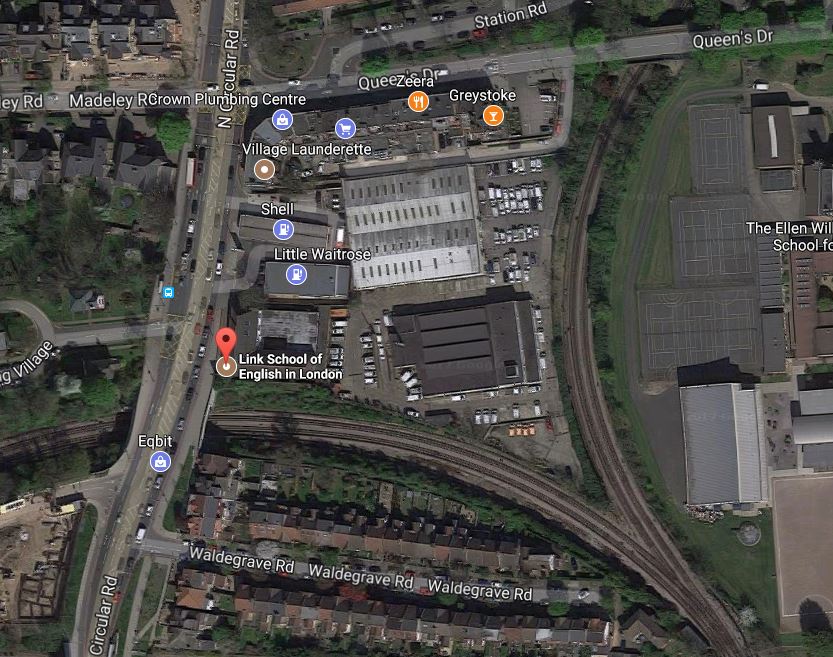
I think that creating the missing side of the triangular junction would be possible, thus allowing a service to be created between Ealing Broadway and Uxbridge stations.
- All stations would be made step-free and UTO-capable.
- Twelve tph could be run between Uxbridge and Ealing Broadway in both directions.
- Ten or welve tph would still be run between Uxbridge and Cockfosters.
- Twelve tph on both routes would mean a train every two and a half minutes between North Ealing and Uxbridge stations.
- The route would surely be ideal for running under UTO.
- A large area of Ealing, Hillington and Harrow would get a frequent link to Crossrail at Ealing Broadway.
- Extra stations could be added to the route to support development.
If the interchange at Rayners Lane were to be well designed, I doubt there would be any losers.
Could The Central Line Be Extended To Uxbridge?
In the Wikipedia entry for Uxbridge station, in the last sentence of a section called History, this is said.
The London Borough of Hillingdon announced in June 2011 that it would be lobbying Transport for London to have the Central line diverted from West Ruislip station to Uxbridge. Such a project would require a business case approved by TfL and the completion of signal upgrade work on the Metropolitan Line.
So would that be feasible?
Access To Uxbridge Station?
This map from carto.metro.free.fr shows the lines to Uxbridge and West Ruislip stations.
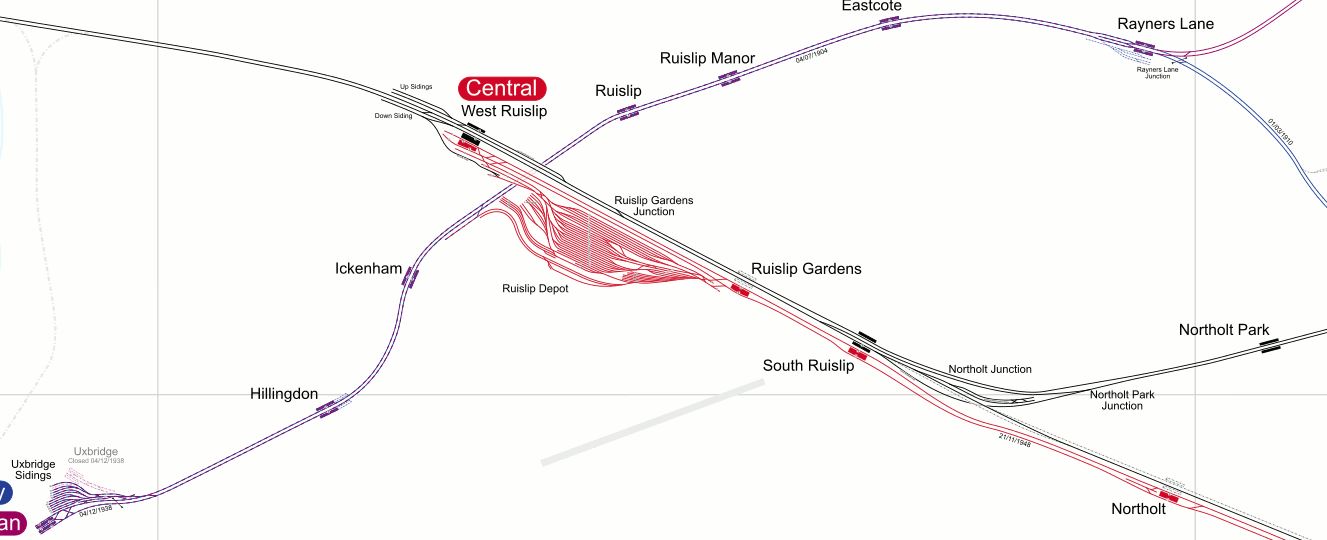
The lines in the map are as follows.
- black – Chiltern Main Line
- blue- Piccsdilly Line
- mauve – Metropolitan Line
- red – Central Line
The big red blob is the Central Line’s Ruislip Depot.
Uxbridge station is in the South-West corner.
This map from carto.metro.free.fr shows where all the lines cross at the North-West end of Ruislip Depot.
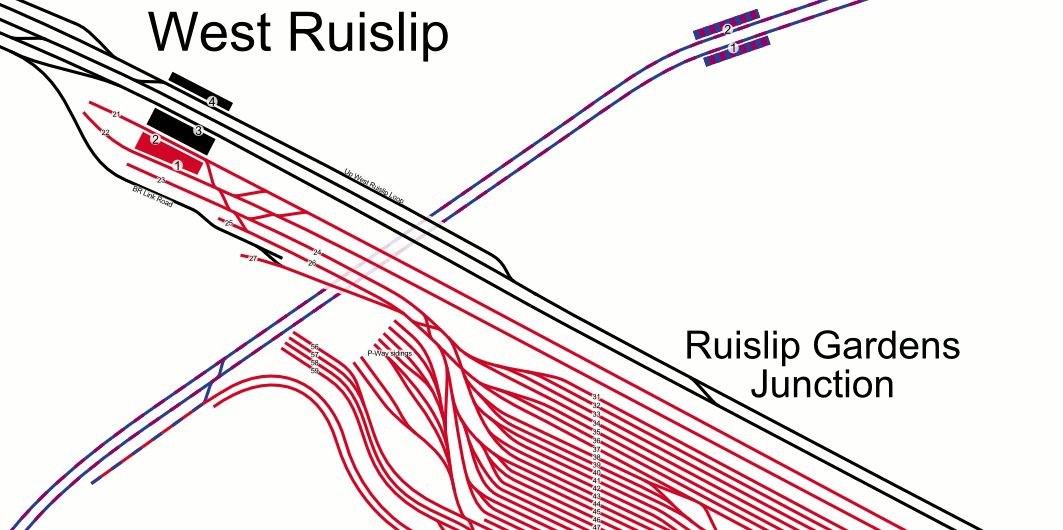
I suspect that an efficient connection can be made to allow the Central Line to go to Uxbridge instead of or as an alternative to West Ruislip station.
Note that at some point in the future, it is expected that both the Central and the Piccadilly Lines will use the same type of train. Will Ruislip depot be used for some Piccadilly Line trains, given its location close to Uxbridge station and the good connection?
Uxbridge Station
This map from carto.metro.free.fr shows Uxbridge station.
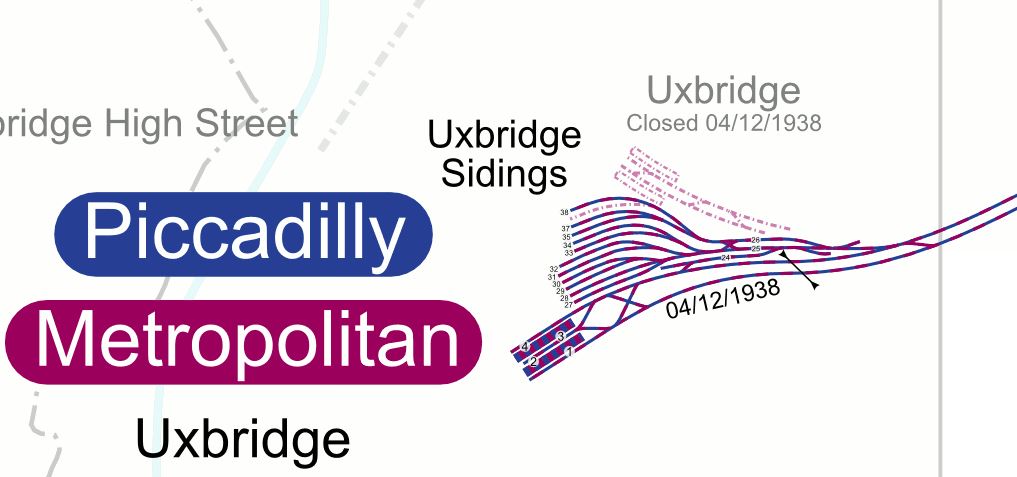
Note that Uxbridge station has three lines and four platforms.
- It would surely be much easier to handle the service, if all the trains terminating at Uxbridge were the same type.
- This would happen, if all Metropolitan Line trains terminated at Rayners Lane station.
- Two platforms could easily handle twenty-four tph for the Piccadilly Line.
- Two platforms could easily handle nine tph for the Central Line.
Uxbridge would become a very busy station.
Conclusion
There are a lot of possible improvements that can be done to the train service to Uxbridge.
A RAT Sighted At Acton Town Station
I was surprised to see an old train running through North Action station.


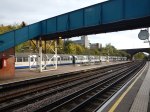
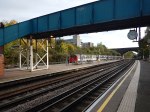
As it said on the side it was a Rail Adhesion Train, that I wrote about in Specialist Trains Lead The Charge Against Leaf Fall on The Piccadilly Line.
This article on Rail Engineer is entitled Leaf Fall On The London Underground and it gives more details on Rail Adhesion Trains and their use.
Could Three-Car Aventras Run Services On The Greenford Branch?
Services on the Greenford Branch Line between West Ealing and Greenford stations, are currently provided by a two-car Class 165 train.
Consider.
- There are no plans to electrify the line.
- West Ealing station has a recently-constructed bay platform to serve the branch.
- The branch line is a 2.7 mile double-track line with three stations.
- The intermediate stations at Drayton Green, Castle Bar Park and South Greenford have short platforms, that can only accept two-car trains.
- The service frequency is two trains per hour (tph).
- Each trip takes eleven minutes.
In an ideal world, the service would be electric and four tph.
Proposals For New Trains
Most proposals seem to suggest moving the branch line to the London Overground and using one of their Class 172 trains. But these trains are now being moved to West Midlands Trains, so that proposal would seem to be a non-starter.
Three-Car Aventras
Could three-car Aventras run services on the line using battery power?
I discussed such a train in A Detailed Look At A Three-Car Aventra, after West Midlands Trains ordered thirty-six of the trains.
These are my thoughts.
Capacity Increase
A three-car train would give a fifty percent increase in capacity on the line.
Is this capacity increase needed?
The Link With Crossrail
Under Services in the Wikipedia entry for Crossrail, it is indicated that twelve tph will pass through West Ealing station, although it is not yet known how many will stop.
Surely, when Crossrail opens fully, an integrated service with good connections will be created at West Ealing.
I believe Crossrail will work in one of two ways at West Ealing.
- In a London Underground-like manner, all trains will stop.
- Perhaps four or six tph will stop.
I suspect that Londoners won’t accept the second pattern, as they are used to the Underground and the Overground, where there are not many limited-stop services and a train comes along every few minutes.
So this would mean that there will be trains every five minutes in both directions at West Ealing station, creating a steady stream of passengers for the Greenford Branch Line.
Passengers will get fed up waiting thirty minutes for the branch line train.
As West Ealing will be a well-equipped station, waiting fifteen minutes for a train will probably be acceptable to passengers.
Anything less and there will be masses of complaints.
The Link With The Central Line
What applies at West Ealing with Crossrail, surely applies at Greenford with the Central Line.
Short Platforms
I feel that selective door opening on the Aventra could handle the short platforms on the branch.
Four Trains Per Hour
I think it be possible to work a four tph West Ealing to Greenford shuttle, as the branch line is double-track.
But it may need another cross-over to be installed.
Four tph would need two operational trains.
Charging The Trains
The trains could be charged at either end of the branch line, although for practical reasons, charging might use 25 KVAC overhead at West Ealing and 750 VDC at Greenford, as these are used on other tracks in the respective stations.
But as Aventras can be dual voltage, this could be handled by the trains.
As the line is only 2.7 miles long, charging could probably be done at one end only.
Other Alternatives
It would not be balanced to ignore other possibilities.
Refurbished Two-Car Diesel Trains
Two refurbished two-car diesel trains, like say Class 150 trains could also work four tph. on the branch.
But these would probably present services and refuelling problems.
Class 230 Trains
Two Class 230 trains could also work four tph. on the branch.
Consider.
- They could work the branch on diesel or battery, or a combination of both.
- Trains would be refurbished to a modern standard, with wi-fi and power sockets.
- Two-car trains would fit the stations on the branch.
- They are designed for remote servicing.
I think that a dedicated fleet of three two-car Class 230 trains would be a viable alternative.
Conclusion
Three-car Aventras could provide a good service on the Greenford Branch Line, but there are issues and it may be more complicated than anyone thinks to run a service, that is acceptable to passengers.
But three two-car Class 230 trains would be a viable alternative.
Eduardo Paolozzi At Tottenham Court Road Tube Station
Eduardo Paolozzi‘s mosaics are now back in Tottenham Court Road tube station.

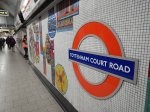
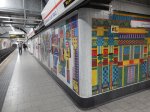

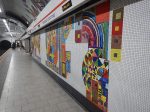
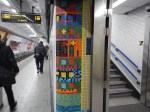
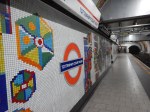


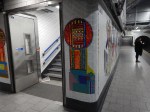

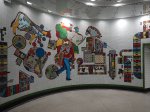
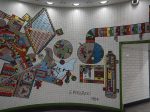

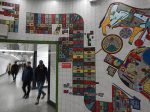

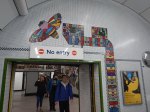
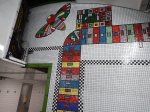

This article on Global Rail News describes how they were installed.
It’s a pity, that there are not more to cover the new white walls, which are there because the station has been expanded for Crossrail.
The Refurbishment Of Holland Park Tube Station
I stopped off at Holland Park tube station this morning, to take a look at the refurbishment.
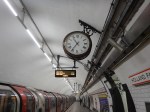
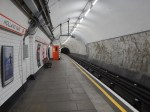
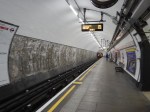
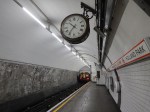
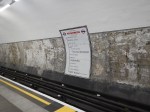
The clocks would also seem to have had a makeover.
But there still seems some work to do!
The Refurbished Tottenham Court Road Tube Station
I took these pictures of the Central Line platforms at Tottenham Court Road tube station.
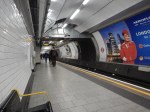
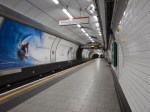
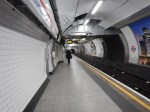
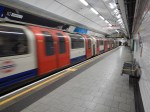
It does seem to me that it’s wider than it used to be.
Crowded Roads In West London
Today, I tried to get to West Drayton station to have a lunchtime drink with an old mate from Cambridge, who had called me up yesterday, as he might have needed a second person to help him with one of his robotic machines.
But it all went pear-shaped at Paddington, where trains to West Drayton were very much delayed and I was advised to take the Underground to Greenford station and then use a bus.
But at Greenford, there wasn’t a bus map or anybody to ask, so in the end I took a bus to Ealing Hospital, where I thought I knew I could get a bus to West Drayton. But there wasn’t! So I thought about giving up and instead, I got a bus to Ealing Broadway station, to get back to Paddington. But I arrived at Ealing Broadway station, just before a train to West Drayton arrived. I caught that, had a drink with my friend and then caught a train back to Paddington. He didn’t need me to help, as all he needed was a pair of eyes to tell him what was happening at the sharp end of his machine and the client had turned up with his glasses.
So I achieved my objective and also had a wander round the Boroughs of Ealing and Hillingdon on buses and trains.
I trundle round North and East London most of the time and sometimes I even cross the River and go to the Deep South.
But I do find West London the most crowded, with buses slowed by all the traffic on the roads and infrequent very busy trains.
The West of London needs improvement in public transport.
I sometimes think, the traffic has got worse over the forty-six years, I had a driving licence.
Rail And Underground Lines
There are several lines going West from Central London, which include.
- The Chiltern Line from Marylebone to West Ruislip
- The Central Line to West Ruislip
- The Metroplitan Line to Uxbridge
- The Piccadilly Line to Uxbridge
- The Great Western Main Line tfrom Paddington to Reading and Heathrow
- The Piccadilly Line to Heathrow
Going further round, there are several lines from Waterloo going to the South West.
Only one line; the West London Line goes North South, although there used to be others.
The network is probably more sparse than some other directions from London.
Reliance on Cars And Buses
I think this rather thin coverage, puts a heavy radiance on cars and buses, which might explain the crowded roads.
Crossrail
Crossrail will bring improvement with the following Off Peak services in trains per hour (tph), along the slow lines of the Great Western Main Line.
- 4 tph to Heathrow Terminal 4
- 2 tph to Reading
- 2 tph to Maidenhead
Note.
- The central core tunnel probably has a limit of 24 tph.
- The service has a good balance between the various destinations.
- There will also be Great Western Railway services.
- Looking at the Crossrail schedule, there is scope to adjust the schedule on each branch.
I think that as Crossrail develops and the line and its passengers learn more about each other, the service pattern of Crossrail will change.
If I have a worry about Crossrail, it is that few of the stations towards Central London have many parking spaces, so will walking, cycling and the buses be adequate for Crossrail to tap its full potential?
The West London Tram
The West London Tram was proposed by Ken Livingstone in 2002.
These paragraphs from Wikipedia describes the tram and its route.
The West London Tram was a proposed on-street light rail line that was to run along the Uxbridge Road (A4020) corridor in West London, England. The scheme is promoted by Transport for London (TfL) but opposed by the councils of all three London Boroughs through which it would run. It was postponed indefinitely on 2 August 2007
The tram route was planned to run between Uxbridge and Shepherd’s Bush, serving Hillingdon, Southall, Hanwell, West Ealing, Ealing and Acton en route and would have completely replaced a number of equivalent London Bus routes.
If it had been built it would have had good connectivity to Crossrail and the Central Line. But the view of those against the project prevailed.
In my trip today, you could see why probably every car driver in the area, would be against a scheme like the tram. Only at places on the route, where there was a wide island of grass dividing the carriageways, would the tram not have increased congestion.
It looks like the thirty million pounds spent was wasted.
Crossrail And/Or West London Tram?
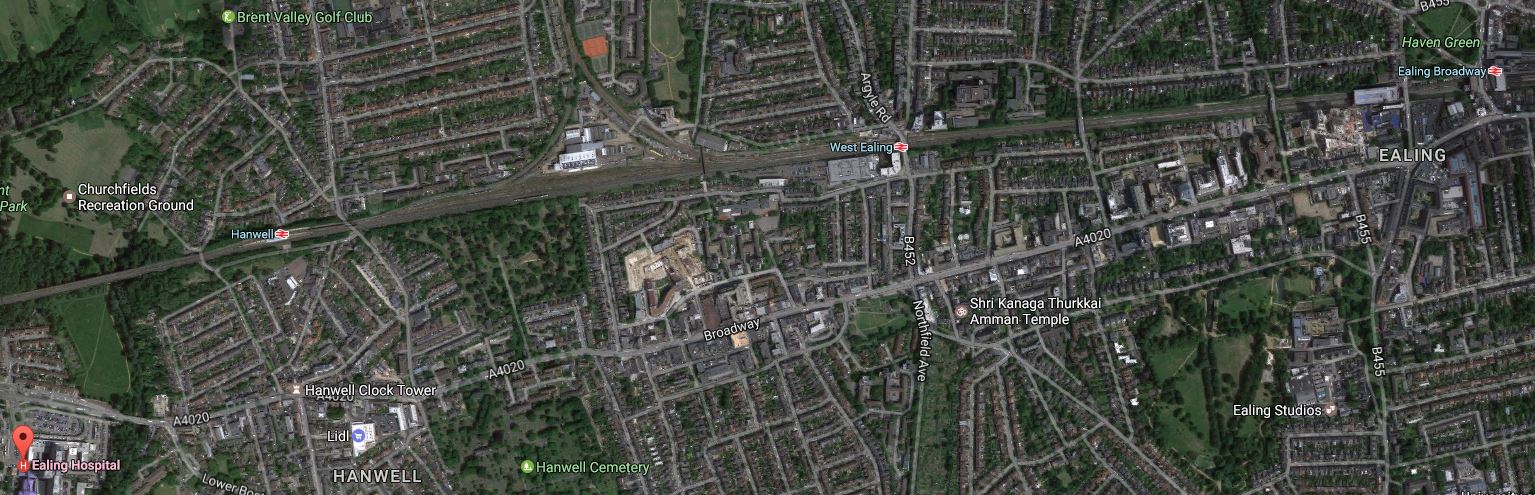
This Google Map shows the area around the three stations of Hanwell, West Ealing And Ealing Broadway.
Great Western Main Line And The A4020 Through Ealing
Note.
- The Great Western Main Line across the middle.
- The A 4020 runs South of and parallel to the railway.
- Ealing Hospital is marked by the red arrow in the bottom left of the map.
I asked in the Header to this section if it should be And/Or between the projects.
Undoubtedly, it should be Or! Taxpayers can’t afford both!
In comparing the two, I believe the following points are valid.
- Trams stop about three or four more times than trains.
- The train is faster.
- The tram doesn’t serve Old Oak Common station or Heathrow.
- Trams annoy drivers in the same way that bendy buses do.
- Crossrail has a rich connection pattern compared to the tram.
- Pedestrians probably prefer trams, whilst drivers prefer trains.
The politicians decided and chose the trains.
Making More Of The Railways
If the streets are crowded can we use the existing railways to inject greater capacity into the existing railways in West London?
The key to this, as it sits in the middle of so many lines is the creation of a new station at Old Oak Common.
I will now summarise the possible rail projects that can be developed in West London
Chiltern Railways To Old Oak Common
Chiltern Railways have a capacity problem at Marylebone and one way to alleviate it would be for Chiltern to create a second terminal at Old Oak Common station, which could be accessed using an improved New North Main Line.
There is a real possibility of this project going forward and it could have many worthwhile features.
It would add another East-West route across West London, but with the comprehensive connectivity of Old Oak Common.
Chiltern Metro Creation
Wikipedia says this about a Chiltern Metro.
New Chiltern Metro Service that would operate 4+tph for Wembley Stadium, Sudbury & Harrow Road, Sudbury Hill Harrow, Northolt Park, South Ruislip and West Ruislip. This would require a reversing facility at West Ruislip, passing loops at Sudbury Hill Harrow, and a passing loop at Wembley Stadium (part of the old down fast line is in use as a central reversing siding, for stock movements and additionally for 8-car football shuttles to convey passengers to the stadium for events).[73] This ‘Chiltern Metro’ service was not programmed into the last round of franchising agreements.
When I wrote Could A Chiltern Metro Be Created? and came to the conclusion, that it might be possible, I got several positive responses.
Greenford Branch Improvements
The Greenford Branch Line connects the Great Western Main Line and the New North Line.
This map from carto.metro.free.fr shows the Northern end of the branch, where it joins the New North Line.
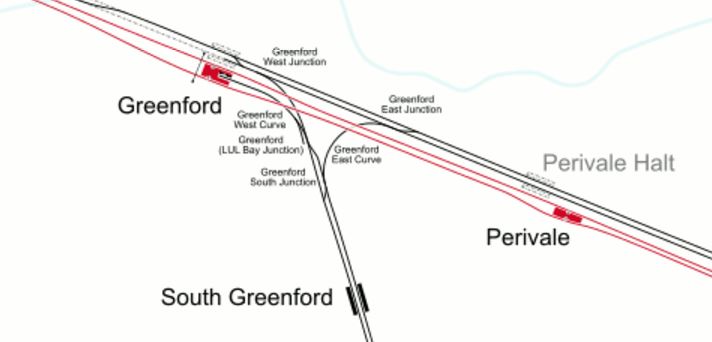
Northern End Of The Greenford Branch
Whilst this map from carto.metro.free.fr shows the Southern end of the branch, where it joins the Great Western Main Line.
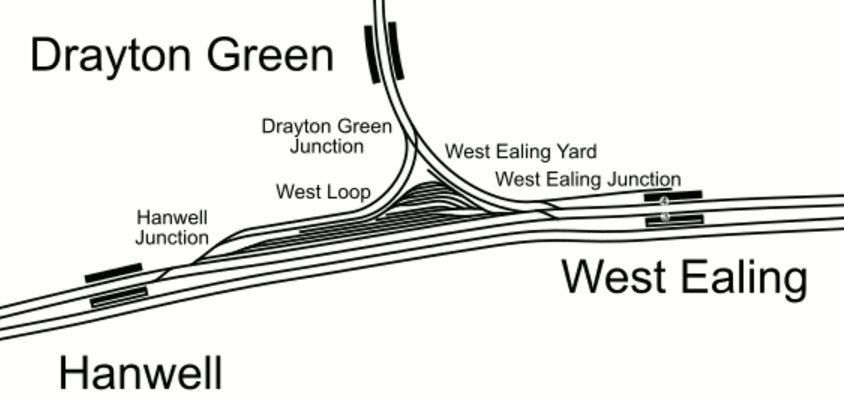
Southern End Of The Greenford Branch
What service the line will get after Crossrail opens has still to be decided,
- 4 tph between West Ealing and Greenford stations is certainly possible.
- There are those, including Ealing Council, who don’t like Greenford losing its direct connection to Paddington.
- A rebuilt Greenford station could incorporate Chiltern services.
As the connections at both ends of the branch allow trains to go in either an East or West direction, could this be useful in creating services between the two main lines?
Brentford Branch Reopening
I wrote about this in Could The Golden Mile In Houslow Get A Station?
The Brentford Branch could be a useful branch, worked by a shuttle train!
Hounslow Loop Line Improvements
The Hounslow Loop Line, which has a strong presence on both sides of the river and takes passengers to and from Waterloo, is being improved to increase capacity.
Could we see the Overground opening new services along the North London Line to perhaps Brentford, Hounslow and Feltham stations?
The route is used by freight trains, and Transport have suggested using the route to create an orbital Overground route.
Conclusions
The railways will take the strain in West London, after the abandonment of the West London Tram.
Redbridge Station
Whilst visiting Newbury Park station, I took the opportunity to visit the below-grounmd parts of Redbridge station.
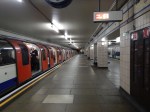
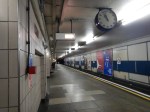
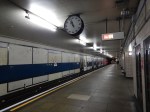
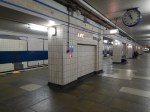
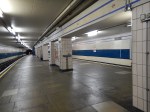
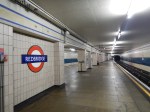
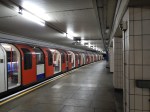
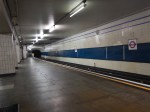
The station is unusual for the Underground in that there is effectively a very wide island platform between the two tracks.
Many stations, like those on the Northern reaches of the Piccadilly Line, that I know so well, do have this layout, but this must be a station with some of the widest platforms.
Wikipedia says this about the station.
Redbridge is often described as the shallowest deep level (as opposed to cut and cover) station on the network, as it is only 5.2 metres (17 ft) beneath the surface. However, this is misleading as the station tunnel was constructed by the cut and cover method, with the running lines descending into genuine tube tunnels at either end of the platforms – similar to the Central line platforms at Mile End.
I also get the impression, that the station could be designed, so that as at Stratford, trains rise up into the station, thus turning kinetic energy into potential energy to slow the train. This energy is released to accelerate the train out of the station.
Newbury Park Station
According to this article in the Ilford Recorder, Newbury Park station is going to be one of the first in the latest batch of stations to be given step-free access.
So I went for a look.
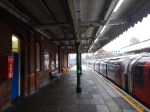
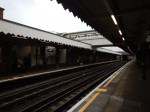


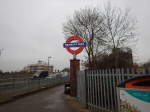
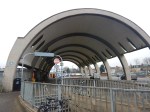
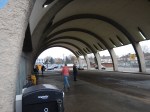


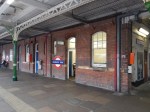
Note.
- Lifts can probably be added easily to the existing bridge.
- Lifts are certainly needed, ss I saw a couple of mothers struggling with buggies.
- The station buildings on the platforms have potential for making really nice.
- The barrel roof is not to my taste, and I would rejoice if it had to be demolished for health and safety reasons.
- The station is a Grade II Listed building.
It is certainly an unusual station.
 The Anonymous Widower