The High Meads Loop At Stratford
This piece started life as an investigation into a rail line connecting the North London and Lea Valley Lines at Stratford, but it ended up as more of an index to what is happening to trains around Stratford and up the Lea Valley.
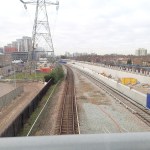
If you travel on the North London Line from Hackney Wick station to Stratford station, you’ll see a rail line going off to the North side of the line under the Olympic Village.
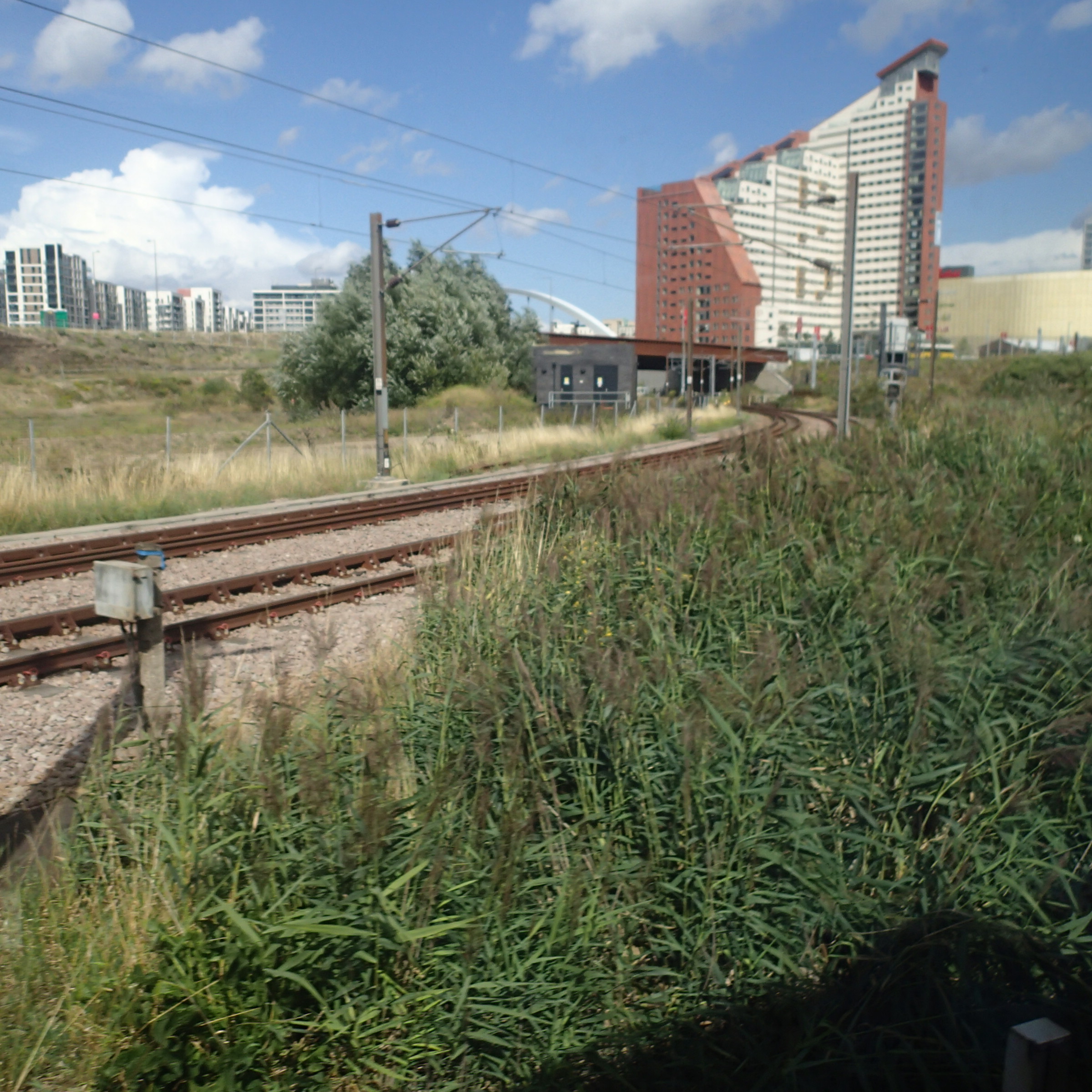
High Meads Loop At Stratford Joins North London Line
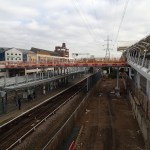
If you travel up the Lea Valley Line, you’ll see the other end of the line.
High Meads Loop At Stratford Joins Lea Valley Line
This is the High Meads Loop and it is generally used to move freight trains. You can see it on this Google Earth image, as it curls round the western side of Stratford International station, starting from the triangular junction to the east of Hackney Wick station and the River Lea and eventually joining the Lea Valley Line between Stratford and the under-construction Lea Bridge station.
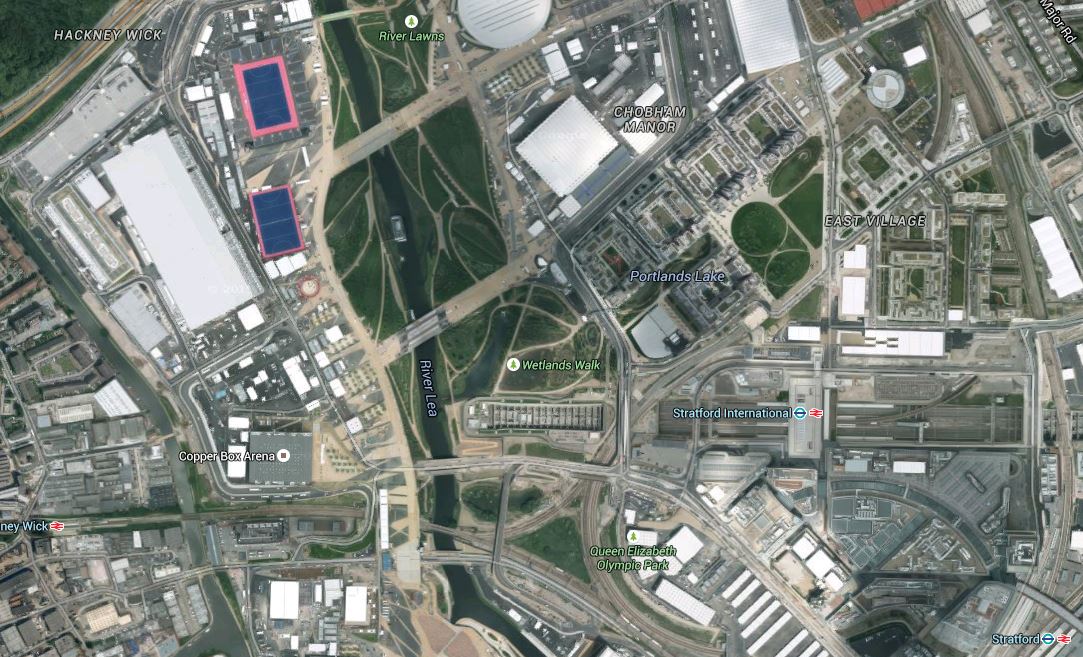
High Meads Loop
I walked around the area today starting from Stratford International DLR station and much of it is hidden under concrete in East Village.
What has always surprised me, is that this line doesn’t appear to have provision for a station, especially as it could connect to so many important places in the area.
But then it does seem to me that the design of the rail system in the area of the Olympic Park and Village didn’t put getting an efficient railway first. These questions must be answered.
1. Why was a fully-functional International station, built at Stratford International and has then never been used to run services to the Continent through the Channel Tunnel? This is answered partially in this section in Wikipedia about International services at the station. If Kent gets two stations at Ebbsfleet and Ashford International, then surely East London and Essex deserves one too!
2. Why too, is the link between the two Stratford stations, so much of an afterthought? Today, when I came back from my walk, there was the inevitable lost soul, who’d taken a train to Stratford International and needed to get a train to Romford. And his Narional Rail ticket wasn’t valid for the one-stop hop on the Docklands Light Railway. But this is East London and the Train Captain told him to ride Don’t get me wrong, I like the DLR, but surely for the Olympics we could have put a more spectacular or at least a better link between the two stations?
3. In some ways too, I often think that they used the high-speed service from St. Pancras to Stratford, just to give it something to do. For a start foreign day-trippers to the Olympics should have come straight into Stratford International on Eurostar. Why wasn’t this arranged?
4. I am pretty local to the Olympic Park and can get a train from Dalston Kingsland to Stratford. I went to the Olympic Park that way a couple of times, but to get home, the powers-that-be either sent you to Stratford International or West Ham. In one instance I walked to Clapton and got a bus home as everything was congested. The arrangements might have worked for getting to Central London, but they weren’t good for locals, who like me wanted to walk out of the Olympic Park and then probably get a bus home. One solution would have been to put more capacity on the North London Line, by extending the Class 378 trains to five cars, as is now being done. Why wasn’t this done on the North London Line in time for the Olympics? Especially, as the line has always been overcrowded compared to the East London Line.
5. Soon after the Olympics, I met a big cheese in the Docklands Light Railway on a train. He felt and I probably will agree with him, that the DLR overperformed in the Olympics and dear old Cinderella didn’t miss a beat. I suspect though that to many she has more than a touch of Minnie Mouse, but to East Londoners and knowledgeable visitors, she is the way to travel, where you get a grandstand view much of the time. So why wasn’t more use made of the DLR for the Olympics by designing it into the heart of the Olympic Park?
6. We also had the farce of if you went to the Olympics from St. Pancras, you had to go through the Eastfield shopping centre to get into the Olympic Park. Why? Was the Olympics about sport or shopping?
7. Look at this Google Earth image of the Eastfield shopping centre.
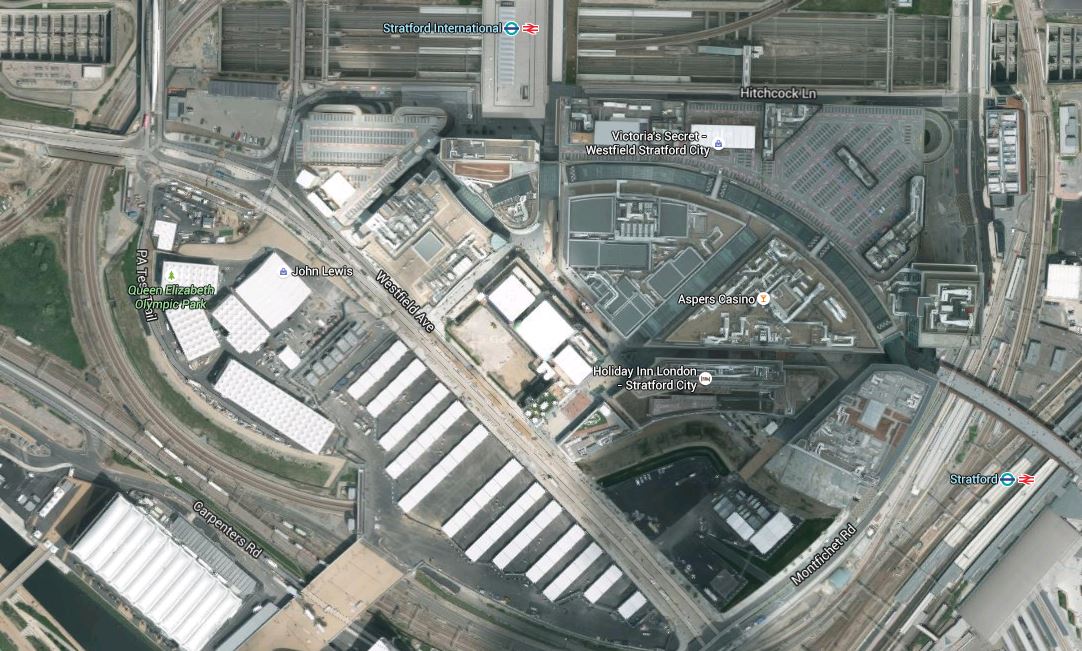
Eastfield
Notice how the DLR goes under the centre and emerges on the west side before curving round to get to the station at Stratford International. It has always puzzled me that no provision has been made for an extra station on this loop. It strikes me that the developers feel most shoppers will bring their cars or not buy anything heavy. I would use the centre more if it was easier to get home from say John Lewis with perhaps something weighing ten or twenty kilos. Why was this extension of the DLR designed to be never more than a timid link?
If I look at some of the rail designs of the last few years, I get the impression, that they are less timid and not designed to be easiest to construct. The London Overground in particular has been innovative in some of its infrastructure to design affordable and efficient railways. Look at the Clapham Kiss as just one example.
In any developments to improve Stratford, there is also a thundering herd of elephants in the room, which will probably have more effect on what happens than any politician.
And that is Crossrail!
What is planned now is only Phase 1 of Crossrail and future developments will give Crossrail a bigger share of London’s passengers and even more influence.
1. Crossrail has been designed to take slightly longer trains and with its massively long platforms, the capacity of the system is quite a bit bigger than what we’ll see when the line opens.
2. Crossrail can also take more trains through the core, so we’ll definitely see extra branches on the line. Ebbsfleet on HS1 is safeguarded and Tring on the West Coast Main Line is being seriously studied.
3. Crossrail lacks an easy and hopefully cross-platform interchange to high speed services to Europe and in the future to the North. An easy interchange to HS1 at St. Pancras and Stratford is impossible, but one at Ebbsfleet could be incorporated with the extension of Crossrail to the station.
So what do I think should be done to sort out the sins of the pre-Olympic rail system development in the Stratford area?
1. A Better Connection Between The Two Stratford Stations And To The Eastfield Shopping Centre.
Look at this Google Earth image of Stratford station.
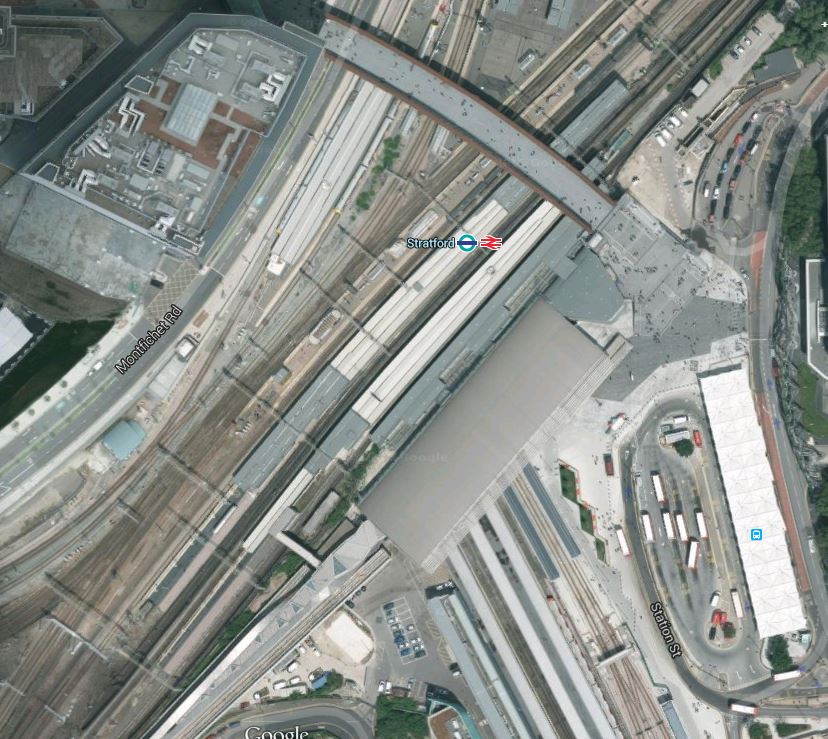
Stratford Layout
The DLR branch between Stratford International and the core system passes underneath the rail lines, including Crossrail and the Overground , and the Central Line, at right angles.
The passenger connection between the DLR and the lines passing through above is not easy, although it is step-free. If you take the wrong tunnel from the rail lines, you end up on the wrong DLR platform.
As the two subways are one each side of the DLR lines, couldn’t something better be done to make this interchange easier? For a start how about a sign saying take these stairs from the through platform to get your DLR service to Stratford International?
I also think that there should have been a station on the DLR line underneath Eastfield. It would be interesting to know what the shopping centre thinks.
2. Will We Ever See International Services From The Station That Has The Word In Its Name?
If Crossrail extends to Ebbsfleet, this will take a big chunk out of High Speed passengers to Stratford and St. Pancras. If say you lived in East Kent and worked in the City or the West End of London, why would you not take a convenient service, High Speed or otherwise, to Ebbsfleet and then change to Crossrail for where you actually needed to go?
Stratford International also lacks an easy link to all of the other services at Stratford and especially to Crossrail, even if the DLR link is improved. But any cross-platform link is impossible!
Passengers will get increasingly fed up with second-rate stations, when they see some of the modern ones that work, like Reading and Kings Cross. St. Pancras may look spectacular, but it is A Fur Coat And No Knickers Station
So Stratford International, which I find an unwelcoming place, could become a massive white elephant, that had its brief moment of fame at the Olympics.
3. The Moans In North East London
Read the various Internet forums and web pages and some of the biggest complaints are about the poor transport links to and from places in North East London and the Lea Valley, like Walthamstow, Leyton and Tottenham.
Things are improving,
The transfer of the Lea Valley Lines to an operator who cares about passengers in London and the uprating of the Victoria Line later this year, can’t be anything but positive.
But more could be done!
4. A Shoreditch High Street Station On The Central Line?
After Crossrail has bedded in, will we finally see a connection between the Central Line and the East London Line at Shoreditch High Street? I think we will as because Crossrail is an effective by-pass for the Central Line from Stratford to Liverpool Street, the Central Line could probably be shut for several months under Shoreditch High Street, whilst the link is created without causing too much inconvenience to passengers, except for those using Bethnal Green. But even those would have the new Whitechapel Crossrail station a couple of bus stops away
5. Extending the DLR to Tottenham Hale
This was mooted a few years ago and a document called DLR Horizon 2020 talked about extending the system from Stratford International up alongside the Lea Valley Lines to Tottenham Hale station. This article on London Reconnections describes the proposal like this.
Extend the DLR from Stratford International to Tottenham Hale via the Lea Valley. The route would run alongside the current Lea Valley rail lines where possible and the line would serve the Olympic site and feature additional stops at Lea Bridge and Walthamstow Marshes.
It may be a worthy idea, but does it really make economic sense, when according to what you believe a lot of things may be happening in the area.
- A new Lea Bridge station and a new Hall Farm Curve are being created.
- A rebuilt Hackney Wick station is being planned.
- Crossrail 2 is being promoted and could serve the area.
- Transport for London will be taking their first bite out of the Lea Valley Lines in the very near future.
- There could be a a major upgrade in the Tottenham Hale area, which is described in this document on the Haringey Council web site.
- According to this Future section in Wikipedia for the Tottenham Hale station, funding is being sought to add extra tracks to the Lea Valley Line so that four trains per hour can be run on the line.
When the heavy rail expansion is sorted and the area between Tottenham and Walthamstow is developed as housing and a very large wetland and leisure area, the case for a Lea Valley Light Railway may be stronger.
6. Using The High Meads Loop For Passengers
Trains can use the High Meads Loop to pass across the northern side of Stratford Intergenerational station. This Google Earth image of the station, shows the lines passing round the North-Western corner.
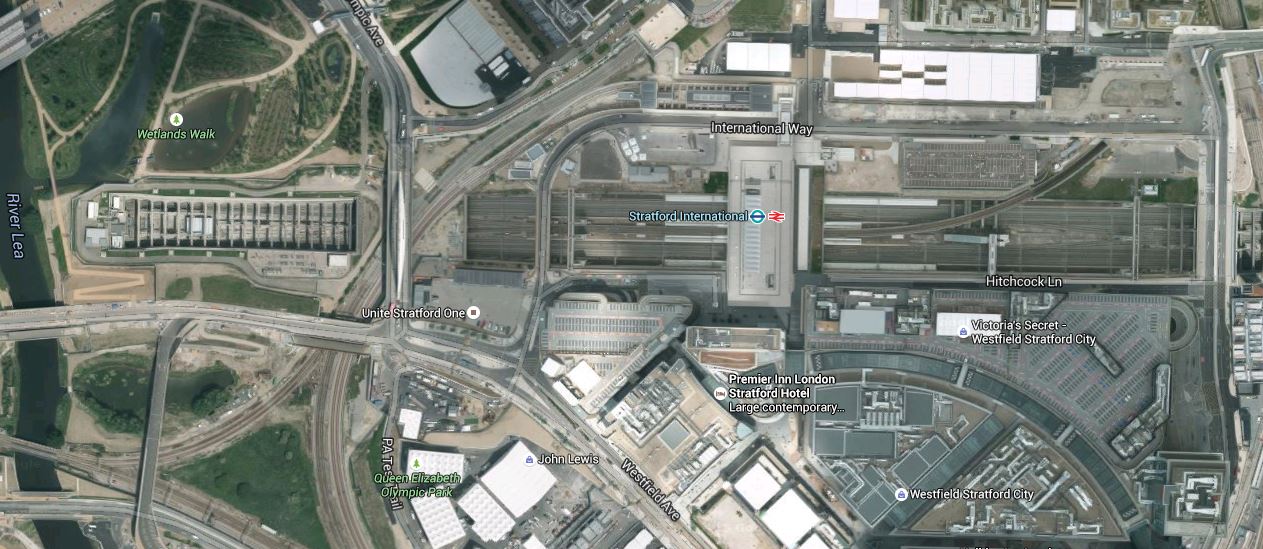
Stratford International Station
Note also the Docklands Light Railway station on the northern side of the deep station box, virtually above the DLR logo.
I think with a will a station could be built on the High Meads Loop just to the north of the DLR station, which would allow trains to travel between the North London Line and the Lea Valley Line calling at a station close to the International station and possibly a station in the East Village.
But as with extending the DLR from Stratford International would it all be worthwhile?
Unless of course some developer wants to do a mega-development and pays for the trains and the infrastructure.
7. Conclusion
I think we should leave well enough alone and accept that Stratford International station is probably a shining white elephant.
In the meantime, we should make it easier to transfer between one station too many at Stratford.
The High Meads Loop is probably best left to sort out the freight that has to travel through the area until someone does the right thing and builds a proper freight line that avoids the North London and the Gospel Oak to Barking Lines.
The DLR From Greenwich To Deptford Bridge
I’d never seen the DLR to Lewisham from the outside, so when I travelled it this morning, I took some pictures, as I walked around the viaduct.



-

- OLYMPUS DIGITAL CAMERA
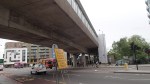
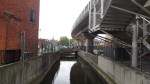
In my view it is a classic concrete viaduct, that has been used to slot the Docklands Light Railway between the two stations.
Pudding Mill Lane Portal – 17th April 2015
Crossrail’s Stratford Portal is where the surface section of the line to Shenfield enters the tunnel to go to Whitechapel and all the stations to the west. This is a Google Earth image of the works at the tunnel portal.
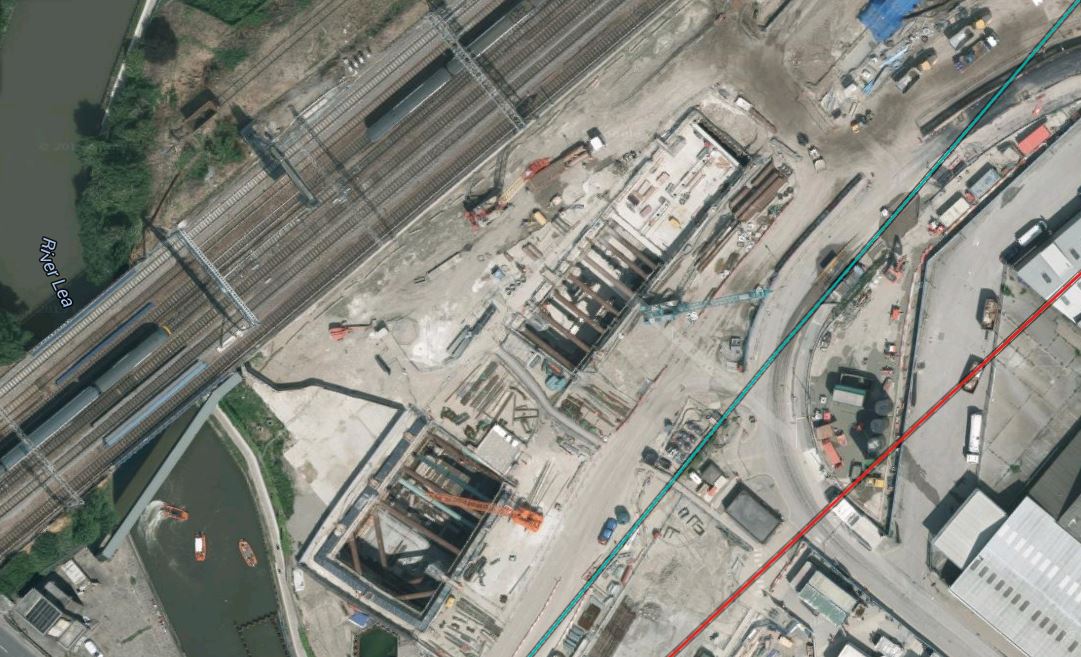
Crossrail’s Stratford Portal
A ramp is being built to and from the Great Eastern Main Line to connect the Crossrail tracks to those of the main line. This picture shows how Pudding Mill Lane station will look, when everything is complete.
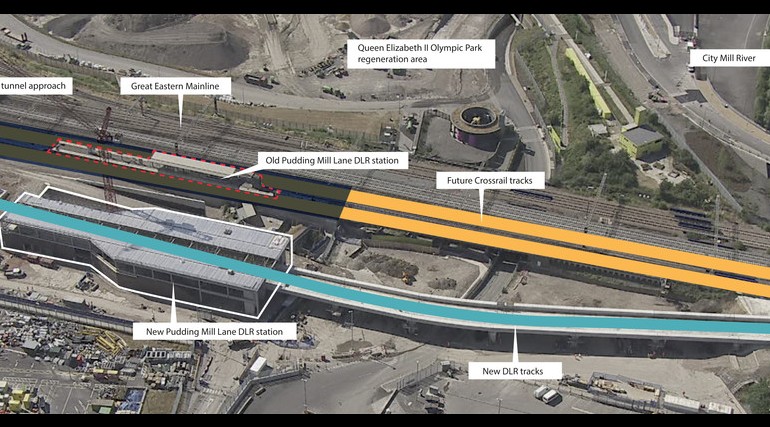
Pudding Mill Lane Station
The Crossrail tracks are shown in yellow and the DLR ones in blue.
These pictures of the area were taken from Pudding Mill Lane station or a DLR train.
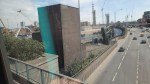
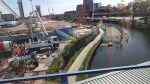
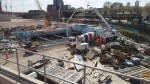
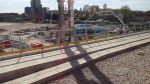
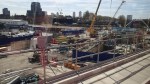
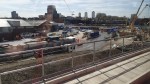
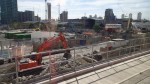

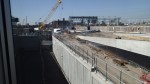
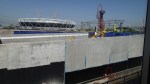
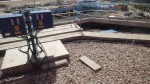
The station is certainly a good place to go to see the works going on here.
Custom House Station – 22nd March 2015
Today’s pictures add a few of the Crossrail line as it runs along by the side of the Docklands Light Railway to the Connaught Tunnel.

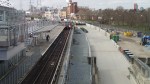
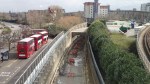


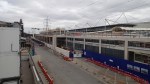
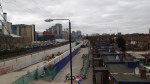
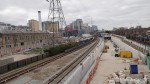

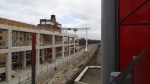
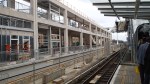
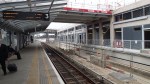
This area of the line is now starting to look like a railway. The bridge at Prince Regent station must have some of steepest and longest steps on the DLR, but once you’re up there you get good views of the rebirth of the Connaught Tunnel and Crossrail as it goes back to Custom House station and the portal to the tunnel to the west of that station. This Google Earth image shows the location of the station by the Excel Exhibition Centre.
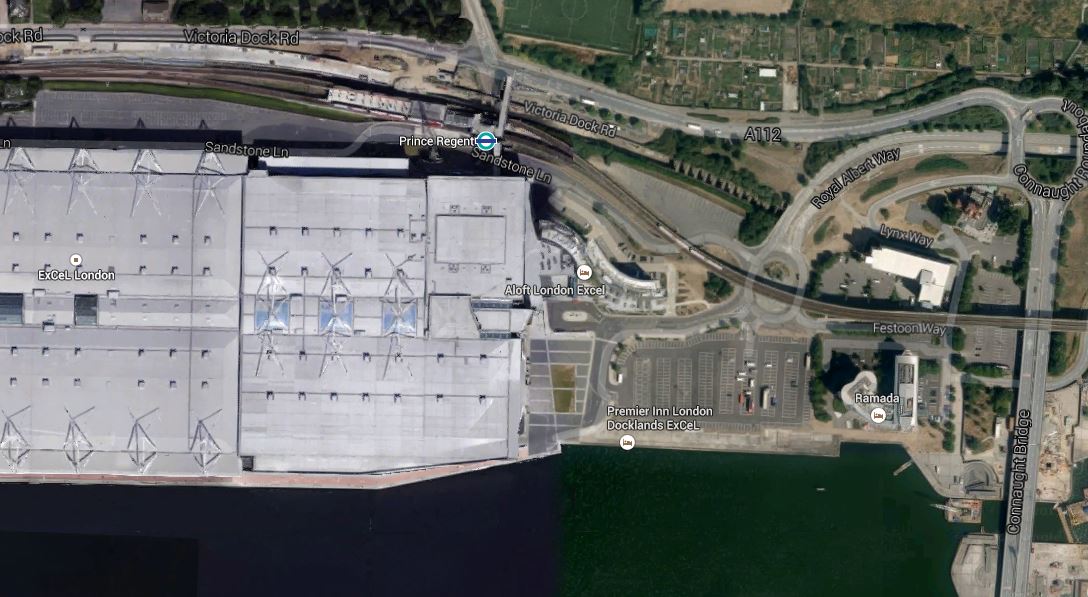
Prince Regent Station
You can clearly see the buttresses in the Connaught Tunnel, that are also visible in the gallery, to the east of Prince Regent station and above the train on the Docklands Light Railway.
The Connaught Tunnel must curve southwards to link up with Crossrail’s Thames Tunnel.
Custom House Station – 25th January 2015
I took these pictures today.




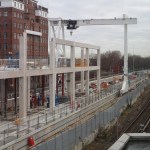

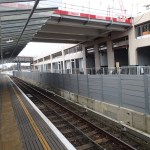

Compare them with those taken six weeks ago.
Progress seems to be happening, with some stairs and the tunnel towards London now showing themselves.
Custom House Station – 18th December 2014
I took these pictures today.

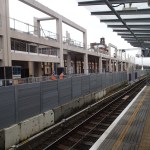
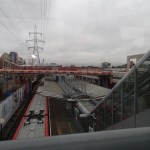
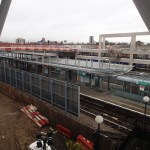
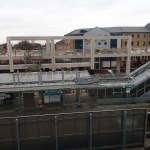
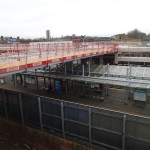
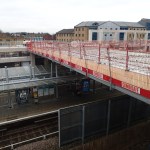
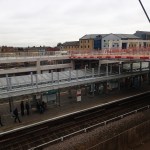

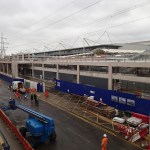
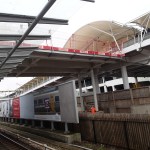
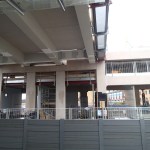
Note that the bridge that will link the station to the Excel Exhibition Centre has now been positioned.
Custom House Is Looking Like A Station
The combined Crossrail/DLR station at Custom House grows every week.
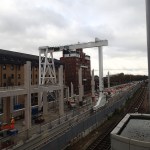
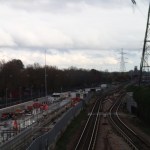

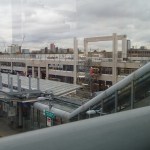

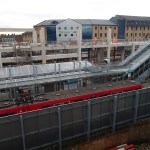
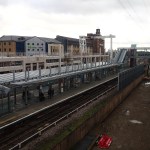
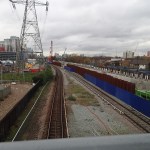
It’s now beginning to look like a station and you can see how it will connect to the Docklands Light Railway.
I have a feeling, that when Crossrail opens, this station will get a high rating.
As it is built in a factory, the engineers have told me, that the quality of the concrete is excellent.
A Radical Idea For The Bakerloo Line Extension
I have spent forty years involved in project management, writing software for project managers and generally listening to some of the thoughts and experiences of some of the best engineers from all over the world.
One common thread, which is best illustrated by how the size of lift possible increased in the North Sea in the 1970s, is that as time has progressed machines have got bigger and more capable, and the techniques of using them has improved immeasurably.
The Crossrail tunnel boring machines (TBM) make those used on the Jubilee Line extension or the Channel Tunnel look like toys. But not only are the TBMs bigger and faster, they have all the precision and control to go through the eye of the smallest needle.
If we look at the proposals for the Bakerloo Line Extension, there have been several differing ideas. Some envisage going under Camberwell and in others the trains terminate on the Hayes line.
Transport for London (TfL), obviously know the traffic patterns, but do we really want to take the chance of say connecting the Hayes line to the Bakerloo and then finding that it’s not the best solution?
What we should do is augment the services in the area, by providing a good alternative transport mode, that links to some of the traditional rail lines to give even more flexibility. We certainly shouldn’t repeat the grave mistake that was made at Brixton in the 1960s by not connecting the Victoria line to the surface rail lines.
This is Transport for London’s indicative map of the extension.
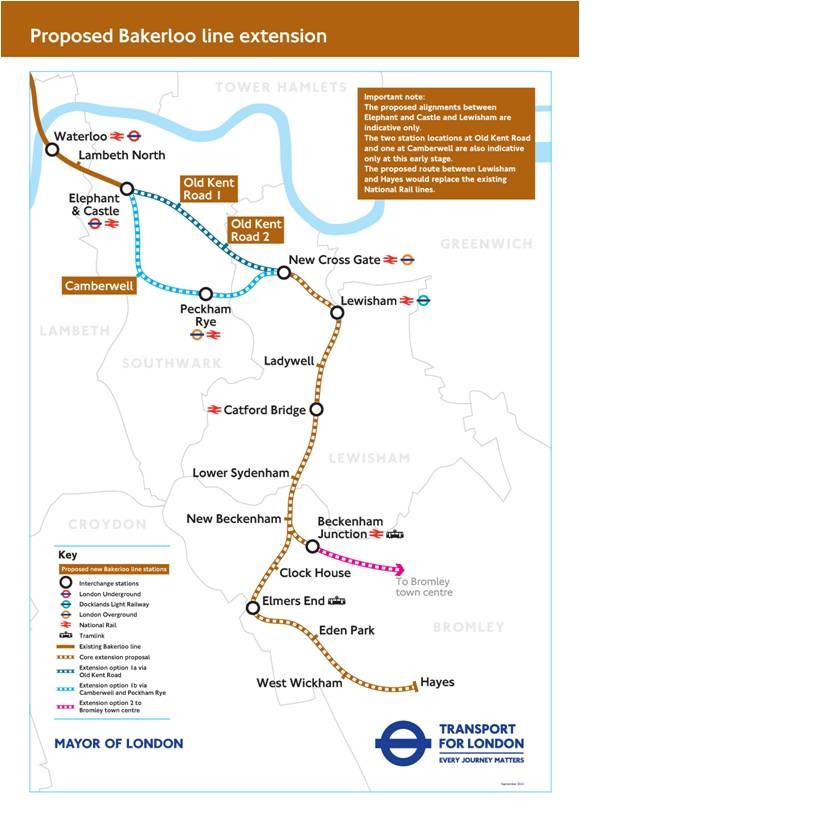
Bakerloo Line Extension Map
I have reason to believe that the Northern Line Extension may be being built as an extension to the Kennington Loop.
So could we design the Bakerloo Line Extension as a loop starting and finishing at Elephant and Castle calling at important stations?
A possible route could be.
- Elephant and Castle – Interchange with Northern Line and National Rail including Thameslink
- Old Kent Road 1 – Proposed on Map
- Old Kent Road 2 – Proposed on Map
- New Cross Gate – Interchange with London Overground and National Rail
- Lewisham – Interchange with Docklands Light Railway and National Rail including Hayes Line
- Catford Bridge – Interchange with Catford station and National Rail including Hayes Line and Thameslink
- Peckham Rye – Interchange with London Overground and National Rail
- Camberwell – Interchange with National Rail including Thameslink
- Elephant and Castle
The advantages of this simple design are.
- The tunnel would be excavated in one pass by a single TBM.
- The line could be deep under any existing infrastructure.
- Most stations would be simple one-platform affairs, with perhaps only large lifts and emergency stairs, to give unrivalled step-free access for all from the street to the train. Surely lifts exist, that are large and fast enough to dispense with escalators.
- For safety, passenger convenience and flows, and other reasons, the stations could have two entrances, at opposite ends of the platform.
- The simple station entrances would be much easier to position on the surface, as they wouldn’t need to be much bigger than the area demanded by the lifts.
- A single loop would only need half the number of platform edge doors.
- At stations like New Cross Gate, Lewisham, Catford and Peckham Rye the lifts would surface within the confines of the existing surface stations.
- The route has interchanges with the Brighton Main Line, East London Line, Hayes Link, Thameslink and other services, so this would give lots of travel possibilities.
- Trains do not need a terminal platform, as they just keep going on back to Elephant and Castle.
- The loop would be operationally very simple, with no points to go wrong. TfL have aspirations to run twenty-seven trains per hour on the Bakerloo and a simple reversing loop , which would mean the driver didn’t have to change ends, must certainly help this. It would probably be a lot more difficult to get this capacity at the northern end of the line,where Harrow and Wealdstone doesn’t have the required capacity and the only possibility for a reversing loop would be north of Stonebridge Park.
- Elephant and Castle would need little or no modification. Although it would be nice to have lifts to the Bakerloo Line.
- Somewhere over two billion pounds has been quoted for the extension. A single loop with simple stations must be more affordable.
The main disadvantage is that the loop is only one-way.
But making even part of the loop two-way would create all the operational difficulties of scheduling the trains. It would probably be better, less costly and easier to make the trains go round the loop faster and more frequently.
But if a passenger went round the loop the wrong way and changed direction at Elephant and Castle that would probably only take a dozen minutes or so.
Alternatively, I’m sure some New Routemasters would step up to the plate and provide service in the other direction between the stations.
Navigating The Docklands Light Railway
The Docklands Light Railway (DLR) or Topsy to her friends is one of London’s transport success stories, although in it’s early days a Glaswegian once called it a Disney railway. Why? “Because it disney work!”
Since its opening in the 1980s, Topsy has grown from a simple system with single-coach trains serving just fifteen stations, into the transport system that was one of the real stars of the Olympics in 2012. According to a Senior Manager at Transport for London, I met on the DLR, ridership during the Olympics on the system, outperformed all their expectations. And the system coped!
Topsy has developed a character of her own and is a friendly transport option in the area of London, East of the City to Stratford, Woolwich and Lewisham. The DLR is on the Tube Map, but it also has its own welcoming map on the platforms.
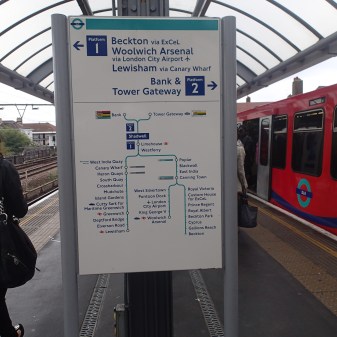
DLR Map At Shadwell Station
It could be a bit confusing to visitors, as I had to show a Frenchman how to hop to Canary Wharf, but generally it works.
The Cardiff Valley Lines, which although they are heavy rail has a surprisingly similar layout, so perhaps they should create a similar map to help visitors.
But whatever happens, long may Topsy continue to grow!
I doubt that the line will get to Dagenham Dock, although the area could be better connected to Stratford and Crossrail.
But I do think, the system could reach to Euston and St. Pancras or expand southwards from Lewisham.
Whatever happens London’s transport system will get overloaded and just as they have done a few times in the past, they’ll call again on Topsy!
Pudding Mill Lane Station – 24th October 2014
Crossrail claim, that the Pudding Mill Lane DLR station, is the first one they have delivered.
It is certainly impressive, with a high level of attention to detail.
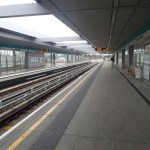
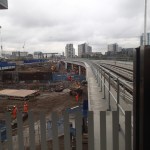
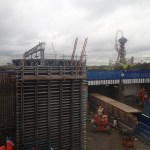
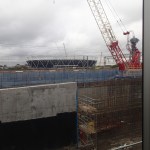
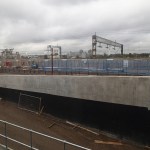
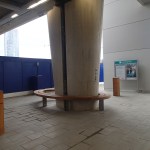

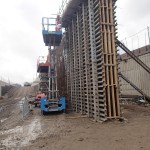
Note in the pictures the retaining wall for the Crossrail lines disappearing into the ground at the station to go under London. Apparently, the piling rig being used is one of the biggest in the world.
I did like the idea of using wooden rather than steel posts to prevent vehicle entry,! Especially, as they are worthless to scrap metal thieves.
It does look that this DLR station will be the place in Central London, where you will take kids of all ages to see the new Crossrail trains running.
It is also interesting to look at the architect’s drawings and pictures for the station.
 The Anonymous Widower