Hitachi And Eversholt Rail To Develop GWR Intercity Battery Hybrid Train – Offering Fuel Savings Of More Than 20%
The title of this post is the same as that of this press release from Hitachi.
The press release starts with these bullet points.
- Batteries replacing an engine to cut fuel usage and reduce carbon emissions
- First time a modern UK intercity train, in passenger service, will use alternative fuel
- Tri-mode train can improve air quality and reduce noise across South West route’s non-electrified stations
They follow these with this introductory paragraph.
In a UK-first, Hitachi Rail and Eversholt Rail have signed an exclusive agreement aimed at bringing battery power – and fuel savings of more than 20% – to the modern Great Western Railway Intercity Express Trains that carry passengers between Penzance and London.
After a couple more paragraphs, the press return returns to the Penzance theme.
GWR’s Intercity Express Train fleet currently calls at 15 non-electrified stations on its journey between Penzance and London, all of which could benefit from trains running on battery-only power.
The press release then sets out their aims.
The projected improvements in battery technology – particularly in power output and charge – create opportunities to replace incrementally more diesel engines on long distance trains. With the ambition to create a fully electric-battery intercity train – that can travel the full journey between London and Penzance – by the late 2040s, in line with the UK’s 2050 net zero emissions target.
Penzance gets another mention, but the late 2040s for a fully electric-battery intercity train between Penzance and London, is not an ambitious target.
Hitachi Intercity Tri-Mode Battery Train
Hitachi have called the train the Intercity Tri-Mode Battery Train and the specification is shown in this infographic.

Note that fuel & carbon savings of at least 20 % are claimed.
Penzance To London In A Class 802 Train
It would appear that Penzance and London has been chosen as the trial route.
These figures were obtained from Real Time Trains figures for the 1015 from Penzance on the 14th December 2020.
- Penzance to St. Erth – 5.65 miles – 8 mins – 42.4 mph – 1 mins stop
- St. Erth to Camborne – 7.2 miles – 10 mins – 43.2 mph – 1 mins stop
- Camborne to Redruth – 3.65 miles – 5 mins – 43.8 mph – 2 mins stop
- Redruth to Truro – 9 miles – 10 mins – 54 mph – 2 mins stop
- Truro to St. Austell – 14.7 miles – 15 mins – 58.8 mph – 1 mins stop
- St. Austell to Par – 4.5 miles – 6 mins – 45 mph – 1 mins stop
- Par to Bodmin Parkway – 8 miles – 11 mins – 43.6 mph – 1 mins stop
- Bodmin Parkway to Liskeard – 9.2 miles – 12 mins – 46 mph – 1 mins stop
- Liskeard to Plymouth – 17.8 miles – 25 mins – 42.7 mph – 9 mins stop
- Plymouth to Totnes – 23.1 miles – 25 mins – 55.4 mph – 1 mins stop
- Totnes to Newton Abbot – 8.8 miles – 9 mins – 59.3 mph – 2 mins stop
- Newton Abbot to Exeter St. Davids – 20.2 miles – 18 mins – 71.3 mph – 2 mins stop
- Exeter St. Davids to Tiverton Parkway – 16.5 miles – 14 mins – 70.7 mph – 1 mins stop
- Tiverton Parkway to Taunton – 14.2 miles – 11 mins – 77.4 mph – 2 mins stop
- Taunton to Reading – 106.7 miles – 76 mins – 84.2 mph – 5 mins stop
- Reading to Paddington – 36 miles – 25 mins – 86.4 mph
The route can be broken neatly into four very different sections.
- Penzance and Plymouth – 79.5 miles – 112 mins – 42.5 mph – 75 mph operating speed
- Plymouth and Exeter St. Davids – 52 miles – 57 mins – 54.7 mph – 100 mph operating speed
- Exeter St. Davids and Newbury – 120.4 miles – 95 mins – 76 mph – 100 mph operating speed
- Newbury and Paddington – 53 miles – 36 mins – 88.3 mph – 100-125 mph operating speed
Note.
- The speed builds up gradually as the journey progresses.
- Only between Newbury and Paddington is electrified.
How does Penzance and Paddington stand up as a trial route?
- Penzance and Plymouth has eight intermediate stops about every nine-ten miles.
- The nine minute stop at Plymouth, is long enough to charge the batteries, should that be incorporated in the trial.
- The Cornish Main Line is generally double track, with an operating speed of 75 mph.
- Plymouth and Exeter includes the running by the sea, through Dawlish.
- Exeter could be given an extended stop to charge the batteries.
- Exeter and Newbury is a faster run and the batteries may help with performance.
- The Reading and Taunton Line has an operating speed of 110 mph.
- Remember the trains are designed for 140 mph and they achieve nothing like that on diesel.
- At each of the fifteen stops, the performance, noise and customer reaction can be evaluated. Strange, but my experience of battery trains, says that they are very much quieter than similar electric trains.
The route has a good selection of the types of routes, that Great Western Railway has in its network.
It would appear to be a good route to sort out the good and bad points of the train.
I have a few thoughts.
Possible Destinations For A Intercity Tri-Mode Battery Train
Currently, the following routes are run or are planned to be run by Hitachi’s Class 800, 802, 805 and 810 trains, where most of the route is electrified and sections do not have any electrification.
- GWR – Paddington and Bedwyn – 13.3 miles
- GWR – Paddington and Bristol Temple Meads- 24.5 miles
- GWR – Paddington and Cheltenham – 43.3 miles
- GWR – Paddington and Great Malvern – 76 miles
- GWR – Paddington and Oxford – 10.4 miles
- GWR – Paddington and Penzance – 252 miles
- GWR – Paddington and Swansea – 45.7 miles
- Hull Trains – Kings Cross and Hull – 36 miles
- LNER – Kings Cross and Harrogate – 18.5 miles
- LNER – Kings Cross and Huddersfield – 17 miles
- LNER – Kings Cross and Hull – 36 miles
- LNER – Kings Cross and Lincoln – 16.5 miles
- LNER – Kings Cross and Middlesbrough – 21 miles
Note.
- The distance is the length of line on the route without electrification.
- Five of these routes are under twenty miles
- Many of these routes have very few stops on the section without electrification.
I suspect that GWR and LNER have plans for other destinations.
What Is The Kinetic Energy Of A Five-Car Class 802 Train At Various Speeds?
I will do my standard calculation.
- Empty train weight – 243 tonnes (Wikipedia for Class 800 train!)
- Passenger weight – 302 x 90 Kg (Includes baggage, bikes and buggies!)
- Train weight – 270.18 tonnes
Using Omni’s Kinetic Energy Calculator, the kinetic energy at various speeds are.
- 60 mph – 27 kWh
- 75 mph – 42 kWh
- 80 mph – 48 kWh
- 90 mph – 61 kWh
- 100 mph – 75 kWh
- 110 mph – 91 kWh
- 125 mph – 117 kWh – Normal cruise on electrified lines.
- 140 mph – 147 kWh – Maximum cruise on electrified lines.
A battery must be large enough to capture this kinetic energy, which will be generated, when the train stops.
Acceleration And Deceleration Of A Five-Car Class 802 Train
The first Intercity Tri-Mode Battery Trains will be conversions of Class 802 trains.
This page on the Eversholt Rail web site, has a data sheet for a Class 802 train.
The data sheet shows the following for a five-car Class 802 train.
- It can accelerate to 120 kph/75 mph in 100 seconds in electric mode.
- It can accelerate to 160 kph/100 mph in 160 seconds in electric mode.
- It can accelerate to 120 kph/75 mph in 140 seconds in diesel mode.
- It can decelerate from 120 kph/75 mph in 50 seconds in electric mode.
- It can decelerate from 160 kph/100 mph in 90 seconds in electric mode.
Note.
- 75 mph is the operating speed of the Cornish Main Line and possibly the Highland Main Line.
- 100 mph is the operating speed for a lot of routes in the UK.
- It would appear that trains accelerate to 75 mph forty second faster in electric mode, compared to diesel mode.
- In diesel mode acceleration slows markedly once 100 kph is attained.
Can we assume that performance in battery mode, will be the same as in electric mode? I will assume that this is valid.
Battery Use In A Station Stop
Suppose the train is travelling at 75 mph with a full load of passengers and makes a station stop, without the use of the diesel engines.
- If the train is decelerating from 75 mph, there must be space for 42 kWh in the battery.
- Because regenerative braking is not 100 % efficient, only perhaps 80 % would be stored in the battery. This is 33.6 kWh.
- To accelerate the train to 75 mph, the battery must supply 42 kWh, as diesel power will not be used for this purpose.
- The train will take 50 seconds to decelerate, 100 seconds to accelerate and perhaps 60 seconds in the station or 210 seconds in total.
- Let’s say the battery will need to supply 2 kWh per minute per car for hotel power, that will be 35 kWh for the 210 seconds.
Adding and subtracting inputs and outputs to the battery gives this equation 33.6 – 35 – 42 = -43.4 kWh
The energy in the battery has been reduced by 43.4 kWh, at each 75 mph stop.
Repeating the calculation for a 100 mph stop, which takes 310 seconds, gives an equation of 60 -51.7 – 75 = -66.7 kWh.
Note that in this calculation, I have assumed that the efficiency of regenerative braking is 80 %. These are a selection of figures.
- For 60 % efficiency, the stops would cost 51.8 kWh from 75 mph and 81.7 kWh from 100 mph.
- For 80 % efficiency, the stops would cost 43.4 kWh from 75 mph and 66.7 kWh from 100 mph.
- For 90 % efficiency, the stops would cost 39.2 kWh from 75 mph and 59.2 kWh from 100 mph.
So it is important to raise the efficiency of regenerative braking to as near to 100 % as possible.
It should also be noted that with an 80 % efficiency of regenerative braking, hotel power has an effect.
- With 1 kWh per minute per car, the stops would cost 25.9 kWh from 75 mph and 40.8 kWh from 100 mph.
- With 2 kWh per minute per car, the stops would cost 43.4 kWh from 75 mph and 66.7 kWh from 100 mph.
- With 3 kWh per minute per car, the stops would cost 60.9 kWh from 75 mph and 92.6 kWh from 100 mph.
It is important to reduce the hotel power of the train, as low as possible.
With a 90 % regeneration efficiency and hotel power of 1 kWh per car per minute, the figures are 21.7 kWh from 75 mph and 33.3 kWh from 100 mph.
London Paddington And Penzance By Intercity Tri-Mode Battery Train
Listing the stops between London Paddington and Penzance and their speeds gives the following.
- St. Erth – 75 mph
- Camborne – 75 mph
- Redruth – 75 mph
- Truro – 75 mph
- St. Austell – 75 mph
- Par – 75 mph
- Bodmin Parkway – 75 mph
- Liskeard – 75 mph
- Plymouth – 75 mph
- Totnes – 100 mph
- Newton Abbot – 100 mph
- Exeter St. Davids – 100 mph
- Tiverton Parkway – 100 mph
- Taunton – 100 mph
- Reading – Electrified
This is nine stops from 75 mph, five from 100 mph and one where the electrification is used.
- Each 75 mph stop needs 43.4 kWh from the battery.
- Each 100 mph stop needs 66.7 kWh from the battery.
To achieve Hitachi’s aim of low noise and pollution-free station stops between London Paddington and Penzance will need 724.1 kWh of power from the battery.
With 80 % regeneration efficiency and hotel power of 2 kWh per minute per car gives a figure of 724.1 kWh.
With 90 % regeneration efficiency and hotel power of 1 kWh per minute per car gives a figure of 361.8 kWh.
The battery must also have sufficient capacity to handle the regenerative braking. I would suspect that provision will be made for a stop from 125 mph, which is 117 kWh.
So will the battery for the route be somewhere between 500 and 1000 kWh?
Note that each of the three MTU 12V 1600 diesel engines, fitted to a Class 800 train, weigh around two tonnes and Tesla claim an energy density of 250 Wh/Kg for their batteries.
This would mean a battery the weight of one of the diesel engines would have a capacity of 500 kWh.
A train with a full 500 kWh battery at Newbury could arrive in Penzance with some juice in the battery, if regenerative braking could be efficient and the demands of the train to run internal systems were at a low level.
Hitachi’s Increasing Efficiency Of Class 80x Trains
The next variant of the Class 80x trains to come into service, should be the Class 803 trains for East Coast Trains.
- These trains will be all-electric like LNER’s Class 801 trains.
- They are designed for a four-hour limited-stop service between London Kings Cross and Edinburgh.
- They will be one-class and average single fares will be £25,
This sentence from Wikipedia, describes a big difference between Class 803 and Class 801 trains.
Unlike the Class 801, another non-bi-mode AT300 variant which despite being designed only for electrified routes carries a diesel engine per unit for emergency use, the new units will not be fitted with any, and so would not be able to propel themselves in the event of a power failure. They will however be fitted with batteries to enable the train’s on-board services to be maintained, in case the primary electrical supplies would face a failure.
I wouldn’t be surprised to find out that the Class 803 trains have been put on a diet to increase their acceleration to meet the demanding schedule, which has been promised by East Coast Trains.
Hitachi has also given out clues to other efficiency improvements.
- Class 807 trains for Avanti West Coast, will have no diesel engines or batteries.
- Class 810 trains for East Midlands Railway will have a revised nose and different headlights. Is this for better aerodynamics?
- Class 810 trains, also have slots for four diesel engines. I can’t see why they would need all this power on the relatively-flat Midland Main Line. Will two of the slots be used by batteries to reduce fuel consumption and/or increase efficiency?
Hitachi are only doing, what all good engineers would do.
Low-Carbon Between Plymouth and Penzance
In How Much Power Is Needed To Run A Train At 125 mph?, I estimated that an all-electric Class 801 train needs around 3.42 kWh per vehicle mile to maintain 125 mph.
It will need less power to maintain the 75 mph of the Cornish Main Line. I would suspect that as air resistance is based on the square of the speed, that the energy consumption of the Class 802 train could be something under 2 kWh per vehicle. Or even less!
The Cornish Main Line is 79.5 miles between Plymouth and Penzance, but the Intercity Tri-Mode Battery Train, will not be on diesel all the way.
- At each station stop deceleration and acceleration, the train will not be using diesel. This could take a mile away for each station.
- All braking will be regenerative to the battery.
I suspect that by using the gradients on the route to advantage and by using diesel in selected areas, that a good driver or a well-written driver assistance system giving advice could safely navigate an Intercity Tri-Mode Battery Train all the way to Penzance on a minimum amount of diesel.
It’s not as if the train will be stranded, as they would have two onboard diesel engines.
I have a suspicion, that with a top-up at Plymouth, if Hitachi can raise efficiencies to a maximum and power consumption to a minimum, that on one battery, the train might be able to run between Plymouth and Penzance for much of the way, without using diesel.
The question also has to be asked, as to what would be the performance of the train with two diesel engines replaced by batteries?
I suspect this is something else to be determined in the trial.
Will Hitachi’s Intercity Tri-Mode Battery Train And Regional Battery Train Have The Same Battery Packs?
The specification of Hitachi’s closely-related Regional Battery Train is described in this Hitachi infographic.

The Regional Battery Train is stated to have a battery range of 90 km/56 miles at 162 kph/100 mph.
Operating speed and battery range have not been disclosed yet for the Intercity Tri-Mode Battery Train. I await them with great interest.
I would expect that it is likely, that Hitachi’s two battery trains and others that follow, will use identical battery packs for ease of manufacture, services and operation.
In their press release, which announced the Battery Regional Train, Hitachi said this.
Hitachi has identified its fleets of 275 trains as potential early recipients of the batteries for use in the UK, as well as installing them on new metro and intercity trains that will be needed in the coming years to replace ageing diesel fleets.
Battery trains produce no greenhouse gases, air pollution and are a far quieter, offering passengers cleaner air in stations, less noise disruption and a carbon-free way to travel. Installing batteries on to existing fleets can also extend their range and allow passengers to reach stations on non-electrified branch lines without having to change train.
They didn’t exactly say all battery packs will be the same, but they were close to it, by saying that they can already be fitted to 275 trains. I would read those paragraphs to say, that a series of trains would use the same technology for different purposes.
What Will Be The Battery Range Of A Hitachi Intercity Tri-Mode Battery Train?
This page on the Eversholt Rail web site, has a data sheet for a Class 802 train, which says that a five-car Class 802 train has an operating speed of 110 mph on diesel power.
According to Wikipedia and other sources, a Class 802 train has three diesel engines.
If the Regional Battery Train has replaced three diesel engines with battery packs in a five-car train like a Class 802 train to get the 90 km/56 mile range, would this mean?
- Replacing one diesel engine with a battery pack, give a range of thirty kilometres or about nineteen miles.
- Replacing two diesel engines with battery packs double the range to sixty kilometres or thirty-eight miles.
It looks like a Hitachi Intercity Tri-Mode Battery Train with one of the same battery-packs should easily reach several of the destinations in my list.
But they would need charging before return or some assistance from the two remaining diesel engines.
I talk about charging the Intercity Tri-Mode Battery Train in Charging The Batteries On An Intercity Tri-Mode Battery Train.
Conclusion
It sounds like a worthwhile train to me and I await the results of the trial with interest.
A Few Hours In Okehampton
Today, I took a trip by train to Okehampton and spent a couple of hours in the town.
I took the 10:04 from Paddington and after changing at Exeter St. Davids, I arrived in Okehampton at 13:11
Coming back, I took the 15:24 from Okehampton and arrived in Paddington at 18:24.
So the journeys took about three hours.
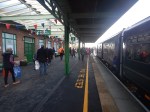
These pictures show Okehampton station.
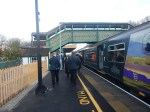



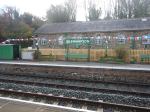
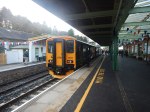

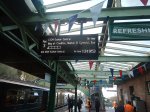

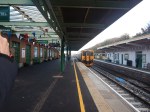
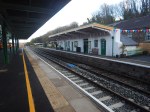

Note.
- The train was two Class 150 trains coupled together.
- I suspect the platform is long enough to take a GWR Castle train
- The bus in the pictures is the 118, of which more later.
- It looked like a buffet was under construction.
- The new train information displays.
I took the bus down to Okehampton, where I took these pictures, as I walked around.












Note, that the first three pictures show the museum and the cycle works cafe, where I had a coffee and a delicious gluten-free flapjack.
I have a few thoughts on my journey, both now and in the future.
The 118 Bus
The 118 bus runs between Tavistock and Okehampton station.
- It serves the villages in between.
- It meets the trains from Exeter and takes them to Okehampton Town Centre.
- It picks people up from Okehampton Town Centre and takes them to the station just before the trains leave for Exeter.
- It accepts contactless payment.
It is a well-designed bus route that links passengers with the trains to and from Exeter.
Many other towns could follow Okehampton’s lead.
Walking Between Station And The Town Centre
I could certainly walk down the hill, but one of the locals said that it rather a stiff walk up the hill that takes about fifteen minutes, if you’re up to it. He also felt a taxi would be about a fiver.
Could A Battery Train Work The Service between Exeter And Okehampton Station?
Consider.
- It is 24.8 miles between Exeter St. David and Okehampton stations.
- It is a rise of under 200 metres.
- The Class 150 trains climbed the hill at around 30 mph, but in places it was lower.
- Hitachi, Stadler and Vivarail are talking about battery-electric trains with a range of fifty miles.
- I was talking to one of the Great Western Railway staff and he said in the days of steam, the trains used to roll down the hill into Exeter.
- There is the 18 MW Den Brook Wind Farm close to Okehampton.
- With regenerative braking rolling down would recharge the batteries.
I suspect, that designing a battery-electric train to climb the hill is possible.
My rough estimate says that a battery of around 500 KWh could be enough.
Are The People Of Devon Going To Use The Train?
I took these pictures as I joined the train back to Exeter.



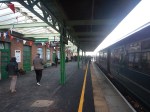
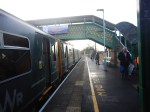


The people were a mixture of those arriving from Exeter and those returning to Exeter, but most seats were taken on the way back.
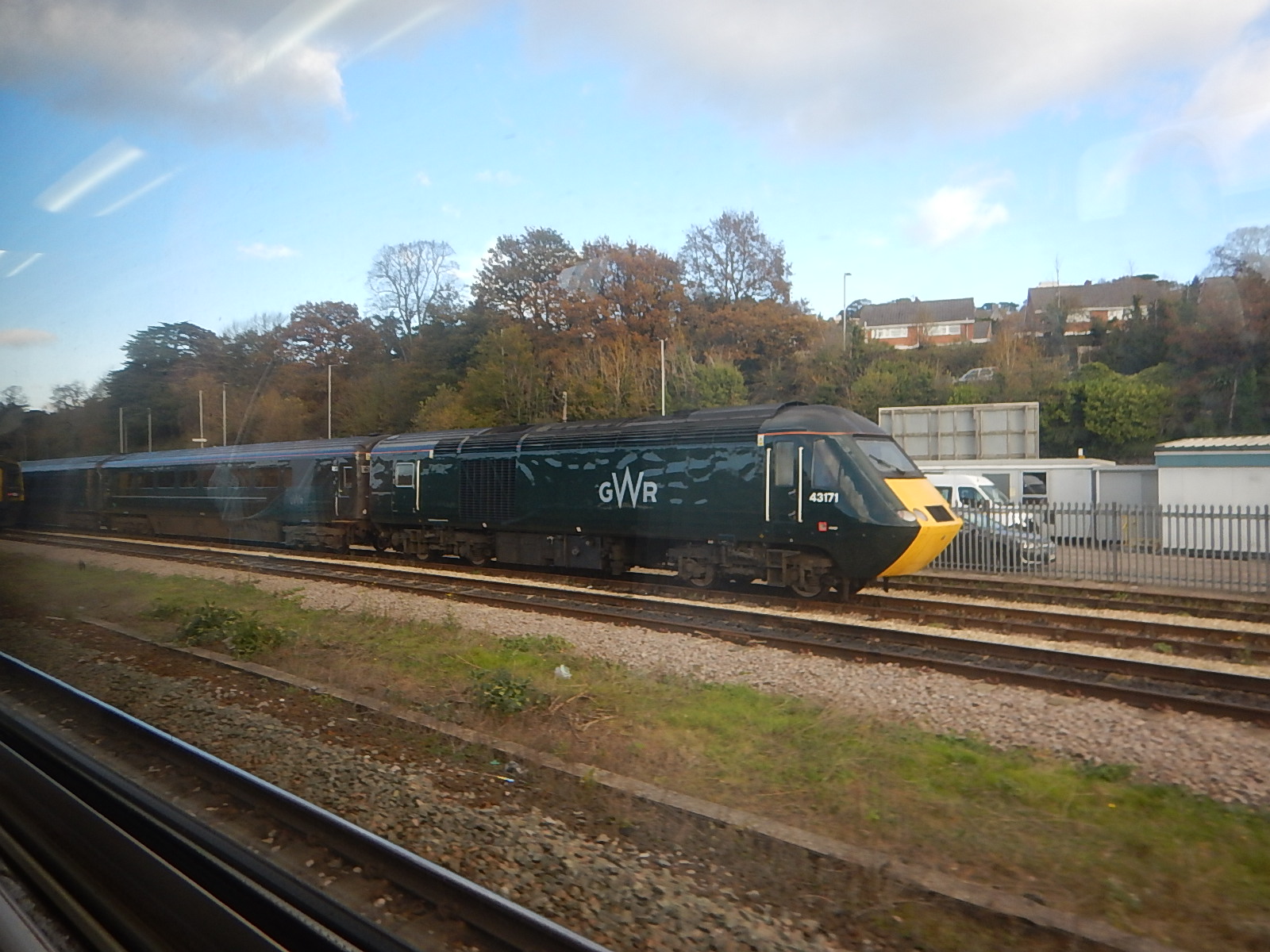
I can see Great Western Railway running Castles, like the one in the picture, for services on this route in the Summer, both to attract passengers and to cope with their numbers.
Local Reaction
I talked to several local people and they were all pleased that the service has been reinstated.
The only complaint was that it should have happened sooner.
Is A Day Trip Possible?
Suppose you live in London and your mother or other close relative lives in Okehampton.
Would it be possible to be able to visit them on their birthday for a good lunch?
Consider.
- At the present time, trains from London, connect to the Okehampton service about every two hours.
- The first connecting service leaves Paddington at 08:04.
- Trains take around three hours between Paddington and Okehampton.
- From probably May 2022, there will be hourly connections to Okehampton.
- The last London train leaves Exeter at 20:46.
If you wanted to be a real hero, you could always take the Night Riviera back to London, which leaves Exeter at 0100.
I would say that if they planned it properly, a day trip from London to Okehampton by train, is feasible for a special occasion.
Will Great Western Railway Ever Run Direct Trains Between London Paddington And Okehampton?
I doubt this would be a regular service but I do believe that it is technically feasible.
- Trains would need to reverse at Exeter St. Davids.
- Trains would probably be limited to five car Class 802 trains.
- Okehampton station could probably accommodate a five-car Class 802 train.
- I estimate that the journey time would be a few minutes under three hours.
It should be noted that Paignton gets around three trains per day (tpd) from Paddington.
It might be that if the demand was there, a few trains per day could be run to and from London, by splitting and joining with the Paignton service at Exeter St. Davids.
- If both services were run by five-car trains, there would be a ten-car service to and from London.
- It certainly looks that GWR wouldn’t have to spend a great deal to implement the service.
- The extra capacity of the five-car train might help commuters into Exeter.
It is likely that this service wouldn’t run until Okehampton Parkway station is opened, which would attract travellers from the West, who would arrive at the station along the A 30 dual-carriageway
I can certainly see a service leaving Okehampton at around seven in the morning and getting into London about ten, paired with a late afternoon/evening train home.
It should be noted, that First Group with their Lumo service between London and Edinburgh, seem to negotiate for paths that create revenue.
But I do wonder, if one of the reasons , that Great Western Railway, Network Rail, Devon County Council, the Department of Transport and the Government were all very much in favour of reopening this route, is that it creates a valid alternative route between London and Plymouth and all places to the West, should the main route via Dawlish be breached again by the sea.
Okehampton station and the future Okehampton Parkway station are both close to the A30 which would allow express coaches to Plymouth and all over West Devon and Cornwall to bypass the trouble.
Hopefully, because the alterative route has been enabled the worst won’t happen.
Conclusion
Exeter and Okehampton is a well-thought out reopening, that will be welcomed in the South West of England.
The Dartmoor Line Is Back: ‘I Can’t Imagine Why Anyone Would Want To Arrive On The Moor Any Other Way’
The title of this post, is the same as that of this article in The Times.
The article is in the travel section and describes what you might do if you took a train to Okehampton.
I wondered how many of the other Saturday papers and web sites have got articles about Okehampton and the railway.
So I searched and found these.
- The Guardian talks of Devon joy and a financial boost for the town.
- ITV says it will boost tourism and give access to education and work for local people.
- Devon Live also talks of joy and a feat of engineering.
- The Tavistock Times Gazette talks of a new bus service between Tavistock and the railway at Okehampton.
It’s a much more optimistic situation compared to that portrayed in this article in The Times from 2011, which was entitled Okehampton Workers Living On Food Parcels After Business Closures.
Railway Restored: Regular Trains To Run On Dartmoor Line For First Time In 50 Years
The title of this post is the same as that of this press release from Network Rail.
These are the three main points of the press release.
- First passenger train on the first Restoring Your Railway reopening will run on Wednesday 17 November, ahead of public services resuming on Saturday 20 November
- Restored in just nine months, and delivered £10m under budget, transforming a mothballed former freight railway to regular services.
- Reopening is the first of the Government’s Restoring Your Railway schemes to return to service, fulfilling a manifesto commitment.
This Network Rail picture shows the first train.
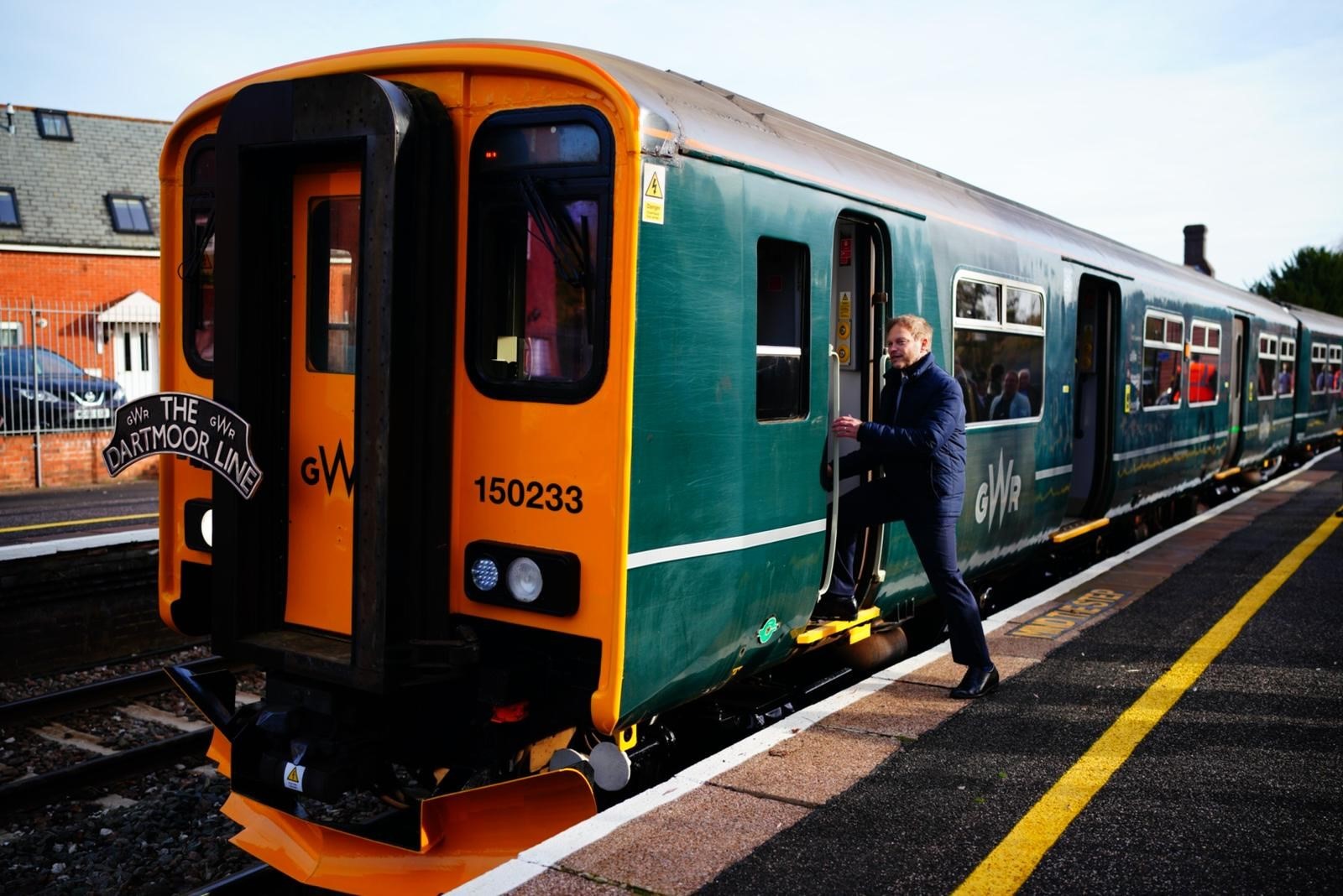
It’s good to see, GWR made a name plate.
Network Rail have set themselves a good precedent to open the line in nine months and £10 million under budget.
Let’s hope they repeat this performance on other reopened lines.
Alstom Hydrogen Aventras And Great Western Branch Lines Between Paddington And Oxford
In Alstom And Eversholt Rail Sign An Agreement For The UK’s First Ever Brand-New Hydrogen Train Fleet, I give my thoughts on Alstom’s new hydrogen train, which I have called the Alstom Hydrogen Aventra.
One reader suggested these lines in a comment, as they are all run by diesel Class 165 trains.
These are the lines, that could be converted to Hydrogen operation.
Greenford Branch
The branch runs between West Ealing and Greenford via Drayton Green, Castle Bar Park and South Greenford.
- It has a frequency of two trains per hour (tph).
- The branch is 2.5 miles long.
- Services take eleven minutes.
- It needs a single train to run the service.
Note.
- In GWR To Test Battery Train On Branch Line, I wrote about Great Western Railway’s plans to test battery-eclectic trains on this line.
- The platform at Greenford station may need lengthening to accommodate the Alstom Hydrogen Aventra.
- It is my view that the branch needs four tph.
- It might also be possible to run Peak hour services to and from Paddington.
I do think that if the train length issue is solved that a single Alstom Hydrogen Aventra could work this branch.
A two-car Class 230 train would certainly fit.
Windsor Branch
The branch runs between Slough and Windsor & Eton Central.
- It has a frequency of three tph
- The branch is 2.8 miles long.
- Services take six minutes.
- It needs a single train to run the service.
Note.
- The extra capacity of the Alstom Hydrogen Aventra could be welcome.
- Prince Charles would like it.
I do think that a single Alstom Hydrogen Aventra could work this branch.
Marlow Branch
The branch runs between Maidenhead and Marlow via Furze Platt, Cookham and Bourne End.
- It has a frequency of one tph
- The branch is 7.1 miles long.
- Services take twenty-three minutes.
- The service reverses at Bourne End.
- It needs a single train to run the service.
Note that the three-car Alstom Hydrogen Aventra may be too long to execute the reverse at Bourne End.
I do think that if the Bourne End problem can be solved that a single Alstom Hydrogen Aventra could work this branch.
The two-car Class 165 train, that currently works the branch is 46 metres long, so a two-car battery-electric train may be needed for this branch. A two-car Class 230 train would certainly fit.
Regatta Line
The branch runs between Twyford and Henley-on-Thames via Wargrave and Shiplake.
- It has a frequency of two tph
- The branch is 4.6 miles long.
- Services take twelve minutes.
- It needs a single train to run the service.
Note.
- If this line needed more capacity trains could be doubled up, as there are no length issues.
- It might also be possible to run Peak hour services to and from Paddington.
I do think that a single Alstom Hydrogen Aventra could work this branch.
North Downs Line
The line runs between Reading and Gatwick Airport via Wokingham, Crowthorne, Sandhurst, Blackwater, Farnborough North, North Camp, Ash, Guildford, Shalford, Chilworth, Gomshall, Dorking West, Dorking Deepdene, Betchworth, Reigate and Redhill
- It has a frequency of two tph
- The route is 53.1 miles long.
- The route is partially-electrified with 750 VDC third-rail electrification.
- The route has been planned for 100 mph trains.
- Services take eighty-two minutes.
- It needs six trains to run the service.
Note.
- The route is proposed to be run by four-car Class 769 bi-mode trains.
- Would a three-car train be sufficient for this route?
- The Alstom Hydrogen Aventras are only 90 mph trains and would they be fast enough?
I do think that Alstom Hydrogen Aventras could work this route, but given the number of trains and possible capacity and speed issues, a four-car battery-electric train could be better suited to the route.
Reading And Basingstoke Line
This line runs between Reading and Basingstoke via Reading West, Mortimer and Bramley
- It has a frequency of two tph
- The route is 15.4 miles long.
- There is 25 KVAC overhead electrification at Reading.
- There is 750 VDC third-rail electrification at Basingstoke, but the platform used by the service is unelectrified.
- The route has been planned for 100 mph trains.
- Services take twenty-eight minutes.
- It needs two trains to run the service.
Note.
- For a battery-electric train to work this route, it might need a charging system at Basingstoke.
- The Alstom Hydrogen Aventras are only 90 mph trains and would they be fast enough?
I do think that a pair of Alstom Hydrogen Aventras could work this service.
Oxford Canal Line
This route runs between Didcot Psrkway and Banbury via Appleford, Culham, Radley, Oxford, Tackley, Heyford and Kings Sutton.
- It is effectively two routes with a combined frequency of two tph between Didcot Junction and Oxford and half that between Oxford and Banbury.
- The full route is 33 miles long.
- There is 25 KVAC overhead electrification at Didcot Parkway.
- Services take forty-one minutes.
- It probably needs four trains to run the service.
I do think that a small fleet of Alstom Hydrogen Aventras could work this service.
Some General Thoughts
These are a few general points.
Stabling And Hydrogen Fuelling
Reading Train Care Facility is a large depot to the west of Reading.
- It is ideally placed for all the lines, that I’ve mentioned.
- It is connected to all the lines by electrified lines.
I am sure that it would be possible to build a hydrogen fuelling facility at the depot.
Two-Car Battery-Electric Trains
It looks like the Greenford and Marlow Branches might need to be served by two-car battery-electric trains.
Four-Car Trains
Some of the services might be run by four-car trains, as these would be more suitable for the number of passengers.
Total Number Of Trains
My rough estimates of numbers of trains are as follows.
- Greenford Branch – 1 train
- Windsor Branch – 1 train
- Marlow Line – 1 train
- Regatta Line – 1 train
- North Downs Line – 6 trains
- Reading And Basingstoke Line – 2 trains
- Oxford Canal Line – 4 trains
This would be a total of sixteen trains or ten, if the Class 769 trains were used on the North Downs Line.
Additional Routes
There may be other routes, where the trains could be used, that are handy for Reading Train Care Facility.
Hydrogen or battery power may give advantages in opening new routes.
Would Hydrogen Trains Attract Passengers And Tourists?
I think they could, as if nothing there is a curiosity value.
Conclusion
This collection of routes surround Reading Train Care Facility and would be a nice package to run with hydrogen or battery-electric trains.
Reopening Stonehouse Bristol Road Station
On October 27th this Beeching Reversal Project was given £50,000 to build a case for reopening.
Stonehouse is a town in Gloucestershire.
It has a population of just under 8,000.
Stonehouse station has direct connections to Cheltenham Spa, Gloucester, London and Swindon.
Stonehouse Bristol Road station used to be a station in the town on the Cross Country Route, with direct connections to Birmingham. Bristol, Cheltenham Spa and Gloucester.
This Google Map shows the town, the current station and the proposed station.
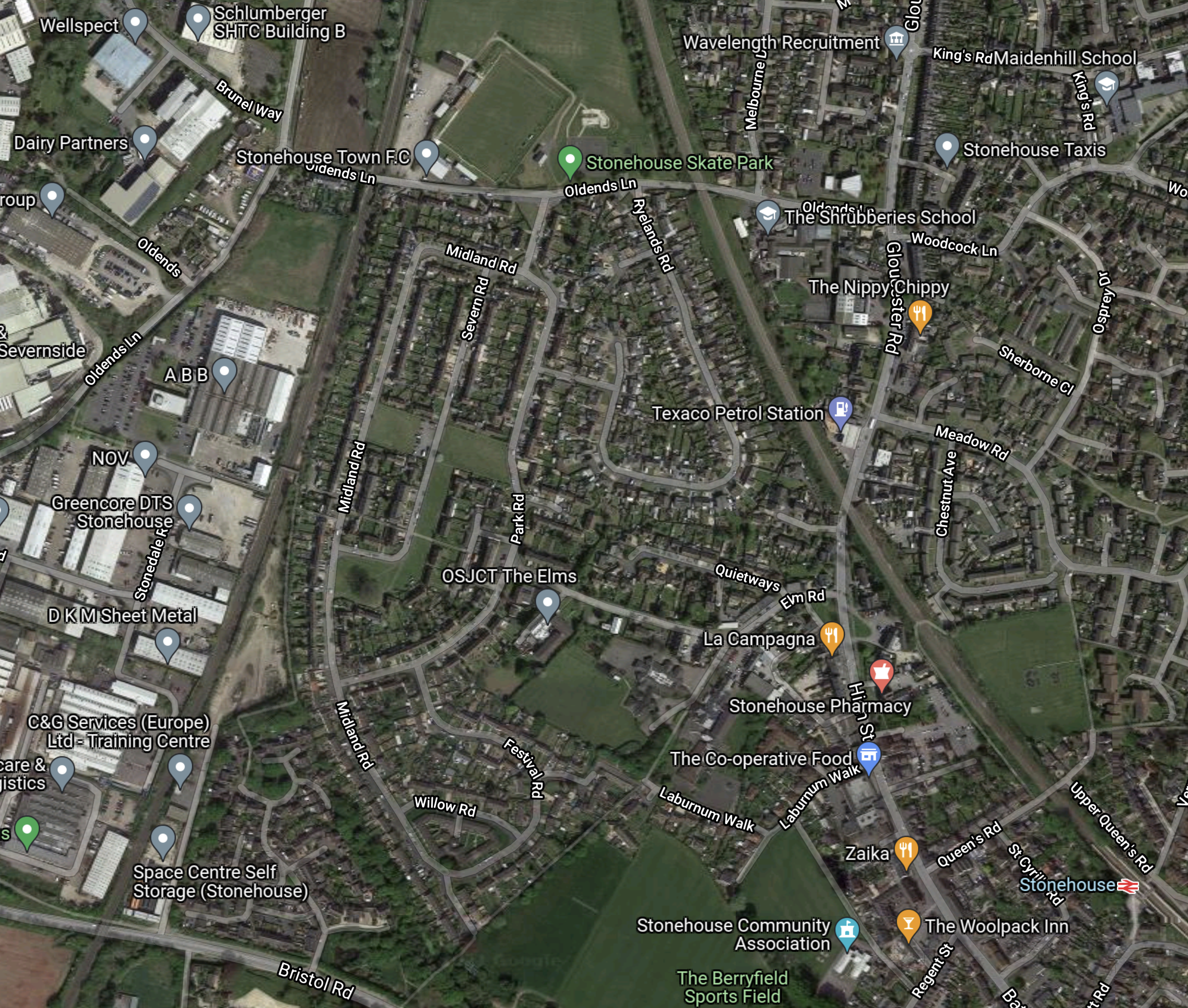
Note.
- The Golden Valley Line between Gloucester and Swindon runs vaguely down the East side of the map.
- Stonehouse station is in the South-East corner of the map on the Golden Valley Line.
- The Cross Country Route between Gloucester and Bristol runs vaguely down the West side of the map.
- Stonehouse Bristol Road station will probably be in the South-West corner of the map, where the Cross-Country route crosses Bristol Road.
- The two railway lines join North of Stonehouse and go to Gloucester.
This second Google Map shows the site of Stonehouse Bristol Road station to a larger scale.
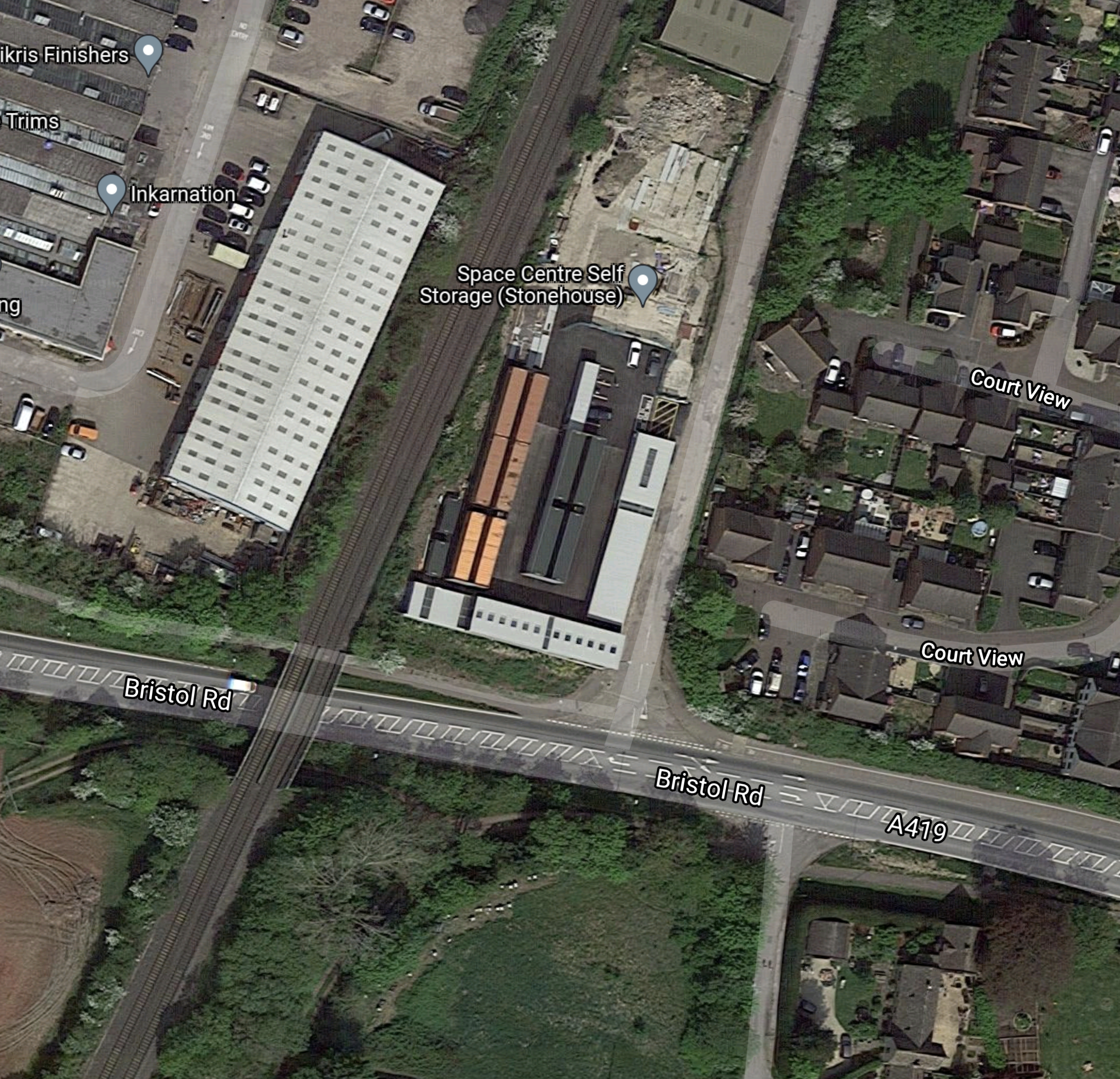
It shouldn’t be too much of a problem to fit a station where the railway crosses Bristol Road.
These are my other thoughts,
Services
The next station towards Bristol is Cam & Dursley and this station has an hourly service between Bristol and Gloucester.
Cross Country trains pass but don’t stop, but would they stop at a new station?
Car Parking
Will there be enough space for car parking bear the station?
New Housing
Wikipedia mentions that three thousand new houses may be built in Stonehouse.
This would surely be a reason for a new station.
Conclusion
It does look like the new housing is the main reason to reopen this station.
Reopening Corsham Station
On October 27th this Beeching Reversal Project was given £50,000 to build a case for reopening.
Corsham is a town in Wiltshire.
- It has a population of 13,000
- It is very much a military town, with numerous defence establishments, some of which are deep underground in former bath stone quarries.
- Corsham station closed in 1965.
As this Google Map shows the Great Western Railway passing through the town.
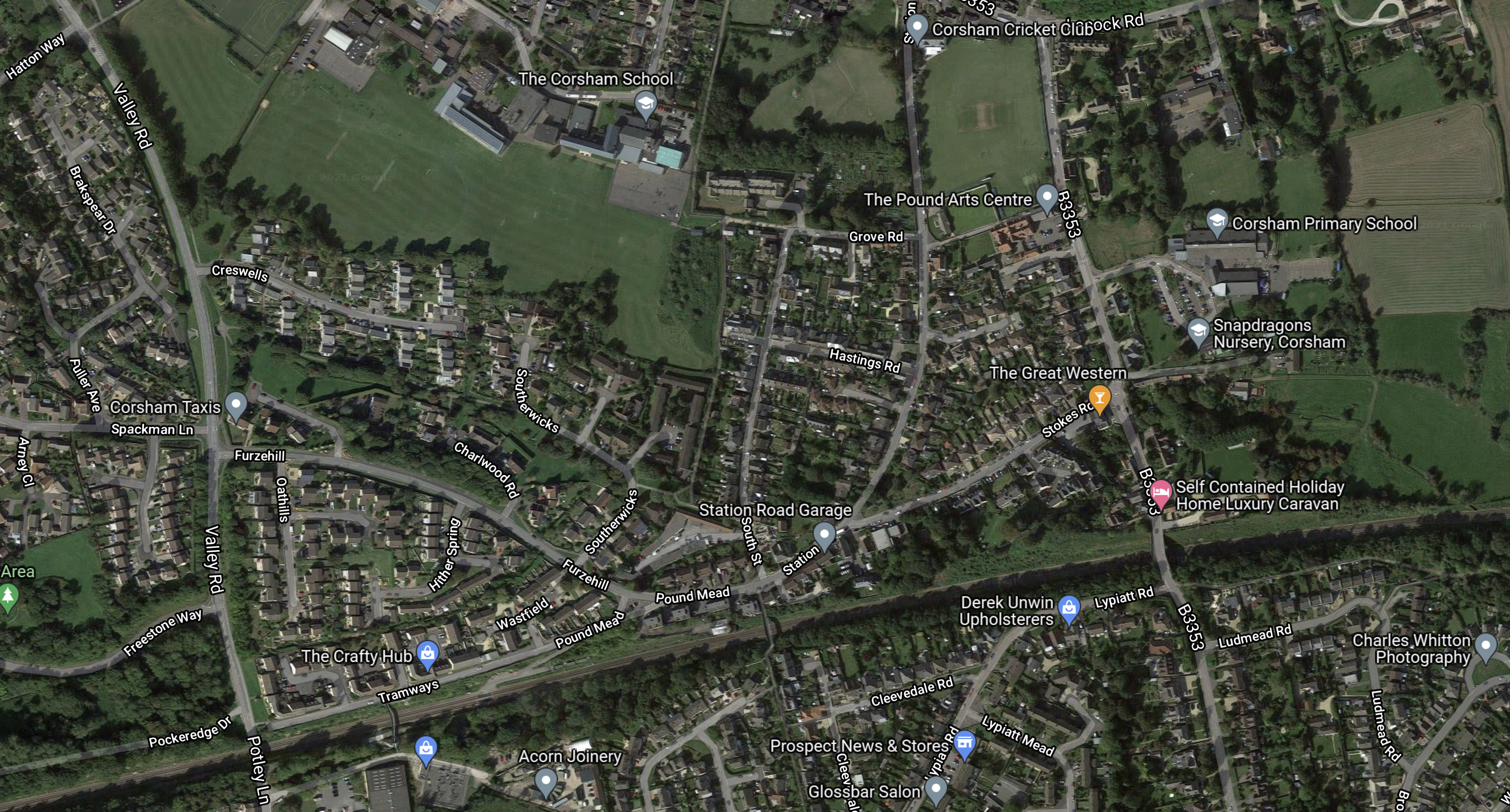
The dark scar of the railway across the map towards the bottom is clearly visible.
This second Google Map shows the site of the former station.
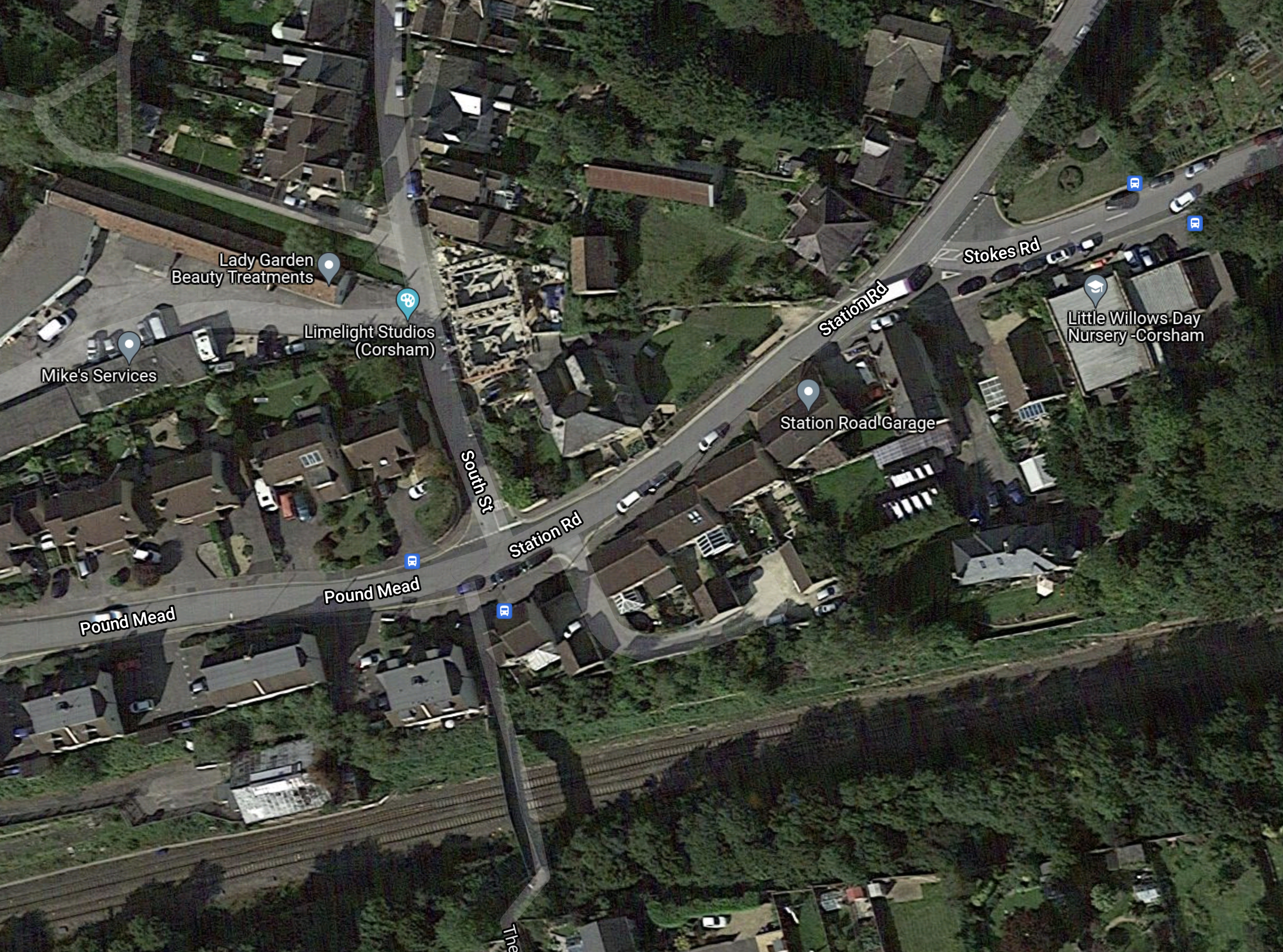
Note.
- Station Road is a bit of a giveaway.
- There is a footbridge over the double-track railway. Note the shadow.
- The railway is not electrified, but could be in the future.
- Chippenham station is to the East and Bath Spa station is to the West.
- The station was in a deep cutting on the approach to Box Tunnel, which is to the West.
I doubt that designing and building a new Corsham station will be a challenging project.
These are my thoughts on other issues.
Military Issues
The Wikipedia entry for Corsham has a section called Defence, which lists well over half-a-dozen defence sites.
Could these be a reason for the new station?
- Just like many other businesses and families, does the Ministry of Defence feel it should decarbonise?
- Are large numbers of employees and visitors driving in from Swindon and Bristol?
How many new stations would cut the country’s carbon footprint?
Services
Currently, it appears the only services going through Corsham are the Paddington and Bristol Temple Meads service
- There are two trains per hour (tph)
- The trains call at Reading, Didcot Parkway, Swindon, Chippenham and Bath Spa.
- Between Chippenham and Paddington is fully-electrified
- Trains run between Bristol Temple Meads and Chippenham, which is a distance of 24.4 miles on diesel.
These trains could stop, but would that slow the services?
Perhaps alternate services would stop at only one of Corsham and Chippenham. But that would mean the train couldn’t be used between those two stations.
An alternative philosophy would be to electrify between Chippenham and Bath Spa, so that the stops would be faster , as acceleration would be under electric power.
- Box Tunnel has been prepared for electrification.
- This would be thirteen miles of new electrification.
- Trains would run between Bristol Temple Meads and Bath Spa, which is a distance of 11.5 miles on diesel.
But the good citizens of Bath, might object to electrification through Sydney Gardens and the City Centre.
If they do object, an alternative would be to electrify between Bathampton junction and Chippenham.
- As before Box Tunnel would be electrified.
- This would be eleven miles of new electrification.
- Trains would run between Bristol Temple Meads and Bathampton junction, which is a distance of 13.7 miles on diesel.
Bath would not be despoiled by electrification.
Battery-Electric Trains
I touched on electrification in the previous section and I believe it would be reasonably easy to electrify between Chippenham station and Bathampton junction.
This would mean that there would be just 13.7 miles for the train to power itself between Bristol Temple Meads and Bathampton junction.
As it is 27.4 miles in total with perhaps a twenty minute wait in Bristol Temple Meads station, I believe this would be within the battery range of a Hitachi Intercity Tri-Mode Battery Train, which is described in this Hitachi infographic.
Note.
- Hitachi haven’t disclosed the range of the train on battery power alone.
- Twenty minutes in Temple Meads station is enough to fully charge the battery.
If the train could be recharged at Temple Meads station, the battery range needed would be just fifteen miles.
Conclusion
All stakeholders would appear to benefit from this new station.
Opening Date Announced For Dartmoor Line
The title of this post, is the same as that of this article on Railnews.
This is the first couple of sentences.
Full train services will return to the Dartmoor Line in Devon on 20 November. The Department for Transport said the DfT and its partners had ‘accelerated’ the reopening of the railway, because passenger services will now be launched only nine months since funding was approved.
It also says that the initial service between Exeter and Okehampton will be two-hourly, until May 2022, when it will be hourly.
I have looked up the Great Western Railway timetable and there are two sensible morning trains between Paddington and Okehampton on the 24th of November.
- 08:04 – Arrives at 11:18
- 10:04 – Arrives at 13:17
Returning there are two sensible afternoon/evening trains.
- 15:24 – Arrives at 18:24
- 18:20 – Arrives at 21:36
It looks like it would be possible to go from London and Okehampton and return in the same day.
Would A North-East And South West Sleeper Service Be A Good Idea?
I ask this question as in the October 2021, there is an article entitled A New Sleeper, which has this explanatory sub-title.
Des Bradley describes his concept for a North-East to South-West Overnight Service
Paraphrasing his resume from the article, Des Bradley is probably best described as a rail enthusiast, who has travelled all over Europe by train, especially on sleeper trains. He has also worked recently with ScotRail, where he led their integrated travel activities.
I regularly use the Caledonian Sleeper on my trips to Scotland, often taking a sleeper one way and a day time train the other. Towards the end of next month, I have tickets booked for a low-cost Lumo train to Edinburgh and a sleeper back to London in the evening.
In this blog, I have regularly written about the sleeper trains being introduced across Europe and this summer I had intended to go via Eurostar and NightJet to Vienna. But the pandemic has kept me in England for two years.
An Edinburgh And Plymouth Sleeper
Des Bradley is proposing a sleeper train between Edinburgh and Plymouth.
- A typical daytime trip on this route takes eight hours and forty-five minutes.
- Intermediate stops would be Berwick-upon-Tweed, Newcastle, Durham, Darlington, York, Leeds, Sheffield, Derby, Birmingham New Street, Cheltenham Spa, Bristol Parkway, Bristol Temple Meads, Taunton, Exeter St. David’s and Newton Abbot.
- Journey time would be just over twelve hours.
- By comparison a sleeper between London and Edinburgh takes about seven hours and thirty minutes.
He calls the service the NESW Sleeper.
I have some thoughts on the proposal.
A Spine Route Between Edinburgh And Penzance
The route is effectively a spine between Edinburgh and Plymouth on which other services can be built.
Unlike the Caledonian Sleeper, Des Bradley doesn’t feel the train should split and join as it travels up and down the country.
But I do think that the NESW Sleeper can be timed to fit in with high-quality connecting services to extend the coverage.
An Innovative Timetable
Des Bradley’s timetable is innovative.
- Trains leave Edinburgh and Plymouth around 21:00.
- Trains arrive at their destination around 09:00.
- Trains stop for about two hours at Derby.
- After resting at Derby, the trains are effectively early morning trains.
Note.
- The wait at Derby, adds extra time, that can be used to make up for engineering diversions, which often happen at night!
- The trains could be used by non-sleeper passengers to get to Plymouth or Edinburgh early.
The consequence of the second point, is that the trains will have to offer some Standard Class seats.
Should The Train Serve Penzance?
The Great Western Railway’s Night Riviera sleeper train calls at Liskeard, Bodmin Parkway, Lostwithiel, St.Austell, Truro, Redruth, Cambourne, Hoyle and St. Erth between Plymouth and Penzance.
According to a proposed NESW timetable, the Night Riviera has long gone, before the NESW Sleeper arrives in Plymouth at 08:58.
But I’m sure Great Western Railway could arrange for a convenient service between Plymouth and Penzance to pick up passengers in the morning and deliver them in the evening. This picture taken at Plymouth, indicates that cross-platform interchange may be possible.
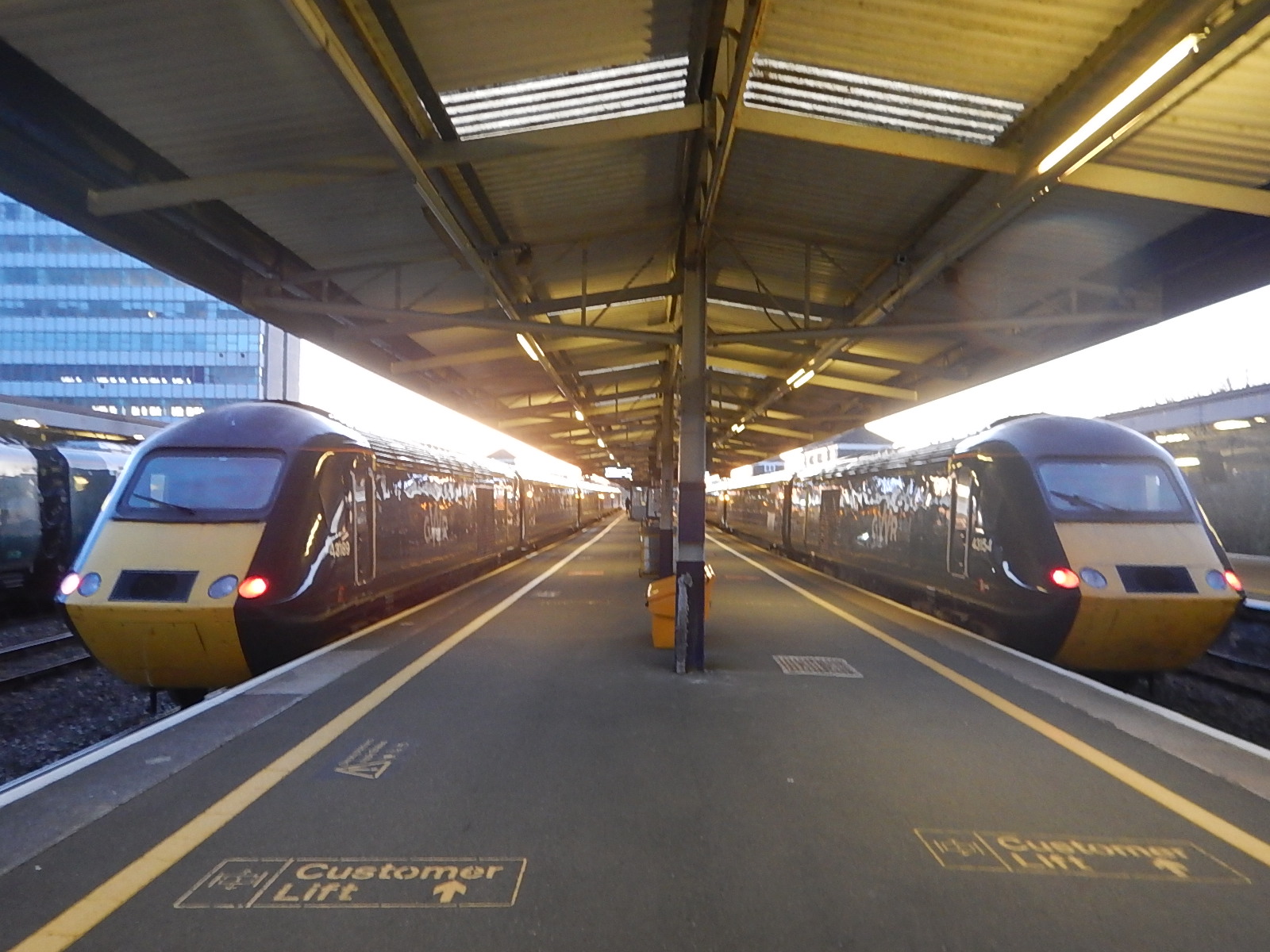
This picture shows a pair of GWR Castles, which regularly work additional services between Plymouth and Penzance.
What About Wales?
I suspect that Cardiff, Swansea and other towns and cities in South Wales, can be served in a similar way, by connecting with GWR services at Bristol Parkway station.
Other Connecting Services
Birmingham New Street, Derby, Leeds and Newcastle are important interchange stations and I can see services being timed to bring passengers to and from the NESW Sleeper.
Rolling Stock
The author offers choices for the trains, based on what is used currently in the UK and adding multiple units. But he is definitely tending towards fixed formations.
I feel that the trains should meet the following criteria.
They should be of similar standard as the Caledonian Sleeper.
They would need an independently-powered capability for sections without electrification.
They should be zero-carbon.
They should offer a range of accommodation including Standard Class seats to cater the early birds and budget travellers.
The possibility to run at 100 mph or faster might be useful to catch up time on some sections of the route.
I think that two trains could be possible.
- A rake of coaches hauled by a hydrogen-electric locomotive.
- A battery-electric Sleeper Multiple-Unit with a range of perhaps eighty miles on batteries.
This is a sentence from the article.
The concept of ‘Sleeper Multiple-Units’ has also emerged in recent years, and this idea could be attractive; although it has some inherent inflexibility, it could in the future allow multi-portion or experimental new routes to be tagged onto the core service.
Sleeper Multiple Units might enable a South Wales and Edinburgh service, that used the same train path between Edinburgh and Bristol Parkway, where the two trains would split and join.
Conclusion
I like this proposal and definitely think it is a good idea.
Hayes & Harlington Station – 15th September 2021
Hayes & Harlington station is the latest Crossrail station to be more or less completed.


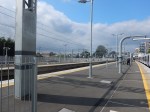
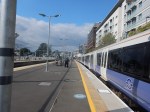

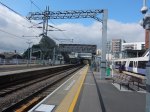

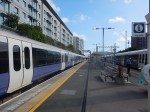


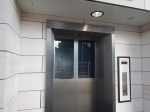
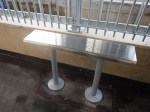











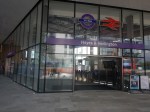


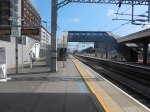

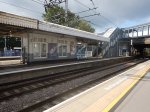
Note.
- The station is a big improvement on what was there previously.
- The building with the green stripes down the front used to be the offices of Metier Management Systems, of which I was a founder.
- A big development is being built to the South of the station, which is shown in the first to pictures.
There are still a few things to do, but it’s almost a complete station.
Services
It looks like Crossrail will run four trains per hour (tph) through the station all day.
Great Western Railway run two tph between Paddington and Didcot Parkway, that stop at the station.

