Will We Be Seeing More Railway Stations?
I didn’t put any qualification like UK or London in the title of this post, as it is a question that applies to all railways.
The post was prompted by an article in the January 2017 Edition of Modern Railways, which is entitled Funding Buds For New South Wales Stations.
The article talks of two possible stations.
- A Cardiff Parkway station near St. Mellions.
- A Magor Walkway station between Newport and Severn Tunnel Junction stations.
Cardiff Parkway station seems the more conventional of the two and is proposed to support a proposed new business park, with car parking and a bus station,
This article on Wales Online is entitled Plans revealed for huge new development and train station in Cardiff that could create 15,000 jobs, gives more details.
On the other hand, according to The Magor And Undy Walkway Station Website, the second station at Magor Walkway appears to be less conventional.
But the two stations do illustrate two common reasons for developing new stations.
A New Station To Support Development
Cardiff Parkway station falls into this category and there are several for this reason in the pipeline.
- Barking Riverside
- Battersea Power Station
- Beaulieu
- Brent Cross Thameslink
- Meridian Water
- Old Oak Common
- Woolwich
We will see a lot more, as having a station at a new development, has many positive effects on the project.
A New Station To Provide Better Transport Opportunities
Magor Walkway station falls into this category and others include.
- Brinsford Parkway
- Camberwell
- Cambridge North
- Edinburgh Gateway
- Watford Vicarage Road
- Worcestershire Parkway
There are also schemes for airport links to Glasgow, Liverpool, Leeds and Luton.
Why New Stations Don’t Get Built
Obviously, some stations don’t get built for reasons of practicality and cost.
The traffic may be there, but the proposed site is difficult, so a new station might be impossible to fit the space available.
When a re-opened station like Lea Bridge is reported to cost £11million, without car parking, new stations don’t come cheap.
So new stations need a good financial case to get built.
Another factor that is often ignored by campaigners for new stations, is the knock-on effects they will have on services through the station.
Stopping trains at a station on a single or double-track line will effectively block the line, thus slowing other traffic in the area.
But Innovation Is Making It Easier To Build New Stations
In the following sections, I shall detail some of the ideas and innovations that will make the building of stations easier.
The Rise Of The Single-Platform Station
Single-platform stations are not that common in the UK, and the first new one of this type I saw was James Cook station, which I wrote about in James Cook Station – The Reinvention Of The Halt .
Other recently built stations in this category include.
Note there is a parkway station on the list and Galashiels is a major train-bus interchange.
A good proportion of the list are also on newly opened lines.
Consider the advantages of a single-platform station.
- There is no need for an expensive footbridge., that is part of the station.
- Only one set of shelters, ticket machines and information displays are needed.
- Single platform stations can be easily made long enough for the largest trains that will call.
- Interchange to cars, buses and taxis is quick and easy.
- Modern signalling makes bi-directional operation safe.
There may also be advantages in fitting a station into a restricted space, like shopping centres, airports, sports grounds or an historic town centre.
I think we’ll see a lot more single platform stations in the future.
The Express Stop Train
Next time, you’re on a train, notice how long it takes to perform a stop at a typical station.
It is often not a quick process.
- Passengers have to lift children, buggies, bicycles and heavy cases over the step up or down between train and platform.
- Passengers coming on get in the way of passengers getting off.
- On a crowded train, that is not working under driver-only-operation (DOO) rules, the guard often has to struggle to get in position to open the doors.
- Older trains without information systems, often mean that passengers aren’t ready to get off, so cause delays at the stop.
But look at the new trains for Merseyrail, I wrote about in Thoughts On Merseyrail’s New Trains.
- They are designed to eliminate the gap between station and train and for passengers to step or roll across quickly.
- They will have wide doors and probably ample lobbies, to ease entry and exit.
- They will be information-rich trains, as are all modern trains.
- They will be DOO, which avoids guard delays on crowded trains.
- They will have high performance with respect to braking and acceleration.
I also wonder if braking and acceleration will be automated, so that they are fast, smooth and very safe in all weather and track conditions.
On Merseyrail, this will result in faster trains and a saving of nine minutes between Southport and Hunts Cross is quoted.
New trains on Greater Anglia, will also give substantial help in enabling a headline-grabbing Norwich in 90 and Ipswich in 60 service for all trains.
I suspect that as new trains improve their stop times, it will make it easier for a new station to be fitted into an intense schedule on a main line with extensive services.
Stations Without Electrification
Often electriofying stations is an expensive business, in planning, execution and in operation.
With the development of bi-mode and battery trains and especially ones that can switch mode automatically, I think we’ll see a lot more stations left without electrification, thus eliminating health and safety and heritage issues, whilst reducing costs.
The Station On A Train
Merseyrail’s new trains will be DOO and from the reports, it appears that all the CCTV needed for safe operation will be on the train, rather than the station.
So will this allow Merseyrail to simplify their stations, with the only CCTV needed on stations being only that for passenger and station security.
I wonder if the driver will have access to a station’s CCTV as he approaches. Being able to assess crowd density in a station on approach must be to the driver’s advantage.
Ticket Machines On A Train
Operators might even put a card-only ticket machine on the train, so the number of machines in stations can be cut to save costs.
I have seen this is in several places in Europe, but never in the UK.
Tram Style Operation Of Local Trains
There are two basic types of through platforms in the UK, served by local or regional passenger trains.
- Platforms where some freight and passenger trains pass through without stopping.
- Platforms where all trains stop.
Merseyrail’s Northern Line and some of the branches of the Wirral Line would be examples of the second.
What would be the implications for station design, if say a branch line worked exclusively by one type of train ran to say a tram speed limit and the visual rules a tram driver would obey in the centre of Birmingham, Manchester or Nottingham.
Could we see new two platform stations built like say this station on the Croydon Tramlink?
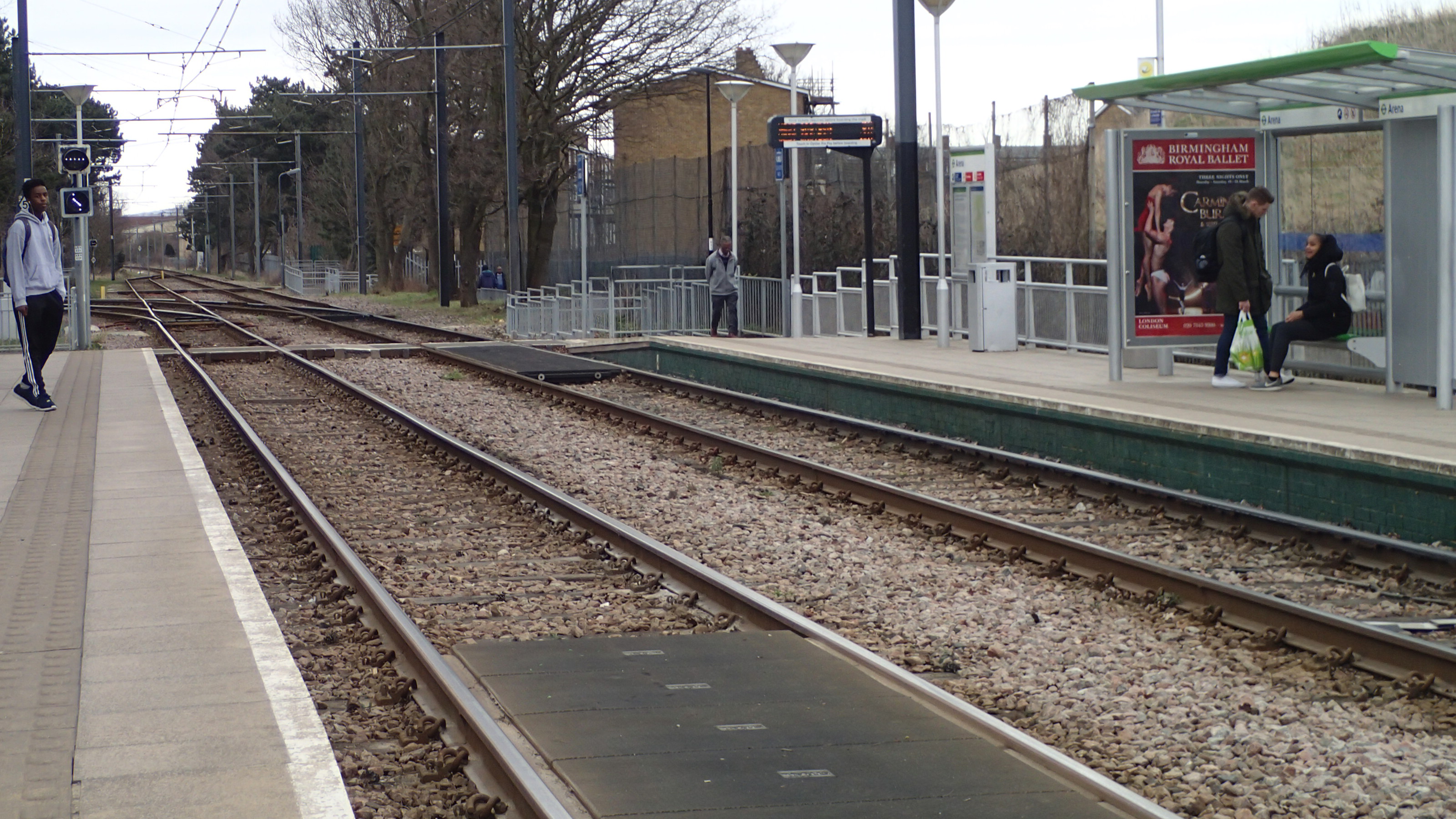
Passengers would just walk across the tracks to get to the other side.
I believe that Merseyrail’s new trains could work in this way.
Consider.
- Stadler have enormous experience of trams and tram-trains.
- Merseyrail’s new trains can be fitted with batteries, so for perhaps fifty metres either side of the station, the third rail can be removed.
- The new trains look like trams, although they are trains.
- There will always be a driver in the front of the train with a big horn, as the train enters the station.
- Trains would be restricted to tram speeds in the station area.
Imagine a station on a network like Merseyrail or perhaps a branch line like the Walton-on-the-Naze Branch of the Sunshine Coast Line.
A train stopping at the station would go through the following procedure.
- A safe distance from the station, after ascertaining, that the line in the station is clear, the driver initiates the automatic stop procedure or halts the train.
- The train slows automatically from line speed to the tram speed perhaps fifty metres from the station.
- The train proceeds automatically to the station at tram speed using onboard stored energy, as there is no electrification.
- The driver would open the doors, so that passengers and their belongings can be unloaded and loaded.
- Once everything is ready, the driver closes the doors and initiates the automatic leave sequence.
- The train leaves the station at tram speed.
- Once electrification starts and the train is connected, the train automatically accelerates back to line speed.
Note.
- The train is not at line speed anywhere near the station.
- The driver can take control at any time.
- The procedure is not very far removed from that used on the Victoria Line since 1967!
Effectively the operation of the train through the station is train-tram-train.
I wonder if Merseyrail have been thinking this way to create a tram-train link to Liverpool Airport.
Conclusion
Various innovations will mean that stations will cost less.
- Simpler design.
- Step-free without footbridges.
- Less expensive features.
- Equipment moved from station to train.
In addition, trains will find it easier to fit stops into busy timetables.
This will mean that the available station budget will go further and more stations will be built.
Porterbrook Launch A Tri-Mode Train
In Bi-Mode Ate My Electrification, I asked this question.
Could We See A Tri-Mode Train?
Little did I suspect that just a few hours later, one would arrive.
This article on Global Rail News is entitled Northern and Porterbrook to convert electric trains to bi-mode.
This is the opening paragraph.
Leasing company Porterbrook is developing a bi-mode variant of Northern’s Class 319 EMU.
But that is not all, as this is said later.
Porterbrook said the design requires minimal modifications to the train. Additional batteries could also be fitted to improve performance on non-electrified sections.
So Northern will have a Class 319 Flex train that can run from electric, diesel or battery power.
That sounds like tri-mode to me.
Is It A Quad-Mode?
Some might even think it a quad-mode, as it could also run using 750 VDC third-rail electrification. It would help the trains charge the batteries at Southport, Ormskirk and Kirkby stations, which are terminals of Merseyrail’s third-rail network.
Will A Class 319 Flex Work Like A Hybrid Bus?
Several types of hybrid buses work, by driving the wheels using electric motors powered from a battery, that is charged from a small diesel engine.
When the battery is full, the engine is switched off.
So could, the Class 319 Flex be using hybrid bus methods to power the train?
The power-packs would keep the battery charged and the train would be driven from the battery or the external electrification.
One advantage of doing this, is that say on arrival at Blackpool with batteries without much power, the power-packs could charge the batteries before the train left for Preston and the overhead wires.
The driver would drive the train as an electric train, using electrification or battery automatically. The control system would cut the power-packs in to charge the batteries as necessary.
If they do go this route, could they be raiding the parts bin of the UK’s hybrid-bus manufacturers?
The 4.5 litre diesel engine and a 75 kW-hour battery, used by London’s Routemaster would surely be certified for use in a rail application and their performance and reliability will be well-documented.
Why Convert A Class 319 Train?
Who’d have thought that they’d convert a Class 319 train.
Consider.
- The class was built in the late-1980s.
- They are not the most stylish of trains, with all the panache of a house built by a Local Authority in the 1950s.
But over the last year or so, Northern have been refurbishing the trains and have probably found that under the skin, there are no serious problems and they have solutions for the minor ones.
They also scrub up pretty well and I suspect that if a bit more was spent on the interior, they could probably be better.
In my travels to Liverpool over the last year, I have talked to several drivers of Class 319 trains.
- Generally, they seem to like them.
- One told me, that on the West Coast Main Line, they will still hold 100 mph, so they are no suburban trundler!
- I have heard lavish praise for the brakes.
The only complaint, was that because of the softish suspension, the first few trains didn’t ride too well over Chat Moss.
They also have other things in their favour.
- There are 86 of the four-car trains, of which Northern has 32.
- The creation of a prototype, shouldn’t be a long process, unless Network Rail take forever to certify the train.
It should also be noted, that some of the similar Class 321 trains are having their traction equipment updated. So there may be some lessons from each program that can be applied to the other, especially as Wabtec are involved in both projects.
Will The Class 319 Flex Have Regenerative Braking?
The one problem with the Class 319 is that the trains don’t have regenerative braking.
If they did and they had onboard energy storage then the braking energy could be stored when a train stops at a station and recycled to get the train started after passengers have left and joined the train.
This would improve the energy efficiency and extend the range of the train, when running on lines without electrification.
How Will A Class 319 Flex Perform On Inclines?
Some of Northern’s routes like the Ribble Valley Line, climb into the hills.
Will the performance of the trains be sufficient to work these lines?
How Much Automation Will There Be On A Class 319 Flex?
The trains aren’t particularly complex, but with at least three power sources, it would probably help the driver, if changeover from one system to another was an automatically controlled.
It would also probably help if pantograph raising and lowering was automatic and could be at line speed.
Could A Class 319 Flex Be Able To Run Under Tram Rules?
In Zwickau in Germany, diesel multiple units, run through the town at slow speed under rules similar to those used by trams.
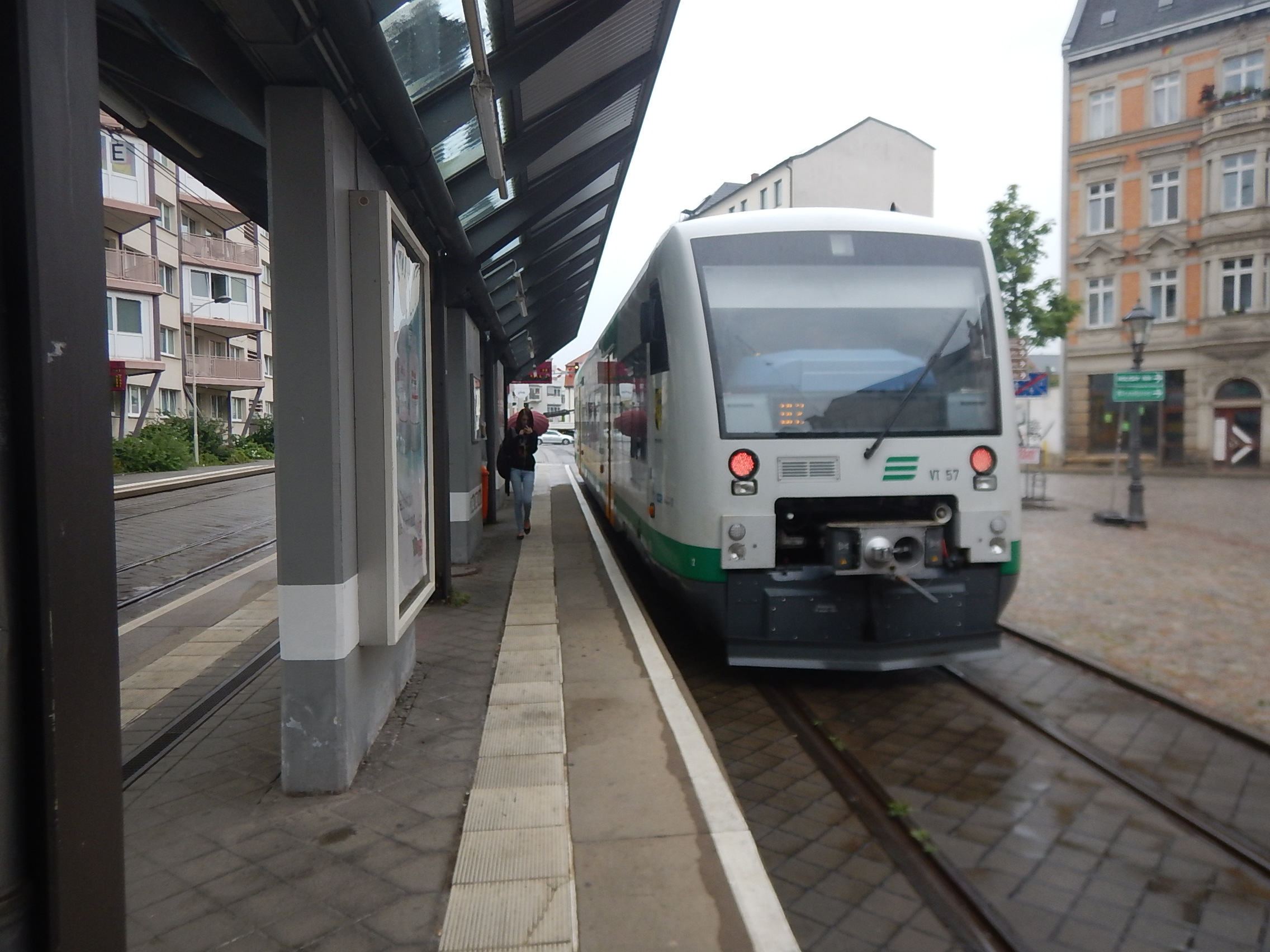
A DMU at the train stop in the centre of Zwickau
From Zwickau HbF to the Zwickau Zentrum stop, the diesel multiple units run on a line designed to the following rules.
- Slow tram-like maximum speed.
- A track with electrification just for the trams with which the trains share the line.
- Rail signalling.
- Simple stations, designed to fit the trams and trains working the line.
- Passengers can walk across the lines, as they can on any tramway.
- There’s even a couple of level crossings.
Zwickau’s system is more complicated than would be needed in the UK, as the trams and trains are of different gauges, so there is an unusual three-rail track, to accommodate standard- and metre-gauge vehicles.
Note that the system in Zwickau does not use a purpose-built tram-train, as the trains are standard Deutsche Bahn diesel multiple units, which were built by Stadler. They are very much like Class 172 trains. They just behave like trams away from the main line.
They are best described as Train-trams!
Will a Class 319 Flex be certified to do the same?
In a simple example, a Class 319 Flex could go through the buffers at Blackpool South station and continue through the car parks to a stop by the football ground.
Where Will Northern Use A Class 319 Flex?
Windermere To Manchester
When the franchise responsible for Windermere station changed from TransPennine to Northern, there was talk of electrifying the Windermere Branch Line , so that it could have an electric train service to Manchester or Manchester Airport.
But Network Rail’s electrification performance, stopped that, so passengers between Windermere and Manchester have to change at somewhere like Oxenholme Lake District station.
From Windermere, there is one direct train per day to Manchester Piccadilly and Manchester Airport, which takes two and a half hours and an hourly shuttle to Oxenholme.
I’m sure that Windermere to Manchester is the sort of route that Northern would like to cover with a direct hourly electric train. From December 2017 if Network Rail perform, the only part of the route from Windermere to Manchester Airport, that will not be electrified will be the ten miles of the Windermere Branch Line.
If Network Rail haven’t performed, the trains could use the electrified route via Nreton-le-Willows and the West Coast Main Line.
As it will take something like five hours to go from Windermere to Manchester Airport and back, it will need five trains yo provide an hourly service all day. Alternative power sources would only be used on the Windermere Branch.
Blackpool To Manchester And Liverpool
I would suspect that an early objective of the design of the Class 319 Flex, would be the ability to do a return trip between Preston and Blackpool, as this would enable services between Blackpool and Crewe, Liverpool, Manchester and Warrington.
The Blackpool Branch has the following characteristics.
- It is without electrification.
- It is only about fifteen miles long.
- It is has two current termini in Blackpool North and Blackpool South stations.
- There have been proposals in the last few years to reinstate services on the Fleetwood Branch Line to a new Fleetwood station.
The return trip would be about 30 miles on to each terminus, but trains could use their power-packs if needed to charge their on-board energy storage before returning to Preston.
Blackpool North to Liverpool Lime Street would only need a Class 319 Flex train to be delivered.
Blackpool to Manchester Victoria, Piccadilly or Airport, would need the Preston to Manchester electrification to be completed, unless they could sneak down the West Coast Main Line.
It looks to my simple mind, that as regards Liverpool, Manchester and Prestojn to Windermere and Blackpool, the Class 319 Flex is a very workable solution, whether Network Rail finish the electrification of Manchester to Preston or not!
As the residents and visitors of Blackpool should understand trams, I could see Class 319 Flex trains running to Blackpool South and Fleetwood through simplified stations without any electrification, under rules similar to trams.
If the Germans can do it in Zwickau, then surely Lancastraians can do it in Blackpool.
Being able to run four-car Class 319 Flex trains to Blackpool South would also help to increase services to the area, if the Open Championship were to be held at Royal Lytham. A simple station could even be built adjacent to the course.
Blackpool South To Colne
The East Lancashire Line spans the Preston between Blackpool South and Colne stations.
After a long chat with an off-duty conductor on a crowded train in Summer 2016 on this line, I’ve thought it was a line , that could do with an improved level of service and more capacity.
Since then I’ve experienced severe overcrowding after Ipswich played at Blackburn on the same day that Blackpool played at Accrington.
Consider.
- Blackpool South to Preston is about fifteen miles.
- Preston station is electrified.
- Blackburn station has recently been rebuilt.
- Trains going between the Manchester to Preston Line and the East Lancashire Line can bypass Preston station.
- Blackburn station has a West-facing bay platform.
- Preston to Blackburn is about ten miles.
- Preston to Burnley is about twenty-five miles
- Preston to Colne is about thirty miles.
It would certainly appear that the following services would be possible using Class 319 Flex trains.
- Blackburn to Blackpool South
- Blackburn to Blackpool North
- Blackburn to Manchester via Bolton
- Blackburn to Manchester via the West Coast Main Line
- Blackburn to Liverpool.
This opens up all sorts of possibilities for integrated services centred on Preston.
If Blackburn to Preston were to be electrified, this would probably bring Colne and Burnley into the operational range of Class 319 Flex trains.
Northern could have tremendous fun planning those services!
Colne To Skipton
This missing link in Northern’s network could be a worthwhile line to reinstate.
So why not create a single-track line without electrification between Colne and Skipton stations?
Consider.
- The missing track between the two stations is just 11.5 miles.
- The reinstatement would probably only need one expensive bridge, that would be North of Colne station.
- The line could be a valuable piece of tourist infrastructure.
- A Leeds to Blackpool service via Burnley and Blackburn through the Pennines would be possible.
It could be designed to be easily worked by Class 319 Flex trains.
I somehow like the concept of 1980s British Rail electric multiple units, built to bring commuters to and from London, being redeveloped as a tourist train, through some of the most beautiful parts of The North.
The Ribble Valley Line
The Ribble Valley Line could be an interesting challenge to run using Class 319 Flex trains.
Consider.
- The Southern section of the line is twelve miles between a hopefully electrified Bolton station and Blackburn.
- The Northern section is ten miles between Blackburn and Clitheroe stations.
- The Northern section is a climb into the hills.
- The Ribble Valley and East Lancashire Lines share tracks sround Blackburn station.
I think that if Preston to Blackburn were to be electrified, Class 319 Flex trains, might be able to reach Clitheroe.
Stalybridge
In the January 2017 Edition of Modern Railways, there is an article entitled Extra Platforms At Piccadilly Abandoned?.
In this article it suggests that electrification between Manchester Victoria and |Stalybridge might be late. This is also said.
However, any delay in wiring the section crates problems for Northern in that its plans for the move to additional electric services sees them terminating at Stalybridge rather than at Manchester Victoria, freeing up -platform capacity.
But Stalybridge is under nine miles to the East of Manchester Victoria, so a Class 319 Flex could be used to bridge the gap.
So do we have the bizarre result of obtaining some bi-mode trains freeing up platform space?
Manchester Victoria To Huddersfield
Once Network Rail get Manchester Victoria to Stalybridge electrified, Huddersfield is only another twenty miles, so could be in reach of a Class 319 Flex.
Southport And Kirkby To Manchester
North of Liverpool, there are two routes, which go between Wigan Wallgate station and Southport and Kirkby stations.
There are also three routes from Wigan Wallgate to Manchester.
The line between Bolton and Wigan Wallgate was supposed to be electrified by December 2017, but no work appears to be ongoing yet.
But when Manchester to Preston and Wigan to Bolton are electrified, there will be an electric route to Manchester Victoria, Piccadilly and Airport stations from Wigan Wallgate.
So could Wigan Wallgate to Southport (20 miles) and Wigan Wallgate to Kirkby (16m iles) be bridged by a Class 319 Flex?
One great advantage at Southport and Kirkby is that 750 CDC third-rail electrification is available. So could the batteries be charged using this electrification, whilst the train is turned back..
A Train Designed For A Specific Route
It seems that one of the great features of the Class 319 Flex trains, is that the number of different power sources will mean that trains can be designed for a particular route.
So if say on a route, like the Ribble Valley Line to Clitheroe, more power might be needed, then an extra battery might be added, as has been stated in some of the various Press Releases for the train.
Routes In The East
I have only looked at the routes I know in the West of the Northern franchise.
But as it is an extensive franchise providing services over a wide area, there could be routes in the East, where the Class 319 Flex could provide an increase in capacity and quality of service.
Porterbrook
I must say something about Porterbrook’s involvement in this development.
Porterbrook are a leasing company and they are not participating in this venture out of charity.
By financing the increase in the capabilities of this train, they are doing themselves a big favour by turning a Class 319 train of limited use and value into a more desirable asset for a train operating company, that they can lease for a higher price.
- Northern get a train they need to increase capacity and expand electric services.
- Passengers travel in a refurbished faster four-car electric train instead of a two-car diesel train of possibly dubious quality.
- Hopefully, the better train service will create economic activity and jobs.
Porterbrook will of course expect to make a return on their investment.
Other Customers
This article on the European Railway Review is entitled Porterbrook and Northern to jointly develop bi-mode Class 319 Flex trains. It says the following.
The first Bi-mode Class 319 Flex trains will be in Northern passenger service by 2018. The units will then become available to operators who wish to make full use of electrically powered rolling stock on partially electrified routes.
It will be interesting to see, who leases the trains.
Conclusions
I am drawn to the following conclusions.
- Nothing about the technicalities of the Class 319 Train is difficult and with my limited experience of project management in railway engineering , if Wabtec give a delivery date, it will likely be achieved.
- There are lots of ways to run these trains, especially if modes can be switched automatically.
- The trains would be more efficient and have a longer range, if they had regenerative braking.
- The trains will be incredibly useful in providing electric services across the Northern franchise.
- I believe that used on a line like Harrogate Line, they will also show whether a line should be electrified.
I think the concept is very sound and good for Porterbrook, Northern and their passengers. It will also create economic ctivity and jobs.
If the Class 319 Flex proves to be a success, I feel that other trains will be upgraded in this way.
Feltham Station
I hadn’t intended to go to Feltham station, but whilst talking to a South West Trains driver, he suggested I go to look at the improvements there and the level crossing.
Location
This Google Map shows the station’s location to the South-East of the Airport.
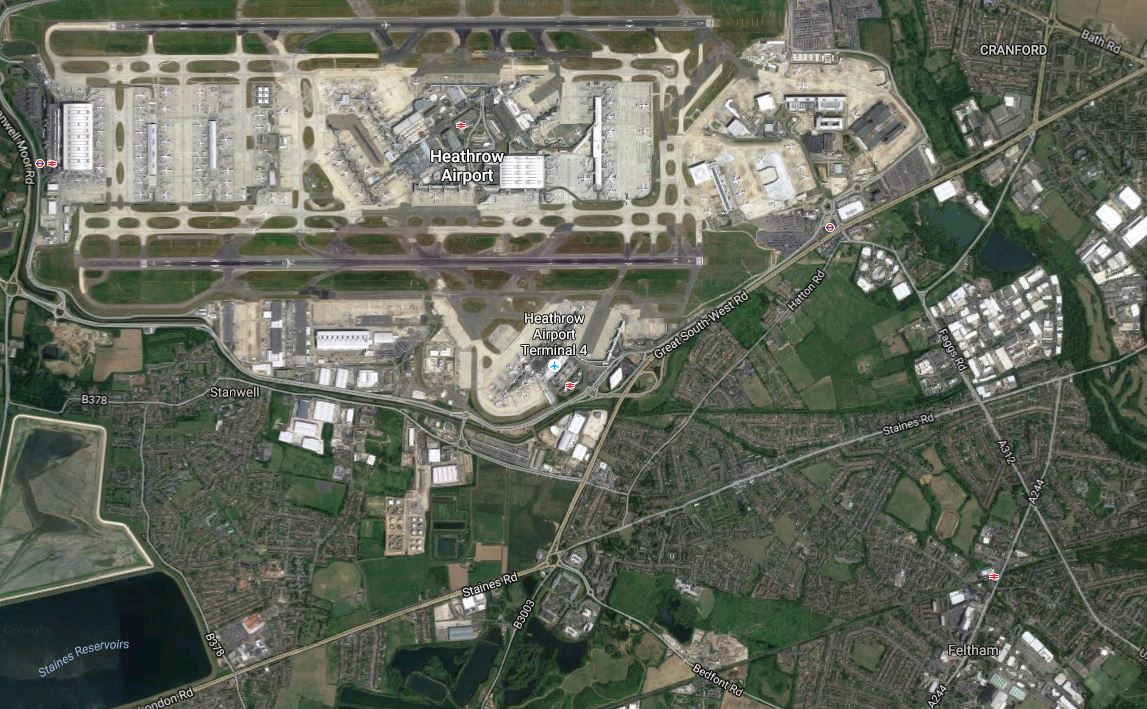
Heathrow Airport And Feltham Station
Feltham station is the station in the South East corner of the map.
A Modern Station
Feltham station is a modern station, as these pictures show.
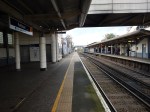
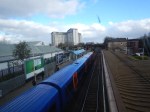
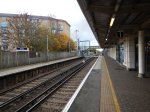
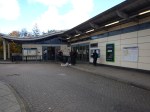


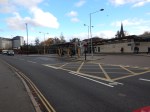
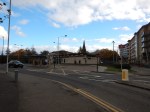
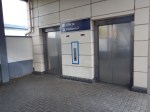


If it has one problem it is the level crossing at the Western end of the station.
Services
The station is well-connected with six trains per hour (tph) to and from Waterloo on weekdays and 5 tph on Sundays.
But there are a long list of stations, who have in excess of 2 tph connections to the station on weekdays and good connections on Sundays. The list includes.
- Clapham Junction
- Putney
- Reading
- Richmond
- Staines
- Twickenham
- Weybridge
- Windsor and Eton Riverside
It is an impressive level of connectivity to the buses that serve Heathrow’s terminals.
I was at Feltham station for about twenty minutes and saw several newish buses drive off towards Heathrow.
A railway called Heathrow Airtrack was proposed, but abandoned to link Waterloo to Heathrow, via Feltham.
It doesn’t seem to be mentioned much these days.
I just think, that because the services through Feltham are at a level of one train every ten minutes and because the line has several level crossings, that trying to squeeze an airport service into the mix, although probably not impossible, was difficult and would give rise to too many objections to fight off.
An Alternative Link
But Heathrow may have the solution in their hands and that would be to use an enlarged version of the Heathrow Pod system, that I wrote about in A Visit To Heathrow Terminal 5.
Or they could use some other charismatic system, that flew people at helicoptor-height over the route to and from Heathrow.
Several systems come to mind; cable-car, tram, monorail, a modern Schwebebahn or MAGLev.
The Schwebebahn in Wuppertal, was built over the River Wupper in the early Twentieth Century and it still running today. I wrote about it in The Wuppertal Schwebebahn. You wouldn’t build anything like this, but the construction of the Schwebebahn shows that you can put a lightweight railway over a river.
This Google Map shows Feltham station in greater detail.
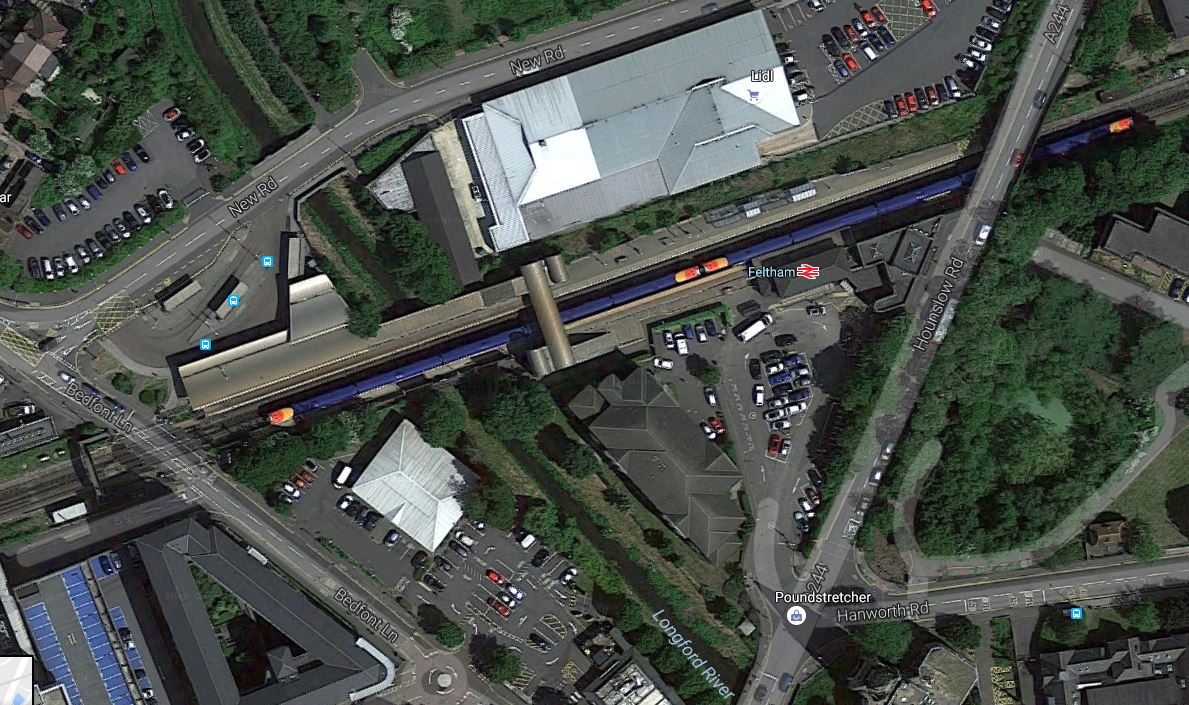
Feltham Station And The Longford River
Note the Longford River, which passes under the station.
This Google Map shows Terminal 4 at Heathrow Airport.
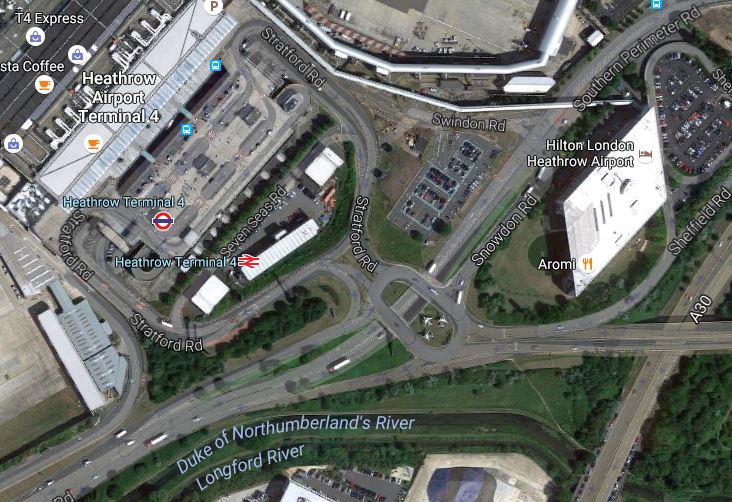
Heathrow Terminal 4 And The Longford River
Again note the Longford River.
So could some form of lightweight aerial railway be created to run at perhaps fifteen metres above the river and some of the roads in the area. This picture shows the Heathrow Pod that connects some car parks to Terminal 5.
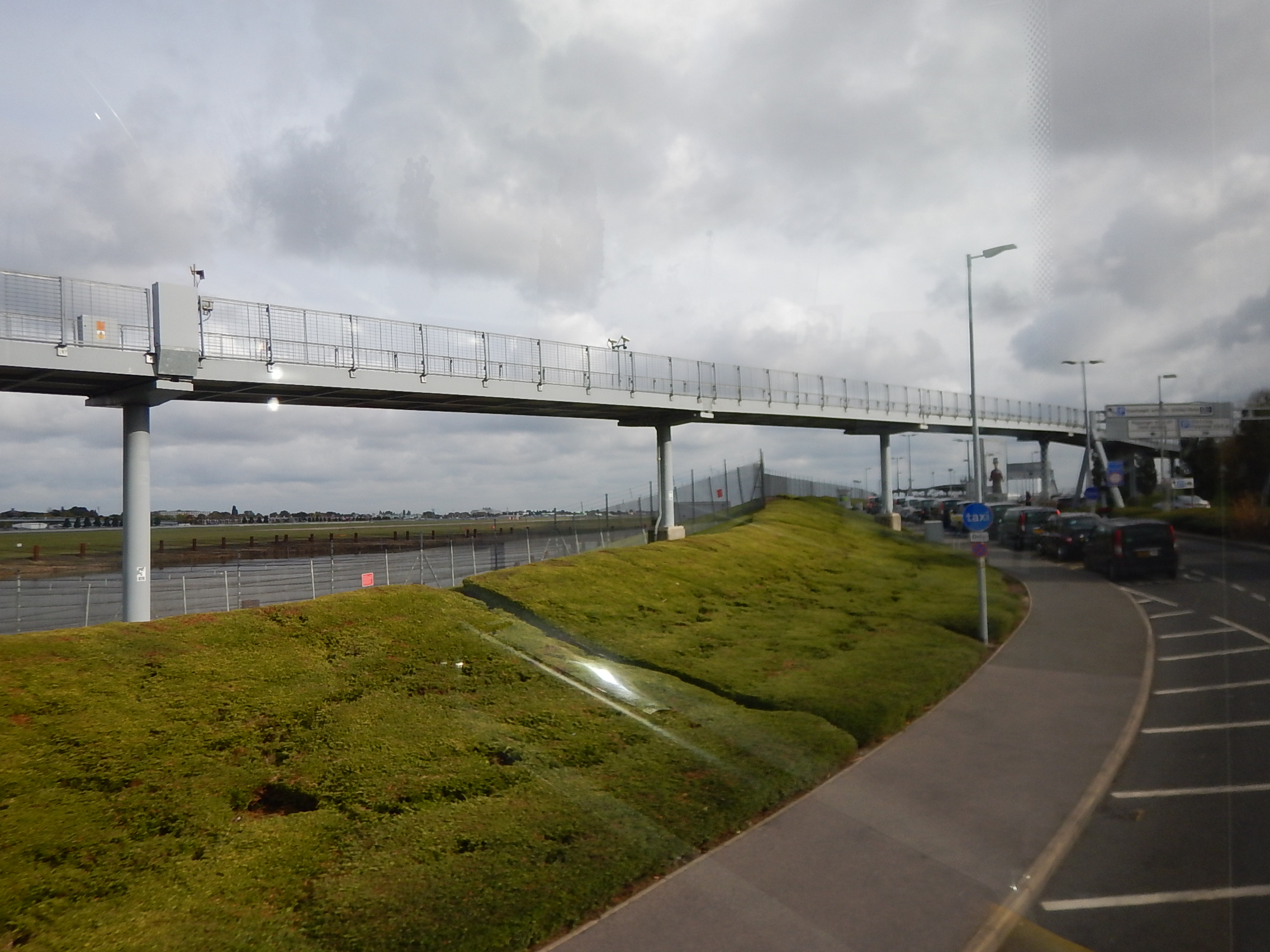
The Heathrow Pod Crosses To Terminal 5
The Terminal 5 system is described here in Wikipedia and is 3.9 km long. I estimate that Feltham to Terminal 4 would be about 6 km.
As Heathrow are thinking of using the Heathrow Pod system to go all the way to Kingston, I would suspect that Feltham would be in range.
My big worry would be, that the number of pods required to transfer passengers to and from Feltham might be too large for the system.
So I think that even if the Heathrow Pod system couldn’t be used for the link, within a few years, someone will devise a system that would create the ultimate airport link between Feltham and Heathrow Airport.
An Innovative Scheme For A Rail Link To Glasgow Airport
This article on Renfrewshire 24 is entitled New Option Could See Glasgow Airport Rail Link Run From Relocated Glasgow St. James Station.
The new option, which is proposed by Junction 29 (Scotland) Ltd, would relocate Paisley St. James Street station nearer to the airport and it would be connected to the airport using a PRT system similar to that used at Terminal 5 at Heathrow.
This Google Map shows the area.
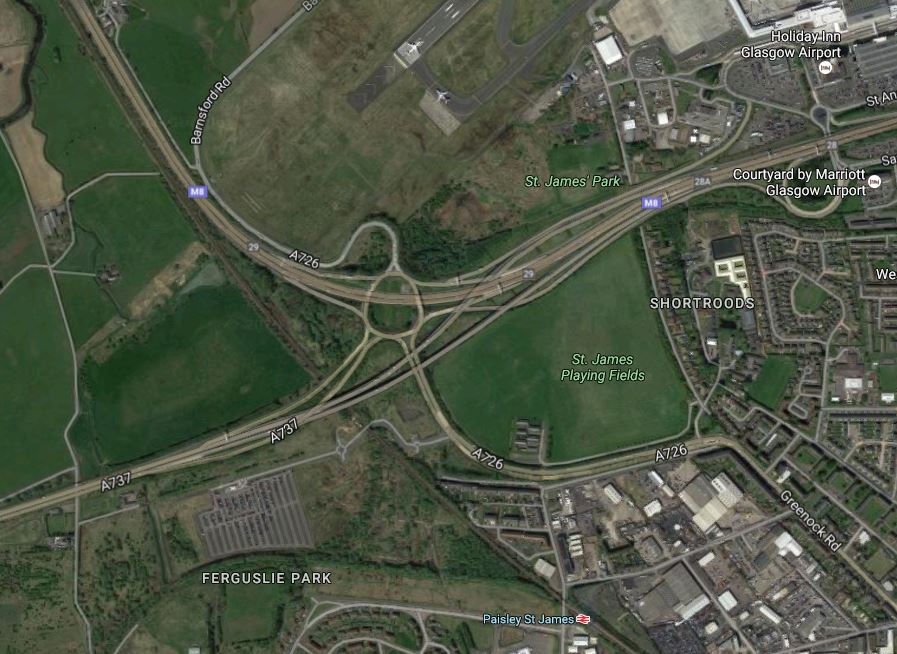
Note.
- Junction 29 of the M8 is the mass of spaghetti in the upper middle of the map, with the Inverclyde Line passing to the South-west of the junction.
- Paisley St. James station is towards the bottom of the map.
- Junction 29 (Scotland) Ltd. own the block of land to the West of the railway and the new station would be built in this area, where the PRT system would connect to the Airport.
I think it could be a feasible plan and these are my thoughts.
A Proven System
Wikipedia says this about the PRT System at Heathrow.
Construction of the guideway was completed in October 2008. The line is largely elevated, but includes a ground level section where the route passes under the approach to the airport’s northern runway. Following various trials, including some using airport staff as test passengers, the line opened to the public in May 2011 as a passenger trial. Subsequently it was made fully operational and the bus service between the business car park and Terminal 5 was discontinued. The pods use 50% less energy than a bus. They run 22 hours a day. Unlike all UK road and rail traffic, which drives on the left, the PRT system drives on the right. As of May 2013 the system passed the 600,000th passenger milestone.
The interesting thing, is that it runs under the runway approach, so it must have a fairly small footprint.
I actually think that using this system has other advantages.
- It could go on a roundabout route between the station and the Airport, serving car parks and other important places.
- It could serve the car parks, which are also proposed for the site.
- It could bring those with movement difficulties to the station for the Park-and-Ride to Paisley and Glasgow.
- It is very much a proven system.
- The tram-train alternative works in many places in the world, but the concept seems to cause Network Rail indegestion.
- The PRT System is independent of the railway.
But in my view the system’s biggest advantage is that it could have a serious wow factor for children of all ages.
Cost
The cost of the PRT option is quoted at £70-£80m, as opposed to £144m for the tram-train alternative.
Journey Times
Journey times to the airport will certainly be competitive, but I think the wow factor will encourage passengers to use it, whether they come by train or car to the station.
Why Would You Want To Close The Existing Station?
I would not close the existing Paisley St. James station for these reasons.
- It serves Paisley Town centre and St. Mirren Football Club.
- Closing it could be a hassle.
- Extra stations are never a bad thing.
- Modern trains stop and start again at a station very quickly.
- The new station could be called Glasgow Airport to avoid confusion.
But then there may be better reasons to close it.
Train Frequency
There needs to be at least four trains per hour (tph) to Paisley Gilmour Street and Glasgow.
If not more, as the frequency of the PRT system will annoy passengers waiting for the trains.
I also think that a turnback facility should be provided, so that a posh Airport shuttle train could work a 2 tph limited-stop service to Glasgow Central.
If Glasgow got its act together, the posh train could also serve Edinburgh.
Construction
It is stated in the Renfrewshire 24 article, that the new station and the PRT system could be built in twelve months alongside the existing network.
As all the land is owned by the Airport, Junction 29 and Network Rail, this must help, unless they find newts.
They could even lift a lot of the design of some of the other new stations like Kirkstall Forge.
Future Development
I’m sure Junction 29 (Scotland) Ltd. have got some good plans for the rest of their site.
Conclusion
Go for it! Glasgow has been procrastinating for far too long!
I think we’ll see a lot of systems like this around the world!
The system is described here in Wikipedia.
It’s British by the way and was developed in Cardiff and Bristol.
German Trains With Batteries
One of my Google alerts found this article on Rail Journal, which is entitled DB to convert DMUs to bi-mode hybrid trains.
This is said.
GERMAN Rail (DB) has announced it is working with technical universities in Chemnitz and Dresden to develop bi-mode (diesel and electric) trains with lithium-ion battery storage. Between 2017 and 2021 DB intends to convert 13 existing Siemens class 642 Desiro Classic DMUs to hybrid bi-mode configuration.
It seems the Germans share my belief that trains with batteries are the future.
Needham Market Station
Needham Market Station is a Grade 2 Listed Building.
I was passing through on a sunny day and took these pictures.
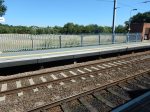
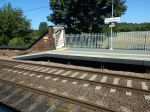
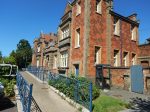
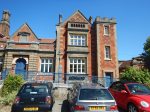
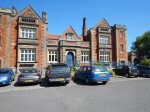
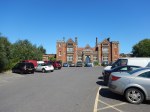
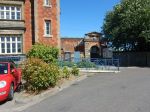
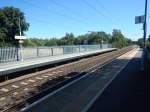
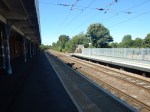
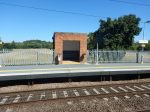
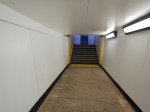
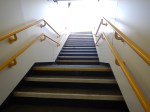
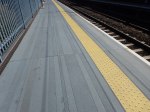
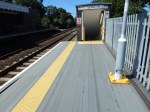
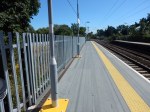
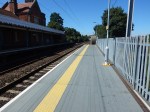
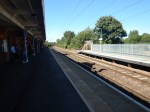
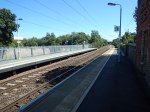
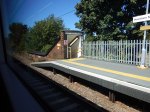
In some ways now, one of the most remarkable features of the station, is that the Ipswich-bound platform has now been rebuilt using a new plastic platform. I wrote about the develoopment in The Platform For The Future, when it won a Railway Industry Innovation Awards for 2016.
Note.
- It is an incredible station for a small town.
- The platform by the station building is traditional.
- The builders have done a good job on creating an acceptable subway.
- The plastic platform has a very smooth and safe surface.
After having visited, I think we’ll see a lot more of these platforms.
The Composite Platform 1 At Tulse Hill Station
Tulse Hill station is a typical South London station, that has been upgraded several times and probably if money was no object, would be knocked down and rebuilt.
But that would be expensive, so they have replaced Platform 1 with a composite one.
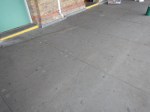
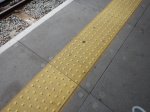
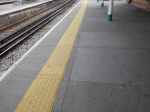

This page from the Dura Composites web site, says more about the installation. Reading about the platforms, the following advantages are mentioned.
- The platform doesn’t suffer from compaction issues.
- The surface is very passenger-friendly, with less likelihood of slips and falls.
- The yellow edge line is build into the platform.
- The stepping distance can be reduced.
- Installation of the platform is faster and needs less line closures.
- There are plans to install LED lights in the these platforms for safety reasons.
Overall the platform has a lower lifetime cost.
This to me is a classic innovation, that makes life easier and better for passengers, train companies and station builders.
Reinventing Victorian Engineering
Just because something has been used for centuries, it doesn’t mean that modern engineers, technologists and designers can’t come up with something better.
Take the humble points or to the Americans, railroad switch, which are seen all over the world’s railways and tram systems.
According to Wikipedia, points were patented by Charles Fox in 1832.
So as the two-hundredth anniversary of the invention approaches, you’d think that points had reached their ultimate form.
But you could be wrong!
This article in Global Rail News is entitled Full-size prototype for innovative track switch and describes work at Loughborough University to create something better.
It would appear that the design could be more affordable to build and maintain, safer and much faster to operate.
I also feel, it could simplify trackwork and save a lot of space in places like terminal stations and depots, where there are a mass of points, so that trains can access the correct platform or siding.
You can read the full details on the Loughborough University web site. There’s also a video.
I also feel, it could simplify trackwork and save a lot of space in places like terminal stations and depots, where there are a mass of points, so that trains can access the correct platform or siding.
D-Train Prototype Takes Big Step Forward
This is title of an article in Rail Magazine, which shows a picture of a two-car Class 230 train.
I have a feeling that because of all the other developments in the UK rail industry, that sadly for the project’s backers, that this will be a project filed under Heroic Failures.
If Arriva Rail North can find ways to buy a new fleet of CAF Civity trains and IPEMU technology breaks through as expected, the market in the UK for the D-Train must be getting a lot smaller.
It could be getting to the point, where the train is totally unsaleable in the UK.
The LaMiLo Project
Few have heard of the LaMiLo Project, which is an EU funded project to reduce truck traffic and the consequent air pollution in cities.
I hadn’t until half-an-hour ago, although I knew there were experiments going on at Euston.
This page on the London Councils web site, gives more details about the pilot project in London.
In this pilot a freight train was brought into Euston station in the middle of the night and pallets of goods were unloaded on to smaller trucks for onward delivery in Central London.
This is said on the London Councils web site about the pilot.
The pilot has provided outstanding results; it has seen 50,000 items delivered to over 250 councils building, leading to a 46% reduction in the number of vehicle trips and a 45% reduction in kilometres travelled.
It sounds like an idea worth pursuing. Although Nigel Farage would object to the EU involvement.

