Up From The Depths At Moorgate Station
Moorgate station must have been built for rabbits, as it is a bit of a warren.
On arriving on the Northern Line platforms at the station a few days ago, I took the rat-up-the-drainpipe route to the surface.
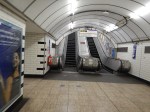
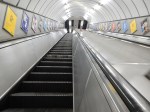
This is the route I took.
- Up the escalator to the Northern City Line platforms.
- Straight up the Northern City Line escalators to the surface.
- Through the barrier and then up to street level on one of two flights of steps, which are on opposite sides of Moorgate.
It is quicker and has less steps.
Crossrail
How will axxess change, when Crossrail opens.
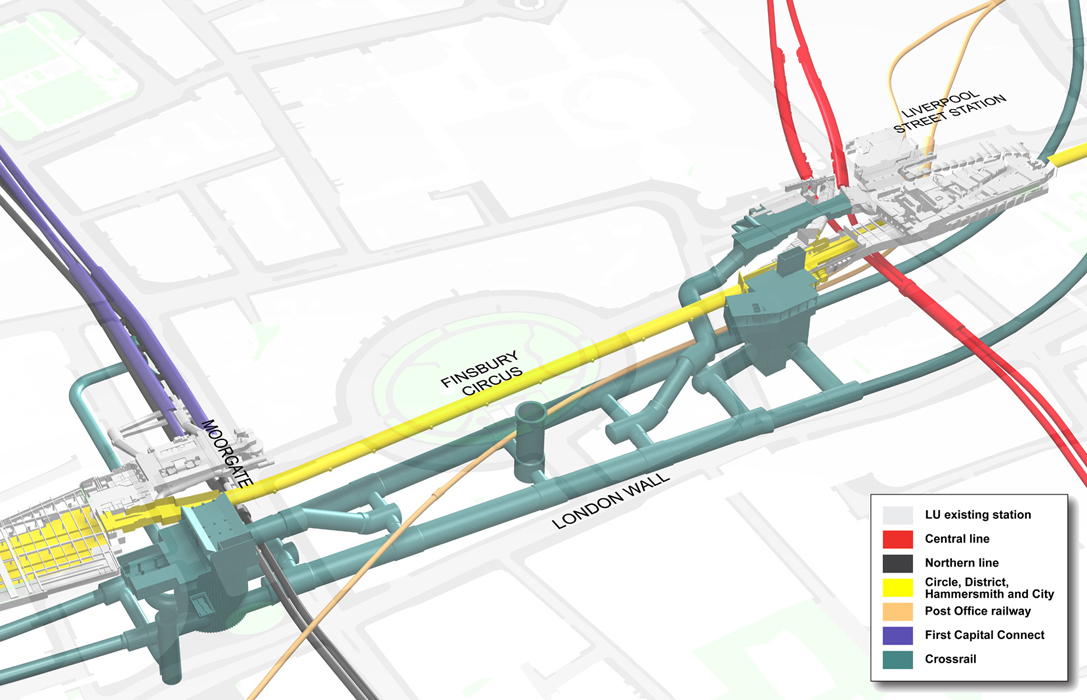
Look at this image, I’ve clipped from this large visualisation of the massive Liverpool Street-Moorgate Crossrail Station.
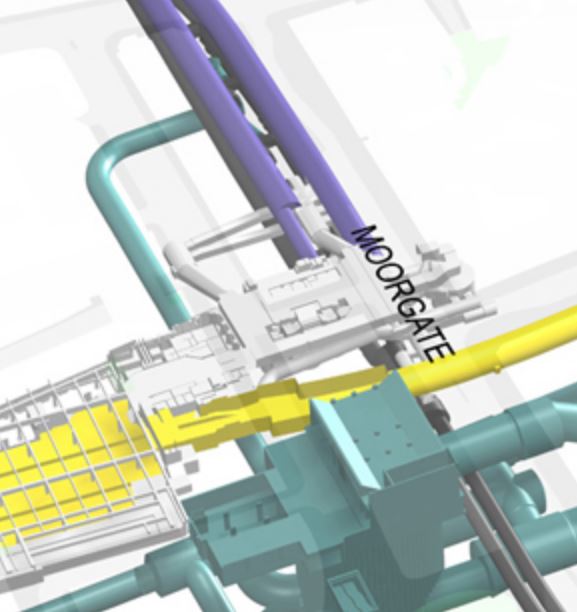
The image shows the Northern City Line coming into Moorgate station.
Colours are as follows.
- Blue – Northern City Line
- Yellow – Circle and Hammersmith & City Lines
- Black – Northern
- Turquoise – Crossrail
Details to note.
Existing Northern City Escalators
The escalator shaft to the existing ticket hall is shown in white by the letter M of Moorgate.
Existing Northern Line Escalators
The double tunnels from the stairs leading to the platforms to the escalators are shown in white underneath the Northern City Line.
The escalators to the existing ticket hall are clearly shown. Both are in white.
Circle And Hammersmith & City Lines
When Crossrail opens, passengers would seem to still do, as they do now to interchange between Northern/Northern City and the Sub-Surface Lines.
But there is also a turquoise tunnel with a right-angle bend in the middle, that appears to do the following.
- Link to the Northern and Northern City Lines at its Northern end.
- Run under the sub-surface Lines.
Finally the tunnel connects to the big turquoise block, which I take to be the new Crossrail ticket hall.
There appear to be lifts on both sides of the Sub-Surface Lines.



Note.
- The lift on the North side of the Sub-Surface Lines, appears to be in a room with a window. Perhaps, the wall will be removed?
- The lift on the South side of the Sub-Surface Lines, appears to be in a lobby, set back from the tracks, but accessible from all three platforms on that side.
- I suspect they connect to the connecting tunnel below the platforms.
There does appear to be quite a bit of work to do.
The New Crossrail Station
The big turquoise block is the new Crossrail station and Ticket Hall.
Crossrail would appear to connect to the Northern and Northern City Lines, using the new subway, but it doesn’t seem that obvious how passengers will walk between the Sub-Surface Lines and the Crossrail Ticket Hall.
It
Parallel Trains At Finsbury Park
I was travelling from Finsbury Park to Kings Cross, so I got on a Grand Northern service.
Like I’ve seen several times, there was a good cross-platform connection, between services going to Kings Cross and Moorgate, which leave from opposite sides of the same platform.


Note.
- The wide platform at Finsbury Park station between the two services.
- At the current time, the Kings Cross trains are every thirty minutes and the Moorgate trains every five minutes.
- Going say from Stevenage to the City would mean a wait of no more than five minutes.
- But going North, you might wait at Finsbury Park for up to half-an-hour.
Finsbury Park could be a very handy interchange as it has Thameslink, Victoria and Piccadilly Line services, in addition to the Kings Cross and Cambridge and Moorgate services.
Approaching Kings Cross – 6th January 2021
I took these pictures approaching Kings Cross.

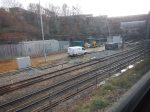
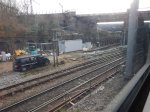
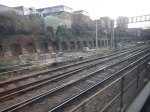
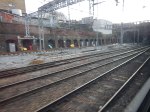

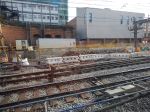
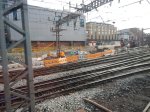
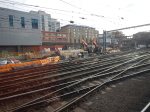
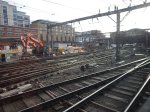
Note.
- There is still track to be laid.
- The electrification is still to be erected.
But everything seems to be getting there.
This Google Map shows the section between the two tunnels.
- Copenhagen Tunnel is North of this map.
- Gasworks Tunnel lies between this map and Kings Cross station.
Both tunnels have three double-track bores, where in this massive project, the Eastern bores are being brought back into use to add capacity to Kings Cross station.

Note.
- The East Coast Main Line runs North-South across the map.
- The quadruple track crossing East-West at the top of the map is the North London Line.
- Below it, is the Channel Tunnel Rail Link into |St. Pancras.
- The link to the Canal Tunnels take Thameslink trains to the deep level platforms in St. Pancras.
- The two new tracks will be on the Eastern side of the East Coast Main Line.
This second Google Map shows the track and platform layout at Kings Cross station.
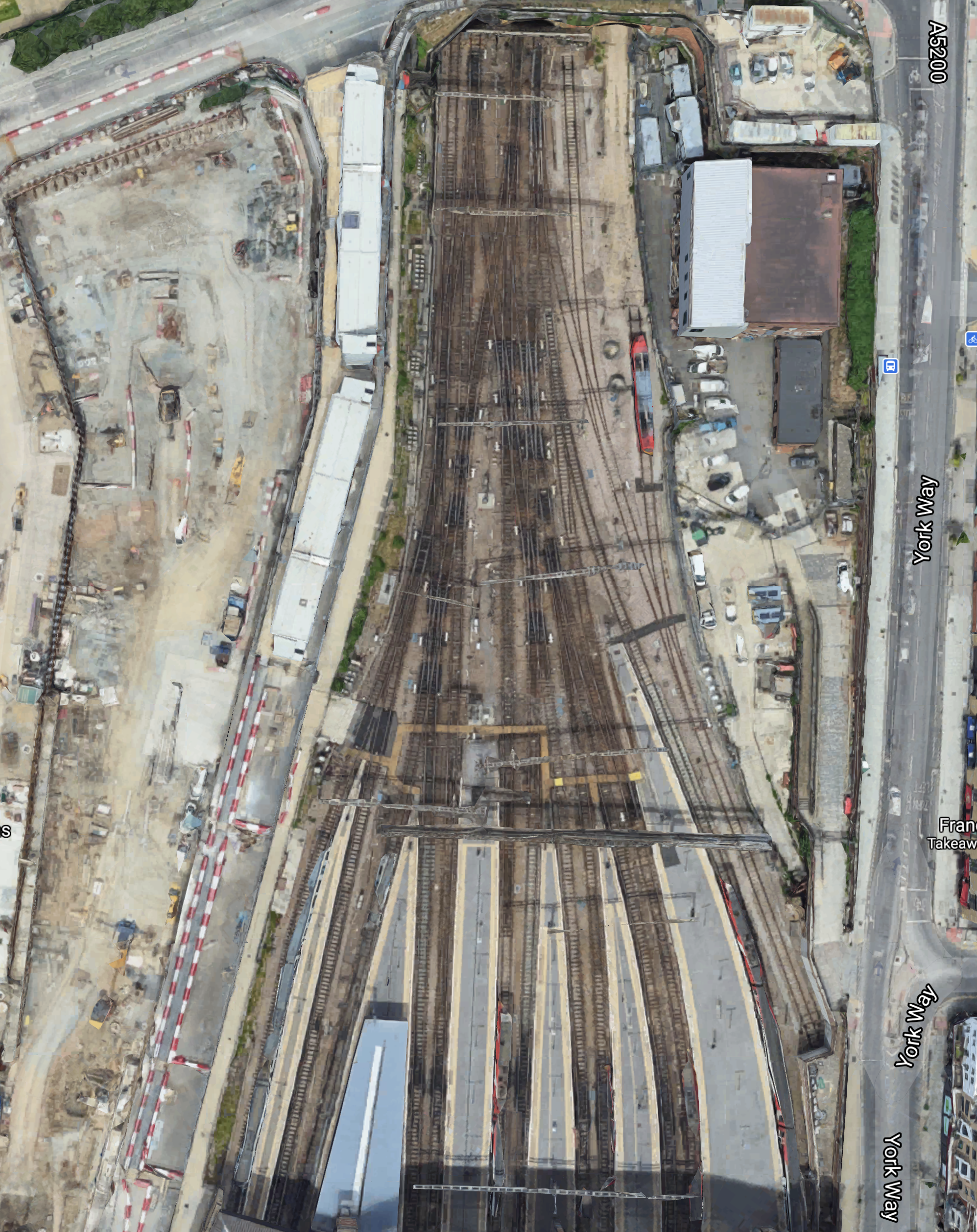
Note.
- There are twelve platforms, which are numbered from 0 to 11, with Platform 0 in the East.
- The various islands are numbered as follows from East to West; 0/1, 2/3, 4/5, 6/7, 8/9 and 10/11.
- The six tracks through the tunnels may be bi-directional, so will each track be linked to a pair of platforms?
- Platforms 0 to 4 are in the Eastern half of the station
- Platforms 5 to 0 are in the Western half of the station
- Platforms 9, 10 and 11 are short platforms in the old suburban station, which is mainly used by suburban services to Cambridge and Kings Lynn.
When I arrived there was a five-car Azuma in Platform 9, as these pictures show.

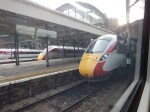
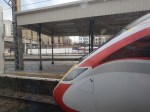
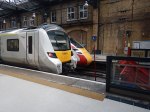
I’ve seen Grand Central’s Class 180 trains in these short platforms before, so is this going to be a regular occurrence.
Services Into Kings Cross
When the remodelling at Kings Cross is complete, current plans say the following trains will be running into Kings Cross station.
- LNER – Two tph – Edinburgh – Long train
- LNER – Two tph – Leeds – Long train
- LNER – One tph – Lincoln or York – Long or short train
- Great Northern – Two tph – Cambridge (stopping) – Short train
- Great Northern – Two tph – Cambridge (fast) – Short train
- Hull trains – Seven tpd – Hull and Beverley – Short train
- East Coast Trains – Five tpd – Edinburgh – Short train
- Grand Central – Four tpd – Bradford Interchange – Long or short train
- Grand Central – Five tpd – Sunderland – Long or short train
Note,
- tph is trains per hour and tpd is trains per day.
- There is a mixture of short and long trains.
- Short trains can fit all platforms, but long trains can only use platforms 0-8.
- There are nine tph and a total of 21 tpd in various less-frequent services.
My scheduling experience in other fields, says that ten platforms will be needed for a full service, with each of the ten platforms handling just one tph.
Conclusion
Wjen all the work is completed, Kings Cross station will have room for a few extra trains.
Essex Road Station – 16th November 2020
These pictures show Essex Road station.




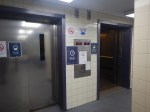


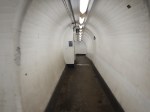
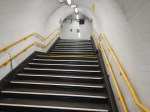

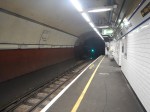
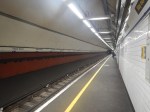
Note.
- It is a station of little architectural merit.
- It is not by any means step-free.
- The atmosphere could be better.
- In the last few weeks, I have witnessed two falls, that could have been serious with a little less luck on those dreadful stairs.
It is certainly not the best station in Islington, let alone North London.
Wi-fi On A Train In A Deep Tunnel Under London
I’ve just been using wi-fi on a Class 717 train between Essex Road and Moorgate stations.
Is this the first railway line deep underneath the surface of London to have wi-fi installed?
I shall be interested to see, if I use the line more, as an alternative way to get to Moorgate from my house.
A Scrapyard Special Ready For The Blowtorch
I took these pictures of possibly the worst train, I’ve ridden in for some years.
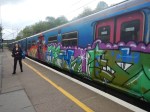
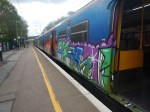
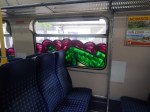
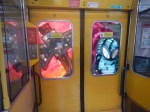
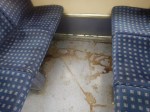
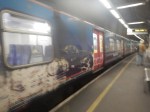
I took this Class 313 train between Hertford North and Old |Street stations.
Not all trains of this age have to be so dirty and unkempt.
In Liverpool’s Underground Trains, I showed these pictures.
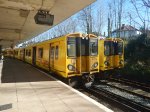
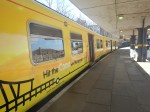
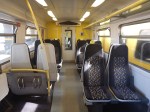
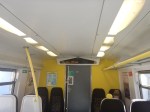
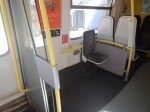
These Merseyrail Class 507/508 trains are only three years younger, than those in London.
Both fleets are being replaced before the end of 2020.
So it’s not that if trains are going to the scrapyard they have to be let go!
I do wonder whether that this illustrates the point, that if trains are run as a concession from the Local Authority, like those of Merseyrail and London Overground, there is much better control of service quality.
In Gibb Report – Moorgate Services Could Be Transferred To The London Overground, I laid out Chris Gibb’s view of what should happen.
This was my conclusion.
Chris Gibb has made an interesting proposal.
There are good reasons to transfer the Great Northern Metro to London Overground.
- London Overground have the expertise to introduce the new trains.
- Transport for London have the expertise to redevelop the stations on the route at the Southern end.
- GTR will be able to concentrate on Thameslink
- Moorgate, Old Street, Essex Road and Highbury and Islington stations become Transport for London-only stations.
- London would gain a new Metro line between Moorgate and Alexandra Palace via Highbury and Islington and Finsbury Park, that extends into Hertfordshire and has a frequency of at least twelve tph.
- Crossrail gets another North-South feeder line.
- Highbury and Islington and Finsbury Park will become high quality interchanges.
- The Hertford Loop Line can be developed independently of Thameslink and the East Coast Main Line to be a high-capacity North-South Metro from North London to Stevenage.
- The Victoria Line gets a cross-platform connection to the Great Northern Metro for Crossrail at Highbury and Islington.
- The only problem, is that it might remove some of the reasons for extending Crossrail 2 to New Southgate.
Overall it strikes me that GTR have been working totally without any vision or any idea about how their new trains will transform the Great Northern Metro.
I hope Sadiq Khan is watching what is happening from his bunker in South London.
The Shape Of Things To Come
Yesterday, I needed to go between Moorgate and Tottenham Hale stations.
It was just before the evening Peak and I took the escalators down to the Northern City Line platforms, where a new Class 717 train was waiting.
The increased capacity meant I got a seat and I took the train three stops to Highbury & Islington station.
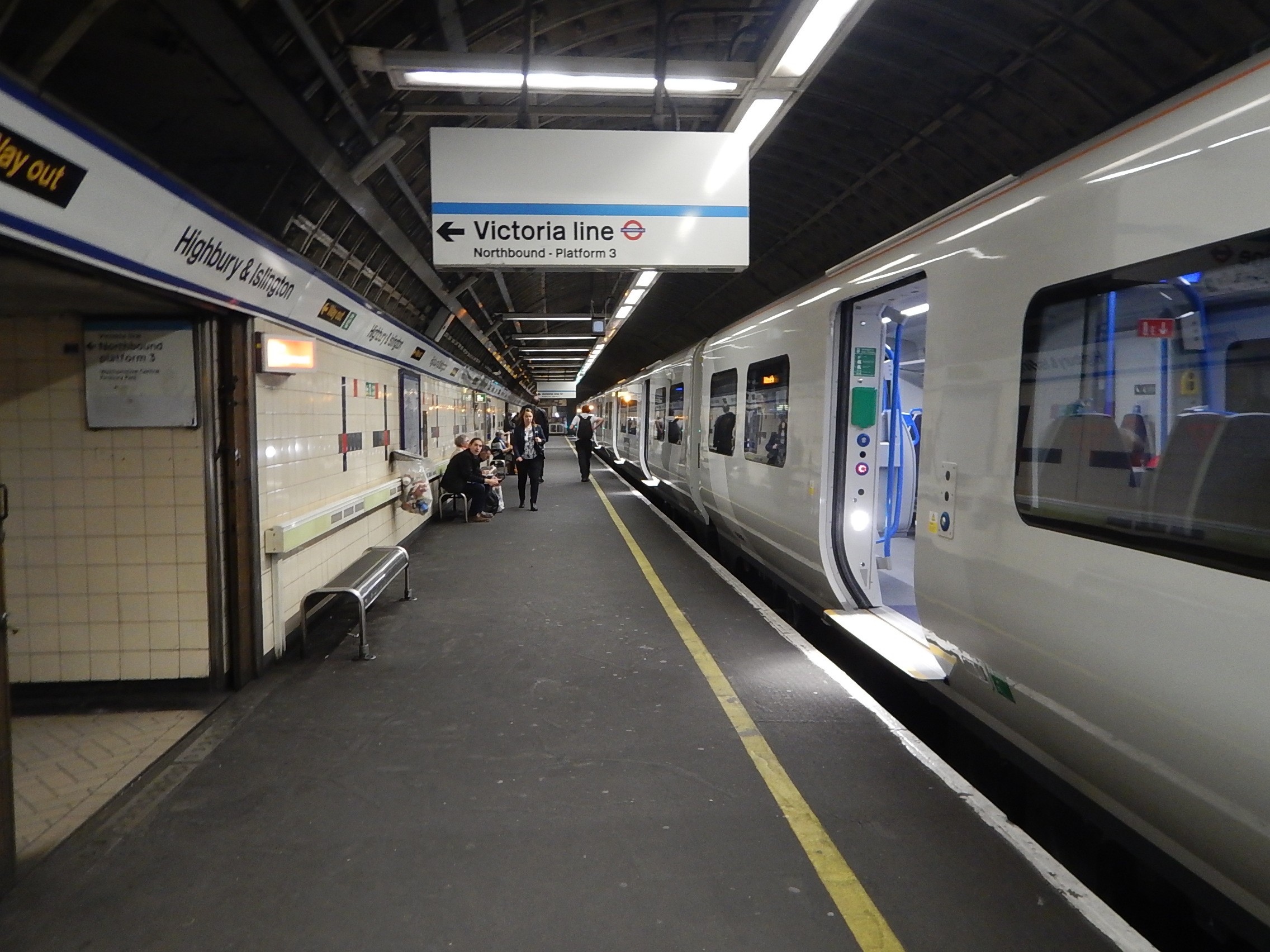
It was then just a walk through a very short tunnel to the Victoria Line and a train to Tottenham Hale.
It was so much more relaxed than squeezing into a crowded and very elderly Class 313 train.
After the timetable change in May, there will be eight trains per hour (tph), as there is now, but given the number of trains in the new fleet and signalling improvements in the pipeline, I feel that this frequency will be increased.
It should also be noted that in the Peak there are twelve tph, which in the future could be used all day.
But in the interim, trains with extra capacity will be very welcome.
From An Ugly Ducking To A Swan
These developments are either underway or planned for the next few years.
- Improved signalling on the Northern City Line.
- Full step-free interchange at Finsbury Park between Moorgate services and Thameslink, Piccadilly and Victoria Lines.
- Higher frequencies on Thameslink and the Piccadilly Line through Finsbury Park
- Full step-free access to the Northern City and Victoria Lines at Highbury & Islington station.
- Full step-free access at Old Street station.
- Hopefully, Essex Road station will be cleaned.
- Crossrail will finally arrive at Moorgate station.
North London’s ugly ducking, which has caused passengers, British Rail and London Underground, so much trouble, will finally have turned into a swan.
I always wonder if the City of London’s transport planners, wish that the Victorians had built the planned extension to a new Lothbury station, close to Bank.
What Will Be The Ultimate Frequency?
Currently the frequency between Alexandra Palace and Moorgate stations in the Peak is twelve tph.
Compare this with the following frequencies.
- Crossrail will be initially 24 tph.
- The East London Line is planned to go to 20 tph
- The Piccadilly Line is currently at 24 tph between Arnos Grove and Acton Town stations in the Peak.
- Thameslink will soon be at 24 tph
- The Victoria Line is currently at 36 tph.
I don’t think it unreasonable that a frequency of at least sixteen and possibly twenty tph between Alexandra Palace and Moorgate stations is achievable.
- Digital signalling and Automatic Train Control will be possible.
- If Dear Old Vicky can turn 36 tph at Brixton and Walthamstow Central stations, with two platforms, then surely 20 tph at Moorgate is possible, once there is better access for passengers to the platforms.
- Alexandra Palace to Moorgate is a double-track railway, that is almost exclusively used by Moorgate services.
- 16-20 tph would make the cross-platform interchange with the Victoria Line at Highbury & Islington station very efficient.
- There are two branches North of Alexandra Palace station. I’m sure each could handle 8-10 tph.
- The Hertford Loop Branch has three terminal stations; Gordon Hill, Hertford North and Stevenage stations.
- The East Coast Main Line has two terminal platforms at Welwyn Garden City station.
I could see the following frequencies.
- Moorgate and Gordon Hill – four tph
- Moorgate and Hertford North – four tph
- Moorgate and Stevenage – four tph
- Moorgate and Welwyn Garden City – four to eight tph
It will be a very high-capacity Metro into Moorgate. There could be a need for a few more trains.
But with increased speed.
Should The Northern City Line Be Shown On The Tube Map?
Increasingly, passengers will use the high-frequency Southern section of the Northern City Line between Alexandra Palace and Moorgate stations, as a new tube line.
So like Thameslink, the arguments will start as to whether this line should be on the Tube Map.
If Crossrail is to be shown, it is my view that nThameslink and the Northern City Line should be shown too!
Great Northern Class 717s Finally Enter Passenger Service
The title of this post, is the same as that of this article on Rail Magazine.
I arrived at Finsbury Park station and found one there.
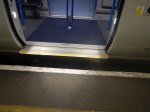

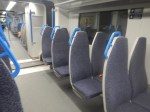

So I took a ride to Moorgate and back to Essex Road station
Latest On The Class 717 Trains For The Great Northern
This is another tweet from the South East Rail Group.
Because of centre door of the cab some start signals can’t be sighted by the driver. Thus SDO will be used and trains stopped short. Once ERTMS is installed (the trains already have the in-cab signalling displays to go with it) then fixed signals and triphandles will be removed.
They also say that squiadron service is could be on March 11th.
Effect Of ERTMS
The tweet also confirms that ERTMS will be available on this line, after the first stage of installation of ERTMS on the East Coast Main Line.
Currently, the service to Moorgate station is twelve trains per hour (tph) in the Off Peak, with extra services in the Peak.
As Thameslink and Crossrail will be running twenty-four tph in a couple of years, so when ERTMS is working on the Southern part of the East Coast Main Line and on the Northern City Line into Moorgate station, how many trains per hour will be possible to Moorgate?
The current twelve tph means that turning the trains at Moorgate must be done in five minutes, which having watched the process is fairly relaxed.
Fifteen tph and a four minute turnround is certainly possible, as that is sometimes achieved in the Peak with the ancient Class 313 trains.
With a fleet of twenty-five trains, and a frequency of twenty-four tph possible under ERTMS, I suspect that twenty tph and a three minute turnround at Moorgate could be achieved all day.
Highbury & Islington Interchange With The Victoria Line
With Dear Old Vicky gamely plugging on at thirty-six tph, the typical maximum wait in a cross-platform interchange will be as follows.
- Victoria to Northern City – three minutes
- Northern City to Victoria – one minute and forty seconds.
How many passengers will use this route to the City rather than use the London Overground?
Interchange With Crossrail At Moorgate
The Northern City will be my link to Crossrail, as I can walk or get a bus to Essex Road station.
The interchange between Crossrail and the Northern City Lines will be high capacity, feature a lot of escalators and be fully step-free.
Conclusion
London’s forgotten underground line with its tragic history of the Moorgate Tube Crash, will become a new star in the broad firmament of London’s railways.
It just needs some improvements to some of the stations.
 The Anonymous Widower