Midland Main Line To Be Electrified
It is being reported this morning, that the Midlands Main Line from St. Pancras station to Sheffield is going to be electrified. At present it only goes as far as Bedford, which must be one of the most stupid planning decisions by Railtrack and its predecessors.
But then there are several cases, where electrification stopped in the UK, rather than continue to its logical conclusion. I remember as a teenager, that the original plans for electrification in East Anglia included the branch line to Felixstowe. It should probably have included Ely to Norwich and Norwich to Yarmouth as well. Now there is a strong case to electrify Ipswich to Peterborough to haul all that freight from Felixstowe. Although the last bit would be difficult due to the number of bridges on the line, but hopefully when the line was upgraded for larger containers, they did it to allow for electric wires as well. But knowing the muppets in the Department of Transport, that like to think it’s their railway, deliberately didn’t, so that electrification would stay in the sidings.
This is what surprises me about Midland Main Line electrification being announced. Logically, it should be done before the Great Western, as it is a smaller scheme, doesn’t have a difficult tunnel like the Severn Tunnel and many of the current trains can be converted to electric operation, as I posted here. I think it is mostly three track too, which helps with the engineering.
But when do governments do things logically?
Have they seen sense or does Justine Greening read the railway press?
It will be interesting what is said on Monday.
Thinking about this more, we have to take into account the fact that a spur into Heathrow from the west has also been announced. Putting my old project management hat back on, I can’t help feeling that underneath all this is some very good project management. Three electrification projects on the go at the same time, all relatively close together mean that the expensive electreification train that Railtrack has bought can be fully utilised.
The Old Farts Get It Right
Wimbledon has shown that with a bit of planning, you can avoid the problems of the weather. In 1993, they unveiled a plan to create a venue fit for the 21st century. Now nearly twenty years later, they have completed that plan. Here’s a simplified version of the plan from Wikipedia.
Stage one (1994–1997) of the plan was completed for the 1997 championships and involved building in Aorangi Park the new No. 1 Court, a broadcast centre, two extra grass courts and a tunnel under the hill linking Church Road and Somerset Road.
Stage two (1997–2009) involved the removal of the old No. 1 Court complex to make way for the new Millennium Building, providing extensive facilities for the players, press, officials and members, and the extension of the West Stand of the Centre Court with 728 extra seats.
Stage three (2000–2011) has been completed with the construction of an entrance building, club staff housing, museum, bank and ticket office.
A new retractable roof was built in time for the 2009 championships, marking the first time in the tournament’s history that rain did not stop play for a lengthy time on Centre Court.
A new 4000-seat No. 2 Court was built on the site of the old No. 13 Court in time for the 2009 Championships.
A new 2000-seat No. 3 Court was built on the site of the old No. 2 Court and the old No. 3 Court.
It just shows if you take your care at the planning stage and get everyone on your side, you get a better outcome. The only mistake, they seem to have made was underestimate the success of the roof on Centre Court and not put in provision for a roof on No. 1 Court. I suspect though, that engineers are seeing No. 1 Court as their next challenge.
It is interesting to compare Wimbledon’s progress with the dithering the French have been through about expanding or relocating, the venue for the French Open.
Wimbledon have also had the last laugh, in that they will be hosting the tennis at the London Olympics. What odds can I get on a Federer-Murray final? After all one will be hoping to prolong a winning streak and the other will be looking for revenge.
Is The Shard Value?
The Shard is charging £24.95 to go to the top. The Emirates Cable-Car is different and it costs just £3.20 to actually get somewhere. The London Eye is very coy about tickets and I think it costs £15, with the ability to pay extra for fast-track. You get fast-track for nothing on the cable-car if you use your Oyster card.
It strikes me that the choice is a no-brainer. Go on the cable-car, if cost is important to you.
One important point, is that all three projects have been realised by the MACE Group.
The Cutty Sark Opens Again on Thursday
The Cutty Sark reopens on Thursday after a very expensive rebuild. They certainly seem to have done a good job.



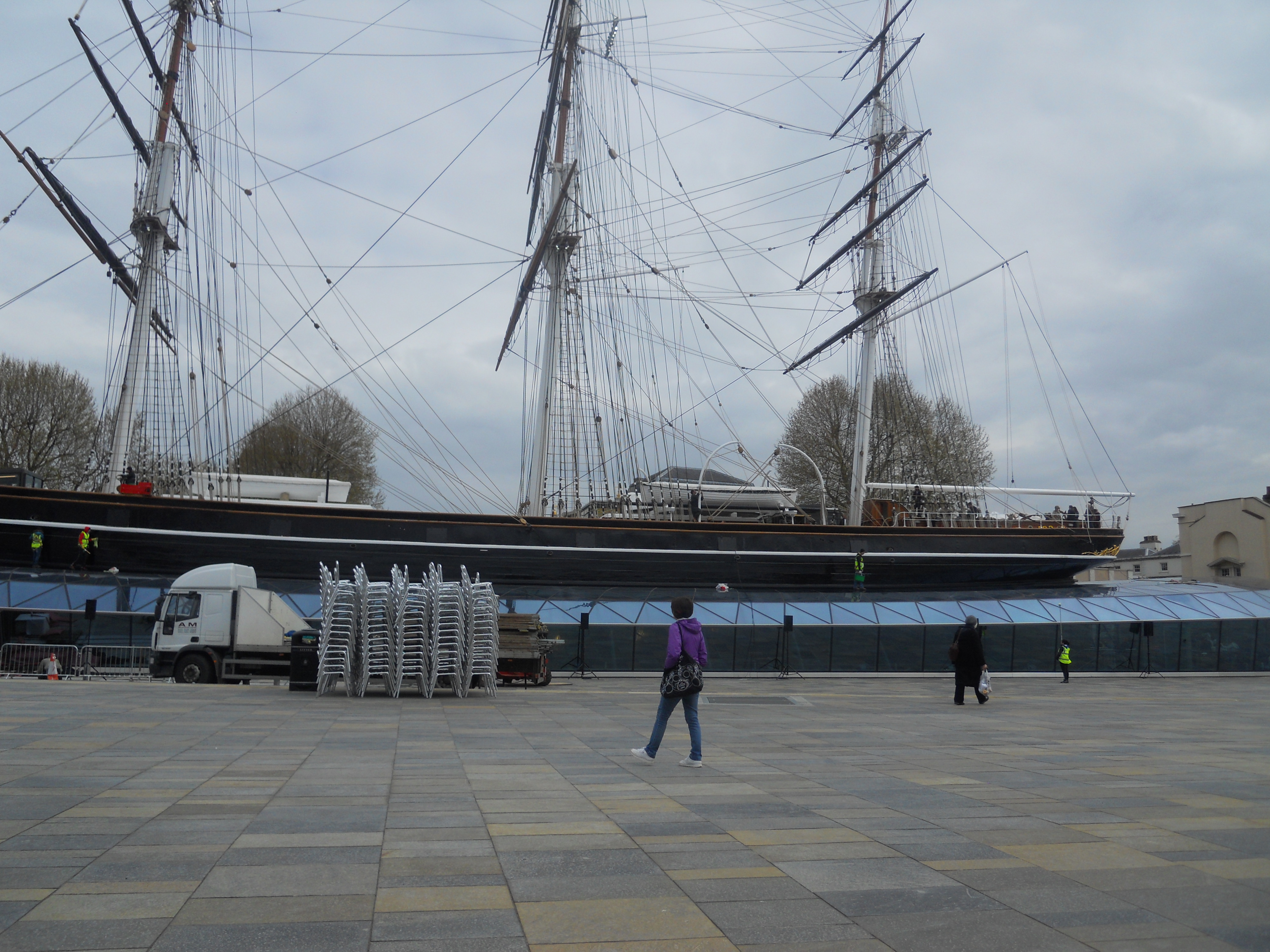

I have some doubts about the amount of money spent, but hopefully, the money will be repaid in extra visitors to London and also if it has helped create a new generation of craftsmen.
The Cutty Sark is one of the few sights of London, I can remember visiting as a child, probably after a trip upriver on a boat. What sticks in my memory is the figurehead collection.
It is one of those sites that is worth a visit, even if you have no time to visit the museums. There is a Marks & Spencer and a couple of coffee places, including a small Starbucks to get a quick lunch and quite a few places to sit, so for me as a coeliac, if I’m close, I know I can get a quick lunch, in quiet times like today.
I do feel very strongly, that big projects should leave a legacy. And so, I think it is important, that this restoration should be used to train the next generation of craftsmen. I know there aren’t many Cutty Sarks, but I suspect that a lot of the skills are also applicable to other historic marine craft from Victory and Belfast downwards to the MTBs of the Second World War.
We are getting better at this sort of legacy and for an example look at CrossRail. Part of the deal to build the enormous tunnels under London, was to create a Tunneling and Underground Construction Academy at Ilford. It will initially provide trained personnel for CrossRail, but it also has a wider brief to train people for soft-ground tunnelling projects, wherever they arise.
It is an idea that should be followed.
My Zopa Spreadsheet
I have a spreadsheet written in Excel, that documents all of my Zopa investment.
What I find about Excel is that it is so illogical and nothing is intuitive. When I wrote a PC-based version of Artemis, that was a project management, spreadsheet and a graphics program, it was way in advance of Excel today for ease-of-use. But then it didn’t have all the features.
Am I being arrogant?
No! At my age and state of health I have that luxury.
On a more important theme, is the spreadsheet telling me what I should do with Zopa?
I think so and I’ll be making changes to my lending philosophy in the next few days.
Around Chambers Wharf
Chambers Wharf has made the news recently, as Thames Water want to make it one of the sites from where London’s Thames Super Sewer is to be built. So I went and had a look round this lunchtime.

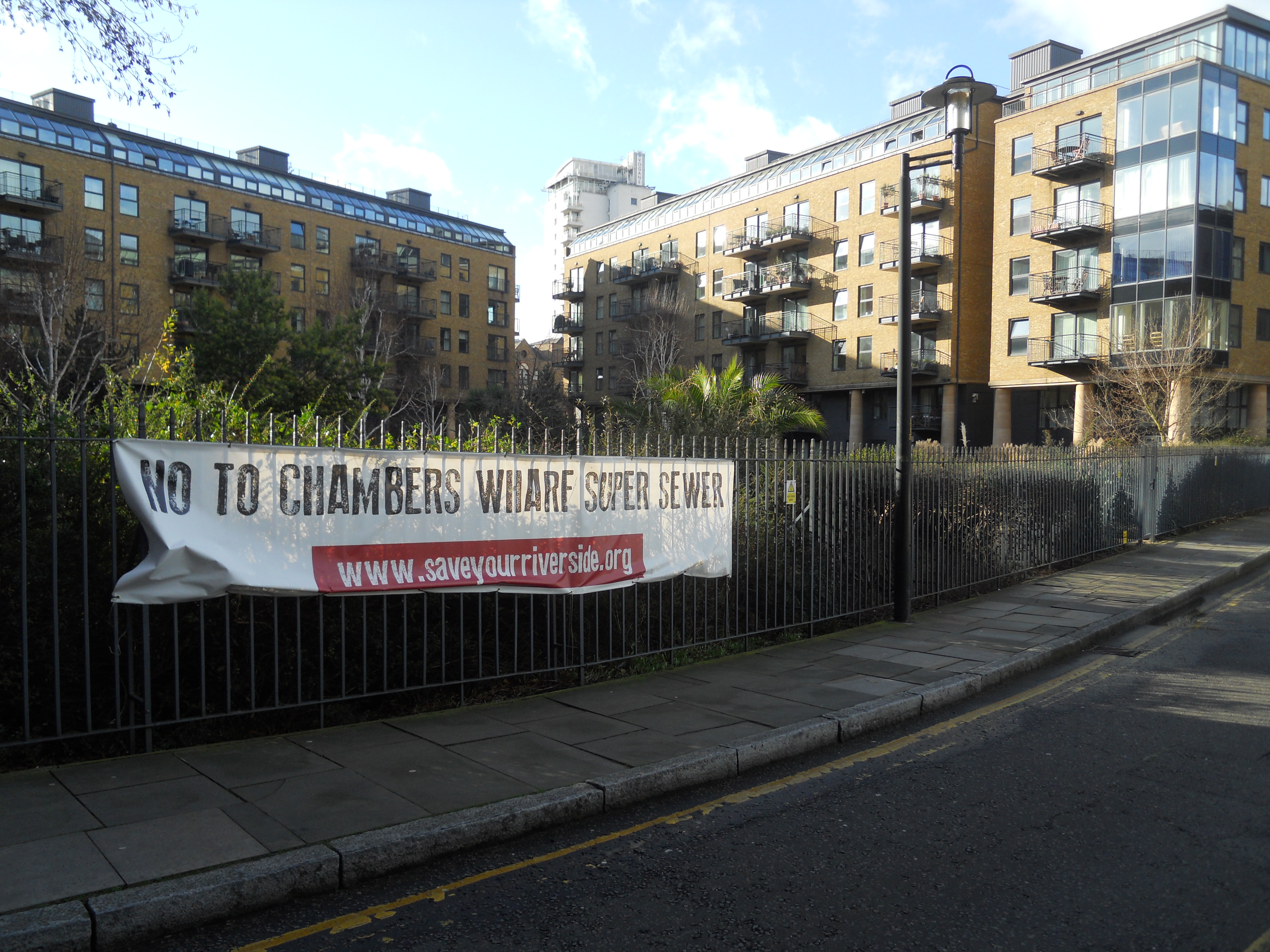

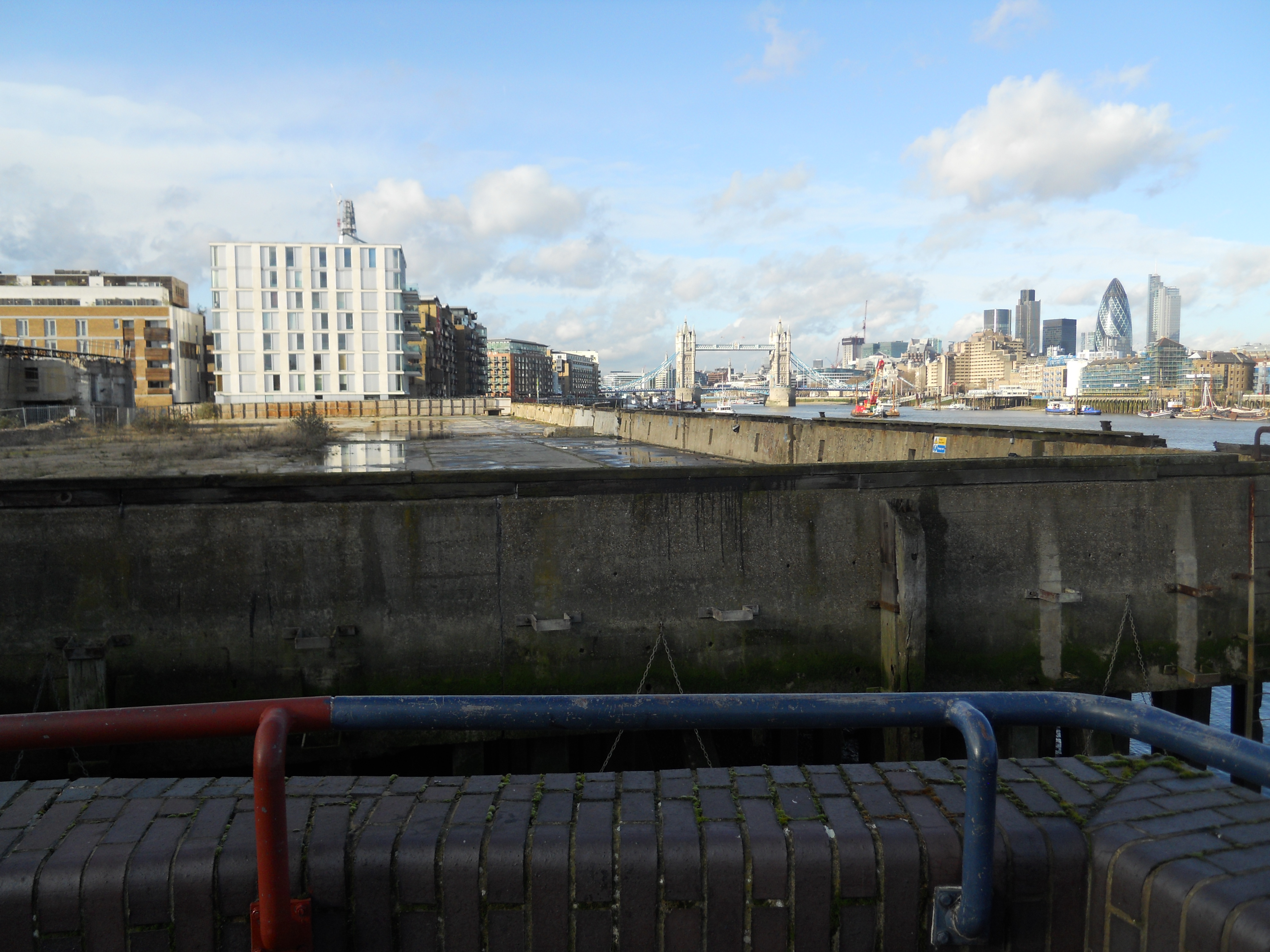
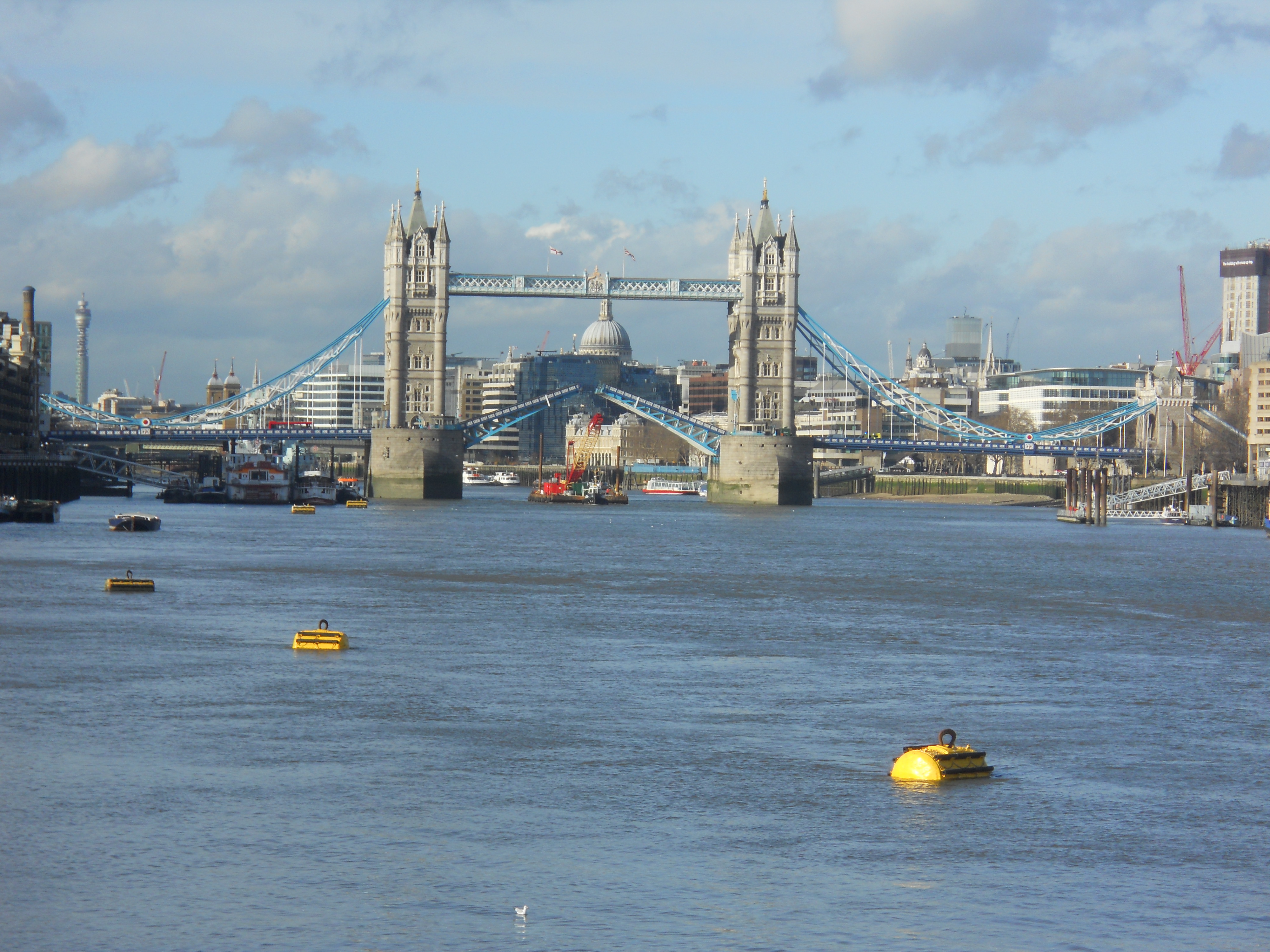


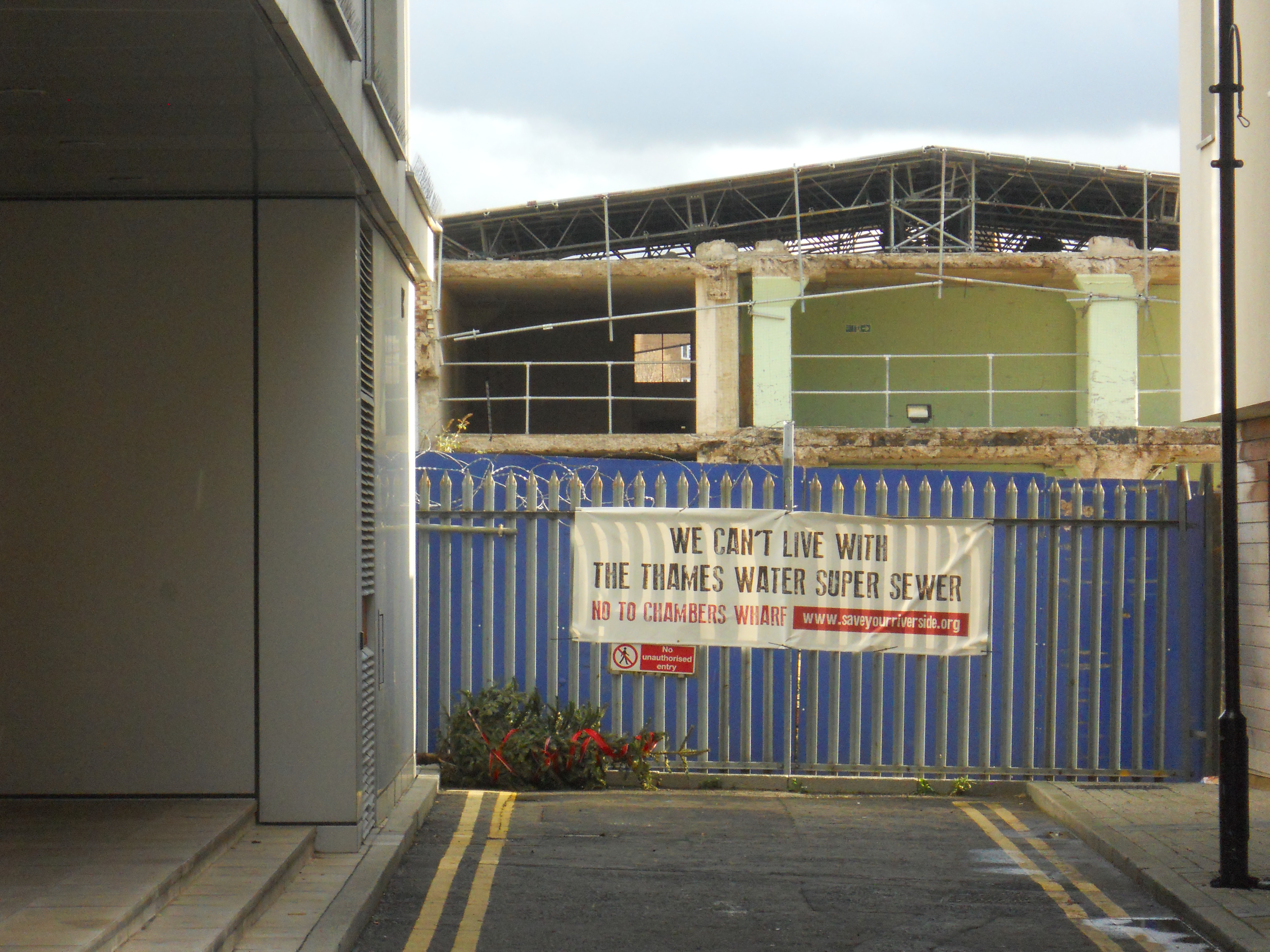
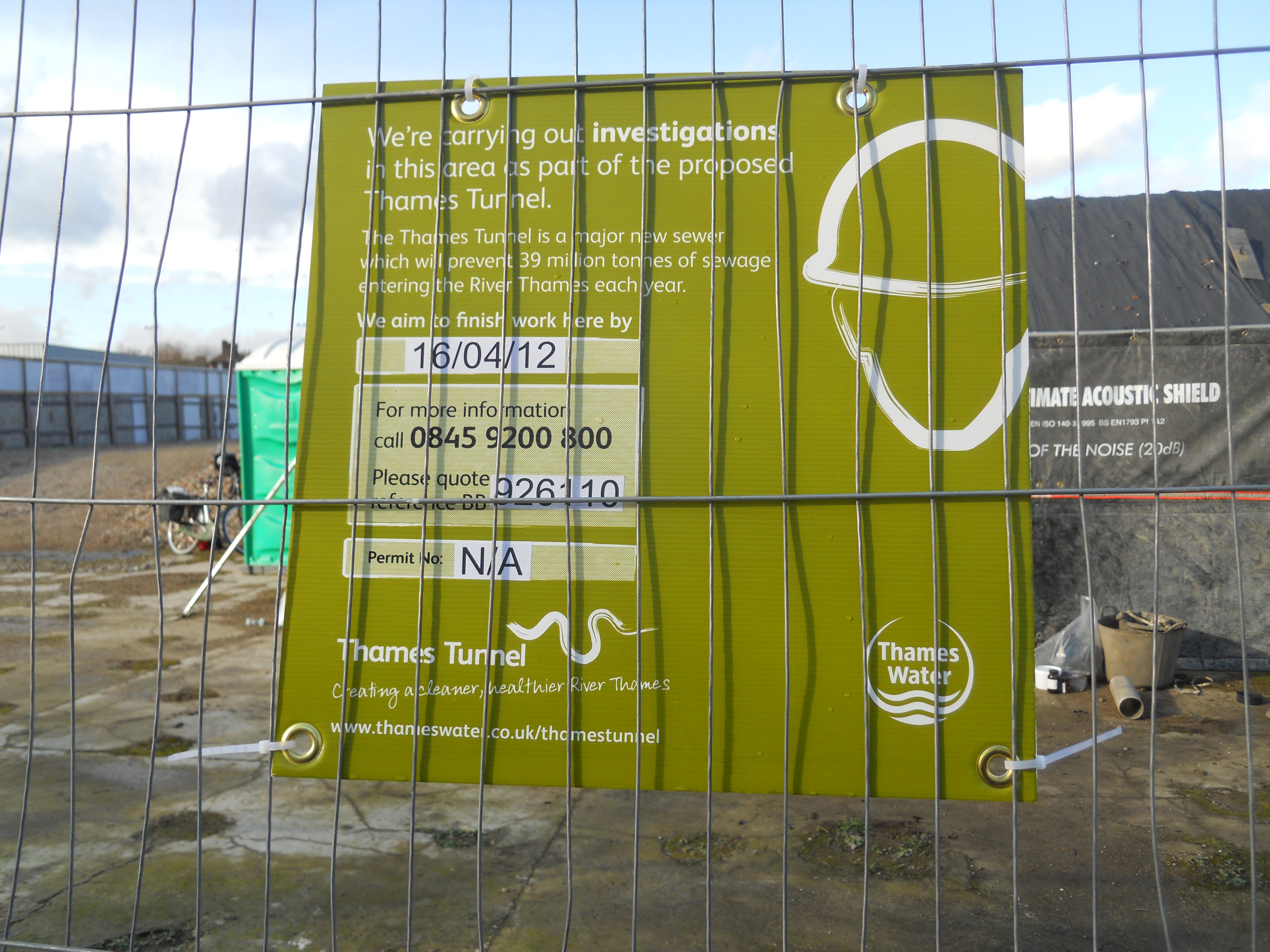
I couldn’t actually see much of the site as it is surrounded by blue fencing. But it strikes me that if they do any serious digging from here, that because the site is so close to the Thames, any serious engineer would take the spoil out that way. If Thames Water don’t do that it will probably cost them a lot more, as lorry journeys through a city like London are always delayed by traffic and only carry a few tonnes, whereas a proper barge can carry many times more. If we look at the Olympic site, a lot of materials like concrete and spoil were moved in and out by rail. Also go to Pudding Mill Lane and look at the portal for CrossRail, which is for two much larger tunnels, where the spoil will probably be removed by train. So opponents of the use of the Chambers Wharf site, who say there will be thousands of lorry journeys are not talking engineering sense. The site is also quite large and the hole is only going to be under thirty metres wide, so there should be quite a lot of space for machinery to move the spoil to the river.
I have no direct interest in whether the sewer is built, but I have a friend, who used to live in an area of London, that flooded badly every ten or so years. The sewer will hopefully stop all that.
Although I should say, that as someone who has spent a lot of time around project management and managers, I will say that what gets built in the end, will be quite unlike what was originally proposed. That’s what good project management is about. It makes a project better, cheaper and less disruptive. Hopefully, because of the sensitivity of this project, Thames Water will follow the example of Transport for London on the East London Line and hire the best people and contractors to build the sewer.
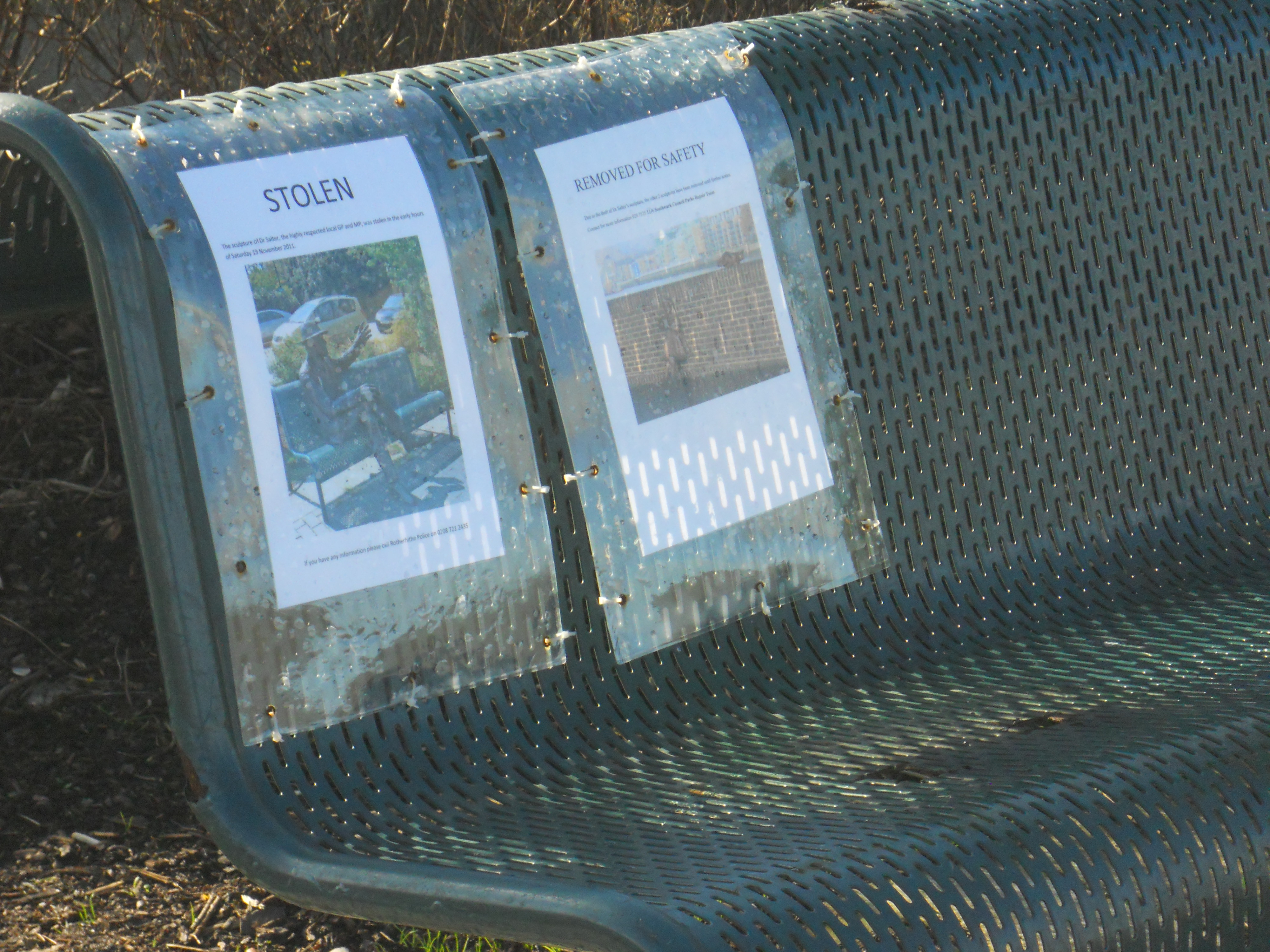
I was upset though to see the bench that had held Doctor Salter’s statue is now bare. A picture of it is in this set of pictures.
How To Recycle A Tunnel
Crossrail is Europe’s largest construction project and they are really upping their publicity this year, as the work begins in earnest.
I found this story with a video about the reusing of the Connaught Tunnel on the BBC’s web site. I wrote about this earlier.
It’s a fine piece of engineering and the associated project management.
DLR Extension Delayed By Thefts
According to this article, the new extension to the Docklands Light Railway has been delayed by thefts.
Hopefully, it will open at the August Bank Holiday.
I have a feeling that this is the first section of the DLR, that hasn’t opened on time, so that’s not a bad record, considering of all the bits of the railway, this is one of the least important and won’t really be needed before Eastfield opens.
NHS Waiting Times
There was a report yesterday that said that some NHS Trusts are imposing a minimum and maximum waiting time for some operations and treatment to save money.
If they are they, they are breaking the First Law of Scheduling, which is you maximise your efficiency by agreeing dates between both parties as soon as you can.
I first came across this, when I worked in the Research Department of ICI at Runcorn. We had a small workshop that would make equipment you needed. Everybody used to put a delivery date of ASAP on everything, even if they didn’t want it for a month or so. The outcome was that nothing got delivered in a reasonable time.
The situation couldn’t go on and the manager of the workshop decided that no work would be accepted without an agreed delivery date.
The outcome was harmony and everybody was happy. One interesting side effect of this method, was that when the workshop could see a high peak of future work, they would sub-contract some jobs to an external firm.
I must admit that I stole this technique when I wrote the task scheduler for Artemis, but of course this was a legitimate steal and it made the task scheduler very good.
Some NHS Trusts do use this agreeing of appointments method. Addenbrooke’s in Cambridge do and I’ve negotiated a suitable date and time on the phone several times.
I know too of a farmer, who needed a hip replacement and got the operation done at one of the quietest times in the farming year and a slack time for Ipswich Hospital.
Now most of us have e-mail or can use SMS, surely this negotiation can be an almost painless and automatic process.
It oviously won’t work for emergencies, but say you need something like a hip replacement, a mutually convenient date is best for all parties and in my view will probably add a few percentage points to hospital capacity.
How many NHS Trusts still manage appointments and waiting lists on a non-scientific basis.
 The Anonymous Widower