From Reading To Gatwick Airport Along The North Downs Line
After writing Connecting Reading And The West To Gatwick Airport And Eurostar, I decided to go and look at the reality of the North Downs Line between Reading and Gatwick Airport stations.
I took my usual route to Reading, which is to go to Moorgate and get the Elizabeth Line direct to Reading using my Freedom Pass, after having breakfast in the Leon on Moorgate.
- I then had to leave the station at Reading, so that I could buy my ticket to Gatwick Airport.
- It would be so much easier, if there ere a couple of ticket machines on the bridge or platform at Reading station, so that passengers, who were changing trains could buy tickets quickly and easily.
In the end, I caught the 11:24 train to Gatwick with only a few minutes to spare.
From Reading To Gatwick Airport Along The North Downs Line
Along the North Downs Line, the train was a well-refreshed Great Western Railway Class 165 train.
These are some of the pictures, that I took on the route.


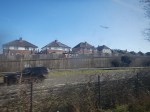





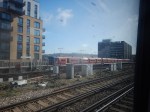
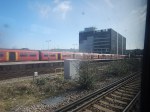




























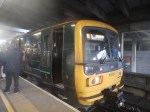
Note.
- The route goes through a lot of typical Surrey heathland.
- I noticed several pubs along the way.
- I suspect that there are some good walks from the stations.
- Reading and Guildford are university cities.
- Sandhurst is home to the Royal Military Academy.
- Farnborough Airport used to be home to the Royal Aircraft Establishment.
- Most of the seats on the train were taken.
I would expect that for a mainly rural route it is fairly busy.
Hitachi’s Intercity Battery Trains
Hitachi have developed an Intercity battery train and it is described on this page on their web site, where this is said about converting the trains to battery-electric operation.
A quick and easy application of battery technology is to install it on existing or future Hitachi intercity trains. Hitachi Rail’s modular design means this can be done without the need to re-engineer or rebuild the train and return them to service as quickly as possible for passengers.
Replacing one diesel engine with just one battery reduces emissions by more than 20% and offers cost savings of 20-30%. Our intercity battery powered trains can cover 70km on non-electrified routes, operating at intercity speeds at the same or increased performance.
That performance is certainly enough for Reading and Ashford via Gatwick, as only 37.7 miles in total, is not electrified.
Does The North Downs Line Mirror The East-West Rail?
Consider.
- The East West Rail will encircle London to the North, between Oxford and Cambridge.
- The North Downs Line encircles London to the South, between Reading and Ashford.
They could be considered two complimentary rail lines.
A Milton Keynes And Ashford International Service
Looking at the track layout on OpenRailwayMap, it would appear that one of Hitachi’s proposed Intercity Battery Trains fitted with dual voltage could pick its way elegantly along the East West Rail and the North Downs Line between Milton Keynes and Ashford International via Oxford, Reading and Gatwick Airport.
An Occasional Sheffield And Ashford International Service
If you could run a service between Milton Keynes and Ashford International, why not extend it to Bedford or even Sheffield in the North?
I believe if you put these Hitachi’s proposed Intercity Battery Trains on a cross-country route, that they will quickly suffer from London Overground Syndrome. This is my definition of the syndrome.
This benign disease, which is probably a modern version of the Victorian railway mania, was first identified in East London in 2011, when it was found that the newly-refurbished East London Line and North London Line were inadequate due to high passenger satisfaction and much increased usage. It has now spread across other parts of the capital, despite various eradication programs.
Put simply, it can probably be summed up as Quality Attracts Passengers.
Serving Heathrow
There have been various plans to get rail access into Heathrow from the West, but none have so far got off the starting blocks.
It is my view, that in the interim period, after my trip last weekend in the superb Wrightbus hydrogen double deck bus from Sutton to Gatwick, that I wrote about in Sutton Station To Gatwick Airport By Hydrogen-Powered Bus, that we should ask Wrightbus, who are designing a hydrogen-powered coach, to design the ultimate coach to connect rail hubs to major airports.
I would then run these coaches every ten minutes between Reading station and Heathrow Airport.
Serving Attractions
I believe that pairing Hitachi’s proposed Intercity Battery Trains with Wrightbus’s hydrogen coach could be a winner for passengers and operators.
As an example, Lumo are hoping to run an open access service between Paddington and Carmarthen, if Heidi the Spoilsport permits. Would it not be sensible, if one of Wrightbus’s hydrogen coaches did the last mile duties to the ferry for Ireland at Fishguard harbour.
Connecting Reading And The West To Gatwick Airport And Eurostar
I have just checked the electrification between Reading and Ashford International using OpenRailwayMap.
- Between Cardiff and Reading the electrification is 25 KVAC overhead.
- Between Reading and Wokingham the electrification is 750 VDC third-rail.
- Between Wokingham and Reigate is not electrified.
- Between Reigate and Gatwick Airport the electrification is 750 VDC third-rail.
- Between Gatwick Airport and Ashford International the electrification is 750 VDC third-rail.
Only 37.7 miles is not electrified.
Hitachi’s Intercity Battery Trains, have a range on battery power of seventy kilometres or forty-five miles, so these trains could go between Reading or any station to the West to any station on the North Downs Line, including Guildford, Redhill, Gatwick Airport, Tonbridge and Ashford International stations.
The trains would need to be dual voltage and I’m fairly sure, that no new infrastructure would be needed.
A Green No-Fly Route Between Europe And Ireland
Consider.
- The Great Western Main Line is electrified to Cardiff.
- There is no electrification to the West of Cardiff.
- Cardiff and Fishguard Hsrbour is 115.6 miles.
- There is a ferry between Fishguard and Rosslare.
I suspect Hitachi could configure one of their Intercity Battery Trains, that could connect Ashford International and Fishguard Harbour stations.
Sutton Station To Gatwick Airport By Hydrogen-Powered Bus
In Central London and Gatwick Airport For Free On A Freedom Pass, I indicated it was possible to go to Gatwick Airport for nothing, if you had a Freedom Pass, which is also a free bus pass for England.
This morning I took public transport to Gatwick Airport by this route.
- I took a 43 bus to London Bridge station.
- This bus terminates in the bus station in front of the train station, so it was a simple step-free entry into the part of the station, where Southern Trains terminate.
- I took a Southern Train to Sutton station.
- I then took a Metrobus 420 bus from Sutton station to Gatwick Airport.
These pictures show the journey.

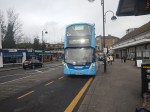










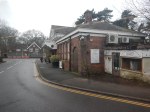
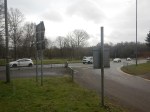
















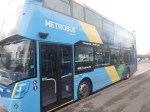
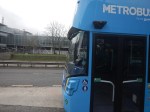
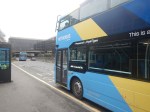

Note.
- The bus stop is directly outside the entrance to Sutton station.
- Sutton station is step-free.
- The information on the Metrobus’s buses at Sutton station is poor.
- The bus had a 74 number plate, so was registered after September 1st, 2024.
- The bus said it was a hydrogen bus.
- The seats were comfortable with leather facings.
- The route was mainly through rural Surrey.
- There were sections of dual-carriageway road with continuous 40 mph running.
- There were a number of steep hills.
- Previously, I have been told by a Bradford Councillor, that the City of Bradford is going for hydrogen-powered buses , as the city has lots of steep hills.
- The unusual Reigate and Redhill War Memorial on the A25.
- The route goes past Hadworth, Reigate and Redhill stations.
- Just before Gatwick Airport, the bus called at East Surrey Hospital.
I have some thoughts.
Does This Hydrogen Bus Have Almost The Quality Passengers Would Expect From A Coach?
Consider.
- I was very impressed with the quality of the bus and its fittings.
- But its biggest assets were the ride and mouse-quiet noise and being vibration-free.
- It was certainly up there, with the best British buses on UK roads.
- Strangely, I never rode in any of London’s Green Line coaches of the 1950s and 1960s.
But as Wrightbus are selling hydrogen-powered single-decker buses to the Germans, the quality must be of a certain standard.
The Performance Of The Bus
I would sum up the bus as follows.
- The bus didn’t hang around and it was well-driven.
- On much of the dual-carriageway, the bus appeared to be at the maximum speed limit of 40 mph
- Ride and seats were comfortable.
- There was virtually no vibration.
- At times, you almost felt you were in a top-of-the-range coach.
- The running gear is from German company ZF, which certainly doesn’t hinder the ride.
- The journey from Sutton to Gatwick Airport is twenty miles and took about ninety minutes.
I would feel that if Wrightbus design their CoachH2 chassis to the same standard of this bus, they’ll have a difficulty to meet sales demand.
Wrightbus Hydrogen Buses For My Local Bus Route 141
Consider.
- The 141 bus route is my local bus, which gets me to Moorgate, Bank, London Bridge and Manor House.
- The length of the full route is twenty miles and it takes about an hour to go from London Bridge station to Palmers Green.
- The route is currently run by older Wrightbus hybrid diesel-electric buses.
- I suspect that modern hydrogen buses could last almost all day on one fill of hydrogen, with perhaps a top-up at lunchtime.
They would have no difficulty handling the route and would greatly increase the customers current rock-bottom satisfaction.
Hydrogen Buses In Leafy Suburbs
- Where I live, is not particularly leafy or a suburb.
- But I seems to remember, when I moved here, that some of my neighbours complained about the noise of the 76 bus route.
- So Transport for London put on some quieter buses.
I would expect, that Metrobus might use the mouse quieter hydrogen buses in post areas, to avoid annoyance.
Hydrogen Buses As Route Extenders
Effectively, the Metrobus route 420 is acting as a route extender for Southern and Thameslink services coming South from London.
As it is a quality bus, that gets a move on, I suspect that some travellers, who previously took a train to Sutton, Tadworth, Reigate, Redhill or other stations and were then picked up, may take a hydrogen bus to a more convenient bus stop.
Because of the long range of a hydrogen bus or coach, zero-carbon performance, should be achieved without any range anxiety for passengers, driver or bus company.
Onward From Oakhampton Parkway Station
Consider.
- In 2014, storms destroyed the railway at Dawlish in Devon.
- As there was no alternative route, the storms cut everything west of Dawlish off from the rest of the UK.
- It is now likely, that a Park-and-Ride station will be built close to Okehanpton, which commuters would use for travel to Exeter.
- The main road to the South-West ; the A 30 will pass nearby.
It would appear, that Okehampton Interchange station could be used, if Nepture decided to show his power again.
Hopefully, the emergency plan will scare Nepture away.
Lumo To The Scottish Borders
Consider.
- Lumo have applied to extend some of their Edinburgh services to Glasgow.
- Talking to a friend in the Scottish Borders, they said, that travelers drive to Newcastle or Morpeth to catch Lumo for London.
- Four or five Lumo services every day stop in each direction at Morpeth station.
- So would it be sensible to run a bus or coach through the Scottish Borders to connect with the Lumo services?
This Google Map shows Morpeth in relation to the Border towns.
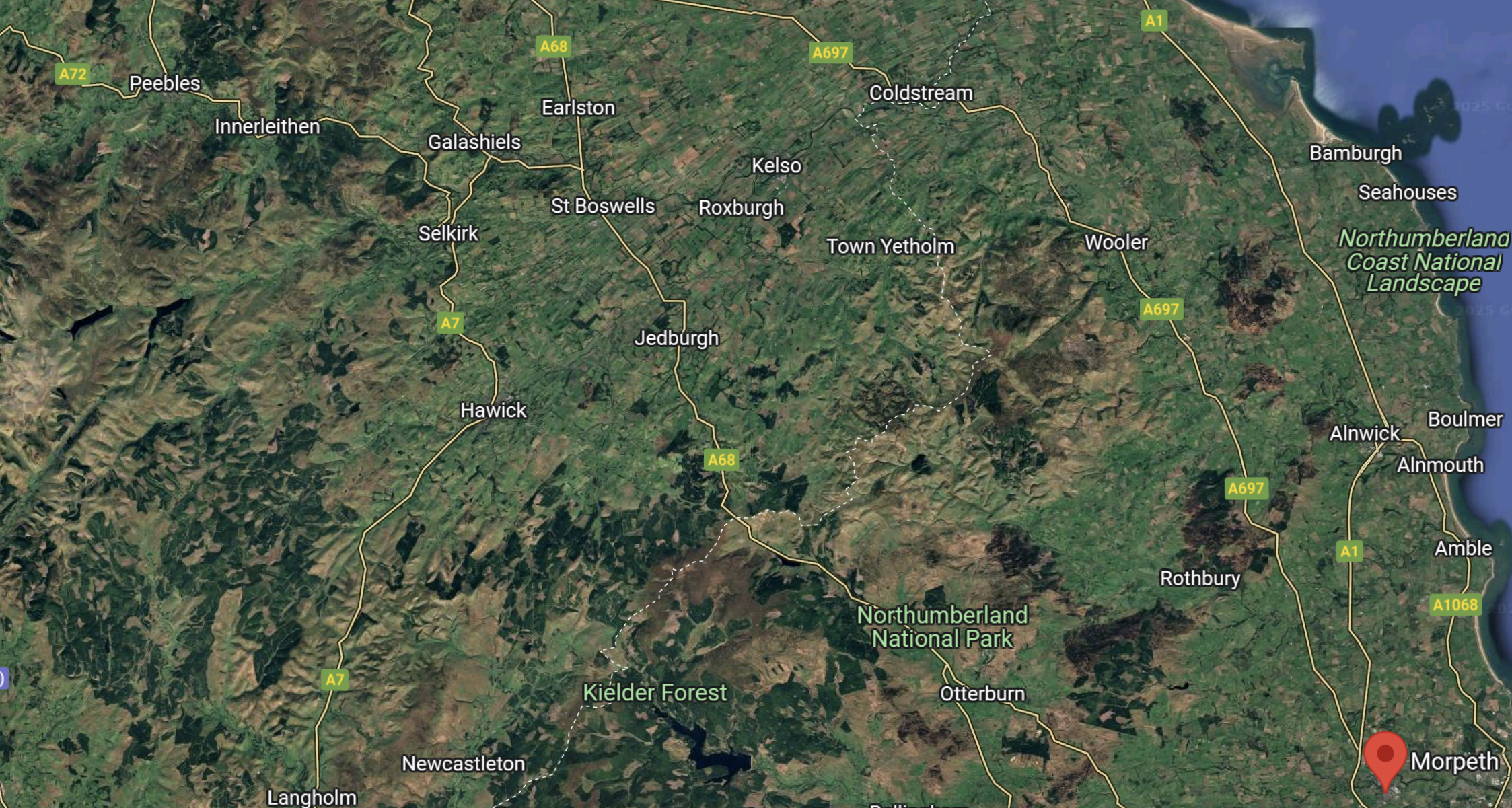
Note.
- Morpeth is marked by the red arrow in the South-East corner of the map.
- Galashiels, Galashiels, Hawick, Jedburgh, Peebles, Saint Boswells and Selkirk can be picked out on the map.
- The coach service would probably terminate at Galashiels, as it has a large bus terminal and and a railway station.
- Click the map to show it to a larger scale.
Morpeth to Galashiels is 69 miles and it should take about an hour and a half.
Hydrogen Buses As Rail Replacement Buses
Consider.
- I have had Rail Replacement Coaches as opposed to buses a few times in the UK.
- Once on the East Coast Main Line but usually on the Great Eastern Main Line to Ipswich or Norwich.
- They are generally more suited to their task. as they are faster and more luxurious.
- Many of our major rail lines run alongside trunk roads or motorways or fast dual carriageways.
So because hydrogen buses and coaches a have superior performance, than their diesel cousins, will hydrogen be the better fuel for a Rail Replacement Bus.
Metrobus’s Hydrogen Buses
This press release on the Metrobus web site is entitled Hydrogen Buses.
This is the sub-heading.
Our commitment to Zero Emissions
As part of our commitment to reducing emissions, twenty new hydrogen fuelled buses will operate on Fastway routes 10 & 20. These new buses demonstrate an ongoing commitment to reducing our local emissions. They deliver against science-based targets set by Metrobus and its parent company, The Go-Ahead Group, of becoming a net zero business by 2045 and decarbonising our bus fleet by 2035.
Conclusion
This bus is the best I’ve ridden in.
Redhill To Ashford International Via Tonbridge
I did this trip to find out what the current service was like after writing Gatwick Rail Service Could Link Far Reaches Of The South East.
The journey can be broken into sections.
Changing At Redhill Station
I arrived at Redhill station and took these pictures as I changed to the train for Tonbridge station.

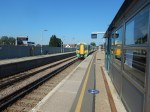
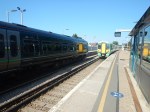
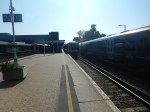
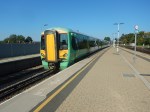
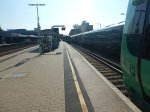
The three services are in Redhill station at approximately the same time.
- The Southern service to and from Tonbridge used Platform 1a.
- The GWR service from Reading to Gatwick used Platform 1.
- The GWR service from Gatwick to Reading used Platform 0.
I think if you’re nippy on the stairs, travellers wanting to go between Reading and Ashford or vice-versa could manage the train, but a direct through service would be preferred by some travellers.
Between Redhill And Tonbridge Stations
I took these pictures as the train ran between Redhill and Tonbridge.



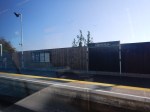


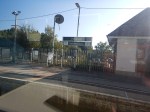
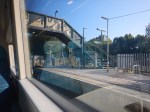




Note.
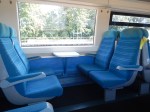
- The train was a smart three-car Class 377 train.
- It is a route with a quiet calm along the Downs.
- There are new housing and commercial developments along the route.
Some of the stations could do with improvement, which should probably include step-free access, as at Redhill and Tonbridge stations.
Changing At Tonbridge Station
These pictures show Tonbridge station.


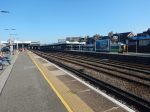
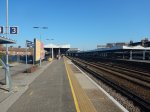
Note.
- The station is step-free with lifts.
- I had to use the bridge to get from one side of the station to the other to catch my next train.
- There seemed to be several passengers, who continued their journey from Tonbridge.
After a wait of nearly thirty minutes I was on my way to Ashford International station.
Thoughts On The Service
These are my thoughts on the service.
Battery Electric Trains
Having seen this service in operation, I feel that this must be one of the most suitable services for battery electric trains in the UK.
In Gatwick Rail Service Could Link Far Reaches Of The South East, I broke the route down into electrified and non-electrified sections.
- Ashford and Tonbridge – Electrified – 26.5 miles – 38 minutes
- Tonbridge and Redhill – Electrified – 20 miles – 35 minutes
- Redhill and Gatwick – Electrified – 7 miles – 8 minutes
- Gatwick and Redhill – Electrified – 7 miles – 8 minutes
- Redhill and Reigate – Electrified – 2 miles – 4 minutes
- Reigate and Shalford Junction – Not Electrified – 17 miles – 20 minutes
- Shalford Junction and North Camp – Electrified – 9 miles – 11 minutes
- North Camp and Wokingham – Not Electrified – 11 miles – 14 minutes
- Wokingham and Reading – Electrified – 7 miles and 9 minutes
Note.
- Ashford, Tonbridge, Redhill, Gatwick, Guildford, Wokingham and Reading are all fully-electrified main line stations.
- Most of the route and the two ends are electrified.
- All electrification is 750 VDC third rail.
- All sections without electrification are less than twenty miles.
- The route is more than 75 % electrified.
There are several trains, which have been fitted with batteries, plans to fit them with batteries exist or would be suitable to be fitted with batteries.
- Class 379 trains – Have already been fitted with batteries for experimental purposes.
- Class 387 trains – Similar to Class 379 trains.
- Class 377 trains – Similar to Class 379 trains.
- Class 350 trains – Being converted to battery operation by Porterbrook
- Class 450 trains – Similar to Class 350 trains.
All trains have similar specifications.
- Four cars.
- 100 mph operating speed.
- All are modern trains.
- They either have third-rail shoes or can be fitted with them.
In addition, no infrastructure changes would be needed.
I also feel, that the same class of train could be used on these services in the South-East.
- Oxted and Uckfield
- Ashford International and Hastings
Why not use one class of battery electric trains for all these routes?
The Three Reverses
The full service between Reading and Ashford International stations will require three reverses at Gatwick and Redhill (twice).
Having seen the current system in operation at Redhill station, I feel the following operation would work, using a version of London Underground’s stepping-up.
From Reading to Ashford International the following sequence would apply.
- The train from Reading would stop in Platform 1 at Redhill, as they do now.
- A second driver would step-up into the rear cab and take control of the train.
- The original or first driver, who’d driven the train from Reading would stay in the cab.
- The second driver would drive the train to Gatwick.
- When, the train is ready to leave, the first driver takes control from his cab.
- The second driver, who’d driven the train from Redhill would stay in the cab.
- The first driver would drive the train back to Platform 0 at Redhill, as they do now.
- When, the train is ready to leave, the second driver takes control from his cab.
- The first driver would step down and probably have a break, before he is needed to drive another train.
- The second driver would drive the train to Ashford International.
Trains going the other way would do a similar sequence in reverse.
Other than the battery system, the trains may need a communication and safety system between the two cabs.
Hydrogen Trains
Consider these points about using a hydrogen-powered train between Reading and Ashford International.
- The maximum distance without electrification is just 20 miles.
- The route is over 75 % electrified.
- Hydrogen fuelling and supply systems would need to be provided.
- Hydrogen trains would require changes to maintenance.
In my view, using a hydrogen-powered train would be like using a sledgehammer to crack a nut.
Gatwick Connect
Could the service be considered to be a Gatwick Connect service?
The full Reading and Ashford International service would call at these major locations
- In the West – Reading, Winnersh, Wokingham, Crowthorne, Farnborough, Guildford, Dorking and Reigate
- In the East – Ashford International, Paddock Wood and Tonbridge.
Both the Eastern and Western legs also call at Redhill.
Could the service be extended in the West?
The obvious destination would be Heathrow.
Once the future of Heathrow is sorted, there will probably be some form of Southern or South-Western access into Heathrow.
Could this service connect Gatwick and Heathrow?
- Perhaps there would be a reverse at Reading!
- Or it might use one of numerous schemes put forward to access Heathrow from the West.
In any case, as Reading is one of the best-connected stations in England, passengers will use this connectivity to get to Gatwick.
Could the service be extended in the East?
Like Reading, Ashford International is a well-connected station.
It would be possible to extend the service to perhaps Canterbury or Dover?
There must also be the possibility of running a service to Maidstone West or Strood in the East!
Conclusion
There could be a lot of possibilities for this route.
I also feel, that it is one of the best routes to be run by battery trains in the UK. These trains could also be the same, as those working Oxted-Uckfield and Ashford International-Hastings.
There would be no need for any new infrastructure, as there is electrification at both ends of the route.
Network Rail Consults On Reigate Turnback Platform Plans
The title of this post, is the same as that of an article in Rail Magazine.
This is the introductory paragraph.
Network Rail is consulting with the public over plans to build a 12-car turnback platform at Reigate.
The third paragraph says this.
NR says “Reigate is hampered by platforms that are four-car in length. This means that Southern trains must split/join at Redhill, adding time to journeys and limiting capacity”
Other points are also made.
- Thameslink’s Class 700 trains which are fixed formations of eight or twelve cars can’t call at Reigate station.
- Power is poor at Reigate limiting the length of trains.
- Passengers from Reigate to London Bridge and beyond need to change at Redhill or East Croydon.
This Google Map shows the station.
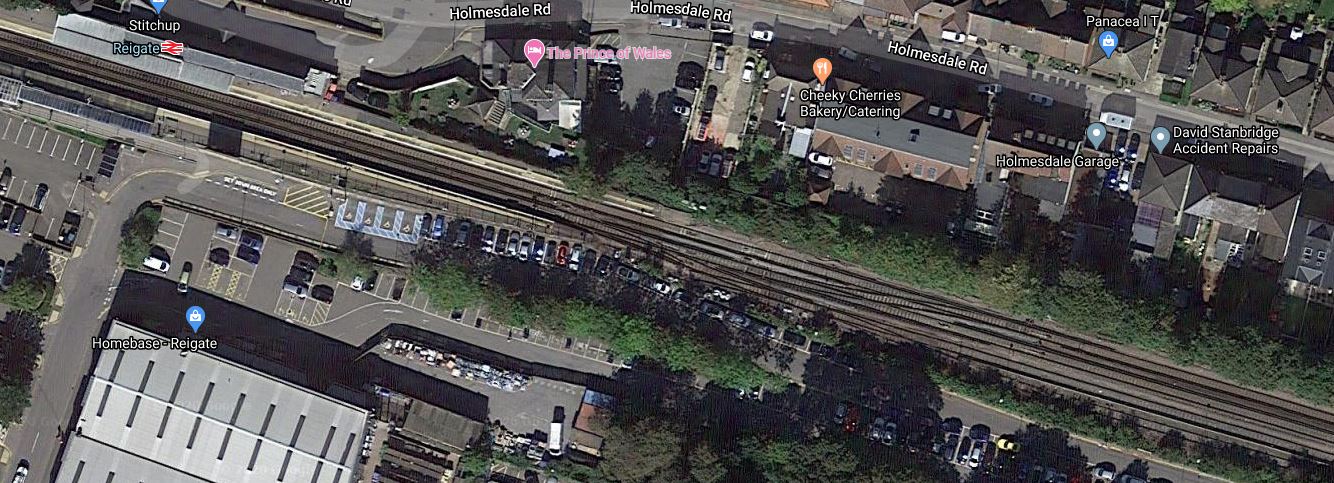
The new bay platform, which will be numbered 3, will go on the South side of the tracks at the East end of the station, where the car-park currently is situated.
Future Services At Reigate Station
In the Wikipedia entry for Reigate station, under Future, this is said.
In 2020, Network Rail announced that they are planning to upgrade Reigate station, which includes constructing a new 12-carriage bay platform (number 3) on the south side of the station, and extending the existing platform 2 to also accommodate 12-car trains. Currently the track layout just east of the station forces Southern to turn its trains around on platform 2, and since this platform is not long enough to accommodate 8-car sets, Southern services to and from Reigate are limited to 4 carriages in length. The upgrade would enable longer trains to serve the station, and the new bay platform would allow trains to/from London to terminate there instead of occupying the through westbound track, thus improving reliability on the whole line.
Once the upgrade is delivered, there are further proposals to introduce Thameslink services running to London Bridge, London St Pancras and beyond to destinations north of London, replacing the current Southern services to London Victoria.
In some ways, this work at Reigate is all part of a larger series of projects, that are aiming to improve reliability and create more capacity on the Brighton Main Line.
The Brighton Main Line Improvement Project
This £300 million project is described on this page on the Network Rail web site.
The improvement project focussed on the southern end of the Brighton Main Line between Three Bridges and Brighton / Lewes. Major engineering work was planned for the Victorian-era tunnels at Balcombe, Clayton, Haywards Heath and Patcham and the railway which runs through them.
We stemmed leaks into the tunnels and improved drainage, while the third rail power supply and signalling were replaced or upgraded.
Elsewhere on the closed section, we replaced the track and sets of points, which enable trains to switch between tracks.
The project is now complete and won an award at the Railway Innovation Awards 2019.
Upgrading Gatwick Airport StationThis £150 million project is described on this page on the Network Rail web site.The size of Gatwick Airport station will be doubled to improve the journey between train and plane.Benefits will include.
- Improved Accessibility
- A better journey experience
- Improved train performance
Works will include.
- Doubling the size of the station concourse.
- Eight new lifts, five new escalators and four new stairways.
- Widened platforms 5 and 6.
- Upgraded connections to the terminal.
The works will start in May 2020 and finish in 2023.
Access for All At Crawley Station
This £3.9 million project is described on this page of the Network Rail web site.
Crawley station is being upgraded to full step-free access, which should be complete in Autumn 2020.
It looks like a second bridge is being installed over the tracks.
I do wonder, if Crawley station is being upgraded, so that it can be used as a back-up access to Gatwick Airport, if some of the construction work at Gatwick Airport station means that the station will be closed.
The dates certainly fit and the station has two trains per hour (tph) to both London Bridge and Victoria stations.
Unblocking The Croydon Bottleneck
This £300 million project is described on this page of the Network Rail web site.
This is the introductory paragraph.
We are proposing an upgrade to the Brighton Main Line, to provide more reliable, more frequent and faster services for the 300,000 passengers who rely on it each weekday, and to provide the capacity needed for future growth.
There is also what looks to be a fairly frank video.
Platform 0 At Redhill Station
Redhill station gained a new Platform 0 a couple of years ago.
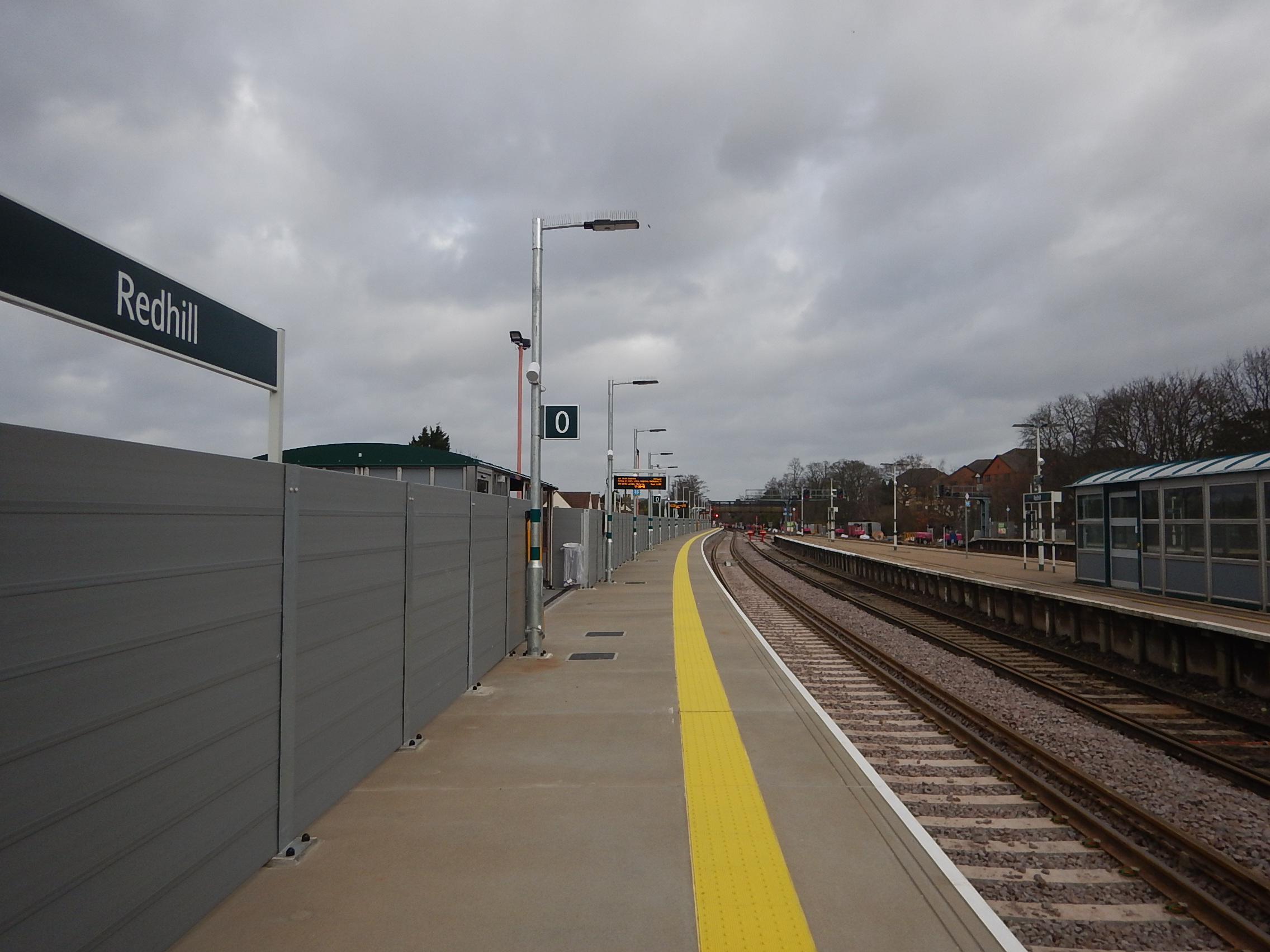
This long platform must help the operation of the station.
Thoughts On The Reigate Scheme
These are my thoughts on the building of two twelve-car platforms at Reigate station.
Thameslink To Reigate
This document on the Network Rail web site is entitled Connecting Reigate To Thameslink.
Currently, train services to the Reigate/Gatwick Airport/Crawley area are as follows.
- Southern – Two tph – London Victoria and Reigate via East Croydon, Purley, Coulsdon South, Merstham and Redhill.
- Southern – Two tph – London Victoria and Southampton/Portsmouth via East Croydon, Gatwick Airport, Three Bridges, Crawley and Horsham
- Thameslink – Two tph – Peterborough and Horsham via East Croydon, Purley, Coulsdon South, Merstham, Redhill, Horley, Gatwick Airport, Three Bridges and Crawley
- Thameslink – Two tph – Bedford and Gatwick Airport via East Croydon, Purley, Coulsdon South, Merstham, Redhill, Earlswood, Salfords and Horley.
- Thameslink – Two tph – Cambridge and Brighton via East Croydon and Gatwick Airport
- Thameslink – Two tph – Bedford and Brighton via East Croydon and Gatwick Airport
- Gatwick Express – Two tph – London Victoria and Brighton via Gatwick Airport
- Gatwick Express – Two tph – London Victoria and Gatwick Airport
- Great Western Railway – One tph – Reading and Gatwick Airport via Reigate and Redhill
Stations around Gatwick will get the following services from London
- Coulsdon South – Six tph
- Crawley – Four tph
- Earlswood – Two tph
- Gatwick Airport – Sixteen tph
- Horley – Four tph
- Merstham – Six tph
- Redhill – Six tph
- Reigate – Two tph
- Salfords – Two tph
I can see good reasons for terminating the Bedford and Gatwick Airport service at Reigate.
- Gatwick Airport has sixteen tph to Central London.
- During the rebuilding of Gatwick, it might be a good idea not to have trains terminating at Gatwick.
- Reigate is under seven miles from Gatwick Airport and a coach service would take under twelve minutes.
This would mean that, train services to the Reigate/Gatwick Airport/Crawley area are as follows.
- Southern – Two tph – London Victoria and Southampton/Portsmouth via East Croydon, Coulsdon South, Merstham, Redhill, Earlswood, Salfords, Horley, Gatwick Airport, Three Bridges, Crawley and Horsham
- Thameslink – Two tph – Peterborough and Horsham via East Croydon, Purley, Coulsdon South, Merstham, Redhill, Horley, Gatwick Airport, Three Bridges and Crawley
- Thameslink – Two tph – Bedford and Reigate via East Croydon and Redhill
- Thameslink – Two tph – Cambridge and Brighton via East Croydon and Gatwick Airport
- Thameslink – Two tph – Bedford and Brighton via East Croydon and Gatwick Airport
- Gatwick Express – Two tph – London Victoria and Brighton via Gatwick Airport
- Gatwick Express – Two tph – London Victoria and Gatwick Airport
- Great Western Railway – One tph – Reading and Gatwick Airport via Reigate and Redhill
Stations around Gatwick will get the following services from London
- Coulsdon South – Four tph
- Crawley – Four tph
- Earlswood – Two tph
- Gatwick Airport – Fourteen tph
- Horley – Four tph
- Merstham – Four tph
- Redhill – Six tph
- Reigate – Two tph
- Salfords – Two tph
Note.
- I have adjusted calling patterns to what is shown in the document called Connecting Reigate to Thameslink.
- Southern and Gatwick Express services will go to Victoria
- Thameslink services will go via London Bridge and St. Pancras.
- Passengers will be able to change at Redhill or East Croydon to swap their London terminal between Victoria and London Bridge/St. Pancras.
Obviously, Network Rail must have their own and better plans to run the services.
Will Platform 3 At Reigate Be Used As An Emergency Platform?
With the right track layout and signalling a bay platform can easily handle four tph, as platforms on the London Overground do at Clapham Junction, Crystal Palace, Dalston Junction, Highbury & Islington, New Cross and West Croydon stations. Some of these platforms will be going to six tph within a couple of years.
Over the next three years, Gatwick Airport station is being rebuilt.
Surely, Reigate would make an ideal station to turn trains, if the Brighton Main Line was blockaded.
- Passengers could be taken by bus to Gatwick.
- The two twelve-car platforms would be able to handle the longest trains on the Brighton Main Line.
- The car park could be used as a bus terminal.
It looks to me, like Network Rail are planning for the worst.
Electrification To Guildford?
Consider.
- One of the sub-projects of the rebuilding of the platforms at Reigate station will be boosting the power supply.
- Within two years, Great Western Railway will be running Class 769 trains with a third-rail capability between Reading and Redhill/Gatwick.
- All passenger trains running between Redhill and Reigate will have a third-rail capability.
- There is a 750 VDC electricity supply for electrification at Guildford.
So why, shouldn’t the line be electrified to Guildford station?
Thameslink To Guildford?
Consider.
- Trains between Reigate and Guildford take twenty-five minutes to do the twenty miles on the North Downs Line.
- I have read somewhere, that Guildford station is to be rebuilt.
- The North Downs Line passes through the sizeable town of Dorking.
- Two tph between Reading and Gatwick and two tph between Guildford and Redhill could surely share tracks between Guildford and Redhill.
If the line between Reigate and Guildford had been electrified, would it be worthwhile extending Thameslink from Reigate to Guildford?
Conclusion
I like this scheme at Reigate, but I do think there’s more behind it than has been disclosed.
Platform 0 At Redhill Station Is Now Open
I took these pictures at Redhill station and in the town of Redhill today.
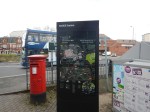


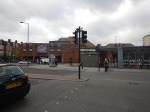

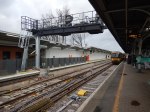
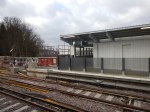
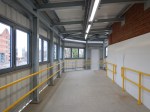
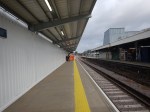
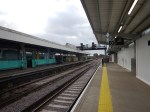
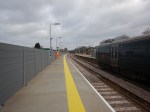
Note.
- Platform 0 at Redhill station is very long, Could it accept two eight-car Class 700 trains working as a pair?
- Platform 0 has four train information displays.
- Platform 1B is used to reverse Great Western Railway’s Class 165 trains, that run between Reading and Gatwick Airport stations.
- Platform 1 appears to be fully-electrified.
When finished, it would appear that Platform 0 like all Platforms at Redhill station will have full step-free access.
Conclusion
It looks to me, that the works at Redhill station have done a good job in future-proofing the station for any operations, that train companies might propose.
- Platform 0 seems to have been built for the longest possible trains that might use the route.
- Platform 1 seems to have been rebuilt into a long bay platform, that would accept an eight-car train on Reading-Gatwick services.
- Platform 1 is electrified, so that it could be used efficiently by a bi-mode train or one with batteries.
I would expect to see changes to Redhill services in the next few years.
Platform 0 At Redhill Station Is Progressing
Redhill station is being upgraded.
This picture of the new Platform 0 was taken from the existing Platform 1.
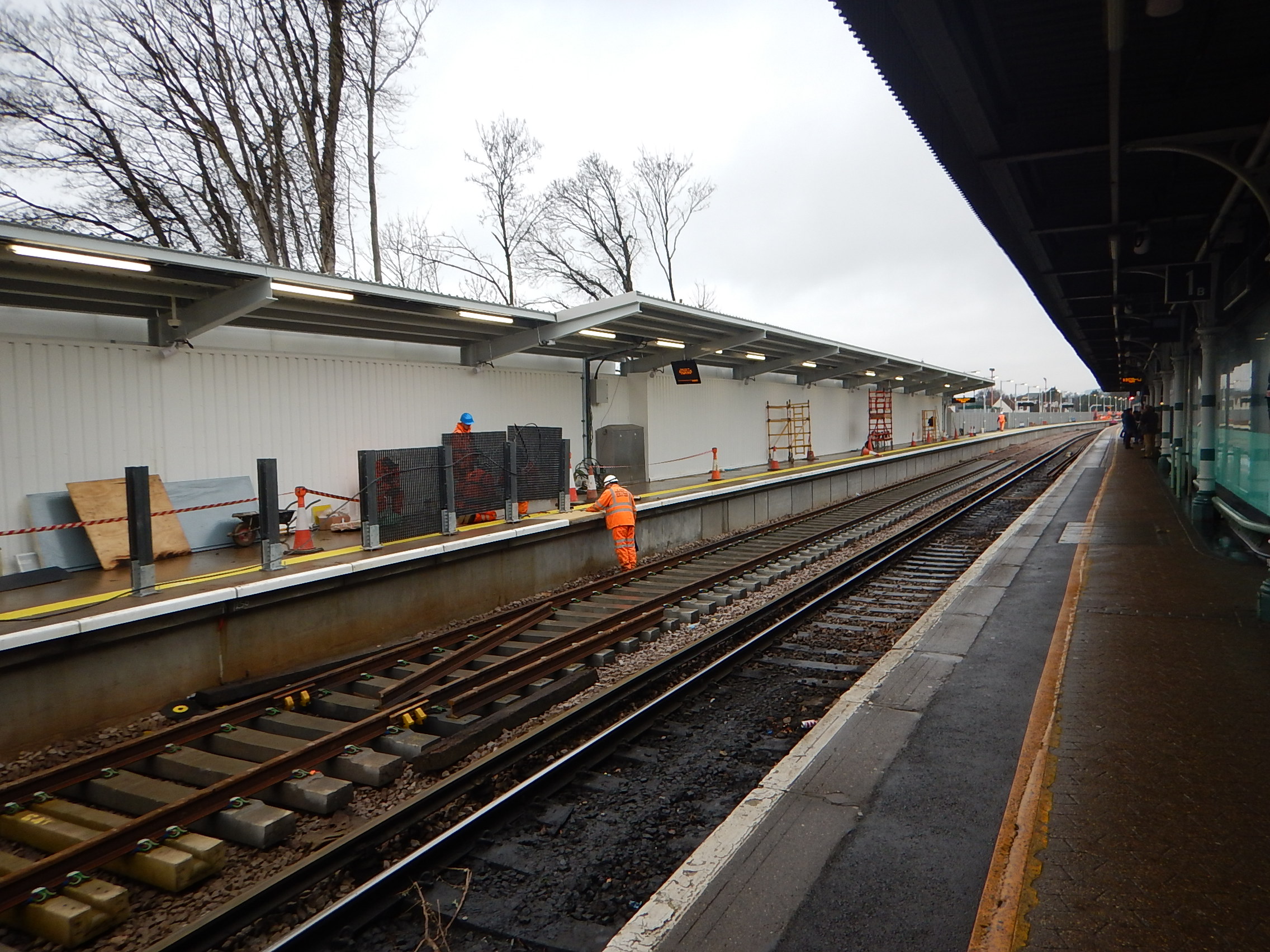
Works include.
- The new Platform 0 will become a through platform for trains to London.
- It is certainly long enough for a twelve car train.
- It appears it will be fully connected to the entrsnce by the car park.
- The current platform 1 will become a South-facing bay platform.
The January 2018 Edition of Modern Railways, also says this about the upgrade.
This is aimed to allow GWR to boost the Reading to Gatwick frequency from hourly to half-hourly from May 2018. The operator’s ultimate sim is to introduce a third hourly service on the North Downs line, although concerns from Network Rail about level crossing risk have affected progress with this plan.
Currently, the journey between Reading to Gatwick Airport takes 76 minutes without a change, but the train reverses direction at Redhill. One driver told me, that if GWR issued the drivers with better shoes, they could save a minute or so on the timetable at Rewdhill.
But 76 minutes isn’t a bad time by way of the North Downs Line. Especially, as the trains have to negotiste eleven level crossing! Is that what Network Rail mean by level crossing risk?
If you take Crossrail’s estimate of the Reading to Farringdon time of 59 minutes and the timetabled Farringdon to Gatwick Airport time of 54 minutes, you get a time 113 minutes or nearly forty minutes longer than the shorter and more direct route.
The North Downs Line is partly electrified with third rail and I wonder what time a Class 802 train could achieve!
Conclusion
The Platform 0 works at Redhill station are part of a fifty million pound project, whivh will do the following.
- Increase capacity at Redhill station.
- Remove conflicts between Brighton Line and Reading to Gatwick Airport services.
- Enable a two trains per hour service between Reading and Gatwick Airport.
It will be interesting to see if it works in May 2018.
The works do show how money spent on smaller projects can give multiple benefits.
 The Anonymous Widower