The Problem Of Step-Free Access At South Acton Station
South Acton station would be one of two stations on the shared section of the North London Line and the proposed West London Orbital Railway.
It could be handling fourteen passenger trains per hour in both directions.
This Google Map shows the station.
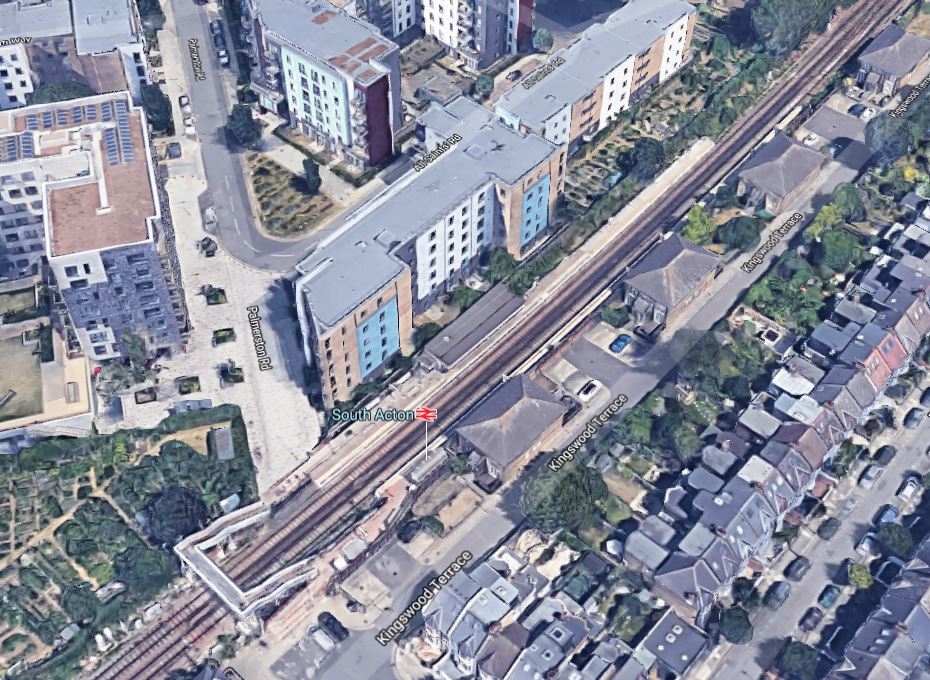
Note how all the land close to the line has been sold to developers and new housing, now means space is very restricted.
This image shows a close-up of the bridge.
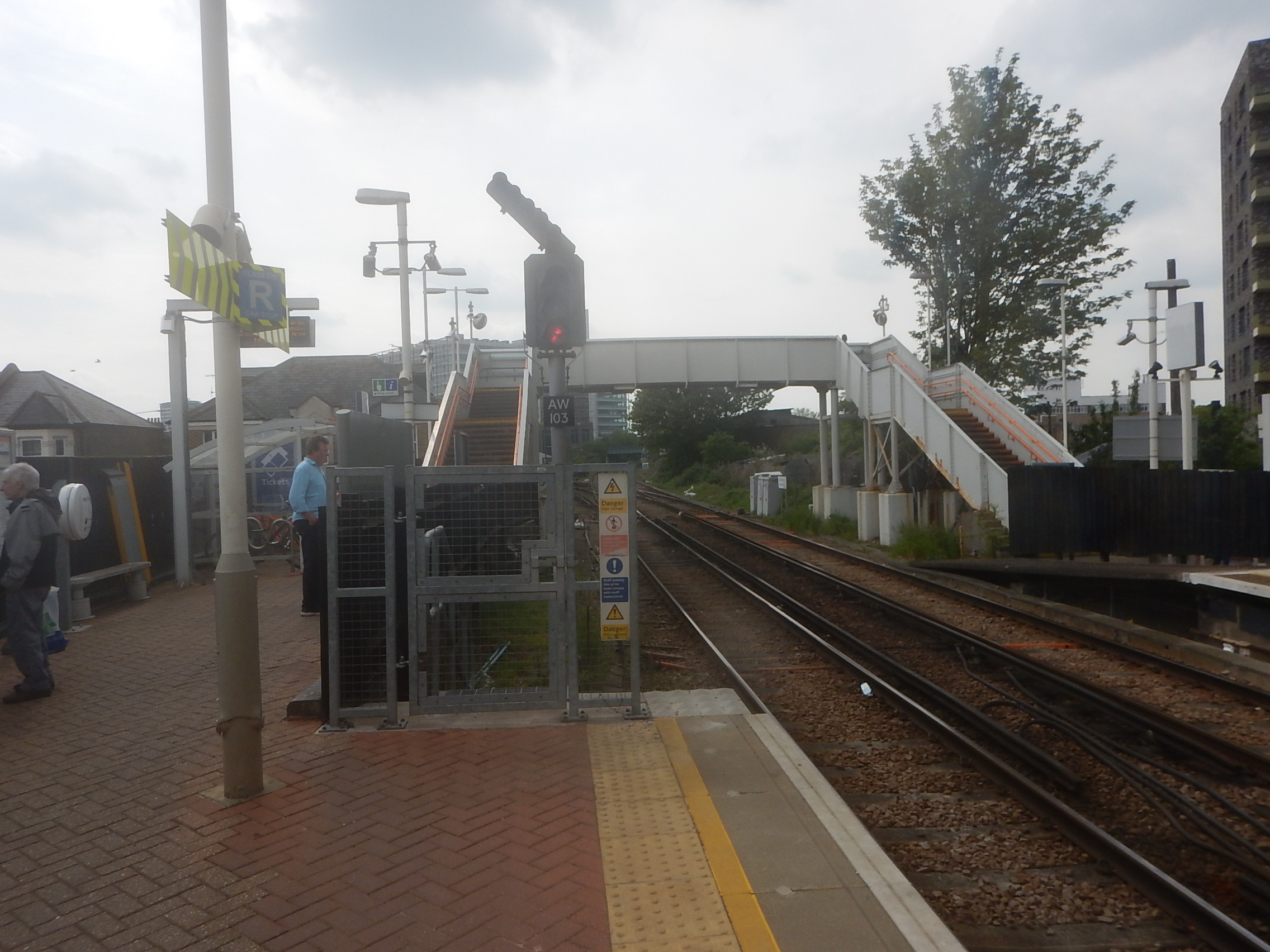
With a train stopping at the station every four minutes, a step-free means of crossing the line is essential.
The often-used solution of building a new step-free bridge and keeping the old one is not a solution at South Acton station, due to the space restrictions.
I suspect the current bridge could be replaced with a step-free one, but how do you provide a bridge whilst the new one is installed?
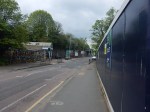
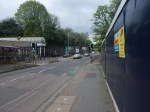
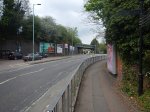
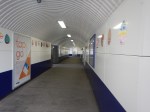
I went back to the station on May the 2nd and took these pictures.
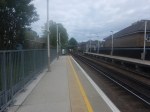
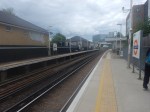
It might just be possible to squeeze a bridge in at the North end of the station.
There is certainly enough space for a bridge tower on the Western side behind the fence and if space can be found on the other, a bridge might be possible.
What Is Happening At Acton Central Station?
On my way home today, I stopped off at Acton Central station to have a look.
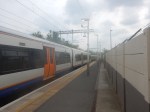

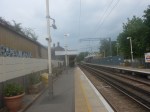
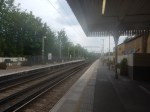
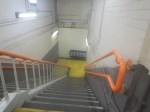

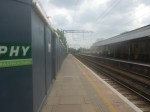
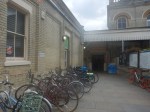
This Google Map shows the station.
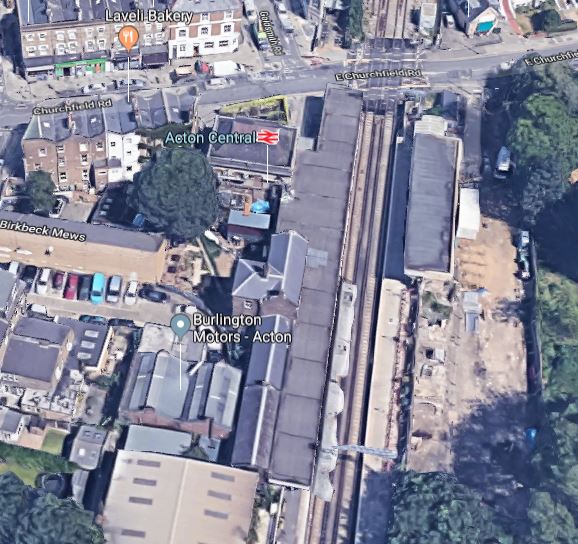
Note the level crossing and the partially demolished station building behind the hoarding.
The station could have a few problems in the future and may need partial rebuilding.
- The level crossing handles four trains per hour (tph) in both directions and there are plans to increase this frequency by two tph.
- The station is the changeover point between third-rail and overhead electrification.
- There is no step-free access between the two platforms.
But the biggest cause of future problems could be the West London Orbital Railway.
- This route will call at Acton Central station and it will have two services, each with four tph in both directions, giving a total of fourteen tph in each direction through the station.
- It is also likely that some passengers will want to change direction, so they will have to use the subway.
- The number of trains and passengers, may mean that a second entrance is needed on the Richmond-bound platform.
Could the work at Acton Central station be part of a solution?
Conclusion
It looks like it could be a second entrance is being created.
This might also make it easier for some passengers to change platforms and shut the level crossing.
Example Cost And Timescale For A Step-Free Footbridge
This article on Network Rail’s web site is entitled Investment In West Calder Gives Station Accessibility A Lift.
The project replaced an existing bridge.
- It cost £2.7 million.
- It took ten months to build and commission.
- Station access was maintained at all times.
It looks to have been a well-managed project.
This picture shows the bridge.
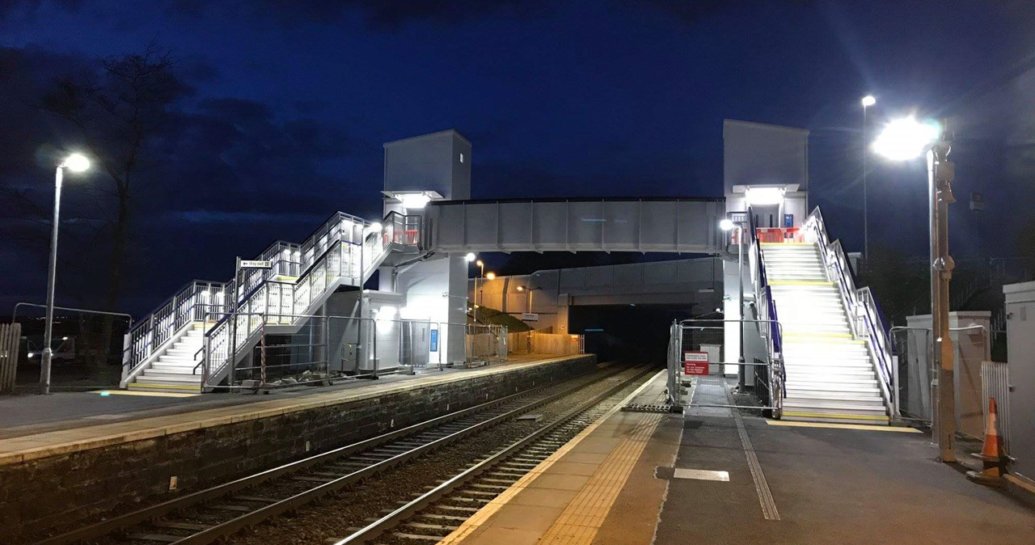
How would it compare with the recent winner of Network Rail’s competition to find a new footbridge design?
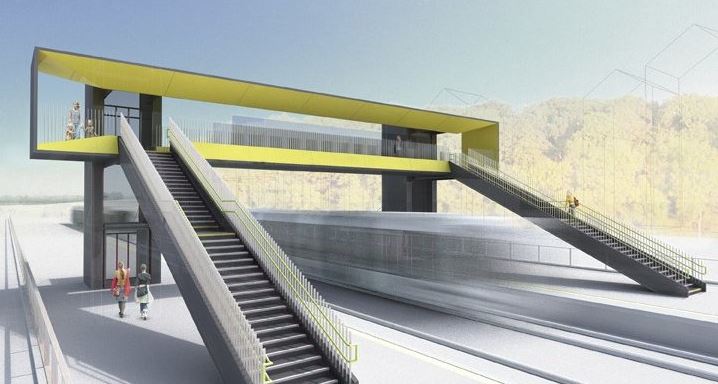
Having not seen either bridge in the metal, I’ll give my judgement when I have.
Syon Lane Station To Go Step-Free
I came back from Brentford using Syon Lane station.
These pictures show the station.




What surprised me, is the number of posters up saying that the station is to be made step-free.
Searching the Internet, I found this document on the Hounslow Borough Council web site, which is dated April the 15th 2019 and entitled Step-Free Access To Many Of Hounslow’s Stations Proceeding At Pace!
This is an extract.
Plans to improve accessibility at Syon Lane Station were given the green light this week as Hounslow Council confirmed securing the necessary funding for the £2.4m programme to proceed. Improvements to the station, which sits on the South West Rail (SWR) network, will include a new footbridge, providing an additional exit point and lift from the west bound platform, delivering step-free access to the street from this platform, as well as easing congestion. A new (wider) staircase and bridge deck is proposed for the London-bound platform which should also reduce congestion at peak times. Step-free access from this platform to the street will be enabled by improvements to the footpath leading to Rothbury Gardens. Works will commence at the end of April and are due to complete by the end of the summer.
The scheme is being financed by a cocktail of funding streams including; Sky, Community Infrastructure Levy (CIL), Transport for London (TfL) and a contribution from SWR themselves. The total cost is c£2.4m including contingency.
It looks to be a comprehensive well-thought out scheme.
Judging by the presence of a Portacabin and what appeared to be vegetation clearance, where a bridge might go, it appears that everybody is at least starting at pace. Finish by the end of the summer could be a possibility, although I think it is a tough ask!
Reading some of the posters at the station, more than usual details were given about the way the footbridge and step-free access will be added.
These are the phases.
Footpath Improvement Works
Footpath via Rothbury Gardens is closed. Access to Platform 1 is through the Syon Lane entrance (stairs)
Lift And Bridge Sub-Structure And Foundation Works
Installation of lift shaft and footbridge steelwork structure.
Installation of lift equipment.
Removal of existing Platform 1 staircase.
Installation of linkspan to new footbridge.
Staircase from Syon Lane is closed. Access to Platform 1 is via Rothbury Gardens (step-free footpath)
Platform Finishes And Footbridge Commissioning
Following commissioning new footbridge linkspan will be opened.
Oyster readers will be moved to new final locations.
The West London Orbital Railway
The West London Orbital Railway may or may not be built in the next few years.
This would double the number of trains through Syon Lane station from four trains per hour (tph) to eight tph.
As this would be a train every 7-8 minutes, for safe operation, step-free access would be essential.
Stations on the Hounslow Loop Line, that will be used by the proposed West London Orbital Railway are.
- Hounslow – As this will be a terminus, step-free access will be essential.
- Isleworth – Planned to be step-free. See Isleworth Station To Go Step-Free for more details.
- Syon Lane – Going step-free
- Brentford – Already step-free
- Kew Bridge – As this will be a terminus, step-free access will be essential.
Except for the two terminals, all stations needed for the West London Orbital Railway are planned to be step-free.
Good project planning would probably mean, that the joint stations were prepared for eight tph as early as possible to stop these works delaying the project.
Hertford North Station To Go Step-Free
This document on the Government web site is entitled Access for All: 73 Stations Set To Benefit From Additional Funding.
Hertford North station is on the list.
These pictures show the station.


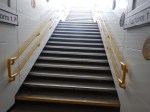
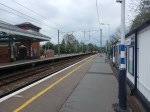
The station has three platforms and Platforms 2 and 3 already have a lift.
So it needs a lift to be fitted to Platform 1.
This Google Map shows a 3D image of the station.
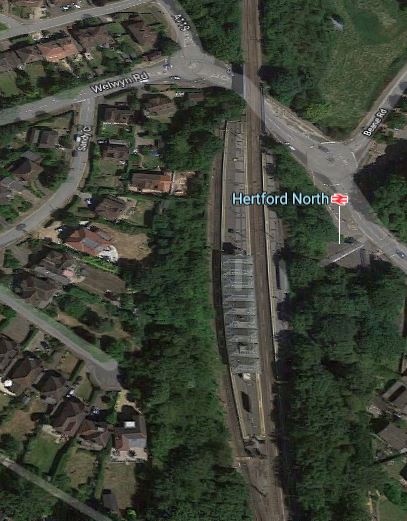
Platforms are numbered 1,2 and 3 from the right.
It does look as though there is space to put in a lift.
Access Issues At Crofton Park Station
I was alerted to the problems of access to trains at Crofton Park station, by a reader to this blog who commented here.
So as I was passing through, I decided to stop and take a few pictures.

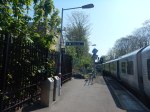
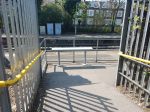
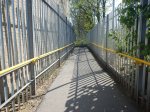
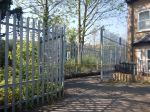
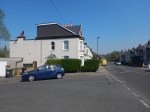
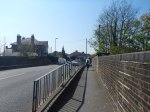

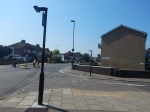
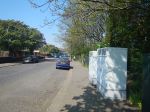
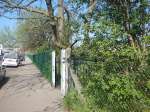
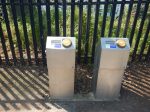
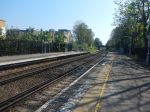
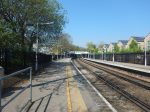
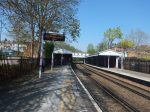
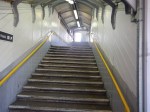

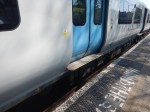

The pictures are in order, as I walked around the station.
- I walked to the Southern end of Platform 2.
- I used the step-free access to exit the station.
- I walked across the railway on the nearby road bridge on Ley Grove.
- I entered the station using the step-free access at the Southern end of Platform 1
There wasn’t one step on the route.
These are my comments on various issues at the station.
The Simple Step-Free Access
The simple step-free access on the Southbound Platform 2 is shown in full.
Both platform access paths are similar and easy, although there is a slope up to Ley Grove and the bridge across the railway.
This Google Map shows the Platform 2 access.
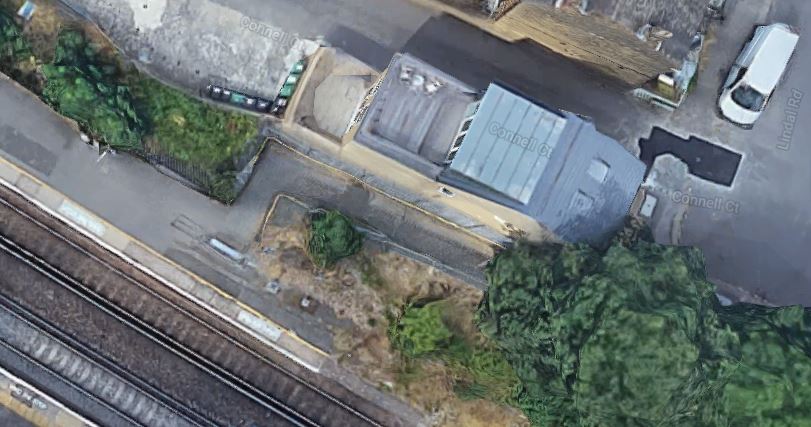
The wide platform, the two contactless card readers and the seat by the entrance can clearly be seen.
It is a simple design that seems to be well-used by passengers. And not just those who need step-free access.
This type of entrance may work well in London, because contactless ticketing is commonplace. But would it work all stations, where ticket checking is non-existent or a ticket needs to be purchased before getting n the train?
Bad Signage
The locals will know about the entrances, but surely better signage is needed from the road across the bridge to these two entrances.
Steps To The Main Entrance
These are pretty typical of Victorian stations and are fairly long and steep.
I suspect passengers with access problems take care in planning their journeys
Platform To Train Access
The Southbound access is not too bad and is a typical step common all over London, but Northbound access is high with a chasm between the platform and the train.
The Google Map shows the reason.
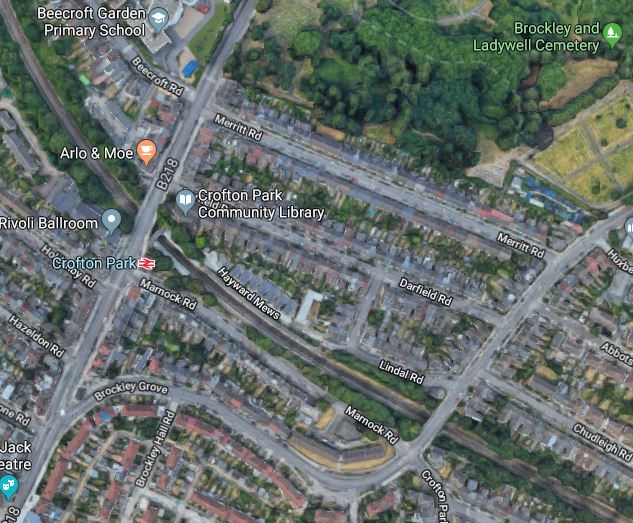
Partly the reason is the curve of the railway line and the platforms, which rules out the standard solution of a Harrington Hump in the middle of platform, which is usually placed correctly by Thameslink to be by the wheelchair bays on the Class 700 train.
I think the map also shows that to straighten the line through the station would be a major undertaking and probably mean closing the station and the railway line for a couple of weeks.
But as a lady said to me, a friend of hers fell into the chasm.
Perhaps the only solution is to have a powered wheel-chair lift like a fork-lift truck, as the Germans do at some stations.
One on each platform and staff to man it would probably be more affordable than rebuilding the station.
There may also be an alternative solution for walk-through trains like the Class 700 train or London Overground’s Class 378 train.
This picture shows the Southern end of Platform 2,, with a train alongside.
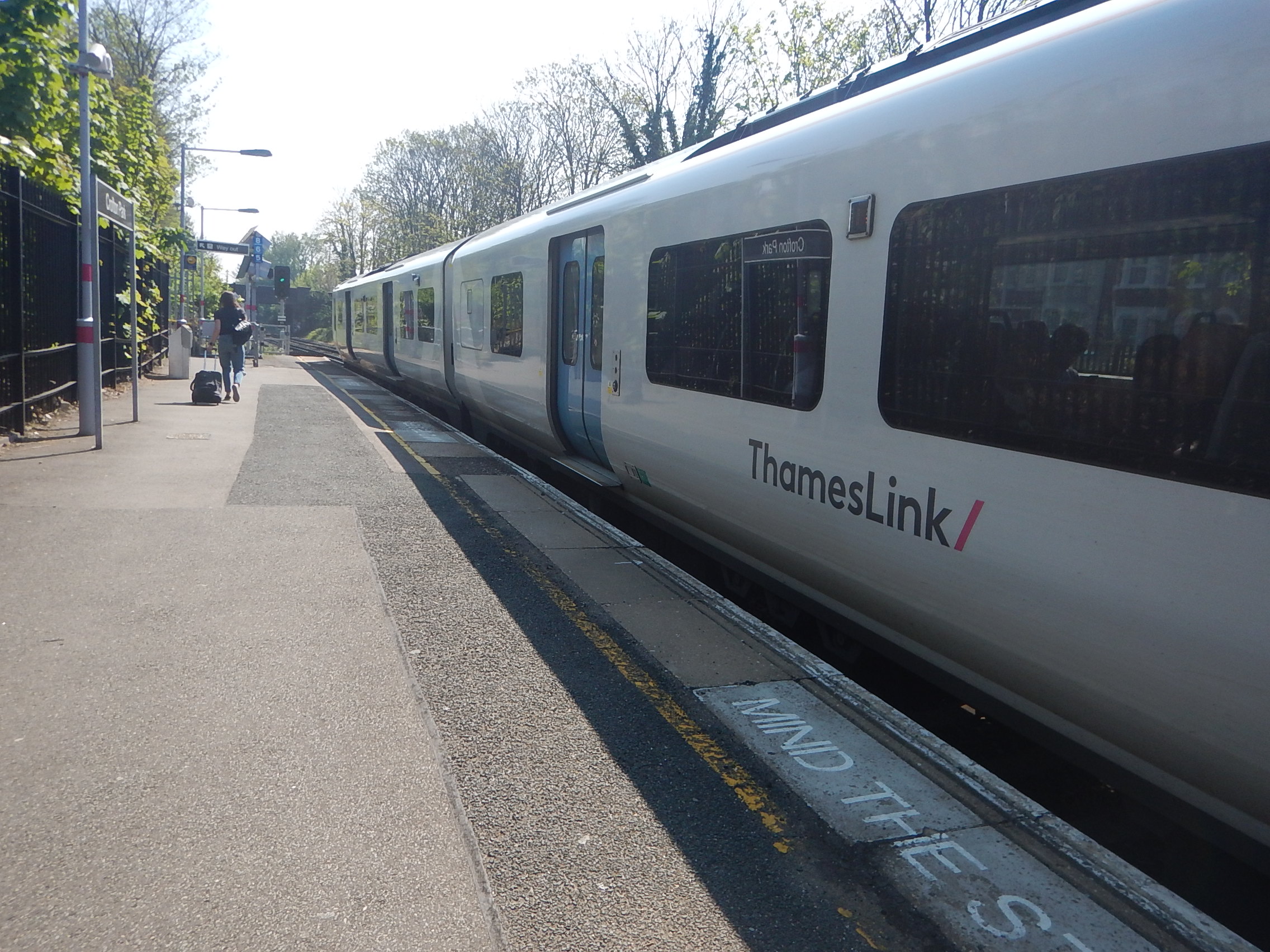
Note that the end of the platform is straighter.
Why not put the Harrington Hump, in this position?
- It would be alongside the step-free access to the station.
- It would not be a major construction.
- It could perhaps be twenty metres long.
- It helps that all trains stopping at Croftton Park station are eight-car trains.
- Phone apps to instruct passengers what to do at particular stations are getting better and more comprehensive.
As the trains are walk-through, passengers can move forwards the front before arrival, if they are getting out at Crofton Park station.
Conclusion
Crofton Park station’s simple method of step-free access icould be used at many stations.
But we also need a method to deal with the curved platform problem and the chasms, it creates.
Southall Station – 19th April 2019
These pictures show Southall station.





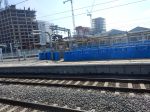

The station still needs the new footbridge to be installed and lifts from the station buildings to the platforms.
It appears that there will be a Crossrail train every six minutes all day in both directions.
The Missing Footbridge
This picture was taken on July 4th, 2016.

Note the footbridge across the station, that doesn’t appear in the pictures I took today.
This picture, that I took today, clearly shows blue barriers around places where the footbridge might be installed on the two island platforms.

Is it a replacement bridge over the station being installed, or is it just a footbridge connecting the platforms?
Or could it be for both purposes?
Preparing For The Brentford Branch
This map from carto.metro.free.fr shows the layout of lines at Southall station.
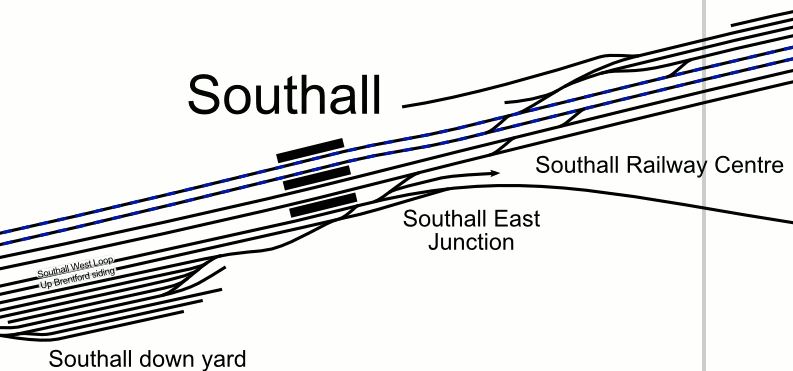
Note.
- The pair of lines at the top in blue are Crossrail
- The pair of lines in the middle are the fast lines.
- The single line going off to the East is the Brentford Branch Line, which has been proposed for reopening.
It would appear that the layout of the footbridge and the lifts would give good access to the Southernmost platform, which is connected to the Brentford Branch line.
So it looks like, that after the station has been refurbished and made step-free, connecting the Brentford Branch line would not be difficult.
As the Brentford Branch is only four miles long, a modern train like a Class 230, Class 710 or a Class 321 Hydrogen train, could do two round trips per hour between Southall and Brentford stations.
Crossrail To Reading In December 2019
As current rumours are that Crossrail will open in December to Reading, it looks like the station will be usable.
It is planned that Southall station will have a train every six minutes.
Network Rail Footbridge Design Ideas Competition Display At Waterloo Station
As I passed through Waterloo station, yesterday, I happened upon, this display of the designs for the Network Rail Footbridge Design Ideas Competition.


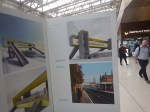
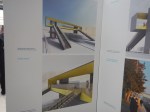
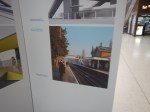
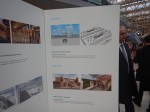

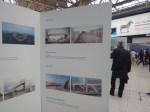


If you are interested in design or have movement difficulties at times on the UK rail network, and regularly pass through the station, it is worth taking a look.
Chatham Station To Go Step-Free
This document on the Government web site is entitled Access for All: 73 Stations Set To Benefit From Additional Funding.
Chatham station is on the list.
These pictures show the station.
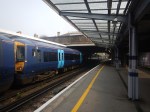
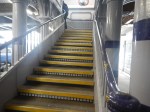

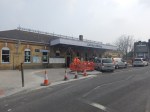
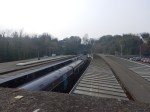
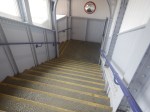
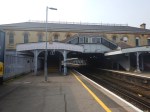
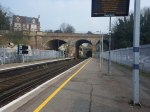
This Google Map shows the station.
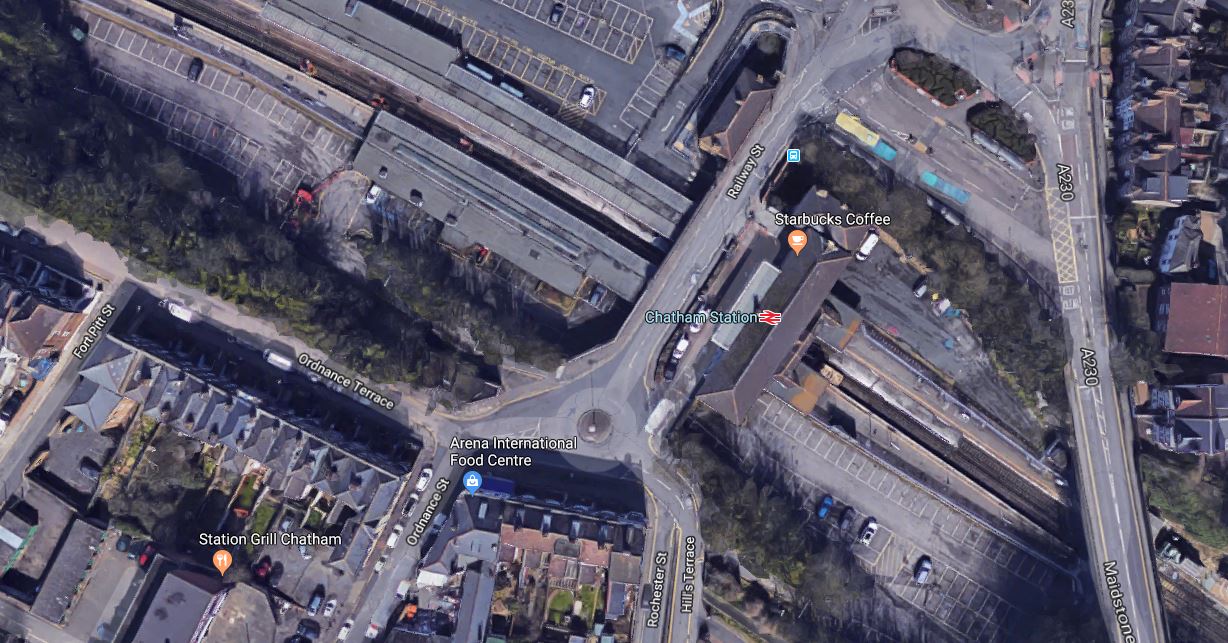
Note.
- The station building is above the tracks.
- There are two staircases from the building to each platform.
- The platforms are reasonably wide.
It might not be an easy station to provide full step-free access.
Installing Step-Free Access
This Google Map shows the Eastern side of the station building.
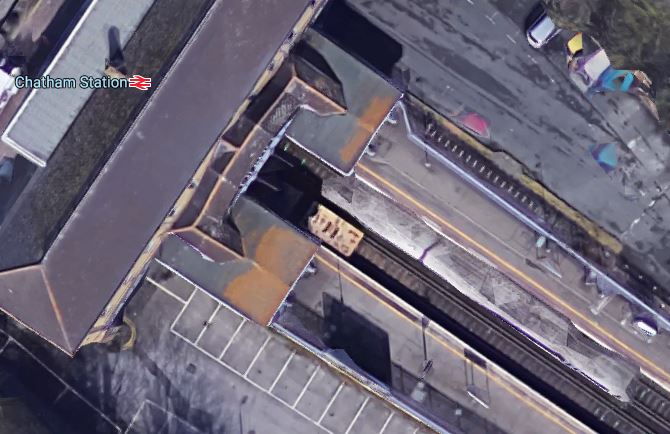
You can just see the stairs at the back of the building.
In stations with similar layouts, Network Rail have built new stairs and lift structures, like these at New Cross Gate station.
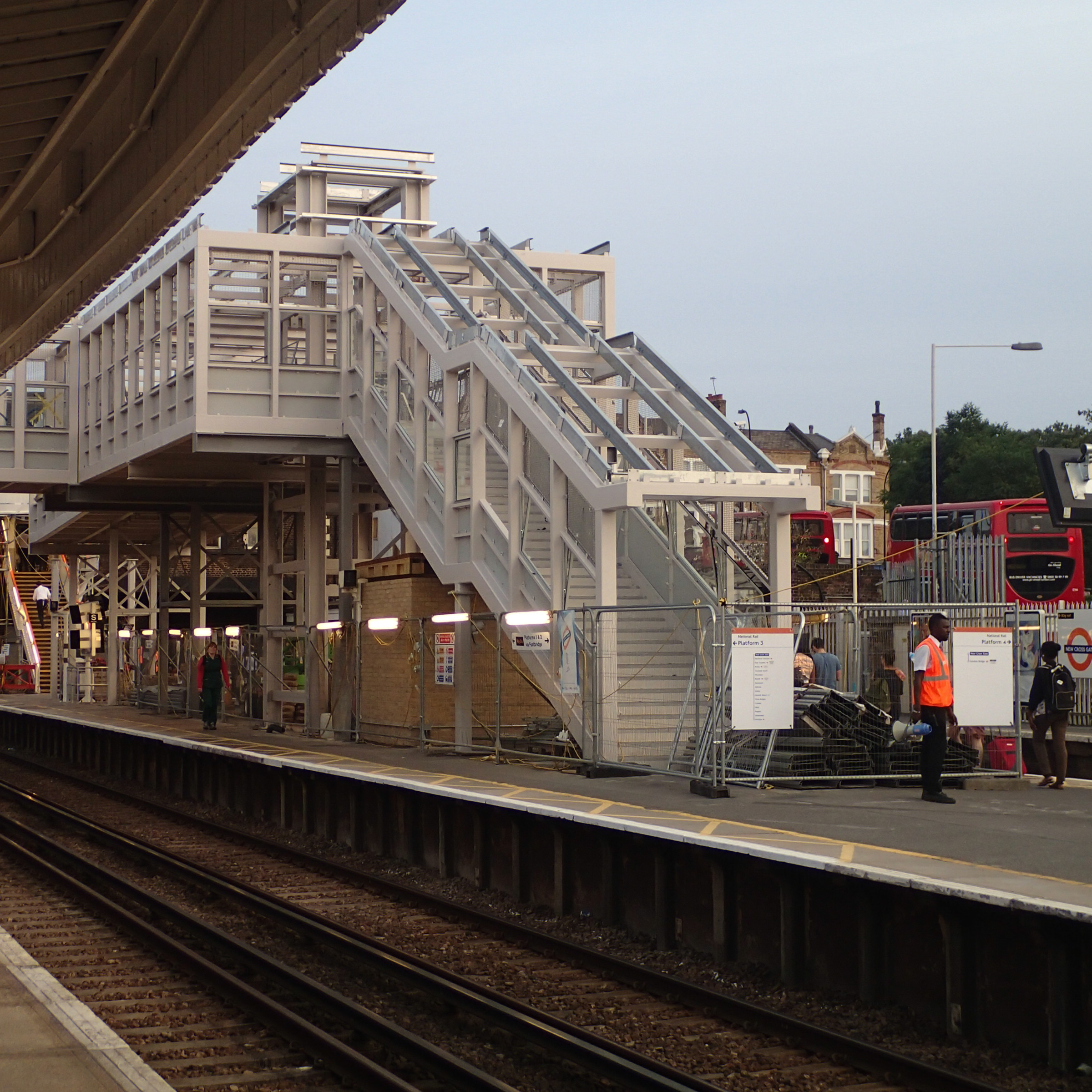
Could something similar be squeezed in at Chatham station?
It would be difficult but podssible, in a station that handles nearly three million passengers per year.
Herne Bay Station To Go Step-Free
This document on the Government web site is entitled Access for All: 73 Stations Set To Benefit From Additional Funding.
Herne Bay station is on the list.
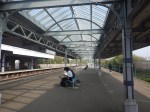
These pictures show the station and the current subway.
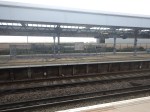
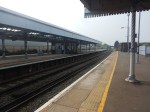

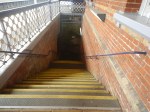
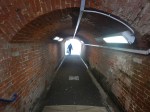

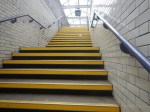
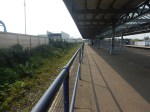
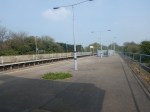
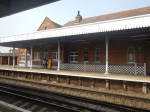
This Google Map shows the station.
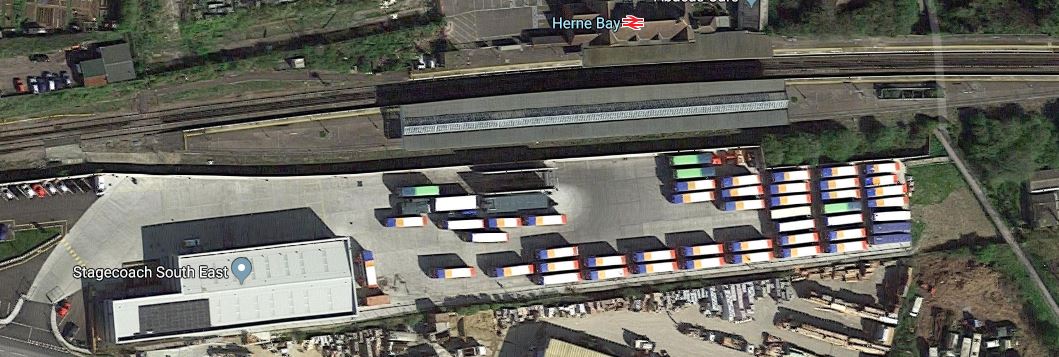
Note.
- The station has two platforms, with a closed third platform.
- The Eastbound platform is Platform 2, with the Westbound platform numbered 1.
- The two platforms are connected by a very bad subway, with steep stairs at either end.
- There are three trains per hour (tph) in both directions through the station.
Whilst I was at the station, there were three guys with bikes using the trains.
Consider.
- In my experience, coastal stations attract visitors with buggies and bikes.
- There are a higher proportion of older passengers.
- Good weather can increase passenger numbers.
It is without doubt the sort of smaller station on the coast, that needs step-free access.
Installing Step-Free Access
When I first saw the subway, I thought it could be possible to just add a lift at each end.
But looking at the station and the pictures on this page, I wonder if a bridge would be better.
- The subway is rather cramped and might not be wide enough for a large wheelchair or buggy to pass another.
- Digging the lift shafts would probably close the subway for at least a few weeks.
- There appears to be space at the Eastern end of the station for a bridge.
- Adding a bridge wouldn’t interfere with the siubway operation.
- If the station had both a bridge and a subway, the extra capacity would be welcome and might help reliability.
In Winner Announced In The Network Rail Footbridge Design Ideas Competition, I wrote how the competition was won by this bridge.
Could a factory-built bridge like this be used at Herne Bay station?
- The bridge would be designed to fit.
- Platform 2 would probably need to be widened, so passengers could pass the steps to get to the lift.
I think it could be made to work very well!
 The Anonymous Widower