Have The RMT Seen The Writing On The Wall?
This morning the RMT are on strike on Southern, in the longest strike seen on UK railways for decades.
This report has recently appeared on the Rail Magazine web site, and is entitled Network Rail tests ETCS on Class 700 on ‘Core’ Thameslink route.
The report goes on to say how this successful test will allow Automatic Train Operation (ATO) from 2018.
In other words, the Thameslink trains and eventually, there will only be Class 700 trains operating through the central core, will be driven by computer, with the driver monitoring what is happening.
In a leader, The Times today described the rail unions as Luddites.
Surely, any hint of computers driving trains will invoke the resistance of the unions.
But as with Driver Only Operation DOO), ATO is the way that passengers, train operators and progressive governments will want to go. And if it is unsafe, just look at the Victoria Line which now runs thirty trains per hour using both DOO and ATO. And it has been using this method of operation for fifty years.
So have the unions looked at this and decided that with a big push they can get the whole lot thrown out.
The Times called them Luddites. The Times was right.
As an aside, when did you last see a woman driving a train on the National Rail Network?
Every Local Politician Should Read This
I have never seen such a powerful argument for improving local transport links and especially trains than this article in the National.
It is written by a train driver turned local politician and he is talked about Glasgow.
But his arguments can be applied to any city in the world.
Read the article.
Deutsche Bahn’s Idea Of Customer Service
To get back from Leipzig, I had two choices.
- I could go to Munich and spend the night in a hotel I know by the station and come home in the morning.
- Or I could go back in one day.
As I had bought a flexible Eurostar ticket for Friday in the early evening, I was thinking about the direct option.
But on Thursday night, I decided to buy my tickets for Brussels with a change at Frankfurt Airport, as I was offered a good value ticket in First Class with reserved seats, for less than it would have cost in Second.
It was probably just as well I bought the ticket, given what happened in Munich on Friday night.
I ended up with a bundle of tickets on three A4 sheets of paper.

Germany’s Idea Of A Ticket To Ride
Compare that with my tickets to Liverpool tomorrow.
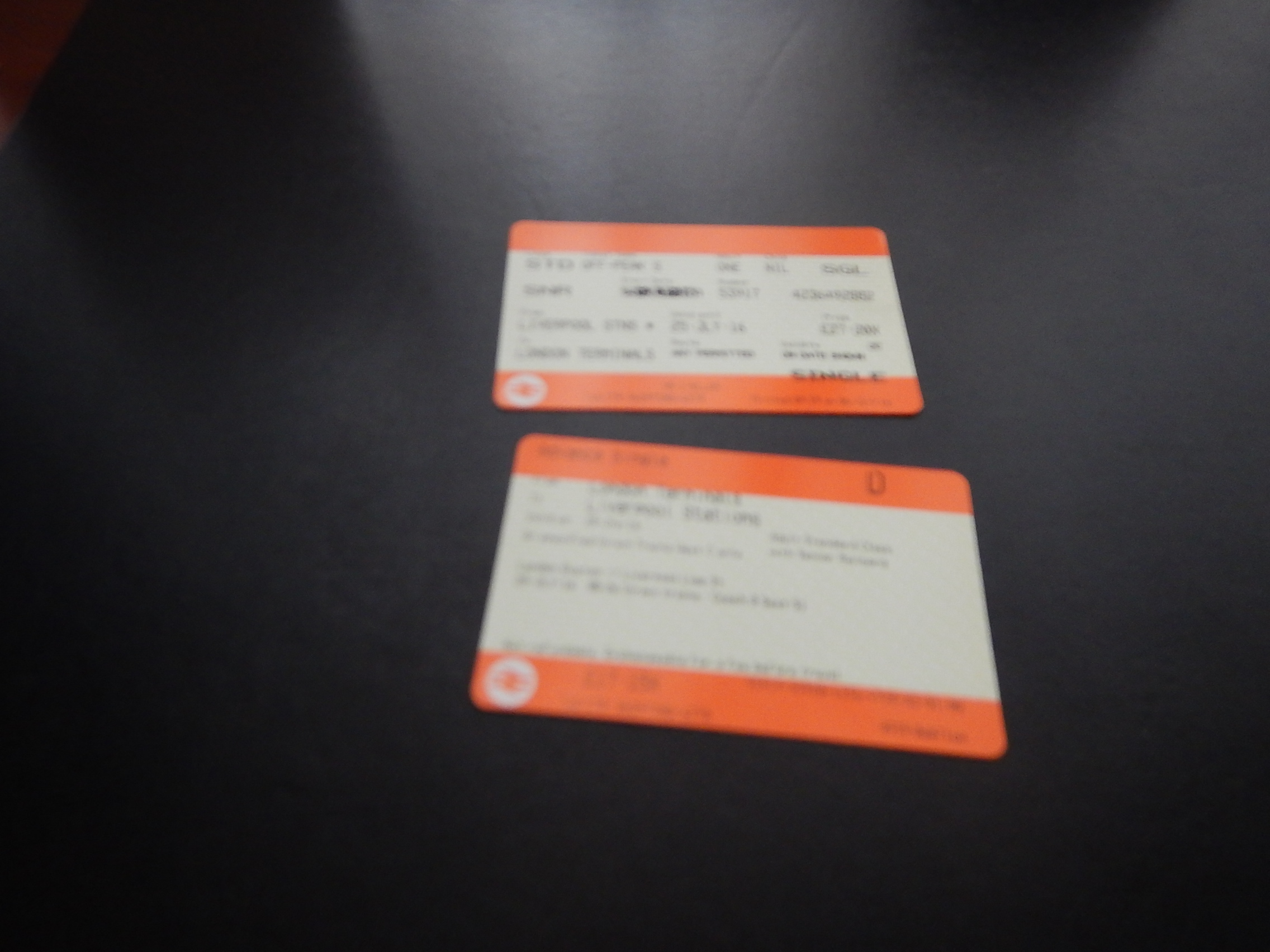
The UK’s Idea Of A Ticket To Ride
Just two cards for my wallet with one up and one back.
I should also say, that to buy the German ticket, I had to queue up in a Ticket Office, as the ticket machine wasn’t allowed to sell me the ticket I wanted. Queuing included having to get a compulsory number from a machine, despite the fact there was only a few people waiting.
In the morning, the train left at 06:31, so as I was in First Class, I thought I’d go to the DB Lounge.
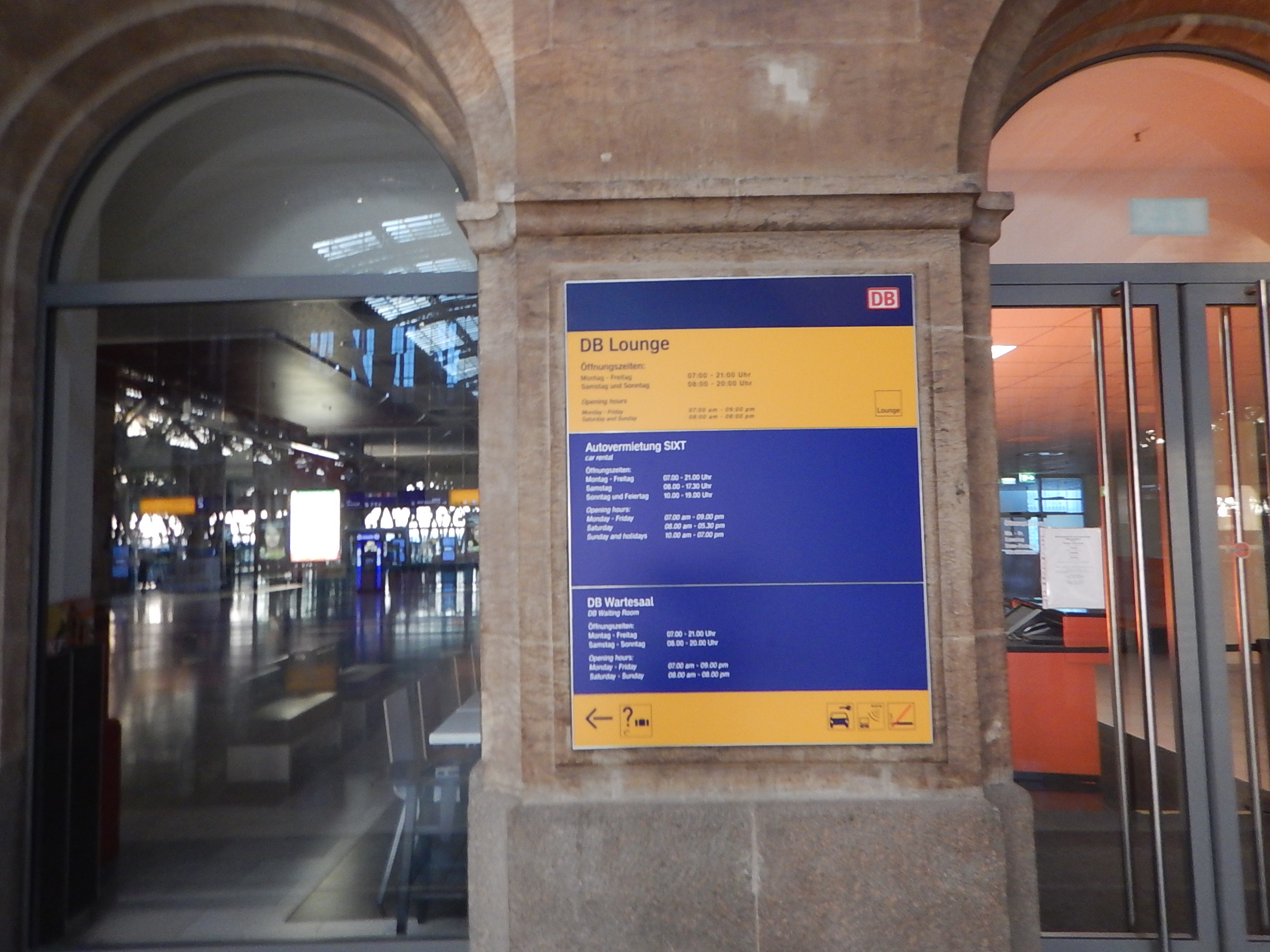
But as you can see it wasn’t open. Surely, if trains are running, the lounges should be open.
On the first train, I saw the steward once and didn’t get so much as a complimentary glass of water.
But judging by the emptiness of First Class, it doesn’t appeal to most passengers.
From Frankfurt Airport to Brussels, the second train had more passengers, but I did have to buy myself a Coke.
You get much better service on Chiltern Trains in Standard Class.
And who owns Chiltern?
A Glimpse Of London’s Future
London will soon be getting Crossrail, but Leipzig already has a cross-city underground railway called the Leipzig City Tunnel, which is the centrepiece of the S-Bahn Mitteldeutschland.
These are a collection of pictures taken of the various stations in the tunnel and on the surface sections of the lines.

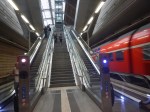
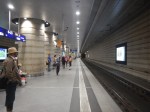


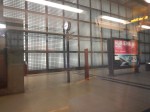
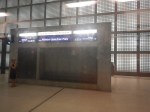
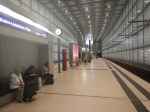
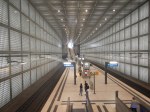
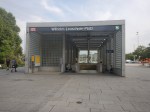


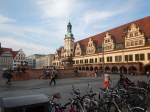

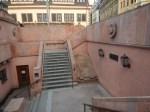



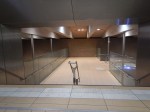
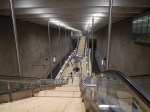

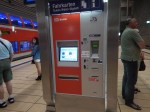

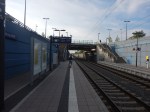

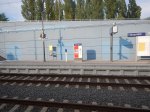
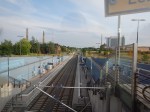
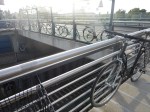
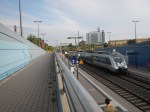
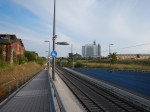

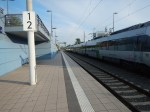

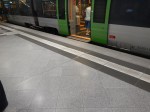
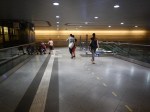
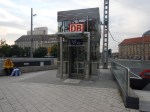
Unlike Crossrail, which is considered one line with two branches at both ends, there are several railways through the tunnel.
Wikiedia has a section on the Operating Schedule.
This is said.
It was planned that each hour and in each direction, there were up to ten S-Bahn, two regional trains and one express (as of July 2007)
There would appear to be seven S-Bahn routes, with intervals of between 30 and 120 minutes. As Crossrail, Thameslink and the East London Line in London, are all planned to or could handle twenty-four trains an hour, it does seem the Germans do things differently.
Note the following.
- The Seaside Park Hotel, where I stayed was about 200 metres from the trains.
- The line certainly has some spectacular stations.
- Central stations in the tunnel appear to be island platforms.
- Ticket machines were on the platforms, where they are really needed.
- Bicycles were everywhere underground.
- There are no platform-edge doors.
- Leipzig Markt Station was of an older era on the surface.
- There tended to be two escalators and steps to descend to and ascend from the trains. That is usually, the design-on-the-cheap problem.
- The one surface station I visited, Liepzig MDR, wasn’t step-free.
- The frequency through the Leipzig ity Tunnel, is low compared to the sixteen trains per hour through the East London Line and very low compared to that proposed for Crossrail and Thameslink.
I have a feeling that because it was designed a few years before Crossrail and uses older, refurbished rolling-stock, that certain features of the line are not as good as others.
Looking at the three systems; Leipzig, Crossrail and Thameslink, I feel that to get the most out of an expensive tunnel, you must do the following.
- Use trains designed specially for the tunnel.
- Design the trains for fast entry and exit.
- Make access between surface and platforms fast and with a large capacity.
- Use double-ended stations to ease passenger journeys.
- Have a large selection of routes through the tunnel, to get a maximum return for the tunnel. It may be that Crossrail needs more destinations.
- Use island platforms if possible.
- Make all stations step-free.
I think too that after seeing Leipzig, there are implications for London.
Bicycles
One problem for London, shown up by the Leipzig system, is what to do with bicycles on the train. These seem to be allowed at all times in Leipzig, but this page on the Thameslink web site, says that we do things differently.
More Destinations
As I indicated earlier, I think, that to maximise return on the massive investment of the tunnel, that Crossrail needs more routes and destinations, as Leipzig and Thameslink have.
As things stand, Crossrail intends to run a service like this according to Wikipedia.
The Elizabeth line will run a familiar London Underground all-stops service in the core section, but the western section will have non-stopping stations – like the Metropolitan line. The Eastern section has extra peak hour services that will either not enter the core section or that will be non-stopping at some stations. Similar to the Bakerloo line’s outer sections, the Elizabeth line will share platforms and rails with other services outside the tunnelled sections. About two-thirds of all Elizabeth line westbound trains will loop back after Paddington, about one third of peak-hour Elizabeth line trains to/from the north-east section will start/end at Liverpool Street main line platforms bypassing Whitechapel.
So it looks like if 24 trains per hour go through the centre tunnel, that sixteen of them will turn-back at Paddington.
That looks like a waste of resources to me.
Suggestions have been for services in the West to go.
- Up the West Coast Main Line to Watford, Tring and Milton Keynes.
- Along the Chiltern Line to West Ruislip and High Wycombe.
I wouldn’t be surprised if a couple of trains an hour went to Oxford.
The East is more problematic, as the only suitable extension is probably Southend, unless the Great Eastern Main Line is four-tracked, which would be very unlikely.
Kent is more fruitful territory, as an extension to Gravesend has been safeguarded. But surely Ebbsfleet with its Continental links would be better.
The Long Distance Crossrail Train
The Class 345 trains that will be used on Crossrail are Bombardier Aventras. According to serious reports, these trains could have the following features if needed.
- 200 kph capability.
- Metro, commuter or long-distance interior.
- 750 VDC, 25 KVAC or battery power.
- The ability to fit the platform-edge doors in Central London.
So you might reserve a few paths through Central London for long distance trains, if passenger statistics showed it would be profitable.
Imagine being able to get a train from Cardiff to Ebbsfleet for the Continent or from Birmingham to Southend.
Obviously services would only be provided if there was seen to be a demand.
But Crossrail’s and Bombardier’s engineers have designed the tools, so that many East-West journeys are possible.
Are The Railways Of Saxony A Benefit Of Communism?
Saxony is a German State with a lot of railways. This page is a list from Wikipedia.
In the UK, after the Second World War, we needed to modernise our railways and what we did was rather patchy and haphazard.
It finally, led to a lot of costs to no great benefit.
- I can remember taking over five hours on a journey to Liverpool in the 1960s.
- I always in the 1960s and 1970s, used to look at a heavy rail train and say how inferior they were to what the London Underground offered.
- Electrification was very slow to come in. I can remember Trains Illustrated saying Felixstowe will be electrified soon in the 1960s.
- Schemes like the Picc-Vic Tunnel in Manchester never saw the light of day.
Finally, the Beeching Report put a can on it.
But in the former East Germany, there were no such cost pressures in a centralised communist economy, where maintaining employment was a priority.
One thing you notice in the are is lots of signal boxes, often with an associated level crossing. Do they need them?
Whereas we would shut railways enthusiastically to cut costs, the East Germans didn’t, as it was against their politics.
So a lot of railways got preserved, where other countries would have closed them!
Now you can see a lot of railway development, as like the UK, Germany is coming round to the view that railways are what people want and they’re good for the economy.
ORR’s Annual Health and Safety Report of Performance on Britain’s Railways: 2015-16
This document on the Office of Rail Regulation will be dull reading for some.
But for anybody worried about rail safety and especially how perhaps the infrastructure is affecting their walking and driving, it is a hard but must read.
Some good points from this year’s report.
- No rail worker was killed on the rail network in 2015-2016.
- Britain’s railways are currently the safest they have ever been, but there is still room for improvement.
- For the ninth year in a row, we saw no passenger fatalities in train accidents.
- In 2008, in collaboration with us, Network Rail started closing high risk level crossings. With government support, over 1,000 crossings have been closed since 2009-10.
- This year saw a 12% reduction, to 252, in suicides and suspected suicides on Britain’s mainline railway.
Let’s hope the process continues.
The Natives Are Getting Restless
It would appear that Network Rail have stirred up a hornet’s nest in Suffolk over the tricky subject of level crossings.
Over the last couple of days, three letters have appeared in The Times either supporting or opposing the closures.
I’ve also had talks with old friends in the County and some are not happy.
This web page on Network Rail’s web site, which is entitled Anglia level crossings proposals, gives more details. This is said.
We have been working to reduce the risk that level crossings pose and have developed proposals to manage the possible closure or change of use of around 130 level crossings in Anglia across Cambridgeshire, Essex and Suffolk.
We believe it’s possible to close level crossings:
- with private rights only
- by diverting people to where a nearby alternative exists
- by providing a new public route to a nearby alternative
We will also look to downgrade level crossings to non-motorised users. None of the crossings in this proposal involve closing public A or B roads.
We recognise the importance of public rights of way and where possible we will maintain easy access to the countryside.
Having read the full document, I would say that Network Rail are trying to do there best to eliminate these hazards of a bygone age.
But try telling that to some of the locals.
What should bring it home to the locals is the Roudham train crash on April 10th, 2016, when a Class 170 train hit a tractor on a level crossing.
The train hasn’t been returned to service, so as I wrote in An Illustration Of East Anglia’s Rail Problems, the operator is scratching sround for trains.
So one place’s level crossing accident, is another area’s lack of trains.
There are rumours, that the Roudham crash was caused by human error, but the main cause of the crash, was the fact the level crossing existed.
All level crossings should be removed.
Up And Down The Crouch Valley Line
The Crouch Valley Line runs from Wickford station on the Liverpool Street to Southend Victoria Line and Southminster in deepest Essex via the sailing town of Burnham-on-Crouch.
This Google Map shows the route of the line.

The Crouch Valley Line
Stations on the line are at Wickford, Battlesbridge, South Woodham Ferrers, North Fambridge, Althorne, Burnham-on-Crouch and Southminster.
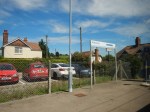
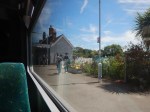
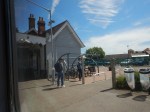
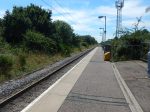
I took these pictures as I went from Wickford station to Southminster station on the Crouch Valley Line. On the way back, I stopped off at Burnham-on-Crouch station and found an excellent snack lunch at Cafe-Dairy in the town.
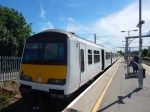








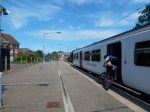
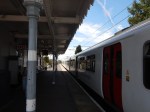
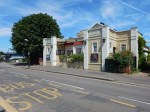

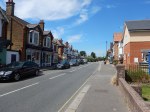

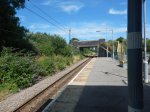
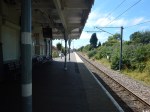


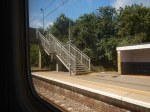
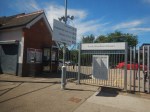
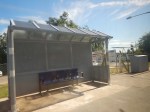
It certainly isn’t your average rural railway line.
- The six stations on the line are in pretty good condition.
- All except North Fambridge station are single platform stations, so are effectively step-free.
- The line goes through marshes and country with a lot of birds. Very Snow Goose!
- Most of the stations, seem to have adequate car parking.
- The electrification doesn’t appear to be in the best of health, but then that could be said for much of East Anglia’s railways.
If it has one major problem, it is that trains seem to run every forty minutes.
Growth In Passenger Numbers
Two factors will see the number of passengers using this line grow in the future.
Someone in Burnham told me, that they were building a lot of new housing along the line, which surely will generate traffic.
Also, the RSPB’s flagship reserve at Wallasea, that has been built with tunnel spoil from Crossrail, is just across the river at Burnham-on-Crouch.
This Google Map shows the area.
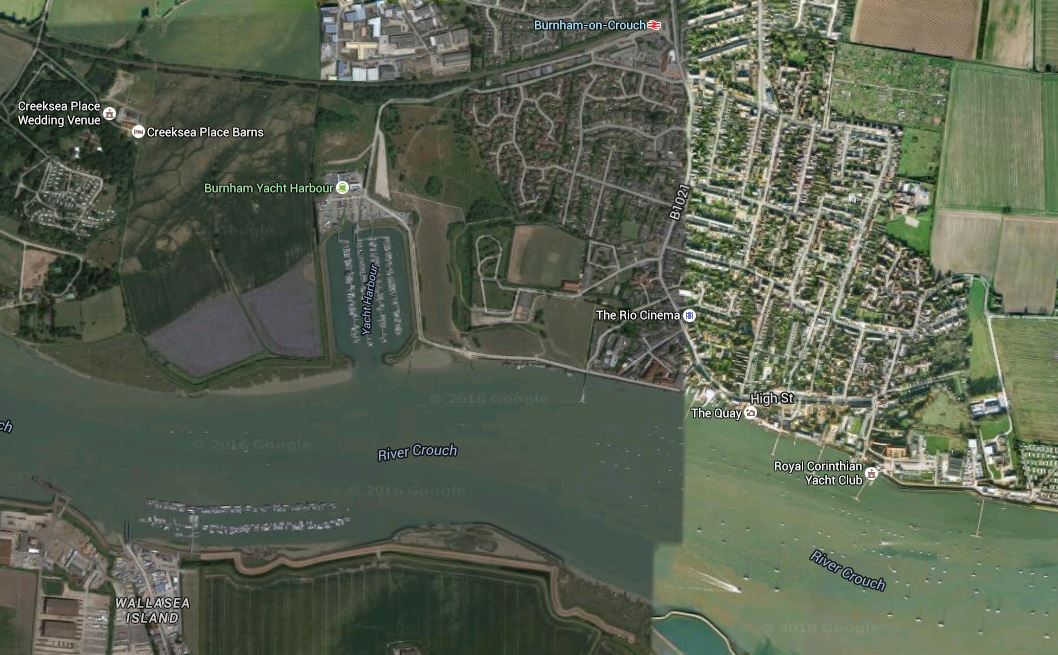
Burnham-on-Crouch, the River Crouch And Wallasea Island
The Crouch Valley Railway goes across the top of the map and stops at Burnham-on-Crouch station.
I walked down to the River, going past the cinema.
Will a proper route from the station to Wallasea Island on the other side of the River Crouch be created using a bus and a ferry?
There is also a very low possibility of a new nuclear power station at Bradwell, which could increase traffic to Southminster.
A Two Trains Per Hour Service
The current schedule meant I had a forty minute wait for a train after my lunch. I made a mistake calculating when the train would leave and I arrived back at the station a few minutes after the train had left.
Forty minutes is a long time to wait for a train in a station with few facilities on a sunny day.
If traffic does grow on the line, as I indicated in the previous section, two trains an hour will be a necessity.
The reason for the current weird interval is that if you look at the time-table, trains take thirty-one minutes to do the Journey.
If you add in the turn-round time, when train staff do what they have to do and that to run the service, the two trains must pass at the only passing loop at North Fambridge station, it becomes obvious, that the fastest sensible time for the journey adding in all the extras is forty minutes.
So it would seem that in order to get two trains per hour, you would need to get the time for the journey down to thirty minutes.
It would seem that it might be possible by using four trains to get a three trains per hour service, but this would probably need extra passing loops or full redoubling of the track with extra platforms in places.
So because of cost this will probably not be an option.
In other words, the only way to get two trains per hour on the branch, would be to speed up the time each journey takes.
New Trains On The Line
New trains on the line could be the key to achieving a thirty minute total journey time.
If something like a new Aventra train replaced the current Class 321 train, there would be certain features that would save time.
- The higher speed and better performance of the modern train would save some time.
- Modern trains are designed to stop, unload and pick up passengers and get back to line speed in a shorter time.
- Level access to platforms could be arranged to cut out loading delays of buggies, wheelchairs and bicycles.
- Helpful automation for the driver in the turn-round at each end of the line could save a few precious minutes.
- The precision driving needed would be easier in a modern train.
It might even be possible to do a faster speed in a Class 360 train.
Improving The track
I do wonder, if Network Rail have ideas to improve the line speed, which would mean more minutes saved.
I suspect Network Rail engineers wish that the conversion of this line to single-track in the 1960s shouldn’t have been carried out.
Conclusion
I think that within a couple of years, we’ll see new trains on this line providing a two trains per hour service.
Frinton-on-Sea Station
My family has had a typical relationship with Frinton, where it has been the butt of several jokes. But then C did get the odd nasty letter after the story of The First Off Licence In Frinton.
I dread to think what would happen to a lawyer doing something like that case these days.
I finished my walk at Frinton-on-Sea station, where I took these pictures.
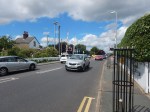


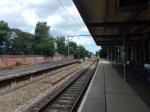
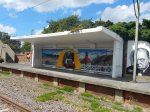


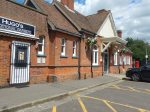
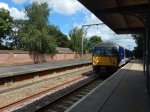
Note.
- You can clearly see, where the second track used to be.
- Trains always use the Southern platform.
- Frinton has rather a retro taste in artwork.
- The catenary seemed to be not of the best quality.
- The station has a proper booking office.
- Like Walton-on-the-Naze station, the platform seems to be able to accommodate eight-car trains.
- I didn’t see anywhere to park a bike. According tom this station facilities page, there are spaces for six.
According to Wikipedia, it would appear that both Walton-on-the-Naze and Frinton-on-Sea stations get about a hundred thousand passengers a year. Kirby Cross station, the only other station on the branch gets roughly four times as much.
This Google Map shows the station and its location.
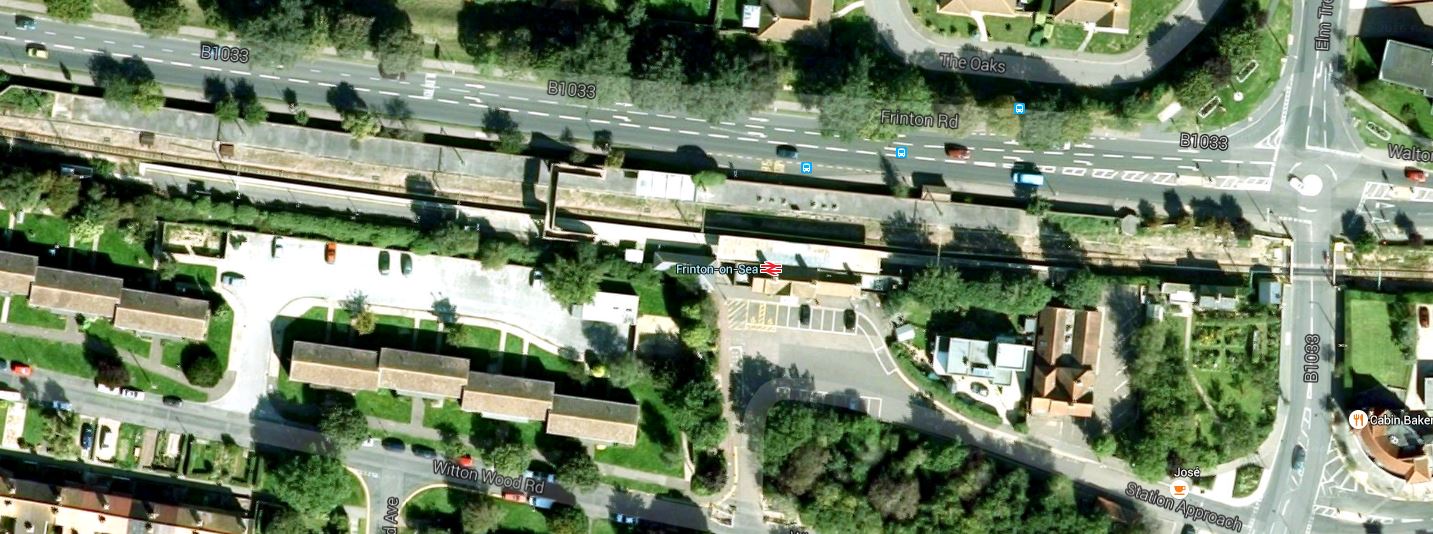
Frinton Station
A One-Sided Station
Note how one-sided the station is, with little except the unused platform and the road on the North side of the track. The station buildings with their traditional barber and the car park are all on the South side of the track.
I assume that anybody coming rom the North side and wanting to get a train on foot or on a bicycle has to go across the level crossing and round into the station.
In When Is A Train Not A Train?, I proposed running lines like this under tram rules.
This station would be ideal, as obviously most passengers arrive on the side with a plattform.
It could even have a light-controlled walk-across the track by the level crossing to allow passengers to cross to and from the north.
Electrifcation
I’m no electrification expert, but as an Electrical Engineer by training, I do feel that the wires, I saw at both Frinton-on-Sea and Walton-on-the Naze stations have seen better days and are probably up for replacement in the next few years.
If as I expect that the next East Anglia Franchise orders trains with the possibility of on-board storage, then I believe that instead of renewing the wires to Walton, the shuttle trains to Thorpe-le-Soken and the the direct Liverpool Street trains, could use stored energy on the Walton Branch.
They would charge their batteries, when running between Thorpe-le-Soken and Colchester.
Replacement of the electrification on the five mile long branch would conservatively cost several million pounds and need ongoing specialist maintenance. The money saved would surely pay for the onboard energy storage on the trains needed for the branch.
Removal of the electrification would give the following benefits.
- The branch would be free of high-voltage electricity.
- Stations could be of a simpler design.
- Trains would be quieter with no pantograph noise.
- Regenerative braking with all its electricity saving would be enabled.
- The track would be simpler, with less to go wrong.
- The line would be without unsightly wires.
But the biggest benefit would be that overall the line could be much safer.
New Track
But removal of the electrification would give other advantages, as any new track would not need to be electrified. New track might include.
- Provision of a siding at Walton-on-the Naze, where the second track used to be.
- Provision of a proper passing loop at Kirby Cross station.
- Reopening of Platform 3 at Thorpe-le-Soken station.
- Installation of a chord to allow trains to go from Walton-on-the-Naze to Clacton-on-Sea directly.
Whatever is done with respect to track, will greatly improve the service on the branch.
Conclusion
I believe that in a few years time, a visitor to Frinton-on-Sea station, will find it very different.
But probably very much better.
However, if the line is run by silent electric trains, will their curiosity bring too many visitors to |Frinton, for the residents’ liking?
When Is A Train Not A Train?
Take a modern train, say something like a Class 172 DMU or a two-car version of say a Class 710 EMU.
The size and weight of these are very similar to that of one of Sheffield’s trams.
Many, if not all, trams in the UK run to a set of rules, which allow the following.
- Running at up to 50 mph on a dedicated track, which can be either single or double track.
- Running at slower speeds through City Centres and amongst pedestrians, as they do through Birmingham, Blackpool, Croydon, Edinburgh, Manchester, Nottingham and Sheffield
- Trams are driven, by a trained driver, who takes notice of everything and everybody around the tram.
- Passengers can cross the track in designated places provided they keep a good look-out.
- Passengers can only board a tram at a designated stop.
- All rail vehicles run to the same rules.
The rules must work, as you don’t often hear of trams having accidents with pedestrians. In fact fourteen people have died in accidents with modern trams in the UK since 2000. The rate seems to have dropped in recent years, so are drivers getting better and pedestrians learning how to live with the trams?
I believe that in Zwickau in Germany, local trains, run on the tram tracks in the City Centre. There’s more on it under Vogtlandbahn in Wikipedia.
So could some branch lines be run according to tram rules, but using standard modern trains, like Class 172 or Class 710 trains?
In A First Visit To Clacton, I said this about the Walton-on-the-Naze branch of the Sunshine Coast Line.
I do wonder whether some branches like the short one to Walton-on-the Naze could be run to tram rules using on-board energy storage. It might enable stations to be built step-free without electrification, lifts and bridges, provided trains kept to a safe slow speed.
In an ideal system, the rules could be.
- No electrification. Zwickau uses diesel vehicles, but ones using on-board energy storage would be ideal.
- Trains do not exceed an appropriate slow speed. Zwickau uses 80 kph.
- Step free access from platform to train.
- All trains on the line run to the same rules.
- No freight trains.
The advantages would be.
- There is no electrification.
- Signalling is standard railway signals and rules. Often routes would run under One Train Working, which is very safe and well proven.
- Many routes could be built as single-track without points and like the Sudbury branch trains would go out and back.
- DMUs would be exactly, the same as others of their type.
- EMUs would be too, but would have on-board energy storage.
- Extra stations could be added to the line, by just building platforms.
- The line could perhaps be extended past its current terminus.
I must get to Zwickau and see how the Germans do it.
A few examples of lines that could run to these rules include.
- Sudbury Branch
- St. Ives Branch
- Walton-on-the-Naze Branch of the Sunshine Coast Line
- Windermere Branch
Whether some of these would need it, is doubtful. Some though, like Sudbury and St.Ives, terminate as a single platform in a car park.
The Felixstowe Branch certainly couldn’t as it has lots of freight trains, although the final section, from where it branches off the line to Felixstowe Port could.
I said that no freight trains could run on the routes, but those devilish Germans have designed a freight tram that runs in Dresden to supply the Volswagen factory in the city. It’s called a Cargo Tram.
Could this be a way of bringing freight into a City Centre? as I said in The LaMiLo Project, this type of thinking is in the minds of planners.
 The Anonymous Widower