Robertsbridge Station – 25th September 2024
I went to Robertsbridge station, today and took these pictures of the station.
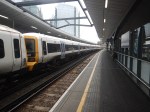
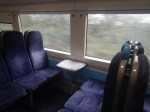
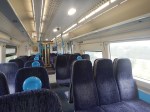
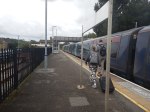
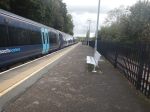
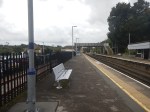
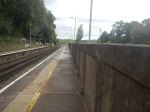
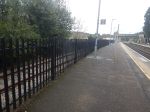
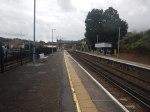
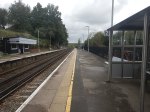
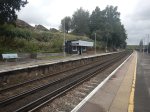
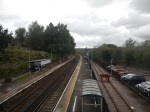
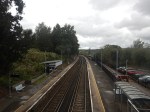
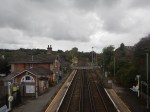
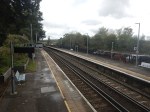
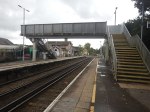
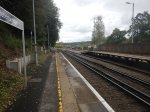
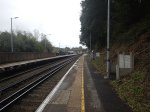
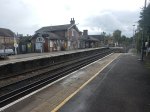
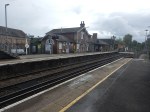
Note.
The tracks are electrified.
- The platforms can accommodate eight-car trains and probably ten-car trains.
- There is a level-crossing at the South end of the station.
- The bridge is not step-free.
- Passengers may be able to use the level-crossing to cross the tracks
- The station has a good collection of books for passengers.
- The London trains are in good conditiopn.
- There is an adequate amount of car parking.
It is a small workmanlike country station typical of many in the UK.
This Google Map shows the station.
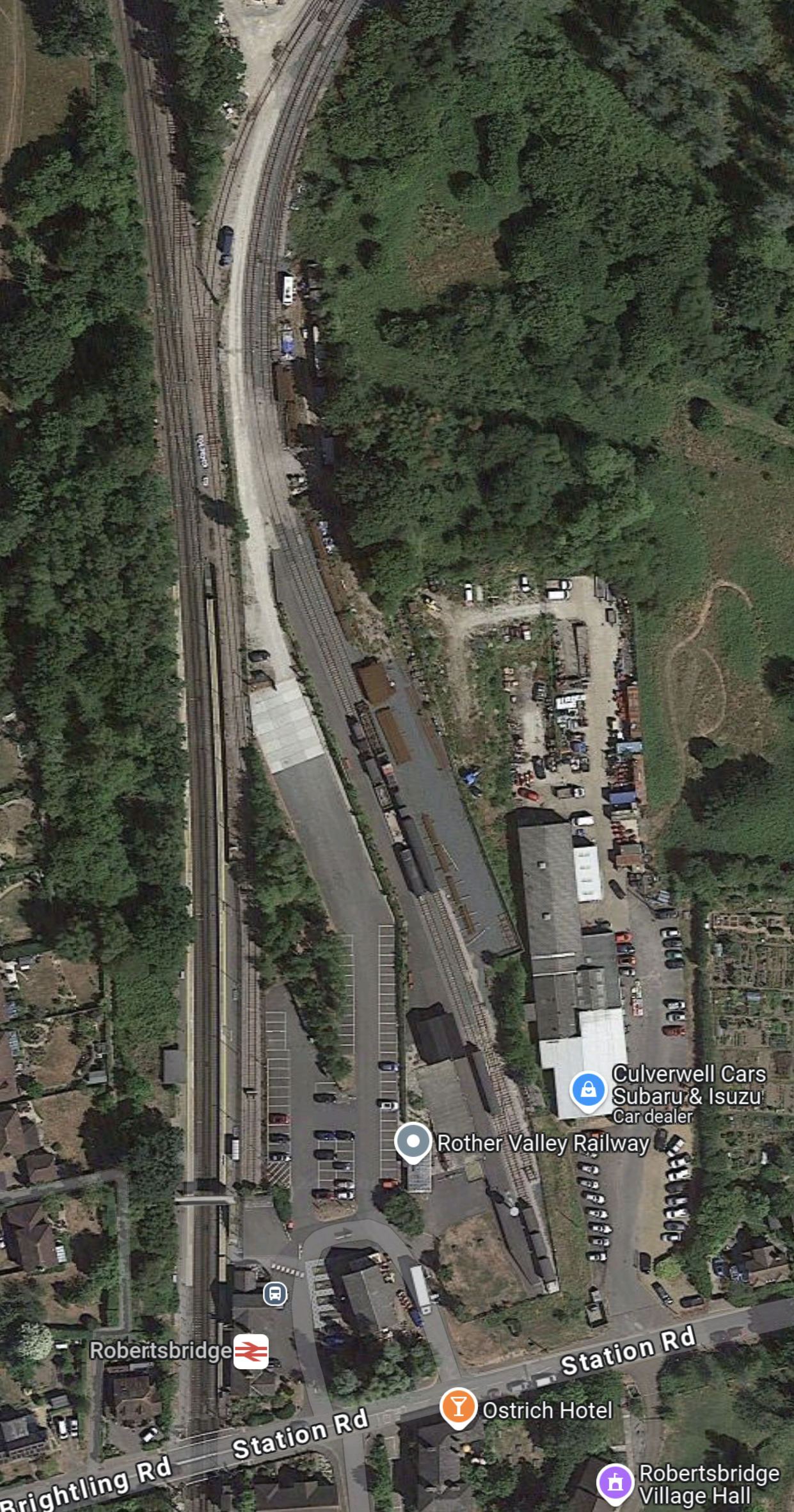
Note.
The London and Hastings Line runs down the West side of the map.
The station buildings are marked by the usual sign and are on the East side of the tracks.
Also on the East side of the tracks is a siding used by Network Rail to store machinery and a car park and then the premises of the Rother Valley Railway.
Station Road with its level crossing runs across the bottom of the map.
These are my thoughts.
The Aim Of The Rother Valley Railway
This is the first paragraph of the Wikipedia entry for the Rother Valley Railway.
The Rother Valley Railway (RVR) is a heritage railway project based at Robertsbridge in East Sussex, England. It takes its name from the original name for what later became the Kent and East Sussex Railway, running from Robertsbridge through to Headcorn in Kent, via Tenterden. The project is to replace the “missing link” between Robertsbridge, a station on the Tonbridge to Hastings mainline, and Bodiam on the Kent and East Sussex Railway, a heritage railway which operates from Bodiam to Tenterden.
This OpenRailwayMap shows the route of the railway between Robertsbridge and Tenterden Town.
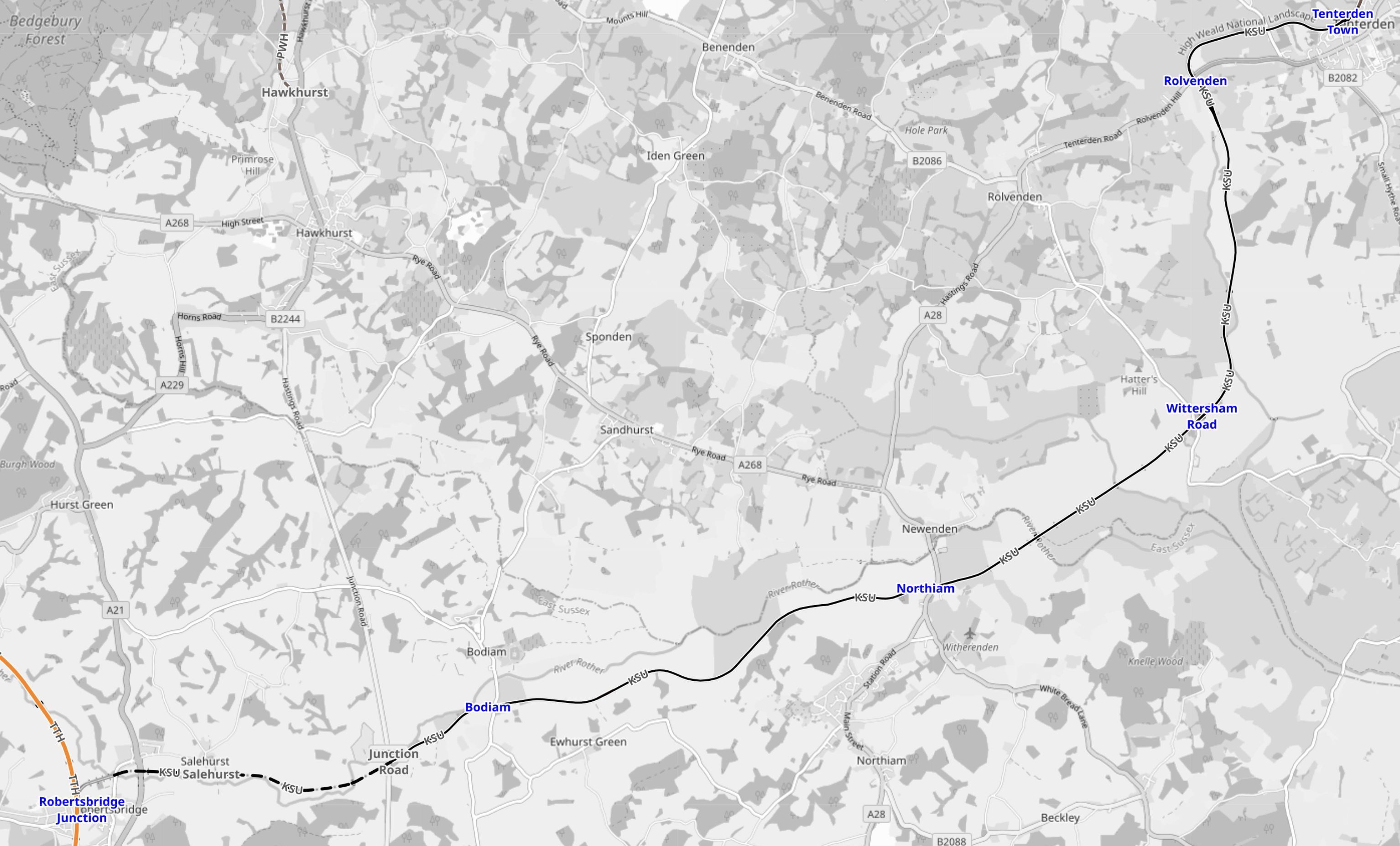
Note.
- Robertsbridge Junction is in the South-West corner of the map.
- Tenterten Town is in the North-East corner of the map.
- Bodiam, Northiam, Wittersham Road and Rolverden are the intermediate stops.
This second OpenRailwayMap shows the tracks at Rotherfield.
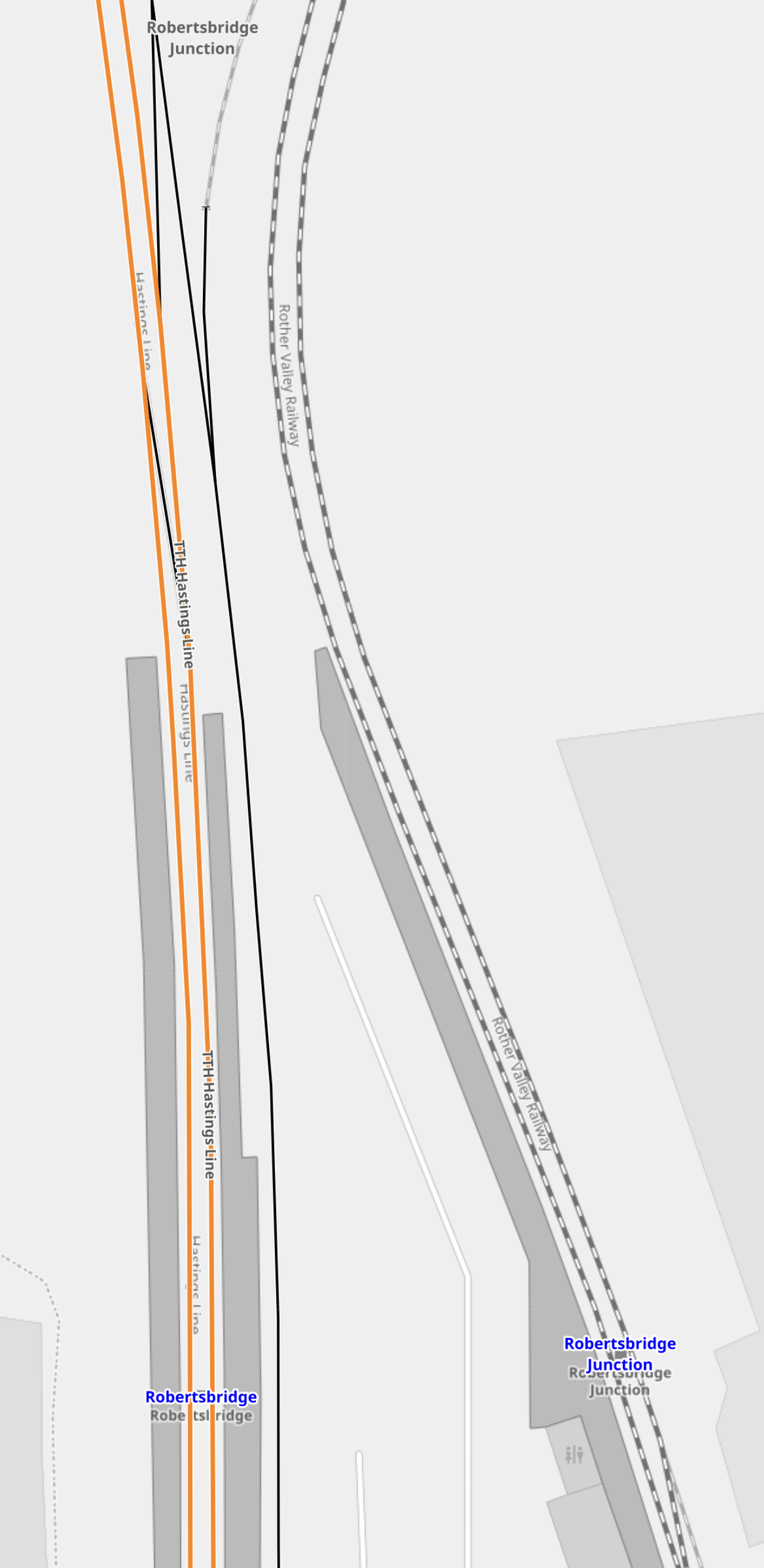
Note.
- Robertsbridge station is on the West.
- Robertsbridge Junction station of the Rother Valley Railway is on the East.
- Network Rail’s siding runs between the stations.
It appears that the Robertsbridge Junction station has a turnback for a locomotive.
Progress On The Rother Valley Railway
This is the second paragraph of the Wikipedia entry for the Rother Valley Railway.
Following a public inquiry in 2021, the government approved the project in May 2023 and granted the RVR’s application for a Transport and Works Act Order. This came into force on 2 August, allowing the reinstatement scheme to be completed. There will be then an end-on link with the Kent and East Sussex at Bodiam enabling through-running of passenger trains between Tenterden and Robertsbridge for the first time since 1954. Heritage trains will make use of the Rother Valley Railway’s own new station at Robertsbridge Junction, a short walk from the mainline station. Work is expected to begin on the final phase of reinstatement in 2024, following detailed surveys.
It certainly looks like progress is being made.
Tenterden Is The Largest Town In Kent Without A Railway Station
Although compared to some towns, that have recently got stations, it is somewhat smaller.
But it is larger than Okehampton, which has successfully opened a National Rail station.
Perhaps, a supermarket car park can be found big enough for a single platform station?
Starmer May Give Tenterden Some New Development
A few more houses could generate commuter traffic.
Will VAT On School Fees Encourage train Travel To School?
But train travel may be cheaper than a car to say Tonbridge by car! Every little helps!
More Trains At Robertsbridge Could Draw Traffic
Two trains per hour would surely help.
Conclusion
A Tenterden branch could be viable for a shuttle between Robertsbridge and Tenterden.
A Small Station Entrance With Almost Everything
The pictures show the second entrance to Hackney Central station, which was built a few years ago.




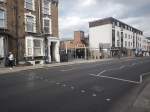


Note.
- There is a light controlled-crossing outside the station.
- There are two ticket machines, where National Rail tickets can be bought and collected.
- There is a coffee hut.
- Stairs lead all the way up to the Westbound platform.
- The Eastbound platform is over a step-free bridge.
- The best M & S Food store in East London is within a hundred metres of both platforms.
- 38, 242 and 277 buses pass the the new entrance.
It is a well-appointed entrance to a station.
World’s First Public Demonstration Of Hydrogen Engine Motorcycle
This title of post, is the same as that of this news item from Kawasaki.
This is the sub-heading.
On July 20, Kawasaki Motors, a member of the Kawasaki Heavy Industries Group, conducted the world’s first public demonstration run of a hydrogen ICE (internal combustion engine) motorcycle by a mass-production motorcycle manufacturer at Suzuka Circuit in Suzuka City, Mie Prefecture, Japan.
These three paragraphs outline the demonstration.
The hydrogen ICE motorcycle was designed and built as part of research that began in March 2023, with test runs starting this year, culminating in the public demonstration run. Mounted in the machine is a hydrogen engine based on the 998 cm3 In-Line Four Supercharged Engine found in Kawasaki’s Ninja H2 motorcycle, with modifications made to allow direct injection of hydrogen fuel into the cylinders. The motorcycle’s chassis was designed to accommodate hydrogen fuel canisters and a hydrogen fuel supply system on-board.
Hydrogen ICE motorcycles run on hydrogen combustion, producing the rumble and pulsating sensation that riders enjoy when twisting the throttle, while emitting mainly water.
As part of their carbon neutral initiative, Kawasaki Motors is currently conducting research and development with the aim of realizing a functioning hydrogen ICE motorcycle*2 as one carbon-neutral option for riders in the early 2030s.
Some people will prefer quiet, hydrogen-fuel cell motorcycles.
Lawnmowers And Other Small-Engined Equipment
As hydrogen fuel spreads around the countryside, I can see lots of rural equipment using it for motive power.
Cummins Debuts Integrated HELM Drivetrain At IAA
The title of this post, is the same as that of this article on truckinginfo.com.
This is the sub-heading under a rather informative image.
Cummins’ integrated drivetrain offers fleets three powertrain options: advanced diesel, diesel-hybrid and zero-carbon hydrogen.
These are the first two paragraphs.
Cummins pulled the curtain back on a new integrated drivetrain concept at the IAA Transport Show in Hannover, Germany, on September 17. According to Jennifer Rumsey, Cummins chair and CEO, the newly designed drivetrain is based on the OE’s HELM engine platform. It is also intended to highlight Cummins’ broader product portfolio and continued commitment to providing flexible, sustainable power solutions.
The Cummins HELM engine platform is a fuel-agnostic series of engine versions that are derived from a common base.
The article could be called the Jennifer and Jane Show, after the two people, who provided most of the words.
When I was dealing with large American corporations in the last century, one lady would have been a rarity, but two at the top indicates how Cummins has turned itself into a sustainable company for the twenty-first century.
The Cummins Integrated Drivetrain Concept
The Cummins Integrated Drivetrain Concept is shown in a Cummins image in the trucking.info.com article.
- Up-front is a 15-litre internal combustion engine, which can be diesel, natural-gas or hydrogen-fueled.
- As Cummins manufacture fuel cells, I suspect that the motive power can be one or more hydrogen fuel cells.
- It looks like along each side of the truck are tanks for the hydrogen fuel cells.
- Between the tanks is a powerful electric motor, that drives the rear axle.
- The electric rear axle could incorporate batteries for regenerative braking and traction efficiency.
A vehicle of any size between a Fiat 500 and a 44-tonne articulated truck could use this integrated drivetrain concept, with components sized accordingly.
This is a paragraph from the trucking.info.com article.
Rumsey emphasized that Cummins’ acquisition of Meritor, Siemens Commercial Vehicles and Jacobs Vehicle Systems in recent years means Cummins can now offer full powertrain capability.
Don’t develop your own, if you can buy the best!
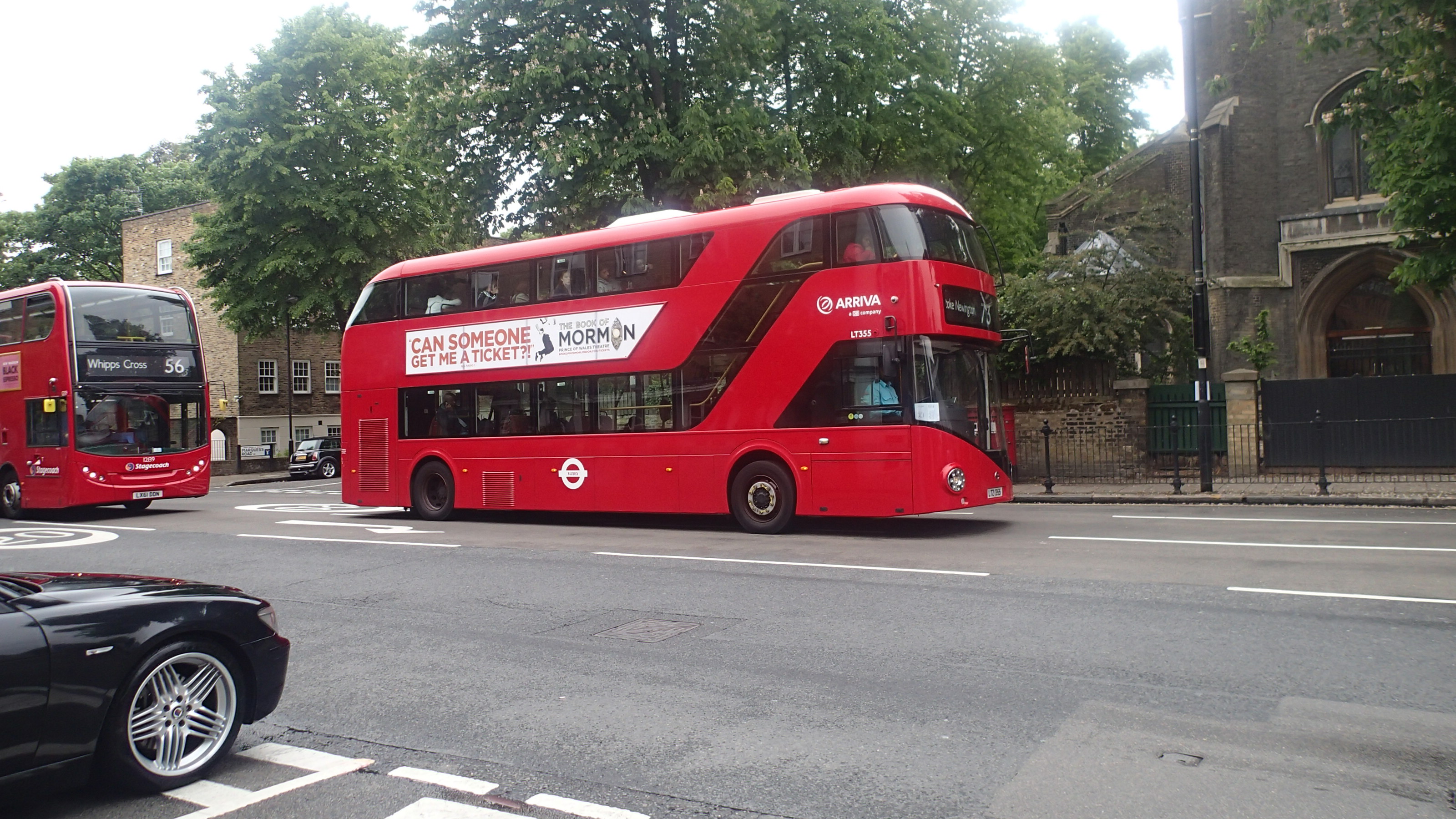
Siemens electric motors and Cummins diesel engines are used in London’s New Routemaster buses.
Could The Cummins Integrated Drivetrain Concept Be Used For A Small Car?
I don’t see why not?
Just watch the Koreans, who are going large on hydrogen.
Ashley Down Station Opens On Saturday
Ashley Down station will be Bristol’s latest new station, when it opens this Saturday.
I shall be going, after probably taking the Elizabeth Line to Reading station.
Is A Ride Across South London On Tramlink, The Worst Rail Ride In London?
Last week, I took a ride across South London on the London Tramlink from Beckenham Junction to Wimbledon.
I was in one of the original Bombardier trams and it was very underwhelming.
None Of The Current Trams Have Air-Conditioning
These days, this is expected.
In this article on RailAdvent, which is entitled Potential Tram Builders Announced For New London Trams, this is said.
Transport for London has issued an Invitation to Tender for four manufacturers to design and build a new fleet of trams.
Alstom UK, CAF, Hitachi and Stadler are the four manufacturers who can now proceed to the next stage of the procurement process with Transport for London to design and build the new trams.
The new trams are expected to feature air-conditioning, real time travel info and charging points, along with areas designed for wheelchair users and those with pushchairs and luggage.
It sounds that the new trams will be to a higher standard with more comfort and interior space.
The Current Trams Have Bricks For Seat Padding
In my except from the Rail Advent article, surely this is covered with more comfort.
The Current Trams Lack Interior Space
In my except from the Rail Advent article, surely this is covered with more interior space.
On one journey recently, two mothers were having a friendly discussion about the limited space for their buggies.
The Current Trams Lack Flat Floors
The floors weren’t flat on my cross-London tram ride and it nearly tripped me up.
All trams, buses and trains should have flat floors and no-step entrances and exits.
The Current Trams Lack Details That Passengers Now Expect
In my except from the Rail Advent article, surely this is covered with more real time travel info and charging points.
The Route Of The Tramlink Is Boring
I’ve travelled on trams and light rail systems in other cities and towns, in the UK, in Europe and around the world.
But I feel that unlike say Blackpool Tramway, except for a couple of shopping centres and IKEA, London Tramlink doesn’t take you anywhere.
I expected to find refreshment kiosks at the terminals, but only at Wimbledon and East Croydon did they exist.
Perhaps, Transport for London could add a few kiosks, as they have done on the Overground?
Conclusion
Transport for London should look at all aspects of design of the London Tramlink.
Public Views Sought Over Mersey Tidal Barrier Plan
The title of this post, is the same as that of this article on the BBC.
This is the sub-heading.
More details have been revealed about plans to build the world’s largest tidal barrier in the River Mersey.
These two paragraphs outline the project.
A dam-like structure would be constructed between Wirral and Liverpool, with the possibility of cyclists and pedestrians being able to walk across it.
Liverpool City Region Combined Authority believes the project could generate enough clean, predictable energy to power hundreds of thousands of homes for 120 years.
Note.
- A six-week public consultation on the scheme will begin on 1 October, offering local people and organisations the chance to comment on the plans.
- Steve Rotherham, who is the Mayor, has said it will be within ten years.
As Rotherham has called in the Korean experts, he could likely be right.
This is a flythrough of the barrage.
Nuclear Deal Gives Rolls-Royce £2.5bn Boost
The title of this post, is the same as that of this article on The Times.
This is the sub-heading.
UK engineers selected to build a fleet of mini-nuclear power plants in the Czech Republic
These are the first two introductory paragraphs.
Almost £2.5 billion was added to the market value of Rolls-Royce after it was selected to build a fleet of mini-nuclear power plants in the Czech Republic, the first deal of its kind in Europe.
Rolls was selected as the preferred supplier for the development and construction of a number of small modular reactors by the Czech government from a shortlist of seven companies. The exact number of SMRs due to be delivered will be announced in the next few weeks.
Strangely, despite the announcement having a positive movement on the company’s share price, there was no corporate press release. but the Rolls-Royce subsidiary; Rolls Royce SMR did publish this press release, which is entitled Rolls-Royce SMR Named As Preferred Supplier To Build In Czechia.
These four paragraphs are the complete release.
Rolls-Royce SMR CEO, Chris Cholerton, said: “We welcome today’s landmark announcement by the Government of the Czech Republic and the Czech State utility, ČEZ Group, naming Rolls-Royce SMR as their preferred supplier for the development and construction of Small Modular Reactors (SMRs).
“This decision, to select Rolls-Royce SMR from a list of seven potential SMR technology providers, follows a rigorous evaluation process by ČEZ Group. Discussions are ongoing to finalise contract terms and the final agreements are subject to customary regulatory clearances. Details of the agreement will be published at signing.
“This important strategic partnership further strengthens Rolls-Royce SMR’s position as Europe’s leading SMR technology, and will put CEZ, Rolls-Royce SMR and its existing shareholders at the forefront of SMR deployment.
“Rolls-Royce SMRs will be a source of clean, affordable, reliable electricity for Czechia – creating jobs, enabling decarbonisation, reducing the reliance on imported energy and supporting the global effort to reach net zero.”
These are my thoughts.
Rolls-Royce And Small Nuclear Reactors
The Wikipedia entry for Rolls-Royce Submarines, who build the nuclear engines for submarines, indicates that the subsidiary was formed in 1954.
The first nuclear submarine with a Rolls-Royce engine was HMS Valiant, which was commissioned in 1966, according to its Wikipedia entry.
Valiant was powered, until it was decommissioned in 1994, by a Rolls-Royce PWR or Pressurised Water Reactor, that is described in this Wikipedia entry.
Since Valiant, the UK has built nearly forty nuclear submarines for the Royal Navy, and all have been or will be powered by that original Rolls-Royce PWR or derivatives of the design.
The next nuclear submarine project for Rolls-Royce Submarines, will be the nuclear power unit for the SSN-AUKUS, which is described in this Wikipedia entry, which describes the submarine like this in the first paragraph.
The SSN-AUKUS, also known as the SSN-A, is a planned class of nuclear-powered fleet submarine (SSN) intended to enter service with the United Kingdom’s Royal Navy in the late 2030s and Royal Australian Navy in the early 2040s. The class will replace the UK’s Astute-class and Australia’s Collins-class submarines.
The Wikipedia entry for the Rolls-Royce PWR, says this about the power unit for the SSN-AUKUS.
Rolls Royce is building the reactor for SSN-AUKUS, which may be the PWR3, or a derivative.
The PWR3 is the latest version of the original 1966 design.
If you fly on the latest Airbus A350, the aircraft is powered by Rolls-Royce Trent XWB engines, which are the most powerful engines in the Trent family of turbofan engines.
The Trent engine was developed from the RB-211 engine of the 1960s. The RB-211 may have bankrupted the company, but it later provided the cash-flow for the world-class company we see today.
I don’t think Rolls-Royce need have any fears about using sixty years of nuclear reactor technology to build the Rolls-Royce SMR.
Rolls-Royce And The US Department Of Defense Nuclear Microreactor Program
I discuss this in Rolls-Royce To Play Key Role In US Department Of Defense Nuclear Microreactor Program.
Surely to be involved in a key US program, Rolls-Royce’s offering must be tip-top.
Will The Czechs Play Any Part In The Manufacture?
This article in the Financial Times, is entitled Rolls-Royce Wins Pioneering Deal To Build Mini Nuclear pPlants In Czech Republic.
A paragraph sounds very much like active participation to me.
Between the Two World Wars, Skoda Works in Czechoslovakia, was according to its Wikipedia entry, was one of the largest European industrial conglomerates of the 20th century.
This paragraph from the Wikipedia entry describes their history after the First World War.
By World War I, Škoda Works had become the largest arms manufacturer in Austria-Hungary, supplying the Austro-Hungarian army with mountain guns, mortars and machine guns, including the Škoda M1909, and the ships of the Austro-Hungarian navy with heavy guns. After the end of the war and the creation of the First Czechoslovak Republic, the company, previously focused on manufacturing of armaments, diversified and became a major manufacturer of locomotives, aircraft, ships, machine tools, steam turbines, equipment for power utilities, among other industrial products.
The company sounded just like a Czechoslovakian version of Vickers.
I believe that as a teenager, I heard a story, that the armour plate for the British battleship; Duke of York, was smuggled out of Czechoslovakia, under the noses of the Nazis. I can’t find the story on the Internet, but Czech armour seemed to be of high quality, between the two wars.
This paragraph from the Wikipedia entry describes the history of Skoda Works after World War II.
After World War II, Škoda Works was nationalized and split into several companies by the newly communist government in Czechoslovakia. Important products during the Communist era include nuclear reactors and trolley buses.
I don’t think they made nuclear trolley buses, but they might have had the capability.
What happened to the knowledge about all the steelworking needed to make nuclear reactors?
This further paragraph gives an indication. that lack of modern designs killed the business.
The factory concentrated on markets in the Soviet Union and the Eastern Bloc. The company produced a wide range of heavy machinery such as nuclear reactors and locomotives. A lack of updates to its product designs and infrastructure considerably weakened the company’s competitive position and its brand.
Note.
- Can Rolls-Royce and their partner; The Welding Institute (TWI), provide modern designs and techniques to build the parts of reactors for modern SMRs in Czechia?
- The Welding Institute, which is based just outside of Cambridge, describes themselves as the leading engineering institution supporting welding and joining professionals with welding, joining and allied technologies.
- Czechia is also in the heart of Europe and components would be easily shipped by rail or road to European construction sites.
- Wikipedia also says that a lot of post-Soviet trams and trolley busses, were made by Skoda, so the same must count for something.
There will be much worse places to build components for SMRs than Czechia.
Will The Czechs Help With The Soviet Reactors?
If the Czechs built the reactors, they will have a lot of answers about things like.
- Where the Soviet reactors are?
- When will the Soviet reactors need replacing?
- How were they transported?
- How were they assembled?
- What will be the difficult parts to take apart?
Choosing the Czechs for their knowledge as partners seems a good idea.
Conclusion
The Czechs would appear to be good partners for Rolls-Royce.
The Potential For Floating Solar In The UK
The title of this post, is the same as that of this article on Solar Power Portal.
I like the concept and I have written a few posts on the topic, which can be viewed from this link.
The application, I particularly like, is the use of floating solar on reservoirs, which in addition to producing energy, can reduce water evapotation and reduce the forming of algal blooms.
This Google Map shows the farm in the Queen Elizabeth II Reservoir, near Walton-on-Thames.
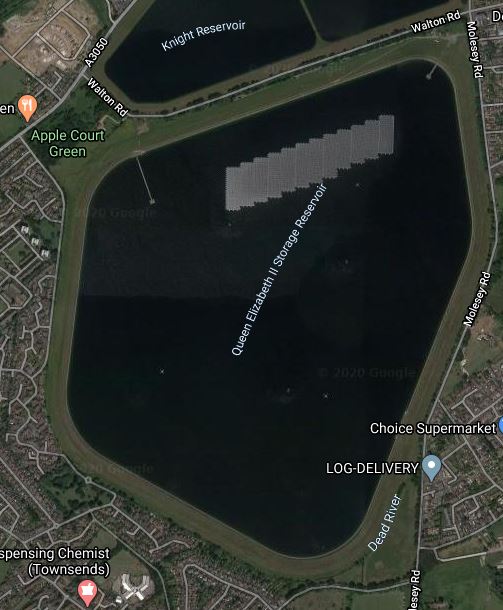
There is also this article in the Guardian, which is entitled World’s Biggest Floating Solar Farm Powers Up Outside London. It gives a good description of the project.
Conclusion
The article is a must-read and we need more floating solar in the UK, especially on reservoirs.
 The Anonymous Widower