Can You Measure Blood Pressure At The Ankle?
Consider.
- As long, as I can remember my left foot has always been larger than my right.
- Over the last few years increasingly, my left foot has often been a stronger shade of red, than my right.
- I also know, that after my stroke a specialist physiotherapist found that my left leg was stronger than my right.
I also know that I have a strange leaky skin.
- I had my stroke in 2010 in Hong Kong and was looked after in a private Chinese hospital.
- They were very strict and measured all the bodily fluids, that I passed.
- They didn’t collect any urine, so they accused me of throwing all my water away.
- I was not guilty, as I was drinking it all.
So they fitted me with a catheter and guess what? They still didn’t collect anything.
It was evidence that my skin is not good at holding water.
So why do I want to measure the blood pressure at my ankle? Or in fact both ankles.
In my ICI days in the 1960s and 1970s, I was helping chemical engineers to understand chemical plants and reactions, by looking at flows and pressures in the various pipes of the plant or experimental rig.
But I do wonder, if the red nature of my left foot, is due to some sort of irregularity in the blood flow to my left leg.
Do Animals Lose Water In Low Pressure Weather?
I feel I do and I wrote a post called My Strange Skin, which is explained by water being driven out of my body.
So I asked Dr. Google, the question in the title of this post and got this answer.
Yes, animals can lose more water in low-pressure weather conditions. Lower atmospheric pressure, often associated with unstable weather, can increase water loss through evaporation and other physiological processes.
Here’s why:
Low pressure often means lower relative humidity, which increases the vapor pressure deficit between the animal’s body and the environment. This difference in water vapor concentration drives more water to evaporate from the animal’s body, particularly through the skin.
That’s all very sound physics.
Last night, I was woken by an intense strange itch in the sole of my right foot.
- As I often do, I rubbed the itch on the a genuine Indian rug I have on the floor by my bed, but it didn’t work.
- So I had to get up and apply a dollop of Udrate cream and rub it in.
About, half-an-hour later I got back to sleep.
Today, I got a similar intense itch in the sole of my left foot. Again it was stopped by a dollop of cream rubbed in. But this time it was Body Shop’s Hemp Foot Protector.
Does water find it easier to get out through the soles of my feet?
Exercise ‘Better Than Drugs’ To Stop Colon Cancer Returning
The title of this post, is the same as that of this article in The Times.
This is the sub-heading.
First study of its kind finds that an ‘exercise prescription’ can reduce the chances of colon cancer patients dying from a relapse by a third
These first two paragraphs add more detail.
Exercise can be “better than a drug” for reducing the risk of cancer returning, a study has found.
Patients with advanced colon cancer who received an “exercise prescription” after finishing their cancer treatment were found to be a third less likely to die from the disease.
I find these findings from the The CO21 Challenge trial, partially funded by Cancer Research UK’s Stand Up To Cancer fund, rather remarkable.
The research was led by Christian Booth, of Queen’s University in Canada, which illustrates the international nature of medical research.
On a third reading of the article, I noticed the full implications of this paragraph.
Alongside benefits for colon cancer, Booth said that fewer patients in the active group went on to develop breast cancer, suggesting that there may be an effect on other cancer types too. Of those who received an exercise prescription, only two went on to develop breast cancer, compared with 12 in the control group.
This could be a very significant study, that changes the treatment of cancer.
British Soldiers Make Everest History Using New Method
The title of this post, is the same as that of this article on the BBC.
It is also a follow-up of Briton Attempts ‘Fastest Ever’ Everest Mission, Using Xenon Gas on this blog.
This is the sub-heading.
Four British former special forces soldiers have set a record by climbing Mount Everest in under five days without acclimatising on the mountain, as part of a high-speed expedition controversially aided by xenon gas.
These two introductory paragraphs add more detail.
The team, which included a UK government minister, summited the world’s highest peak early on Wednesday.
Xenon was used to help them pre-acclimatise to low oxygen at high altitudes. Climbers usually spend between six to eight weeks on Everest before summiting.
I still feel, that getting to the bottom of why xenon improves performance may have a medical application.
Exceptionally Low River Levels Raise Fears Over Water Supplies
The title of this post is the same as that of this article on the BBC.
This is the sub-heading.
Many of the UK’s rivers have hit exceptionally low levels and that could worsen in the next three months, according to the Centre for Ecology & Hydrology (CEH), raising questions over supplies to households, farmers and businesses.
These three introductory paragraphs add more details.
The warning comes after the driest spring in England since 1961, with northern regions experiencing the driest start to the year in nearly a century.
Almost all of the UK is expected to have below normal or low river levels in May, apart from the south-west of England.
The Environment Agency has said that the UK is at medium risk of drought and warned households of the risk of water restrictions.
In the 1970s, I was involved in a marginal way, in the planning of the water supply network in the UK, by the then Water Resources Board. My software called SPEED was used to solve the hundreds of differential equations involved.
Since the 1970s, I have felt, that as water supply in the UK has been fairly good, that the engineers, planners and mathematicians of the Water Resources Board didn’t do a bad job.
I don’t think, I can remember a period as long as this without rain.
I am drinking heavily to keep hydrated and I’m already today on my second bottle of Adnams Ghost Ship 0.5 % Beer.
But it just seems to go straight out through my skin, which I talked about in My Strange Skin.
I am Jewish in my father’s male line and Huguenot in my mother’s, so I have lots of ancestors, who lived in poor living conditions. So did Darwinian selection produce my leaky skin, that also heals itself quickly, in the harsh living conditions.
But on the other hand does it make me dehydrated all the time? And also create lots of red spots all over my body?
It’s not something new, as I can remember feeling this this as a child and helping my mother to count all the spots.
I hope that I will be fine, when we get some rain.
Name Your Poison!
The weather is hot and my cardiologist, GP and physiotherapist are advising me to keep hydrated.
This picture shows what I’m drinking.

Note.
- The 500 ml. bottle of beer costs £1.25 or £0.0025 per ml.
- The 330 ml. can of Diet Coke costs £4.75 for 8 or £0.0018 per ml.
The prices are from Ocado.
Tapwater is not much cheaper.
Surgeon Invents Plastic-Reducing Urine Collection Pot
The title of this post, is the same as that of this article on the BBC.
This is the sub-heading.
A hospital specialist has invented a new product that manages to reduce plastic and simplify the process of testing urine.
These three introductory paragraphs, add more detail.
Consultant urologist Dr Nick Burns-Cox has been working on his own innovation, the Pee-In-Pot (PiP) for 10 years.
Made from bamboo and sugar cane, it removes four items from the current urine collection process, three of them plastic.
Mr Burns-Cox, who works at Musgrove Park Hospital in Taunton, said he hoped it would cut down the use of single-use plastic in the NHS and reduce the chance of errors.
I like the design of this simple device.
But, personally, I hope it becomes universal, as I have trouble giving urine samples.
I had my stroke in Hong Kong and the Chinese nurses, were so aggressive, when it came to taking urine samples, they have given me an aversion to them.
In my view the device could help the patient psychologically, at what could be a difficult time.
I Seemed To Have Improved My Left Knee
My left knee has always been weaker than my right.
- What really made it bad was living with C and our three children in a fourth floor walk-up flat with no lift.
- I usually carried the double-pushchair up the stairs a couple of times a day.
- It should also be born in mind, that my left humerus was broken by the school bully, when I was fifteen.
Our GP at the time, we were living in the flat, thought I should have an operation on the knee, but luckily I didn’t as another GP a few later gave me a set of exercises, that improved it to a certain extent.
Since my stroke and returning to London, I have relied on buses and trains, as I can’t drive and don’t even have a car.
My knee seemed to be getting worse and I reasoned it wasn’t being helped, by the high step in and out, you get on some trains and buses.
This picture shows the high step into a Northern Line train at Moorgate station.

I found that the step-down here, gives a bang on my knee every time I get out of the train.
This second picture shows Bank station, which is a new platform and level.
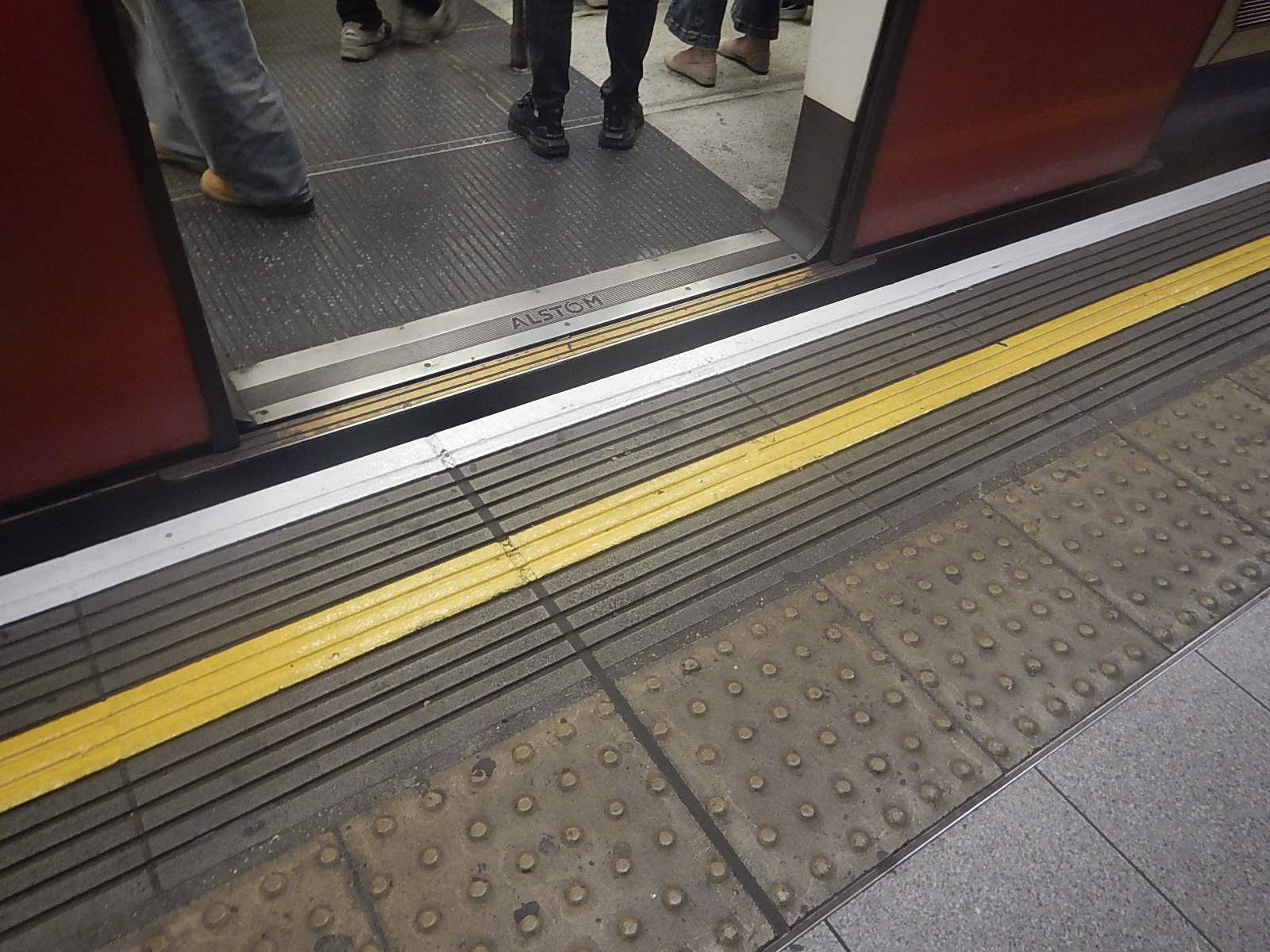
It’s surely very much a matter of GCSE mathematics and geometry, with a bit of money to get many more train and bus entries level.
So I have developed a maneuver to get out of the train or bus.
- Most doors have a vertical rail on either side. You can see one rail in the first picture.
- As I want to avoid hurting my left leg any more, I grab the rail on the left side of the door going out, with my left hand.
- I have my bag in my strong right hand. If I have two bags, one is usually My Faithful Servant, so I can hold them both in my right hand.
- I then swing around the vertical rail holding on with my left hand.
- So far, every time I’ve landed safely and lightly on my right foot.
My left knee seems to be improving.
Surprisingly, the extra pulls on my left arm don’t seem to harm it.
The Story Of An O-Ring
I have a very unusual skin, as is partly shown by these pictures.




Note.
- There is a scar on the back of my left hand, where I cut it on the glass bathroom door in my bedroom.
- But with skillful gluing at the Royal London hospital and TLC and stern words from the practice nurse at my GP’s it healed perfectly.
- If I give blood samples or have an injection, I don’t need a plaster.
- My left foot is a deeper shade of red to the right. No-one has given me a reason for this.
- My previous now-retired GP, always took his own blood samples, when he needed them and had smiles all over his face. Perhaps, he was proving to himself, that it was happening?
- I wrote about my skin before in My Strange Skin, in 2020.
- One therapist said unusually for someone, who had a left-sided stroke, that my left leg is the stronger.
As my ancestry is part-Jewish and part-Huguenot could it just be that only the strongest genes survived from their poor living conditions my ancestors endured in the seventeenth and eighteenth centuries?
My Cardiologist And His Wife, Have Suggested I Use An Emollient In My Bath
I am now adding Oilatum Emollient to my bath water, which I get delivered by Ocado.
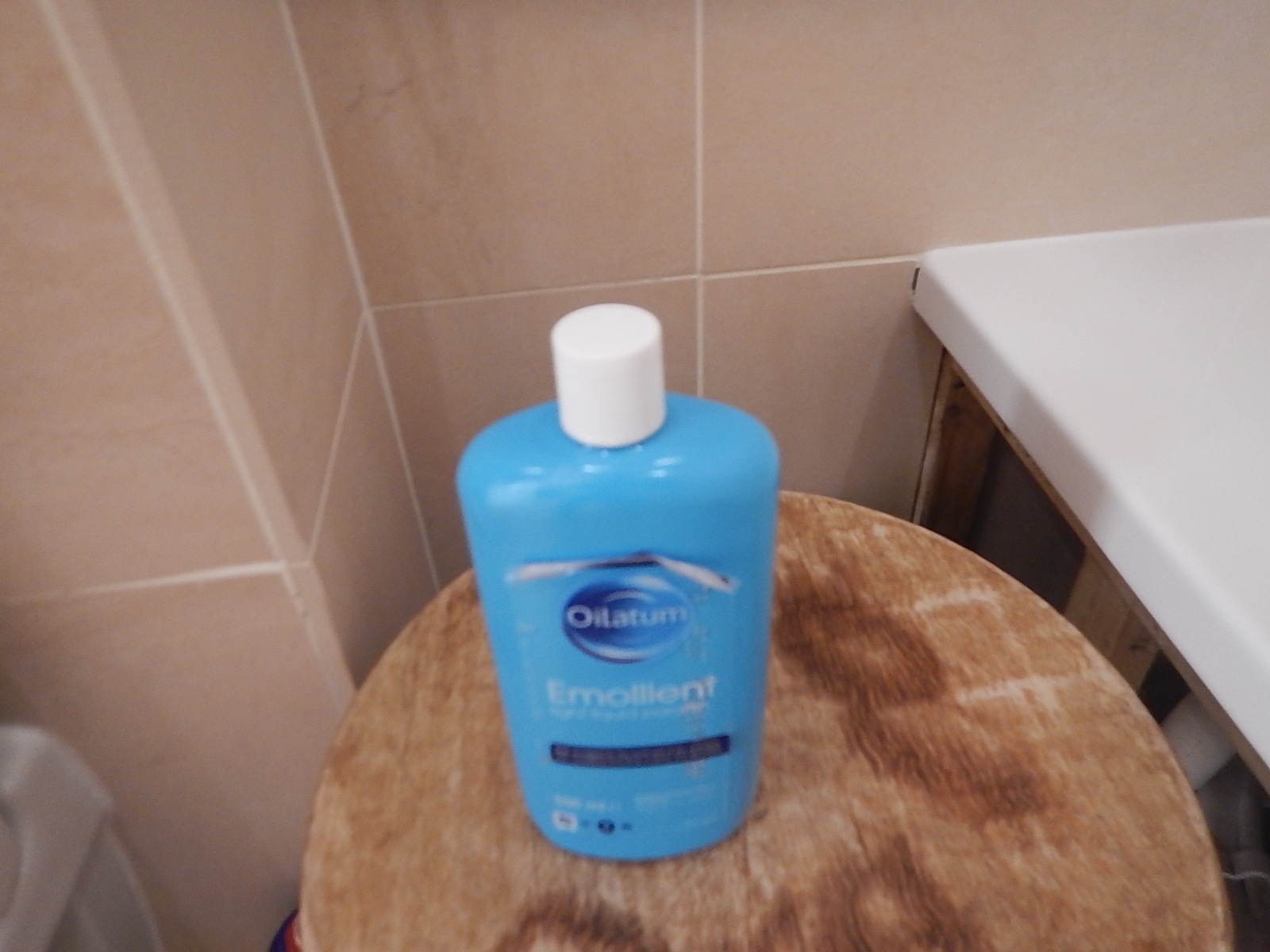
It is not cheap, but my feet are now more made for walking.
I put three cap-fulls in a bath and lie in it for about 10-20 minutes.
An O-Ring Failure On Bad Friday
A rubber O-ring sitting in a groove on the plug, should keep the water in the bath, but as this picture shows the O-ring had seen better days.
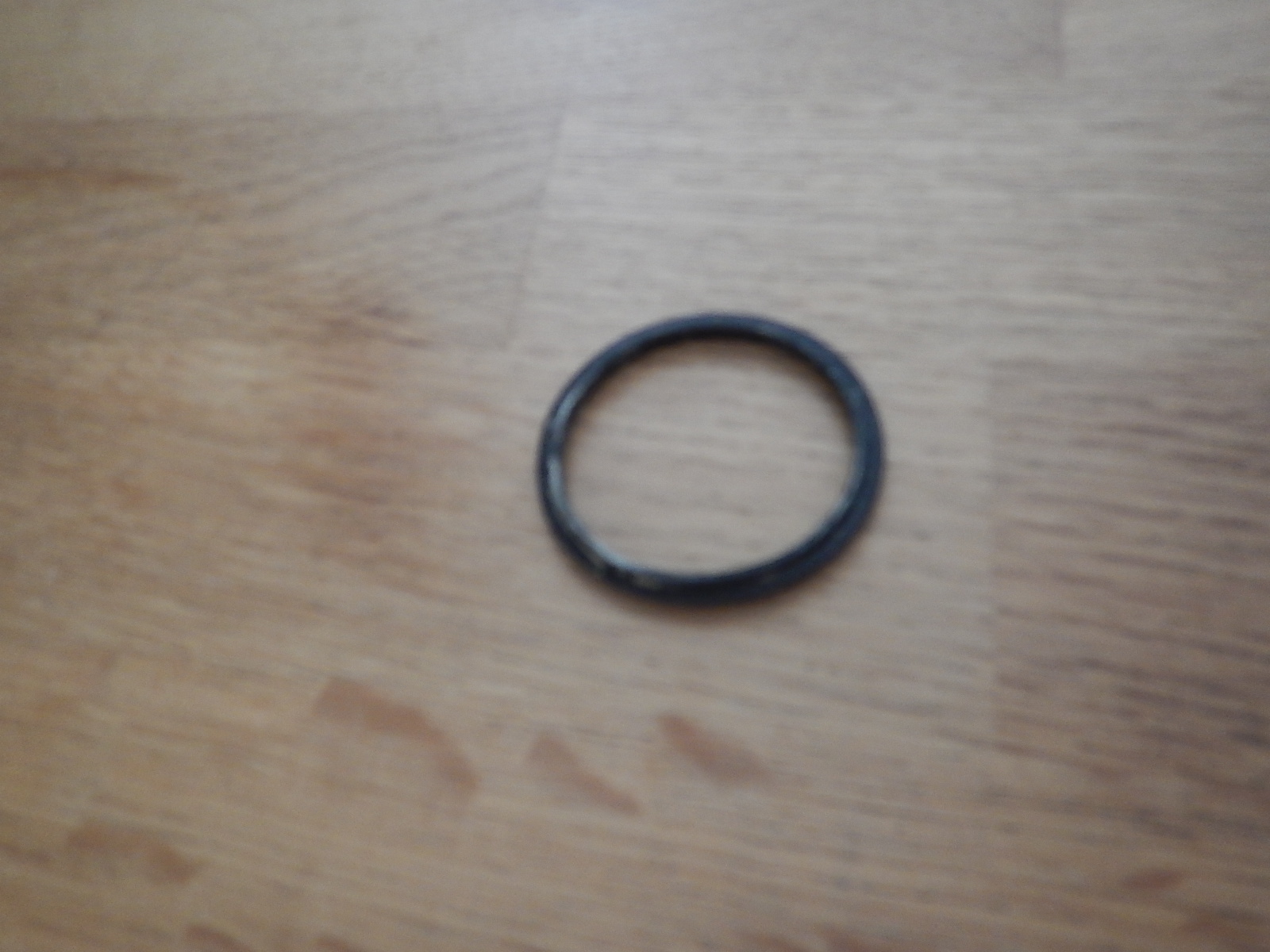
The picture of the new O-ring shows how it should look on the plug.
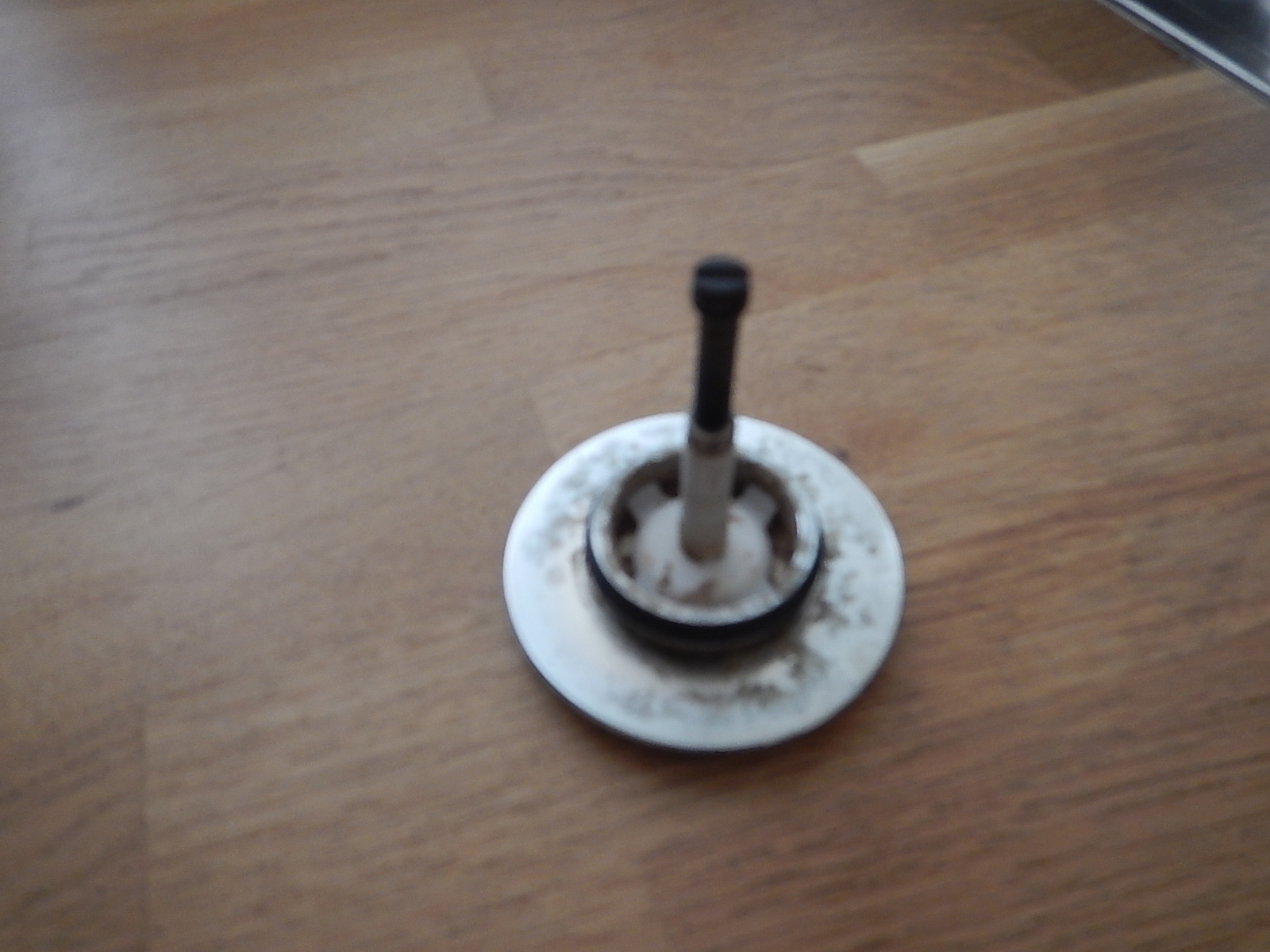
On Bad Friday, the O-ring finally gave up and any water put in the bath, went straight down the drain.
A Fruitless Bad Friday
Internet searches proved fruitless in my search for a shop that was open on Bad Friday.
So I vowed to try again today.
Searching For cp Hart At Waterloo
cp Hart, from whom I bought the original bath, appeared to be open at Waterloo, so after breakfast on Moorgate, I made my way to look for the branch of cp Hart at Waterloo.












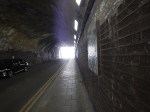





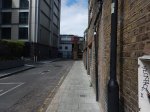
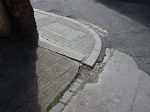
Note.
- Why does South London and its trains have to be covered in graffiti?
- Most of it, is not even good graffiti.
- In my view, the Bakerloo Line should not get new trains, until the graffiti has stopped.
- I wandered round Waterloo for about ninety minutes before I found cp Hart, with the help of two police constables.
- And when I finally found cp Hart, they didn’t do spares.
- I tripped over the uneven pavement in the last picture. But as I usually do, I retained my balance and didn’t fall. Is that all the B12 I take for coeliac disease?
My mother always used to say, that you shouldn’t go to South London without a posse.
Eventually, I had a coffee in Costa and took the 76 bus home.
Success At Last!
To get home on a 76 bus, I have to change in De Beauvoir Town and whilst I waited for the 141 bus to take me home, I checked out the local builders merchants.
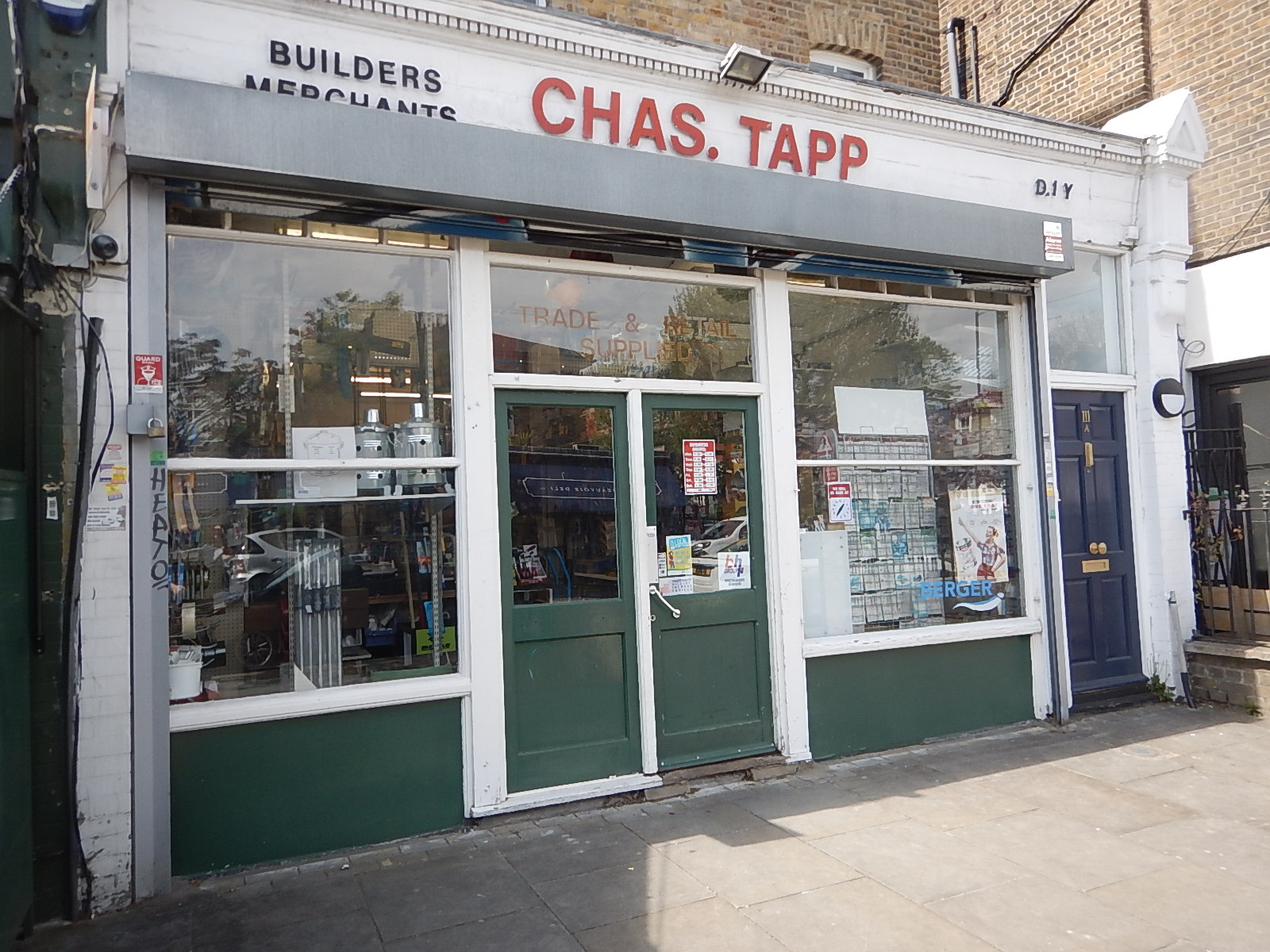
The owner was his usual self and fitted my plug with a free new O-ring.
I was now able to have a bath.
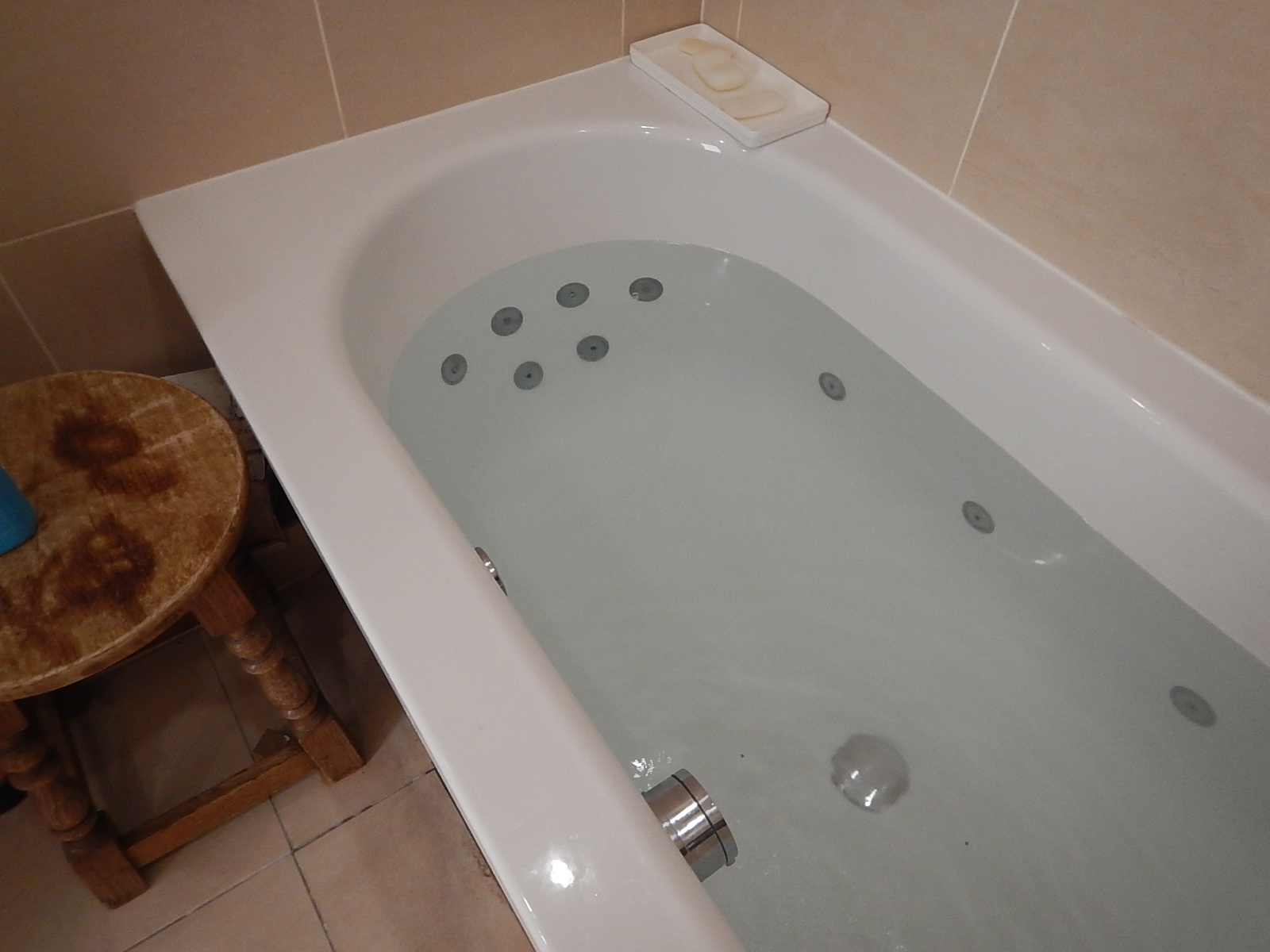
And watch the snooker.
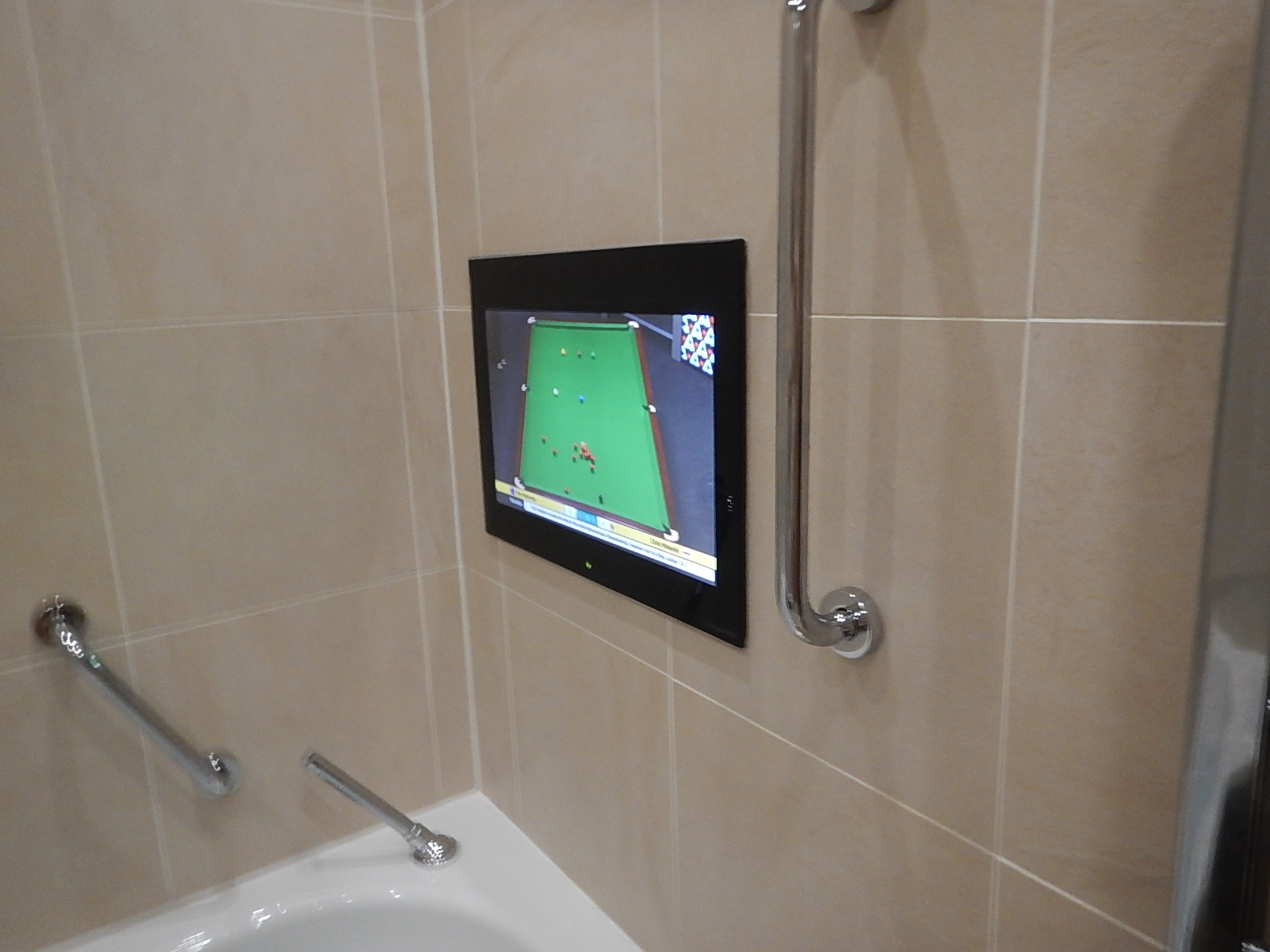
I can certainly recommend a television in your bathroom.
Note the vertical handrail, that allows me to step easily in and out of the bath.
Eastern Green Link 2 Moves Up A Gear Using Low Carbon Fuel For Material Handling Trucks
The title of this post is the same, as that of this press release from National Grid.
These three bullet points act as sub-headings.
- Eastern Green Link 2 (EGL2), a high voltage direct current (HVDC) 436km subsea transmission cable connecting Scotland and England, is being delivered as a joint venture by National Grid Electricity Transmission and SSEN Transmission.
- Project sustainability efforts are accelerating by adopting Hydrogenated Vegetable Oil (HVO) fuelled trucks to move materials in Yorkshire.
- The introduction of HVO fuel will deliver up to 90% reduction in direct CO2 emissions.
The use of HVO fuel is good and the carbon dioxide emission savings are to be welcomed, but there is only so much of this HVO fuel available.
If hydrogen-fueled trucks were available, then this would deliver up to 100% reduction in direct CO2 emissions.
This paragraph from the press release talks about where the HVO fuel will be used.
HVO, a low-carbon biofuel made from waste vegetable oils, will be used at the Wren Hall converter station site in North Yorkshire, where 20-tonne construction trucks will transport approximately 370,000 tonnes of quarry stone from a quarry 27 miles away. This switch from conventional diesel to HVO is expected to deliver up to a 90% reduction in direct CO2 emissions and an 80% reduction in other harmful emissions such as particulate matter.
This Google Map shows the location of Wren Hall with respect to Drax power station.

Note.
- The six large cooling towers of the Drax power station are in the North-West corner of the map.
- Google Maps indicate, where they think Wren Hall is, with a red arrow.The lane running North-South to the West of the red arrow is called Wren Hall Lane.
- There is a legend saying BAM Nuttall Ltd Eastern Green Link 2 on the opposite side of the square of lanes to the red arrow.
Click the map to show it to a larger scale.
It looks to me, that if hydrogen could be provided on the Drax site, then the 370,000 tonnes of quarry stone from a quarry 27 miles away could be brought to the site by hydrogen-powered 20-tonne construction trucks.
So how could hydrogen be provided on the Drax site?
- Drax is a 2.6 GW biomass power station, so I’m sure that some electricity could be used to generate hydrogen.
- Drax is a rail-connected site, so hydrogen could be brought in by rail.
- Depending on the amount of hydrogen needed, hydrogen could surely be brought in by road.
I feel that if hydrogen-powered 20-tonne construction trucks were available, this transfer of quarry stone could be performed carbon-free.
Conclusion
This project illustrates a problem with large infrastructure projects all over the UK.
Moving the large amounts of stone, concrete, sand and rubble into and out of construction sites generates a lot of carbon dioxide and pollution from the 20-tonne trucks employed.
If I were to be given Ed Miliband’s job of Secretary of State for Energy Security and Net Zero, one of my first actions, would be to say that all new 20 tonne construction and cement trucks would have to be zero carbon.
I suspect, that zero-carbon with trucks this size, will mean hydrogen, as the weight of the battery would destroy the mathematics of the truck.
This would obviously reduce carbon emissions, but more importantly, what would it do for the health of those working on large construction sites?
In MAN Expands Its Zero-Emission Portfolio, I show MAN’s heavy hydrogen trucks.
This is an articulated heavy hydrogen truck.

I’m sure that MAN could build a hydrogen-powered 20-tonne construction truck.
In Cummins Agrees To Integrate Its Hydrogen ICE Technology Into Terex® Advance Trucks, I talk about the solution to the cement truck problem.
This is a side view of the top-of-the-range monster.

Note.
- Front is to the right.
- I suspect the driver doesn’t have to get out of the cab to discharge the concrete.
- The engine is at the rear with vertical exhausts.
- All axles are driven.
You’d certainly notice one of these if they were to be used in the City of London.
And this is the baby of the range.

Three axles is normal for the UK. so I wonder if this machine will ever make it across the pond.
This last paragraph in the original article describes the X15H hydrogen internal combustion engine.
The X15H was showcased at the Advanced Clean Transportation (ACT) Expo in May (2023), along with its hydrogen ICE-powered concept truck. The X15H features a 700-bar pressure 80kg capacity hydrogen storage system and a range of more than 500 miles, with up to 500 horsepower.
Could one of these trucks really deliver ready-mix concrete from London to Manchester and return?
The trucks would appear to be available, so let’s get a few over and try them out.
Incidentally, if someone had told me ten years ago, there would be rear-wheel drive trucks like Volkswagen Beetles, I’d have said they were wrong in no uncertain terms.
The Wren Hall substation would appear to be an ideal trial project for hydrogen-powered construction trucks and cement trucks.

