Soham Station – 14th December 2021
I visited the new Soham station today.
I took four trains in total.
- The 11:12 from King’s Cross, which arrived at Ely at 12:23
- The 12:31 from Ely, which arrived at Soham at 12:39
- The 12:51 from Soham, which arrived at Ely at 12:59
- The 13:18 from Ely, which arrived at King’s Cross at 14:33
The outward journey took 87 minutes, with the return taking 102 minutes.
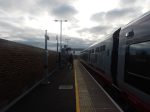
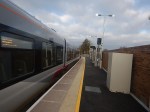
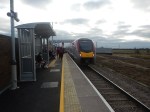
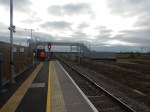
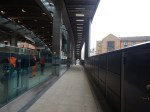
I took these pictures at Soham station.
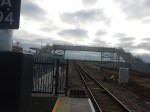
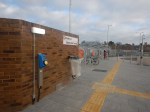
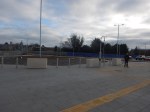
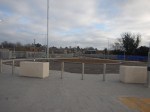
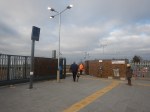
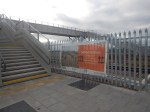
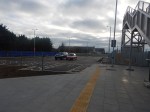
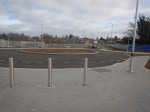
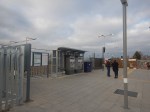
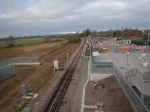
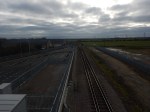
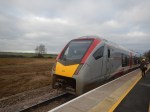
Note.
- The train is a three-car Class 755 train.
- There is only a single platform.
- There are dropped kerbs everywhere on the walking routes.
- There is plenty of car parking.
- There are disabled car parking spaces.
- There is a circular turning area in front of the station, which forms a high-capacity Kiss-and-Ride, with space for a couple of buses.
- The track towards Ely is single-track
- The track towards Bury St. Edmunds and Ipswich is double-track.
- The bridge is ready for a second platform, should it be needed and/or installed.
- The station is unmanned.
These are some further thoughts.
Is Soham The Ultimate Step-Free Station?
Consider
- Greater Anglia’s Class 755 trains are level with the platform, as they have gap fillers.
- Walking from the car parking to the train is step-free.
- There are lots of dropped kerbs and tactile pavements.
I suspect it is one of the few stations in the UK, where if you arrive on foot or by car or bus, that there is no step to the train.
This document on Network Rail says this about the footbridge.
A stepped footbridge across the railway to connect to an existing public right of way, designed for future installation of lifts if a second platform is constructed.
It looks like Network Rail have all eventualities covered.
The Station Has Adequate Parking
This picture from the gallery shows the parking to the South of the station.
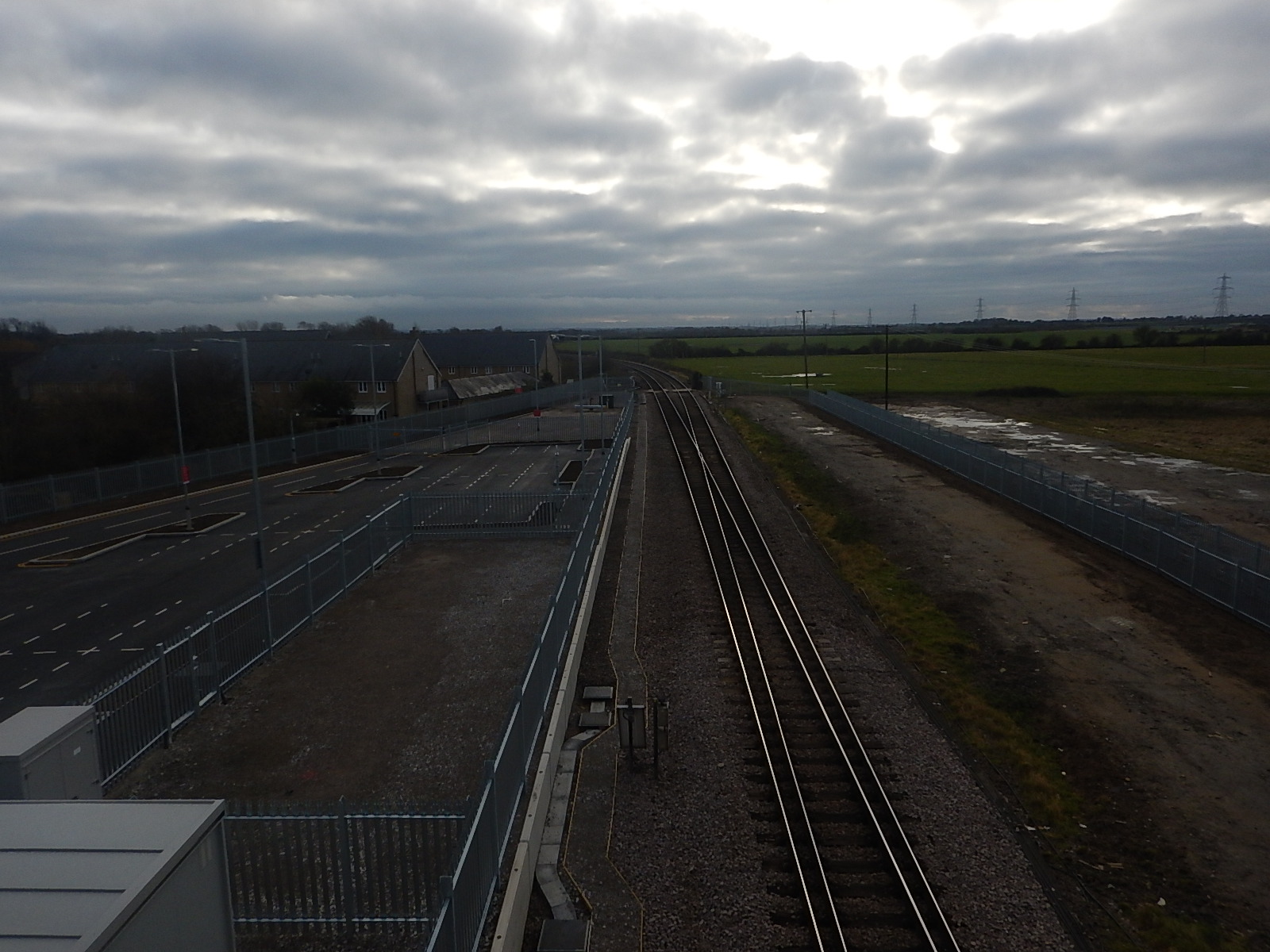
The Network Rail document says that the car park can accommodate 50 vehicles and has four spaces for blue badge holders.
But looking at this picture, there could be space for more parking.
The Station Is Well-Connected To The Road System
This Google Map shows the town of Soham.
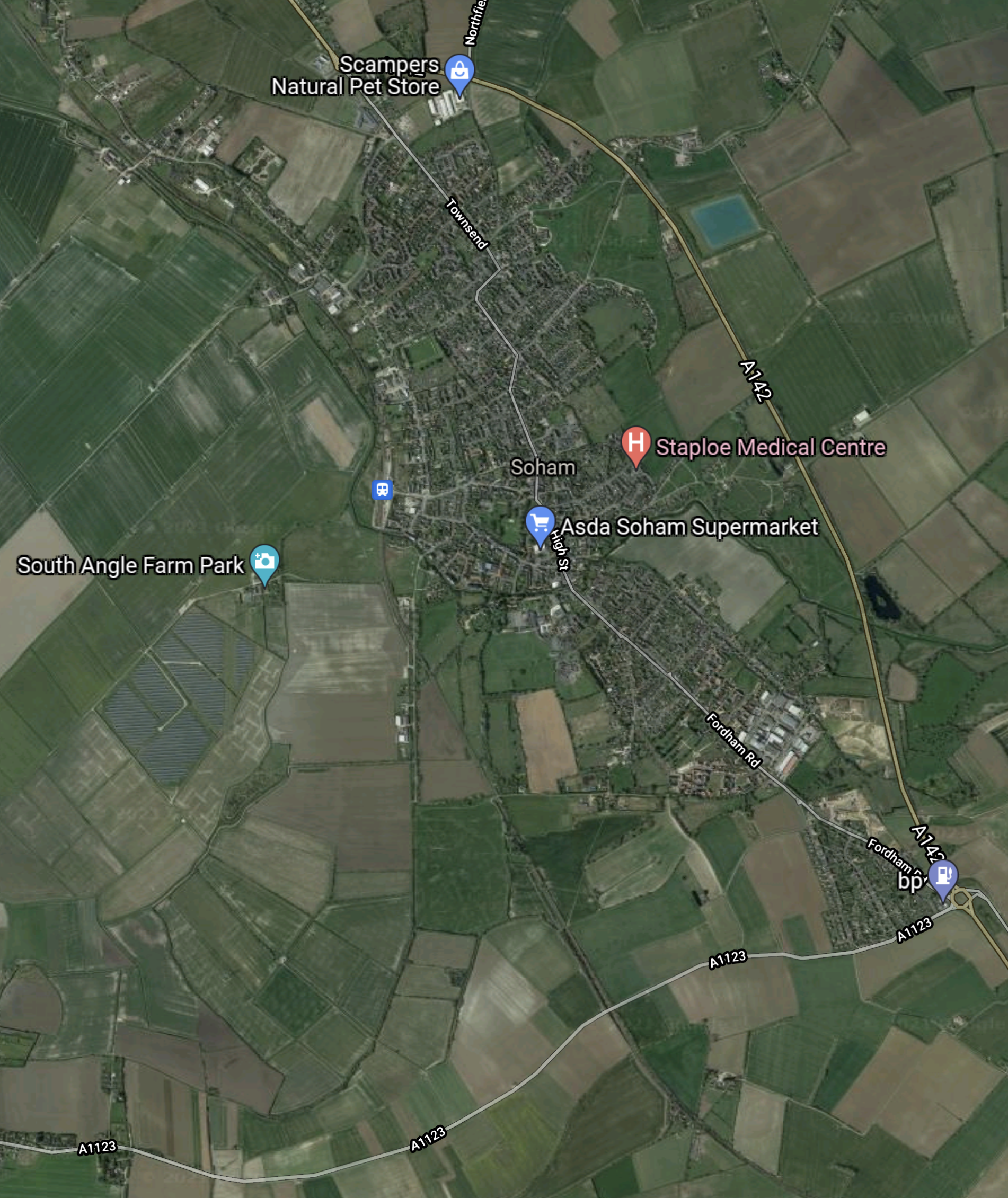
Note.
- Soham has a by-pass around the Eastern side of the town.
- The railway passes to the West side of the town.
- The station is marked by the small blue dot to the left of the word Soham in the middle.
- The old road goes through the centre of the town.
- Soham is a town of nearly eleven thousand people.
- I suspect the town is fairly flat and many will walk or cycle to the station.
Hopefully, the station will attract a lot of passengers.
Does The Station Need A Second Platform?
Network Rail have shown with the Borders Railway and the Avocet Line, that two trains per hour (tph) can be run reliably on a line with sections of single-track and some stations with only one platform.
One of the problems with a second platform at Soham, would be that lifts would be needed for many to cross the track.
It is not the cost that is the problem, but lifts do not have a hundred percent reliability.
Would installing lifts mean providing staff at the station?
I think, that unless the station attracts a lot of passengers, the second platform will never be built.
Would A Second Track Be Provided At Soham Station?
This is a different question, with possibly a different answer.
A large number of freight trains pass through Soham station each day and to increase their number Network Rail have proposed double-tracking the route between Soham and Ely.
As Soham and Ely are just over five miles apart, I wonder if Network Rail are thinking of putting a freight loop through Soham station, that continues to Ely.
These pictures show a long freight train waiting in the freight loop at Ely station before proceeding to Peterborough and the West.
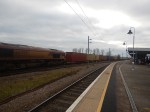
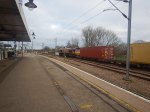
I think that this loop is bi-directional.
Could the new freight loop be built, so that the following happens?
- The freight loop starts to the South of Soham station.
- The freight loop connects to the freight loop at Ely station.
- All passenger trains use the current single-track.
- All freight trains use the freight loop.
- Both tracks would be bi-directional.
- Freight trains don’t pass through the current platform at Soham station.
It stood be noted that passenger and freight trains take less than ten minutes between Ely and Soham stations.
As both freight and passenger trains would have their own tracks, I suspect that a total of at least four passenger tph and four freight tph would be able to pass between Soham and Ely.
The A14 Parkway Station
I wrote this section originally in Soham Station Aims For December 2021 Opening, but it still applies.
The A14 Parkway station is a proposal from the East West Railway.
- It would be just to the East of Chippenham junction and would be served by both Greater Anglia’s services between Ipswich and Cambridge and Ipswich and Peterborough.
- It would also be close to the major road junction, where the A11 and the A14 meet.
- It would be a Park-and-Ride station.
I believe it could be a major factor in cutting road mileage in East Anglia, as drivers going to Cambridge from Ipswich, Norwich, a large area of North-East East Anglia and North Essex could find that using the A14 Parkway station an easier and faster route. But the A14 Parkway would need a frequent service to the soon-to-be-three main Cambridge stations.
A Soham and Cambridge service could reverse at the A14 Parkway station or by careful timetabling, passengers would be able to change trains in a minute or two.
A Cambridge And Soham Service
I do wonder, if Cambridge could benefit from a triangular metro.
The three points of the triangle would be A14 Parkway, Cambridge South and Ely stations.
The three legs would have the following stations.
- A14 Parkway and Cambridge South – Newmarket, Dullingham, Six Mile Bottom *, Fulbourne *, Cherry Hinton * and Cambridge
- Cambridge South and Ely – Cambridge, Cambridge North and Waterbeach
- Ely and A14 Parkway – Soham and Fordham *
Note.
- Stations marked with an asterisk (*) are possible new stations.
- The basic frequency would be one tph.
- Trains would reverse at A14 Parkway, Cambridge South and Ely stations.
The triangular nature of the service may mean that to avoid the driver constantly changing ends, that automation and video technology may allow driving from either end of the train.
These existing services would fit in with the triangular service.
- Norwich and Stansted Airport via Cambridge South, Cambridge, Cambridge North, Waterbeach and Ely.
- Ipswich and Peterborough via A14 Parkway, Soham and Ely
- Ipswich and Cambridge via A14 Parkway, Newmarket and Dullingham
- Wisbech and Cambridge via Cambridge North, Waterbeach and Ely.
- King’s Cross and King’s Lynn via Cambridge South, Cambridge, Cambridge North, Waterbeach and Ely.
- Birmingham and Stansted Airport via Cambridge South, Cambridge, Cambridge North, Waterbeach and Ely.
Note.
- All services would probably be one tph.
- Some services currently terminating at Cambridge, may be extended to Cambridge South.
- There will be other services from East West Railway.
The frequencies on the various legs would be as follows.
- A14 Parkway and Cambridge South – 2 tph plus one tph from East West Railway
- Cambridge South and Ely – 5 tph plus one tph from East West Railway
- Ely and A14 Parkway – 2 tph
The route between A14 Parkway and Cambridge would need to be improved, but this is planned by East West Railway.
Would It Be Possible To Commute From Soham To London?
My timings of around ninety minutes are probably well within the endurance of the average commuter.
Conclusion
Soham station is not your run-of-the-mill rural station.
20 Ropemaker Street – 13th October 2021
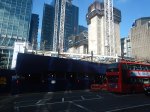
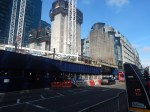
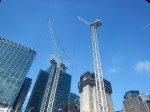
I pass this building every time, I go to Moorgate.
I took these pictures today.


The architects have put up this video.
I shall be following this twenty-seven story building as it reaches for the sky.
Osterley Becomes 89th Step-Free London Underground Station
The title of this post, is the same as that of this article on Rail Technology Magazine.
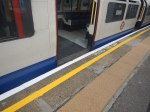
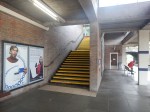
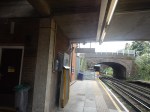
So I went to Osterley station and took these pictures.




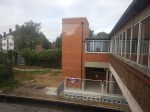
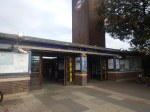
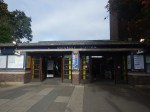
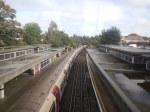
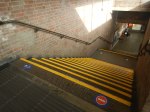
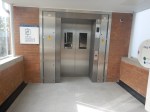
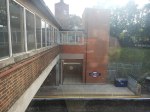
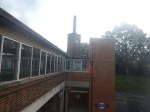
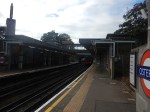
Note.
- Osterley station is Grade II Listed and was built in the style of Charles Holden.
- It does look that there is also step-free access between train and the platform for most wheelchair-users, buggy-pushers and case-draggers.
- The two new lift-towers are typical steel-and-brick constructions.
I don’t think that the most militant member of the Heritage Taliban will object to the quality of the design and the construction.
Nine Elms Station Opens
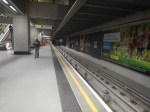
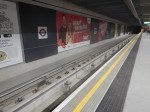
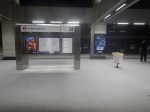
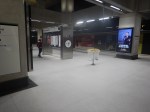
I took these pictures at Nine Elms station today, after it opened.


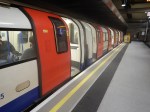

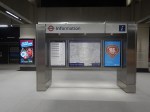
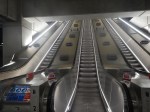
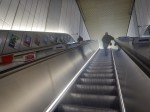

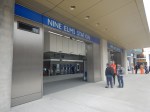
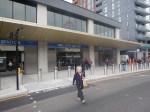



Note.
- The space is generous on the wide island platform.
- Access between platform and train is level.
- There is a set of three escalators and a lift connecting the platform to the surface.
The underground parts of the station feel very much like Canary Wharf station without the platform edge doors and fewer escalators.
Why Aren’t There Platform Edge Doors?
I was chatting to someone and they wondered how the station and Battersea Power Station station had been built without platform edge doors.
- The thought had occurred to me too and we both thought that EU regulations meant that new underground platforms had to have these doors.
- As the 1995 Stock on the Northern Line are very similar to the 1996 Stock on the Jubilee Line, it is unlikely to be a technical or design issue.
- I also think it would be unlikely to be a cost issue given the size of the budget for the two stations.
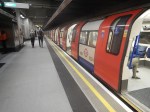
Look at this picture of a train in Nine Elms station.
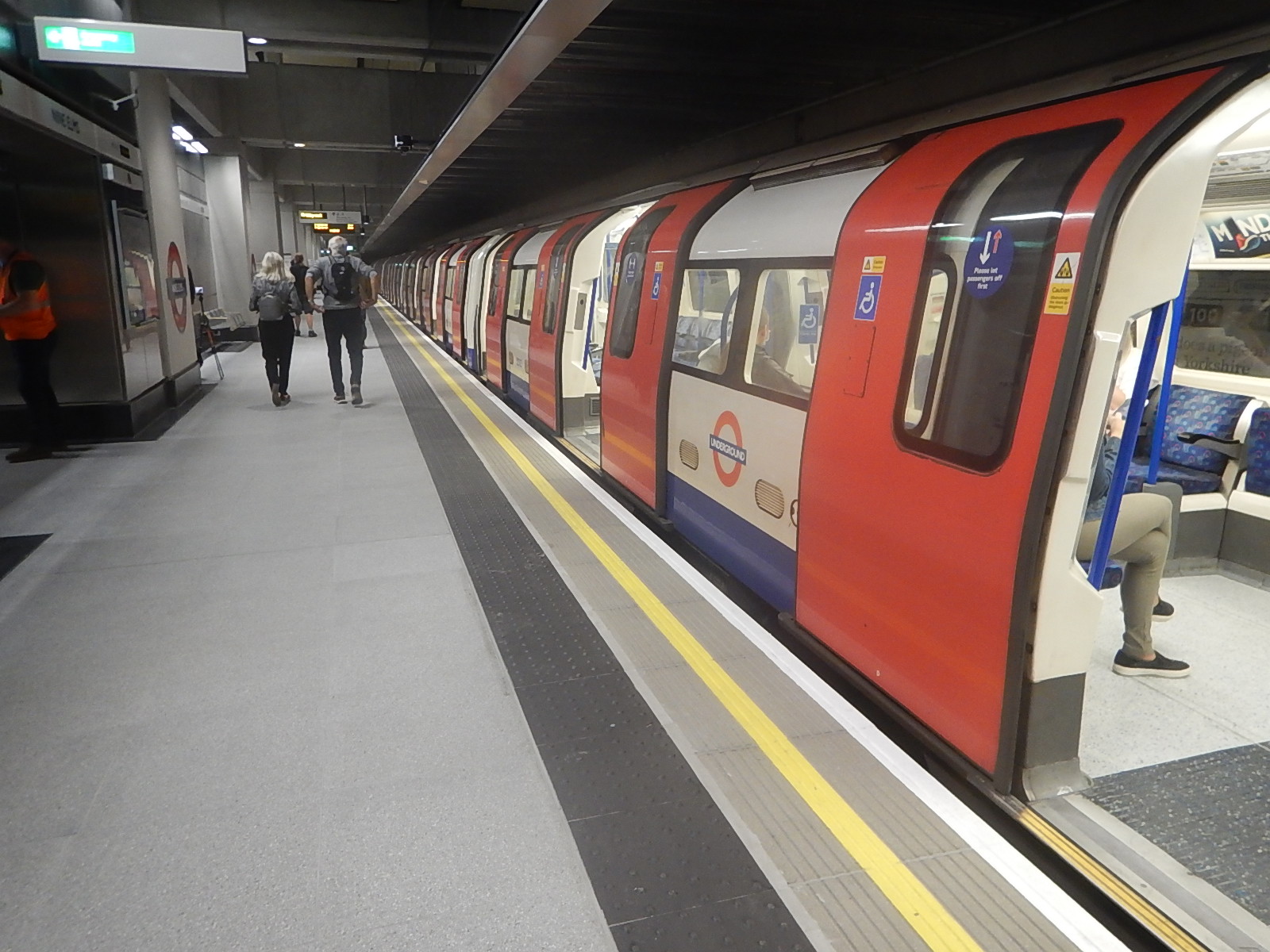
Note.
- The platform is long and straight.
- The platform is generally wider than some of London’s older Underground platforms.
- The track is arranged, so that the door openings and carriage floors line up with the platform edge, so that wheelchair users, bugger pushers and case draggers can go safely across.
- There is only a small gap between the train side and the platform edge, between the doors on the train, which is probably too small for anybody capable of walking can fall through.
- There is no Mind The Gap written on the platform. There is just a yellow line.
- There are no obstructions on the platform.
This second picture shows the structure of the track.
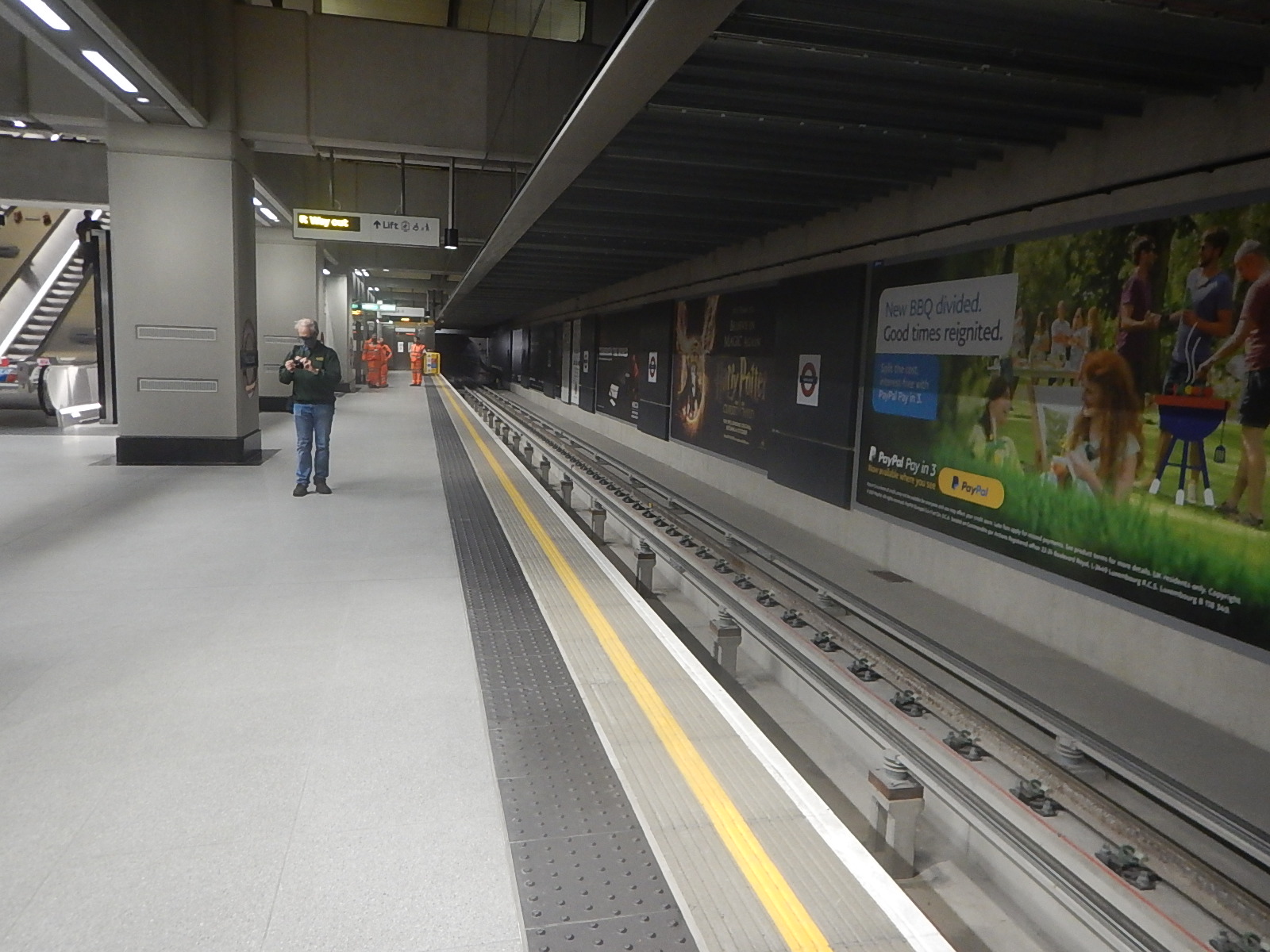
Note.
- The four rail electrification system is clearly visible.
- The far rail is energised at +420 VDC.
- The centre rail is energised at -210 VDC.
- The two running rails don’t carry any current.
- There is a suicide pit between the running rails and under the centre rail to protect anybody or anything falling onto the tracks.
I do wonder if Transport for London have done an analysis and found that the number of serious accidents on stations with these characteristics is small enough, to build these two new stations without the doors.
Other factors could include.
- Stadler are the masters of step-free access and have built several innovative fleets of trains for safe step-free access without platform edge doors. Although they have nothing to do with this project, their statistics would be relevant.
- The UK has left the EU, so we’re ignoring the regulation.
- The Northern Line might get new trains.
I wouldn’t be surprised to see this philosophy of straight uncluttered platforms being applied across the Underground.
This picture shows the Southbound platform at Angel station.

Note.
- This platform was built in the early 1990s.
- It is wide and uncluttered.
Note that the trains were introduced after the station was opened, so that is perhaps, why the train floors are higher.
Battersea Power Station Station Opens
I took these pictures at Battersea Power Station station today, after it opened.
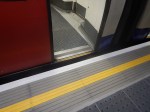
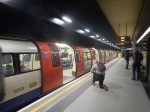
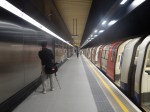
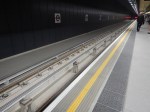


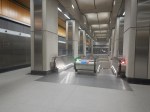
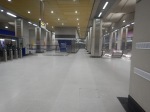


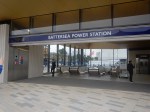
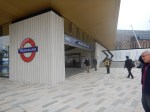


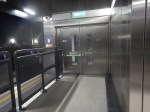

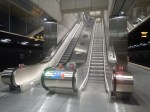
Note.
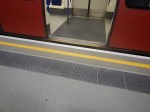
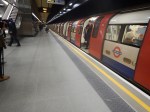
- Access between platform and train is level.
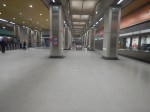
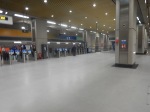
- There are a pair of up and down escalators between the platforms and the ticket hall level at both ends of the station.
- Three more escalators take you to and from the surface.
- There are lifts at both ends of the platforms.
- The tracks appear to have been laid with slab track.
Two things surprised me.
The first was the number of escalators and lifts, make me suspect, that the station has been designed as a high capacity station.
There is also probably space to put another set of three escalators pointing the other way, at the other end of the intermediate level, away from the current set of three escalators, that lead to the surface.
The position of the station on Battersea Park Road. I had got the impression, it would be nearer the power station and the river. another set of escalators would explain my confusion.
This Google Map shows the wider Battersea site.
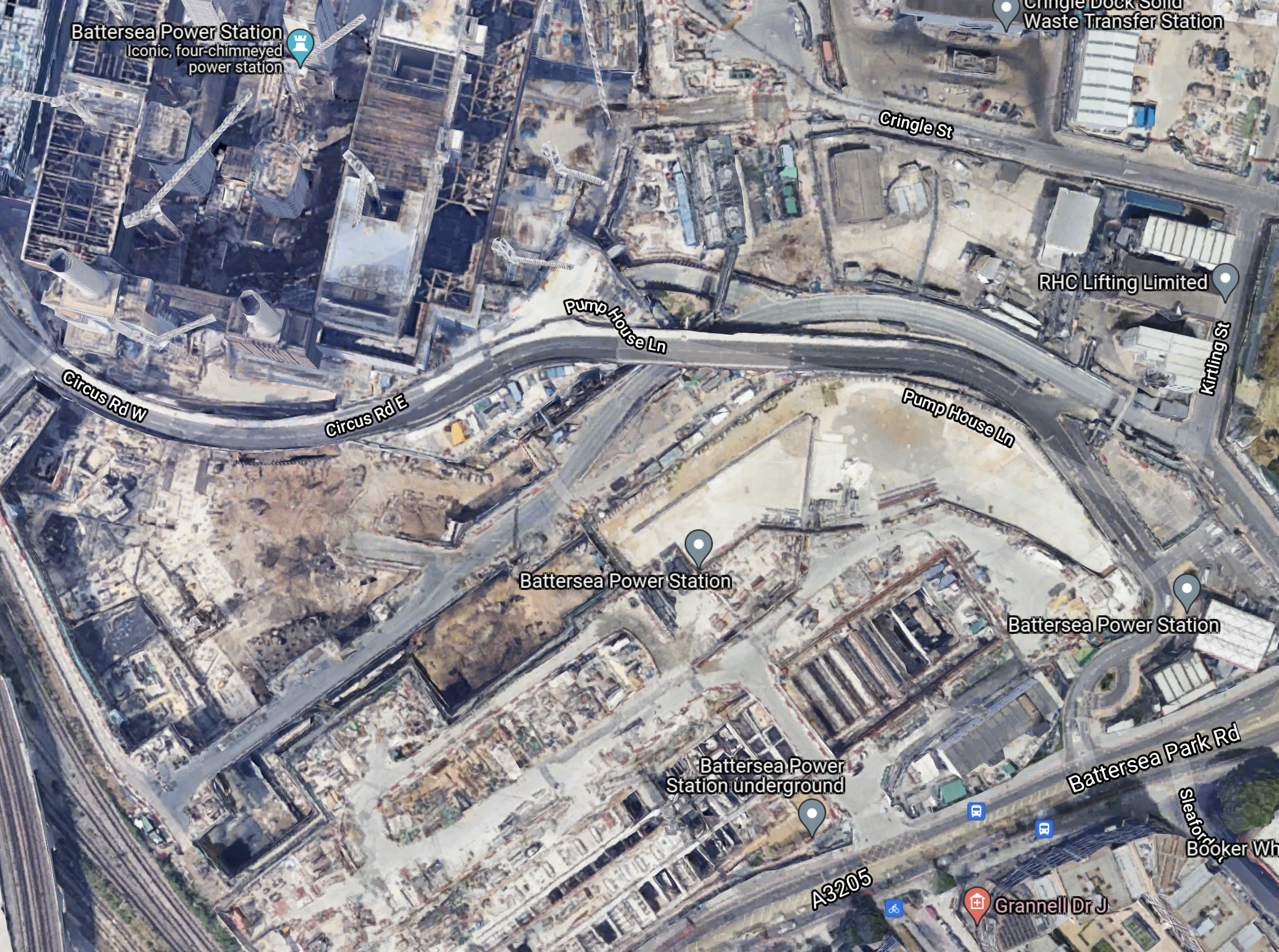
Note.
- This map is certainly a few months or even years old.
- Battersea Power Station is in the top-left corner of the map.
- There is a grey arrow, which is labelled Battersea Power Station Underground pointing to a site on the North side of Battersea Park Road.
- There are also two more grey arrows, which are labelled Battersea Power Station. Are these future entrances?
- Between the three arrows, is the massive station box, which in this image, hasn’t received its roof.
It looks to me, that what I saw, will be just a small fraction of the completed station.
Denmark Hill Station – 4th September 2021
The article on Rail Technology Magazine is entitled Denmark Hill Station First To Use Innovative Solar Technology In Europe.
The first two paragraphs describe the technology.
Denmark Hill station has become the first train station in Europe to have BIPVco’s Flextron thin film technology installed, on top of other upgrades, following a £7.5m extension.
The sophisticated and flexible solar panels are different from traditional ‘glass like’ panels, requiring no additional weight support, and will be used across other stations going forward.
Note.
- In the application of the technology at Denmark Hill station, a surplus of electricity is returned to the grid.
- BIPVco is a company based in South Wales, that evolved from research by Tata Steel and Swansea University, with the backing of the Welsh Government.
- The panels are lightweight, flexible, durable and self-cleaning.
Many years ago, I put up a barn based on timber beams, which had a sheet steel roof. These panels would be ideal for many agricultural buildings, like the one I commissioned.
These are pictures I took at Denmark Hill station, this morning.


Note.
- The original station was designed by Charles Henry Driver.
- The new entrance displays a high degree of craftsmanship, especially in the brickwork.
- The coffee and gluten-free cake I had in FCB Coffee were excellent.
- The station has its own pub; The Phoenix.
According to Network Rail, it has already been nominated for two architectural awards.
Whitechapel Station – 23rd August 2021
Whitechapel station reopened this morning, so I went to have a look.
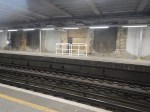
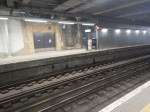
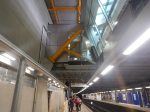
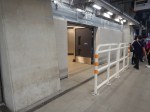
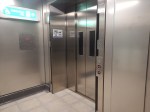
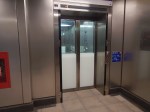
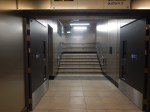
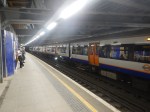
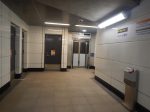
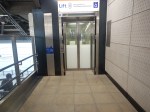
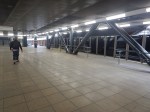
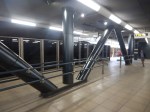
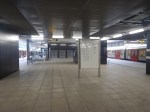
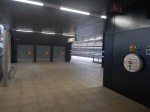
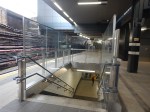
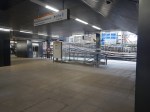
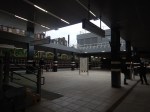
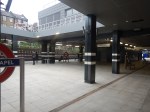
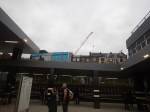
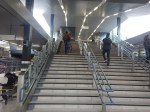
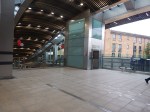

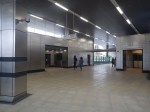
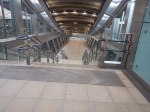
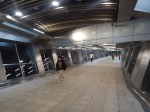
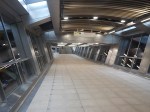
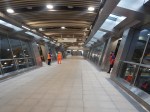
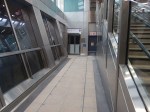
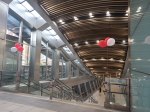
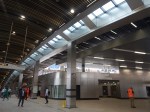
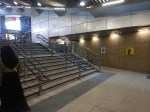
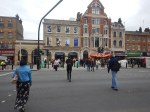
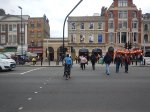
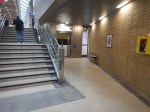
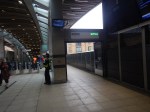
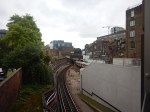
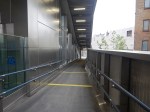
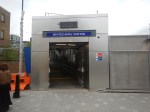
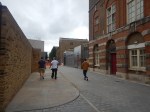
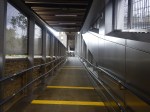
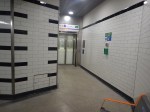
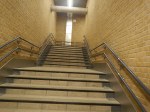
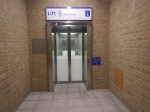
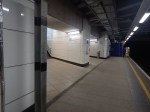
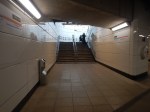
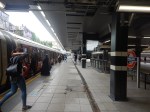
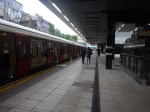
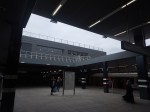
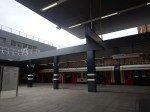
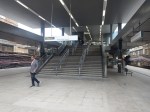
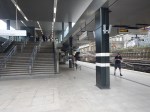
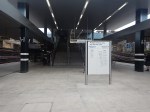
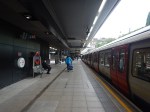
Note.
- There are more lifts than any program on Strictly.
- All the main stairs are wide with lots of handrails.
- There is a passageway alongside the Ticket Hall to access Durward Street at the back of the station.
- There is still some work to do on the Overground platforms.
It certainly could be The Jewel In The East.
The Main Crossrail Entrance At Paddington Station
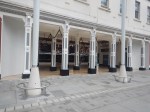
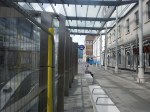
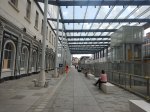
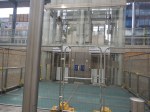
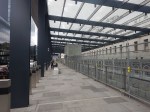
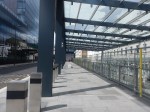
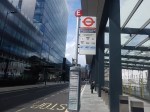
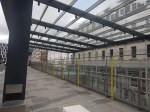
These pictures show the entrance to Crossrail at Paddington station, which is by Platform 1.
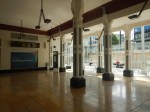
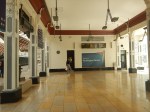
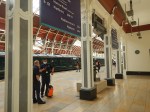
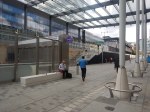


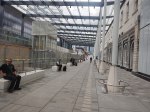


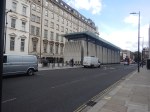
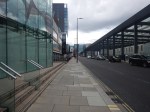
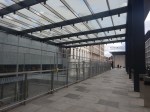

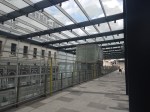
Note.
- The whole entrance is under a massive glass roof.
- Eastbourne Terrace is above the station and connected to it by stairs and a pair of lifts.
- There is a bus stop and short-term parking on Eastbourne Terrace.
- There are a large number of escalators between the main line station and the Crossrail level.
- There are plenty of seats everywhere.
- It is only a short walk between one set of escalators to Crossrail and the shops in the Lawn.
I think Brunel would have liked it, as it has a touch of the over-the-top.
This is a 3D Google Map of the new entrance.

Note.
- The cloud pattern on the roof is clearly visible.
- The lifts to the station are in the middle and the stairs are at the ends of the roof.
- The blue dot shows the position of the bus stop, where about five routes stop.
Will cars and taxis be able to drop people off in Eastbourne Terrace?
Conclusion
It’s an impressive new entrance to the station.
Approaching Kings Cross – 5th July 2021
I took these pictures approaching Kings Cross.








Reports say most of the work of the remodelling is now complete. Although, it did look to me that in places more tracks could be laid.
The Length Of The Long Platforms At Kings Cross
This repeat of the last picture in the gallery shows the length of the nine long platforms.
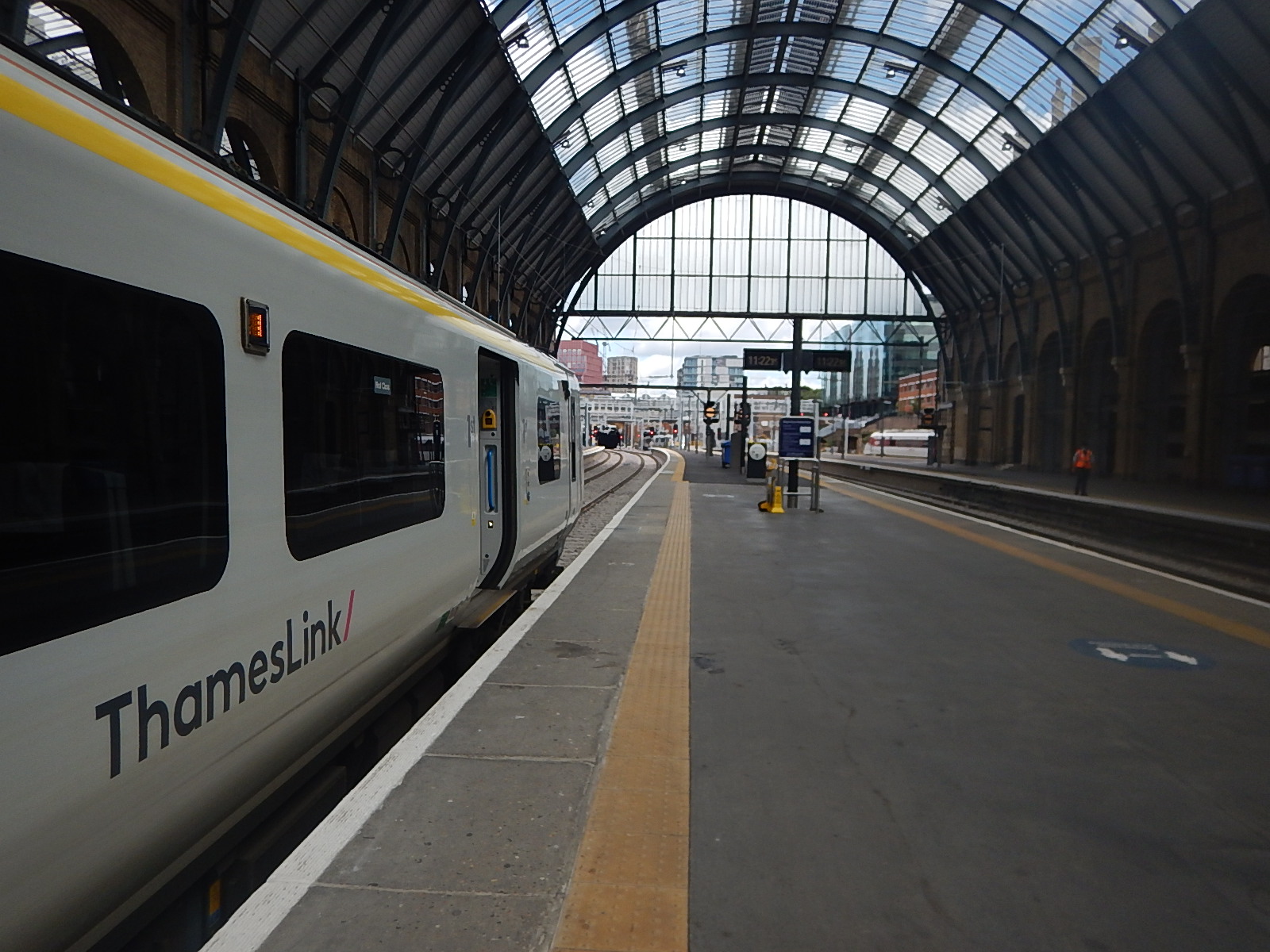
Note.
- The train is in Platform 3.
- The train is an eight-car Class 700 train.
- Eight-car units are 162 metres long.
- Twelve-car units are 242.6 metres long.
Platform 3 is obviously long enough to take the following trains.
- Twelve-car Class 700 train – 242.6 metres
- Two Class 800 trains working as a pair – 260 metres
- A nine-car Class 800 train – 234 metres
- An InterCity 225 train – 245.2 metres
- A twelve-car Class 319 train or Class 321 train – 240 metres.
This Google Map shows the ends of the platforms at Kings Cross.
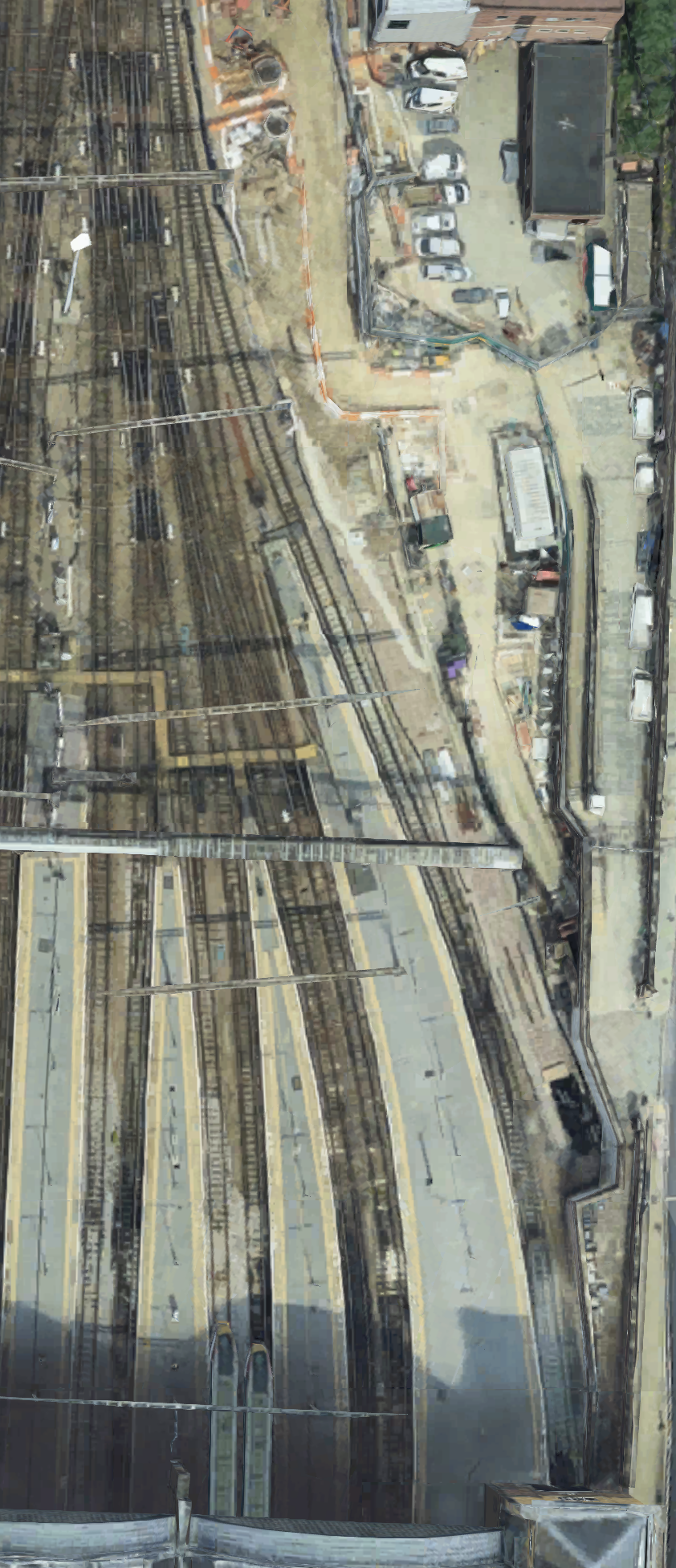
Note.
- The long platforms at the right are 2 and 3.
- Platform 2 and 3 are wide.
- Two LNER Azumas are in Platforms 5 and 6.
It looks to me that whilst all platforms can probably handle the standard British Rail length of 240 metres, those on the right may be able to handle longer trains. But what trains? These are my thoughts.
Longer LNER Azumas
This document on the Hitachi Rail web site is entitled Development of Class 800/801 High-speed Rolling Stock for UK Intercity Express Programme.
The document says that Class 80x trains have a sophisticated Train Control and Management System (TCMS).
The document says that this is one of the functions of the TCMS.
To simplify the rearrangement and management of train configurations, functions are provided for
identifying the train (Class 800/801), for automatically determining the cars in the trainset and its total length,
and for coupling and uncoupling up to 12 cars in normal and 24 cars in rescue or emergency mode.
I would assume that with the purchase of extra cars, that it might be possible to lengthen trains to up to twelve cars.
Lengths would be as follows.
- Ten-car Class 80x train – 260 metres.
- Eleven-car Class 80x train – 276 metres.
- Twelve-car Class 80x train – 312 metres.
To add extra capacity on the routes to Leeds and Edinburgh services, there must be a balance between these factors.
- The cost of extra cars.
- The cost of platform lengthening.
There must of course be space for any platform lengthening.
It would seem to me, that common sense should allow twelve-car trains to be handled at King’s Cross, as this must be one of the best ways of adding capacity to East Coast Main Line services.
Caledonian Sleeper
The Caledonian Sleeper doesn’t normally run into King’s Cross, but during the rebuilding Euston for High Speed Two, it may be necessary to provide an alternative platform.
Unfortunately, the sixteen-car Caledonian sleeper trains are 352 metres long. So it would appear that Kings Cross would not be a temporary alternative.
But given the amount of money being invested in sleeper trains in Europe by the likes of Midnight Trains and NightJet, I can see that the Caledonian Sleeper might have another problem – success and the need for more capacity.
So I wouldn’t rule out an East Coast Main Line sleeper train between London Kings Cross and Edinburgh.
It might call at Stevenage, Newcastle and Berwick to widen its passenger base, just as the current sleeper calls at Watford, Carlisle and Carstairs.
The train could be extended to Aberdeen, to simplify services in Scotland.
Obviously, traffic and finance would decide, but I wouldn’t rule out the Caledonian Sleeper running to and from King’s Cross for a few years yet.
A Night Light Freight Terminal
In Is This The Shape Of Freight To Come?, I wrote about the new generation of fast electric freight trains, based on redundant electric multiple units.
- If you look at Real Time Trains, you will find that few trains use King’s Cross station between two and five in the morning.
- Platforms can take a twelve-car version of these electric freight trains.
- The new platforms are wide and level.
- Local delivery could use electric vehicles and bikes.
I think King’s Cross has possibilities for handling goods like food, parcels and shop supplies.
The Short Platforms At Kings Cross
When I was a child, King’s Cross had four short suburban platforms, where N2 steam tank engines hauled suburban services in and out of the station.
The suburban platforms have now been reduced to two platforms, that fit in with the current uses of the station.
- The two platforms are numbered 9 and 10.
- They can handle an eight-car Class 700 train, which is 162 metres long.
- They can handle a five-car Class 800 train, which is 130 metres long.
- Some five-car services run by the new Hitachi trains use these platforms.
These pictures show the platforms.


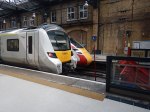
Note.
- The platforms are wide.
- The picture of the Azuma in Platform 9 was taken before the centre track was removed recently.
- Today, one LNER Azuma departed from Platform 9 to go to Lincoln, but both platforms were busy with Great Northern services to Cambridge, Ely and Kings Lynn.
I do wonder if the platforms could be used for light freight, during the night.
Conclusion
King’s Cross is not just one of the UK’s finest railway stations, which is recognised by its Grade I Listed status, but it is now moving towards an efficient, high-capacity station that works around the clock!
Oakwood Tube Station’s Seat Is In Need Of Repair
I took these pictures at the Grade II* Listed Oakwood tube station.

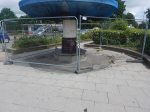
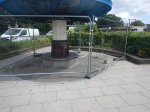


How did it get into this state?
Could it be that Enfield is not a Borough, where voters need any urging to vote Labour?
So it has been allowed to deteriorate by London’s South London Mayor?
It certainly needs a bit of TLC!
 The Anonymous Widower