Dancing Azumas At Leeds
This picture shows the 1749 arrival at Leeds from London Kings Cross.
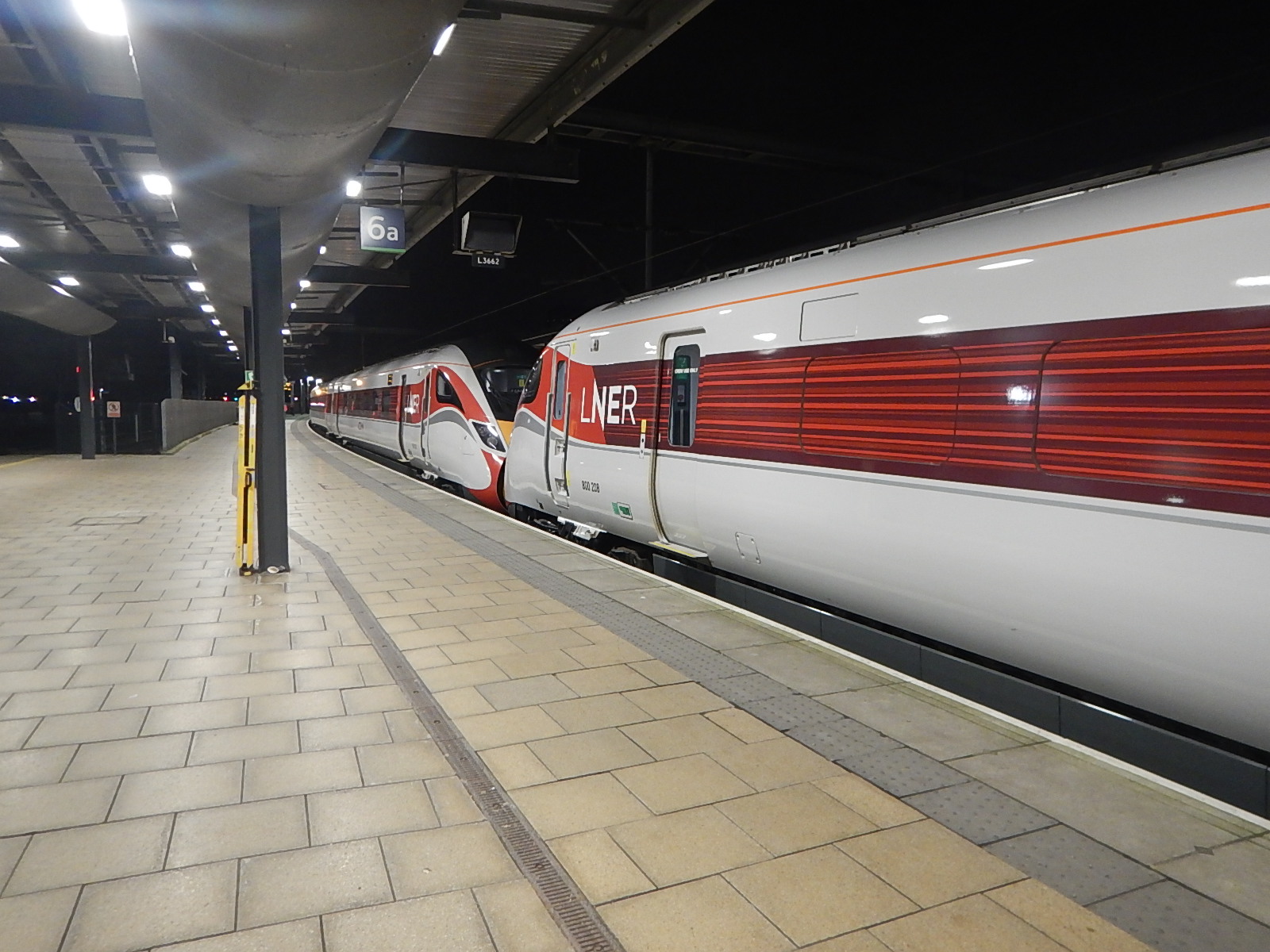
Train details were as follows.
- The train had left Kings Cross at 1533.
- It was formed of two five-car trains working as a pair.
- The train was perhaps a couple of minutes late, arriving in Leeds.
- The train arrives in Platform 6.
- The complete ten-car formation left for Harrogate at 1800.
My train for London, which was another pair of five-car trains arrived in Platform 8 at Leeds at 1806 from Harrogate. The train left on time at 1815.
At present there is no joining and splitting, but if this is used by LNER, the following timings are possible.
- 1533 – Two five-car trains working as a pair leave Kings Cross.
- 1749 – The train arrives in Platform 6 at Leeds and the two trains are uncoupled.
- 1800 – A second driver gets into the rear train and he drives it towards Harrogate.
- 1800 – The front train stays in the platform.
- 1806 – The Harrogate to London service arrives from Harrogate and couples to the train in Platform 6.
- 1815 – The pair of five-car trains leave for London.
I think it is all rather elegant.
- Harrogate gets a five-car Azuma service, which is probably sufficient for the town’s need.
- Five-car trains probably fit all platforms easily on the Harrogate Line, where stops are planned.
- Will platforms at Headingley station be extended, so that London trains can stop during Test matches?
- The inbound and outbound services to and from Harrogate pass each other on the double track.
- The rear train from London reverses and goes to Harrogate..
- The front train just fills up with new passengers and after coupling with the train from Harrogate goes back to London.
- As Class 800 trains are supposed to be able to couple and uncouple in under two minutes, there should be only a small delay.
- LNER are running two trains per hour between London and Leeds, but they could be running four separate services per hour Between London and Yorkshire.
But the biggest advantage is that the front train from London can go somewhere else! Bradford? Huddersfield?
Possible Destinations
These are possible destinations, distances and times.
- Bradford – 13 miles – 25 minutes
- Harrogate – 18 miles – 30 minutes
- Huddersfield – 17 miles – 35 minutes
- Hull – 20 miles – 60 minutes
- Ilkley – 16 miles – 26 minutes
- Middlesbrough – – 76 miles – 84 minutes
- Scarborough – 67 miles – 75 minutes
- Skipton – 26 miles – 43 minutes
- York – 25 miles – 30 minutes
Harrogate would probably pair well with Bradford, Huddersfield, Skipton or York
Note.
- I have added Ilkley although it doesn’t have a service to London.
- Bradford Forster Square and Skipton already have one train per day (tpd) from London via Leeds.
- Routes to Bradford Forster Square, Ilkley and Skipton are electrified.
- Network Rail has plans to electrify the routes to Huddersfield and York.
- There are at least thirty tpd between London and Leeds in both directions run by LNER.
Six tpd, as are now running to Harrogate and Lincoln to all six destinations would need just eighteen tpd to split and join at Leeds.
Stations That Could Be Served
All these stations could be given a direct service to and from London.
- Apperley Bridge – On the route to Bradford Forster Square – This is a new Park-and-Ride station.
- Batley – On the route to Huddersfield
- Ben Rhydding – On the route to Ilkley
- Bingley – On the route to Skipton
- Bradford Forster Square
- Burley-in-Wharfedale – On the route to Ilkley
- Burley Park – On the Harrogate Line
- Church Fenton – On the route to York
- Cononley – On the route to Skipton
- Cottingley – On the route to Huddersfield – Could be replaced by White Rose.
- Crossflats – On the route to Skipton
- Cross Gates – On the route to York
- Deighton– On the route to Huddersfield
- Dewsbury – On the route to Huddersfield
- East Garforth – On the route to York
- Frizinghall On the route to Bradford Forster Square
- Garforth – OLn the route to York
- Guiseley – On the route to Ilkley
- Harrogate – Terminus
- Headingley – On the Harrogate Line
- Hornbeam Park – On the Harrogate Line
- Horsforth – On the Harrogate Line
- Huddersfield – Terminus
- Ilkley – Terminus
- Keithley – On the route to Skipton
- Kirkstall Forge – On the route to Bradford Forster Square – This is a new Park-and-Ride station.
- Menston – On the route to Ilkley
- Micklefield – On the route to York
- Mirfield – On the route to Huddersfield
- Morley – On the route to Huddersfield
- Pannal – On the Harrogate Line
- Ravensthorpe – On the route to Huddersfield
- Saltaire – On the route to Skipton
- Shipley – On the route to Bradford Forster Square
- Skipton – Terminus
- Steeton & Silsden – On the route to Skipton
- Weeton – On The Harrogate Line
- York – Terminus
I have included every station, which the LNER trains pass, in this list.
But why not?
- These modern trains can make a station stop much quicker than older trains.
- They would improve the local service to Leeds.
- Some stations might be too small for five-car Azumas, that are 130 metres long.
- No electrification would be needed, but it could be added.
Leeds could become an even more important rail hub for North Yorkshire.
Azumas Now Have A Virtuous Sister
As I arrived in Kings Cross tonight from Leeds, one of Hull Trains’s new Paragons was in the next platform to the LNER Azuma, that I arrived in.

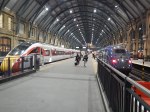
The Azuma is a Class 800 train and the Paragon is a Class 802 train.
I wouldn’t be surprised to see a strong commercial battle, between the two train companies on the route between London and Hull
- Both companies are running new, modern trains.
- At present LNER run just one train per day to and from Hull, with Hull trains running around half-a-dozen trains per day.
- Hull Trains are the only company that runs on Sunday to Hull.
- It should be noted that the Hitachi trains seem to be fairly agile and I wouldn’t be surprised that they could reach Scarborough via Beverley, Driffield and Bridlington.
I don’t think passengers to and from East Yorkshire will be losing out!
Could High Speed Two Be A One-Nation Project?
As currently envisioned, High Speed Two is very much an English project, with the following routes
- London and Birmingham
- London and Liverpool via Birmingham
- London and Manchester Airport/Manchester via Birmingham and Crewe
- London and Sheffield via Birmingham and the East Midlands Hub
- London and Leeds via Birmingham and the East Midlands Hub
There are large numbers of mid-sized towns and cities that it won’t serve directly.
The West Coast Main Line
The West Coast Main Line serves the following routes.
- London and Birmingham
- London and Liverpool via Crewe
- London and Manchester via Crewe
- London and Glasgow via Crewe, Wigan, Preston and Carlisle
- London and Blackpool via Crewe, Wigan, Preston
- London and North Wales via Crewe and Chester.
It could probably be considered a two or two-and-a-half nation line, as it serves the Western half of Scotland and the Northern half of Wales.
Add the West Coast Main Line and High Speed Two together and you get a line, that serves a lot more places like Blackpool, Carlisle, Chester, Edinburgh, Glasgow, Preston, Stafford, Stoke and Wigan.
- The current plan for both routes envisage them both being run by Avanti West Coast, so it looks like High Speed Two is being designed to work with the West Coast Main Line.
- Destinations like Carlisle, Glasgow and Preston will be served using the West Coast Main Line.
- Compatible trains will be built that can be run on both lines.
- Some stations will be shared.
It does seem that there are advantages, if the two routes are considered as one system.
The East Coast Main Line
The East Coast Main Line serves the following routes.
- London and Bradford
- London and Cambridge
- London and Edinburgh via Doncaster, York and Newcastle
- London and Harrogate via Leeds
- London and Hull
- London and Kings Lynn via Cambridge
- London and Lincoln via Newark.
- London and Leeds via Doncaster
- London and Middlesbrough
- London and Skipton via Leeds
- London and Sunderland
The East Coast Main Line could become another high speed line.
Extra services could be added.
- London and Norwich via Cambridge
- London and Nottingham
- London and Grimsby and Cleethorpes via Lincoln.
- London and Sheffield via Retford.
Add the East Coast Main Line and High Speed Two together and there could be a wider range of towns and cities served.
- Peterborough and Doncaster could play the same role in the East as Birmingham and Crewe will play in the West.
- The East Coast Main Line between London and Doncaster will be upgraded to in-cab ERTMS signalling in a few years time, which will allow 140 mph running on several sections of the route.
- Improvements are either under way or being planned to reduce bottlenecks on the East Coast Main Line.
- If High Speed Two can handle eighteen trains per hour (tph), then surely the East Coast Main Line, which has a lot of quadruple track, can handle upwards of twelve 140 mph trains per hour between London and Doncaster, after the improvements to track and signalling.
- I estimate that 140 mph running between London and Doncaster could save as much as twenty minutes.
- I feel that Barnsley, Doncaster, Hull, Leeds, Sheffield and York could all be reached in under two hours from London using the existing Azuma trains.
- This morning the 0700 from Kings Cross is timetabled to reach York at 0852. Would it be possible for London and York to be around just ninety minutes?
- Savings would also apply to trains between London and Leeds, Middlesbrough, Newcastle, Scotland and Sunderland.
- Sub-four hour journeys between London and Edinburgh would be commonplace.
Note that the Internet gives a driving time of nearly three and a half hours between London and Leeds. Surely, two hours or less on High Speed Yorkshire would be much preferable.
I would add this infrastructure.
- There might be a good case to create electrified routes to Hull and Sheffield and between Sheffield and Leeds, but they wouldn’t be needed to start the service or obtain the time savings. But they would ease operation, cut carbon emissions and save a few more minutes.
- A station at Doncaster-Sheffield Airport.
- A parkway station at Barnsley on the Dearne Valley Line with direct services to Doncaster, Leeds, London and Sheffield.
The two latter improvements have been proposed in Sheffield Region’s transport plans.
High Speed Yorkshire should be finished as soon as possible. A completion date of 2024 is not unreasonable.
Northern Powerhouse Rail
Northern Powerhouse Rail is a plan to build an East-West high speed line or at least a much faster one, than the overcrowded joke, that presently exists.
I discussed the latest thinking in Changes Signalled For HS2 Route In North and the latest thinking and my views can best be summarised as follows.
- Northern Powerhouse Rail will be an improved line with some new sections, between Liverpool and Hull via Manchester Airport, Manchester and Leeds.
- Northern Powerhouse Rail and High Speed Two will connect at High Legh.
- Northern Powerhouse Rail and High Speed Two will share infrastructure.
- The High Speed Two route to Manchester would be via Birmingham, Crewe, High Legh and Manchester Airport.
- The High Speed Two route to Liverpool would be via Birmingham, Crewe, High Legh and Warrington
- Hull will get a London service from High Speed Two via Birmingham, Crewe, High Legh and Manchester Airport, Manchester and Leeds
The Oakervee review of High Speed Two is also underway and leaks are suggesting, that the report is recommending that High Speed Two be built in full, but differently.
One important thing, that is happening, is that Network Rail have started the procurement process to improve the current line between Leeds and Huddersfield, as I reported in Network Rail Reveals Detailed £2.9bn Upgrade Plans For TransPennine Route.
- Extra tracks will be built.
- There will be some extra electrification.
I very much feel, that this is one of the most difficult TransPennine sections to improve.
The other sections are summarised as follows.
- Liverpool and Manchester Airport via Warrington and High Legh is across the flat lands of North Cheshire and could follow the M56.
- Manchester Airport and Manchester will probably be a high speed tunnel.
- Manchester and Huddersfield section could possibly be improved in the short term
- Leeds and Hull and the required connections to the East Coast Main Line are in the flat lands of East Yorkshire.
It looks to me, that Network Rail have a plan in there to perhaps deliver improved services East of Huddersfield and radiating from Leeds in the next few years.
It certainly needs improvement, as the TransPennine route must be the worst main line in the UK.
A One-Nation Railway
I think these lines can be connected to create an integrated high speed network.
- High Speed Two
- West Coast Main Line
- East Coast Main Line
- Northern Powerhouse Rail
But.
- It doesn’t connect to the whole country and needs to be extended.
- It won’t be fully developed until at least 2035.
- Improvements are needed now!
So what could be substantially delivered of the core network, by say 2024, which is around the date of the next General Election?
- Faster and more frequent services on the East Coast Main Line.
- An electrified higher capacity and faster line between Leeds and Huddersfield and possibly between Leeds and Hull.
- New East Coast Main Line services from London to Barnsley Dearne Valley, Bradford, Cleethorpes, Doncaster Sheffield Airport, Grimsby, Harrogate, Huddersfield, Middlesbrough, Norwich, Nottingham, Scarborough and Sheffield and Sunderland.
- Sub-four hour services between London and Edinburgh.
- New local services to connect Blyth and Ashington to the East Coast Main Line at Newcastle.
- A Tees Valley Metro connecting Bishop Auckland, Whitby and all in between to the East Coast Main Line at Darlington.
- Improved local services between York and Leeds via Harrogate, Sheffield and Leeds via the Dearne Valley and on other lines in Yorkshire.
Effectively, the recommendations of this report on the Transport for the North web site, which is entitled At A Glance – Northern Powerhouse Rail, which apply to Leeds and Sheffield would have been implemented to connect to high speed services at Doncaster, Leeds, Sheffield and York.
Technology used would include.
- Some more electrification using the power from the electrified East Coast Main Line.
- Conventional electric trains and compatible battery trains.
- Tram-trains feeding into the Sheffield Supertram.
- ERTMS digital signalling on the East Coast Main Line and the major branches to Hull, Leeds and Middlesbrough.
There would also need to be an increase in LNER’s Azuma fleet. But that is already rumoured as I wrote in More New Trains On LNER Wish List.
Could we see as many as twelve Axumas per hour between London and Doncaster? Yes!
Could it all be delivered by the 2024 General Election? Yes!
High Speed Scotland
The Scottish Nationalist Party is pushing for High Speed Two to be extended to Scotland.
I think that this will eventually be a feasible project, but it will be a very expensive and perhaps built around 2040.
These are my thoughts for the next few years up to 2024.
High Speed To Edinburgh
Consider.
- Edinburgh currently supports a half-hourly service to and from London.
- East Coast Trains are proposing to add five trains per day to this route.
- TransPennine Express will run an hourly service between Edinburgh and Liverpool, via Manchester, Leeds, York and Newcastle, which starts at the December 2019 timetable change..
- CrossCountry run an hourly service between Aberdeen and Plymouth.
- It looks like Edinburgh and Newcastle have a four tph service.
All services, except the CrossCountry are planned to be run by Hitachi’s Class 800, 802 or 803 trains.
- Currently, services take ninety minutes for the 125 miles between Newcastle and Edinburgh.
- The Hitachi trains are all capable of 140 mph with digital signalling.
- The Hitachi trains have better acceleration.
- The route is fully electrified. Although, there are reports it needs enhancing to be able to handle the current number of trains.
How many minutes can be taken off thjs route, with a new timetable on a line running only Hitachi high speed trains?
Probably not that many, but it would ensure all London and Edinburgh trains were under four hours.
But it will all happen by 2024?
High Speed To Glasgow
So Edinburgh is alright, but what about Glasgow?
Consider.
- Glasgow currently supports an hourly service to and from London.
- TransPennine Express run an hourly service to and from Manchester Airport
- TransPennine Express will run a three trains per day service to and from Liverpool.
Glasgow has a much lower frequency service to and from England than Edinburgh.
Currently, London and Glasgow takes over four-and-a half hours and there is going to be no serious improvement, until High Speed Two opens to Crewe, when the time could drop to perhaps just over three-and-a half hours.
But that won’t happen until possibly 2030.
In Does One Of Baldrick’s Descendents Work For Avanti West Coast?, I detail a cunning plan, that might allow London and Glasgow in four hours.
This was my conclusion in the other article.
To improve services between London and Birmingham, Blackpool, Liverpool and Scotland, appears to need the following.
- Ten new Hitachi trains.
- Full digital signalling on the West Coast Main Line.
- Track improvements on the West Coast Main Line
- Upgrading of the Pendelinos to allow 140 mph running.
This should reduce London and Glasgow to around four hours and London and Liverpool to around two hours.
There may be advantages in replacing the Pendelinos with the Classic-compatible High Speed Two trains on the London and Glasgow service as early as possible.
- There would be a large increase of capacity between London and Glasgow.
- What would be the possible speed of the Classic-compatible trains on updated track North of Crewe? I will assume 140 mph, but it could be more! That’s called engineering!
- London and Glasgow timings would be improved, as soon as digital signalling is installed.
- The trains would get a thorough testing before the opening of High Speed Two to Birmingham.
At least one platform at Glasgow Central would need to be extended to take a four-hundred metre long train.
According to Wikipedia, the Classic-compatible trains will be introduced from 2026.
I think by the December 2026 timetable change Glasgow could see a four-hour service to and from London.
But could it be 2024, if the Pendelinos can pick up time North of Crewe with digital signalling?
The Borders Railway
If High Speed Two is going to be a One Nation project, the Borders Railway must be extended from Tweedbank to Carlisle via Hawick.
Could this be done by 2024?
It would be a close-run thing! But possible!
The Glasgow South Western Line
The Glasgow South Western Line, is a secondary route between Glasgow and Carlisle.
It should be electrified early, so that during the upgrading of the West Coast Main Line North of Carlisle it can be used as a diversionary route.
Scotland Could Have Two Four-Hour Fully-Electrified Routes To And From London
But it’s not just London that gets good connectivity to and from Scotland!
- Birmingham
- Bradford
- Carlisle
- Leeds
- Liverpool
- Manchester
- Newcastle
- Peterborough
- Preston
- Wolverhampton
- York
All these cities will have direct connections to Edinburgh and/or Glasgow.
High Speed Midlands
Almost unnoticed and with little fuss, the Midland Main Line is being upgraded to provide 125 mph services between London and Chesterfield, Derby, Leicester, Nottingham and Sheffield.
- New Hitachi bi-mode Class 804 trains will improve speeds and increase capacity
- Over the last decade or so, the track has been upgraded for 125 mph running.
- Electrification will reach between London and Market Harborough.
- Market Harborough station has been remodelled to remove a bottleneck.
- The Corby branch will be electrified with the trains running half-hourly.
I also think, that the Midland Main Line will link into all the improvements between Barnsley, Doncaster, Leeds and Sheffield and provide the following.
- A high speed route between Leeds and the East Midlands.
- A route for a Barnsley and London service.
- A second route for Leeds and London services..
It also seems that rail planners are getting innovative with the design of the Midland Main Line.
- It appears that the Midland Main Line and High Speed Two’s spur to Sheffield will be combined into an electrified line between Clay Cross North Junction and Sheffield via Chesterfield.
- An improved link to the East-West Rail link at Bedford could improve links between the North-East and the South of England.
- The disused rail line between Market Harborough and Northampton could be reopened.
The line is a lot more than a connection between London and the East Midlands.
The upgrade should be complete by 2024.
East West Rail
East West Rail is still in a long planning stage, but it now looks likely to provide more than a passenger link between Oxford and Cambridge.
- New freight routes for Felixstowe and Southampton.
- Extra passenger services between Oxford and Reading in the West and Cambridge, Ipswich and Norwich in the East.
- Connections to the Great Western Main Line, the Chiltern Line, West Coast Main Line, Midland Main Line, East Coast Main Line and the Great Eastern Main Line.
It has also been suggested that East West Rail should be connected to High Speed Two at a new station at Calvert. This could give Bristol, Cardiff and Southampton good links to and from High Speed Two.
Great Western Main Line
At the December 2019 timetable change, there has finally been some good news in the saga of the electrification of the Great Western Main Line.
- Services between London and Bristol have been improved.
- The timetable has been improved.
Whether it will stand up is another matter.
Certainly by 2024, it will be a much better main line.
It could have full digital in-can signalling, which could result in 140 mph running and journey time savings.
Who knows?
But what excites me is the possibility of a connection between High Speed Two and East West Rail at Calvert, which will allow trains to run between Bristol, Cardiff and Swansea, in Wales and the West and the North on a mainly electrified high speed railway.
High Speed North Wales
Avanti West Coast is purchasing thirteen new Hitachi bi-mode trains to run services to Chester and North Wales.
I can’t see much speed improvement in the services, although if the West Coast Main Line gets digital signalling, this could save a few minutes between London and Crewe.
High Speed Ireland
The technology is now available to build a rail bridge between Scotland and the island of Ireland.
I laid out the arguments in A Solution To The Northern Irish Problem!.
The Lincoln Solution
Lincoln is a city, that has been ignored by UK railways for decades.
But not any more as LNER now run six return trips a day to the city on Mondays to Saturdays and five on Sundays.
I wrote about the improvements in The Shape Of Train Services To Come.
How many other cities and large towns would benefit from a Lincoln solution?
LNER have already launched a similar service to Harrogate at the December 2019 timetable change and I’m sure that more will follow.
Disability And Access Issues
A true one-nation railway wouldn’t exclude anybody from using the trains.
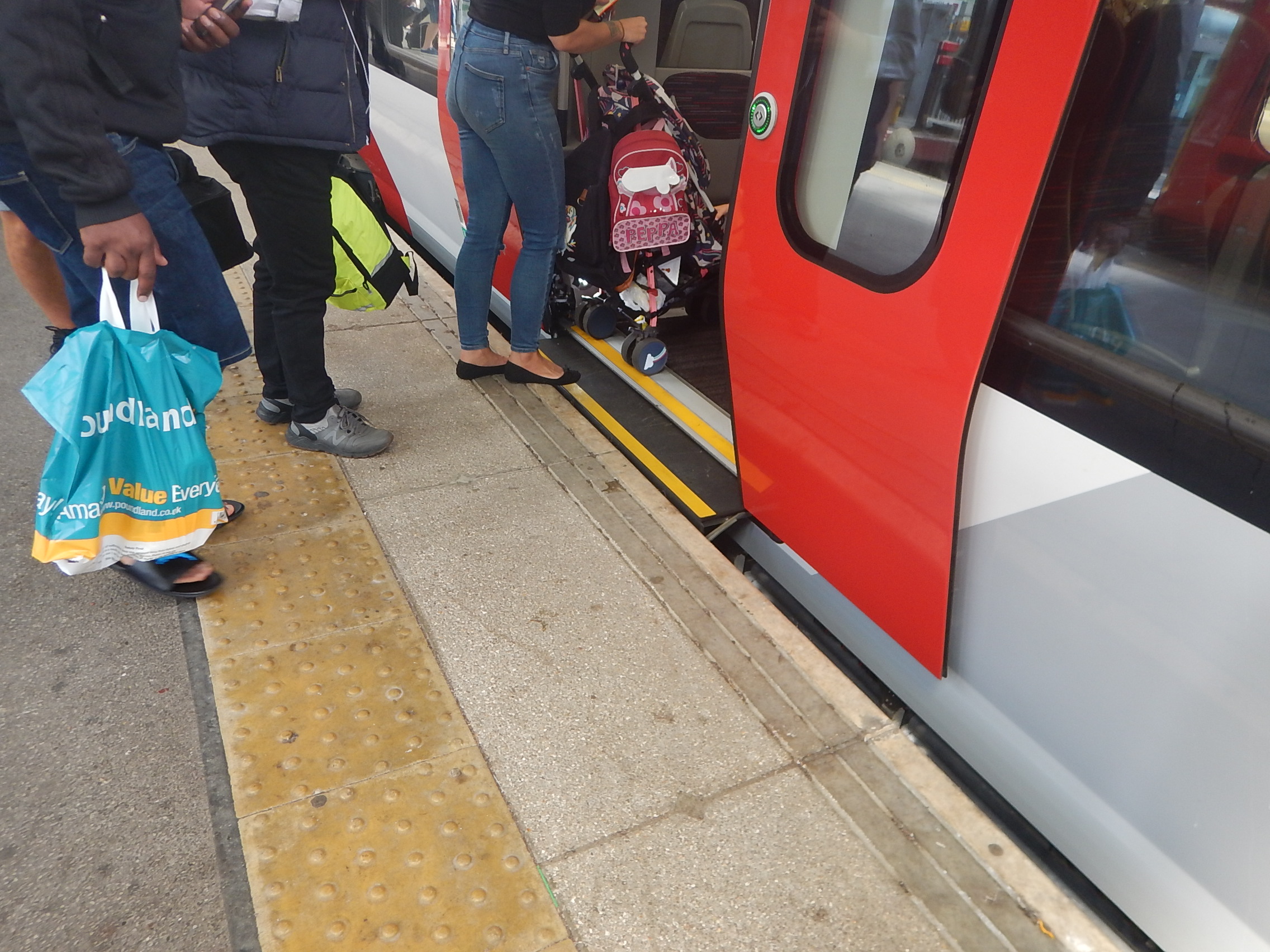
Strides have been made to put up step-free bridges, but some of the access between platform and train is truly dreadful.
This picture shows what can be achieved by good design on a Class 755 train.
And this is the step on one of Hitachi’s new trains.
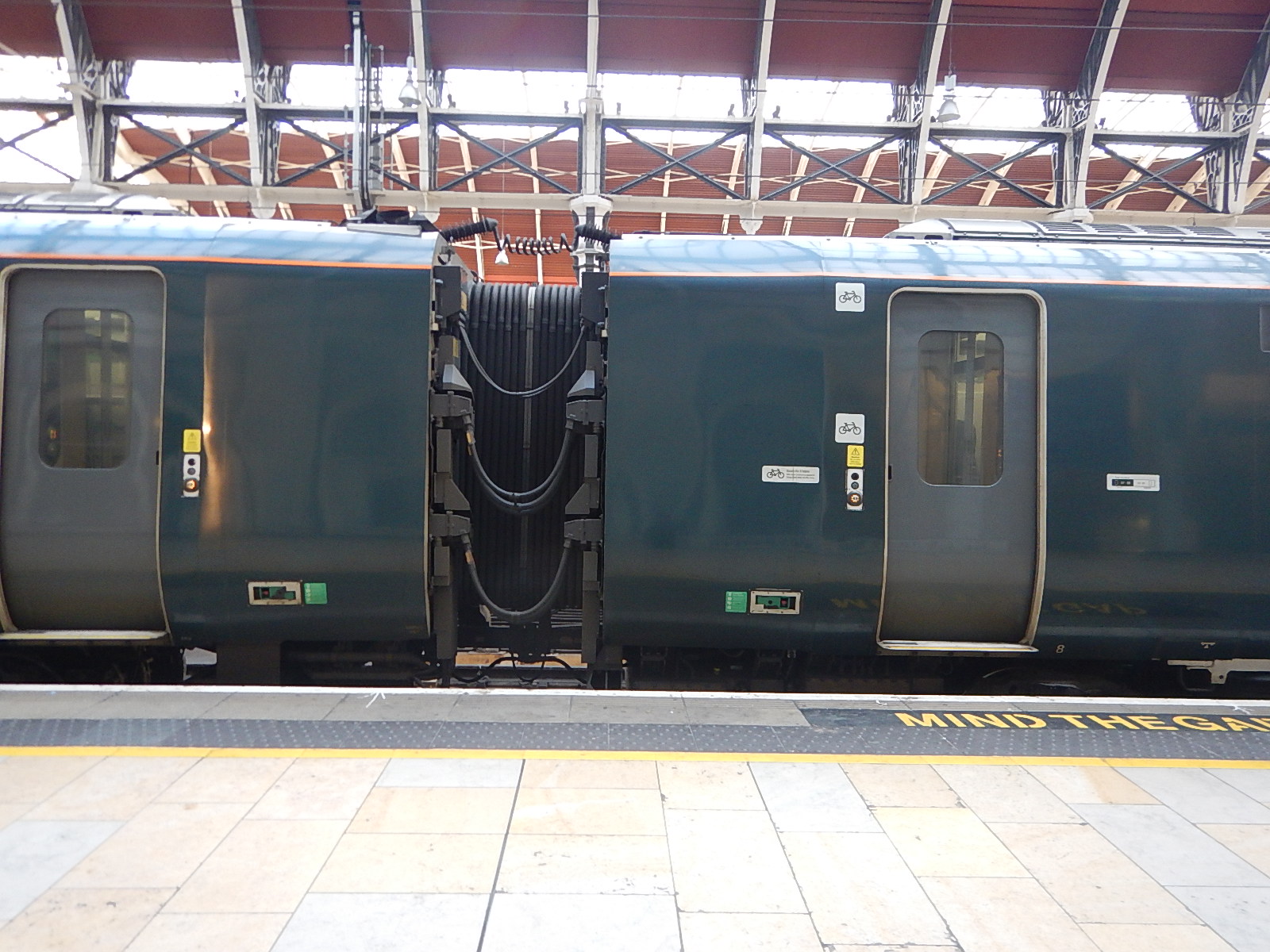
Note that all doors on these Hitachi trains are also far too narrow.
Some train manufacturers can do much better.
Recurring Themes
In this analysis, there are factors that keep cropping up.
Digital Signalling Or ERTMS
This is the key to squeezing more trains into our overcrowded railway.
Between London and Doncaster on the East Coast Main Line, should be operational in a few years and I believe the following lines should follow as soon as possible.
- East Coast Main Line between Doncaster and York and possibly Newcastle.
- East Coast Main Line North Of Newcastle
- West Coast Main Line North Of Crewe
- West Coast Main Line South Of Crewe
- Midland Main Line
- Great Western Main Line
As a time-expired Control Engineer, I believe that in-cab digital signalling is a major key to increasing capacity.
Faster Line Speeds
Some routes like TransPennine, have Victorian line speeds
Network Rail showed how it could improve line speed with the remodelling at Market Harborough station.
Bottlenecks, like the Trowse Swing Bridge at Norwich need immediate removal, no matter what the Heritage Taliban and other Luddites say.
New Hitachi Trains
There will be several more orders for the next generation of Hitachi’s high speed trains.
I have been critical of Hitachi’s manufacturing processes for these trains in the past, but they seem now to be running well in fleet service.
A standard UK train on 125 mph lines, that can also handle 140 mph with digital signalling must be a good thing for all sorts of reasons.
New Feeder Services
Several new feeder services have been indicated and there should be a lot more of these to bring the benefit of the high speed network to more of the UK population.
Delivering The Improvements
Geographically, the places where improvements are needed are spread thinly around the country and vary from projects with a cost of tens of millions to those with costs of tens of billions.
In the UK, we tend to go for the big hit, when perhaps several smaller ones might give a better short-term improvement.
We also duck projects, which would annoy the noisy local interests.
We need to have fundamental rethink about how we deliver and pay for rail improvements.
Conclusion
I am fairly pleased overall in that I think by 2024, many places in the UK, will have a much better train service than they do now!
Delivery of High Speed Two, East West Rail and Northern Powerhouse Rail as soon as possible after 2024, will be the icing on the cake.
Will It Be A One-Nation Project?
I think it can be!
Thoughts On LNER’s New Harrogate Service
I wrote about LNER’s improved service to Harrogate station in New Harrogate-London Rail Times Revealed.
If you look at each service, they have a very rel;axed stop at Leeds.
Northbound services are scheduled to take the following times.
- 0733 – 8 minutes
- 0933 – 7 minutes
- 1133 – 7 minutes
- 1333 – 7 minutes
- 1533 – 11 minutes
- 1733 – 13 minutes.
Sorthbound services are scheduled to take the following times.
- 0736 – 11 minutes
- 0936 – 10 minutes
- 1136 – 8 minutes
- 1336 – 9 minutes
- 1536 – 8 minutes
- 1736 – 9 minutes.
It seems a long time to pass through Leeds station.
But this is because the train reverses direction at Leeds station, so the driver has to change ends.
Will Azumas make any difference?
Azumas were designed around forty years after the current InterCity 125 trains that work the service. A five-car Azuma is also half the length of a two+eight InterCity 125.
So I wouldn’t be surprised to see in the new timetable, the 7-9 minutes reverse are timed for Azumas and the longer times are to allow InterCity 125 trains to run the service.
The Azuma services to Leeds seem to be run by two five-car trains, running as a pair.
Could this be, so that the train can split and join at Leeds?
- A pair of five-car Azumas would arrive in Leeds from London.
- A second driver gets in the rear cab of the rear train.
- The two trains automatically uncouple.
- The rear train drives off to the West to Bradford, Harrogate, Huddersfield, Skipton or wherever.
- The front train can drive off to the East to perhaps Hull, Middlesbrough, Scarborough, Scotland or Sunderland.
- If required the driver could change ends and continue to the East.
The process would be reversed when going South.
Possible Destinations
These are possible destinations, distances and times.
- Bradford – 13 miles – 25 minutes
- Harrogate – 18 miles – 30 minutes
- Huddersfield – 17 miles – 35 minutes
- Hull – 20 miles – 60 minutes
- Middlesbrough – – 76 miles – 84 minutes
- Scarborough – 67 miles – 75 minutes
- Skipton – 26 miles – 43 minutes
- York – 25 miles – 30 minutes
It looks to me that Leeds will become a very important station for LNER.
Their timetabling team will certainly be having a large amount of mathematical fun!
I can certainly see.
- Bradford,, Huddersfield and Skipton having similar service levels to those starting to and from Harrogste in December.
- Battery-electric Azumas handling the last few miles on battery power.
- Journey times of under two hours between Leeds and Kings Cross.
I also feel that LNER and TransPennine Express will create an integrated network between Leeds and Scotland along the East Coast Main Line.
Conclusion
This arrangement gives a large range of destinations from London and the South.
Passengers and train operators would like it.
LNER Confirms Dates For Azuma Introduction Onto Highland Services
This title of this post is the same as that of this article on Rail Magazine.
The dates when Class 800 trains will enter service to the Highlands are as follows.
- Aberdeen on November 25th 2019.
- Inverness on December 9th 2019
InterCity 125s are being replaced.
Soon there won’t be many of these iconic trains running on the East Coast Main Line.
LNER To Put Lincoln On The Rail Map
This article on Rail Magazine is entitled LNER To Run New Azumas To Lincoln.
The article says that from October 21st, 2019, the service between London and Lincoln would be.
Southbound
- HST – 0730
- Azuma – 1118
- Azuma – 1323
- Azuma – 1526
- Azuma – 1714
The only current service; the HST takes four minutes under two hours.
Northbound
- Azuma – 1006
- Azuma – 1206
- Azuma – 1406
- Azuma – 1606
- HST – 1906
The only current service; the HST takes three minutes under two hours.
In both directions Azumas appear to be a few minutes slower in the timetable.
But these improved services are not all, as this is a paragraph, which sums up further changes after December 2019.
A sixth daily weekday service will be introduced as part of the December timetable (leaving London at 0806 and returning at 2025), along with five additional Saturday services. Azumas will start serving Lincoln on weekends from December 7.
Lincoln will get a large increase in the number of direct services to and from London.
- The weekday service will be approximately one train every two hours.
- The weekday service will be boosted, by extra services which will require a change at Newark, Peterborough or Retford.
- Lincoln will be getting more weekend services.
There must be other large towns and cities served by LNER, who wish they could have a service as good as Lincoln’s.
Onwards To Grimsby And Cleethorpes
Under Proposed Services And Future Changes, in the Wikipedia entry for Cleethorpes station, this is said.
Informed sources close to LNER reported in June 2019, that LNER would like to extend a number of trains from Lincoln Central to Cleethorpes in the future, but it would take time to do this as the route will need to be checked to see whether the Azuma trains are cleared to use the route.
Consider.
- The distance between Lincoln and Cleethorpes is forty-seven miles.
- The trip takes five minutes over the hour, with four stops.
- I would feel that it is feasible that Kings Cross and Cleethorpes could be a few minutes under three hours using an Azuma.
TransPennine Express also has a stabling, cleaning and refuelling facility at Cleethorpes. Would they be able to accommodate an overnight Azuma?
As an example, the current HST service could become the following Azuma-operated service.
- Leave Cleethorpes around 0630.
- Call at Lincoln at 0730.
- Arrive in Kings Cross at 0926.
- Evening return from Kings Cross at 1906.
- Call at Lincoln at 2103.
- Arrive at Cleethorpes around 2200.
The train could be cleaned and refuelled at Cleethorpes or it could take a trip to and from the main Azuma base at Doncaster Carr, which is just over an hour away from Cleethorpes.
I could see LNER running a couple of services in each direction every day, if the demand is there.
Splitting And Joining
LNER seem to be proposing to increase services on the East Coast Main Line.
One problem will be the number of paths available to and from London.
Could this be solved by services splitting and joining trains en route, so that one service from Kings Cross serves two destinations?
As a simple example, Lincoln and Hull services could work together.
- Each city would get a five-car service to and from London.
- Services would run South of Newark as ten car trains.
- Services would split and join at Newark North Gate station.
- Services would run North of Newark as five car trains.
- Only the Hull service would need a path North of Newark on the East Coast Main Line.
- The Lincoln service would be on the Newark and Lincoln Line.
The number of paths needed between London and Newark would not be increased, from the current requirement.
I noted earlier that some Lincoln services run by Azumas will be a few minutes slower than those run by HSTs. Could this be because LNER are planning to run Lincoln services in conjunction with other services, by using splitting and joining at Newark?
As some Lincoln services have a longer stop than others at Newark, perhaps timings have been arranged for possible splitting and joining.
It should also be noted, that the design of Kings Cross station, has pedestrian access in the middle of a ten-car train, courtesy of a step-free footbridge. This makes joining the front train easier.
Surely, the ultimate service could be to combine Lincoln and Hull services, so that both cities got a two-hourly or even hourly London service, courtesy of a split and join at Newark.
Conclusion
Lincoln is getting an excellent, more frequent service to and from London.
Extending some services from Lincoln to Grimsby and Cleethorpes could be the icing on the cake!
C
More New Trains On LNER Wish List
The title of this post, is the same as that of this article on Rail Magazine.
This is the introductory paragraph.
LNER has revealed it is in the market for new trains, despite only just starting to introduce its new Hitachi Azumas.
There would appear to be more work to be done for their original plan of using shortened InterCity 225 sets.
So to be able to fulfil the timetable to be introduced in 2021, LNER need perhaps another six ten-car trains.
Obviously, they would want Hitachi Class 800 trains or Azumas.
Now here’s a twist!
Under EU regulations, it has to be an open competition.
I thought that Boris Johnson had said we were leaving the EU!
And The Wires Came Tumbling Down!
Today, I intended to go to Doncaster on the 11:03 train to Leeds from Kings Cross.
I had intended to travel in First on an Azuma, to see what the quality was like.
So I booked an Advance ticket online for around £50.
But then the train didn’t run, as the wires had come tumbling down!
This must be the third time, I’ve been affected by faulty overhead wires on the East Coast Main Line in the last few years.
In one case, we were delayed for about two hours and in the other, it didn’t affect me for long, as I was in an InterCity 125, which drove through the problem.
I have lost my fifty pounds, as you take the risk with an Advance Ticket.
Conclusion
The electrification on the East Coast Main Line seems to be built and maintained by morons.
Next time, I take the train on the East Coast Main Line, I’ll check trains are running before buying a ticket.
A First Ride In One Of LNER’s New Azumas
The Azuma is the name given by LNER‘s new Class 800 trains.
I rode in one today from Peterborough to Kings Cross after deliberately doing the trip the other way in an InterCity 125.
I took these pictures.
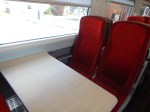

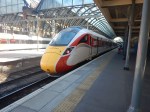
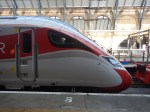
These are my thoughts.
The Brand-Name
The Azuma brand-name is one of those names, that was either thought-up for a fee of several million pounds by a specialist agency or it was thought up by a few serious real-ale drinkers in a comfortable pub, in front of a roaring fire or a blazing sun.
- It is actually Japanese for East, so I doubt it will be controversial.
- It is catchy and if say Simon Calder said that he liked the new Azuma, it might result in extra ticket sales.
- It will differentiate LNER from their competitors running differently-liveried examples of the same Class 800 train.
- Does it suggest speed in English, with the zoom in the middle?
LNER obviously like it, as Wikipedia says they retained the name, which was devised by the previous franchise holder; Virgin Trains East Coast.
Thinking through the history of the East Coast Main Line, I can only remember one class of locomotives or trains, that got a name; the Class 55 locomotive or Deltic. For those of my generation, Deltics are often iconic. In The Thunder of Three-Thousand Three-Hundred Horses, I describe a memorable trip behind a Deltic.
The Livery
The livery is distinctly cheeky, with an eye suggested around the front side-window!
The eye certainly stands out, which could be a good way to get extra seat sales.
It also appears that the livery has changed from the original Virgin East Coast design.
I like it!
The Interior
The interior is simple, practical and bright with some innovative touches.
- I was in Standard and there were a reasonable number of good-sized tables, which is always welcome.
- The seats seemed better than those fitted to the Class 800 trains on Great Western Railway (GWR).
- The electronic seat registration status displays were clear and understandable.
- I didn’t use the wi-fi or the charging points, but others were using them and one guy said they worked fine.
- Our ticket collector had a moan and I suspect there are a few problems that will be corrected as necessary.
But then trains always get a lot better after their first major update.
Comparison With Great Western Railway’s Version
The general consensus between two other passengers and myself, was that the seats in the Azuma were more comfortable, than those of GWR’s Class 800 trains.
A Three Class Train
Like some other services in the UK, the Azuma is effectively a three-class train.
- First Class
- Standard Class with a table.
- Bog Standard Class
I find it interesting that East Midlands Railway are promising that all seats will have tables, which already happens on some services on Chiltern Railways.
I wonder if LNER’s competitors; East Coast Trains, Grand Central and Hull Trains will offer more tables.
As a regular user of Chiltern Railways, I can see more tables being added to all main line services.
Performance
As the pictures show, I followed the train speed with the Speedview app on my phone.
After accelerating away from Peterborough 125 mph was held to Stevenage and then after slowing for the twin-track section over the Digswell Viaduct, the train maintained 100 mph for most opf the way until Kings Cross.
I think we will see improved performance onf the East Coast Main Line, with speeds increasing and journey times decreasing.
- There are plans to add extra tracks between Huntingdon and Peterborough.
- The flyunder at Werrington will be completed.
- There are plans for improvements to the North at Newark, Doncaster and York.
- Digital signalling will allow 140 mph running of Azumas and other Class 800 trains.
- It has been suggested that capacity on the route would improve with 125 mph trains running to Kings Lynn.
If all operators were running Class 800 trains, this would surely increase capacity.
Splitting And Joining
This document on the Hitachi web site is entitled Development of Class 800/801 High-Speed Rolling Stock For UK Intercity Express Programme.
This is a sentence from the document.
It also incorporates an automatic coupling system that shortens the time taken to couple or uncouple trains while stopped at a station.
Their Kentish cousins have been at it for several years.
LNER have not disclosed how they will use splitting and joining, but there are possibilities, where two five-car trains leave London as a ten-car train and then split en route to serve two destinations.
- London to Aberdeen and Inverness, splitting, at Edinburgh.
- London to Harrogate or Skipton and Middlesborough, splitting at Leeds.
- London to Lincoln and Hull, splitting at Newark.
Trains would join at the same stations, when returning South.
The splitting and joining has advantages over the current fixed-length InterCity 125 and InterCity 225.
- A five-car Azuma, only needs a 130 metre long platform. So services to destinations like Lincoln, Middlesbrough, Scarborough and Sunderland without a long platform become possible without expensive platform extensions.
- Train paths on the East Coast Main Line are being used more efficiently, as in some cases two destinations are served by one service into Kings Cross.
There are some disadvantages.
- Travellers must make sure they get into the correct part of the train.
- There is probably more staff on the train, as both five-car trains need a full crew.
- Returning South, trains must keep to time precisely to the joining station, to avoid delaying another service.
- All possible calling points on the East Coast Main Line, must be able to handle ten-car trains But as these are less than twenty metres longer than an InterCity 225, lengthening shouldn’t be a major exercise.
It’s probably best to consider the two five-car trains as separate services, which happened to be coupled together on the Southern section of the East Coast Main Line.
It should also be noted that several stations like Kings Cross, Doncaster, York and others have entrances in the middle of the platform, which is convenient for either the front or rear train.
Bicycles, Surf Boards And Oversized Luggage
I don’t think you get many surfboards on London to Leeds services, but a member of LNER’s staff told me, that during the recent Tour de Yorkshire, there were a lot of passengers with bicycles. This could be a problem on the Azuma,, as the nine-car train has only four spaces, with a five-car just two.
With the conversion of Scottish services to Azumas, I can see that luggage could be a problem.
I took this picture at Edinburgh, where this luggage is about to be swallowed by the locomotive of an InterCity 125.
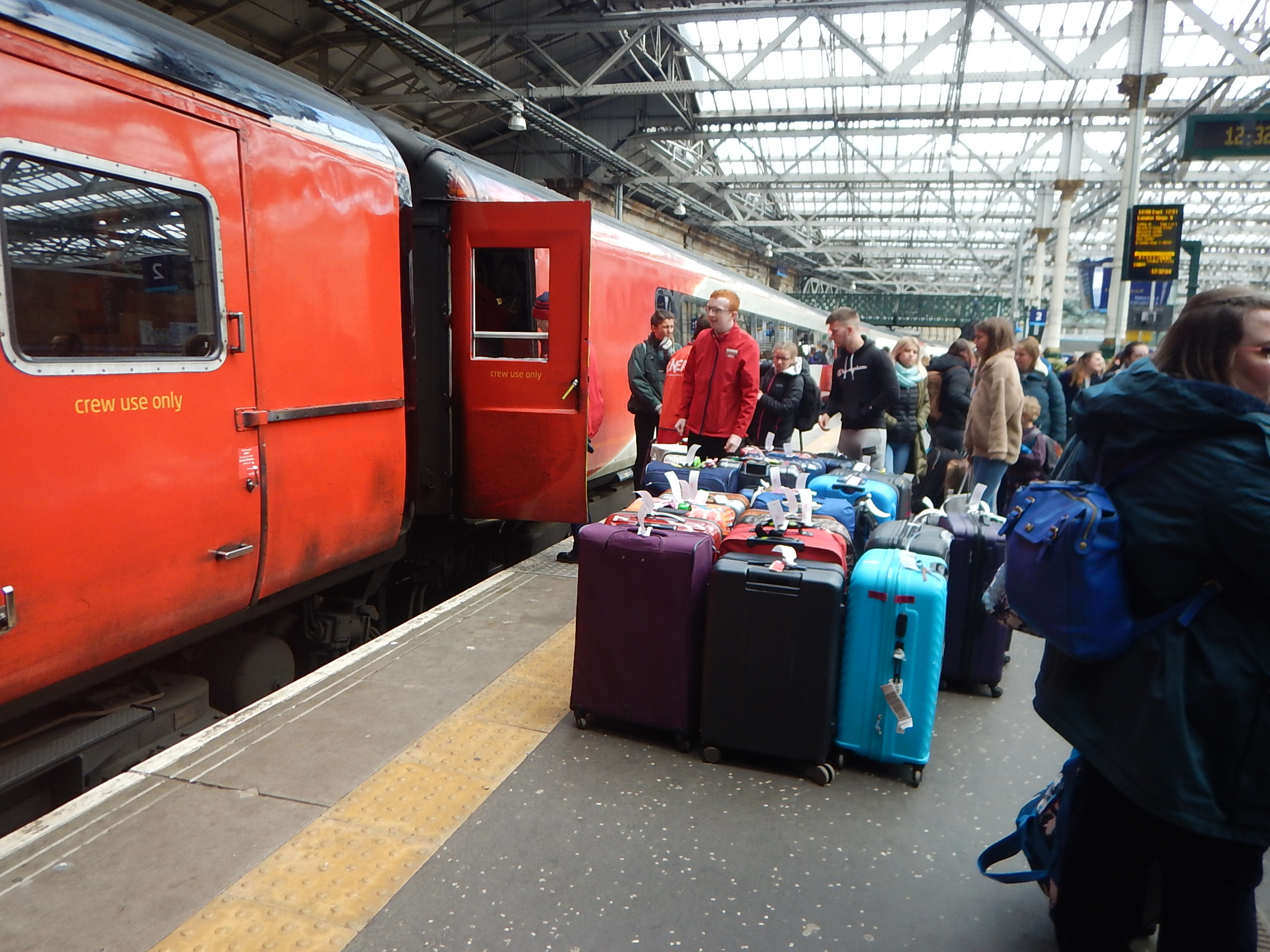
I can see a time, when there will be a need to add another car to some nine-car trains, to make sure all the bicycles, surf boards and oversized luggage can be accommodated on the train.
- Are LNER cutting themselves off from upmarket golf tours, where passengers travel between London and Gleneagles in First Class luxury?
- GWR have a similar problem on South West England services and I think, it will get more serious in the next few years, as more people take up cycling and surfing.
- It appears GWR have resorted to banning surf-boards.
- ScotRail have opted to convert redundant single-car Class 153 trains, into multi-purpose additional carriages to enhance services on the West Highland Line.
I can also see a problem on the London to Inverness services. In Promoting The Highland Main Line, I wrote about the efforts of the Highland Main Line Community Rail Partnership to encourage more visitors to their iconic line and the surrounding area.
Many of the visitors that are attracted to the area, might come with bicycles, golf bags, climbing equipment and other oversized baggage.
So could we see an extra multi-purpose car added to some Azumas working between London and Scotland?
- The Class 800 trains can be lengthened to as long as twelve cars.
- Manufacturing of extra cars in the next few years, should be relatively easy.
- Adding extra cars is a simple cut-and-paste, with the train software ascertaining the train formation.
- Most platforms are probably long enough for at least ten-car trains.
- A ten-car Class 800 formation is only fifteen metres longer than a nine-car InterCity 225.
- There may be opportunities to carry high-value, urgent or perishable freight.
Obviously, the train operators’ needs to satisfy their markets and their finances will decide if extra cars are worth adding.
But I think, that we’ll see some ten-car Azumas on the London and Aerdeen, Edinburgh and Inverness routes.
Conclusion
The train appears to meet the specification, but as regards bulky luggage, it could be that the specification is lacking.
 The Anonymous Widower