Slough To Windsor And Eton Central Station – 26th April 2018
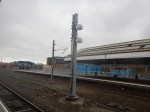
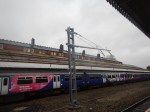
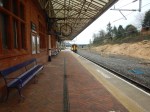
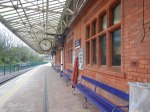
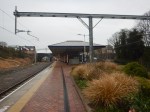
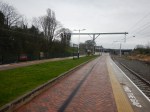
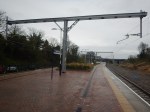
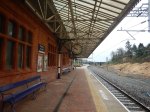
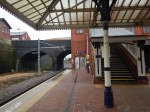
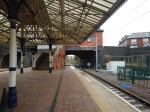
I took these pictures as I travelled from Slough to Windsor and Eton Central station.
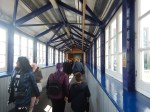
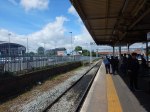
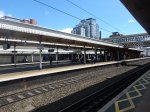


Note.
- Platform 1 at Slough has not been electrified, although the gantries are there.
- Some modern bridges probably stop full double-tracking of the route.
- There may be space for a passing loop on the line.
- The services is three trains per hour (tph) and the trip between the two stations takes just six minutes.
On balance if it were needed, I suspect that a track layout, signalling regime and operating method can be created that would allow a frequency of four tph.
A train would have fifteen minutes to do each round trip.
This would be tight, but I’m sure that there are operational methods, that could be used with a slightly faster Class 769 train to run the service.
Thoughts On Trains Between Cardiff And Swansea
I decided to write this post, when, I read this article on Rail Magazine, which is entitled Cardiff-Swansea wires ‘not sensible’.
This is the first paragraph.
Electrifying the railway between Cardiff and Swansea was not a sensible thing to do, according to Secretary of State for Transport Chris Grayling.
Some would argue that Chris Grayling holds a controversial view!
The Current Route
Before, proposing anything, I’ll list what we have today.
The Tracks
I have flown my virtual helicopter along the route and nearly all the route is double track, with sections of triple and quadruple track in places.
This Google Map shows a typical section of the line.
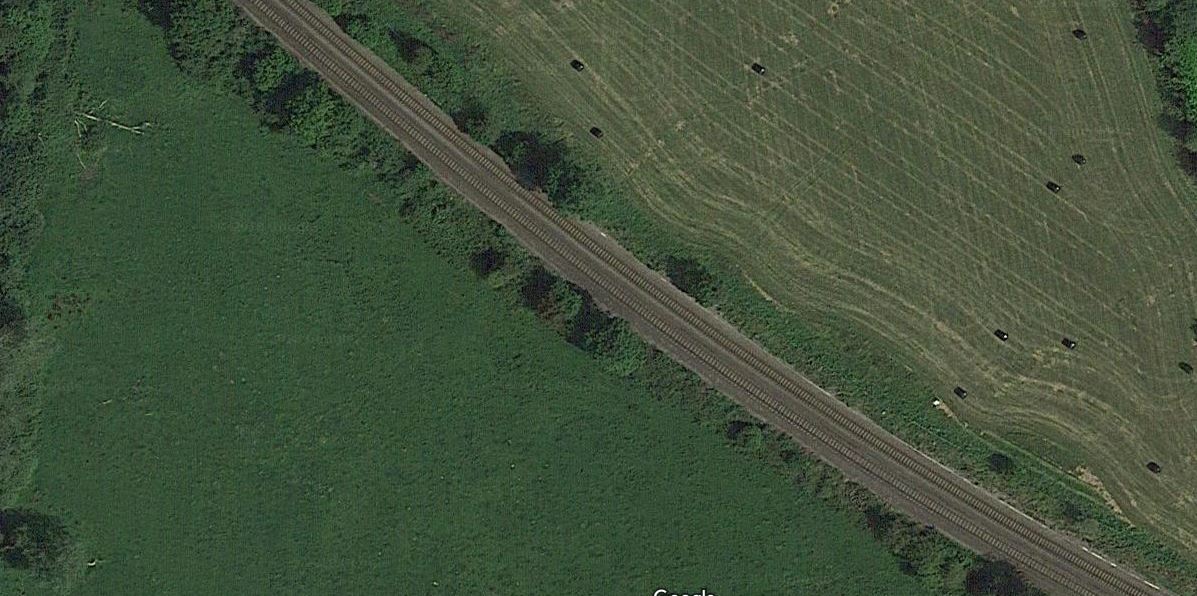
Note.
- There are two well-spaced tracks.
- The tracks are not straight, but gently curve.
- There appears to be a lot of green space on either side.
The line appears to be similar to this most of the way.
I may be wrong, but I don’t think much of the line would be that difficult to electrify, from an engineering point of view.
The signalling and operating speed are described under Infrastructure in the Wikipedia entry for the South Wales Main Line.
The signalling is modern and this is said about operating speed between Cardiff and Swansea.
90 mph (145 km/h) from Newport to east of Bridgend; 75 mph (120 km/h) from east of Bridgend to Swansea Loop North junction (with a small section of 100 mph (160 km/h) track through Pyle station); and 40 mph (65 km/h) from Swansea Loop North Junction to Swansea.
It is not a high speed line, although I suspect that things could be improved.
The Stations
These are the stations between Cardiff and Swansea.
- Pontyclun – Two platforms – 300,000 passengers – Reopened in 1992
- Llanharan – Two platforms – 200,000 passengers – Reopened in 2007
- Pencoed – Two platforms – 200,000 passengers – Reopened in 1992
- Bridgend – Two platforms – 1,500.00 passengers – Opened in 1850
- Pyle – Two platforms – 100,000 passengers – Opened in 1850
- Port Talbot Parkway – Two platforms – 500,000 passengers – Opened in 1850
- Baglan – Two platforms – 24,000 passengers – Opened in 1996
- Briton Ferry – Two platforms – 40,000 passengers – Reopened in 1994
- Neath – Two platforms – 800,000 passengers – Opened in 1850
- Skewen – Two platforms – 40,000 passengers – Reopened in 1994
- Llansamlet – Two platforms – 40,000 passengers – Opened in 1994
Note that the passenger figure is the number of passengers given for the past year, rounded to a sensible value.
It should also be noted, that not one of the stations has a layout that allows a fast train to bypass a slow one stopped in the station.
The Trains
Current trains on the route include.
- Class 150 train – 75 mph diesel multiple unit
- Class 158 train – 90 mph diesel multiple unit
- Class 175 train – 100 mph diesel multiple unit
- Class 800 train – 100 mph plus on diesel
Some parts of the route are also used by freight trains.
As much of the route has a operating speed of less than 100 mph, the operating speed of the two 100 mph trains is determined by the track, not the train.
The Services
There appears to be a fast service between Cardiff and Swansea.
- It runs with a frequency of three trains per hour (tph)
- Trains stop at Bridgend, Port Talbot Parkway and Neath.
- Two services are run by Great Western Railway and one by Arriva Trains Wales
- Timings are not clock-face by any means.
In an ideal world the frequency of this fast service would be four or more tph.
There is also a slow train, which appears to be once every two hours at the other stations.
It surely should be at least one tph.
Why are the services so limited?
Improving The Route
A new franchise for Wales will be announced and I wouldn’t be surprised to see improvements promised for the route between Cardiff and Swansea.
How could the capacity of the line be increased?
Raising The Operating Speed
I quoted this extract from Wikipedia, about operating speed between Cardiff and Swansea, earlier
90 mph (145 km/h) from Newport to east of Bridgend; 75 mph (120 km/h) from east of Bridgend to Swansea Loop North junction (with a small section of 100 mph (160 km/h) track through Pyle station); and 40 mph (65 km/h) from Swansea Loop North Junction to Swansea.
So except for around Pyle station, the operating speed is below and sometimes well below 100 mph.
Improving the operating speed to as high as possible will reduce the timings between Cardiff and Swansea.
Elimination Of Slower Trains
There is no point in raising the operating speed, if trains that cannot cruise at the improved speed are still running on the line.
Modern Trains With A Fast Dwell Time
Modern trains like Class 800 trains, Desiros and Aventras are designed to be able to stop from line speed, load and unload passengers and regain line speed as fast as possible.
Off the current trains working on the line, only Class 800 trains are in this category.
Step-Free Access Between Platform And Train
All stations between Cardiff and Swansea should be made step-free between platform and train.
This will help the trains keep to the timetable.
Allow Faster Trains To Overtake Slower Ones
Timetabling is probably made difficult, in that there is nowhere where a fast train can overtake a slower one.
Often this is done in a station, where whilst the slow train sits in the station, the fast train goes straight through.
Rebuilding Some Stations
It might be prudent to rebuild some stations, for better step-free access and allow trains to pass.
Are there any plans for new ones?
Electrification
None of these improvements need or affect any future electrification of the route.
But these improvements don’t need it!
In fact, it might be quite the reverse in that some of the improvements like improving the track may need to be done before electrification!
The Next Generation Of Bi-Mode Trains
In Bombardier Bi-Mode Aventra To Feature Battery Power, I discussed Bombardier’s proposed 125 mph bi-mode Aventra.
The information came from this article in Rail Magazine.
A few points from the article.
- Development has already started.
- Battery power could be used for Last-Mile applications.
- The bi-mode would have a maximum speed of 125 mph under both electric and diesel power.
- The trains will be built at Derby.
- Bombardier’s spokesman said that the ambience will be better, than other bi-modes.
If Bombardier are doing this, what are Alstom , CAF, Hitachi, Siemens and Stadler doing.
And I haven’t mentioned hydrogen power!
Conclusion
Put all this together and I’m sure this could be the reasoning behind Chris Grayling’s statement that electrifying between Cardiff and Swansea is not sensible.
I am coming round to the belief that it might be better spending the electrification money on improving the line between Cardiff and Swansea, so that something like the following is possible.
- Four fast tph between Cardiff and Swansea.
- Two slow tph between Cardiff and Port Talbot Parkway stopping at all stations.
- Two slow tph between Port Talbot Parkway and Swansea stopping at all stations.
Or whatever is needed.
Should The Blackpool South Branch Be Electrified?
I can find nothing on the Internet, which states whether the branch line between Kirkham and Wesham and Blackpool South stations will or won’t be electrified.
However, I did get create this Google Map of Kirkham West Junction, where the lines to the two Blackpool stations divide.
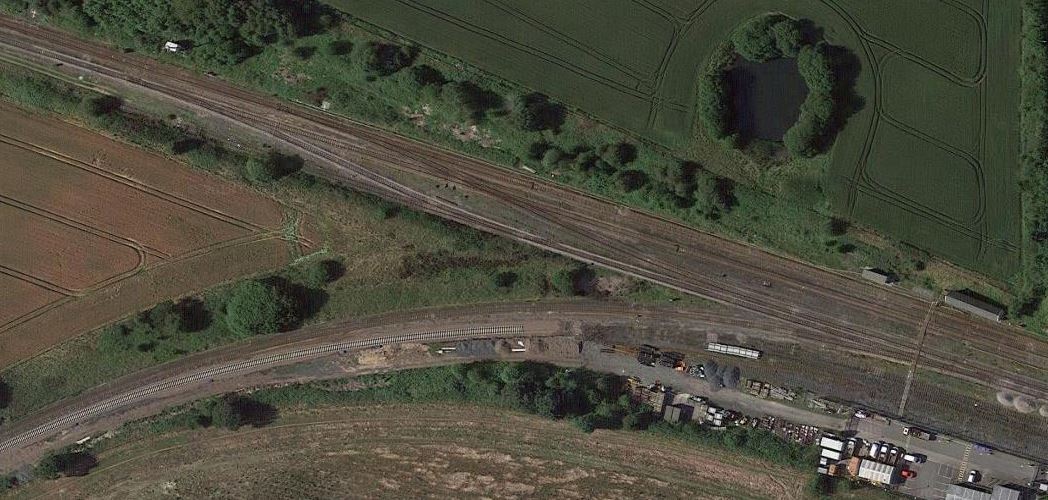
Note.
- Kirkham and Wesham station is to the East.
- Blackpool North station is to the North-West.
- Blackpool South station is to the South-West.
This image was captured during the recent construction phase on the Blackpool Branch Lines.
As my train to Blackpool North on Monday afternoon passed the junction I took these pictures.

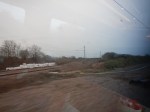
It looks to me, that the contractors are doing the following.
- Improving the junction.
- Laying some new track at the start of the branch line.
- I also think, that the junction is being electrified.
The electrification could be for the following reasons.
- It is the start of electrification of the branch.
- Network Rail are providing an electrified turn-back facility at Krkham and Wesham station.
- It could also be sensible future-proofing to make sure the branch can be electrified easily in the future.
If the branch is going to be worked by Class 769 trains or other bi-mode or battery powered trains, then I believe the work becomes clearer.
- Trains from Blackpool South would have an electrified place, where they can change to electrical power and wait until the main lines are clear before crossing over to the Preston-bound track.
- Trains to Blackpool South would be able to wait in Kirkham and Wesham station, until the line to Blackpool South was clear.
- Trains to Blackpool South could of course start their journey, as soon as the train from Blackpool South is waiting to cross over, using the new track, that is visible in my pictures.
The works will also create a very safe junction at Kirkham West.
The Blackpool South Branch
The branch line has the following characteristics.
- It is single-track.
- There are single platform stations at Moss Side, Lytham, Ansdell and Fairhaven, St. Annes-on-the=Sea, Squires Gate, Blackpool Pleasure Beach and Blackpool South.
- All of the Blackpool Branch Lines are being reresignalled
- There is one dreadful Class 142 train per hour (tph) between Preston and Blackpool South.
- The train service doesn’t run on Winter Sundays.
- Trains take between thirty and forty minutes to travel between Preston and Blackpool South.
But there are other issues that should be considered.
Football At Bloomfield Road
If you are going to football at Bloomfield Road, as I have several times, Blackpool South is the closest station.
Blackpool Pleasure Beach
Blackpool Pleasure Beach has its own station, but there are reports on the Internet, that the walk between the station and the theme park needs to be improved.
An Increase In Capacty And Frequency
I once travelled between Colne and Blackpool South stations on a beautiful sunny day in early September.
- Northern had laid on a pair of Pacers, working as a four-car train.
- They were packed with families going for a day on the coast.
The conductor told me this often happens, when the weather is good.
When I passed through Preston station earlier in the week, I might have seen a notice, saying that the service between Colne and Blackpool South will run all week.
Passing Loops
There is no passing loop on the branch, so it makes it very difficult to run a more passenger-friendly two tph.
Until, the works at Kirkham West Junction are complete we probably won’t know if the junction is being designed, so that a train entering the branch could wait safely for a train to emerge from the branch.
But this would be more for reliable operations, than increasing frequency of trains.
The Open Championship At Royal Lytham And St. Annes
Ansdell and Fairhaven station is nearest to the course at Royal Lytham.
- The Open Championship is a very important event on the golfing calendar.
- Other important golfing events are also held on the course
- Royal Lytham and St.Annes, last held the Open in 2012 and 2001. So it might come back to Royal Lytham in the mid-2020s.
Ansdell and Fairhaven station used to have two platforms, as described in Wikipedia.
The station was set out as an island platform with tracks on both faces until the singling of the line in the 1980s. Trains now only use the southern face. A disabled access ramp now covers the northern part of the station.
So could a rebuild of the station do the following?
- Restore two platforms on an island at the station.
- Put in full disabled access.
- Create a passing loop.
- Lomger platforms might be a good idea.
This Google Map shows the station.
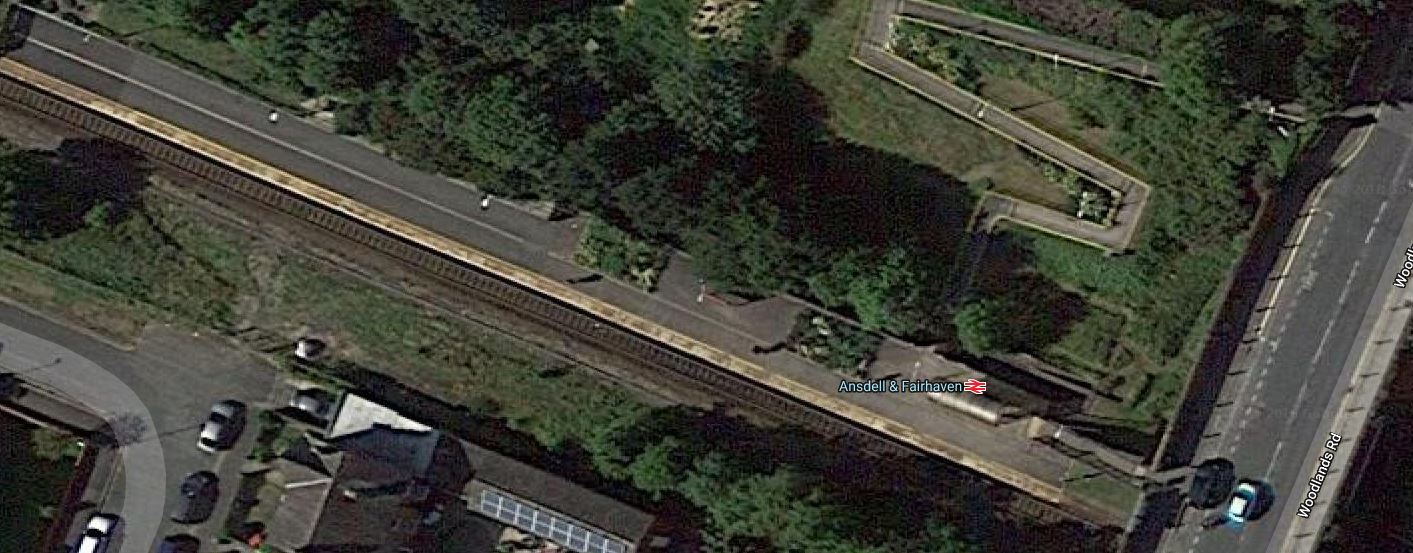
Note.
- The disabled ramp winding away.
- The platform is probably about a hundred metres long.
- It would appear that there is space at the far end to extend the platform.
I suspect that an ambitious architect with vision, could design a station that met all objectives.
Rebuildng Of The Railway Between Skipton And Colne
The link between Skipton and Colne stations is promoted by SELRAP and has now been backed by the Government and large businesses like Drax, who say it would improve efficiency of biomass deliveries.
This map from Wikipedia shows the route.
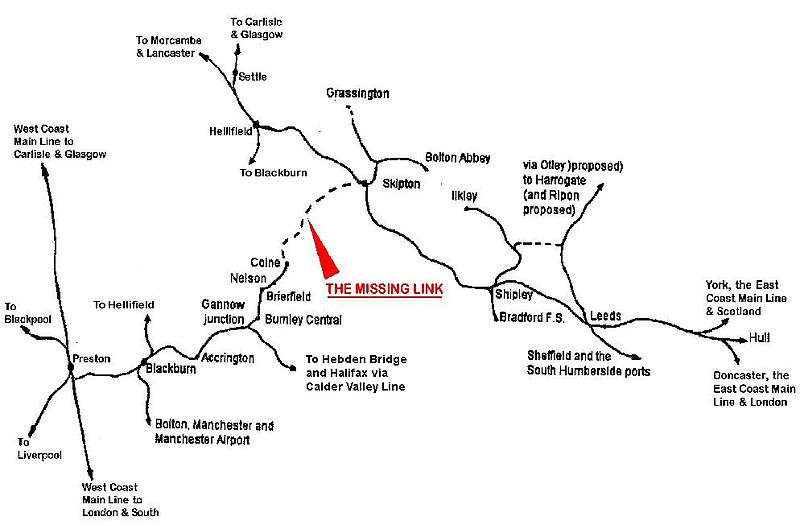
Note that if the missing link is built, it does the following
- Creates another much-needed route across the Pennines
- Creates a second route between Leeds and Blackpool
- Encourages visitors to the area.
- Creates an easy link between Lancashire and the Settle and Carlisle Line.
- Creates an alternative and faster freight route across the Pennines.
It could even become an iconic route famed for the scenery.
I feel that if this missing link were to be reinstated, it would be very well-used by passengers.
This increase in passengers would surely increase traffic between Colne and Blackpool South stations, means more pressure for two tph.
How Fast Could A Train Go Between Kirkham & Wesham and Blackpool South Stations?
Currently, the Class 142 trains take around 27-29 minutes to do the journey six intermediate stops.
Trains like a Class 769 train have improved performance.
- They are being converted from Class 319 trains, that were built for high frequency commuter services.
- The trains have two double-doors on each side of each of the four carriages.
- Seat layout diagrams show the possibility of wide aisles and a lot of 2+2 seating.
- They are faster, as the Class 142 trains have an operating speed of 75 mph and this article on Rail Magazine, says that the Class 769 trains can do 91-92 mph on diesel.
- They have better acceleration and braking.
- They can probably carry out stops much faster.
Newer trains built in the last couple of years will be even better.
Other factors will also speed up the service.
- Level access between train and platform at all stations.
- Relaying the track to allow higher operational speeds.
- Modern signalling.
- High-quality train driving and operation.
I am sure that the the time for a train to go from Kirkham and Wesham to Blackpool South and back will be substantially reduced.
But is it possible to do the trip in under thirty minutes, so that two tph will be possible?
Could Two Tph Be Run Between Preston and Blackpool South Without Electrification?
I believe that the Class 769 trains could be fast enough to run a two tph service on the Blackpool South branch, when passenger numbers say it is needed and track and station improvements have been completed.
An express shuttle could be provided for big events at Royal Lytham.
- It would run between Preston and Blackpool South stations.
- It would stop at Kirkham and Wesham and Ansdell and Fairhaven
- The platforms at Ansdell and Fairhaven and Blackpool South stations were to be lengthened to accept two Class 769 trains working as an eight-car train.
Network Rail would only need to lengthen two platforms and increase the operating speed of the line.
Effectively, by replacing a 1980s scrapyard special with a refurbished train of the same vintage and improving the track, the capacity of the Blackpool South Branch can be increased.
If some platforms were to be lengthened, it should be possible to run eight-car trains for events like the Open Championship at Royal Lytham.
Who needs electrification?
The Blackpool South Branch certainly doesn’t!
I
No Wires At Bolton Station – 17th April 2018
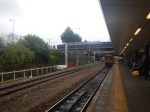
These pictures show the state of the electrification at Bolton station.
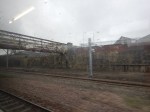

Little seems to have happened since my last visit on November 17th last year.
Although it does seem that the new Manchester-facing bay platform is complete except for the electrification.
I also saw no electrification between Bolton and Salford Crescent stations.
If I reckoned that the progress of the electrification on the Gospel Oak to Barking Line was slow, this beats it by a country mile!
No Wires At Salford Crescent Station – 17th April 2018
These pictures show the state of the electrification at Salford Crescent station.
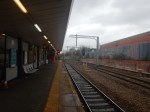
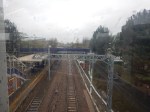
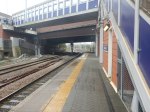
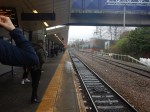
Note that there were no overhead wires through the station and also on the line to Salford Central and Manchester Victoria station. There still appears to be a lot of work to do.
Under Improvements the Wikipedia entry for the station says this.
In 2007, Network Rail recognised that Salford Crescent could not cope with existing passenger levels, leading to platform overcrowding. It suggested expansion of the station with extra platforms, greater use of it as an interchange and use as a terminus for services from east of Manchester. It also raised the possibility of moving the station.
In 2012, improvement work started at the station, including platform extensions, a new rain canopy and the relocation of the ticket office to street level. The works were completed in October 2013 and officially opened by Mayor of Salford, Ian Stewart.
This Google Map shows the station.
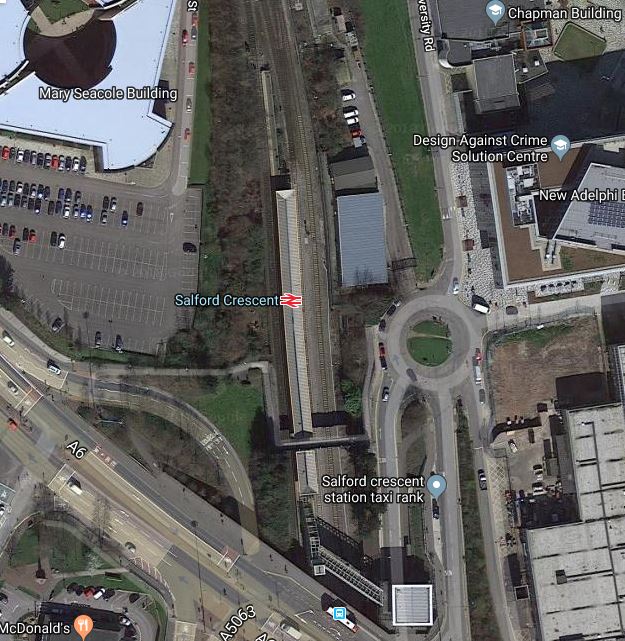
I think, it will be a tight fit for extra platforms, as the station is surrounded on all sides by Salford University.
The solution would probably be to build on top of a new station, that was in a strong concrete box.
Changing Trains At Salford Crescent Station
Today, I arrived at Salford Crescent on a train running between Bolton and Manchester Victoria stations.
As I needed to go to Manchester Piccadilly station, I left on a train running between Blackpool North and Manchester Airport stations.
Consider.
- In the few minutes, I was on the station, I must have heard staff asked, which train do I get to Piccadilly or Victoria, several times.
- Surrey Quays station handles three routes at the South end of the Thames Tunnel and currently handles sixteen trains per hour (tph)
- With high-quality signalling and a measure of automatic train control, I could expect Salford Crescent station to handle at least 12 tph, in both directions.
- Is the island platform wide enough?
- Is loading slowed as a lot of trains calling at the station are just two cars, with four doors?
- Is loading slowed as many of the trains, aren’t step-free from the platform to the train?
- Are there always staff on the platform.
I believe that operation of the station could be improved.
Reversing Direction At Salford Crescent Station
The current island layout allows passengers to change direction by walking across the platform.
As an example, if you go between Farnworth and Swinton stations, one of the recommended routes is via Salford Cresent.
An Improved Design For Salford Crescent Station
Perhaps before deciding to rebuild the station, serious work should be done to see if the station throughput in terms of trains and passengers can be improved.
My ideas would include.
A Wider Platform
This picture shows the island platform at Canonbury station.
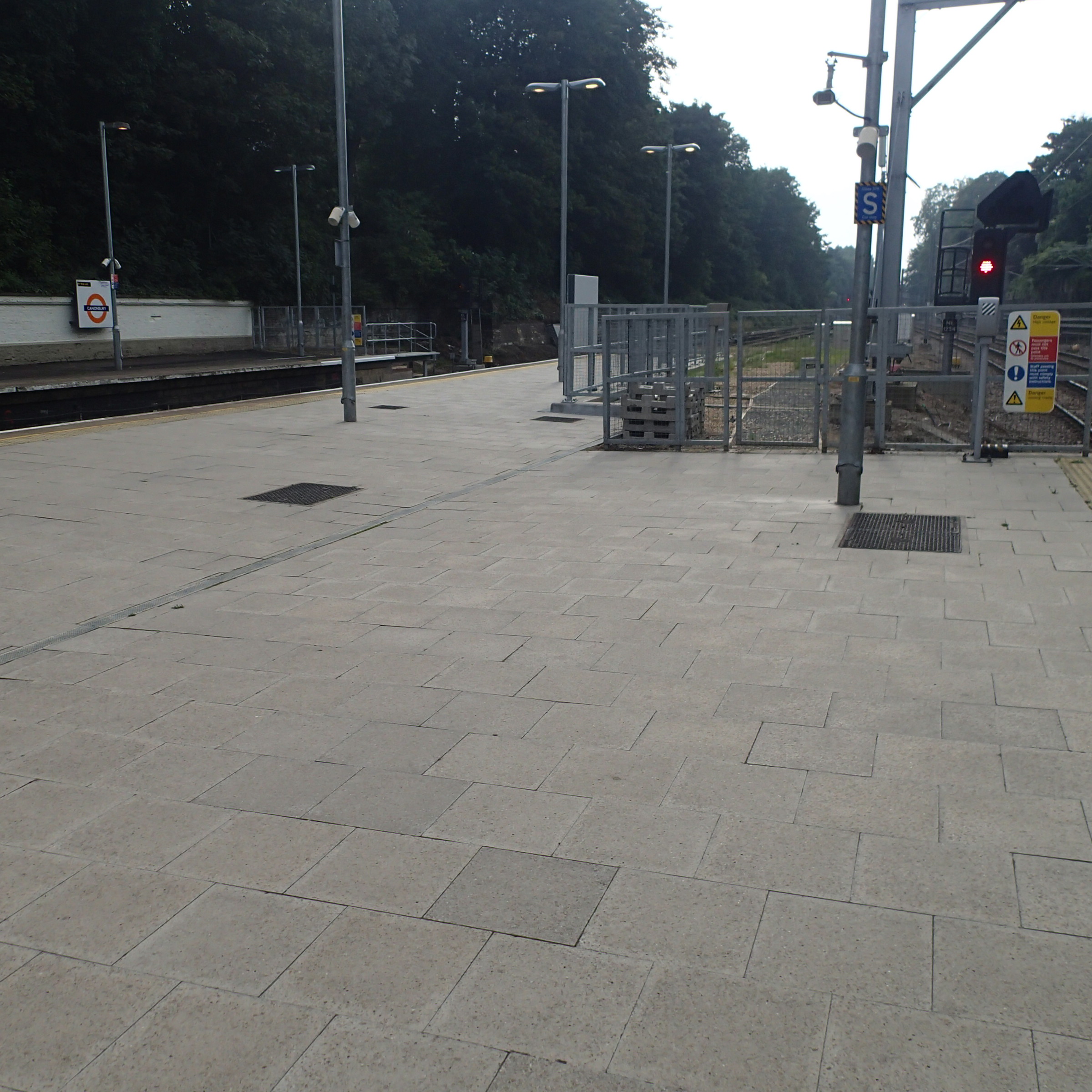
It could handle a whole company of Grenadier Guards and all their kit, whereas Salford Crescent would struggle with a platoon.
Canonbury’s wide platform also has the following in the centre.
- A large covered shelter.
- A large number of seats.
- A coffee stall
It also allows passengers to stand well-back when a train goes through the station, without stopping.
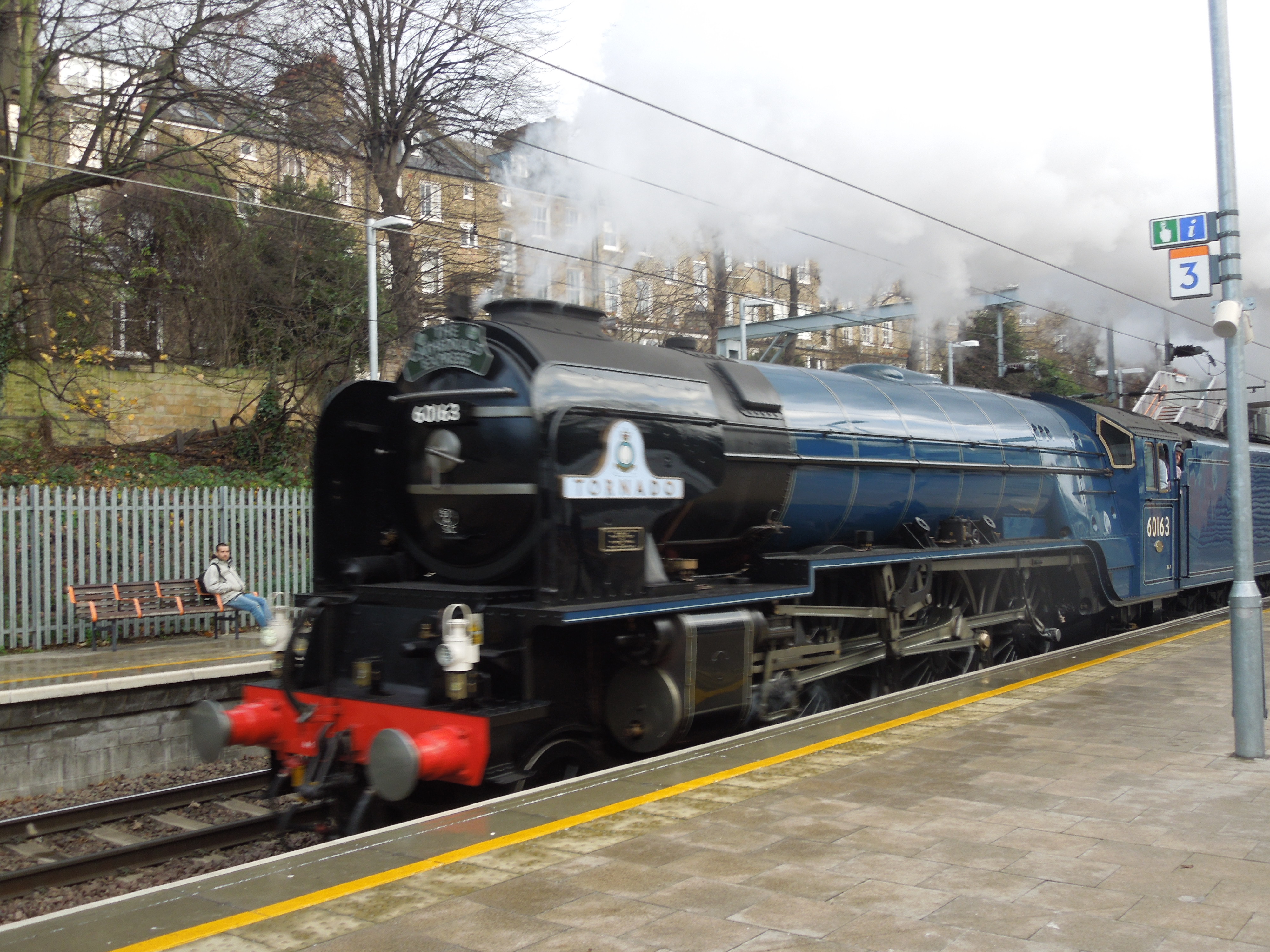
Note that Canonbury is a station, where the platforms are uncovered. Would this be a wise idea in Manchester, even with a large central shelter?
Lomger Trains
a lot of trains going through Salford Crescent station are just two cars.
Northern‘s new trains will include, the following electric trains and bi-mode trains.
32 – four-car Class 319 trains
12 – four-car Class 331 trains
31 – three-car Class 331 trains, which will replace the Class 323 trains.
11 – four-car Class 769 bi-mode trsins.
If all trains calling at Salford Crescent were four-cars or more, this would probably mean at least eight doors, which would would speed up loading and unloading.
This would reduce dwell times at the station and increase capacity in terms of the number of trains per hour.
Level Access Between Platform And Trains
If the platforms are widened, I susopect with Harrington Humps, that this could be achieved.
This picture shows two Hsrrington Hump is at Canonbury.
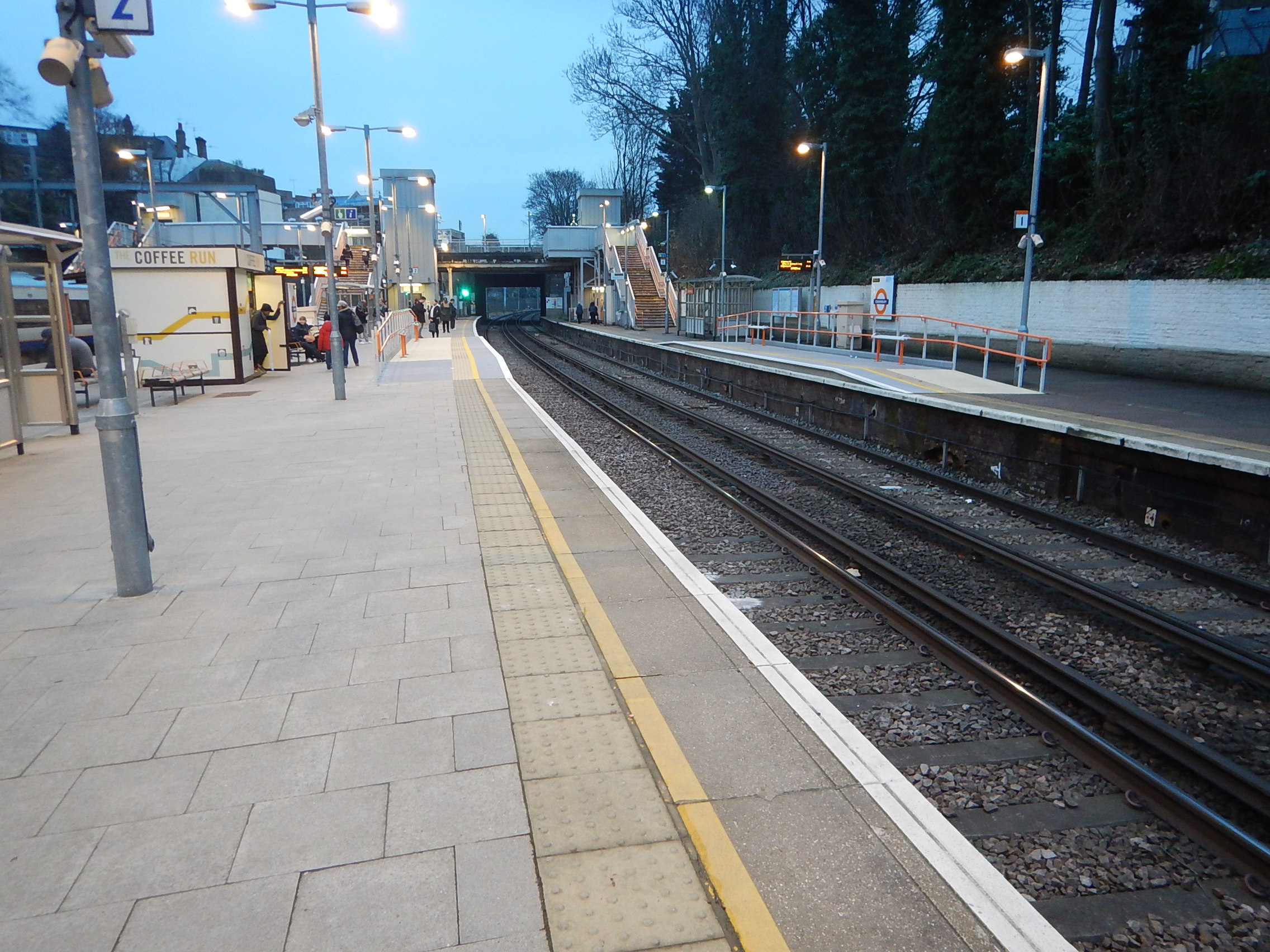
If passengers in wheelchairs, buggy-pushers and those pulling heavy cases could just walk or push the,selves across.
Again, this would reduce dwell times and increase capacity.
Better Information
Given that I heard passengers asking the same question, I suspect that better informayion, could make the station easier fot interchang passengers.
Using the displays on Thameslink and at London Bridge station would be a good start.
An Up Escalator
Sal;ford Central station has a long set of stairs and a lift.
Many passengers with movement difficulties would welcome an up escalator.
Conclusion
I believe that a much improved station can be creased , without the expence of adding a new platform.
Wires, New Platforms And Sidings At Blackpool North Station – 17th April 2018
I took these pictures as I entered Blackpool station.
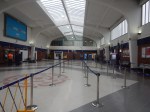
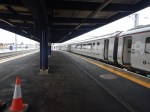
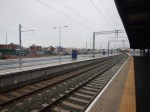
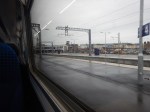
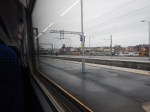
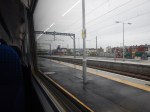
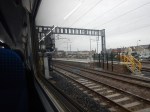
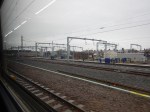
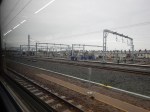
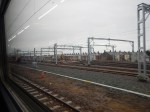
Note.
- There are now six straight platforms at the station.
- The platforms are long and can probably take an eleven-car Class 390 train.
- There seems to be five or six long sidings for trains, just outside the station.
- There is certainly evidence of ongoing work.
They certainly seem to be expecting a lot of trains.
If not soon, the station is future proofed.
What Trains Will Run To Blackpool?
I think the routes from Blackpool should have a minimum frequency of at least two tph.So the base local service should be.
- Two tph – Blackpool North to Liverpool Lime Street Class 319 train
- Two tph – Blackpool North to Manchester Airport – Class 319 train
- Two tph – Blackpool South nto Colne – Class 769 train
Other routes could include these services.
- 1-2 tph – Blackpool North to York via Leeds
- 1-2 tph – Blackpool North to Hazel Grove via Manchester Piccadilly – Class 319 train
- 1-2 tph – Blackpool North to Huddersfield via Manchester Victoria.
- 1-2 tph – Blackpool North to Ormskirk via Preston – Class 769 trains.
I wrote about the last service in Northern’s Plans For Between Preston And Ormskirk. But as Blackpool North station has six terminal platforms, it might be a better terminus than Preston.
Even if all of these services were to be two tph, this would only be fourteen tph between Preston and Kirkham and Wesham stations.
But the signalling is now modern and Northern have ordered a lot of 100 mph trains.
Obviously, Network Rail have got to finish the electrification.
Wires At Poulton-le-Fylde Station – 17th April 2018
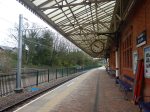
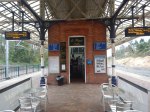
These pictures show Poulton-le-Fylde station.
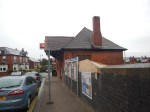
Note.
- The station has been refurbished.
- The overhead wires appear to be complete.
- A lift has been installed.
- The cafe has reopened.
- The island platform is wide.
- There are a pair of proper clocks.
It is surely now one of the best stations in the country with a single island platform, serving both lines.
Wires At Kirkham And Wesham Station – 17th April 2018
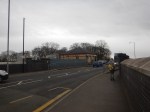
These pictures show Kirkham and Wesham station.
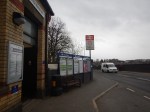
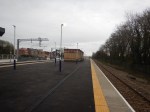
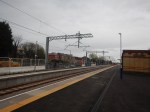
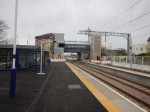

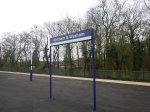


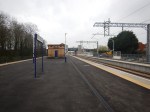
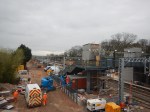
Note.
- Two new lifts are being installed.
- The overhead wires appear to be complete on the two main lines.
- The platform used by the Blackpool South Branch appears not to have been electrified.
Does anybody know if the line to Blackpool South station will be electrified?
- After all a four-coach bi-mode train like a Class 769 train could run the service.
- The last two Open Championships at Royal Lytham and St.Annes, were in 2012 and 2001, so it could return in the early 2020s.
But that gives the Blackpool area and Northern time to create the proper transport solution for the next Open at Royal Lytham and St. Annes.
What Rolling Stock Will Northern Use Between Blackpool North And Manchester Airport Stations From Tomorrow?
I was alerted to the opening of the service, by this article in Rail Technology Magazine, which is entitled Blackpool To Preston Route To Reopen After Major 5-Month Transformation.
As I was coming up to see someone on Tuesday, I’ve decided to come up on the first Virgin from Euston at 16:33 to Blackpool North station.
My train coming up from London, is I suspect a Class 221 train, as I’m in First in Coach E. So I’ll be diesel-hauled all the way.
I have read somewhere that four-car trains will be running between Blackpool North and Manchester Airport stations, so as these trains will be going via Bolton, where there is still no electrification, I would expect, that Northern will be running a couple of Class 156 trains on this route.
But the route would also be an ideal one to introduce the long-awaited Class 769 trains!
- Trains call at Poulton-le-Fylde, Preston, Buckshaw Parkway, Chorley, Horwich Parkway, Bolton, Salford Crescent, Deansgate, Oxford Road, Piccadilly and Heald Green.
- It is electrified, except for between Preston and Deansgate, which could be ready in May 2018.
- The trains are four-cars with a universal access toilet, so are a step up from the previous rolling stock.
In their news release on the reopening of the Blackpool to Preston route, Northern says this.
Train services between Preston and Blackpool North will resume from Monday 16 April 2018 initially with one train per hour allowing time for driver training on the route.
Obviously, drivers have to learn the route, but as Northern have a fleet of thirty-two Class 319 trains, I suspect they have enough drivers to handle this fleet, when they eventually get to run between Blackpool North and Manchester Airport.
I think it’s unlikely, but I wouldn’t be completely surprised to see Class 769 trains working this route for training purposes.
In Does A New Service Start Between Wigan North Western And Alderley Edge Stations Using Class 769 Trains On May 20th?, I came to the conclusion that from May 20th, Northern will be adding these two hourly services using Class 769 trains.
- Wigan North Western and Alderley Edge
- Wigan North Western and Stalybridge
So will the training of the drivers be completed between Blackpool North and Preston?
Blackpool North And Liverpool Lime Street
I have been exploring this route on the timetable.
I found these trains running from Blackpool North to Liverpool Lime Street.
- Sundays from April 22nd an hourly train between 11:00 and 22:00
- Monday to Saturday from April 20th a direct train at 18:02.
- Sundays from May 21st an hourly train between 08:30 and 22:00
- Monday to Saturday from May 21st an hourly service between 06:00 and 22:00
And these trains running from Liverpool Lime Street to Blackpool North.
- Sundays from April 22nd an hourly train between 08:47 and 20:47
- Monday to Saturday from April 20th a direct train at 07:56.
- Sundays from May 21st an hourly train between 06:36 and 22:15
- Monday to Saturday from May 21st an hourly service between 06:00 and 22:00
I would assume that all trains would be served by Class 319 trains.
I think that Northern are being canny here.
- Liverpool Lime Street and Blackpool North services will be run from the next weekend, with an hourly Sunday service. This will sort out any possible problems with an hourly service, before it is introduced on May 20th.
- They have added a couple of trains to help commuters between Liverpool and Blackpool.
- There is still a lot of capacity between Preston and Blackpool North for training.
It will be interesting to see how passengers react to the new timetable on May 20th.
Greater Anglia, The Fen Line And Class 755 Trains
Greater Anglia currently operates two trains per day between King’s Lynn and Liverpool Street stations, in the Morning Peak
- 05:17 – 07:25 – 2 hr. 8 min.
- 06:17 – 08:25 – 2 hr. 8 min.
This is matched by three trains a day between Liverpool Street and King’s Lynn, in the Evening Peak.
- 17:07 – 19:08 – 2 hr. 1 min.
- 18:-07 – 20:10 – 2 hr. 3 min.
- 19:07 – 21:05 – 1 hr 58 min.
Note.
- The two Morning Peak trains stop at Watlington, Downham Market, Littleport, Ely, Cambridge North, Cambridge, Whittesford Parkway, Audley End, Bishops Stortford and Tottenham Hale.
- The three Evening Peak trains call similarly, but miss out Cambridge North.
- Services are run by Class 317 or Class 379 trains.
All the passenger trains on the Fen Line including Great Northern’s Class 387 trains, are four x twenty metre cars, which can run as four, eight or twelve cars.
Maximum Length Of Trains On The Fen Line
This article in the Eastern Daily Press is entitled Plans For Longer Trains Between King’s Lynn And London Could Be Delayed.
Reading it, I get the following impressions.
- The Fen Line can currently accept four-car trains.
- Eight-car trains are needed.
- Plans have been or are being developed to lengthen all platforms to accept eight car trains.
- Network Rail are quoted as saying “The King’s Lynn eight car scheme is amongst the CP5 projects that have funding.”
Extending further might well be out of the question, on grounds of cost and inconvenience to passengers, whilst the work is carried out.
Greater Anglia’s Trains And The Fen Line
There is a problem for Greater Anglia, as both the Class 317 and Class 379 trains are being moved on.
Class 745 Trains
The thirty x four-car Class 379 trains, that work the express West Anglia Main Line services are being replaced with ten x twelve-car Stadler Class 745 trains.
These trains will be too long for the Fen Line.
Class 720 Trains
Five-car Class 720 trains would fit the Fen line and as they are 100 mph trains, like the Class 317 and Class 379 trains, they could handle the current service.
Class 755 Trains
Greater Anglia currently have the equivalent of twenty-eight assorted diesel trains in different lengths, which they are replacing with thirty-eight bi-mode Class 755 trains.
These are.
- 100 mph trains.
- Bi-mode trains with the ability to run on electric or diesel.
- Compatible with the Class 745 trains.
Fourteen will be three-car trains and twenty-four will be four-car trains.
Greater Anglia, have already said they will run services to and from Liverpool Street from Lowestoft, so will they use the extra trains to run services to and from Liverpool Street to important East Anglian towns?
It is worth looking at the capacity of the various trains.
- Class 379 train – four-car – 189 2nd/20 1st
- Class 755 train – three-car – 166 2nd
- Class 755 train – four-car – 224 2nd
- Class 720 train – five-car – 430 2nd
Would a four-car Class 755 train have sufficient capacity for a service between Kings Lynn and Liverpool Street?
I think the answer is probably in the affirmative, but a six or seven car train couple be created, by joining two trains together, if required.
So if the Class 755 trains can provide direct Liverpool Street services for Kings Lynn and Lowestoft, what other towns could get a direct service to London?
- Bury St. Edmunds – Either via Newmarket and Cambridge or Stowmarket and Ipswich
- Cromer/Sheringham via Norwich and Ipswich
- Norwich via Wymondham, Attleborough, Thetford, Ely and Cambridge
- Peterborough via March and Cambridge
- Yarmouth via Via Norwich and either Ipswich or Cambridge.
I can remember, when some of these towns had services to Liverpool Street.
Trains could also split and join at Cambridge and Ipswich to save paths on the main lines to London.
Could trains go up to London in the Morning Peak and return in the Evening Peak?
If there was sufficient demand, they could return in mid-morning and come back to Liverpool Street in mid-afternoon, in time for the Evening Peak.
If so, how many trains would be needed?
- Bury St. Edmunds (35k) – 1
- Cromer (7k)/Sheringham (7k) – 1
- King’s Lynn (43k) – 3
- Lowestoft (70k) – 1
- Norwich via Cambridge – 2
- Peterborough – 1
- Yarmouth (47k) – 1
The figures in brackets are the population
Considering, that my rough calculation, showed there were ten spare trains, these numbers seem feasible.
I have some questions.
- How many Class 755 trains will be able to link together?
- Will platforms needed to be extended at Liverpool Street
- Could Lincoln be reached from London, via a reopened March to Spalding Line via Wisbech?
- Could a Yarmouth and Lowestoft service to London be created by reopening the chord at Reedham?
- Would it be a good idea to have a dozen First Class seats in the Class 755 trains doing the London commute.
I feel that Greater Anglia have ambitious plans.
Conclusion
From this rather crude analysis, it appears that Greater Anglia will be using the Class 755 trains as three and four car electric trains on the electrified lines to Cambridge, Ipswich and Norwich and then using their diesel power to create new direct routes to the capital.
I also suspect, trains will split and join at Cambridge, Ipswich and Norwich to reduce the number of paths needed to and from London. After all one twelve-car train is cheaper to run than three four-car trains!
Could Greater Anglia be bringing forward a timetable, where any town in East Anglia, with a population of over say 10,000, gets at least one fast train to London in the morning and back in the evening?
As the tracks, signals and stations are already there, away from the main lines, there may be little that needs doing.
If not, Greater Anglia have bought too many trains.
 The Anonymous Widower