Network Rail Announces Electrification Of The Schotts Line
This article in Rail Technology Magazine is entitled Network Rail awards Carillion £49m Shotts electrification contract.
This is the first two paragraphs.
Network Rail has agreed a contract with Carillion Powerlines Ltd to deliver the electrification of the Shotts Line between Holytown Junction and Midcalder Junction.
The £49m contract will see the delivery of 74km of electrified railway as part of the Scottish government’s wider £169m investment in the line between Edinburgh and Glasgow.
Electrification of The Schotts Line will provide a fourth electrified line between Edinburgh and Glasgow.
From hundreds of miles to the South, it looks a good choice.
- The route is effectively in three sections, with only the central section between Holytown Junction and Midcalder Junction, needing to be wired.
- The bridges that need to be raised are already being worked on.
- The route goes to Glasgow Central rather than Glasgow Queen Street.
- The Class 385 trains needed are already being built in Newtown Aycliffe.
It certainly seems that the planning of electrification in the Scottish Lowlands is being better managed that that on the Great Western Railway.
Not All Rail Improvements Are Spectacular
I found this article from The Enquirer, which is entitled Essex set for faster trains after summer speed restriction is finally lifted.
This is said.
A LONG-STANDING speed restriction in place on the railway between Shenfield and Seven Kings, London, during the summer has been lifted by Network Rail.
The decision was made after the completion of important railway improvement works over Christmas. Network Rail engineers worked around-the-clock for 10 days to replace 12.5km of overhead wires at Gidea Park, untangling the complex web of crossovers, and replacing it with more durable and heat-resistant wires.
Passengers will not see any dramatic physical difference, but if the sun ever beats down again, the trains will still stick to the timetable.
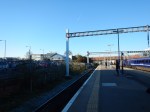
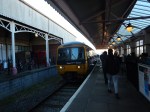
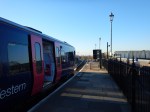
Drayton Green Station
Drayton Green station is the first station on the Greenford Branch Line.
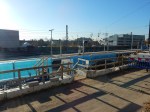
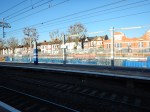
I took these pictures of the station and the nearby bridge, this morning.
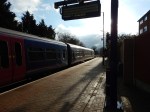
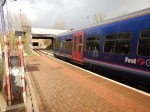
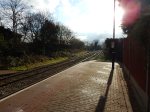
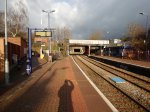
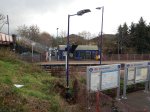
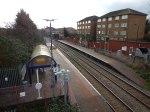
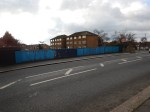
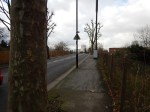
Note.
- The station is a tidy station, with shelters and information.
- There are gentle steps up and down from the nearby road bridge to access the two platforms.
- The station fits the current two-car Class 156 train, that works the branch.
I’ve seen far worse stations on my travels around the UK.
The Current Service
The current two trains per hour (tph) service is provided by a single two-car Class 156 train, that shuttles between bay platforms at West Ealing and Greenford stations.
Two trains could provide a four tph service.
Electrification
In an ideal world, the branch would be electrified.
- There is occasional freight traffic.
- It might serve as a diversion route.
- It might be a way of serving Old Oak Common station and the nearby depots.
- Crossrail will increase the number of passengers on the branch.
But to electrify the area around Drayton Green station could be expensive.
I’m no expert, but it does strike me, that not only is the bridge rather low, but also the parapets of the bridge certainly are.
So I suspect that electrification of the branch meeting all the regulations, would need an expensive new bridge, which would need several months of closure, with the resulting inconvenience to passengers.
But there is an alternative for passengers and that is to use electric trains with onboard energy storage to work the line.
Consider.
- Greenford station is electrified with 750 VDC third-rail electrification.
- West Ealing station is electrified with 25 KVAC electrification.
- Out and back is only 5.4 miles.
Or the current Class 156 train could continue until it fell to pieces.
As the branch is not busy, two two-car trains delivering a 4 tph service could be sufficient for some years.
But I very much feel that the operator and the passengers would prefer an modern electric train.
|Aberthaw Resumes Cement Dispatch
This is the title of another article in the January 2017 Edition of Modern Railways.
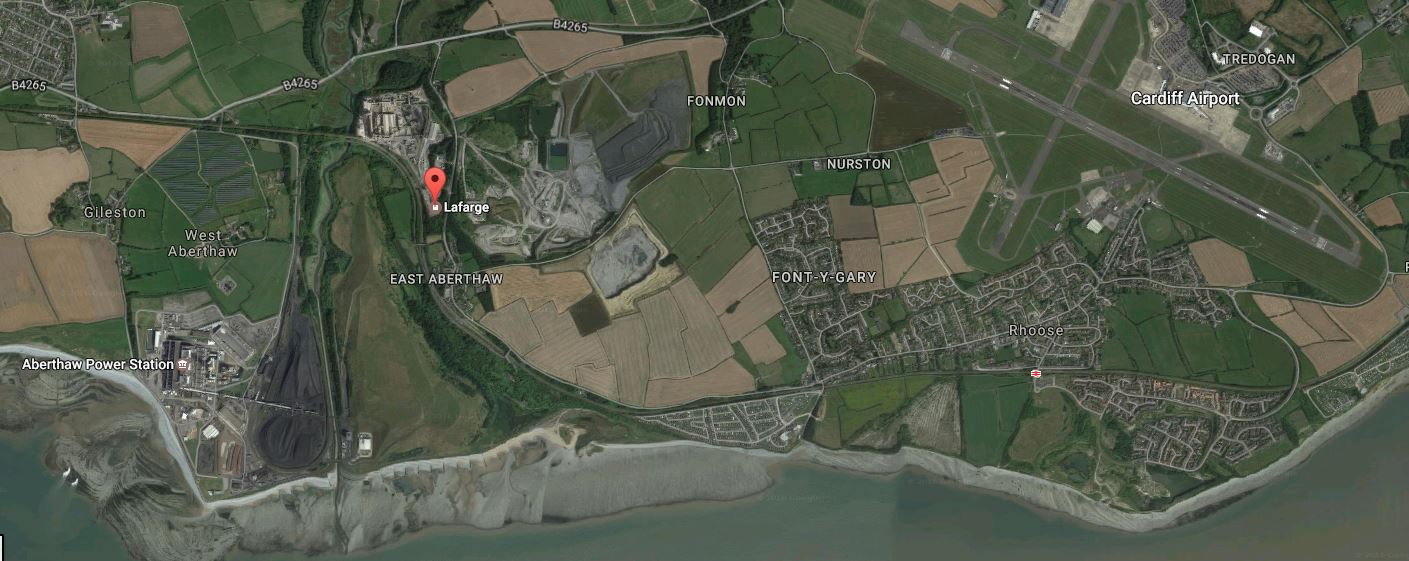
I wasn’t sure where Aberthaw was, so I looked it up on the Internet and this Google Map shows Aberthaw Cement Works, Cardiff International Airport and the Vale of Glamorgan Railway, that links Cardiff Central station in the East to Bridgend in the West.
Note.
- The red arrow indicates the cement works.
- The Airport terminal is on the North side of the long runway,.
- Rhoose Cardiff International Airport railway station is on the other side of the runway and connected to the Airport by a sguttle bus.
- The line was closed by Beeching to passenger traffic in 1964, but was reopened in 2005.
Could Cardiff Airport benefit from the same sort of train-train link, that has been proposed for Glasgow that I wrote about in The Glasgow Airport Rail Link Will Be A Tram-Train?
But the map does illustrate the benefit of rail access to the cement works.
- The works is close the Vale of Glamorgan Line.
- Trains from the cement works can go East to places that need the product, including surprisingly, the South West of England.
- The rail link could cut the number of truck movements by 25%.
This would seem to be an ideal use for rail freight.
Are we doing enough to develop similar links, from other large factories all over the UK?
As the line is supposed to be electrified in a few years, could it be that a proper review of the line should be done first, to see whether any other projects should be done at the same time.
The reason I say this, is that the history of the line is much the same as that of the Grand Old Duke of York and his soldiers.
Exploring The Great Western Branches – 29th November 2016
On this morning, I explored the three branches of the Great Western Main Line, that are closest to London, to look at the progress of electrifying their connecting stations on the main line.
I then repeated the trip to add in two more branches.
I was also looking to see how services could be run with say four-car Class 387 trains, that had been fitted with on-board energy storage, as I wrote about in Rumours Of Battery-Powered Trains.
All the branches are described in order from London.
Electrification At West Ealing Station And On The Greenford Branch
These pictures show the electrification at West Ealing station, where the Greenford Branch Line connects to the main line.
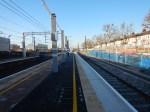
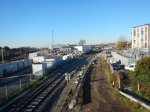


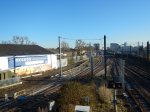
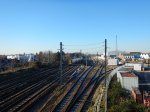
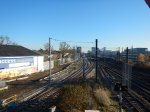
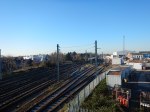
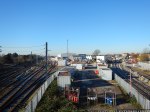

This map from carto.metro.free.fr shows the area in the photographs, at the Southern end of the Greenford Branch Line.
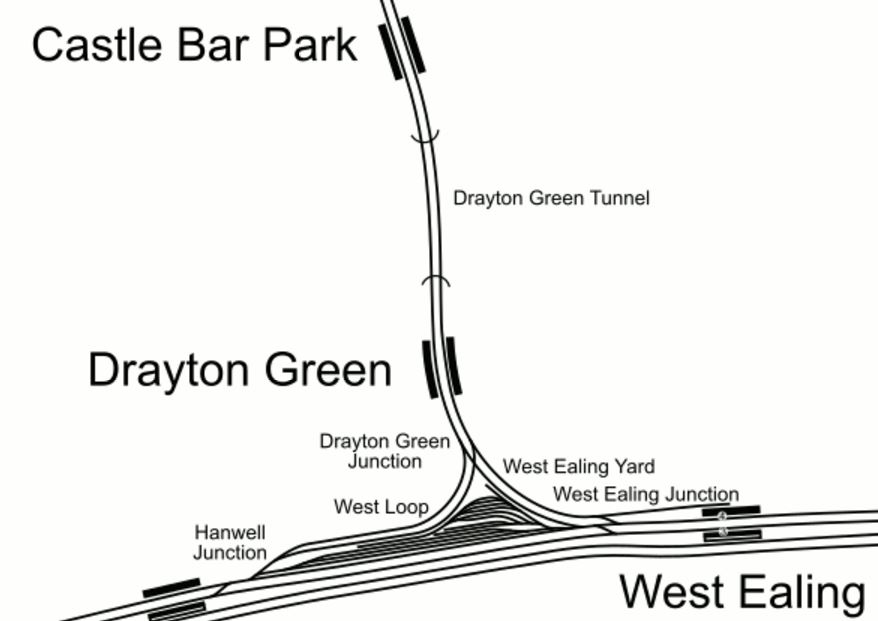
The Southern End Of The Greenford Branch
Notes and queries.
- The pictures of the lines were taken from a footbridge over the line, behind the Access Self Storage.
- The lines in the map show an older layout.
- The track in the bay platform 5 has access to both tracks on the Greenford Branch, which means that two trains could work the line to provide a four trains per hour (tph) service.
- The Up Slow line has access to both tracks on the Greenford Branch and to the new West Ealing sidings.
- The island for Platforms 4 and 5 appears to be more or less complete.
- Platform 3 needs to be lengthened.
- There are signs of foundations for the footbridge, past the end of the current Platform 3 and in the construction works beyond Platform 5.
- Will the Bay Platform 5 be double-sided? There’s no foundations for a bridge on the Platform 4/5 island.
- Will Platforms 1 and 2 be reconstructed or removed?
I suspect that the station is ready for a four tph diesel shuttle to Greenford, but the Bay Platform 5 can’t be wired until the bridge is in place.
Could Electric Trains With On-Board Energy Storage Work The Greenford Branch?
A few facts and thoughts.
- The service is not possible at present, as there are no wires in the Bay Platform 5 at West Ealing station, where the trains would need to charge their storage between trips.
- Trains would probably wait between three and five minutes at West Ealing station, which would be more than enough to top up the batteries.
- The bay platform at Greenford station and platforms at the other stations will probably need lengthening, but there would probably be little other infrastructure work.
- Incidentally, there is a tunnel on the branch, where blocks of housing have been built over the line, so electrification of the line could be difficult, unless provision was made, when the housing was built.
- Without doubt, the track layout at West Ealing has been designed, so that two trains could provide a four tph service.
- Two four-car trains could probably be parked in the bay platform. This could give operational flexibility.
Passenger routes between main line and Greenford Branch services would be as follows.
- With Eastbound services on the main line, the change would a very easy walk of a few metres across the island platform.
- With Westbound services on the main line, use of the bridge would be needed. But it looks like the footbridge has been positioned at the optimal position for both services and passengers joining or leaving the railway at West Ealing station.
As there will be frequencies of at least 8 tph on the main line and 4 tph on the branch, waiting will be a maximum of fifteen minutes.
The West Ealing Sidings
The pictures show the Orange Army swarming all over the new West Ealing Sidings, which will provide stabling for the new Class 387 trains.
I also took these pictures of the sidings as I returned to London.
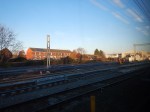


Incidentally, as I passed through Old Oak Common on the way back to London, there were upwards of six of the new trains squatting in Hitachi’s new depot for the Class 800 trains.
If in the future, there is a variant of these trains with on-board energy storage, these sidings are certainly conveniently placed for the Greenford Branch.
Traffic On The Brentford Branch Line
These pictures were taken from Southall station of a train going onto the Brentford Branch Line.

I’d never seen any traffic here before and I only included the pictures, as Hounslow Council have aspirations for a passenger service on this line, that I wrote about in Could The Golden Mile In Houslow Get A Station?
If it was decided to open the Brentford Branch Line to passenger trains, then Class 387 trains with on-board energy storage would be a possibility to provide services.
A Heathrow Connect Class 360 Train in Platform 5 At Hayes and Harlington Station
I didn’t expect to see this.
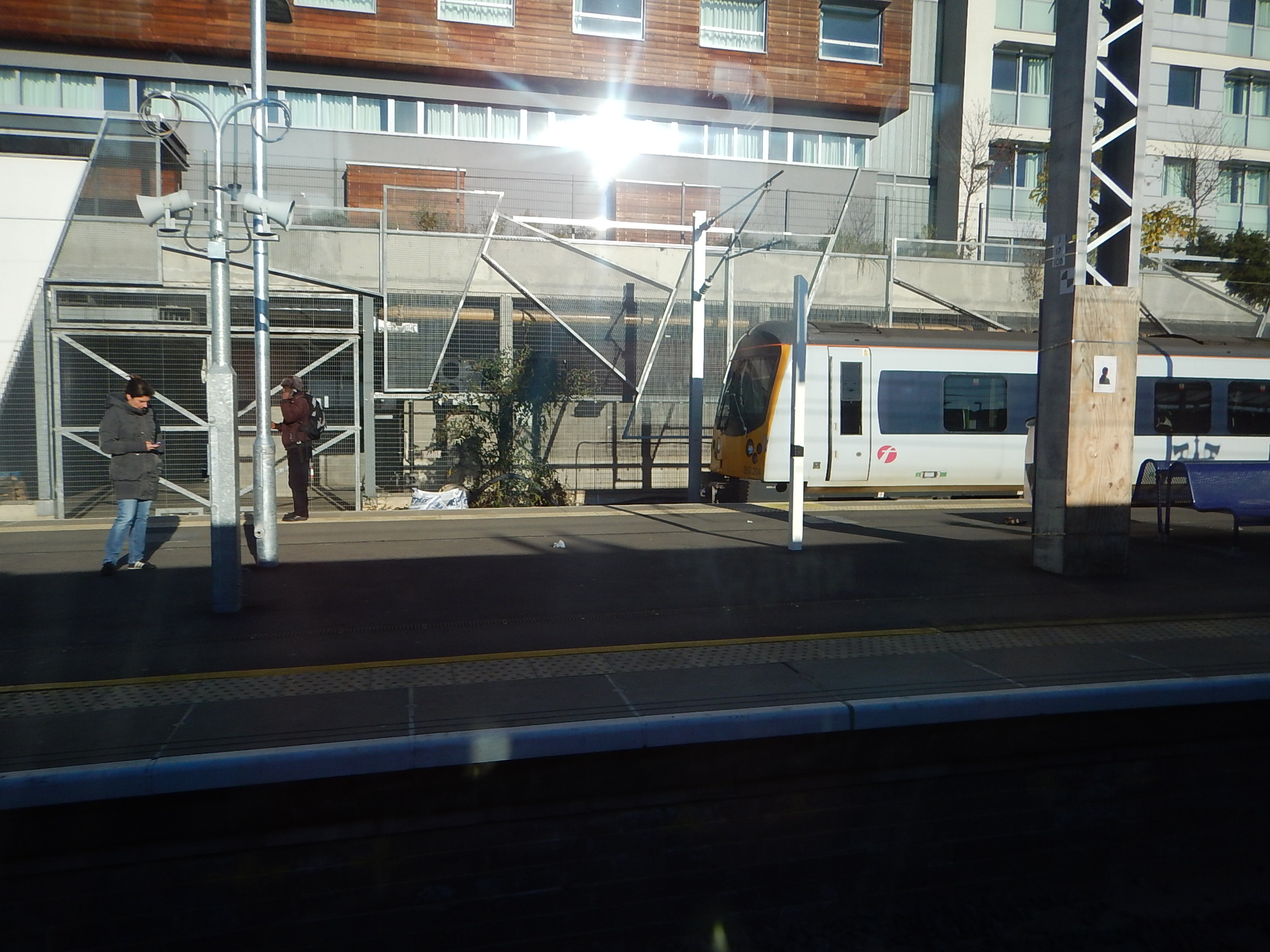
A Heathrow Connect Class 360 Train in Platform 5 At Hayes and Harlington Station
But there were signalling issues, so they appeared to be using the Class 360 train as a shuttle to Heathrow.
Electrification At Slough Station And On The Windsor Branch
These pictures show the electrification at Slough station, where the Windsor Branch Line or more correct, the Slough to Windsor and Eton Line connects to the main line.






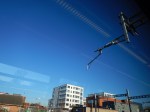
Note.
- There are overhead gantries over Platform 1 at Slough station, which is the bay platform for the Windsor Branch Line.
- There is a line of overhead line gantries on the outside of the curve, as the Windsor Branch Line leaves Slough.
- The gantries on the branch are lighter than those on the main line.
- The Class 166 train in the picture had three-cars, so the platform could probably be lengthened for a four-car Class 387 train.
As there appears to be no work anywhere else on the branch, I have to assume, that the electrification doesn’t go very far along the Windsor Branch Line.
This Google Map shows the lines at the start of the Windsor Branch Line.
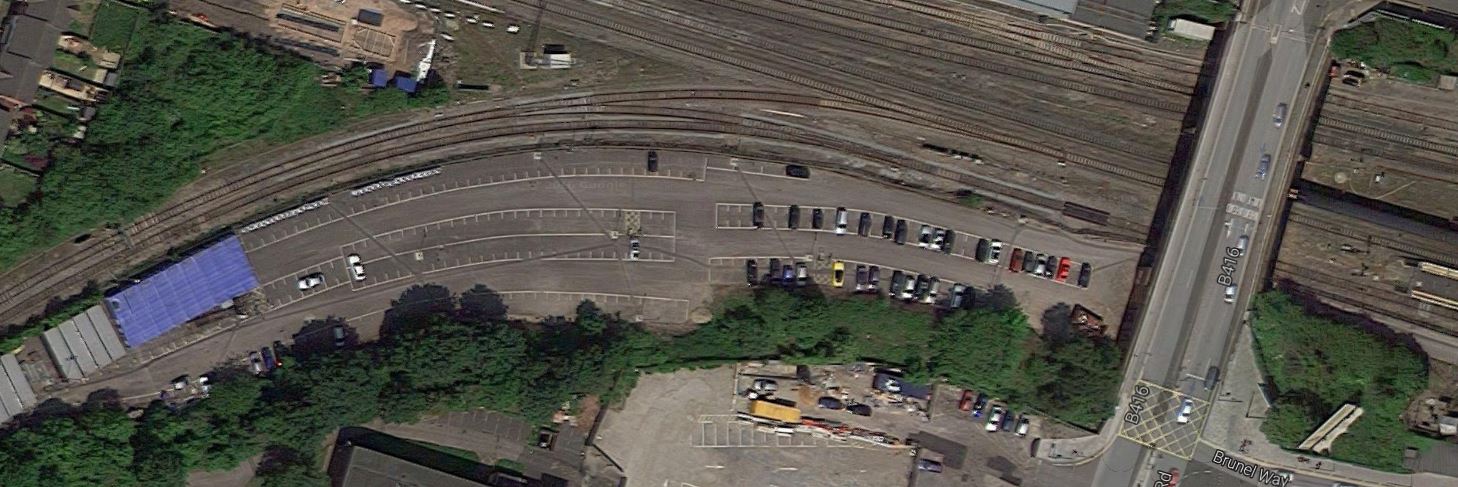
There are two main tracks at the start of the Windsor Branch.
The track closest to the blue building, is the actual branch.
- It is a single track that goes between Windsor and Eton Central station and the Bay Platform 1 at Slough station.
- Trains take six minutes for the journey.
- The current frequency is three tph.
- The bay platform 1 and a short length of the branch could be electrified.
The track furthest from the blue building is a long spur off the Down Main, that allows trains to be moved to and from the Windsor Branch Line.
- It appears to be long enough for train to be parked on the spur.
- It appears that the spur is being electrified for about a couple of hundred metres.
- The spur could be extended or reconfigured to become a passing loop.
There also appears that there is a crossing that allows trains to move to and from the bay platform 1.
Could Electric Trains With On-Board Energy Storage Work The Windsor Branch?
Operation of the Windsor Branch would be as follow with a train fitted with on-board energy storages.
- Trains enter the branch by going to the end of the spur and reversing into the bay platform 1.
- Trains charge their on-board energy storage in Platform 1.
- Trains run to and from Windsor using on-board energy, charging after each trip.
- Trains leave the branch by going to the end of the spur and reversing onto the Down Main.
I have a feeling that if needed, that with small modifications, four tph might be possible, using two trains.
One of the possibilities unlocked by four tph could be to use the train to get passengers to the town from a Park-and-Ride site, beside Junction
Windsor And Eton Central Station
I took these pictures of Windsor and Eton Central station.
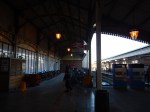
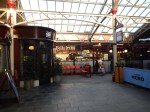
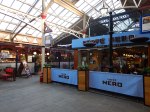

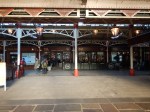
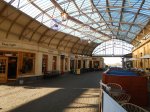


It certainly has several quality food outlets.
Electrification At Maidenhead Station And On The Marlow Branch
These pictures show the electrification at Maidenhead station, where the Marlow Branch Line connects to the main line.
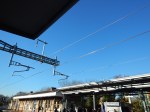
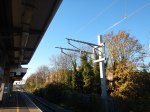
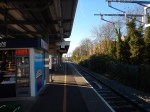
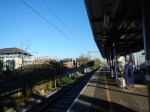
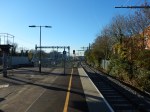
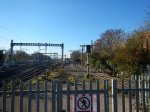
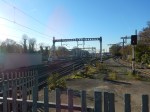
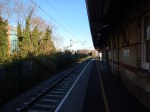
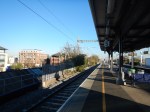
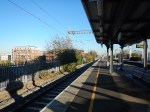
Note.
- Platform 5 is almost fully-electrified and the wires curve away onto the Marlow Branch.
- Platform 4 and its connection to the Marlow Branch appears to be fully electrified.
- There is a reversing siding to the West of the station in there somewhere.
- There is an unfinished gap in the electrification of all lines to the East of Maidenhead station.
I wouldn’t think it would be long before all the electrification work is finished at Maidenhead station.
Could Electric Trains With On-Board Energy Storage Work The Marlow Branch?
So how will the various services to and from Maidenhead and on the Marlow Branch be handled, if Class 387 trains with on-board storage were available?
- Between London and Maidenhead services would be worked using overhead power.
- Between Maidenhead and Bourne End, services would be worked using on-board energy storage, that would be charged in Platform 5 at Maidenhead or on the main line to and from London.
- Between Bourne End and Marlow, the trains couldn’t run as they are too long and a two-car Class 166 would work the service and connect at Bourne End.
From the layout of the overhead wiring, I suspect that which of Platforms 4 or 5 is used at Maidenhead is flexible and which is actually used by a particular service would depend on many factors.
Electrification At Twyford Station And On The Henley Branch
These pictures show the lack of electrification work at Twyford station, where the Henley Branch Line connects to the main line.

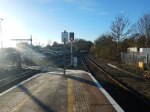
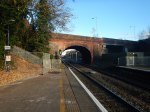
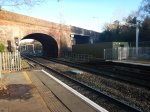
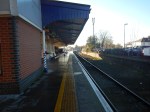
The two slow platforms 3 and 4 at Twyford station, which will be used by Crossrail and Platform 5 which is used by the Henley Branch trains, show no signs of electrification, although work has been done on the fast platforms 1 and 2.
In the December 2016 Edition of Modern Railways, there is an article by Roger Ford entitled Electrical Clearances: The Plot Thickens.
As the stations either side of Twyford, which are Maidenhead and Reading, are both almost fully wired, there must be a serious reason why there isn’t any work started on Platforms 3, 4 and 5 at Twyford. Could it be that without either rebuilding the bridge or lowering the track and rebuilding the platforms, the new regulations can’t be met?
However, there could be a possible solution.
These trains will be using the station in a few years.
- Class 800 trains, which are bi-mode.
- Class 345 trains, which I believe could be fitted with on-board energy storage for other reasons, like tunnel emergencies.
- Class 387 trains, which I believe could be fitted with on-board energy storage.
So could we see Platforms 3 and 4 at Twyfrord station without wires?
I’ve no idea!
But it does seem strange that no electrification work has been started at Twyford station, except on the fast lines, through Platforms 1 and 2.
Could Electric Trains With On-Board Energy Storage Work The Henley Branch?
So how will the various services on the Henley Branch be handled, if Class 387 trains with on-board storage were available?
Consider.
- The branch is only a short one with a total length of 4.5 miles.
- There are one tph on the branch, with extras to Paddington in the Peak.
- Trains turn round in about four minutes.
- From 2018, Twyford station will be served by 2 tph from Crossrail and 4 tph from GWR in each direction.
- Platforms at all stations seem long enough for at least four-car trains.
- There used to be a passing loop at Shiplake station.
- Trains going to and from Paddington could charge their energy storage on the main line.
Two trains working a reconfigured branch could possibly create a 4 tph service.
Creating a four tph service on the Henley Branch, is the sort of problem, that engineers solve in the traditional way. – In a suitable hostelry!
I think that spending the money on a passing loop, some means of charging the trains and possibly a rebuilt Shiplake station, will be much better value, than electrifying the branch and the Crossrail platforms at Twyford station.
Electrification At Reading
In the December 2016 Edition of Modern Railways, there is an article entitled Loco-Hauled EMUs On GWR.
The article starts by saying.
GWR’s new Class 387 trains will be loco-hauled to and from their depot at Reading, until electrification between Maidenhead and Reading is completed.
Could this all be because, Network Rail don’t have a plan to electrify Twyford?
At least the depot seems electrified.

I didn’t see a Class 387 in their depot, but there were at least half-a-dozen parked at Hitachi’s depot at North Pole.
Electrification From Didcot To Oxford
The Cherwell Valley Line between Didcot and Oxford can be described as follows.
- It is a double-track hemmed in on both sides.
- The two stations at Radley and Culham are on narrow strips of land and could be difficult to electrify.
- There is a tail of electrification gantries from Didcot Parkway onto the branch, which is typical of some other branches like Windsor and Marlow.
- There were electrification piles in several places, either in the ground or just lying around.
- The track could have be reconfigured to incorporate a new South-facing bay Platform at Oxford station.
These are some pictures.

One of Chiltern’s Class 168 trains was also hanging around, training drivers.
Could Electric Trains With On-Board Energy Storage Work Didcot To Oxford?
Didcot to Oxford is about 10.5 miles, so I suspect range is not a problem, especially if the new Southern Bay Platform is built, which would mean trains would not have to cross the lines wasting energy North of the station.
What would drive this, is not technology, but if Chiltern are running a service at their usual standard from Oxford to Marylebone, it could be take passengers from the GWR.
New Class 387 trains with on board energy storage could be a good weapon with which to fight back!
But then so would Class 800 trains!
Oxford Station
I took these pictures at Oxford station on the 1st of December.

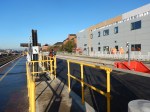
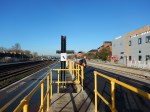
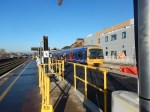
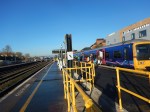
Note GWR’s 13:01 arrival from Banbury into the new bay Platform 2.
Was I watching the first scheduled train into the new platform?
There certainly wasn’t any dignitaries!
National Rail’s Arrival and Departure details on the Internet certainly showed that Banbury services were using the new Platform 2 later in the day.
Conclusions
From my explorations I have come to the following conclusions.
- There is a large gap in the electrification works at Twyford station.
- It looks to my untrained eye, that the Greenford, Windsor and Marlow branches are being wired, so the branches could be served by electric trains with on-board energy storage.
- The Orange Army is furiously at work creating new sidings at West Ealing for the Class 387 trains.
- It is possible for trains to use the new bay Platform 2 at Oxford station.
It will be interesting to take a Chiltern service to Oxford, when the service opens on the 11th of December.
It certainly was a good day to take photographs.
The Definitive Branch Line For An Electric Train With On Board Energy Storage
In Curious Rail Construction At Ipswich Station, I described how the current five-car Platform 1 has been electrified and given an electrified route of a few hundred metres to the Felixstowe Branch Line.
I then outlined how an ow an electric train with on-board energy storage, could work the Ipswich-Felixstowe service.
- I’ll assume that a fully-charged train starts from the new depot at Manningtree or some other suitable overnight stabling.
- The train positions early in the morning for the first service from Felixstowe, using overhead power to Ipswich and on-board power on the branch.
- Passengers load at Felixstowe and the train proceeds to Ipswich under on-board power to the current Platform 1 at Ipswich.
- The train would sneak into the platform on the North side of Ipswich Freight Yard, well out of the way of the Great Eastern Main Line and any freight movements.
- If the platform was busy and the train had to wait at a signal, it could even up pantograph to start the recharging of the on-board energy storage.
- Once in Platform 1, the train would either start or continue the charging process.
- The pantograph would be lowered, when the charging was complete or at any time before the train left for Felixstowe.
The process would continue all day.
But things don’t always go to plan, so what happens at Ipswich, if Platform 1 is blocked by a failed train?
As the train will be approaching Ipswich on a dedicated line, it would stop at a signal and wait. As the overhead wire to the station will be continuous, it would immediately up pantograph to start the charging process, to make certain, it wasn’t stuck with a flat battery.
There has been a lot of thought, in how trains with on board storage should be operated.
Similar layouts seem to be being installed at other places.
Maidenhead and the Marlow Branch Line
Maidenhead station is where the Marlow Branch Line connects to the Great Western Main Line.
Platform assignments after Crossrail will probably be.
- Down Fast
- Up Fast
- Down Slow – Crossrail
- Up Show – Crossrail
- Marlow Branch
Note that Platform 5 has recently been extended to the full Crossrail length of 200 metres, so could this platform be shared between the Marlow Branch trains and the Class 387 trains that will start to shuttle between Maidenhead and Paddington in mid-2017.
These are pictures taken at Maidenhead station.
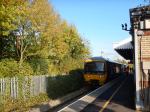
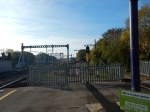
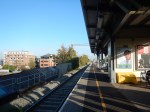
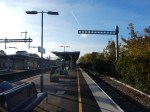
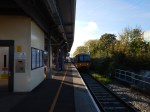
Note the platform 5 for the Marlow Branch and the first couple of hundred metres of the branch are being electrified.
Trains with on-board energy storage between Maidenhead and Bourne End stations could certainly use the same procedure as the one I outlined for trains between Ipswich and Felixstowe. They would probably come into Platform 5 at Maidenhead, as the Marlow Branch trains currently do.
But they also have the advantage at Maidenhead of a very long two hundred metre Platform 5.
Note that four-car Class 387 trains couldn’t go past Bourne End station, so the remainder of the branch to Marlow would probably be served by a diesel shuttle.
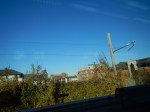
On November 25th, 2016, I took this picture from a passing train.
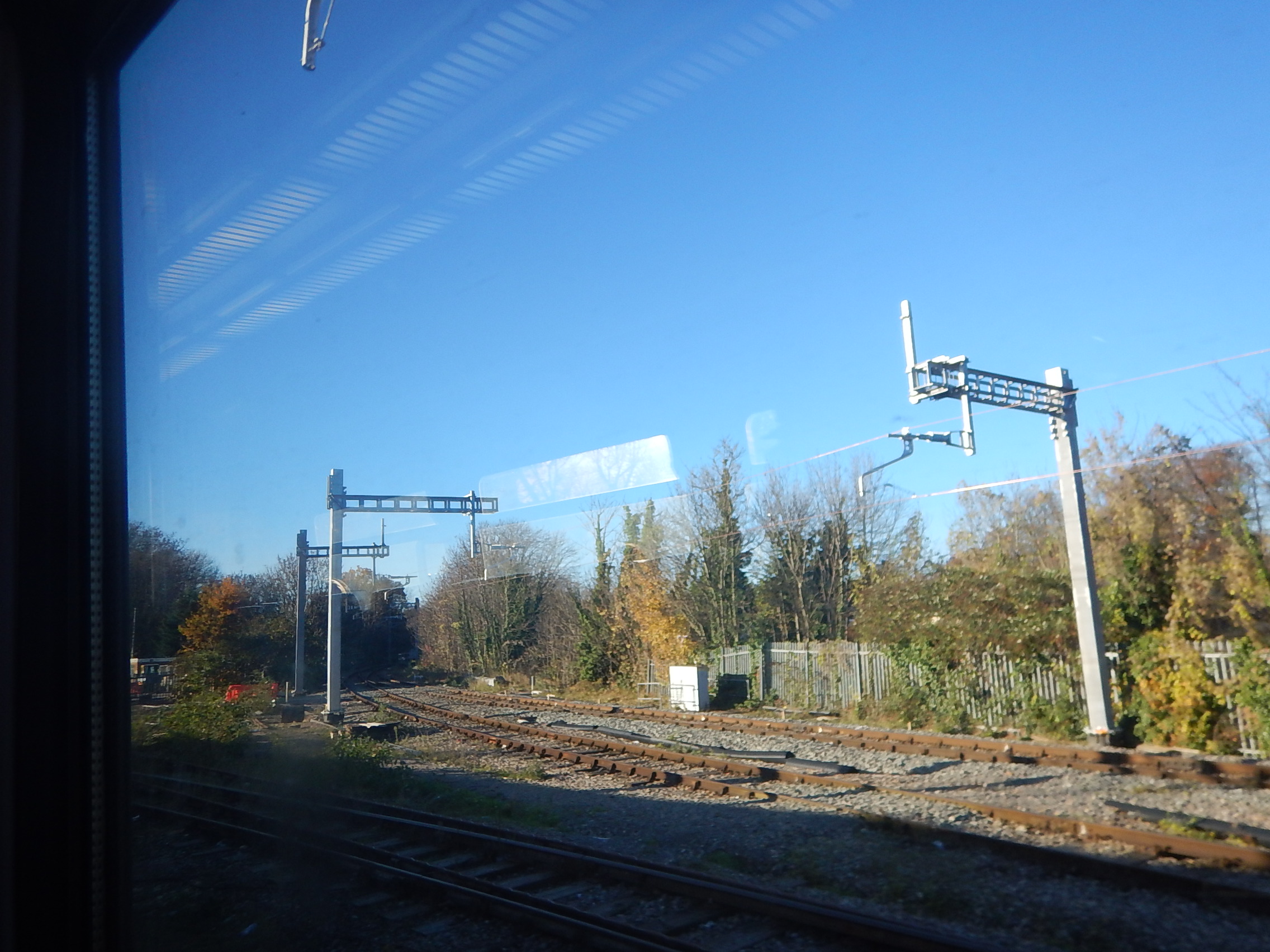
Note.
- I was looking directly down the Marlow Branch.
- The two lines join around the position of the last gantry and the nearest one goes into Platform 4, with the farthest one going into Platform 5.
- You can’t really see it too well in the picture, but the overhead wire appears to be only above the line into Platform 5.
This Google Map shows a close-up of the Western \end of Platforms 4 and 5 and the start of the Marlow Branch.
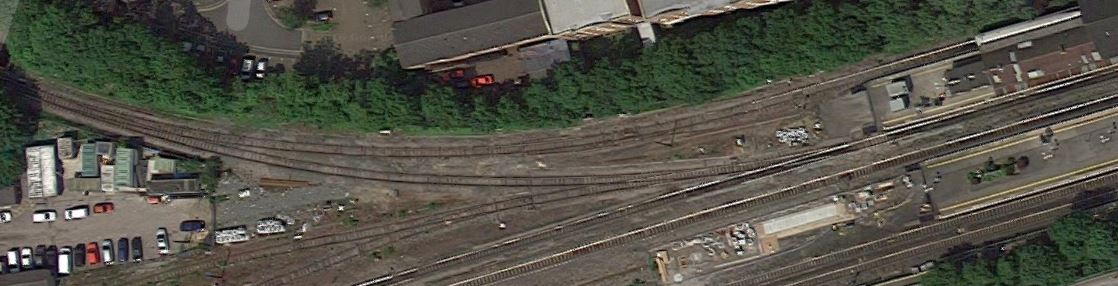
Hopefully, it will be clearer than mud now!
Note the two-car train in Platform 5.
So why is there no connecting electrification between Platform 4 and the Marlow Branch Line?
It could be that it hasn’t been erected yet, but on the other hand, it could be that it isn’t needed.
- All trains arriving at Maidenhead from Bourne End would use Platform 5.
- These trains would only use the wiring to the West of Platform 5, if say the platform was blocked, by say a failed train.
- Trains between Bourne End and Paddington, after arriving at Platform 5 would up pantograph and after leaving the platform, they would use an existing crossover to access the Up Slow line for Paddington.
- Trains between Paddington and Bourne End would probably use the existing crossovers to stop in Platform 5 after arriving on the Up Slow. Once in Platform 5, they would down pantograph and continue to Bourne End under on-board power.
So a second electrified line not being needed, could be the explanation of only one being created.
Note that when Crossrail starts, Crossrail trains will use Platforms 3 and 4 and will reverse using a reversing siding to the West of the station..
So the Marlow Branch and Crossrail will effectively be two separate systems with their own tracks, trains and arrangements.
Slough And The Slough to Windsor & Eton Line
Slough station is where the Slough to Windsor & Eton Line connects to the Great Western Main Line.
As I passed through Slough station, I noticed that the gantries are such, that just as at Maidenhead, the bay Platform 1 could have a short length of overhead wiring installed, so that the shuttle to Windsor and Eton Central station could be run using an electric train with on-board energy storage.
This small add-on to the electrification, would create a branch line independent of the main line.
- It would be worked as a single train shuttle.
- The train would be electric with on-board energy storage.
- The train would charge at Slough station.
- It would have dedicated platforms in the two terminal stations; Slough and Windsor and Eton Central.
- The train could be worked using the principle of only one train on the line at a time or One Train Working.
- Trains would enter and leave the dedicated branch tracks for servicing and other tasks, as they do now, through a connection to the Fast lines at Slough station.
Unlike the Marlow Branch, it would not need protection for failed trains, as there is only one train.
I would suspect that capacity at the Windsor end of the branch would limit any expansion unless a scheme like the Windsor Link Railway was brought forward and that a four-car electric shuttle train would be sufficient to work the line for many years.
Twyford And The Henley Branch Line
Twyford station is where the Henley Branch Line connects to the Great Western Main Line.
I wrote about using trains with on-board energy storage on the Henley Branch in Twyford Station And The Henley Branch and came to the conclusion, that electric trains of this type could serve this short branch of just four miles in length, with very little change to the infrastructure
Installing a short length of electrification in the bay platform 5 at Twyford station and for a short distance on the branch could be used to charge the trains.
As on the Marlow Branch and the Slough to Windsor and Eton Line, this would create a branch line independent of the main line.
I doubt that this line will ever be fully-electrified.
Certainly, as I passed the line today, there was no sign of any electrification.
West Ealing And Greenford Branch Line
West Ealing station is where the Greenford Branch Line connects to the Great Western Main Line.
But seeing as the last direct train from Greenford to Paddington seems to be on the 23rd of December 2016, the Greenford Branch Line will become an independent branch line with its own bay Platform 5 at West Ealing station, where passengers will have to change to and from Paddington.
In West Ealing Station – 12th October 2016, I showed the progress a couple of months ago and as at Slough gantries are in place, that could be used to electrify the new bay platform.
Once the wires were in place at the platform, all it would need to provide a quality service to Greenford, would be suitable electric train with on-board energy storage.
- The journey would take around ten minutes.
- Trains would charge their storage at West Ealing.
- Two trains per hour would be possible with one train.
- Four trains per hour would be possible with two trains, as the branch has a lot of double-track to allow passing.
The only infrastructure needed, other than the electrification might be some platform lengthening for the new trains.
As I passed the line today, there was some evidence of wires going up, but they probably can’t be completed until the new station is finished at West Ealing station.
Surely, if the branch was going to be run in perpetuity by diesel trains, there would be no evidence of electrification in the bay platform 5 and at the start of the Greenford Branch.
The Emerging Design
If you look at all these examples, most of which are ongoing projects, they have a series of common features.
- The branch line is fairly simple, often just a shuttle between two dedicated terminal platforms.
- The branch line is within the range of an electric train with on-board energy storage, to go out and return.
- Some branches are worked using the principle of only one train on the line at a time or One Train Working.
- At least one terminal platform will be electrified, so that the on board energy storage can be charged.
- The branch line is within the range of an electric train with on-board energy storage.
The only feature not common to all the detailed examples, is where the electrified platform could be shared as at Ipswich and Maidenhead,
In these cases, provision must be made for another train failing in the station.
If Network Rail can get this philosophy right, it has the following advantages.
- New or refurbished environmentally-friendly electric trains can replace elderly diesel trains on suitable routes.
- As the electric trains will typically be four-cars or more, there will be large capacity increases.
- There will be very little infrastructure work, except for platform lengthening and possibly electrifying an extra platform in a station on an already electrified line.
- Network Rail will gain a bit of credibility.
As an example, Ipswich Felixstowe could go from an hourly single -car Class 153 train to an hourly five-car modern Aventra with Wi-fi and lots of space.
Is This The Worst Bottleneck On The UK Rail Network?
This Google Map shows Norwich station and the various rail lines that serve it.
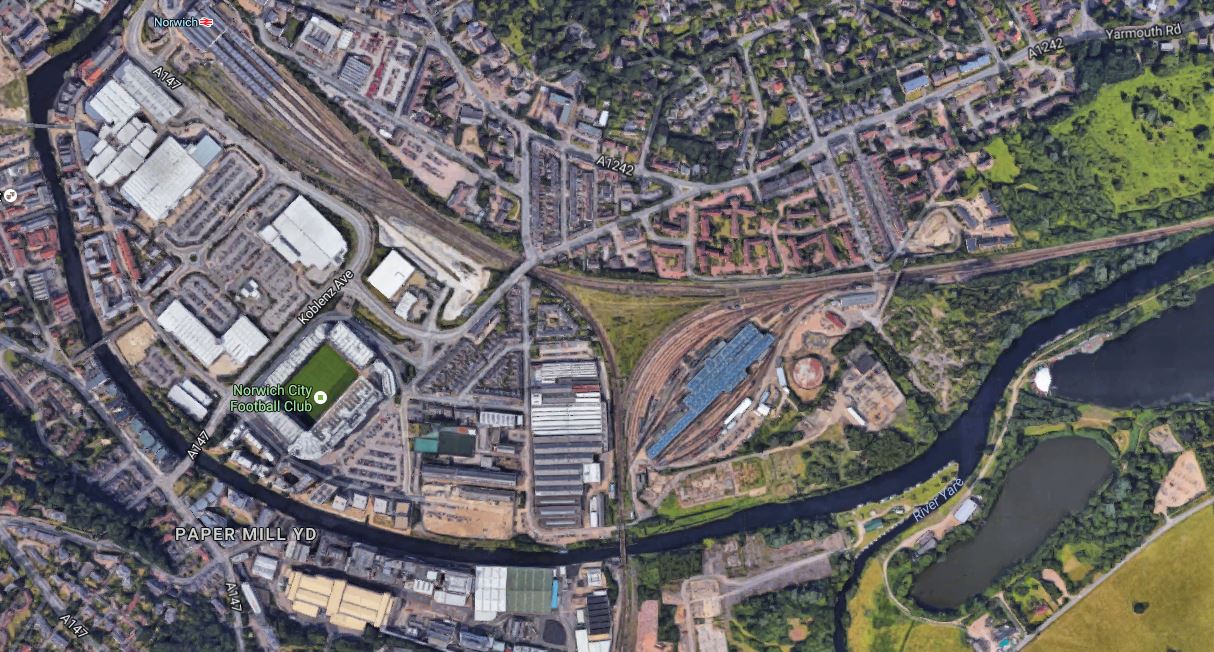
Norwich Station And Approach Lines
All the lines come into the station from the East and they split soon after leaving the station, with lines to Cromer, Lowestoft, Sheringham and Yarmouth taking the Eastern line, with trains to Ipswich and Cambridge taking the Southern line.
Between the two lines, lies Crown Point Traction and Rolling Stock Depot, which looks after much of Greater Anglia‘s rolling stock.
This Google Map shows the bridge at the South West corner of the depot, where the rail line to Ipswich and Cambridge, crosses the River Wensum.
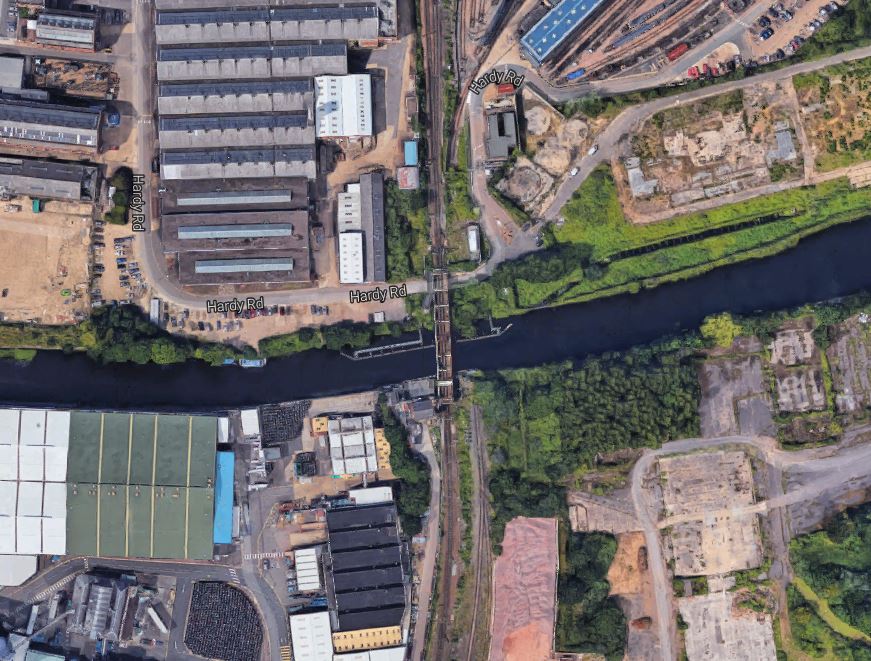
Trowse Bridge
Trowse Bridge is no ordinary bridge.
- It is a single track swing bridge.
- It was built in the 1980s, probably to a low cost design.
- It is electrified by overhead conductor rail, rather than overhead wire.
- It is mandated by an Act of Parliament to open for traffic on the river on demand.
- It is rather unreliable.
It must be a nightmare for both Greater Anglia and Network Rail.
I wonder if this bridge has had effects on projects that are happening in East Anglia.
The New Depot At Brantham
A new depot is being built by Greater Anglia at Brantham, just North of Manningtree station. There are obviously, good reasons for this, but could the access over the Trowse Bridge to Crown Point be a factor.
It would certainly be easier for bi-mode Flirts working Lowestoft-Ipswich and Colchester-Peterborough to be based at Brantham rather than Crown Point. Wikipedia says this.
Scheduled to open in 2018, it will be the home depot for Greater Anglia’s new fleet of Class 745 and Class 755 Stadler Flirts.
Greater Anglia would be a very unusual company, if they didn’t have an efficient plan for the stabling and maintenance of their new trains.
Direct Yarmouth To Lowestoft Trains Via A Reinstated Reedham Chord
There used to be a direct Yarmouth to Lowestoft Line, but now it is possible to use the Wherry Lines, with a reverse at Reedham station.
Network Rail are talking about reinstating the Reedham Chord to create a more direct route between East Anglia’s largest North-Eastern towns. This is said about the Reedham Chord in Direct Yarmouth Services in the Wikipedia entry for Lowestoft station.
In January 2015, a Network Rail study proposed the reintroduction of direct services between Lowestoft and Yarmouth by reinstating a spur at Reedham. Services could once again travel between two East Coast towns, with an estimated journey time of 33 minutes, via a reconstructed 34-chain (680 m) north-to-south arm of the former triangular junction at Reedham, which had been removed in c. 1880. The plans also involve relocating Reedham station nearer the junction, an idea which attracted criticism.
Could one of the reasons for looking at the the reinstatement of the Reedham Chord, be that it would allow diagrams for the trains working the branch lines to the East of Norwich and Ipswich to avoid the Trowse Bridge?
The Design Of The London To Norwich Trains
The current rakes of eight Mark 3 coaches hauled by Class 90 locomotives, that run the service between London to Norwich, only have one pantograph.
So does this mean there are operational problems with the train on the Trowse Bridge, as it does seem that the bridge owes a lot to Mr. Heath Robinson.
A long modern electric multiple unit, like say the Class 345 trains for Crossrail, often has two pantographs. This should be more reliable, if one should fail.
Consider.
- The Class 745 trains, which have been ordered to replace current trains, will be somewhere around two hundred metres long.
- These trains are Stadler Flirts, which in some cases have two pantographs.
- Trowse bridge is less than thirty metres long.
- The other passenger trains that will use bridge, will be bi-mode like the Class 755 trains or diesel.
- On modern trains, pantograph control is automatic and fast.
- Electrification gaps are common on third-rail systems.
Would two pantographs, allow the Class 745 trains to bridge an electrification gap on the bridge.
Suppose, the electrification was removed from the Trowse Bridge!
Would this and other improvements make it possible to simplify the bridge and improve reliability?
|Electric trains could use the following procedure to cross the bridge.
- Trains could approach the bridge with the front pantograph lowered., drawing power from the rear one.
- The train would cross the bridge and when the front pantograph was under the overhead wire on the other side, it would automatically raise and connect, lowering the rear pantograph appropriately.
Bi-mode trains would just use their diesel engines, swapping between modes automatically.
The Replacement Of The Bridge
Eventually, the bridge will have to be replaced, but surely a bridge without electrification would be easier to design and build. It could even be double-track to improve capacity into and out of Norwich.
I suspect that the long-term solution would be a double-track lifting bridge, similar to the Kingsferry Bridge in Kent. This was built in 1960 at a cost of £1.2million, which is £19.3million in today’s money.
When it is completed the Western Gateway Infrastructure Scheme, will incorporate a similar lifting bridge which will carry a road and the Manchester Metrolink over the Manchester Ship Canal.
Both these schemes also incorporate roads, so the Trowse Bridge will be simpler.
I think there could be scope for an engineer or architect to design something special for this crossing.
The Affordable Alternative
It has to be said, that perhaps the most affordable solution would be to build a stylish fixed link, probably with a double-track railway and foot and cycle bridges.
As to the boat users, all boats that need to go under the bridge regularly would be modified so their masts could be lowered at no cost to their owners.
Other bribes could be given to occassional users.
 The Anonymous Widower