The Rivetted Wing
This picture of the wing of the 747 shows the rivets that hold it together.

747 Wing
By the way, the upturned end of the wing is an aerodynamic device to increase efficiency.
If you are on Airbus as opposed to a Boeing, you’ll see differences.
For a start the Airbus uses a different end to a wing in that they have more of a sideways delta at the end.
But the main difference is that Airbus glue their wings, whilst Boeing use rivets.
Glue? You might ask.
But they have doing it for years. In fact the technology was first started by de Havilland and was applied very successfully to the Mosquito of World War II fame. They then applied it to the Comet and Trident airliners before using it on all Airbus wings.
The advantage is that glue carries the loads between the parts of the wing continuously, whereas with rivets the stresses are carried only at points, which have been weakened by the rivet holes. This means that it should be possible to have a lighter wing for the same strength with glue.
Some technologies may seem strange, but don’t ignore them if they work.
Finger Friendly Packaging
If we want to see how a company in a small country can create a very large high-tech niche for themselves, you need look no further than Logitech, who are based in Switzerland. Their products aren’t very cuckoo clock.
As I’ve bought myself a new laptop for the journey, I felt it would be a good idea to get a new mouse. I hate those pads on laptops which never seem to work for me! So as I’ve got several of their products, I looked no further than Logitech.
The mouse works well and has a very small transmitter, so I can leave it in all the time. And the mouse works on just one battery. In fact I’m using it now.
But what surprised me was the packaging.
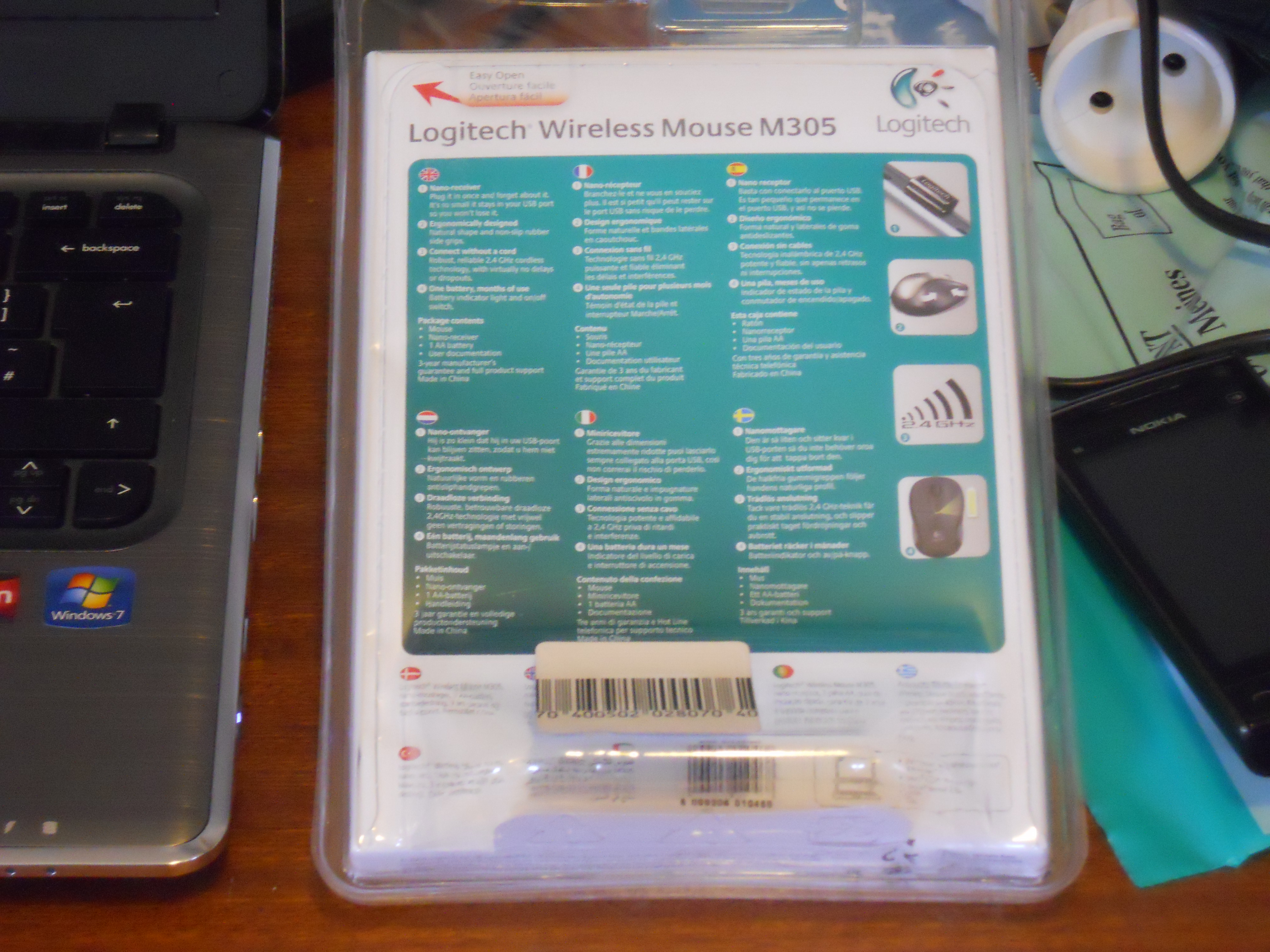
Logitech's Finger Friendly Packaging
Note the red arrow at the top. It points to a perforated area in the packaging, which you tear along in the age old fashion and hey presto, you get access to the contents.
No broken nails, knives or scissors.
This type of packaging should be compulsory!
10/10 to Logitech.
New River Walk
The New River is one of London’s hidden treasures. It could be argued that the growth of London owes just a bit to this early seventeenth century feat of engineering to bring clean drinking water to London.
It is still used to bring water to London and most of the route is an easy walk. But from Stoke Newington onwards the river is now not used to provide water and in some places it has been converted into walks and parks. One such is the New River Walk at Canonbury.

New River Walk
Note the bamboo!
The Bridges of Newcastle
If Newcastle has one unique feature that distinguishes it from all other cities in the UK, it is the bridges across the Tyne.
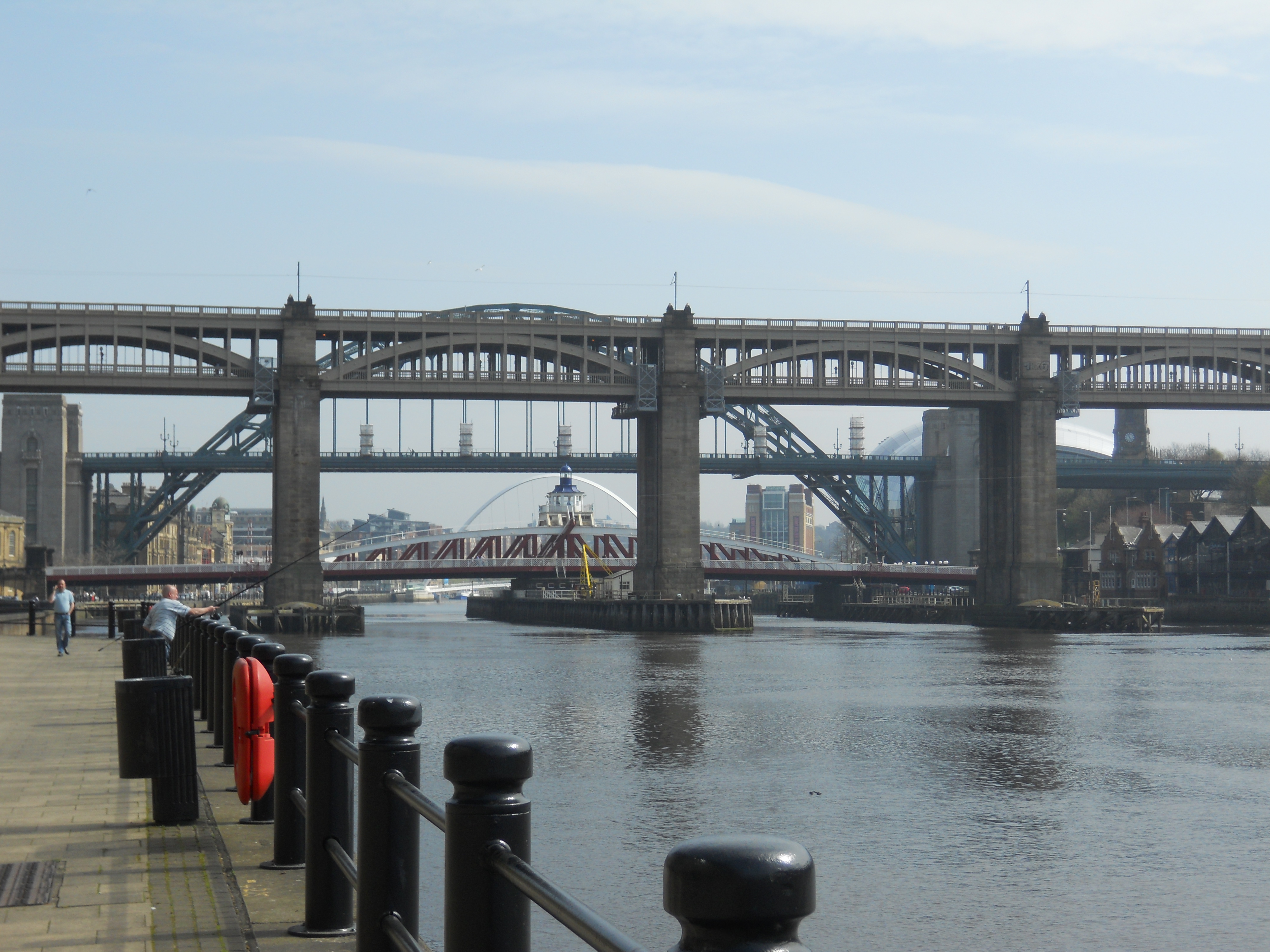
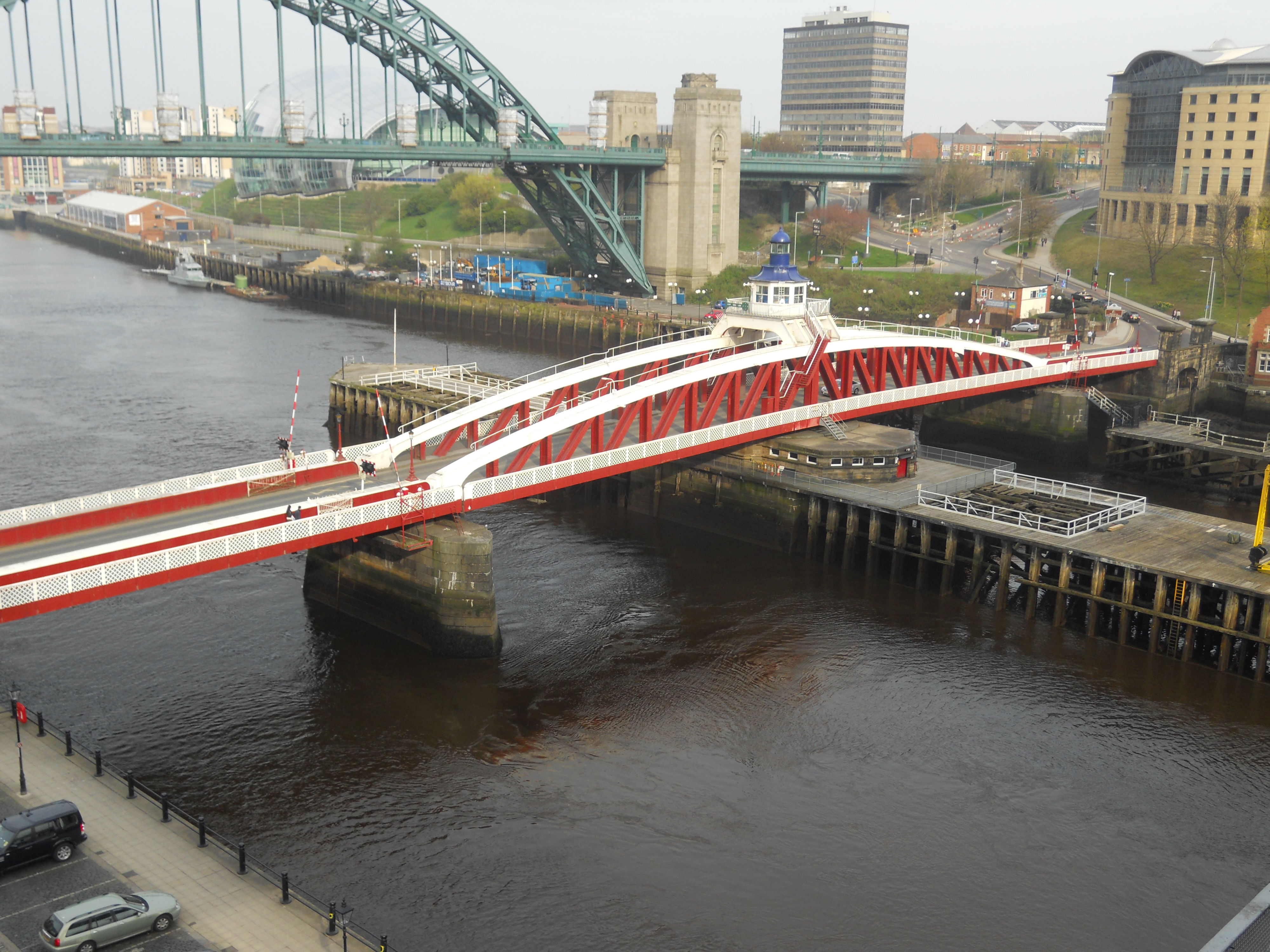


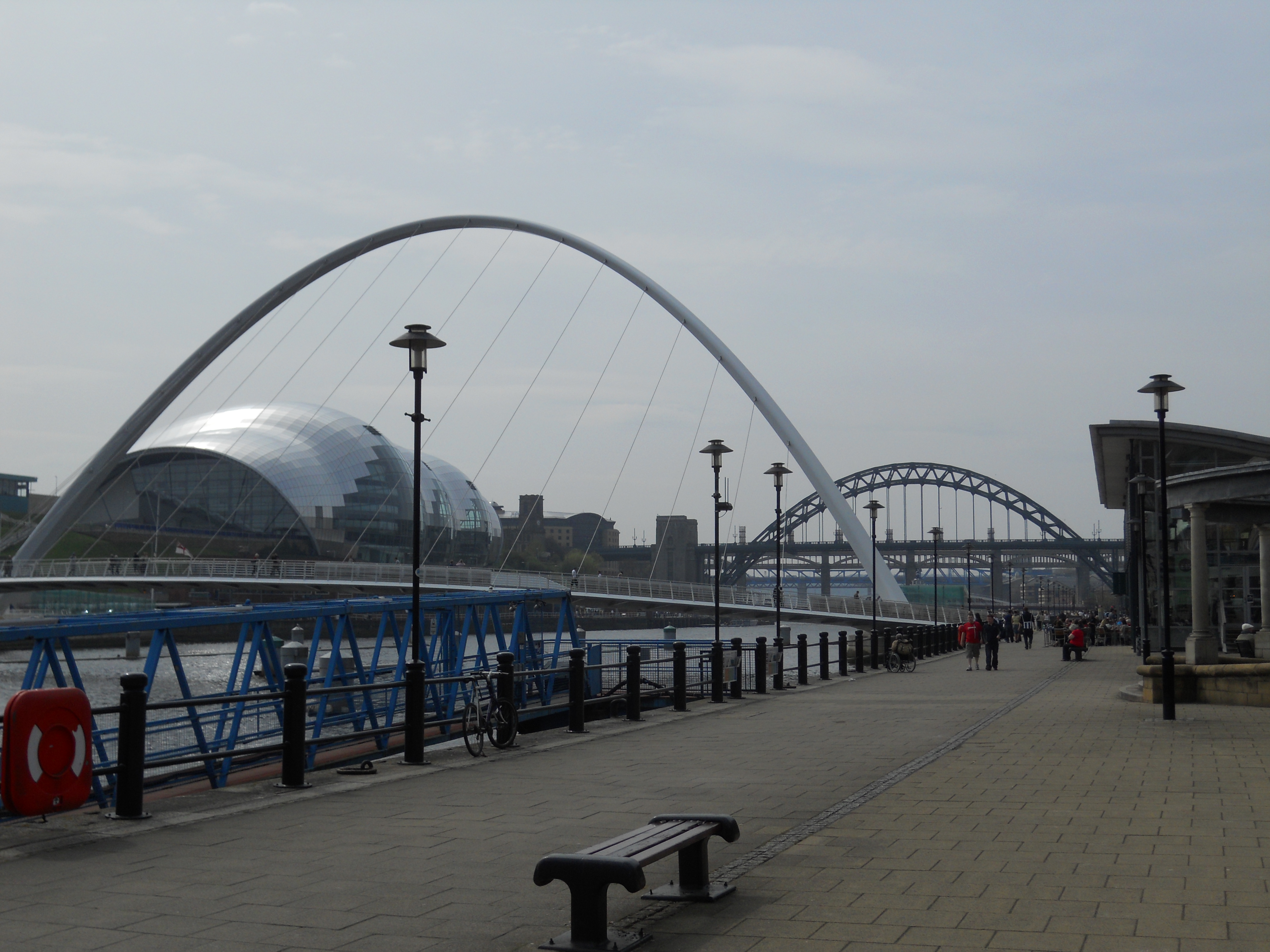

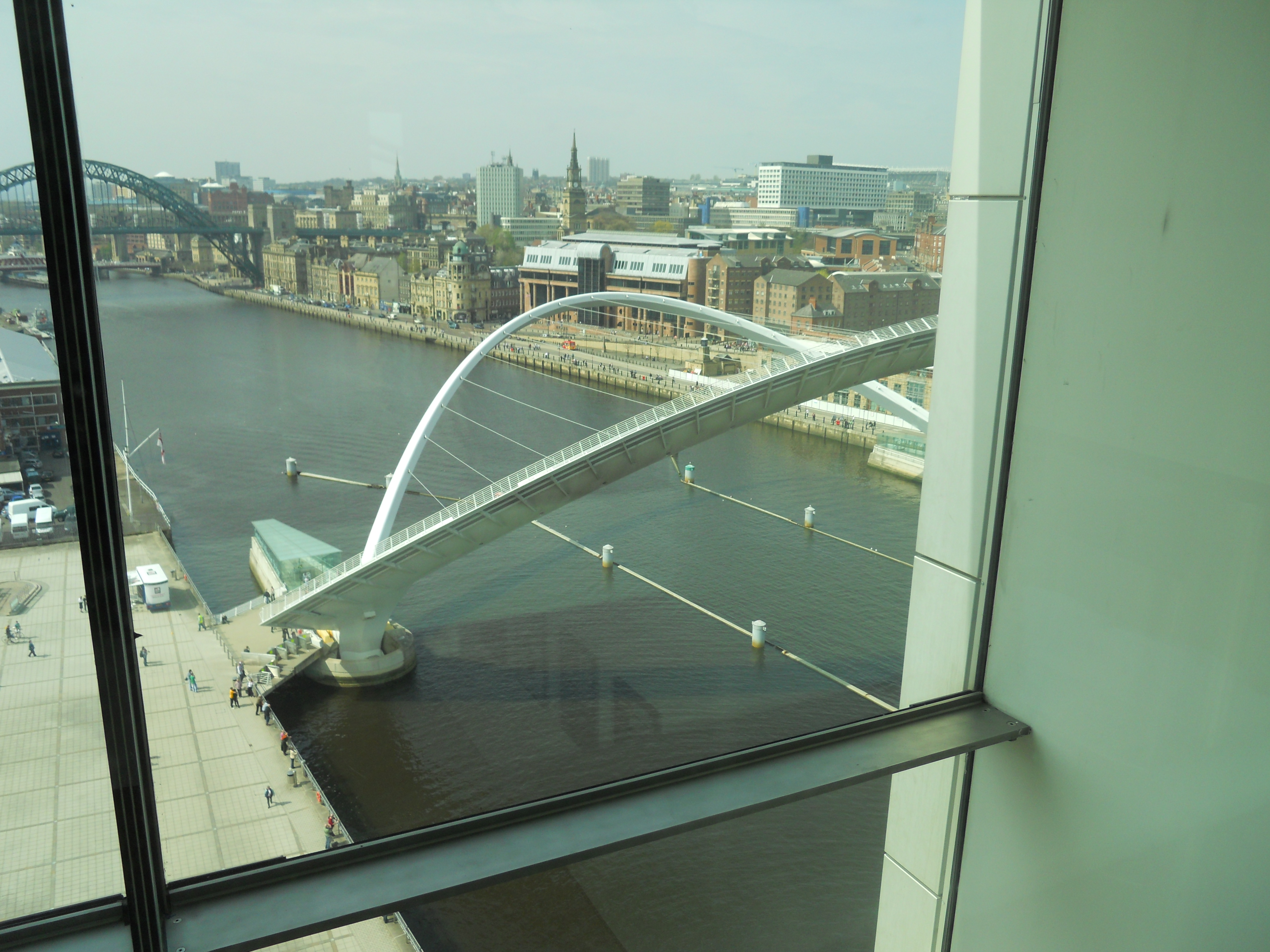


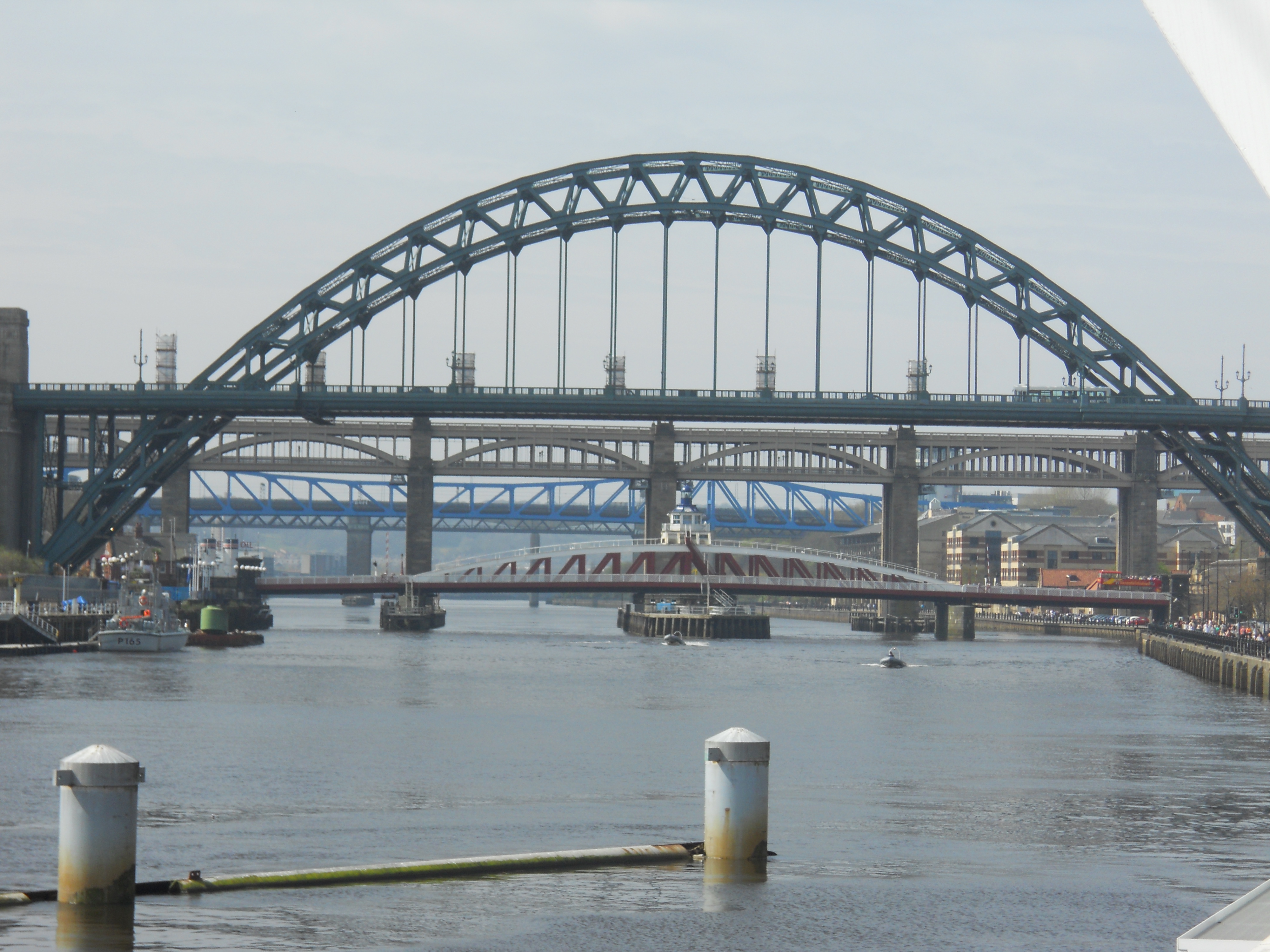
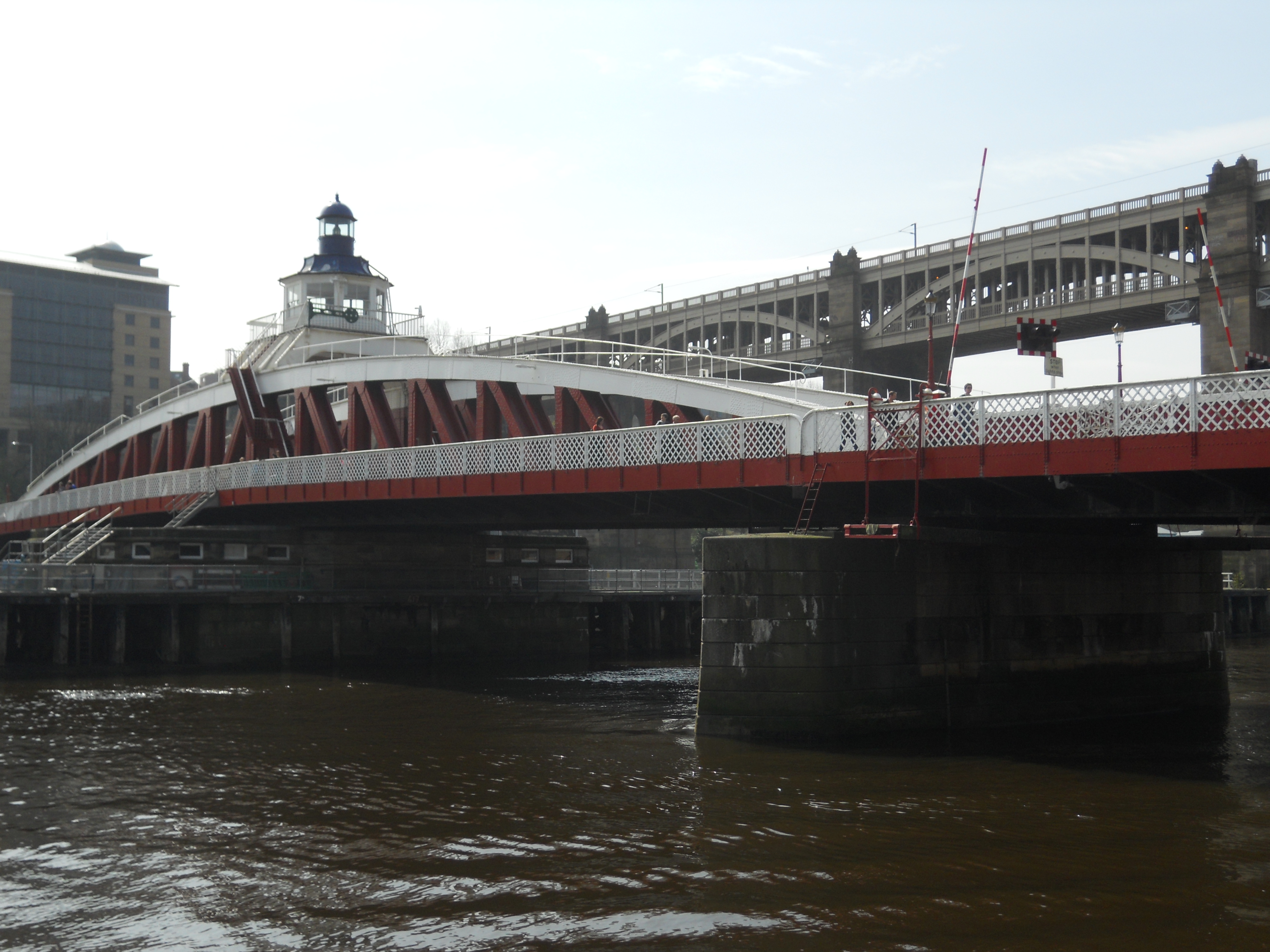
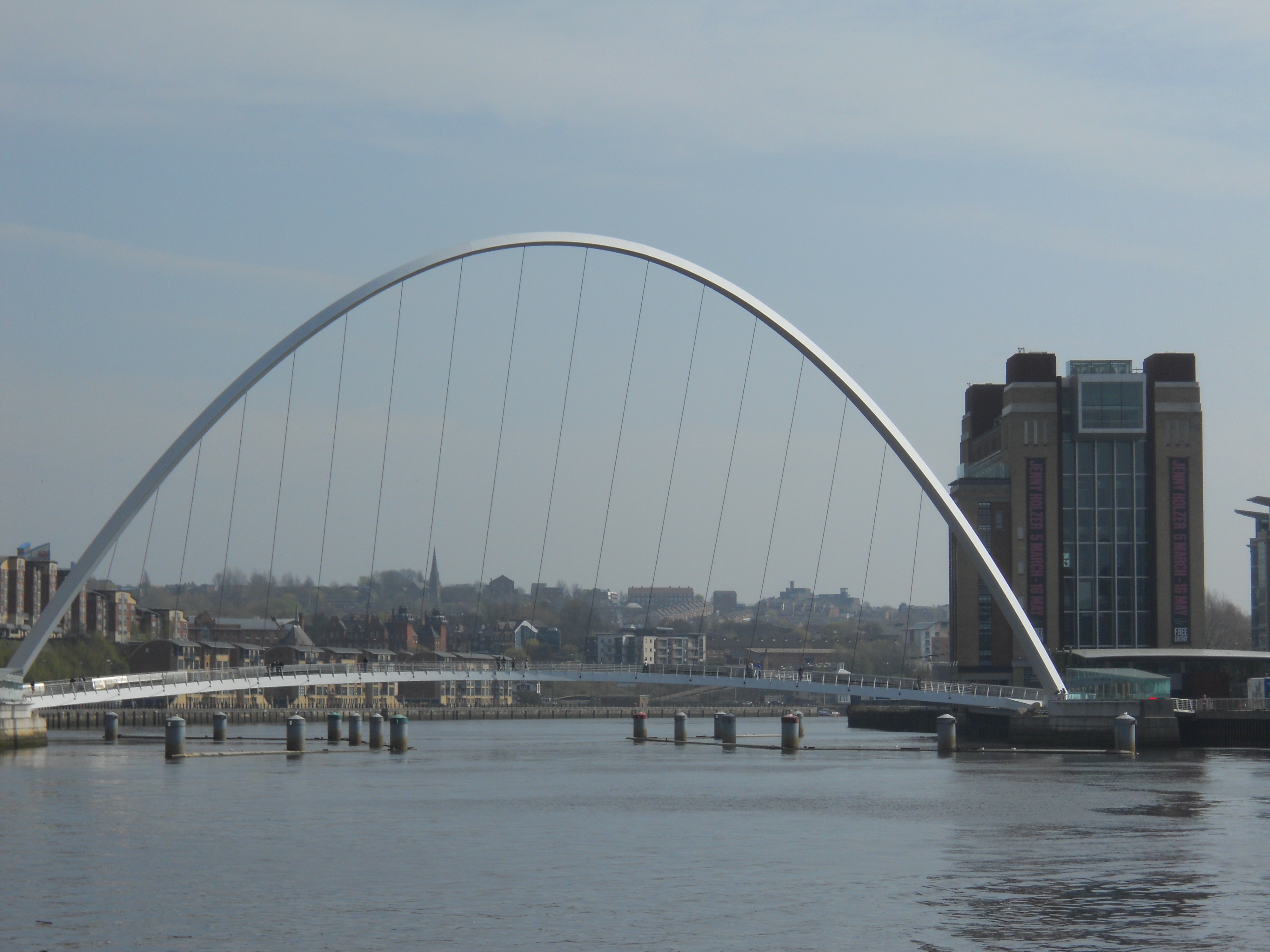
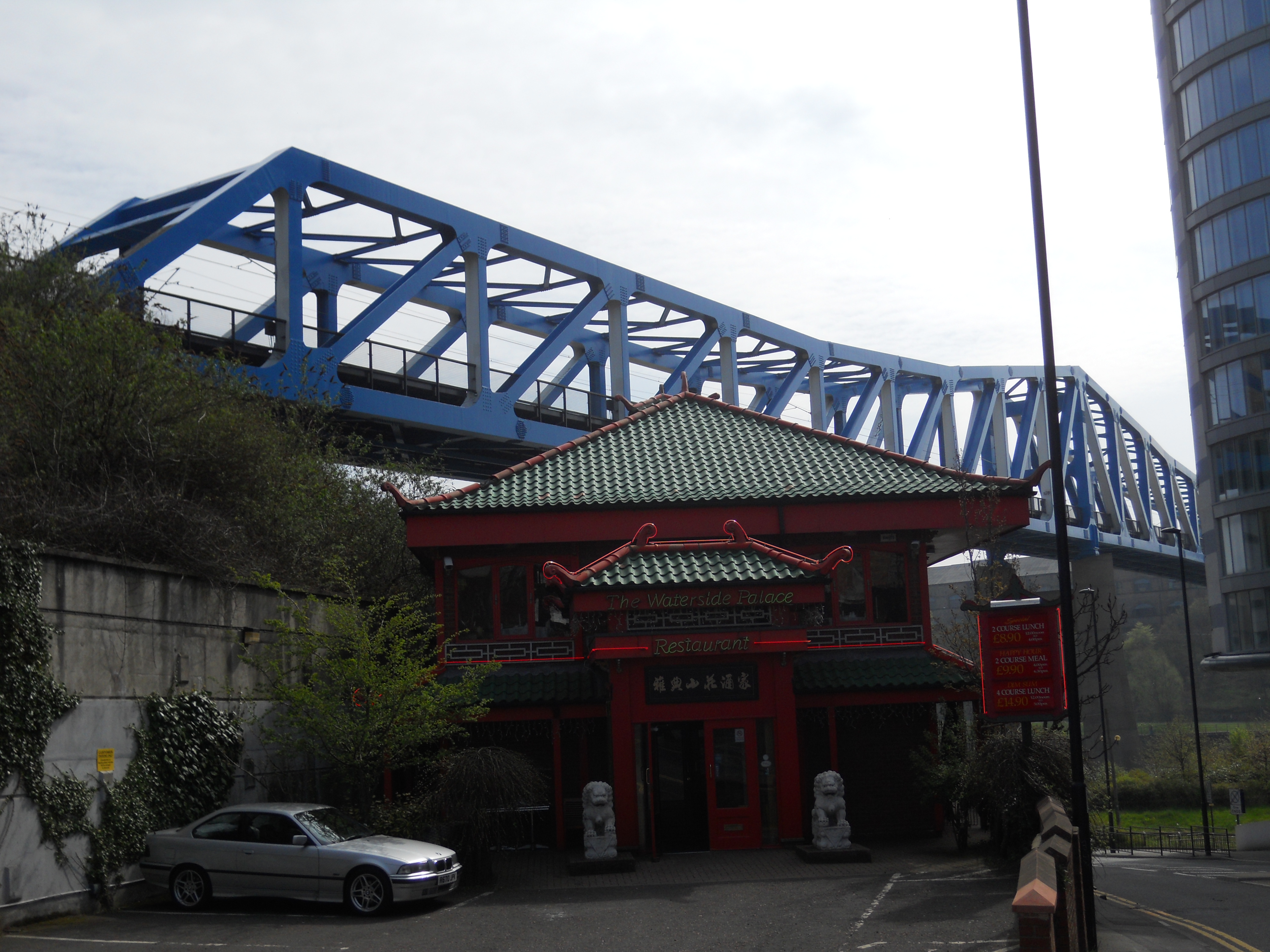

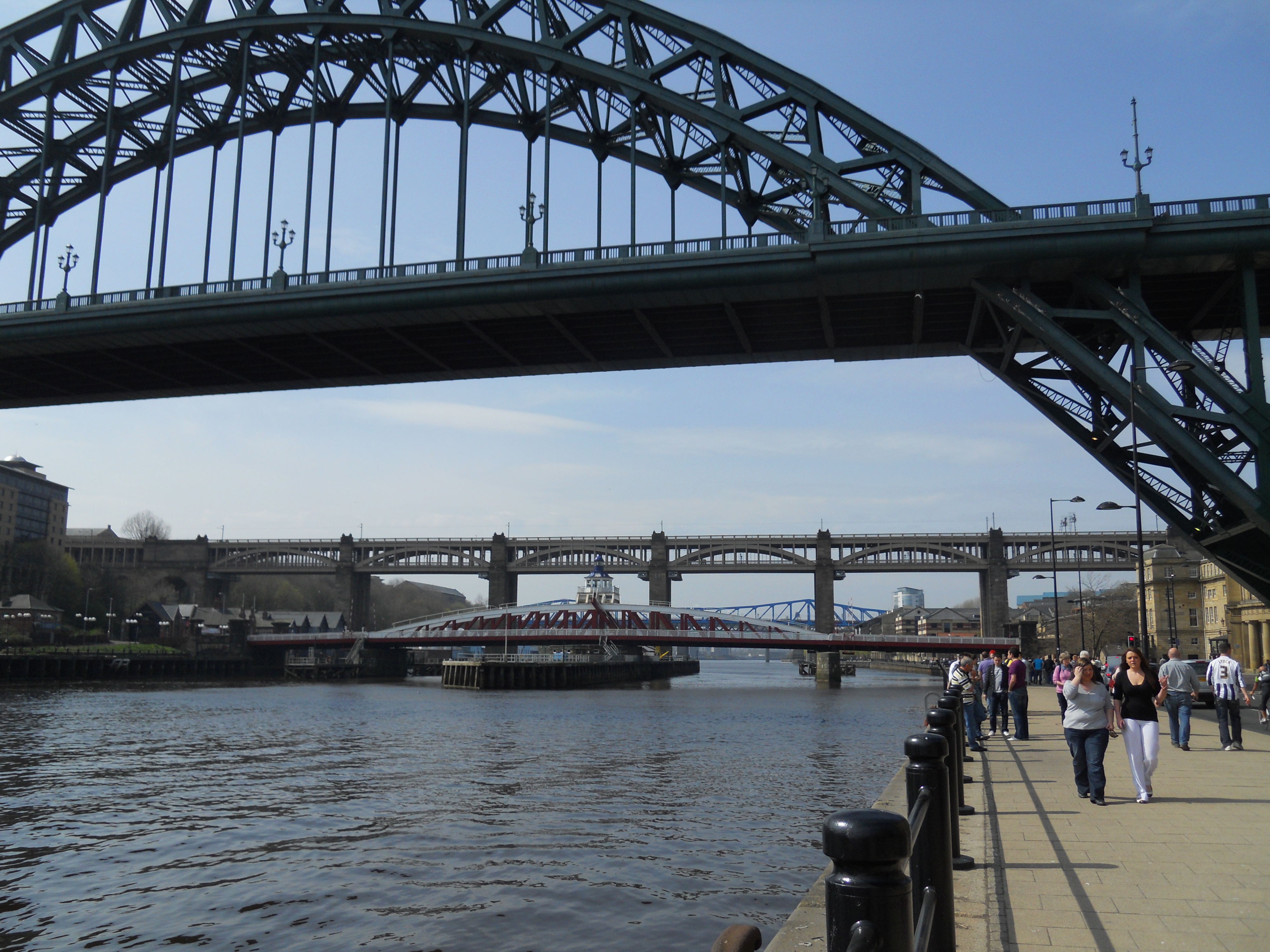

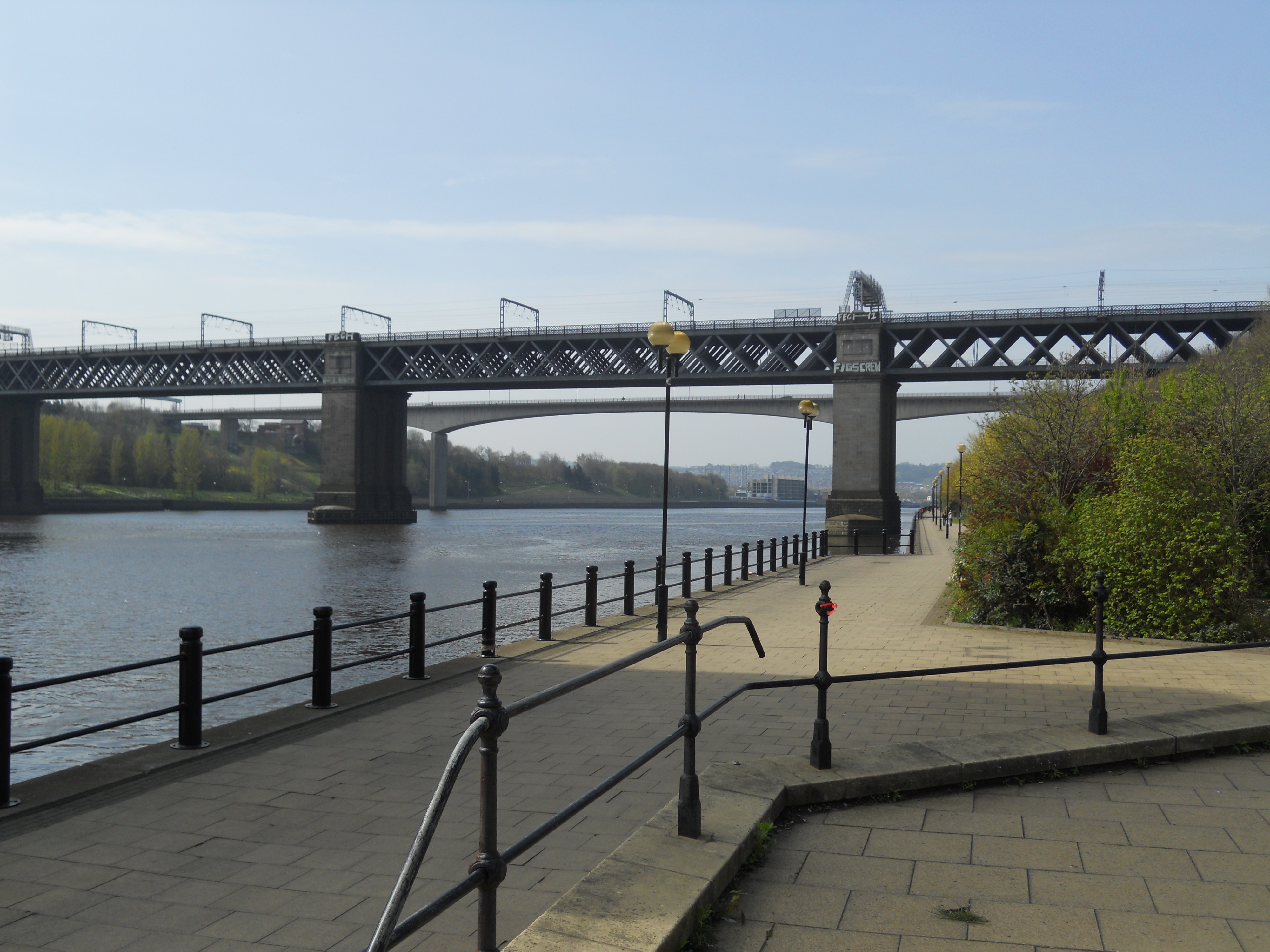
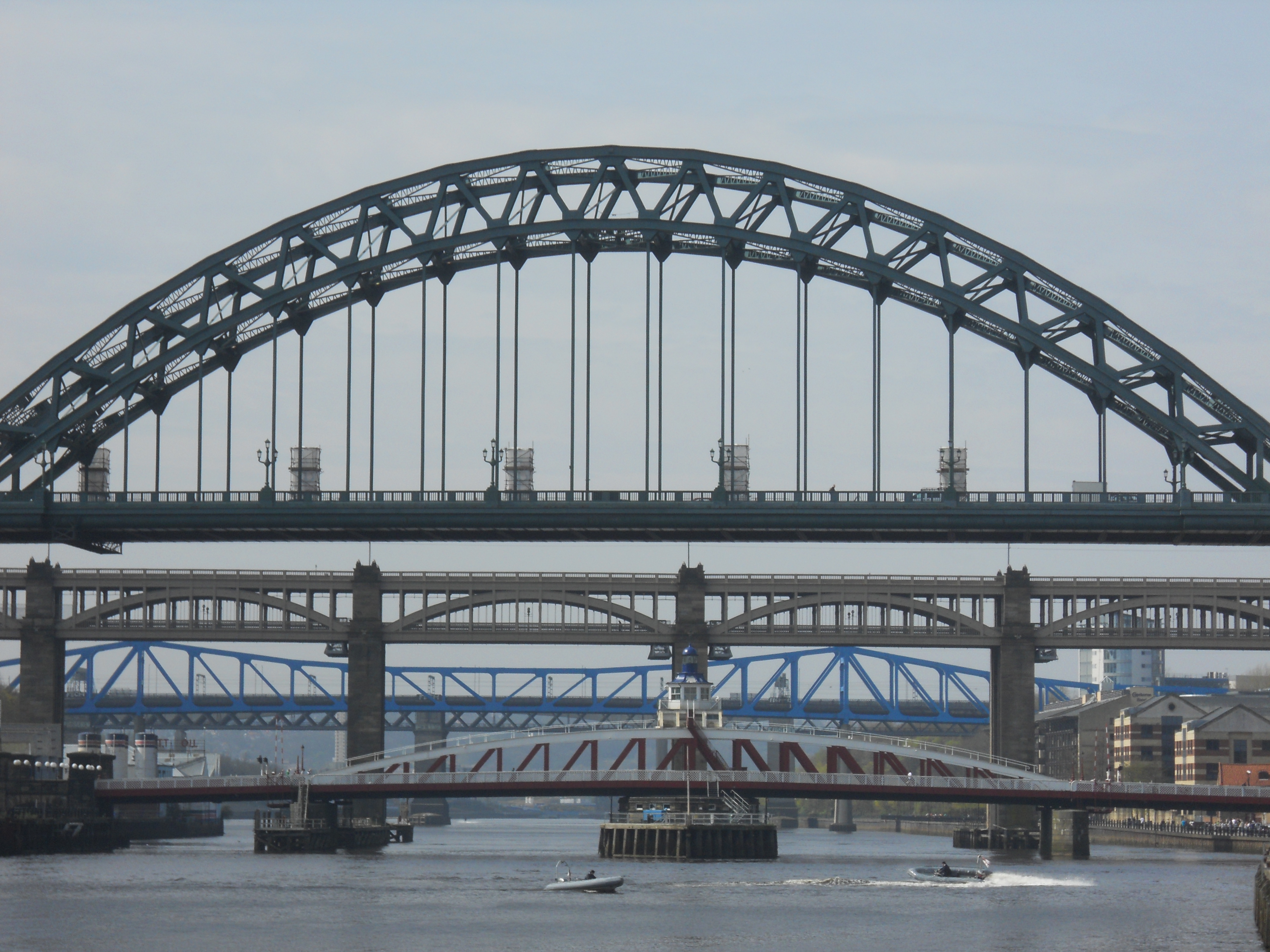
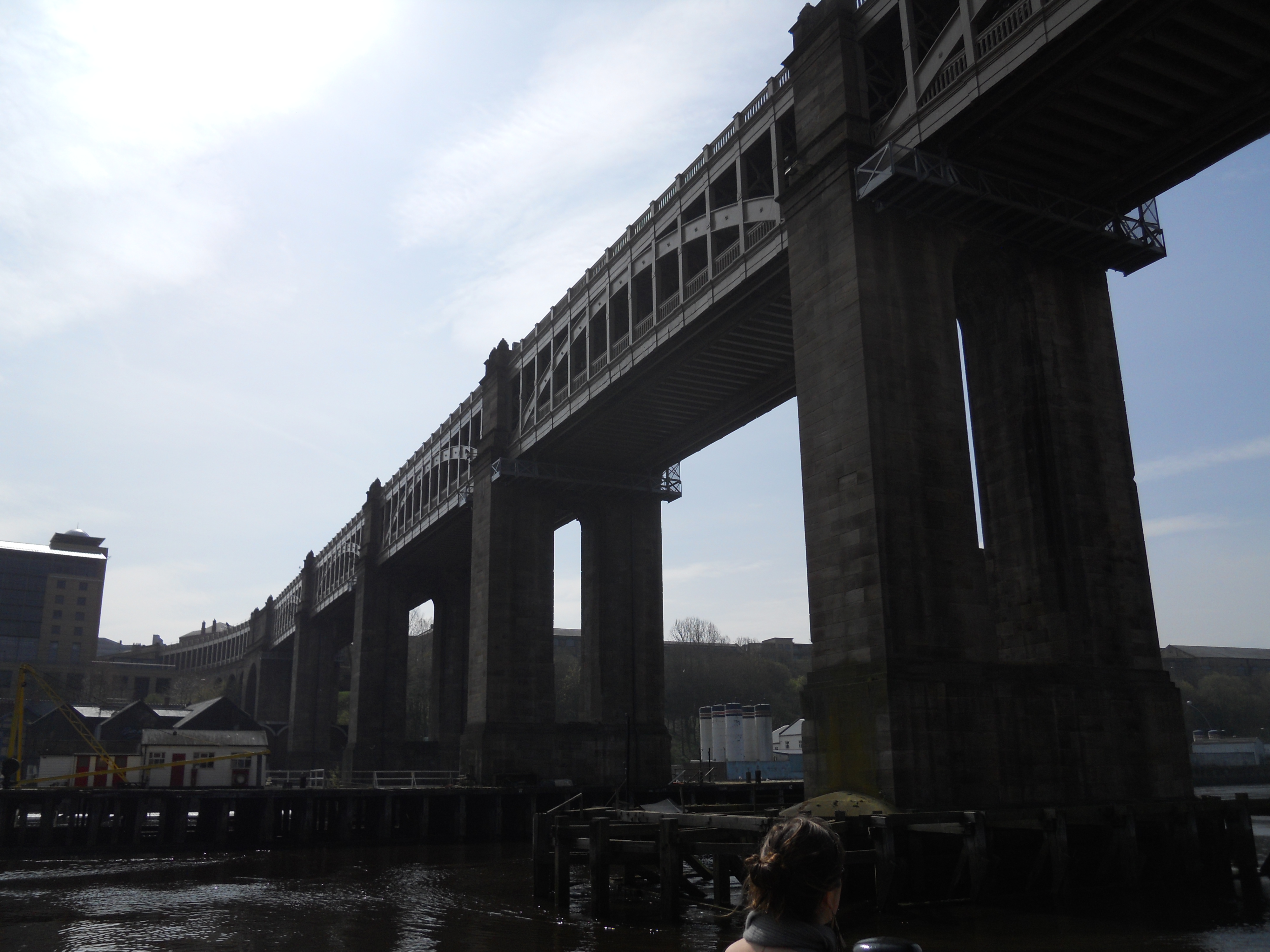

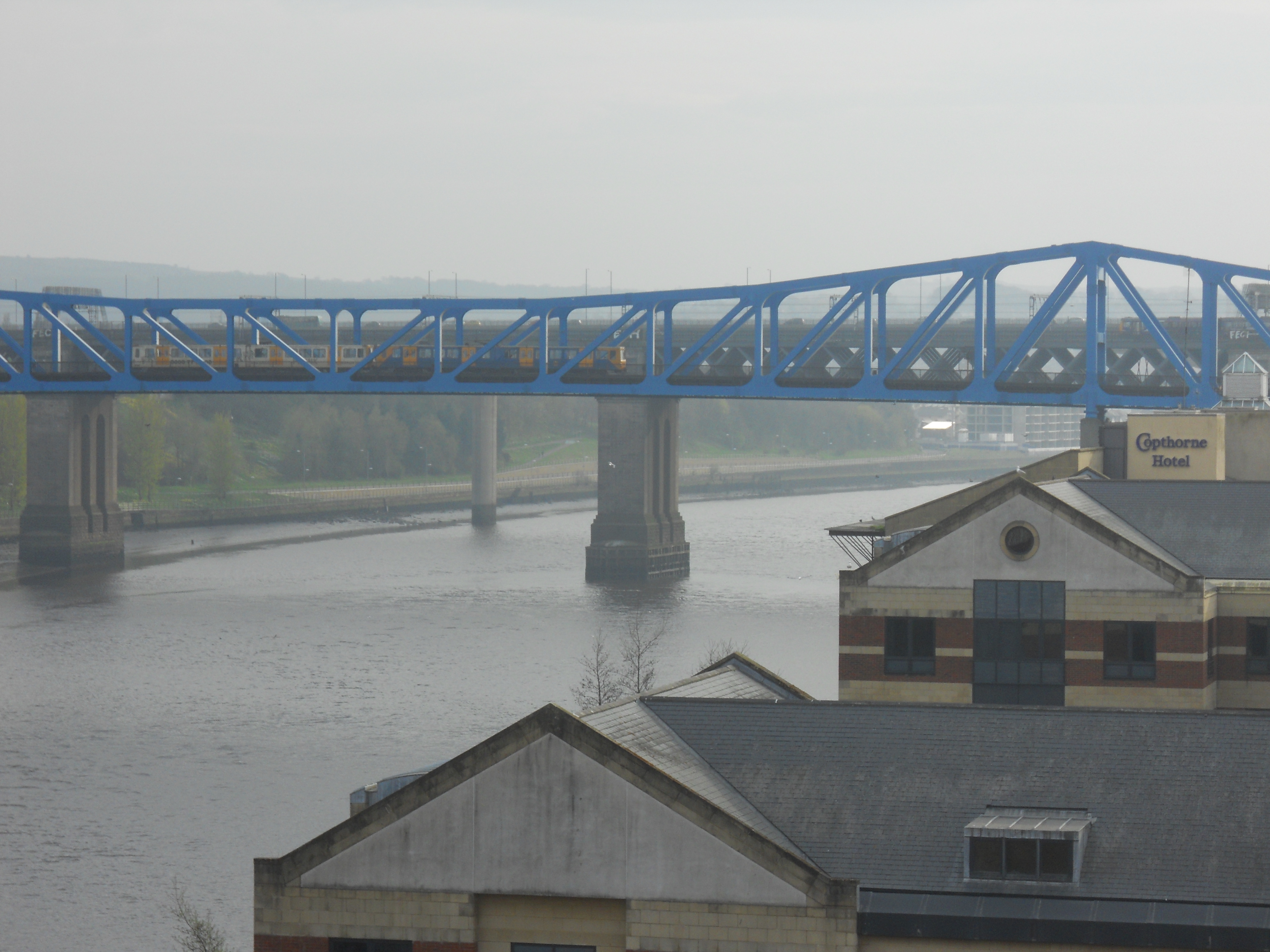
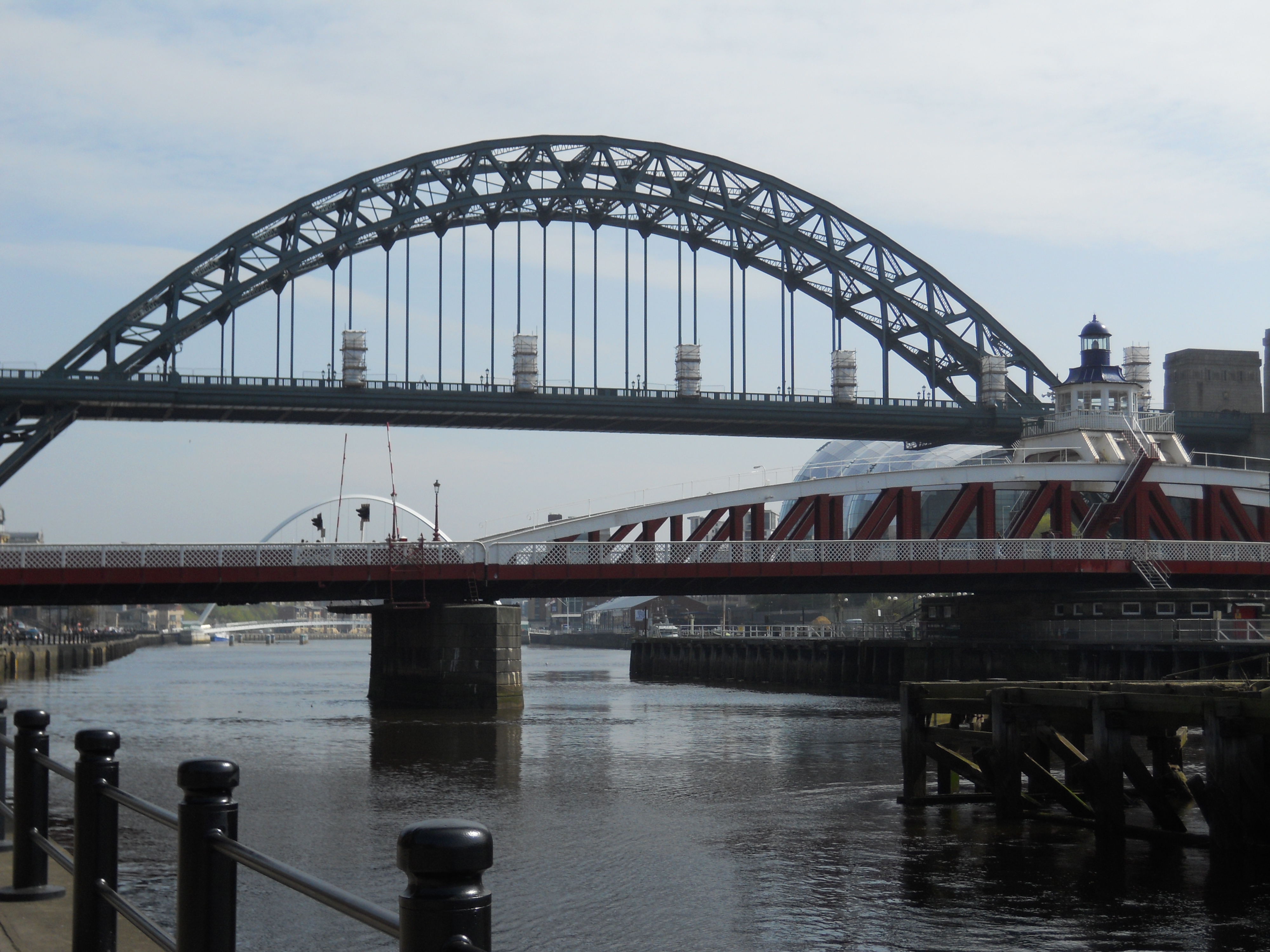
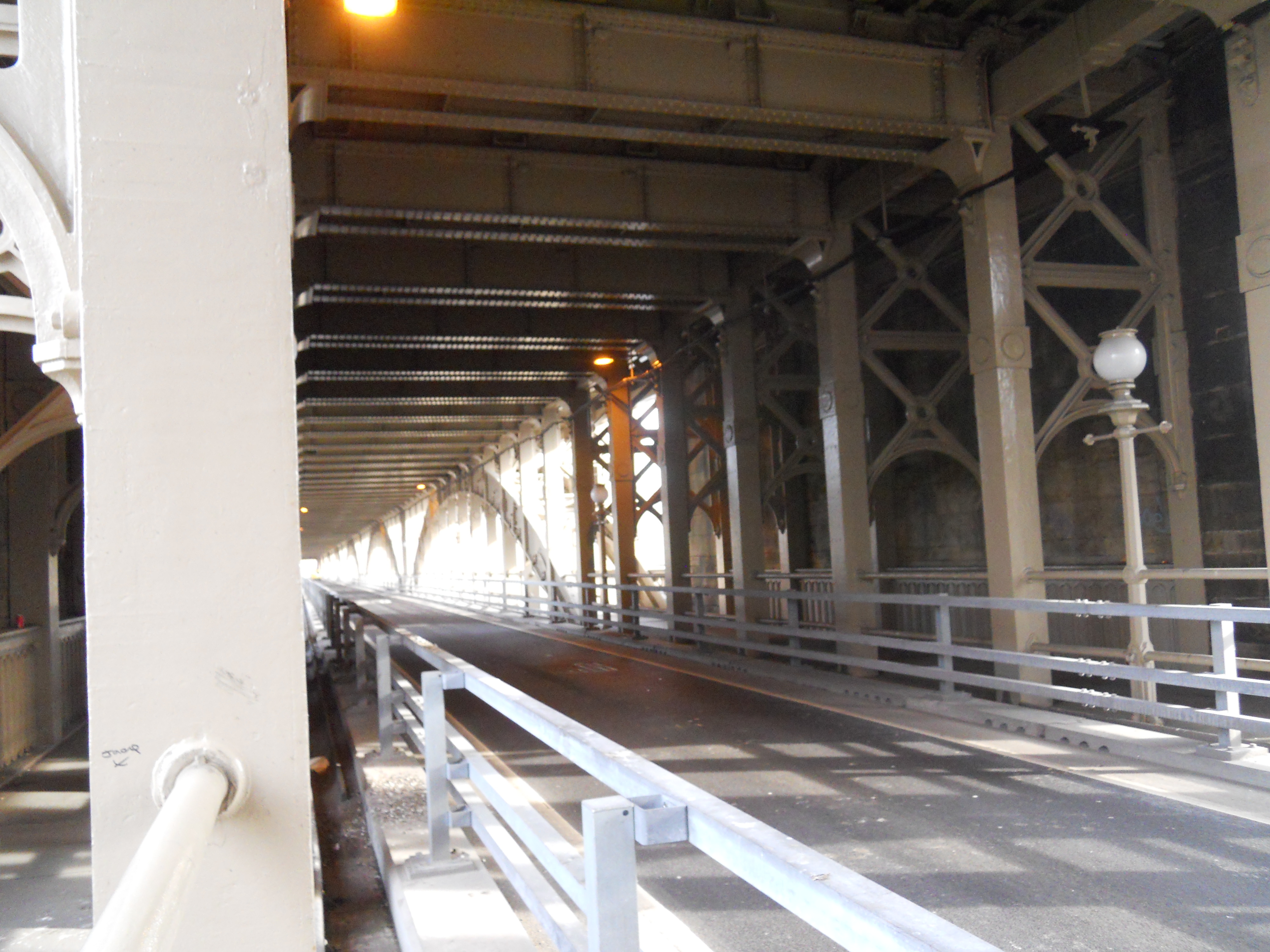
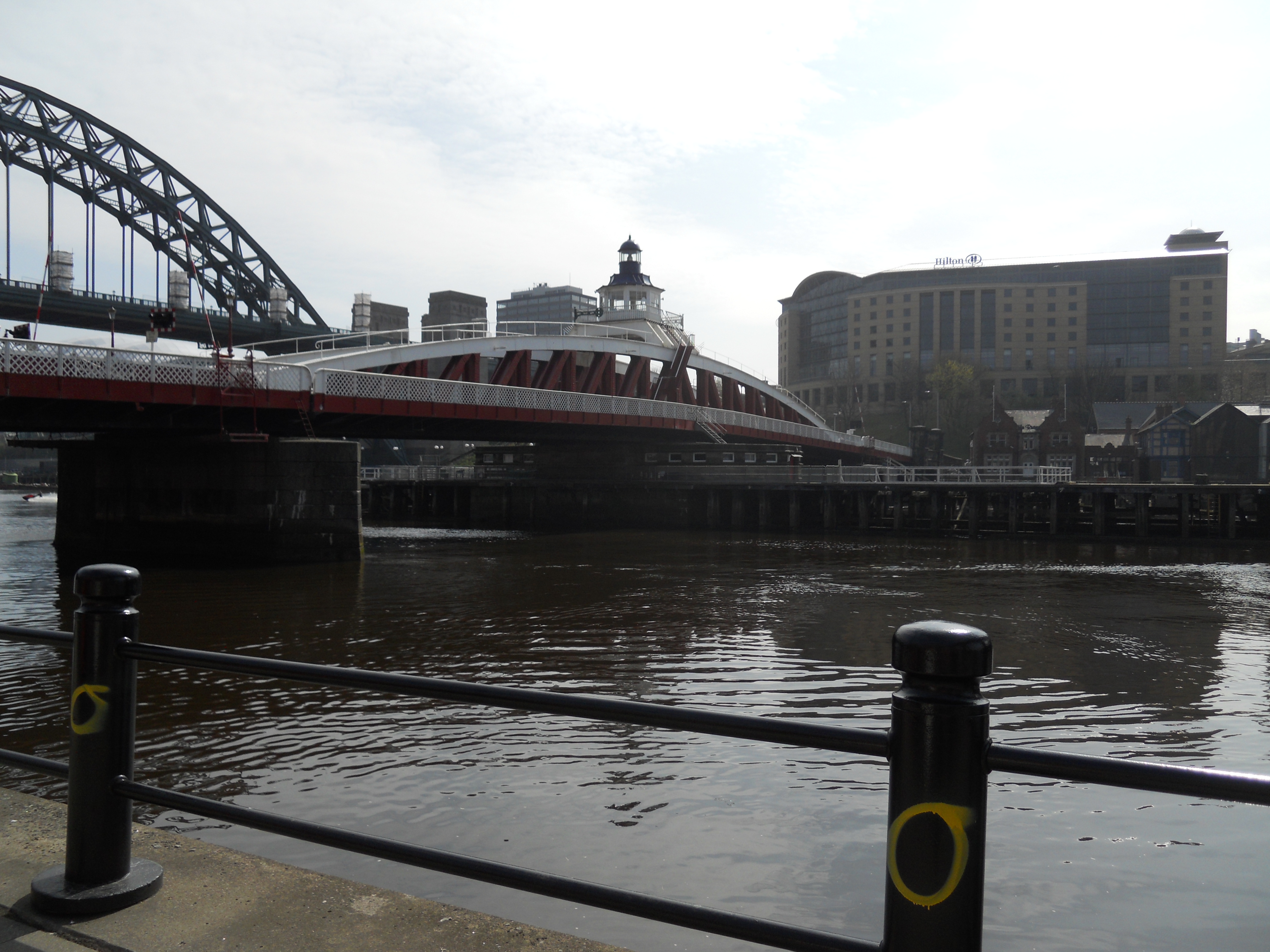


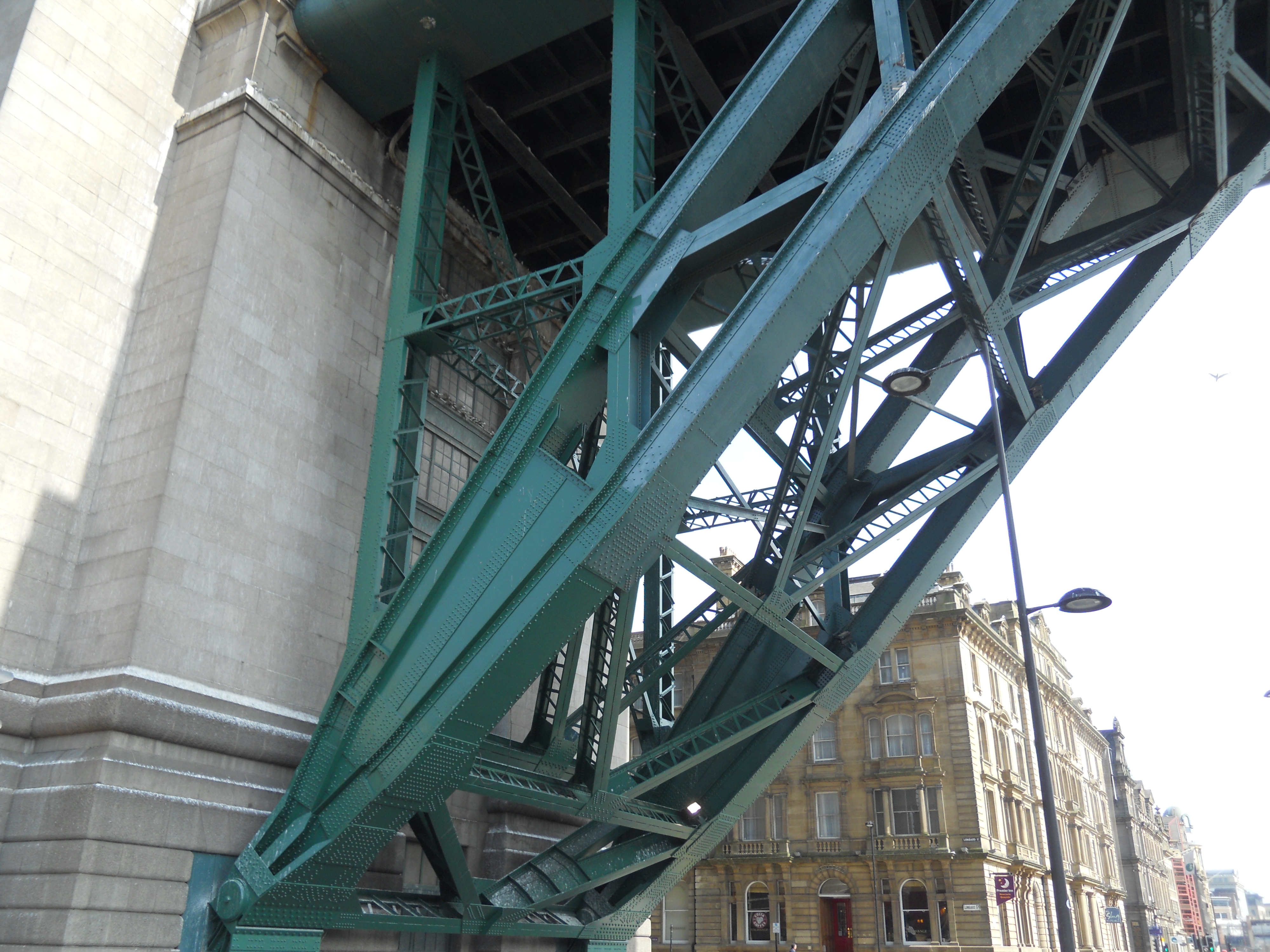
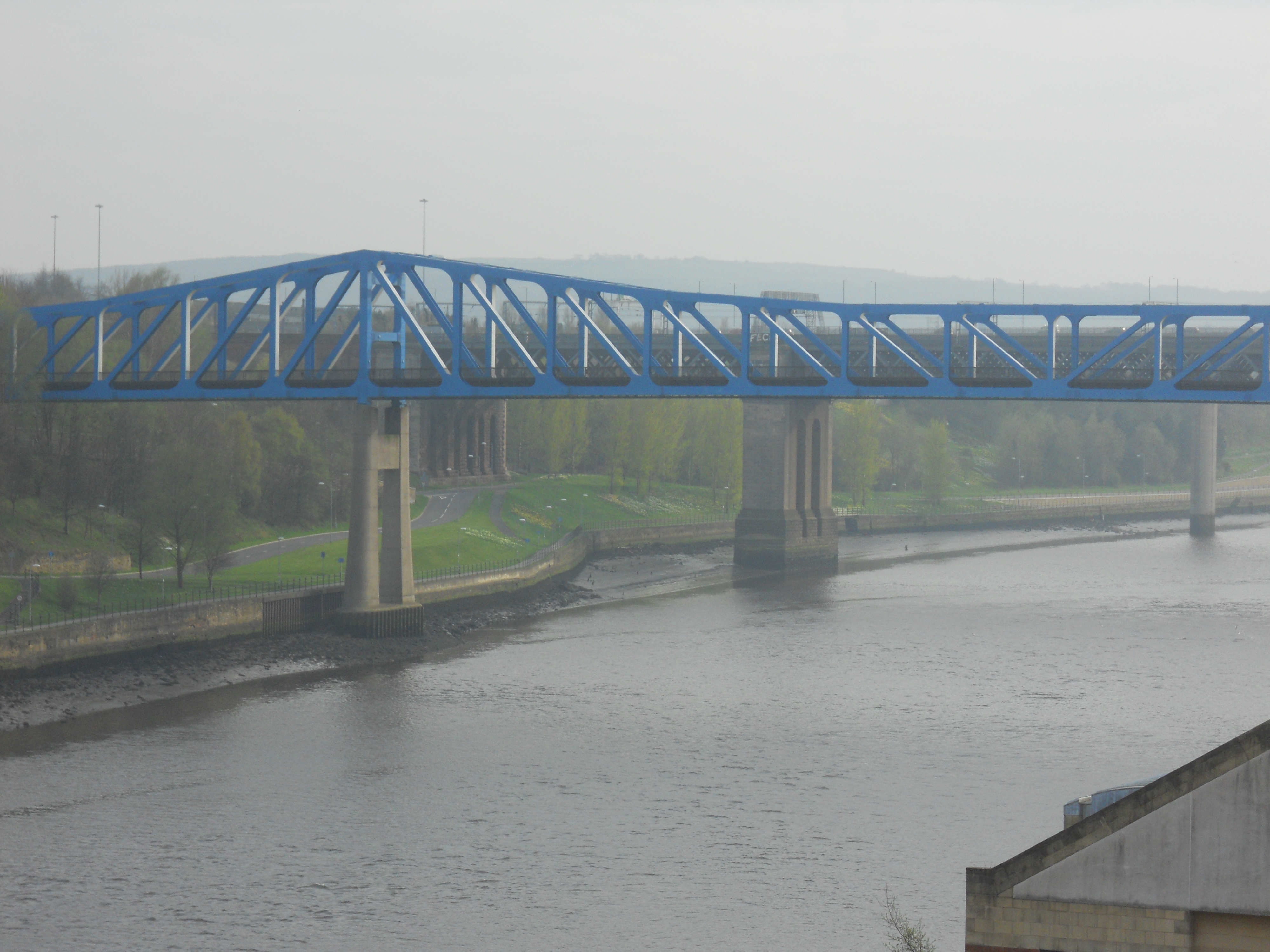
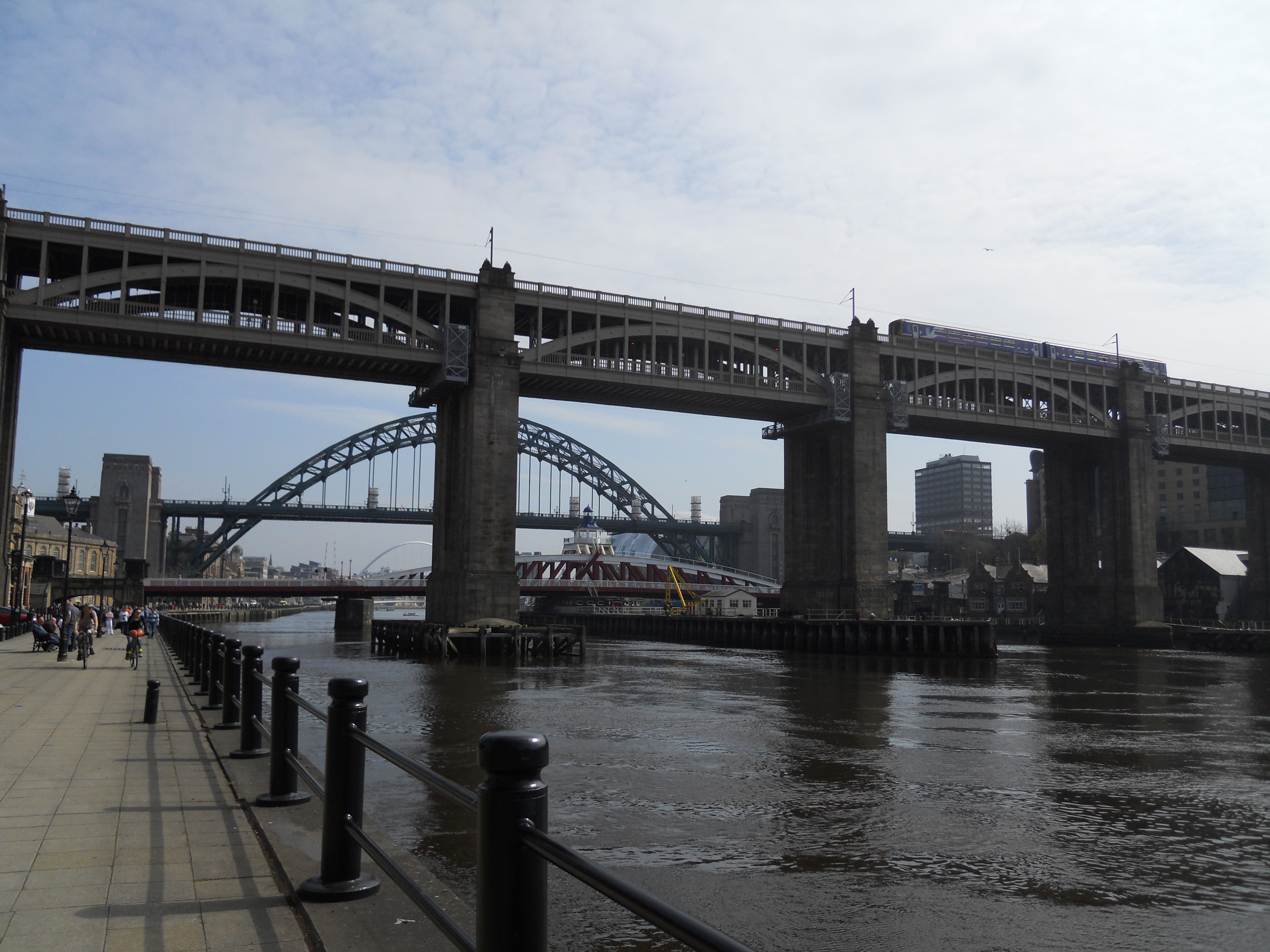
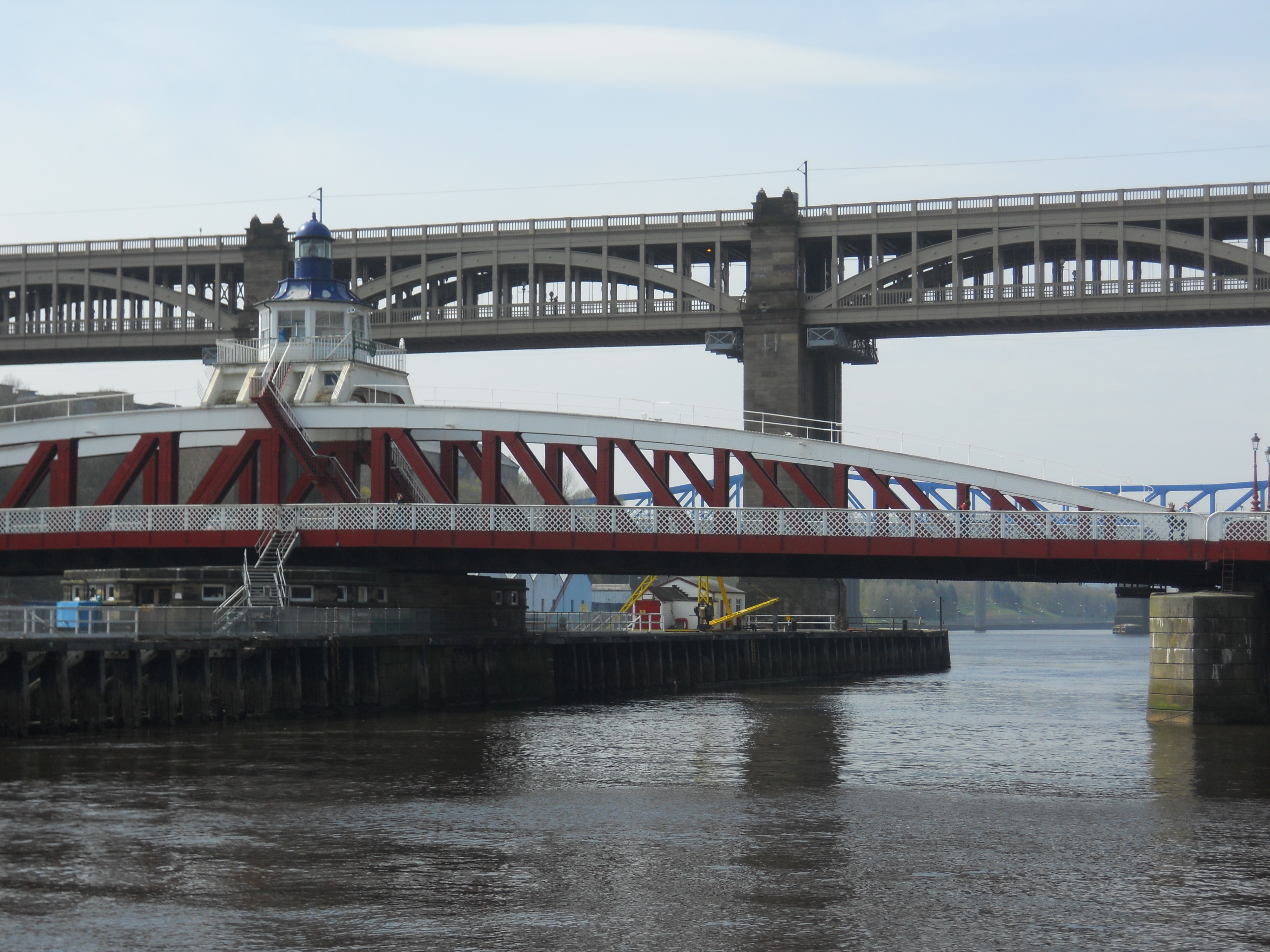
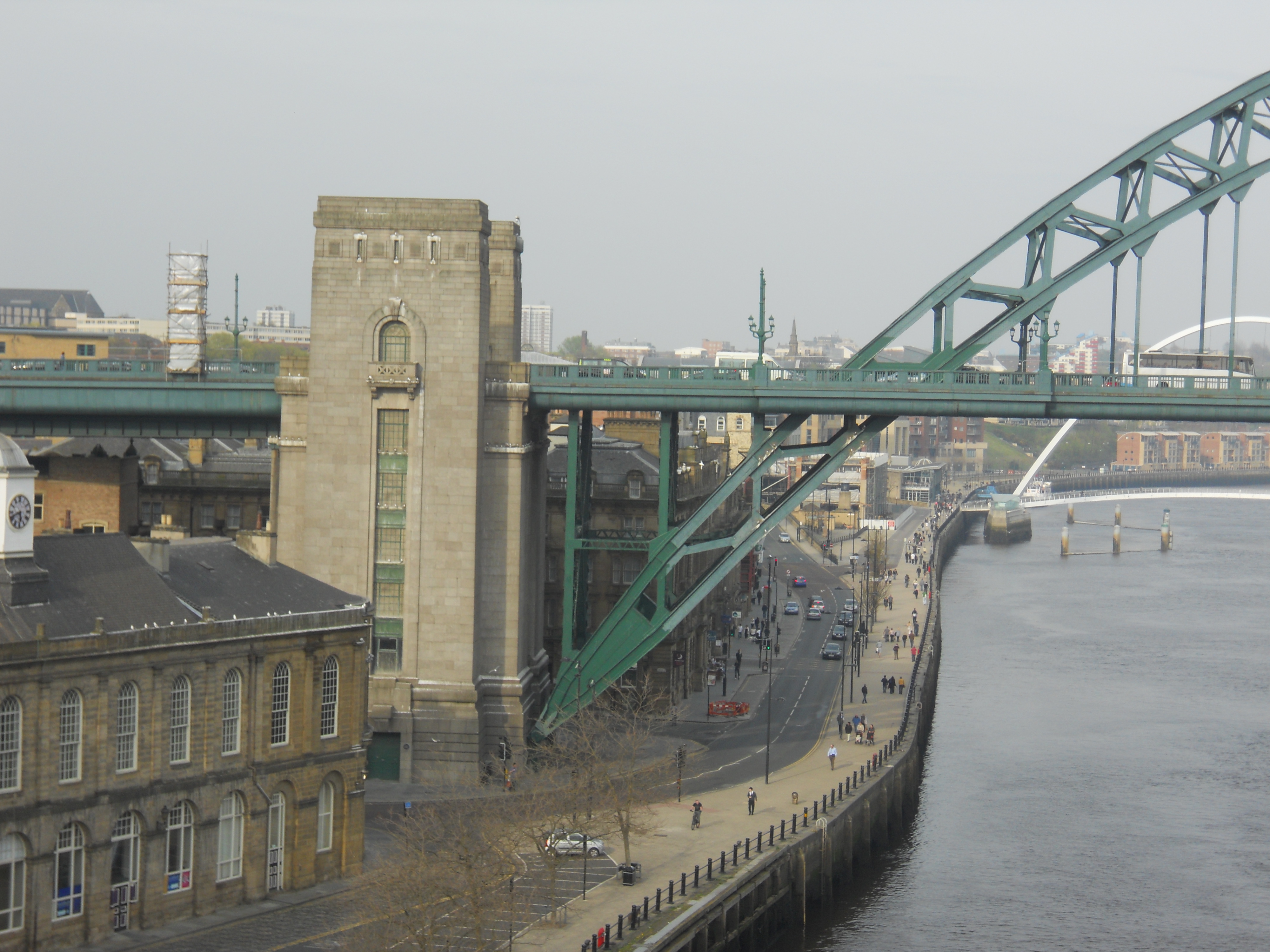

The bridges in order as you go from the mouth of the Tyne upstream or from east to west are as follows.
- The Gateshead Millennium Bridge or the Blinking Eye Bridge was opened in 2001 and is a foot and cycle bridge by the Baltic Centre for Contemporary Art. The bridge opens every day and some of the pictures show this.
- The Tyne Bridge was opened in 1928 and is a classic through arch bridge like the larger and much wider Sydney Harbour Bridge, which was opened four years later. Both bridges were built by Dorman Long in Middlesborough.
- The Swing Bridge was built by Armstrong to allow large warships access to his works on the Tyne.
- The High Level Bridge was designed by Robert Stephenson to allow both road and rail traffic to cross the river. It opened in 1849.
- The Queen Elizabeth II Metro Bridge is a modern bridge opened in 1981 that carries the Tyne and Wear Metro over the river.
- The King Edward VII Bridge, opened in 1906, carries the main East Coast Main Line.
- The Redheugh Bridge carries the A189 over the river. It was opened in 1983.
A lot of these bridges have been designed to allow large ships up the Tyne. Now though, the Gateshead Millennium Bridge has effectively stopped this.
Purists will say why have I called this the Bridges of Newcastle rather than the Tyne Bridges, especially as Newcastle is only on one bank of the River. But most people will know of Newcastle and many will not know the name of the river.
Newcastle Station
Newcastle Station is unusual in that it is built on a curve, but as you’d expect from an area which boasts William Armstrong and Robert Stephenson, it is not a station without a lot of very good ironwork.
When I arrived I couldn’t find a tourist office for a map. However, I did find one later when I asked at the railway information desk.
Don’t Buy Your New Car from Toro Rosso
I’ve just seen rather a spectacular crash during practice for the Shanghai Grand Prix on the BBC.
Sebastien Buemi escaped unhurt after the front wheels flew off his Toro Rosso car in a dramatic crash unhurt during Chinese Grand Prix practice.
The Swiss, 21, careered off the track at the end of the long back straight, where cars are doing about 194mph.
Buemi, clearly shaken, vented his anger at his team on his return to the pits.
Toro Rosso said the crash had been caused by a failure if the front-right upright, which caused an immediate failure of the same part on the left.
The BBC has a video here.
It would appear to be a pretty bad design failure, as the uprights didn’t seem strong enough.
Experiencing an MRI Scan
I’ve heard from several people that they don’t like MRI scans. My late wife didn’t, as she found them claustrophobic and noisy. I’ve had two; one on my shoulder and the other yesterday on my brain. They are both, but at least in the second, I was able to see out through a mirror. I’ve also had a CT scan in Naples and apart from the technology, that was a similar experience, although less noisy.
So how does an MRI scan work. This is the first paragraph of an excellent article in Wikipedia.
Magnetic resonance imaging (MRI), or nuclear magnetic resonance imaging (NMRI), is primarily a medical imaging technique most commonly used in radiology to visualize detailed internal structure and limited function of the body. MRI provides much greater contrast between the different soft tissues of the body than computed tomography (CT) does, making it especially useful in neurological (brain), musculoskeletal, cardiovascular, and oncological (cancer) imaging. Unlike CT, it uses no ionizing radiation, but uses a powerful magnetic field to align the nuclear magnetization of (usually) hydrogen atoms in water in the body. Radio frequency (RF) fields are used to systematically alter the alignment of this magnetization, causing the hydrogen nuclei to produce a rotating magnetic field detectable by the scanner. This signal can be manipulated by additional magnetic fields to build up enough information to construct an image of the body.
Note that they call the technique by its real name NMRI. It was called that when I worked on an NMR machine in 1969 at ICI Mond Division. I seem to remember that the guy who ran the department, Eddie Clayton, claimed that one day it will be used instead of X-rays. I don’t think he was believed, but then the first images were taken in 1973, so it wasn’t far off.
The Wikipedia article also explains all the noise.
…These fields are created by passing electric currents through solenoids, known as gradient coils. Since these coils are within the bore of the scanner, there will be large forces between them and the main field coils, producing most of the noise that is heard during operation. Without efforts to dampen this noise, it can approach 130 decibels (the human pain threshold) with strong fields.
So it’s just mechanical interaction and not somebody trying to operate on your head with a road drill. I’m partly deaf, or rather I have frequencies missing, so it doesn’t bother me.
But the real power of MRI scans is that show the body in amazing detail that enables problems to really be diagnosed. In the first use of the technique they looked at my shoulder that had given me trouble all my life. They ascertained that there was no serious problem and that exercise rather than surgery was the best way to proceed. That was good news, not like yesterday’s.
But only a few years ago, neither diagnosis would have been possible.
Roof Details at St. Pancras
After the success of the post on Roof Trusses, here are a few details of the roof at St. Pancras.

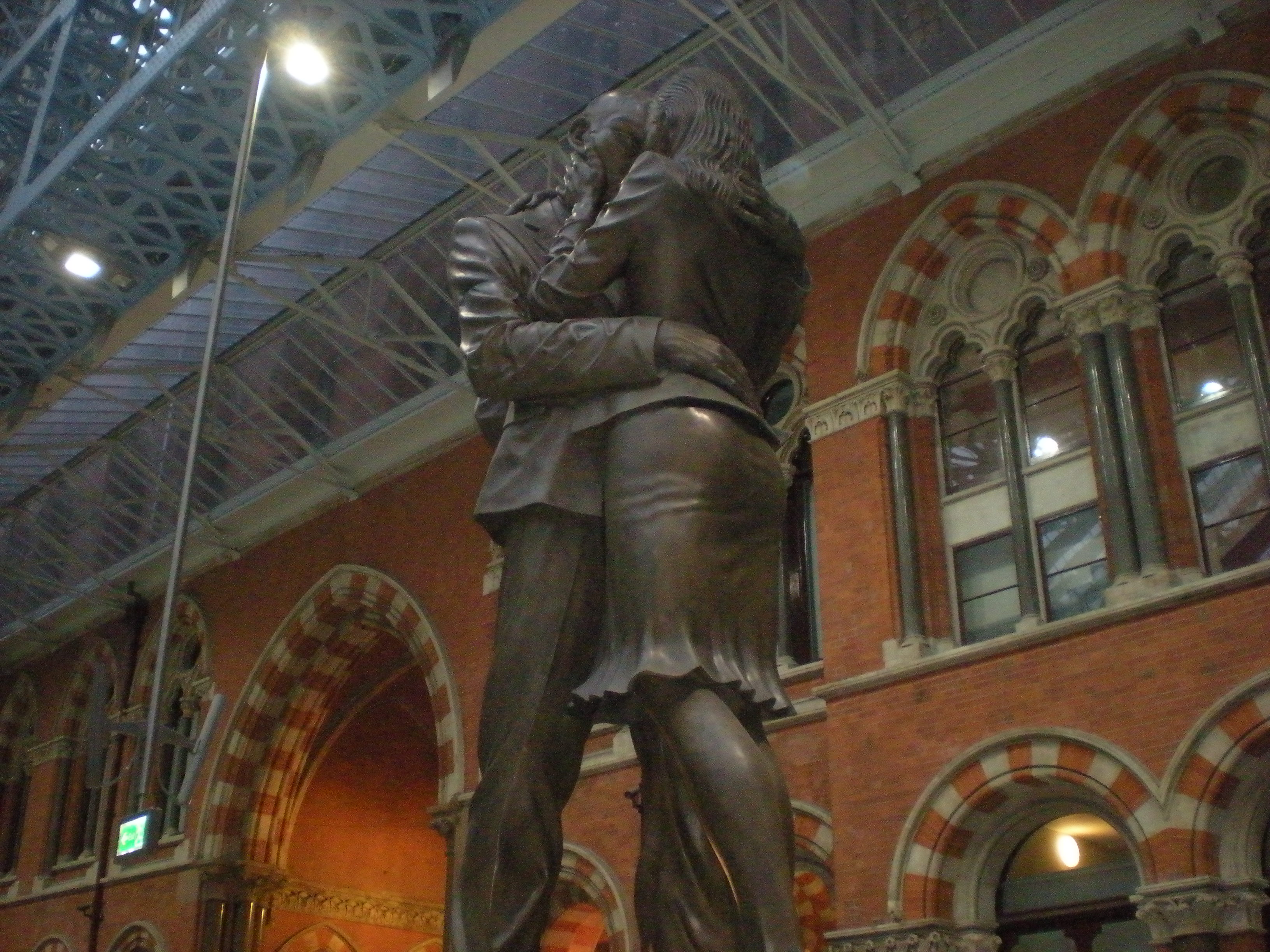
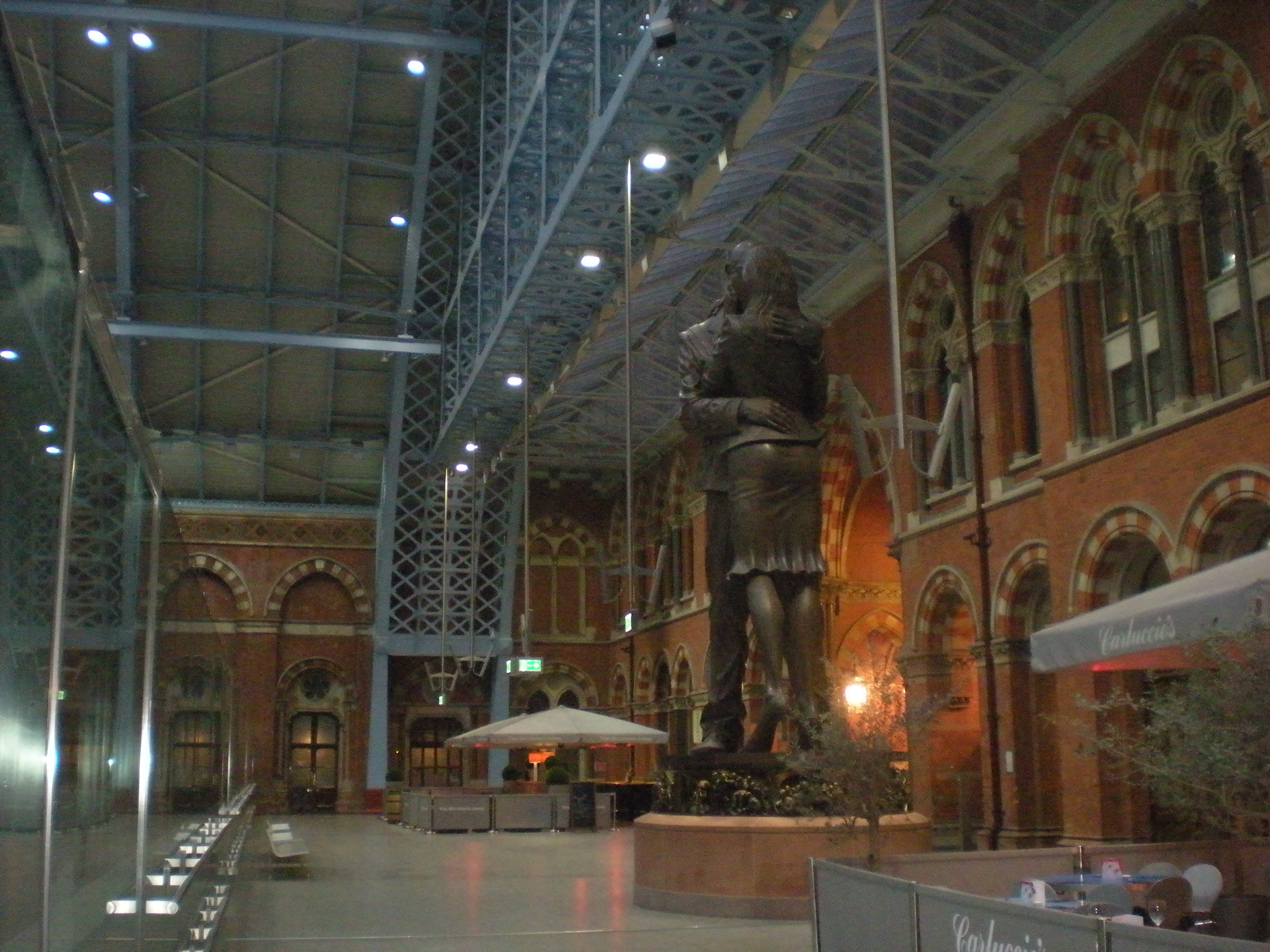
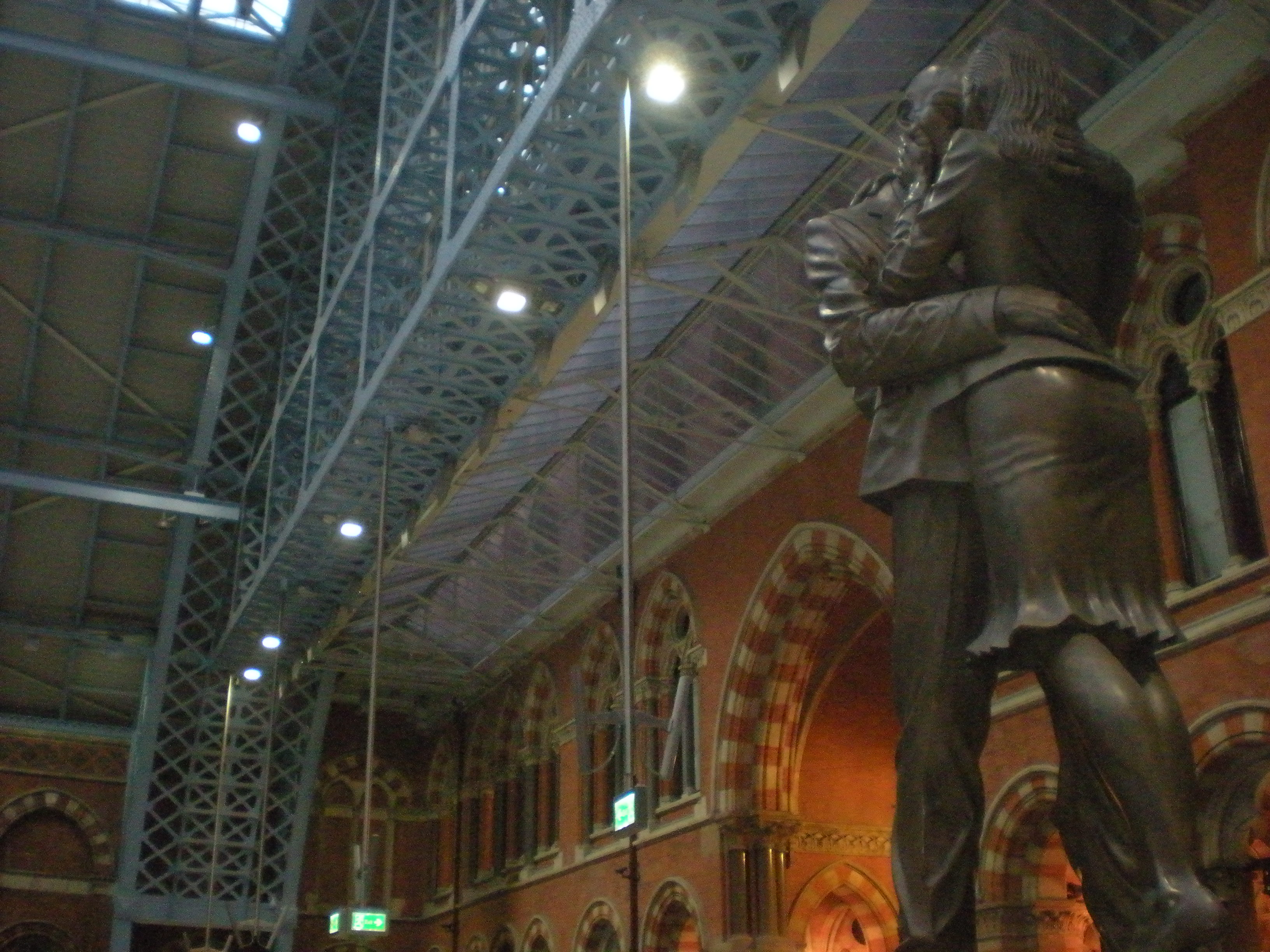
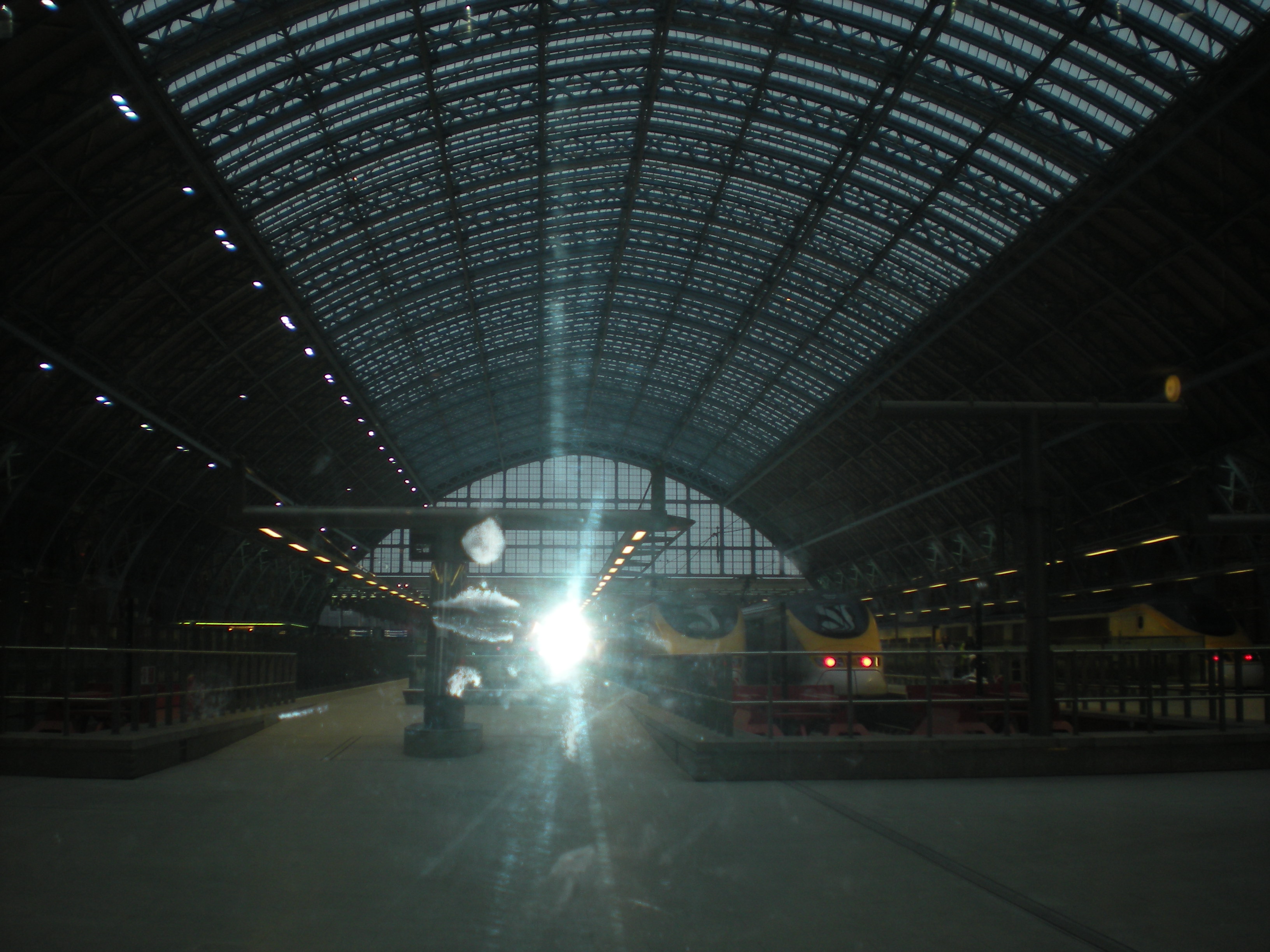
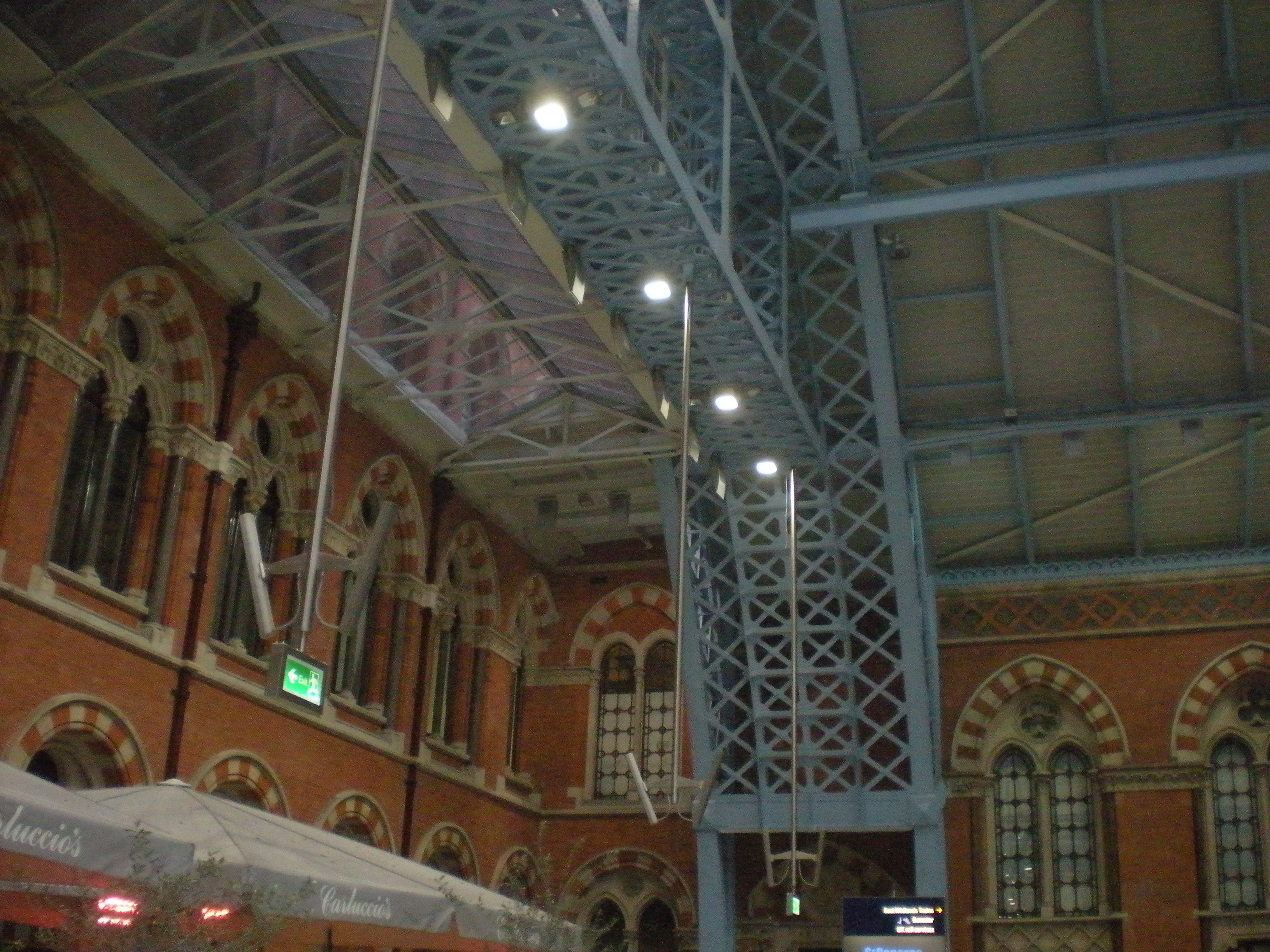
It really is the most spectacular example of Victorian engineering. Apparently, the blue colour is original, but the steam trains soon put paid to that!
Common Sense from The Duke
The Times today carries an article about engineers from the Duke of Edinburgh.
What common sense!
I like this bit.
Yet engineering remains the driving force behind all technological advances, and plays an immensely important part in the improvement in social conditions. Furthermore, it is probably the greatest wealth creator in our whole society.
But how he ends the article is something that all politicians should note.
As the ever-growing human population consumes more and more of the Earth’s natural resources, it is going to take all the ingenuity of inventors, engineers and designers to maintain the rate of improvements in developed societies and to bring better standards of living to more and more people in the less prosperous countries of the world. If this is to be achieved in the 21st century, the challenge will be to make sure that bright young people, whatever their background, who aspire to do something creative and fulfilling with their lives, can achieve their ambition through engineering.
It will be engineers, that get us out the mess we are in.
Not politicians! How much hot air will they be blowing in Copenhagen?
Magnetic Electricity
When I was studying Electrical Engineering at Liverpool University in the 1960s, one of the prize pieces of equipment was a laser. They had been invented only a few years before and the one in the University had cost several thousand pounds. Ideas were being researched for their use in commercial applications.
Now, we all own lots of lasers. Every CD player and computer has at least one and their cost is only a few pence. You see them in bar-code scanners at the supermarket and in many myriad applications from the mundane to the deadly.
So what will be the technology that now is just a scientific curiosity, but in forty years will be as commonplace as the laser is now?
Here’s one! Magnetic electricity.
Will it be the next great scientific advance? Who knows?
 The Anonymous Widower