ORR: Open Access Services Given Green Light Between London And Stirling
The title of this post is the same as that of this press release from the Office of Rail and Road.
This is the sub-heading.
The latest access decision by the Office of Rail and Road (ORR) provides more services for rail passengers travelling between London and central Scotland.
These five paragraphs detail the ORR’s decision.
ORR has today (7 March) given the go-ahead for Grand Union Trains, an open access operator, to start a new train service between London and the city of Stirling, from June 2025. ORR’s decision will offer more choice to passengers, bring private sector investment to the railway and increase competition.
Grand Union Trains will introduce four new return services per day between London Euston and Stirling stations. These services will also call at Milton Keynes Central, Nuneaton, Crewe (subject to agreement between Grand Union Trains and Network Rail), Preston, Carlisle, Lockerbie, Motherwell, Whifflet, Greenfaulds and Larbert. Larbert, Greenfaulds and Whifflet will receive their first direct services to London.
ORR found that the proposed services would increase choice for passengers, significantly increasing direct journey opportunities to and from London and central and southern Scotland, while making use of existing capacity on the network.
The new services will be the first run by an open access operator on the West Coast Mainline. Open access operators run services independently of government funding as they do not have a franchise agreement with government.
Following ORR’s decision to approve new Grand Union Trains services between Carmarthen in south Wales and London Paddington in 2022, ORR has now approved open access services on three of Britain’s major routes.
Note.
- The Grand Union service appears to be running into London Euston. Earlier plans had it terminating at Queen’s Park station.
- Larbert, Greenfaulds and Whifflet will receive their first direct services to London.
- London Euston and Stirling is electrified all the way.
- The third open access service, that the ORR has approved is the Lumo service between King’s Cross and Edinburgh via the East Coast Main Line.
I have a few thoughts.
Stirling Is An Ideal Place To Explore Central Scotland By Train
In Stirling, I give the reasons, why I spent a couple of days in Stirling, when I wanted to visit several places in Central Scotland.
Note.
- Stirling has direct services to Aberdeen, Dundee, Edinburgh, Glasgow, Inverness and Perth.
- Aberdeen is one hour and 15 minutes away.
- Dundee is just 63 minutes away.
- Edinburgh is just 48 minutes away.
- Glasgow is just 39 minutes away.
- Inverness is two hours and 46 minutes away.
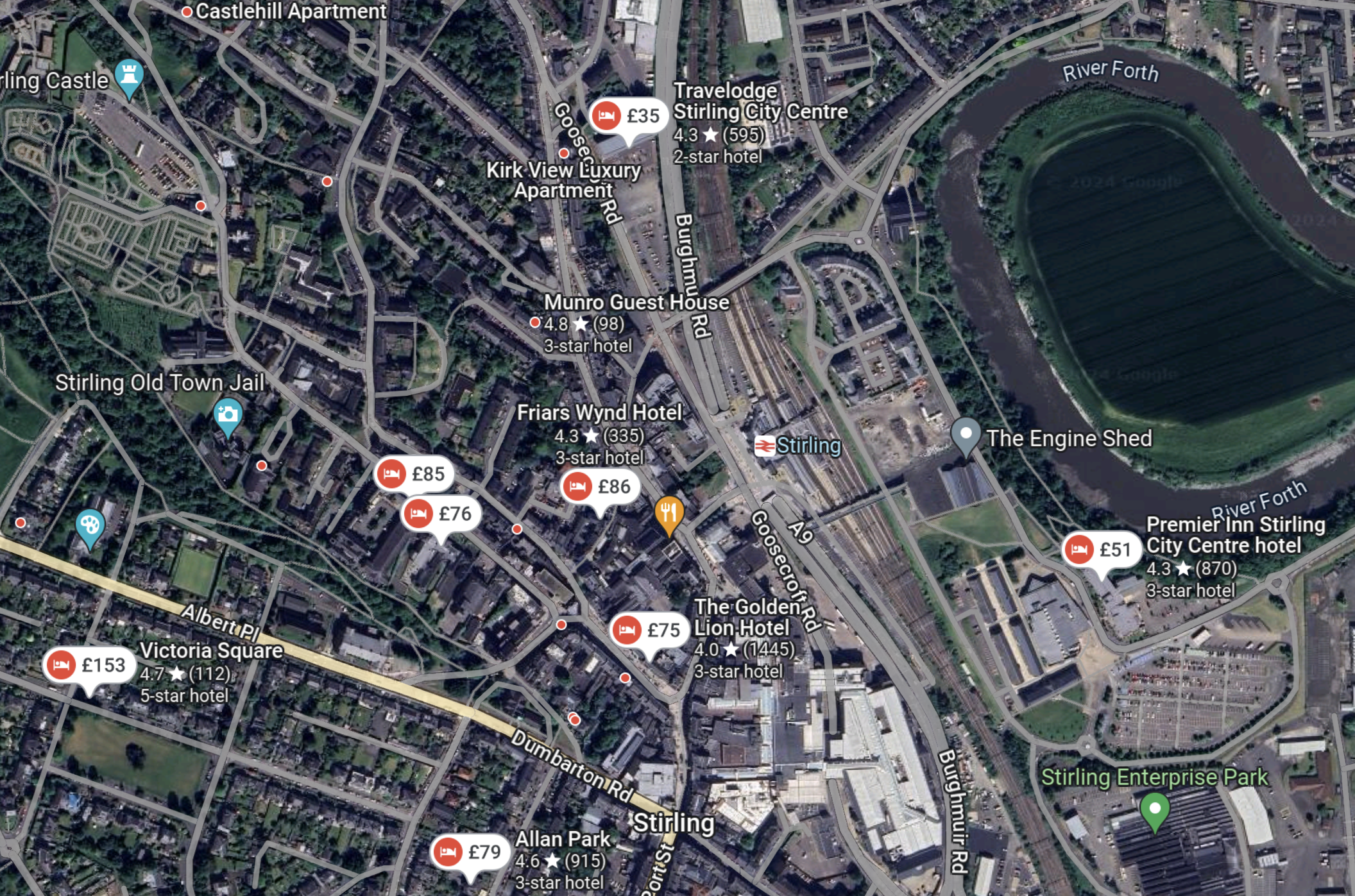
Stirling has about a dozen affordable hotels and guest houses within walking distance of the station, as this map shows.
Stirling would appear to have got Central Scotland covered.
Could The Train Serve Gleneagles?
Gleneagles is about twenty minutes North of Stirling and is served by the Caledonian Sleeper from London.
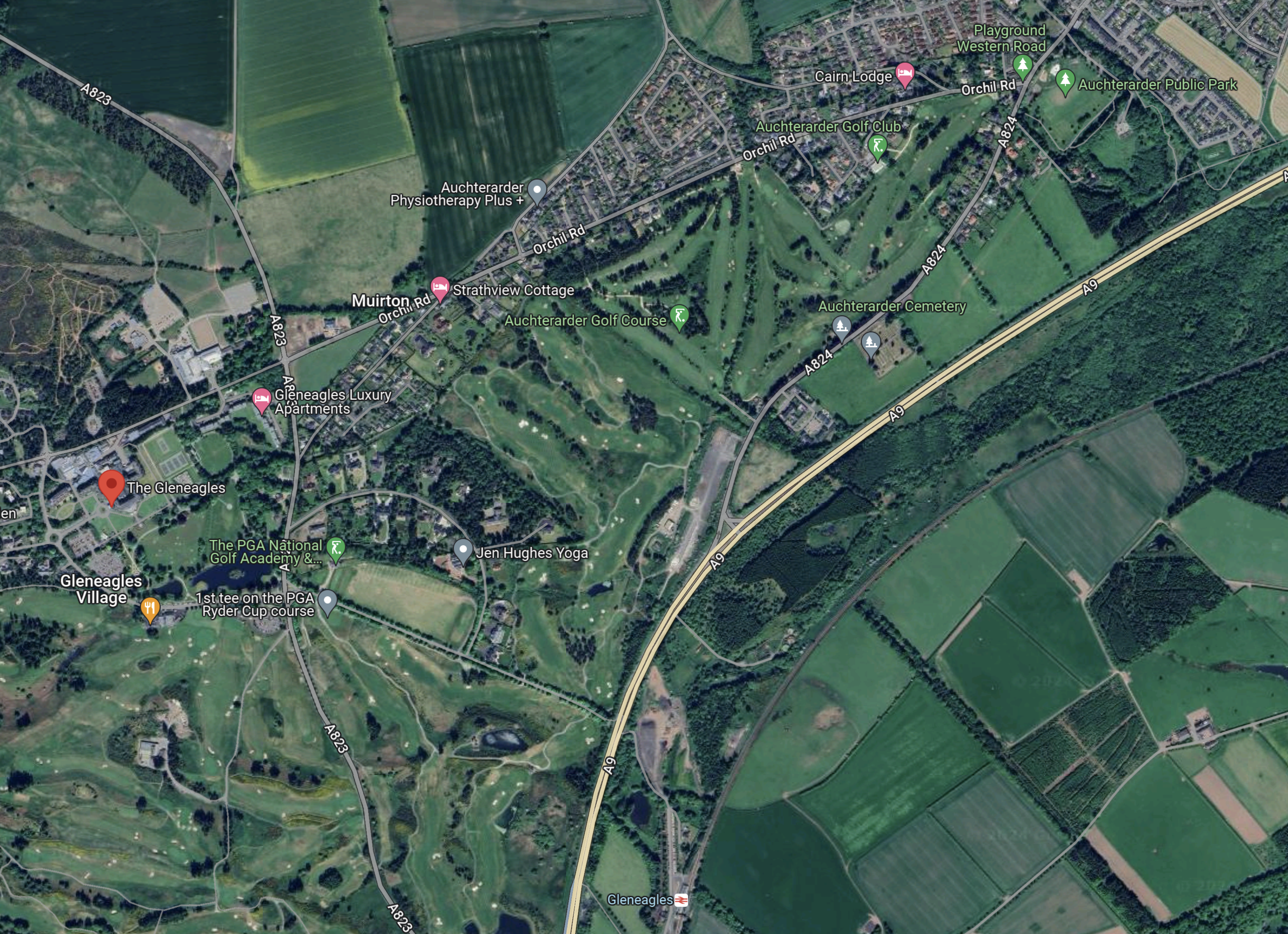
This Google Map shows the area around Gleneagles station.
Note.
- Gleneagles station is at the bottom of the map.
- The red arrow indicates the famous Gleneagles hotel.
- The pink dots are other hotels.
- Airbnb lists several very splendid properties in the varea.
Not everybody, who goes to the Gleneagles area will be exceedingly rich and I could see the Gleneagles area generating substantial business for Grand Union Trains. I suspect the best way to serve Gleneagles would be a zero-emission coach from Stirling.
Along The Motherwell And Cumbernauld Line
Between Motherwell and Stirling, a lot of the route used is on the Motherwell and Cumbernauld Line.
- The line is fully-electrified.
- It is only 28.9 miles between Motherwell and Stirling.
- \cumbernaukd and Motherwell takes 20 minutes.
I do wonder, if extra stops might be worthwhile.
Motherwell Has Good Connections To Edinburgh And Glasgow
As well as Stirling, Motherwell has good connections to both Edinburgh and Glasgow, so some passengers might find their most convenient route involves a change at Motherwell.
Nuneaton And Scotland Would Get A New Service
Nuneaton has been named by Avanti West Coast, as a place that needs more trains, as it connects with the service between Birmingham and Stansted Airport, via Coleshill Parkway, Leicester, Peterborough, March, Ely and Cambridge.
I suspect that, Nuneaton will become an interchange, between East Anglia and, the North West and West Scotland.
Milton Keynes And Scotland Should Get An Improved Service
Consider.
- It appears that all Avanti West Coast services between Milton Keynes and Scotland, go via Birmingham.
- I suspect that Grand Union’s route using the Trent Valley Line could be faster with similar trains.
- Creating a new route between Milton Keynes and Stirling could be a good move, as it gives one-change access to much of Central Scotland.
- Milton Keynes has good local connections to places like Northampton, Rugby, Tring and Watford Junction.
- Milton Keynes will be a stop on the new East-West Railway.
- From many stations, it will be quicker to go via Milton Keynes rather than Euston.
I suspect Milton Keynes could be a nice little earner.
Will Grand Union’s Trains Be Fitted With Digital Signalling?
Consider.
- At some point in the next ten years the West Coast Main Line will be fitted with digital signalling, to enable trains to run at 140 mph on selected parts of the route.
- Digital signalling will allow extra services between London Euston and Motherwell.
- Motherwell and London Euston is 388 miles.
I suspect, that Grand Union’s Trains will need to be fitted with digital signalling, so they can save time on services and possibly add in a few more.
It will add costs, although the faster speed will surely attract passengers.
Will Grand Union’s Trains Be Electric?
There are these train services going between England and Scotland.
- Avanti West Coast – London Euston to Edinburgh Waverley via Birmingham New Street – 7 tpd – Class 390 – Electric
- Avanti West Coast – London Euston to Glasgow Central via Birmingham New Street – 5 tpd – Class 390 – Electric
- Avanti West Coast – London Euston to Glasgow Central via Trent Valley – 1 tph – Class 390 – Electric
- CrossCountry – Plymouth to Edinburgh Waverley – 1 tph – Class 220/221 – Diesel – Uses diesel all the time
- LNER – London King’s Cross/Leeds to Aberdeen – 4 tpd – Class 800 – Bi-mode – Uses diesel North of Edinburgh
- LNER – London King’s Cross to Inverness – 1 tpd – Class 800 – Bi-mode – Uses diesel North of Stirling
- LNER – London King’s Cross to Edinburgh Waverley – 3p2h – Class 800 – Bi-mode or Class 801 – Electric
- LNER – London King’s Cross to Glasgow Central – 1 tpd – Class 801 – Electric
- LNER – London King’s Cross to Stirling – 1 tpd – Class 801 – Electric
- Lumo – London King’s Cross to Edinburgh – 5 tpd – Class 803 – Electric
- TransPennine Express – Newcastle to Edinburgh Waverley – 7 tpd – Class 802 – Bi-mode
- TransPennine Express – Liverpool Lime Street to Glasgow Central – 2 tpd – Class 397 – Electric
- TransPennine Express – Manchester Airport to Edinburgh Waverly – 1 tp2h – Class 397 – Electric
- TransPennine Express – Manchester Airport to Glasgow Central – 1 tp2h – Class 397 – Electric
Note.
- tpd is trains per day.
- tph is trains per hour.
- tp2h is trains per two hours.
- LNER services to Glasgow and Stirling are likely to be dropped.
- Some Lumo services are likely to be extended from Edinburgh to Glasgow.
- Many services South from Stirling to Edinburgh Waverley and Glasgow Queen Street are electric.
The current two tpd direct trains to Stirling are electric and if you change at Edinburgh Waverley or Glasgow, it is likely to be an all-electric service.
For marketing reasons, I would recommend, that Grand Union Trains ran electric trains between London Euston and Stirling, as they are competing against an all-electric service.
Although to meet service dates it might be necessary to run something like a diesel Class 222 train to get the service started.
What Trains Will Grand Union Use?
The Wikipedia entry for Grand Union Trains, says this for their London Euston and Stirling service.
In 2023 Grand Union revised its proposal changing its planned rolling stock to Class 22x units, at the same time the start date for this service was changed to June 2025.
I would suspect they will put in the order for new electric trains fairly sharpish.
The new trains could be.
- A variant of Hitachi’s Class 800 trains.
- A variant of CAF’s Class 397 trains.
Would they have an emergency battery un case of overhead line failure?
How Long Will A Service Take?
The service can be divided into two sections.
- London Euston and Motherwell – 388 miles.
- Motherwell and Stirling – 28.9 miles.
Note.
- The 08:30 train from Euston to Motherwell takes 4 hours and 17 minutes with six stops via Nuneaton.
- The Grand Union Trains service will also have six stops and go via Nuneaton.
I would expect with today’s signalling and electric trains, that Euston and Motherwell would take a maximum of 4 hours and 17 minutes.
- The twenty minute time to Cumbernauld could be added.
- The twenty-five minute time between Cumbernauld and Stirling could be added.
It looks the time would be just over five hours.
I doubt there would be much scope for increasing speed North of Motherwell, but could there be savings made to the South of Motherwell?
Consider.
- London Euston and Motherwell is 388 miles.
- Four hours and 17 minutes is 257 minutes.
- Motherwell is on the main London Euston and Glasgow Central route.
This is an average speed between London Euston and Motherwell of 90.6 mph.
By comparison.
- London King’s Cross and Edinburgh is 392.6 miles.
- Journeys can take four hours and 20 minutes or 260 minutes.
This is an average speed between London King’s Cross and Edinburgh of 90.6 mph.
In the next decade, there will be improvements on both the East and West Coast Main Lines.
- King’s Cross and Edinburgh is currently being digitally signalled.
- London Euston and Glasgow Central is likely to be an early priority for digital signalling after London King’s Cross and Edinburgh is completed.
- When High Speed Two opens to Birmingham and Lichfield, High Speed Two trains between London Euston and Glasgow Central will use the West Coast Main Line to the North of Lichfield.
- I wouldn’t be surprised to see some track realignment and modifications to improve speeds on the West Coast Main Line to the North of Lichfield.
I can build a table of times between London Euston and Motherwell against average speed.
- 90 mph – 4 hours 19 minutes
- 100 mph – 3 hours 53 minutes
- 110 mph – 3 hours 32 minutes
- 120 mph – 3 hours 14 minutes
- 125 mph – 3 hours 6 minutes
- 130 mph – 2 hours 59 minutes
Note.
- Adding 15 minutes gives a London Euston and Glasgow Central time.
- Adding 45 minutes gives a London Euston and Stirling time.
- Averaging 120 mph would give London Euston and Glasgow Central or Stirling times of under four hours.
It strikes me, that to improve Anglo-Scottish relations and to make rail a better alternative to flying, a priority for all West Coast services is to improve the West Coast Main Line and install digital signalling, so that a 120 mph average is possible between London Euston and Motherwell.
What Difference Will High Speed Two Make?
High Speed Two is claiming it will knock thirty minutes off times between London Euston and Glasgow Central, when it opens to Birmingham and Lichfield.
But Grand Union Trains are not expected to use the new line between London Euston and Lichfield, as High Speed Two will, as it will make calling at Milton Keynes and Nuneaton impossible, as they are bypassed by High Speed Two.
Conclusion
This train service is going to be good for Milton Keynes, Nuneaton and Stirling and all the towns in Central Scotland.
But they must make full use of the available electrification.
Lost In The Purple
In Whitechapel Station Is The Preferred Interchange, I said this.
It certainly appeared to me from some staff, I spoke to, that some passengers were getting rather lost.
It was also confirmed by a member of Elizabeth Line staff at Moorgate station.
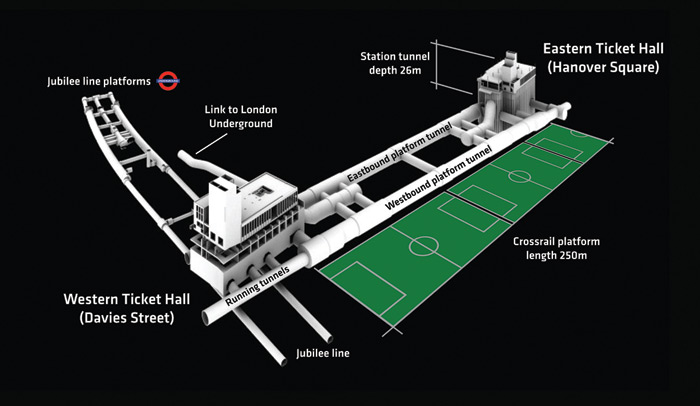
In A Look At Bond Street Station, I showed this image and said the following.
Bond Street station is double-ended.
This visualisation shows the knitting that connects it to the current Bond Street station.
Note.
- The station has two entrances; Davies Street and Hanover Square.
- The length of the Crossrail platforms.
- It looks like the Western interchange between Crossrail and Jubilee Line is easy.
- It could be quite a walk between Crossrail and the Central Line at Davies Street.
- If you’re a strong walker, some will use the Hanover Square entrance to access the Central and Victoria Lines.
On this quick look, I have a feeling that at Bond Street station, it will pay to know your entrances and make sure you’re at the right place on the train.
I could have added, that it will pay to know your entrances on any of the large stations.
At the Moorgate end of Liverpool Street station, yesterday passengers were turning up, who really wanted the Liverpool Street end.
The subterranean information needs to be better.
As an example, there are a few modestly-priced hotels, that include a Premier Inn, clustered around the Elizabeth Line station at Woolwich.
- Woolwich station is a simple single-ended station with the entrance at the Western end of the platforms.
- So passengers for Woolwich should always get in the Western end of the Elizabeth Line trains.
- That would be the front going West.
- That would be the back going East.
If staying at a hotel near an Elizabeth Line station make sure you know your entrance and train position.
Moorgate To Grosvenor Square On The Elizabeth Line
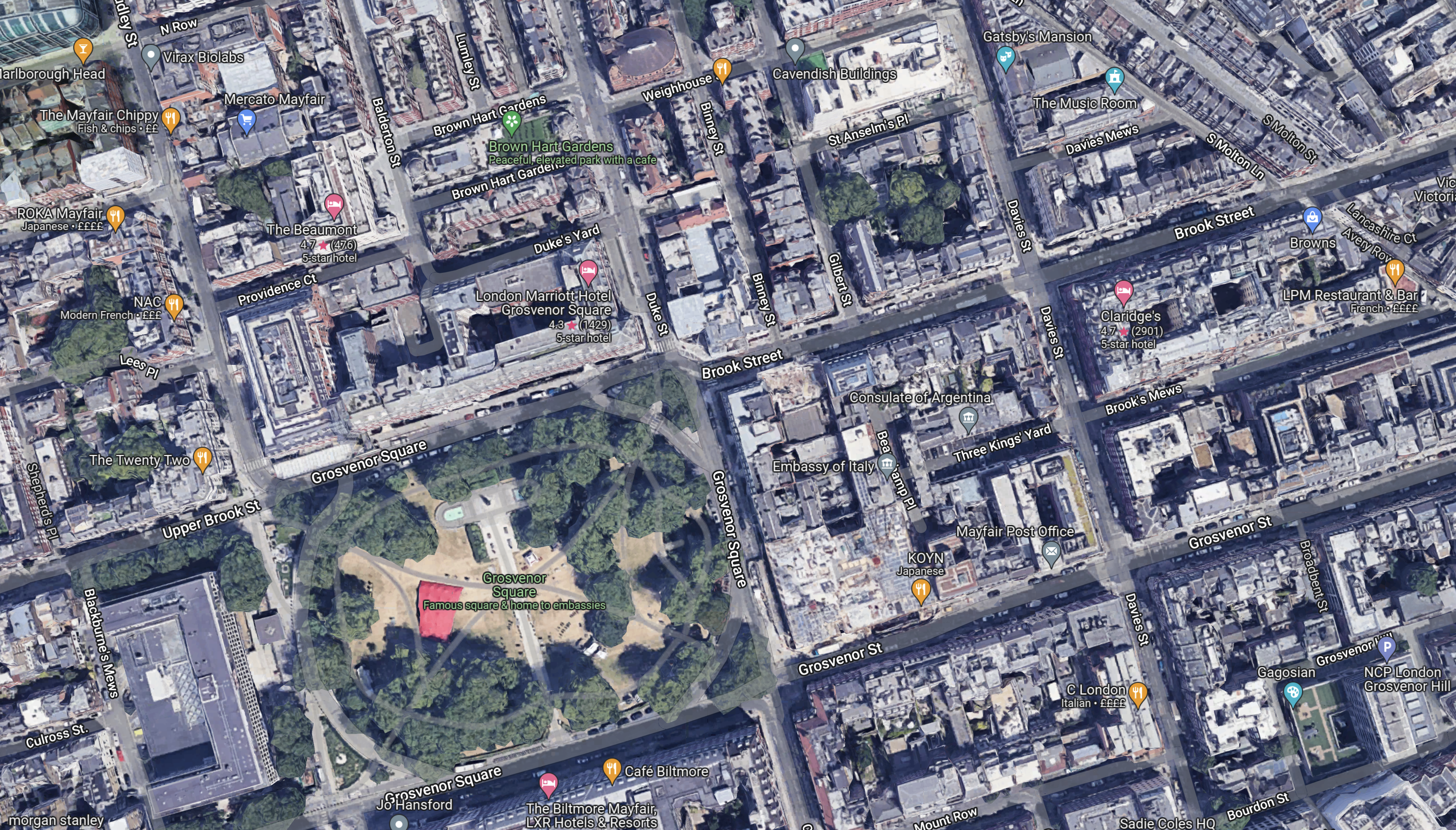
The Grosvenor Square area of Central London is shown by this Google Map.
Note.
- Grosvenor Square is the green square in the middle of the map, with the former US Embassy at its Western end.
- A block to the East of Grosvenor Square is Davies Street, which runs North-South to and from Oxford Street.
- It is mainly an area of expensive houses, some offices, embassies and luxury hotels.
- There are at least half-a-dozen four or five-star hotels on this map, with the former US Embassy being converted to another.
- So as most of its residents and visitors are well-heeled, there has generally been little need for public transport.
- But on the other hand luxury hotels, expensive houses and embassies are large employers of staff and services.
So do many travelling to the area, have to use a taxi or walk from public transport on Oxford Street or Park Lane?
At the top of this map, just on the West side of Davies Street is a building site, which is labelled Cavendish Buildings. This building site is now the Western or Davies Street Entrance to the Elizabeth Line at Bond Street station.
This morning I took an Elizabeth Line train between Moorgate and Davies Street and then walked to Grosvenor Square,

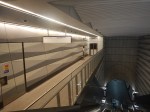

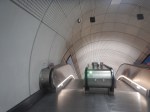



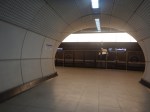








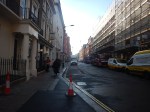
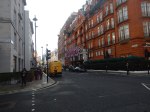
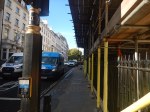


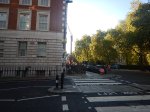
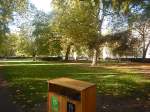

Note.
- There are two triple escalators and a lift at Moorgate station.
- Travel in the front of the train to be positioned correctly for a quick exit.
- There are two triple escalators and a lift at the Davies Street entrance to Bond Street station.
It took me twenty-two minutes for the whole journey.
Will The Elizabeth Line Have Any Effects On The Grosvenor Square Area?
This is a difficult question to answer, but I’m sure that there will be changes.
Staff Will Have An Easier Journey To And From Work
The manager of a luxury hotel in London told me that good staff is a problem, especially, where public transport is not good.
So I do feel that the new Bond Street station will widen the pool of employment for staff commuting to the area.
I would certainly feel, that if your hotel, restaurant or club was within walking distance of an Elizabeth Line, you might well find, that the quality of your staff improves.
Will Light Cargo And Services Use The Elizabeth Line?
Some years ago, I had handrails fitted by a company from Sheffield. The salesman/designer came by train and walking and only for the fitting did the company use a vehicle.
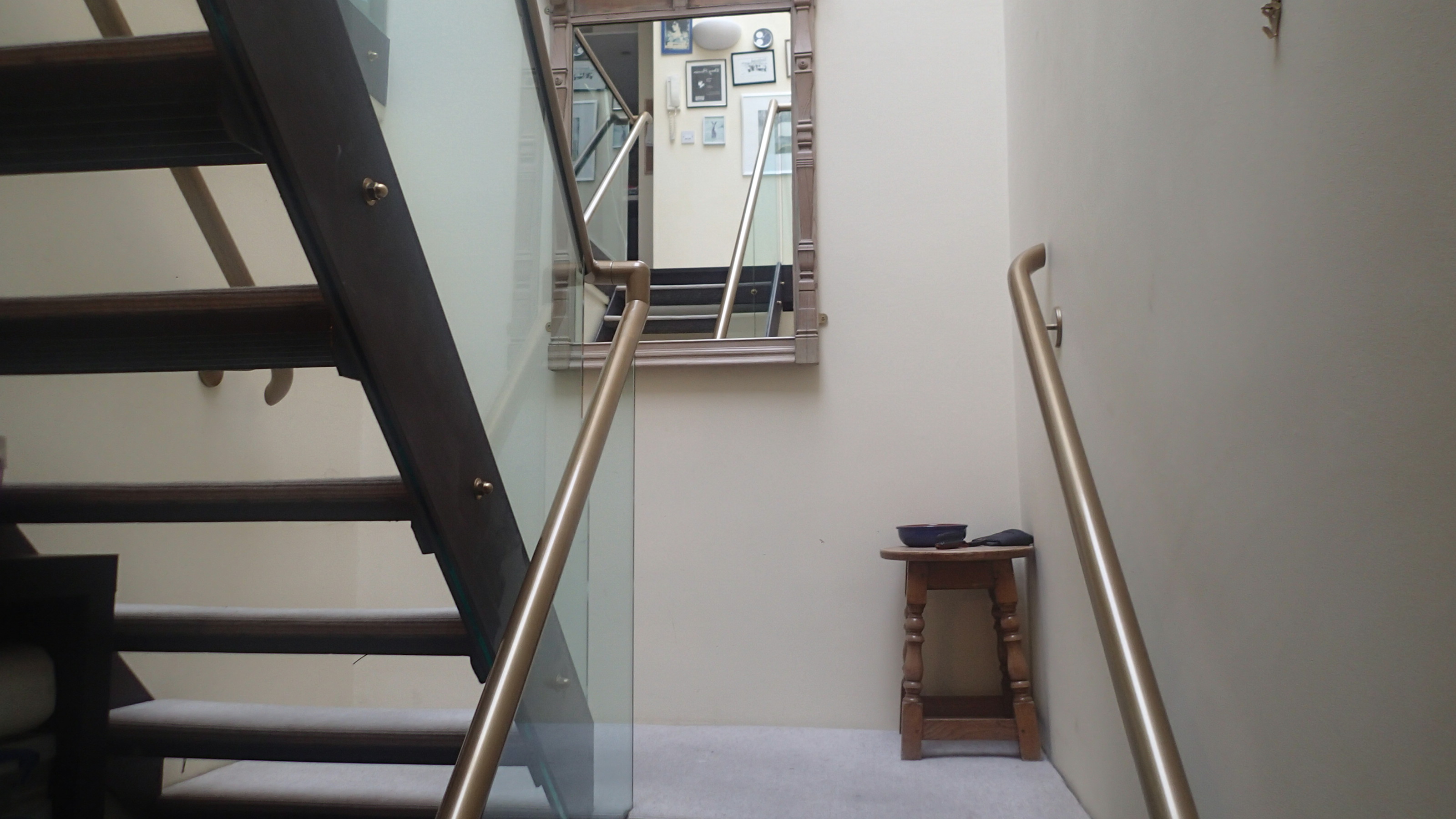
It was certainly a job done well and efficiently.
I can see all sorts of goods moved into Central London, using the step-free and level features of the Elizabeth Line.
If the other Underground lines had improved step-free access, there would be more opportunities for improved services for Central London businesses.
The Hotels In The Grosvenor Square Area Now Have A Fast Comfortable Connection To The City And Canary Wharf
Since the Jubilee Line to Canary Wharf station opened in the last years of the last century, there has been a reasonably fast Underground service to between Bond Street station, various stations in the City of London and Canary Wharf station.
But the Elizabeth Line brings this link to a much higher level.
- It is faster.
- It has much more comfortable trains.
- Access to trains is step-free and with level access.
- Soon, the trains will have wi-fi and 4G signals.
- The trains connect to Heathrow Airport and with a simple change to City, Stansted and Gatwick Airports.
I suspect that hotels on the Elizabeth Line will see an increase in business.
Conclusion
The Elizabeth Line is going to change London more than anyone would think.
Bond Street station will improve the Grosvenor Square area.
What will your local Elizabeth Line station, do for your area?
Moorgate Station To Bond Street Station And Return
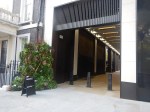
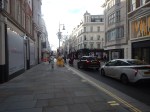
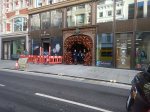
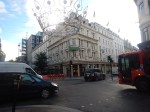
This morning, I went between Moorgate Station and the Hanover Square entrance of Bond Street Station on the Elizabeth Line.
I then walked to the Davies Street entrance of Bond Street Station via Medici Court, Bond Street and Brook Street, and returned on the Elizabeth Line.












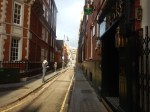

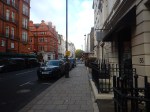


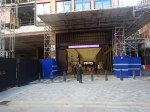







Note.
- The Hanover Square entrance to Bond Street station, is a single bank of escalators and is only a short walk between platforms and street.
- Medici Court is a quick covered walk from the station to Bond Street. There is an upmarket coffee-shop.
- ~Brook Street can be used as a walking route between Bond and Davies Streets and on to Grosvenor Square.
- The Davies Street entrance to Bond Street station, is a double bank of escalators and is a slightly longer walk between platforms and street.
- I suspect that South Molton Street will become a walking route between the Davies Street entrance and the Southern section of Bond Street.
- Many times in the past fifty years, I’ve bought my late wife presents in South Molton and Bond Streets.
Andy Byford, London’s outgoing Transport Commissioner has called this new station is the jewel in the crown of the West End’s transport provision.
A Hotel That Loves To Say No!
Last night I stayed in the easyHotel in Ipswich.
It was convenient for after the match. affordable and I wanted to see what the low cost chain was like.,
I took these pictures.



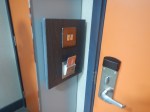








Note all these Noes!
- No Space
- No Two-Ply Toilet Paper
- No window.
- No Space For Two People To Hang Clothes
- No Glass For Water
- No Bottles Of Water In The Vending Machine. This made worse the fact that there is no late-night shop in the centre of Ipswich.
- No automated check-in system.
- No free wi-fi
- No free television. The need to enter a code each time you switched it on, was a total pain.
- No free room cleaning
- No space to put a large suitcase.
- No space to put a cot for a baby.
- No flat space to change a baby’s nappy! A real one, I hope!
- No bottle opener.
- No food to buy except chocolate or even a good nearby cafe.
I know it’s designed down to a price, but I’ve been in sleeper trains, caravans and boats that do it much better.
Note that I’m only one metre seventy and sixty kilos and C was a little bit smaller. We could just about have managed, as we always travelled light.
I don’t think, I’ll use it again, but if I do, I’ll use it this way.
- No case bigger than a brief-case.
- Bring a bottle!
- Bring a plastic glass.
- Make sure, I arrived as late as possible and left as early as possible.
- Expect to leave in the same clothes I arrived in.
- Ask how to get radio on the TV.
But at least, I slept reasonably well!
Rumours about the possible Ryanair hotels include.
- Pay-As-You-Go use of the bathroom.
- Corkage charges for any wine or beer taken into the room.
- Extra charges for those not checking in online.
- Extra charges to put your large cases in a secure separate room.
- Shielded room, so you get no mobile signal and have to pay to use wi-fi.
I do wonder, if there is to be a race to the cheapest, whether Governments will legislate on room size and various charges.
Roaming Around East Anglia – Felixstowe Beach Station And The Dolphin Hotel
Felixstowe Beach station closed in 1967 and I can remember seeing the station buildings in the 1960s.
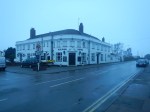
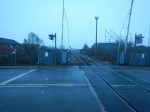

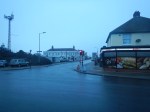
I can also remember sitting in the car outside the Dolphin Hotel, drinking an orange juice, whilst my father was inside having a quick beer.
These days, I suspect that in many pubs the children would have been allowed into the pub.
My reason for visiting the area of Felixstowe Beach station was to investigate the possibility of using the site as a terminus for the proposed tram-train to Felixstowe.
I doubt it is a feasible plan.
Roaming Around East Anglia – The Ordnance Hotel, Felixstowe
The Ordnance Hotel in Felixstowe is long gone and has now been replaced by a Premier Inn.




The Ordnance Hotel played a large part in my life, in that according to my father, I was conceived there.
It was rather strange to walk out of the front of the hotel and imagine in my mind, the view from perhaps in 1958, when we stayed as a family in the hotel.
In those days, you could still see the tide mark on the walls of the nearby houses, which was caused by the North Sea Flood of 1953.
Roaming Around East Anglia – Cambridge Station Square
Cambridge station now has a station square with a hotel, a pub, several coffee shops, a convenience store and a taxi rank, which is a big difference from when I left Suffolk ten years ago.


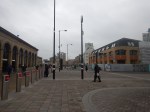

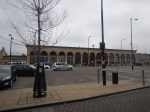

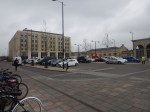

It is so much better than the crowded space squeezed between the car parking.
As a pedestrian, I like it! I was able to walk to everything I would need like a coffee, some gluten-free snacks, a bed, a decent meal, bus or a taxi.
The only thing missing is a proper tram to take you to the City Centre.
How many towns and cities need a station square like this in the UK?
Edinburgh Tourist Tax Could Be £2 Per Room, Per Night
The title of this post is the same as this article on the BBC.
Will it actually make any difference?
- I looked up the price of two nights in a Premier Inn in the City Centre for next week and they want to charge me £263.
- Glasgow was £137 and Stirling £105 for Premier Inns close to the stations.
- Will the tax apply to Airbnb?
I do think, we’re going to see some innovative tourist taxes and rewards.
For instance, all hotels in Geneva must give you a voucher for a day’s free travel on public transport. This applies for everything from a camp-site to a five-star hotel.
Some hotels in Hamburg, do something similar.
My Hotel In Hamburg
These pictures show my hotel and my room in Hamburg; The Europäischer Hof.



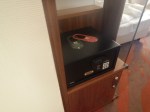

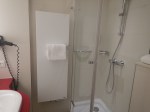






My room was unusual in that it was a proper single room, with everything I needed.
Except one thing; a BBC channel for the News.
I have now stayed in Hamburg in two hotels, where I got a free bus, U-Bahn ans S-Bahn ticket.

The ticket covers the main city zones including the |Airport.
That is an idea I like.
 The Anonymous Widower